Artwork
The Needles on a grey day
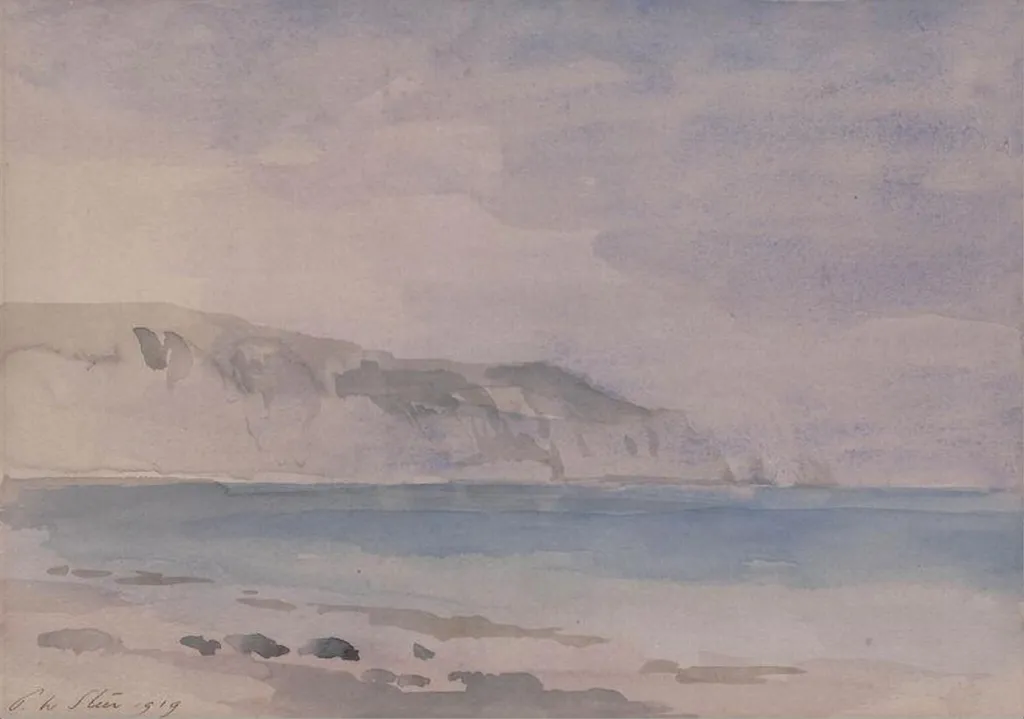
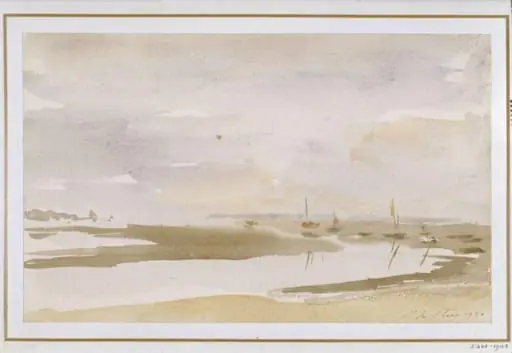
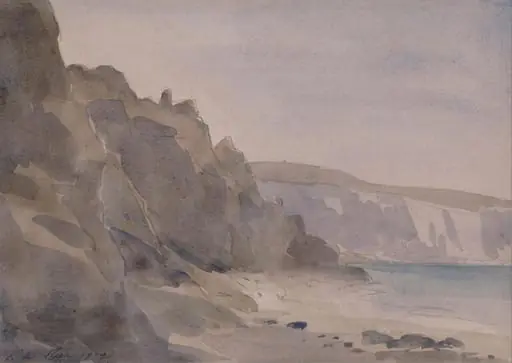
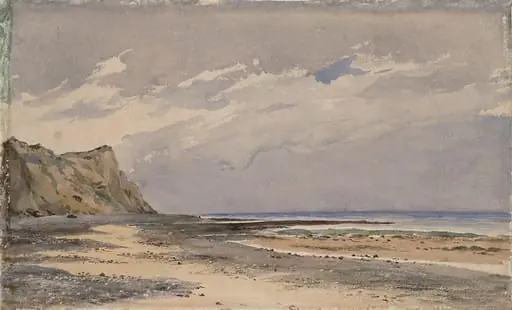
The Needles on a grey day is a watercolor work on paper by the Impressionist artist Philip Wilson Steer. It dates from 1919 and is held in the collection of the Victoria and Albert Museum.
About this work
Overview
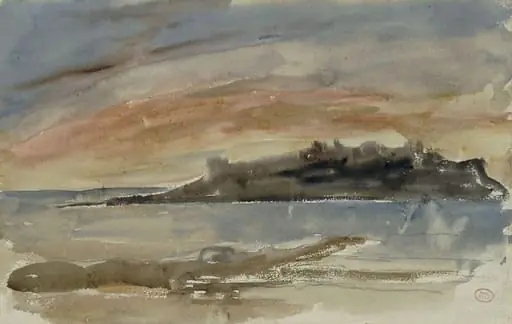
Painted in 1919, this watercolour by Philip Wilson Steer captures The Needles, a group of chalk formations off the western tip of the Isle of Wight.
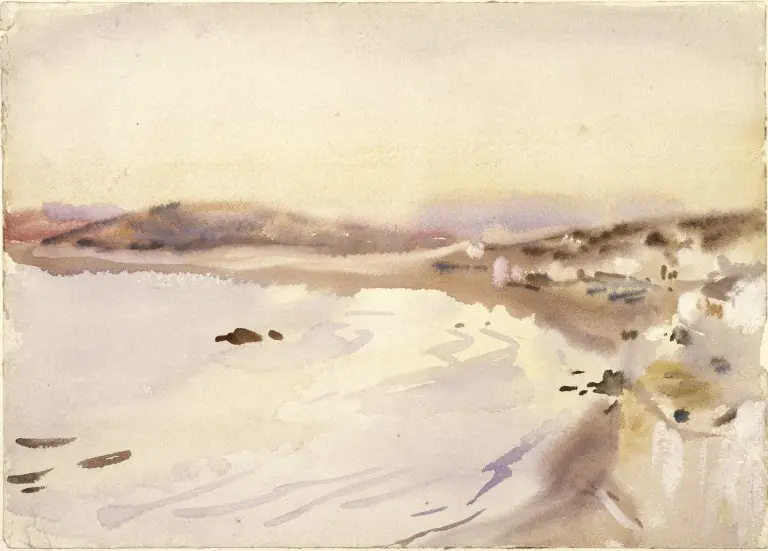
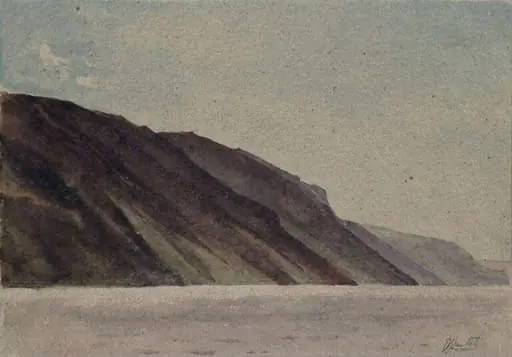
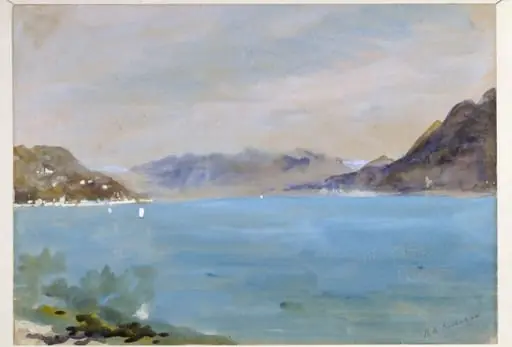
Painted in 1919, this watercolour by Philip Wilson Steer captures The Needles, a group of chalk formations off the western tip of the Isle of Wight. Executed in translucent washes, the work conveys a quiet, overcast day with minimal contrast. The composition balances the rugged shoreline with a vast, muted sky, emphasizing atmosphere over detail. Steer’s choice of medium lends the scene a fragile, ephemeral quality, typical of his later work.
Subject & Meaning
The Needles, natural rock pillars shaped by erosion, serve as both geographic marker and poetic motif. Steer presents them not as dramatic monuments but as quiet witnesses to time and tide. The absence of human figures or activity reinforces a sense of solitude.
The painting reflects an introspective engagement with the English coast, where nature’s rhythms unfold without spectacle or intervention.
Technique & Style
Steer employed loose, layered watercolour washes to suggest the texture of weathered rock and the movement of sea and sky. Delicate brushwork defines the foam of breaking waves and the faint glimmers of light breaking through cloud cover. The palette is restrained, greys, pale blues, and earthy ochres, creating harmony between land, sea, and atmosphere. His technique prioritizes tonal nuance over sharp definition, aligning with British Impressionist sensibilities.
History & Provenance
Created in the final years of Steer’s life, this work belongs to a series of coastal studies he made after retiring from teaching. It was likely painted during one of his regular visits to the Isle of Wight, a place he returned to throughout his career. The painting remained in private hands until acquired by a public collection in the mid-20th century, where it is now preserved as part of his documented coastal oeuvre.
Context
In 1919, Britain was emerging from the trauma of war, and many artists turned to quiet, enduring landscapes as a form of reflection. Steer’s focus on the Isle of Wight’s coast aligned with a broader interest in place and memory among British painters. His watercolours of this period contrasted with the more turbulent styles emerging in Europe, offering instead a contemplative, restrained vision of nature.
Legacy
This watercolour exemplifies Steer’s mature style: understated, observational, and deeply attuned to light and weather. While less celebrated than his earlier Impressionist works, it holds significance for its emotional restraint and technical mastery. It contributes to the legacy of British watercolour as a medium for nuanced landscape expression, influencing later generations of regional painters.
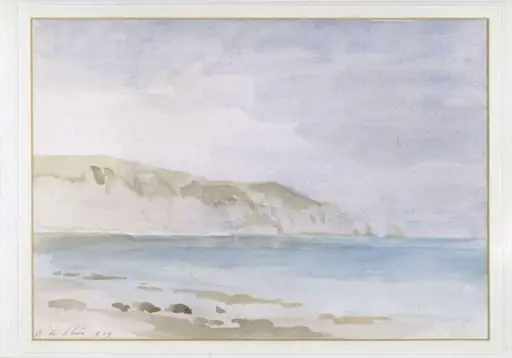
Own this work as a print
Artist & collection
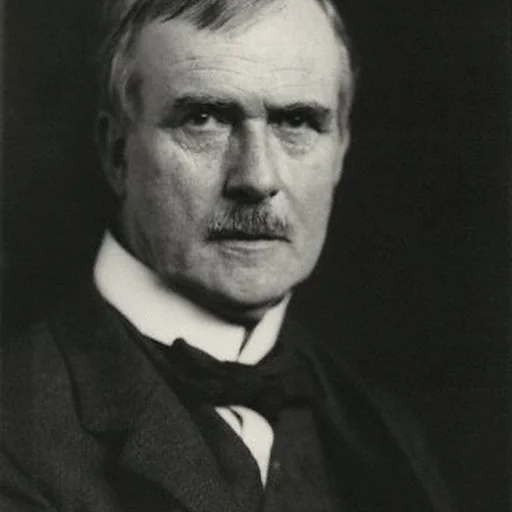
Artist
Philip Wilson Steer (28 December 1860 – 18 March 1942) was a British painter of landscapes, seascapes plus portraits and figure studies.