Artwork
Caius Marius on the Ruins of Carthage
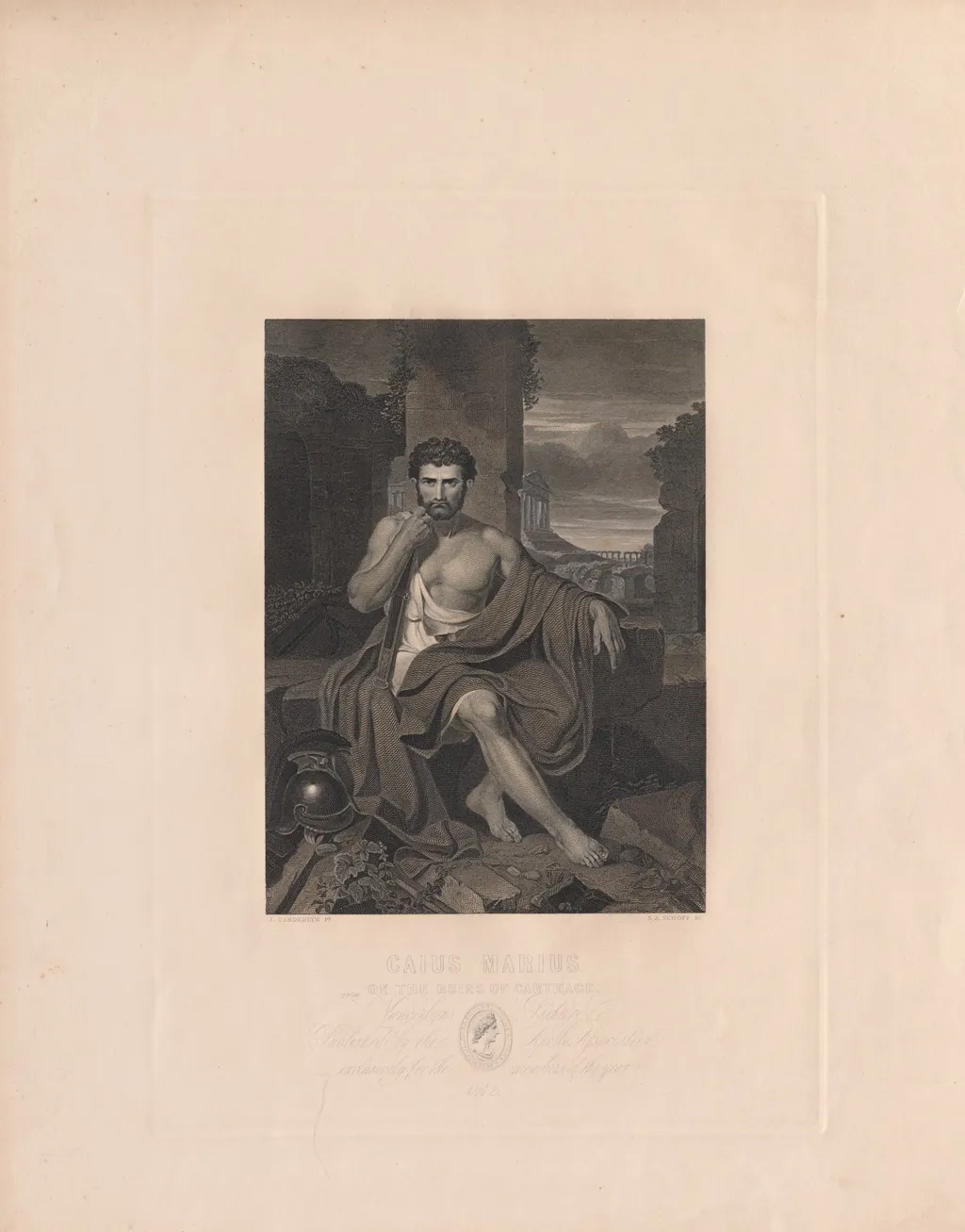
Caius Marius on the Ruins of Carthage is a print by the Romanticist artist Stephen Alonso Schoff. It dates from 1842 and is held in the collection of the Cleveland Museum of Art.
- Accession no.
- 1919.677
- Credit line
- Gift of George A. Goddard
About this work
Overview
Created in 1842 by Stephen Alonso Schoff, this print depicts the Roman general Caius Marius amid the ruins of Carthage.
Created in 1842 by Stephen Alonso Schoff, this print depicts the Roman general Caius Marius amid the ruins of Carthage. The work is part of the collection at The Cleveland Museum of Art. It captures a solitary figure in a desolate landscape, evoking themes of fallen empires and personal reflection. The composition emphasizes stillness and scale, contrasting the human form against vast, crumbling architecture.
Subject & Meaning
The figure of Caius Marius, a Roman consul exiled after political defeat, is shown contemplating the ruins of Carthage, once a rival power now reduced to rubble. The scene suggests a meditation on impermanence and the cyclical nature of power. Marius’s posture, withdrawn and contemplative, conveys resignation rather than triumph, aligning with historical narratives of his later years spent in obscurity.
Technique & Style
Schoff employed a technique resembling sfumato, using layered tonal washes to create soft transitions between light and shadow. This method lends the scene a hazy, atmospheric quality, enhancing the sense of distance and melancholy. Fine linework defines architectural fragments, while the background dissolves into muted tones, guiding focus toward the solitary figure and his emotional stillness.
History & Provenance
The print was produced in 1842 and entered the collection of The Cleveland Museum of Art at an unspecified later date. Its origins lie in the 19th-century European tradition of historical and literary-themed prints, popular among collectors interested in classical antiquity. No record of prior ownership or exhibition prior to its acquisition by the museum is publicly documented.
Context
Schoff’s work emerged during a period when European artists frequently turned to Roman history for moral and aesthetic reflection. The fall of Carthage, a symbol of destroyed greatness, resonated with contemporary anxieties about empire and decline. This print aligns with Romantic-era sensibilities that valued solitude, ruin, and the passage of time as subjects worthy of artistic contemplation.
Legacy
Though not widely reproduced or studied today, the print remains a quiet example of 19th-century American engagement with classical themes. It reflects the era’s fascination with historical narrative as a vehicle for emotional and philosophical inquiry. Its preservation in a major public collection ensures continued access for scholarly and public reflection on themes of memory and loss.
Own this work as a print
Artist & collection
Artist
Stephen Alonso Schoff (1818–1904) was an American artist, born in Danville.

- H Beard Print Collection
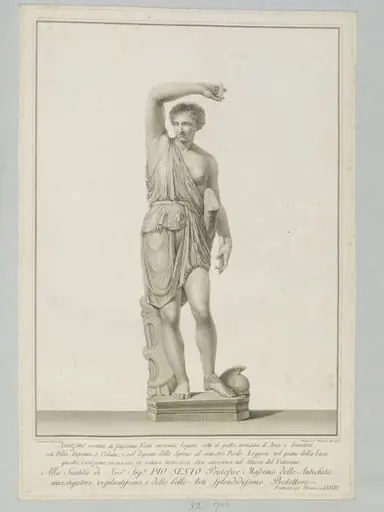 Statue of an Amazon
 H Beard Print Collection
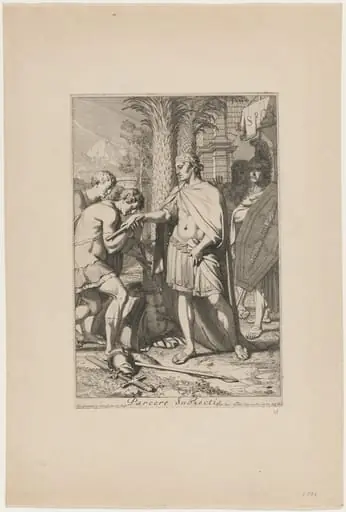 Parcere Subiectis (The Magnanimous Treatment of Prisoners)
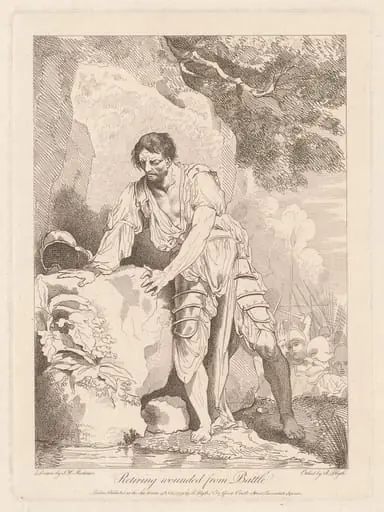 Retiring Wounded from Battle
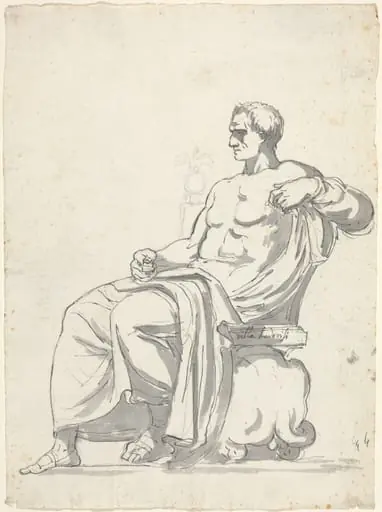 The Ludovisi Menander
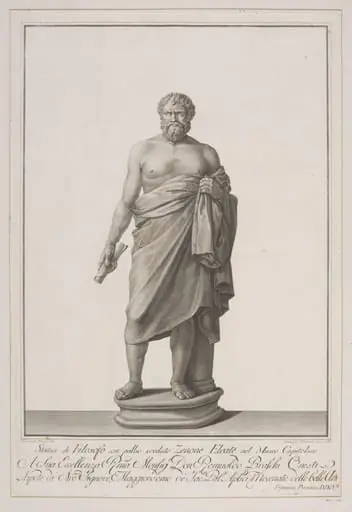 Statua di Filosofo
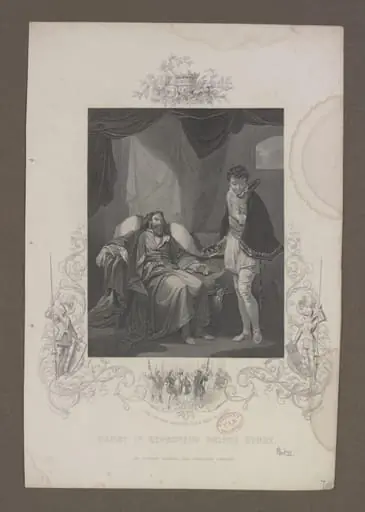 Henry IV, Reproving Prince Henry
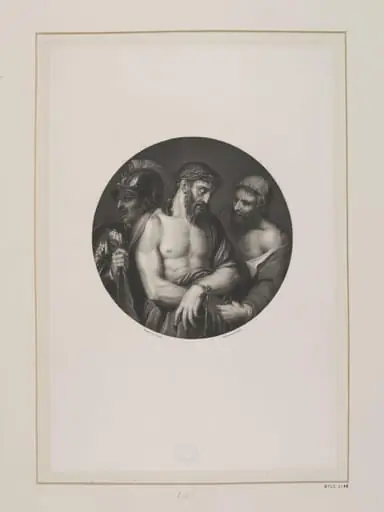 Christ Crowned with Thorns
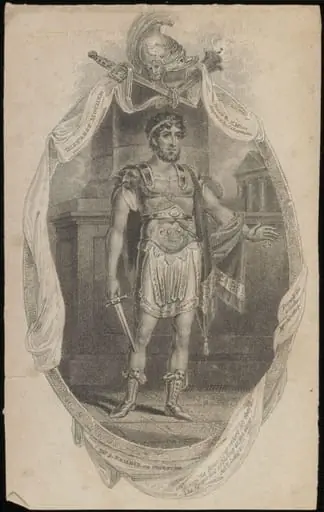 H Beard Print Collection
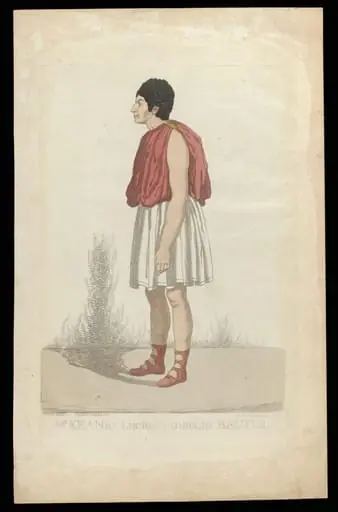 H Beard Print Collection
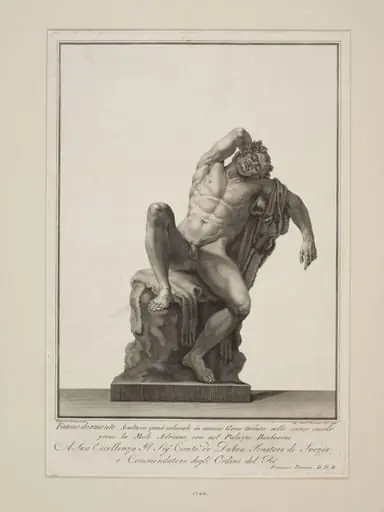 Fauno Dormente