Artwork
Judith and Holofernes
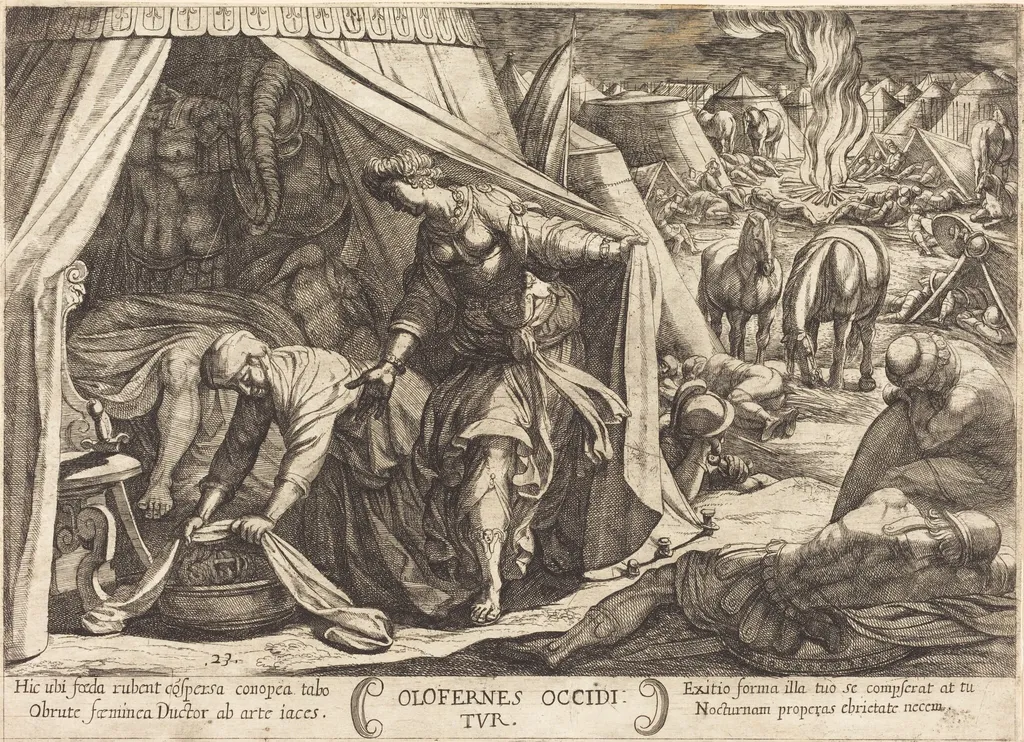
Judith and Holofernes is an ink print by the Baroque artist Antonio Tempesta. It dates from 1613 and is held in the collection of the National Gallery of Art.
About this work
Overview
Antonio Tempesta’s 1613 etching titled Judith and Holofernes captures the climactic moment of the biblical heroine Judith beheading the Assyrian general Holofernes. Rendered in black ink on paper, the image presents a stark, nocturnal interior where Judith, sword raised, severs the sleeping foe’s head while his hair is grasped in her left hand.
Subject & Meaning
The work visualizes the Old Testament episode in which Judith, acting on divine instruction, eliminates the tyrant Holofernes to rescue her besieged city. By emphasizing the decisive blow and the victim’s closed eyes, the composition underscores themes of virtue triumphing over oppression and the moral potency of decisive action.
Technique & Style
Tempesta employs fine, intersecting lines and cross‑hatching to model flesh, fabric, and the surrounding objects, creating a convincing sense of volume. Subtle gradations of tone generate chiaroscuro, deepening the drama and guiding the eye toward the central act. The overall approach reflects the detailed realism typical of early Baroque printmaking.
History & Provenance
Created in 1613, the etching belongs to the productive period when Tempesta, known as il Tempestino, moved between the artistic circles of Rome and Antwerp. Though specific ownership records are scarce, prints of this type were commonly distributed among collectors and workshops throughout northern Italy and the Low Countries during the early 17th century.
Context
Tempesta’s oeuvre frequently explored violent or heroic narratives drawn from history and mythology, and this piece aligns with that predilection. The biblical subject resonated with Counter‑Reformation audiences, who valued depictions of pious women as exemplars of faith and courage, fitting the broader Baroque interest in emotional intensity and moral instruction.
Own this work as a print
Artist & collection
Artist
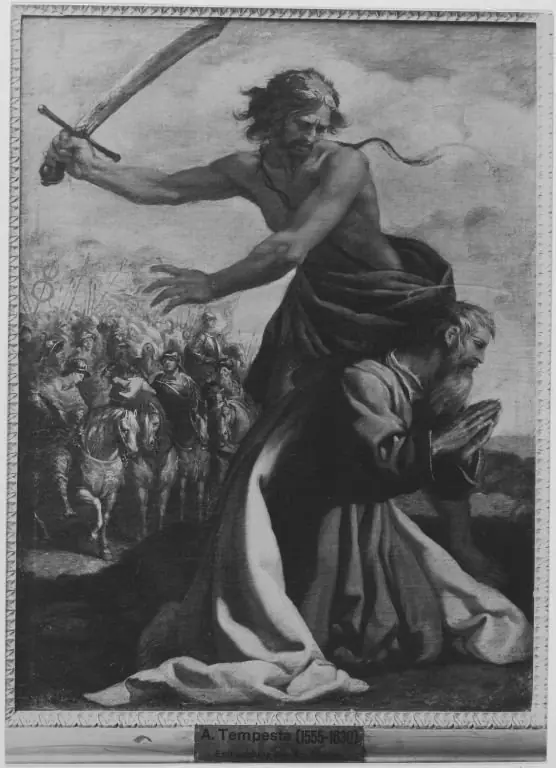
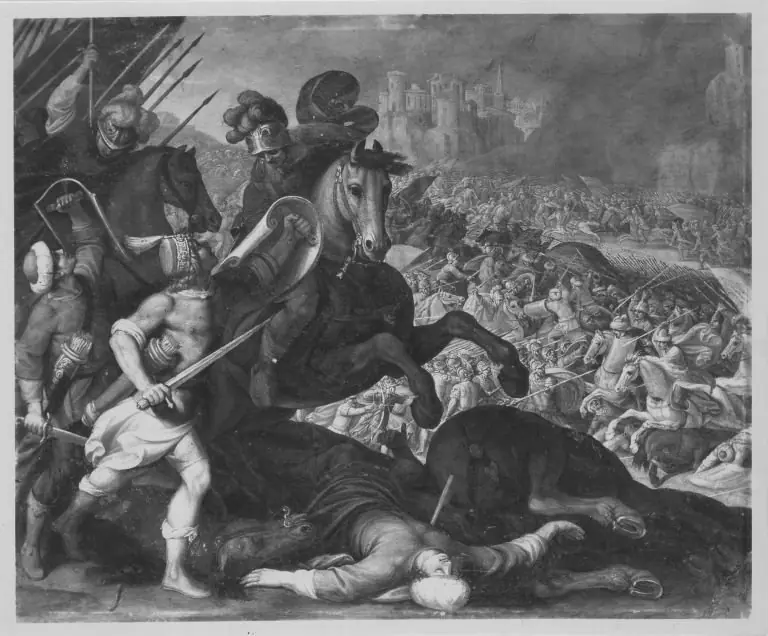
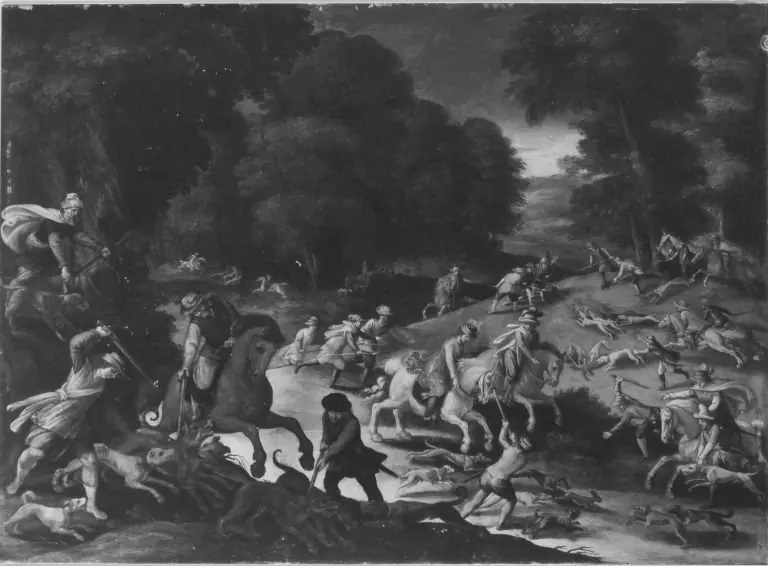
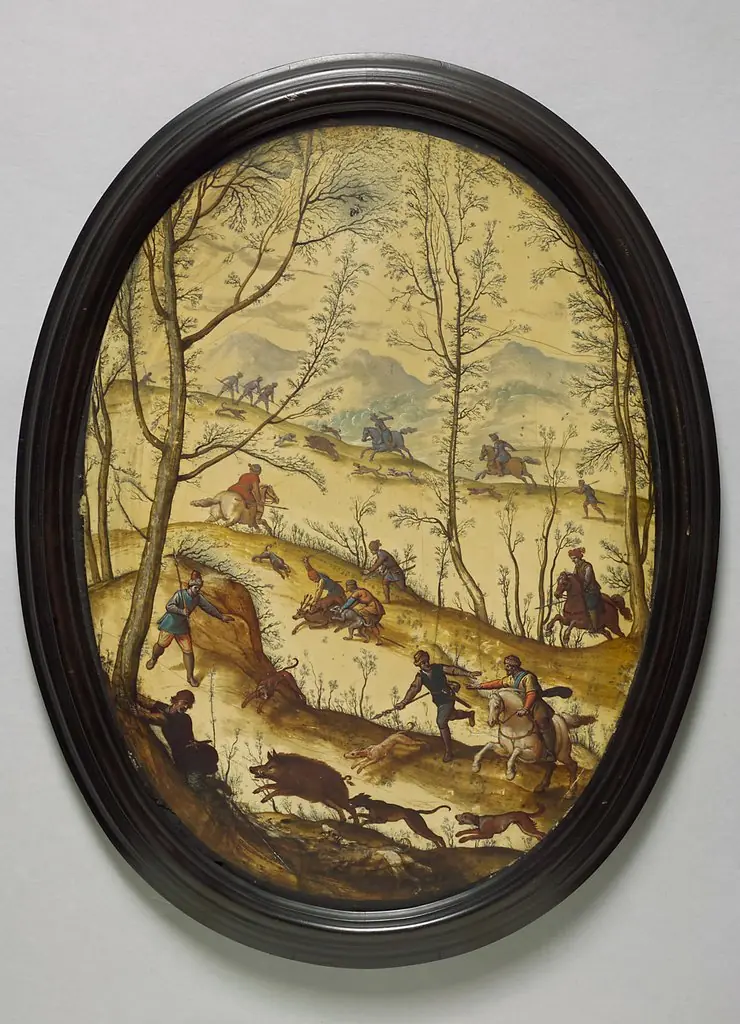
Antonio Tempesta, also called il Tempestino (1555 – 5 August 1630), was an Italian painter and engraver, whose art acted as a point of connection between Baroque Rome and the culture of Antwerp.

- The Drunkenness of Noah
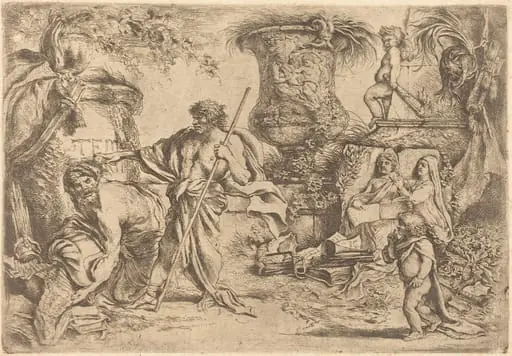 Temporalitas Aeternitas
 The Baptism of the Eunuch by Saint Philip
 The Plague in Crete/ 'Il Morbetto'
 Birth of Diana and Apollo
 Lot and His Daughters
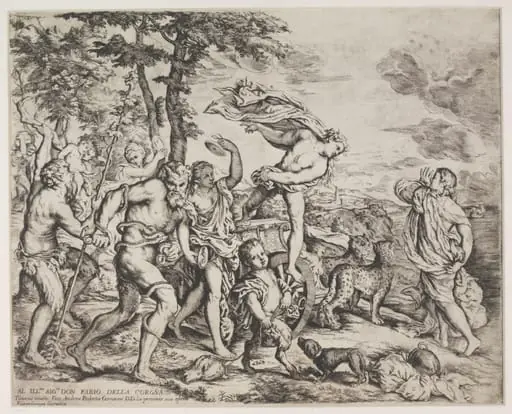 Bacchus and Ariadne
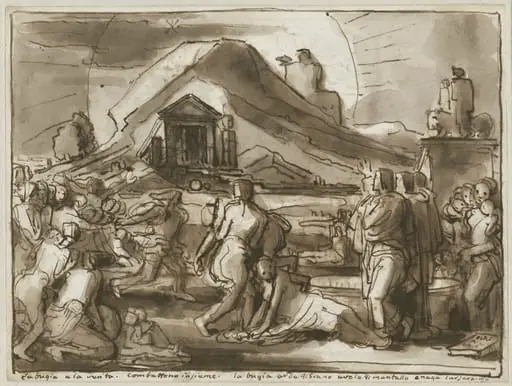 An Allegory of Truth and Falsehood (verso)
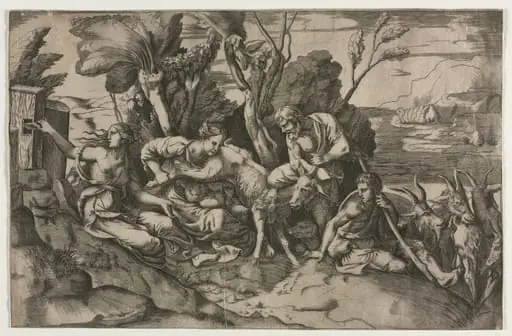 Jupiter Suckled by the Goat Amalthea
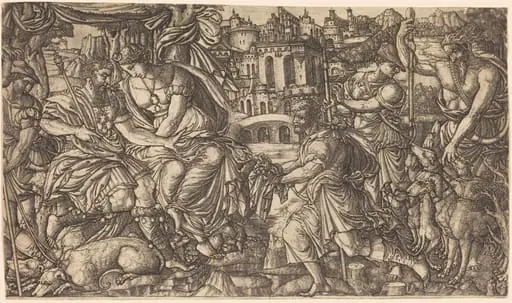 A King and Diana Receiving Huntsmen
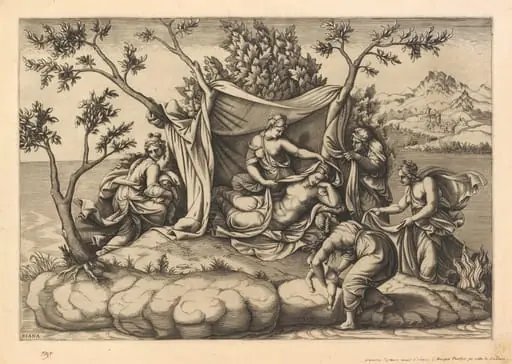 Latona Giving Birth to Apollo and Diana on the Island of Delos
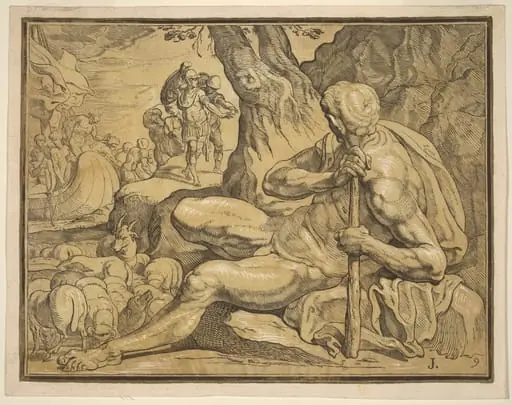 Ulysses and Polyphemus