Artwork
Desdemona (The Song of the Willow)
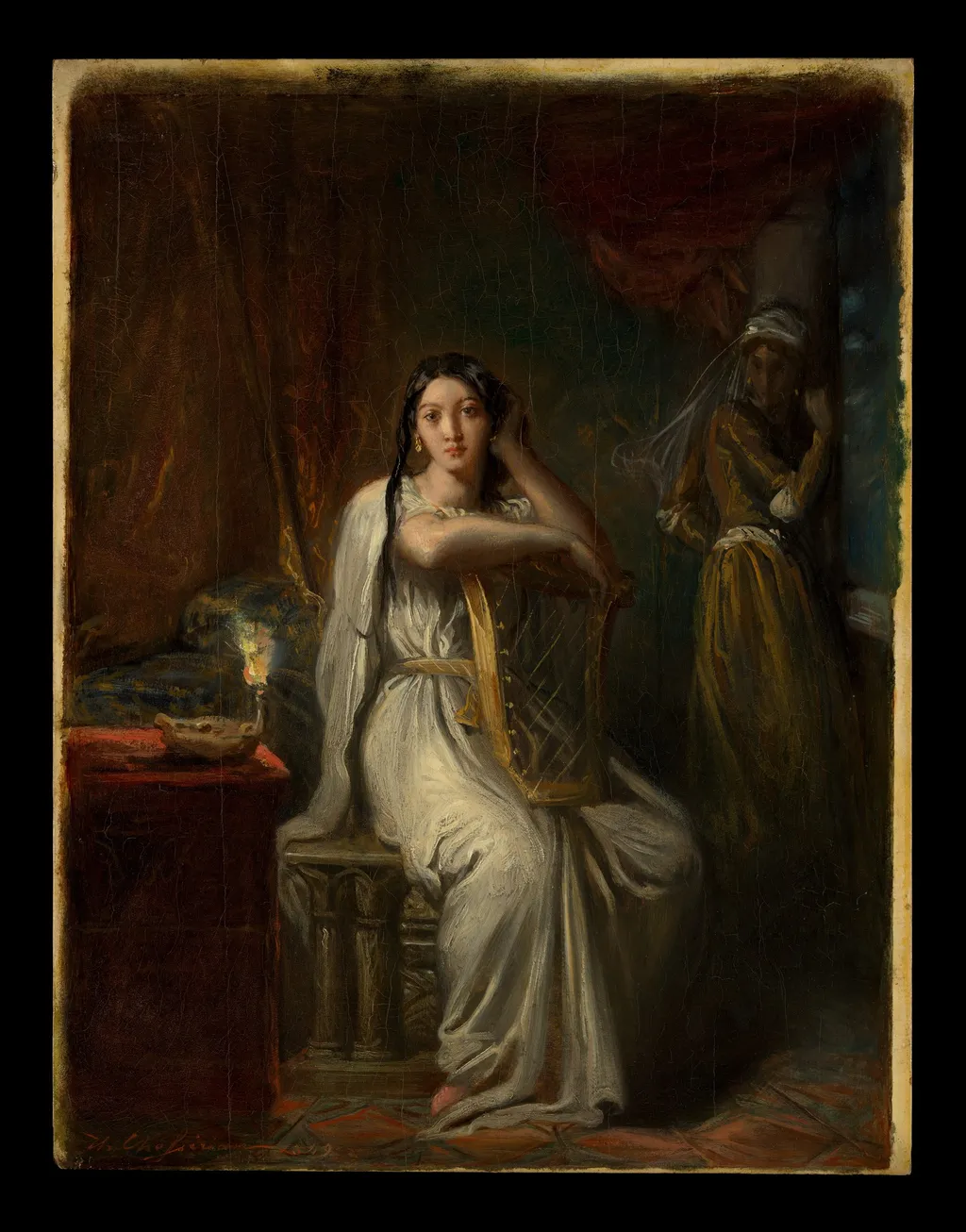
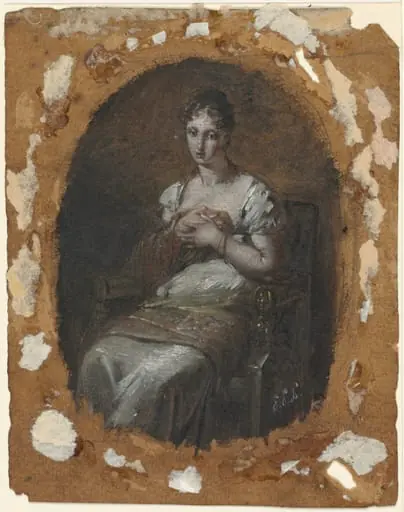
Desdemona (The Song of the Willow) is an oil painting by Théodore Chassériau. It dates from 1849 and is held in the collection of the Metropolitan Museum of Art.
About this work
Subject & Meaning
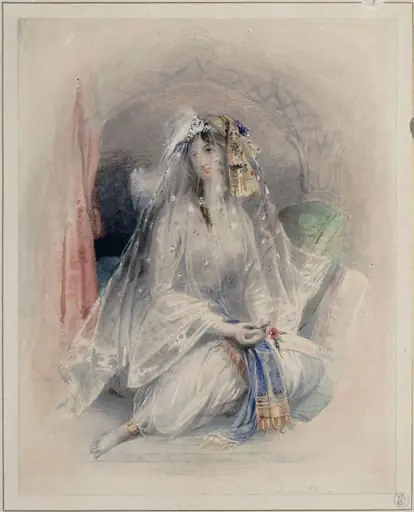
' The composition features a woman accompanied by a lyre, a musical instrument central to the tragic scene where Desdemona sings of her impending fate.
Théodore Chassériau's 1849 painting depicts the character Desdemona from William Shakespeare's Othello, specifically illustrating the moment associated with the 'Song of the Willow.' The composition features a woman accompanied by a lyre, a musical instrument central to the tragic scene where Desdemona sings of her impending fate. The inclusion of Shakespeare in the depiction's subject matter explicitly anchors the work in the literary source of the tragedy.
Through this imagery, the painting captures the sorrow and foreshadowing inherent in the play's narrative, focusing on the protagonist's emotional state as she confronts her destiny.
Technique & Style
The painting Desdemona (The Song of the Willow) is an oil work executed on a wooden panel. The catalog records the medium as oil paint and the support as panel, with dimensions of 34.9 cm in height and 27 cm in width. The composition depicts the Shakespearean heroine Desdemona alongside a lyre, referencing the literary source of the title.
The work is housed in the Metropolitan Museum of Art, where it remains part of the museum’s collection.
History & Provenance
Théodore Chassériau created the oil painting Desdemona (The Song of the Willow) in 1849. The work was executed on a panel support and measures 34.9 cm in height by 27 cm in width. It depicts a woman alongside a lyre, referencing the character from William Shakespeare's Othello. The Metropolitan Museum of Art currently houses the painting in its collection.
Desdemona (The Song of the Willow) is part of the Metropolitan Museum of Art's collection in New York. The painting entered the museum's holdings through a transfer that is not detailed in the available records, and no accession number is specified in the sources. Exhibition history is not documented in the provided references, and the work has not been listed in major exhibition catalogues cited.
The piece is an oil on panel measuring 34.9 cm by 27 cm, created by Théodore Chassériau in 1849.
Legacy
Desdemona (The Song of the Willow), painted by Théodore Chassériau in 1849, exemplifies the artist’s synthesis of literary narrative and Romantic aesthetics. The oil on panel work, measuring 34.9 × 27 cm, portrays the Shakespearean figure with a lyre, reflecting contemporary fascination with theatrical subjects. Its inclusion in the Metropolitan Museum of Art’s collection has contributed to sustained scholarly attention, positioning the piece as a reference point for studies of 19‑century French painting and the interplay between visual art and dramatic literature. The painting’s provenance and display history underscore its recognized status within museum narratives of Romantic art.
Overview
Théodore Chassériau, a French painter recognized for his portraits and historical and Orientalist works, completed Desdemona (The Song of the Willow) in 1849. This oil painting depicts a pivotal moment from William Shakespeare's tragedy Othello. It forms part of a larger group of illustrations Chassériau created based on the play, showcasing his engagement with literary themes. The work is housed at The Metropolitan Museum of Art.
Own this work as a print
Artist & collection
Artist
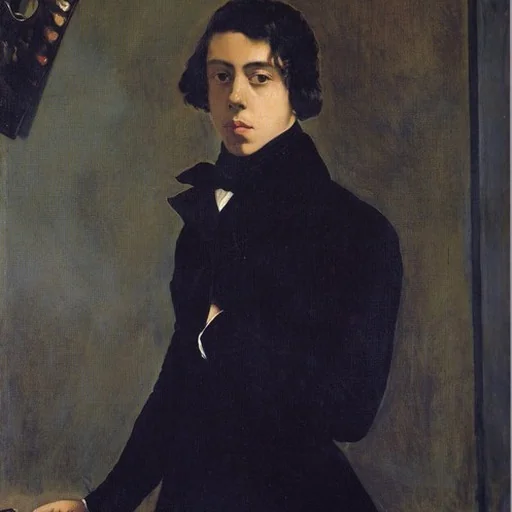
Théodore Chassériau (French pronunciation:; Spanish: Teodoro Chasseriau; September 20, 1819 – October 8, 1856) was a Dominican-born French Romantic painter noted for his portraits, historical and religious paintings,…