Artwork
The Duke of Bordeaux presented to the people and the army by the Duchess of Berry in the presence of the king, surrounded by the royal family and the main figures of the State
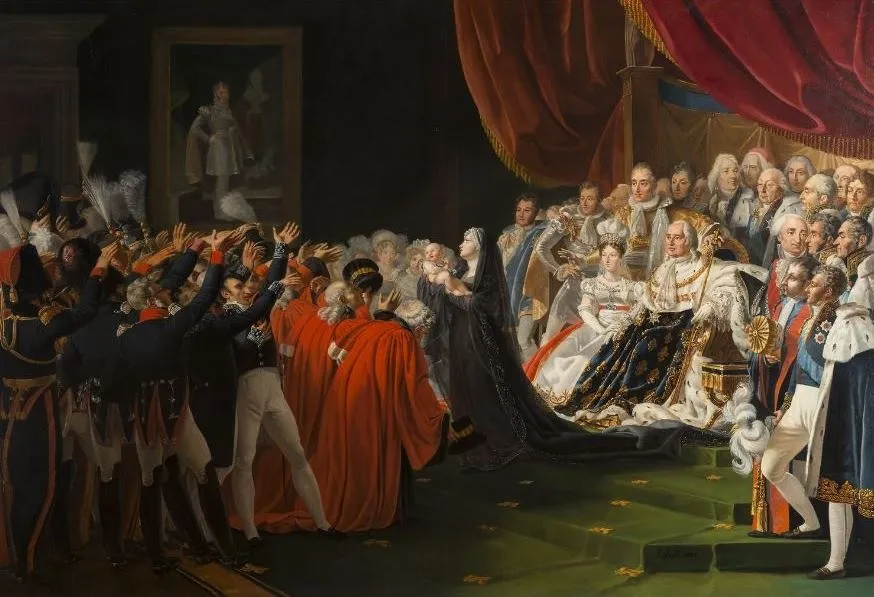
The Duke of Bordeaux presented to the people and the army by the Duchess of Berry in the presence of the king, surrounded by the royal family and the main figures of the State is an oil painting by Charles Nicolas Lafond. It dates from 1821 and is held in the collection of the Museum of the History of France. Charles‑Nicolas Lafond’s 1821 oil on canvas records a ceremonial introduction at the French court.
About this work
It shows the Duchess of Berry introducing her young son to the French court.
This big painting is a history scene by Charles Nicolas Lafond. It shows the Duchess of Berry introducing her young son to the French court. The boy is the Duke of Bordeaux. The king and royal family are there too, all reacting to the moment.
It was painted in 1821, right after the boy’s father was killed. People saw him as a “miracle baby” who saved the Bourbon family’s future.
The painting hangs at the Palace of Versailles.
Subject & Meaning
The painting depicts the presentation of the infant Duke of Bordeaux by his mother, the Duchess of Berry, to the French royal court. The scene emphasizes Bourbon legitimacy and dynastic continuity, highlighting the Duchess's role as a stabilizing figure. Central figures include King Louis XVIII, the Duke of Angoulême, and Charles X, symbolizing royal unity and succession.
The inclusion of Talleyrand and other political leaders underscores the court's endorsement of the heir. This moment reflects the political strategy of presenting the child as a unifying symbol for the monarchy, conceived after the Duke of Berry's assassination in 1820 and intended to reinforce Bourbon claims amid post-revolutionary instability.
The composition reinforces Bourbon legitimacy through the Duchess's maternal presentation, framing the infant as a miraculous heir following his birth after the Duke's death. The surrounding royal family and courtiers visually consolidate dynastic continuity, while the background reference to the deceased Duke of Berry's portrait adds historical resonance. The work's symbolism aligns with Restoration-era efforts to consolidate legitimacy through ceremonial acts, making it a key artifact of Bourbon political messaging in the early 19th century.
Technique & Style
The work is an oil painting on canvas measuring 138 cm in height and 195.5 cm in width, created by Charles Nicolas Lafond in 1821. It was executed for the Salon of 1822 and depicts a formal court scene rendered in the academic history‑painting style typical of early‑19th‑century French art. The composition emphasizes precise figure modeling, chiaroscuro lighting, and a restrained palette that conveys the ceremonial gravity of the Duchess of Berry presenting the Duke of Bordeaux before the royal family and assembled dignitaries.
History & Provenance
Created by Charles-Nicolas Lafond in 1821, this oil-on-canvas history painting depicts the presentation of the Duke of Bordeaux to the French court following the birth of the heir in 1820. The work was exhibited at the Salon of 1822, marking its public debut shortly after its completion. It currently resides in the collection of the Museum of the History of France, located within the Palace of Versailles. The painting measures 138 cm in height and 195.5 cm in width.
The painting is housed in the collection of the Museum of the History of France at the Palace of Versailles. Its accession number is not specified in the sources. It was exhibited at the Salon of 1822, marking its first public presentation.
Context
Charles-Nicolas Lafond's 1821 history painting serves as a visual chronicle of the Bourbon restoration, capturing the birth of the Duke of Bordeaux as a dynastic miracle following the 1820 assassination of the Duke of Berry. By depicting the Duchess of Berry presenting her son to King Louis XVIII and the court, the work functions as political propaganda intended to secure the succession of the House of Bourbon. The composition includes prominent figures such as Talleyrand and the future Charles X, while a portrait of the deceased Duke of Berry by François Gérard hangs in the background, linking the new heir to his martyred father.
Exhibited at the Salon of 1822, the painting now resides in the Museum of the History of France at the Palace of Versailles. Its significance is underscored by the subsequent overthrow of the monarchy in the July Revolution of 1830, which rendered the depicted succession moot and sent the Duke of Bordeaux into exile. The work remains a key document of the era's royal iconography.
Legacy
The painting was first shown publicly at the Salon of 1822, where it reached a wide Parisian audience shortly after the events it depicts. It is now held in the collection of the Museum of the History of France at the Palace of Versailles, a placement that has helped secure its place within the canonical visual record of the Bourbon Restoration. The work's subject matter, the presentation of the young Duke of Bordeaux as heir to the throne, gives it lasting historical resonance, since the Bourbon line was overthrown in the July Revolution of 1830 and the duke spent most of his life in exile.
It is frequently discussed alongside Alexandre Menjaud's 1824 painting The Death of the Duke of Berry, the two works together forming a pair of Restoration-era commemorations of the assassinated duke and his family.
Overview
Charles‑Nicolas Lafond’s 1821 oil on canvas records a ceremonial introduction at the French court. The widowed Duchess of Berry presents her infant son, the Duke of Bordeaux, before the king, the royal family and leading officials, capturing the moment of public acknowledgment.
Artist & collection
Artist
Charles-Nicolas Lafond (1773–1835) was a French artist painting in the neoclassical style.

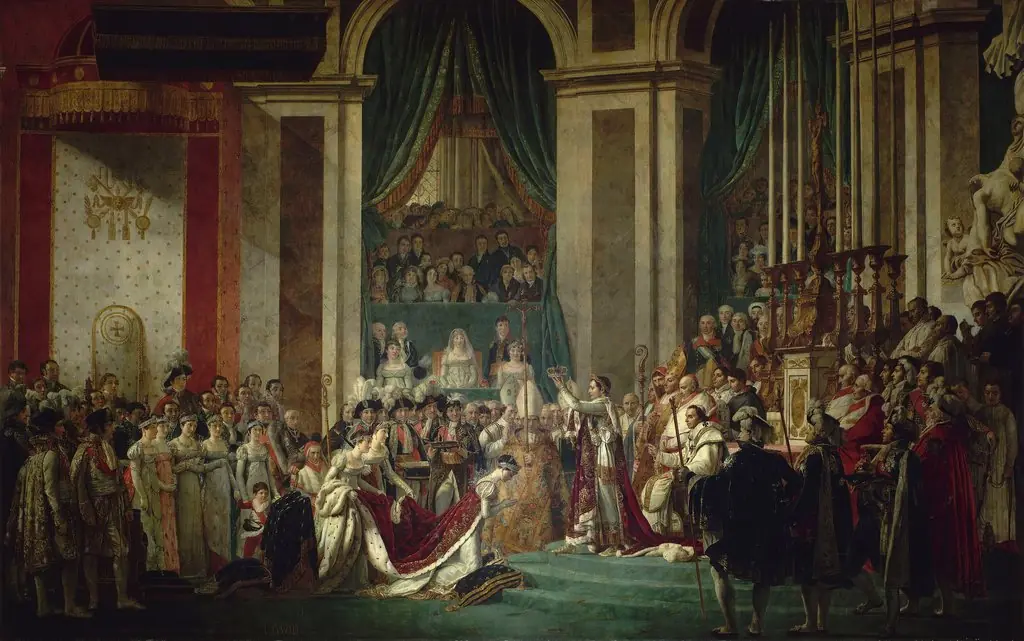 Coronation of Emperor Napoleon I and Coronation of the Empress Josephine
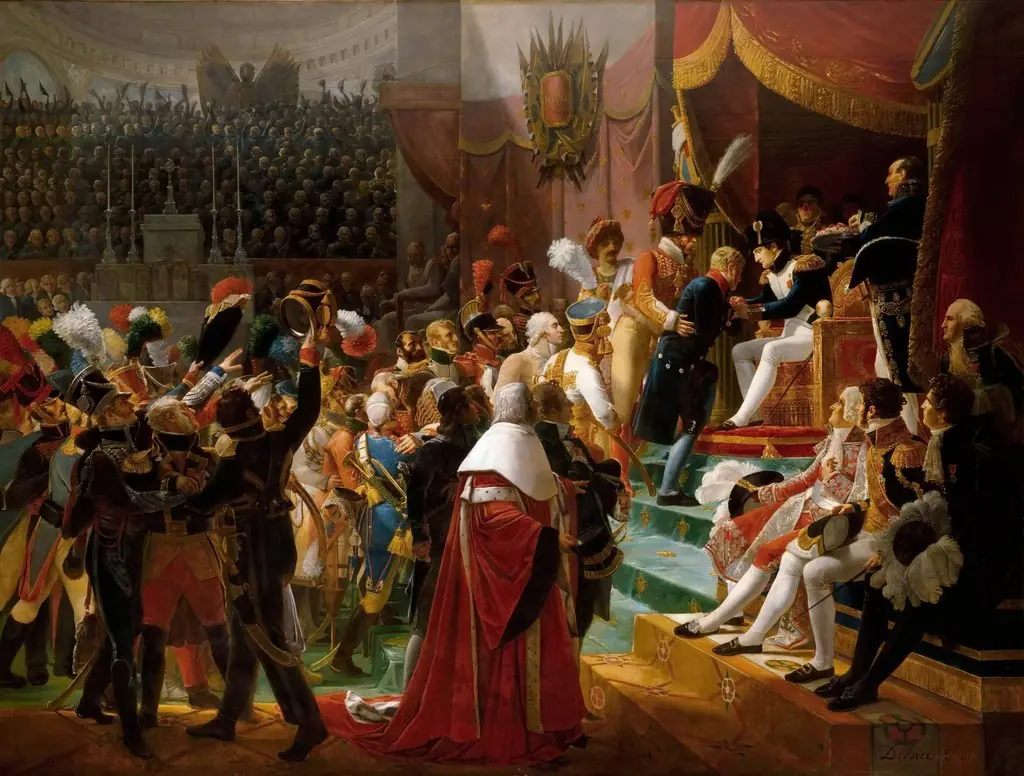 First distribution of the decorations of the Legion of Honor, made by Bonaparte, in the church of the imperial hotel of Invalides, July 14, 1804
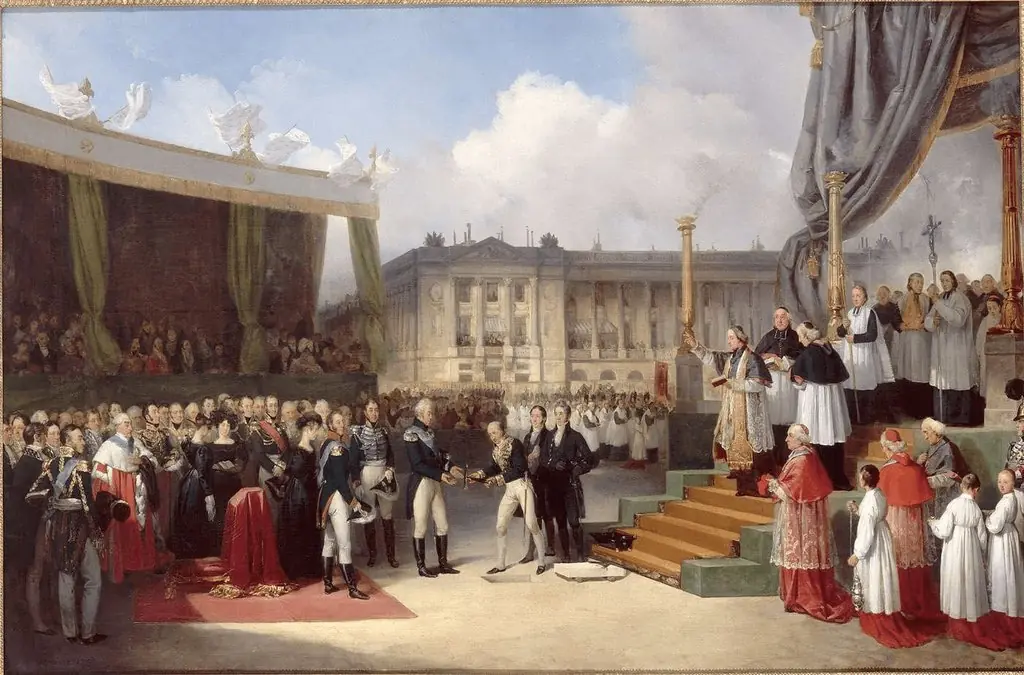 Inauguration du monument à la mémoire de Louis XVI par Charles X, place de la Concorde, 3 mai 1826
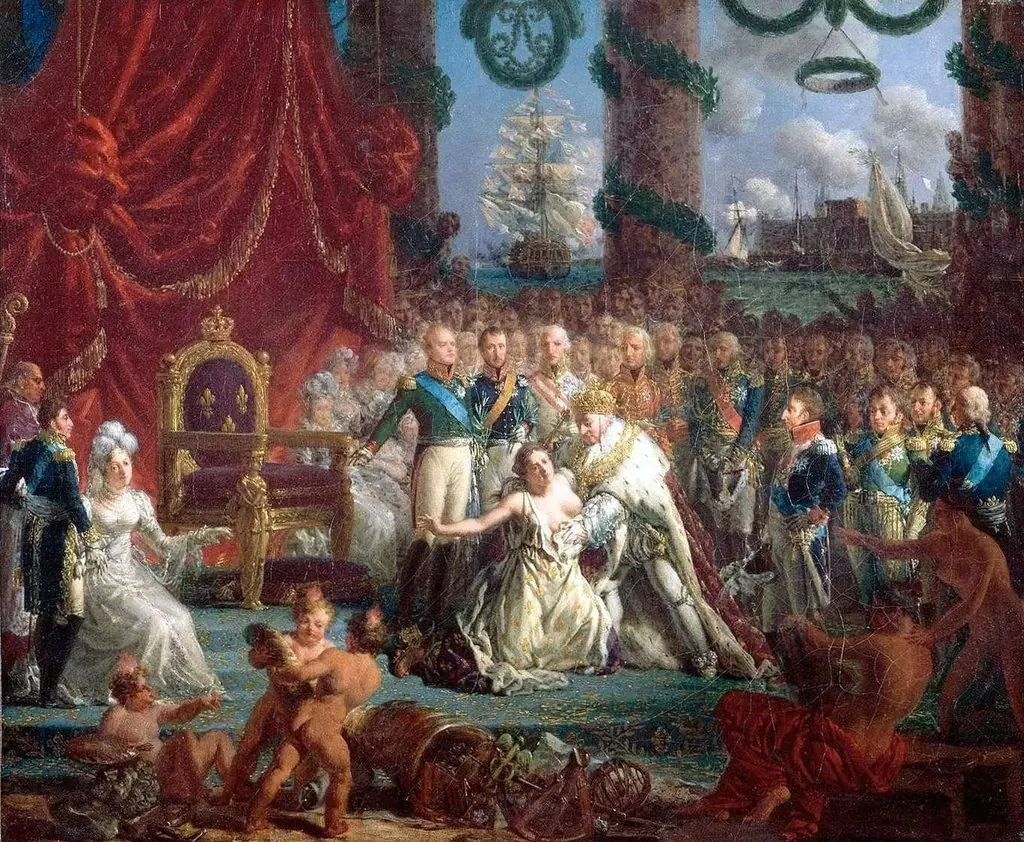 Allégorie du retour des Bourbons le 24 avril 1814 : Louis XVIII relevant la France de ses ruines.
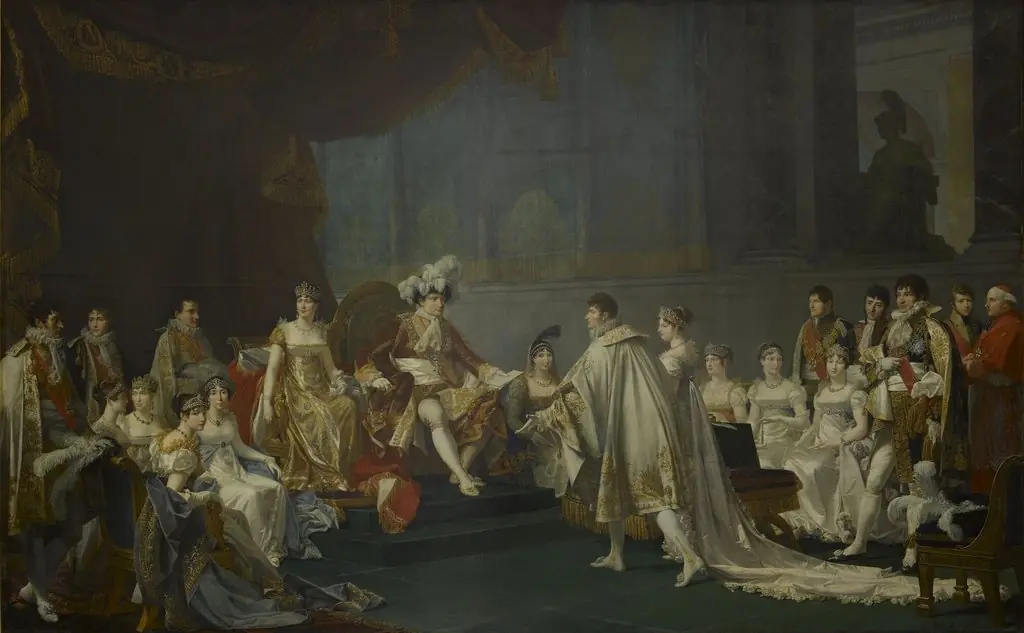 Wedding of Prince Jérôme Bonaparte and Princess Frédérique-Catherine of Wurtemberg, August 22, 1807
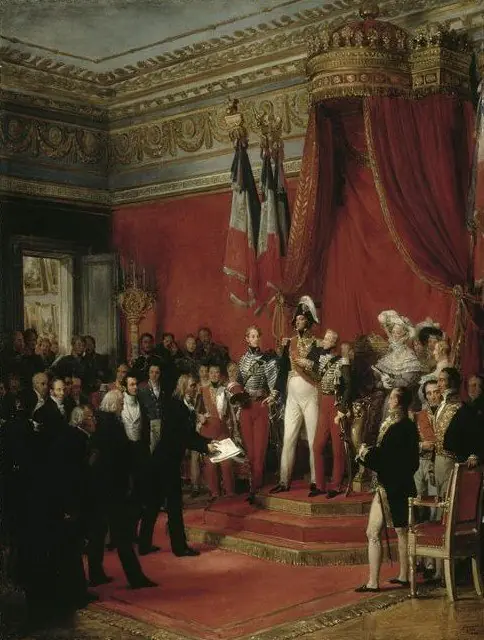 Louis Philippe Declining the Crown of Belgium Offered to His Son
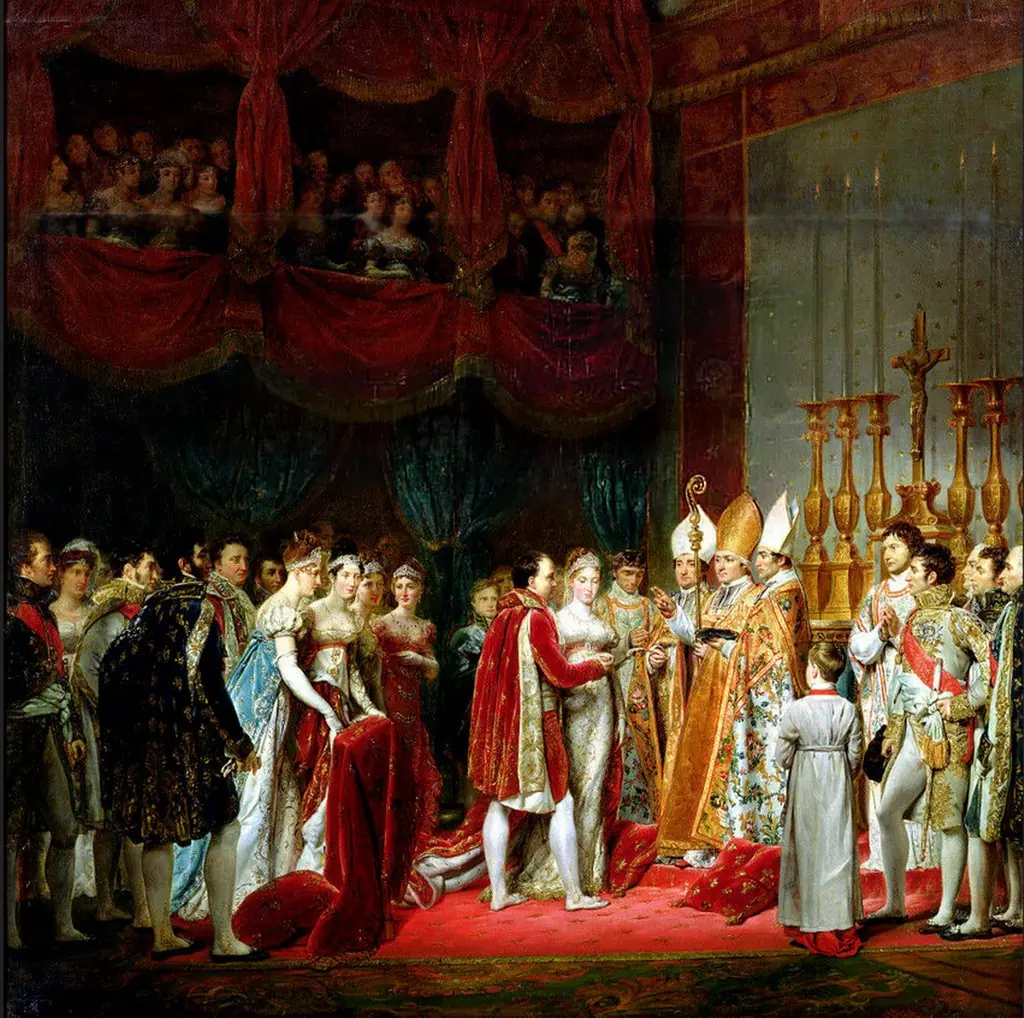 Marriage of Napoleon I and Marie Louise, 2 April 1810
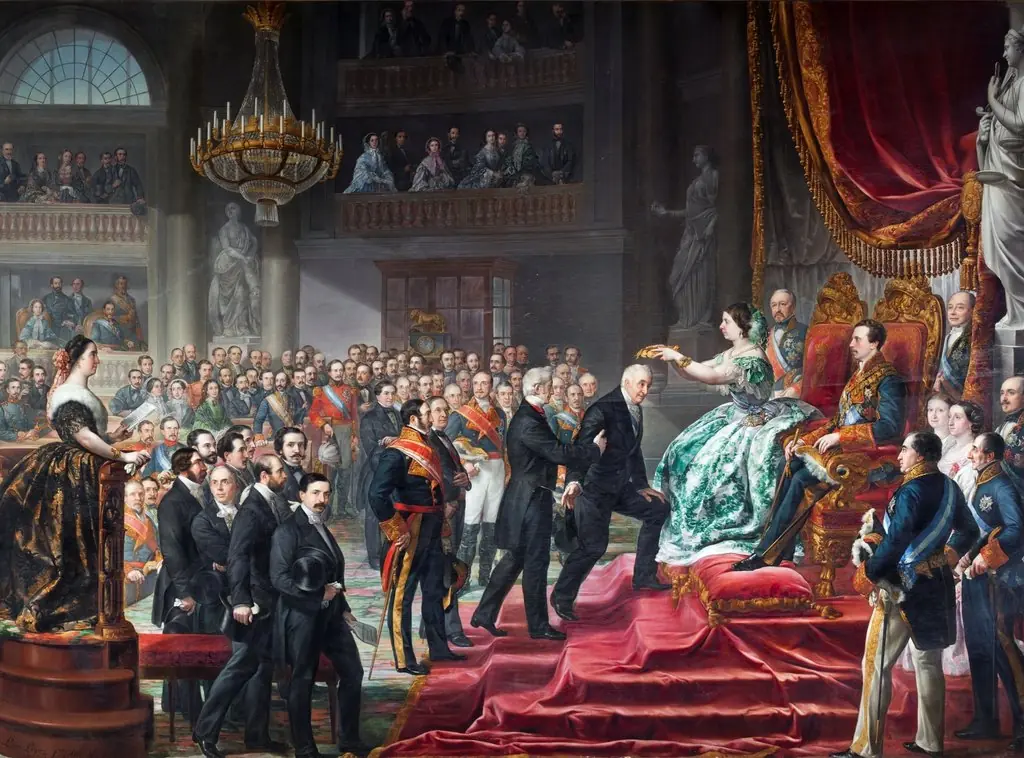 The Coronation of the Quintana
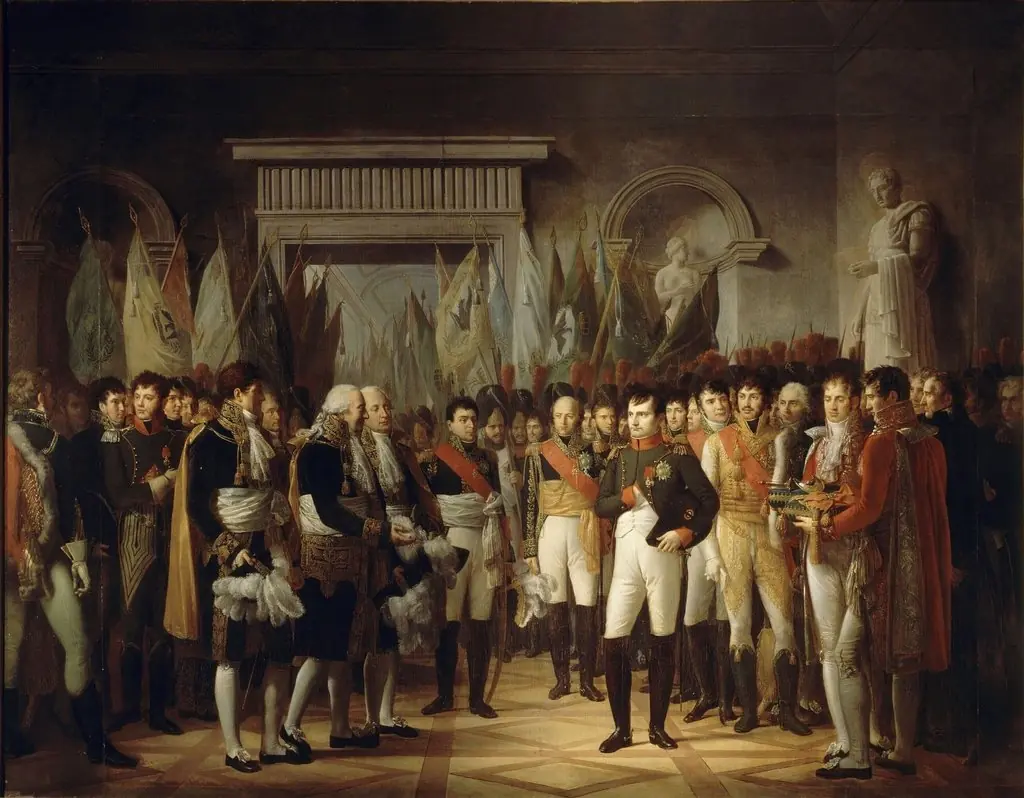 The Emperor receiving the deputies of the Conservative Senate in Berlin at the royal palace, 19 November 1806
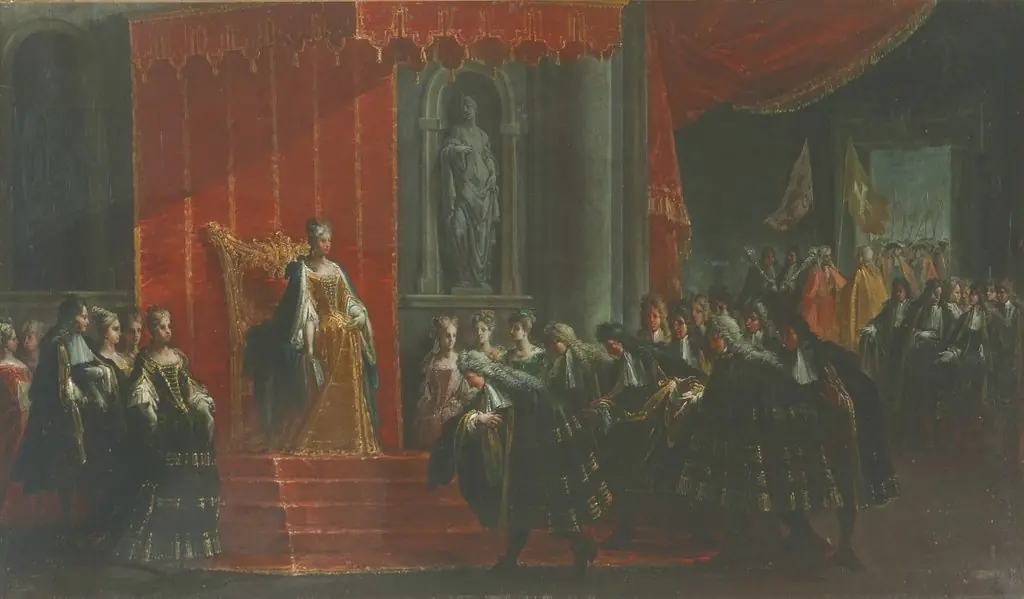 Handkiss by the communities of Parma and Piacenza
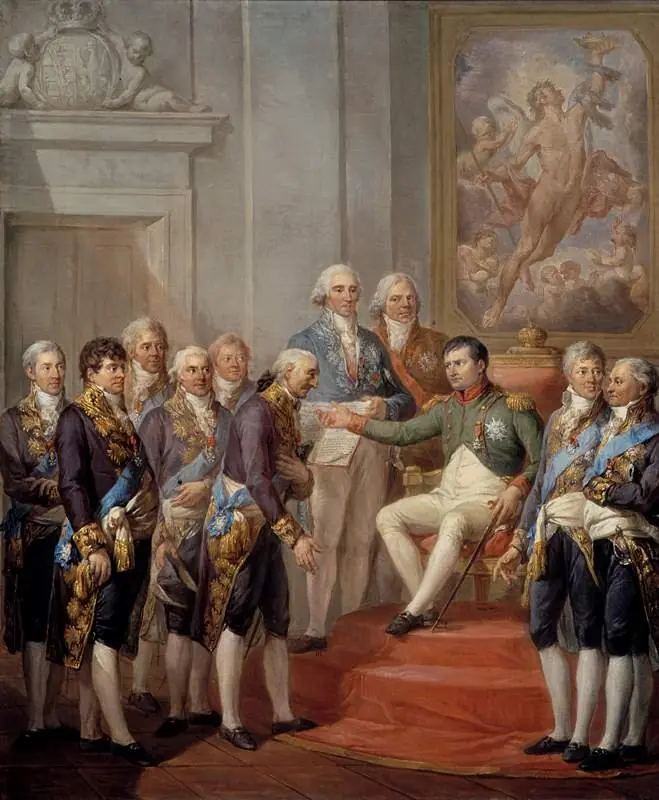 Granting of the Constitution of the Duchy of Warsaw by Napoleon
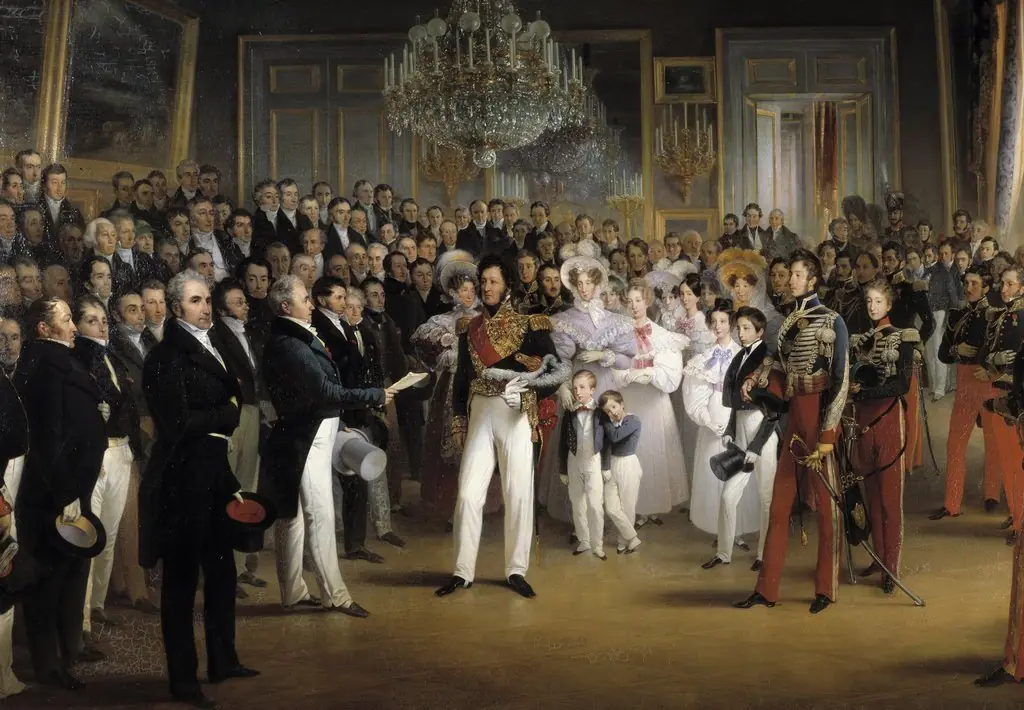
- The Chamber of Deputies Received at the Palais-Royal by the Duke of Orleans