Artwork
Two Arabian Vultures
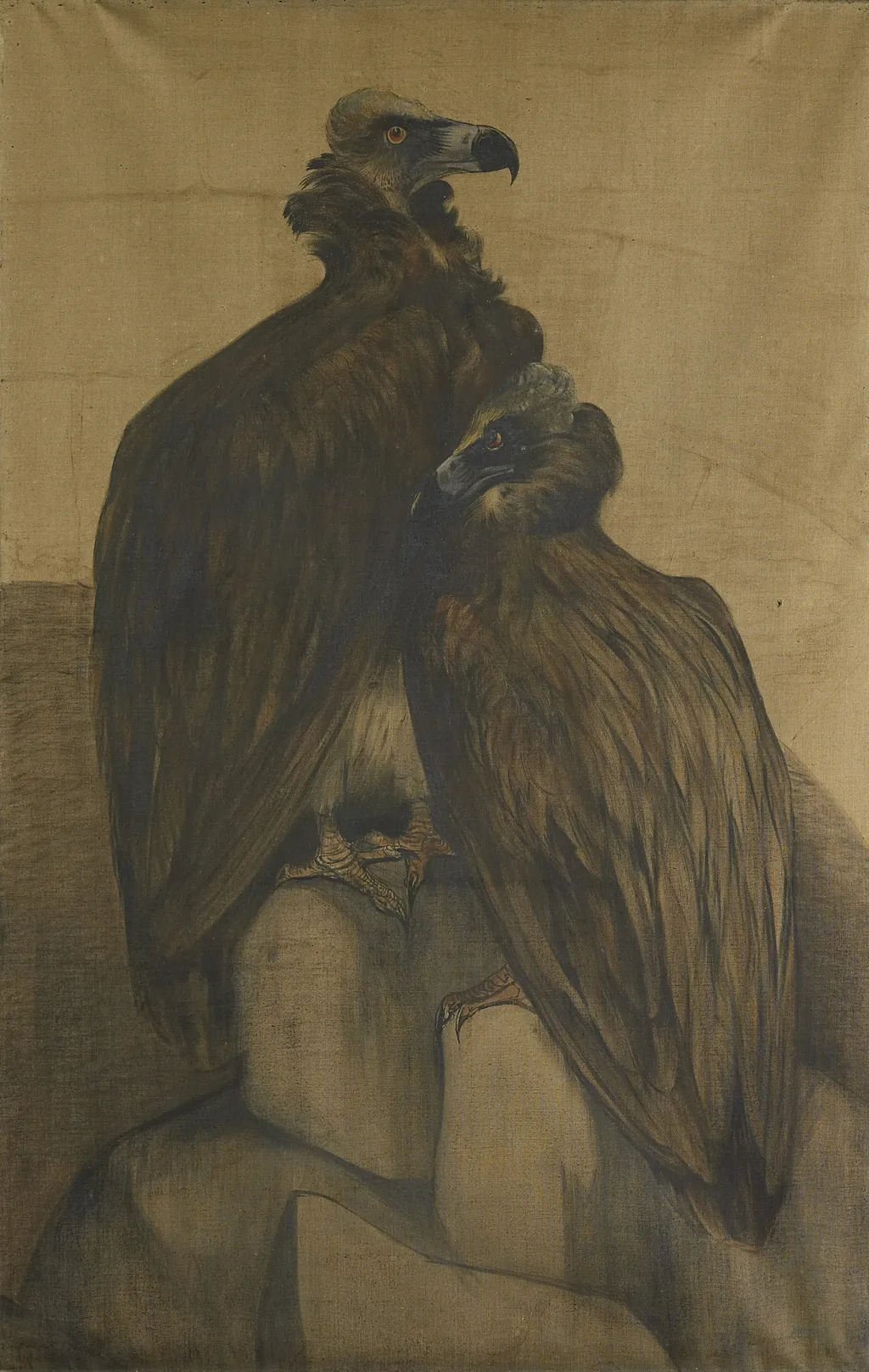
Two Arabian Vultures is an oil painting by the Art Nouveau artist Theo van Hoytema. It dates from 1901 and is held in the collection of the Rijksmuseum.
About this work
Subject & Meaning
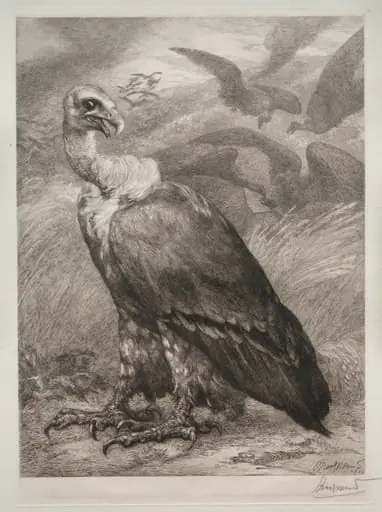
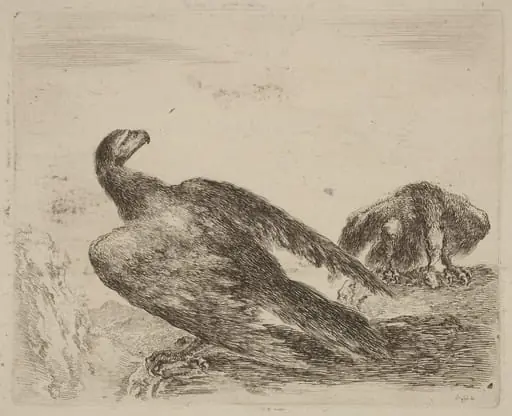
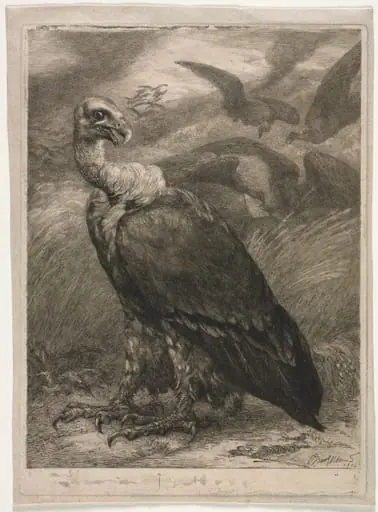
Two Arabian Vultures depicts two vultures perched on a rocky outcrop beneath a barren sky, a composition that emphasizes their stark silhouettes and keen, watchful eyes. In European naturalist tradition, vultures often symbolized decay and the passage of time, but the painting’s precise rendering and solitary setting also convey a contemplative stillness, reflecting early 20th-century interest in the quiet dignity of wild animals. The work was created in 1901 by Theo van Hoytema, an animal painter known for his careful observation of exotic species, and it entered the Rijksmuseum collection shortly after its completion.
The painting’s subject aligns with van Hoytema’s broader focus on animal art, yet its stark composition and symbolic weight distinguish it within his oeuvre, suggesting a meditation on nature’s indifferent beauty.
Technique & Style
The composition reflects the artist's focus on naturalistic animal subjects, utilizing the traditional oil-on-canvas technique common to the period.
Created in 1901, Two Arabian Vultures is an oil painting executed on a canvas support. The work measures 164.5 cm in height and 106 cm in width. Classified within the genre of animal art, the piece depicts two Arabian vultures rendered through the medium of oil paint.
The composition reflects the artist's focus on naturalistic animal subjects, utilizing the traditional oil-on-canvas technique common to the period.
History & Provenance
The painting Two Arabian Vultures was created by Dutch artist Theo van Hoytema in 1901, as indicated by both the artist’s documented date and the work’s inclusion in institutional records.
By the time of its formal documentation, the painting had entered the collection of the Rijksmuseum in Amsterdam, where it remains held. The museum’s records confirm the work’s attribution, dimensions (164.5 cm × 106 cm), and medium (oil on canvas) as part of its holdings.
Overview
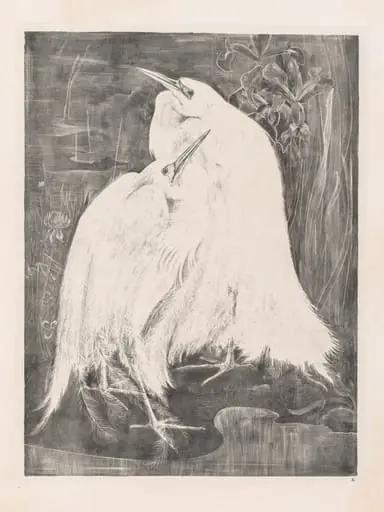
Two Arabian Vultures is a 1901 oil painting by Theo van Hoytema, a Dutch artist known for his work in lithography, illustration, and graphic design. The piece features two vultures in a naturalistic pose, characteristic of the artist's affinity for avian subjects.
Context
The piece reflects van Hoytema's recurring theme of featuring birds in his art, often seen in his illustrations for books and calendars. The choice of vultures, with their mixed connotations, adds a layer of complexity to his typically nature-focused work.
Legacy
As part of the Rijksmuseum's holdings, Two Arabian Vultures contributes to the institution's collection of early 20th-century Dutch art. It provides insight into van Hoytema's versatility beyond his more recognized graphic design and illustration work.
Own this work as a print
Artist & collection
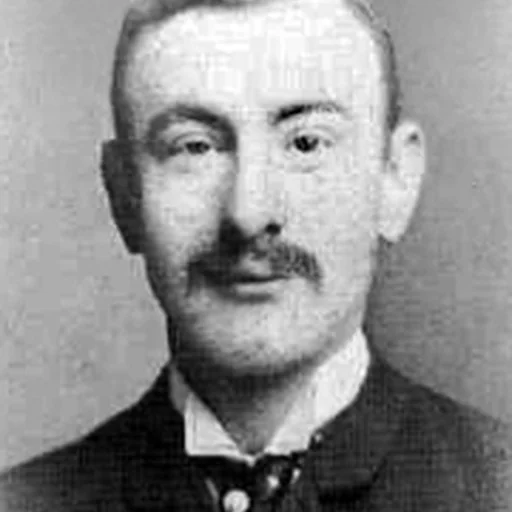
Artist
Theodorus van Hoytema, or Hoijtema (18 December 1863-28 August 1917) was a Dutch lithographer, illustrator and graphic designer, known for his book covers and calendars; especially those depicting birds.