
Movement
Art Nouveau
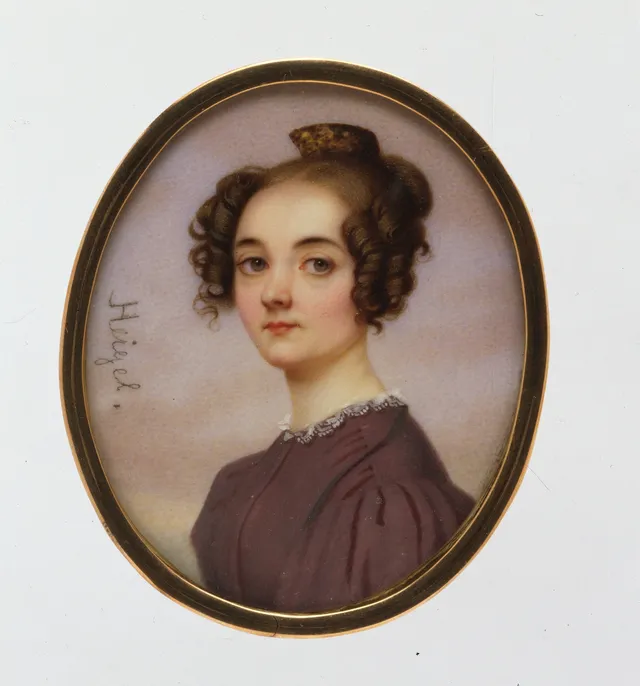
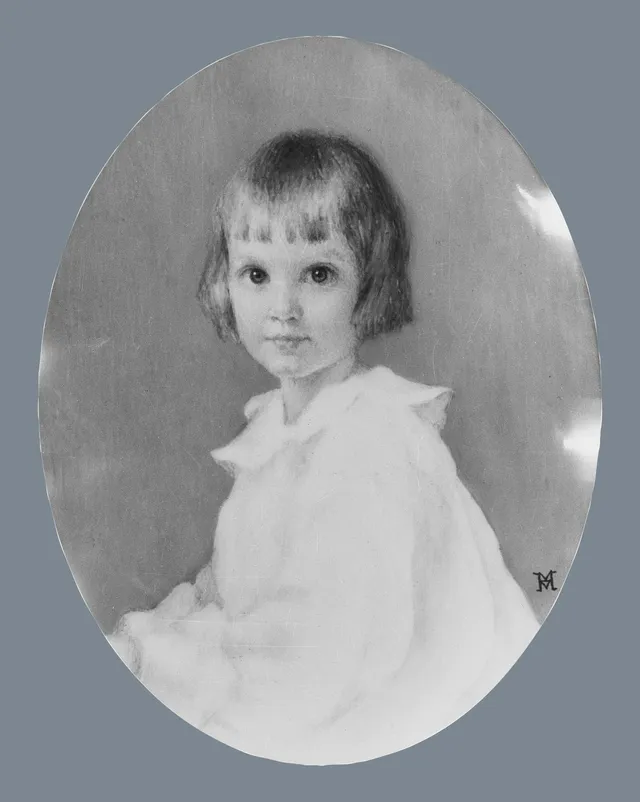
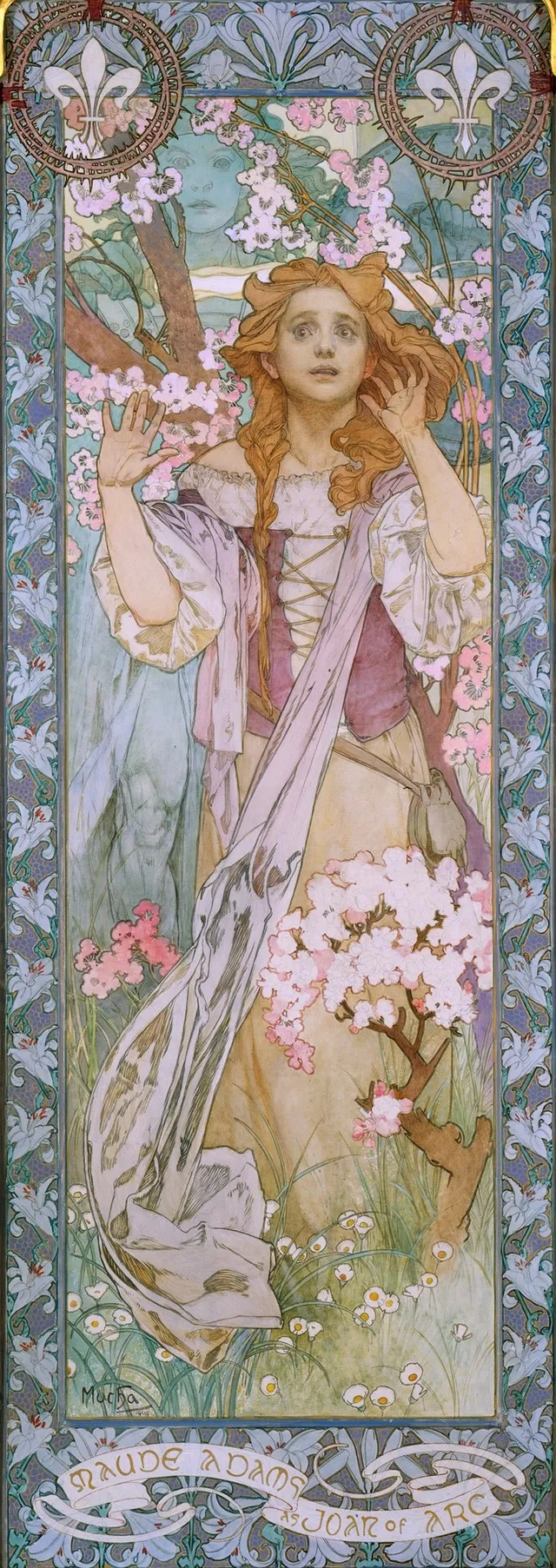
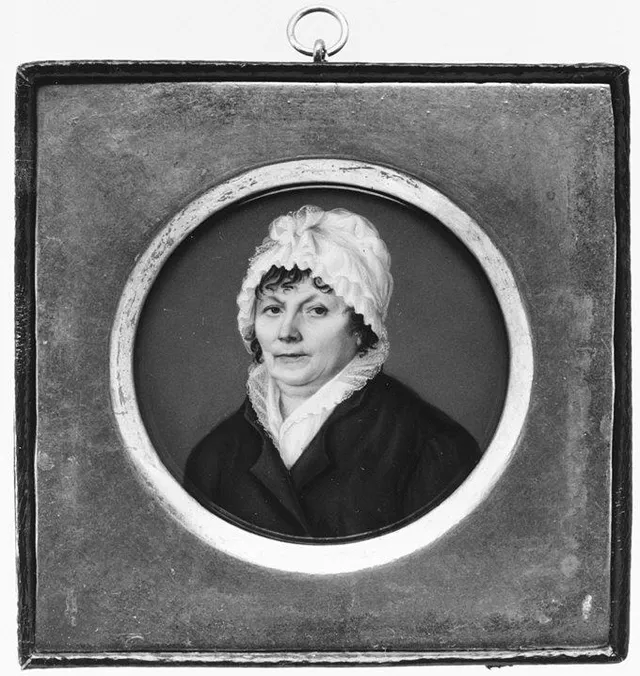
Art Nouveau is an art movement of the 1880–1910 period. The gallery holds 490 works in this movement, including works by Alphonse Mucha, Piet Mondrian and Charles Demuth. Browse Art Nouveau paintings, portraits, pictures and artworks from the world's public-domain museum collections.
Art Nouveau—French for "new art"—was an international style of art, architecture, and the applied arts that flourished from roughly 1890 to 1910. It took its name from the Maison de l'Art Nouveau, the Paris gallery opened by the German-born dealer Siegfried Bing on 26 December 1895, which showcased innovative design from across Europe. The movement was a deliberate revolt against the imitative historicism that dominated nineteenth-century taste and against the coarseness of industrial mass production. Practitioners sought a wholly modern idiom and, crucially, the dissolution of the old hierarchy that ranked painting and sculpture above the "decorative" crafts—an ambition inherited in part from the English Arts and Crafts movement.
Its defining visual signature is the line: long, sinuous, organic curves drawn from plant stems, tendrils, flowing hair, and the forms of deep-sea organisms. The most emblematic of these is the "whiplash"—a tense, sharply accelerating S-curve that snaps and reverses direction. Asymmetry, flattened ornament, and an embrace of the "total work of art," in which architecture, furniture, glass, and metalwork were conceived as a unified whole, are equally characteristic. The flat patterning and decorative economy of Japanese prints (japonisme) were a profound formative influence.
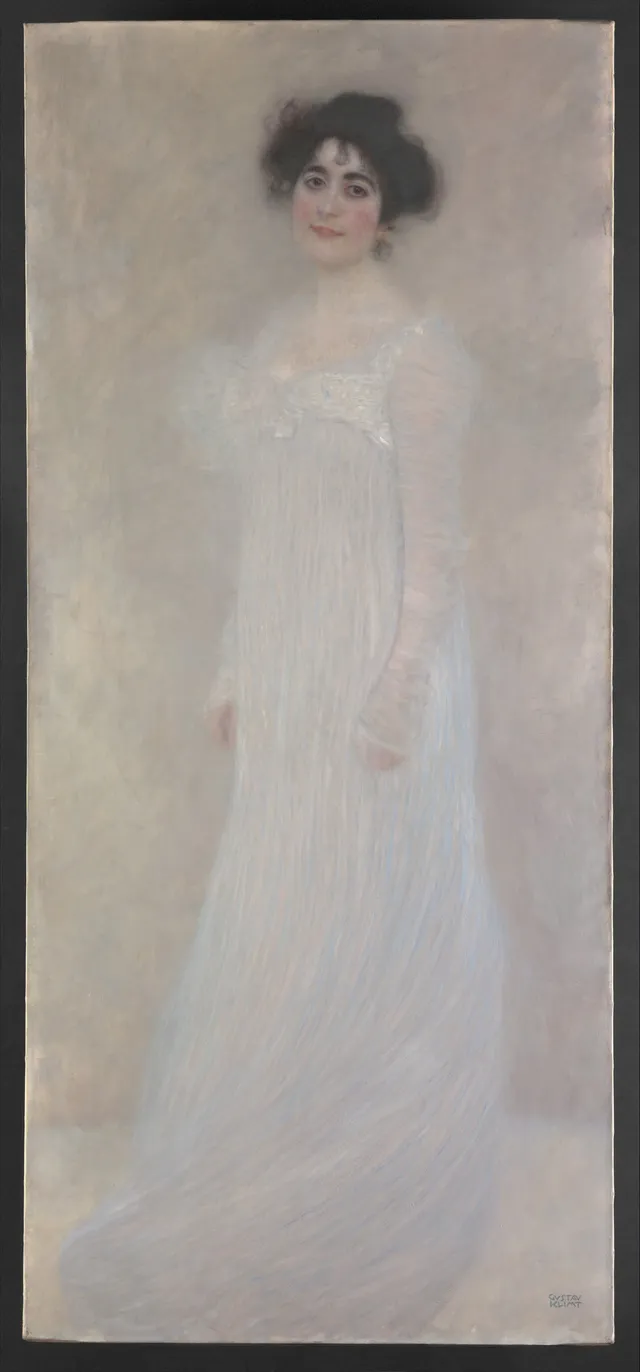
The style spread under many regional names: Jugendstil in Germany, Sezessionstil in Austria, Stile Liberty in Italy, and Modernisme in Catalonia. Its canonical figures span media. Victor Horta's Hôtel Tassel in Brussels (1892–93) is often called the first fully realized Art Nouveau interior; Hector Guimard's cast-iron Paris Métro entrances (1900) brought the style to the street. Alphonse Mucha defined its graphic vocabulary through lithographic posters for the actress Sarah Bernhardt, while Émile Gallé and Louis Comfort Tiffany transformed glass, and Antoni Gaudí carried it to visionary extremes in Barcelona. In painting, Gustav Klimt—a founder of the Vienna Secession (1897)—fused Art Nouveau ornament with Symbolist content in works such as his shimmering society portraits.
Art Nouveau waned before the First World War, eclipsed by the harder geometries of Art Deco and modernism, yet its legacy endured. It overlapped with Aestheticism and Symbolism, grew from Arts and Crafts ideals, and its insistence on integrating fine and applied art reshaped twentieth-century design thinking. The catalogue holds notable examples, including Mucha's *Maude Adams as Joan of Arc* and Klimt's portrait of *Serena Pulitzer Lederer*.
Key artists

Works
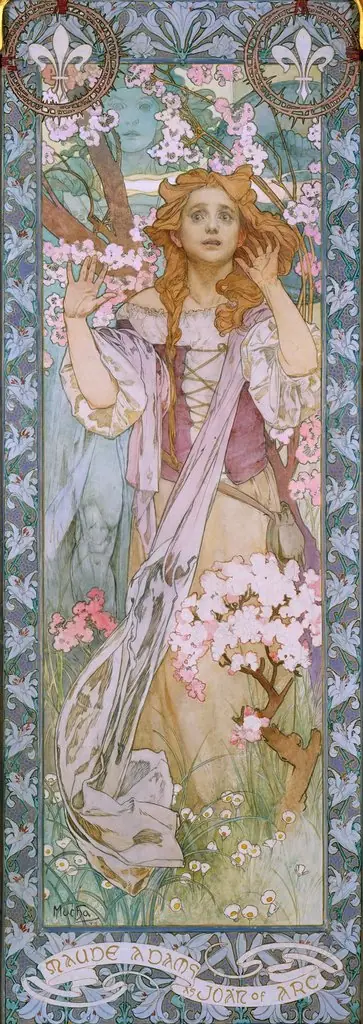 Maude Adams (1872–1953) as Joan of Arc
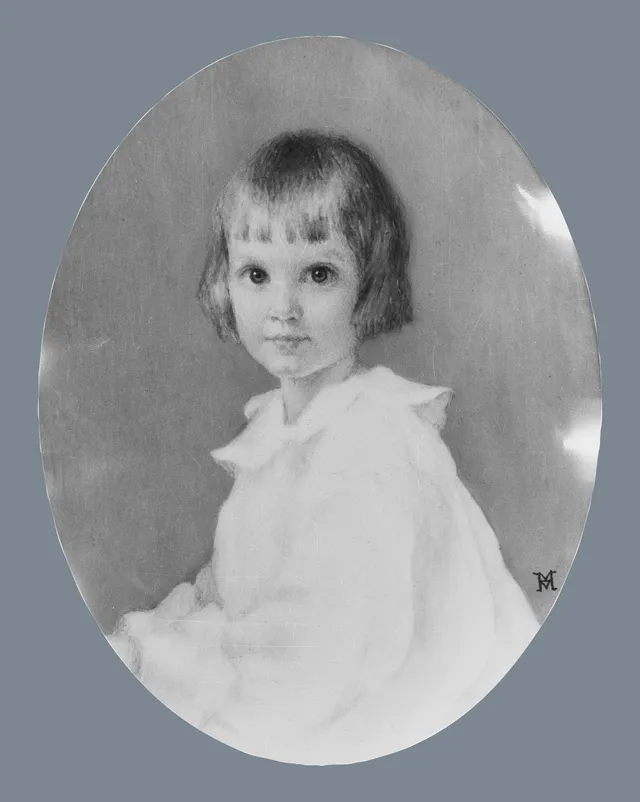
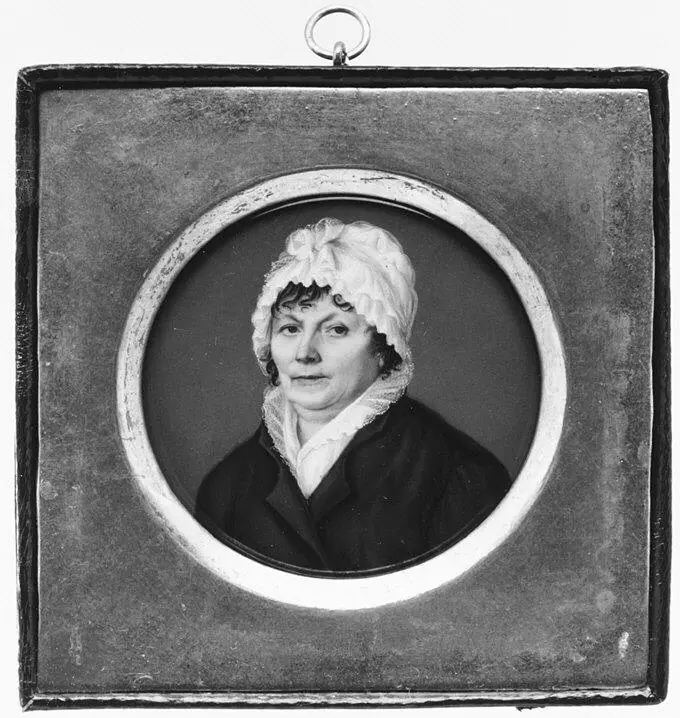 Margaret Rieche Richard
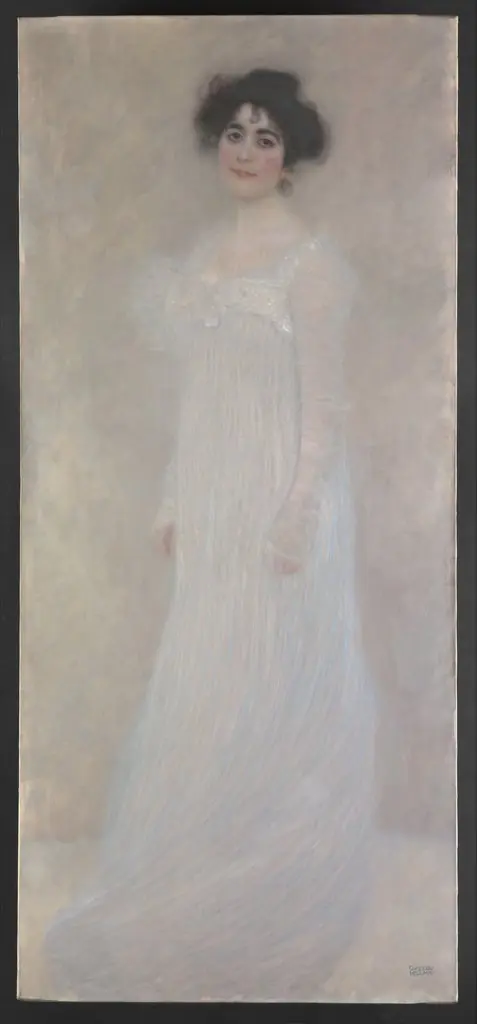 Serena Pulitzer Lederer (1867–1943)
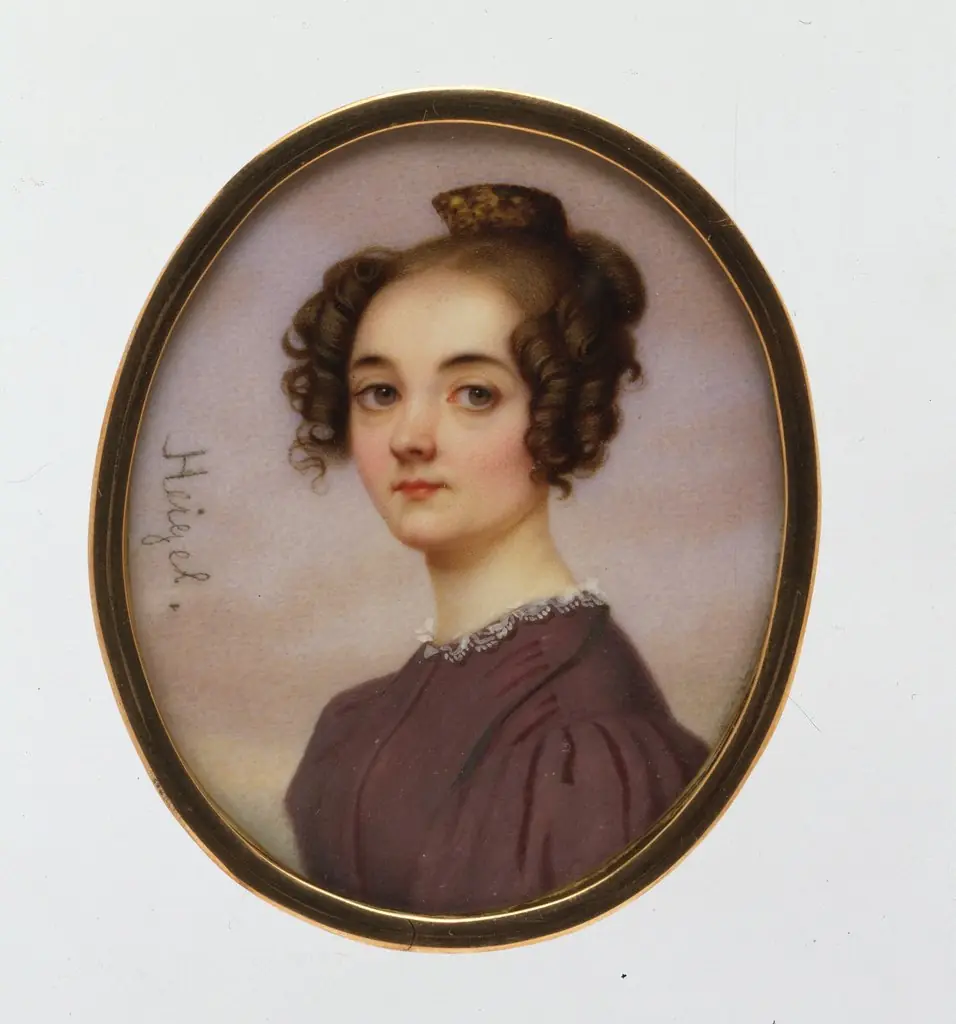 Lola Montez (1818–1861)
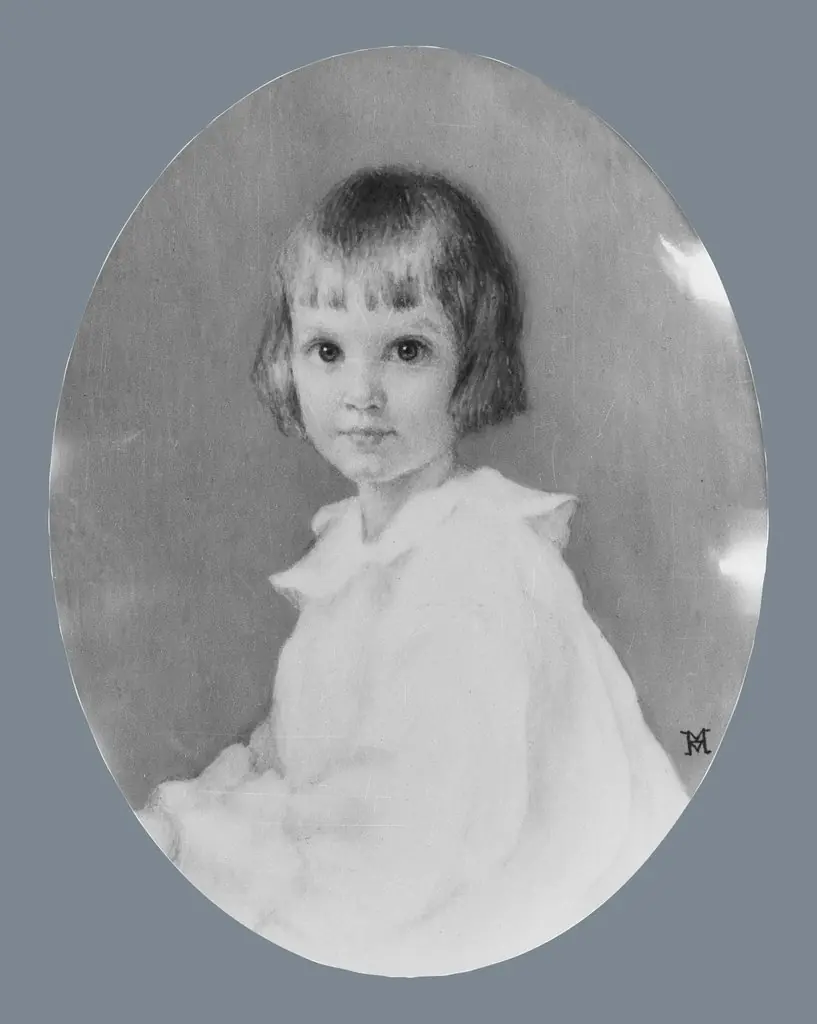 Pixie
Pixie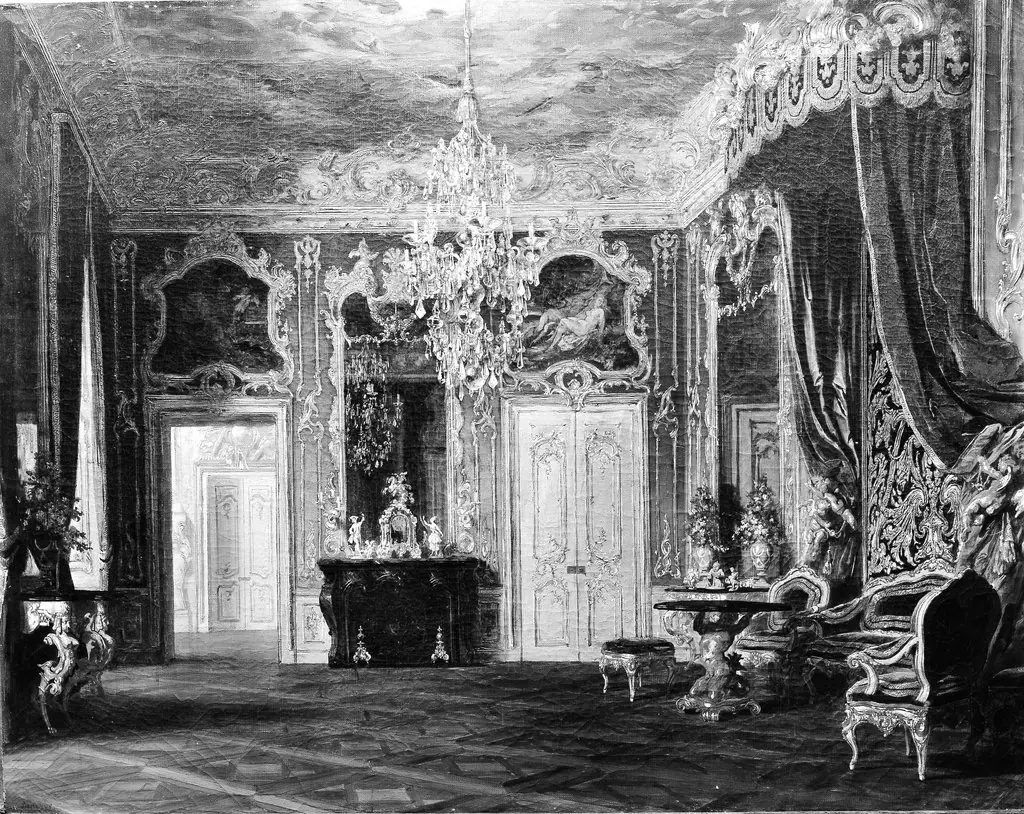 Project for a Room for King Ludwig II (1854–1886) of Bavaria
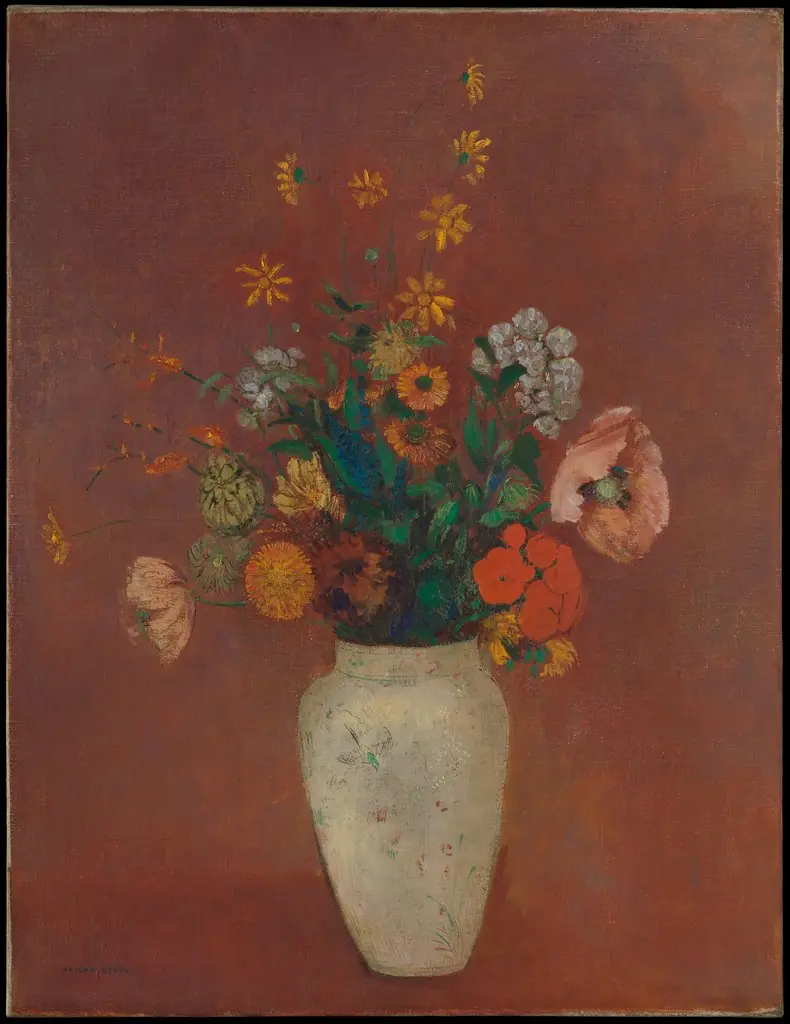 Bouquet in a Chinese Vase
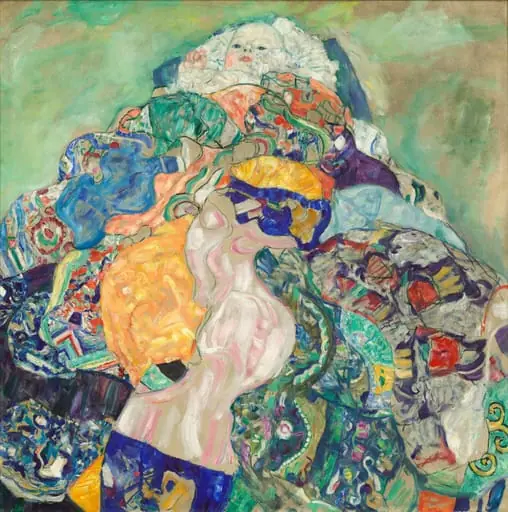 Baby (Cradle)
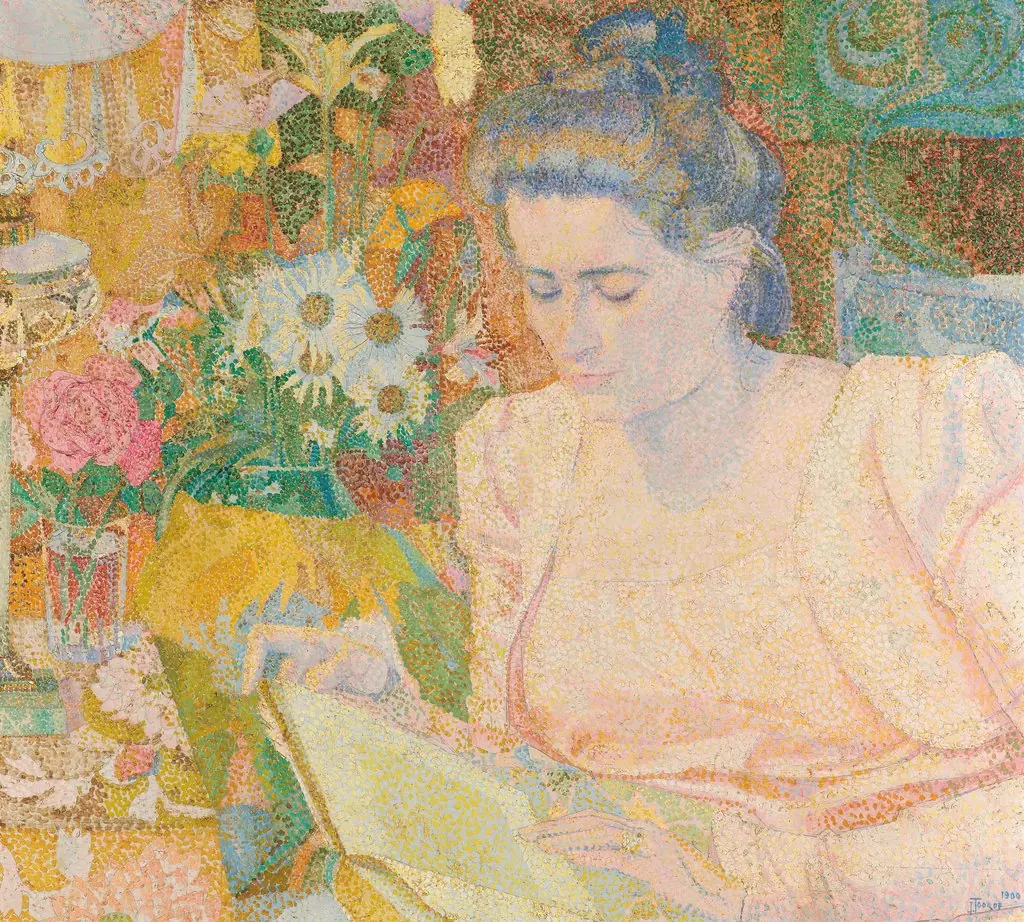 Portrait of Marie Jeanette de Lange
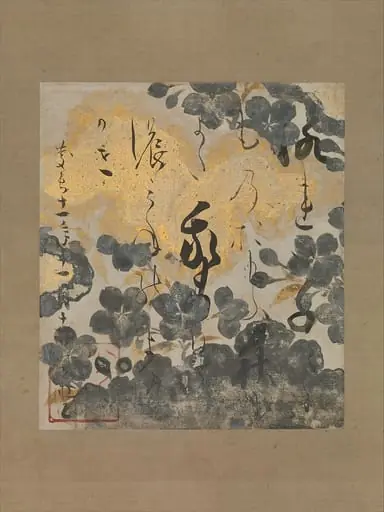 本阿見光悦書・俵屋宗達下絵 桜下絵和歌色紙 鴨長明|Poem by Kamo no Chōmei with Underpainting of Cherry Blossoms
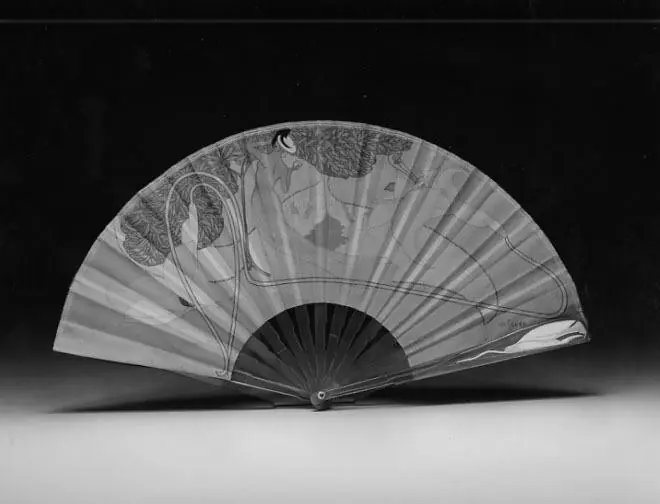 Fan
Fan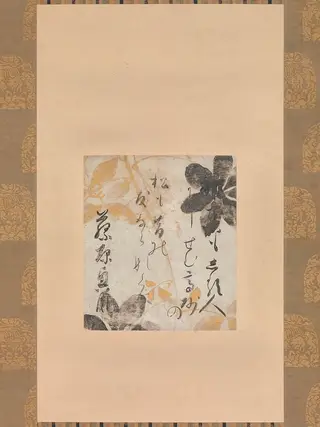 鉄線下絵和歌色紙|Poem by Fujiwara no Okikaze with Underpainting of Clematis
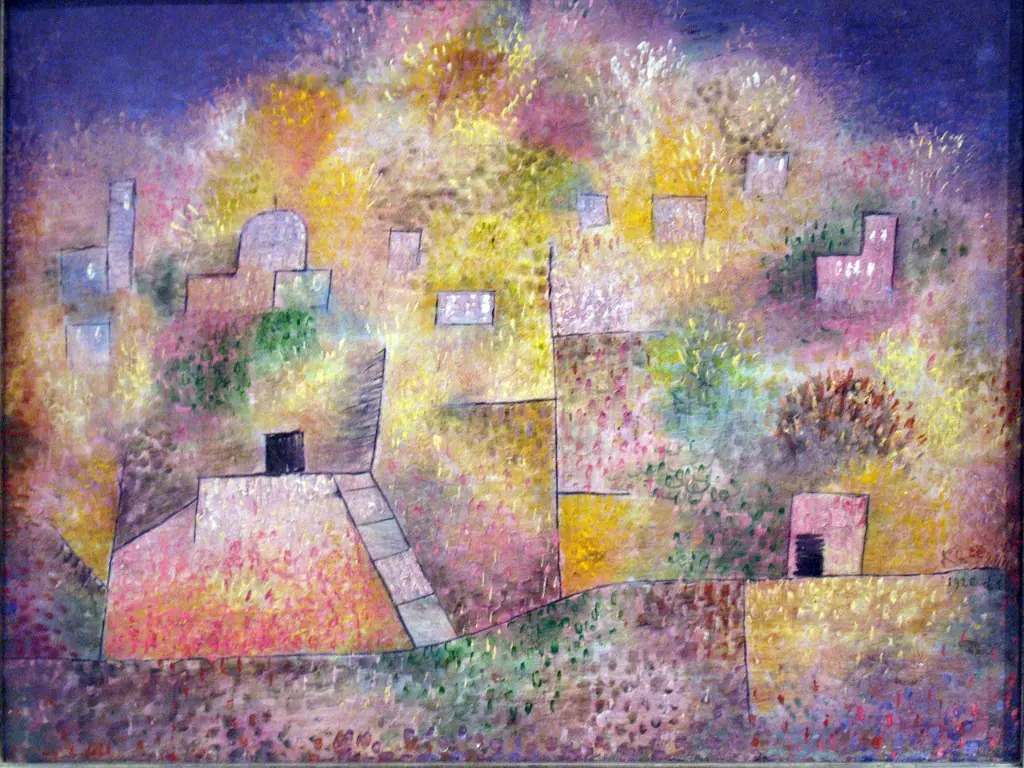 Oriental Pleasure Garden
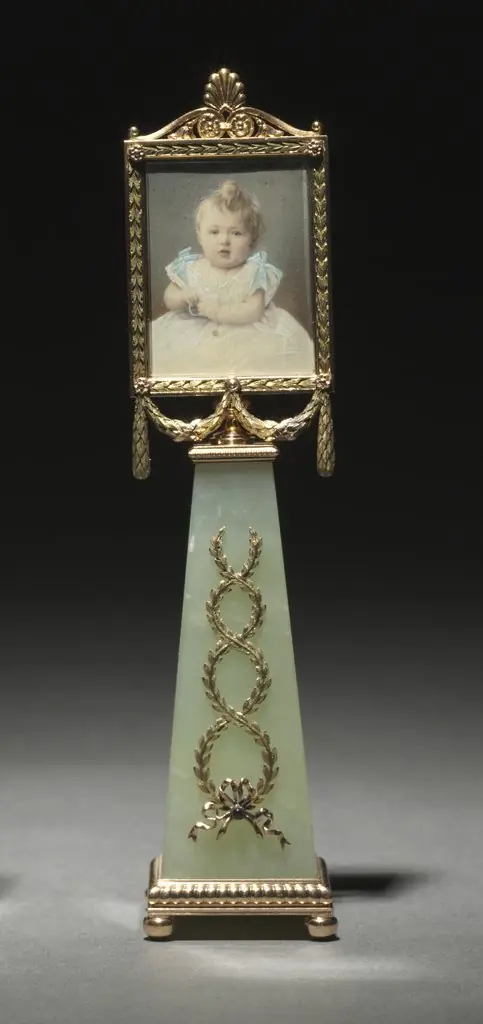 Imperial Framed Miniature of Grand Duchess Olga Nicolaievna
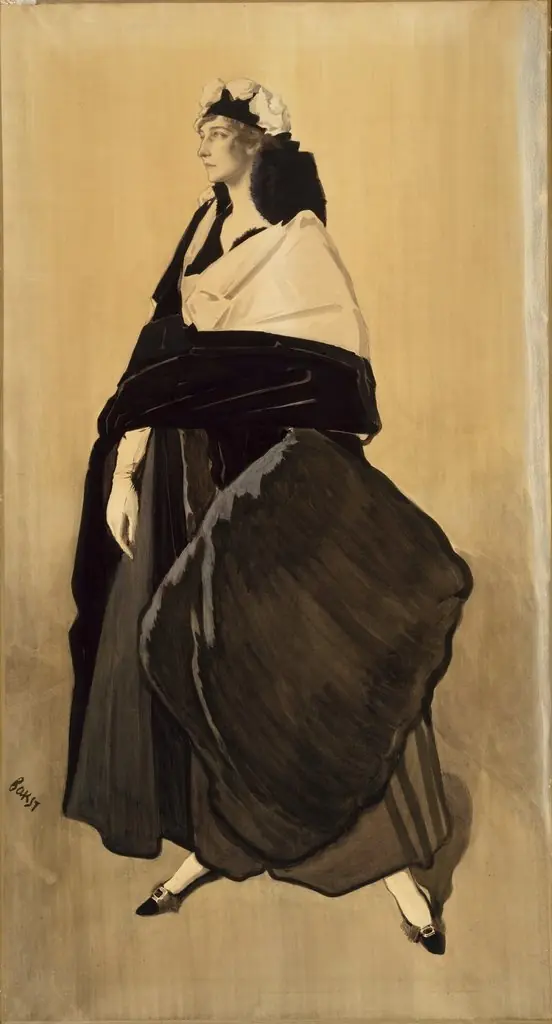 Mme Ida Rubinstein
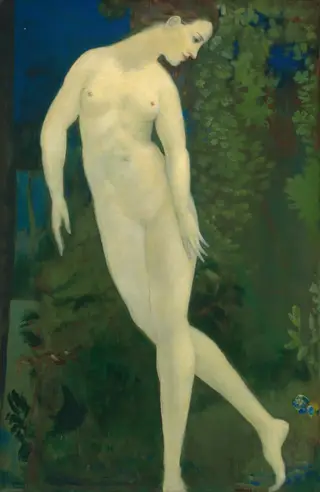 Stars and Dews and Dreams of Night
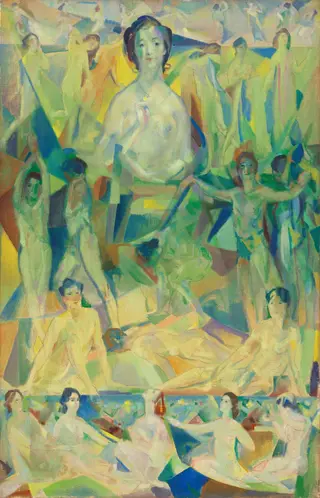 The Great Mother
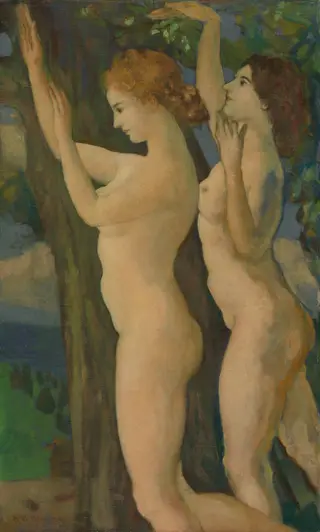 Sweet Tremulous Leaves
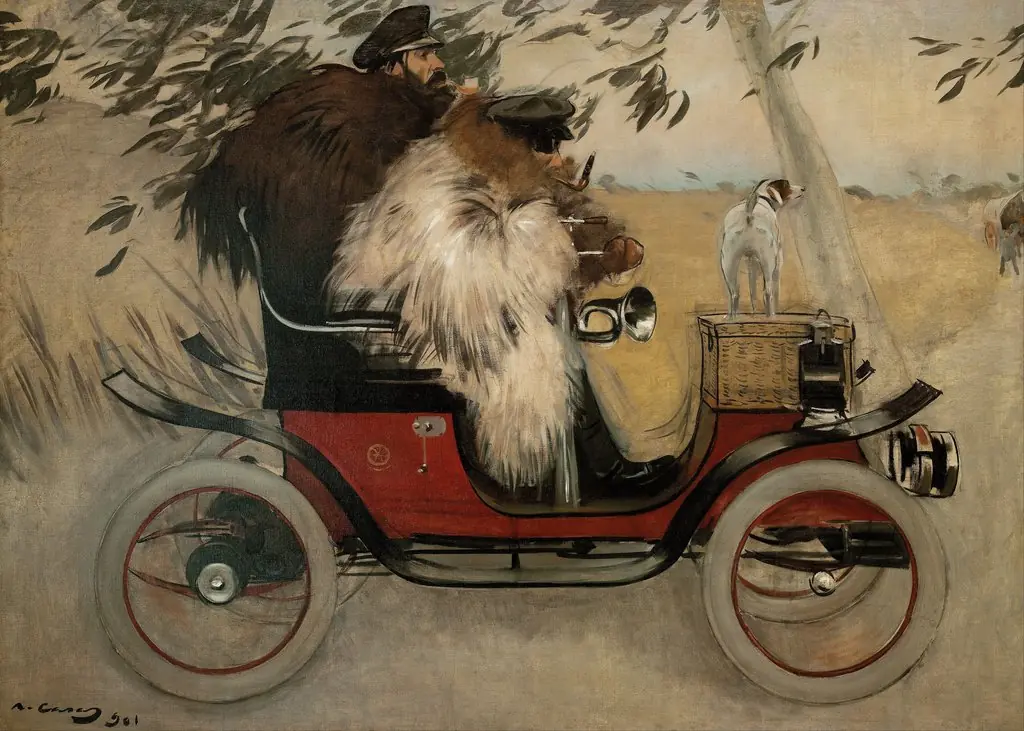 Ramon Casas and Pere Romeu in an Automobile
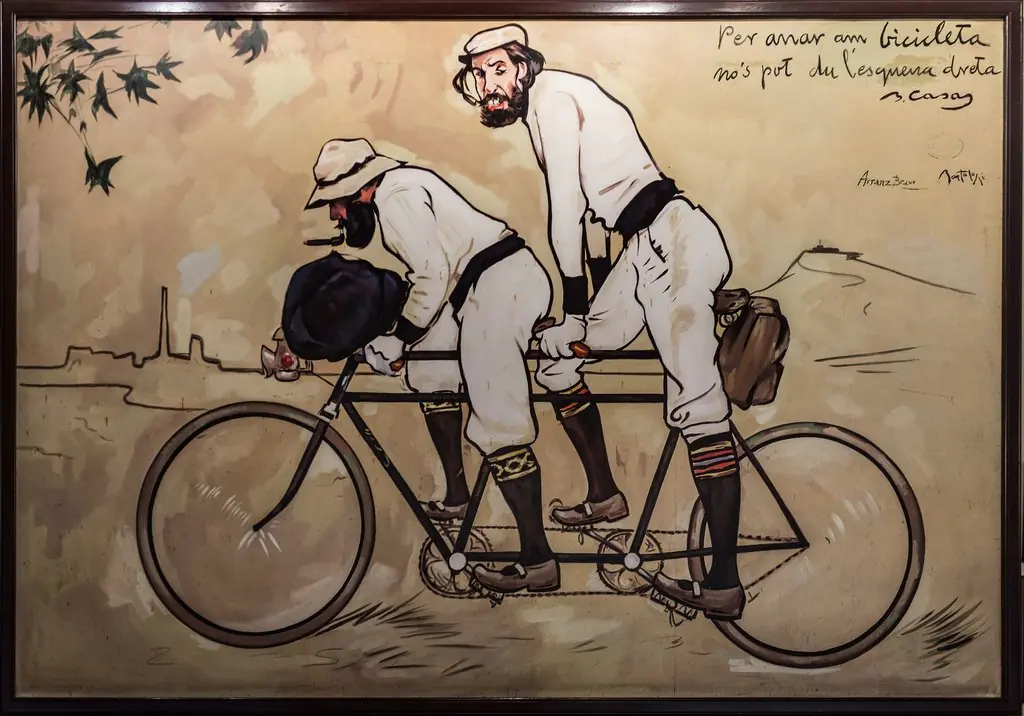 Ramon Casas and Pere Romeu on a Tandem
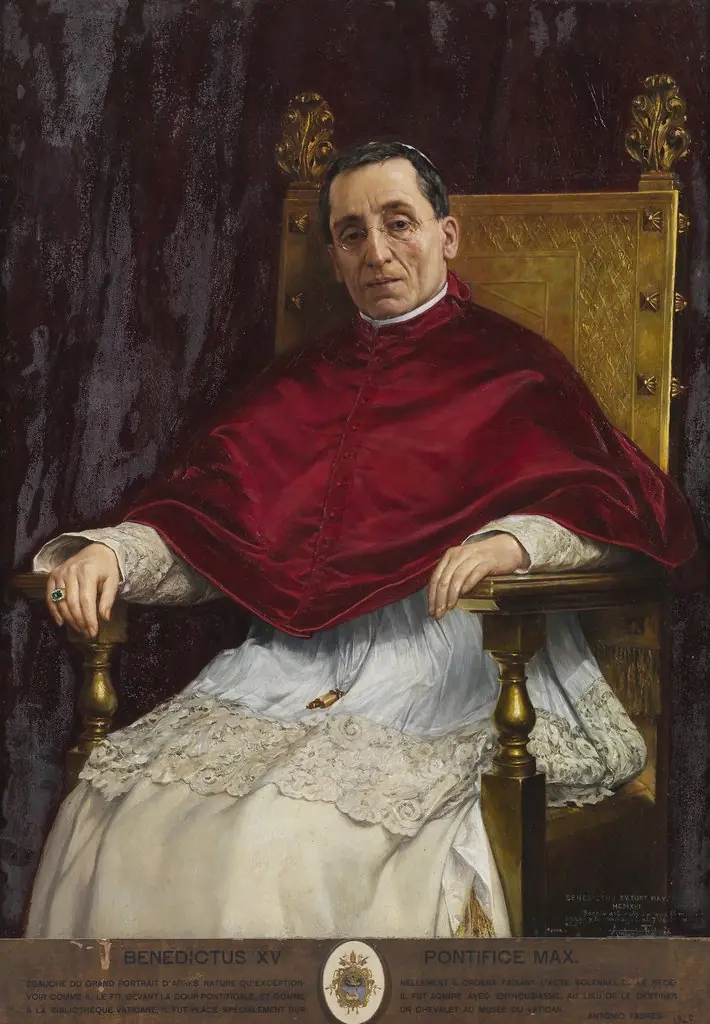 Pope Benedict XV
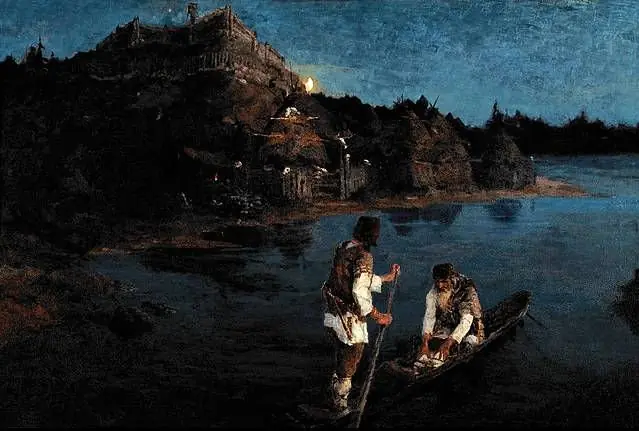 Messenger. Clan revolted against to clan.
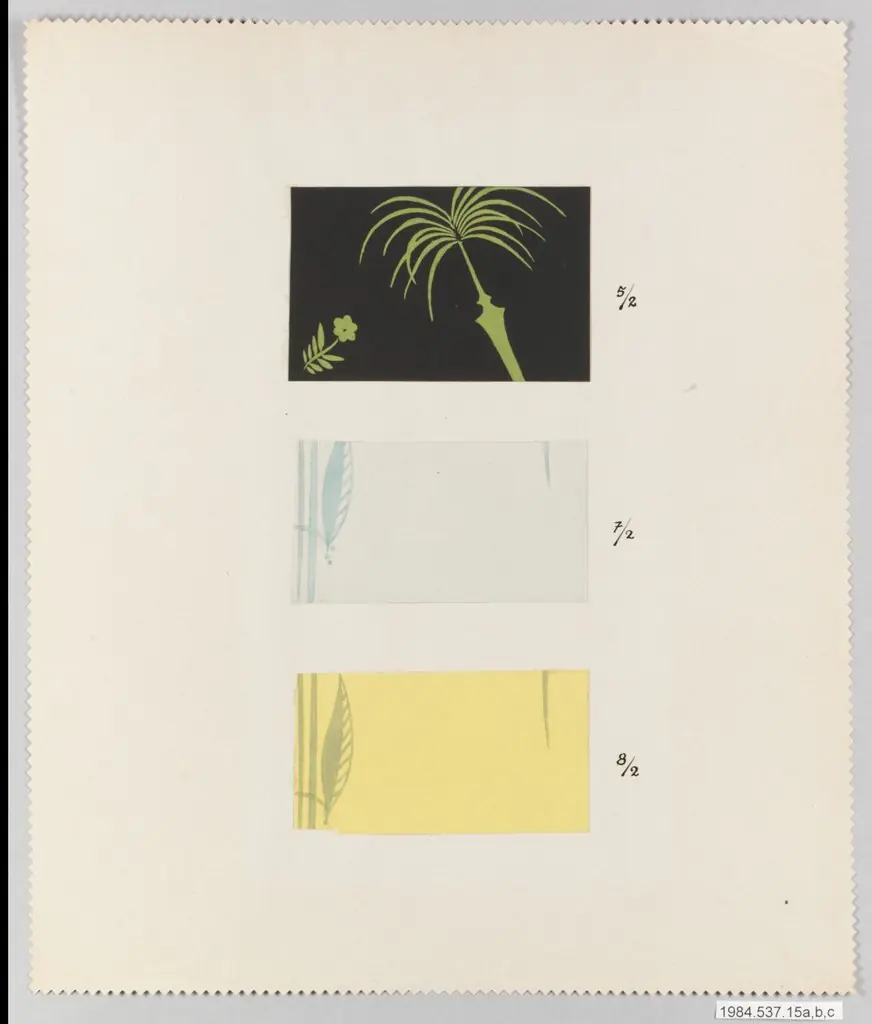 PALM
PALM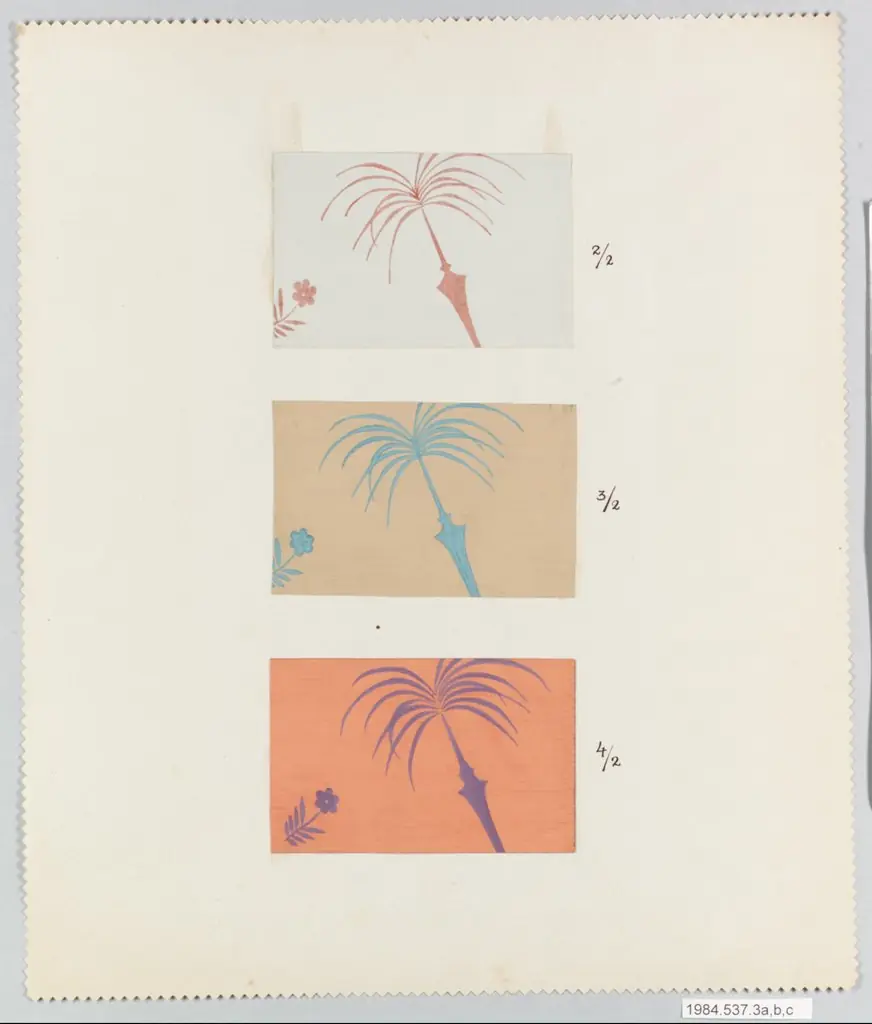 PALM
PALM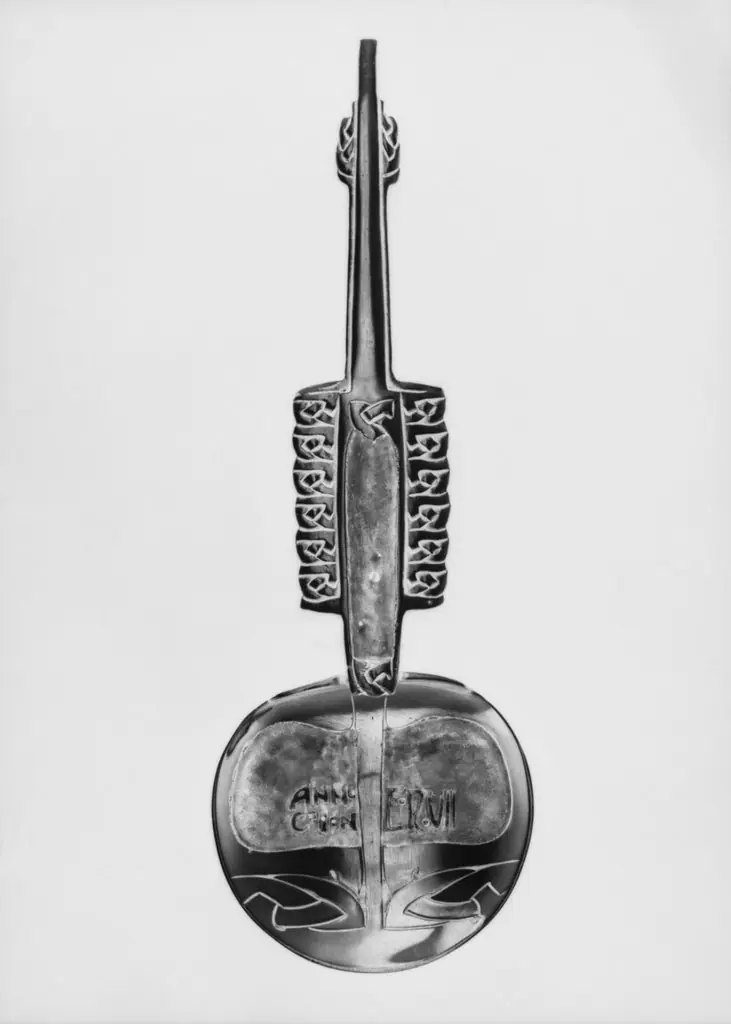 Coronation spoon
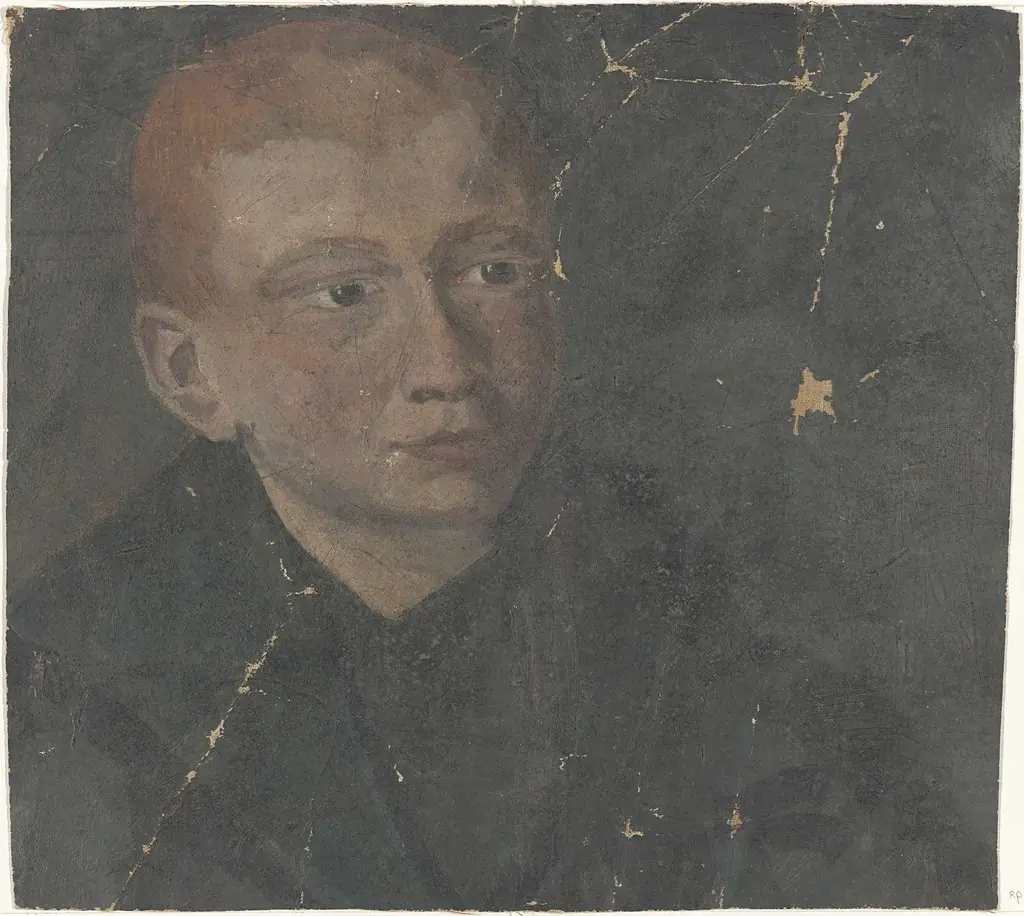 Jongenskop met rood haar
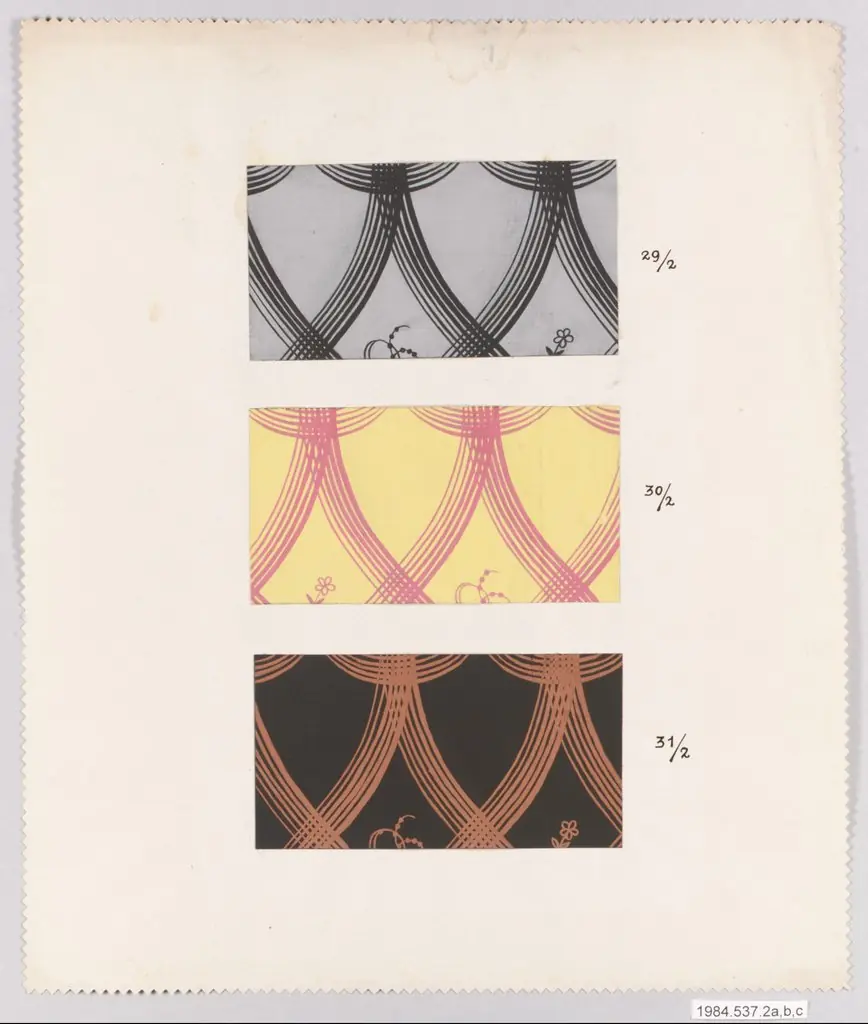 PALATIN
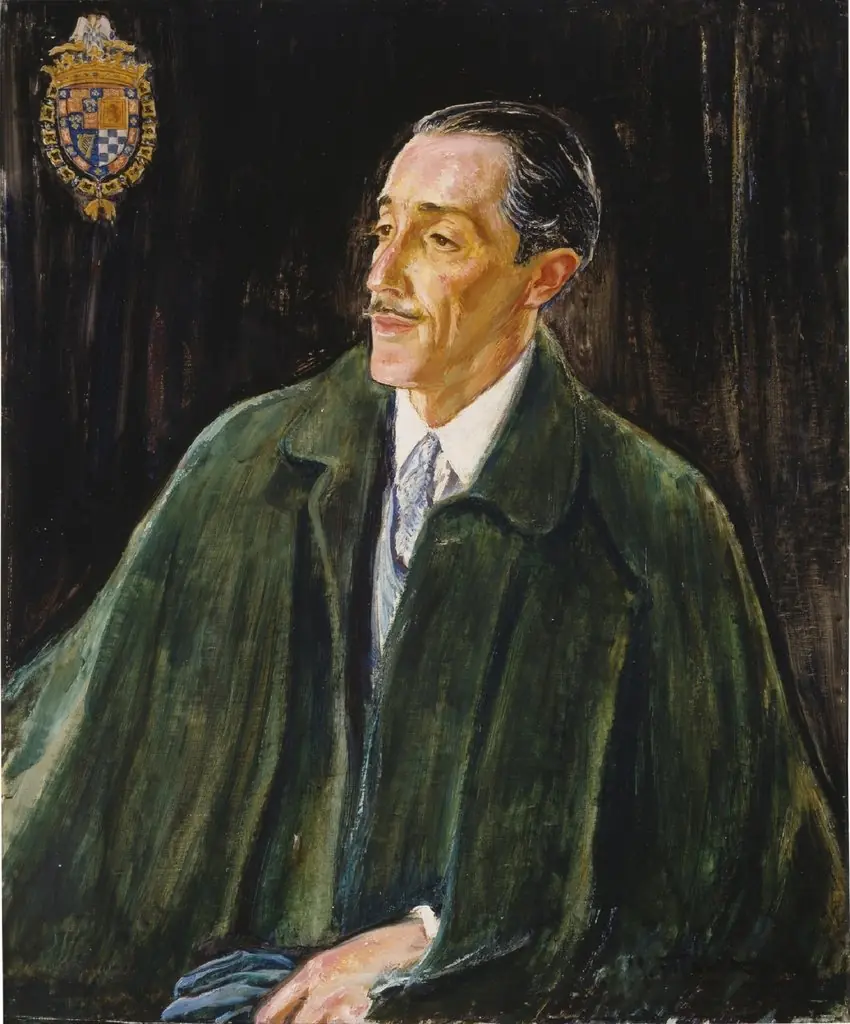 Jacobo Fitz-James Stuart, duke of Alba
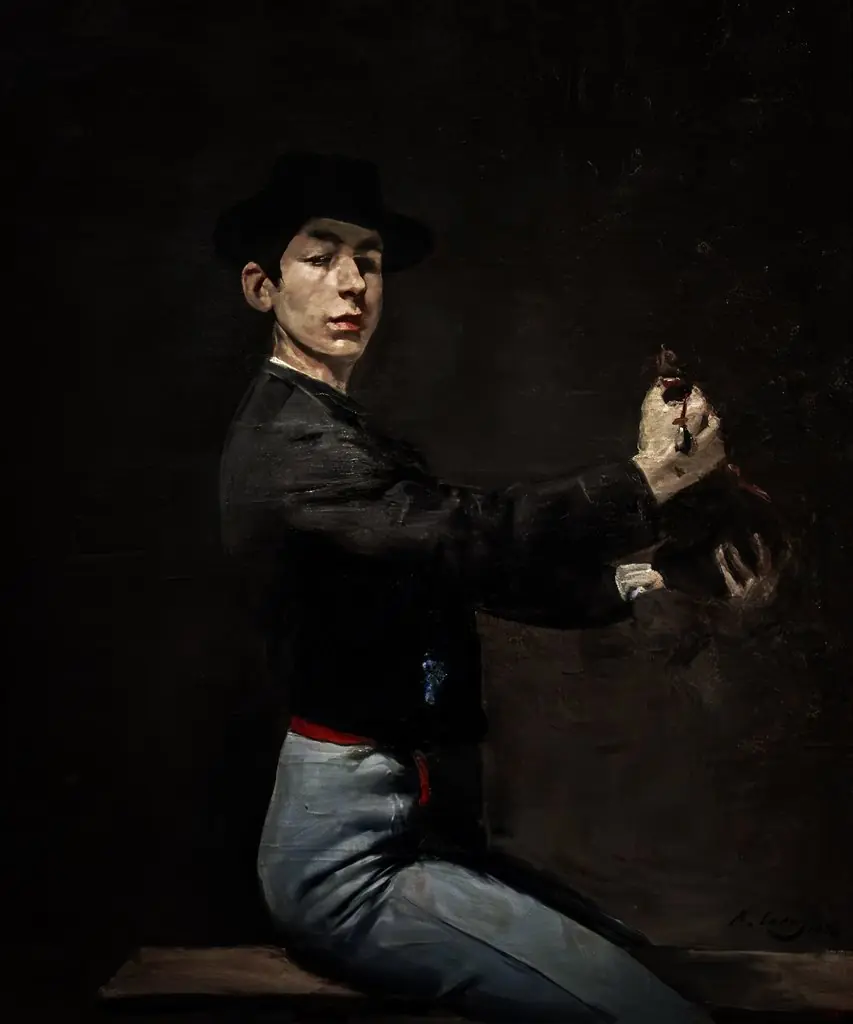 Self-portrait
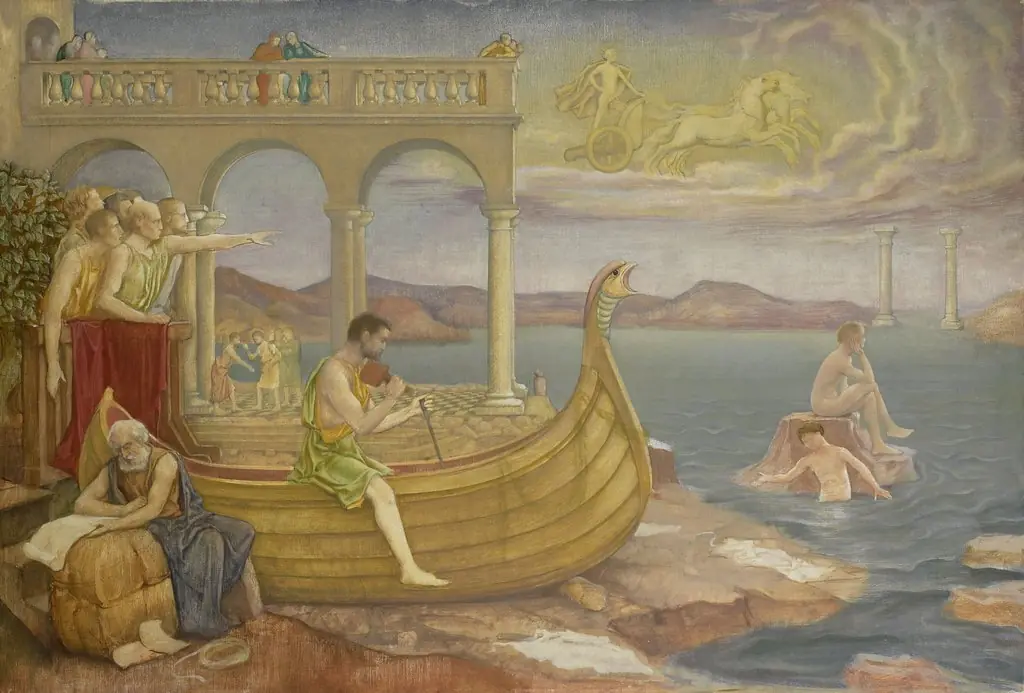 The Building of the 'Argo'
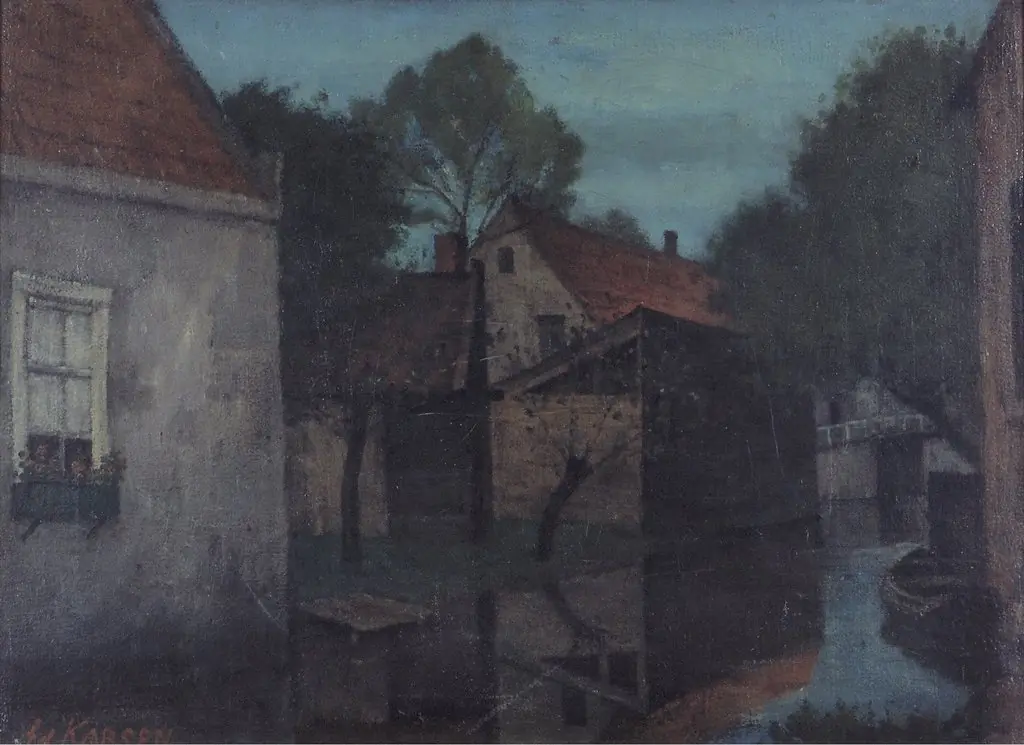 Backstreet
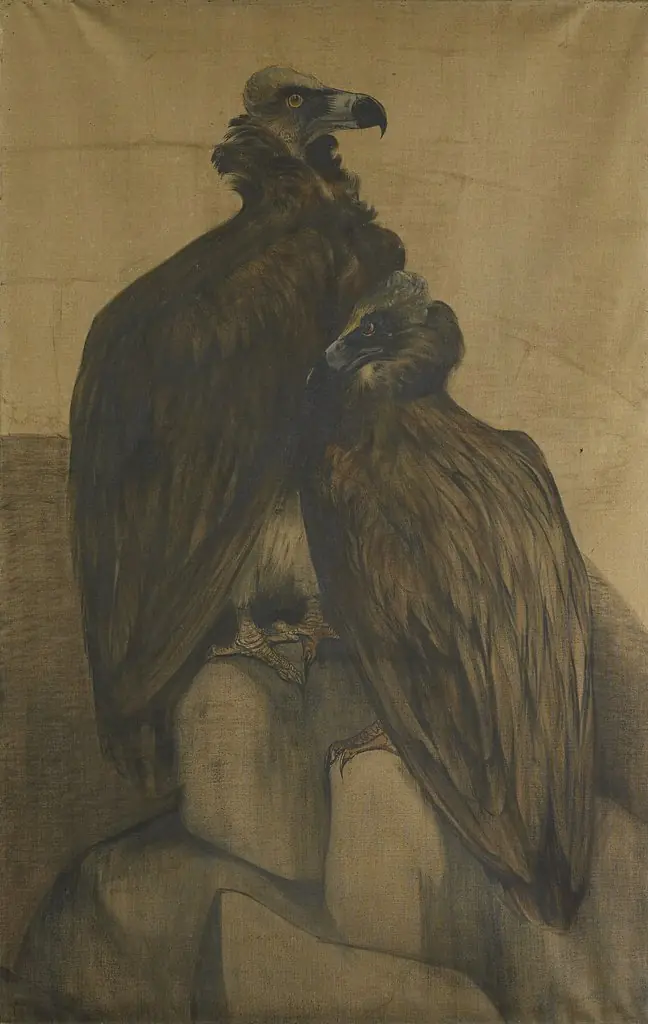 Two Arabian Vultures
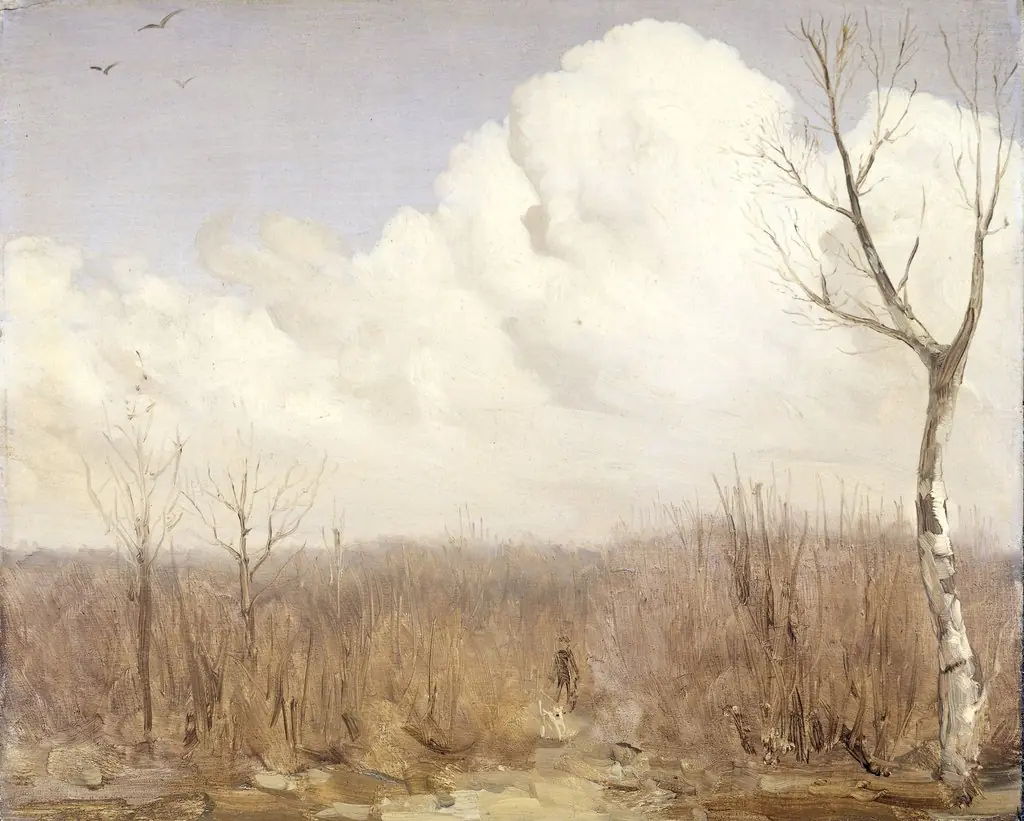 Autumn Day
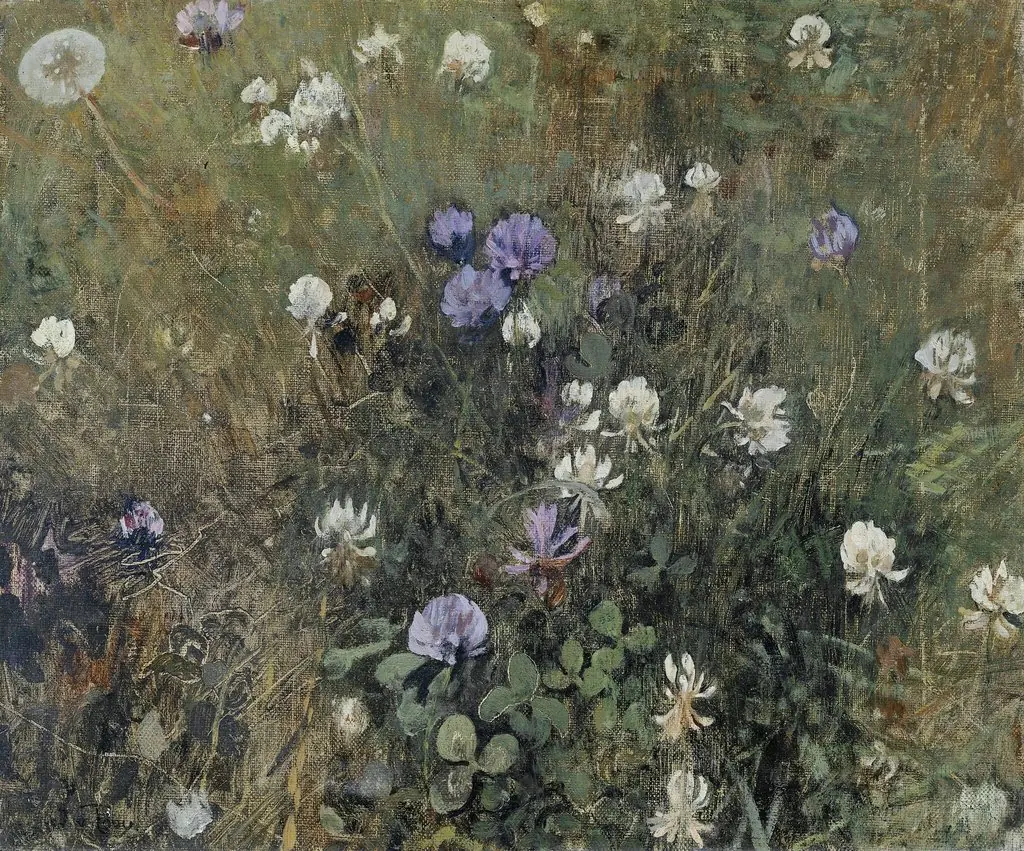 Blooming Clover
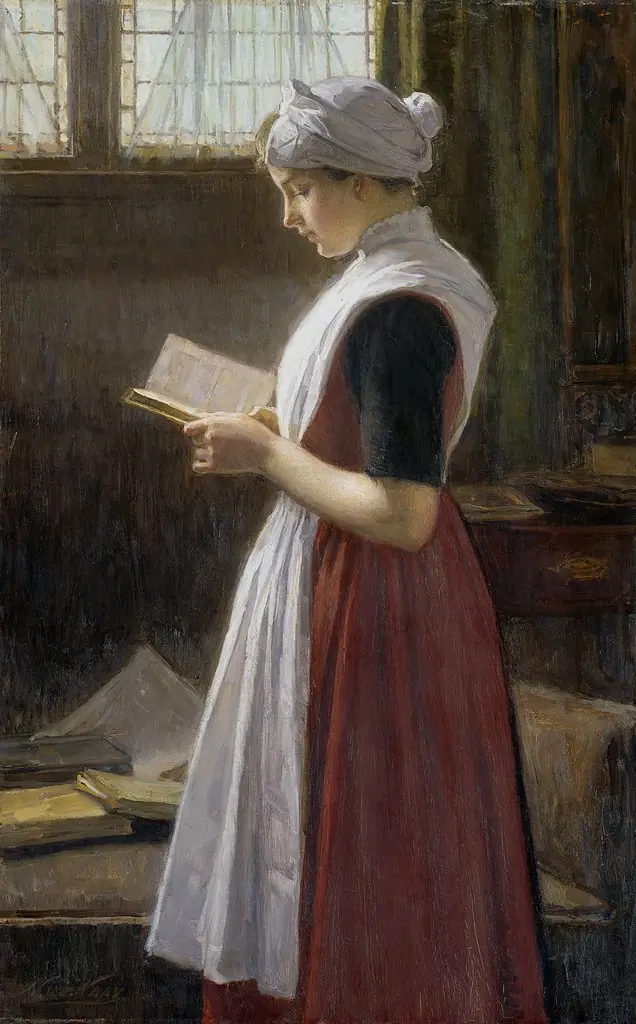 Amsterdam Orphan Girl
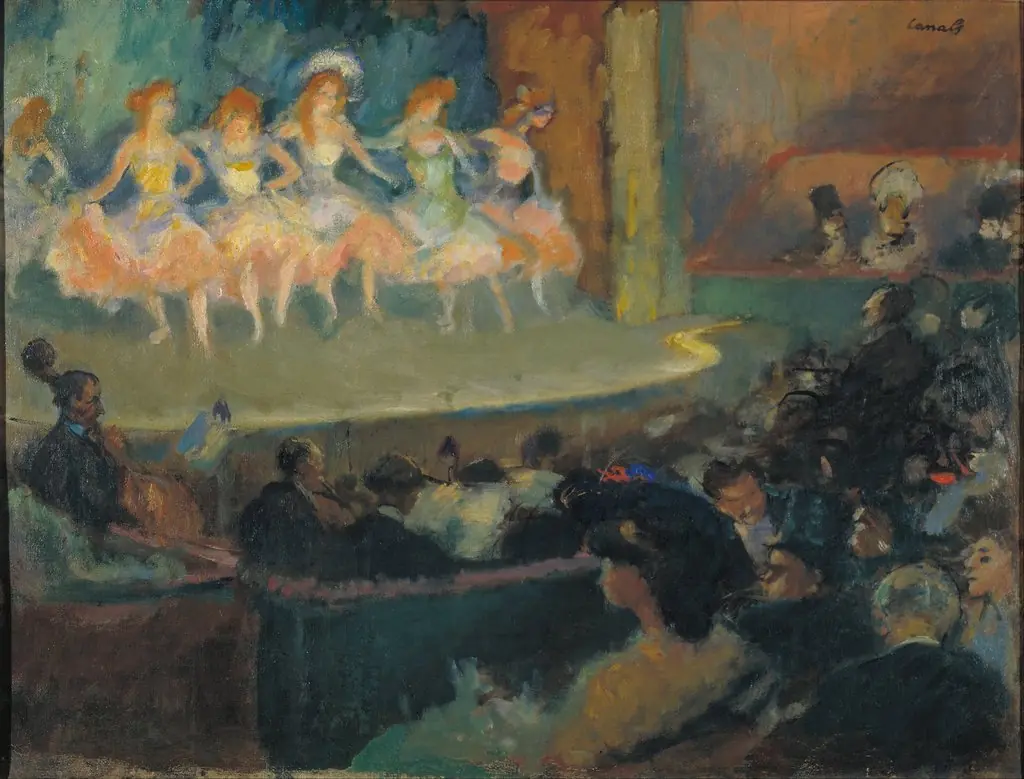 Café Concert
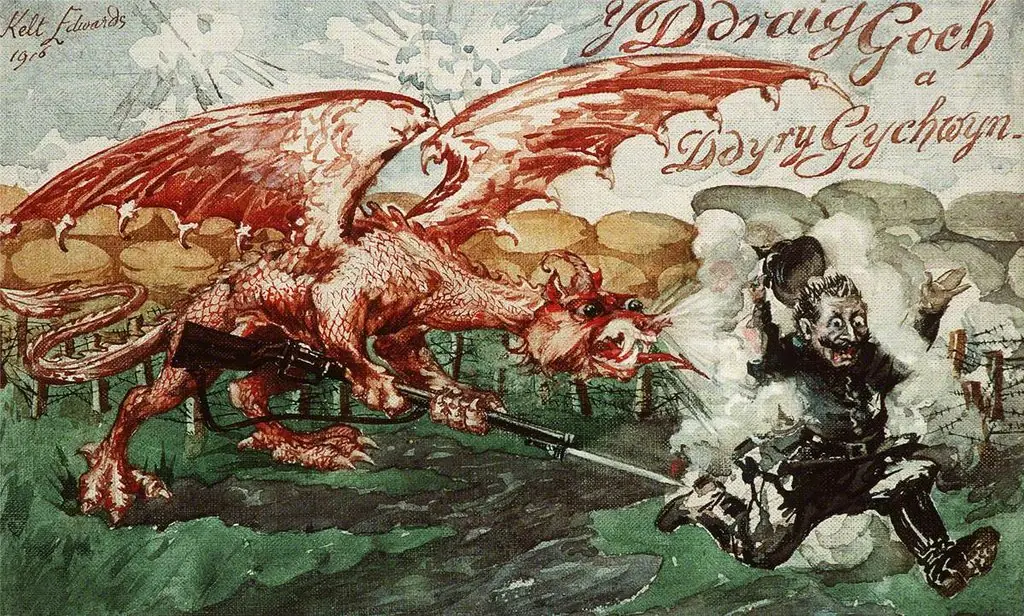 Y Ddraig Goch a Ddyry Gychwyn
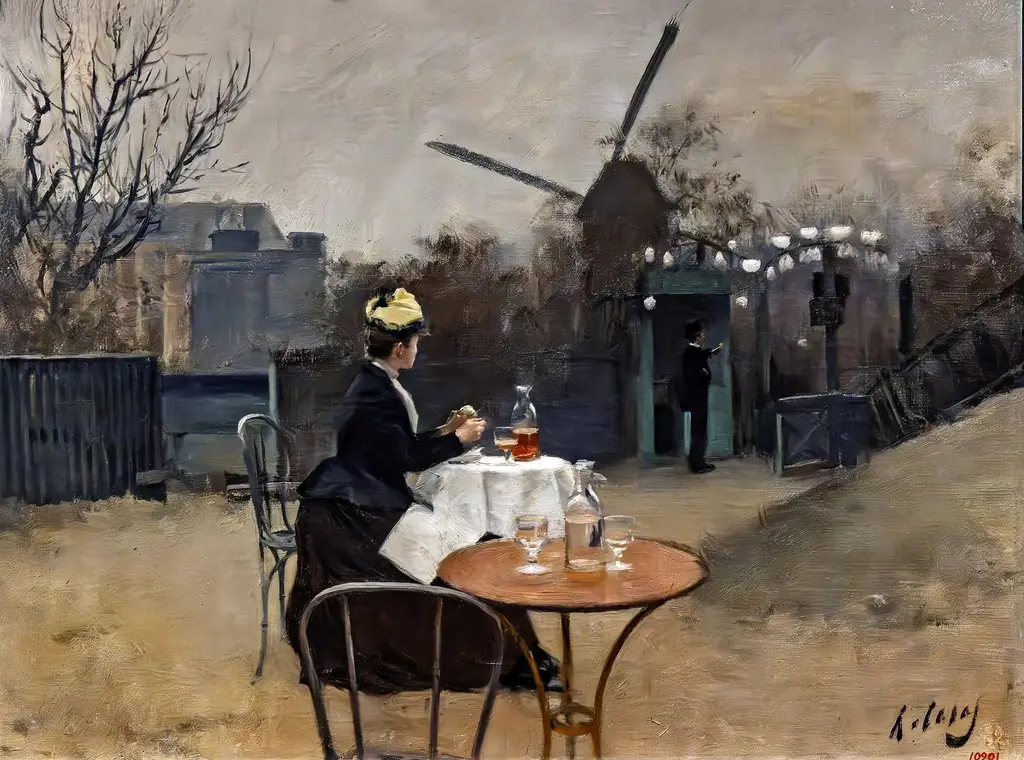 Plein air
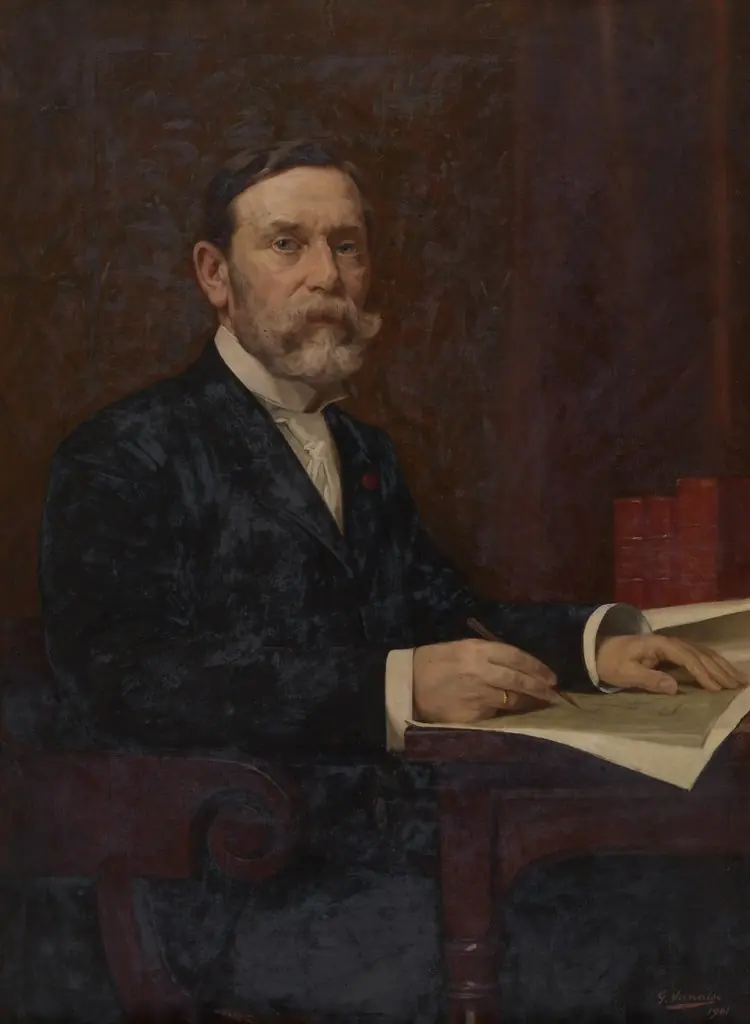 The Architect Leonard Blomme
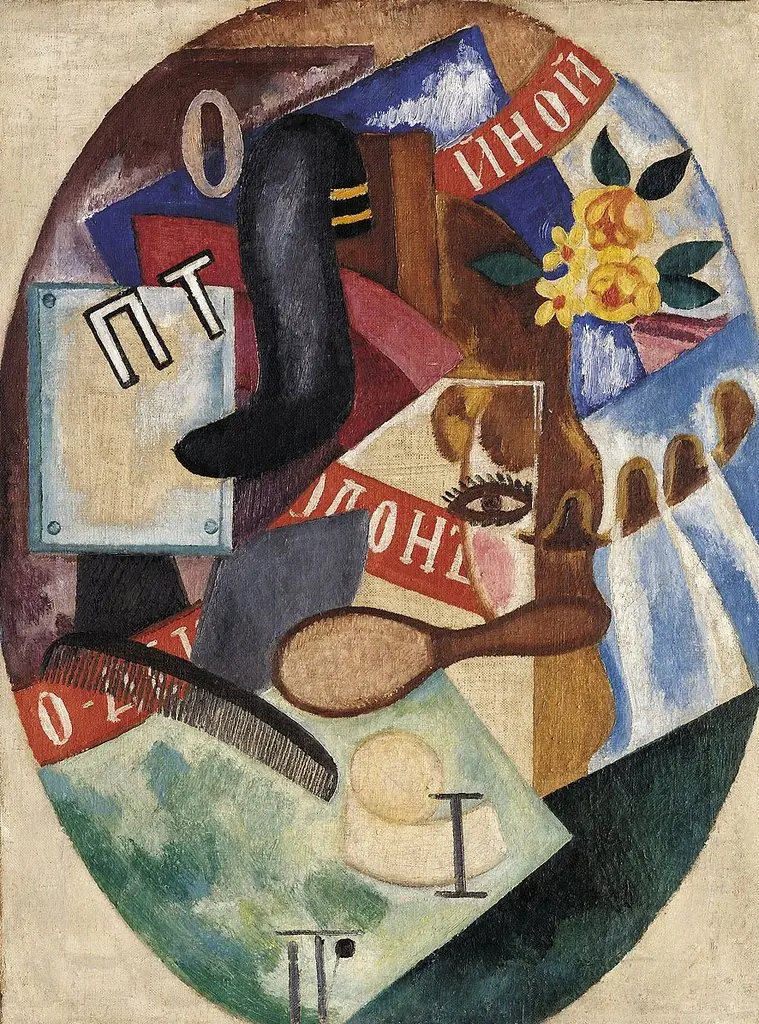 Hairdressing Salon
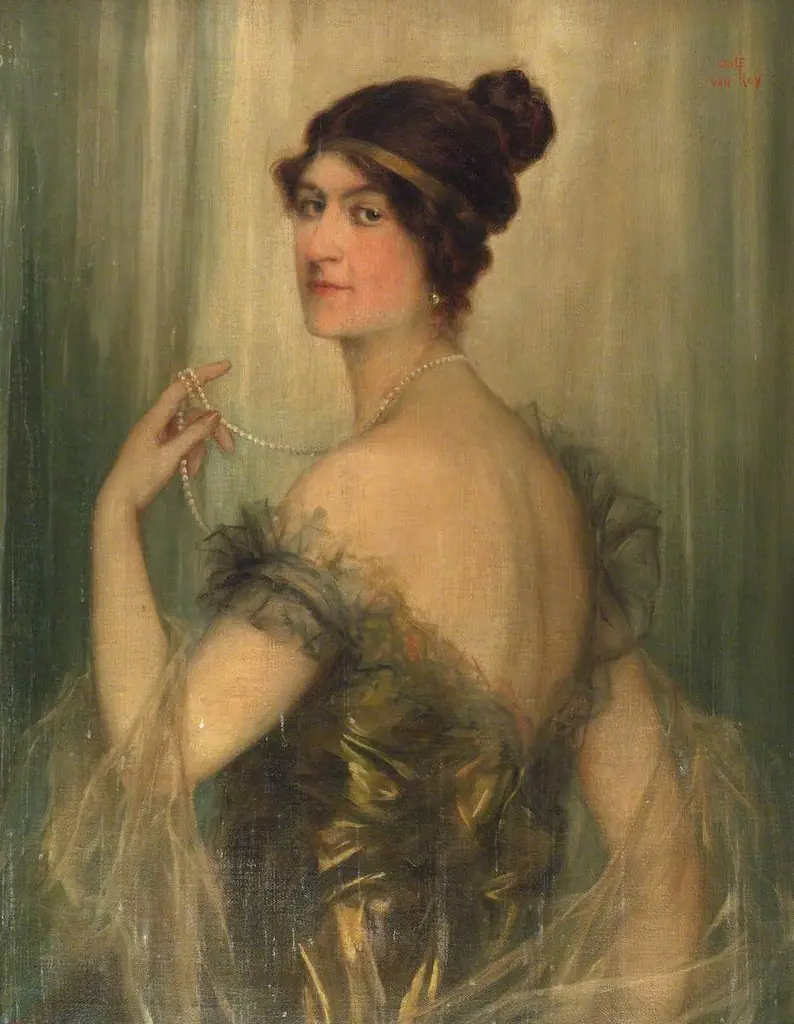 Isobelle Humphreys-Owen
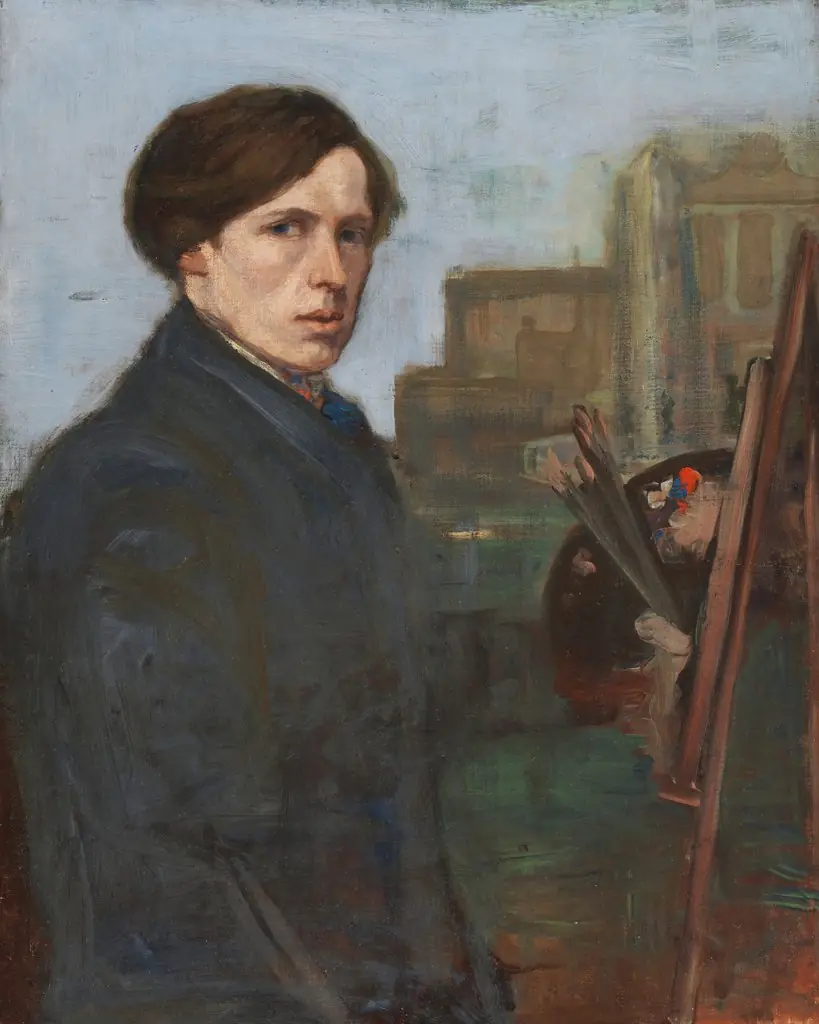 Portrait of William Orpen (1878-1931), Artist
 Portrait of George Bernard Shaw (1856-1950), Dramatist
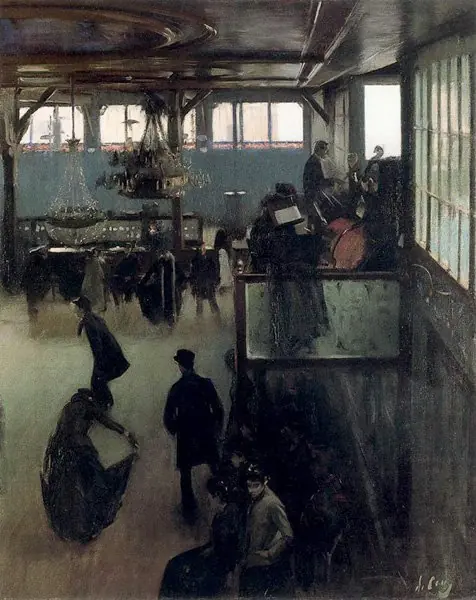 Bal du Moulin de la Galette
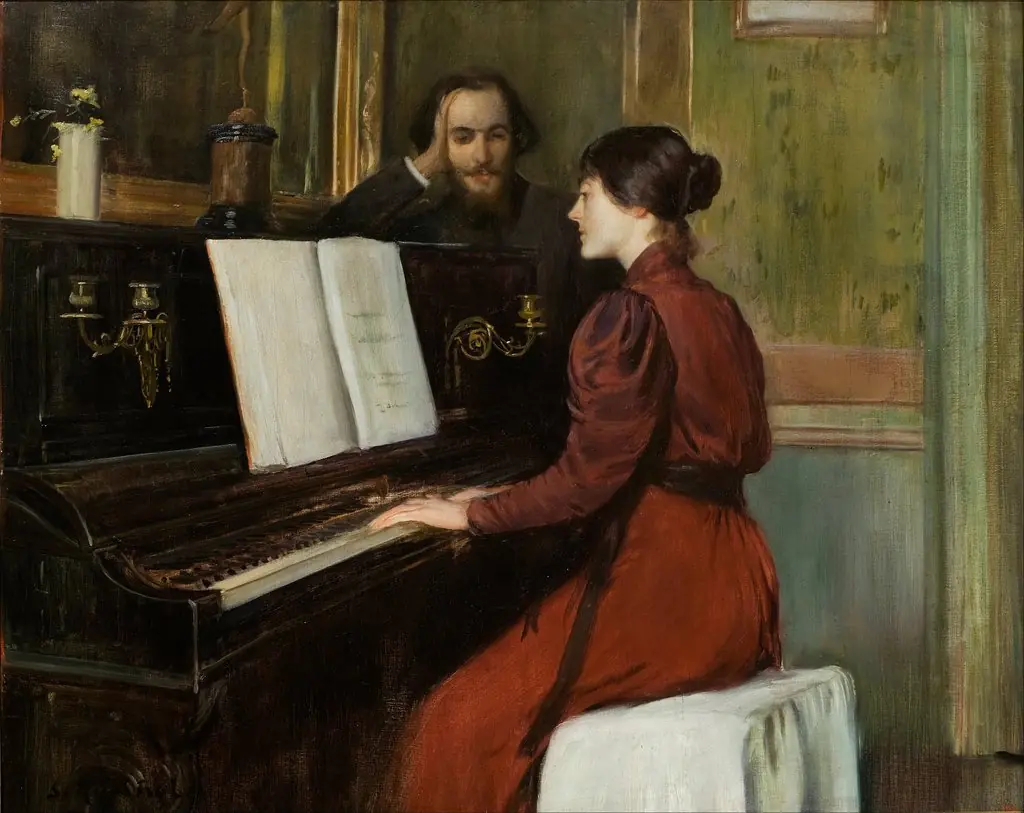 A Romance
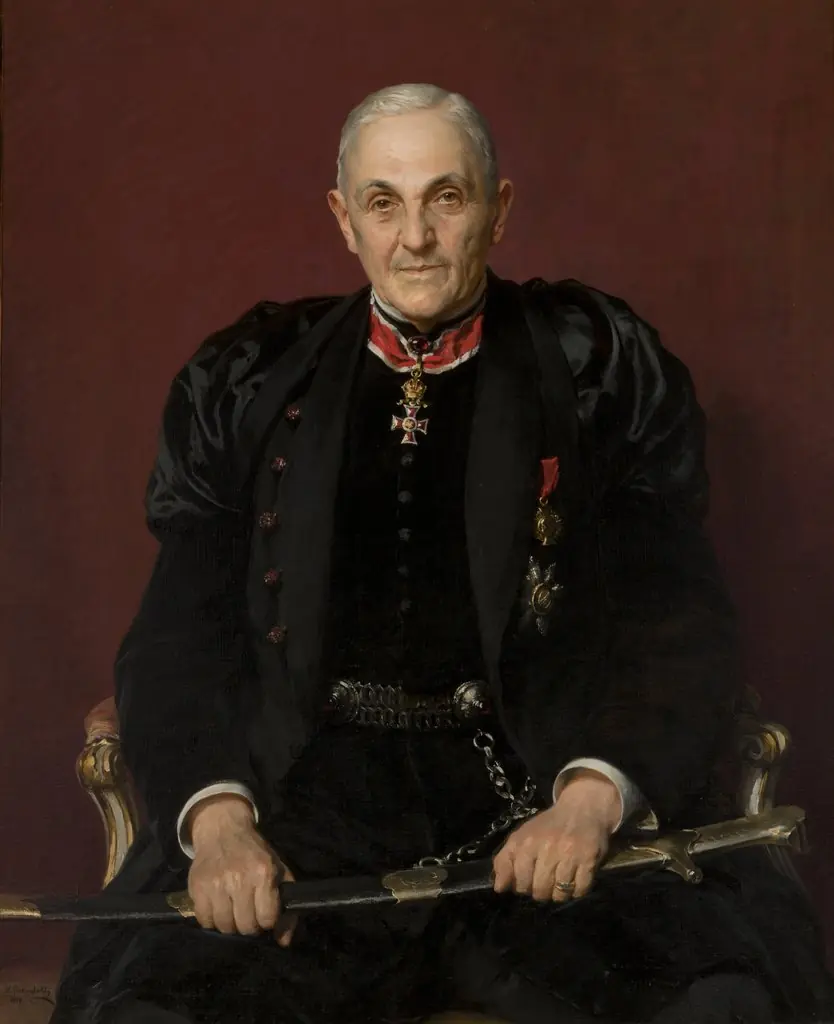 Portrait of Dawid Abrahamowicz
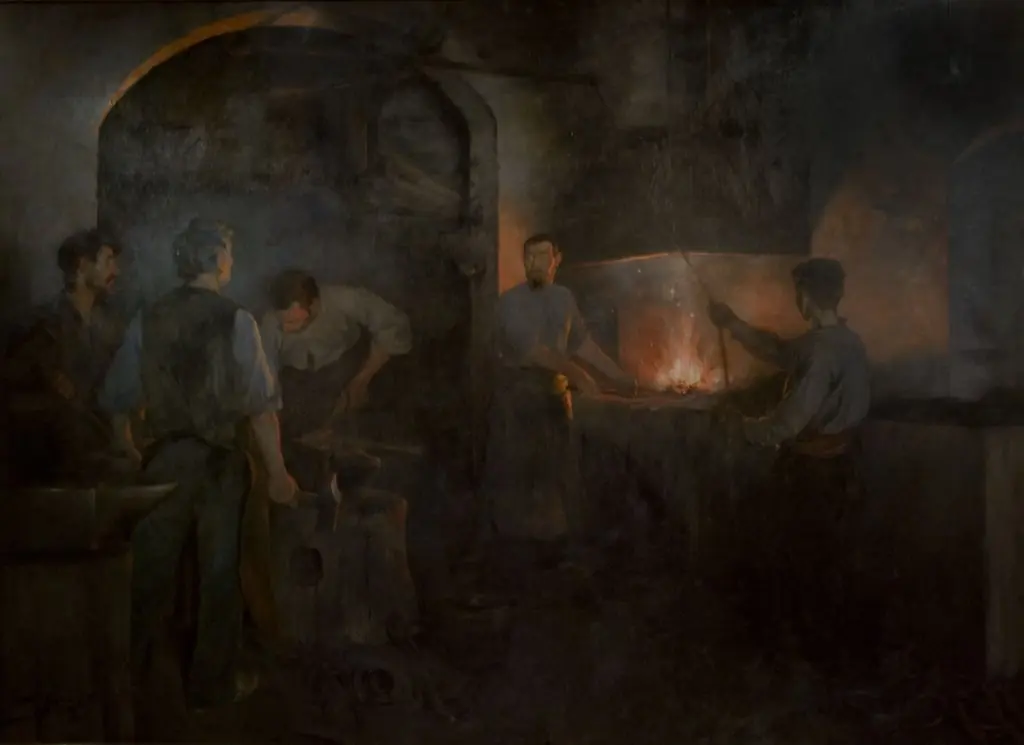 The Forge
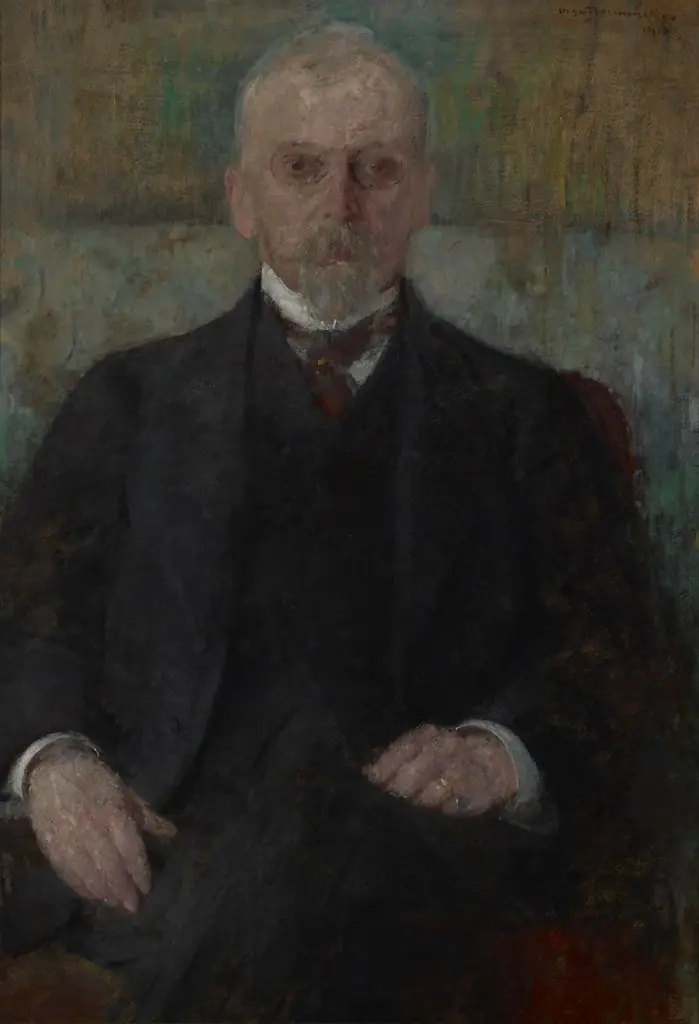 Portrait of Henryk Sienkiewicz
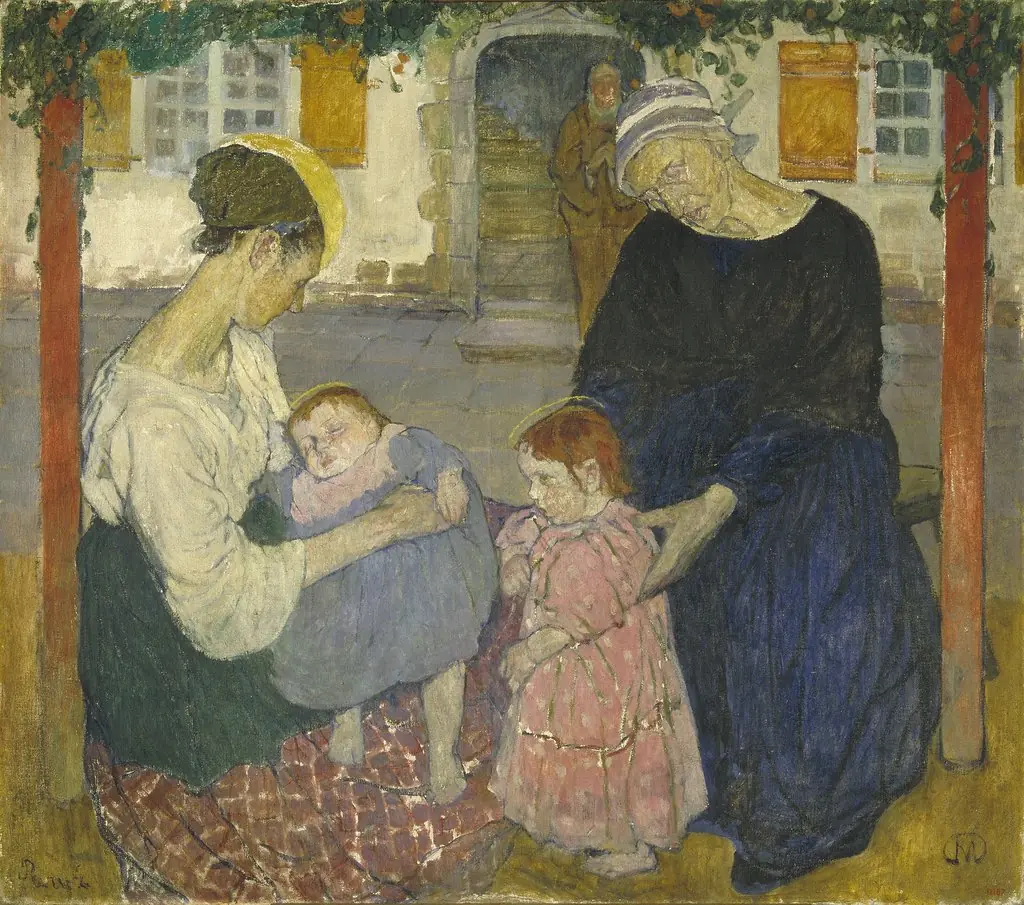 Holy Family
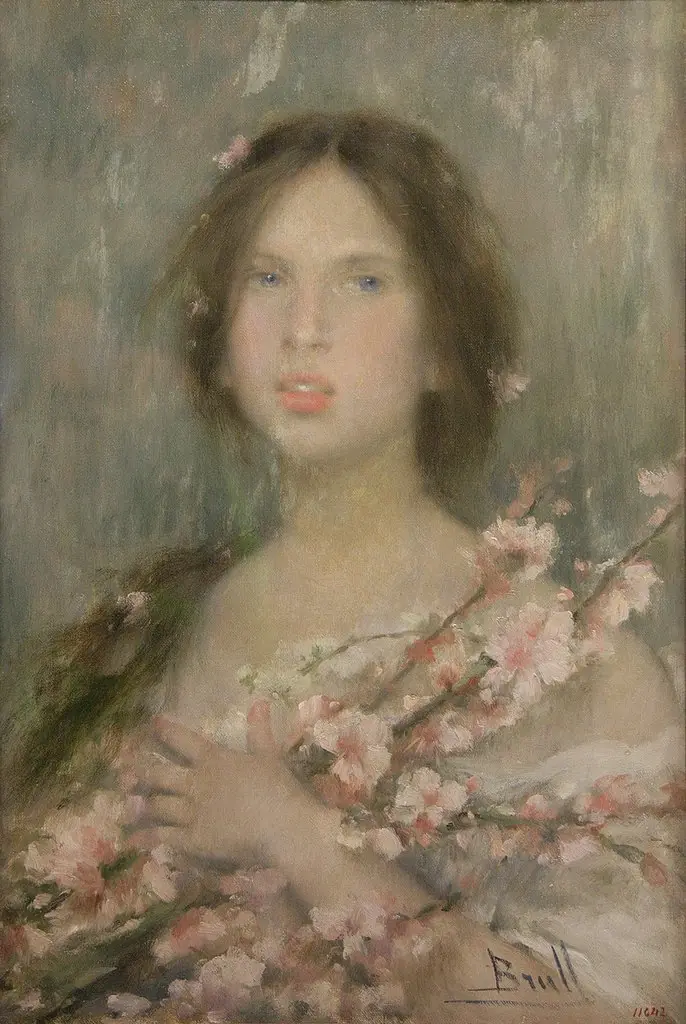 Early Flowers
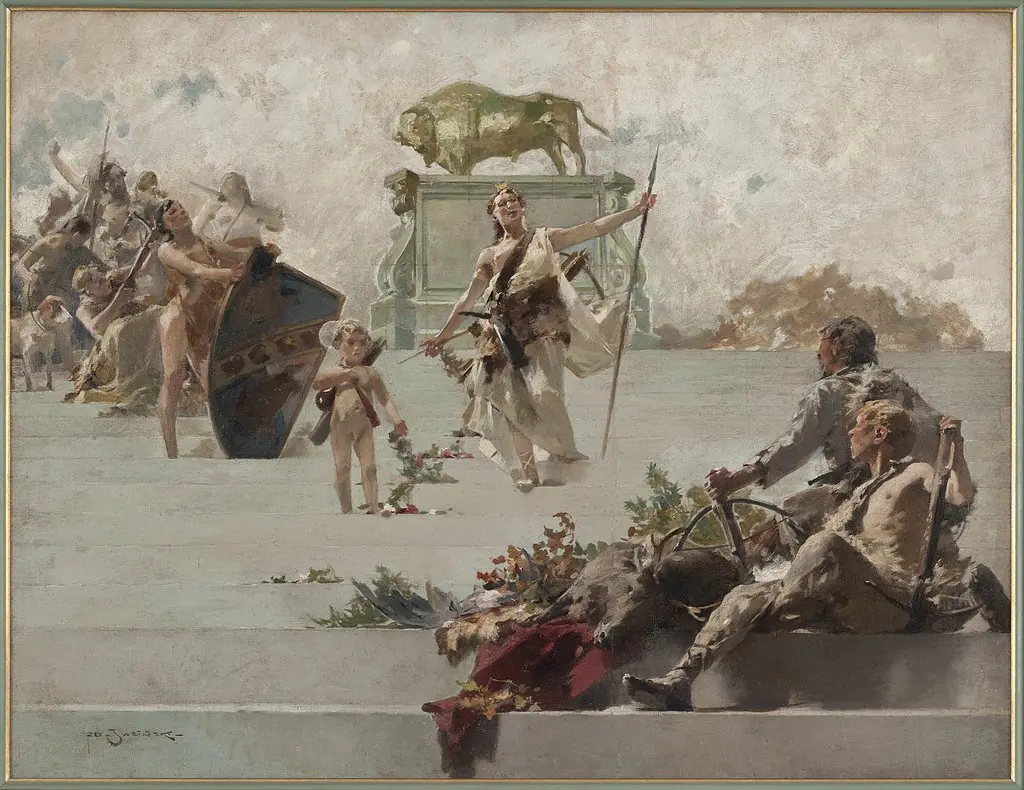 Allegory of the hunt
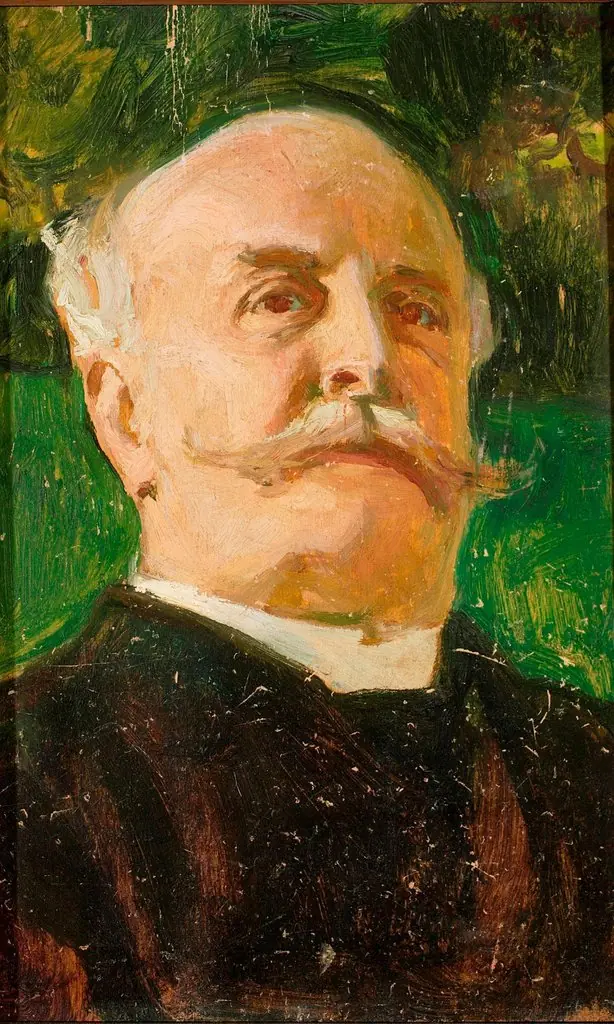 Portrait of Juliusz Kossak
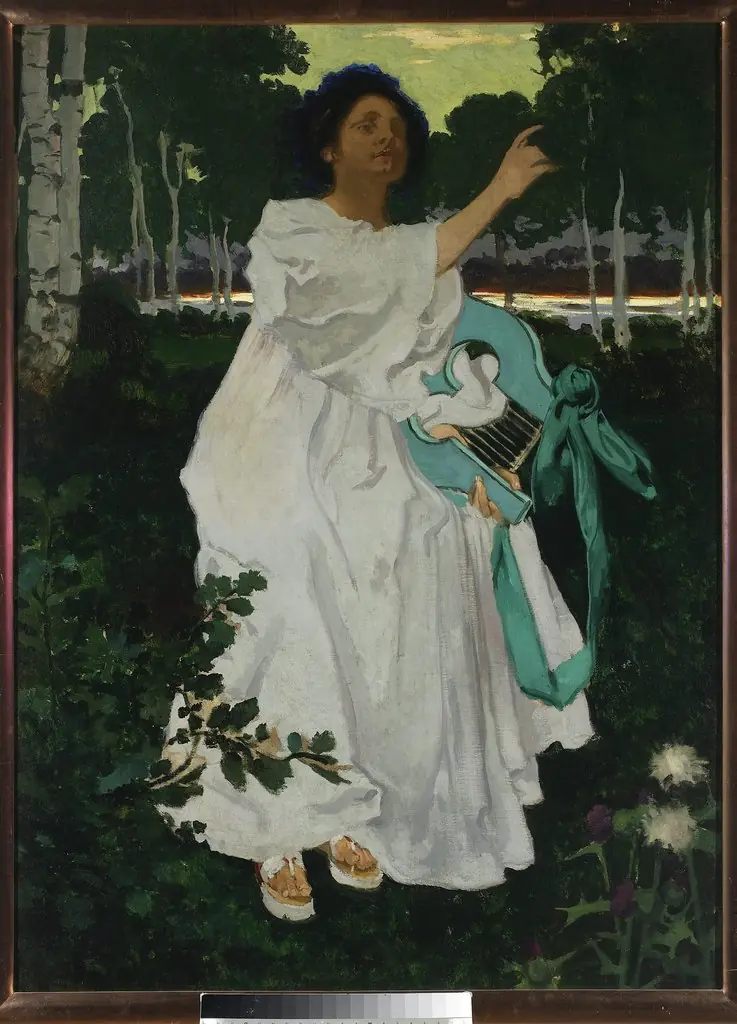 Muse
Muse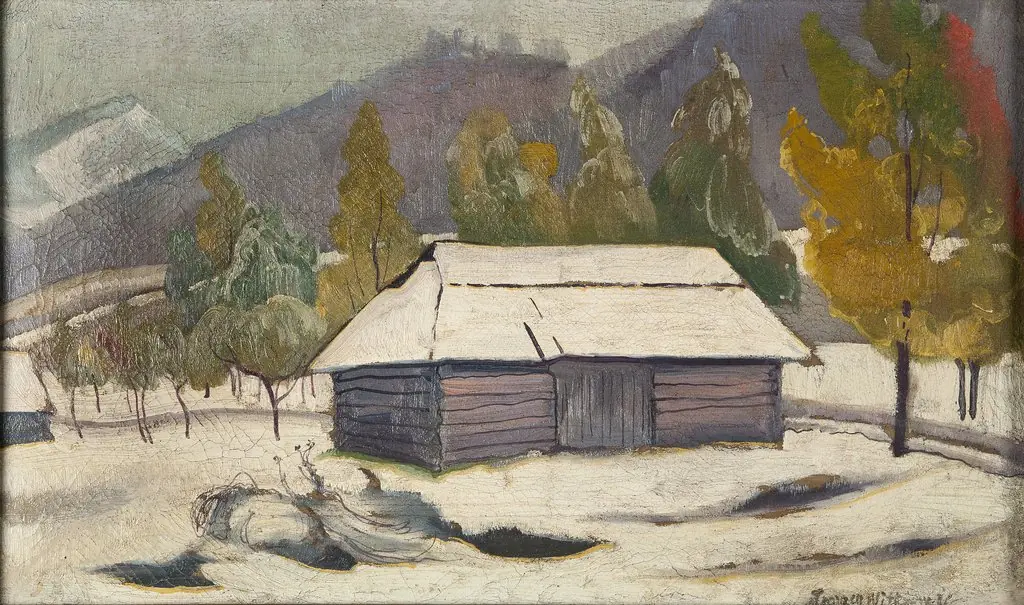 View on Kopieniec from Antałówka
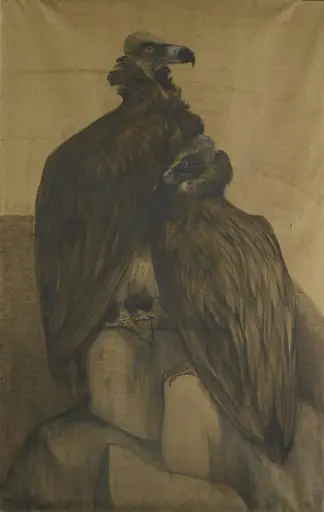 Two Arabian Vultures
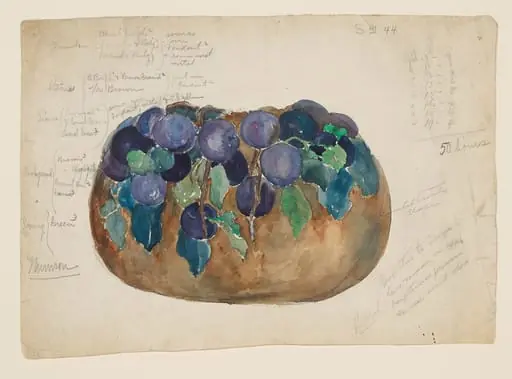 Design Drawing
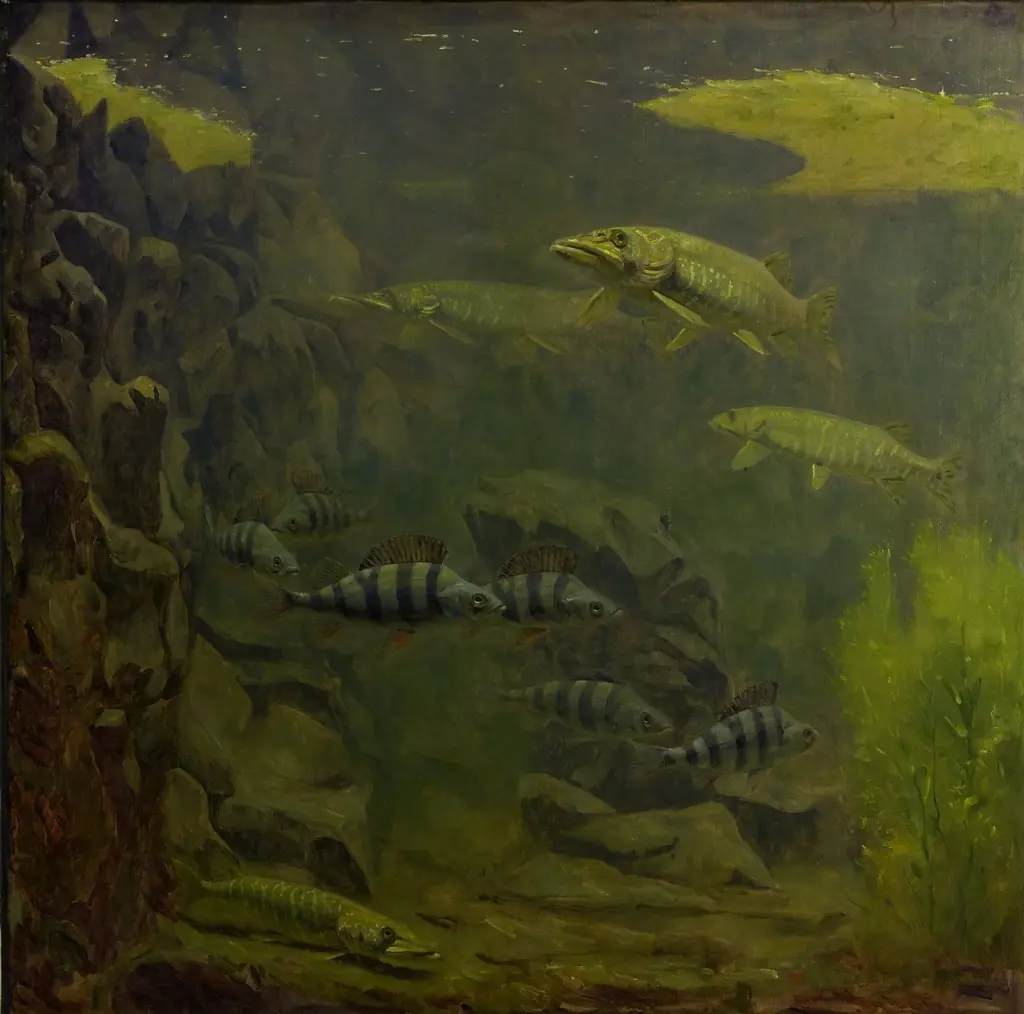 Pike and Perch in an Aquaruim
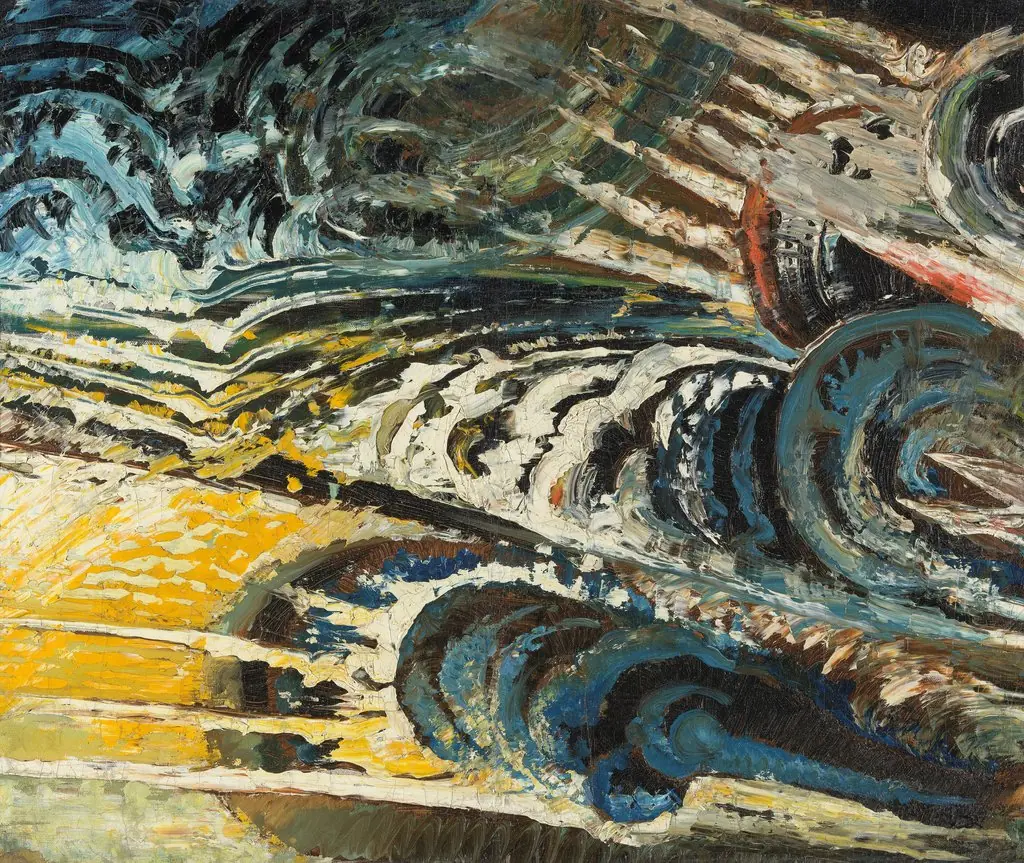 Abstract-futuristische compositie
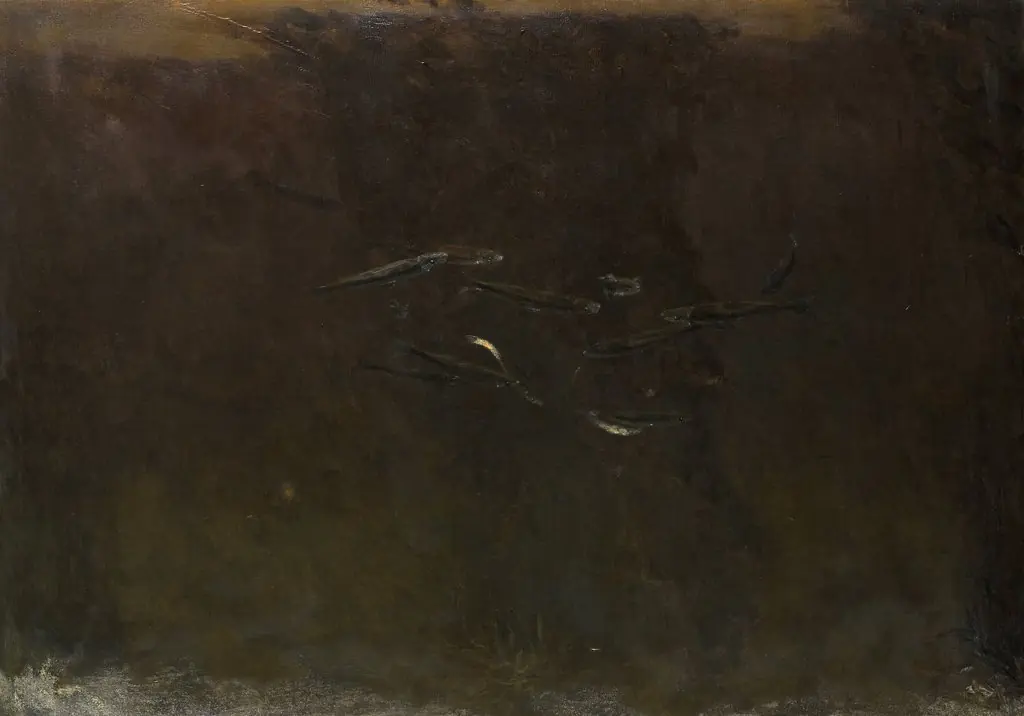 Fish in an Aquarium
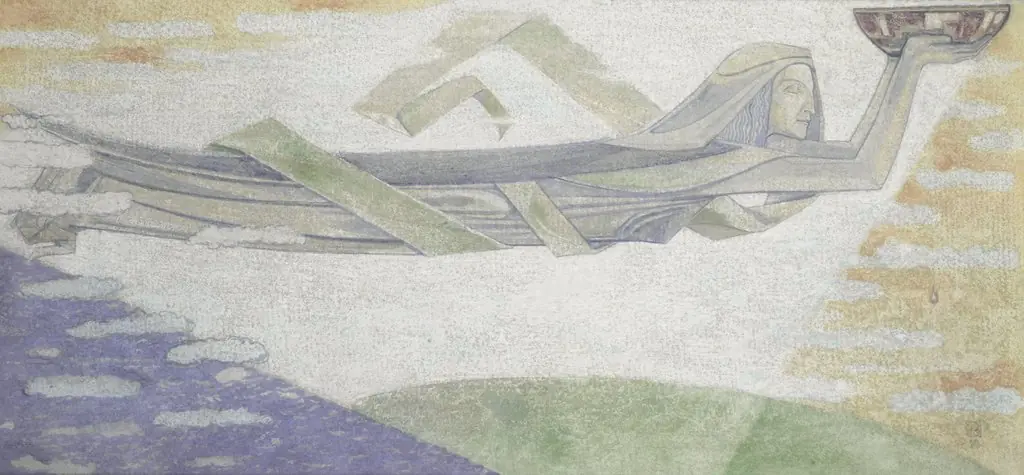 The Hours
 Dream of the Rarebit Fiend: Here Comes Washington
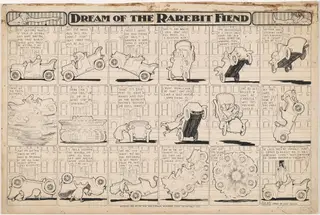 Dream of the Rarebit Fiend: Bucking Automobile
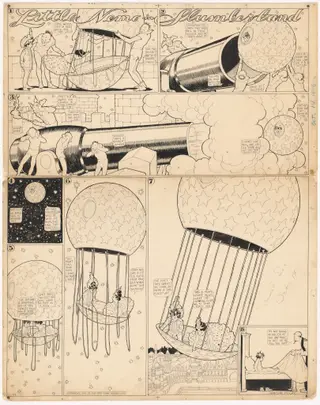 Little Nemo in Slumberland: "I don't like this, one little tiny bit, not one tiny weenie bit"
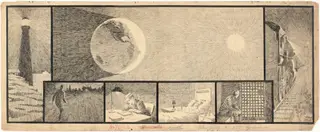 The Lamps of God
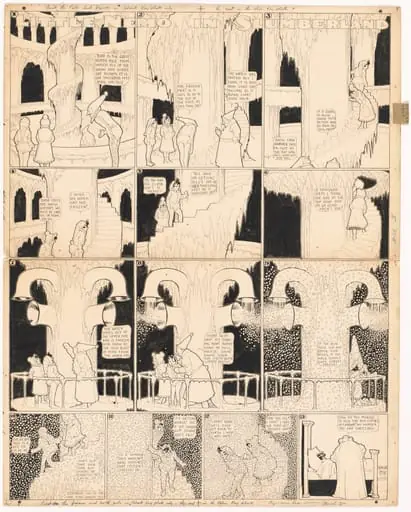 Little Nemo in Slumberland: Climbing the Great North Pole
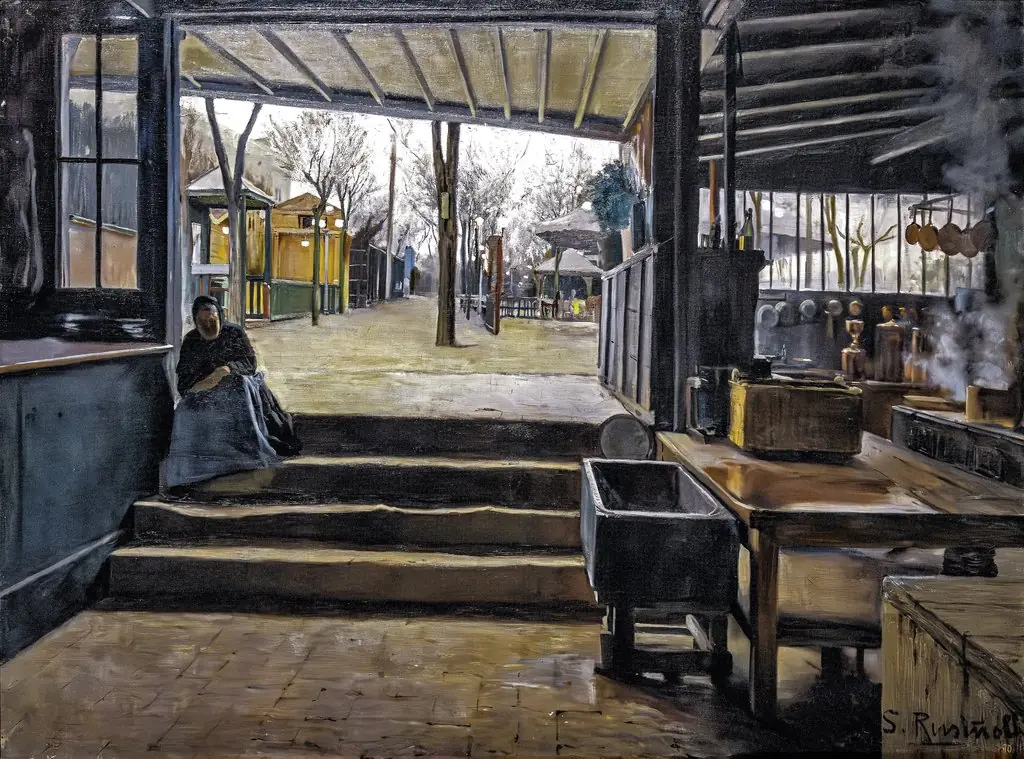 The kitchens of the Moulin de la Galette
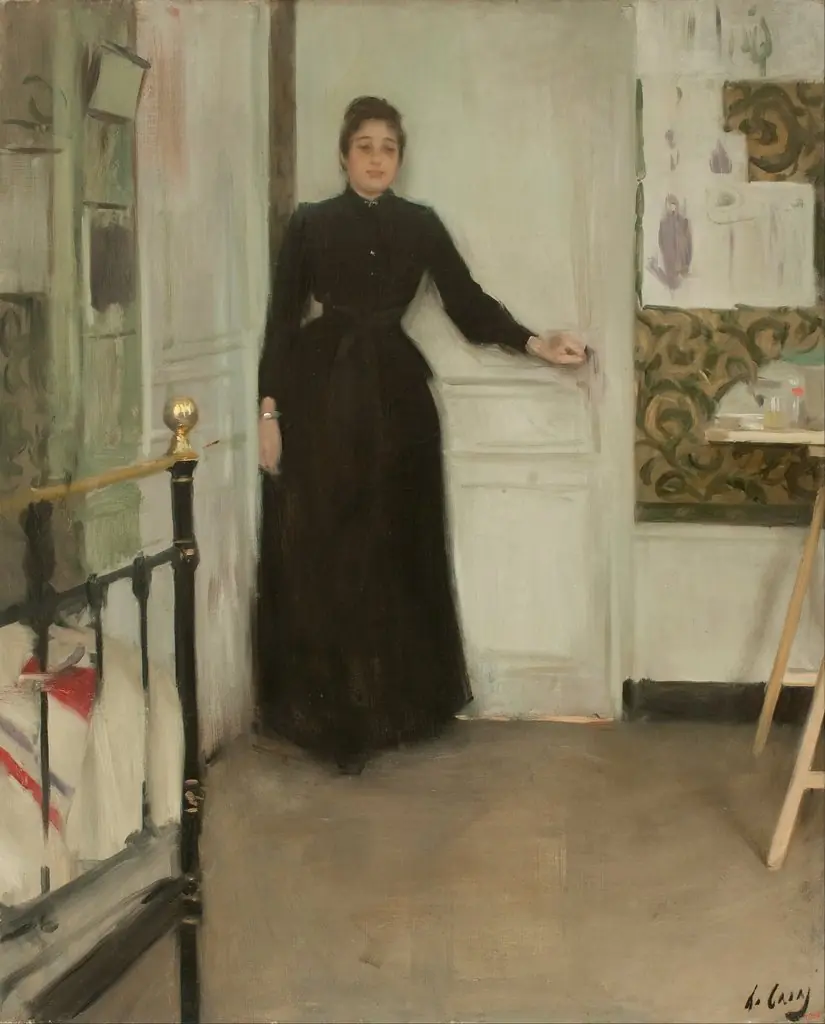 Interior
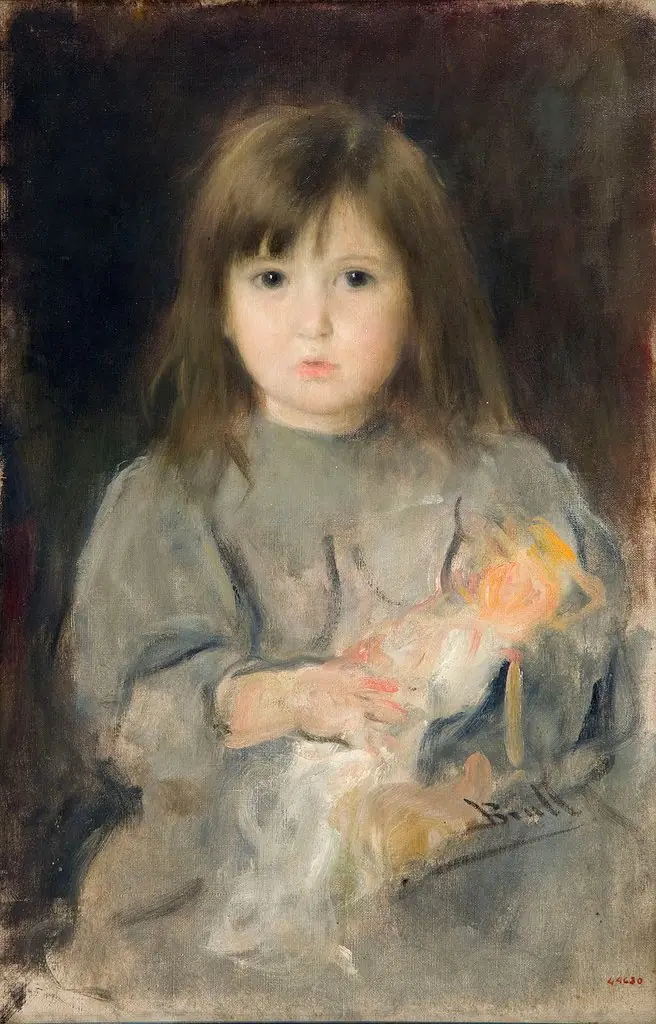 Portrait of the artist's daughter
 Public Exhibition of a Picture
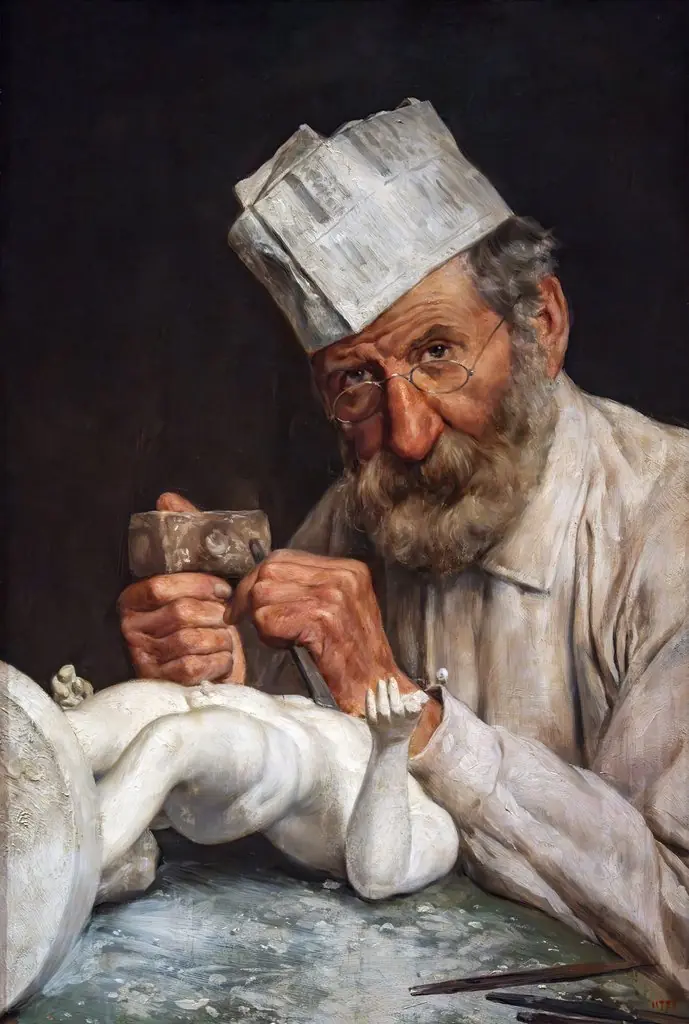 The Sculptor (Self portrait)
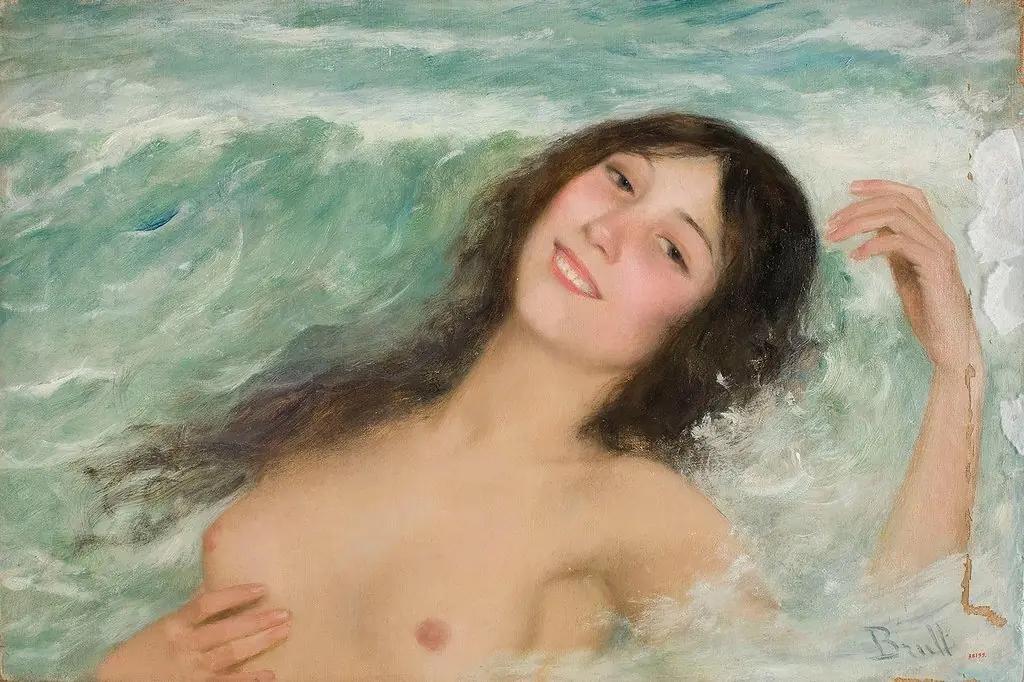 Naked Female Bust Between the Waves
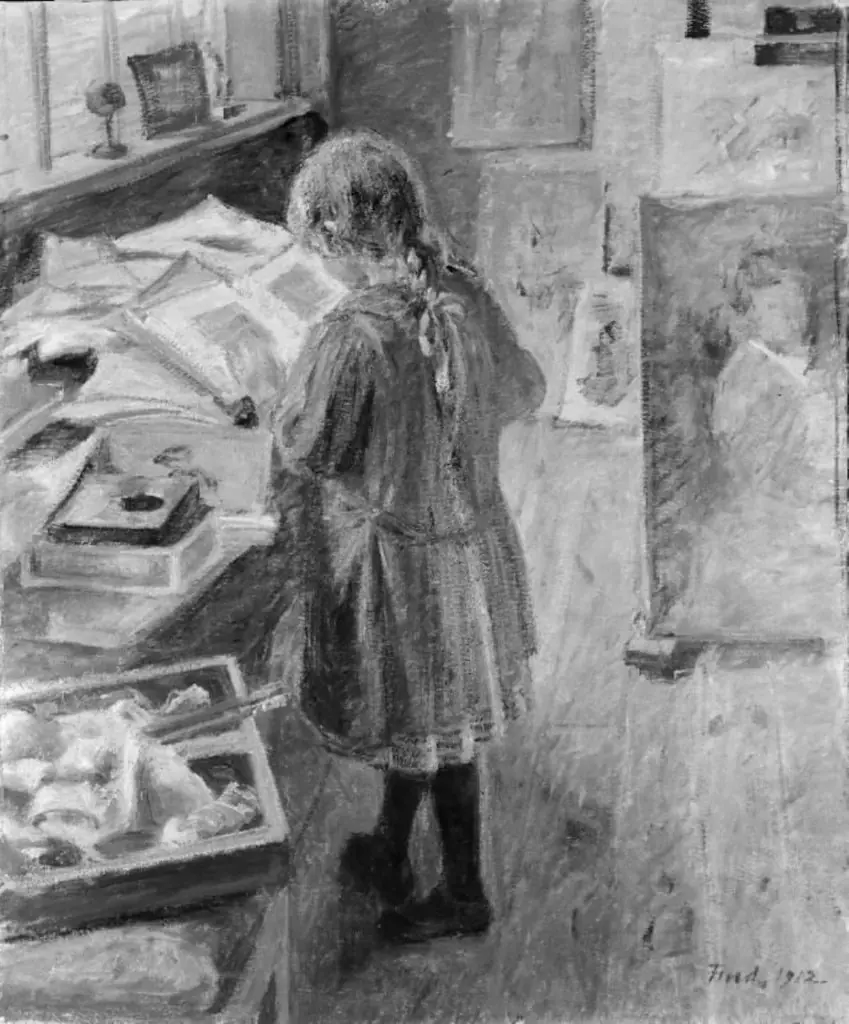 Fra et atelier
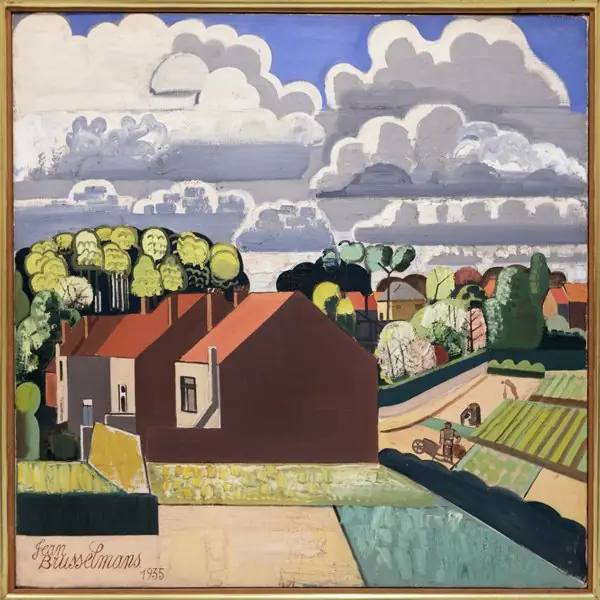 Spring
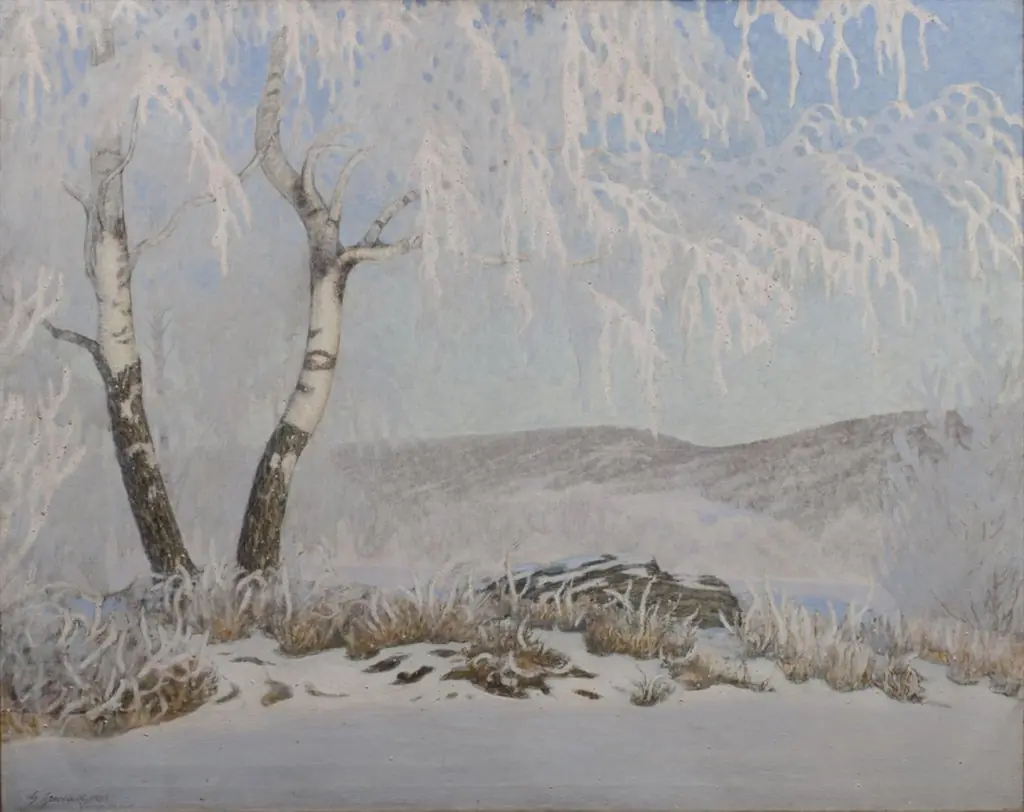 White Frost in Sunshine
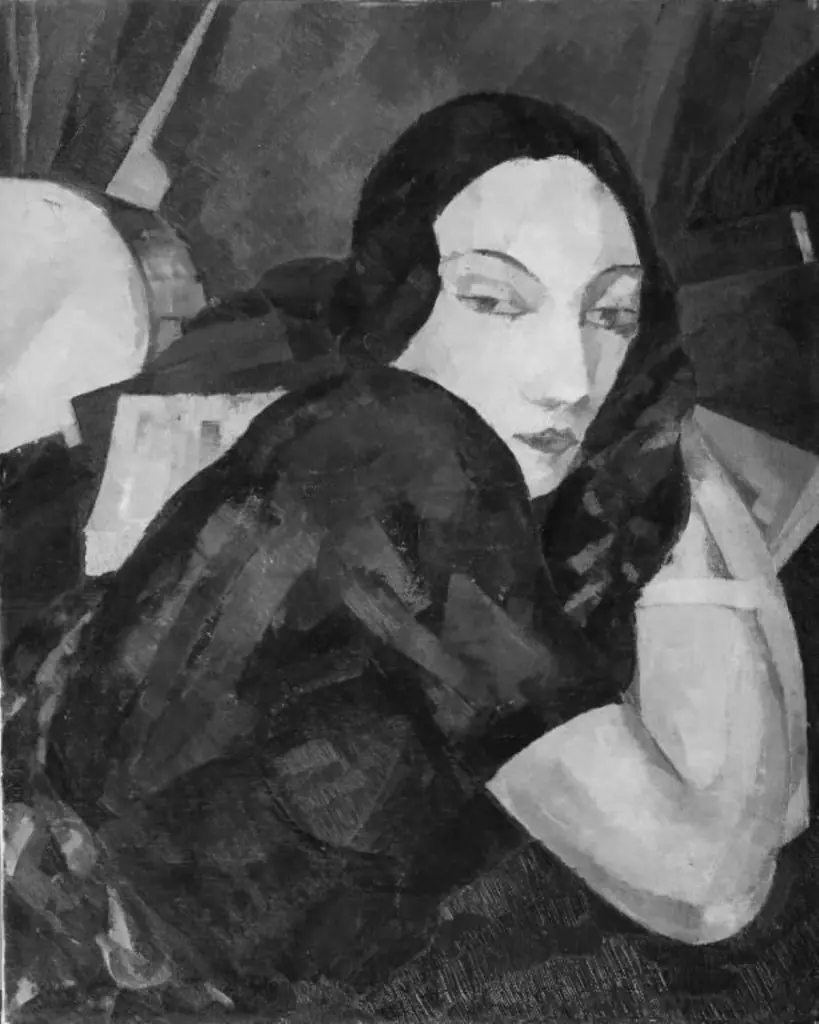 The Brazilian Woman
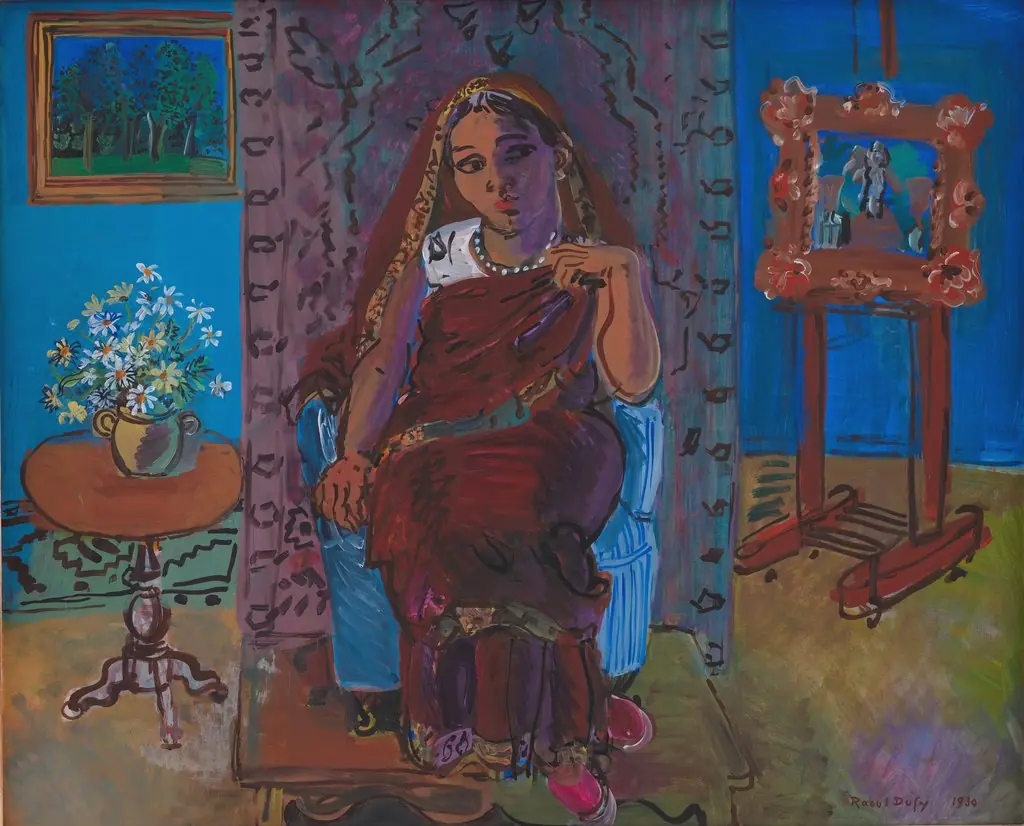 Interiør med indisk kvinde
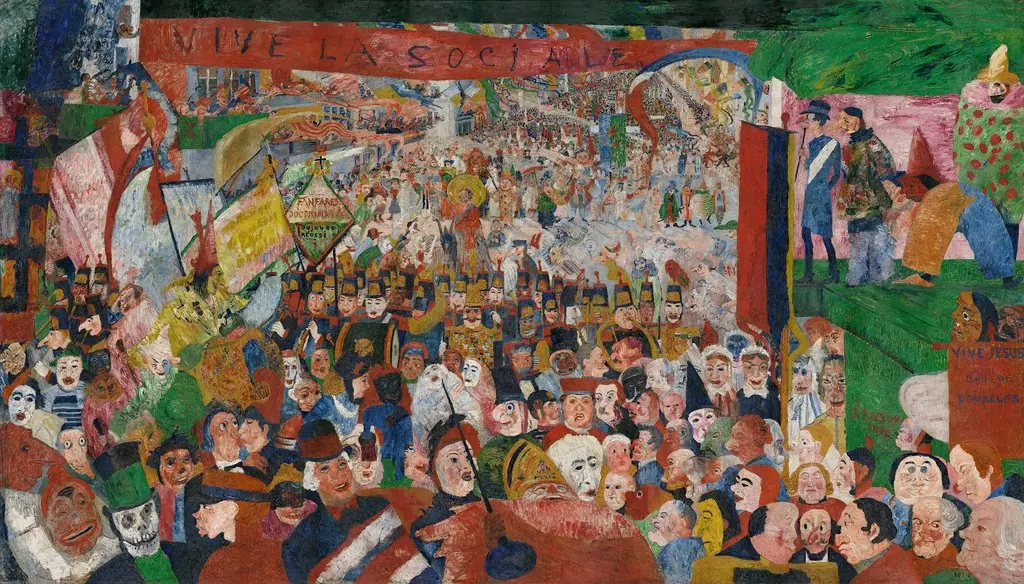 Christ's Entry Into Brussels in 1889
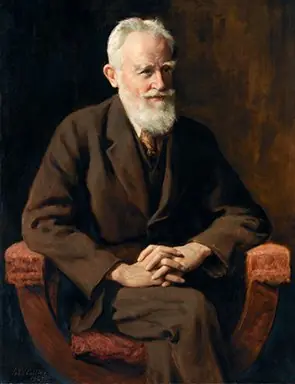 Portrait of George Bernard Shaw
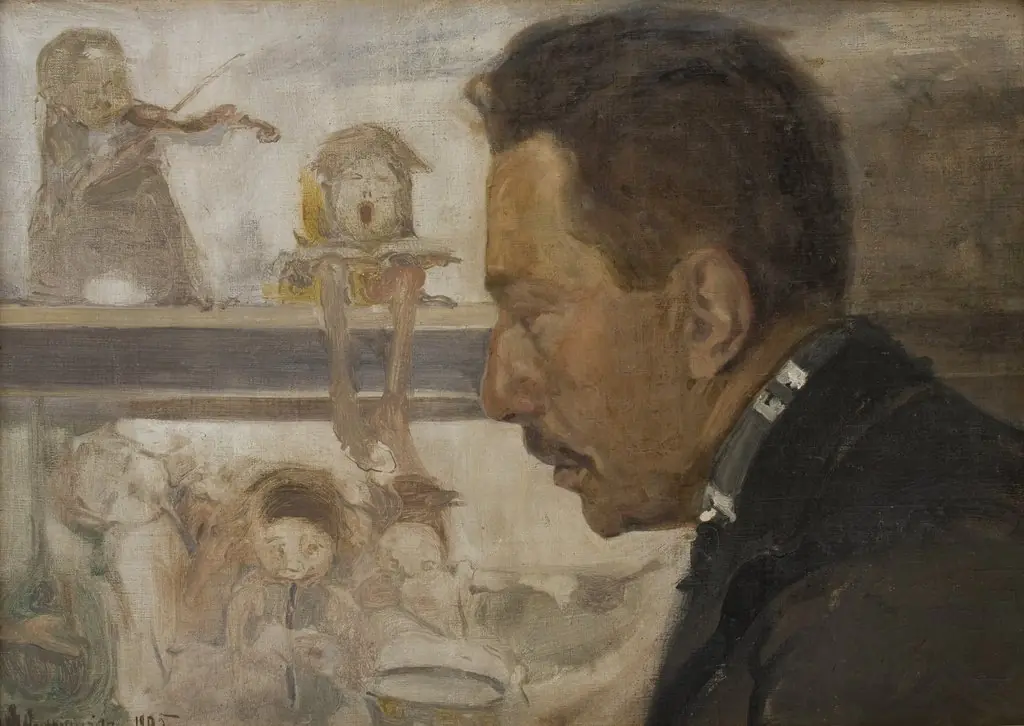 Portrait of a Musician (Krakow Composer Bolesław Raczyński)
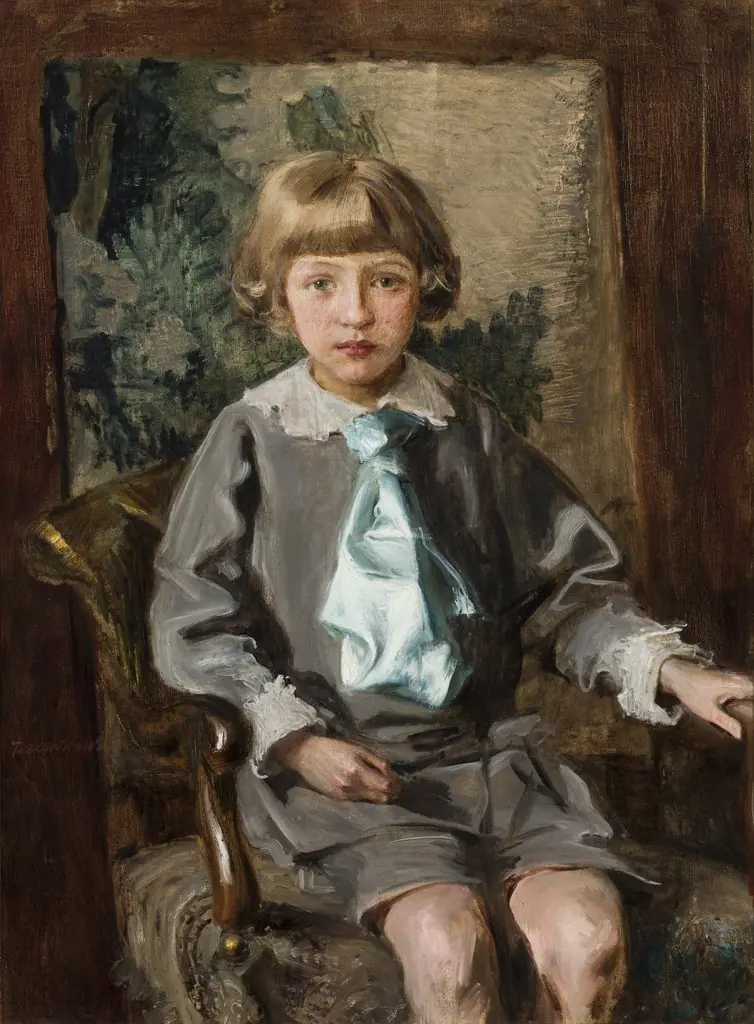 Portrait of Iwo Łomiński as a Child
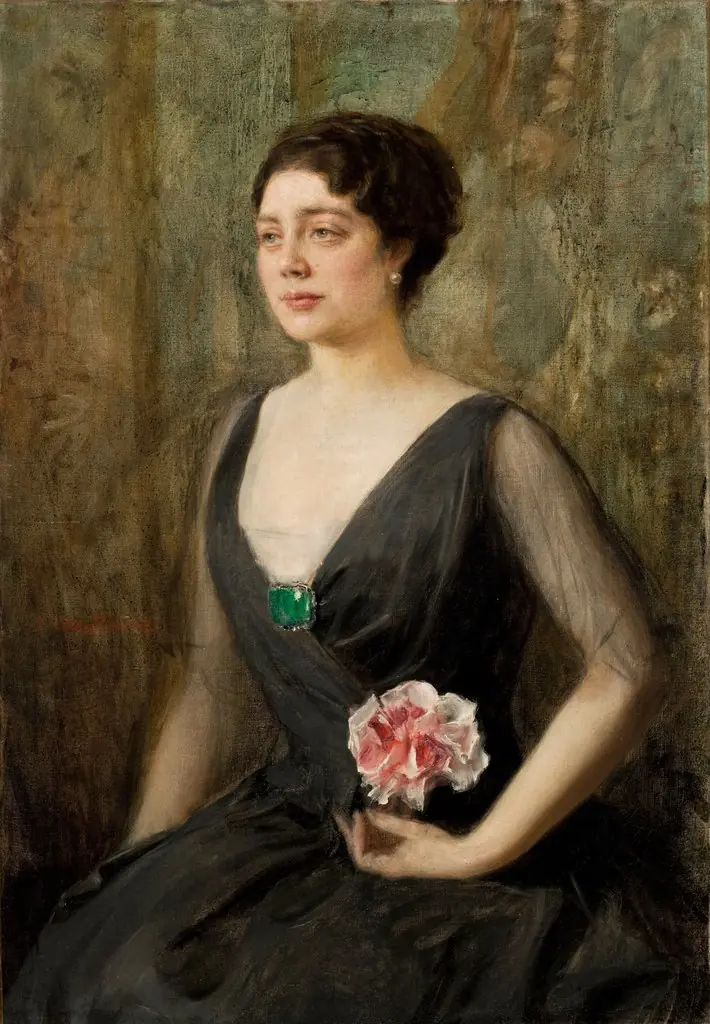 Portrait of Izabela Szembekowa
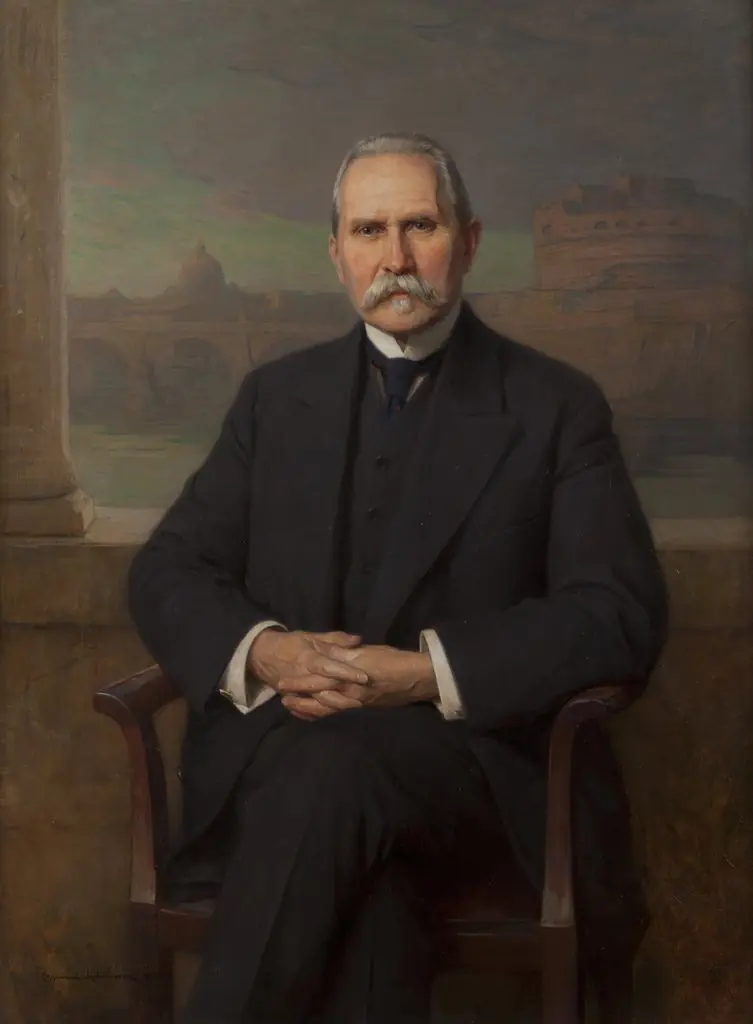 Portrait of Kazimierz Chłędowski
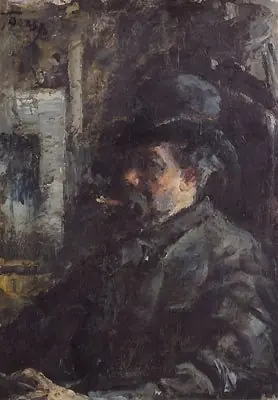 Portrait of the painter Vogels
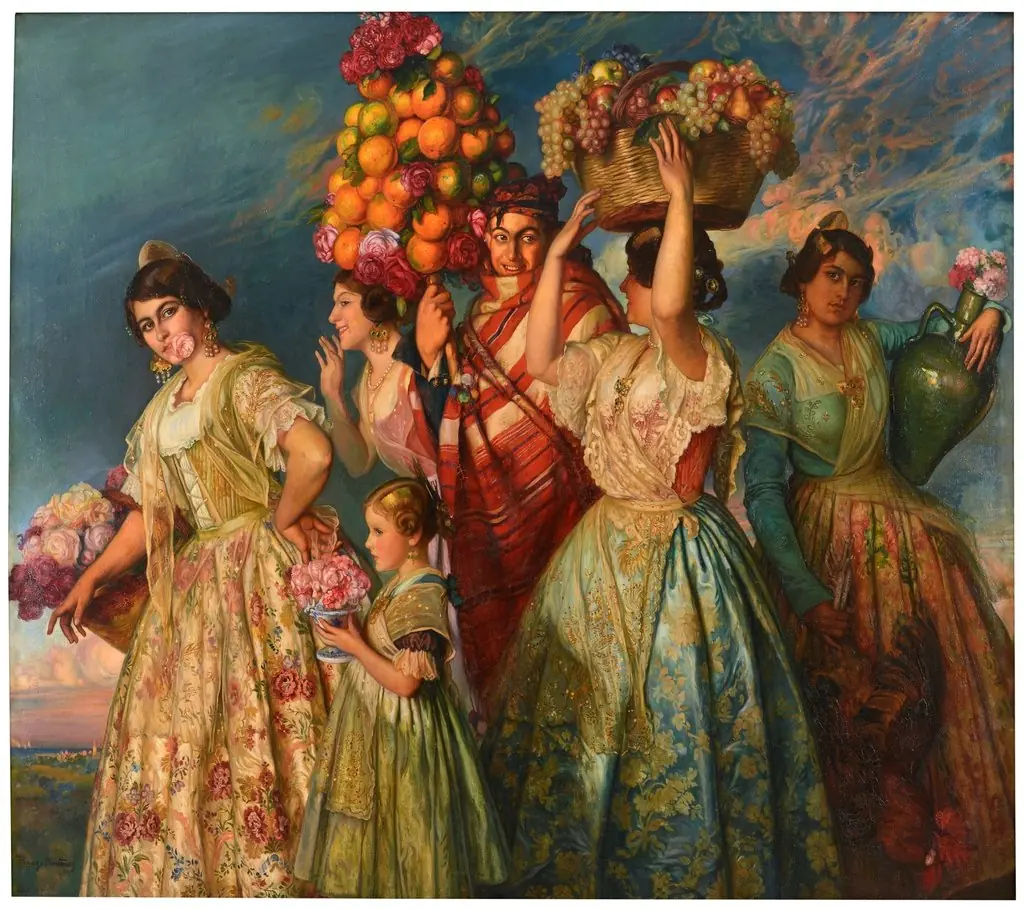 Floreal
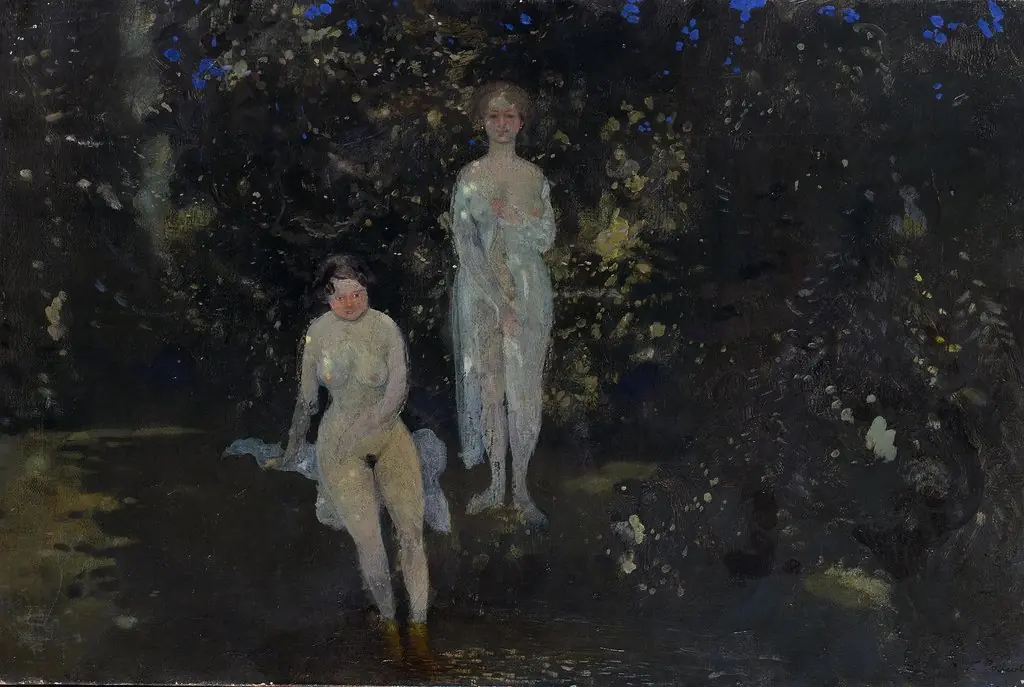 Women Bathing
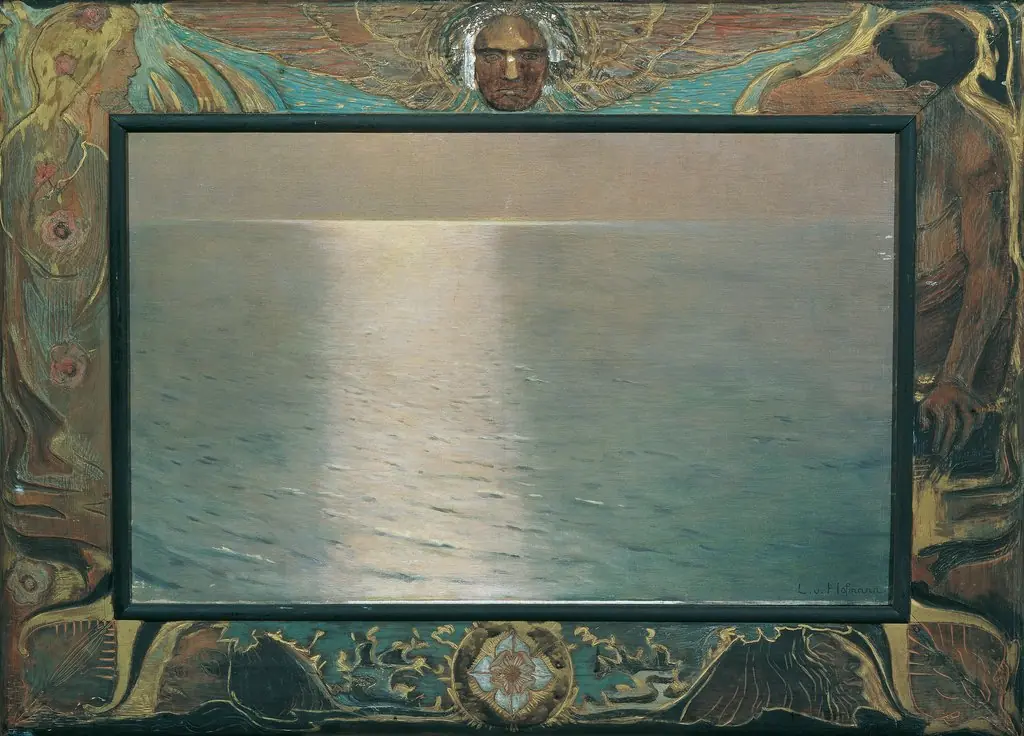 Largo (Sonnenuntergang)
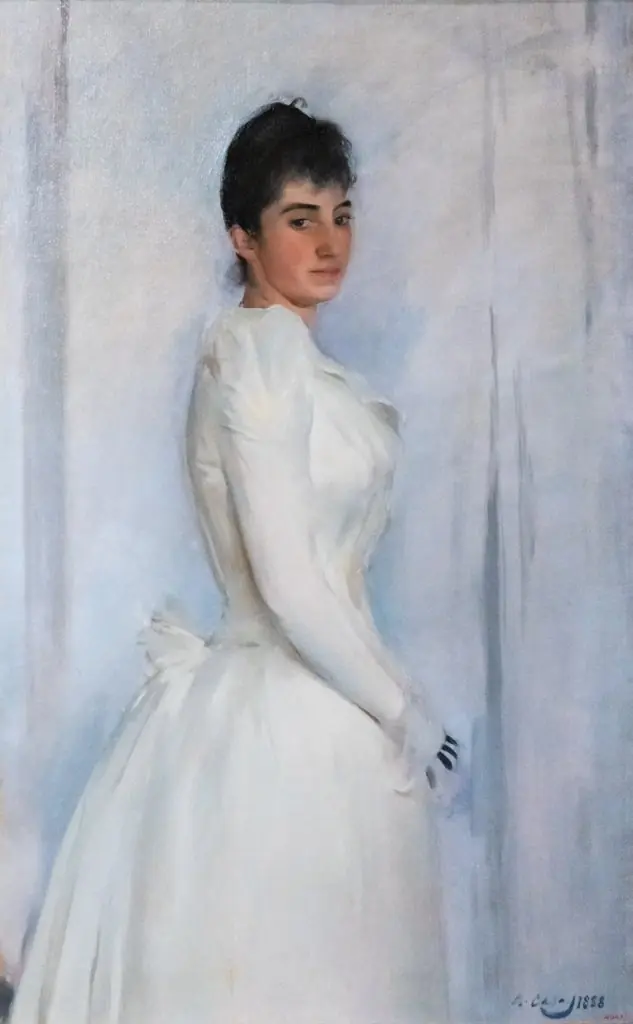 Portrait of Montserrat Carbó
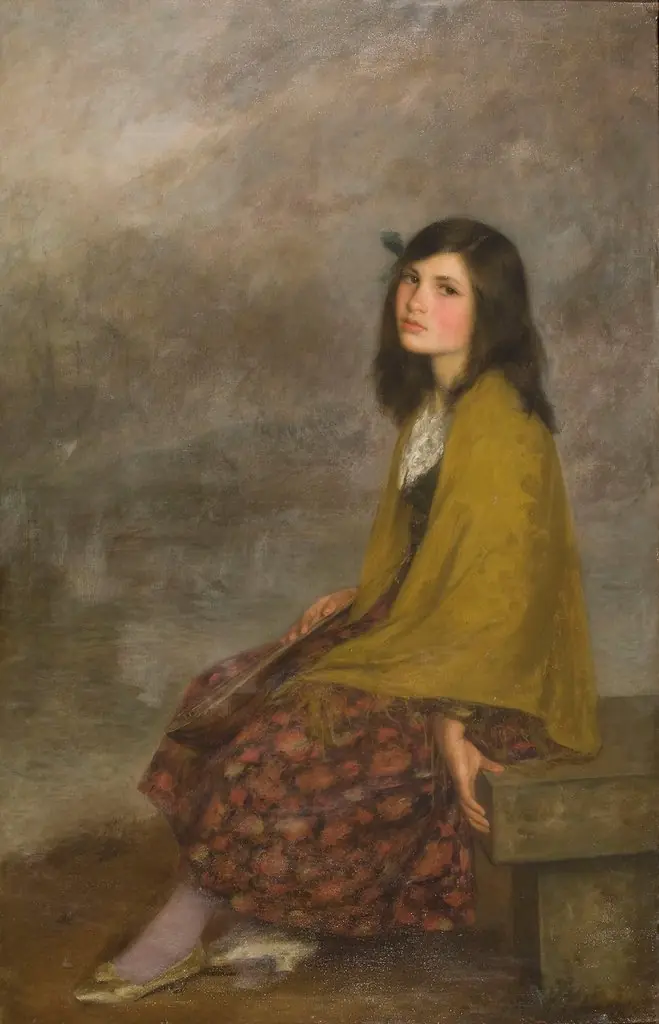 Portrait of a Girl
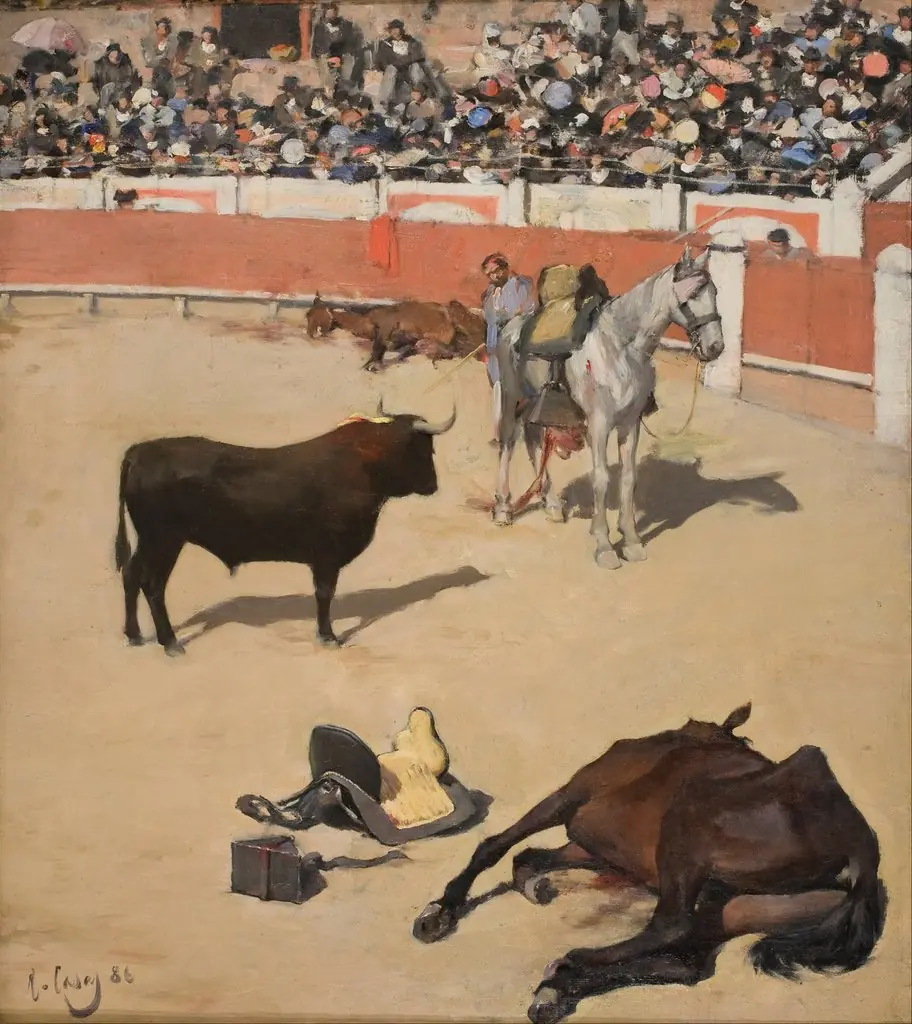 Bulls (Dead Horses)
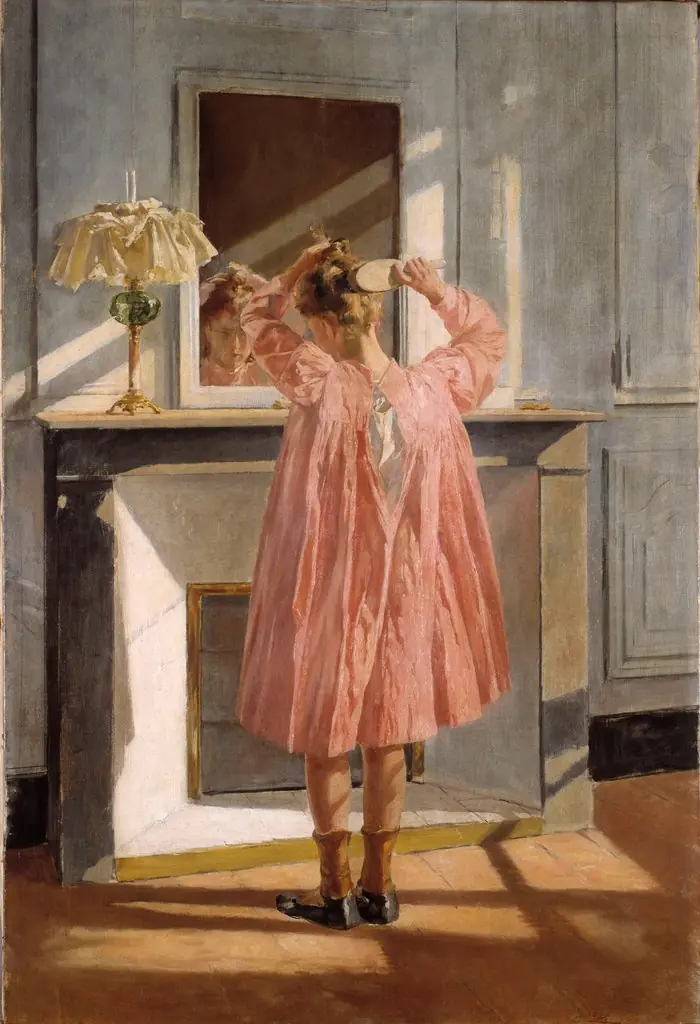 La Toilette
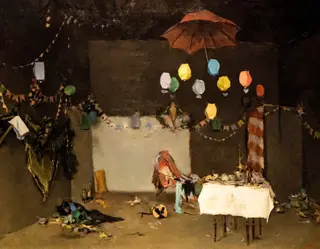 Studio Interior
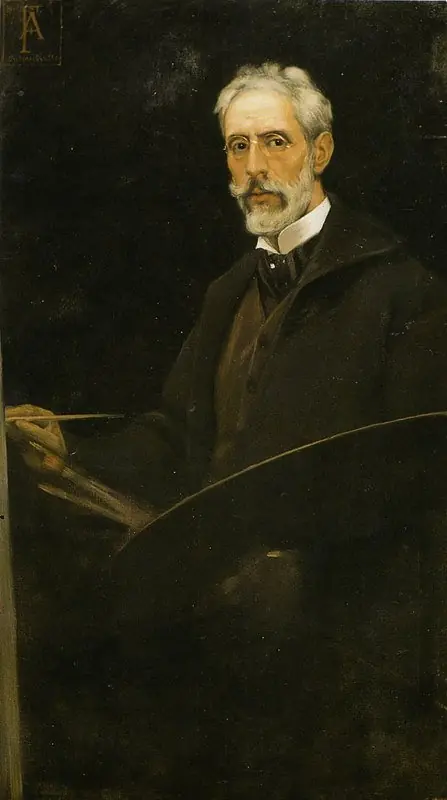 Autoretrat
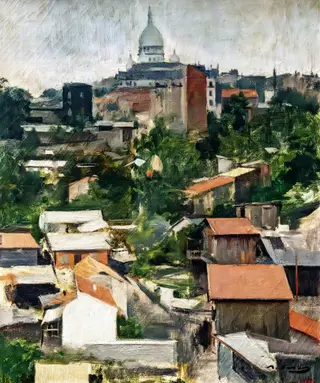 Le Sacré Coeur, Montmartre
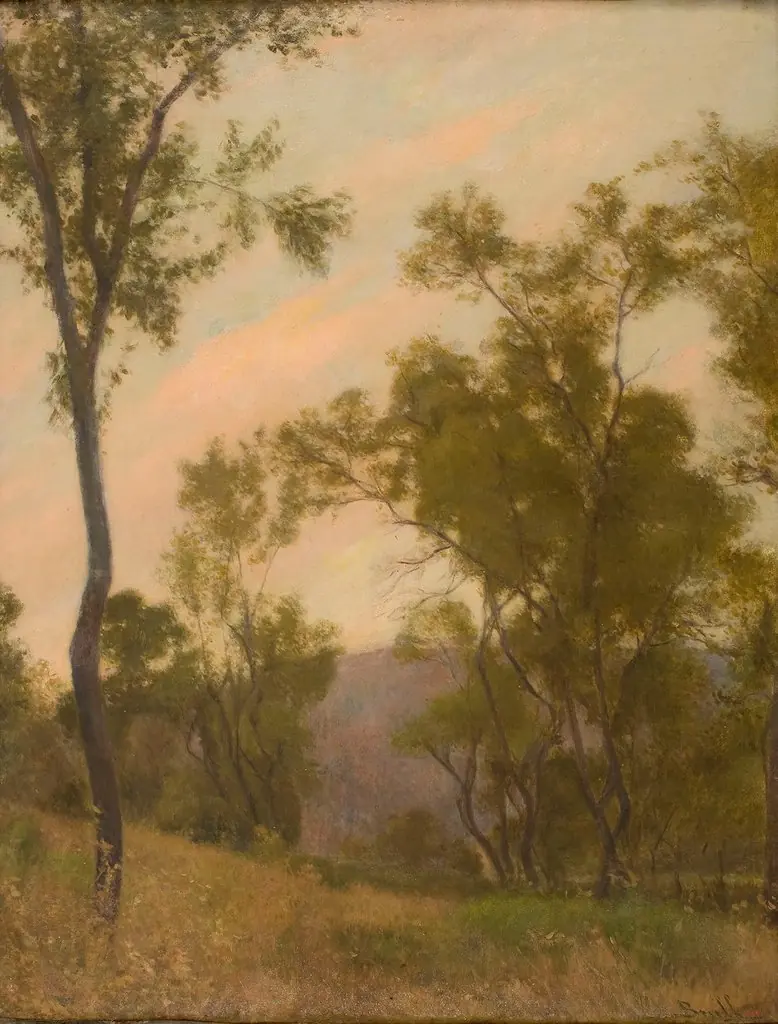 Landscape
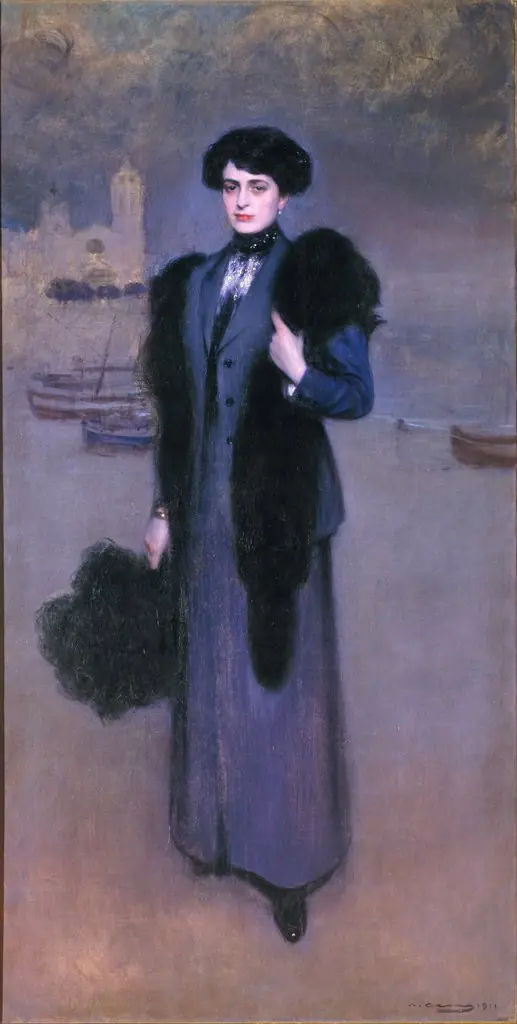 Portrait of Dolors Vidal
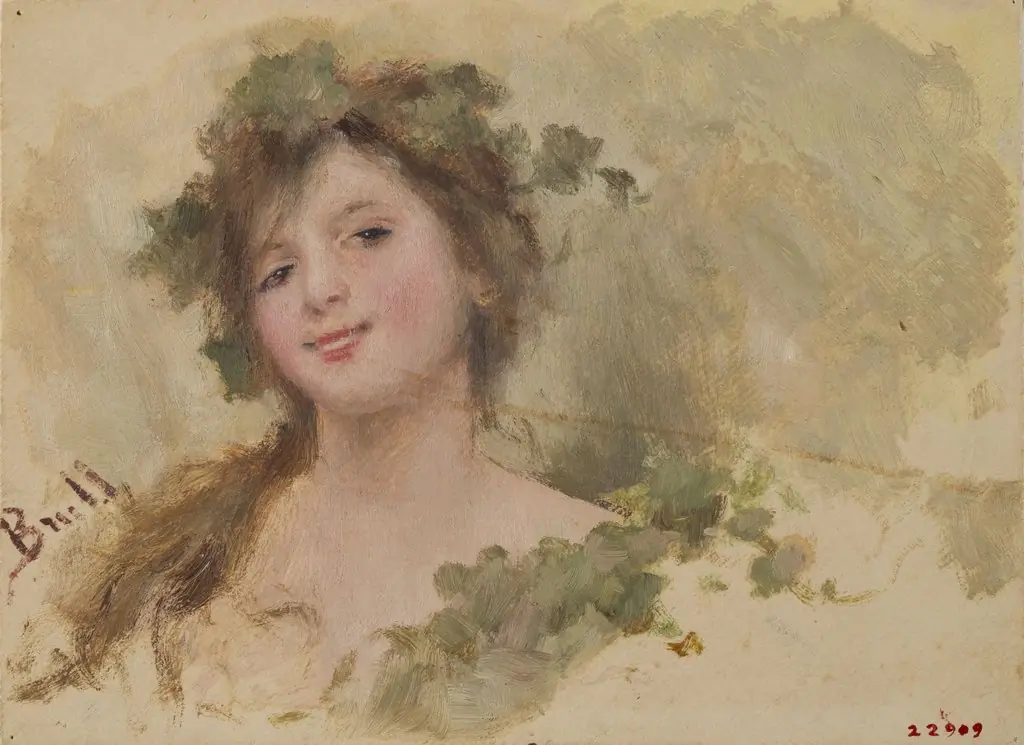 Smiling girl bust
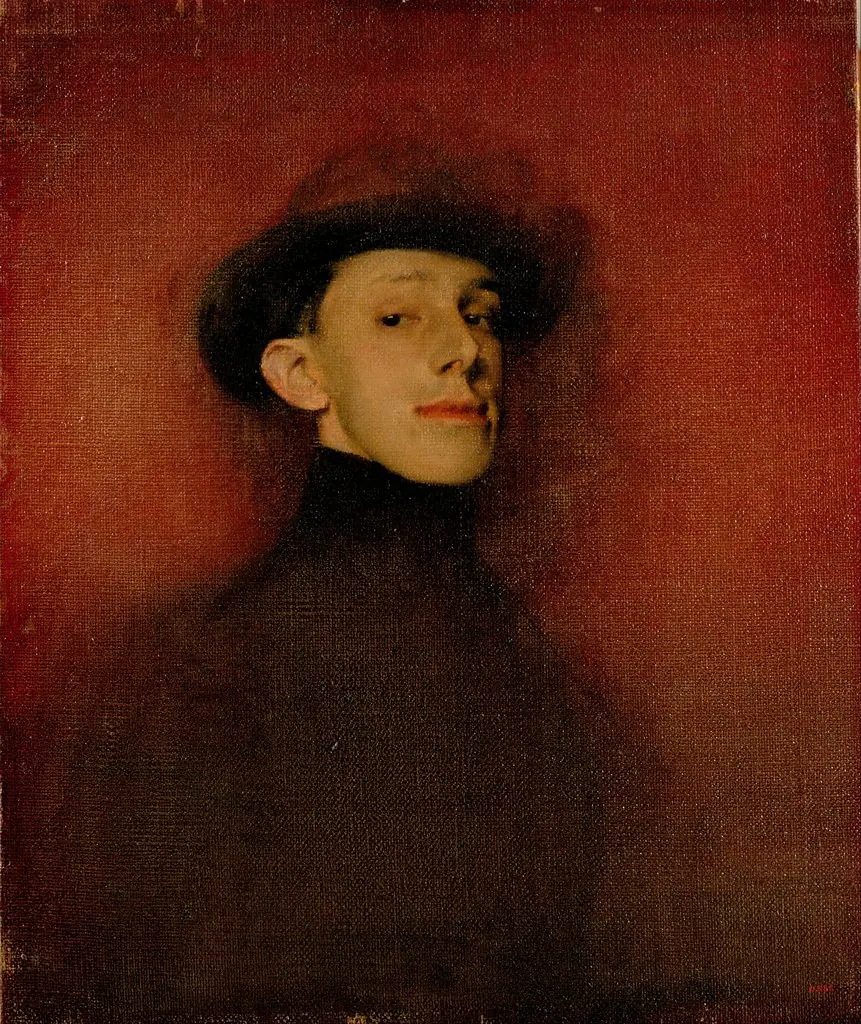 Study from Life for the Portrait of King Alfonso XIII
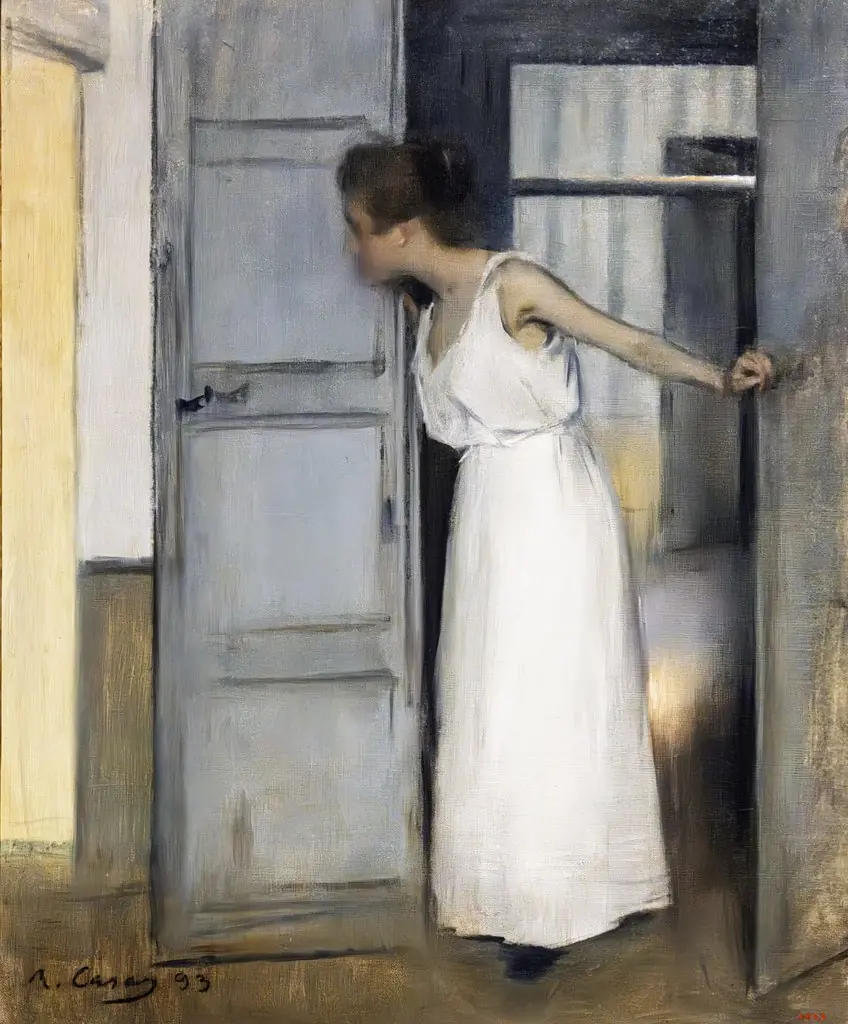 Over My Dead Body
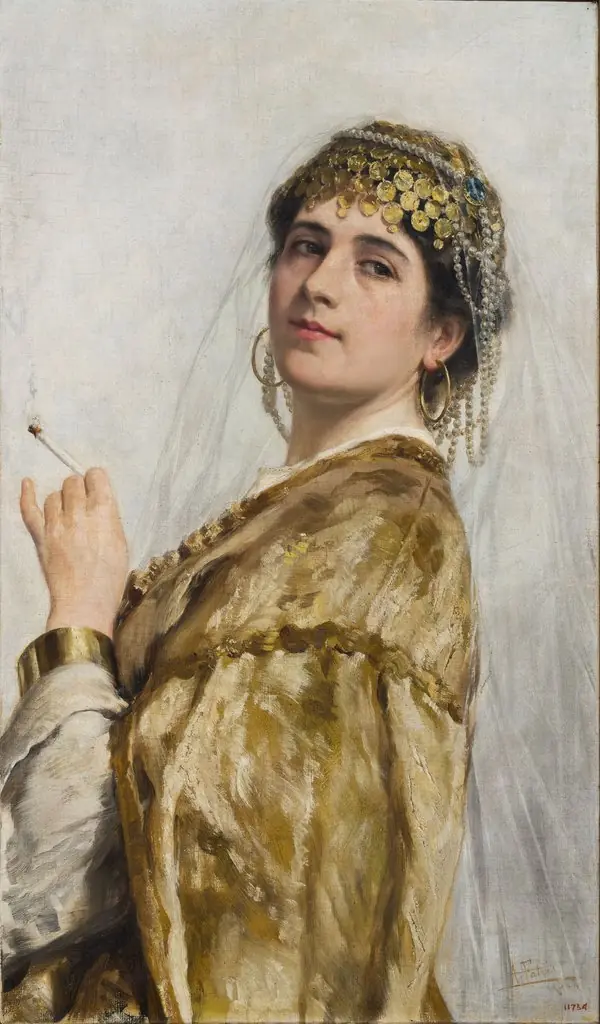 La bella sultana
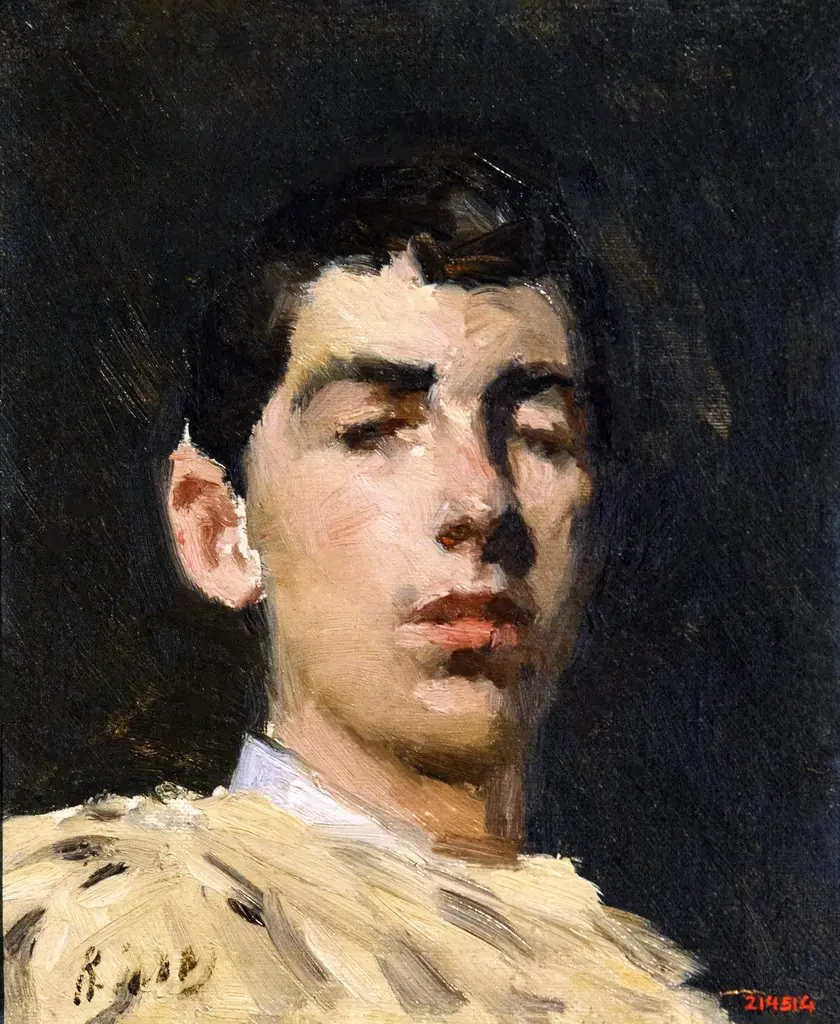 Self-portrait
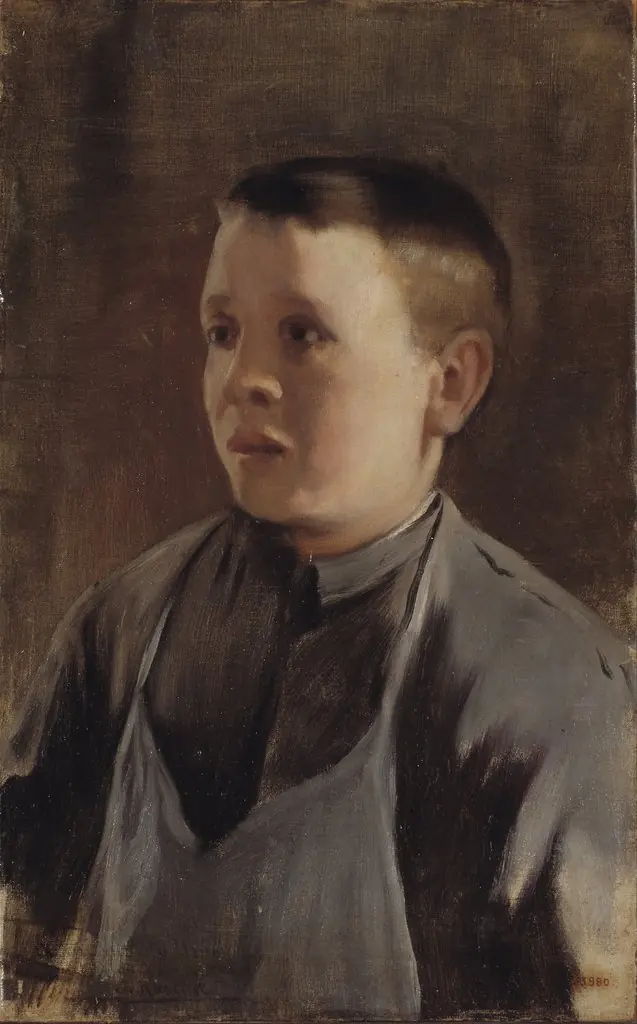 Portrait of a Boy
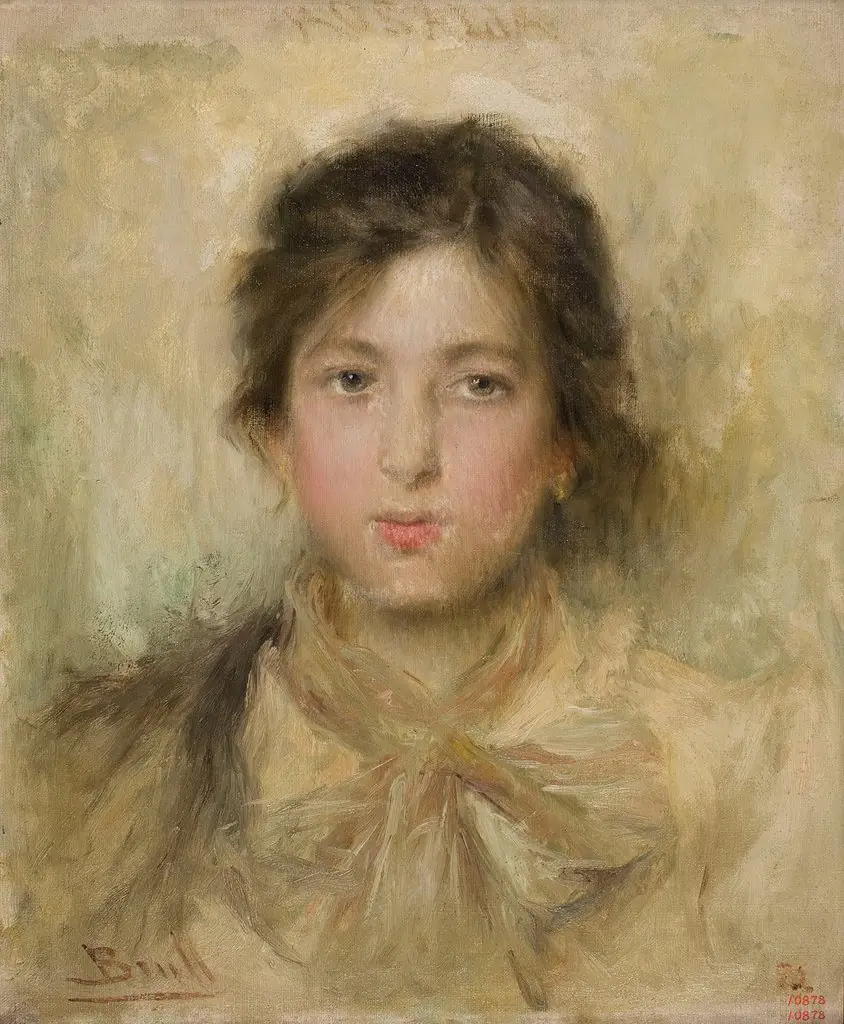 Rosalia
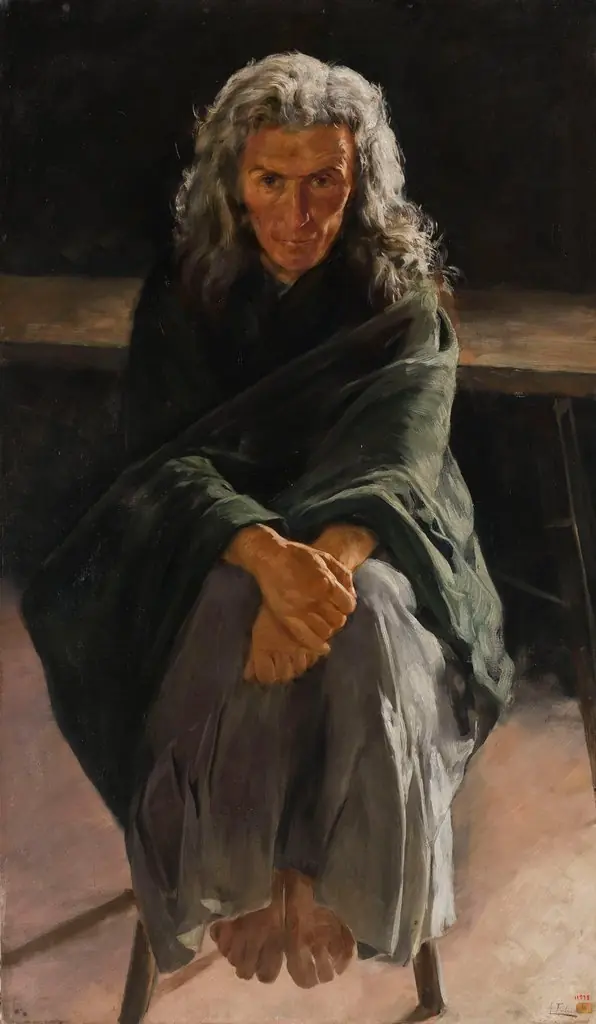 The Madwoman
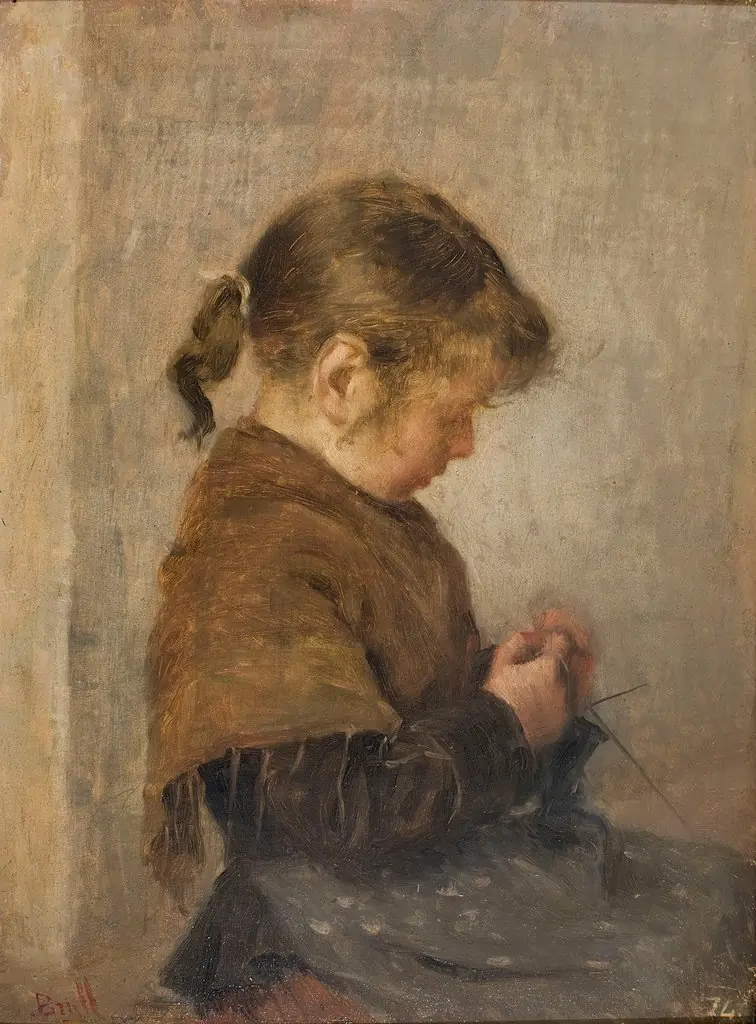 Knitting
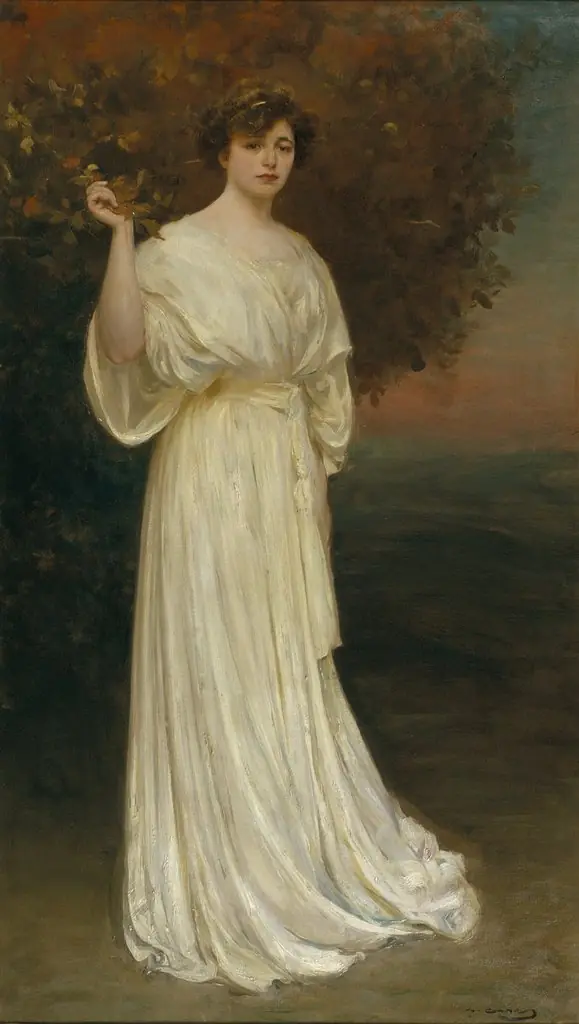 Portrait of Senyora Baladia
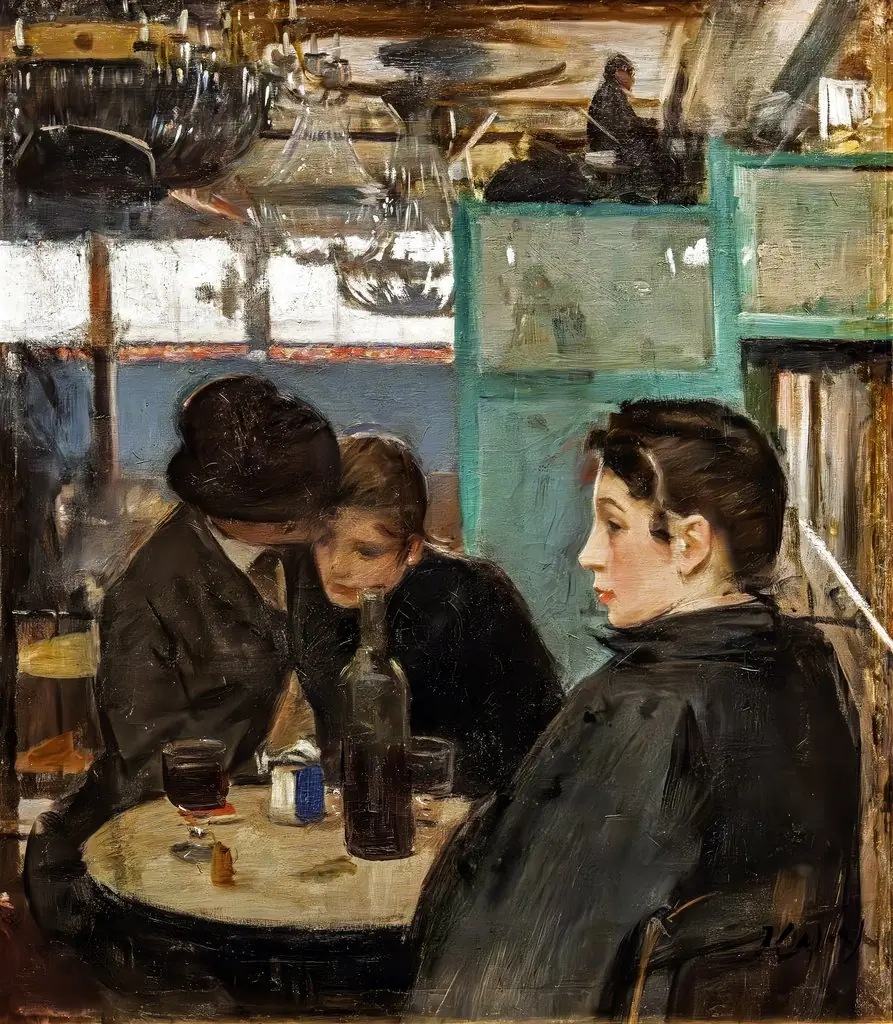 Moulin de la Galette Interior
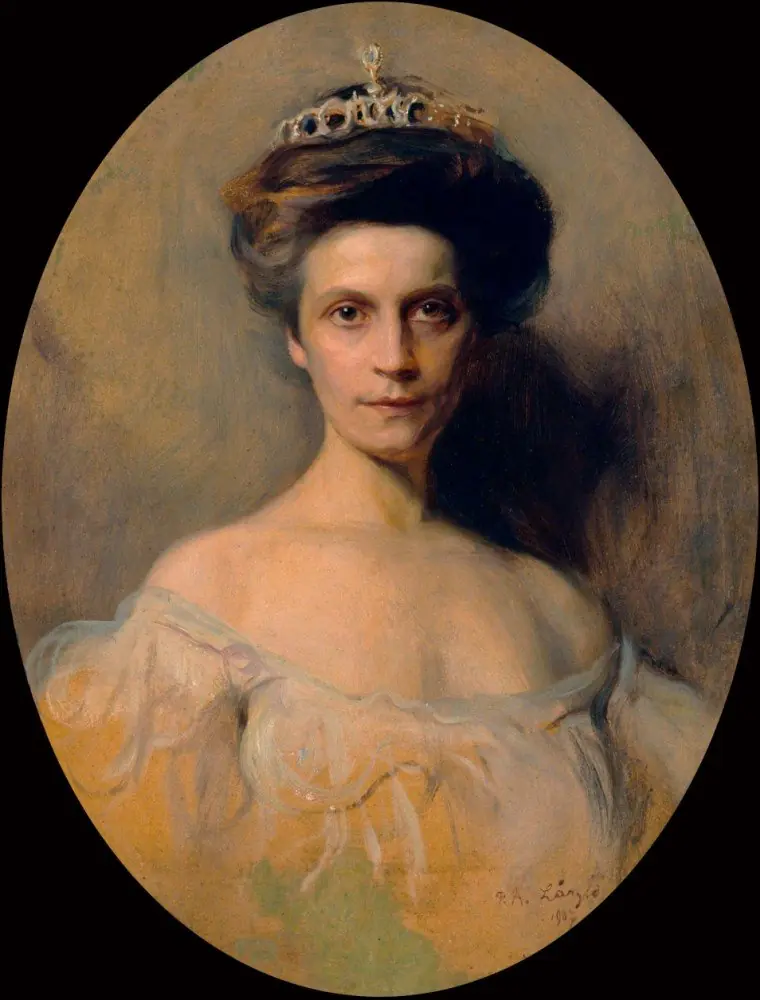 Portrait of Fürstin Dietrichstein zu Nikolsburg, née Princess Olga Dolgouruky
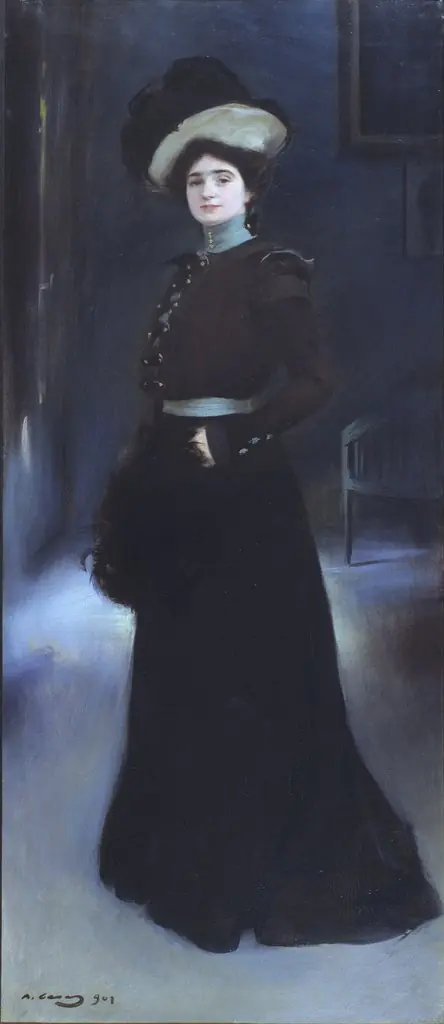 Portrait of Isabel Llorach
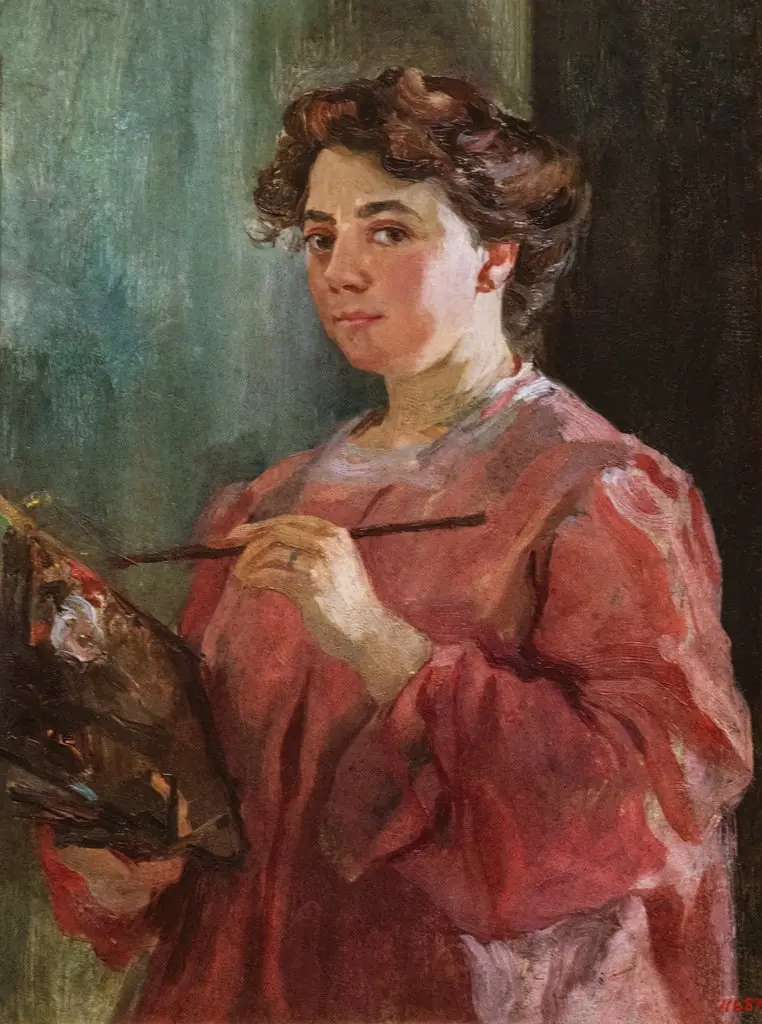 Self-portrait
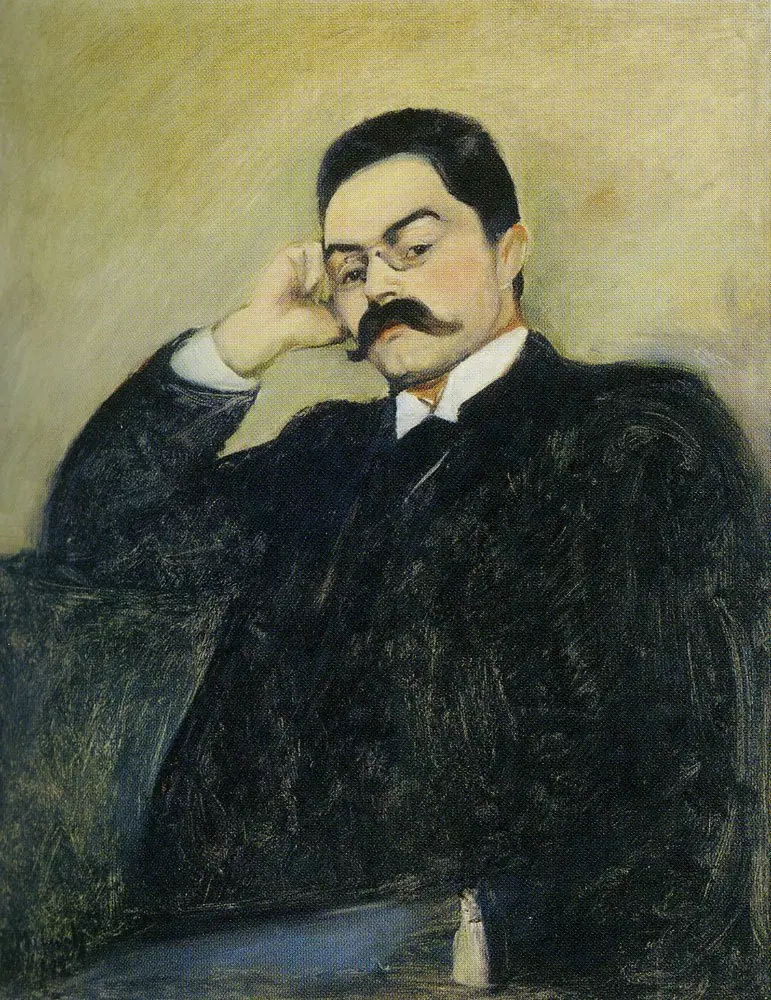 Thor Lütken
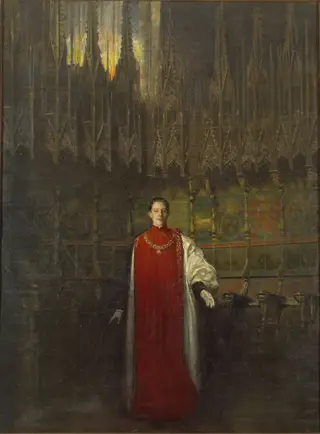 Portrait of King Alfonso XIII as sovereign of the Order of the Golden Fleece
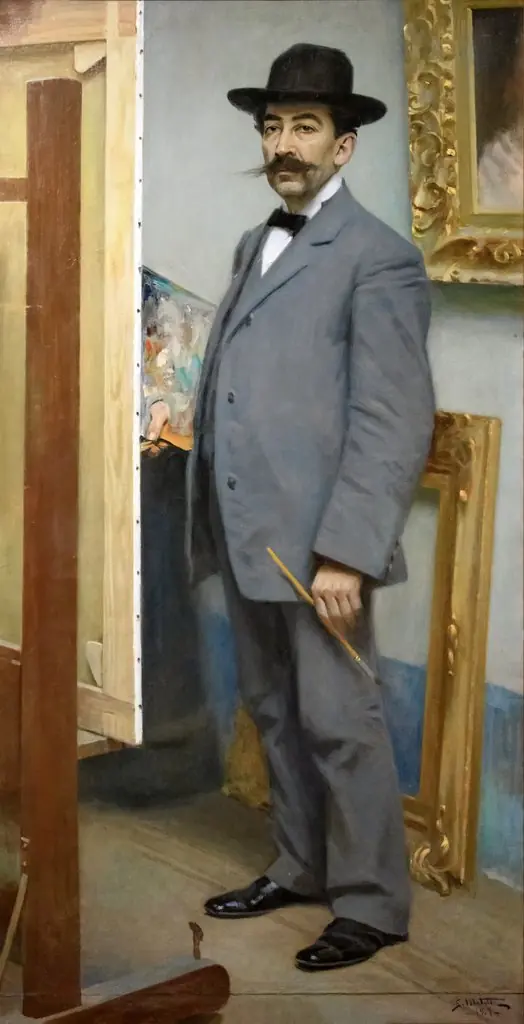 Autoretrat (Museu Nacional d'Art de Catalunya, inv 039928-000)
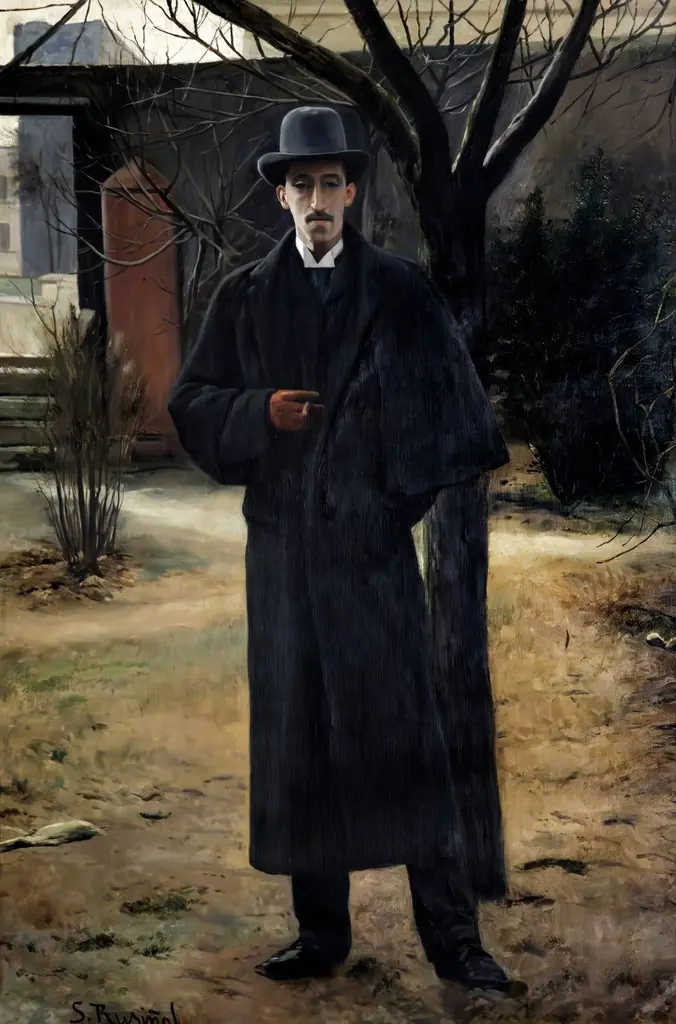 Portrait of Miquel Utrillo
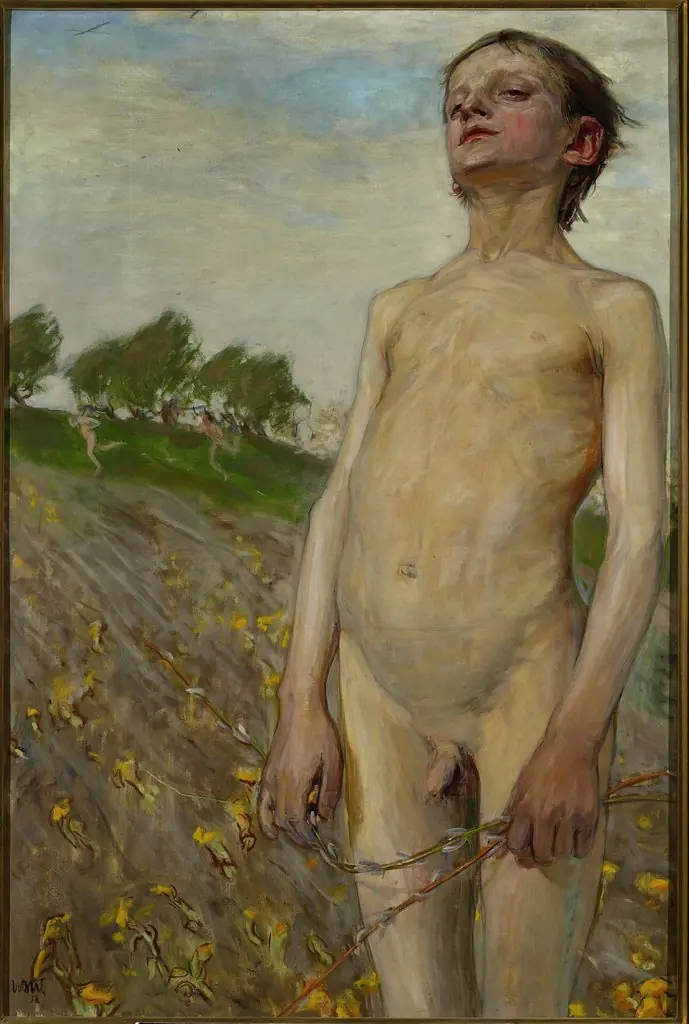 Springtime
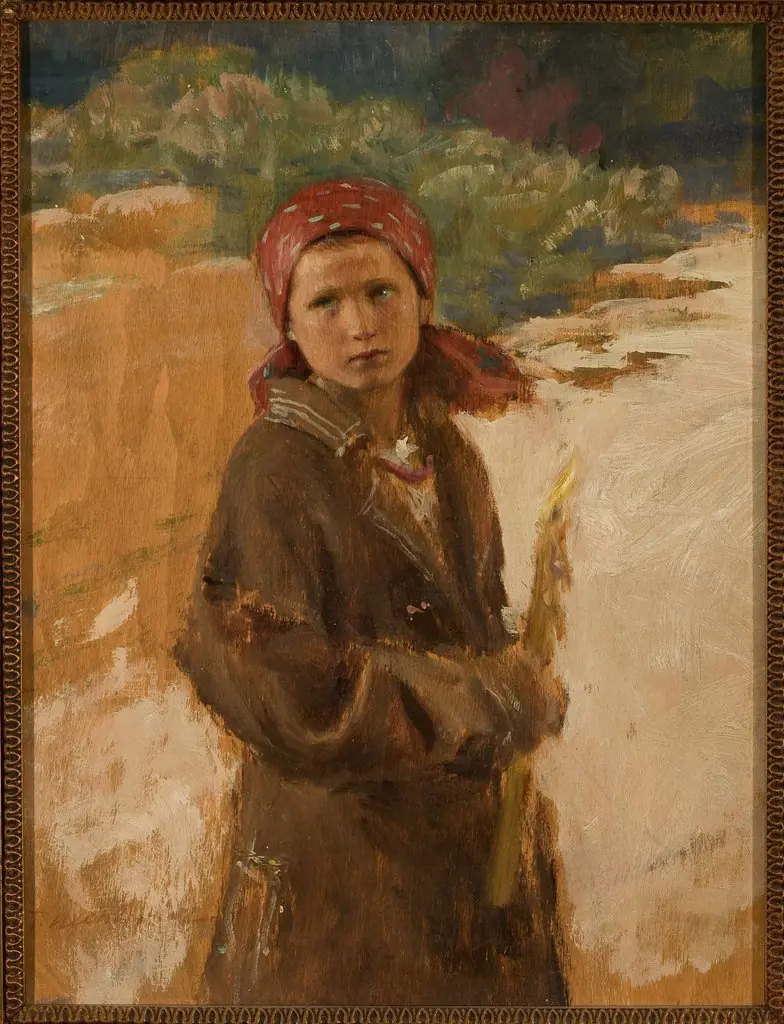 For the Candlemas
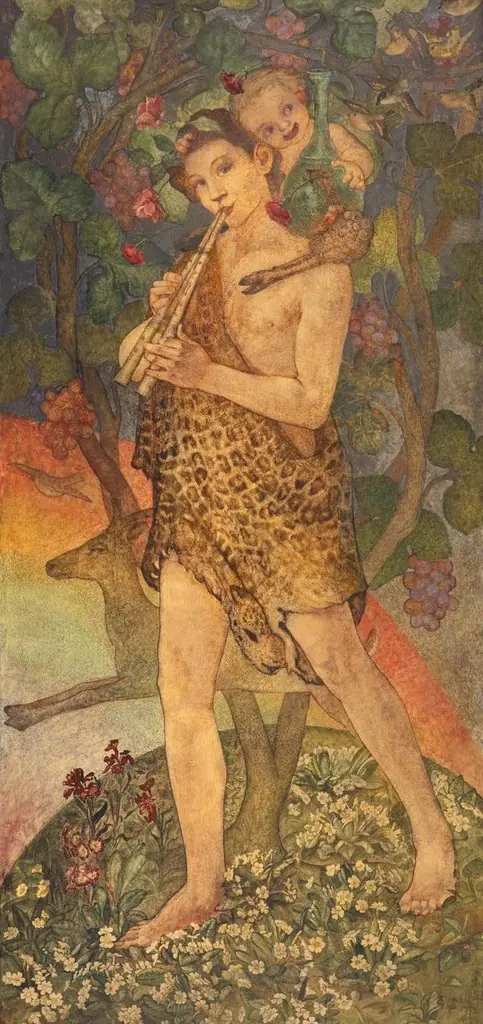 Pan
Pan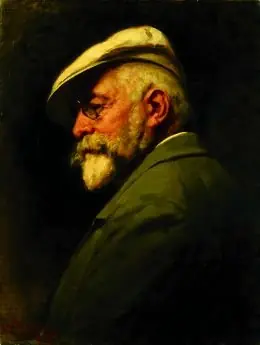 Self-portrait
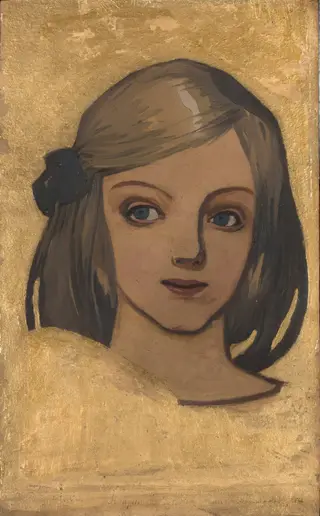 Head of a girl against gold background
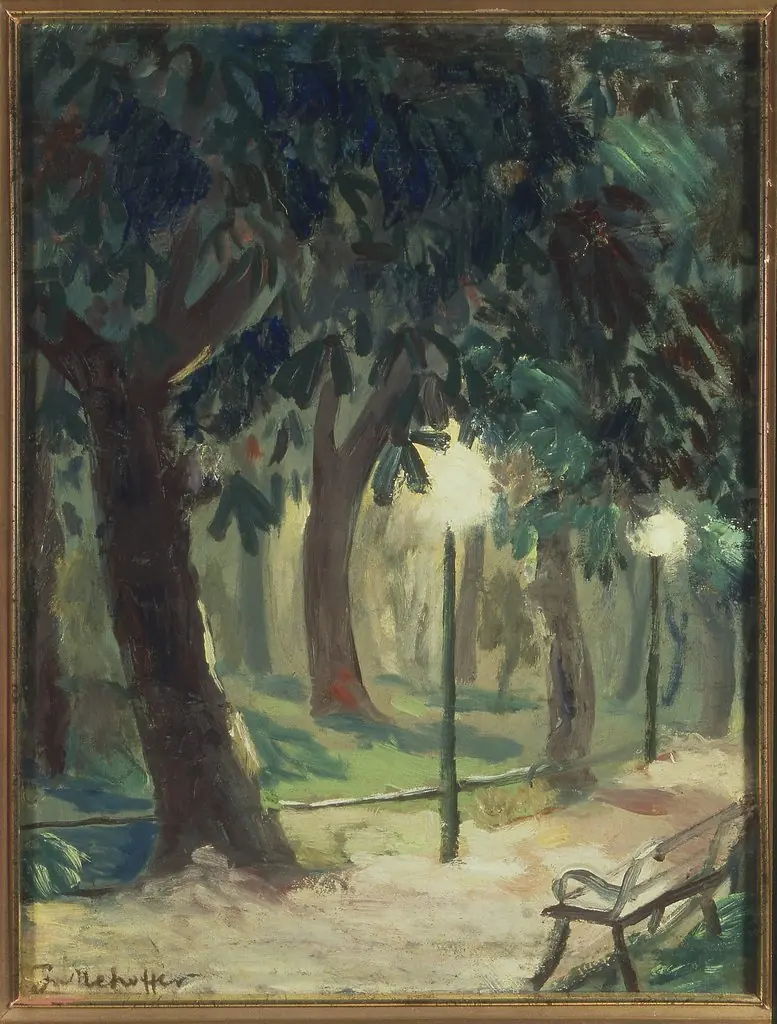 Planty Park in Kraków
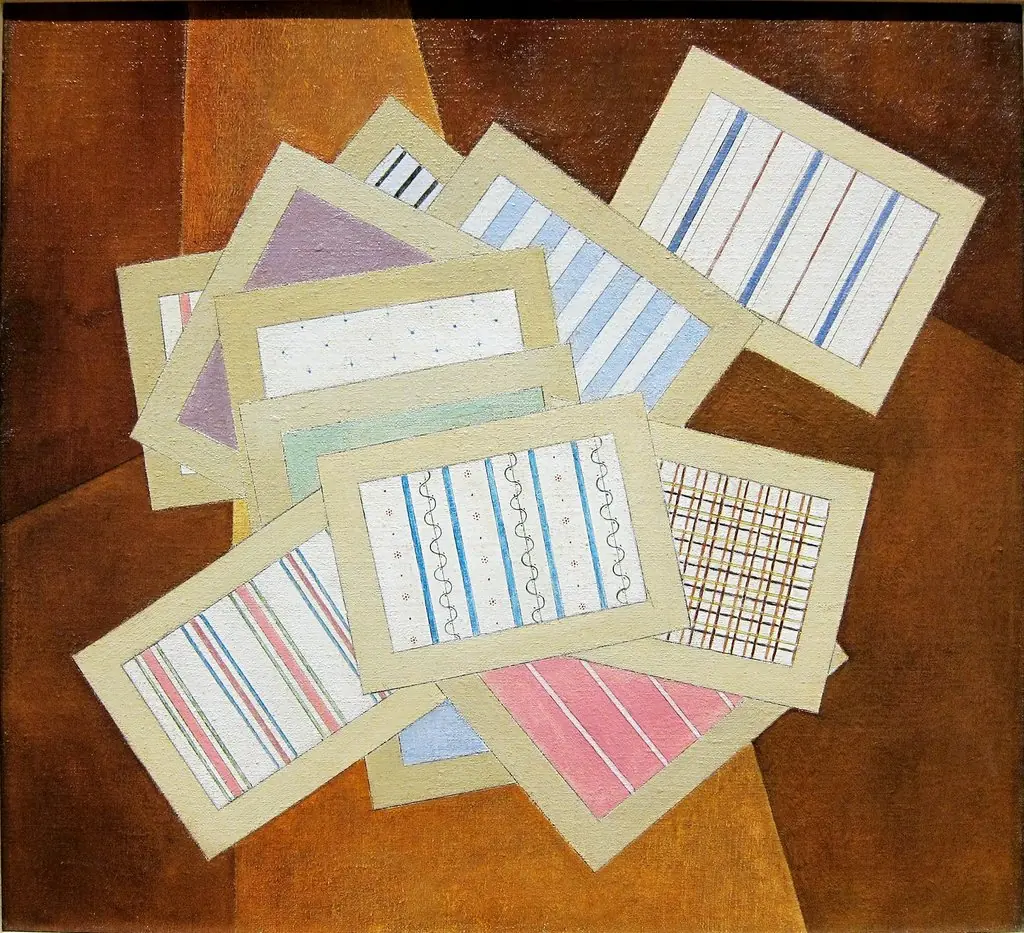 Spring
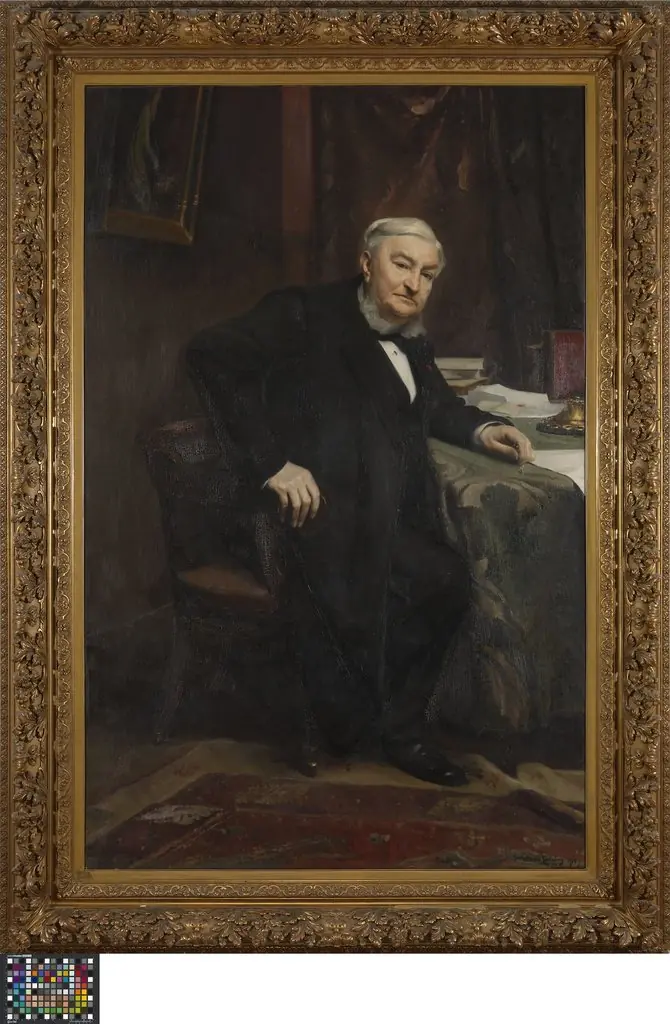 Portret van Auguste Beernaert
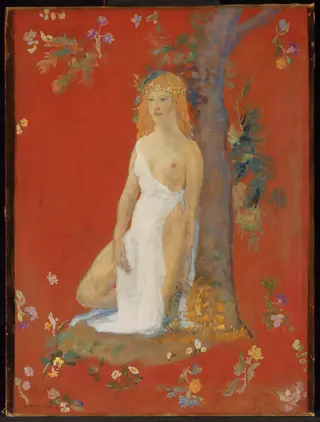 Heliodora
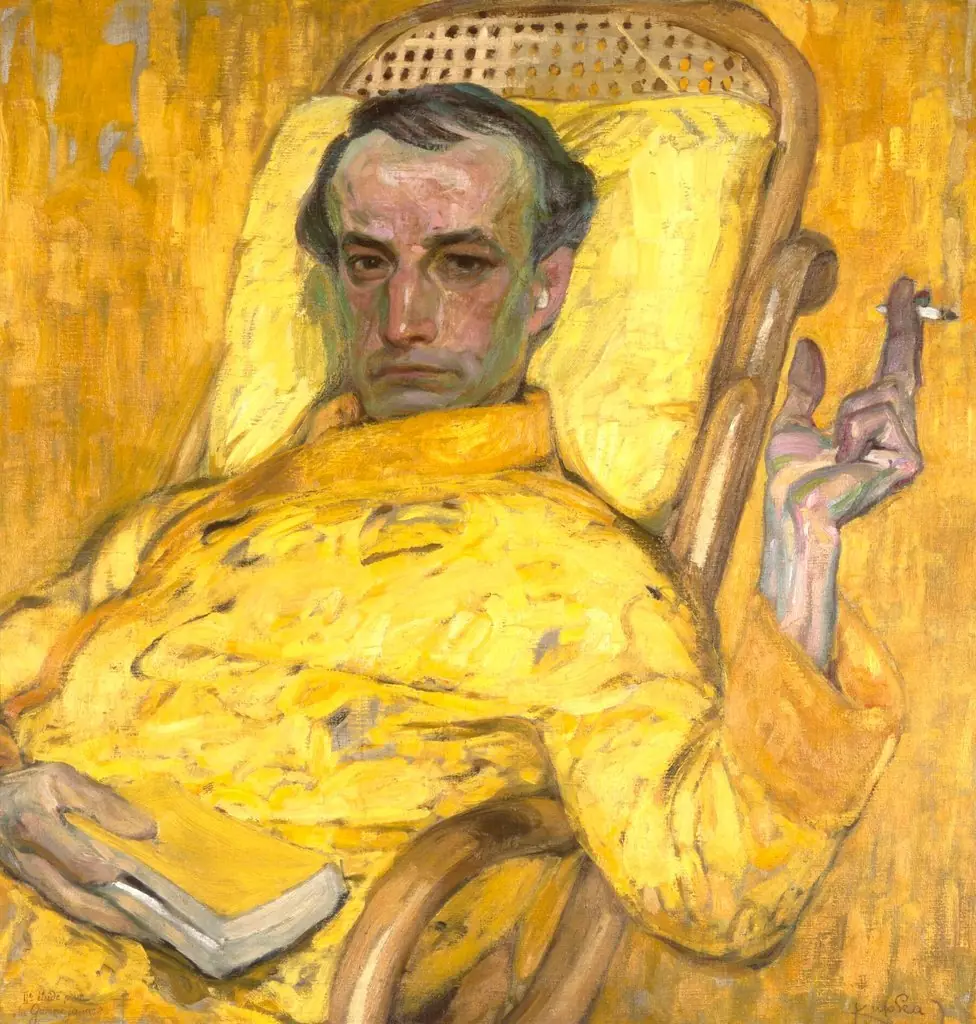 The Yellow Scale
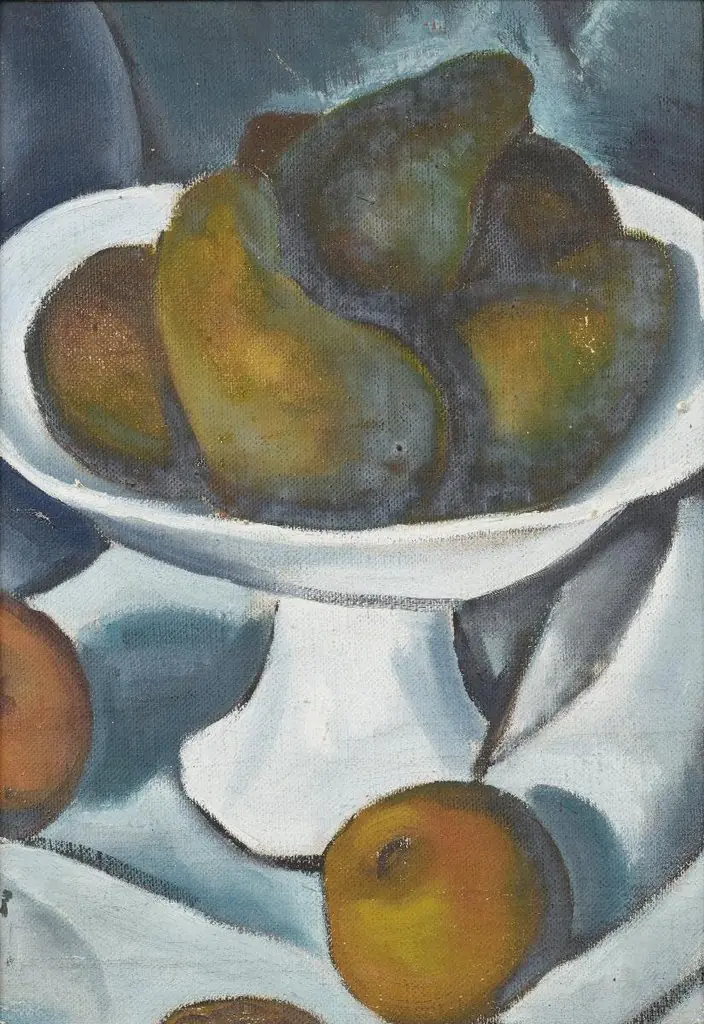 Stillleben mit Äpfeln und Birnen
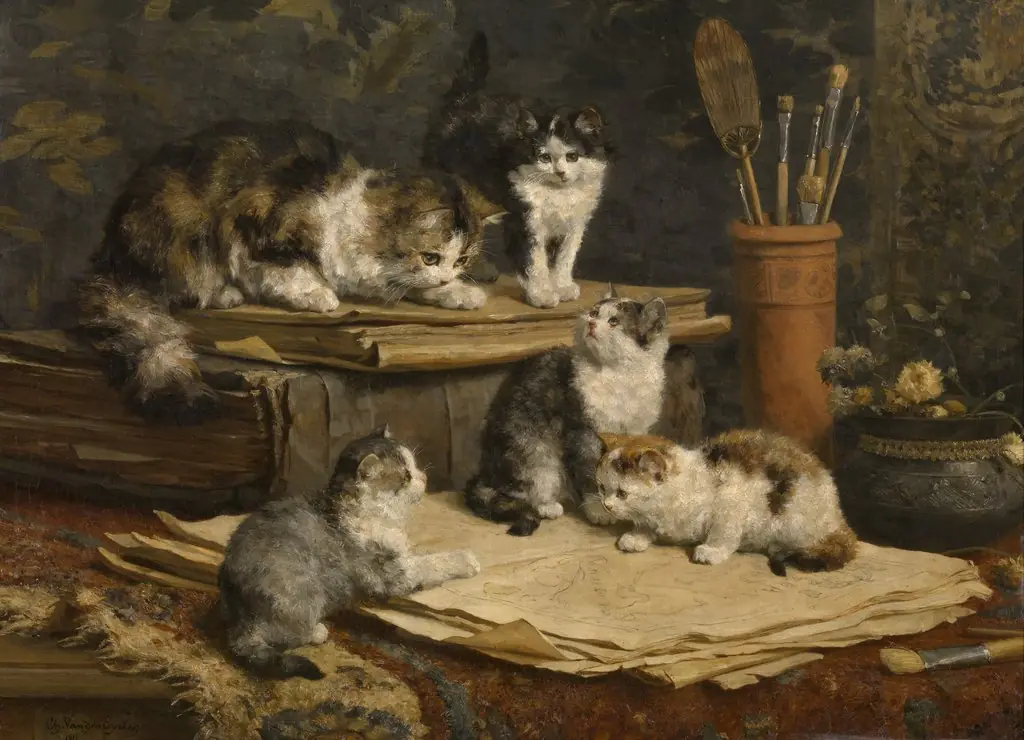 The Busybody
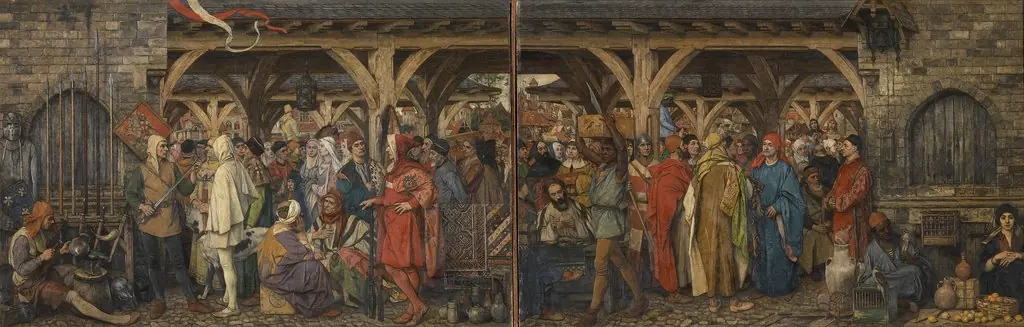 The annual fair
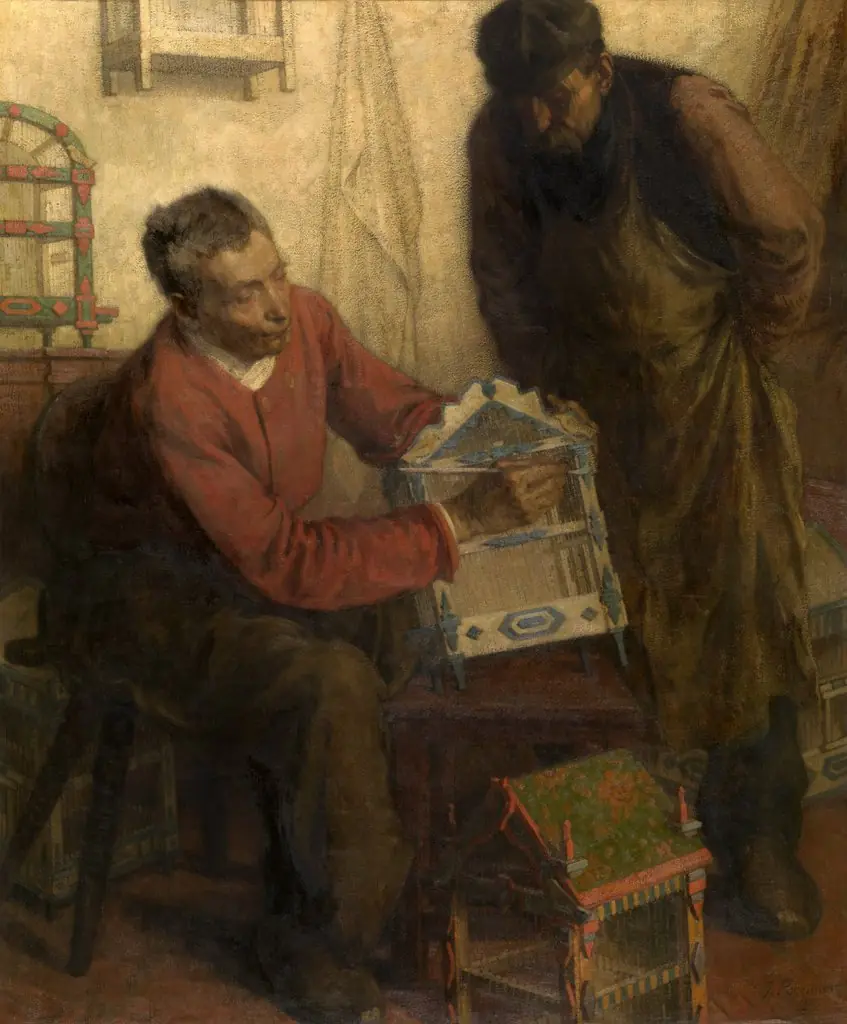 Birdcages
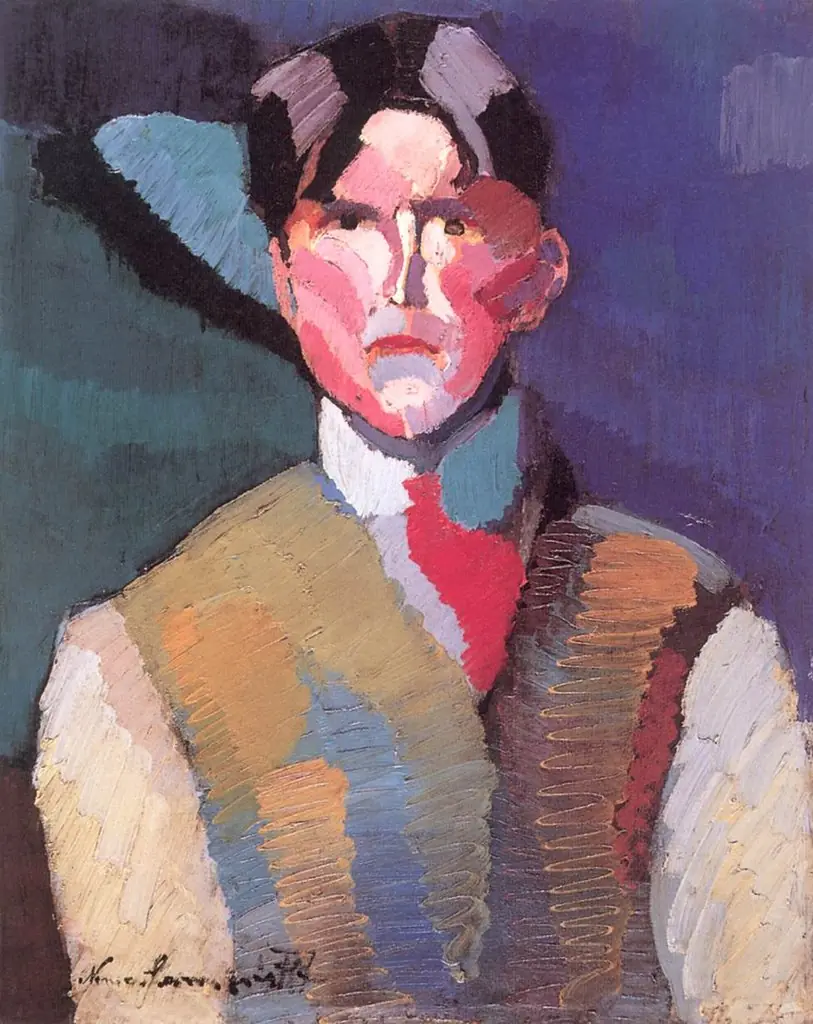 Self-portrait
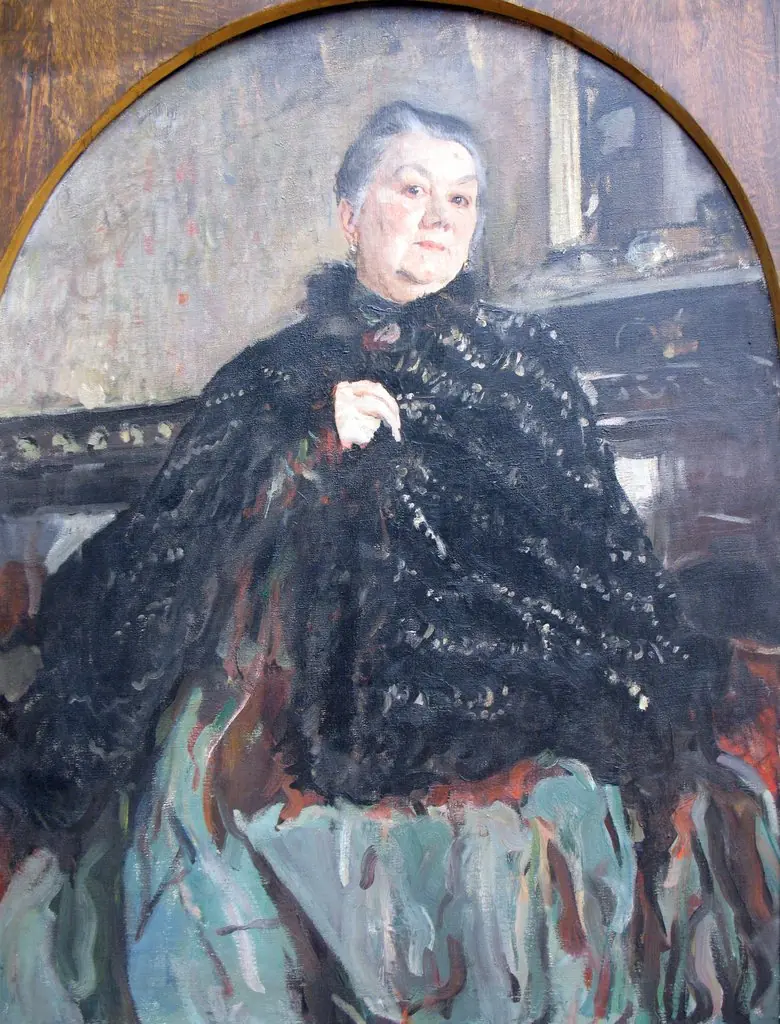 Portrait of the actrice G.H. Fedotovoj
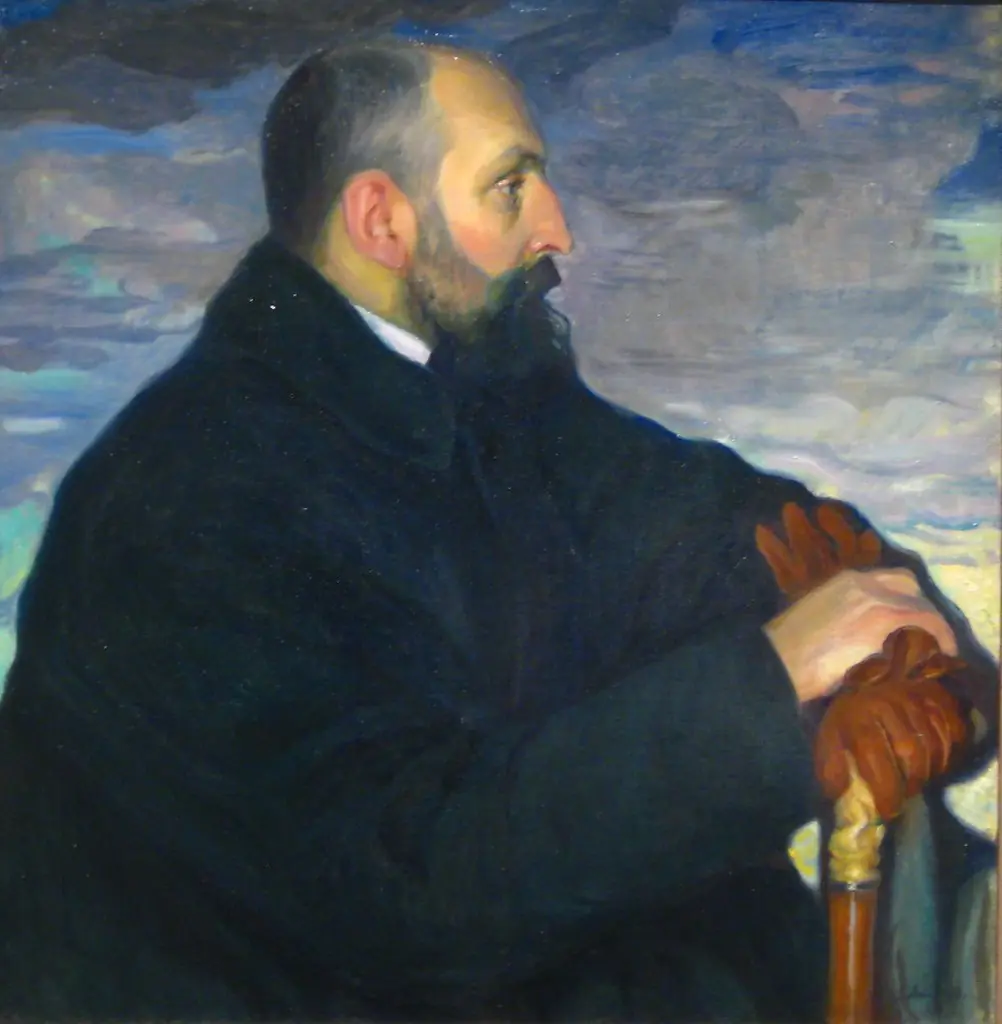 Portrait of the Artist Dmitry Kardovsky
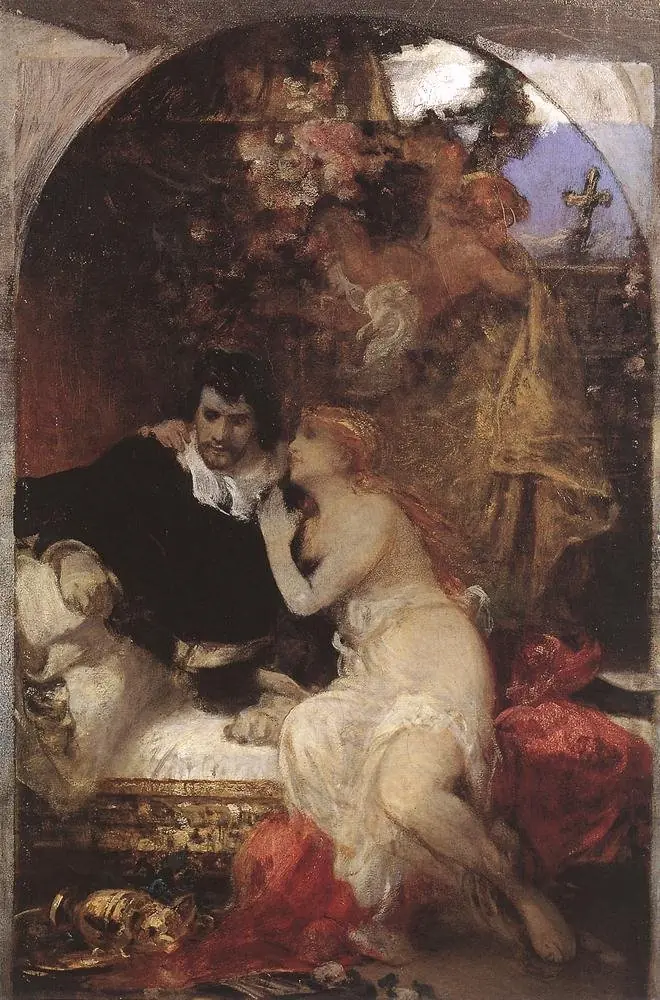 Venus and Tannhäuser
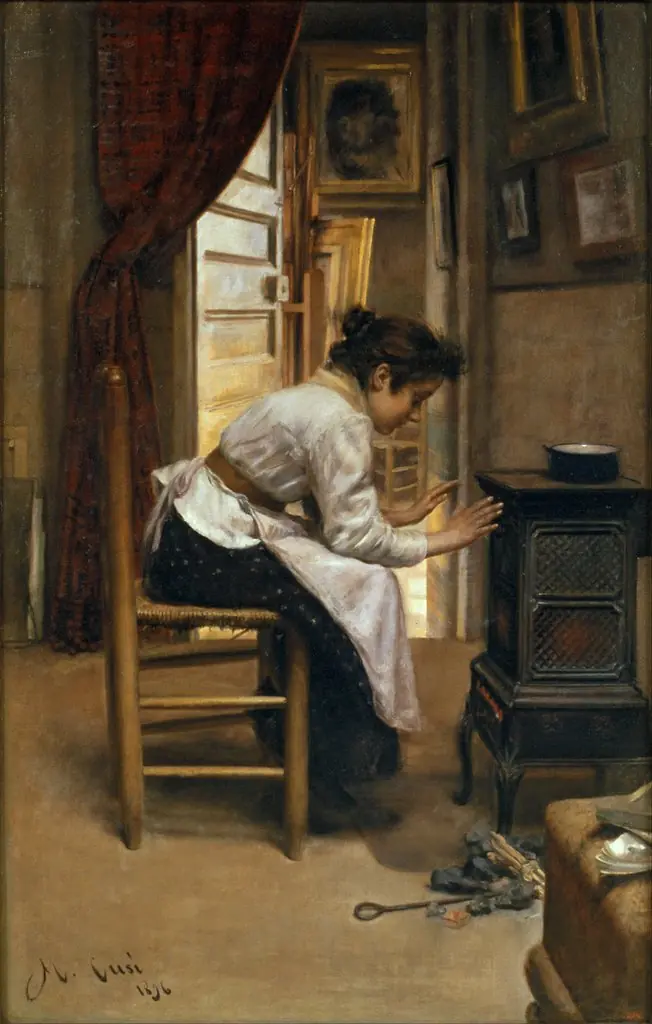 Beside the Fire
 Two Winged Angels in Profile
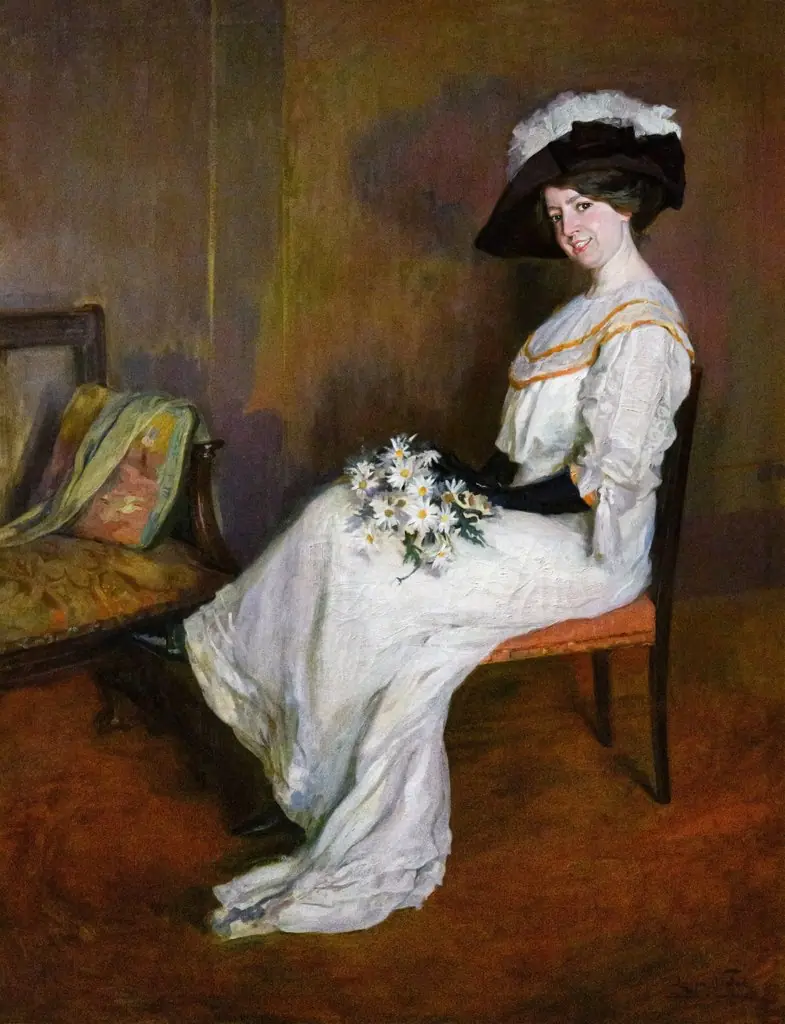 Portrait of Marta Vidal Puig
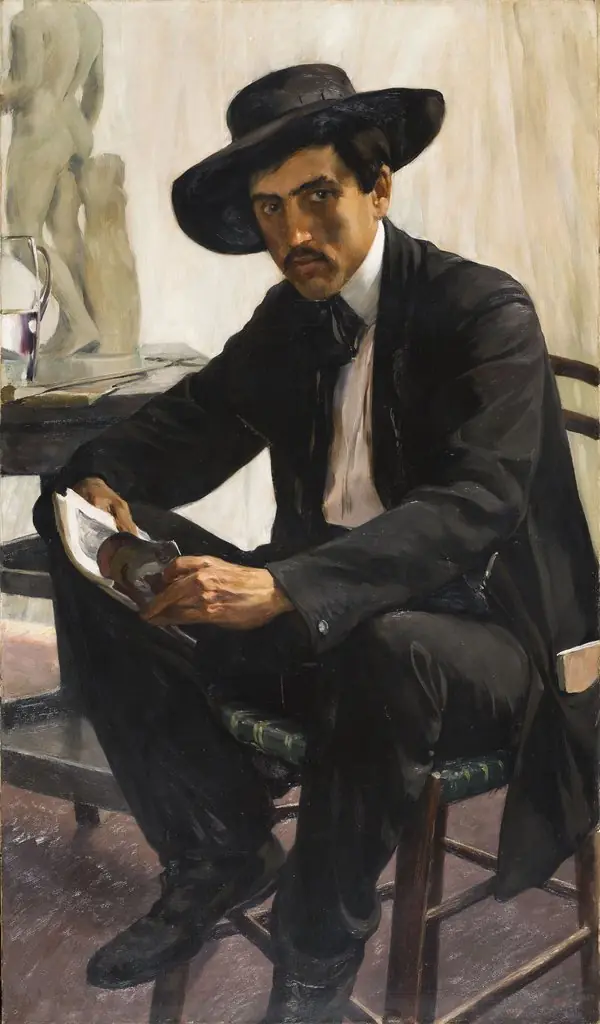 The student. Portrait of painter Saturnino Herrán
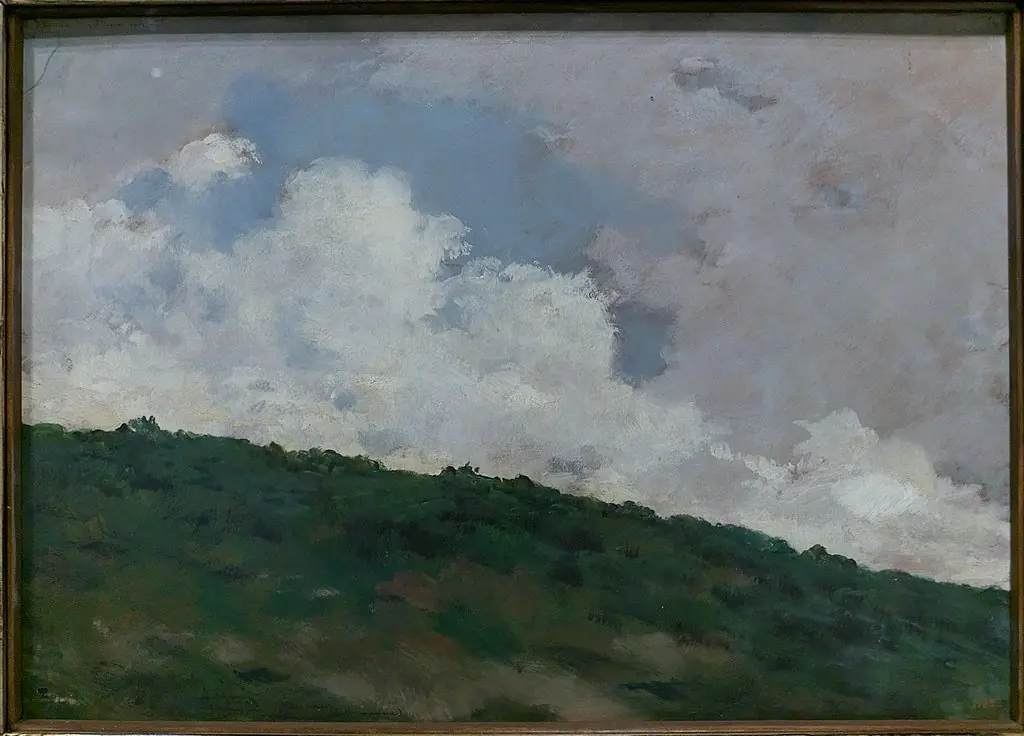 White Cloud
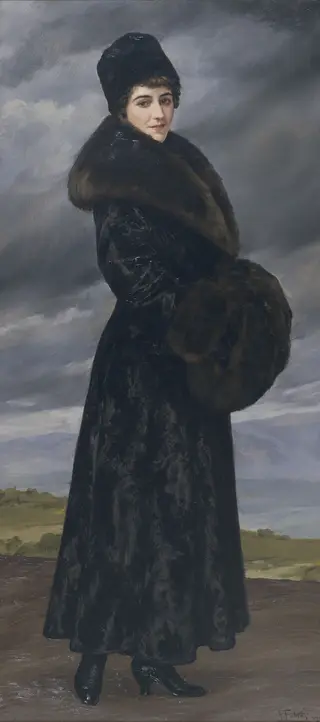 Portrait of Gloria Fabrés
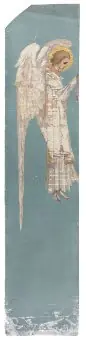 A Winged Angel in Profile
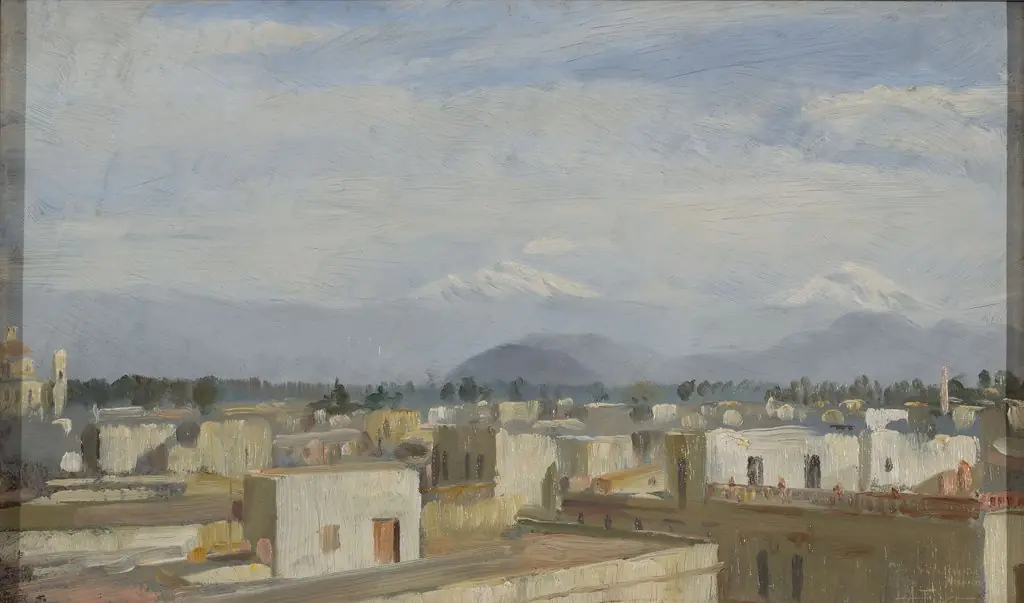 View of the Capital of Mexico
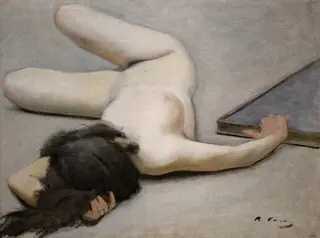 Female Nude
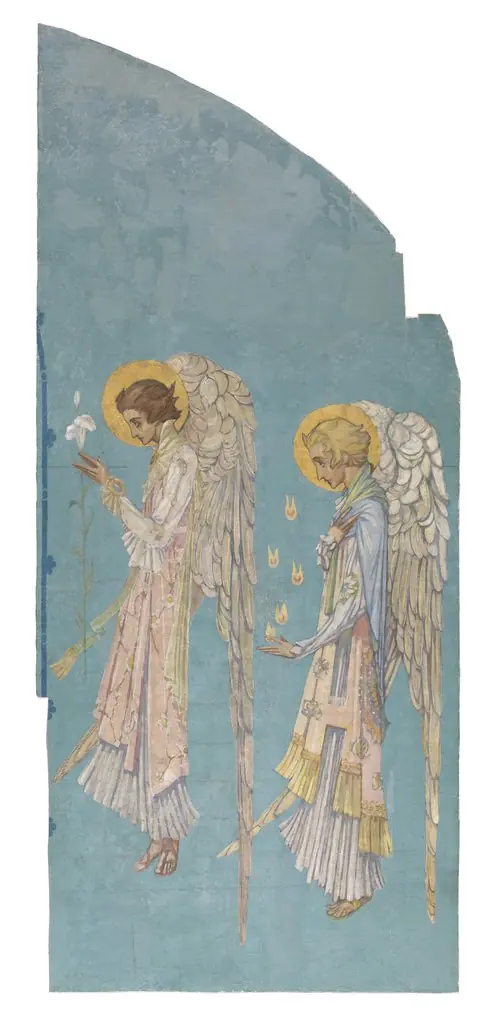 Two Winged Angels in Profile
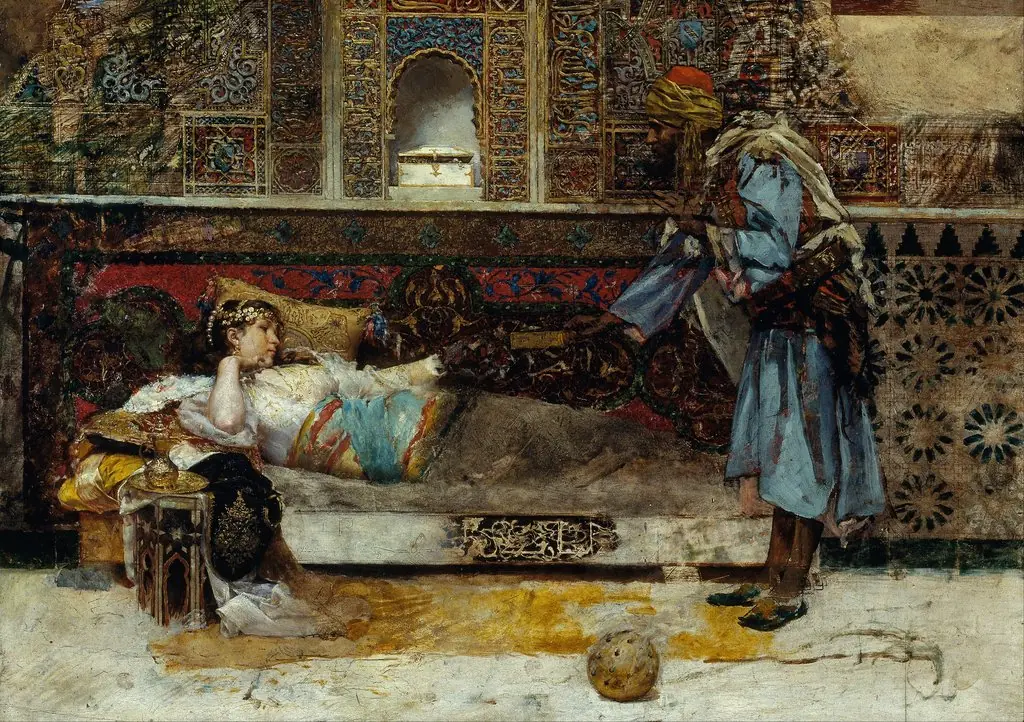 The Sultan's Gift
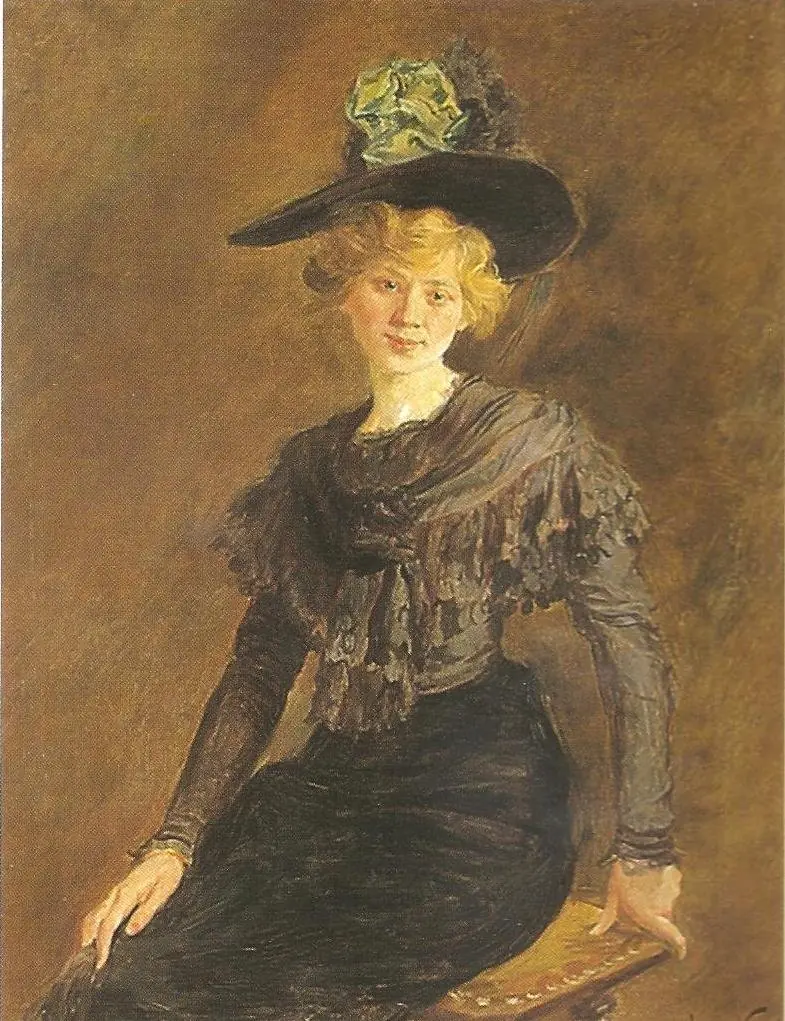 Portrait of Carlota Vidal
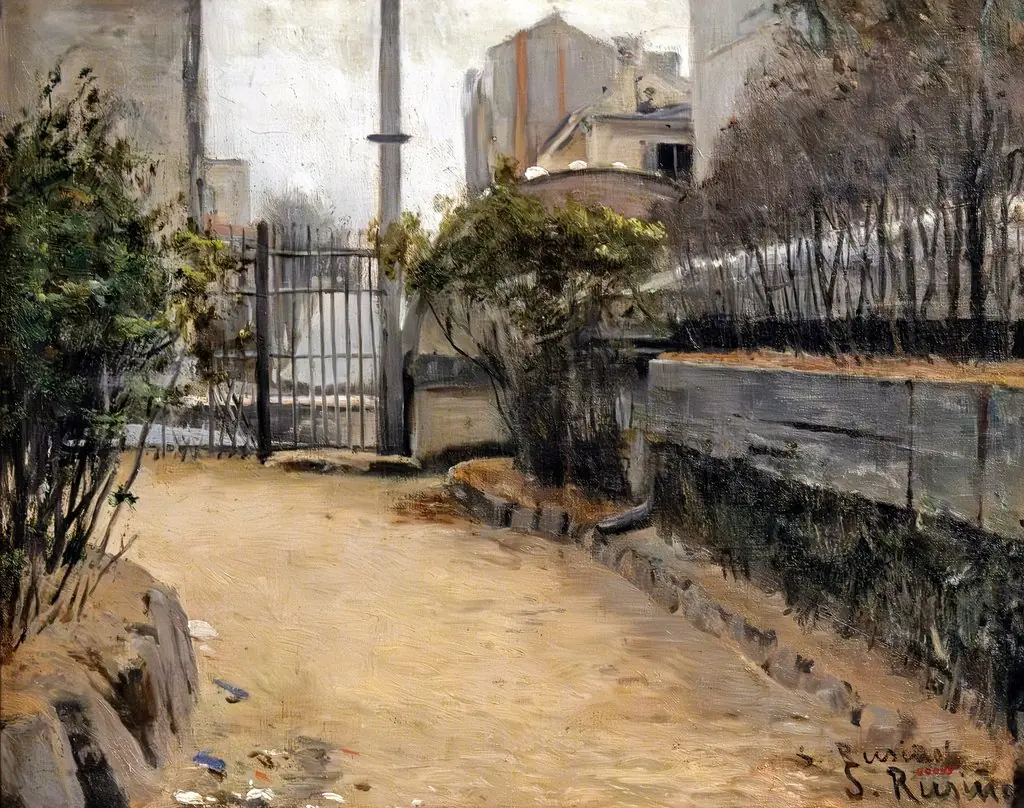 Garden of Montmartre
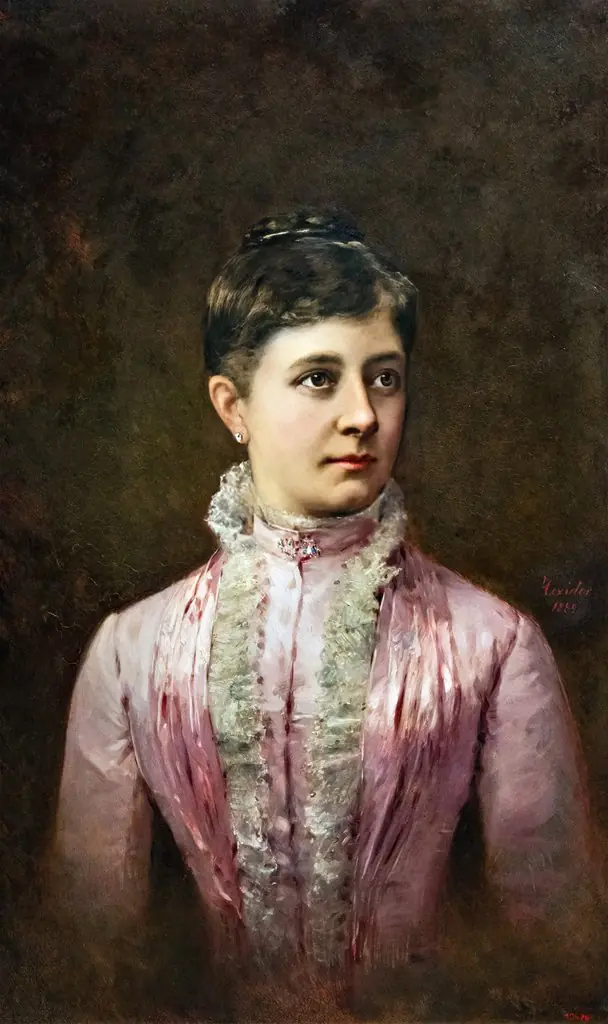 Retrat de la pintora Pepita Teixidor Torres (1875-1914)
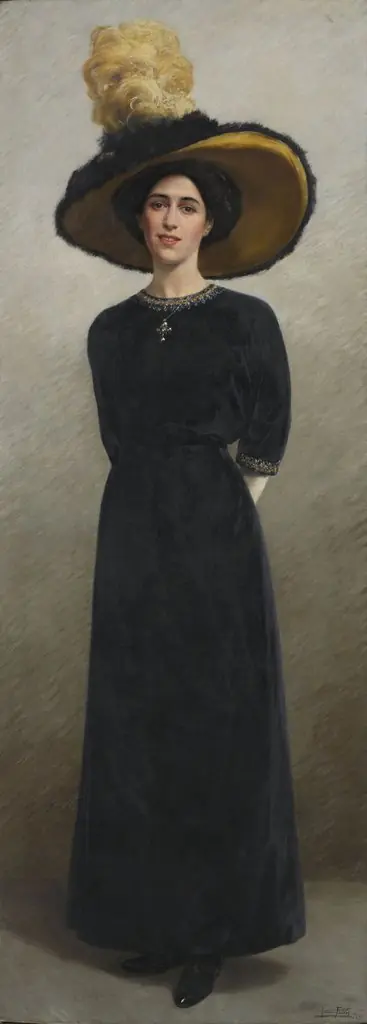 Portrait of Glòria Fabrés
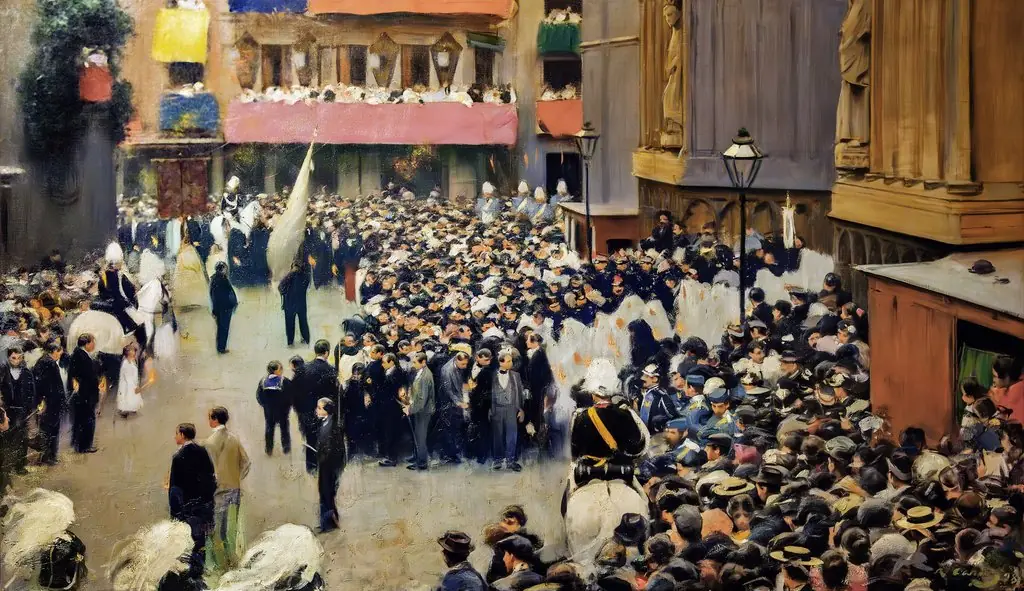 The Corpus Christi Procession Leaving the Church of Santa Maria del Mar
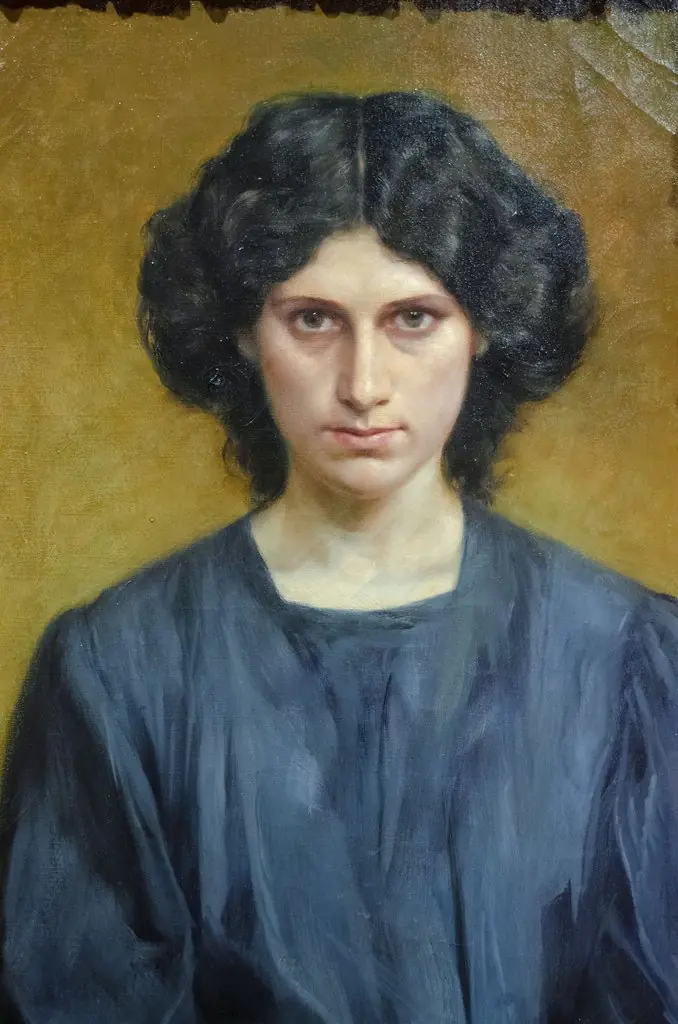 Laura
Laura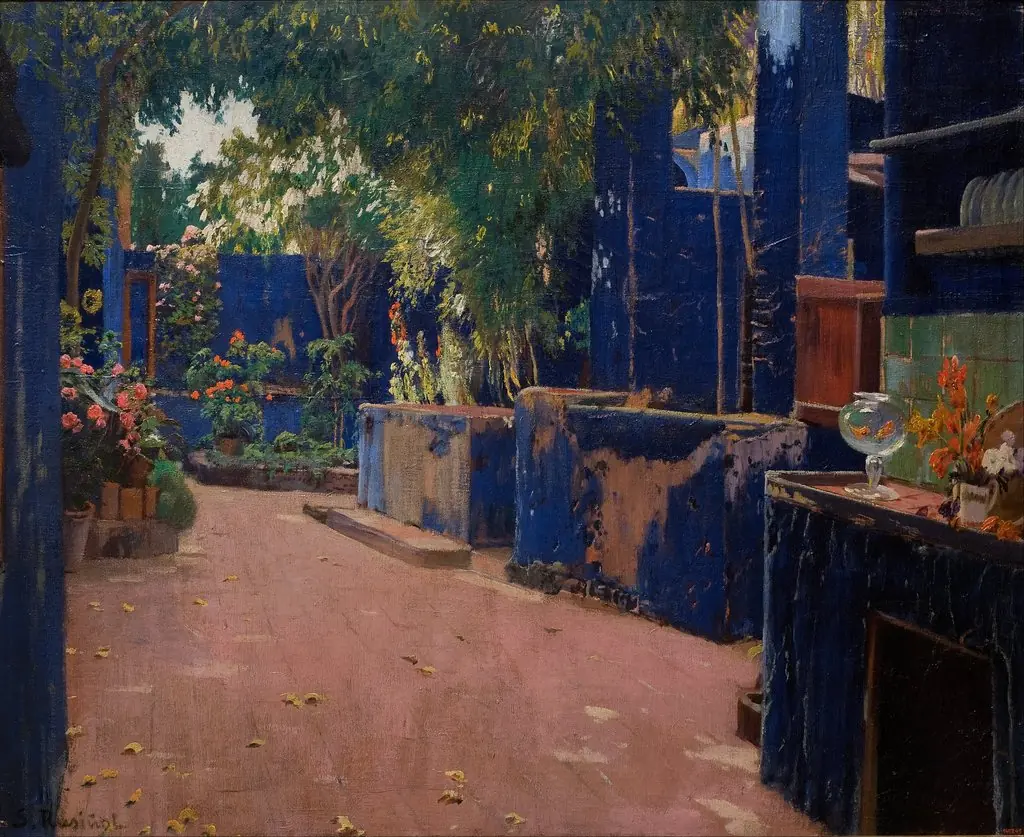 Blue Courtyard
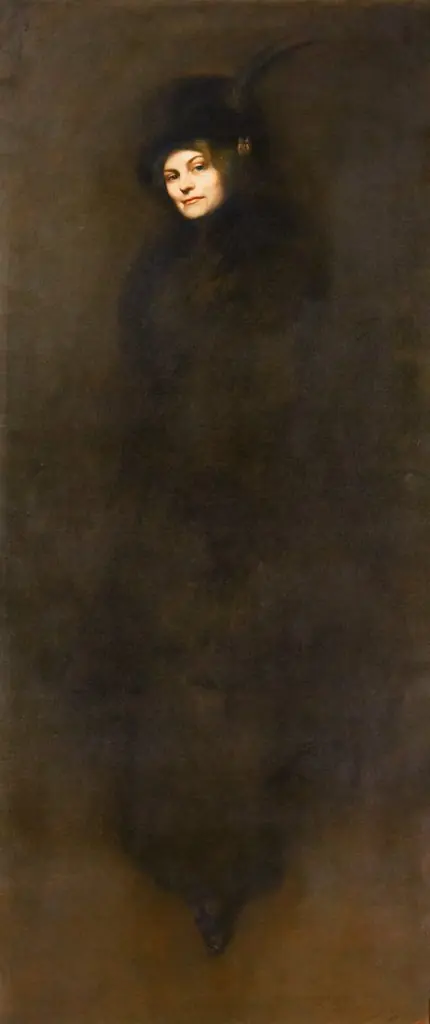 Portrait of Maria Sampere, the Painter's Wife
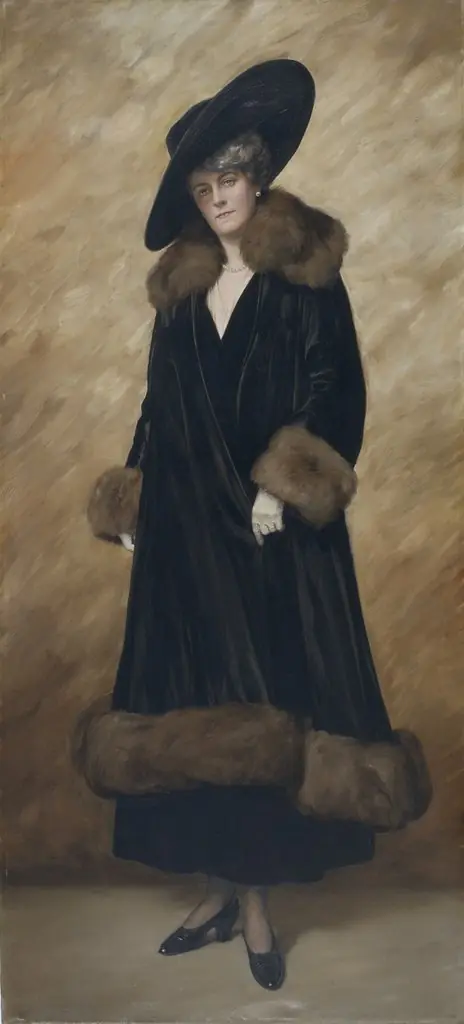 Portrait of Senyora Luca
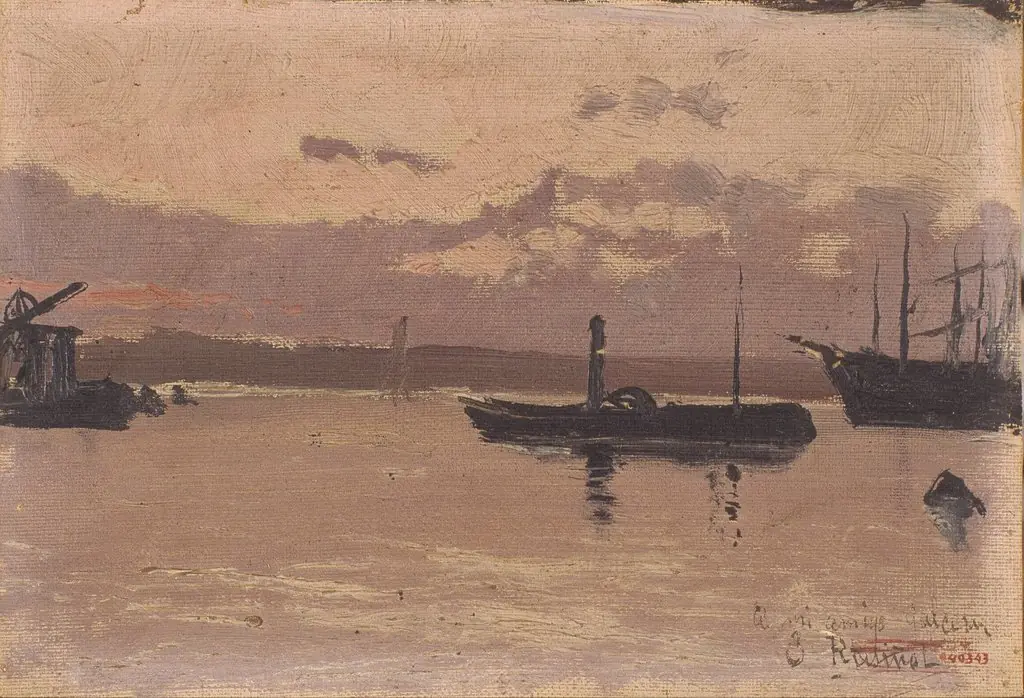 Sketch of a Port
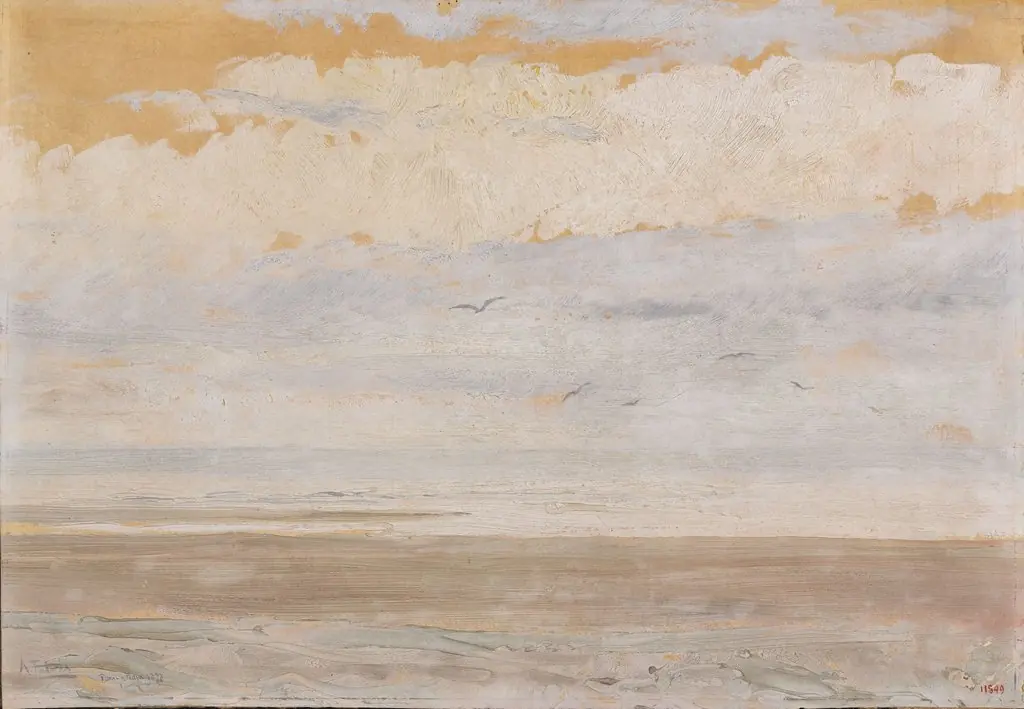 The Immensity
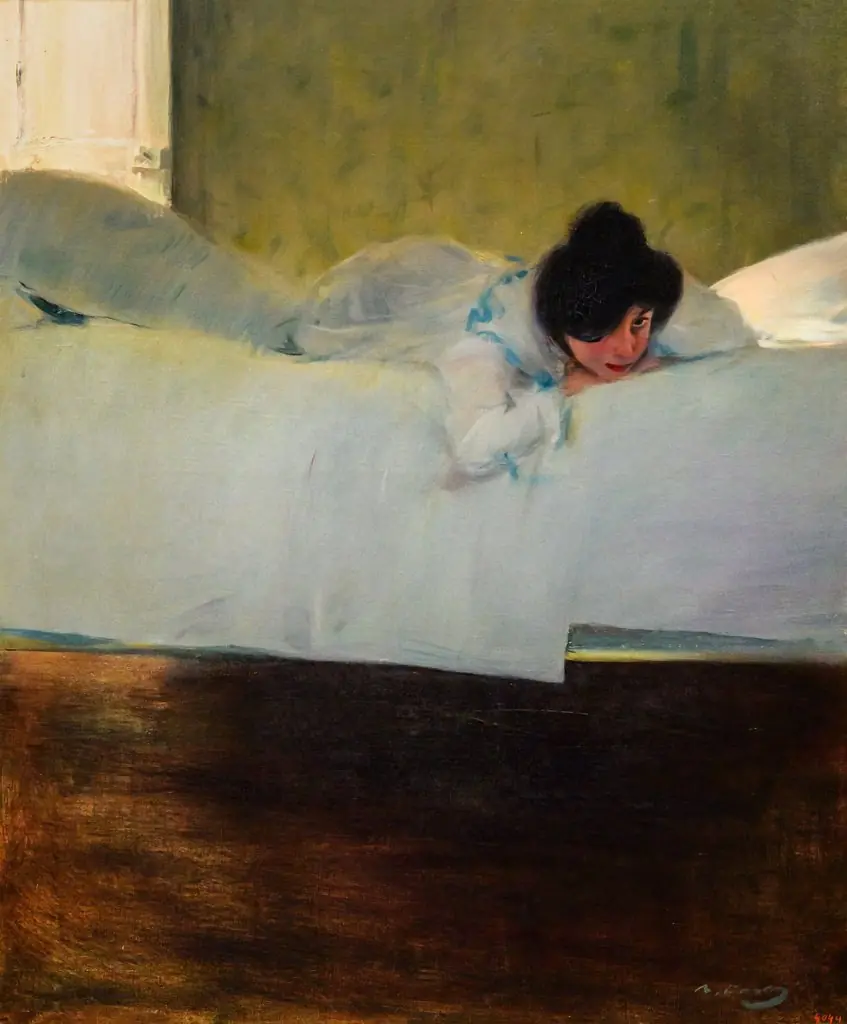 Idle Hours
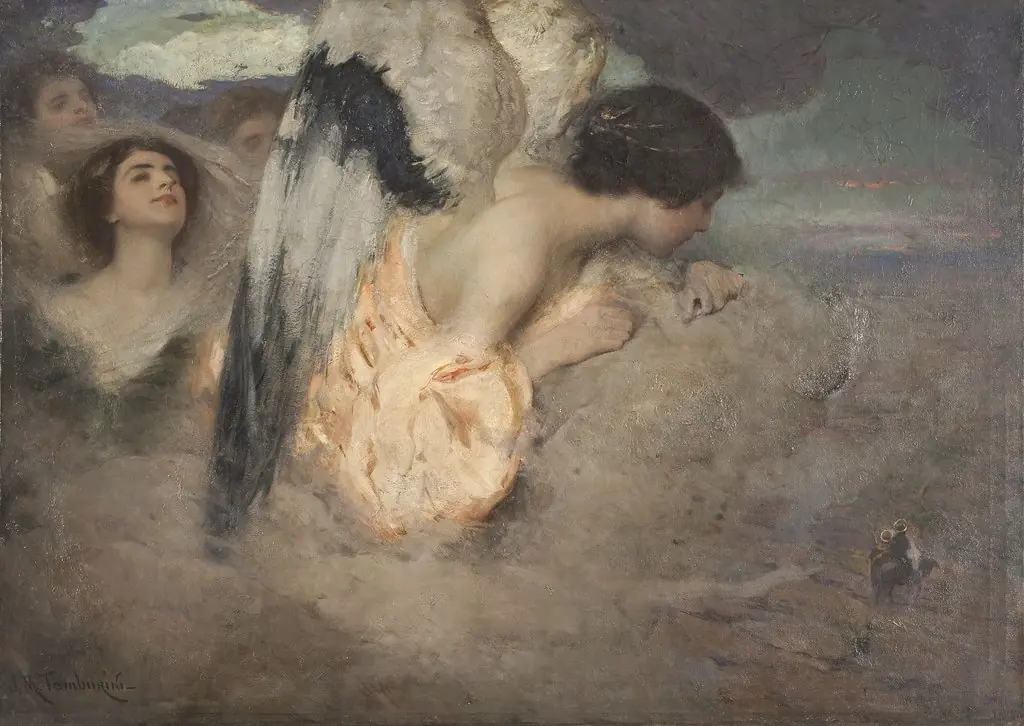 The Flight into Egypt
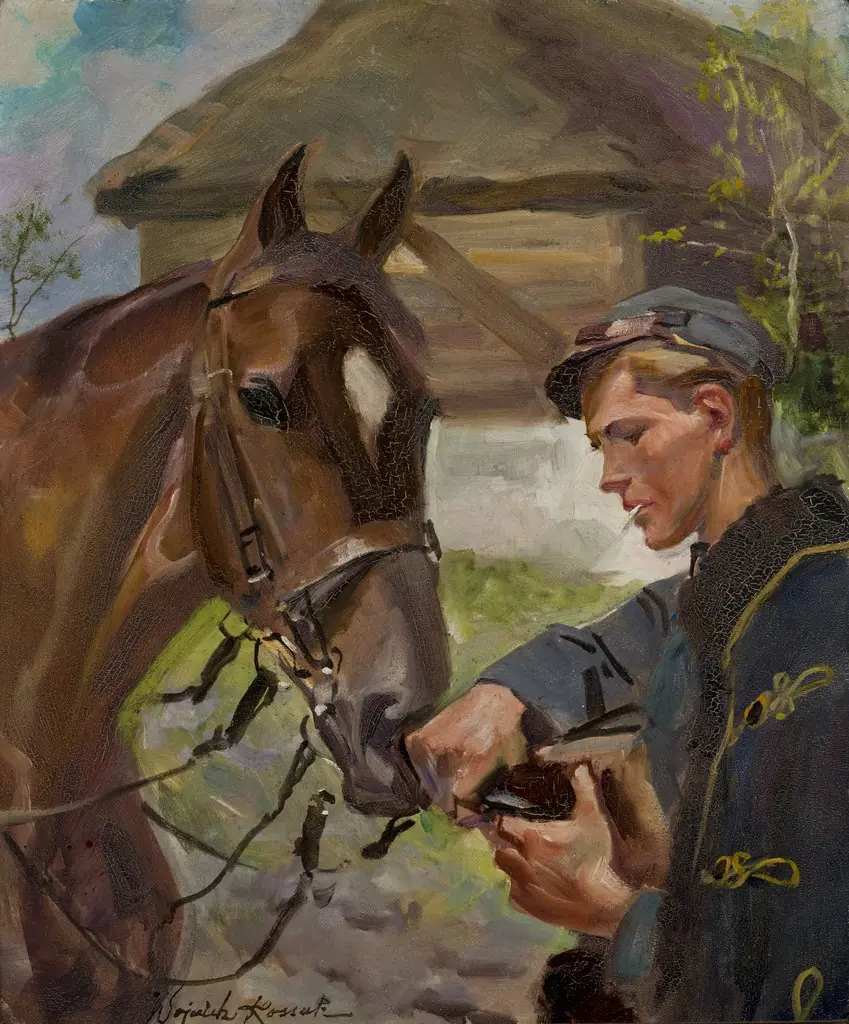 Uhlan at a Horse
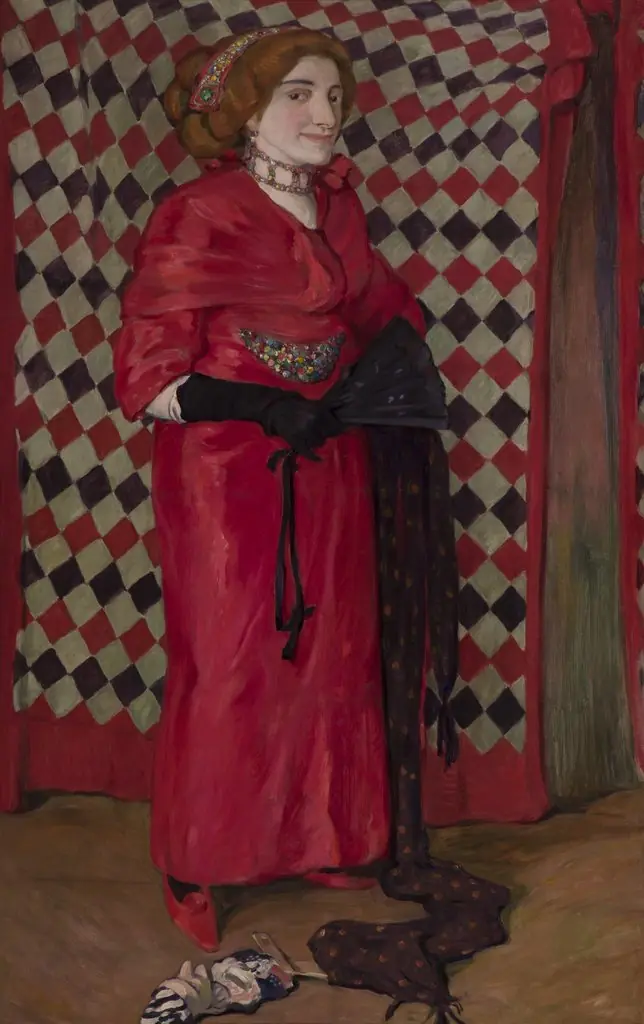 Grotesque Dwarf Woman
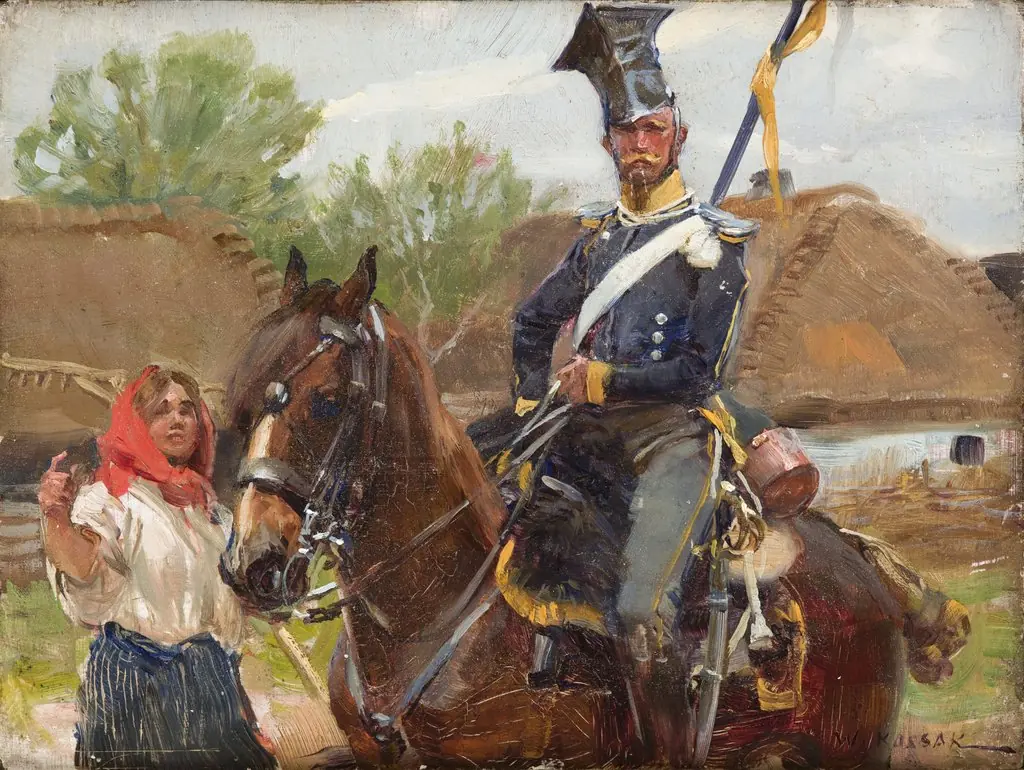 Uhlan with a Girl
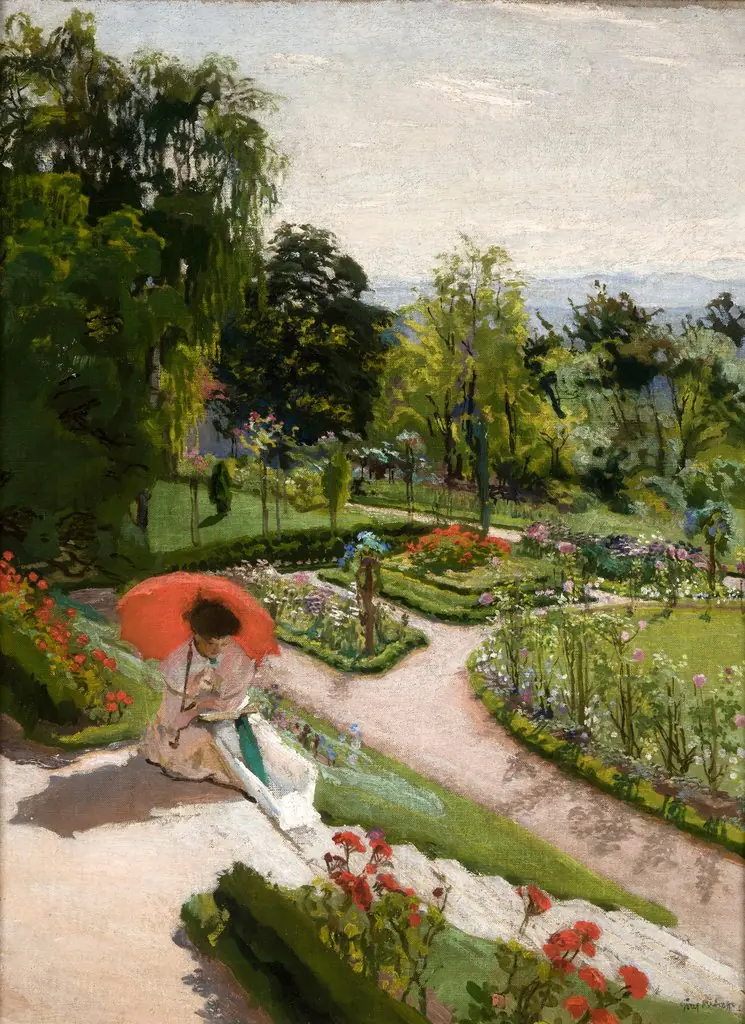 Red Umbrella
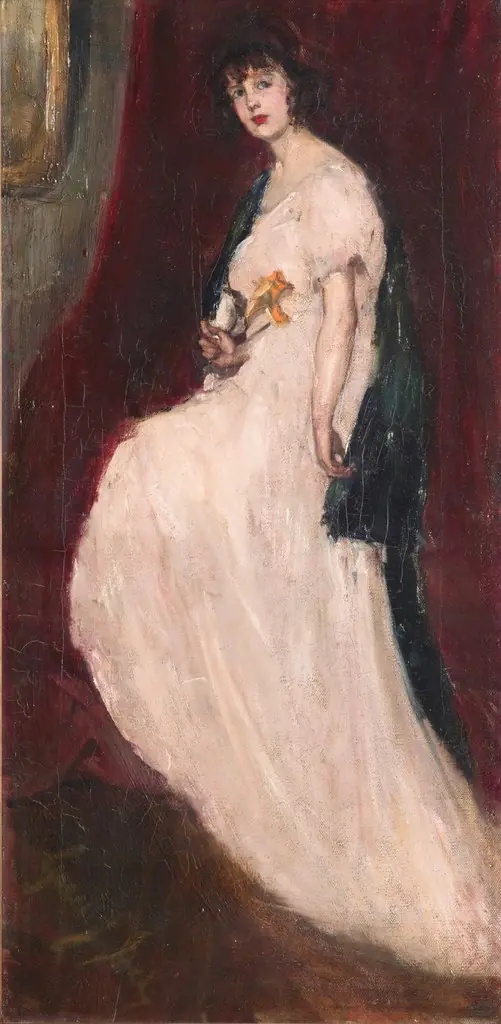 Girl in a pink dress
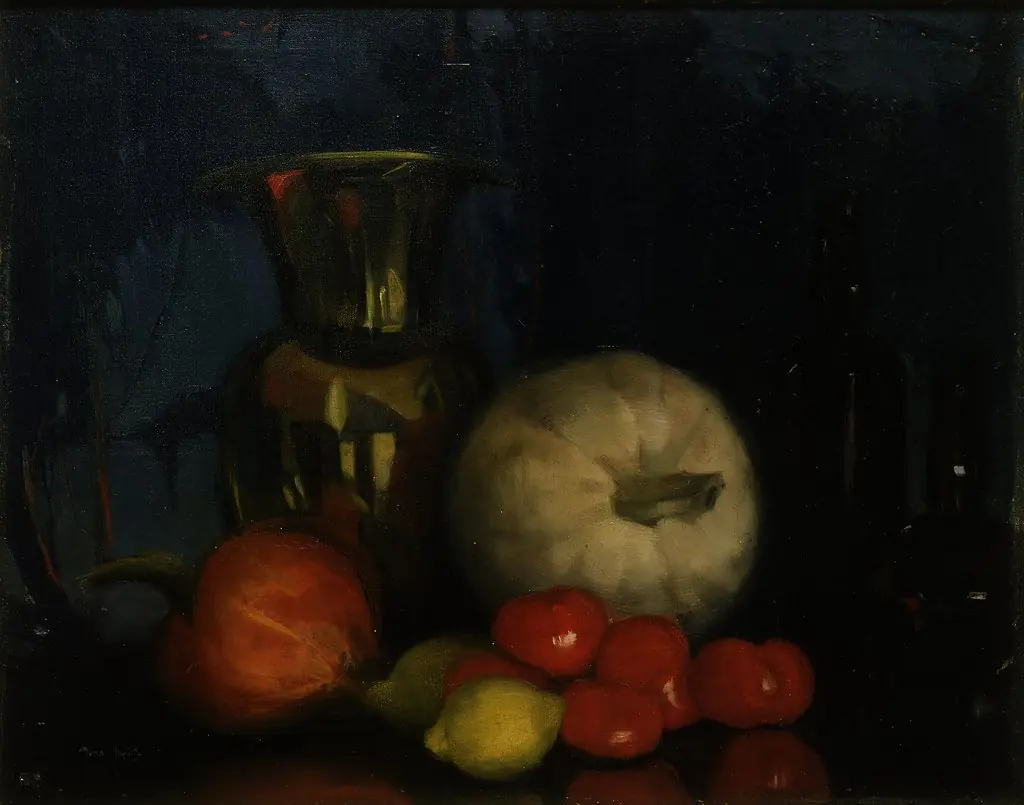 Decorative group
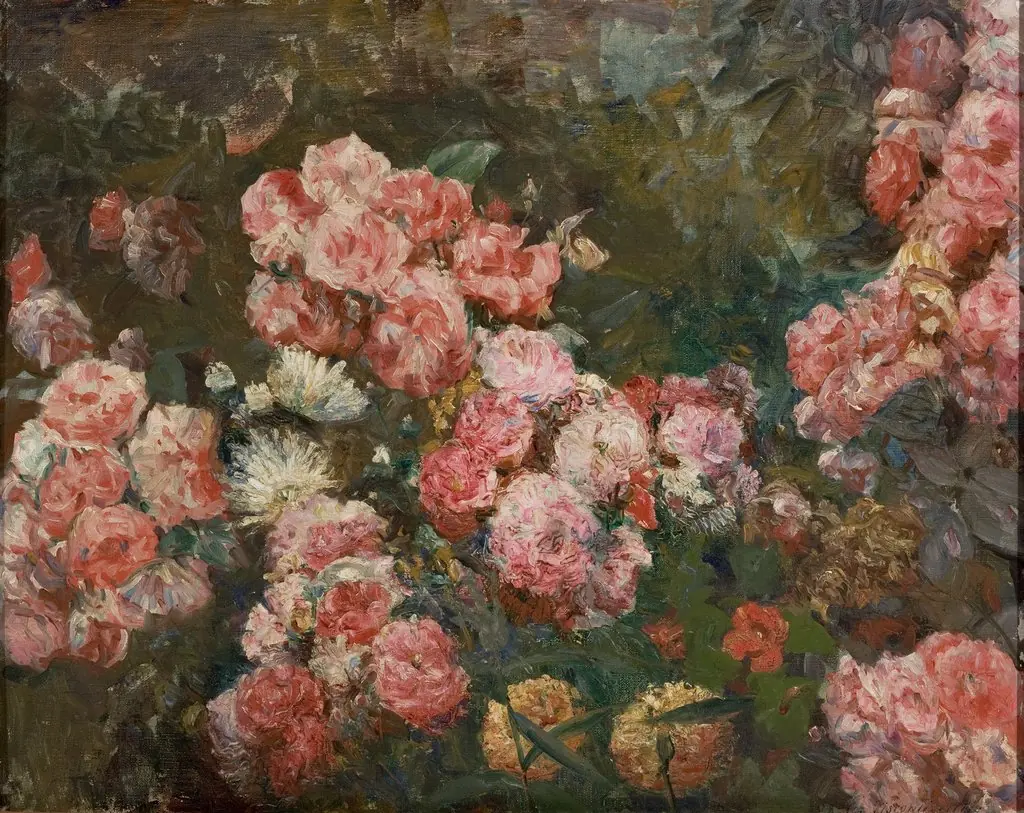 Flowers
![Obwaldner Landsgemeinde [erstes Bild, links], by Albert Welti, 1911](https://artifactworldgallery.com/img/albert-welti--obwaldner-landsgemeinde-erstes-bild-links--6c1b18382095e99f-w320.webp) Obwaldner Landsgemeinde [erstes Bild, links]
Obwaldner Landsgemeinde [erstes Bild, links]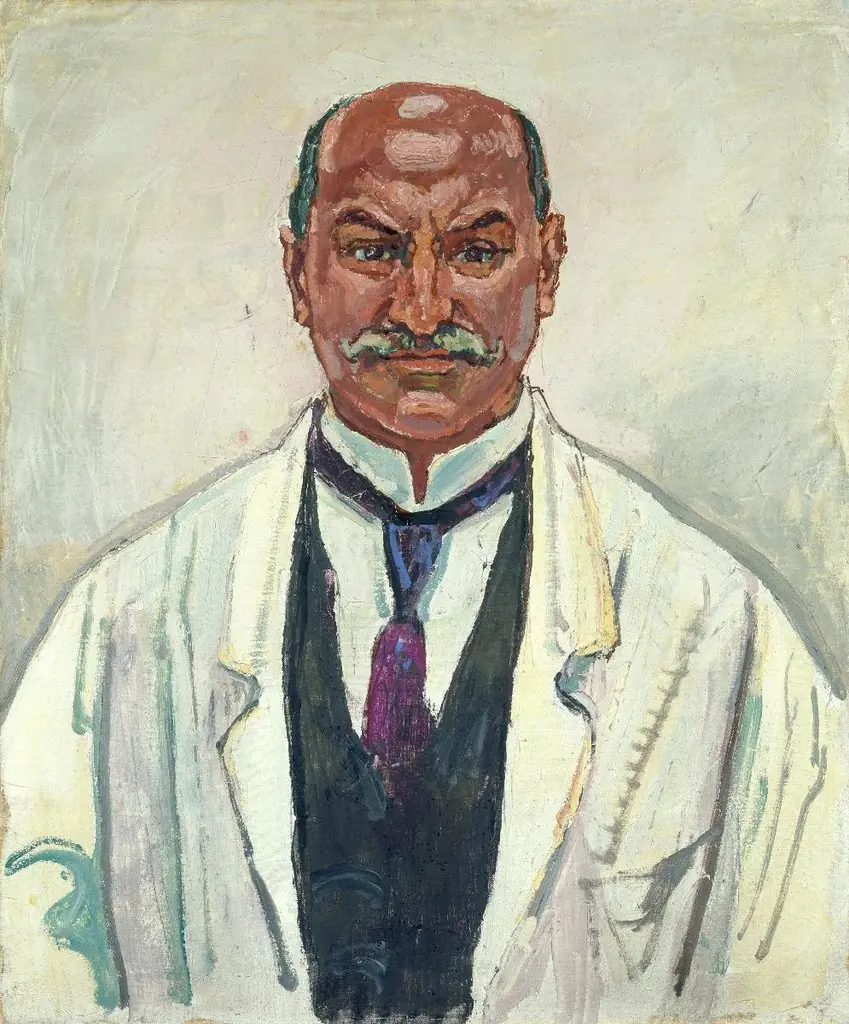 Bildnis Professor Beuttner
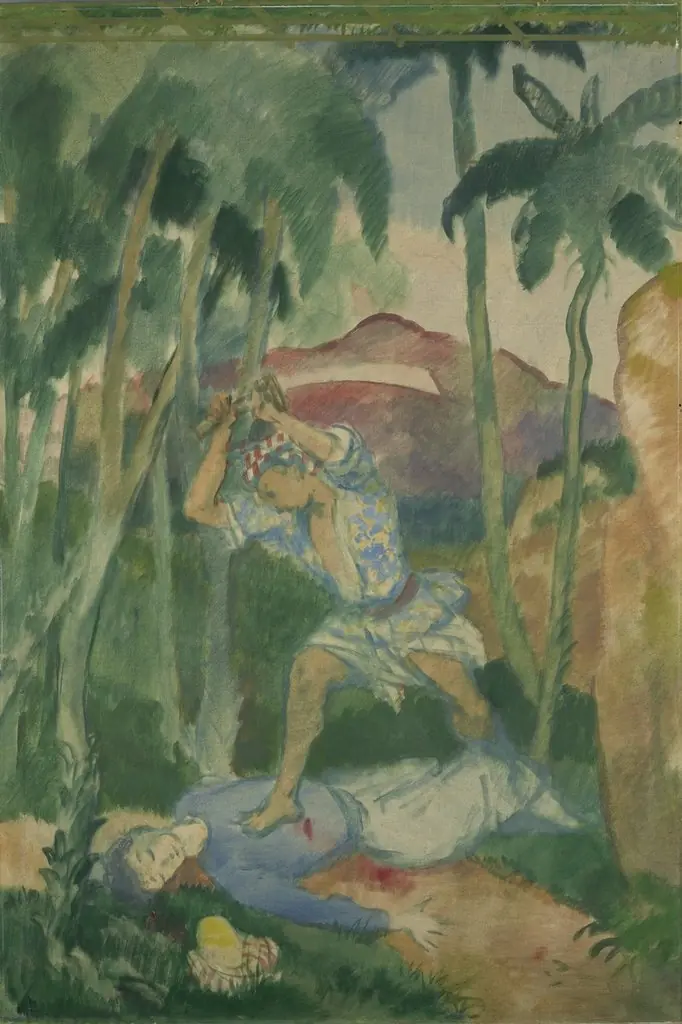 Mann mit Schwert Frau erschlagend
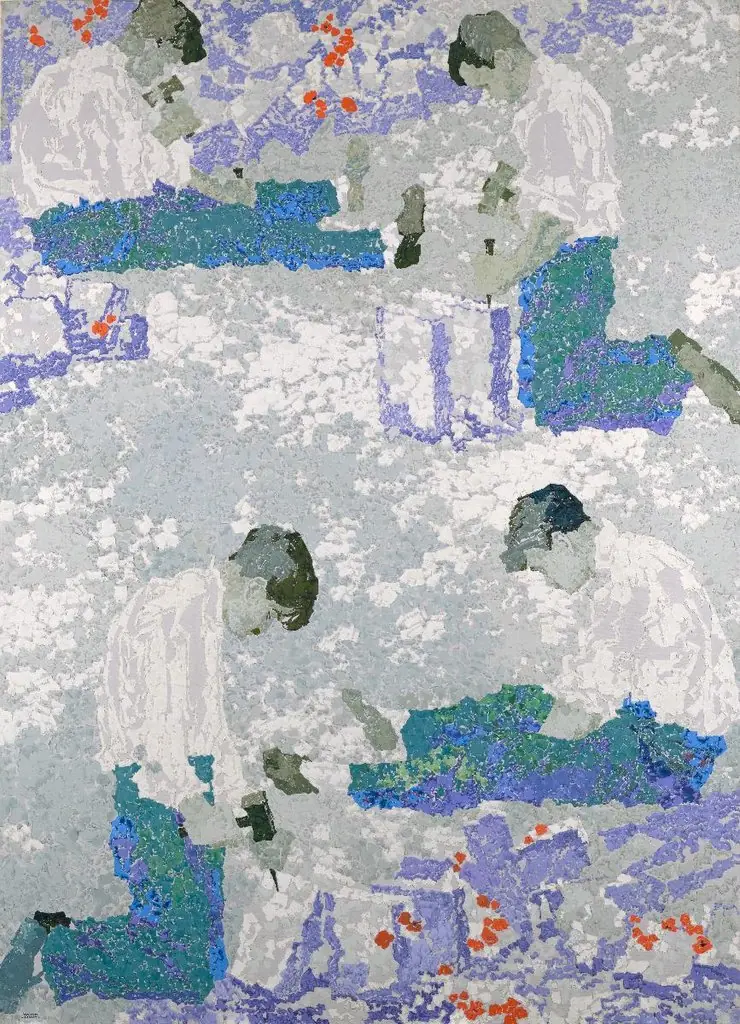 Steinhauer
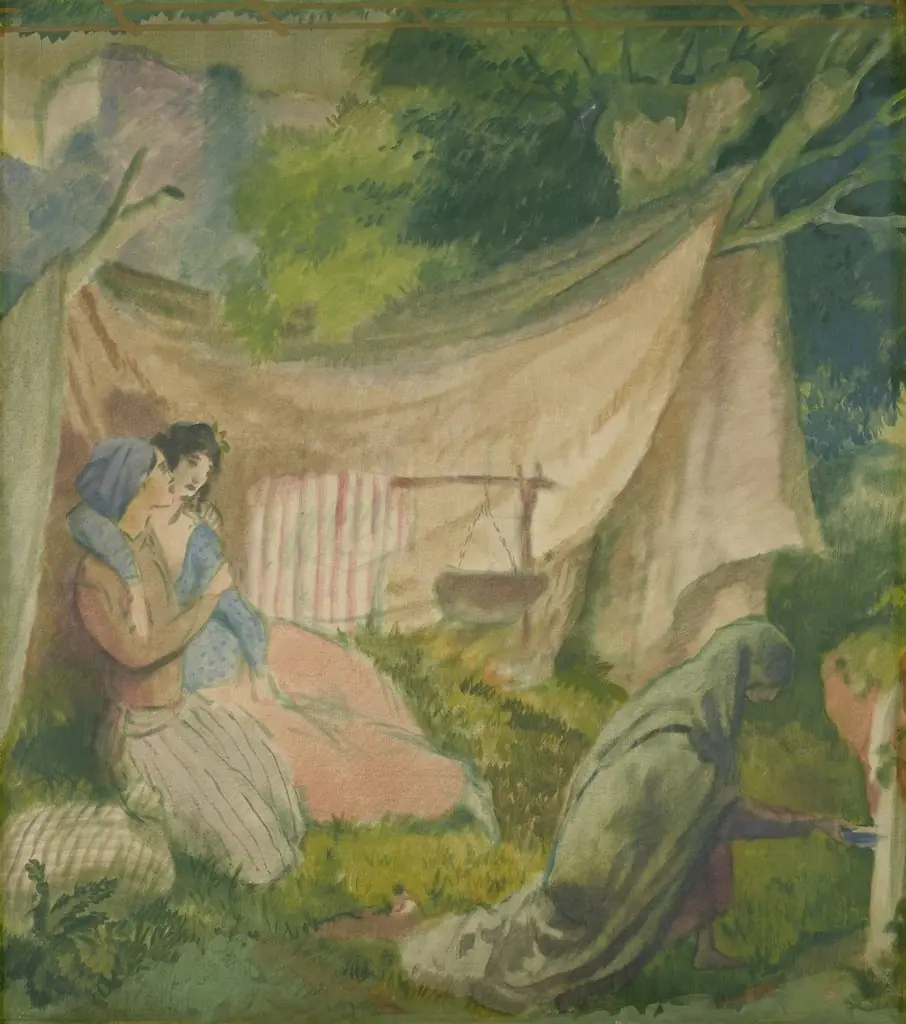 Zwei Mädchen und Verhüllte
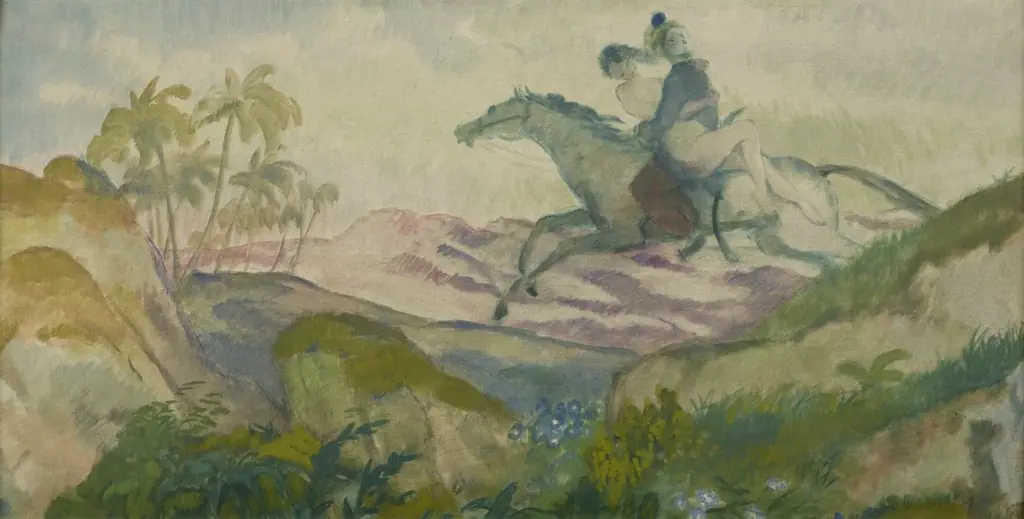 Paar rücklings auf Pferd
 Figur
Figur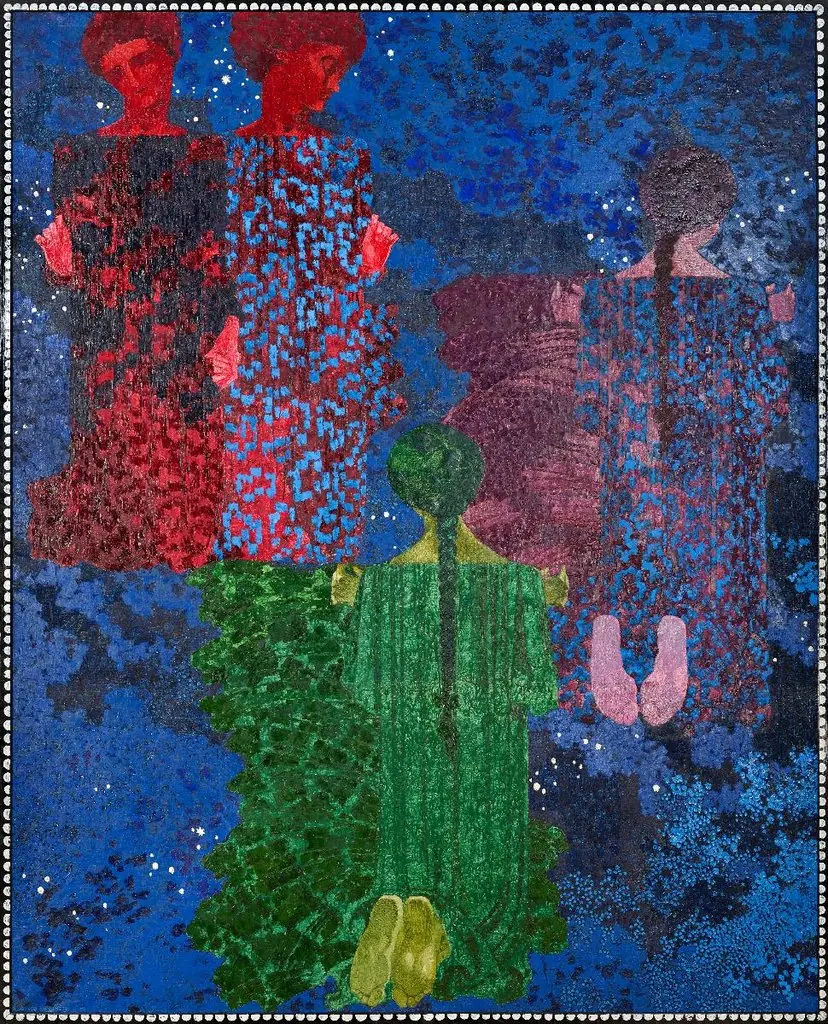 Das Kreisen der Planeten
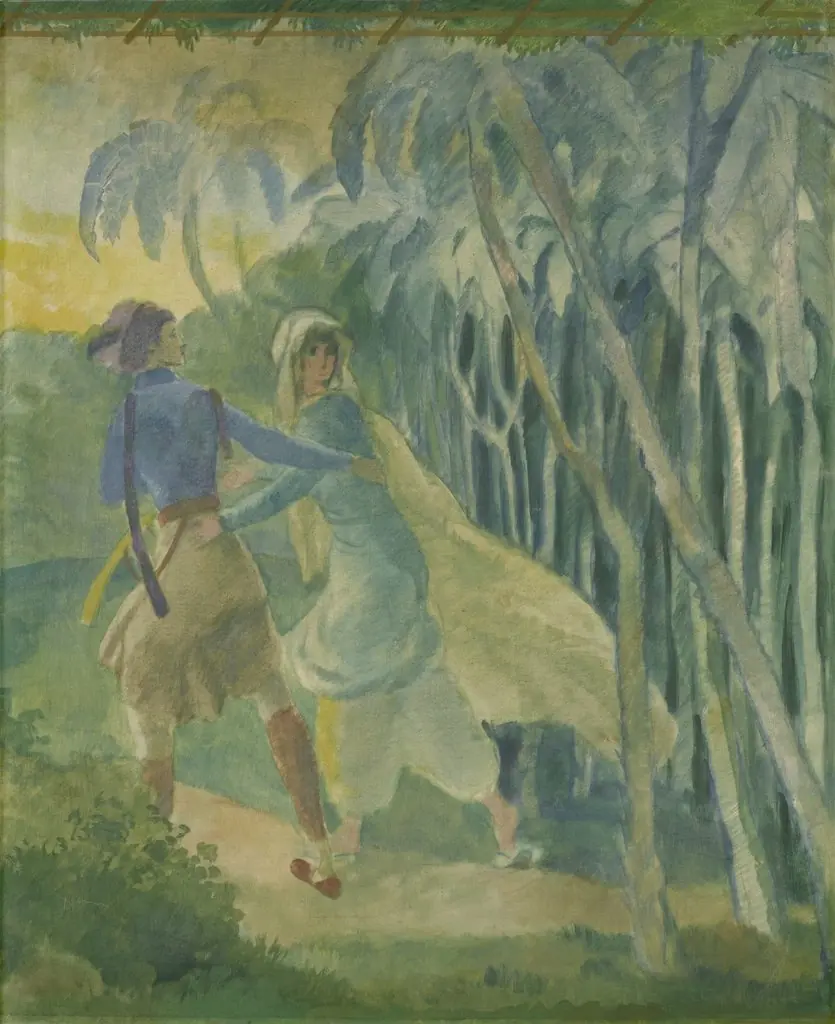 Flüchtendes Paar unter Palmen
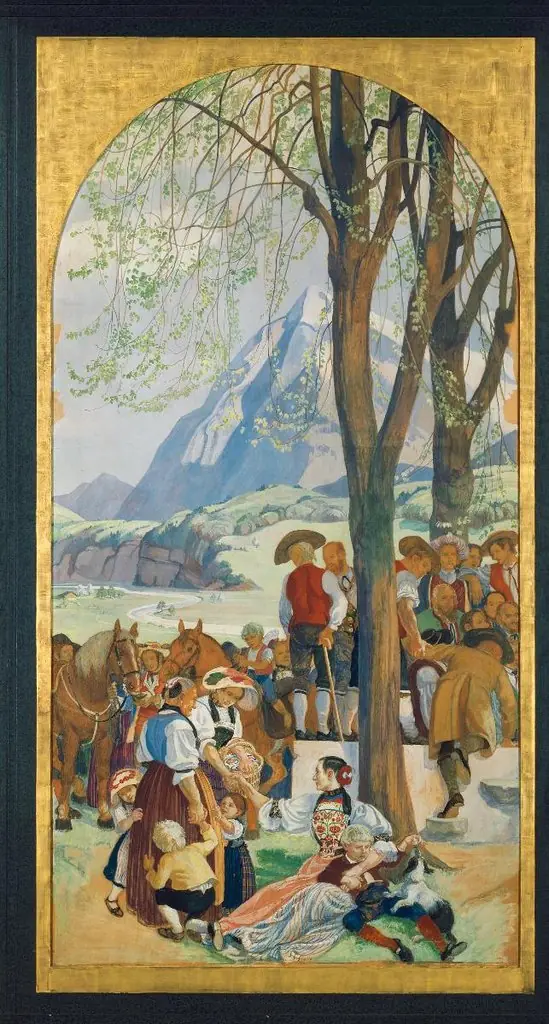 Obwaldner Landsgemeinde
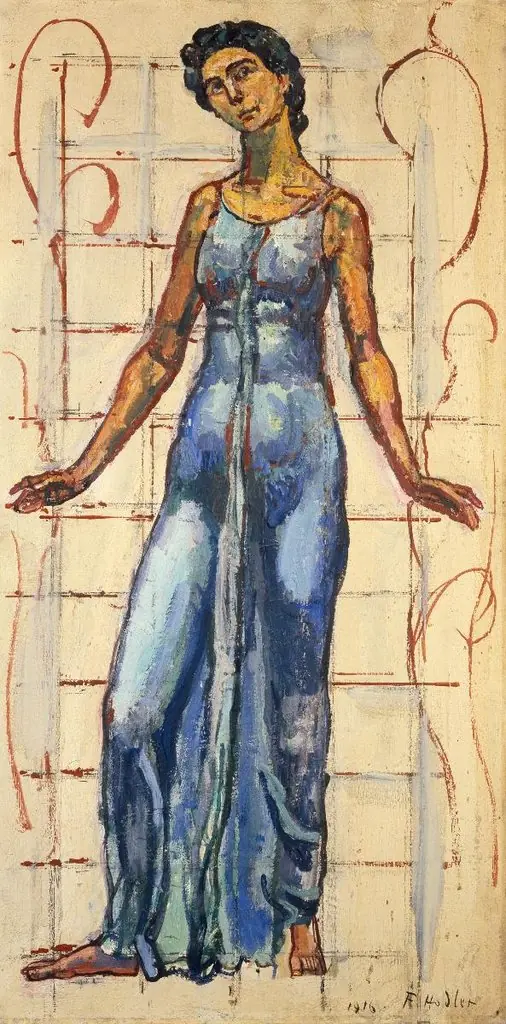 Blick ins Unendliche, Einzelfigur
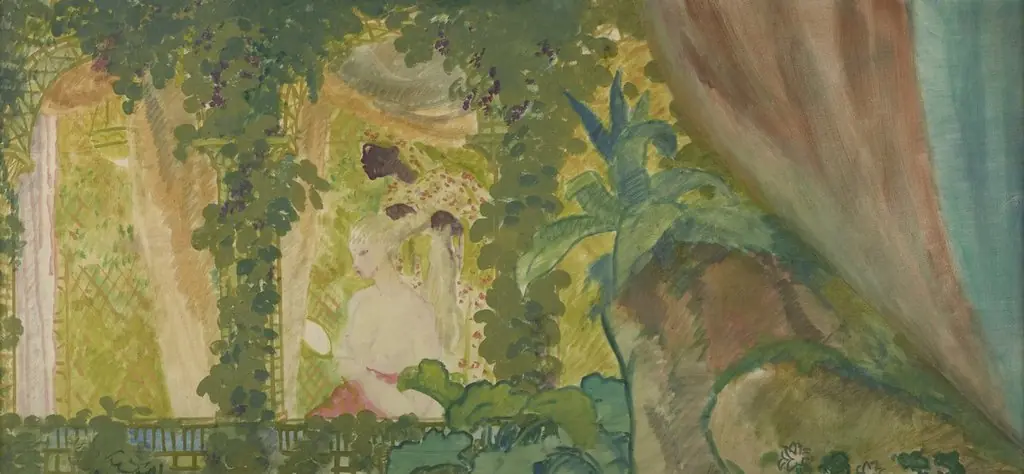 Frau bei Toilette in Veranda
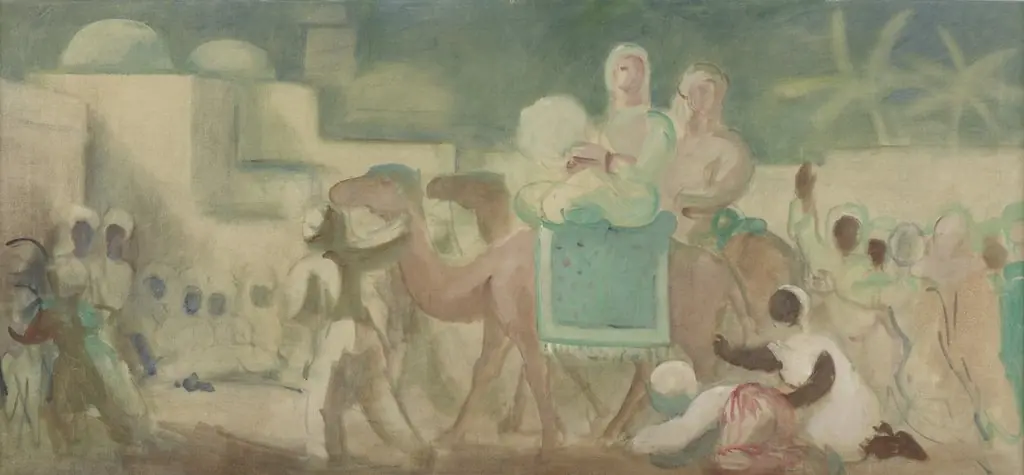 Menschen vor Stadt und zwei berittene Kamele
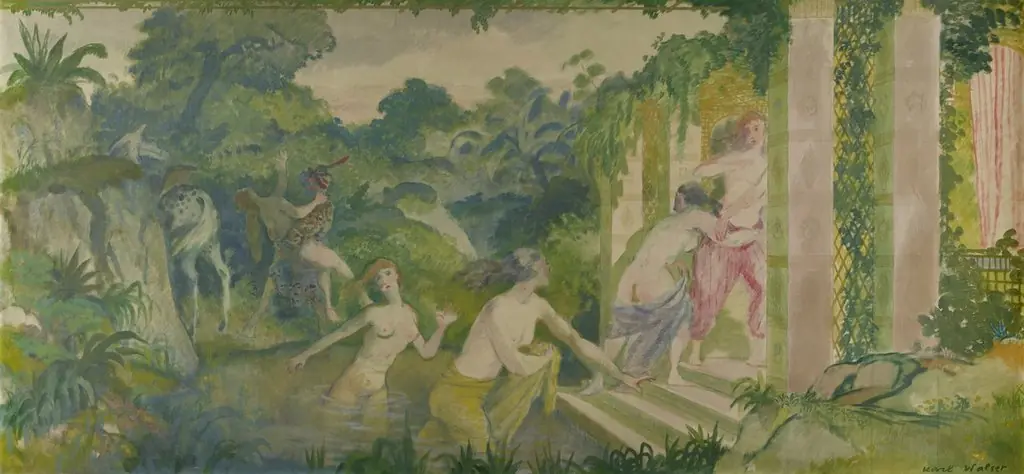 Fliehende Frauen und Entführer mit Pferd
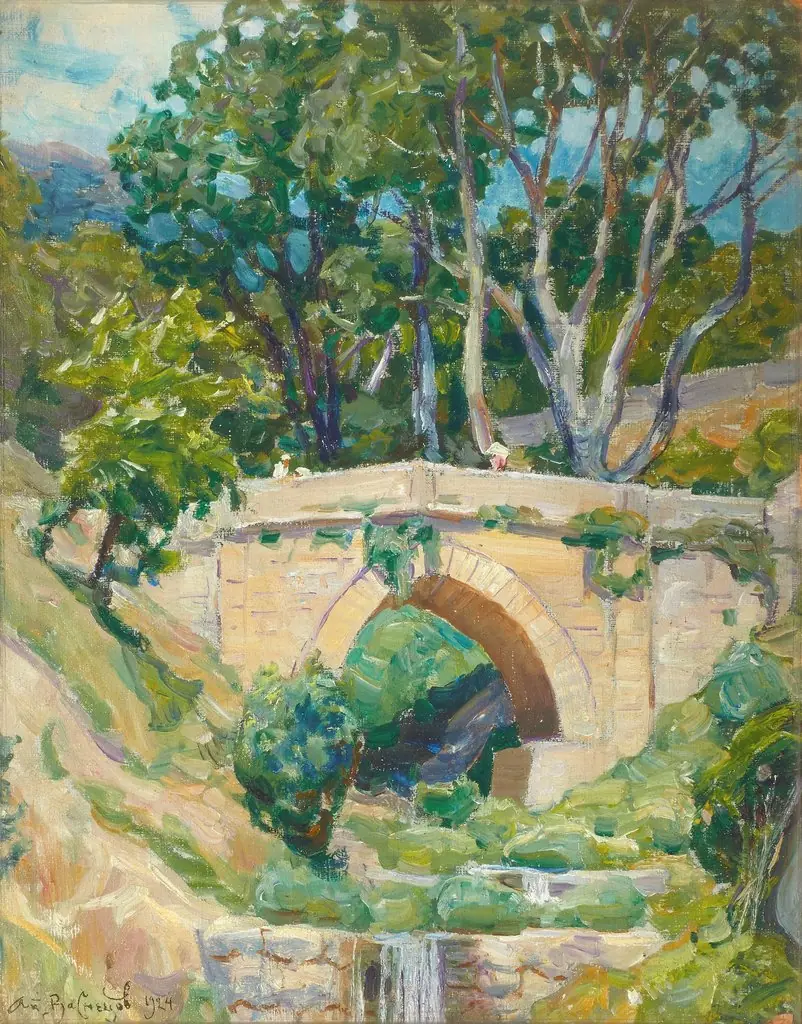 Crimea. Bridge in Koreiz
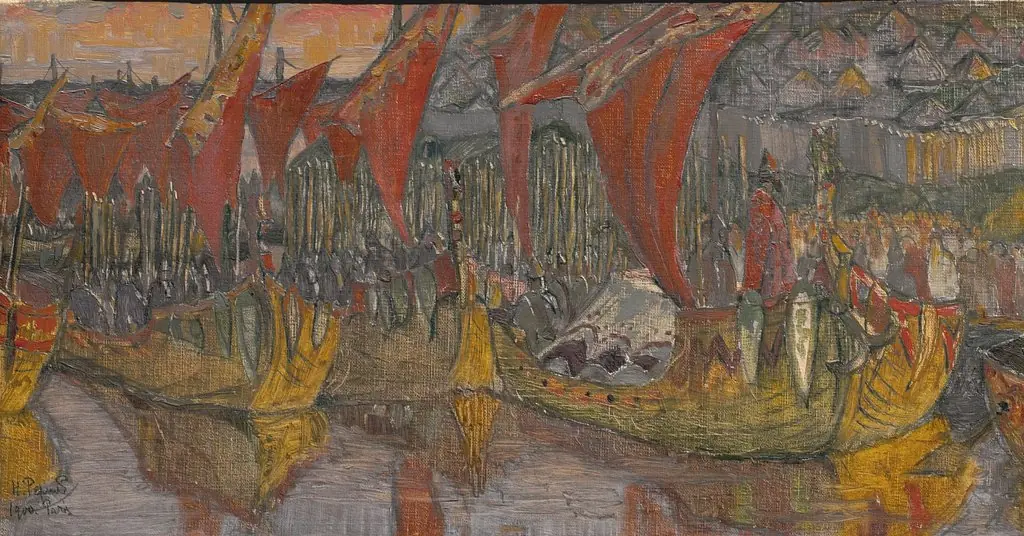 Red Sails. Prince Vladimir's Campaign to Korsun
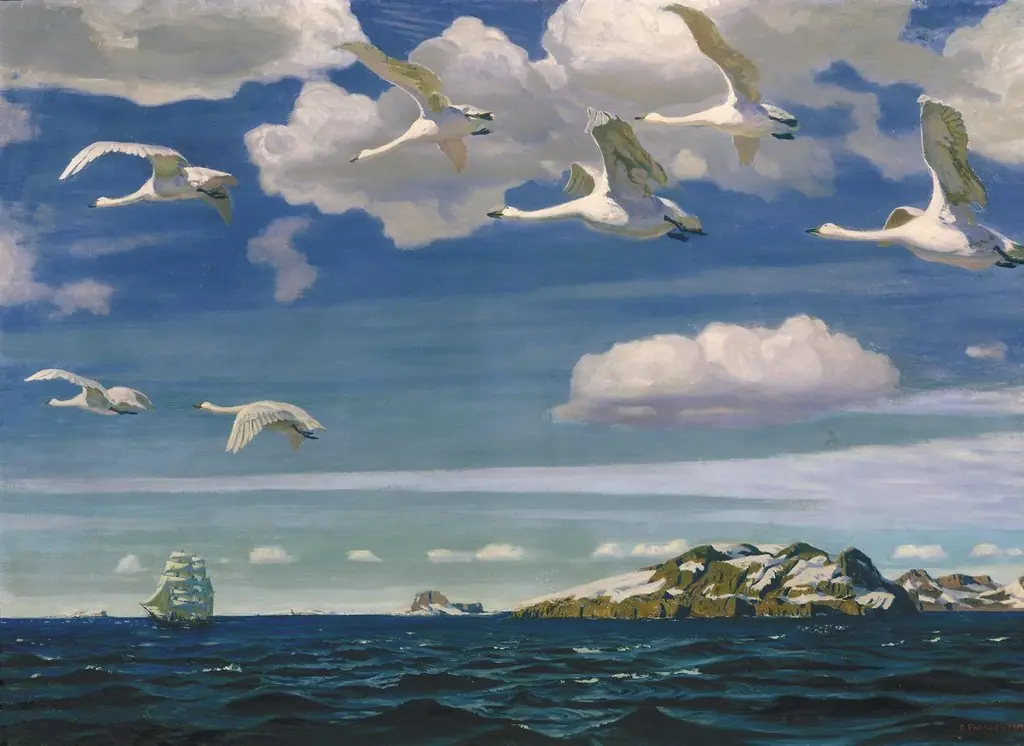 In High Azure
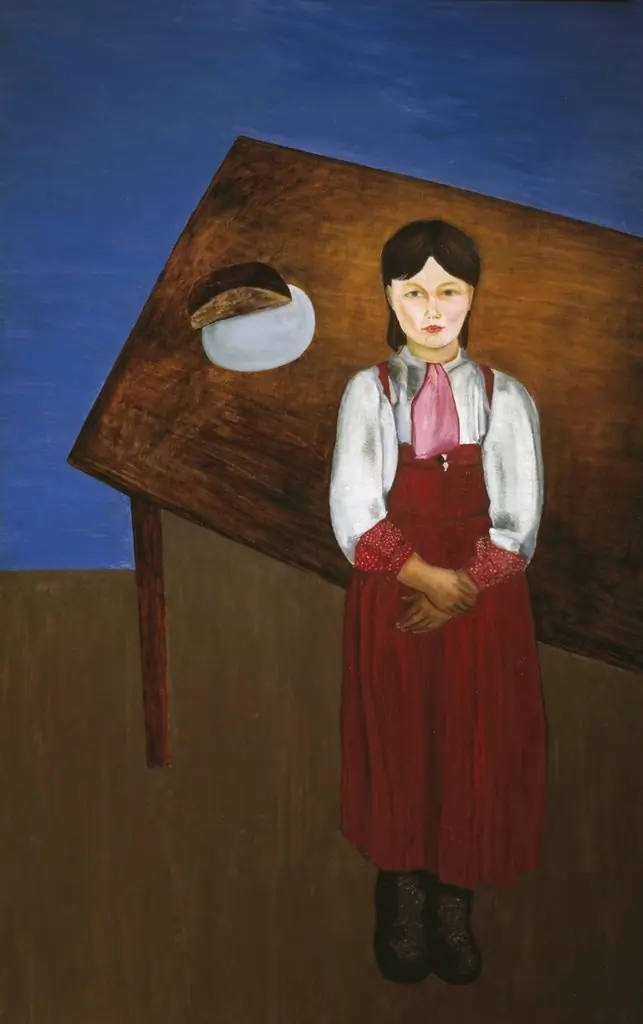 Aniska
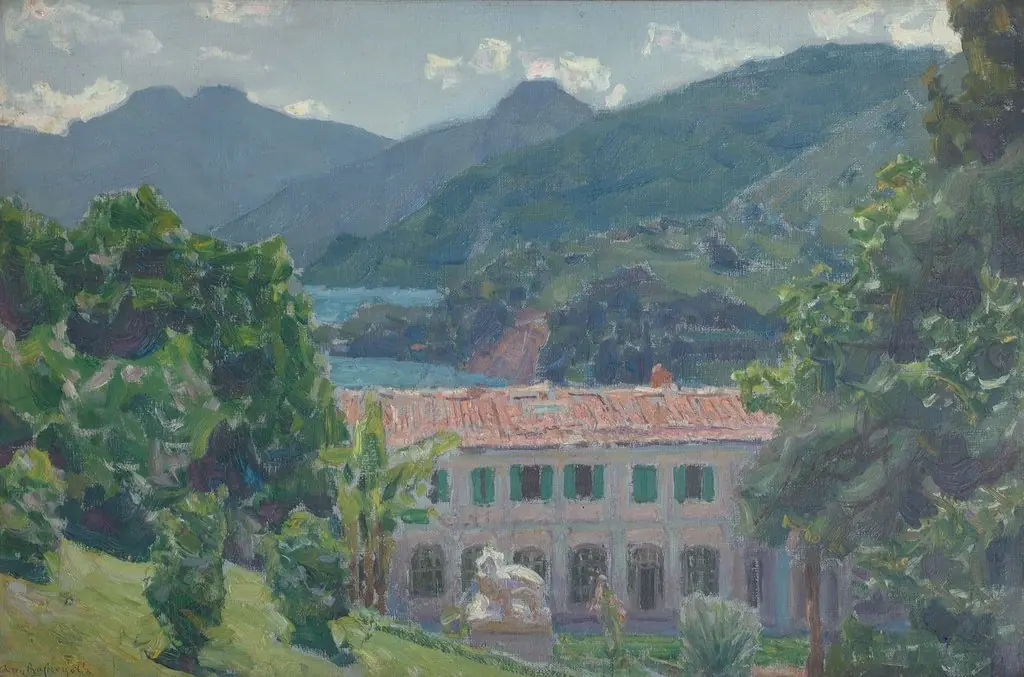 On Lake Como. Hotel. Villa Serbilloni. Italy
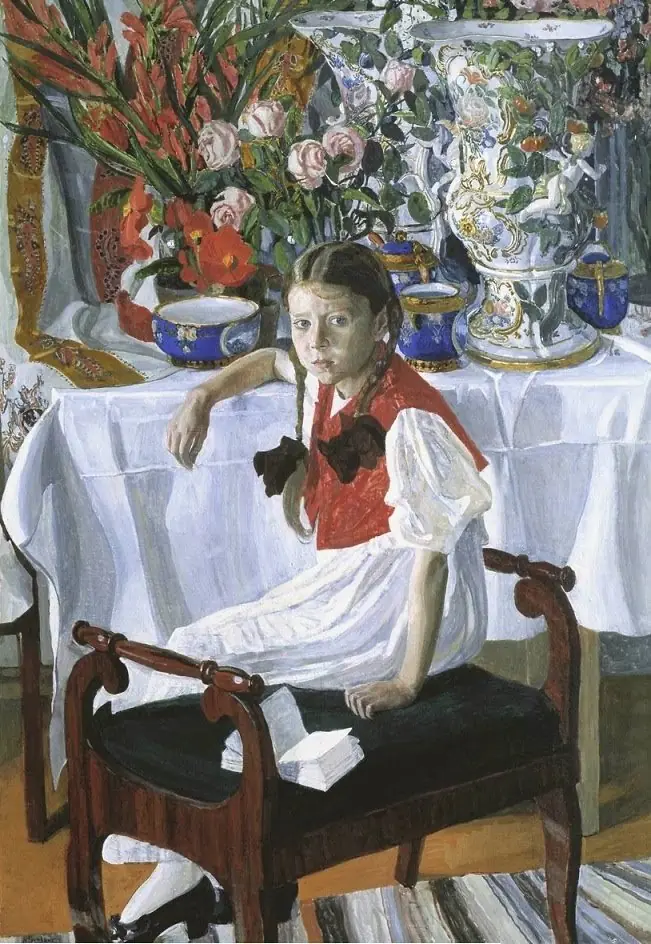 Girl with porcelain
 Вид от села Узкое (Москва за 12 вёрст)
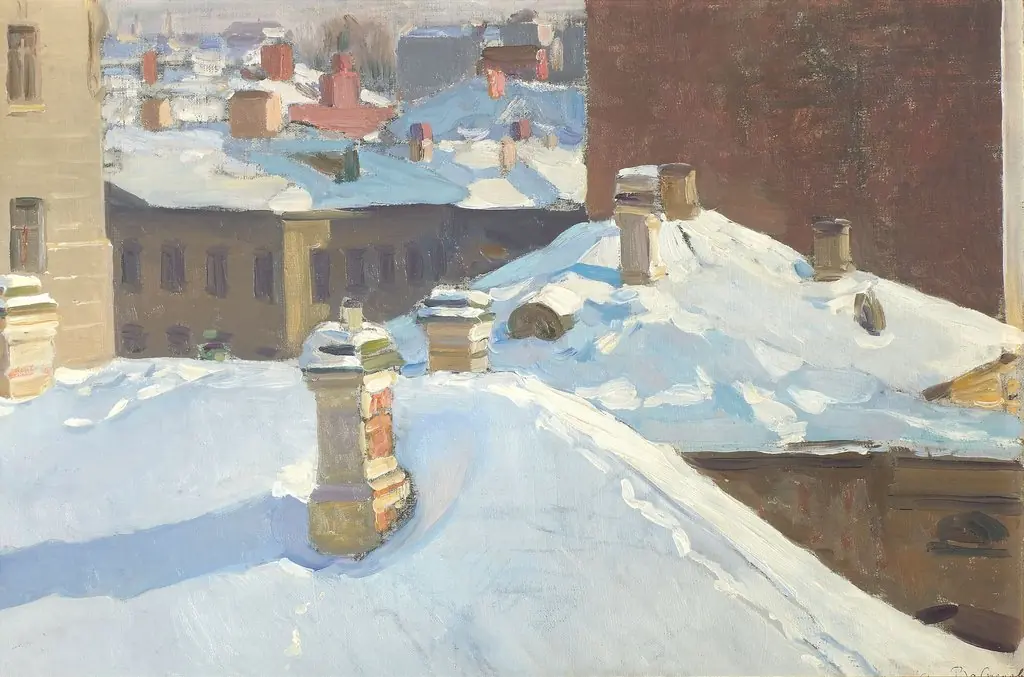 Winter city
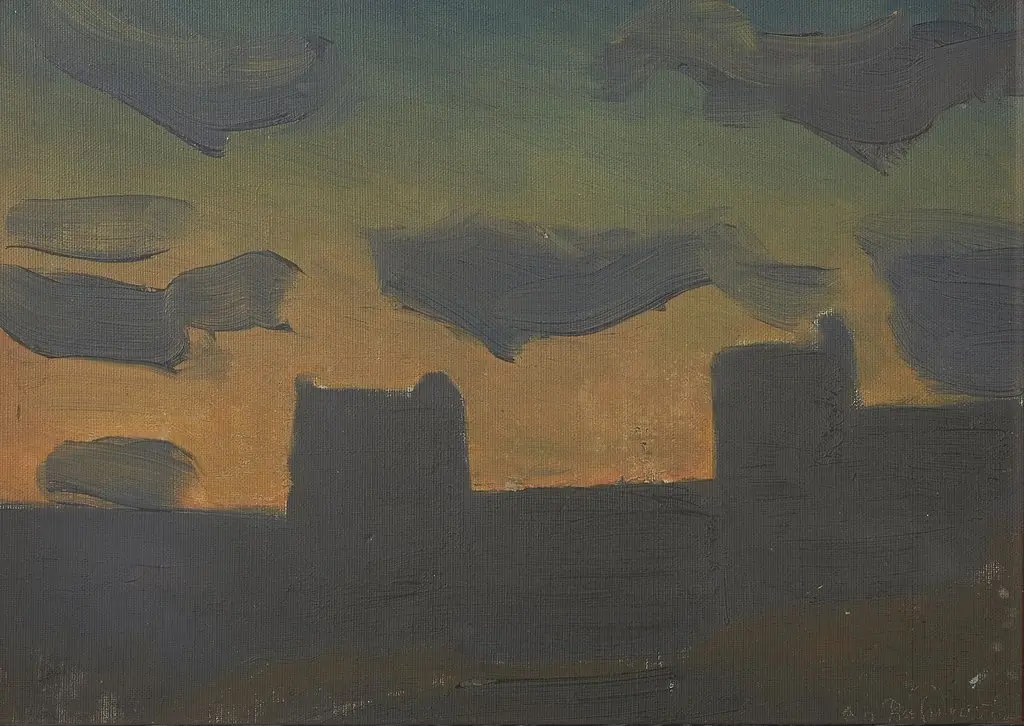 total eclipse study
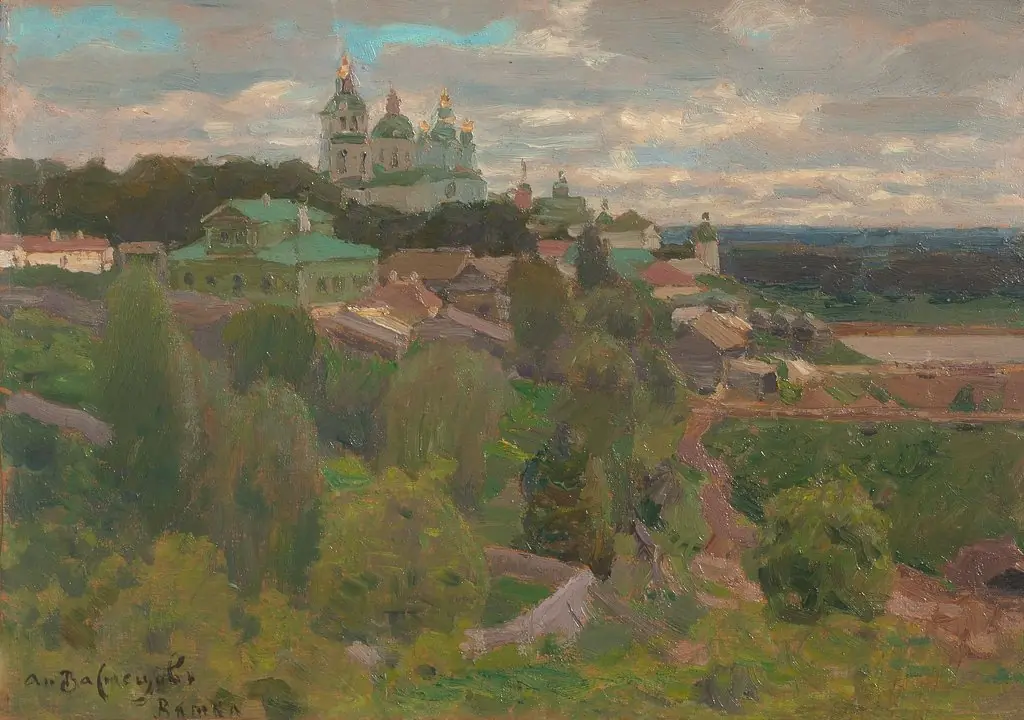 cathedrals
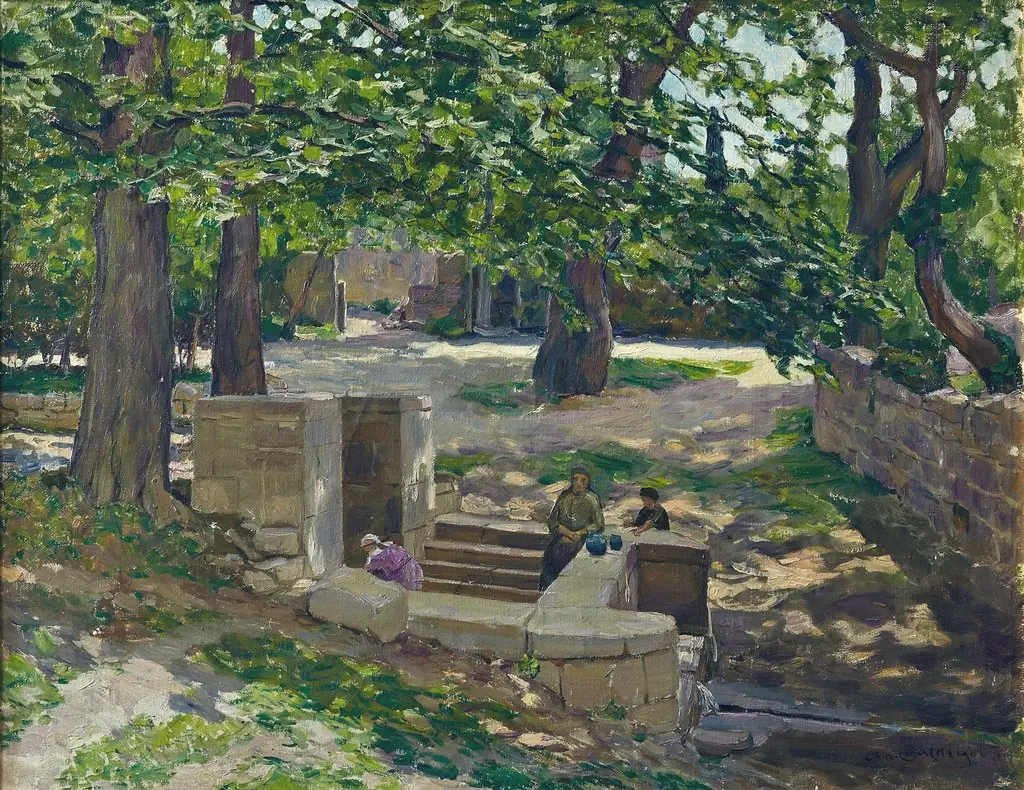 Bakhchisaray. By the well
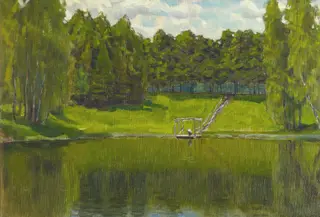 Пруд. Село Узкое
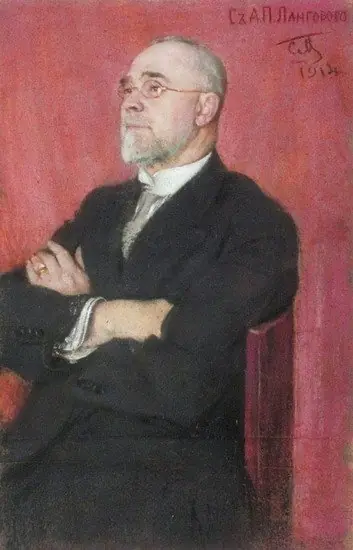 Alexey Langovoy
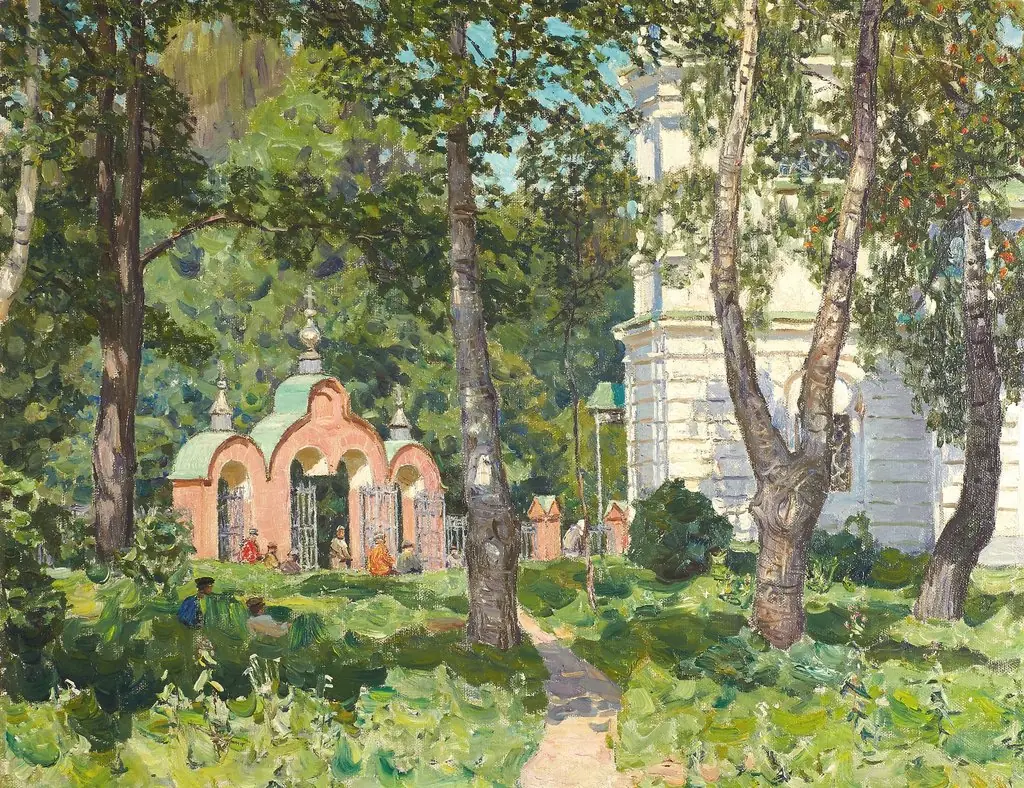 Demyanovo. At the churchyard
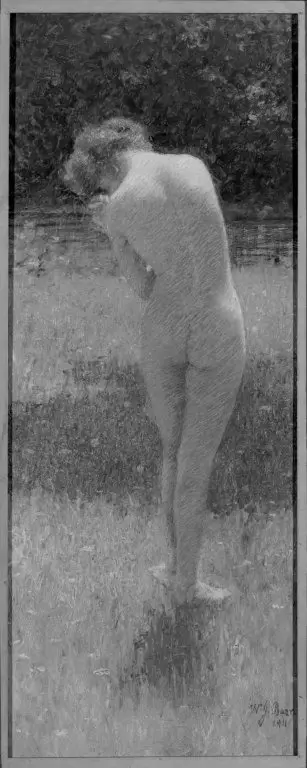 Daphne
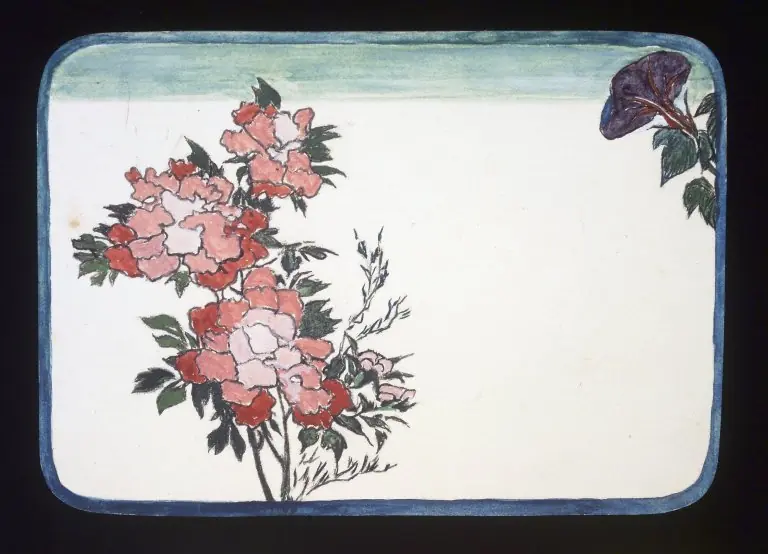 Small Card Decorated with Chrysanthemums and Morning Glory
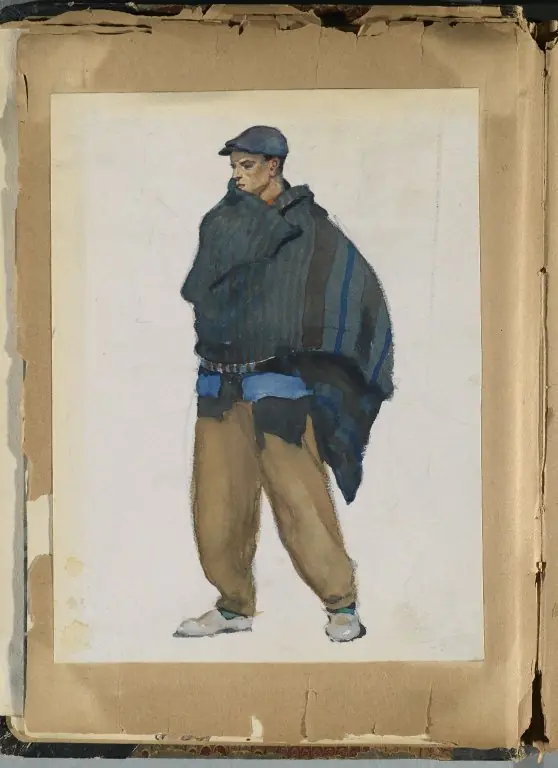 Spanish Sketch Mounted in Scrap Book
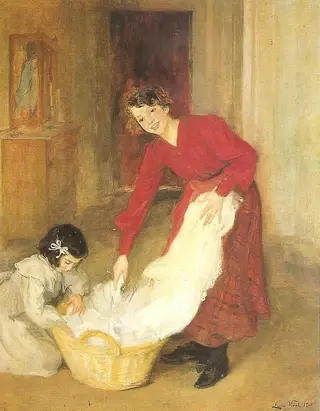 The Housewives
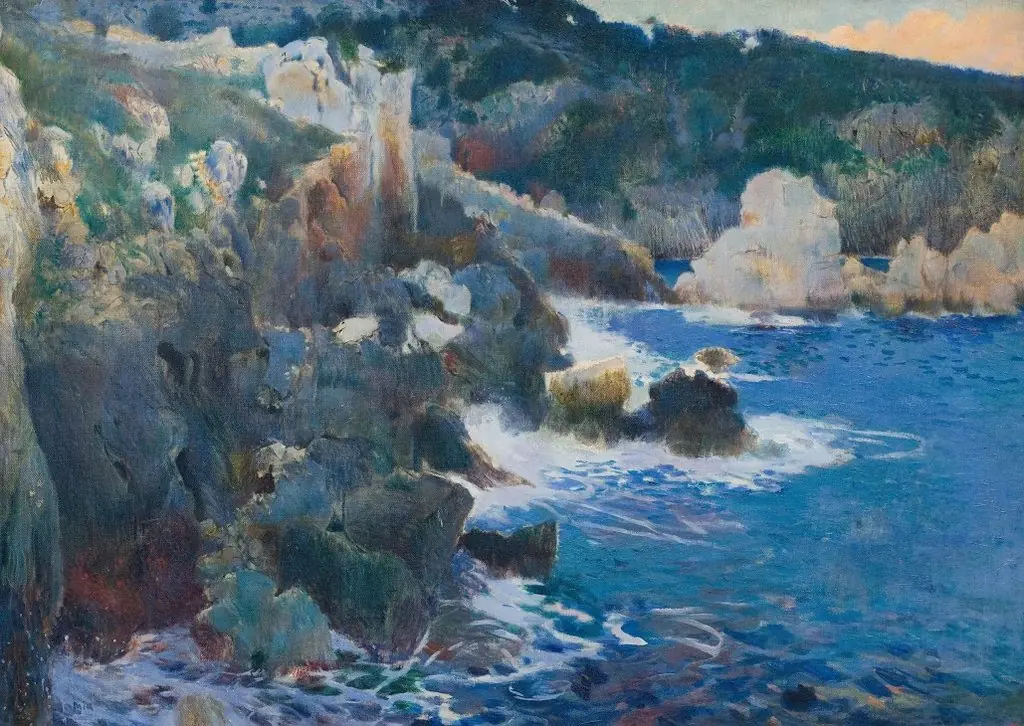 Cala Encantada (Majorca)
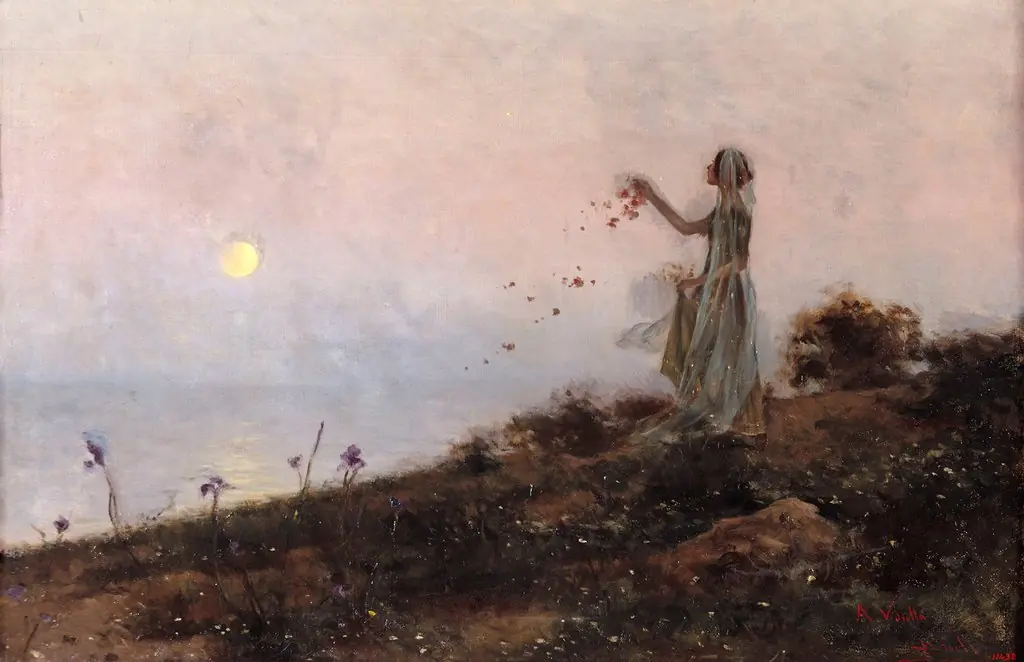 Twilight
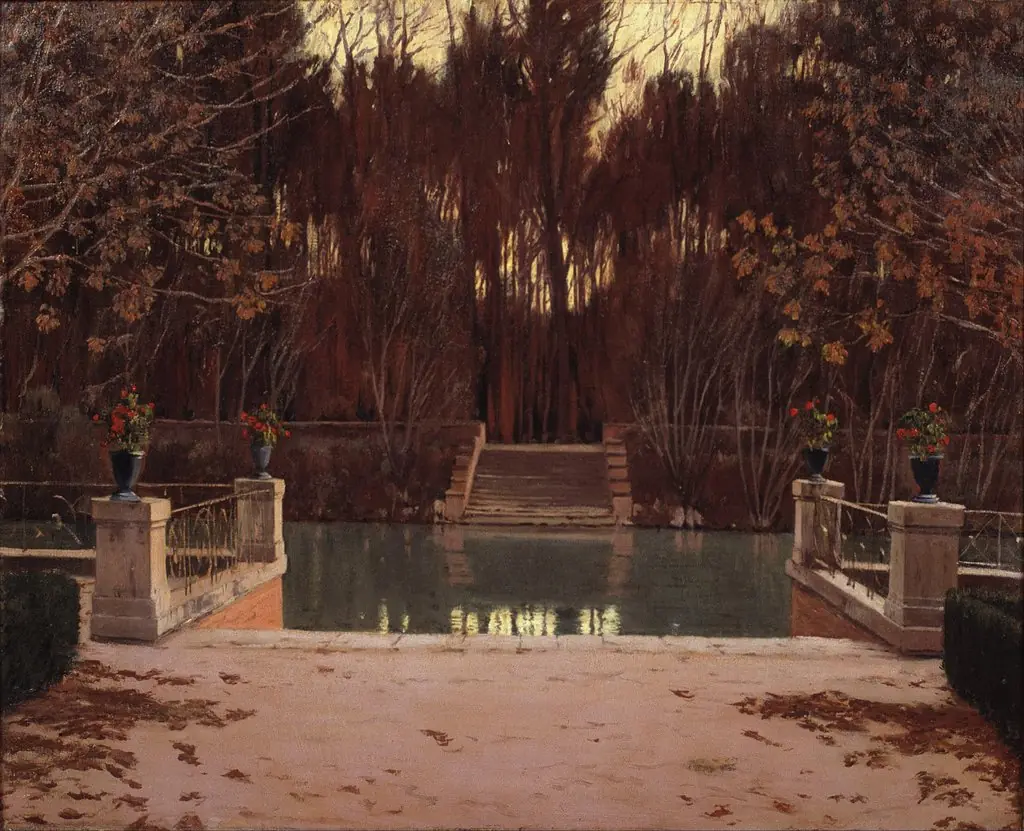 The Landing Stage
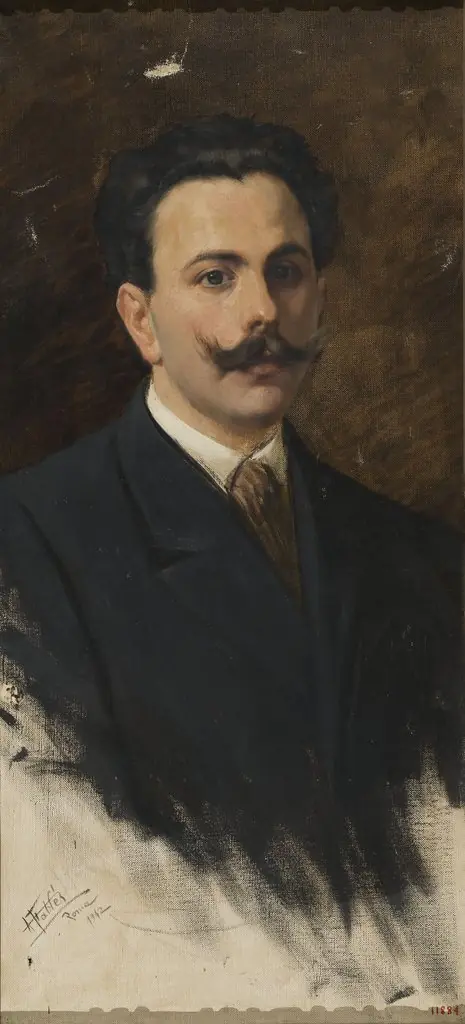 Gentleman portrait
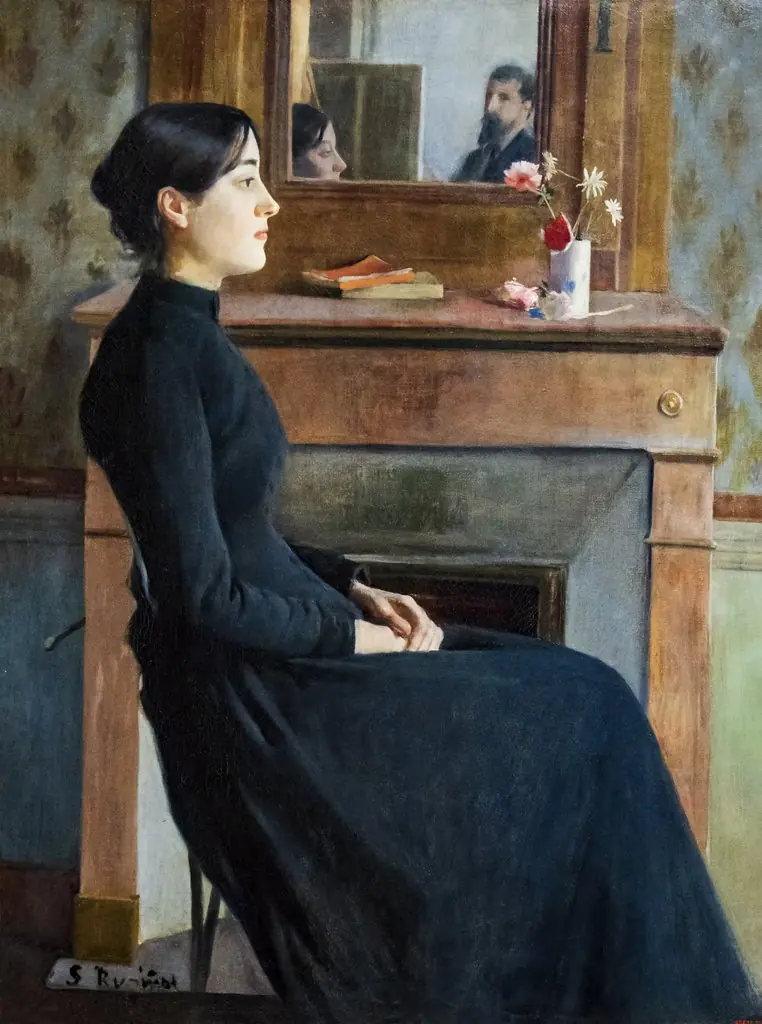 Female Figure
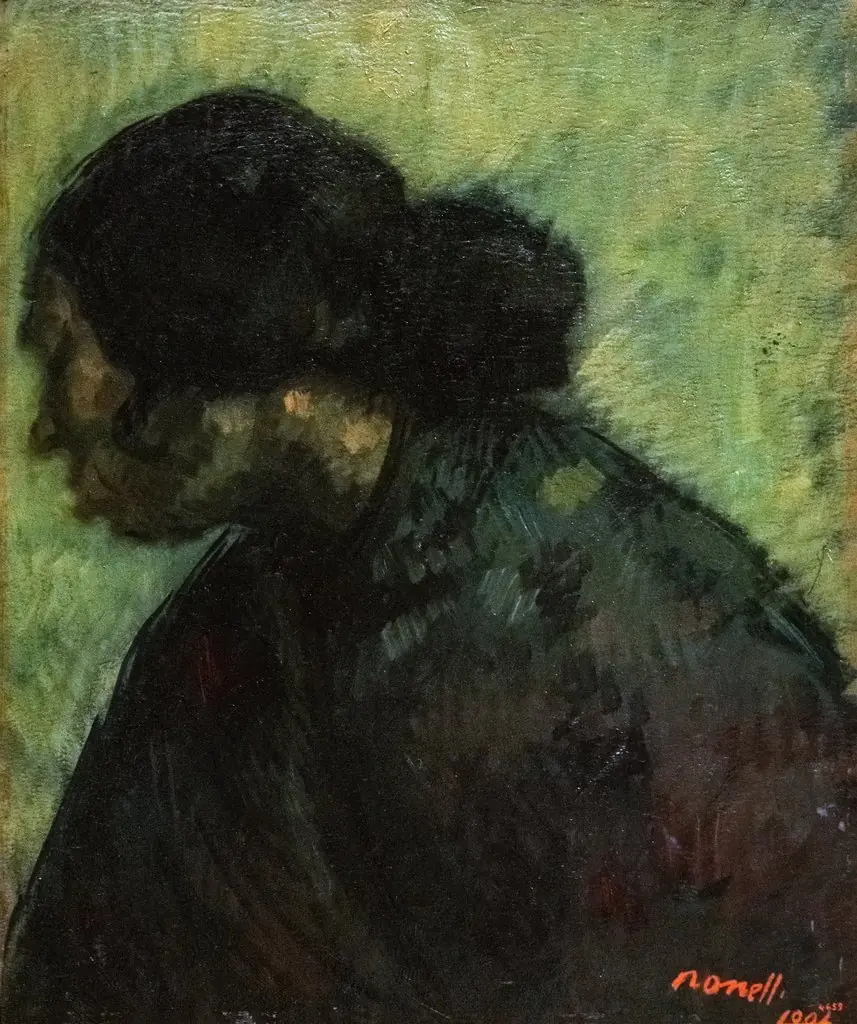 Cap de gitana (Museu Nacional d'Art de Catalunya, inv 004659-000)
Groups & collectives
Frequently asked questions
What is Art Nouveau?
Art Nouveau is an art movement. An international decorative movement (roughly 1890–1910) organized around flowing organic forms — tendrils, waves, and sinuous female figures — that dissolved the boundary between fine art and craft.
How many Art Nouveau works does Artifact World Gallery have?
Artifact World Gallery holds 490 public-domain Art Nouveau works, all free to view and download.
Who are the key Art Nouveau artists?
Key Art Nouveau artists in the collection include Alphonse Mucha, Piet Mondrian and Charles Demuth.
When did Art Nouveau take place?
Art Nouveau dates from 1880–1910.
Where can I see Art Nouveau works?
Art Nouveau works in the collection are held by Museu Nacional d'Art de Catalunya, Victoria and Albert Museum and National Museum of Art of Romania.