Genre
Animal
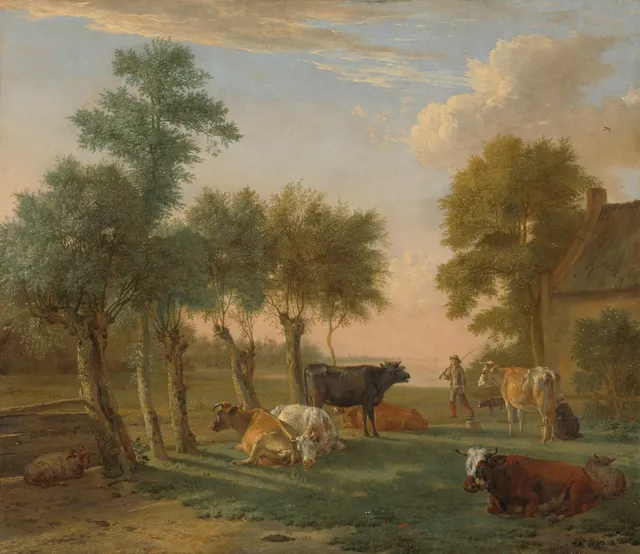
Animal is an art genre. The gallery holds 2,113 works in this genre, including works by Gustave Courbet, Edgar Degas and Jacques-Louis David.
Animals are the oldest subject in the history of art. Long before humans depicted themselves with any consistency, Ice Age painters covered the limestone walls of Chauvet (c. 33,000–30,000 BCE) with lions, rhinoceroses and mammoths, and the caves of Lascaux (c. 17,000 BCE) with running horses, aurochs and stags. Yet animal painting as a distinct, self-respecting fine-art genre—rather than a religious symbol or hunting trophy—did not crystallise until the Dutch Golden Age of the seventeenth century, when a prosperous, largely Protestant market favoured worldly subjects observed from life over biblical and mythological grandeur.
The Dutchman Paulus Potter (1625–1654) is the genre's founding figure. His monumental *The Bull* (1647, Mauritshuis), nearly 3.4 metres wide, granted a life-sized format normally reserved for kings and saints to an ordinary farm animal, rendered with such acuity that flies settle on its hide and its damp muzzle gleams. This is the defining ambition of the genre: close, almost scientific observation of anatomy, coat, posture and behaviour, animals set convincingly within their landscape or habitat rather than posed as emblems.
In the nineteenth century the centre shifted to France, where the term *animalier* was coined—initially as an insult by Salon critics around 1831—for sculptors and painters of beasts. Antoine-Louis Barye (1795–1875), sketching predators at the Paris Jardin des Plantes alongside Delacroix, gave the movement its Romantic charge. Rosa Bonheur (1822–1899) won international fame with *The Horse Fair* (1852–55, Metropolitan Museum of Art), a thundering Percheron market drawn from her own anatomical studies. In Britain, Sir Edwin Landseer (1802–1873) became Queen Victoria's favourite with stags such as *The Monarch of the Glen* (c. 1851).
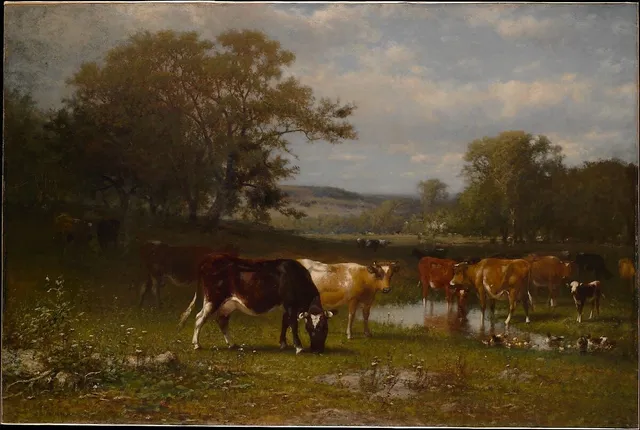
The genre also flowered in the Americas. Martin Johnson Heade (1819–1904) fused ornithology and lush exoticism in his *Gems of Brazil* hummingbird studies, including *Hummingbird and Passionflowers* (c. 1875–85), while Hudson River School painters such as James M. Hart placed cattle within luminous American landscapes. At its most fantastical, Henri Rousseau imagined beasts he never saw, as in *The Equatorial Jungle* (1909, National Gallery of Art).
Animal painting overlaps with natural-history illustration, landscape and still life, and it endures today as wildlife art—a continuous tradition reaching, unbroken, back to the first marks made on a cave wall.
Key artists
Works
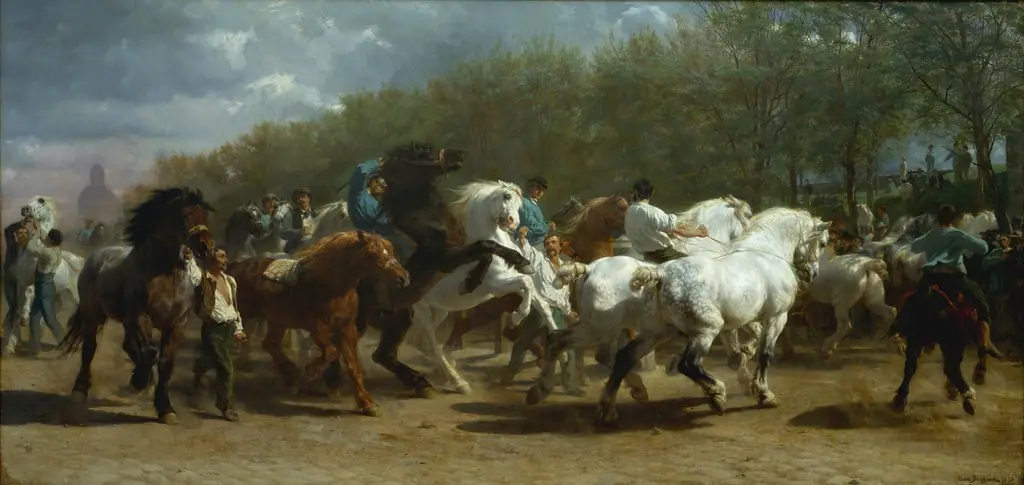 The Horse Fair
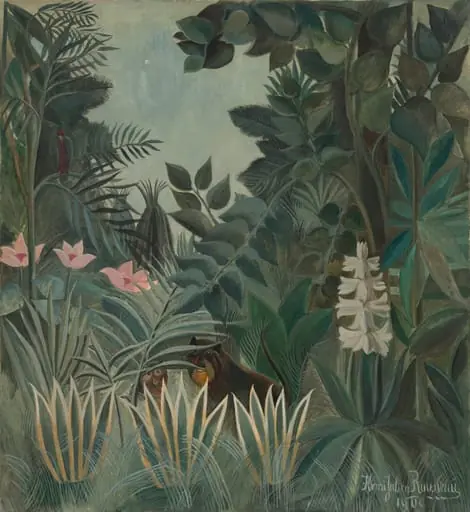 The Equatorial Jungle
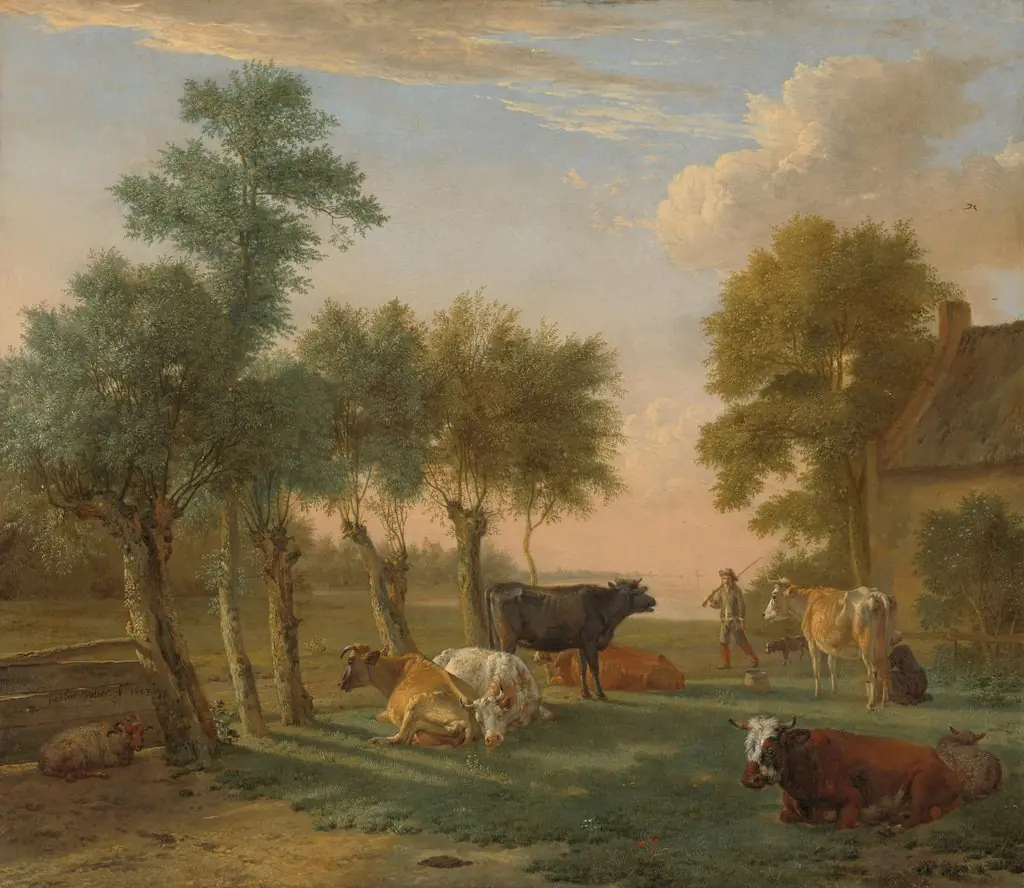 Cows in a Meadow near a Farm
 From Shifting Shade
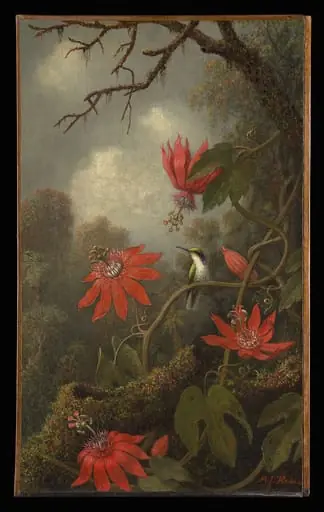 Hummingbird and Passionflowers
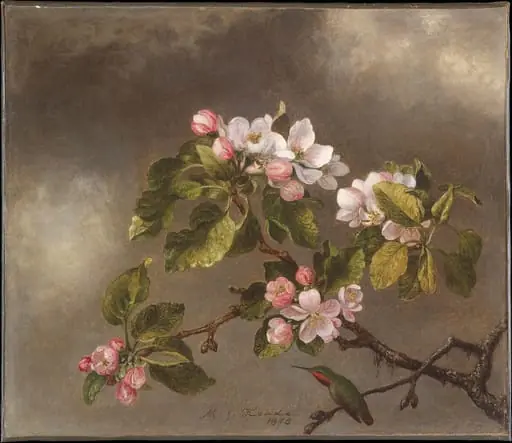 Hummingbird and Apple Blossoms
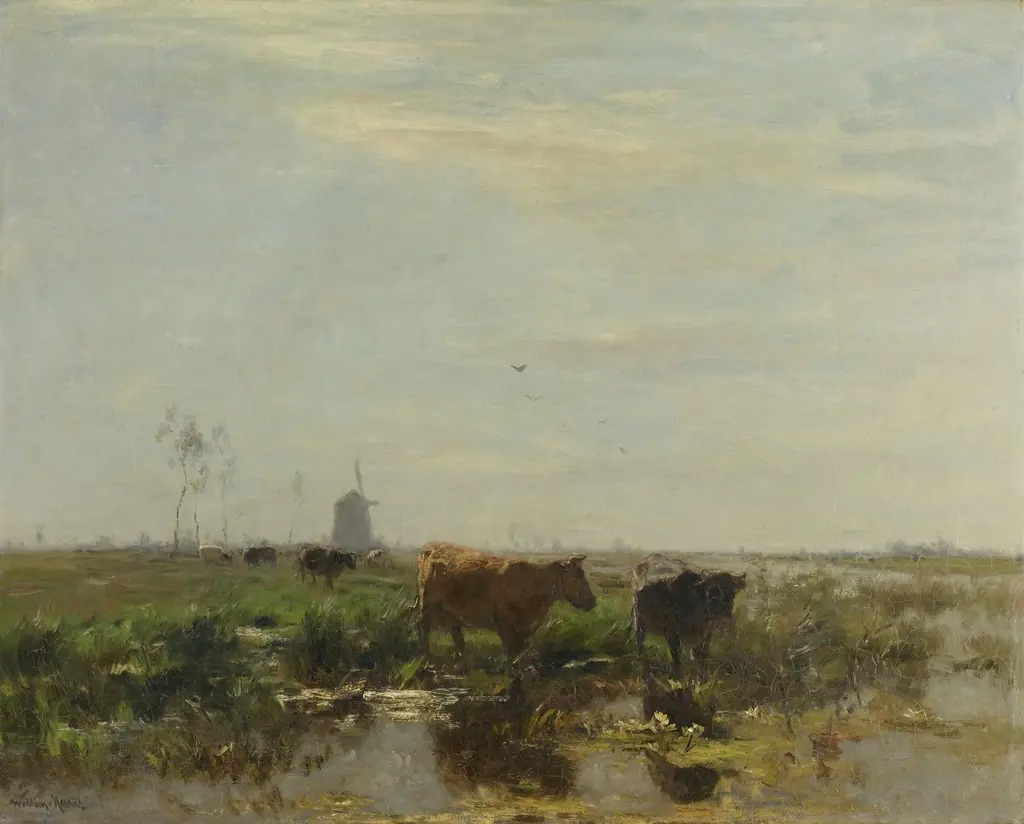 Meadow with Cows by the Water
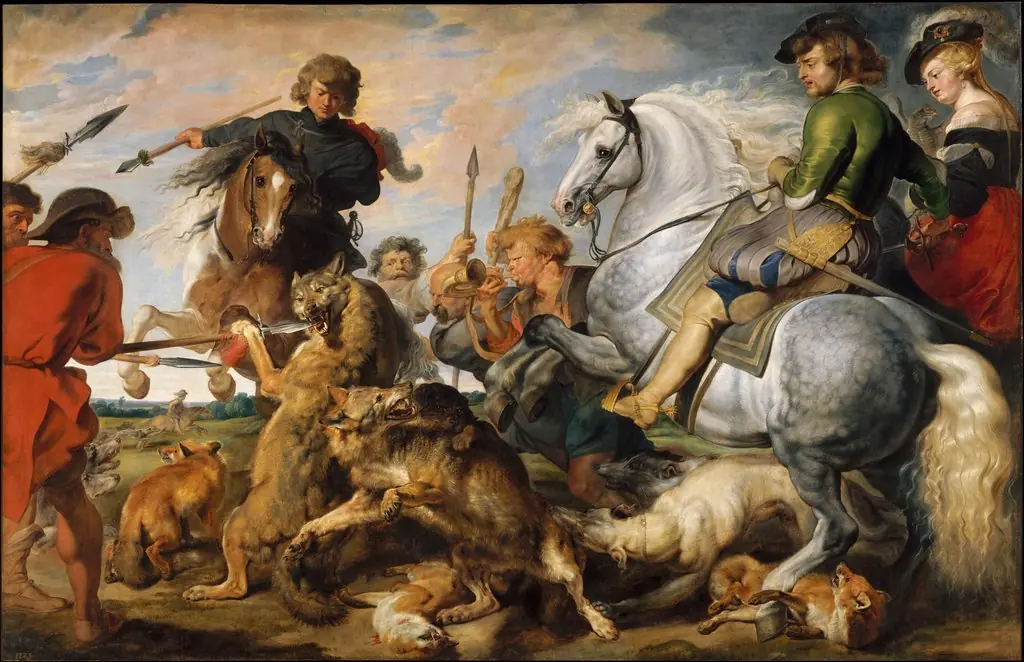 The Wolf and Fox Hunt
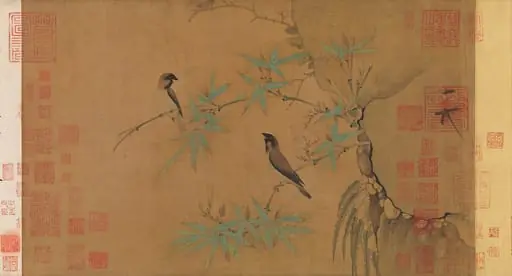 北宋 徽宗 竹禽圖 卷|Finches and bamboo
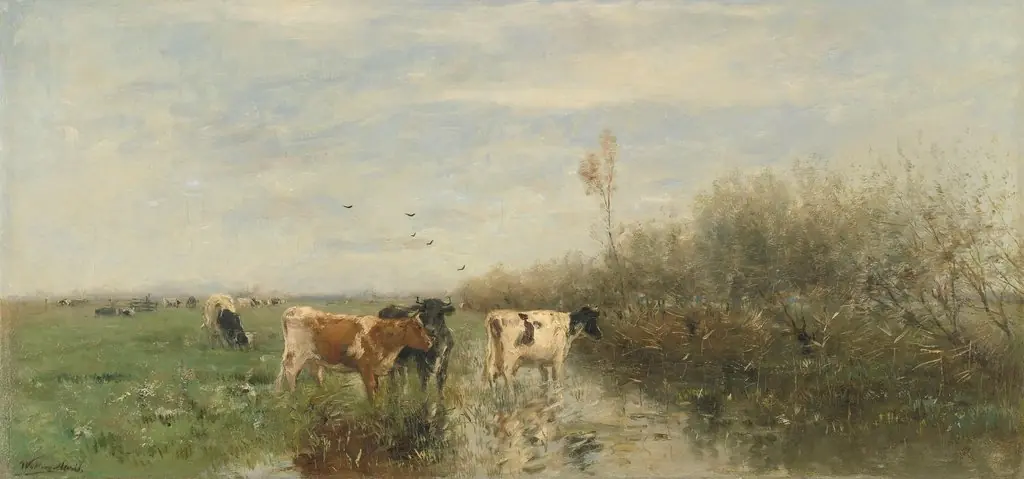 Cows in a soggy meadow
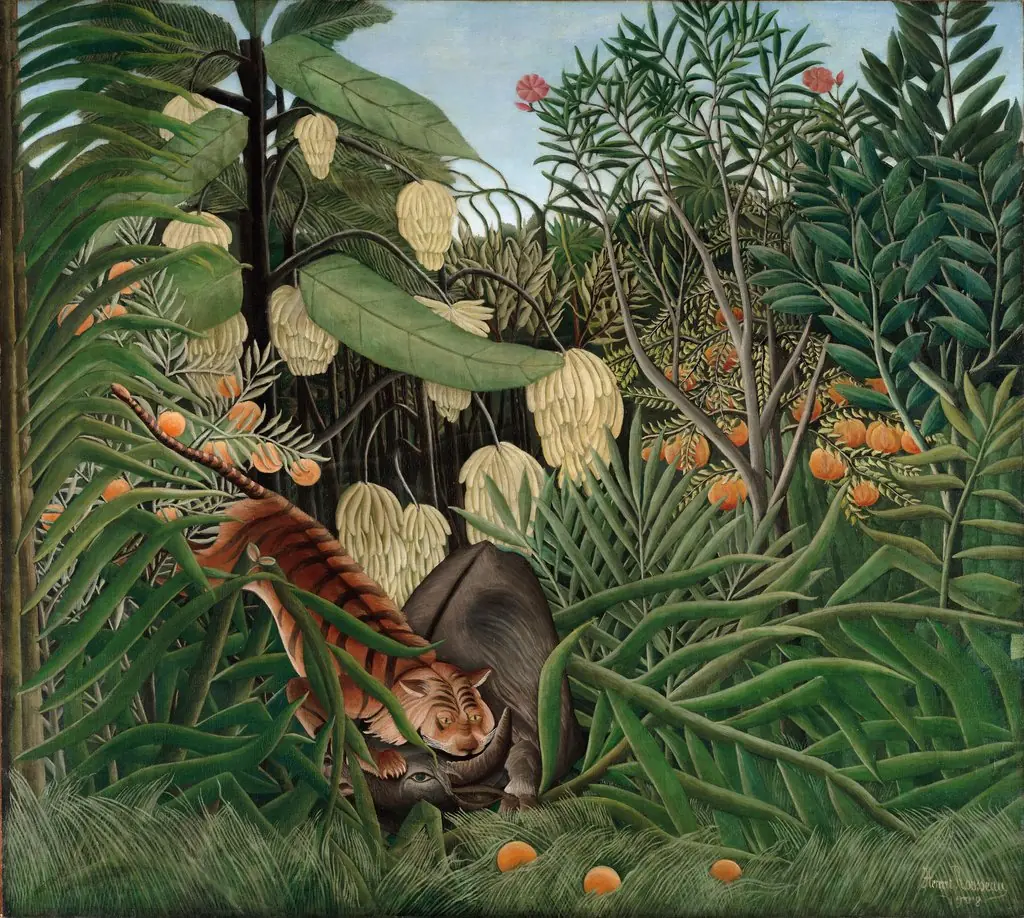 Fight between a Tiger and a Buffalo
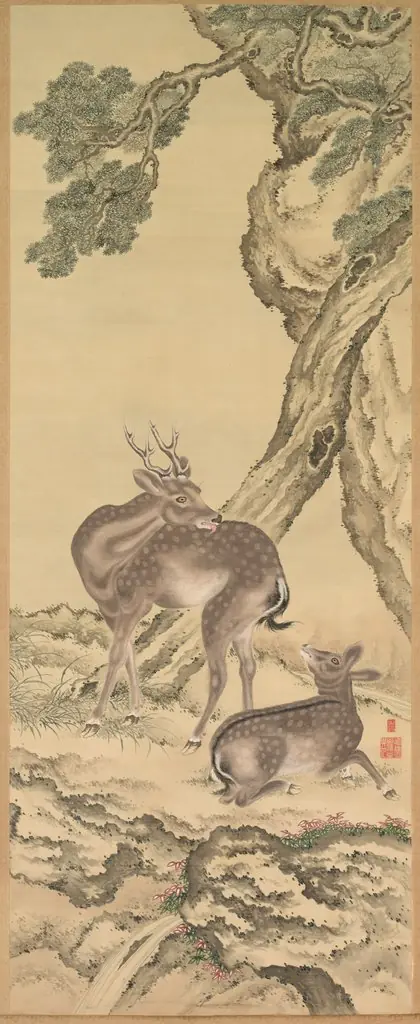 Symbols of Longevity: Deer under Peach and Pine (Peach) (left)
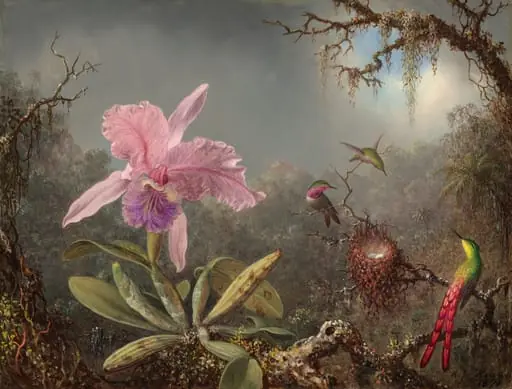 Cattleya Orchid and Three Hummingbirds
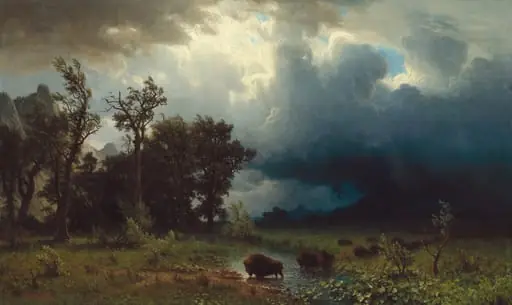 Buffalo Trail: The Impending Storm
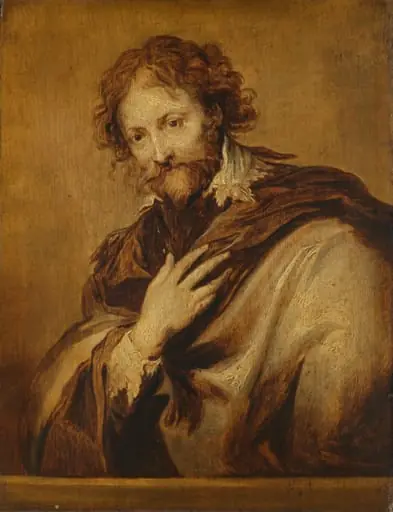 Portrait of Peter Paul Rubens (1577-1640)
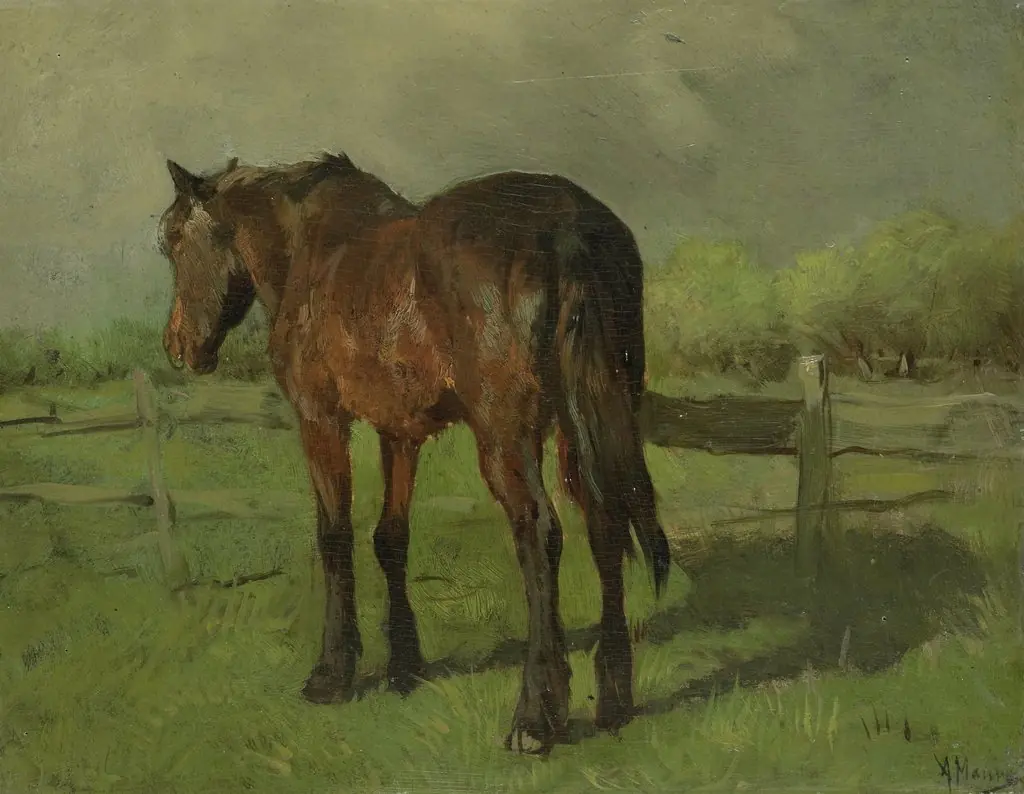 Horse
Horse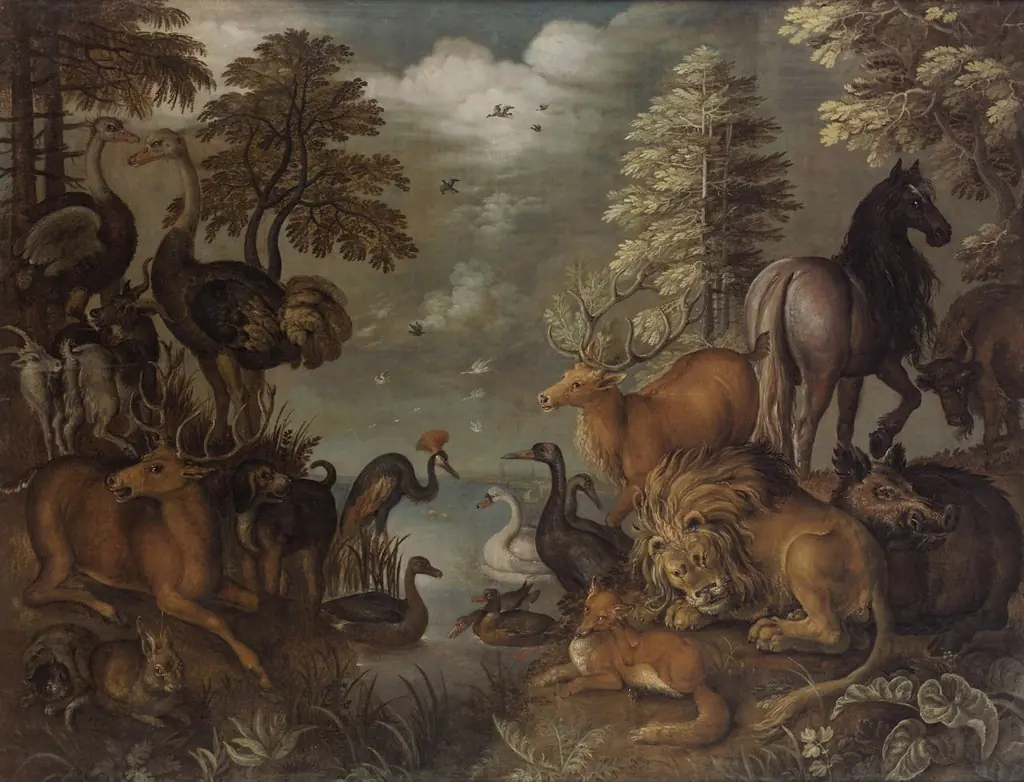 Große Landschaft mit Tieren
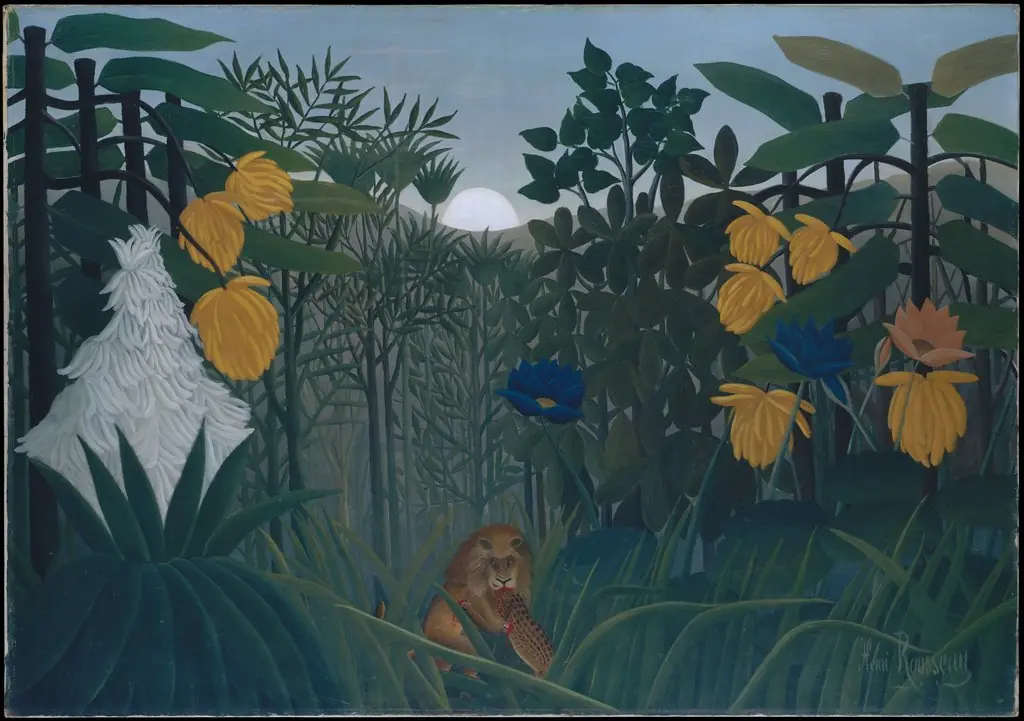 The Repast of the Lion
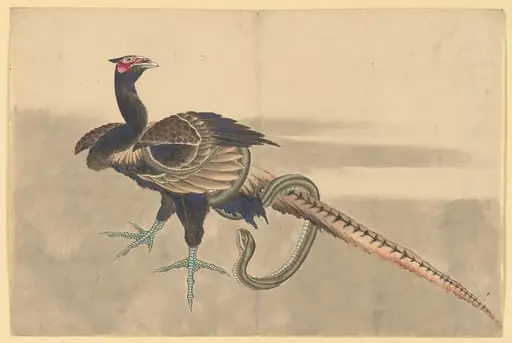 Untitled
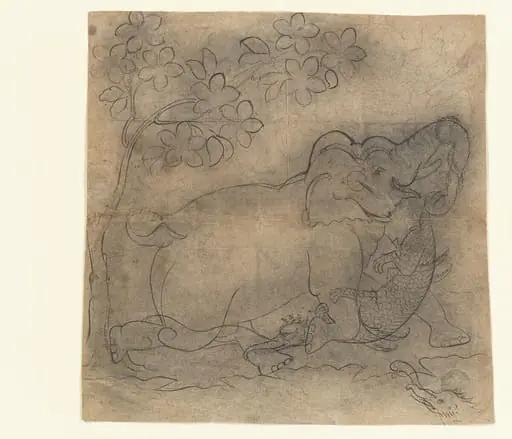 Untitled
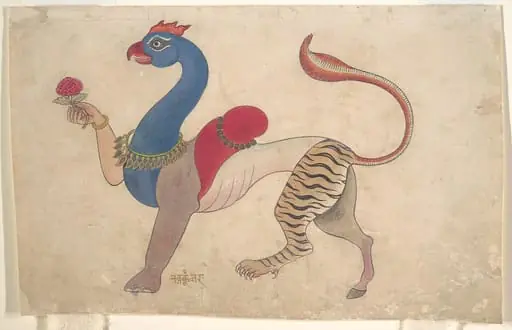 Untitled
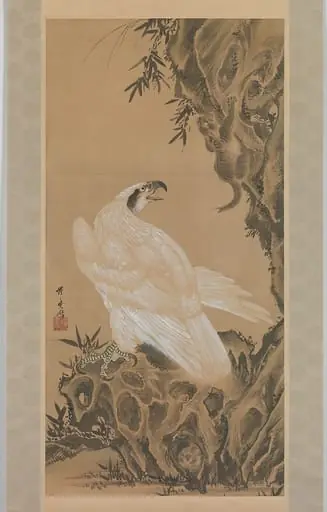 Untitled
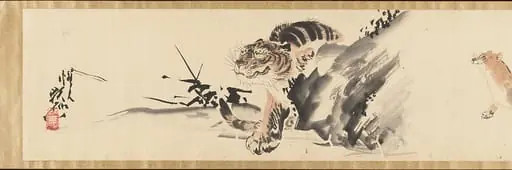 Untitled
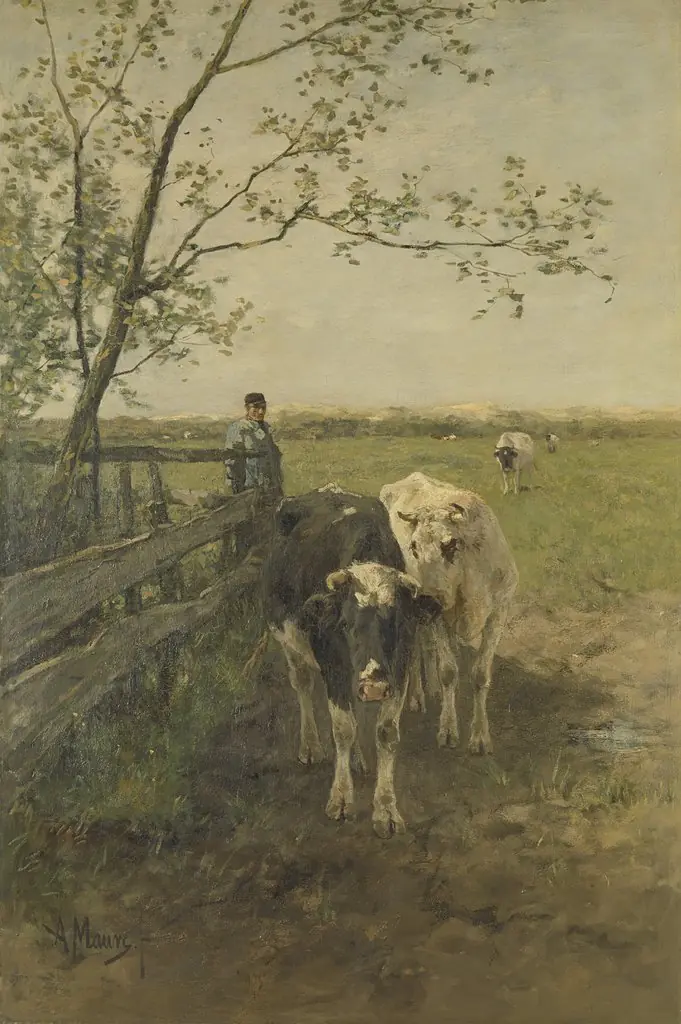 The milking corner.
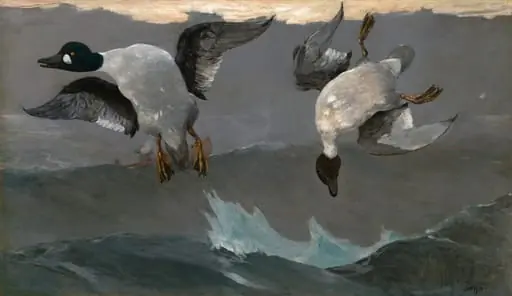 Right and Left
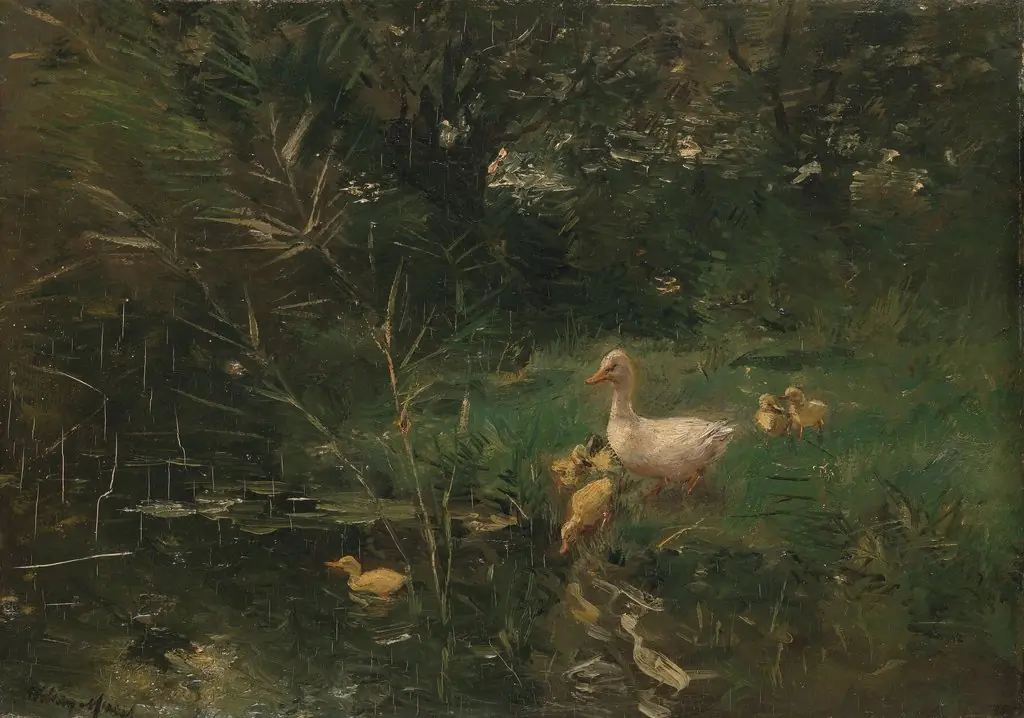 Eendjes
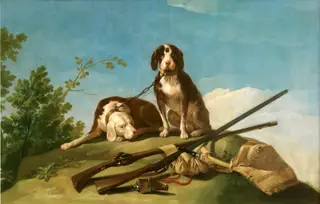 Dogs and hunting gear
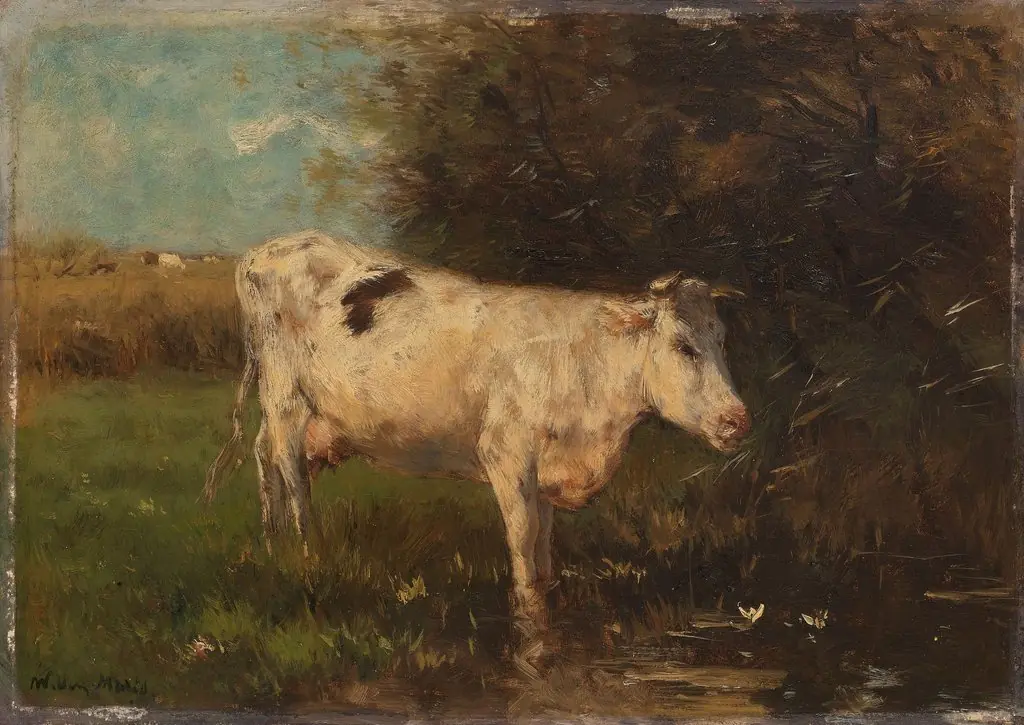 White Cow
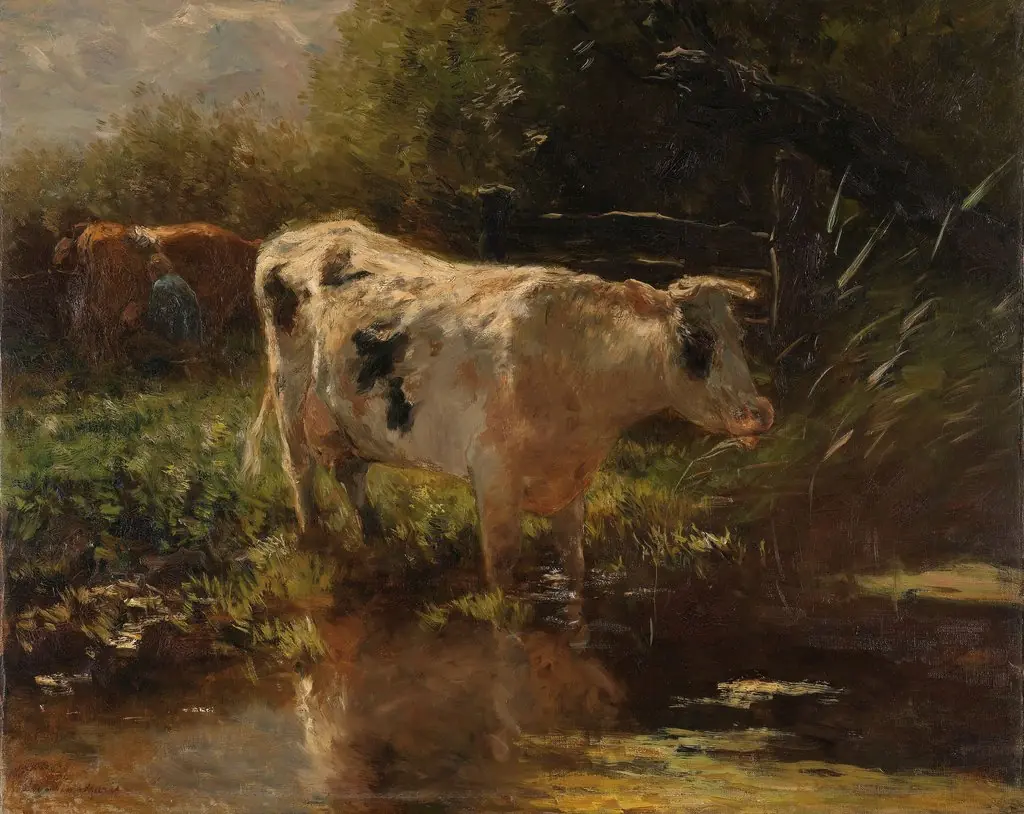 Cow beside a Ditch
 Sleeping Lion by Night
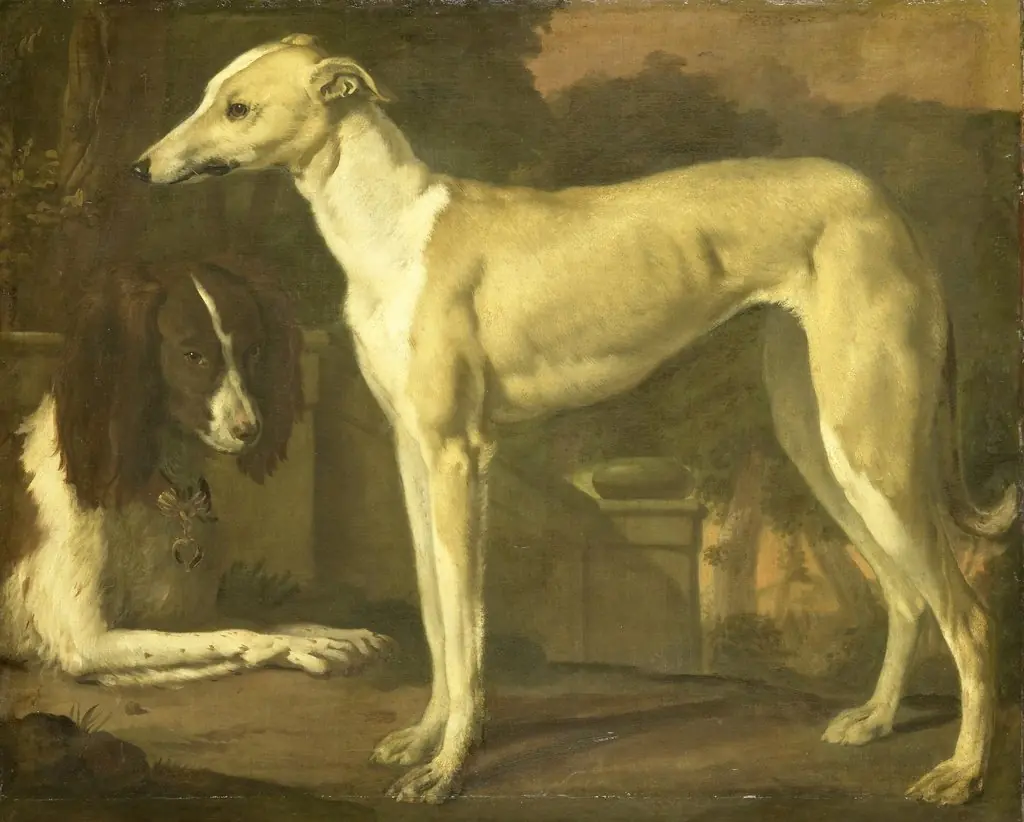 Portrait of a greyhound and a spaniel
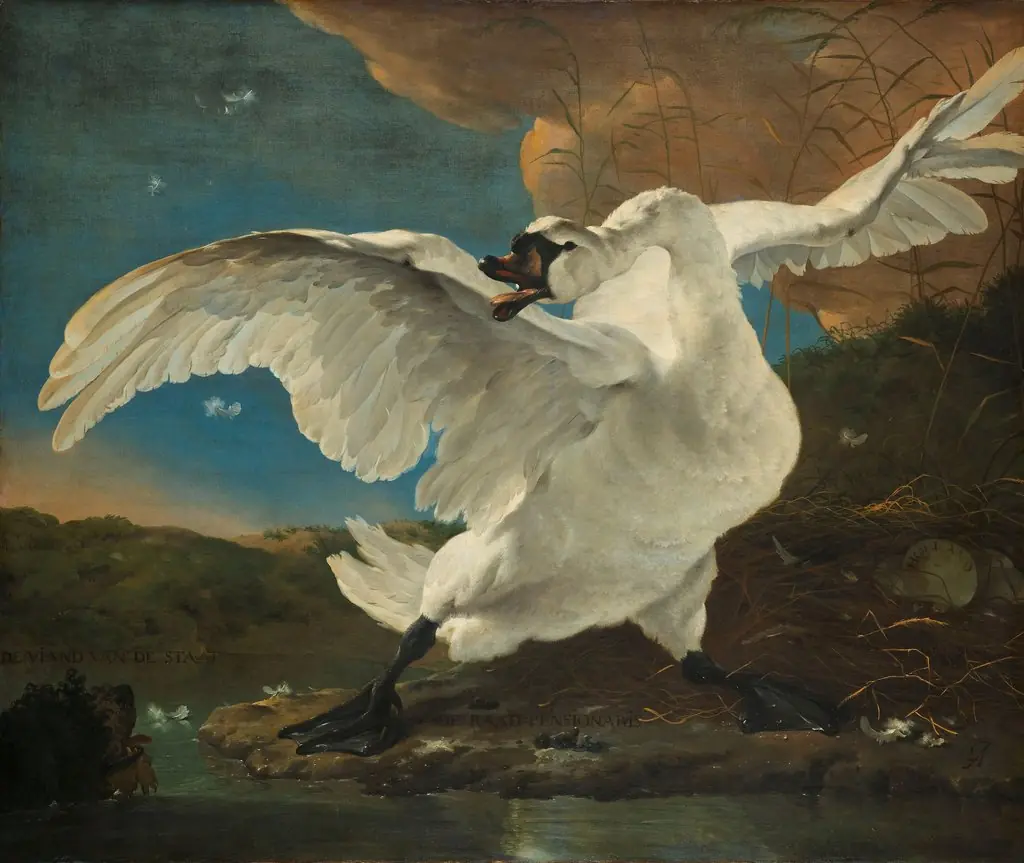 The Threatened Swan
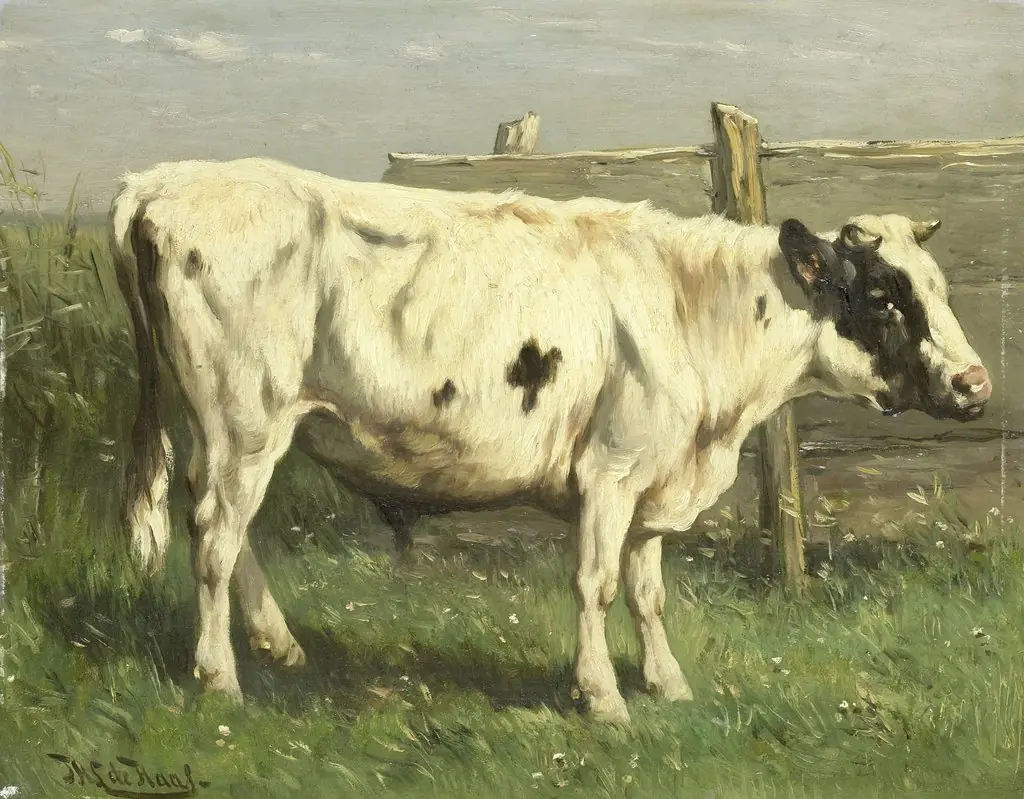 Young Bull
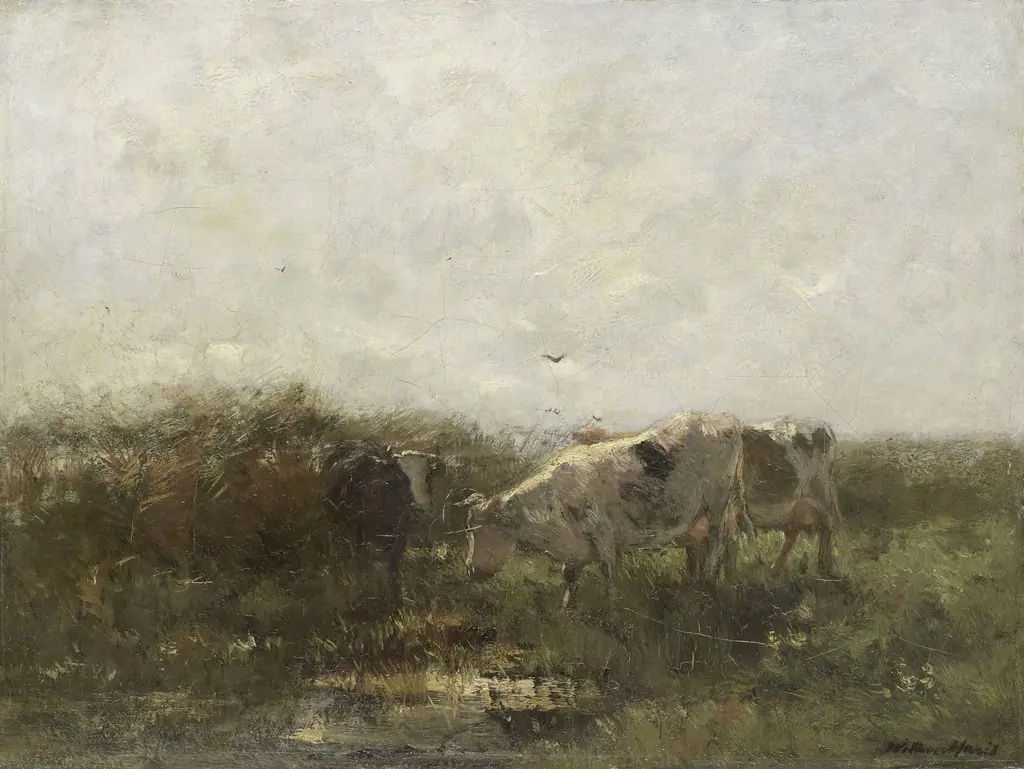 Koeien
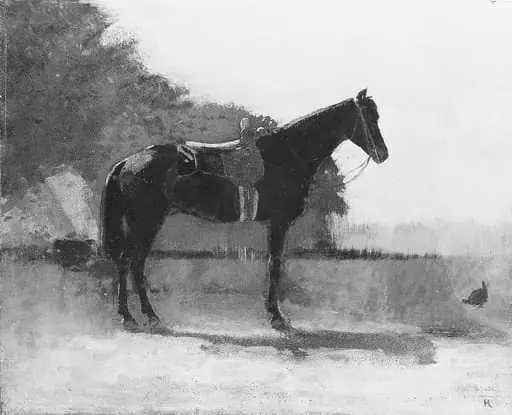 Saddle Horse in Farm Yard
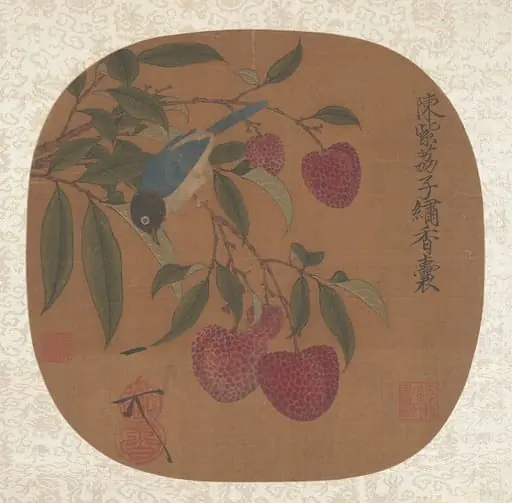 Untitled
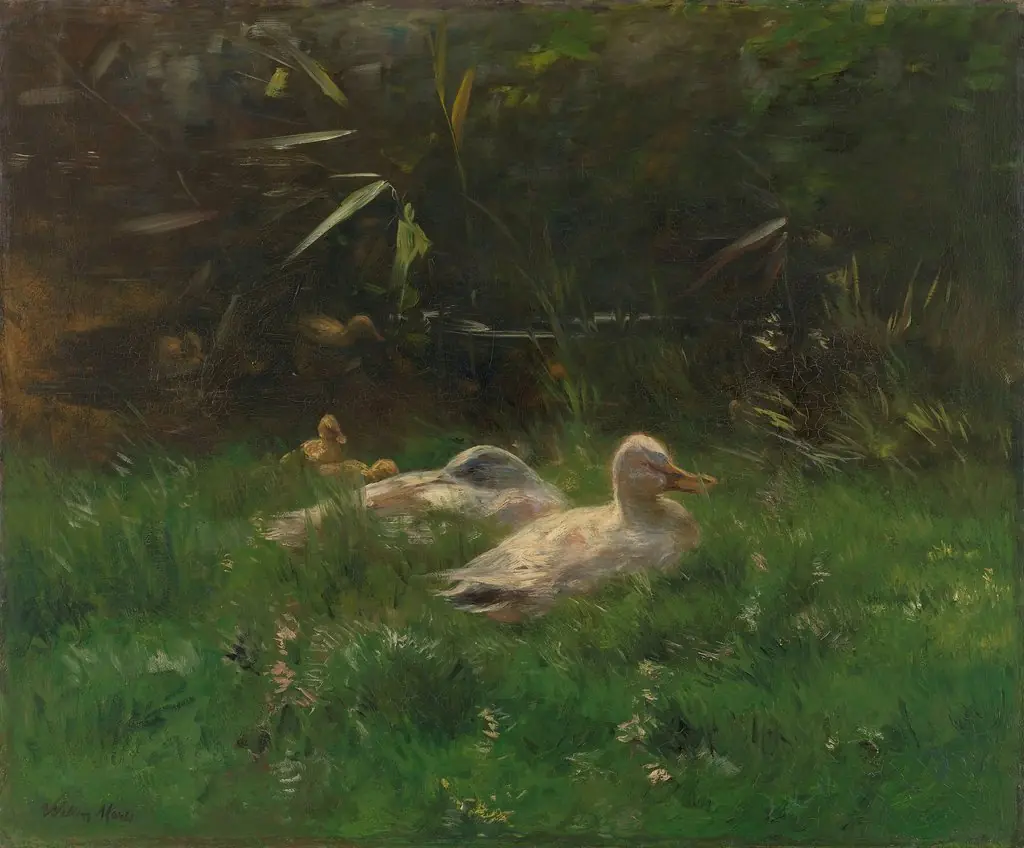 Ducks
Ducks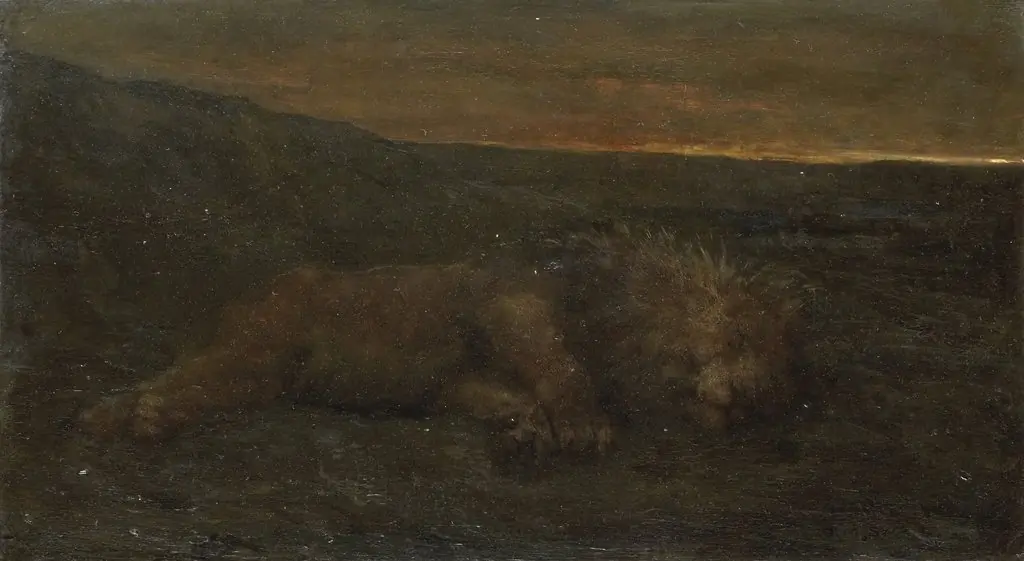 Sleeping lion at night
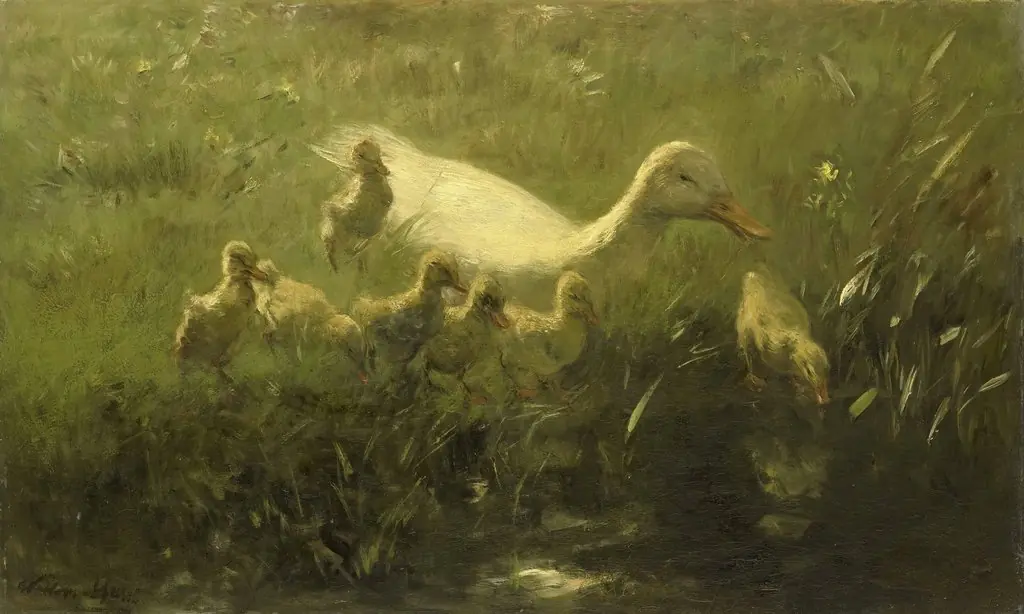 Witte eend met kiekens
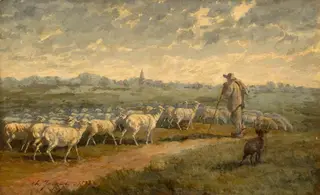 Landscape with a Herd
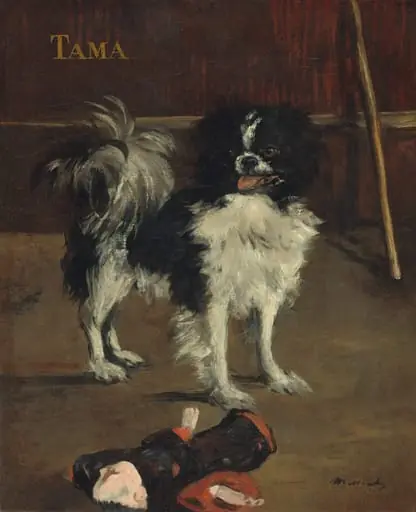 Tama, the Japanese Dog
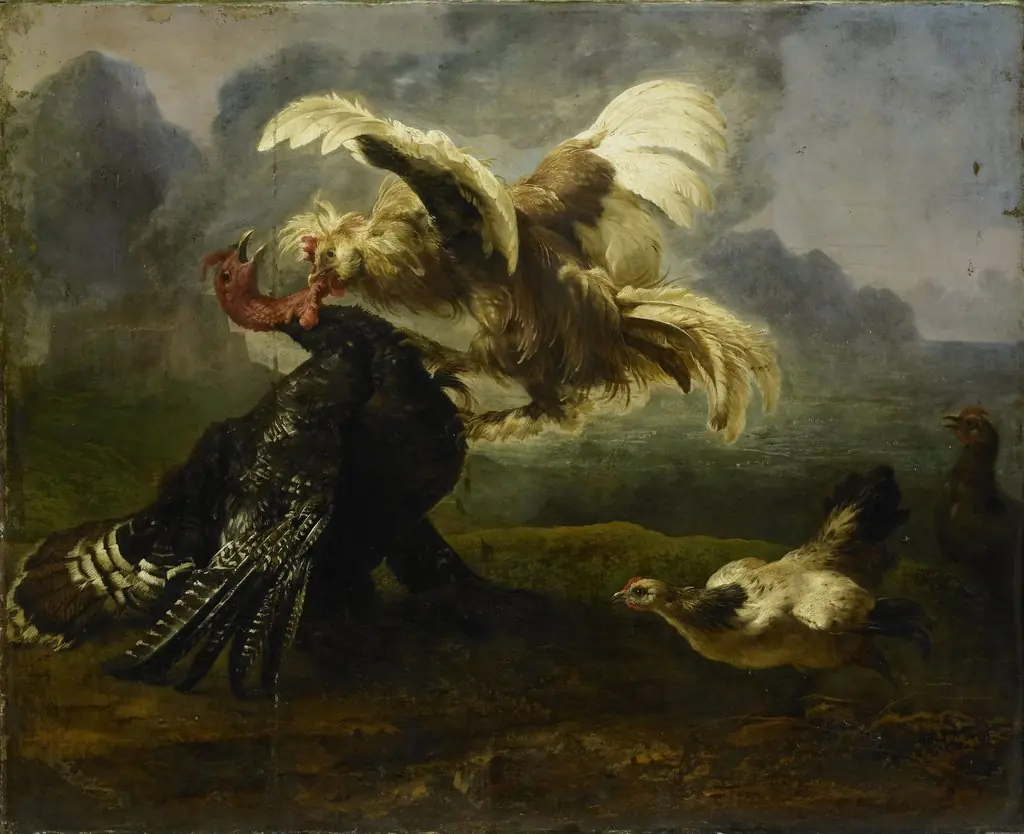 Birds fighting
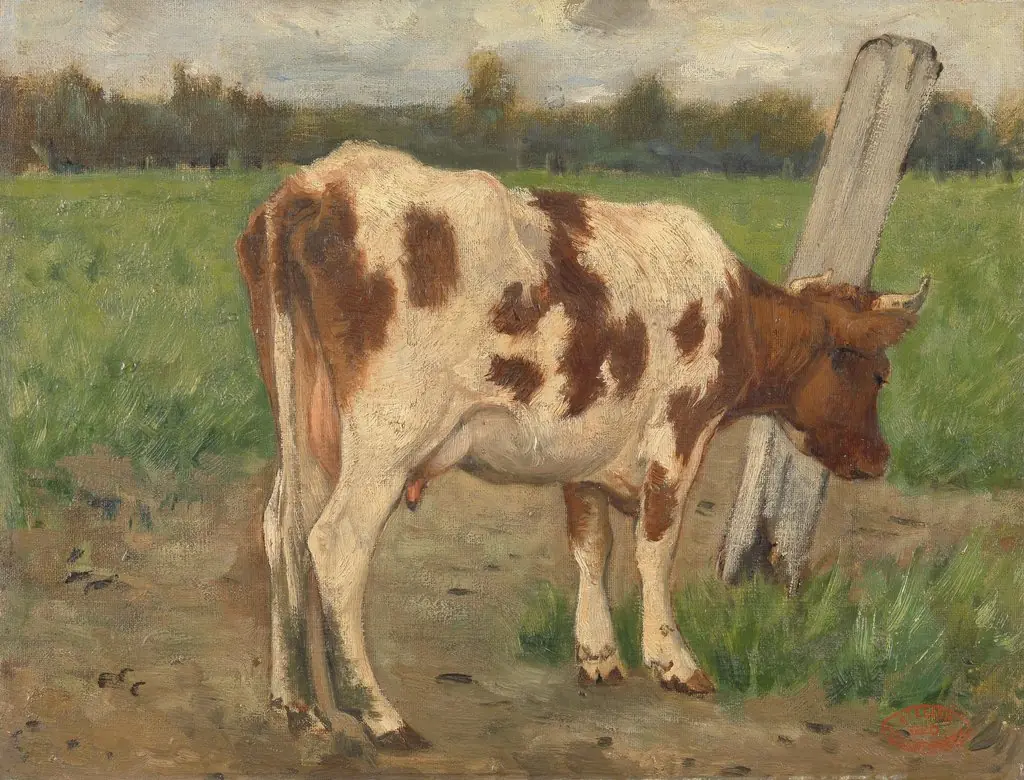 Cow
Cow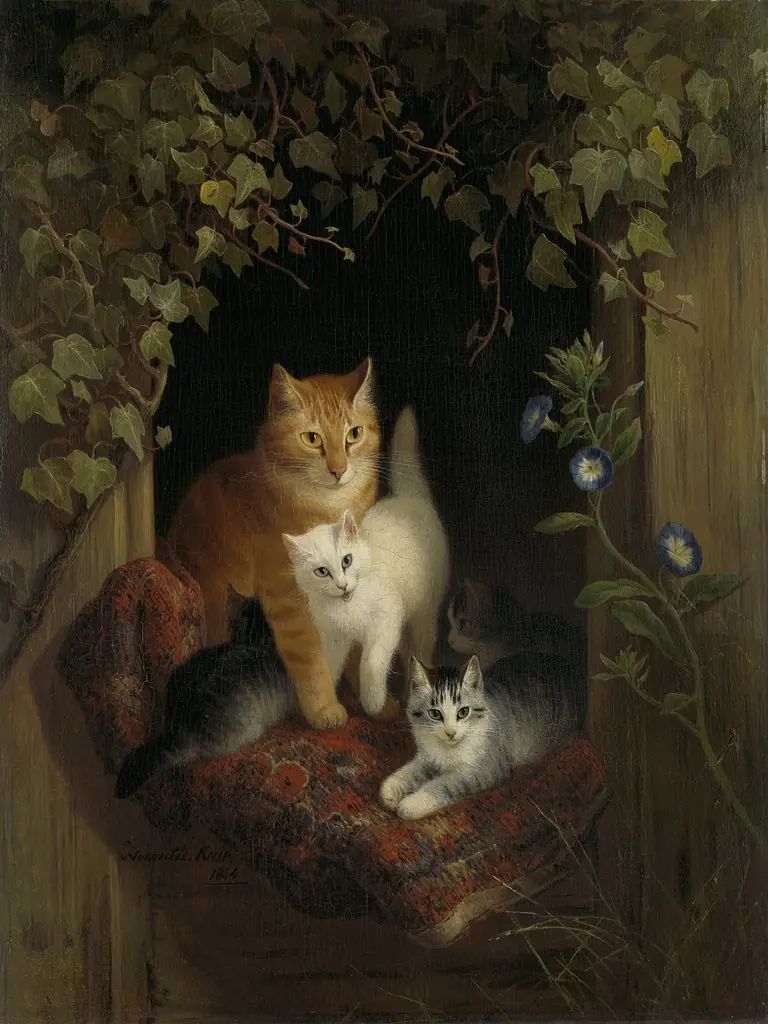 Cat with Kittens
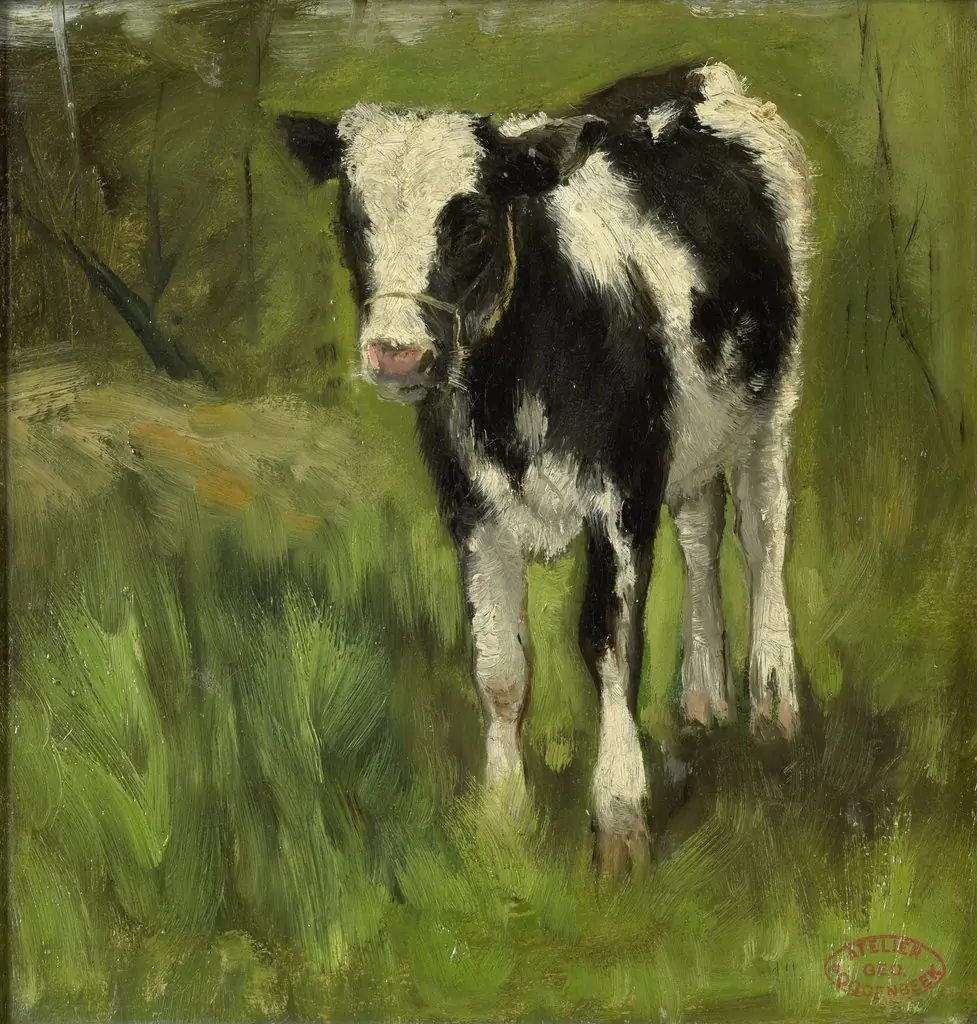 Calf, spotted black and white
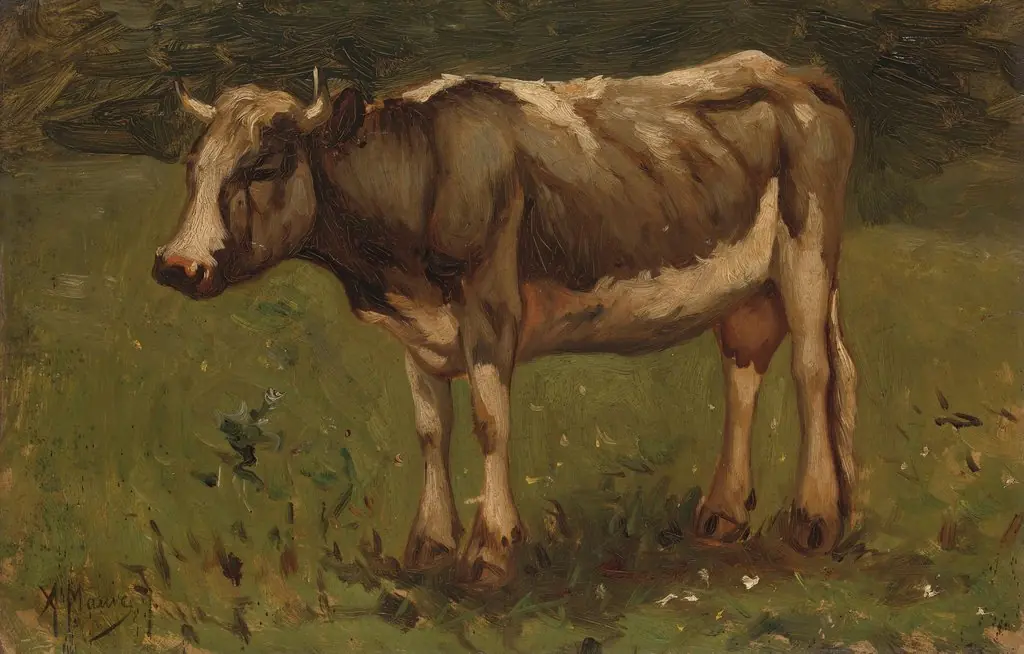 Cow
Cow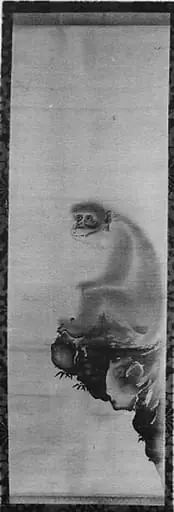 Untitled
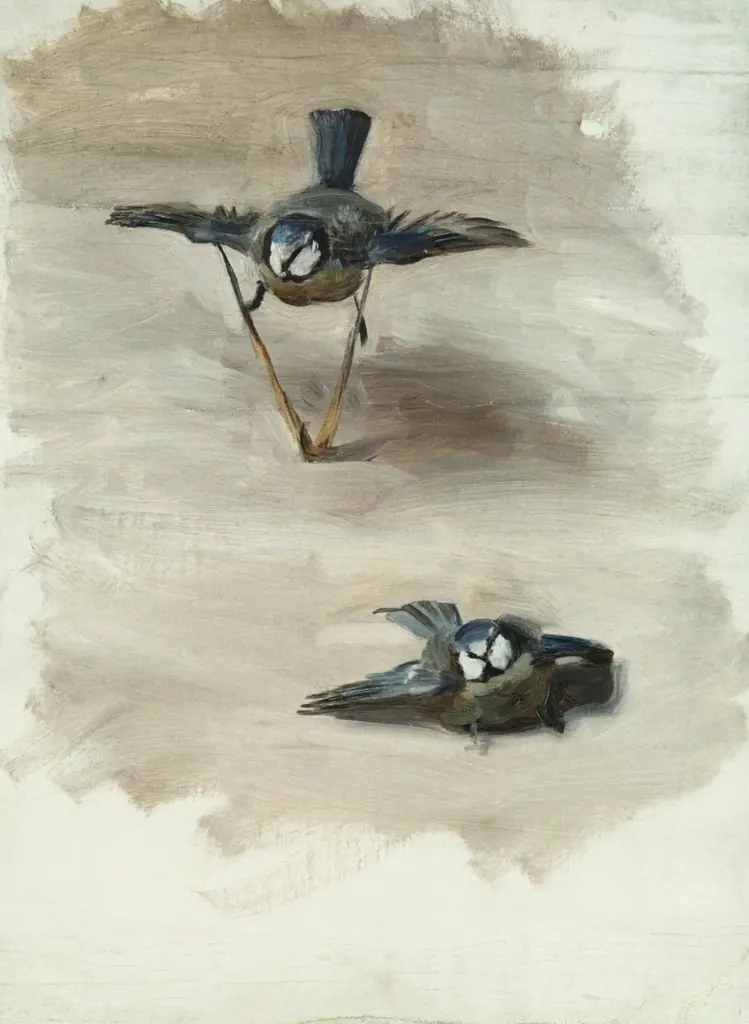 Studies of a Dead Bird
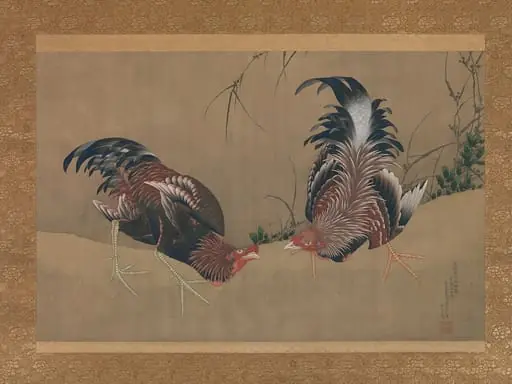 軍鶏図|Gamecocks
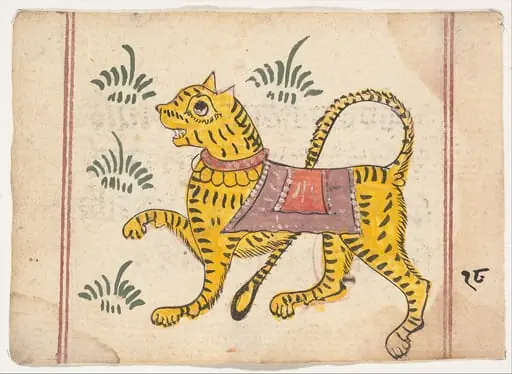 Untitled
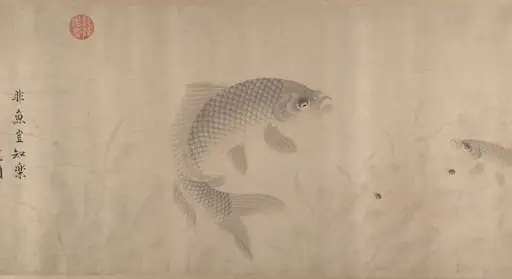 元 周東卿 魚樂圖 卷|The Pleasures of Fishes
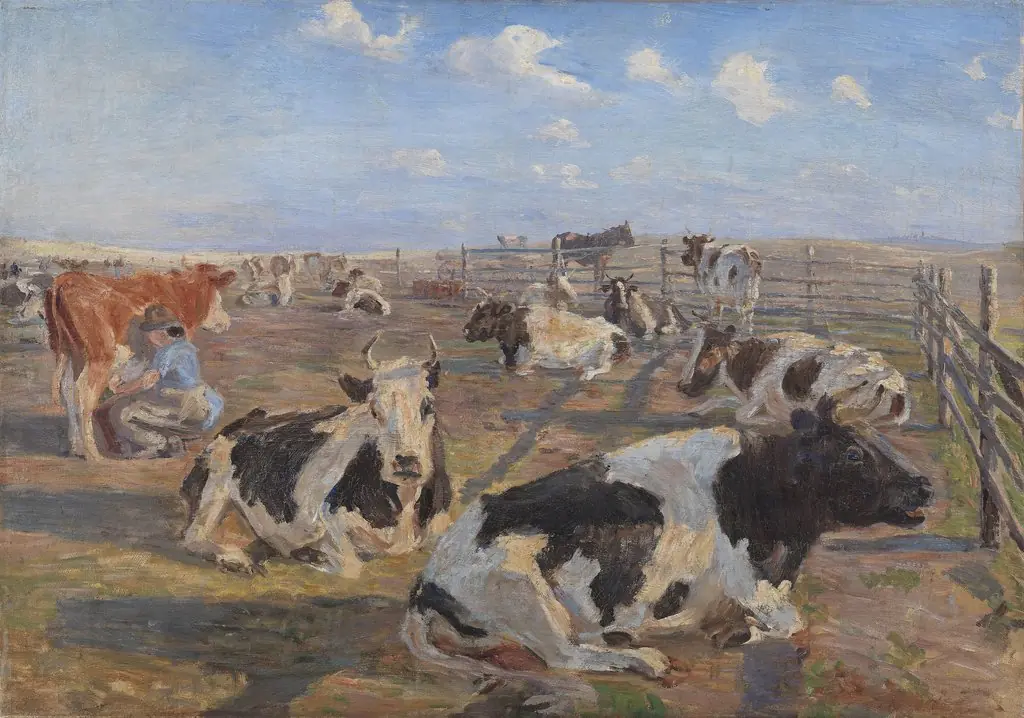 The Milking Place at Meilgård
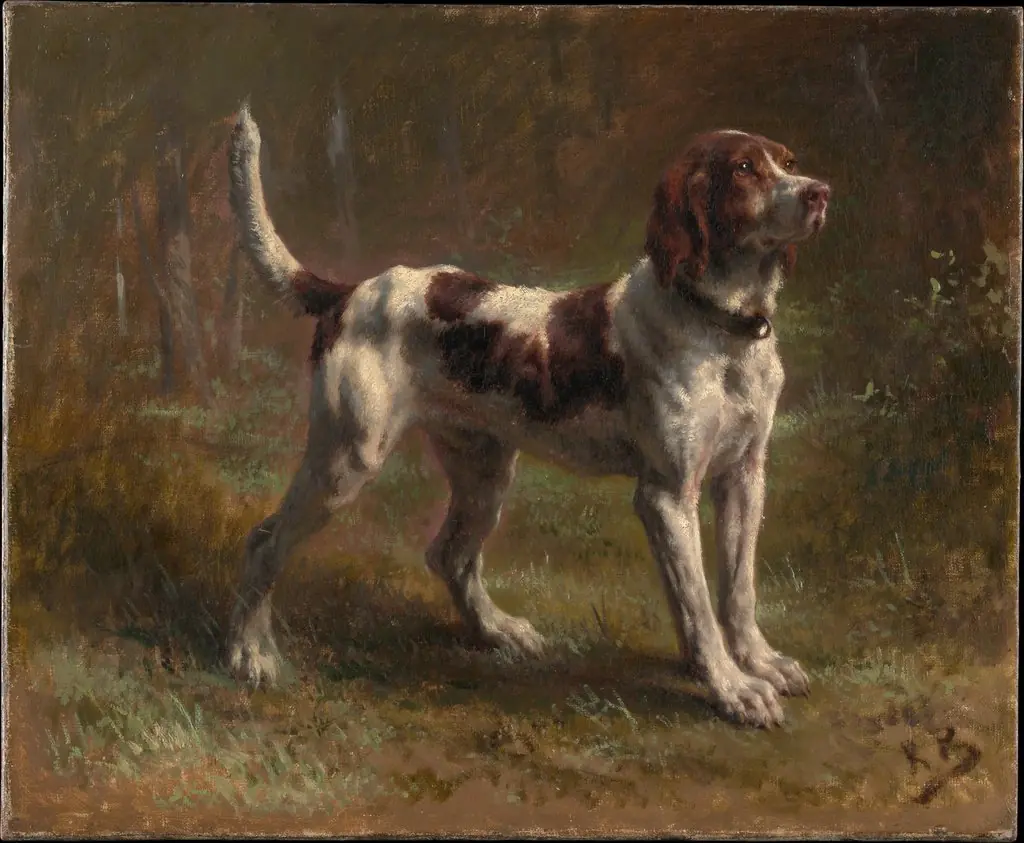 A Limier Briquet Hound
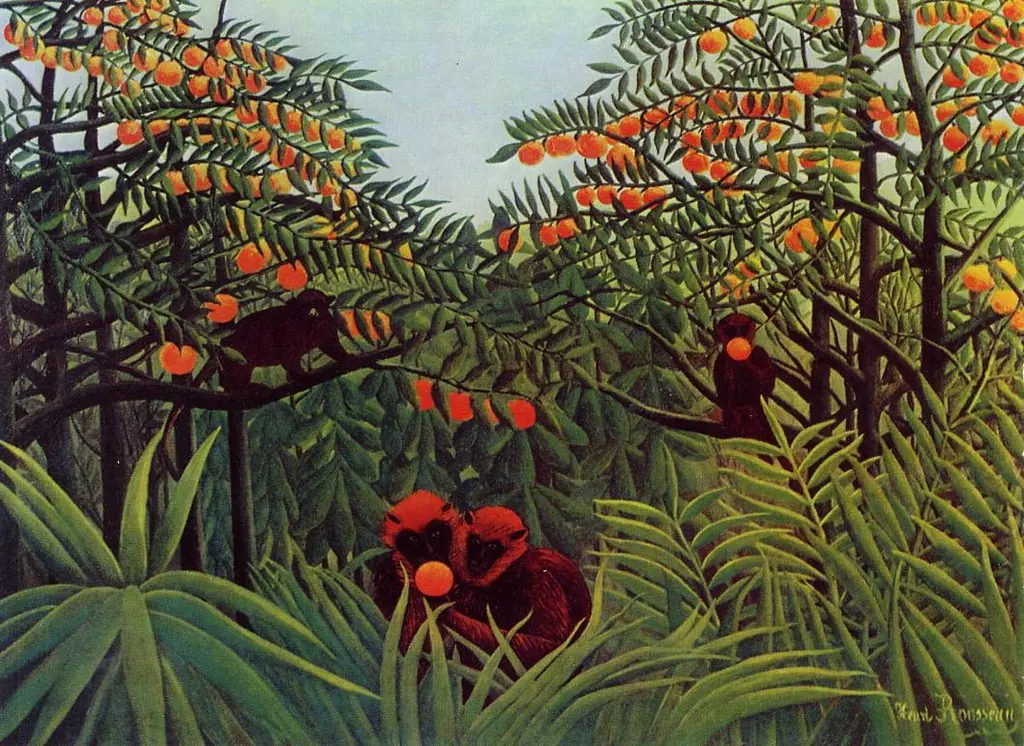 Apes in the Orange Grove
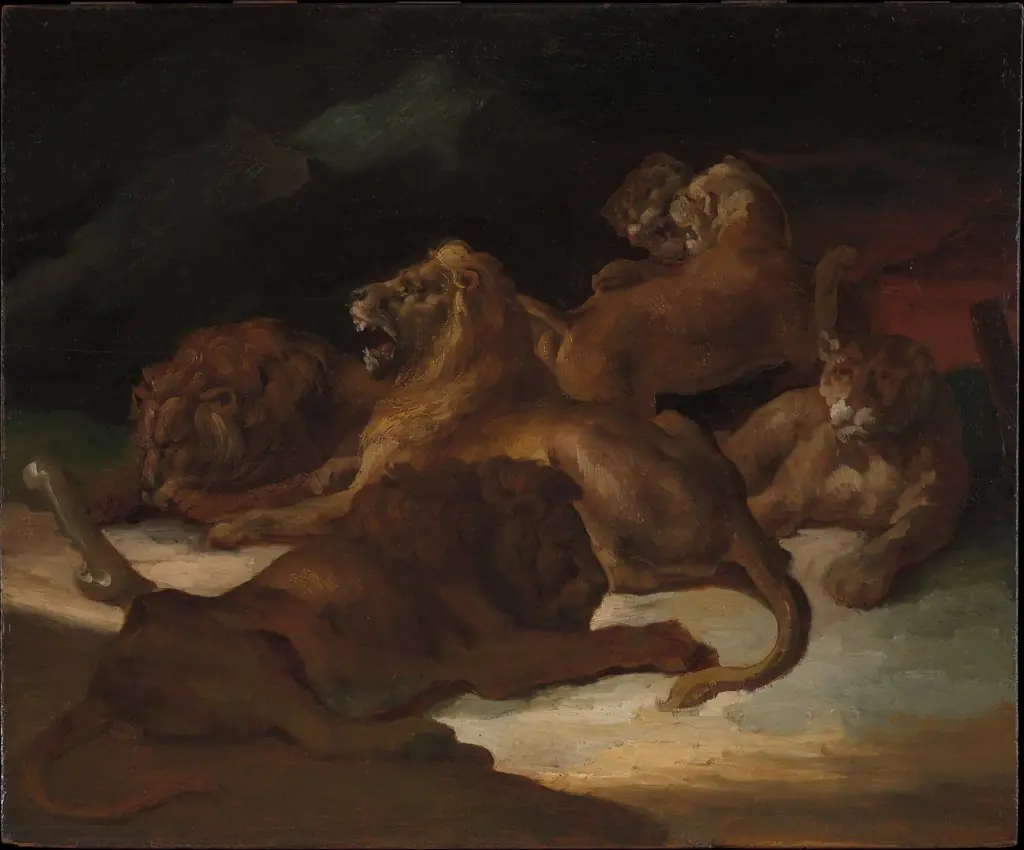 Lions in a Mountainous Landscape
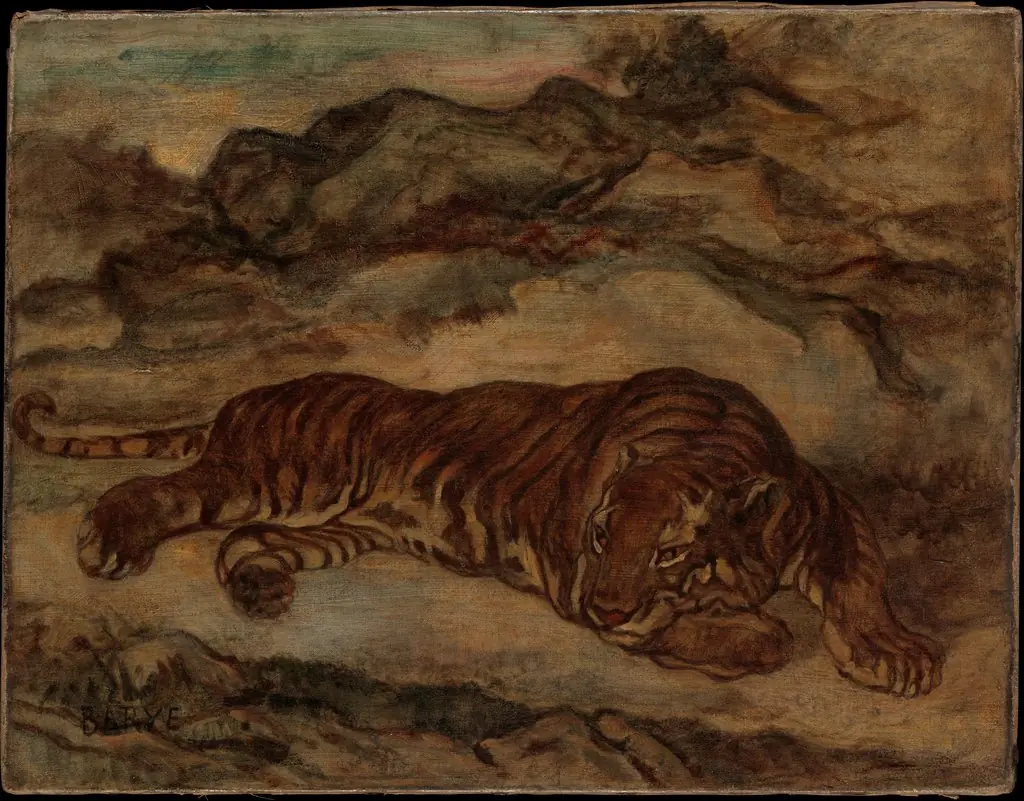 Tiger in Repose
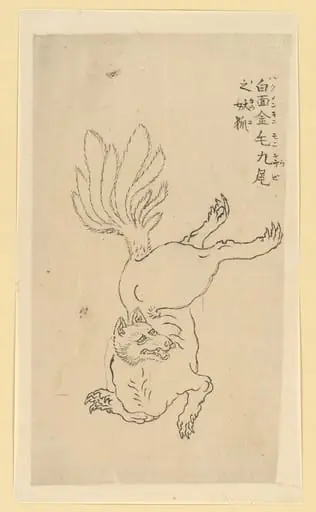 Untitled
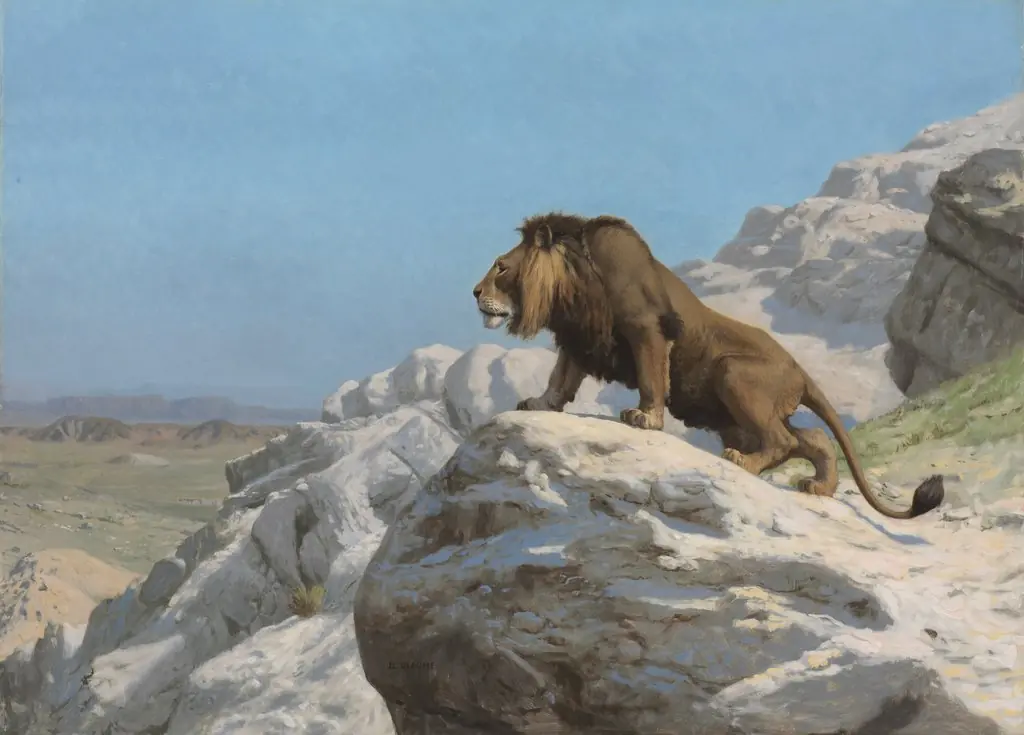 Lion on the Watch
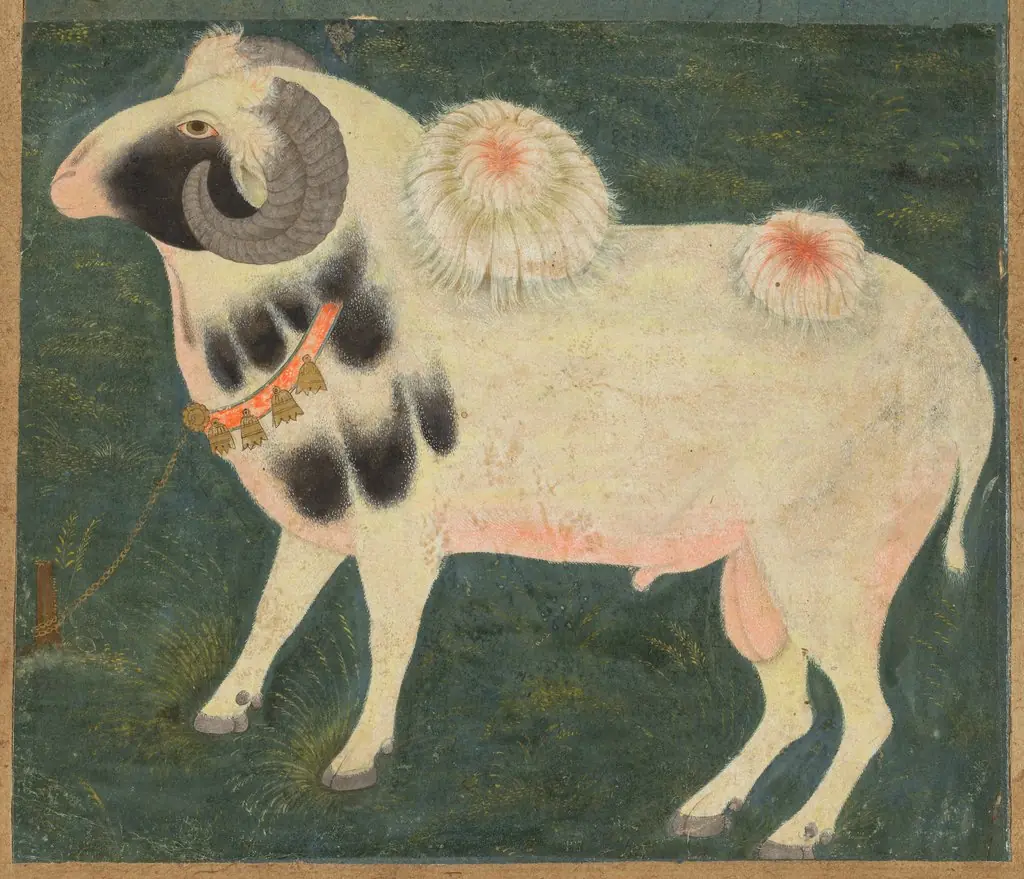 A royal ram with a gold chain
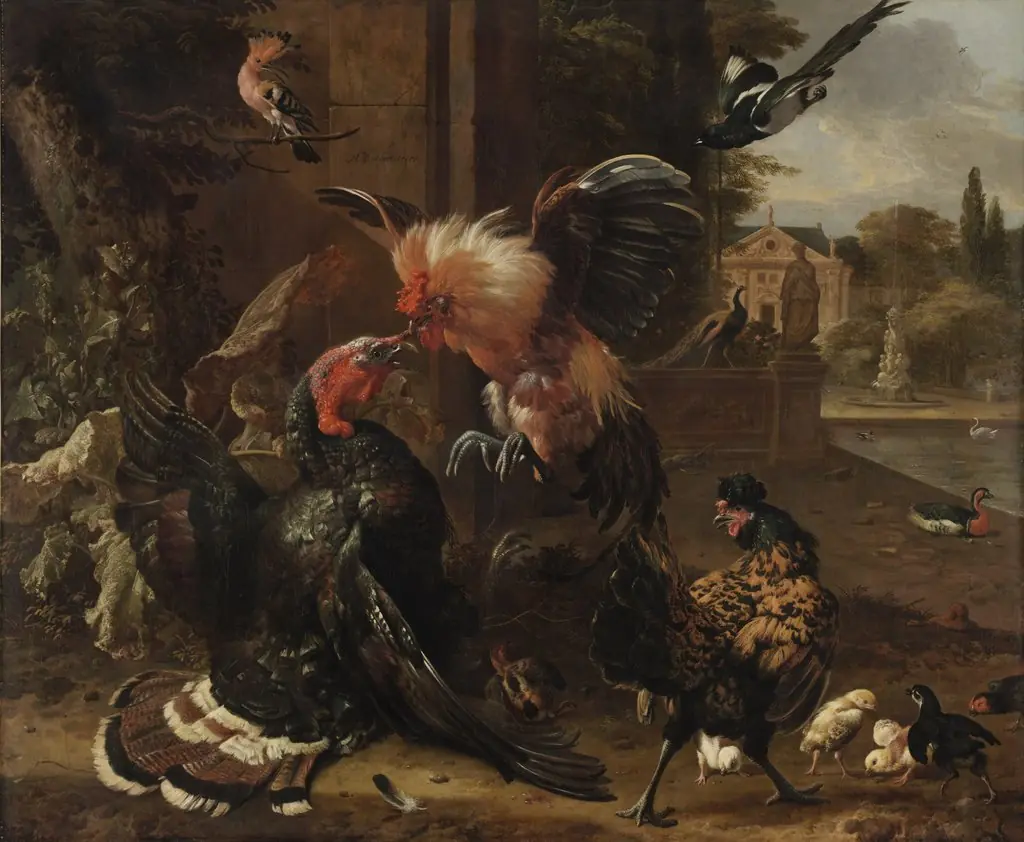 A Rooster and Turkey Fighting
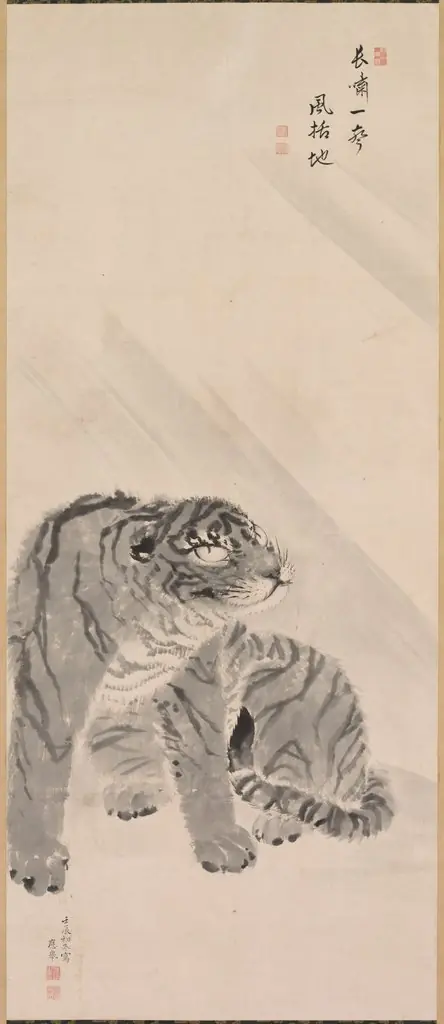 Tiger in Wind
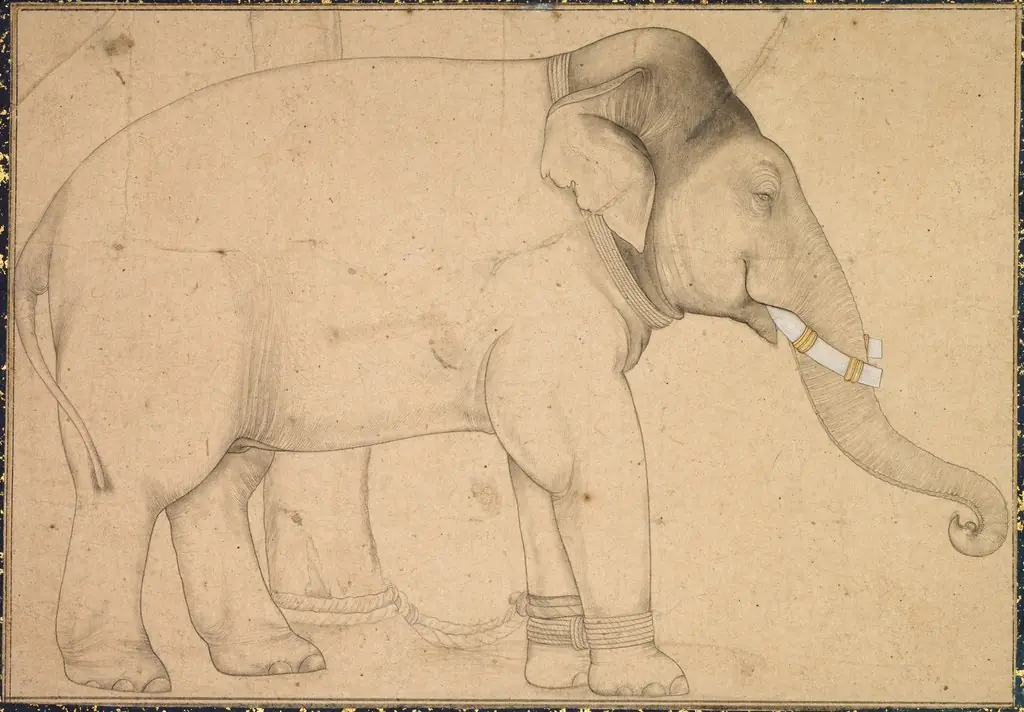 Drawing of an Elephant
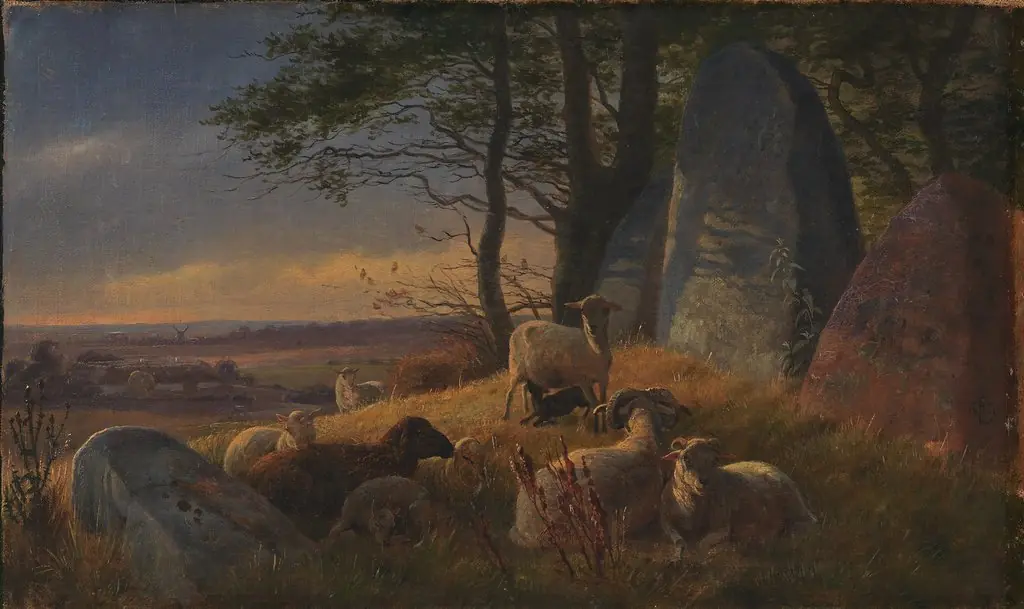 Evening Scene with Sheep on a Mound
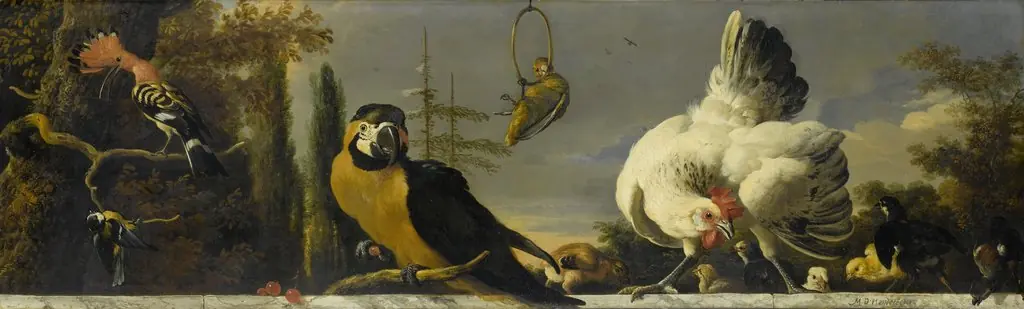 Birds on a balustrade
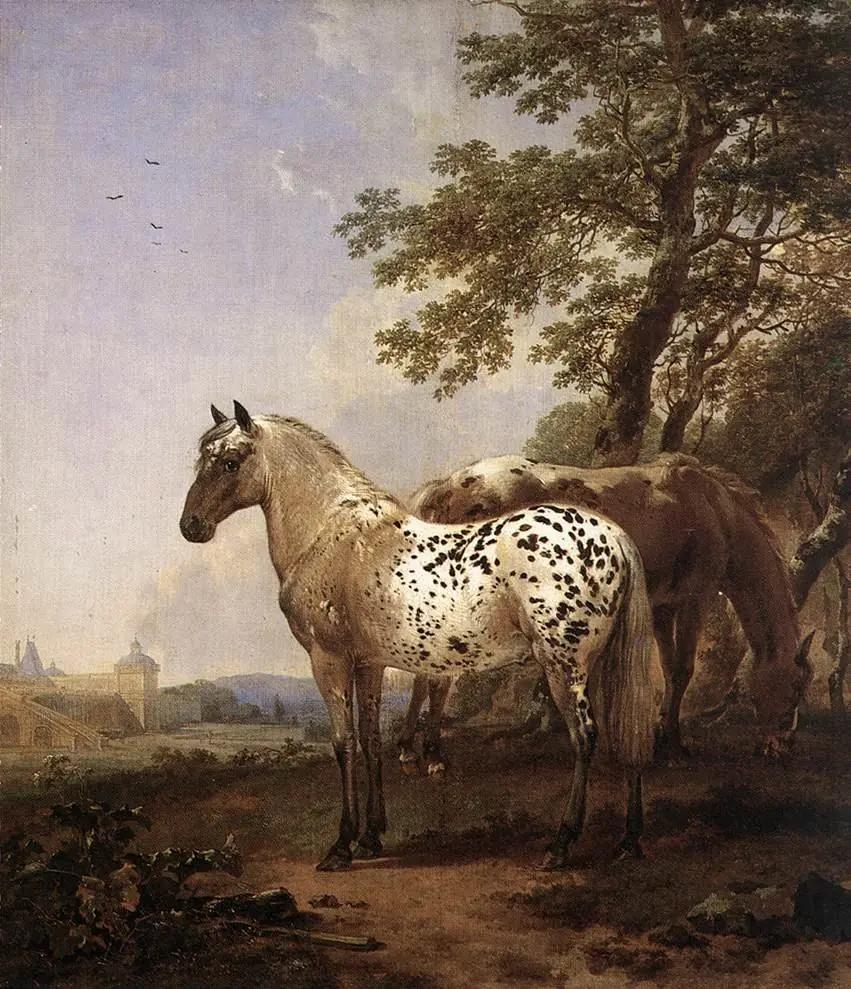 Landscape with Two Horses
 Cat fight
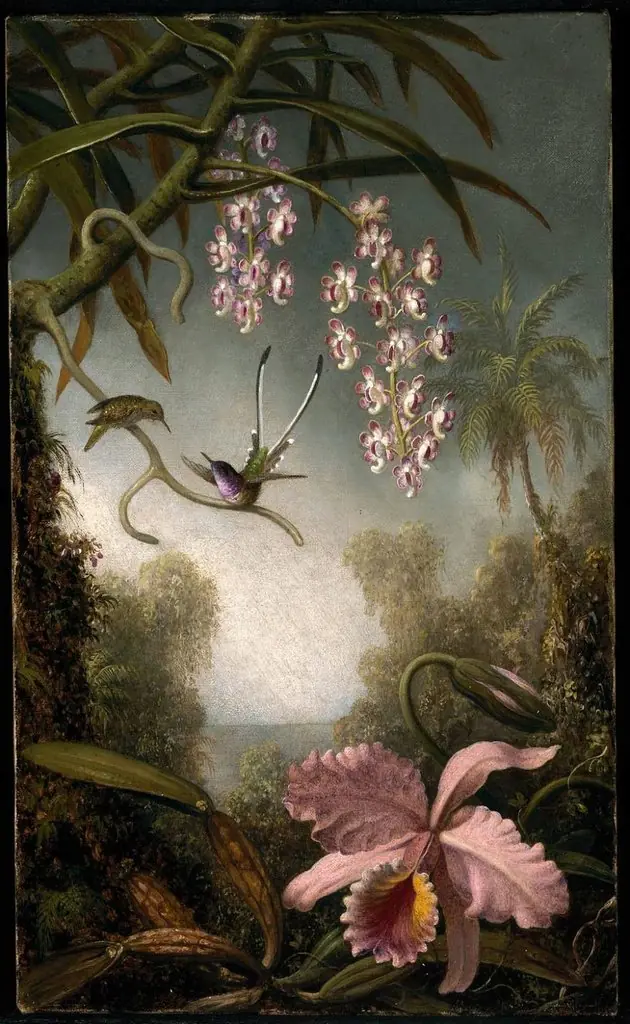 Orchids and Spray Orchids with Hummingbird
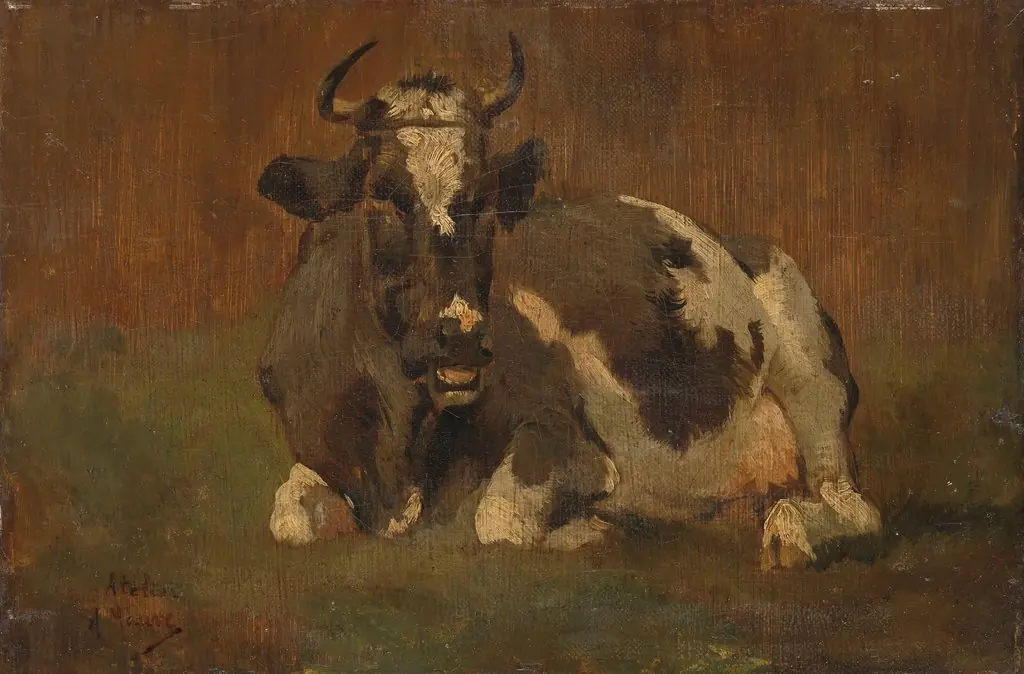 Lying Cow
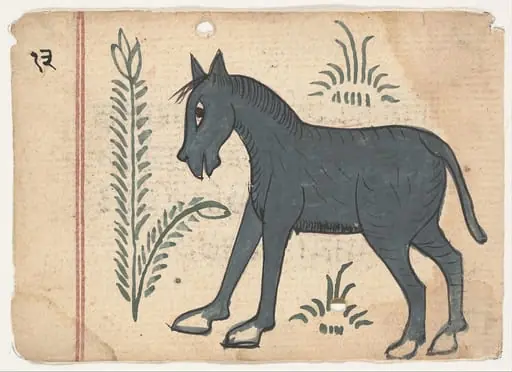 Untitled
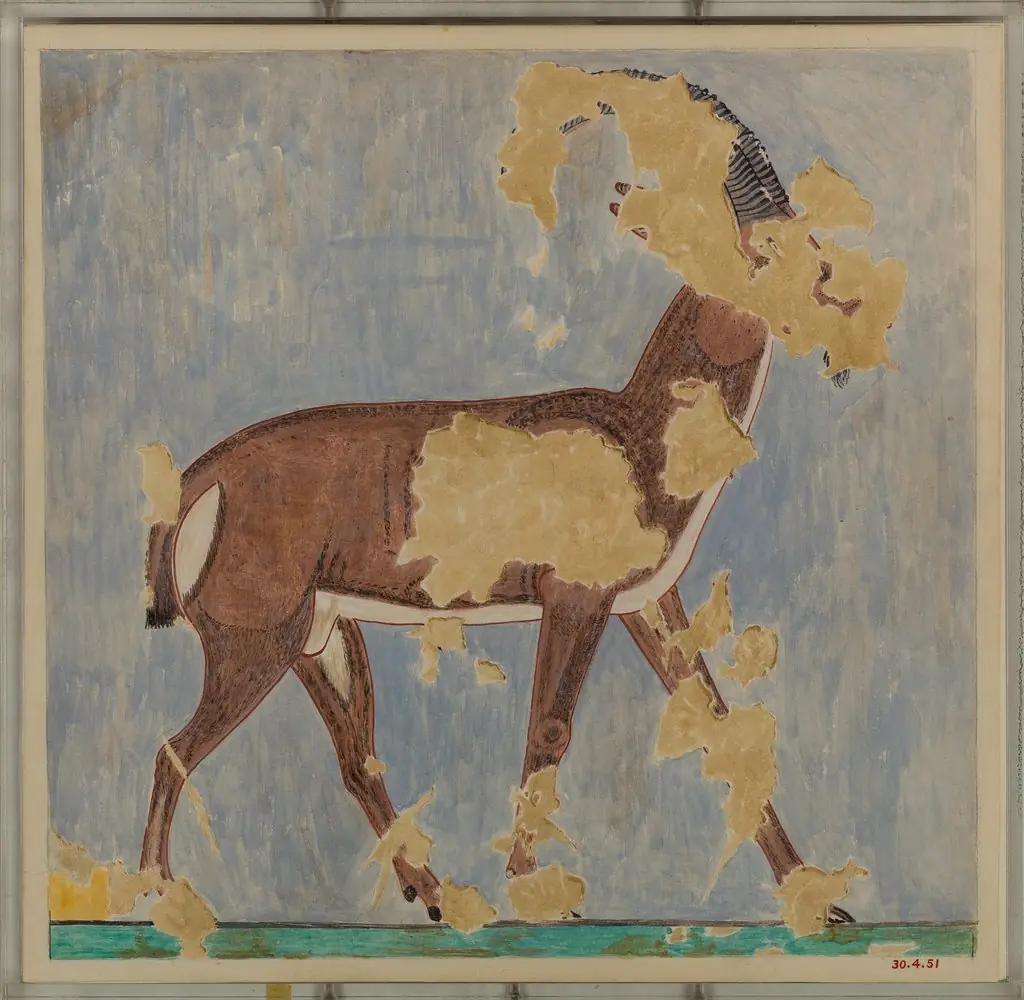 Ibex, Tomb of Amenhotep
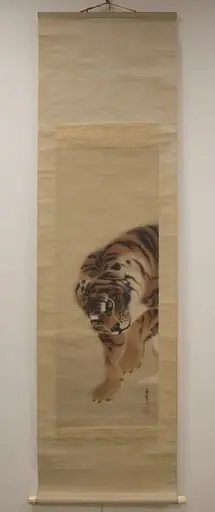 Untitled
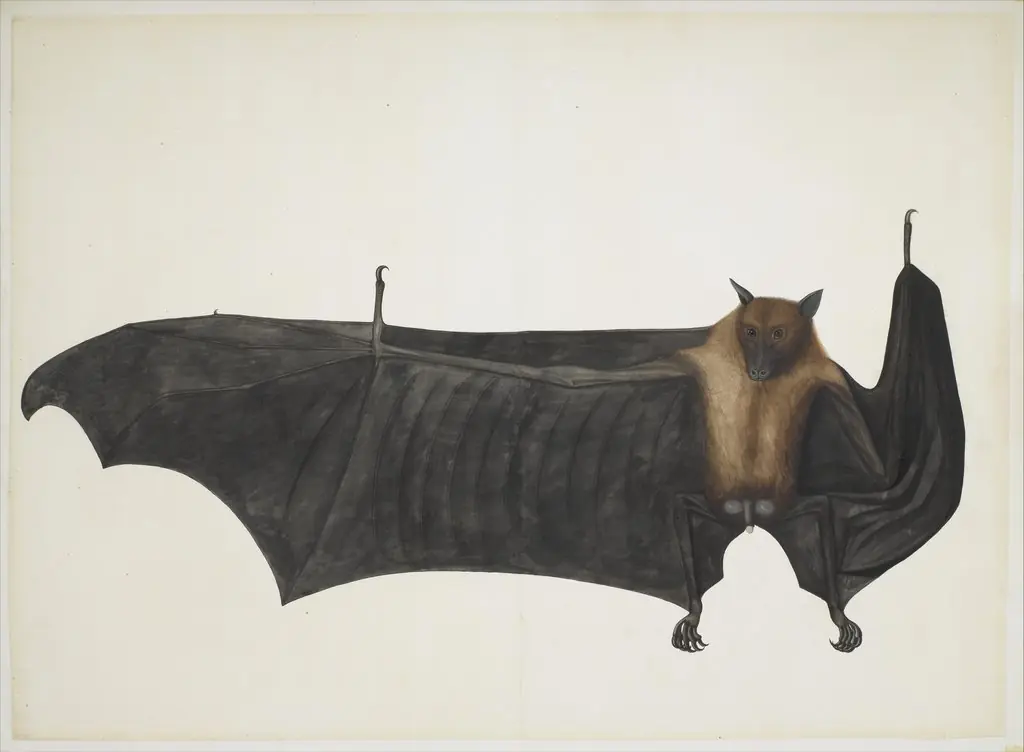 Great Indian Fruit Bat
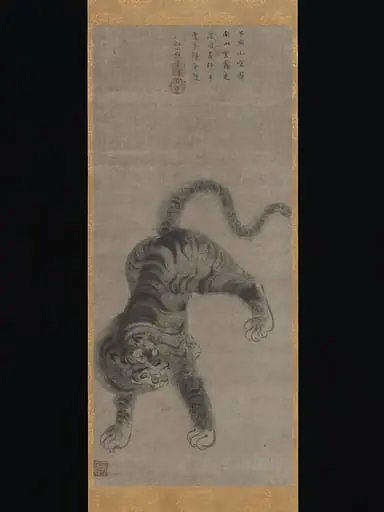 明窓筆 虎図|Tiger
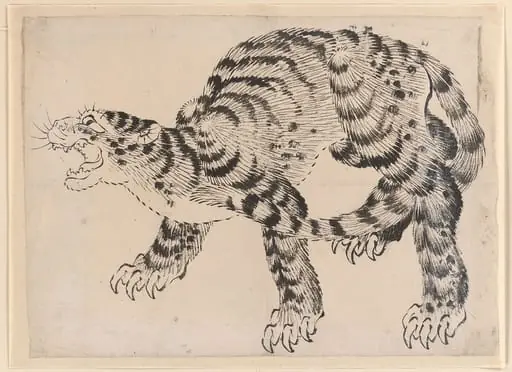 Untitled
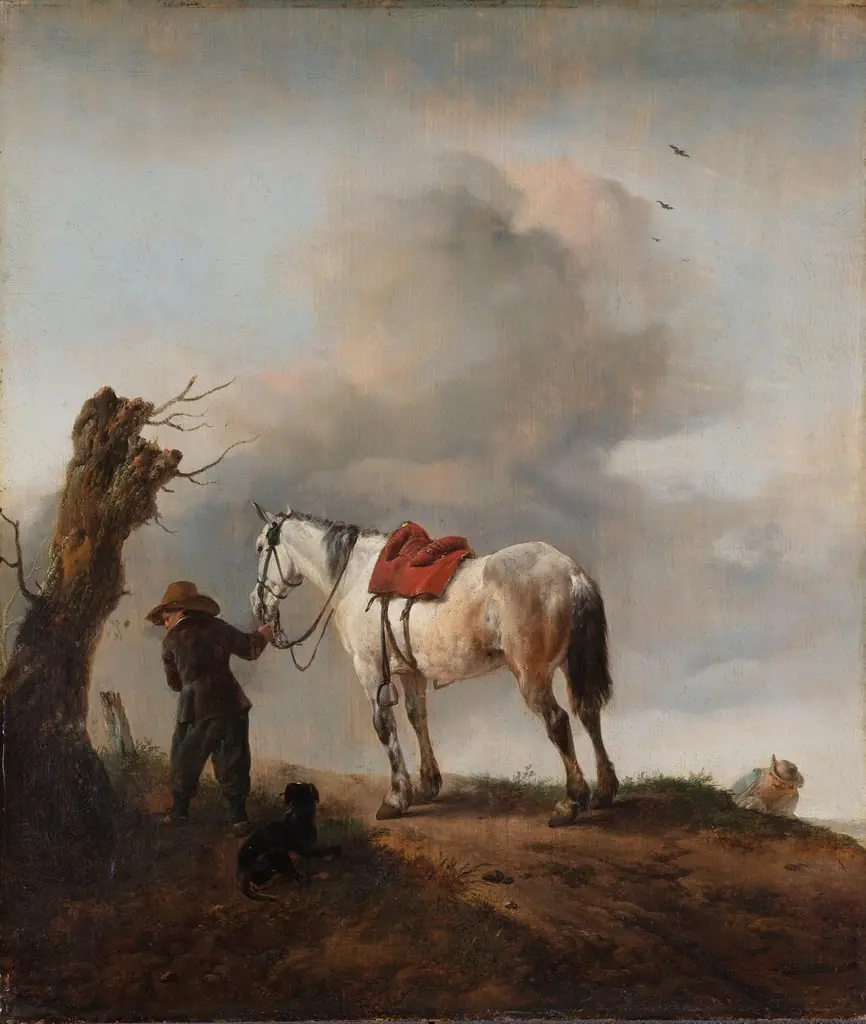 The Grey Horse
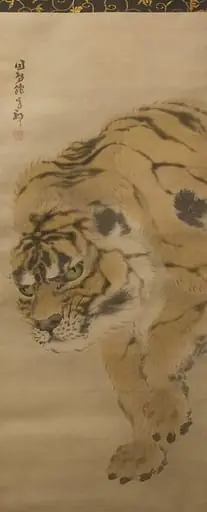 Untitled
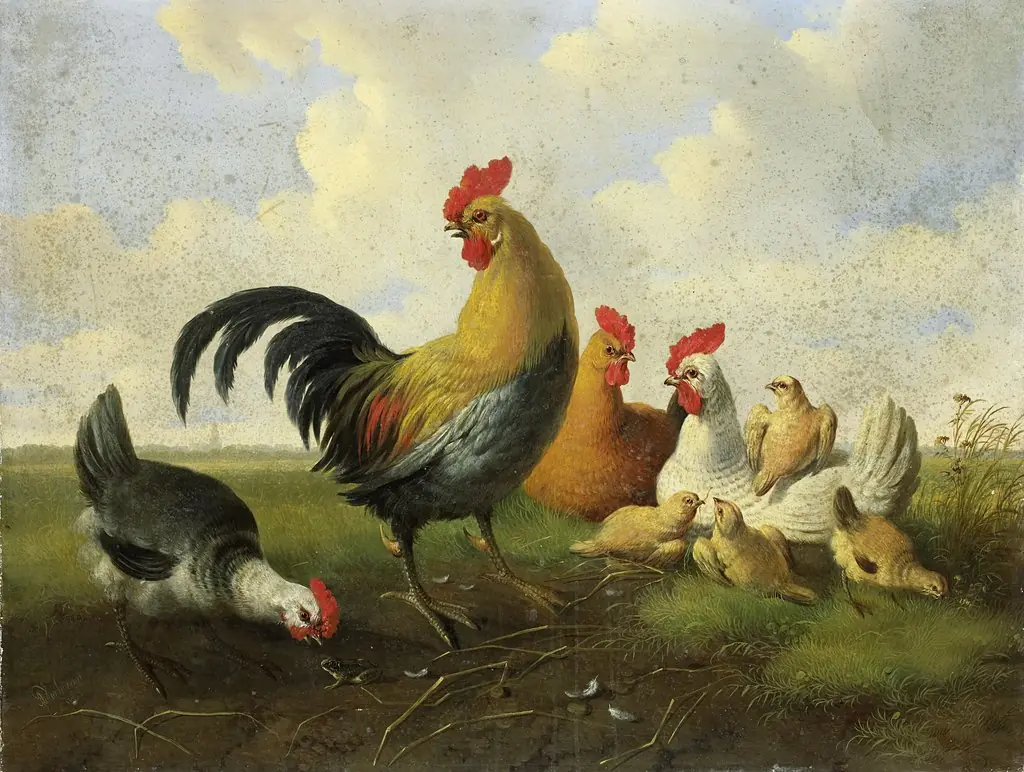 A rooster with Hens and Chicks
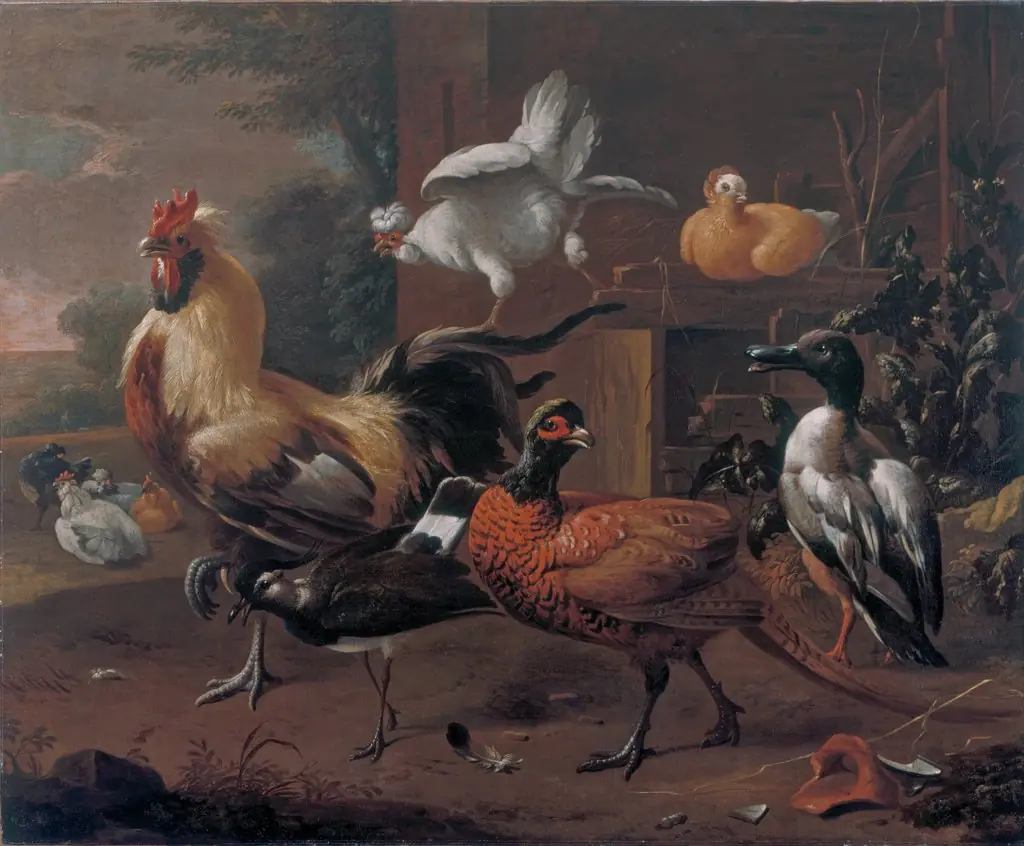 Poultry-yard
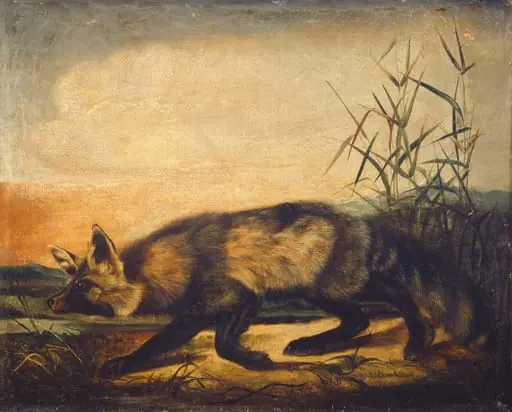 Long-Tailed Red Fox
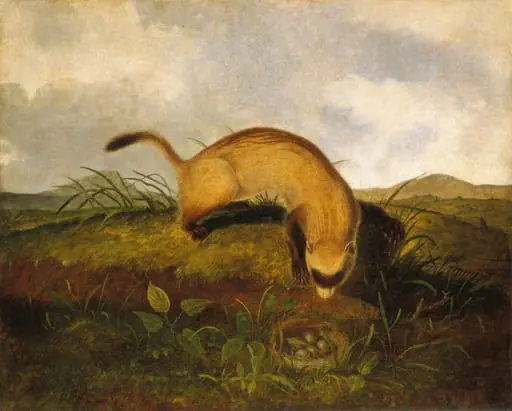 Black-Footed Ferret
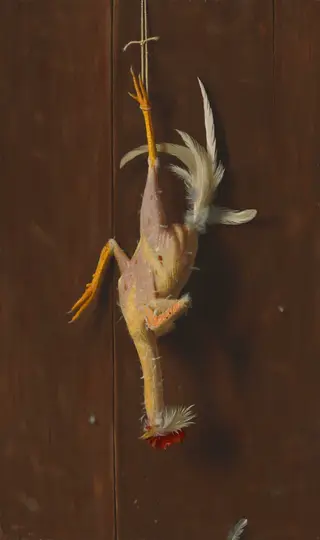 Plucked Clean
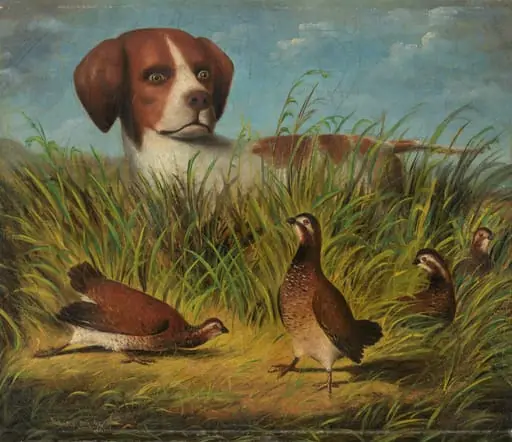 On Point
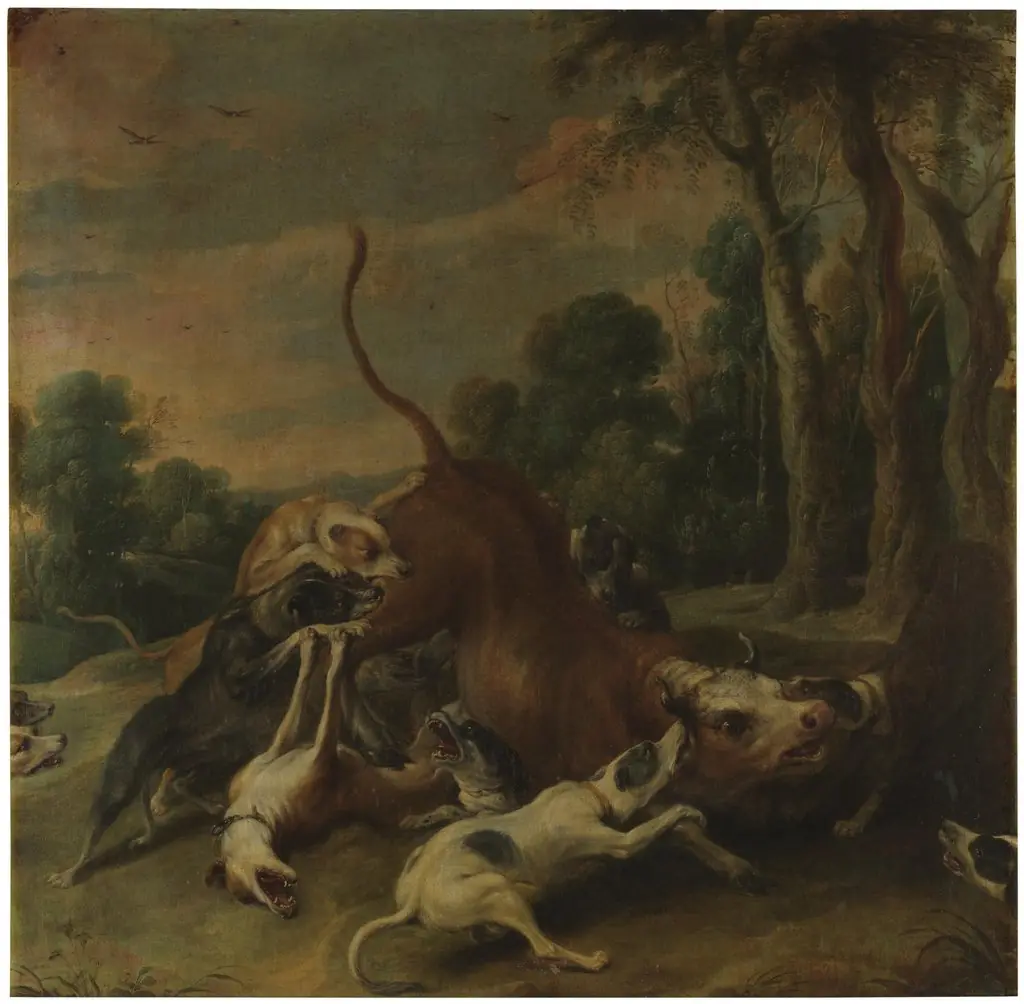 A bull overpowered by dogs
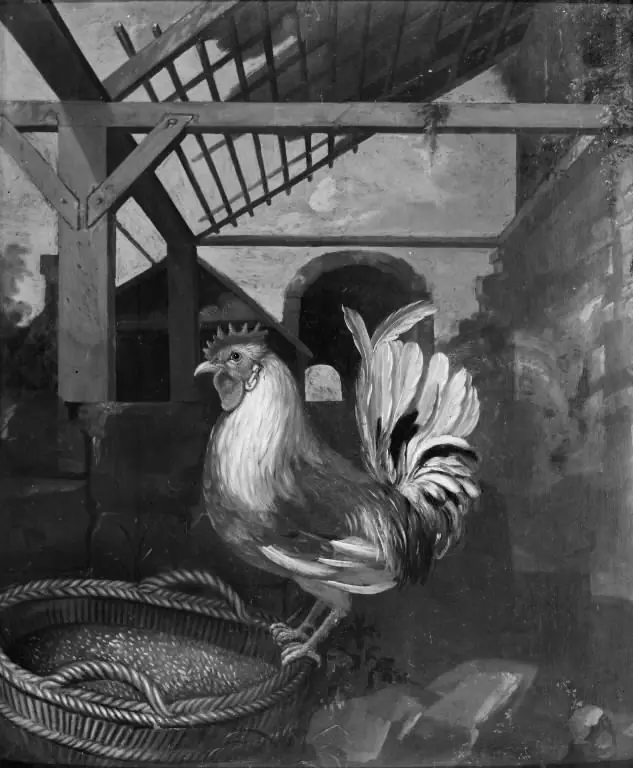 En hane sidder på en kurv fyldt med korn i stald, bag ved blå himmel
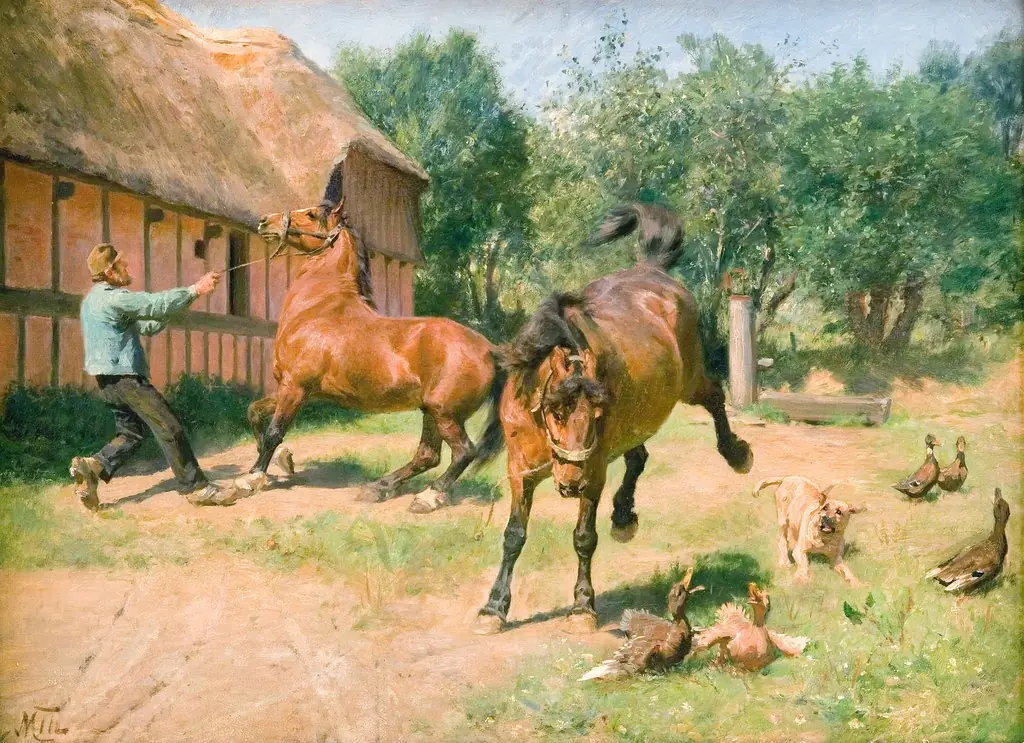 Kåde heste
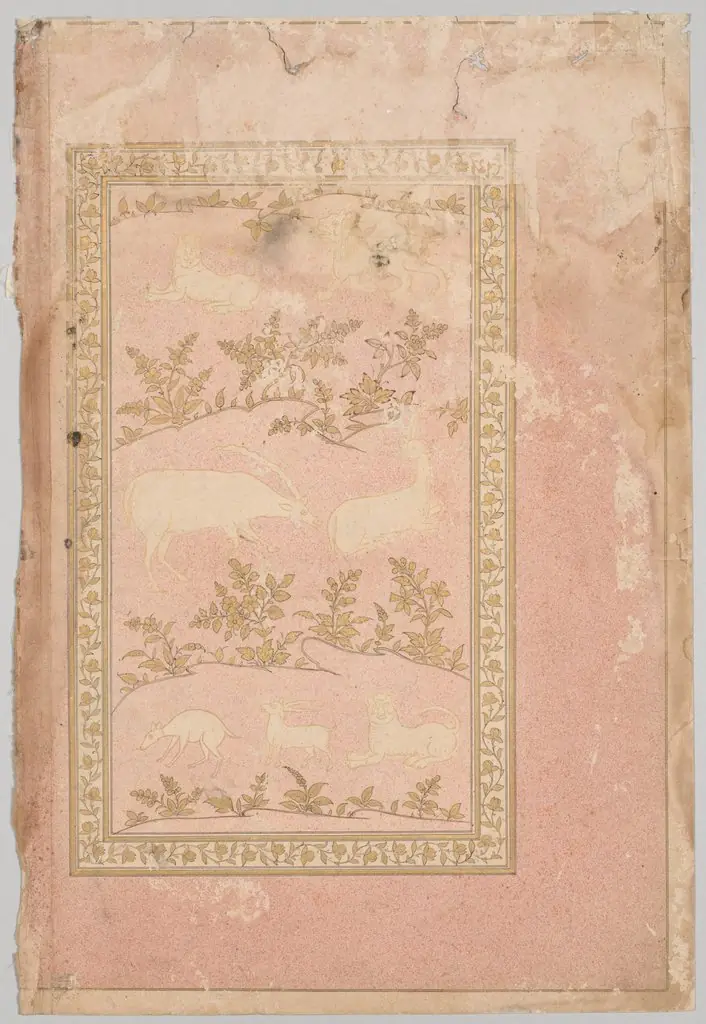 Stenciled Scenes of Lion and Gazelle (verso)
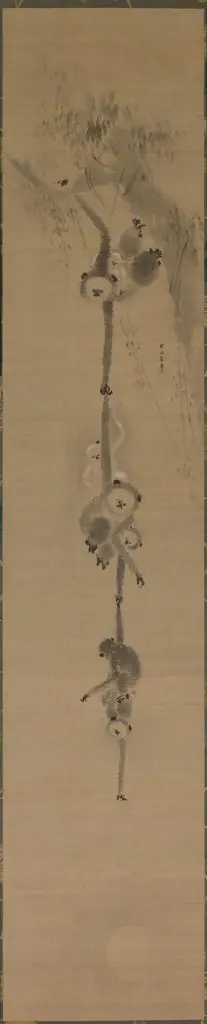 Gibbons Reaching for the Moon
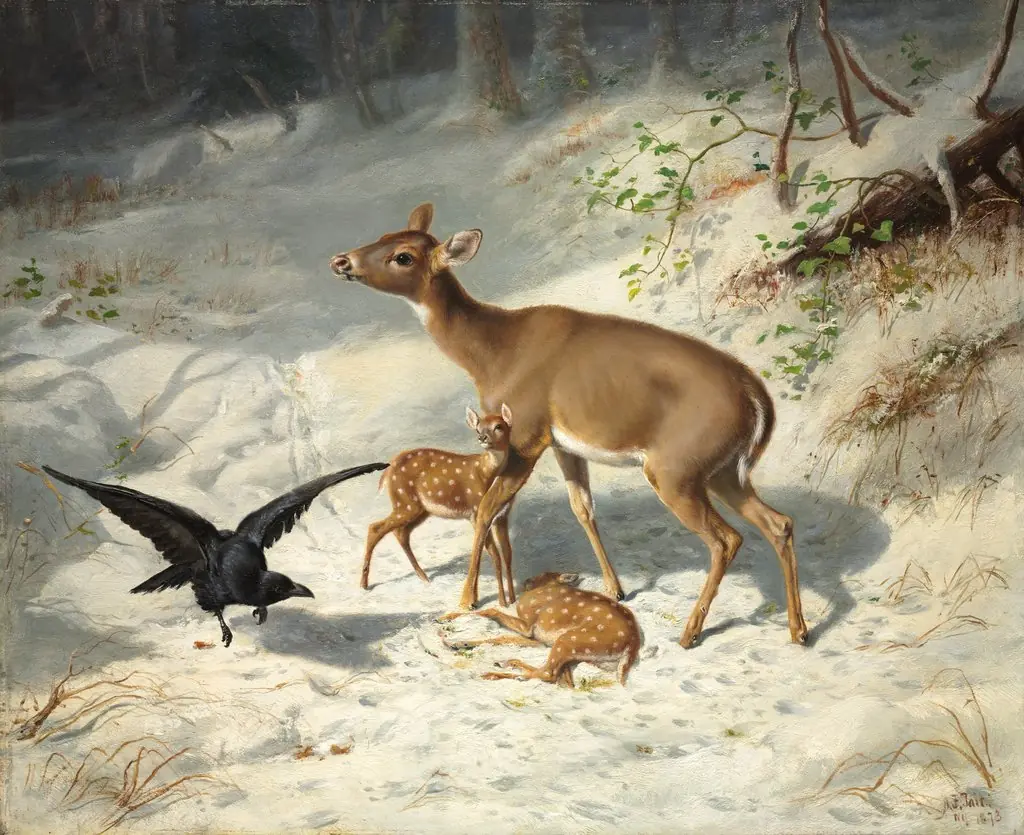 Maternal Solicitude
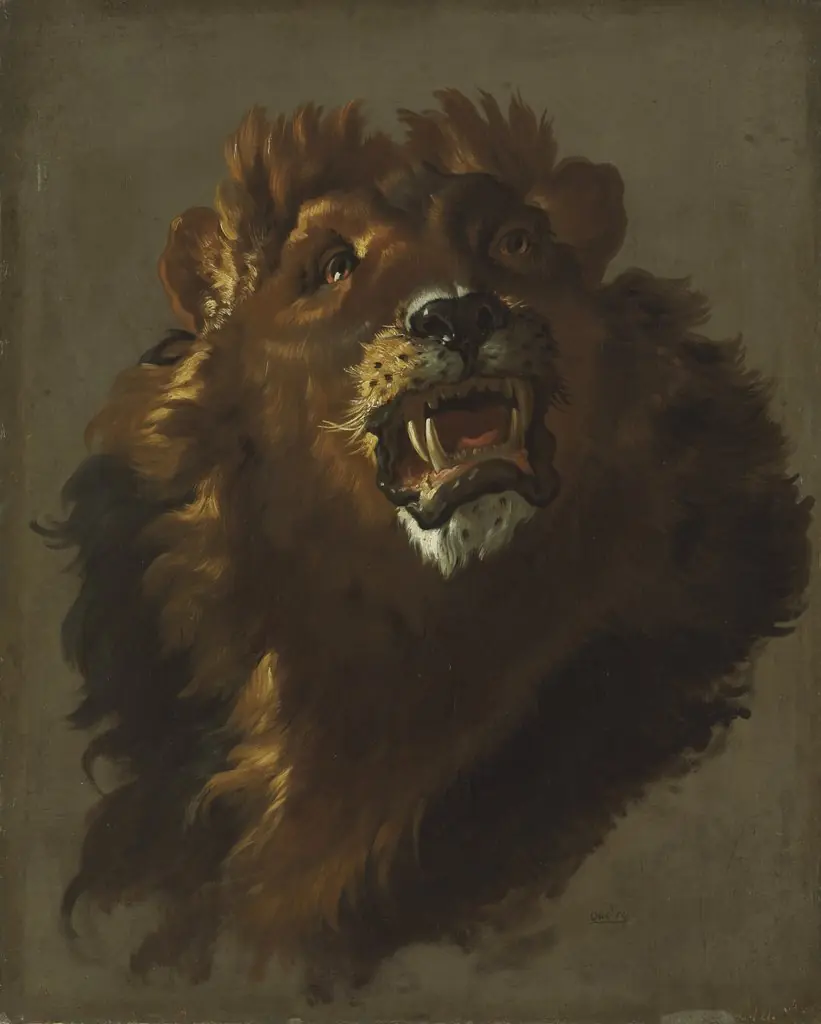 Lion
Lion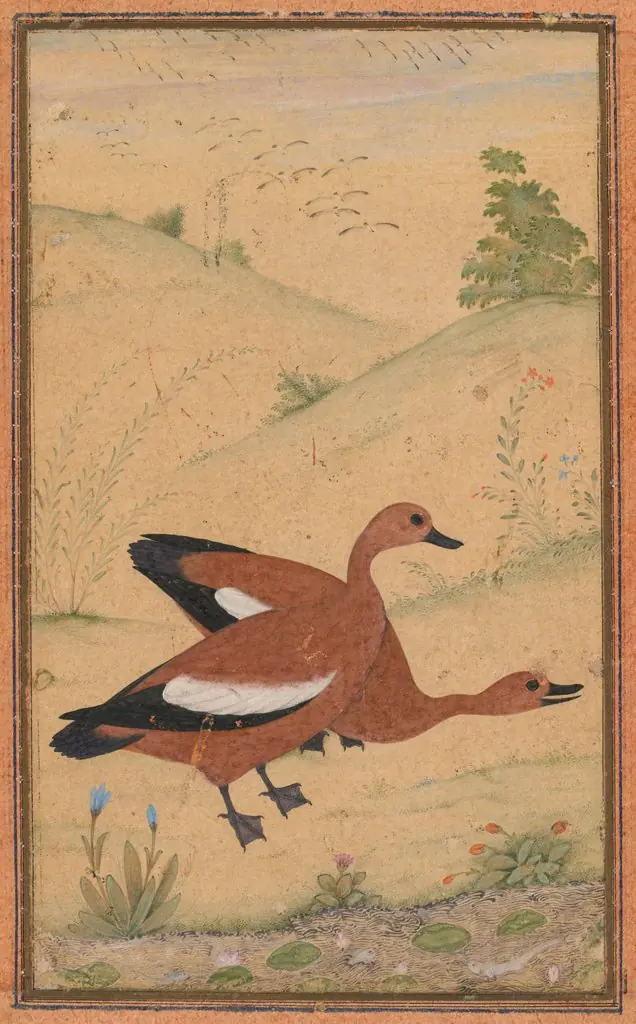 A pair of Brahminy ducks
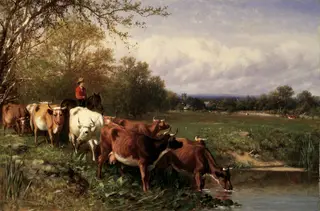 Cattle and Landscape
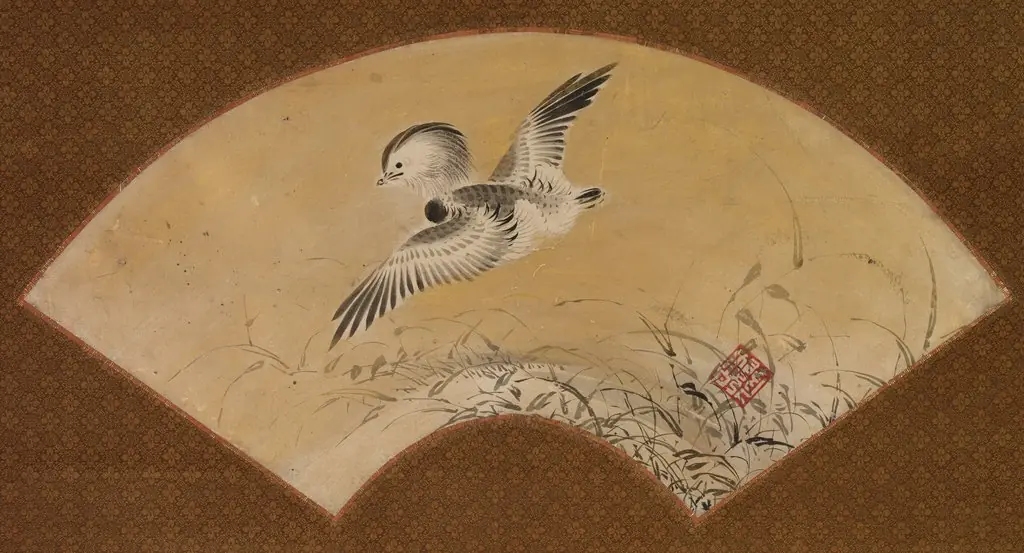 Duck in Flight
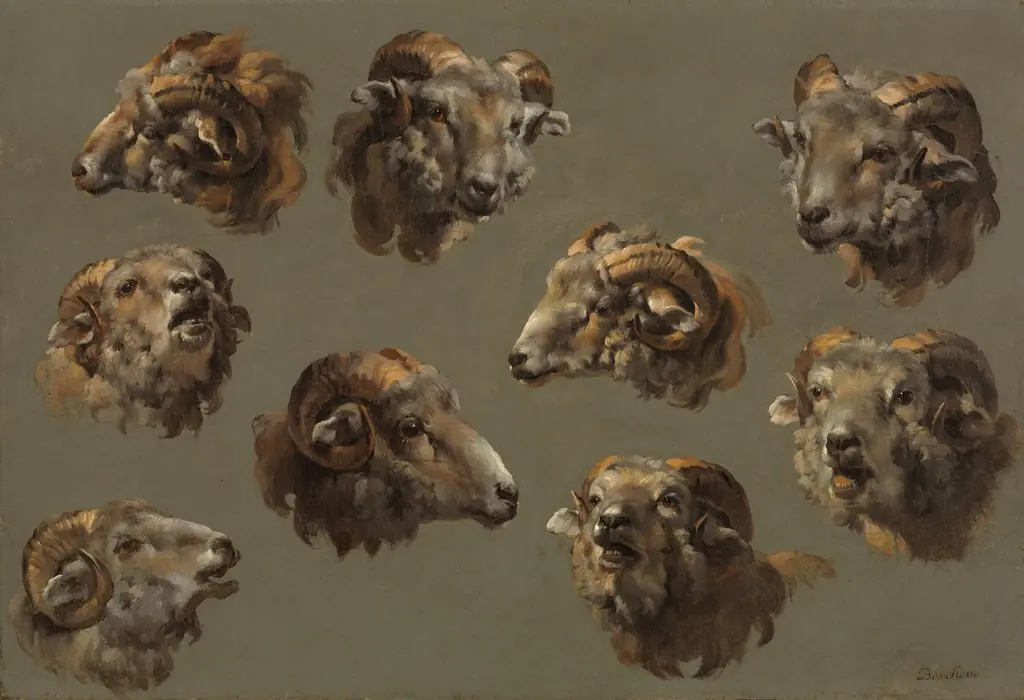 Studies of Ram Heads
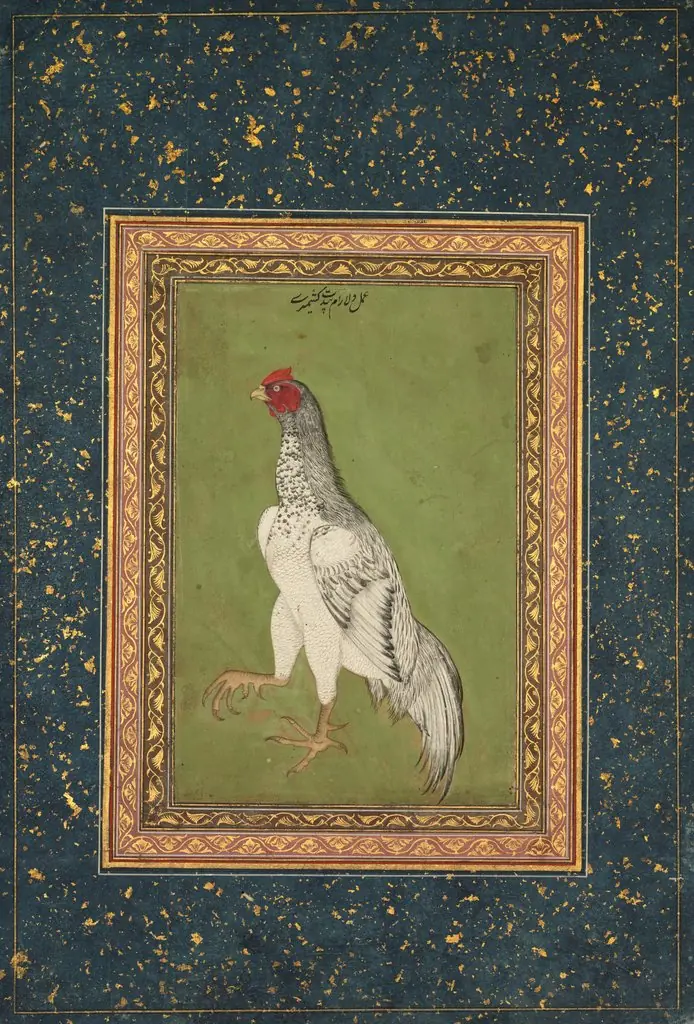 Rooster
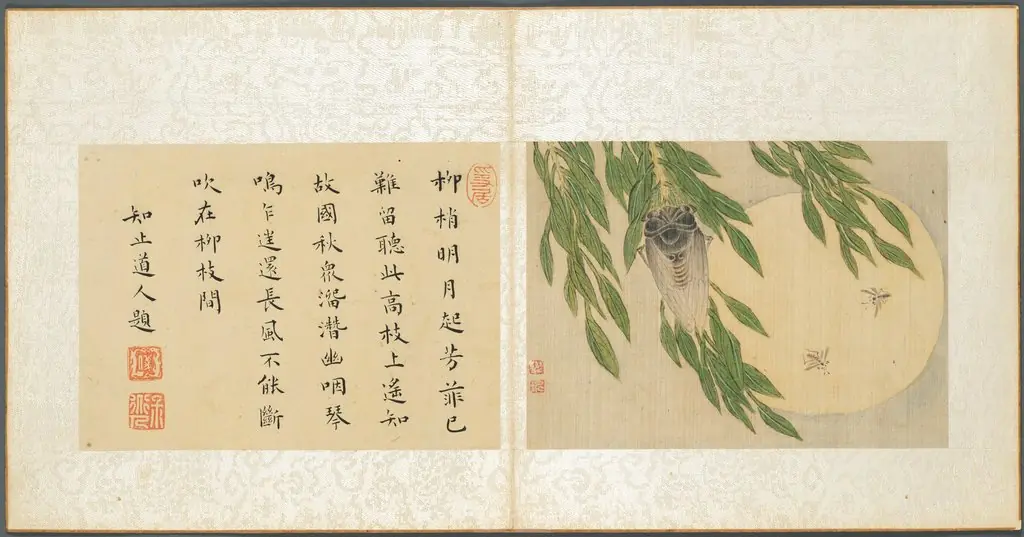 Album of Miscellaneous Subjects, Leaf 6
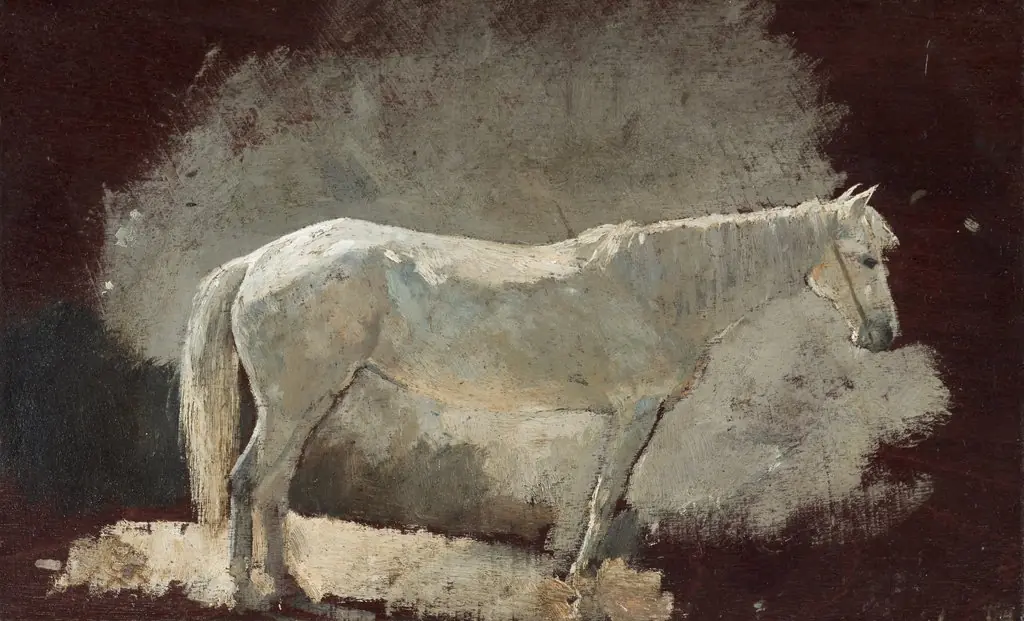 White Mare
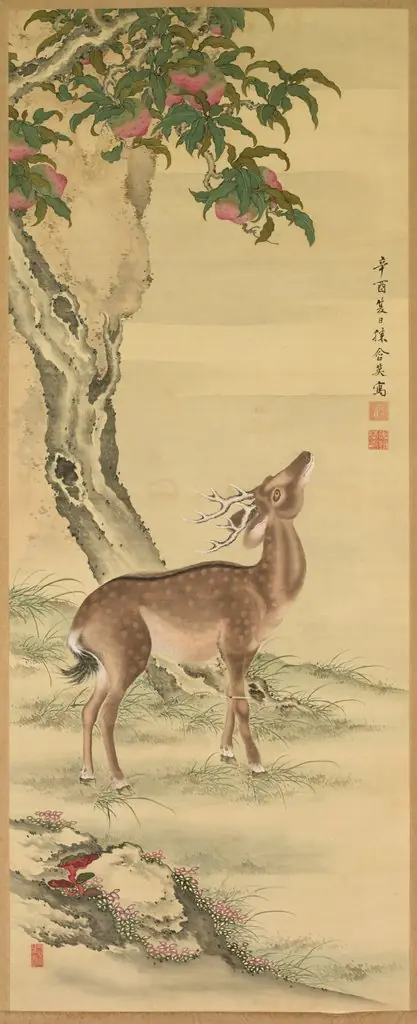 Symbols of Longevity: Deer under Peach and Pine
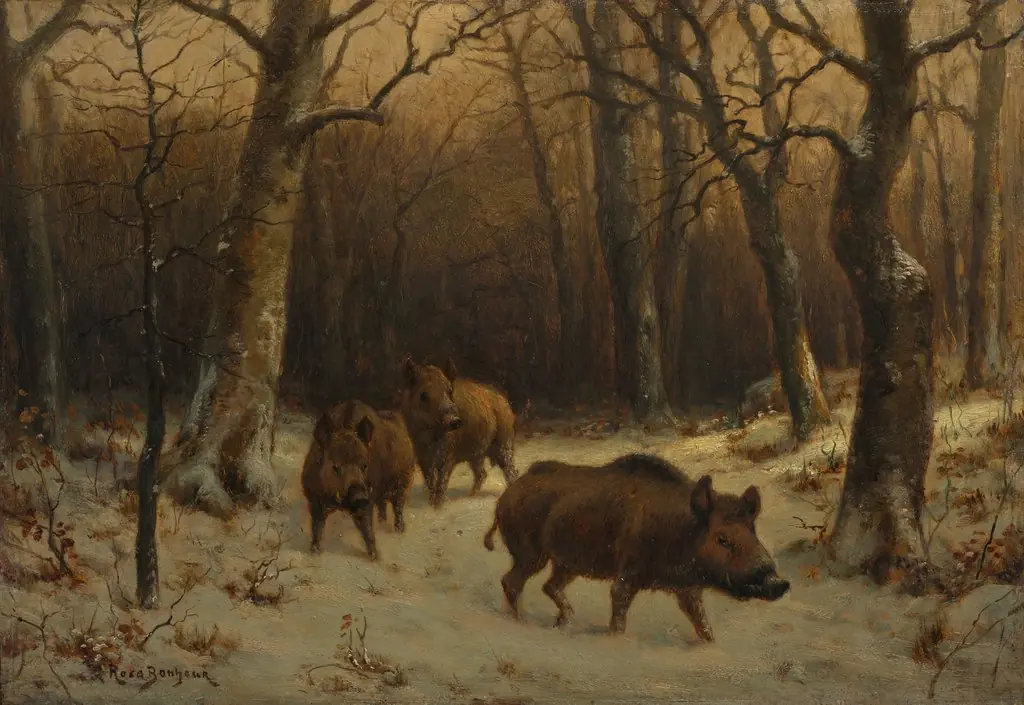 Wild Boars in the Snow
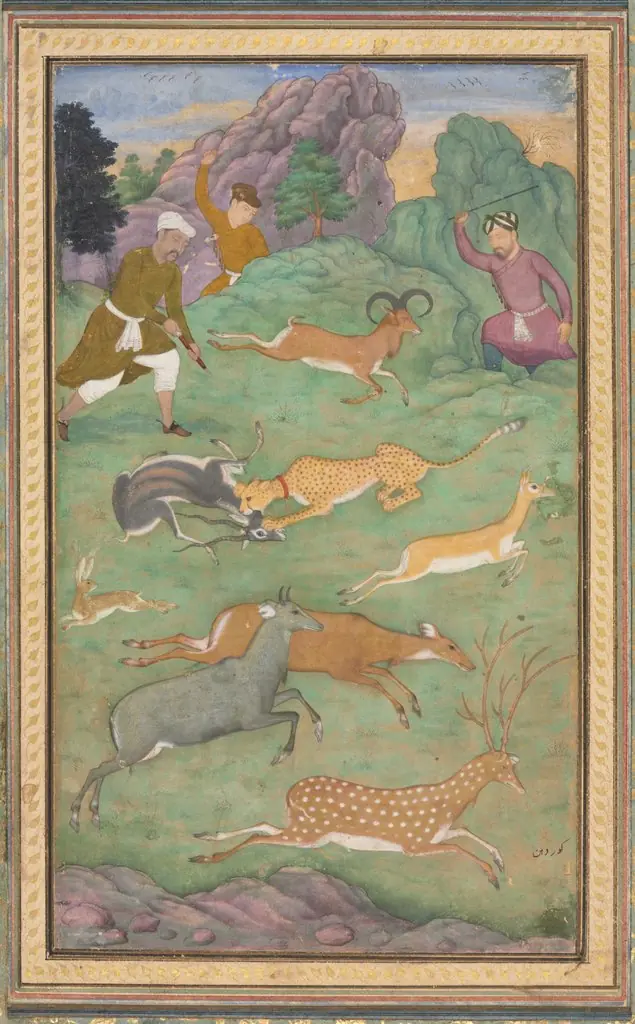 Antelope and deer hunt
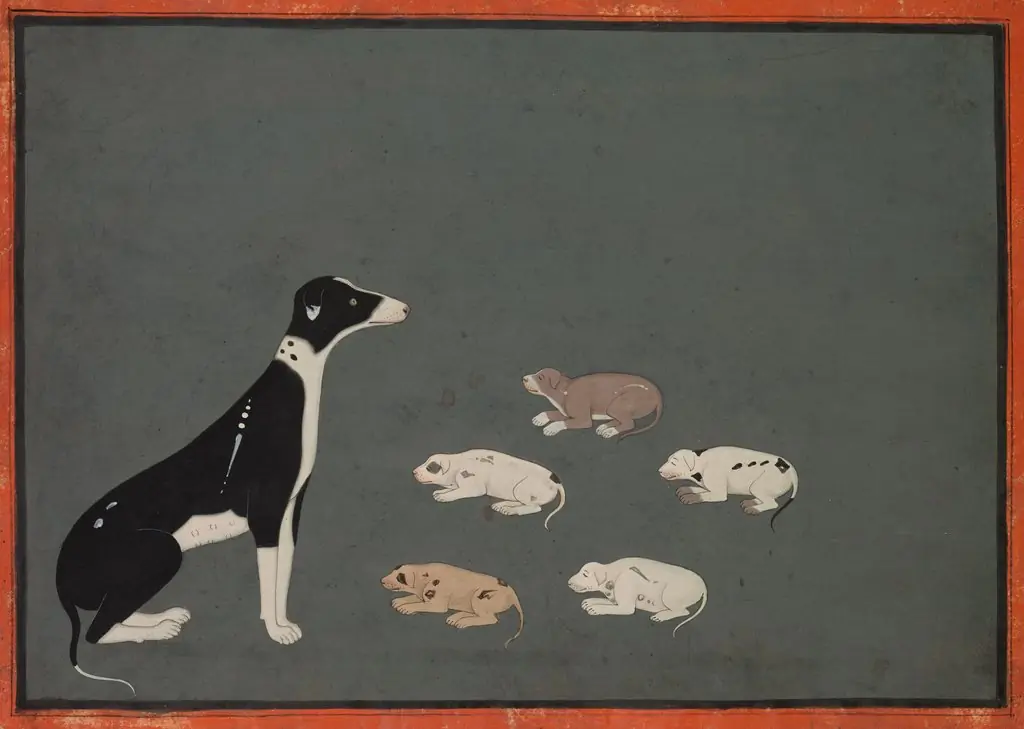 Dog with pups
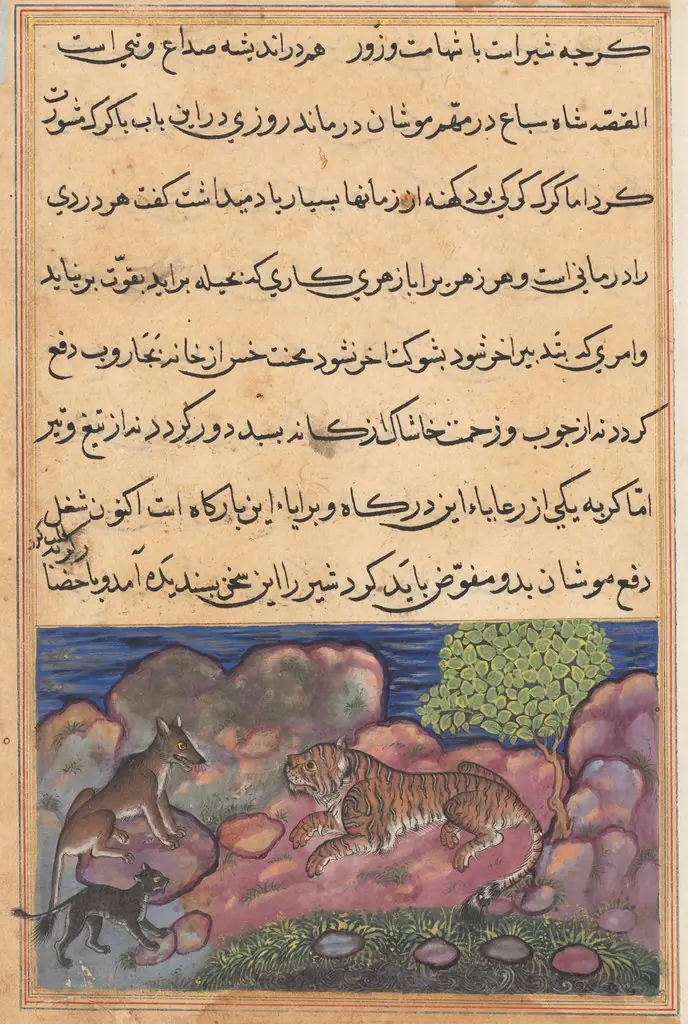 The wolf advises the lion to consult the cat, from a Tuti-nama (Tales of a Parrot): Fifteenth Night
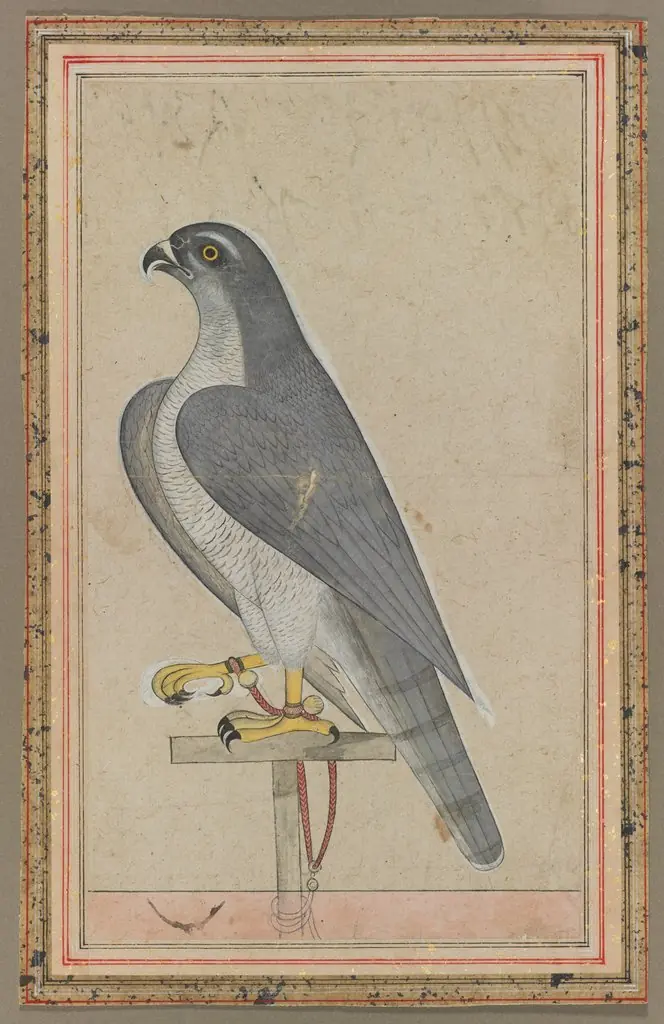 Falcon
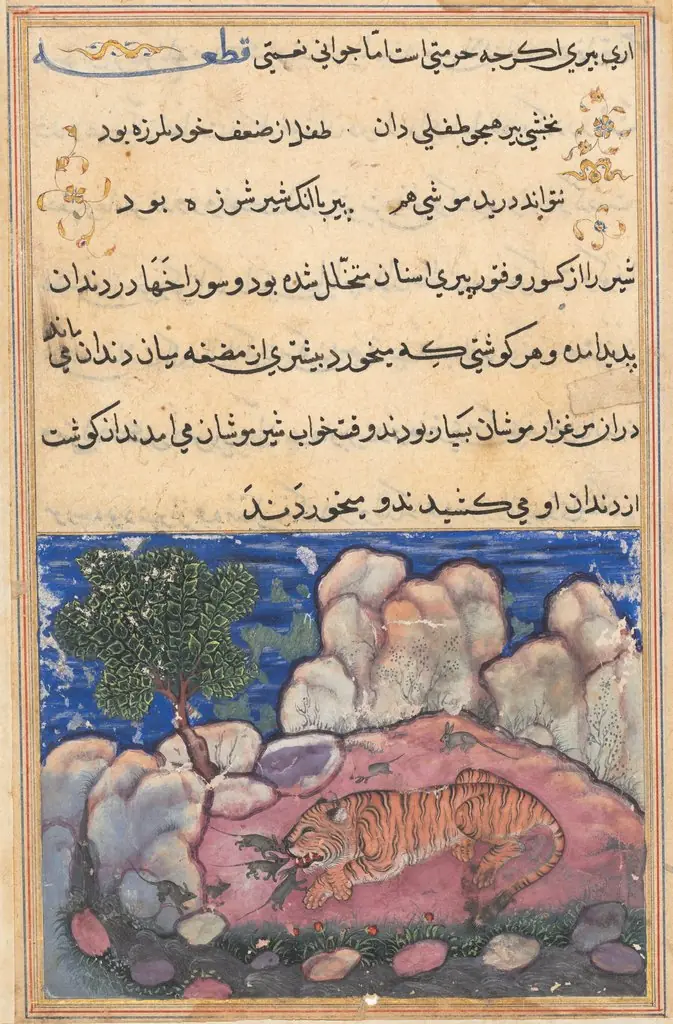 The lion disturbed by mice who eat the food trapped in his aging teeth, from a Tuti-nama (Tales of a Parrot): Fifteenth Night
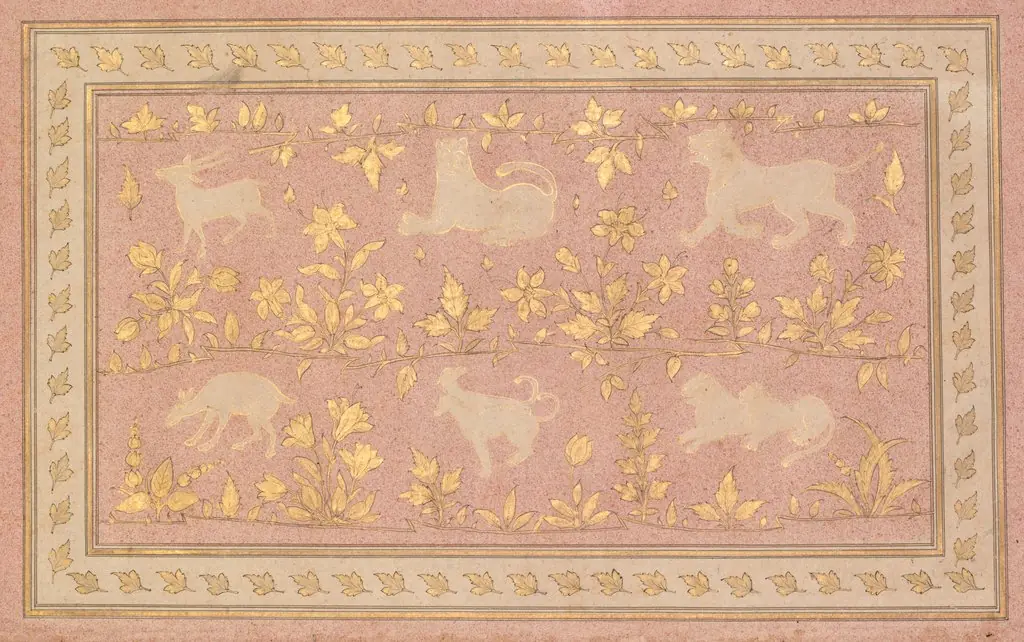 Stenciled Scenes of Lion and Gazelle (verso)
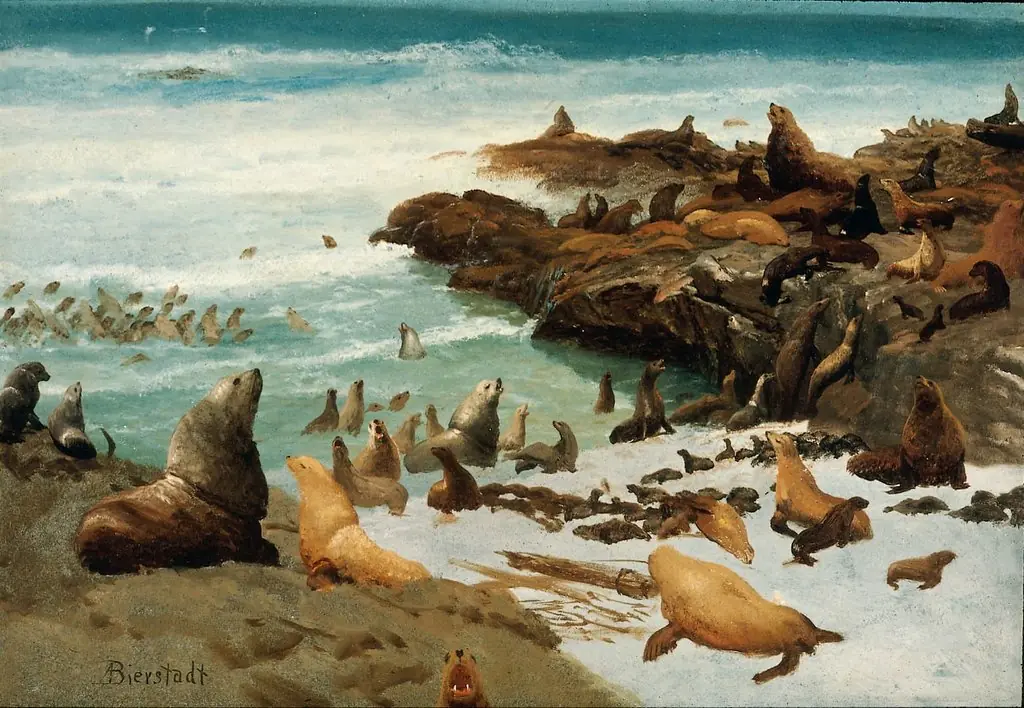 Seal Rocks, Farallons
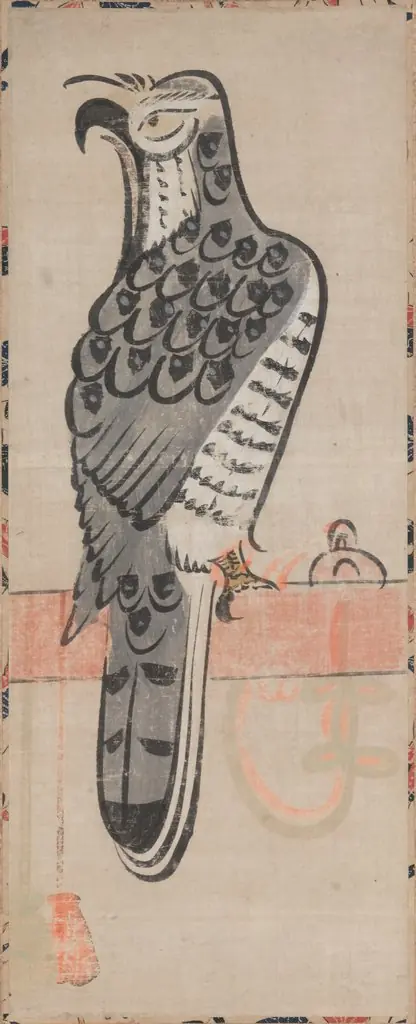 Falcon
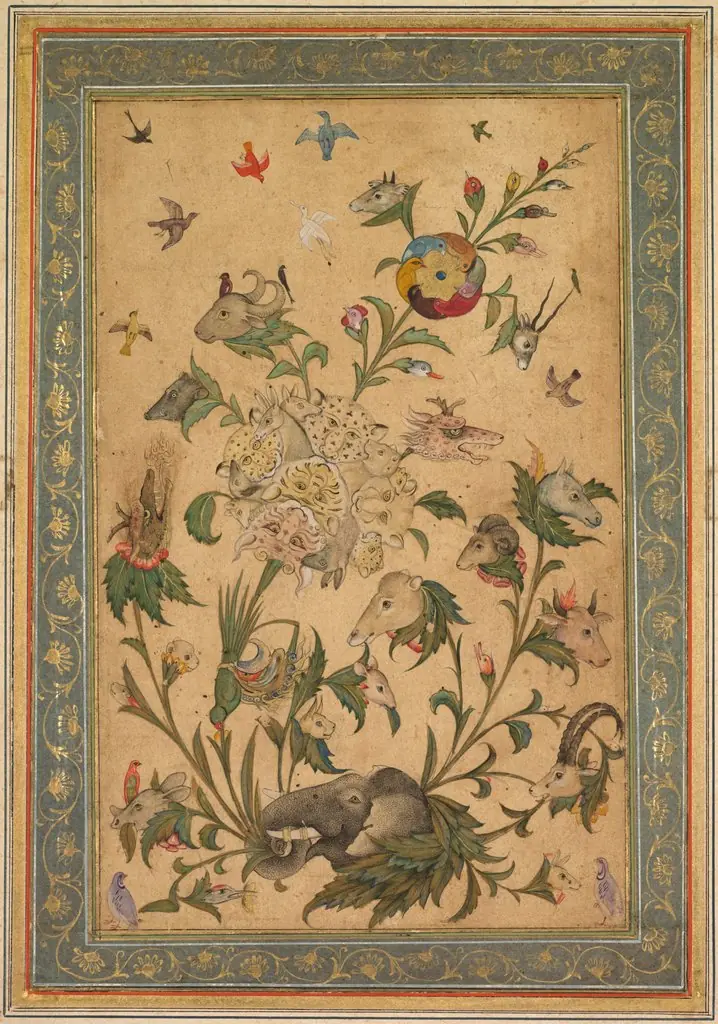 A floral fantasy of animals and birds (Waq-waq)
 Chinese Seals and Poets
 Three Horses and Four Grooms
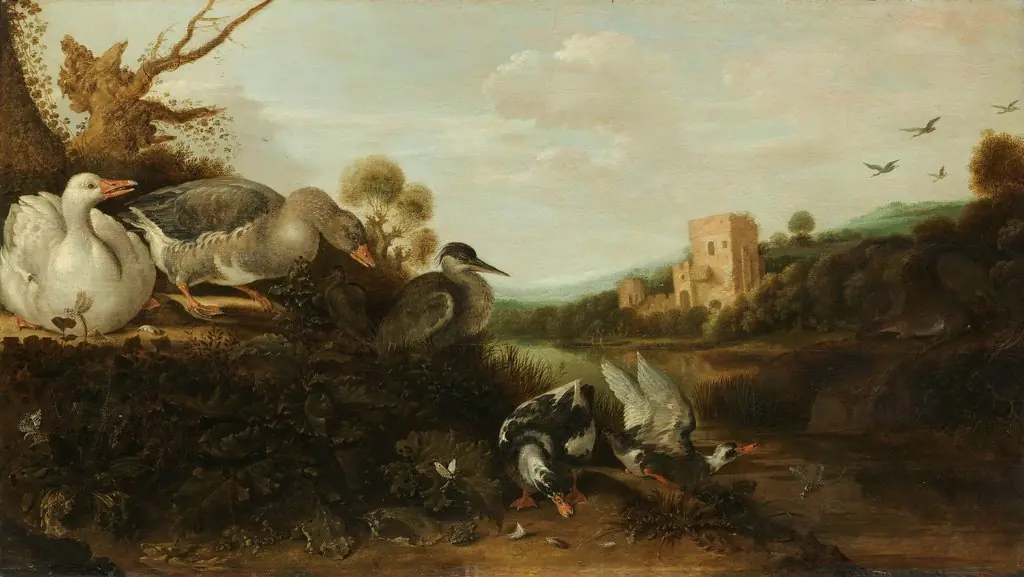 Waterfowl
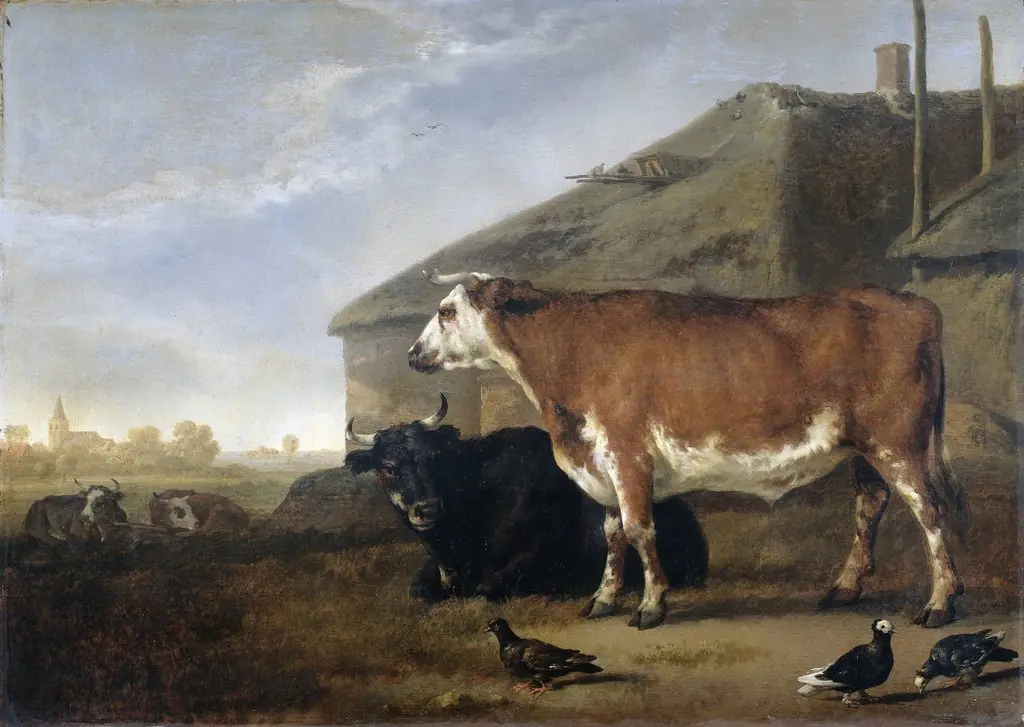 Cattle
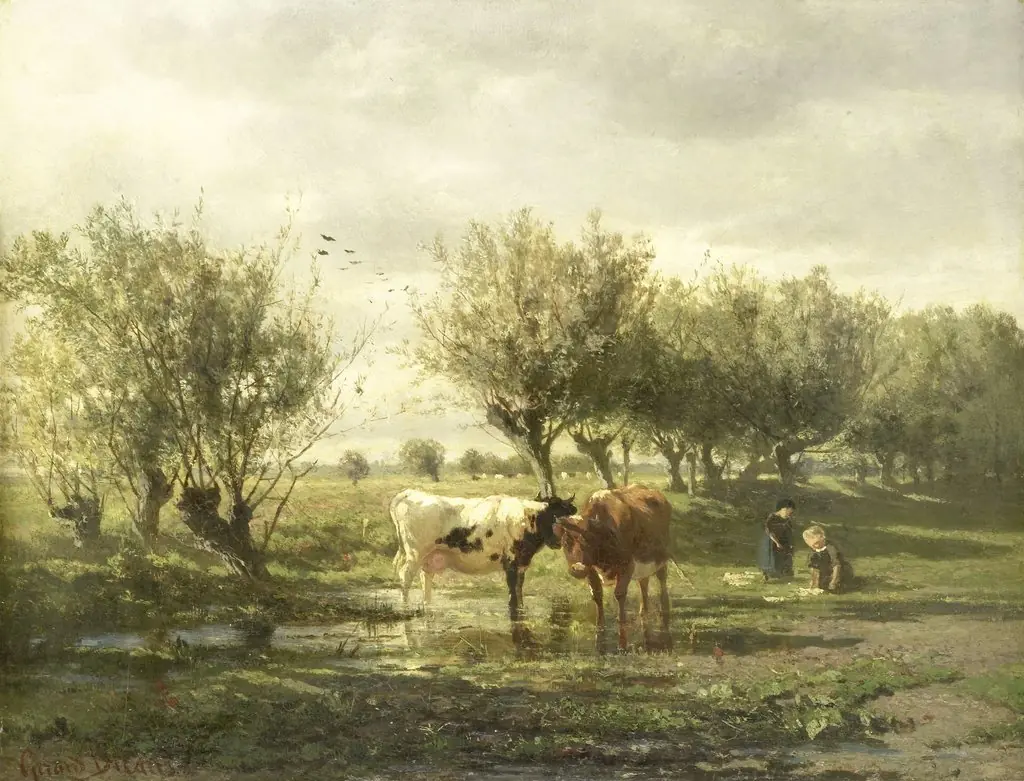 Cows at a pond
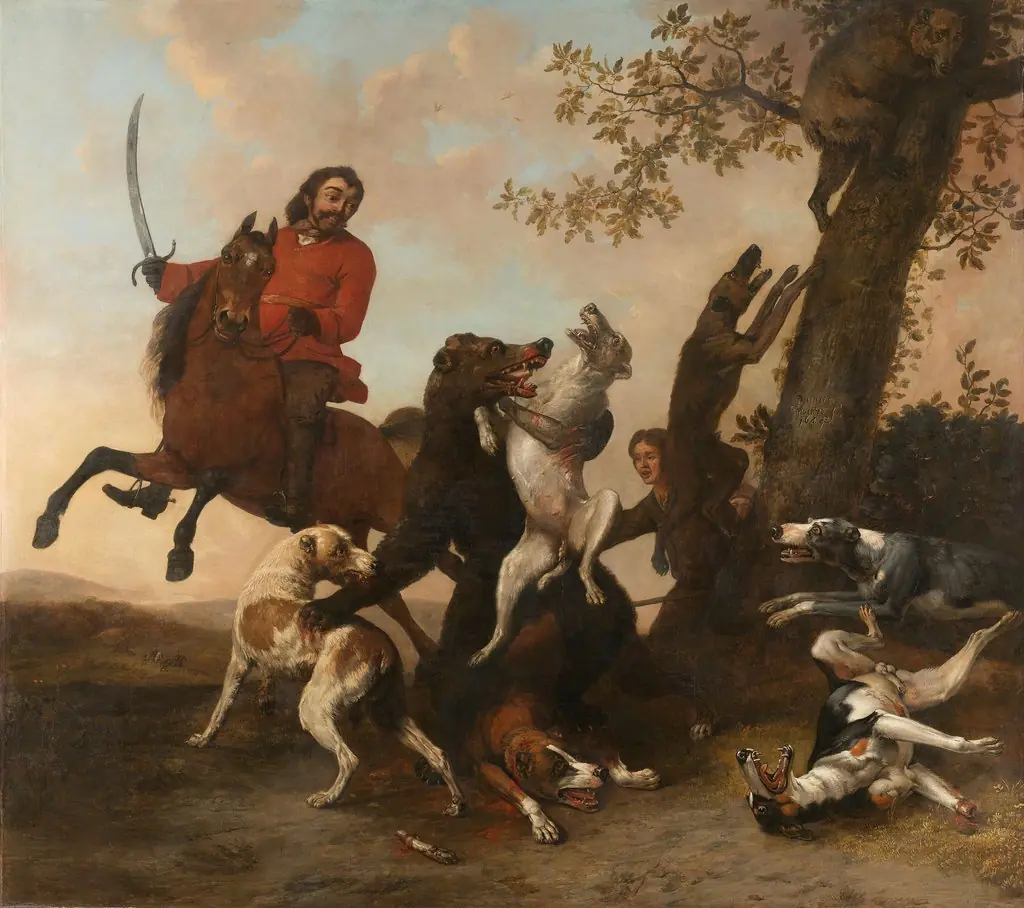 The Bear Hunt
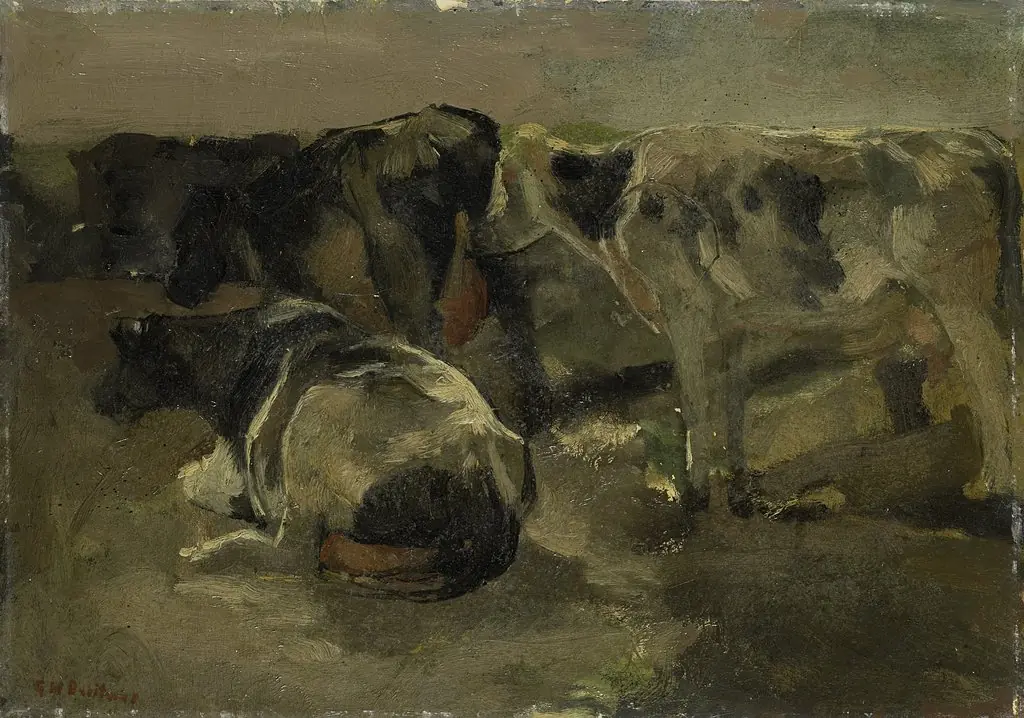 Four Cows
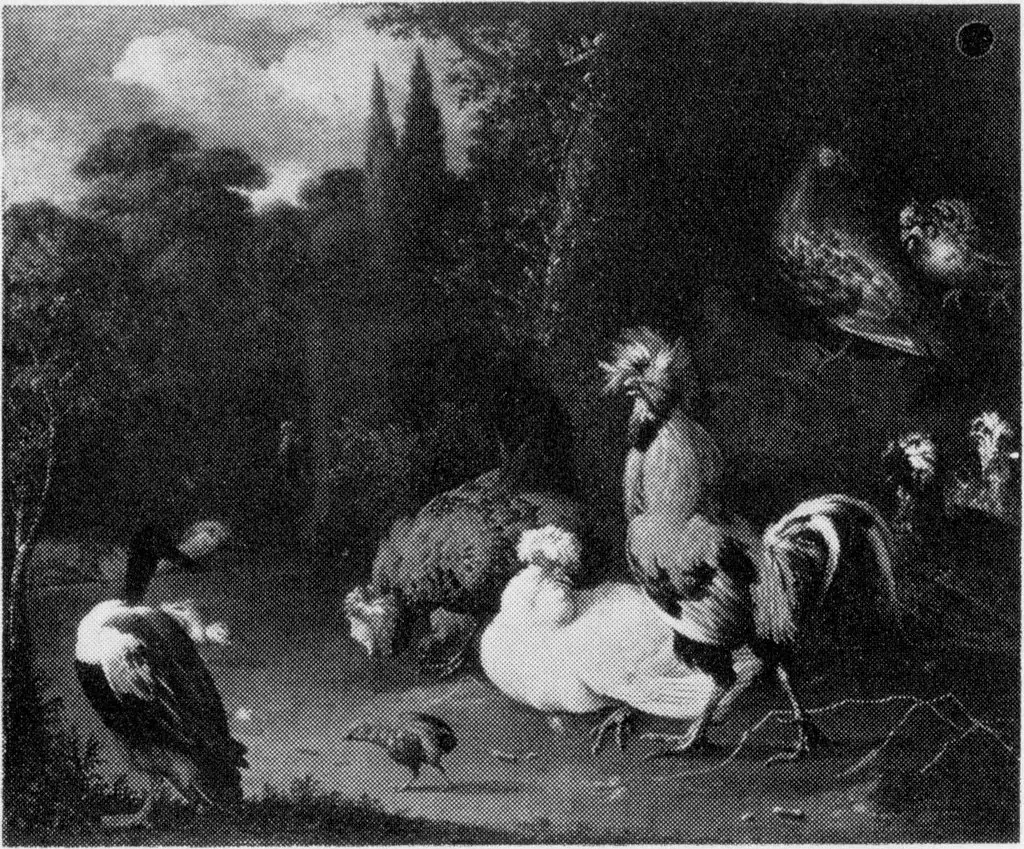 Poultry and ducks in a park
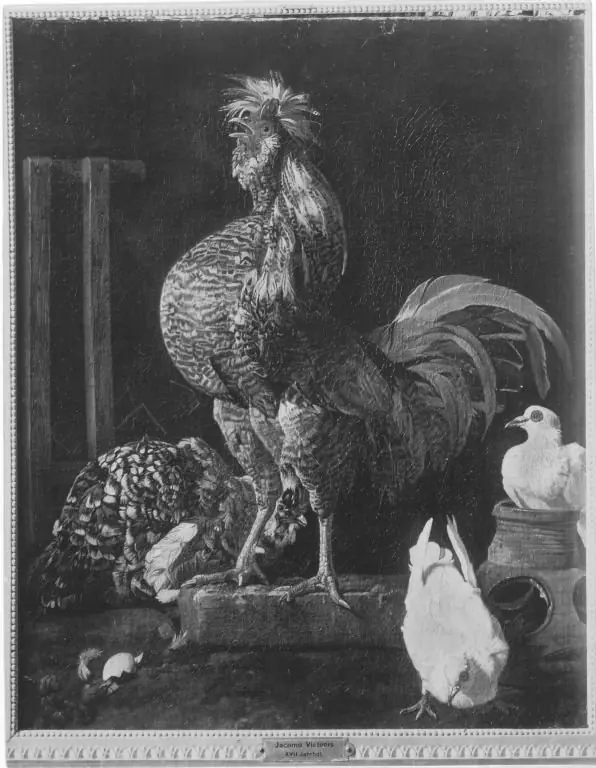 Rooster, Hen and Pigeons
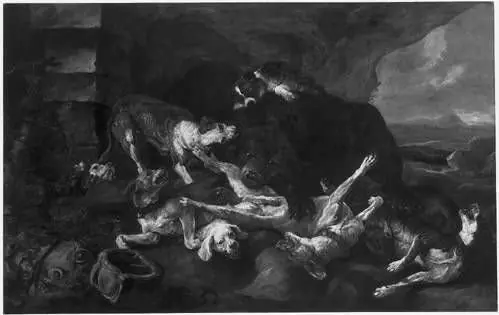 Dogs and a bear fighting
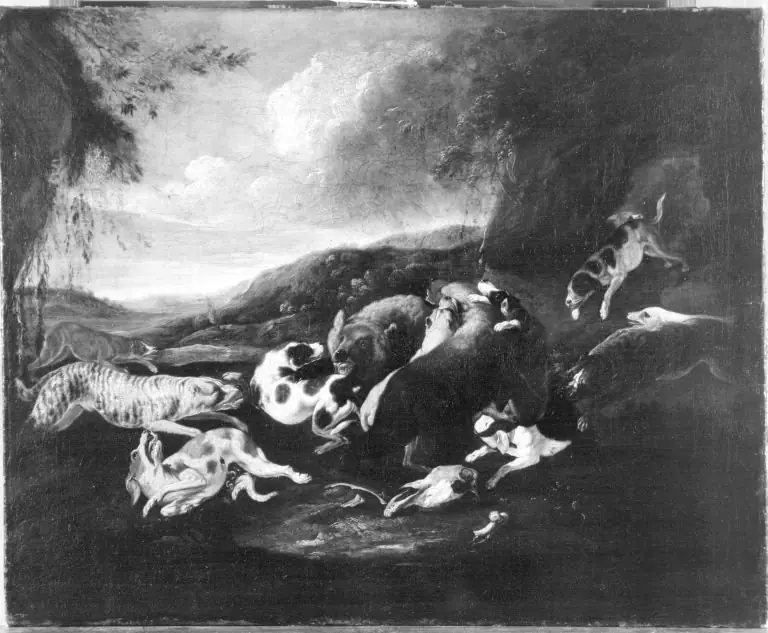 Bärenjagd
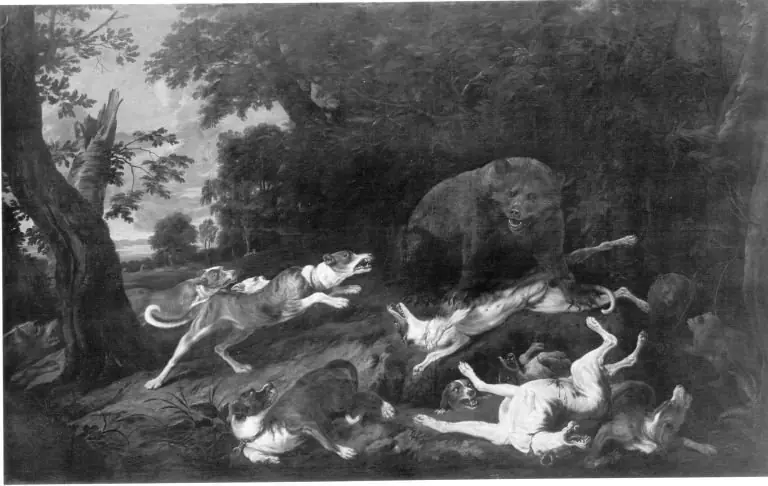 Dogs attacking a bear and her cubs
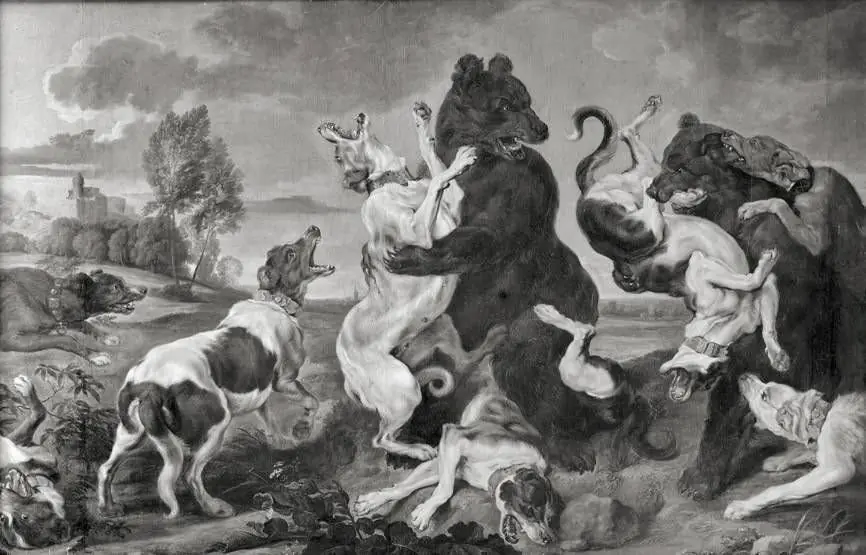 Bärenjagd
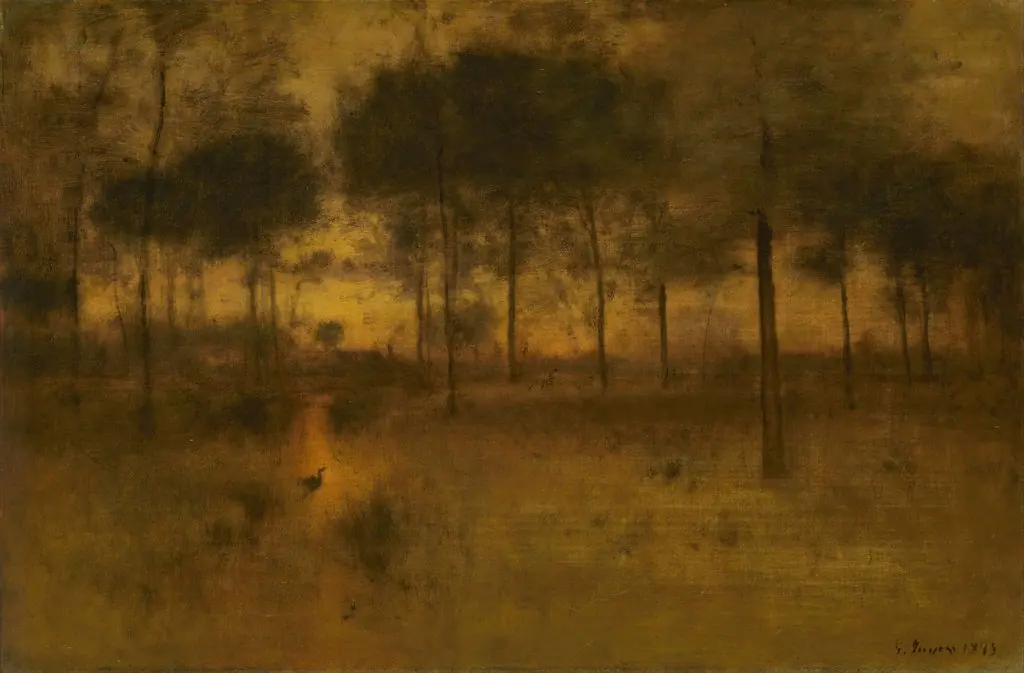 The Home of the Heron
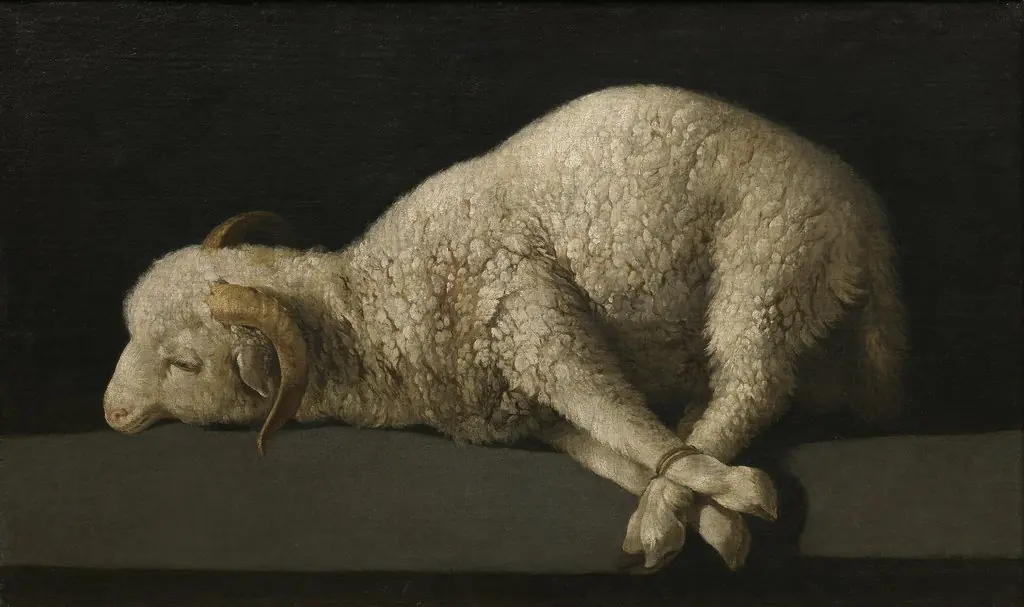 Agnus Dei
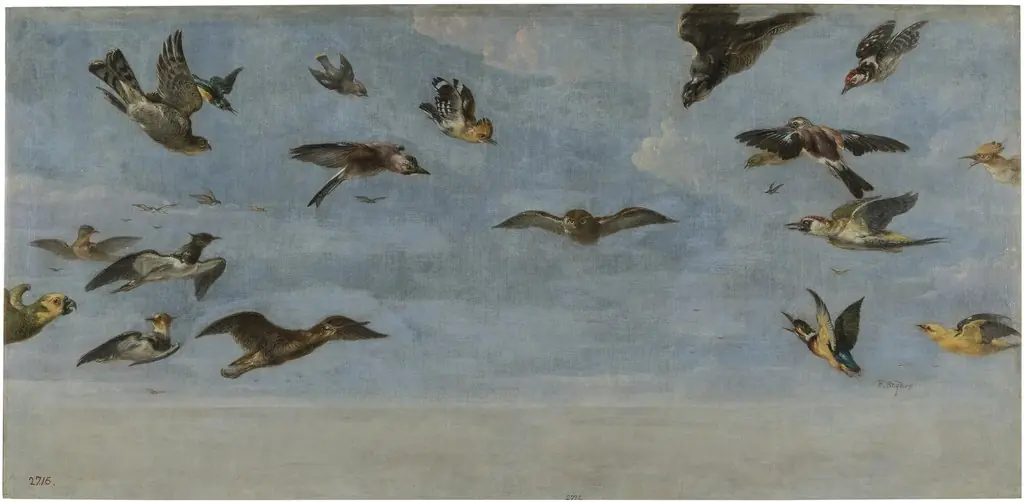 A Little Owl and a Flock of Birds
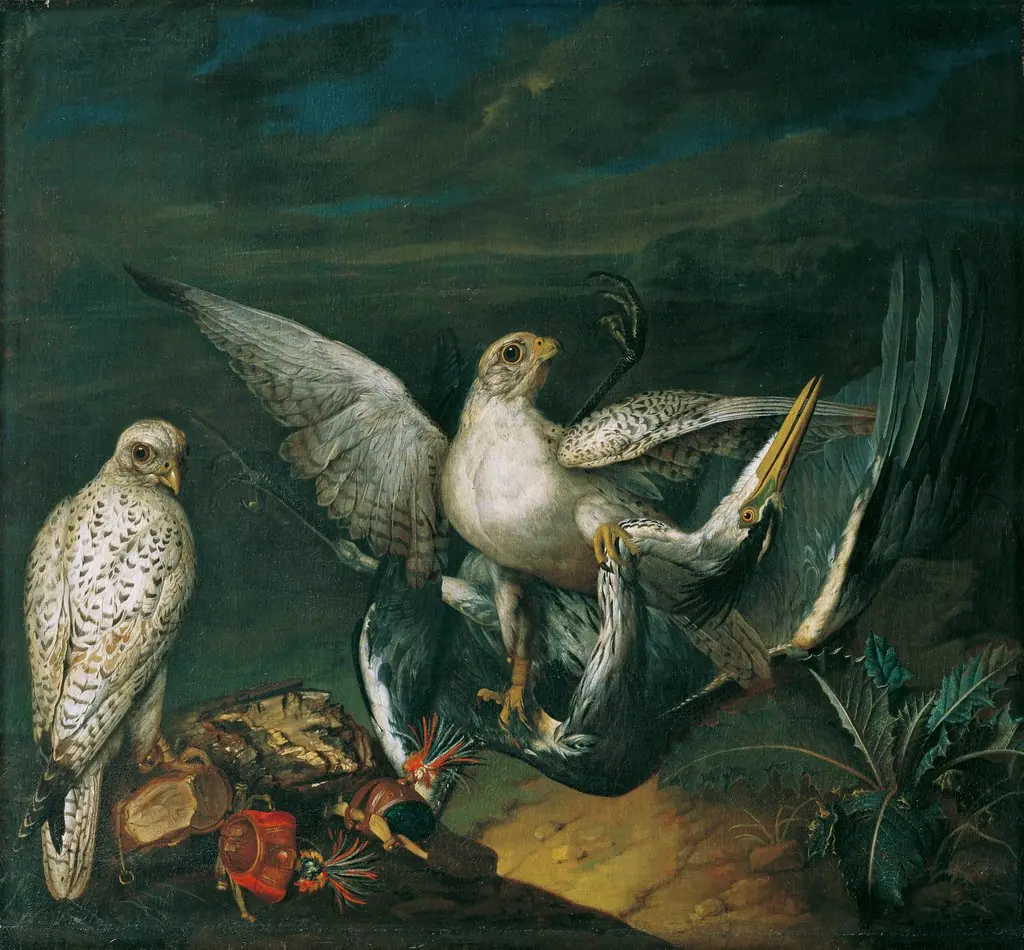 Bird piece, with four different vultures
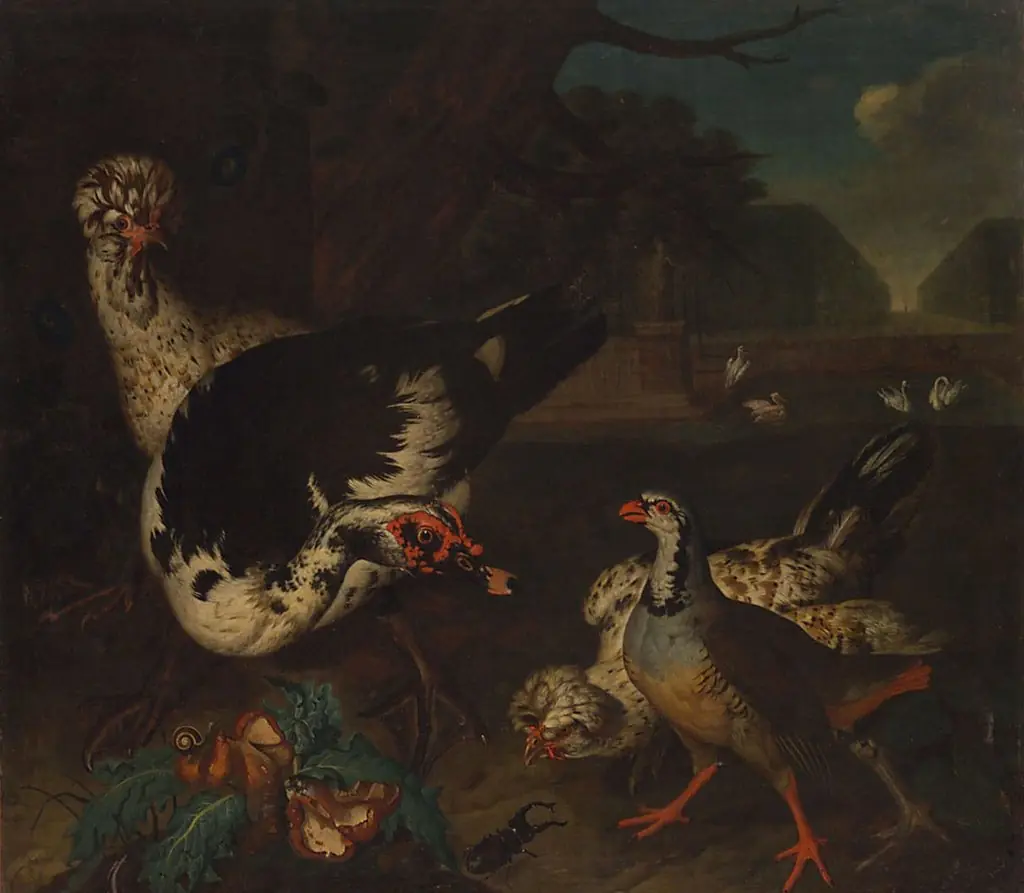 Parklandschaft mit Geflügel
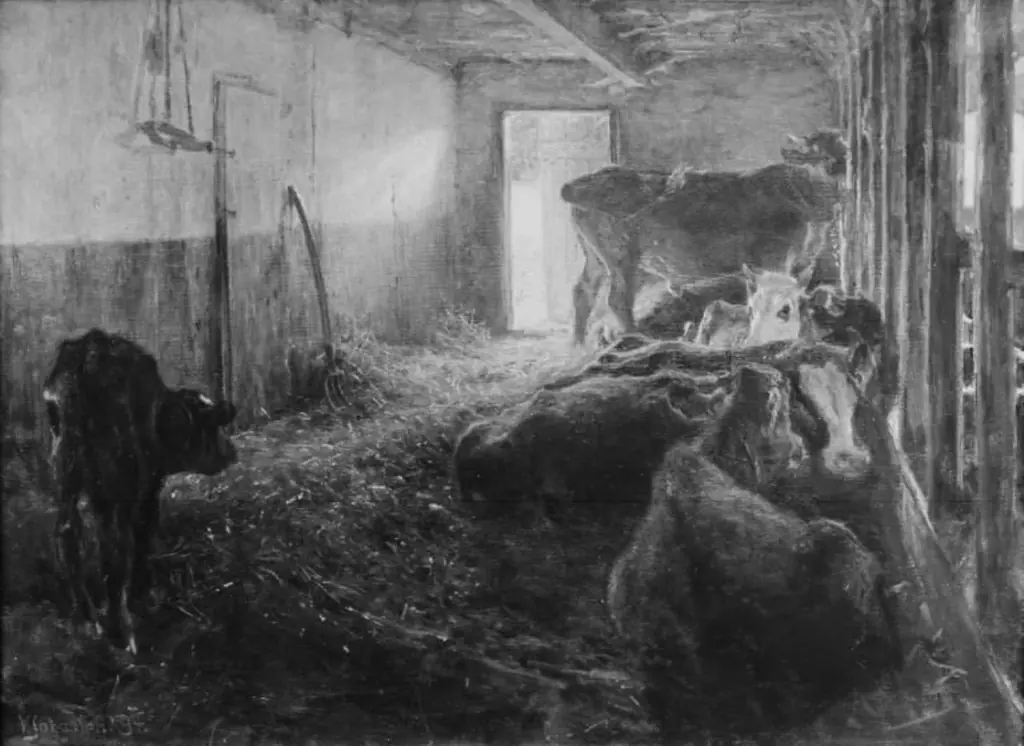 A Cowshed
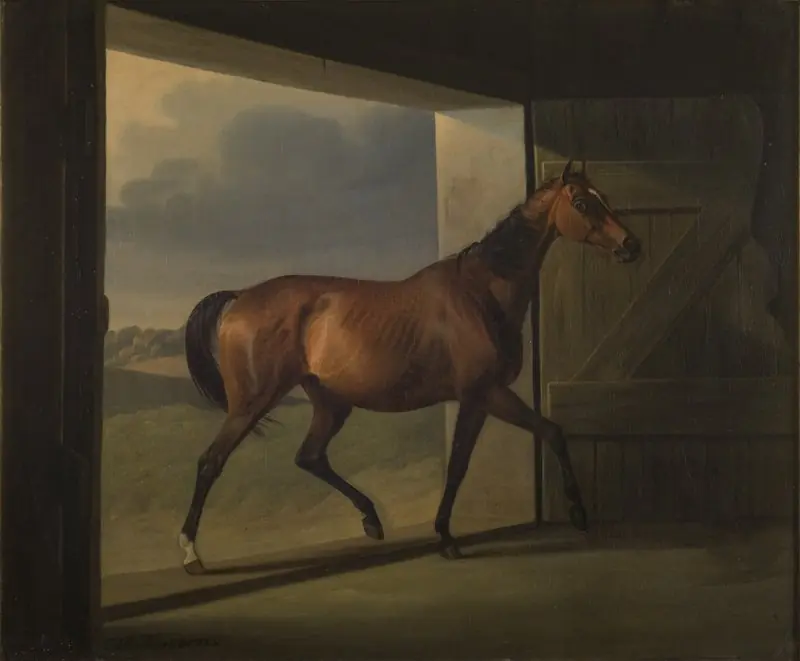 Jutta
Jutta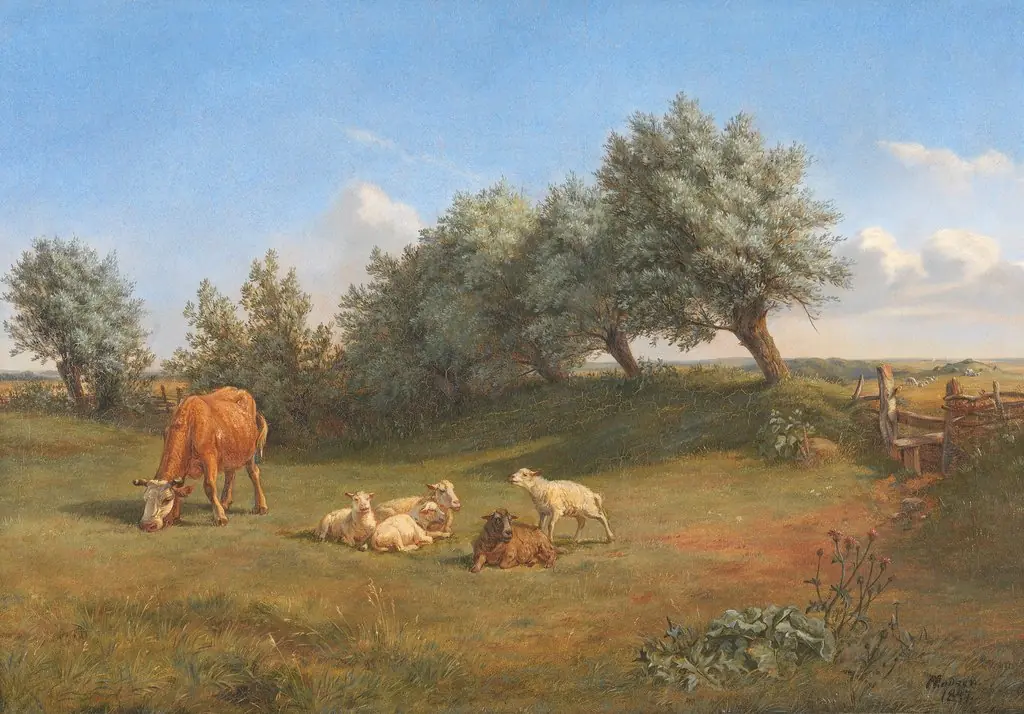 Et vænge
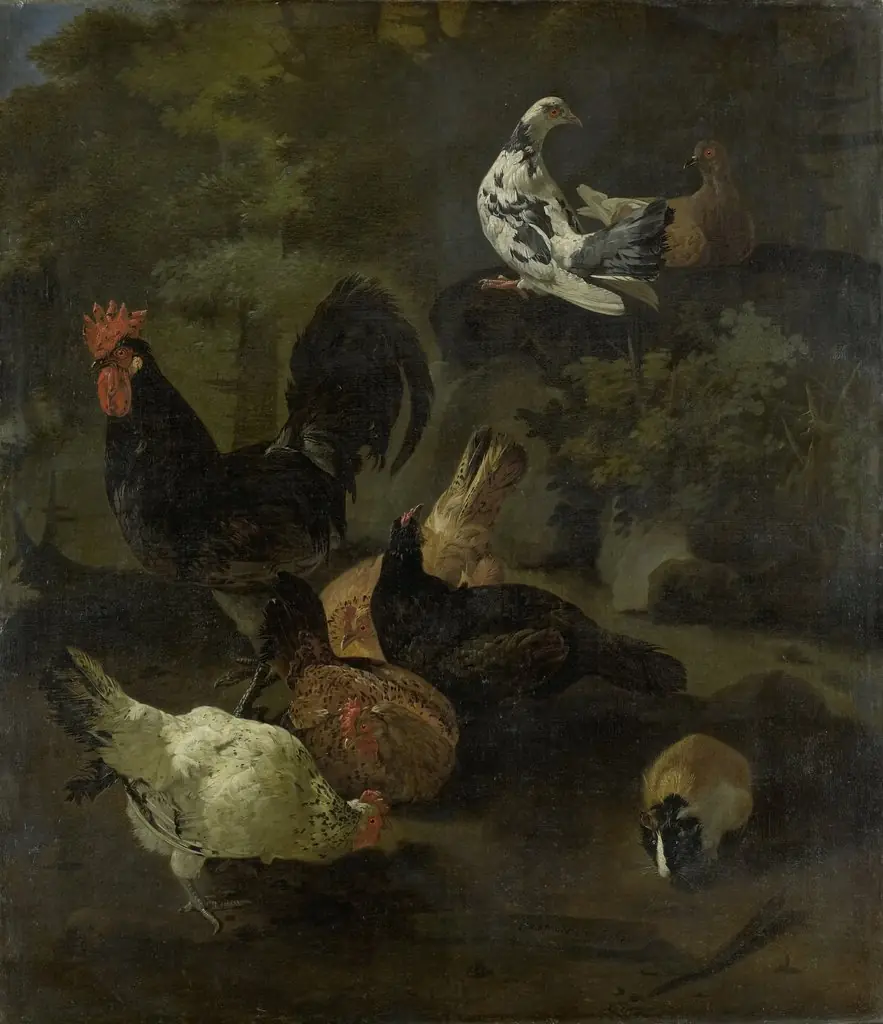 A rooster with chickens, pigeons and a marmot
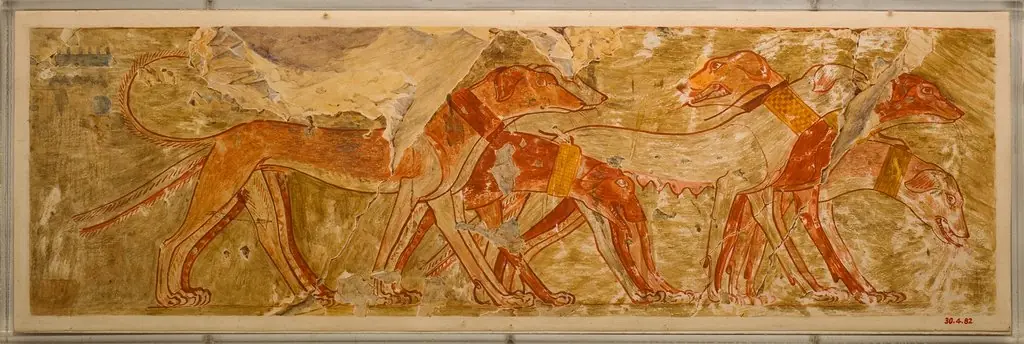 Hounds from Nubia, Tomb of Rekhmire
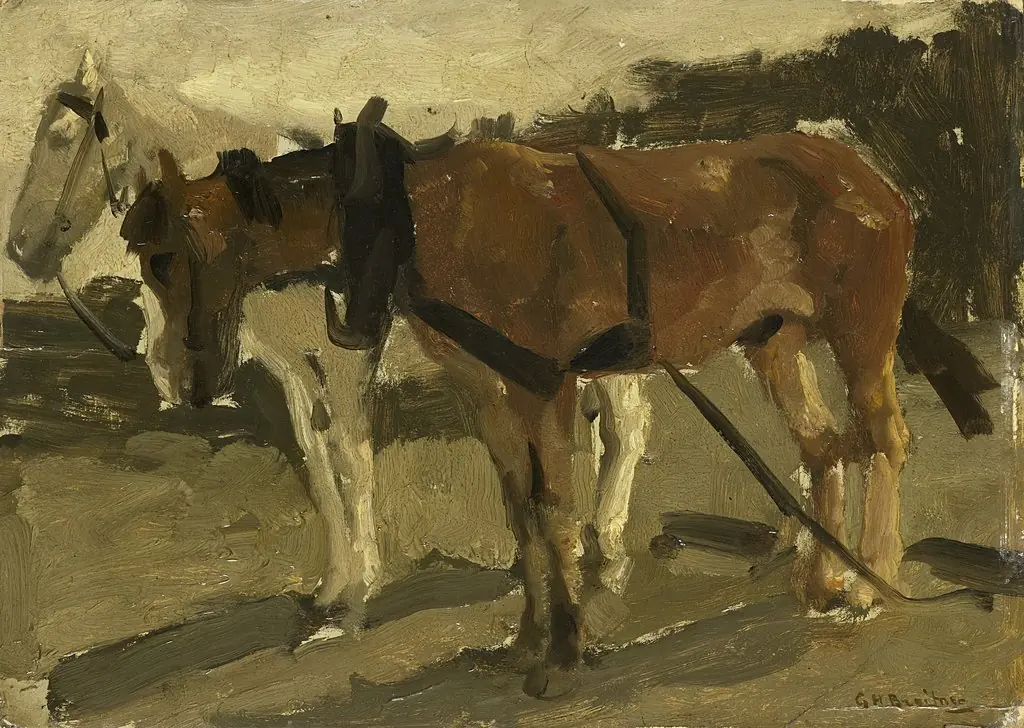 A Brown and a White Horse in Scheveningen
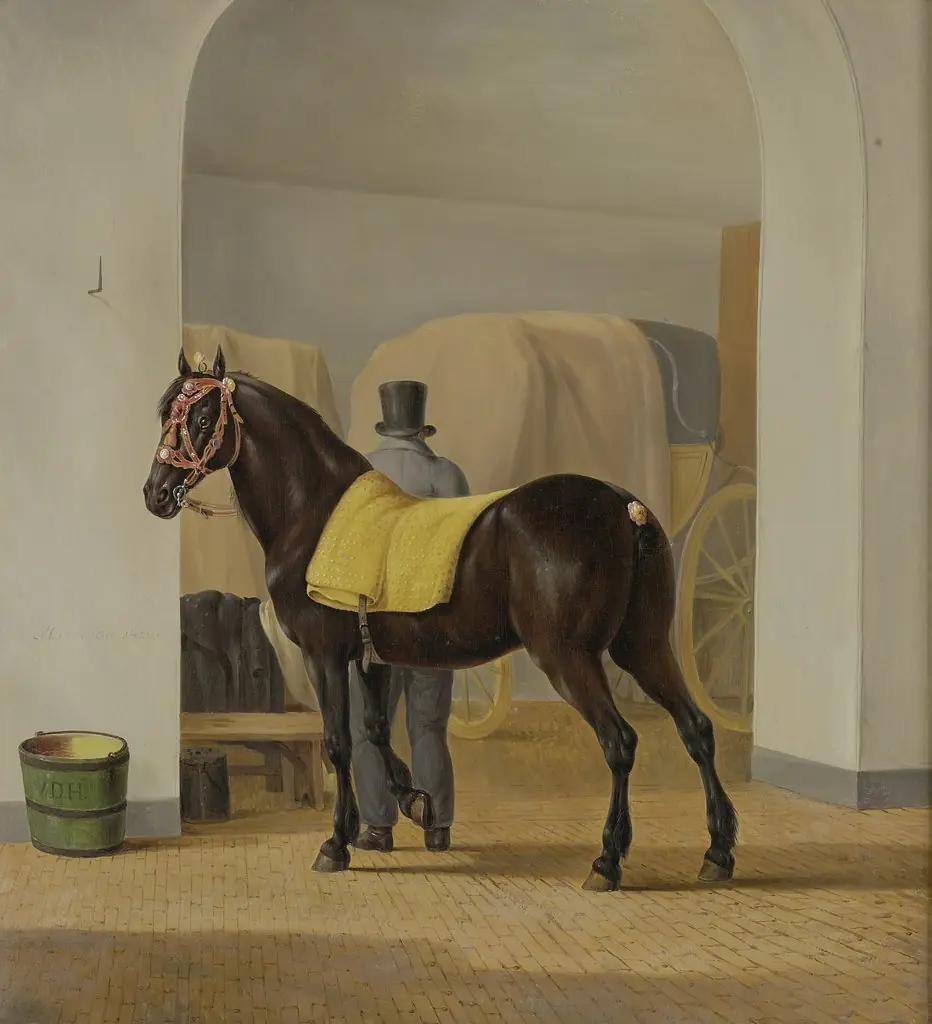 Adriaan van der Hoop’s Trotter ‘De Rot’ at the Coach House
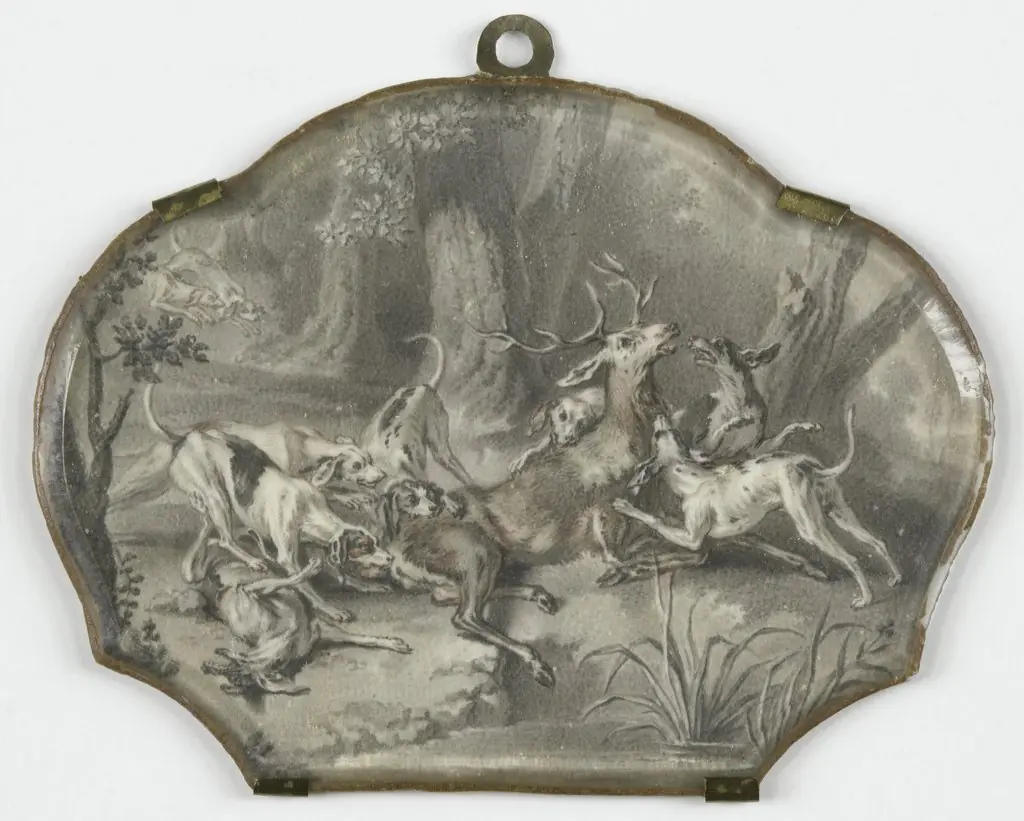 Hertenjacht
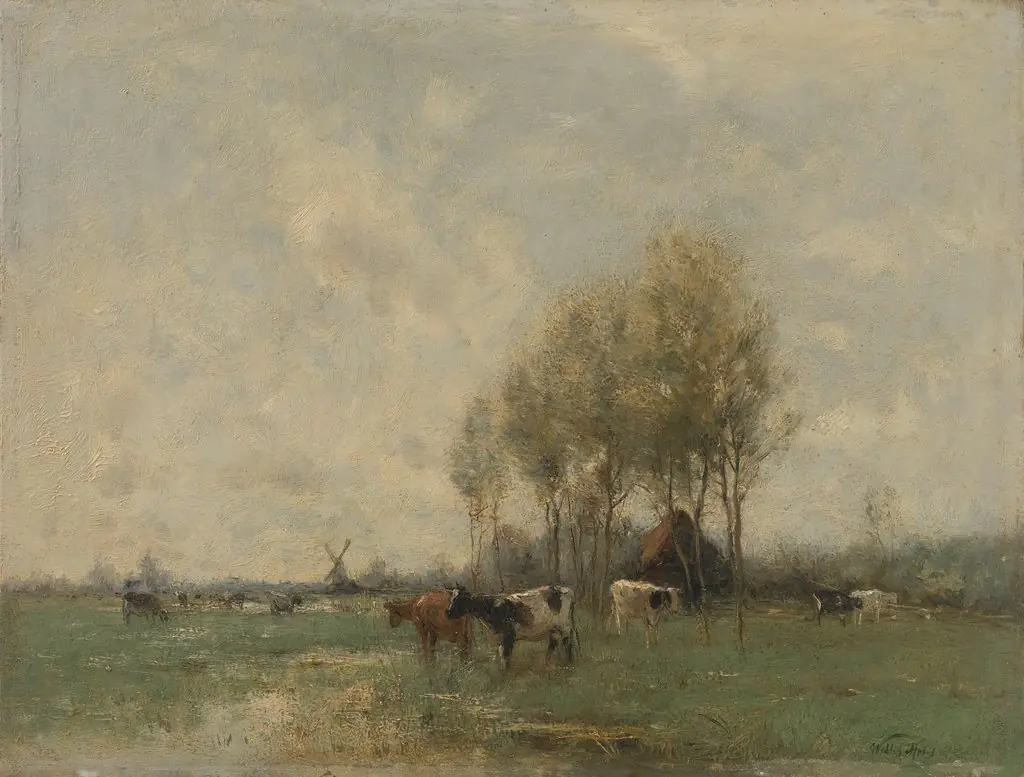 Meadow with cows
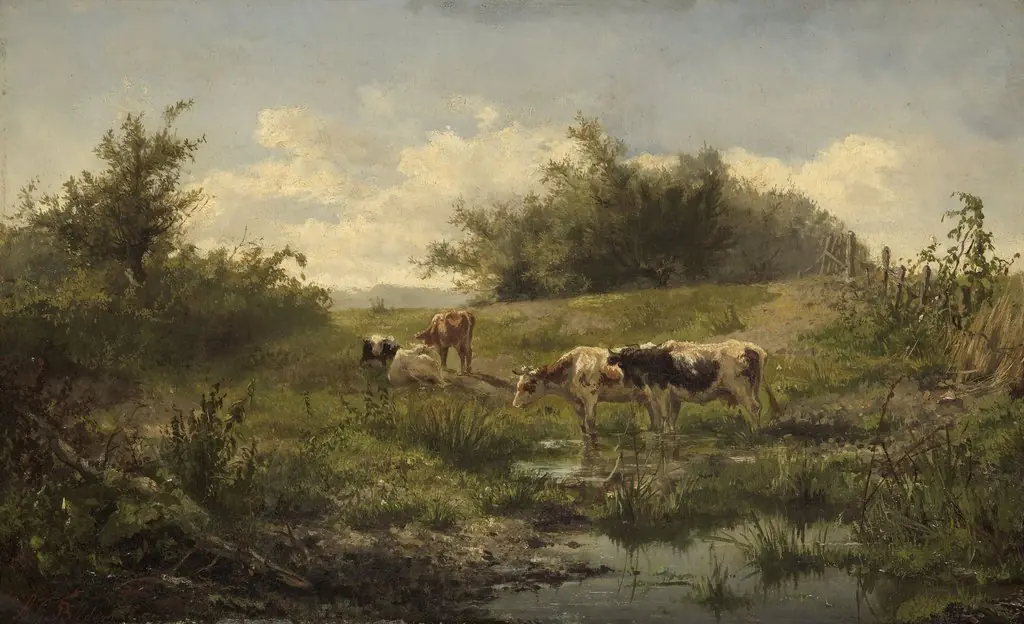 Cows at water's edge
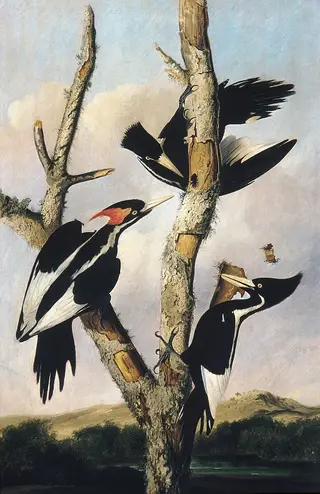 Ivory-billed Woodpeckers
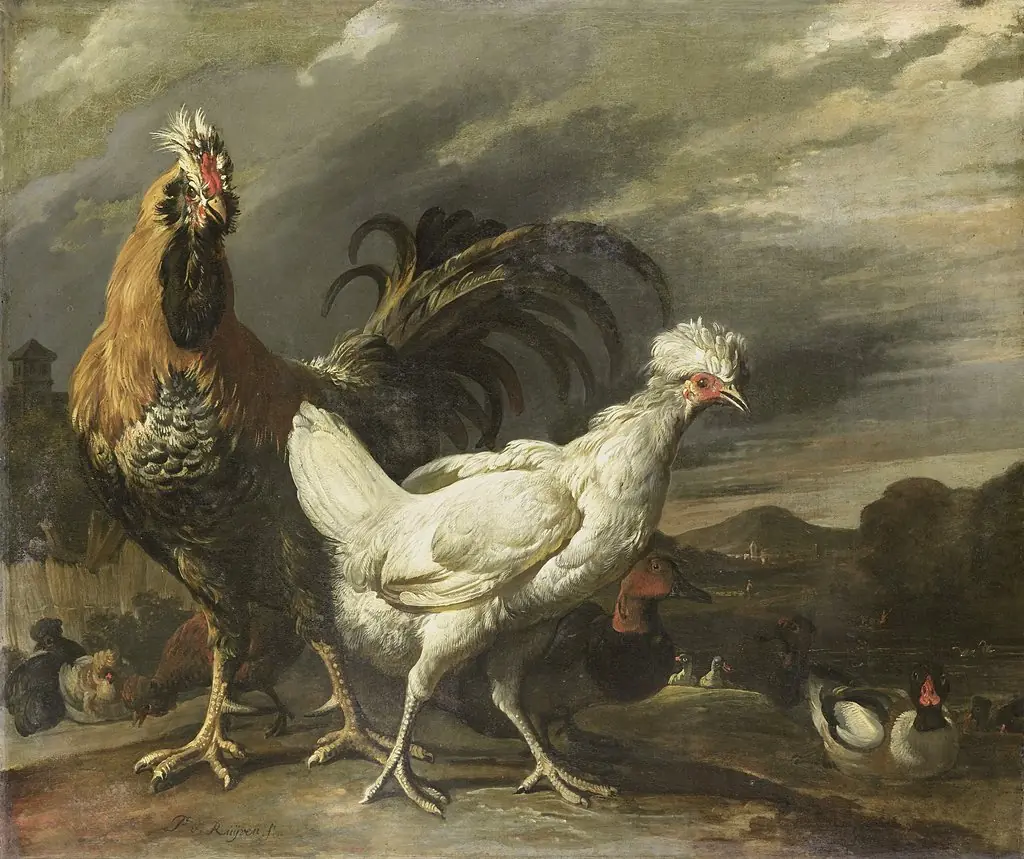 Cock, a Hen and other Poultry
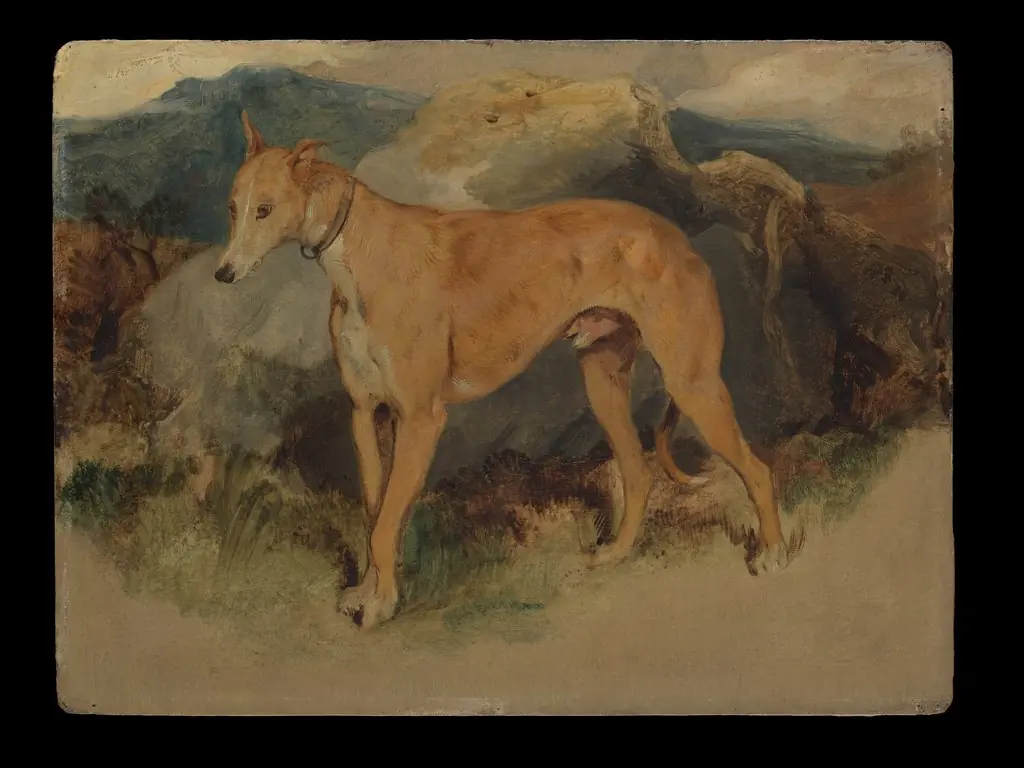 A Deerhound
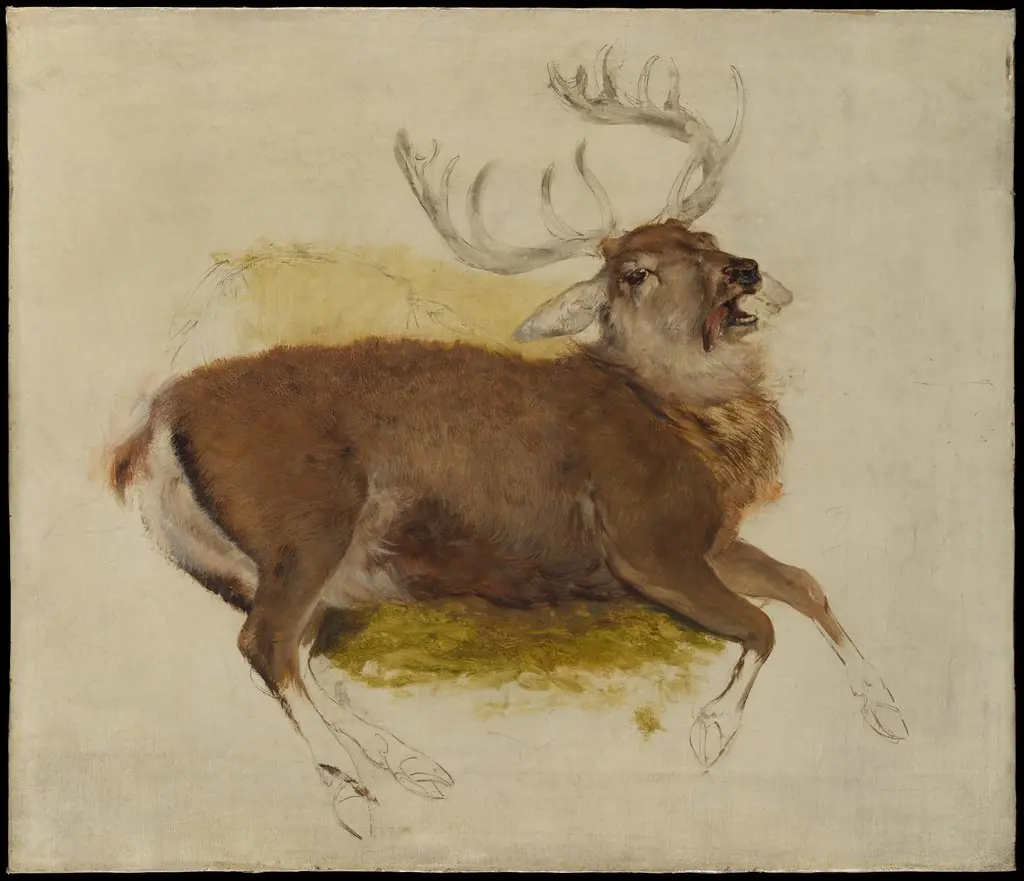 Dying Stag
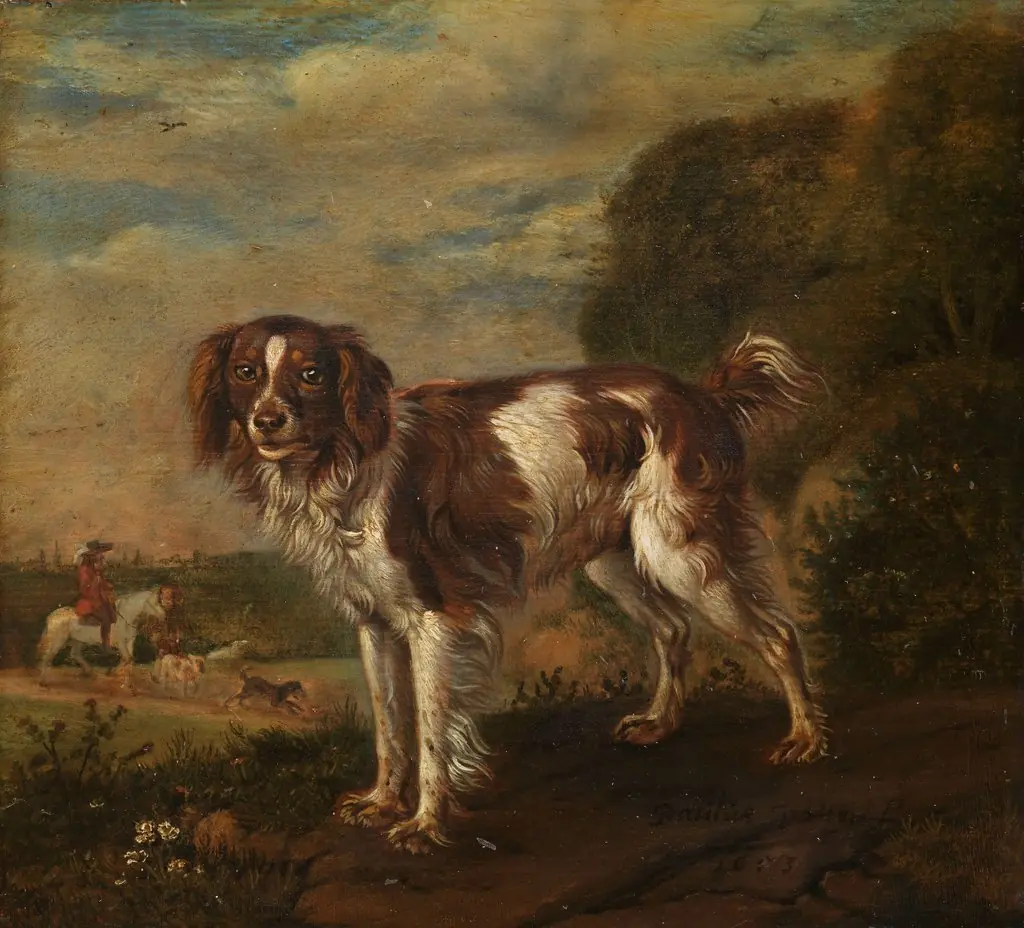 A spaniel
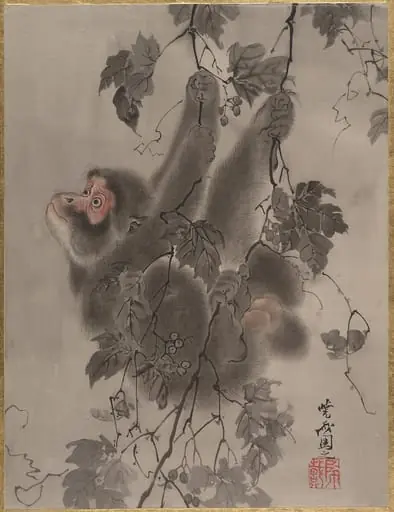 Untitled
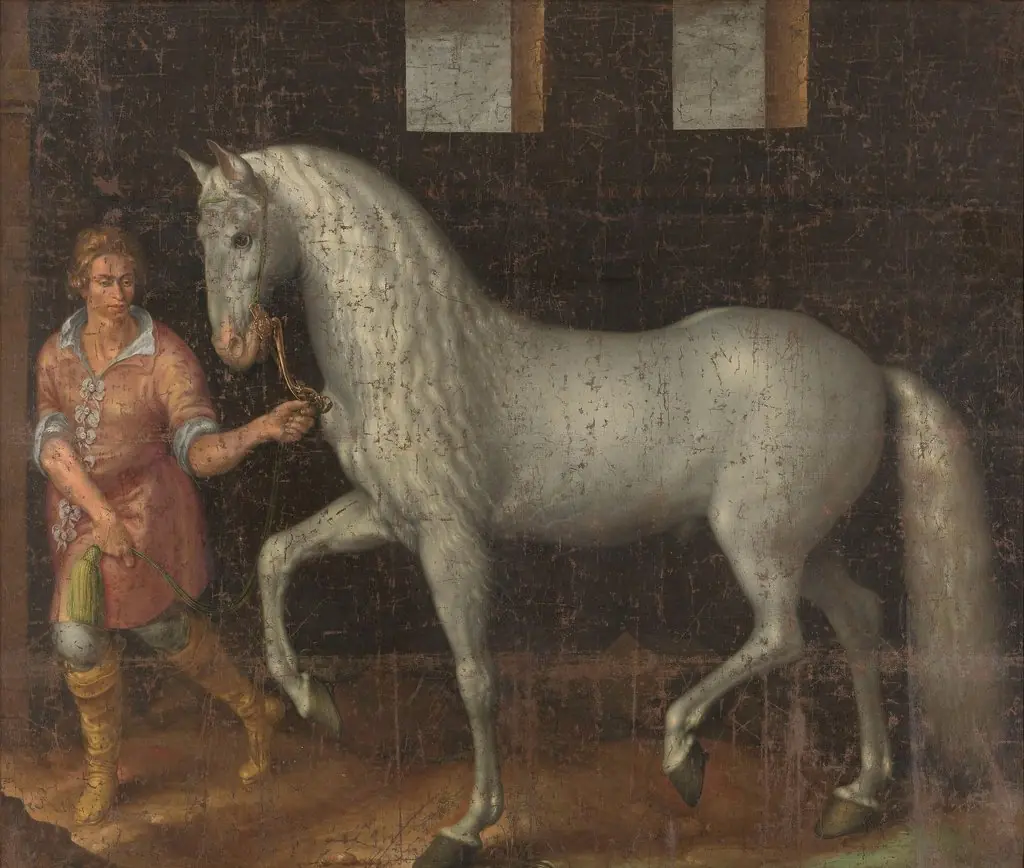 Spanish Warhorse
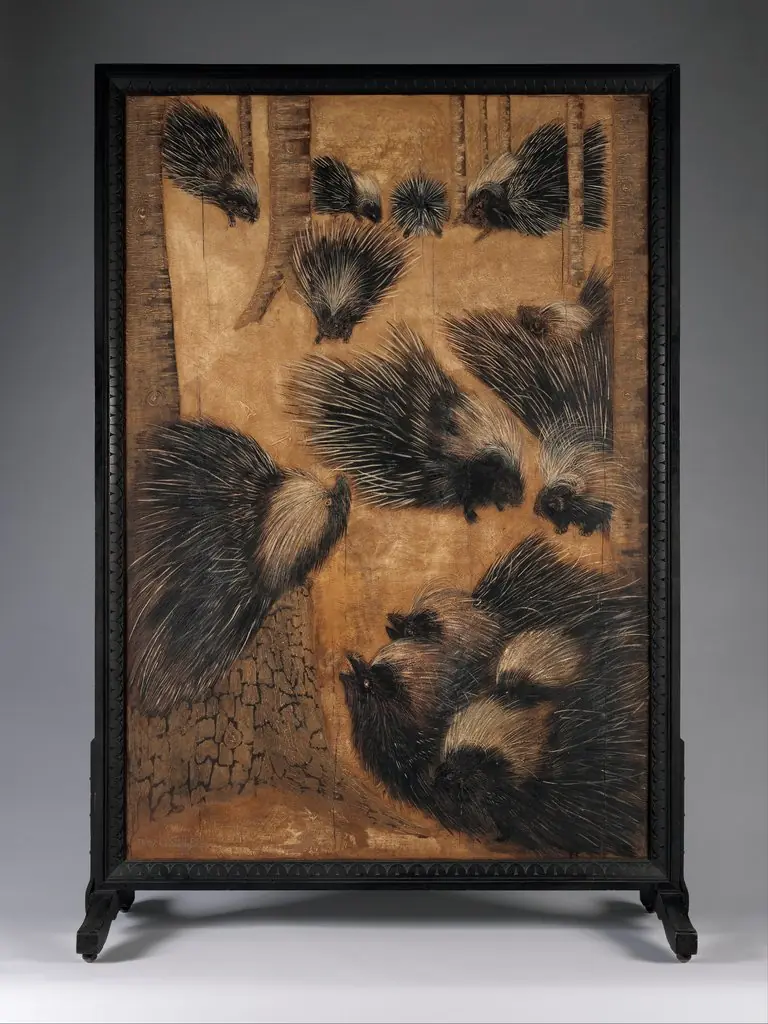 Screen: "Porcupines" and "Nightmare"
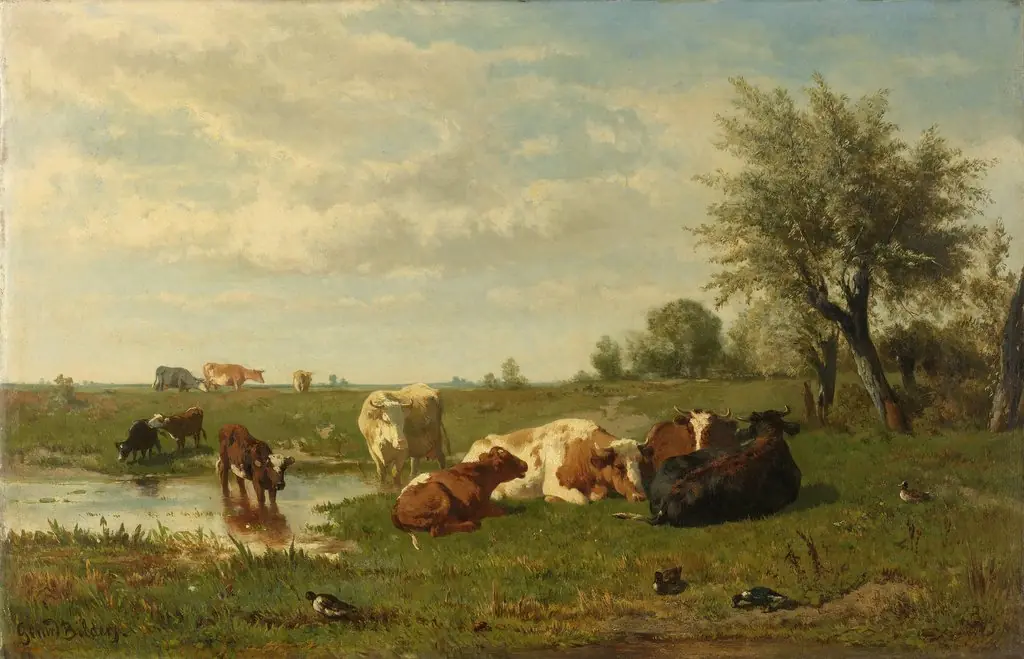 Cows in the meadow
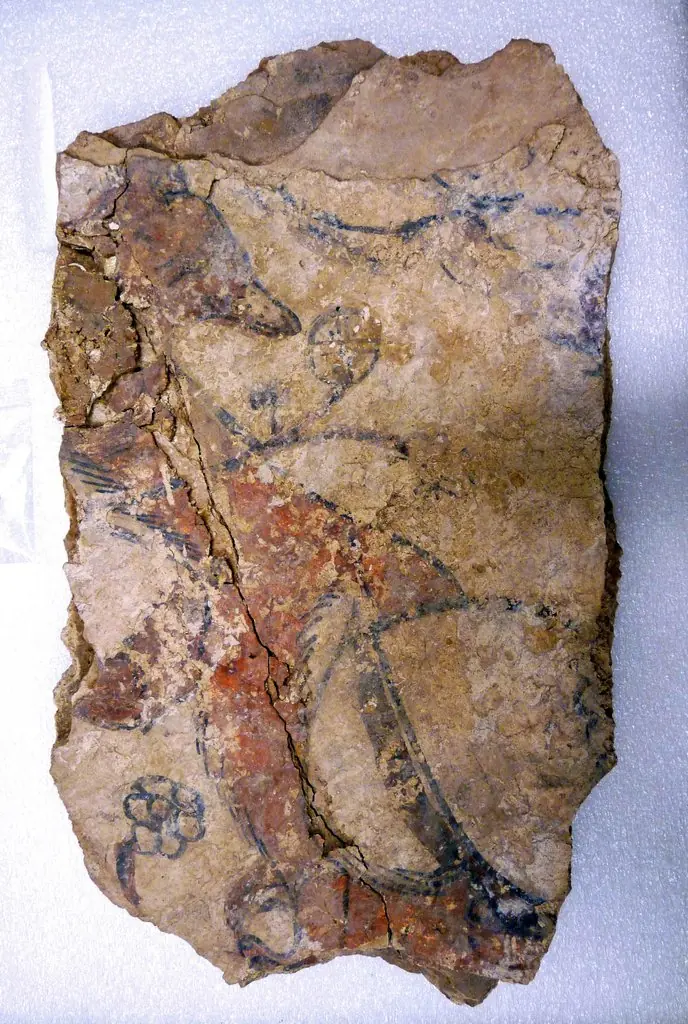 Fragment of a Wall Painting with a Fox or a Dog (and Painted Layers)
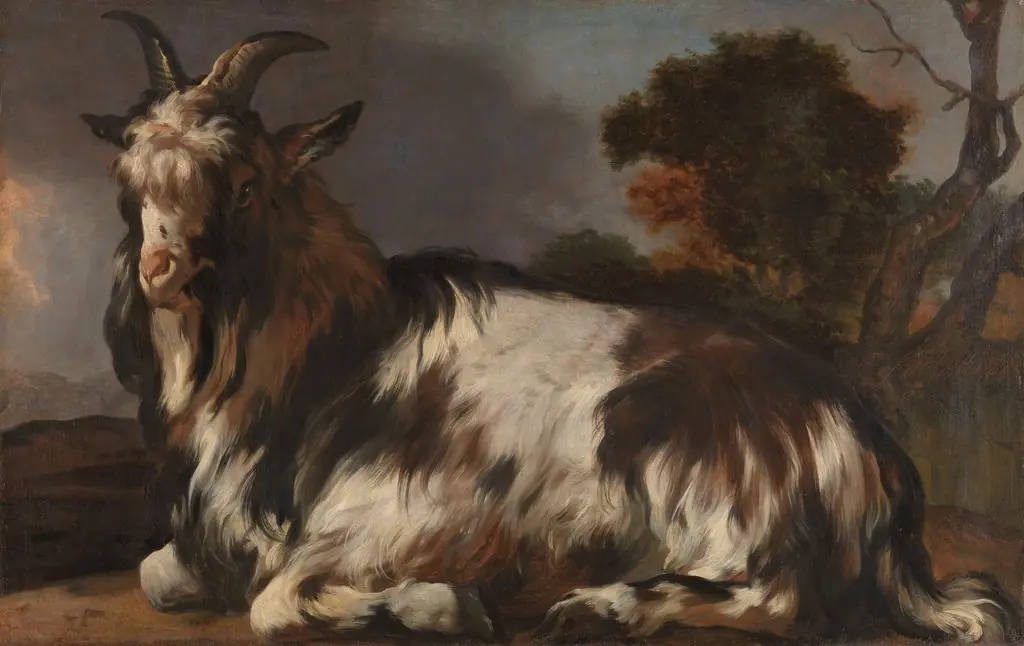 Goat Lying Down
 Five-colored parakeet on a blossoming apricot tree
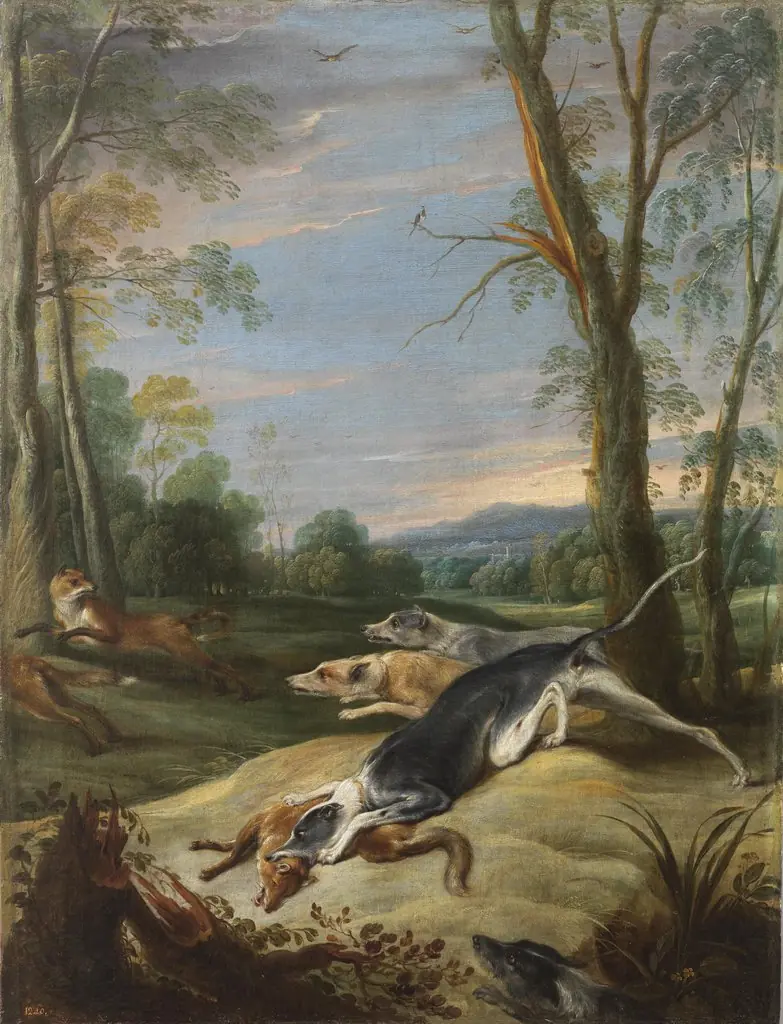 Vixens Chased by Dogs
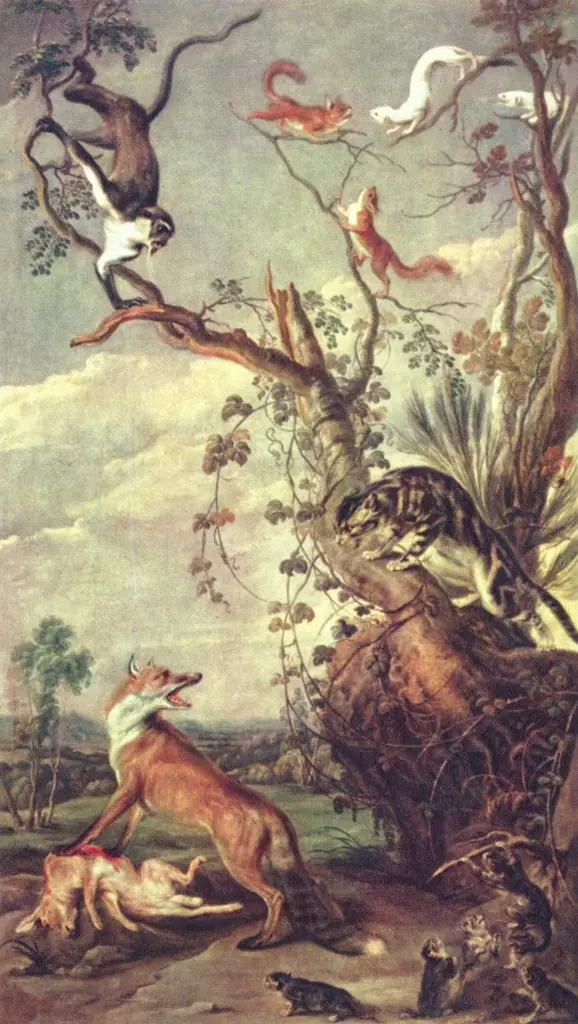 Fox and cat
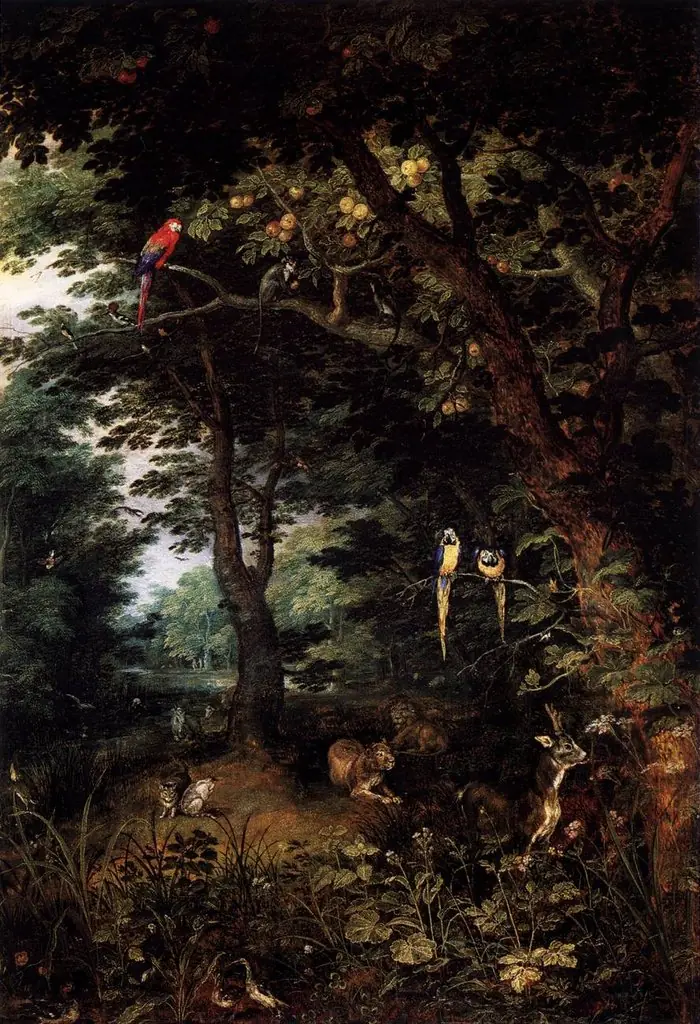 The Earthly Paradise
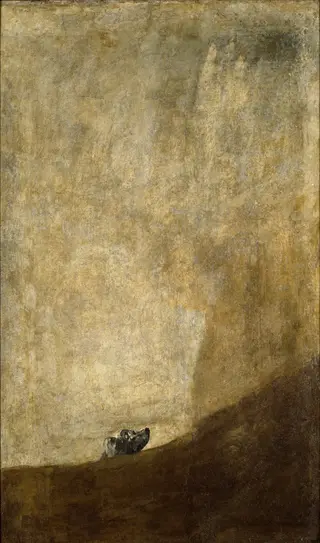 The Dog
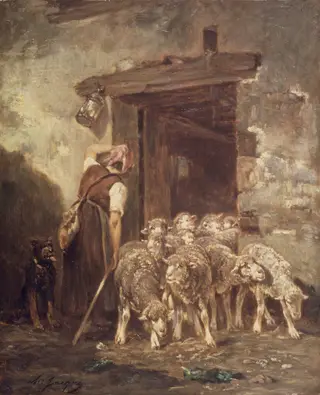 Leaving the Sheep Pen
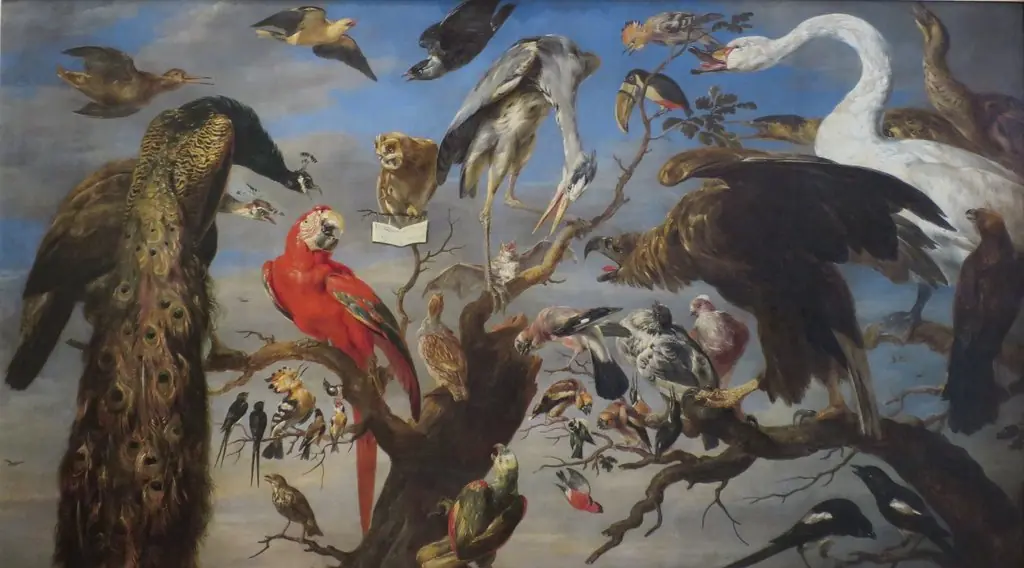 Bird's Concert
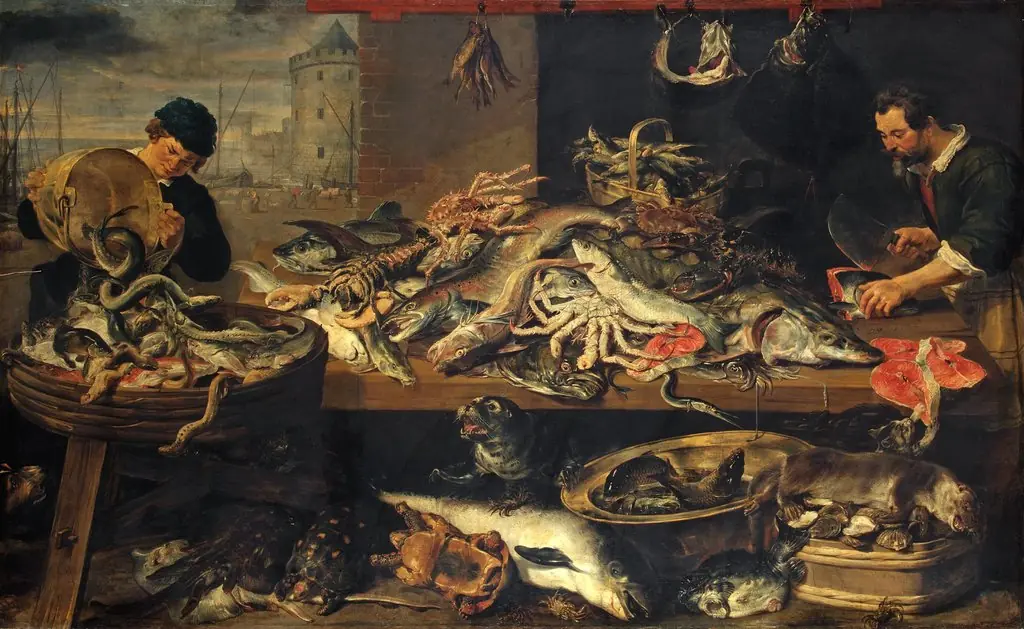 Fish Market
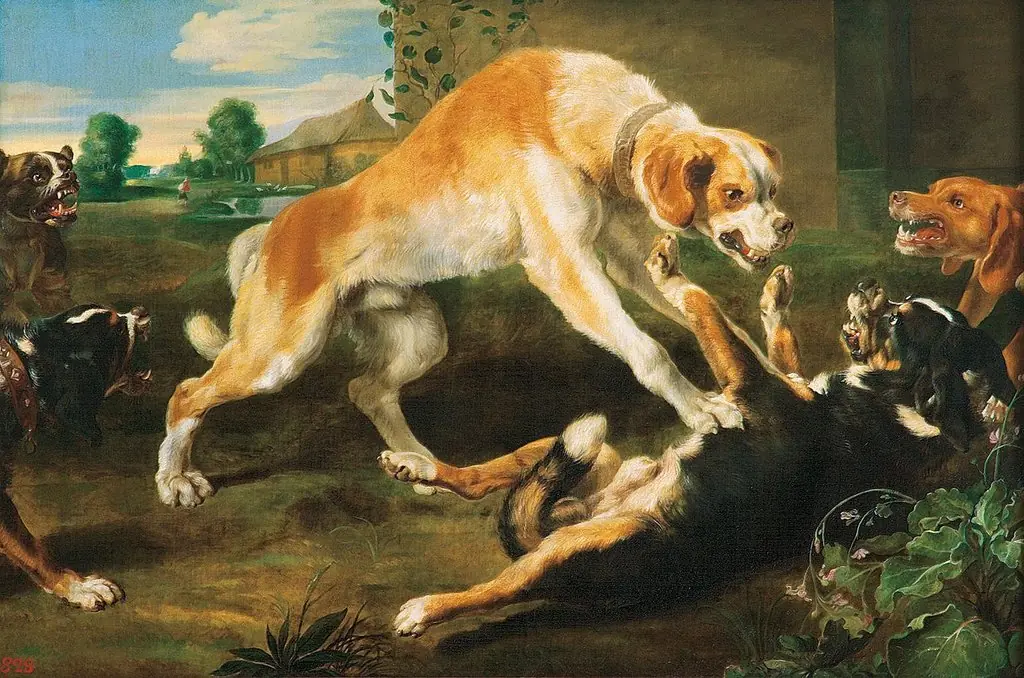 Fighting Dogs
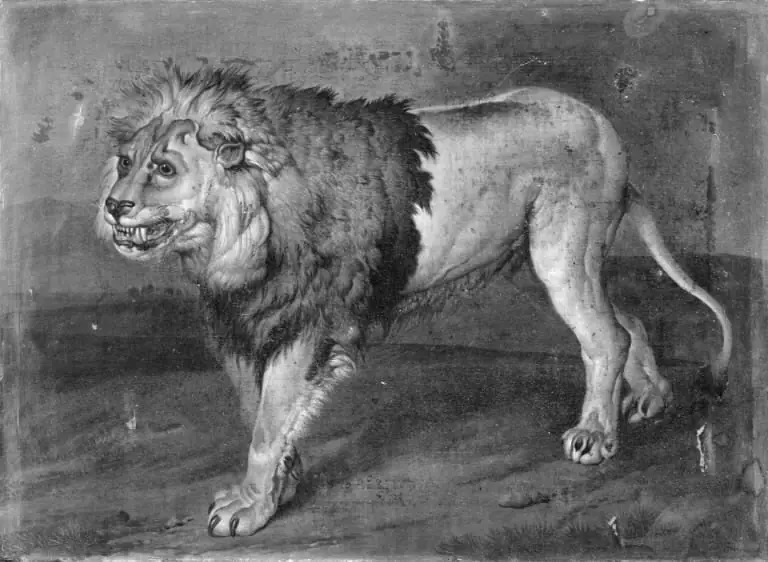 A Lion in a Landscape
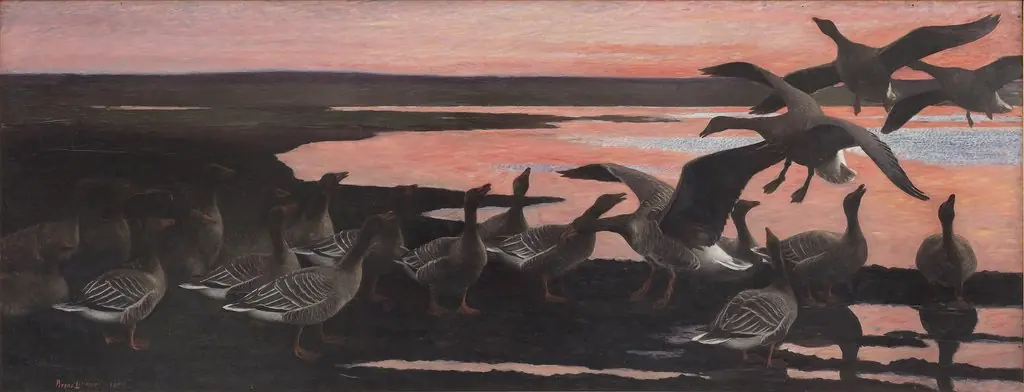 Wild Geese
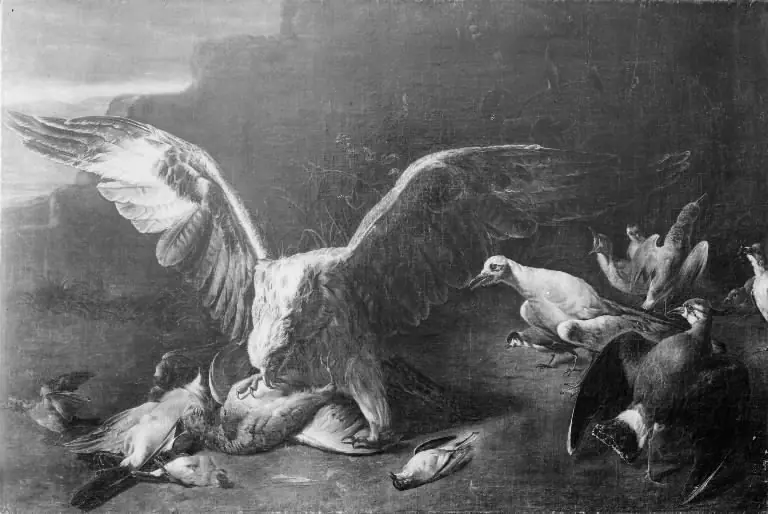 An Eagle among Small Birds
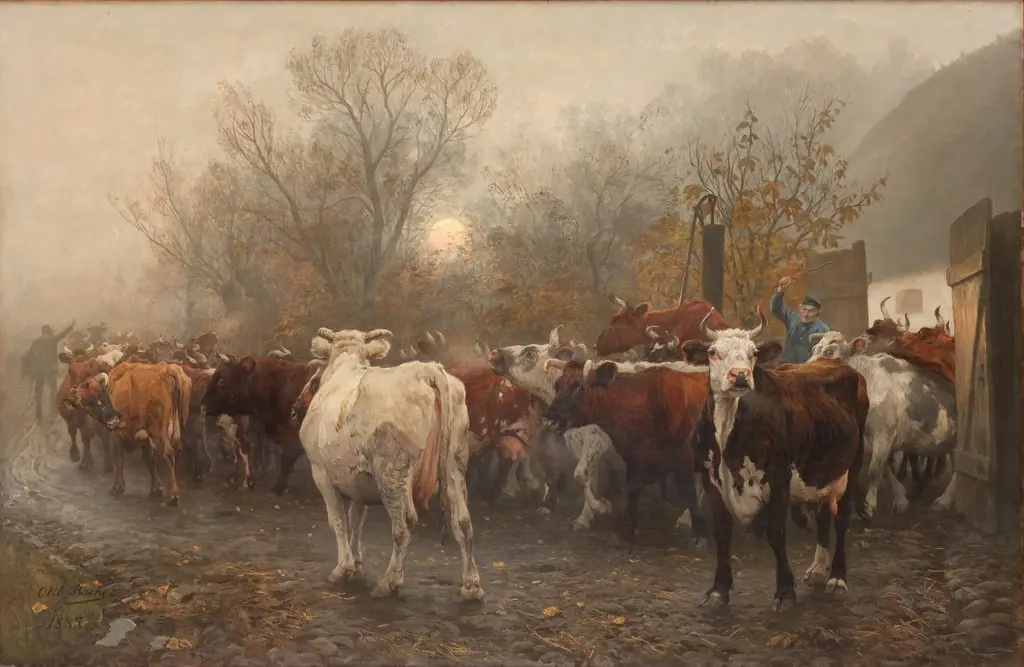 Driving Cows out of the Cowhouse
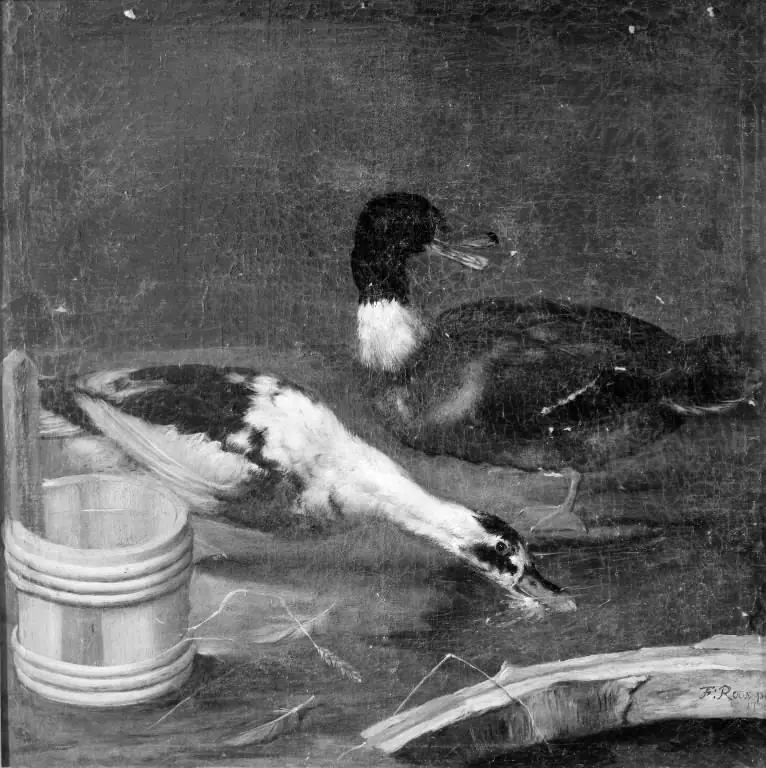 Two Ducks
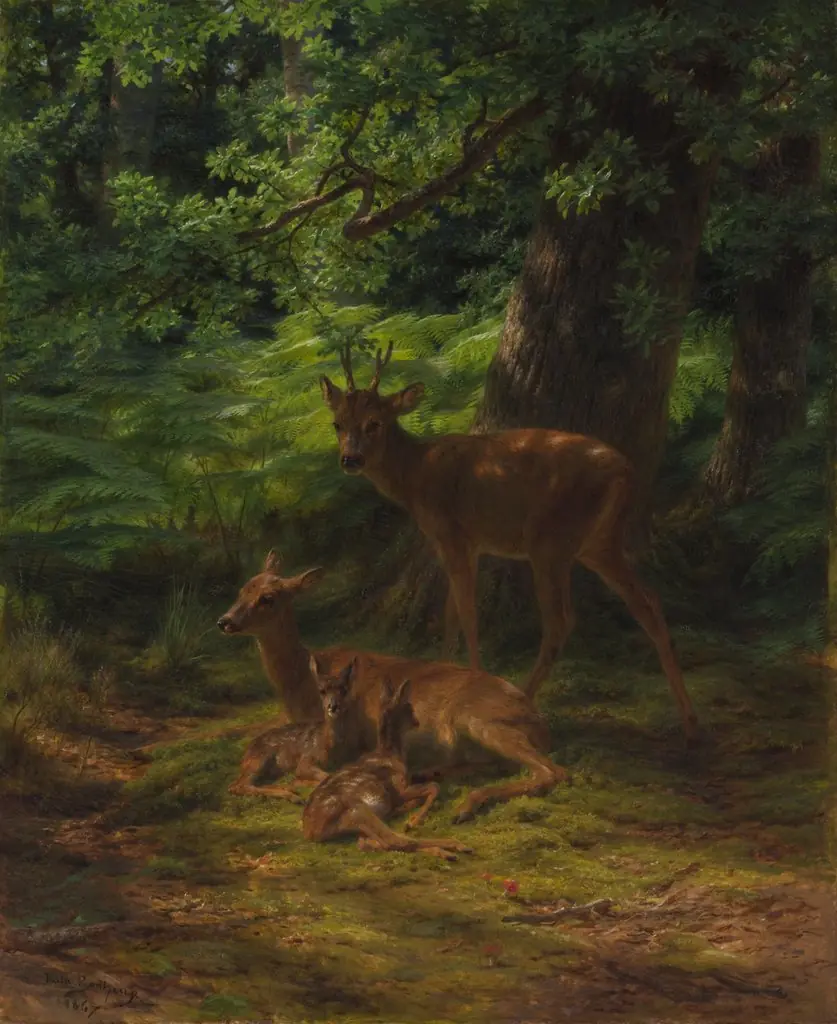 Deer in Repose
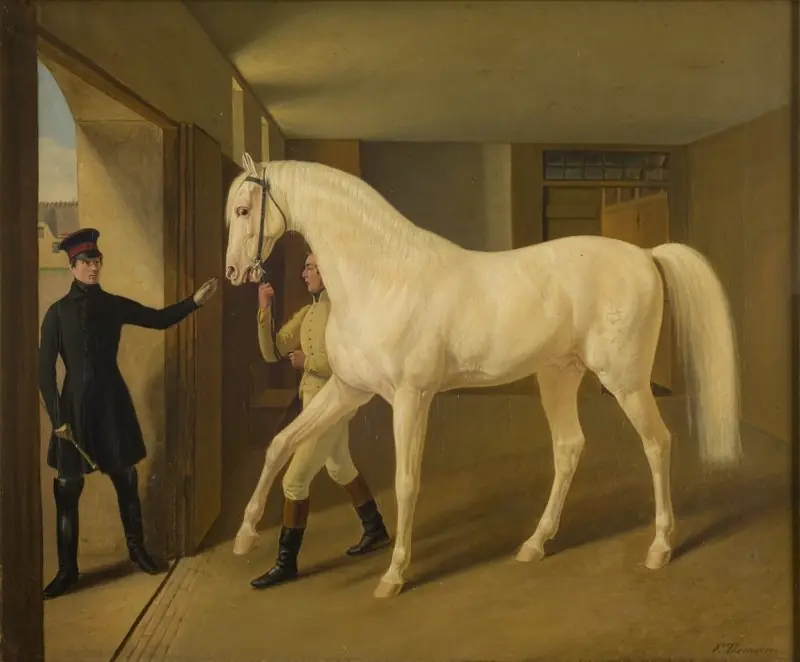 Hother
 Midsummer
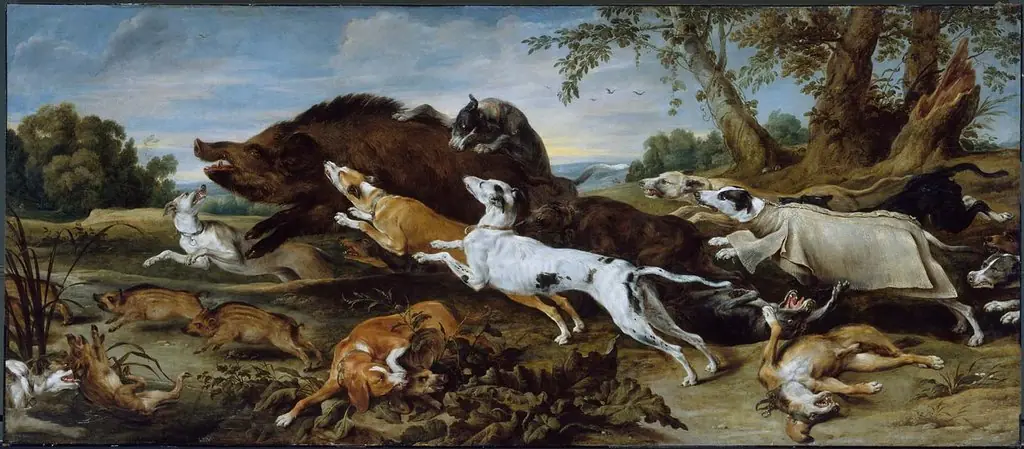 Boar Hunt
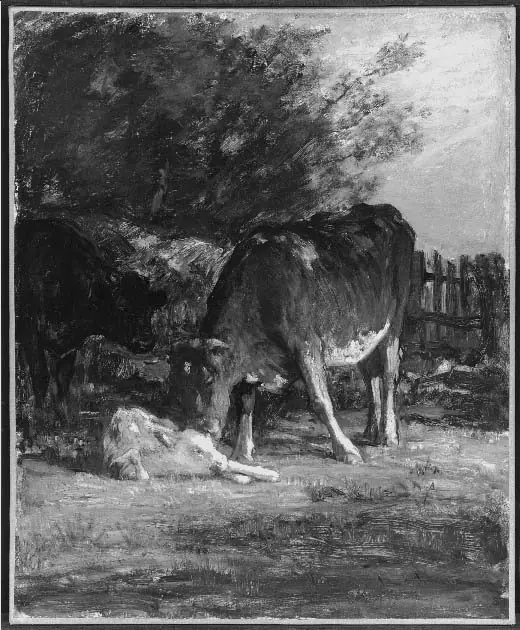 The Newborn Calf
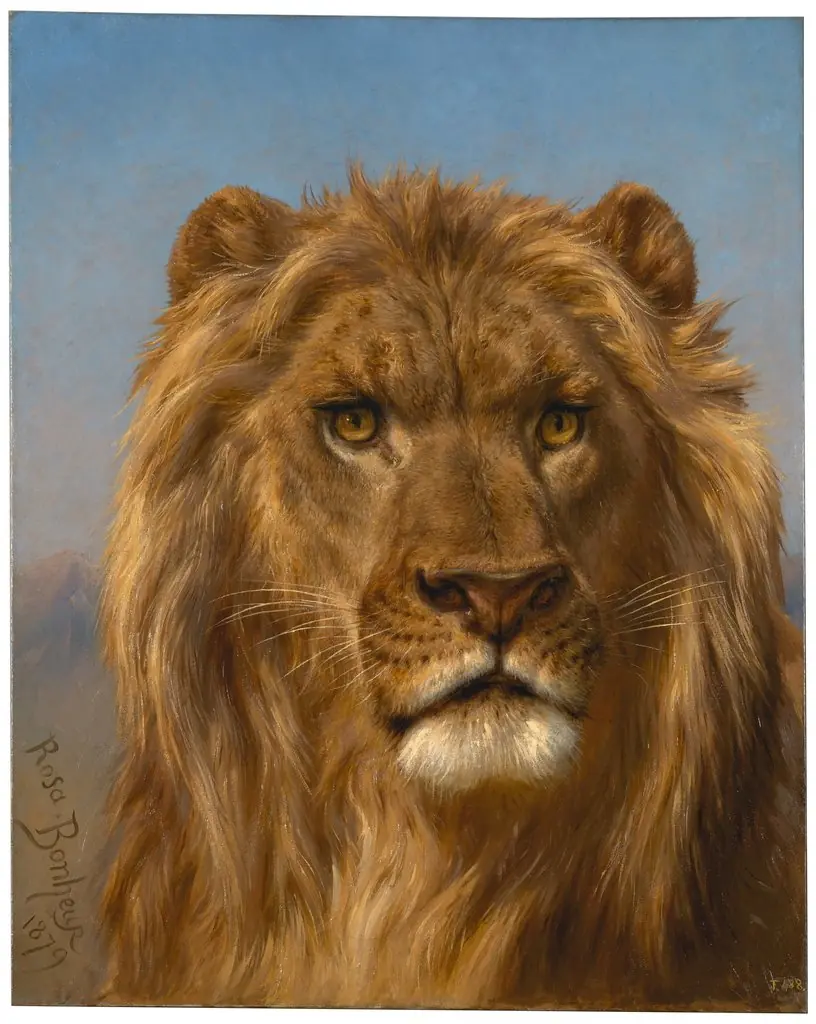 Portrait of a Lion
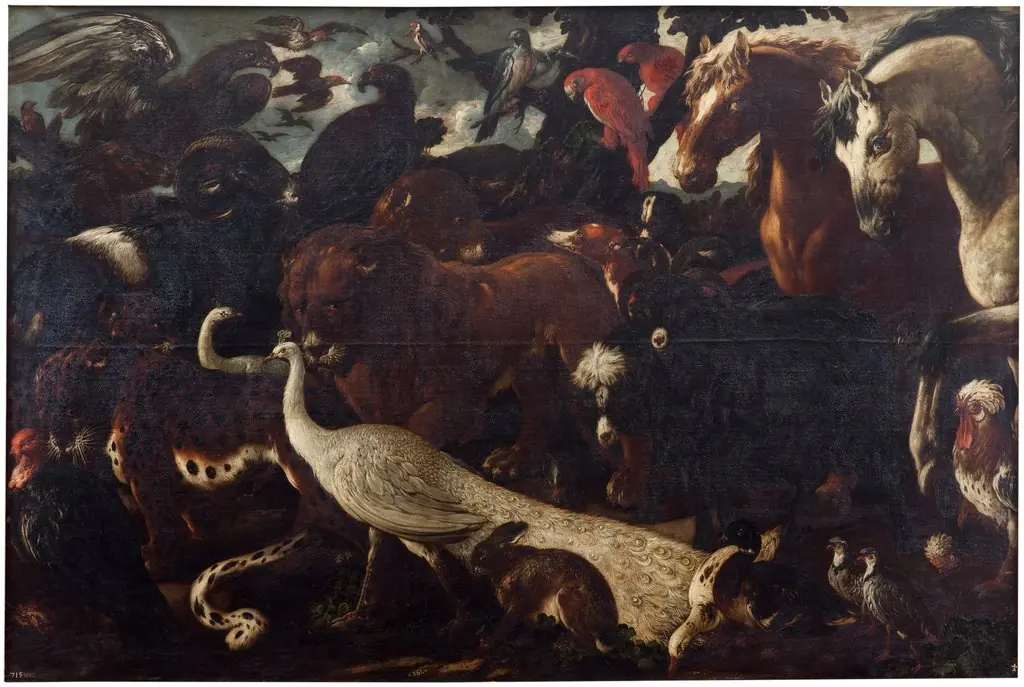 Various animals gathered before Noah's Ark
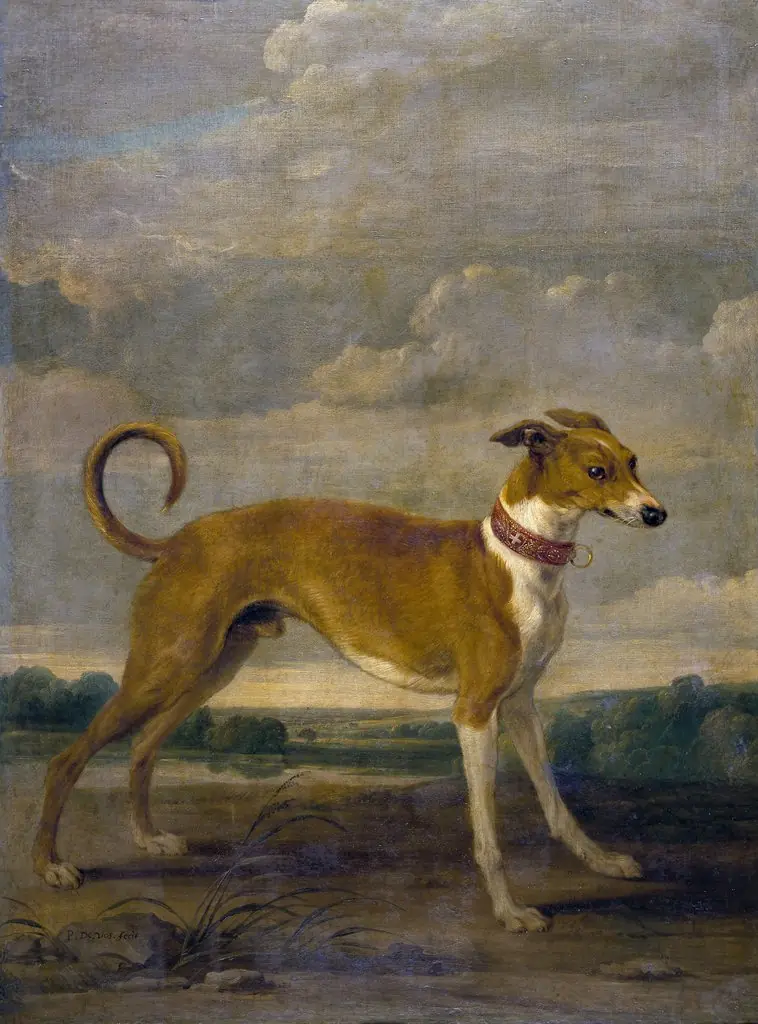 A dog
A dog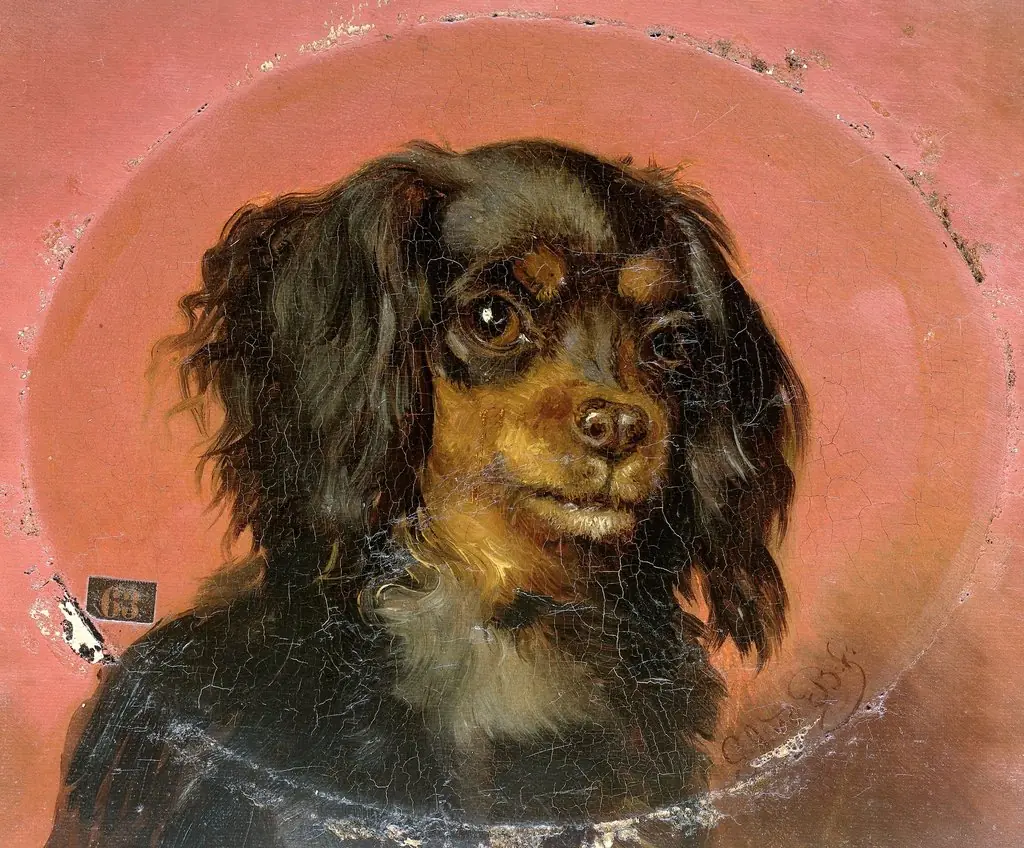 Portrait of a Puppy
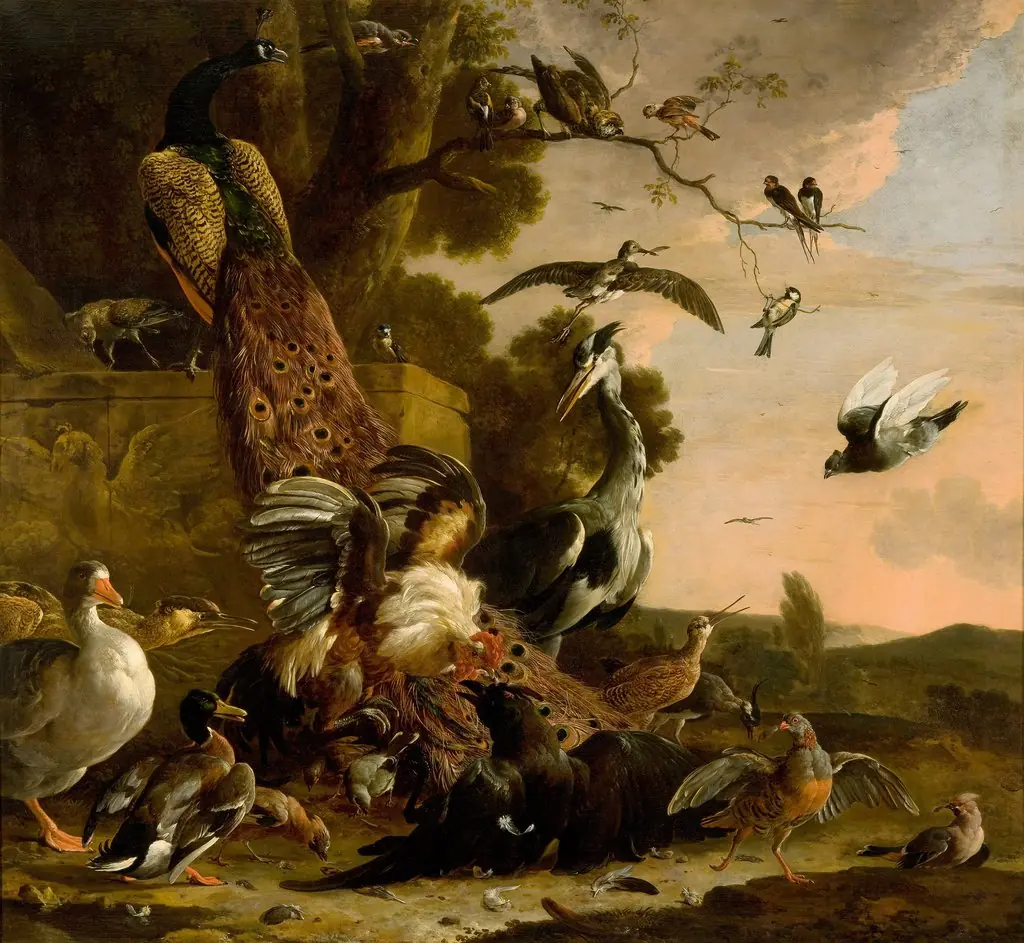 The Raven Robbed of the Feathers He Wore to Adorn Himself
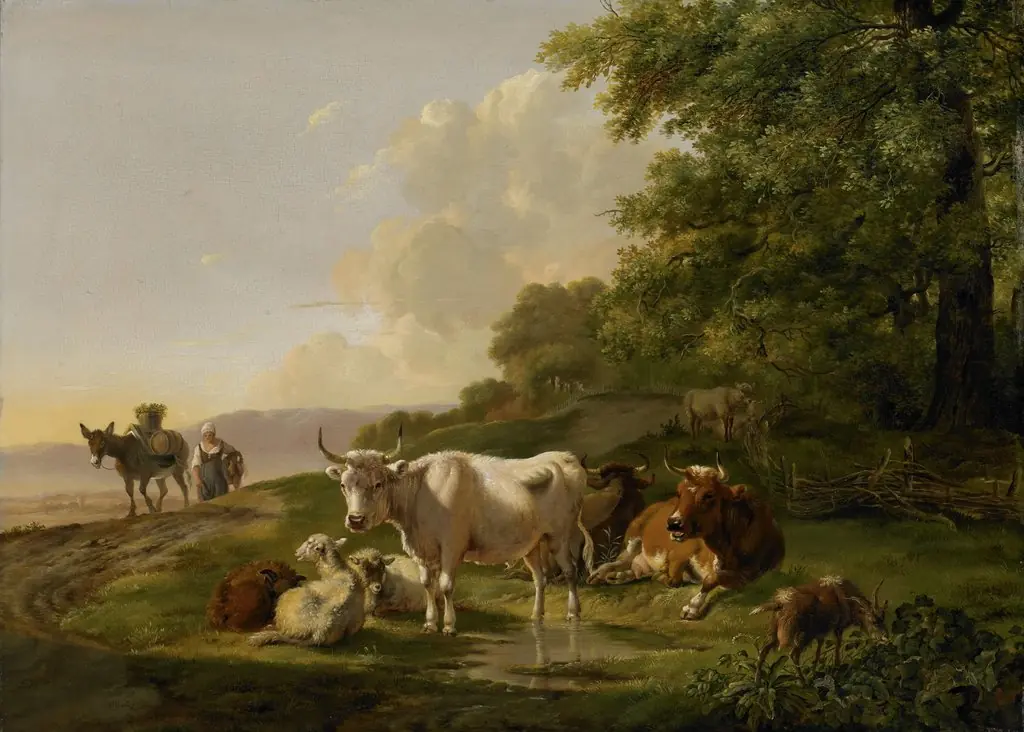 Landscape with Cattle
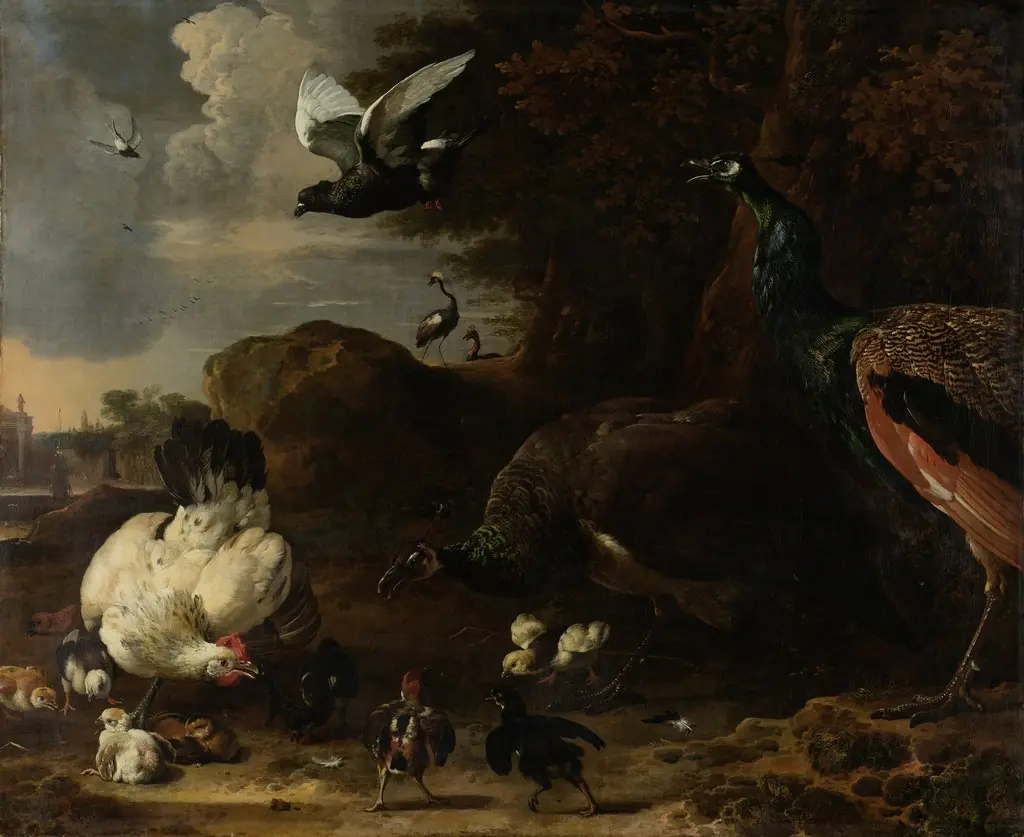 Two Peacocks Threatening a Hen with Chicks, Known as ‘The Threatened Hen’
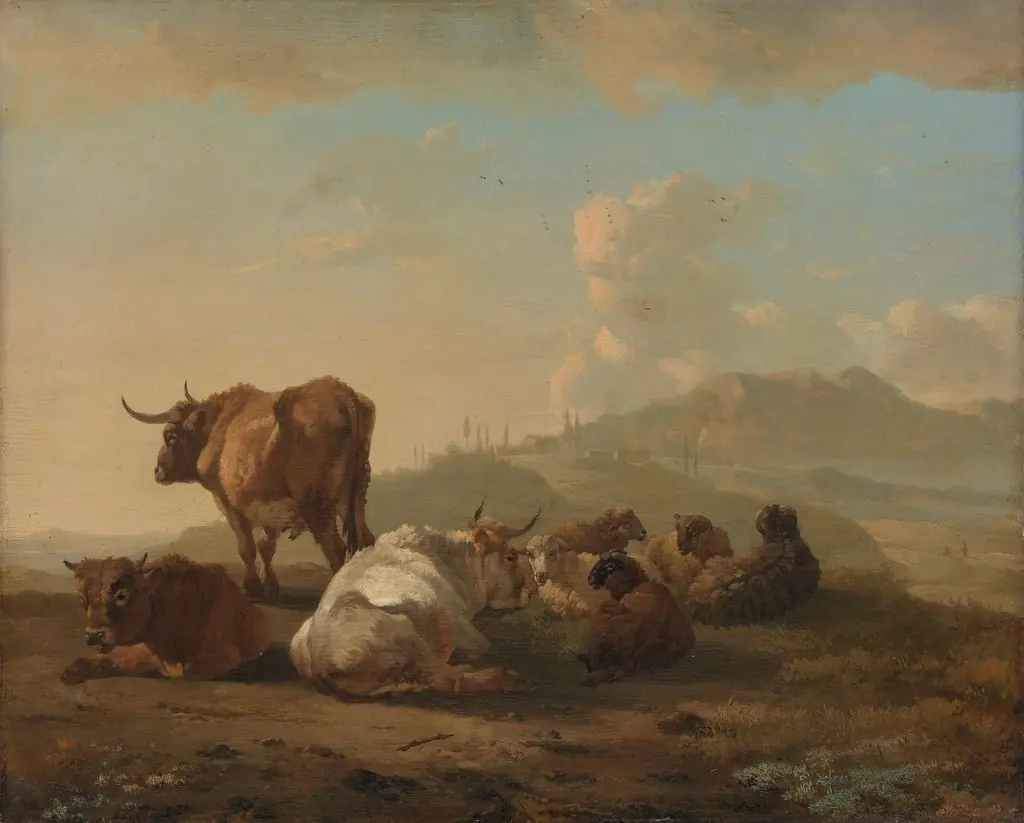 Resting herd
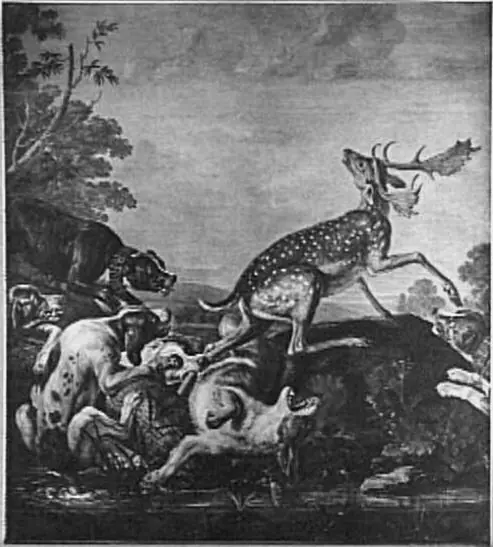 The Stag Hunt
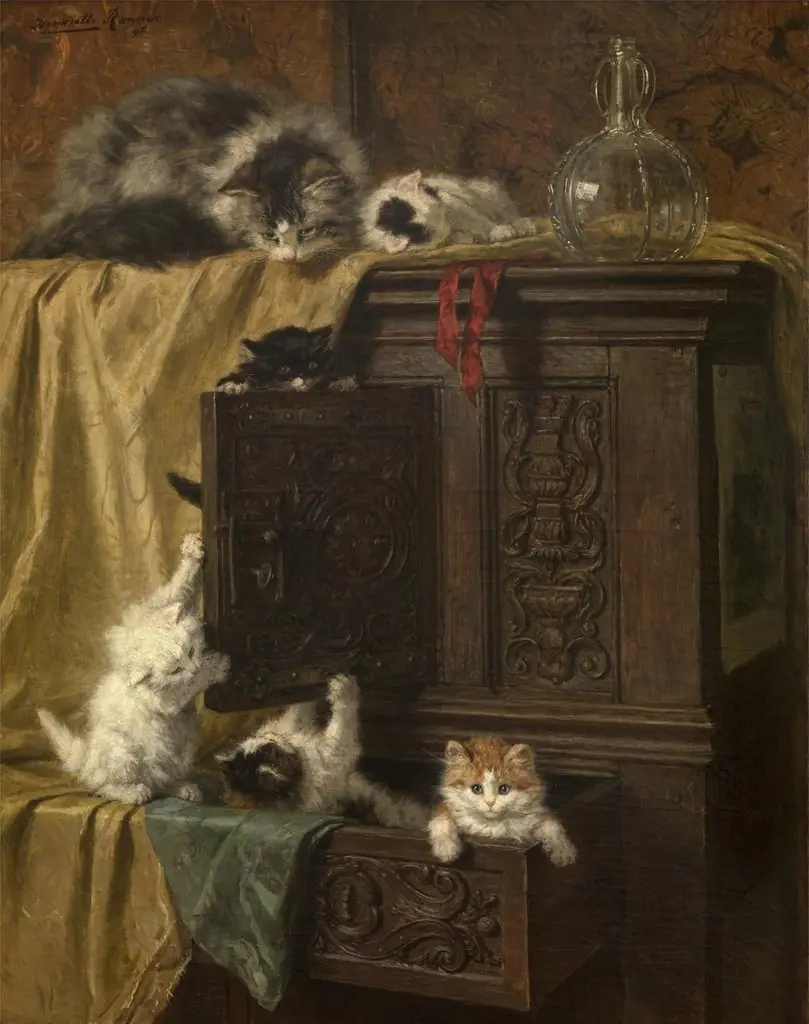 Immodest
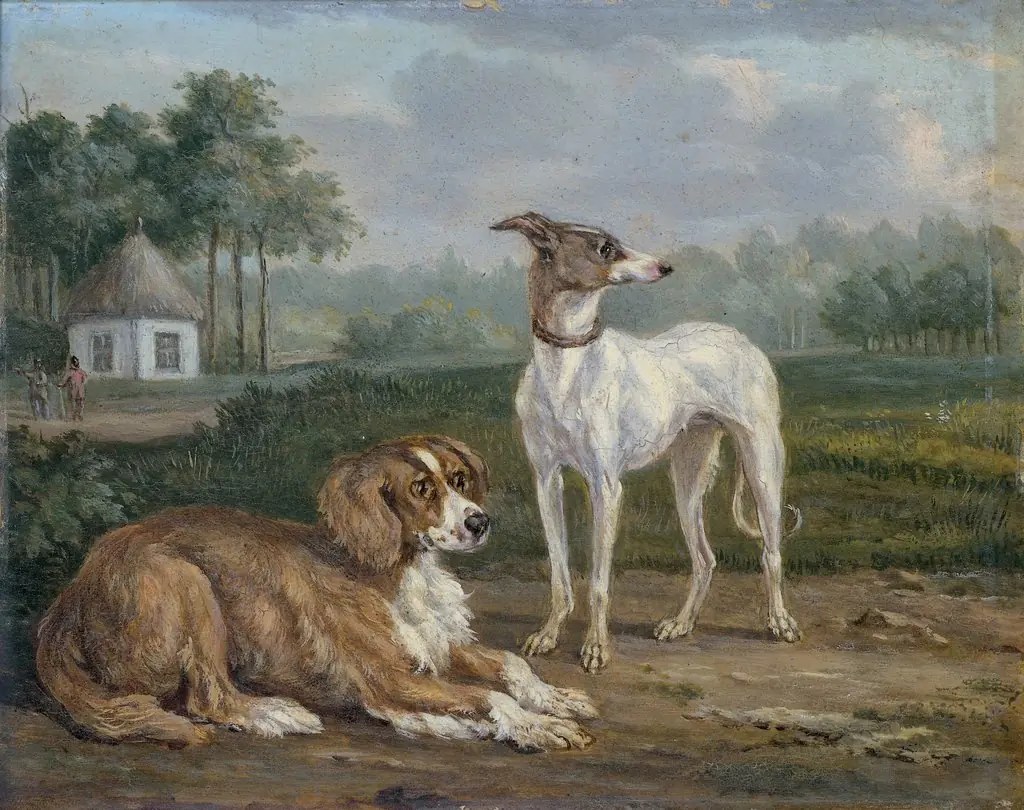 Two Dogs
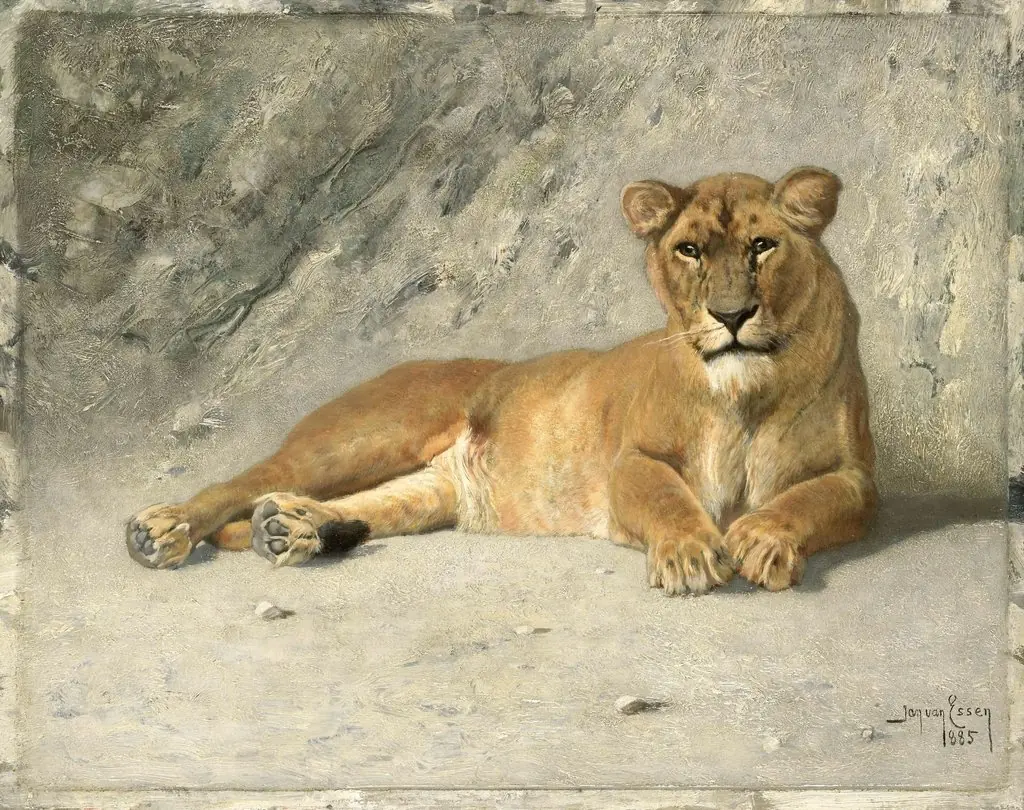 Lioness Resting
 Polar Bears
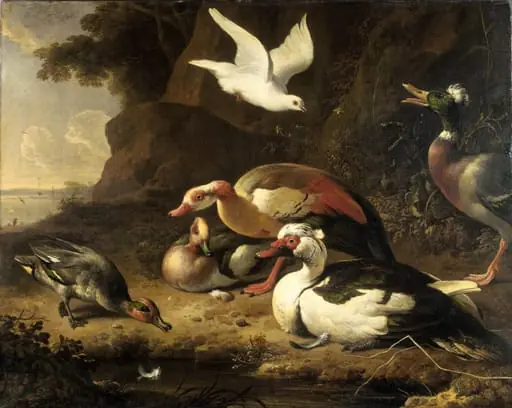 Ducks
Ducks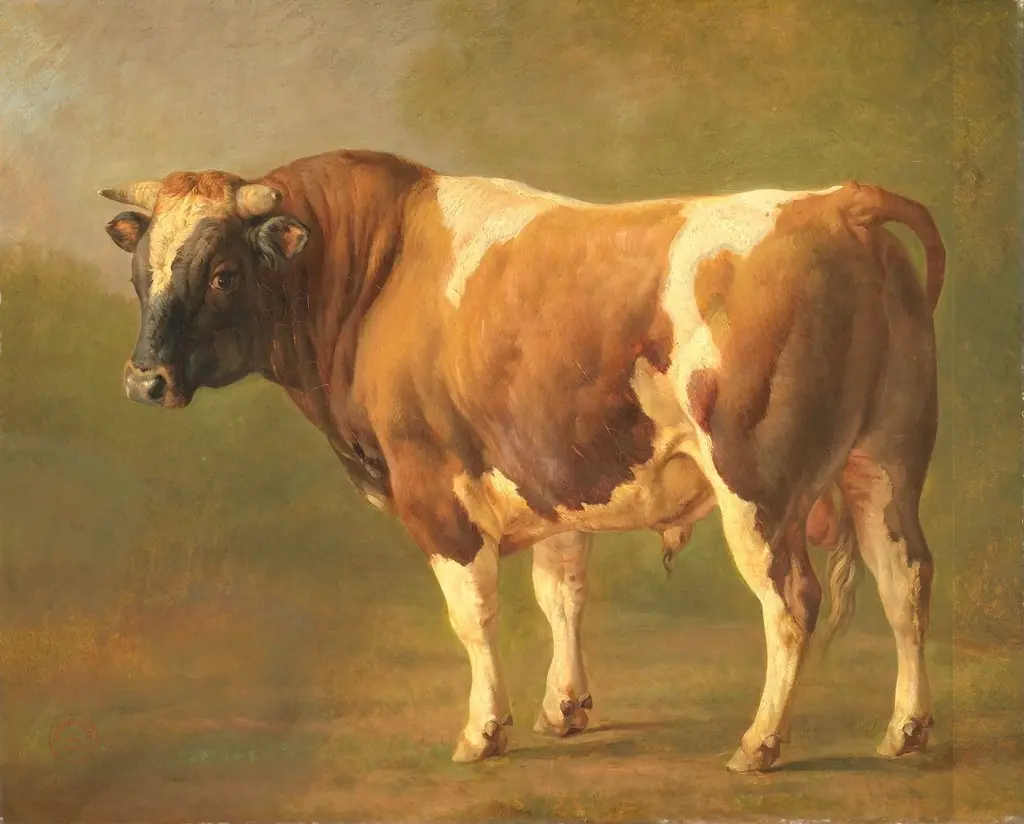 Study of a Bull
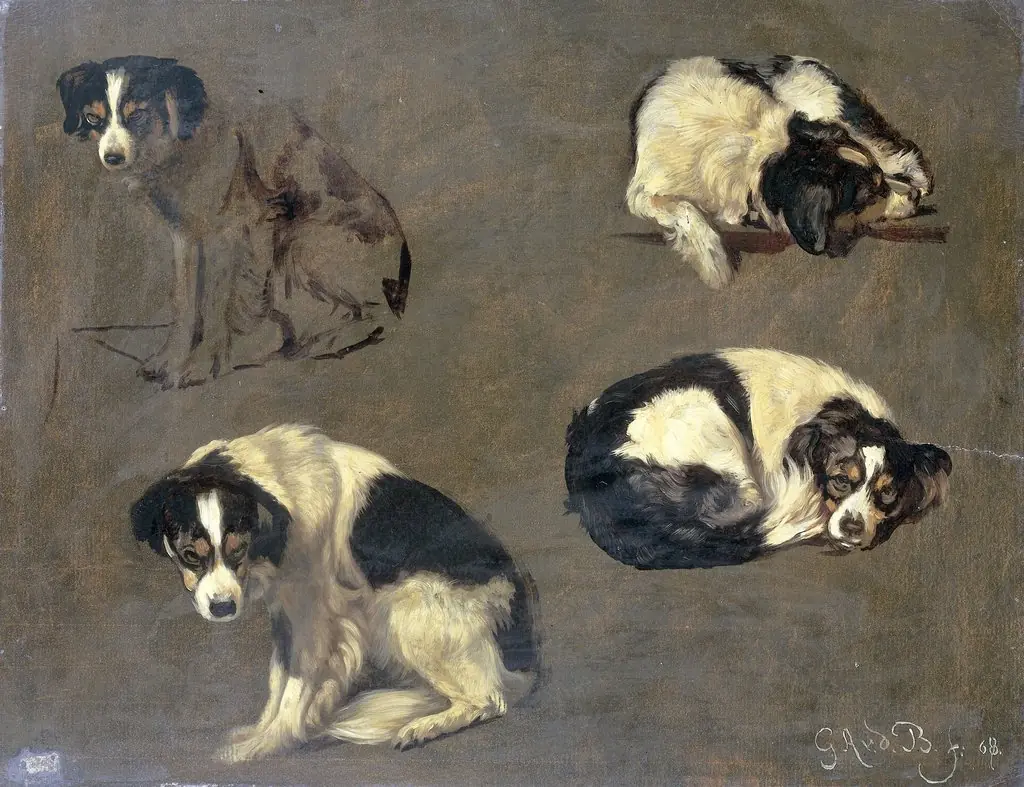 Four Studies of a Dog
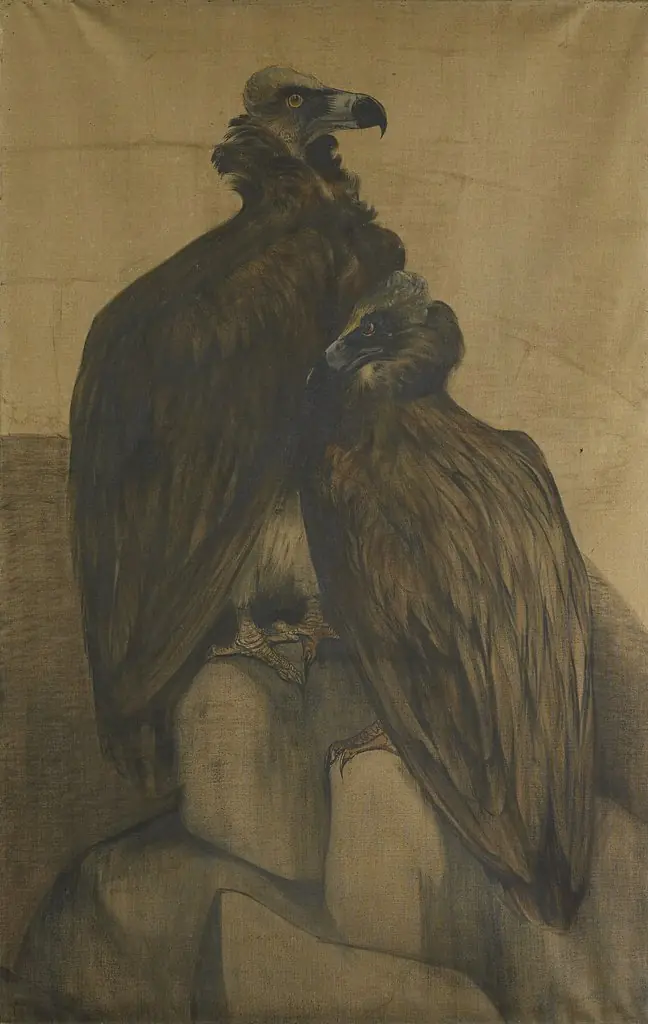 Two Arabian Vultures
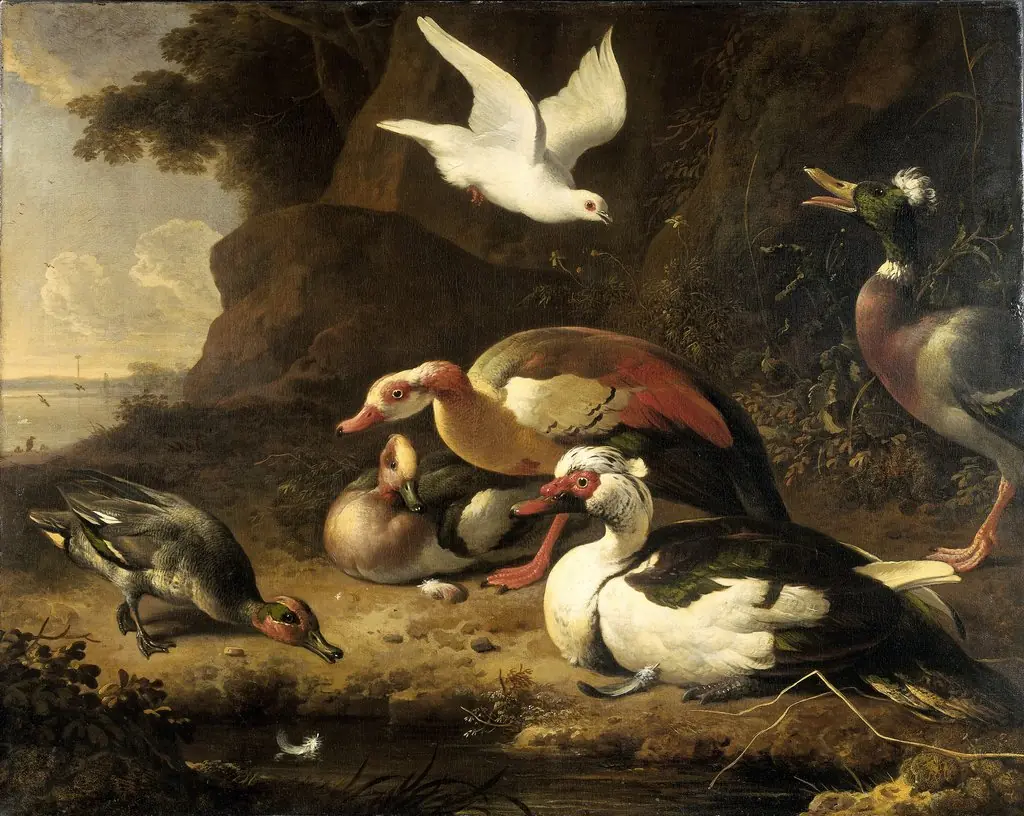 Ducks
Ducks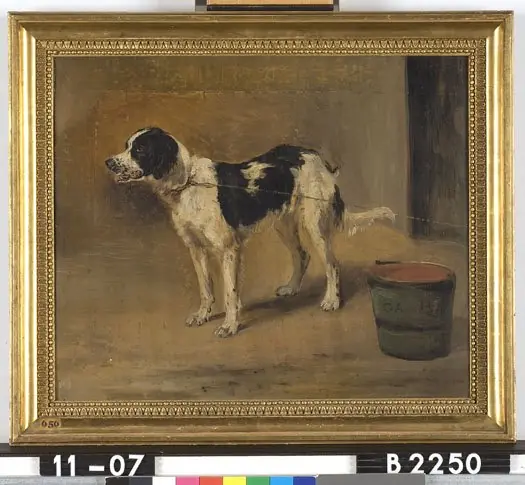 A Dog on a Leash
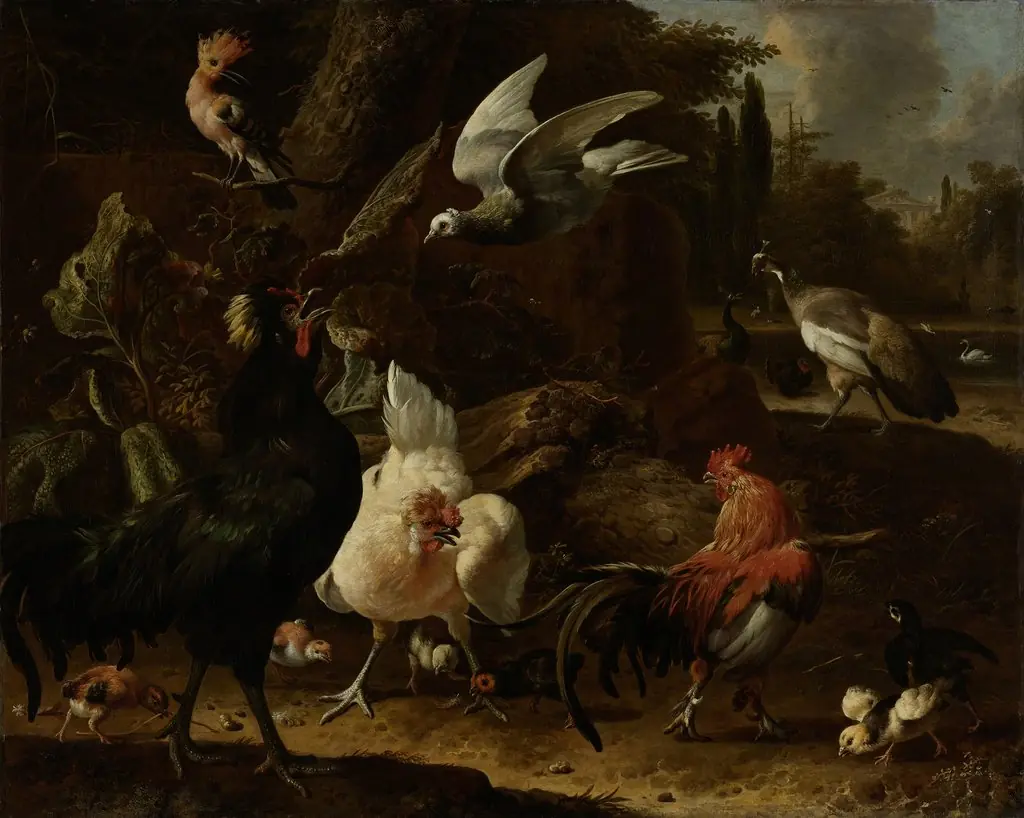 Birds in a park
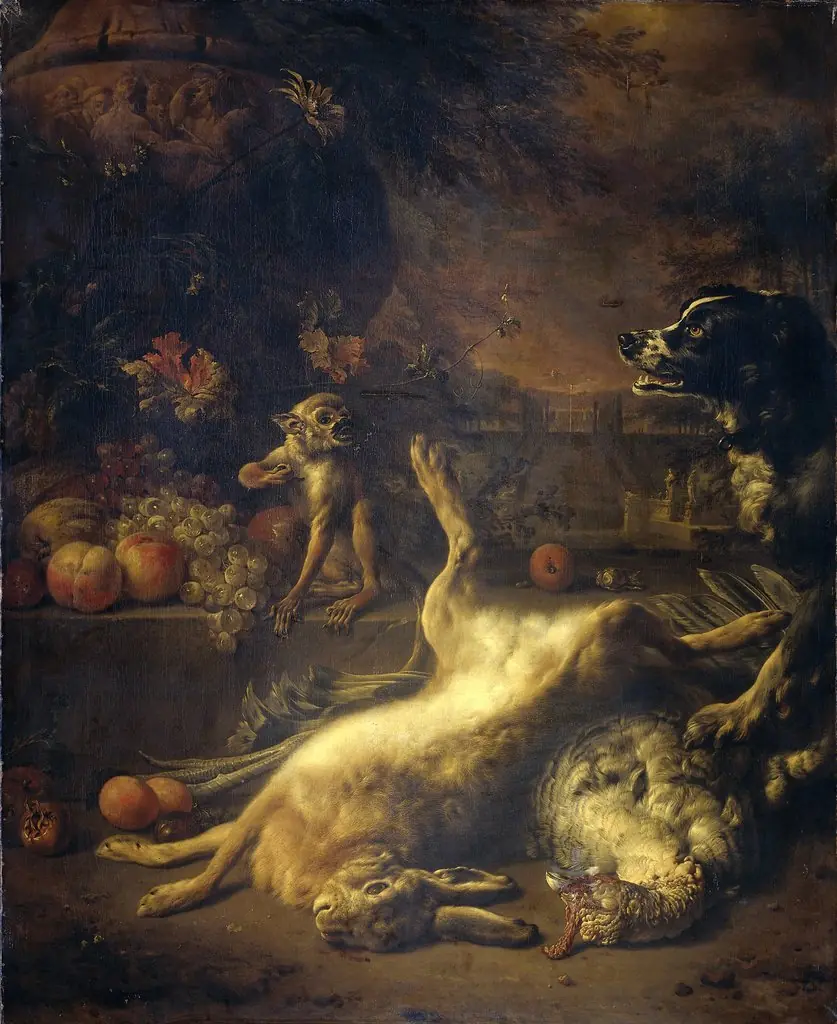 A monkey and a dog beside dead game and fruit
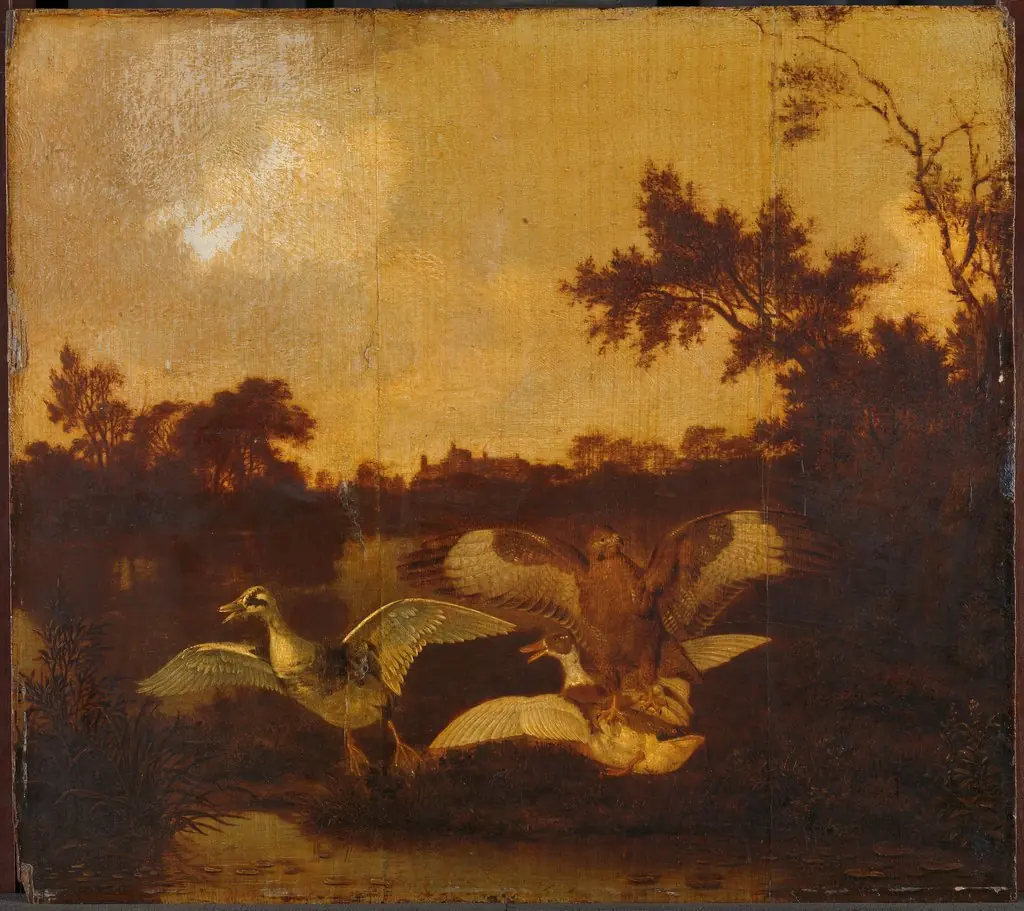 A buzzard attacking two ducks
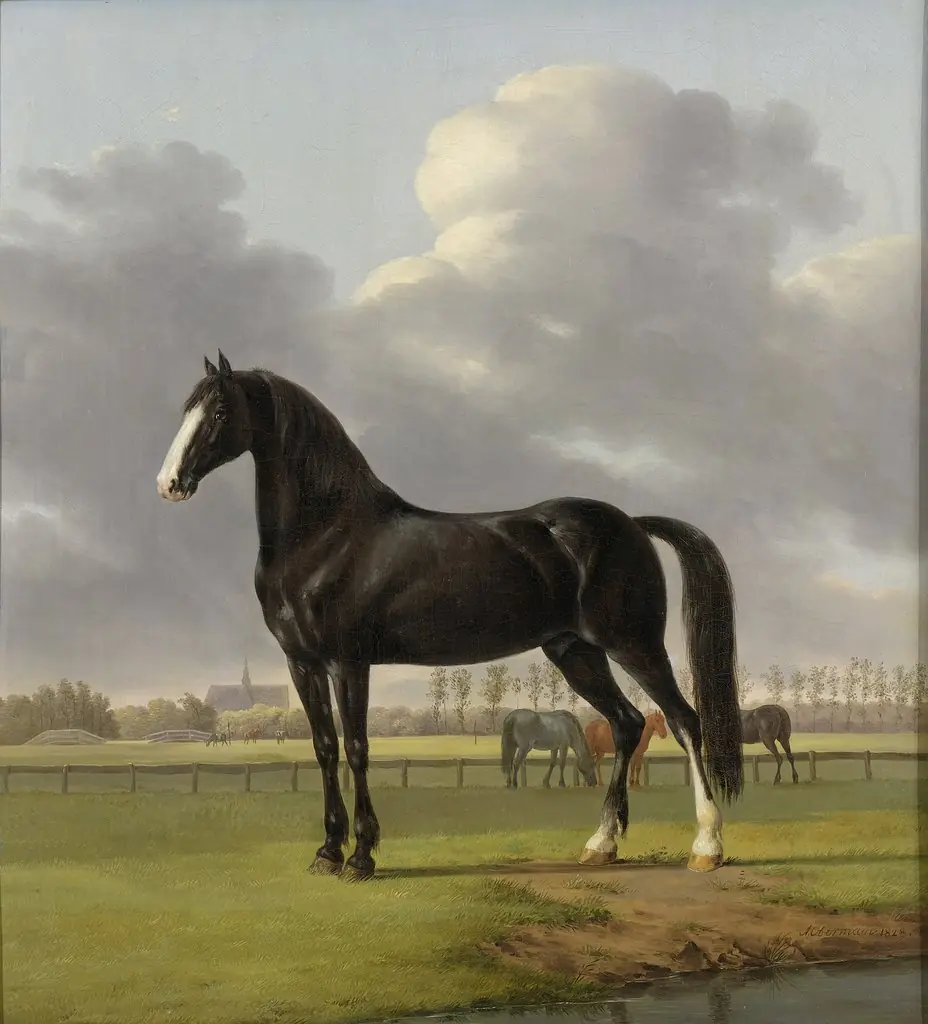 Adriaan van der Hoop’s Trotter ‘De Vlugge’ (The Fast One) in a Meadow
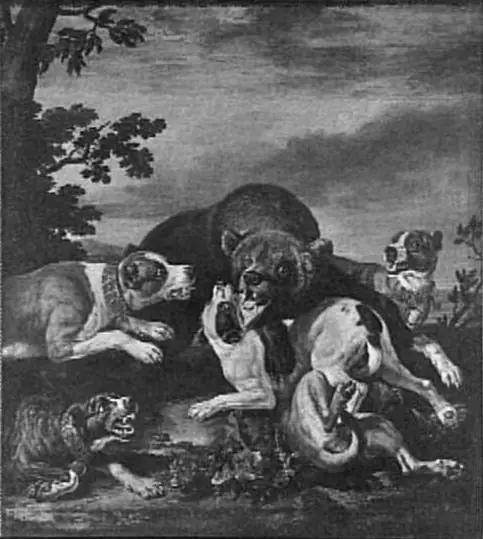 The Bear Hunt
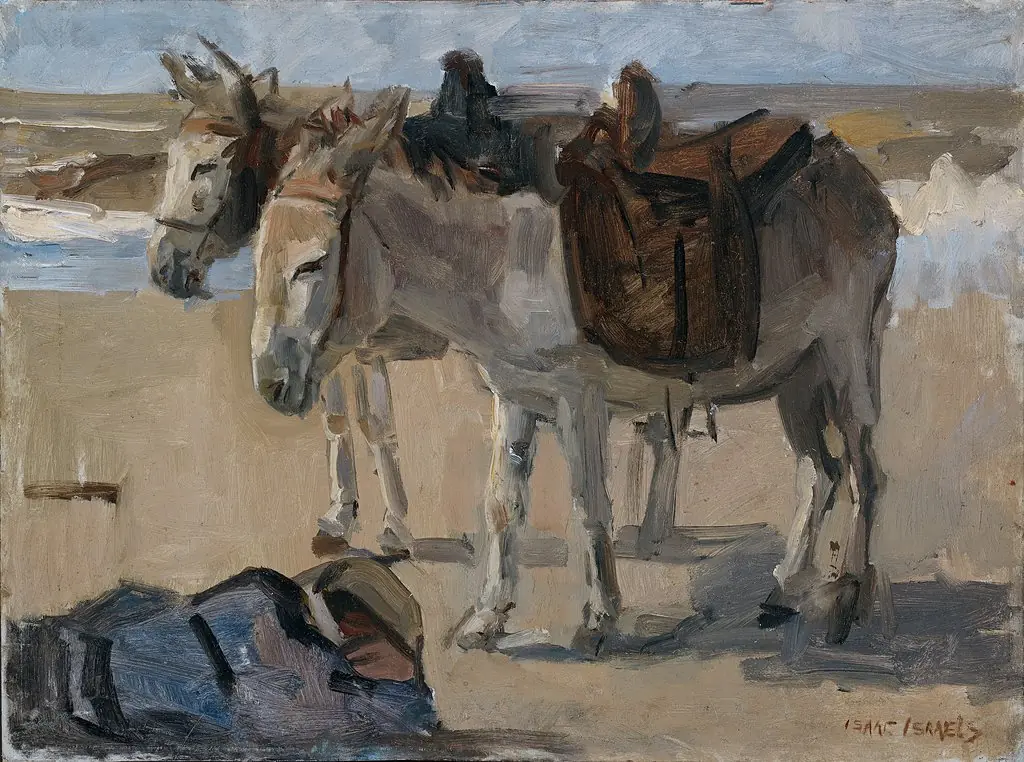 Two Donkeys
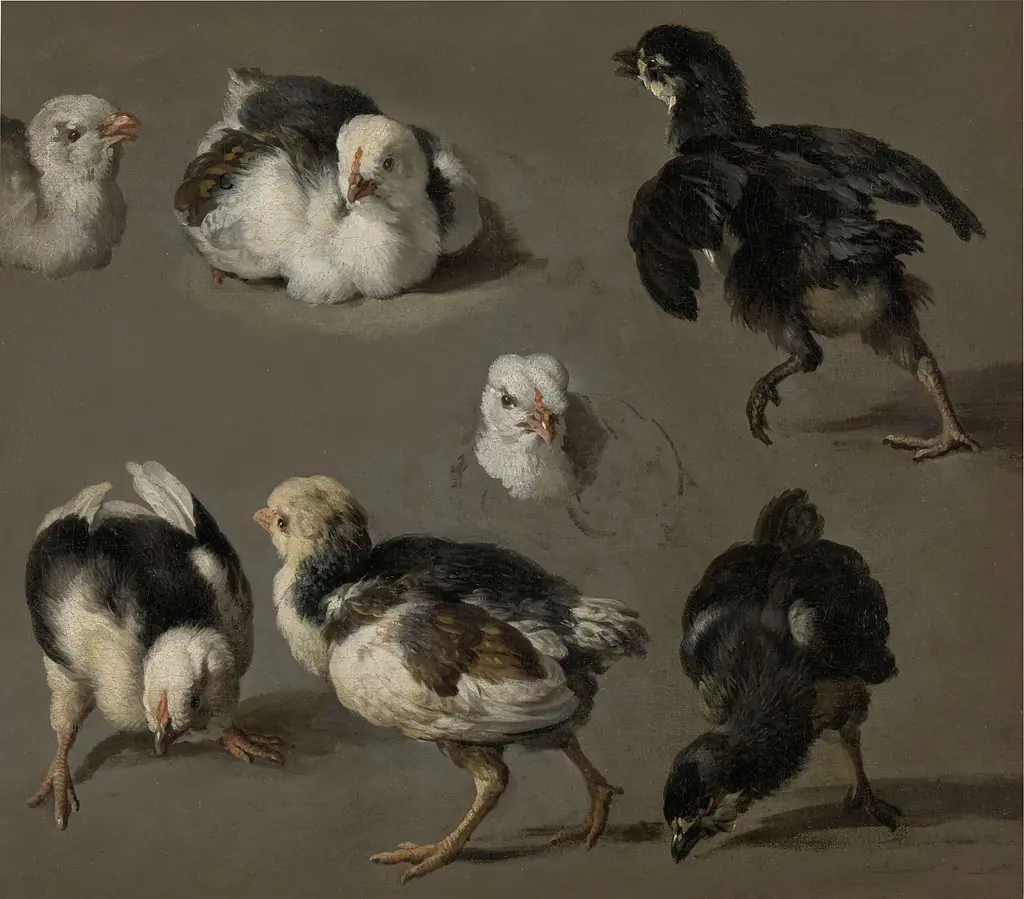 Seven Chicks
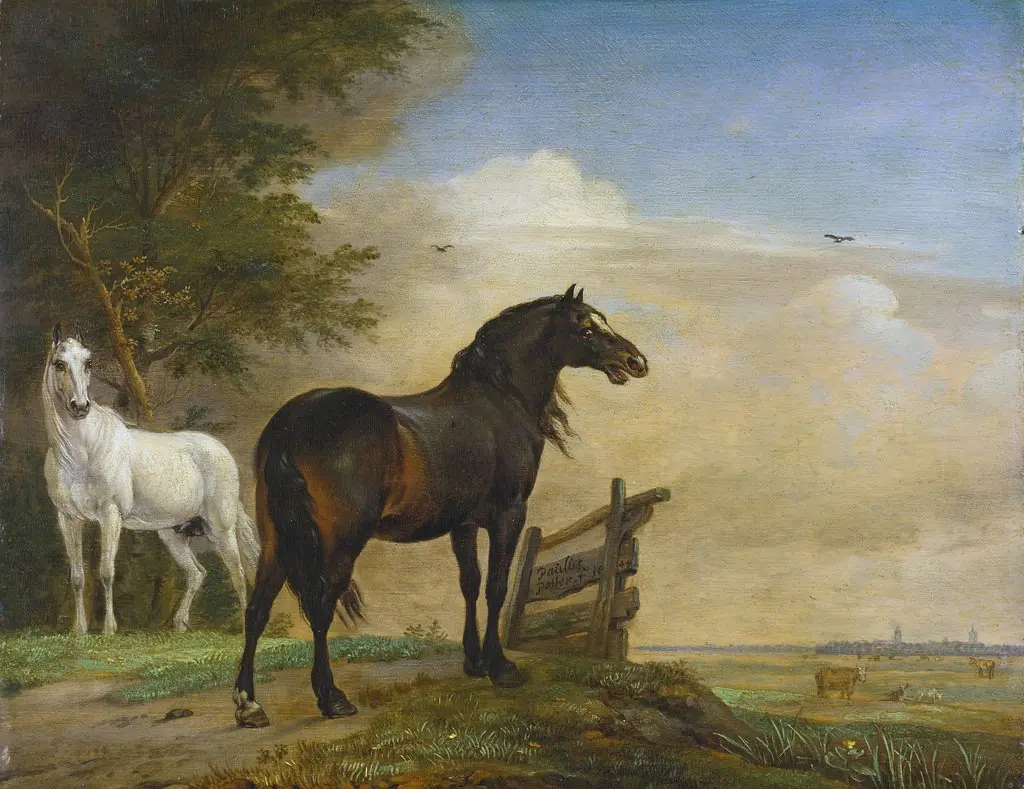 Two Horses in a Meadow near a Gate
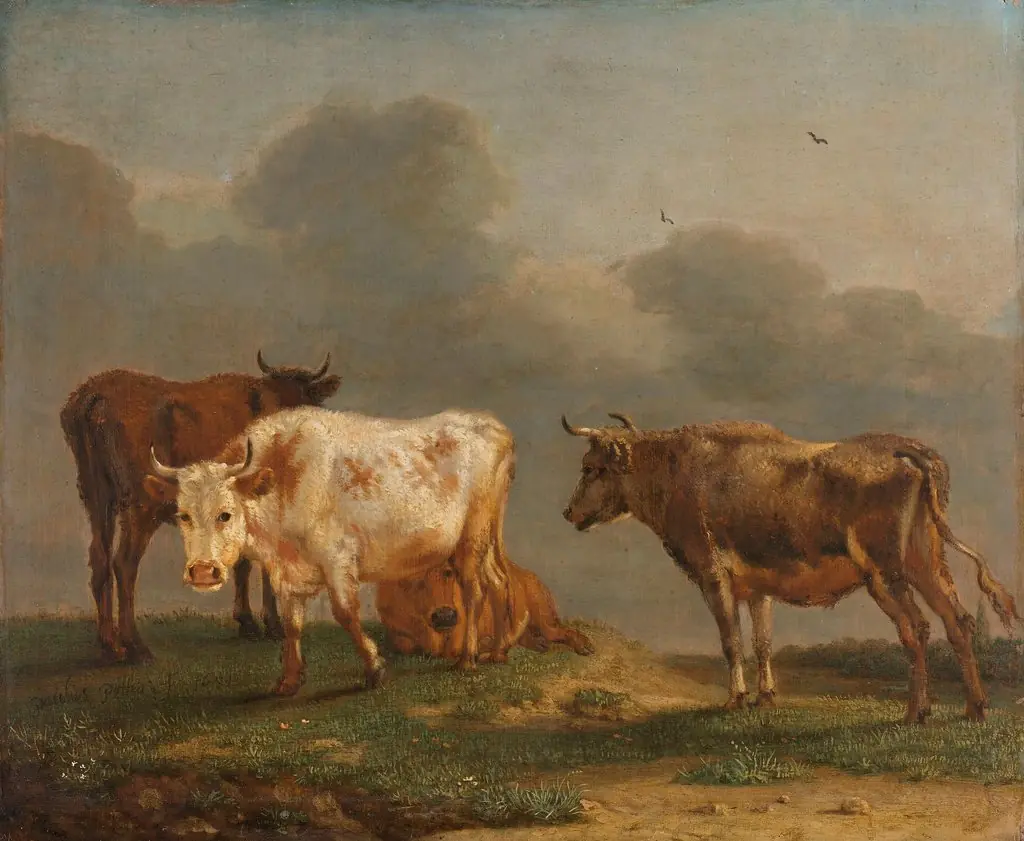 Four Cows in a Meadow
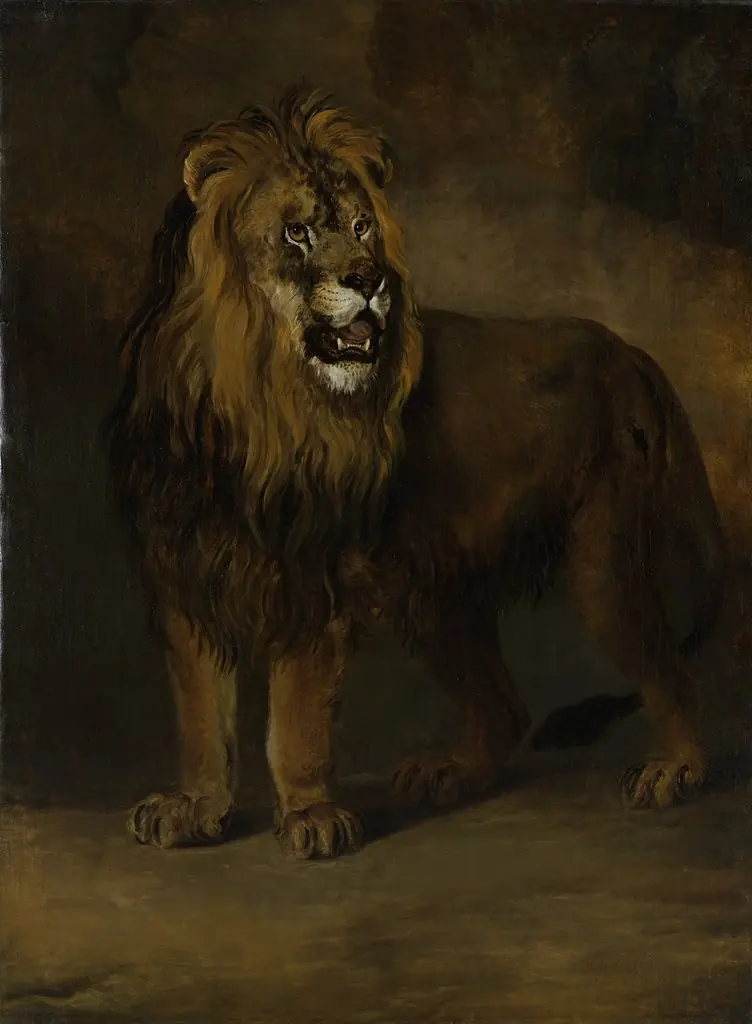 A lion from the Menagerie of King Louis Napoleon, 1808
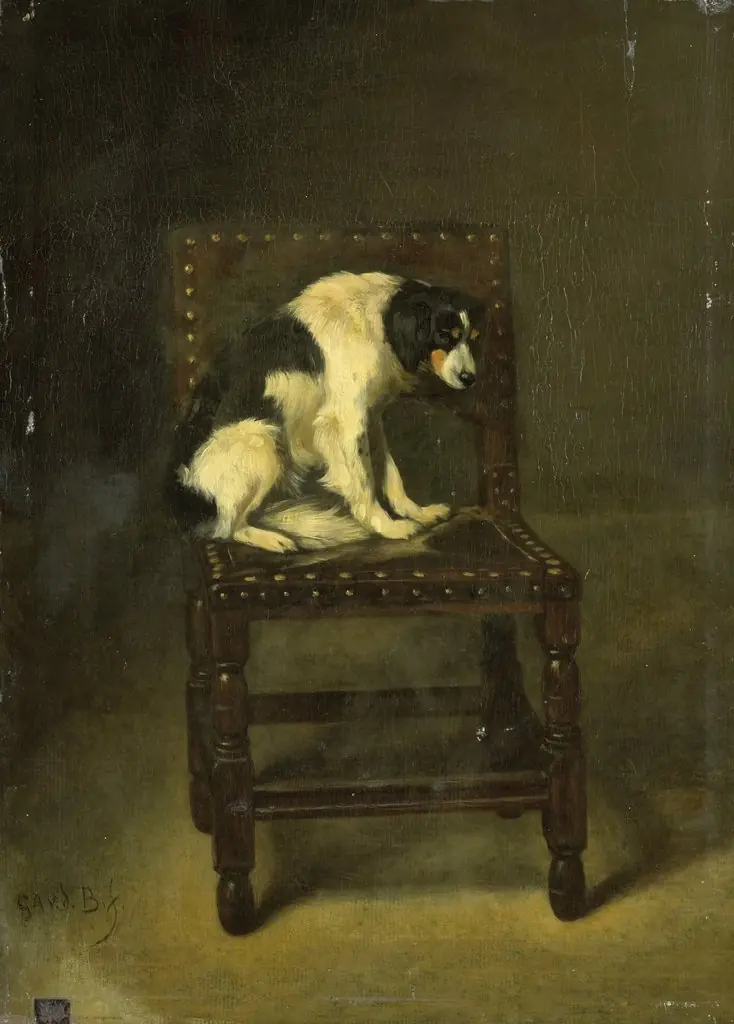 A Dog on a Chair
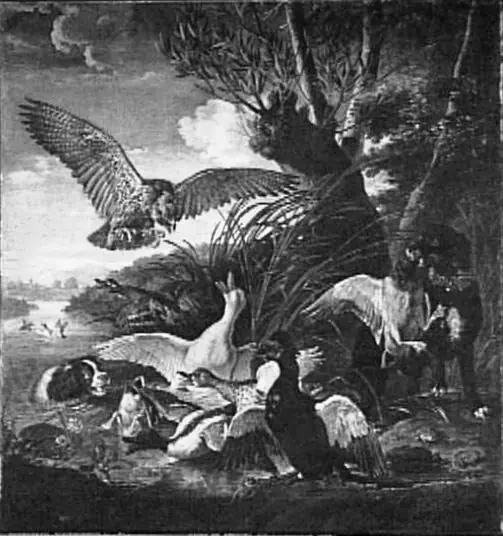 Hunting with the Falcon
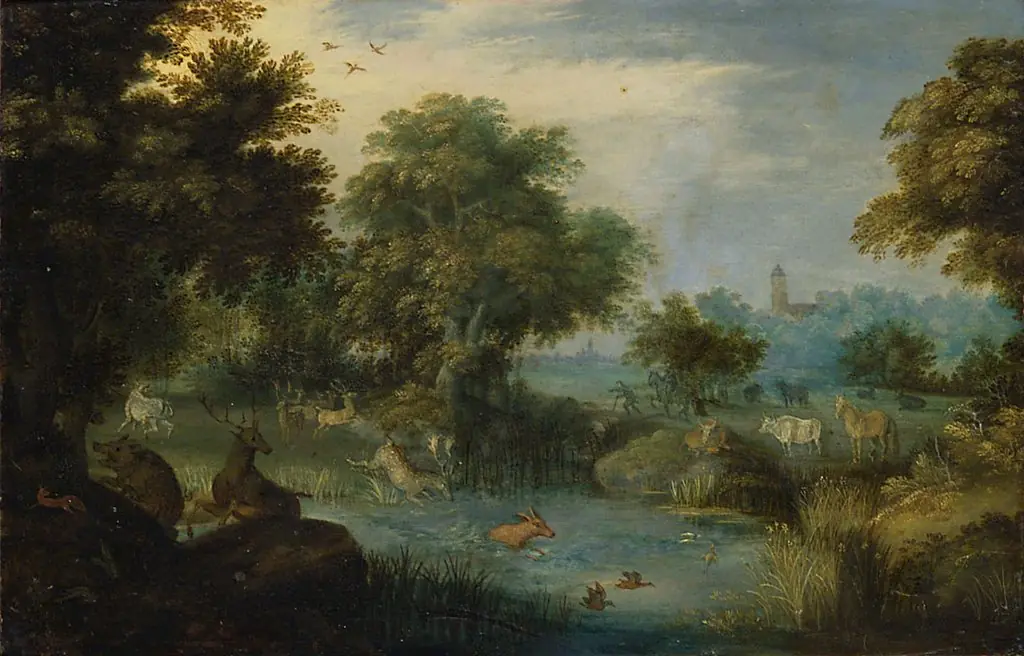 Hunting Scene
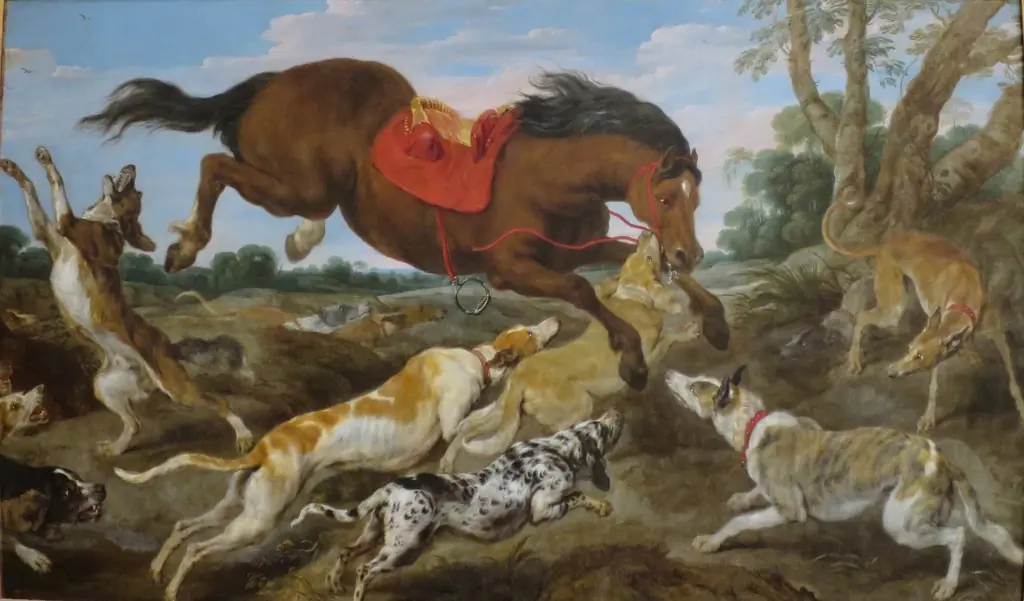 Enraged Horse
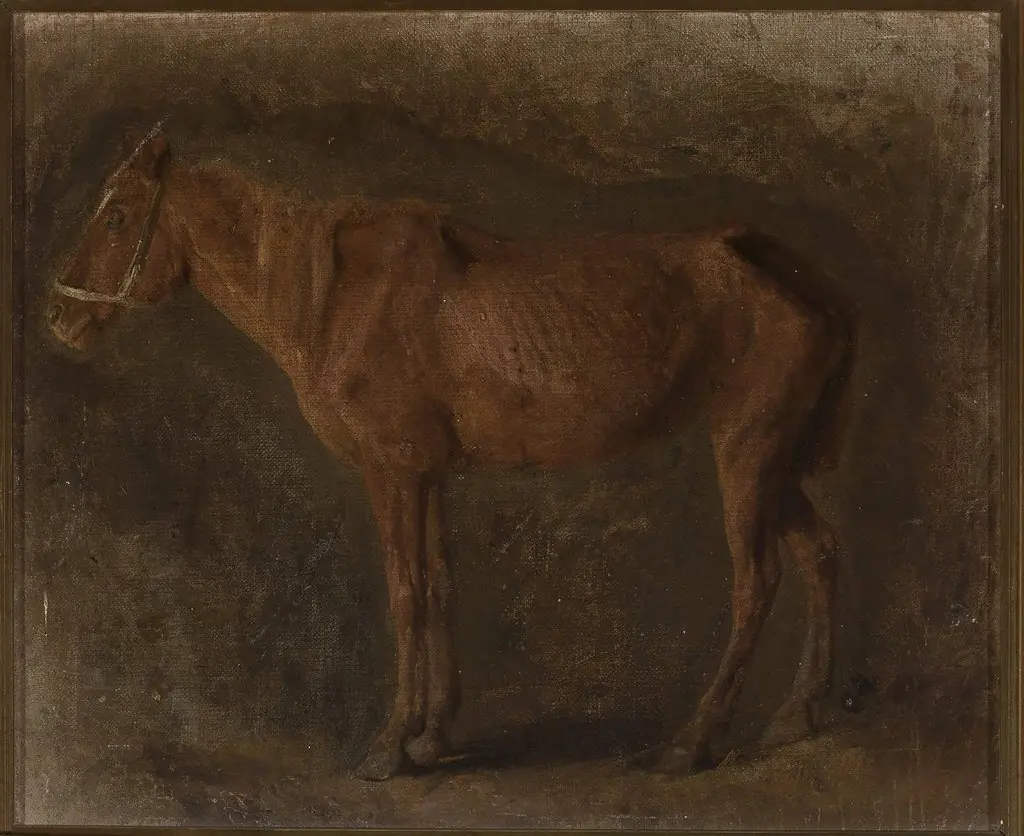 Study of a horse
 Dying Buffalo Bull
Frequently asked questions
What is Animal?
Animal is an art genre. The genre devoted to the depiction of animals — wild, domestic, or mythological.
How many Animal works does Artifact World Gallery have?
Artifact World Gallery holds 2,113 public-domain Animal works, all free to view and download.
Who are the key Animal artists?
Key Animal artists in the collection include Gustave Courbet, Edgar Degas and Jacques-Louis David.
Where can I see Animal works?
Animal works in the collection are held by National Gallery of Art, Victoria and Albert Museum and Cleveland Museum of Art.