Artwork
Lupta de la Sevastopol
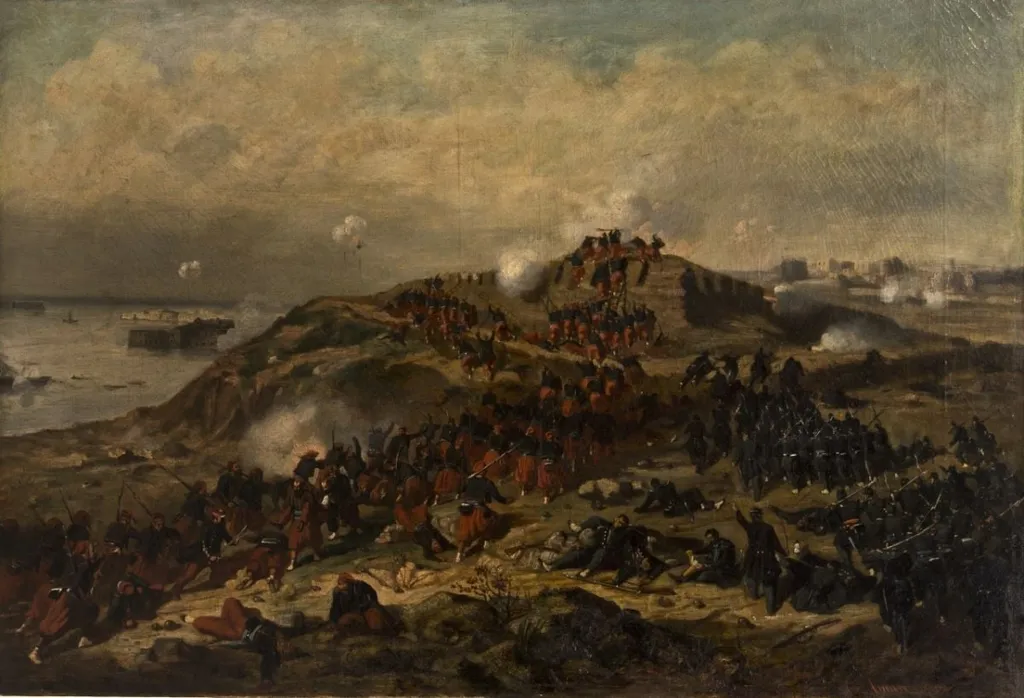
Lupta de la Sevastopol is an unspecified painting by the Impressionist artist Theodor Aman. It dates from 1859 and is held in the collection of the National Museum of Art of Romania.
About this work
Overview
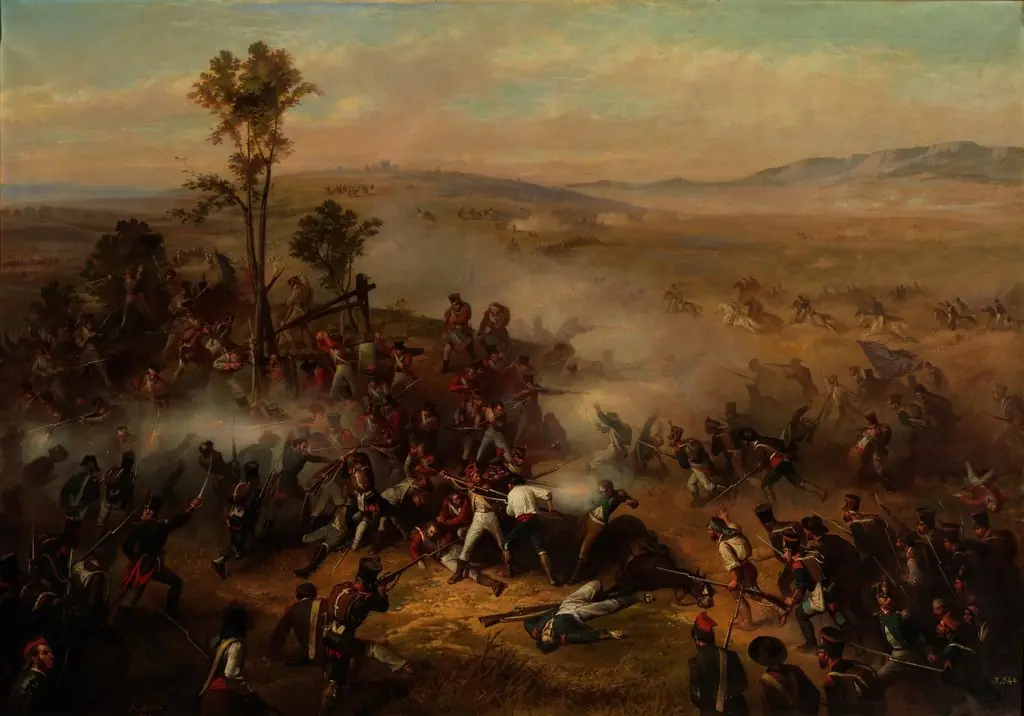
Painted in 1859 by Theodor Aman, Lupta de la Sevastopol is a large-scale oil painting depicting a moment from the Crimean War. The composition centers on a chaotic cavalry engagement near the besieged city of Sevastopol, capturing the intensity of close combat. Aman’s focus on motion and disorder reflects the turbulence of war rather than its heroism.
Subject & Meaning
The scene portrays Romanian volunteers fighting alongside allied forces during the Siege of Sevastopol. Rather than glorifying battle, the painting emphasizes the confusion and violence of combat, horses rearing, soldiers entangled in struggle, and fragmented formations suggest disarray. It serves as a record of Romanian military participation in a broader European conflict.
Technique & Style
Aman employs dynamic brushwork and strong contrasts of light and shadow to convey movement and spatial depth. Figures are rendered with kinetic energy, their limbs and horses’ muscles tensed in action. The use of chiaroscuro enhances the three-dimensionality of forms, while the muted palette grounds the scene in realism rather than romanticism.
History & Provenance
Commissioned shortly after the Crimean War, the painting was intended to commemorate Romania’s role in the conflict. It entered the collection of the National Museum of Art of Romania in Bucharest, where it remains today. Its early acquisition by a national institution underscores its significance in shaping Romania’s visual narrative of military involvement.
Context
Created during a period of rising Romanian national consciousness, the painting aligns with efforts to assert cultural identity through historical imagery. While the Crimean War was primarily a clash between Russia and an alliance of Ottoman, French, and British forces, Romanian troops served as auxiliary units. Aman’s work helped translate this participation into a recognizable national story.
Legacy
Lupta de la Sevastopol became a reference point for later Romanian historical painters, influencing how war was depicted in academic art. Its emphasis on realism over idealization marked a shift from earlier romanticized battle scenes. Though not widely known outside Romania, it remains a key example of 19th-century Eastern European military painting.
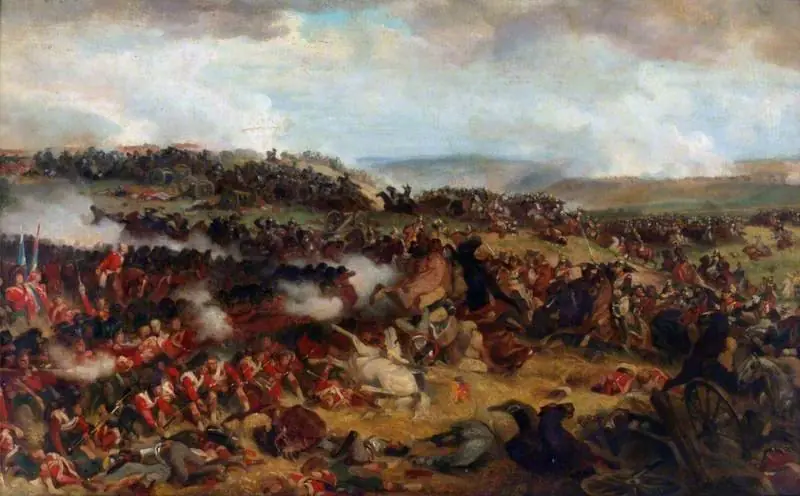
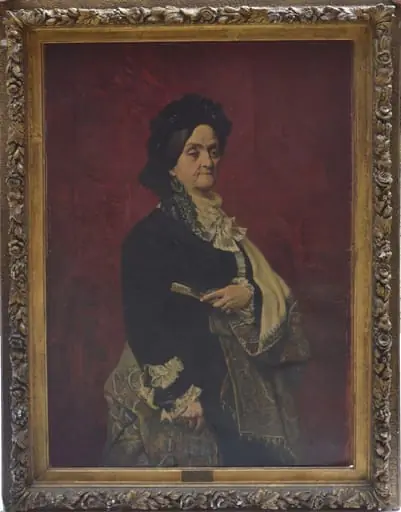
Artist & collection
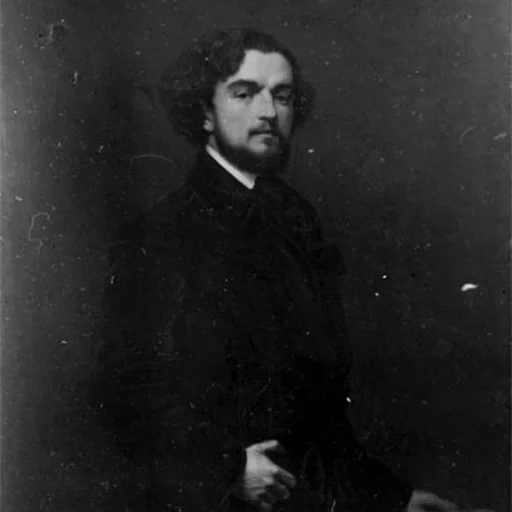
Artist
Theodor Aman (20 March 1831 – 19 August 1891) was a Romanian painter, engraver and art professor. He mostly produced genre and history scenes.

- The Battle of Waterloo: The British Squares Receiving the Charge of the French Cuirassiers
 Episodio de la batalla de Bailén
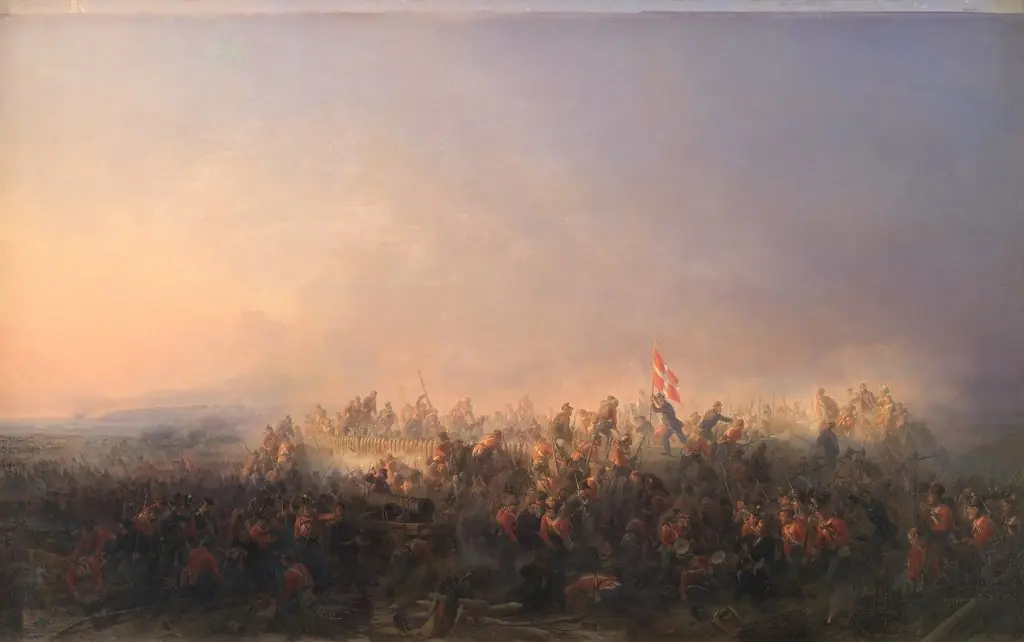 Slaget ved Fredericia den 6. juli 1849
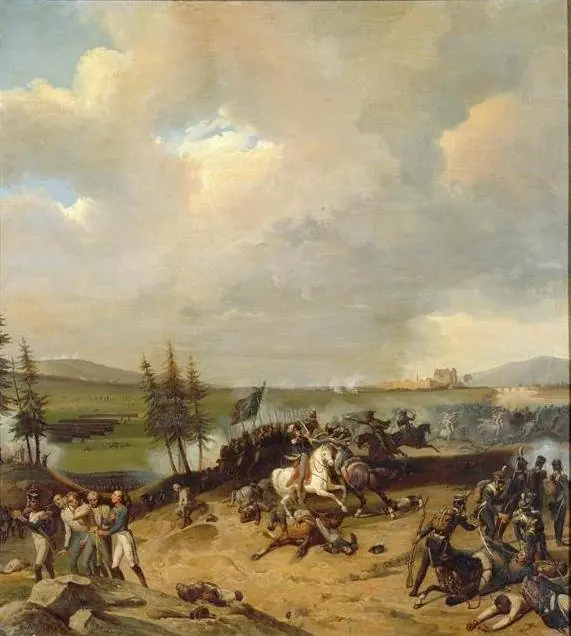 Combat de Saalfeld, 10 octobre 1806
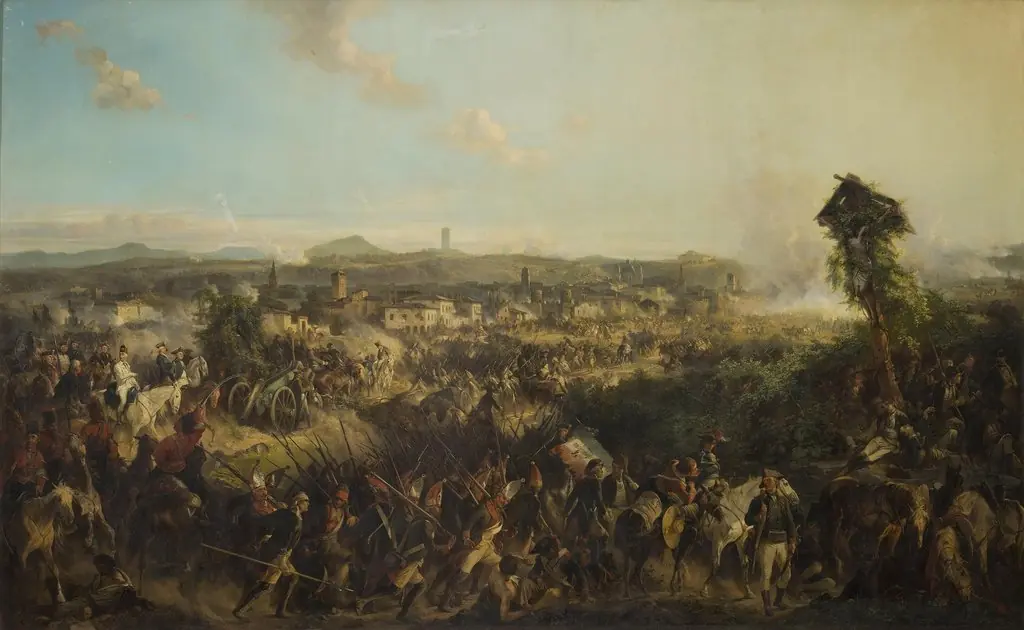 Battle of Novi on 4 August 1799
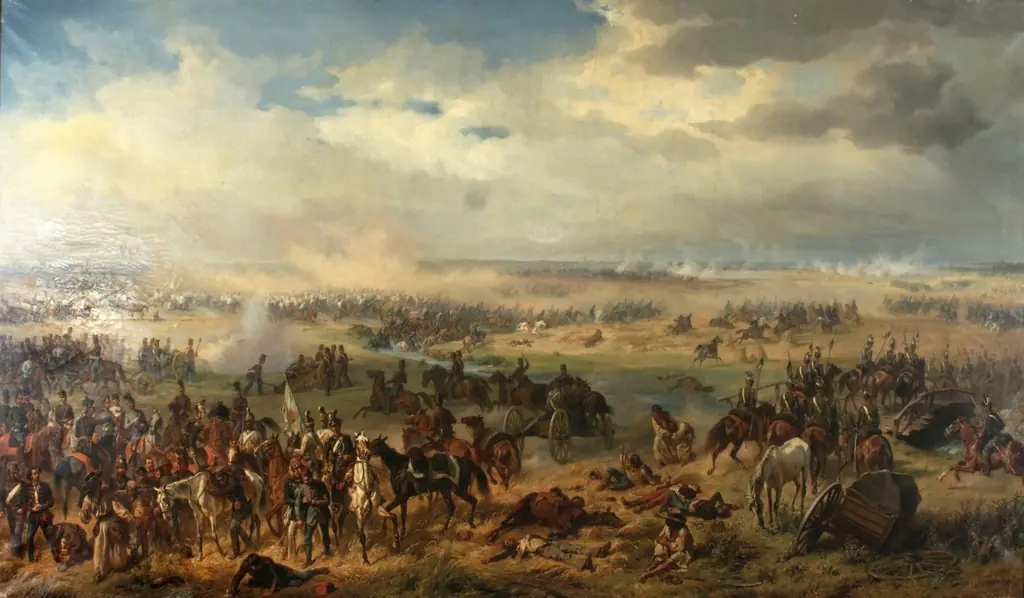 Die Schlacht bei Temesvár
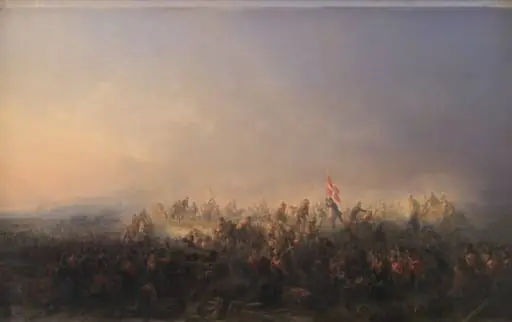 Slaget ved Fredericia den 6. juli 1849
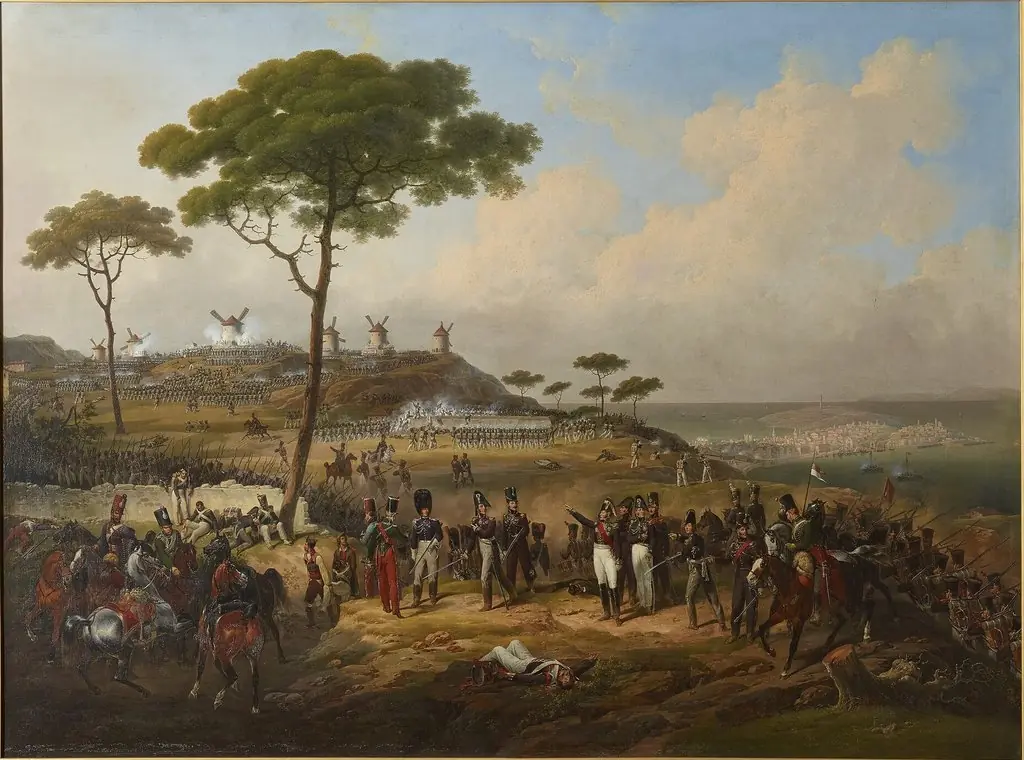 Attaque et prise des retranchements devant La Corogne par la division Bourke, 15 juillet 1823
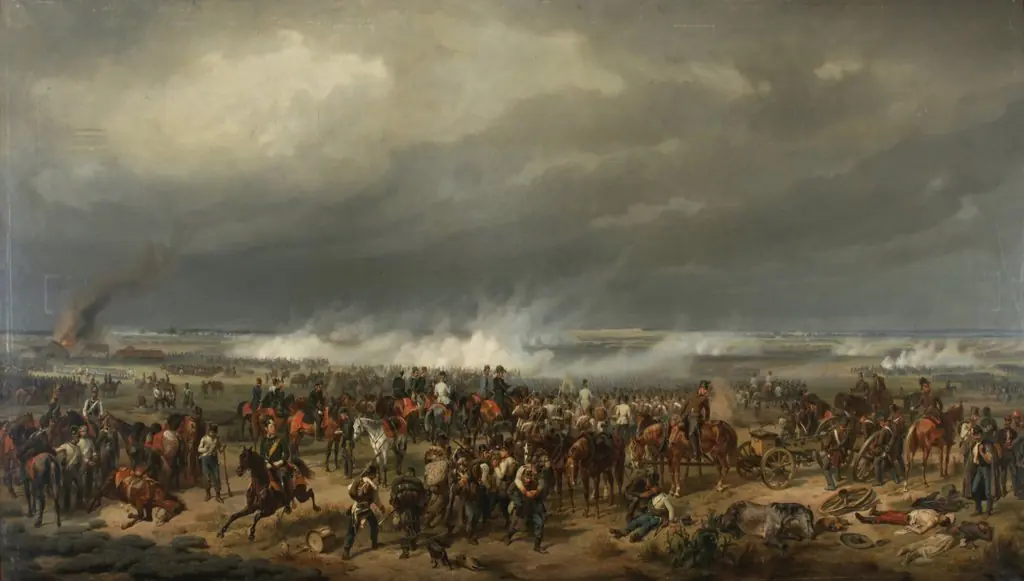 Die Schlacht bei Komorn
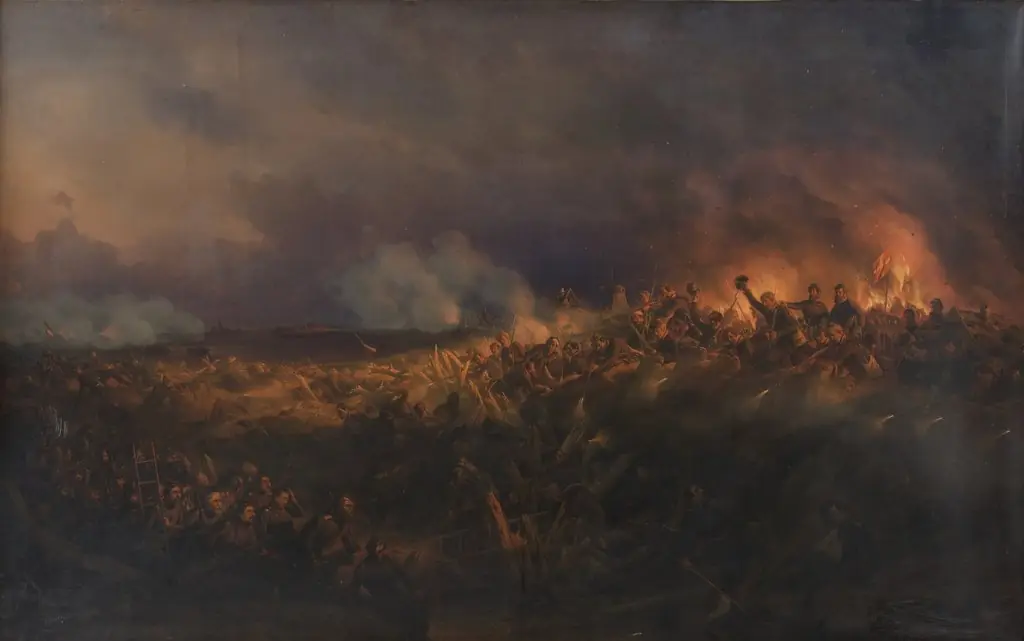 Stormen på Frederiksstad den 4. oktober 1850
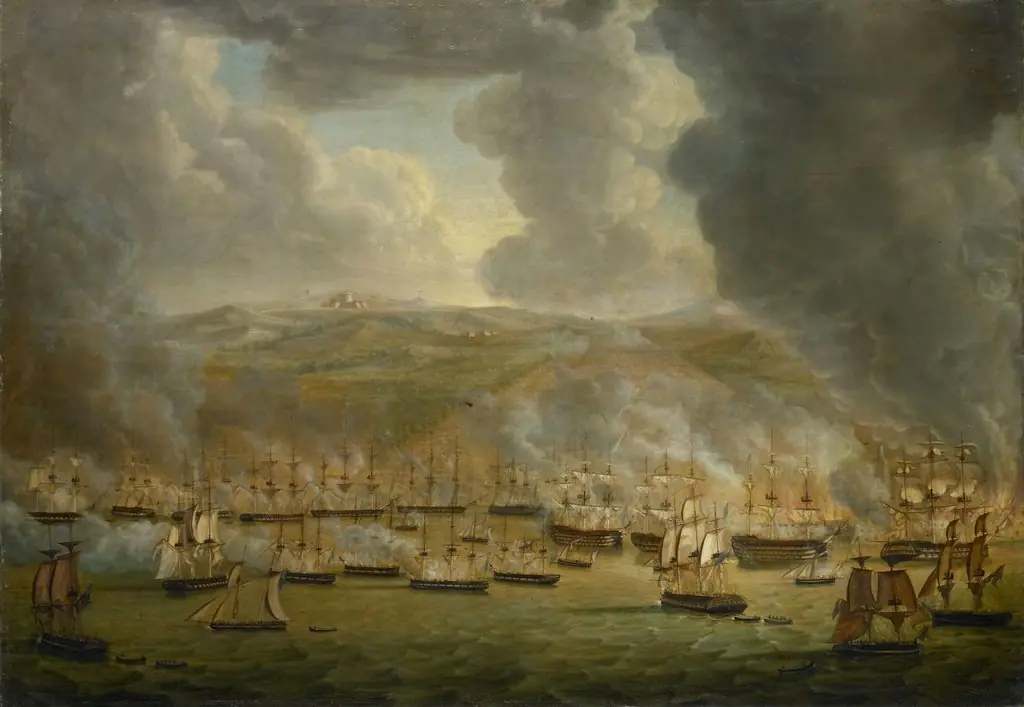 Bombardment of Algiers by the United Anglo-Dutch Naval Squadron, 1816
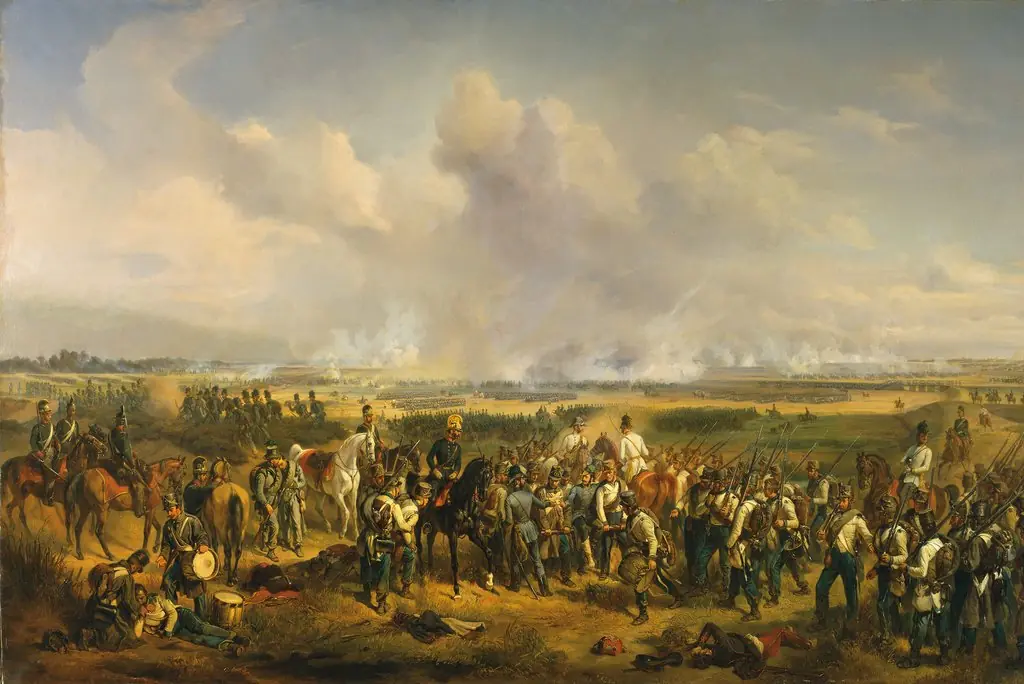 Die Schlacht bei Szeged