Artwork
Escape of French Prisoners
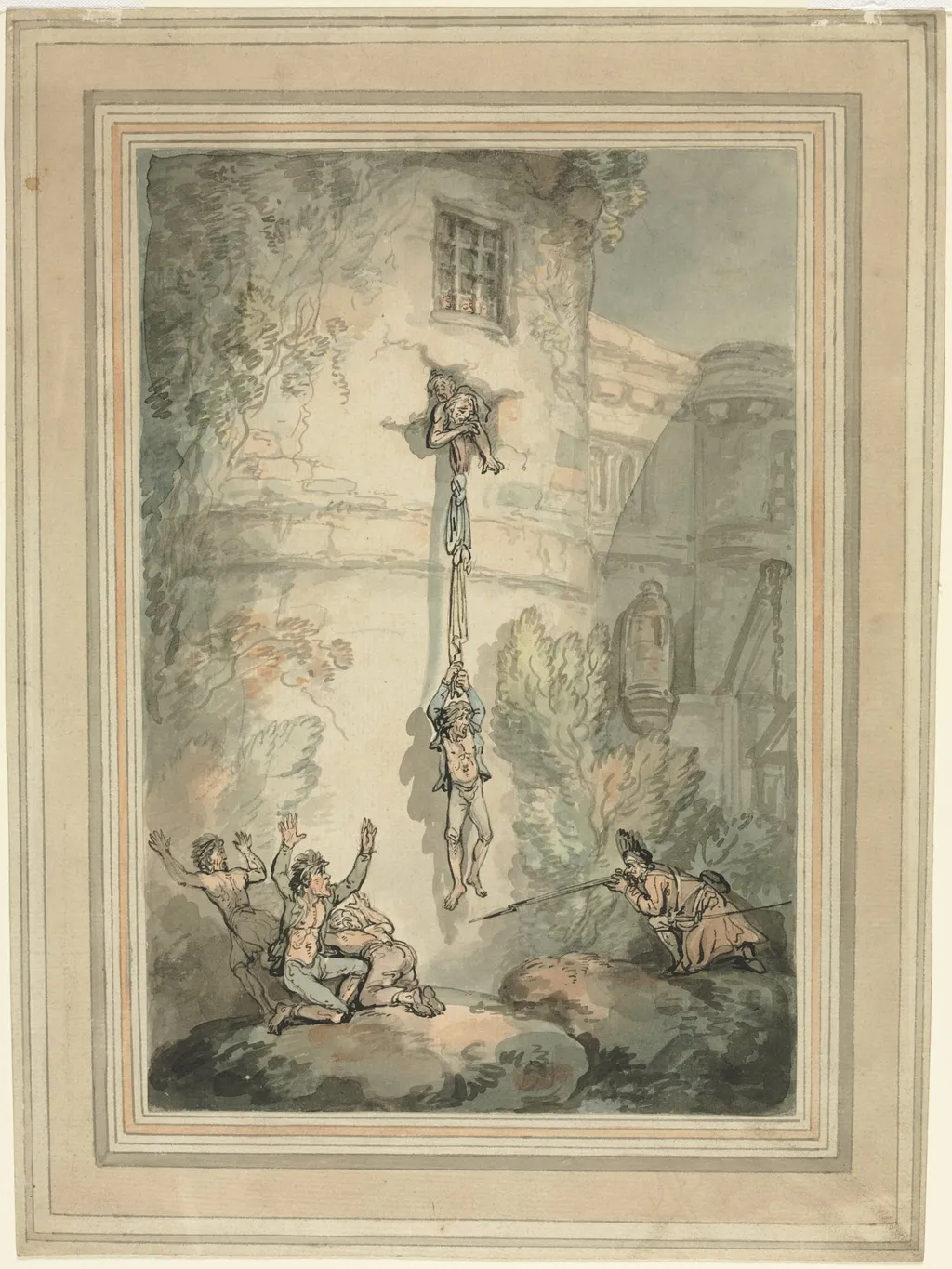
Escape of French Prisoners is a drawing by the Romanticist artist Thomas Rowlandson. It dates from 1799 and is held in the collection of the Cleveland Museum of Art.
- Accession no.
- 1958.6
- Credit line
- Bequest of Leonard C. Hanna Jr.
About this work
Overview
Thomas Rowlandson’s 1799 drawing Escape of French Prisoners depicts a frantic rescue scene set against a stone façade. Several unclothed men dangle from a rope, one clutching an infant, while onlookers below react with alarm and attempts to assist. The composition is rendered in a restrained palette of grays, browns and beiges, heightening the sense of urgency.
Subject & Meaning
The image dramatizes a desperate attempt by French captives to flee confinement, emphasizing human vulnerability and collective distress. By foregrounding the infant and the exposed bodies, the work underscores the peril of war‑time imprisonment and evokes sympathy for the prisoners’ plight.
Technique & Style
Executed in Rowlandson’s characteristic satirical caricature, the drawing combines bold line work with muted tonal washes. The exaggerated anatomy and expressive gestures align with the robust, bawdy aesthetic typical of late‑18th‑century British printmaking, while the limited colour scheme reinforces a somber atmosphere.
History & Provenance
Created during the Georgian era, the print reflects Rowlandson’s engagement with contemporary political events, including his occasional critiques of Napoleon. Escape of French Prisoners entered the collection of the Cleveland Museum of Art, where it remains part of the institution’s holdings of British satirical prints.
Context
The work belongs to the broader Romantic movement, which prized emotional intensity and dramatic narrative. Though primarily known for caricature, Rowlandson’s drawing adopts Romantic sensibilities through its focus on human suffering and the heightened tension of a crisis moment.
Own this work as a print
Artist & collection
Artist
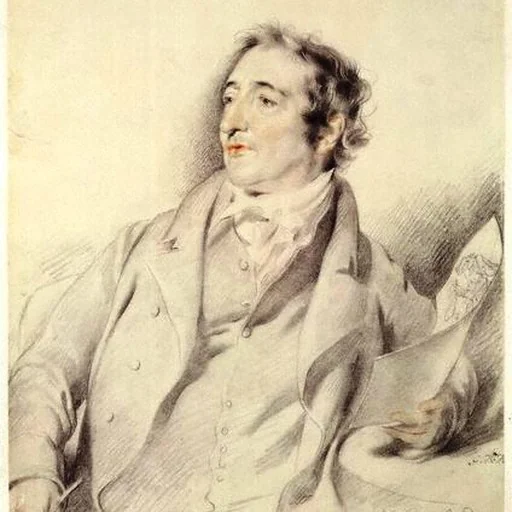
Thomas Rowlandson (; 13 July 1757 – 21 April 1827) was an English artist and caricaturist of the Georgian Era, noted for his political satire and social observation.

- The Crucifixion of Polycrates
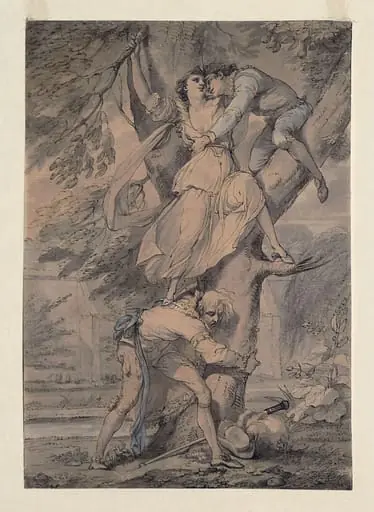 January and May
 Nature and Genius Introducing Garrick to the Temple of Shakespeare
 Les Soirées de Rome: L'Arc de triomphe
 Les Soirées de Rome: The Stairs
 Two boys playing a variation of Blind Man's Buff
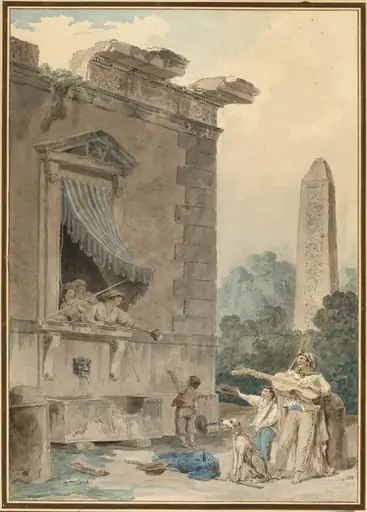 Charitable Ladies
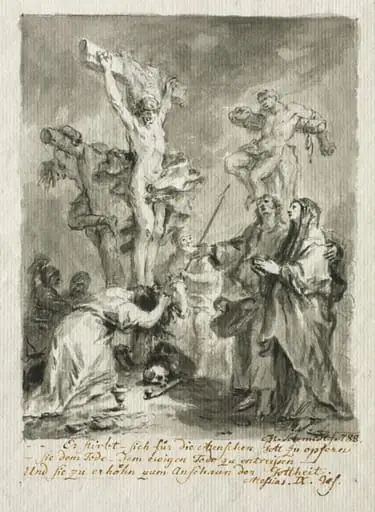 The Crucifixion
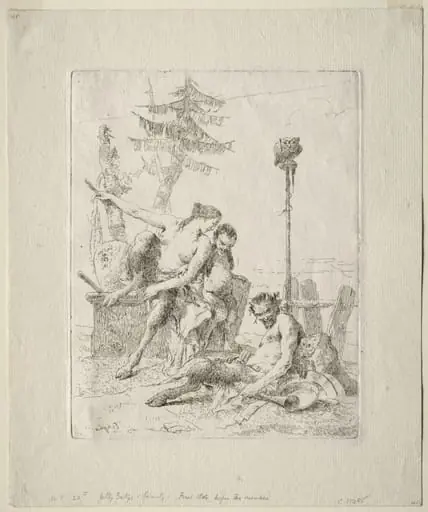 Scherzi di Fantasia: The Happy Satyr and his Family
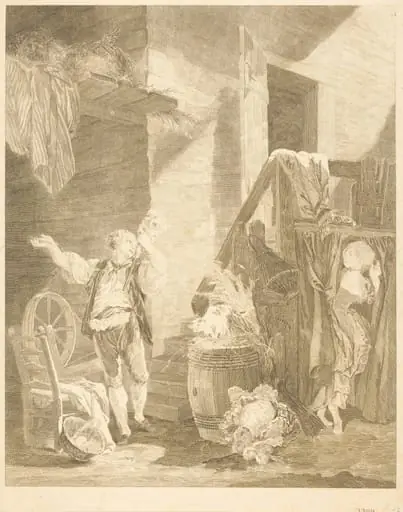 Rose et Colas
 The Stoning of Saint Stephen
 Le paysan