Artwork
Queen Victoria
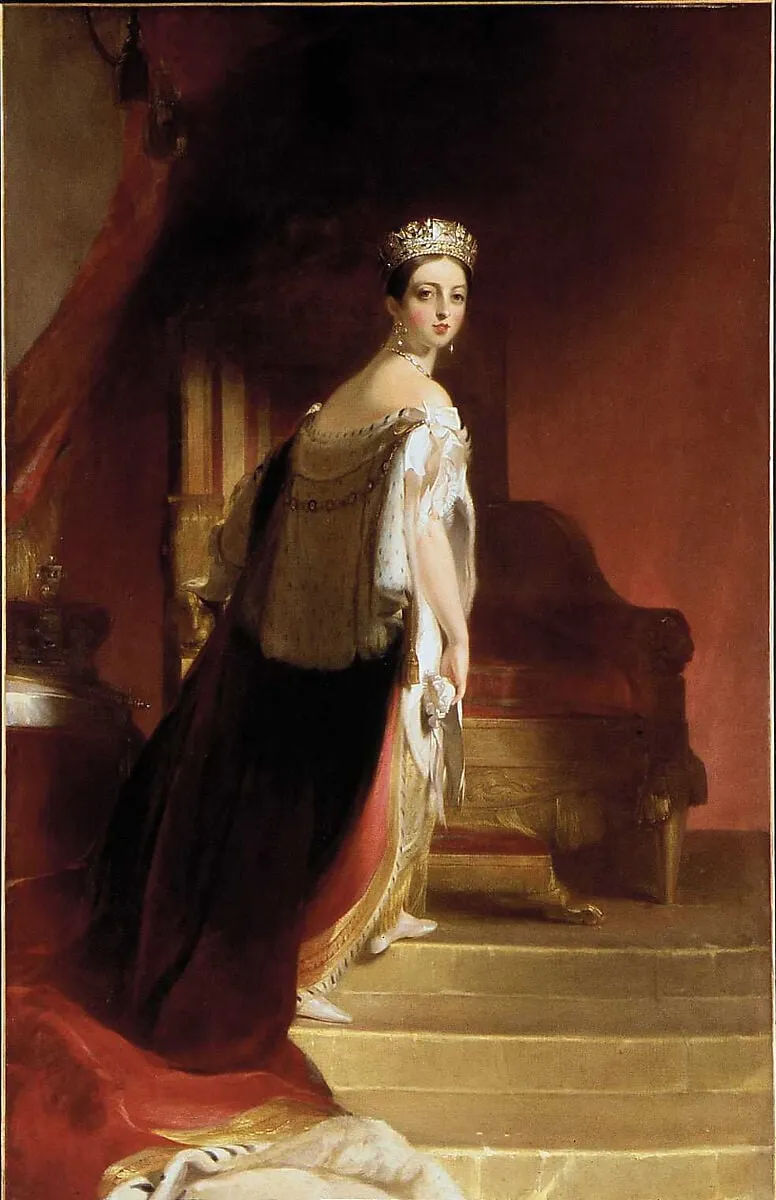
Queen Victoria is an oil painting by the American Impressionist artist Thomas Sully. It dates from 1838 and is held in the collection of the Metropolitan Museum of Art.
About this work
Technique & Style
Thomas Sully’s 1838 portrait of Queen Victoria is executed in oil on canvas, adhering to the conventions of the genre while introducing an informal pose.
Thomas Sully’s 1838 portrait of Queen Victoria is executed in oil on canvas, adhering to the conventions of the genre while introducing an informal pose. The medium’s luminous layering and subtle glazing render the queen’s features with a lifelike immediacy, while the support’s woven canvas texture remains visible beneath thin, controlled brushwork. Sully’s handling balances precision in facial detail with looser, suggestive treatment of drapery and accessories, emphasizing Victoria’s youthful poise rather than rigid formality.
The composition’s diagonal thrust, Victoria walking toward the throne, contrasts with the static symmetry typical of royal portraits, though regal attributes (crown and scepter) are included to signal status. The work’s condition is reported as stable after conservation, with no significant losses or discoloration noted in recent examinations.
History & Provenance
Thomas Sully’s portrait of Queen Victoria (1838, oil on canvas) was commissioned by the Philadelphia-based Society of the Sons of Saint George to honor British emigrants in the United States and was painted after Sully traveled to London for five sittings with the young queen. Executed in 1838, the work depicts Victoria shortly after her accession at age eighteen, shown walking toward the throne while engaging the viewer. The painting entered the collection of the Metropolitan Museum of Art, New York, in 2021.
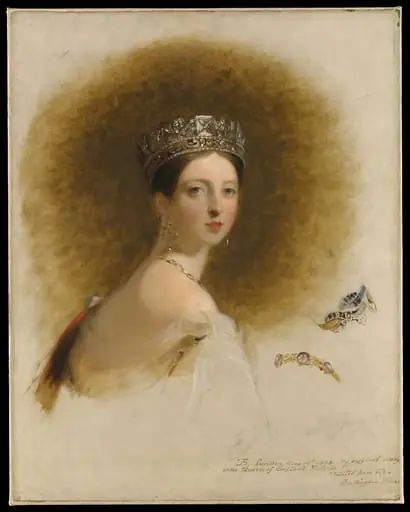
A related head-and-shoulders version, made for engraver Charles Edward Wagstaff’s print, is held by the Wallace Collection, London.
Context
Thomas Sully’s 1838 oil portrait of the young Queen Victoria, commissioned by the Philadelphia Society of the Sons of Saint George and painted after five sittings in London, was praised contemporary for its informal yet regal portrayal, contrasting with George Hayter’s more formal rendering. Art historians view the work as emblematic of Sully’s transatlantic career, blending American patronage with British portrait tradition, and as a key image of Victoria’s early reign that helped shape her public image. The painting now resides in the Metropolitan Museum of Art, underscoring its significance within both American and British art histories.
Overview
Thomas Sully, an English-American artist, completed this oil on canvas portrait of Queen Victoria in 1838. The painting captures the monarch in a formal seated posture, adorned with regal attire and a crown. This work represents a significant commission for Sully, showcasing his skill in capturing prominent figures of the era.
Its presence in "The American Wing" highlights the transatlantic connections in art during the 19th century, despite the subject's British identity.
Subject & Meaning
The portrait presents Queen Victoria with an air of dignified authority, reflecting her recent ascension to the throne. Her formal pose and elaborate dress, complete with a crown, emphasize her royal status and the solemnity of her position. Sully's depiction aims to convey the majesty and presence expected of a reigning monarch, establishing an official image for the young queen.
Artist & collection

Artist
Thomas Sully was an English-American portrait painter. He was born in England, became a naturalized American citizen in 1809, and lived most of his life in Philadelphia, Pennsylvania, including in the Thomas Sully…




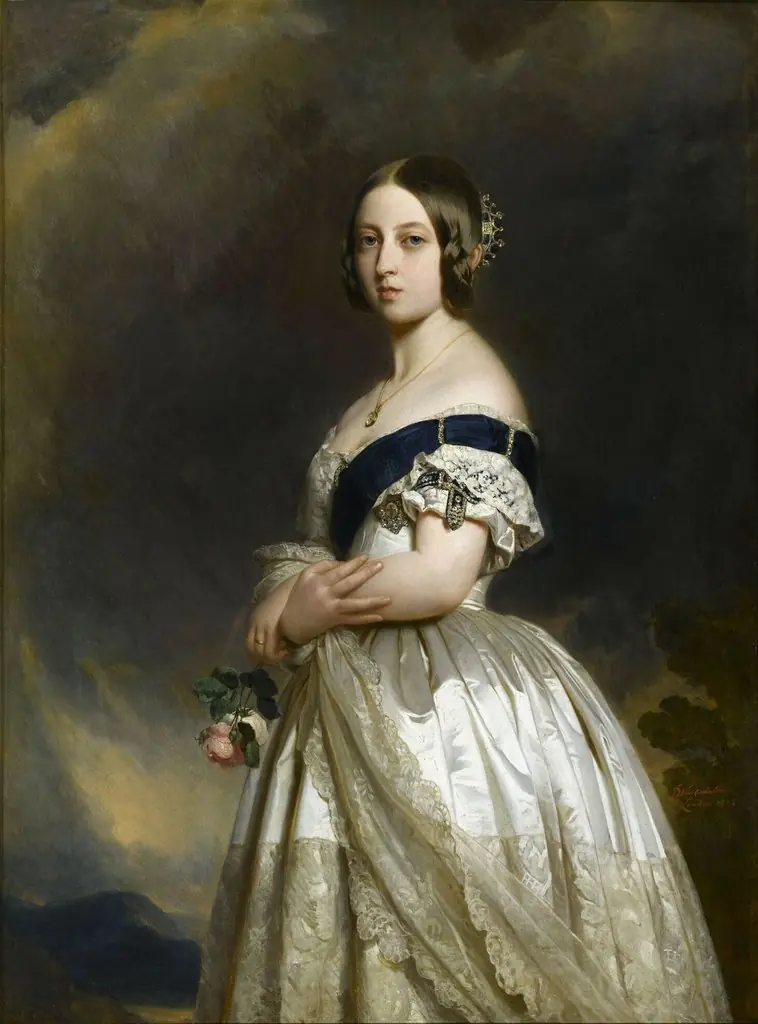 Victoria I, Queen of Great Britain (1819–1901)
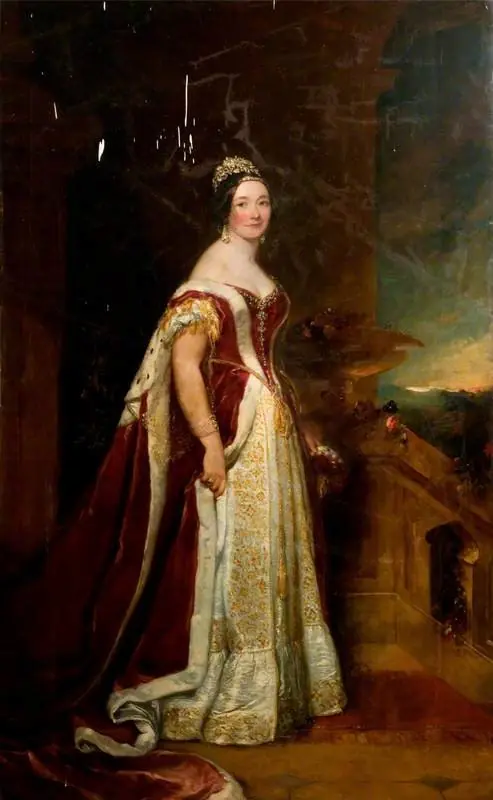 Viscountess Dungannon (d.1880)
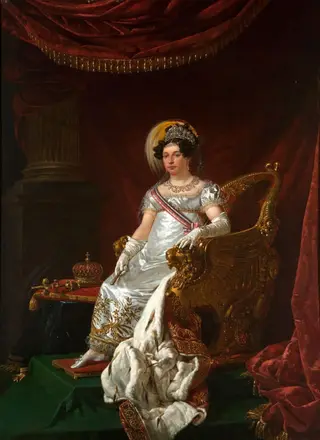 María Isabella of Spain (1789-1848)
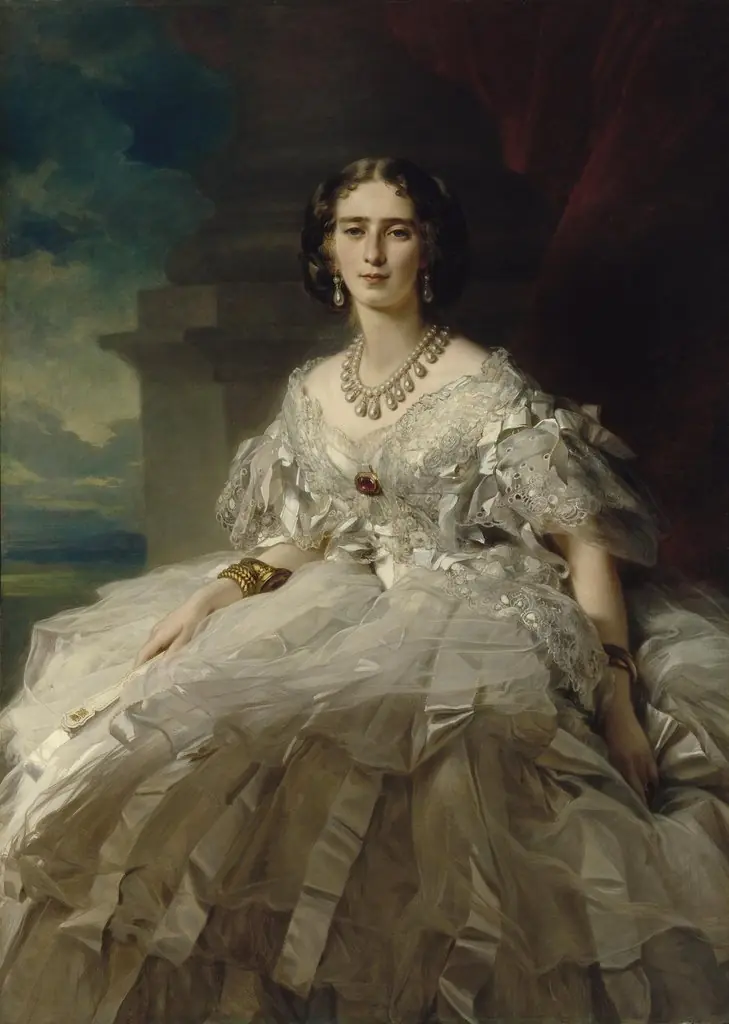 Portrait of Princess Tatyana Alexandrovna Yusupova
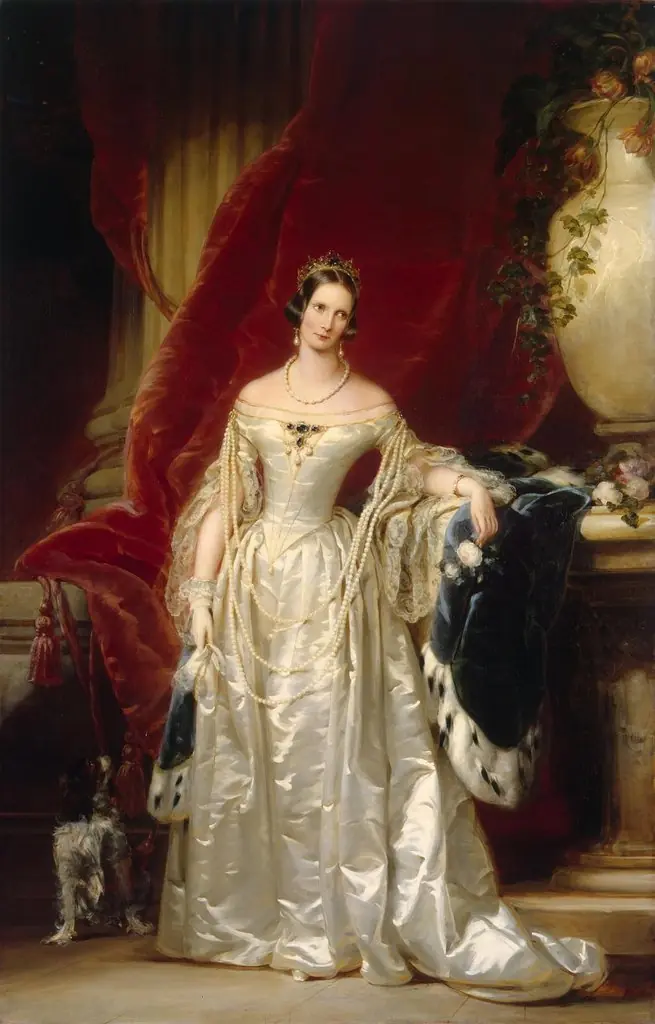 Portrait of Empress Alexandra Fyodorovna
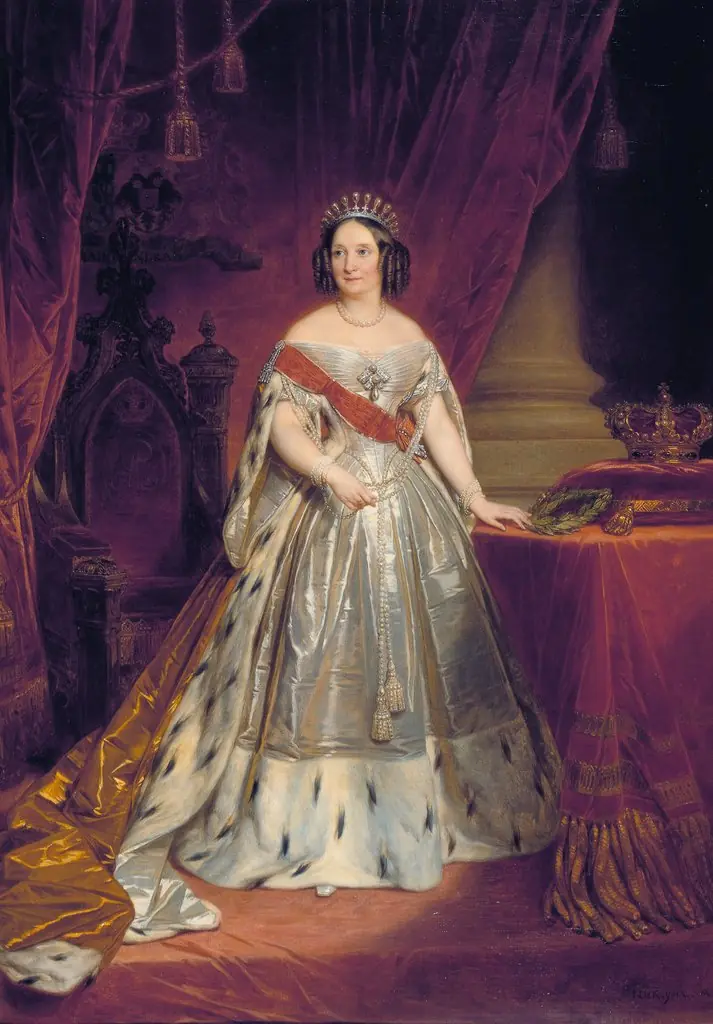 Portrait of Grand Princess Anna Pavlovna
 Portrait of Frances Anne Vane, Marchioness of Londonderry
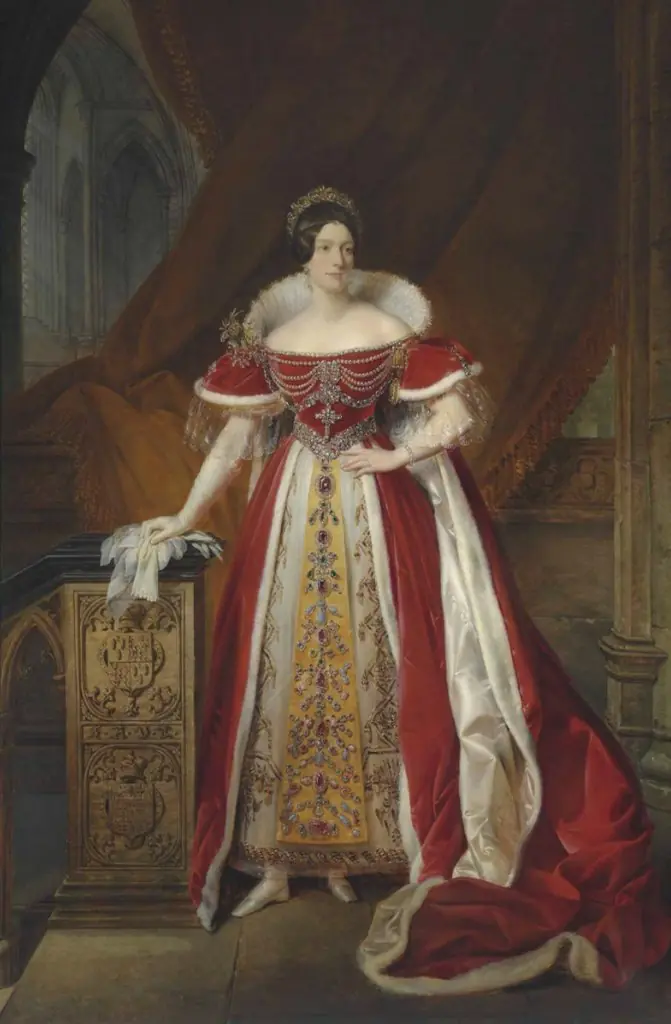 Portrait of Frances Anne Vane, Marchioness of Londonderry
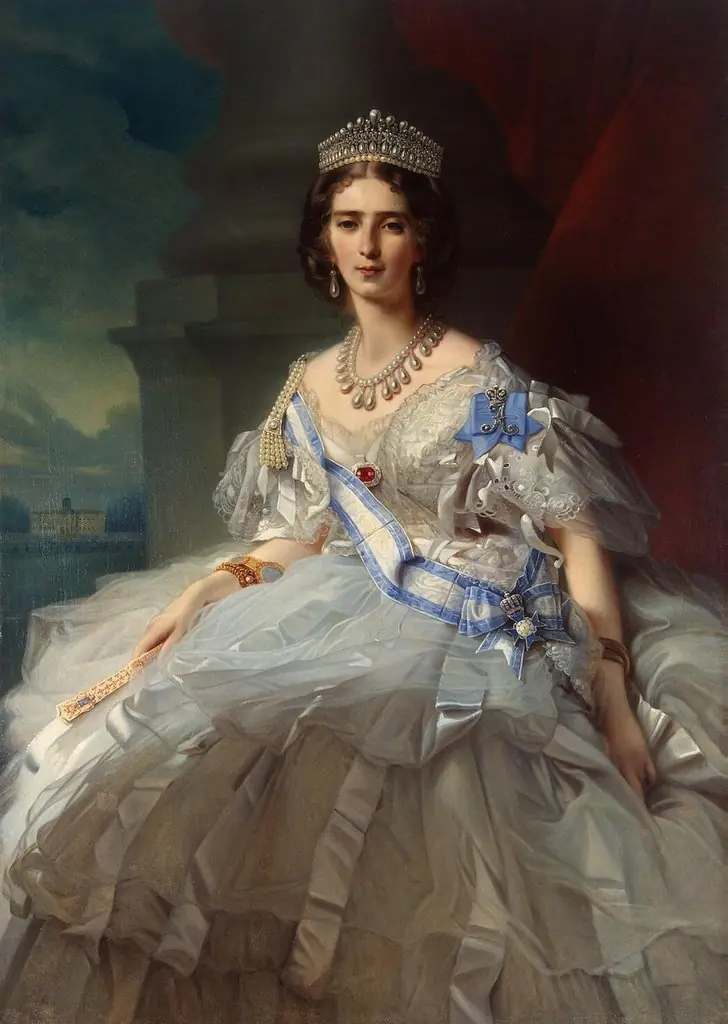 Portrait of Princess Tatyana Yusupova
 Joséphine, Empress of the French