Artwork
Liniște
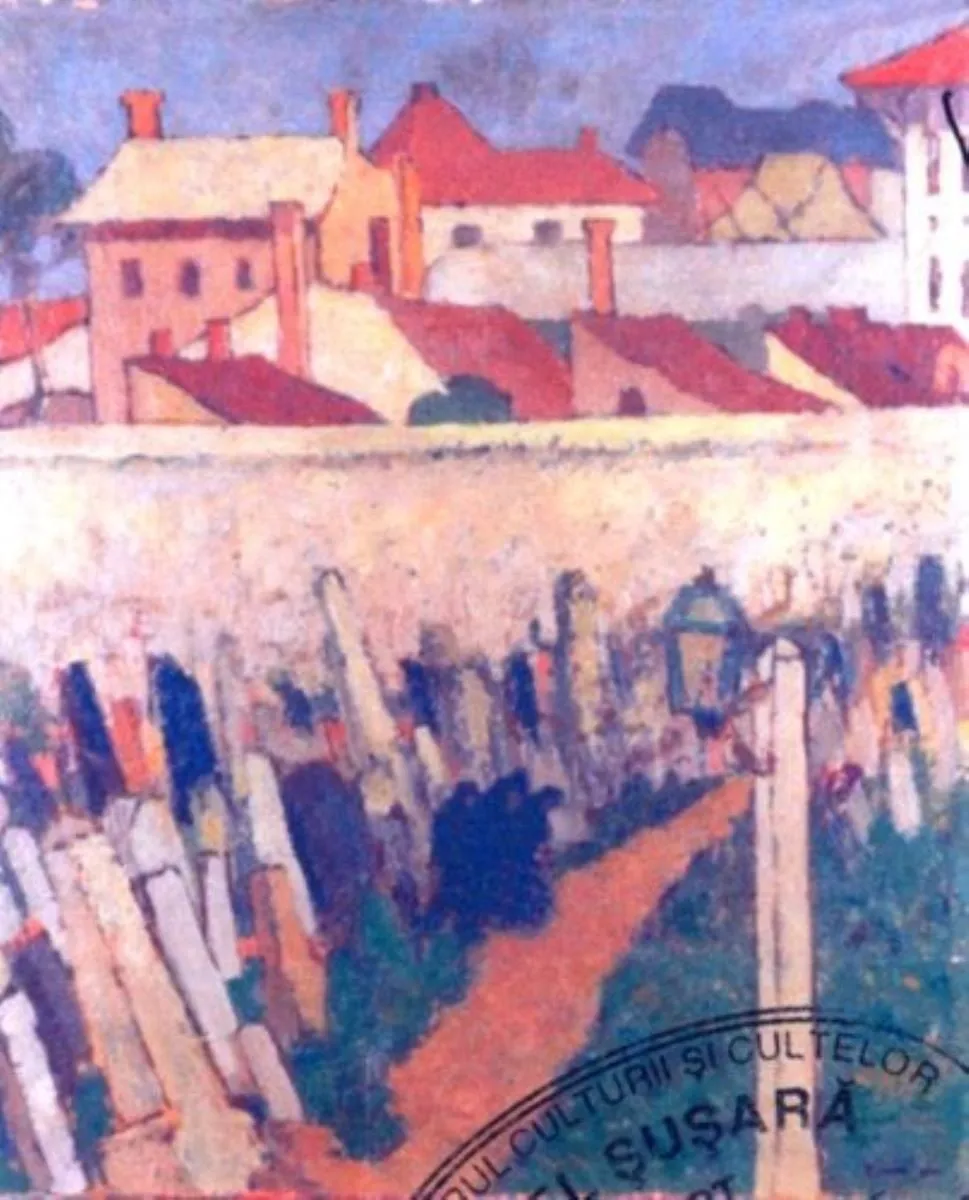
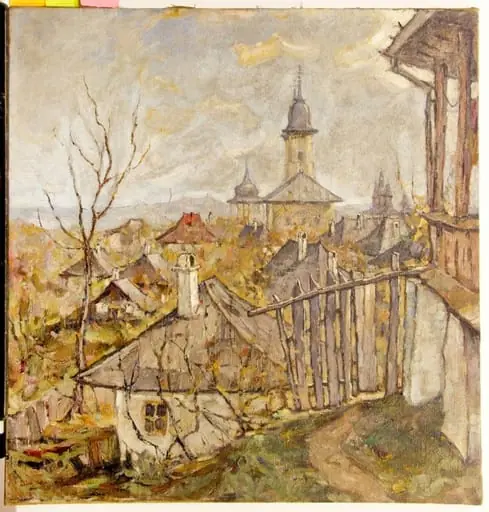
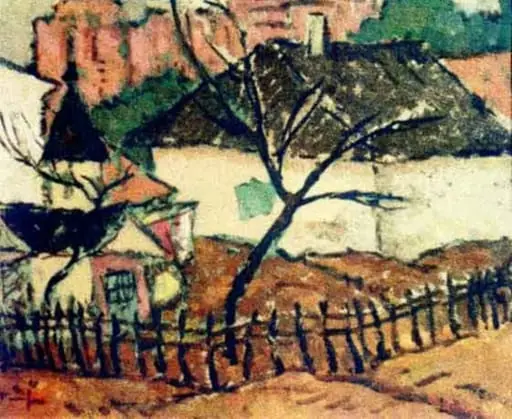
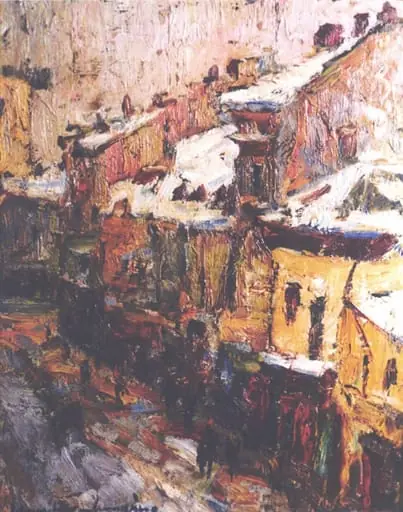
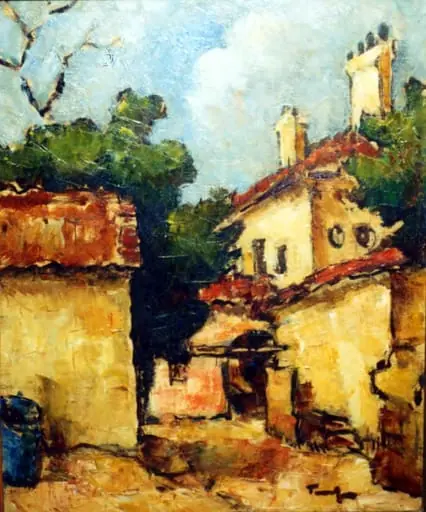
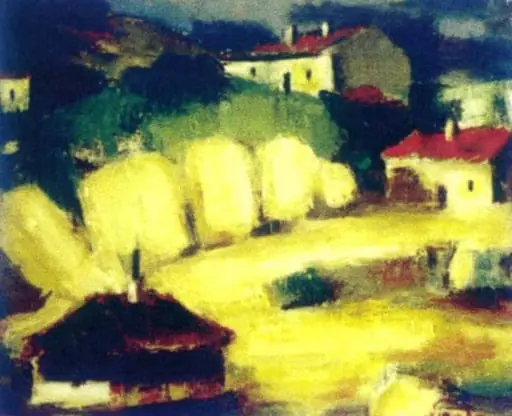
Liniște is an unspecified painting by Nicolae Tonitza. It is held in the collection of the Ion Ionescu-Quintus Prahova County Art Museum.
About this work
Overview
Its subdued palette and balanced structure convey stillness, avoiding dramatic action in favor of contemplative presence.
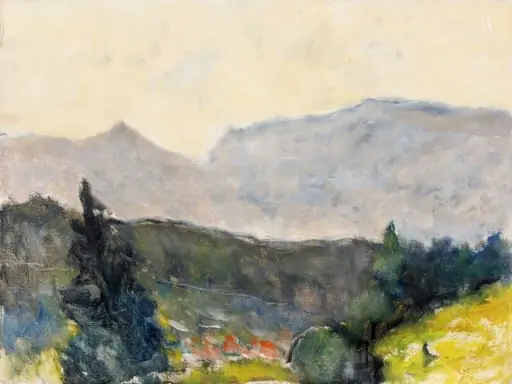
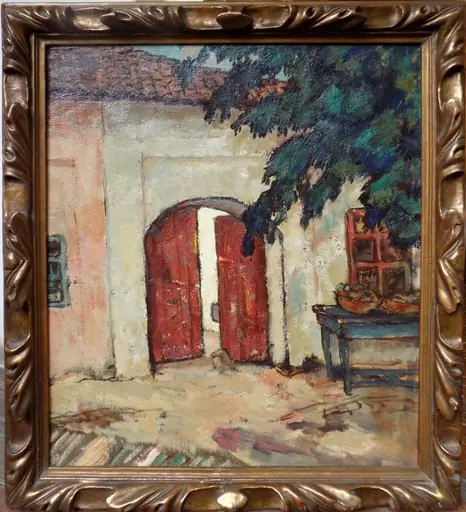
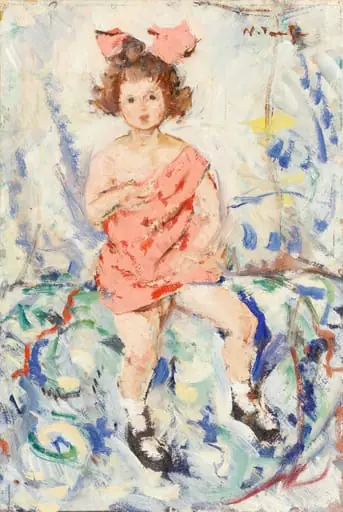
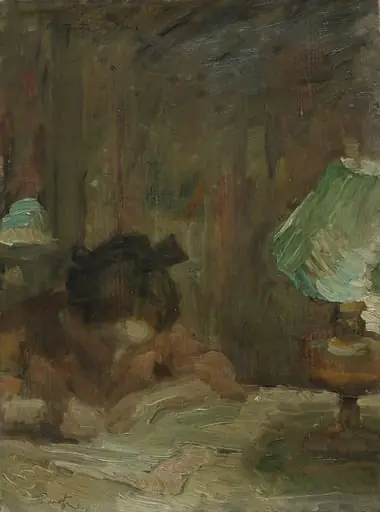
Liniște, painted around 1949 by Nicolae Tonitza, is a quiet composition that captures a rural gathering. The work resides in the Museum of Ethnography and reflects Tonitza’s interest in everyday life and communal rituals. Its subdued palette and balanced structure convey stillness, avoiding dramatic action in favor of contemplative presence. The scene unfolds with minimal narrative, inviting quiet observation rather than interpretation.
Subject & Meaning
The painting shows a group of figures in long white garments, gathered near a row of houses with red and white rooftops. A few individuals, dressed in darker clothing, stand apart, suggesting roles or status within the group. The scene evokes a moment of pause, perhaps a ritual, mourning, or communal rest, but offers no explicit context. The ambiguity reinforces a sense of universal stillness rather than a specific event.
Technique & Style
Tonitza employs soft, flattened forms and muted tones to create a sense of calm. Color is used symbolically: the white robes contrast with the darker figures and the warm hues of the roofs, guiding the eye without force. Brushwork is restrained, with no visible texture or flourish.
The composition is deliberately horizontal, anchoring the viewer’s gaze to the line of dwellings and the clustered figures, enhancing the feeling of tranquility.
History & Provenance
Created near the end of Tonitza’s life, Liniște was acquired by the Museum of Ethnography shortly after its completion. It was not exhibited widely during the artist’s lifetime, and its early history remains largely undocumented. The museum’s collection preserved it as an example of Romanian interwar and postwar figurative painting, valued for its emotional restraint and cultural specificity.
Context
Tonitza painted Liniște during a period of political change in Romania, when artistic expression was increasingly regulated. Despite this, the work avoids overt political messaging, focusing instead on intimate, localized scenes. Its emphasis on rural life aligns with broader Romanian cultural movements that sought to define national identity through vernacular traditions, even as urbanization and state control reshaped society.
Legacy
Liniște remains a quiet reference point in Romanian modernism for its emotional subtlety and rejection of spectacle. It is rarely reproduced outside institutional contexts, yet it continues to inform discussions on how silence and restraint can carry cultural weight. The painting’s endurance lies in its refusal to explain, allowing viewers to sit with its stillness as an act of observation rather than interpretation.
Artist & collection

Artist
Nicolae Tonitza was a Romanian painter, engraver, lithographer, journalist and art critic. Drawing inspiration from Post-Impressionism and Expressionism, he had a major role in introducing modernist guidelines to local art.
Museum
Ion Ionescu-Quintus Prahova County Art Museum
Continue through works from the same source collection.