Subject
Street
Street is a subject in art. The gallery holds 200 works in this subject in art, including works by Jean Baptiste Camille Corot, Camille Pissarro and Johannes Vermeer.
A street is a public thoroughfare in a city, town or village, typically lined with buildings on one or both sides and furnished with pavements, crossings, streetlights and benches. As a subject in art, the street is far more than a backdrop: it is the stage of public life, where commerce, class, weather and chance encounter converge. While artists had recorded towns since antiquity, the street emerged as a worthy subject in its own right in seventeenth-century Holland. Johannes Vermeer's "The Little Street" (c. 1658, Rijksmuseum) is the canonical early example—rather than a sweeping panorama, it offers the modest brick façades of two Delft houses, painted in palpably thick pigment, dignifying ordinary domestic frontage with quiet monumentality.
The street became a defining modern motif in nineteenth-century Paris. Baron Haussmann's reconstruction of the city under Napoleon III replaced medieval lanes with broad boulevards, and painters seized on these new spaces as emblems of modern life. Gustave Caillebotte's monumental "Paris Street; Rainy Day" (1877) fuses Impressionist immediacy with classical structure, freezing top-hatted pedestrians mid-stride across a rain-slicked intersection near the Gare Saint-Lazare. Camille Pissarro pursued the theme serially, painting fourteen views of the Boulevard Montmartre from a hotel window in 1897, recording the same street across weather, season and hour—including the celebrated nocturne lit by gas, oil and the new electric lamps.
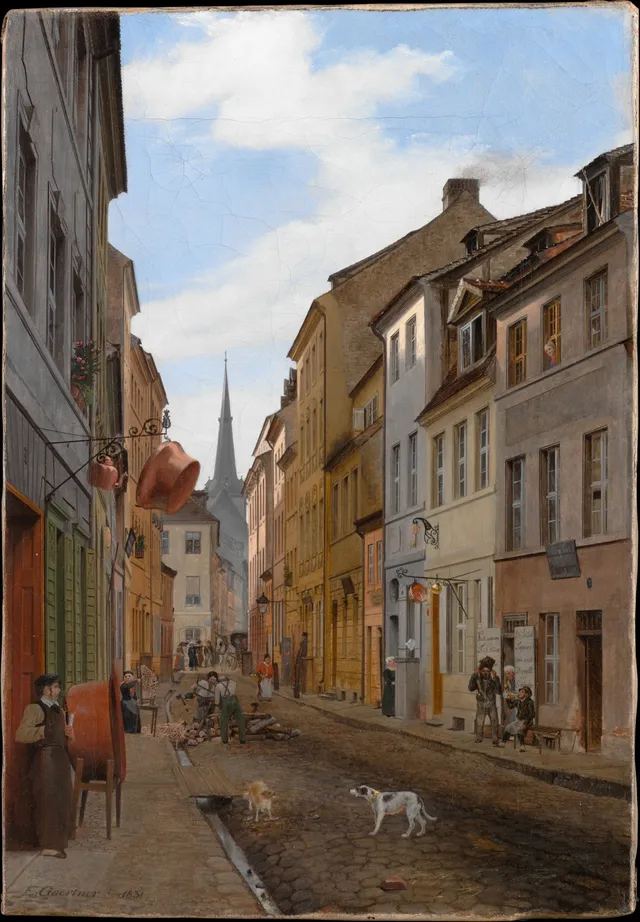
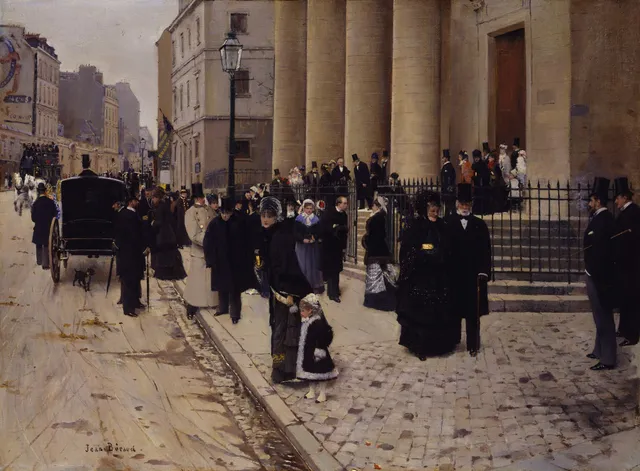
Visually, the street picture exploits perspective and recession, oblique vantage points, atmospheric light, and the asymmetry of crowds caught in motion. Its practitioners ranged across styles: the topographical precision of Eduard Gaertner (1801–1877) in vedute such as "Parochialstrasse in Berlin"; the Belle Époque social observation of Jean Béraud (1849–1935), poised between Salon polish and Impressionism; the textured realism of Jean-François Raffaëlli; and the shimmering American Impressionism of Childe Hassam, whose "Spring Morning in the Heart of the City" celebrates New York's animated avenues.
The motif carried into the twentieth century with America's Ashcan School—Robert Henri, John Sloan and George Bellows—whose "art for life's sake" found beauty in tenements, vendors and immigrant crowds. Anonymous works such as "The Five Points" extended this documentary impulse to the slum. From Vermeer's stillness to the boulevard's bustle, the street remains art's enduring mirror of the public, shared, modern world.
Key artists

Works
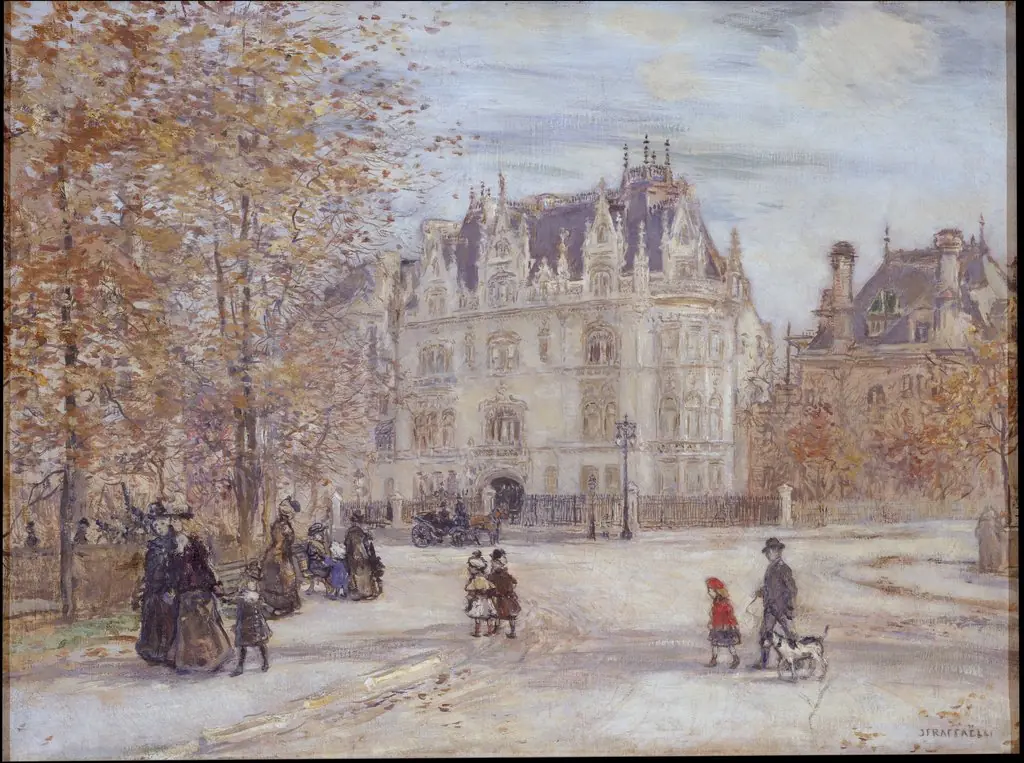 The Fletcher Mansion, New York City
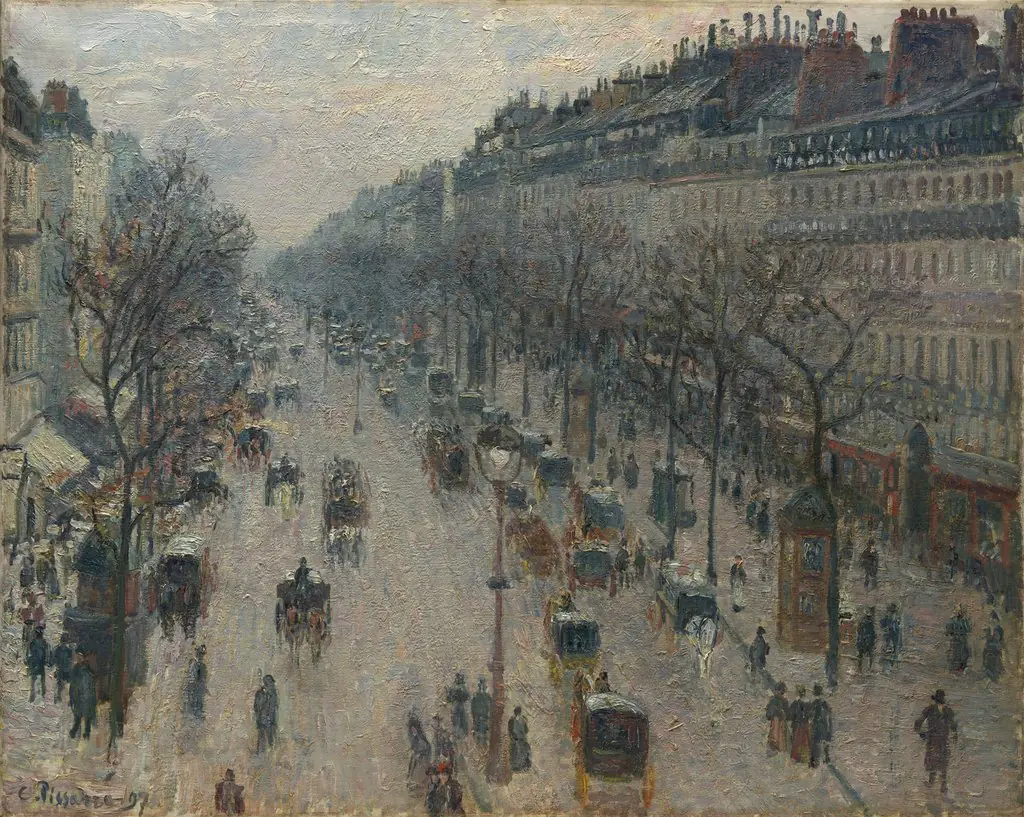 The Boulevard Montmartre on a Winter Morning
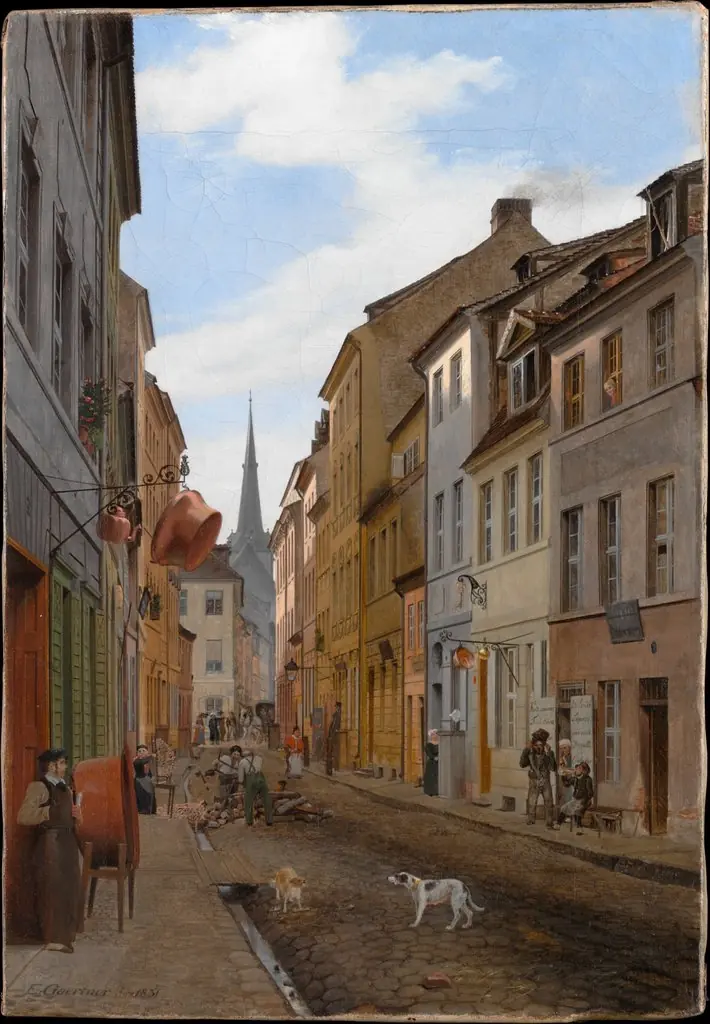 Parochialstrasse in Berlin
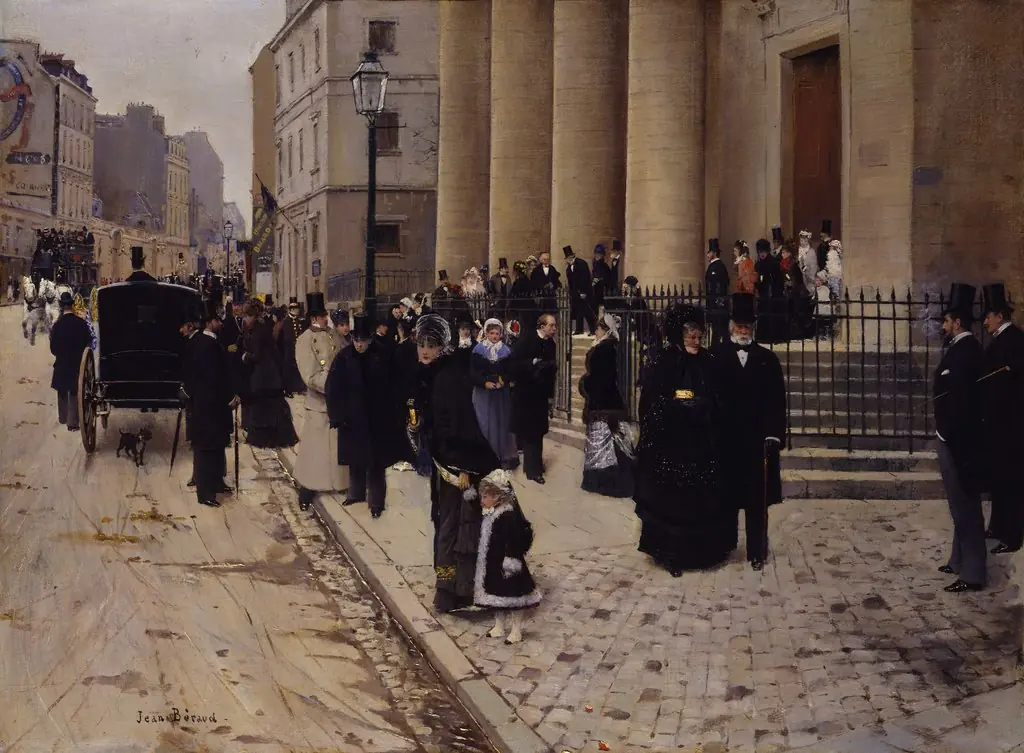 Sunday at the Church of Saint-Philippe-du-Roule, Paris
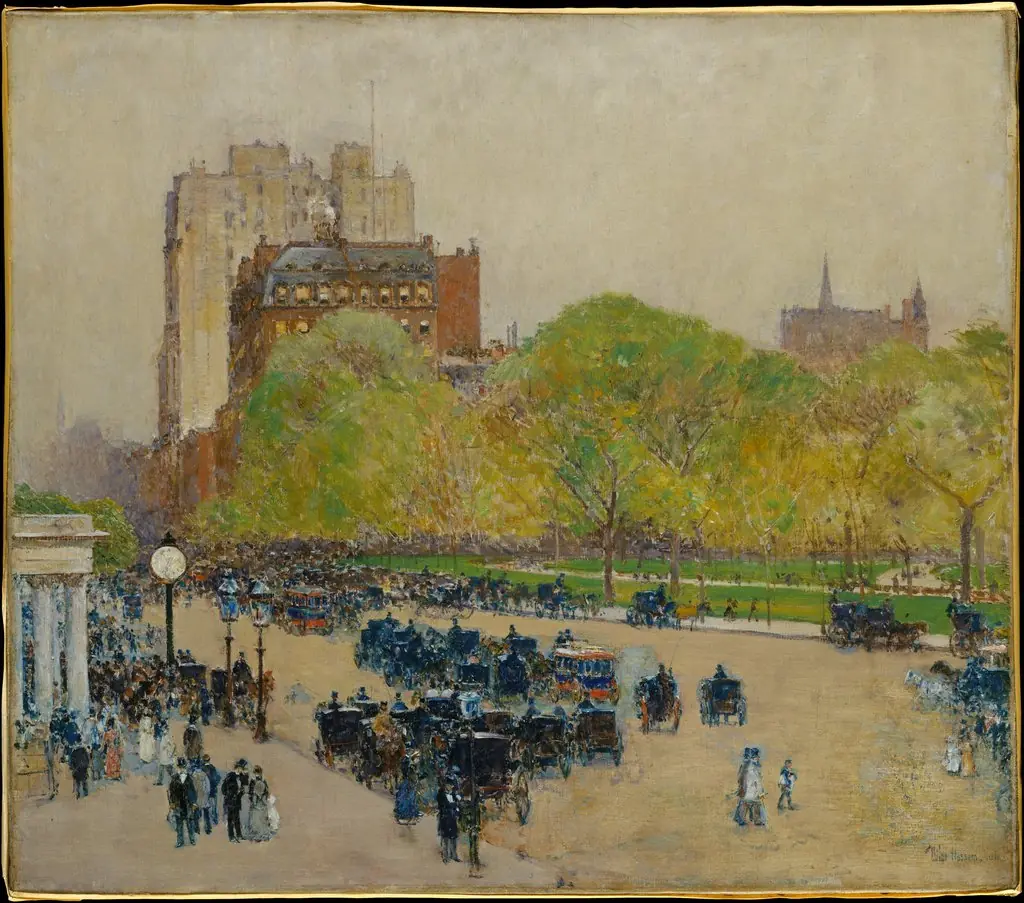 Spring Morning in the Heart of the City
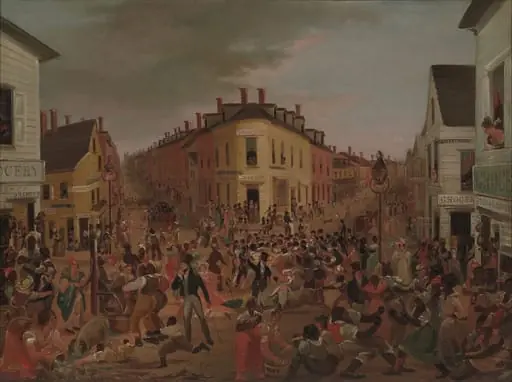 The Five Points
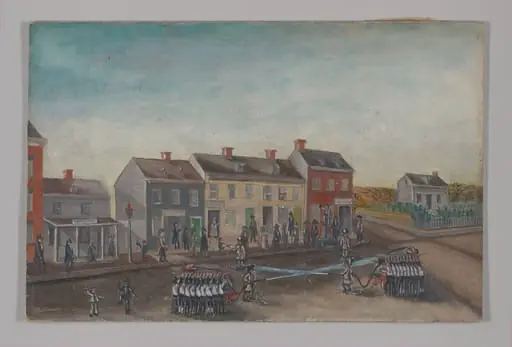 Firemen's Washing Day
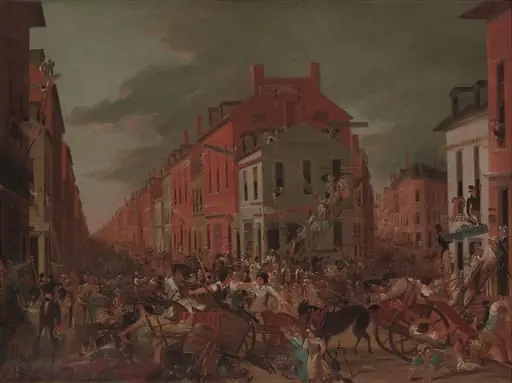 Moving Day (in Little Old New York)
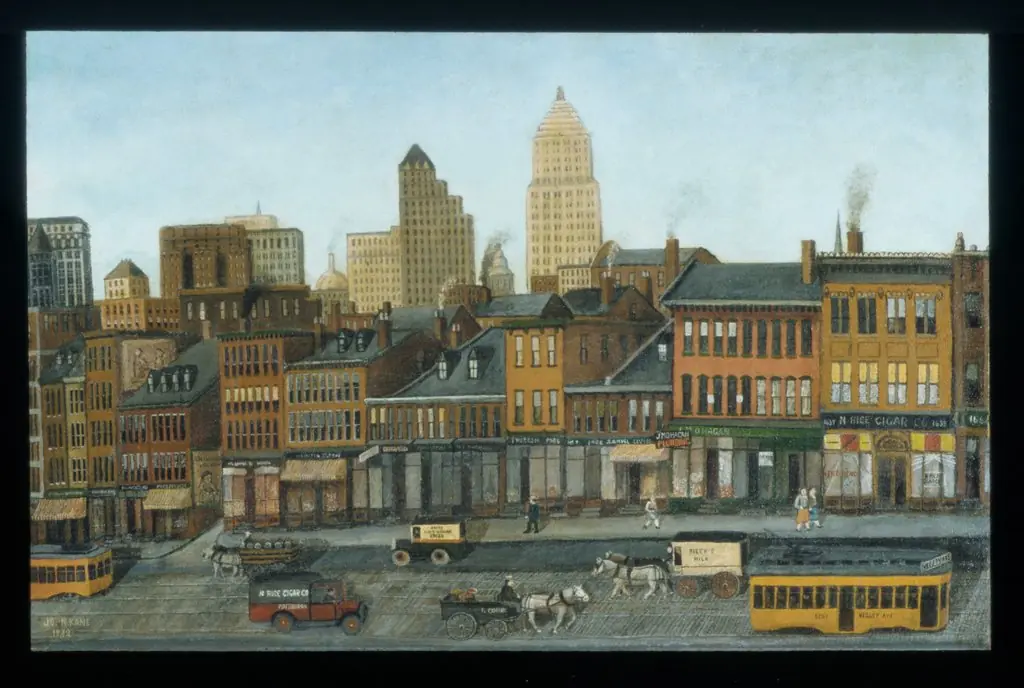 From My Studio Window
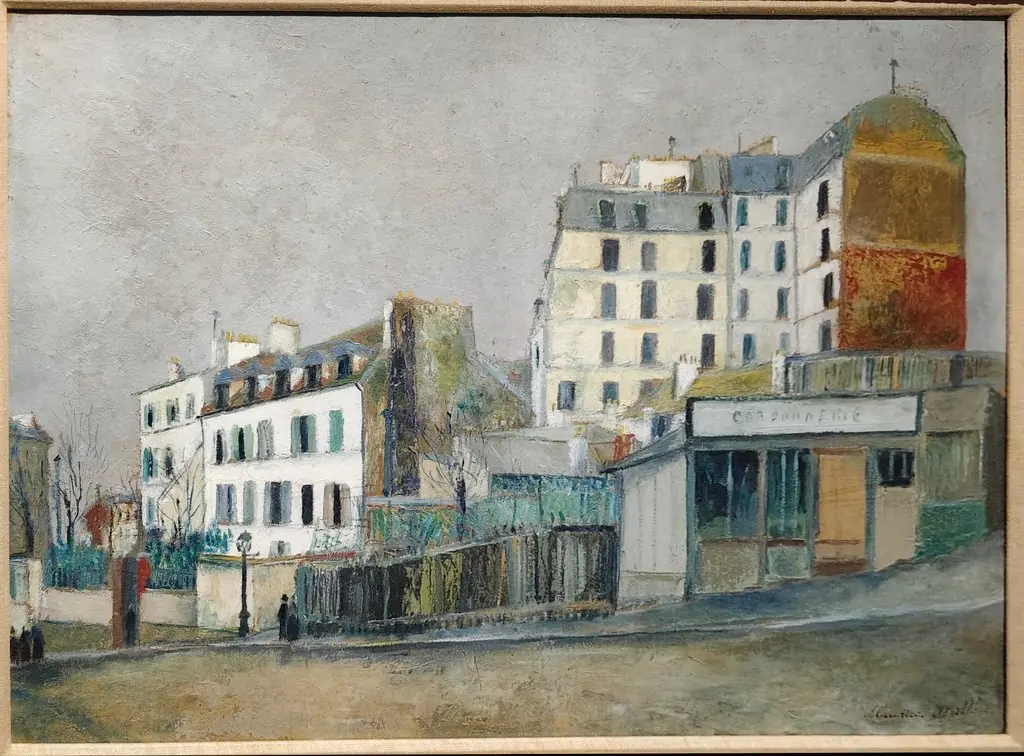 40, Rue Ravignan
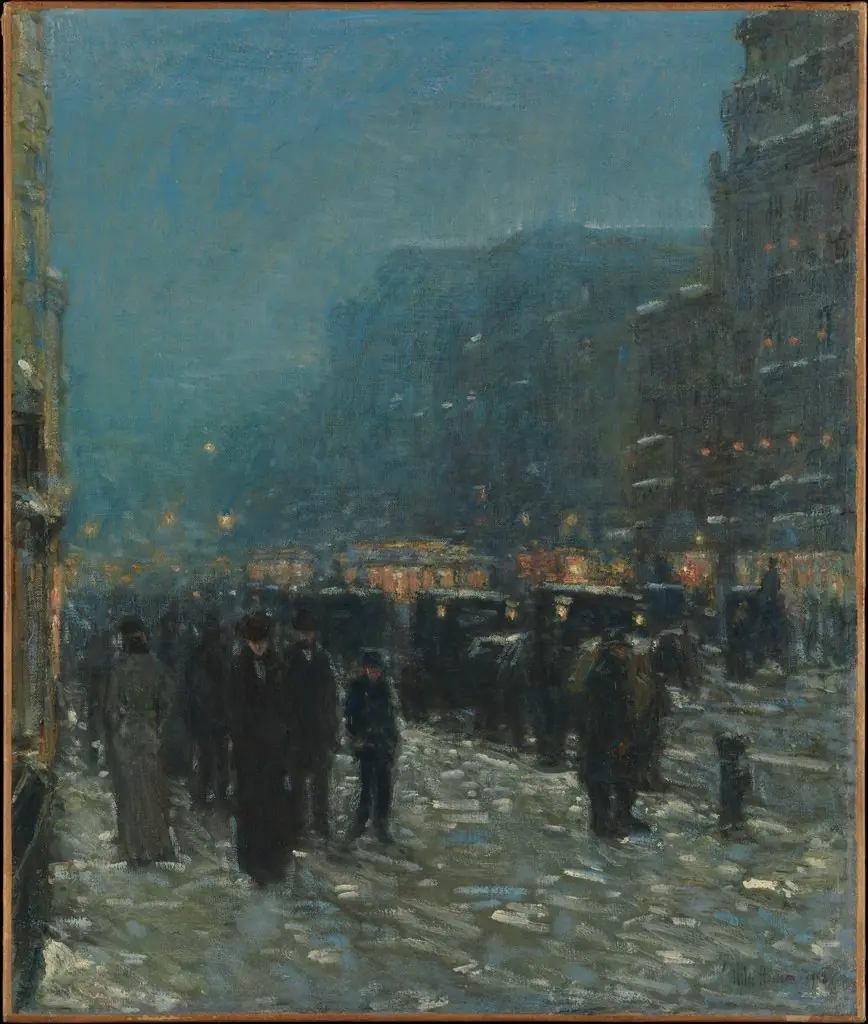 Broadway and 42nd Street
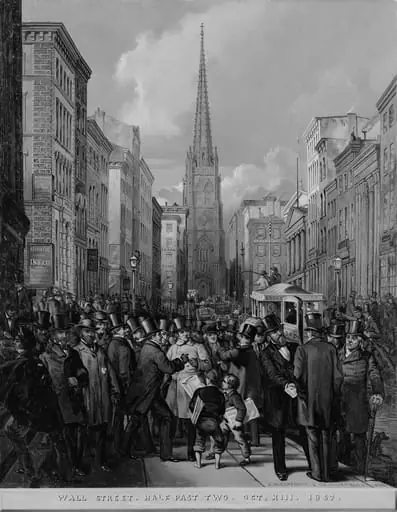 Wall Street, Half Past Two, October 13, 1857
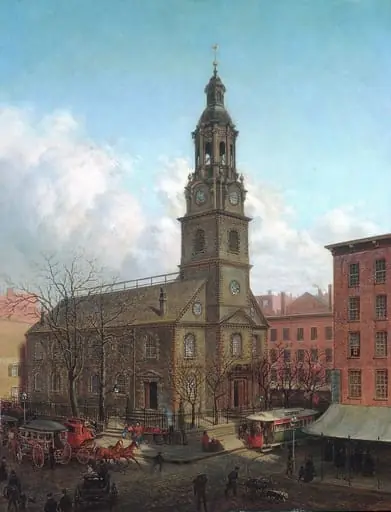 The North Dutch Church, Fulton and William Streets, New York
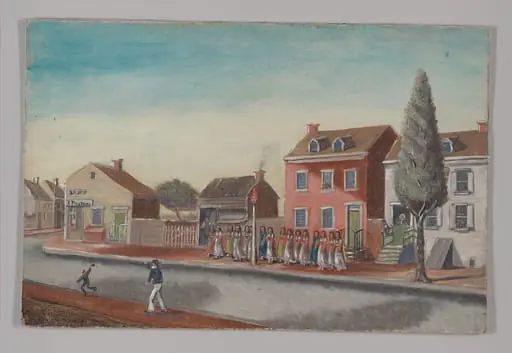 Tea Party
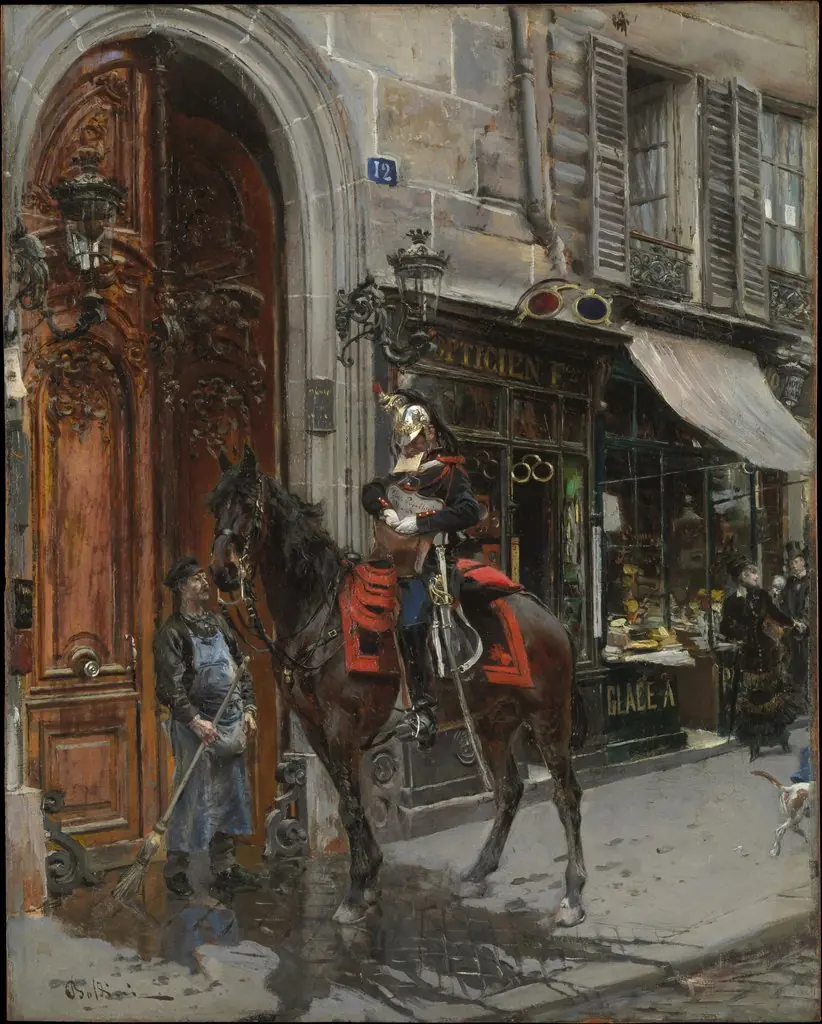 The Dispatch-Bearer
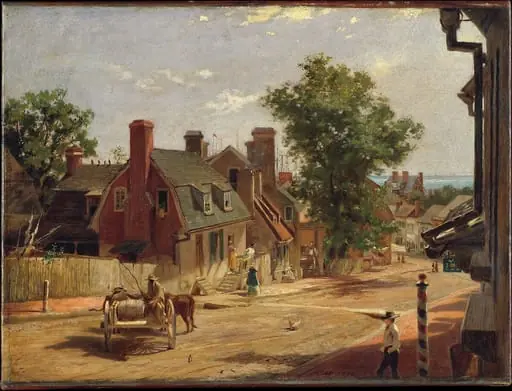 Old Annapolis, Francis Street
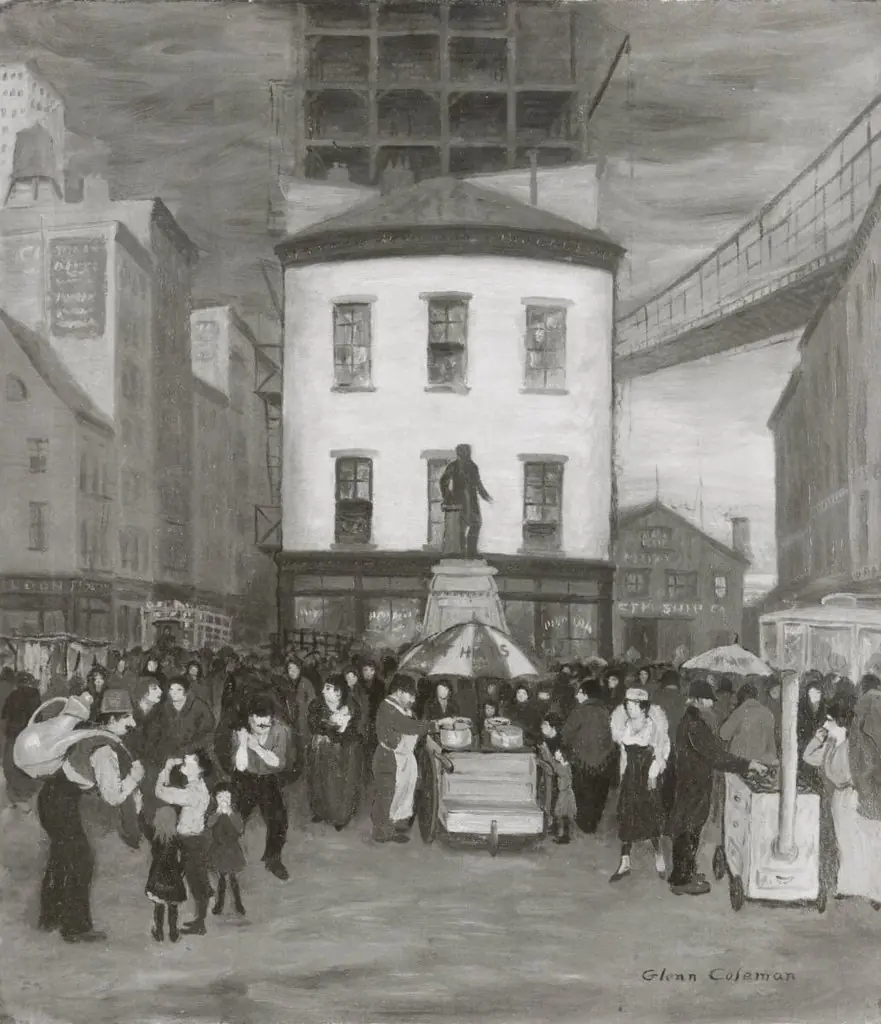 New York Street Scene
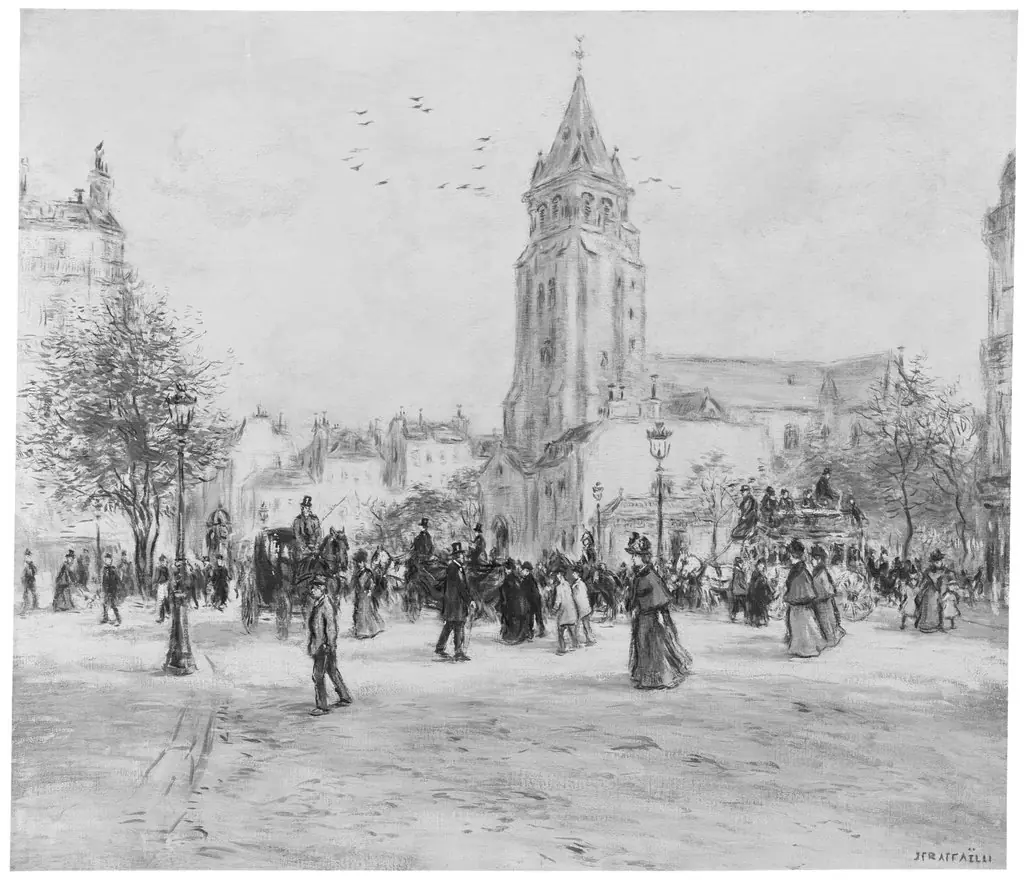 Place Saint-Germain-des-Prés, Paris
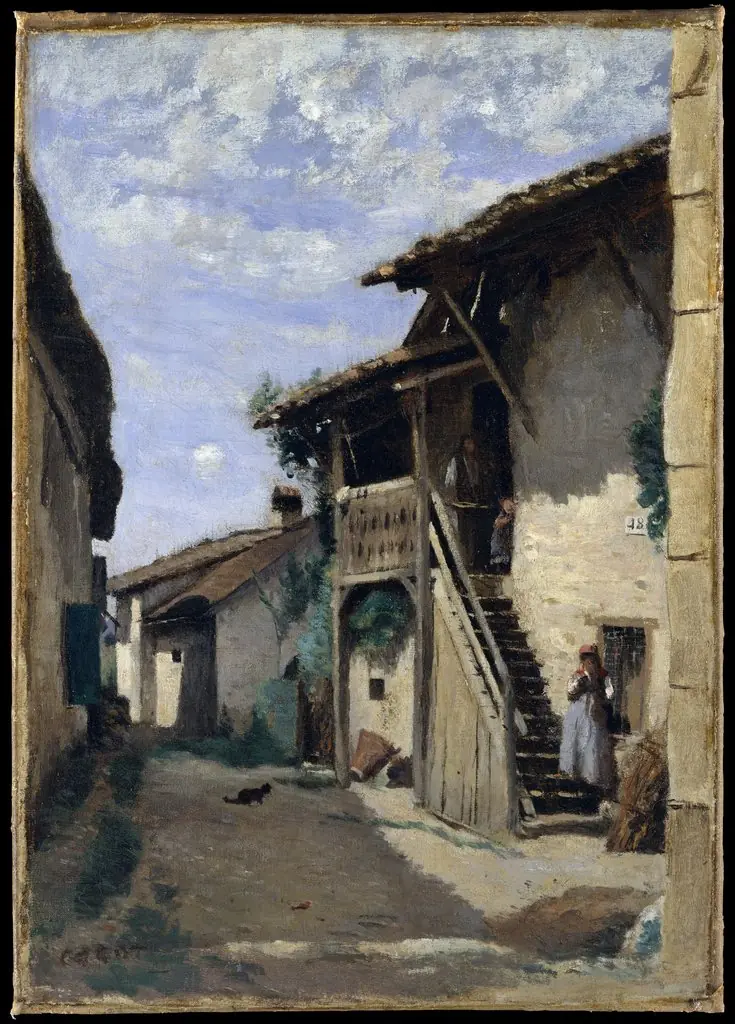 A Village Street: Dardagny
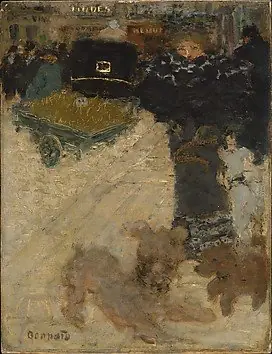 Street Scene, Place Clichy
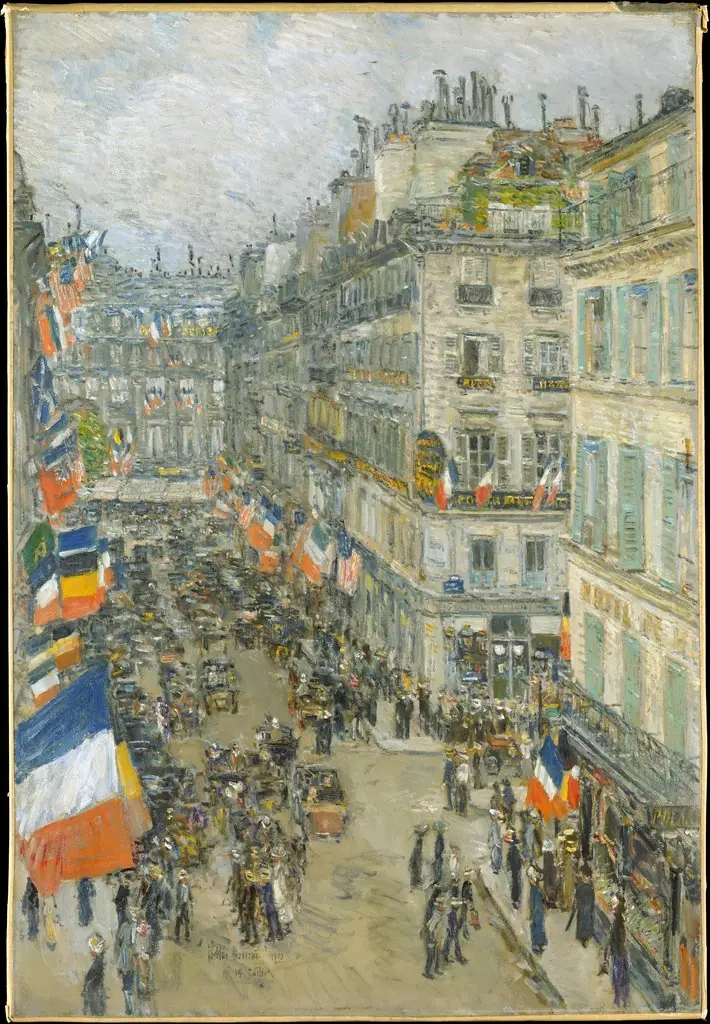 July Fourteenth, Rue Daunou, 1910
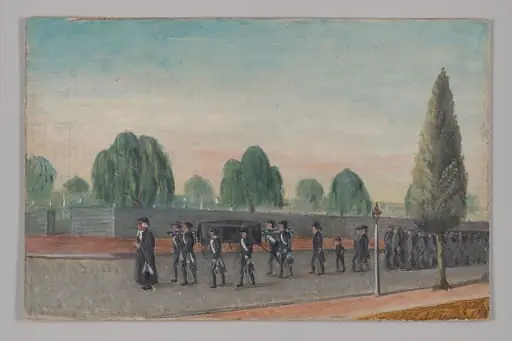 Adult Funeral Procession
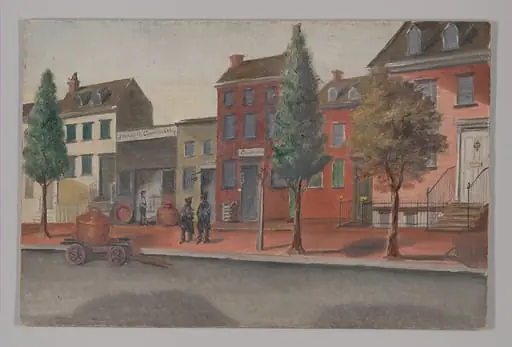 Chimney Sweeps
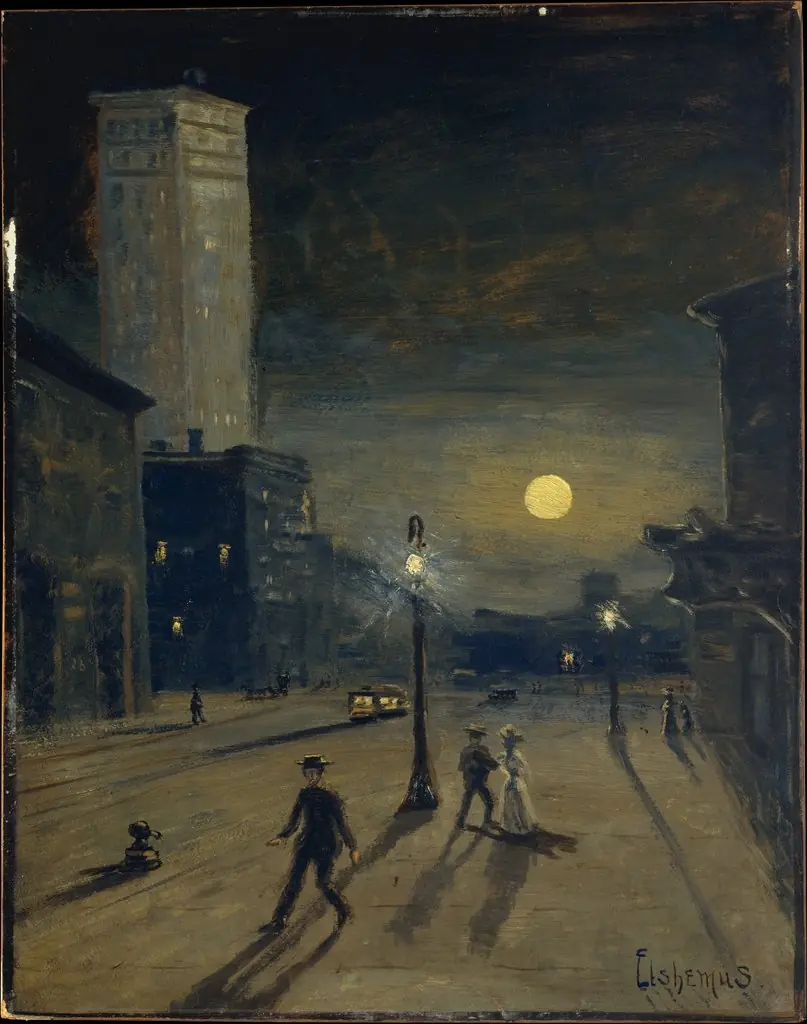 New York at Night
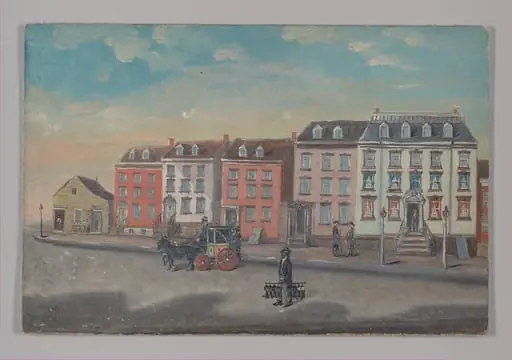 The Boot Black
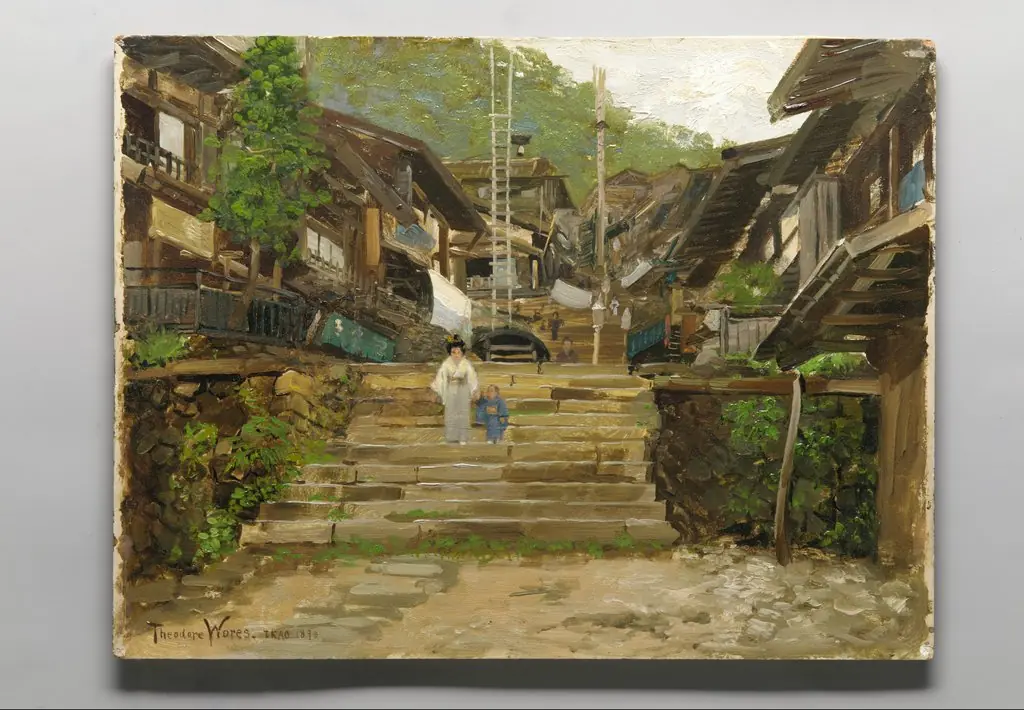 A Street in Ikao
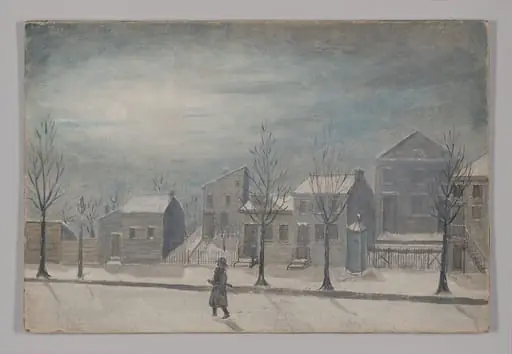 City Watchman
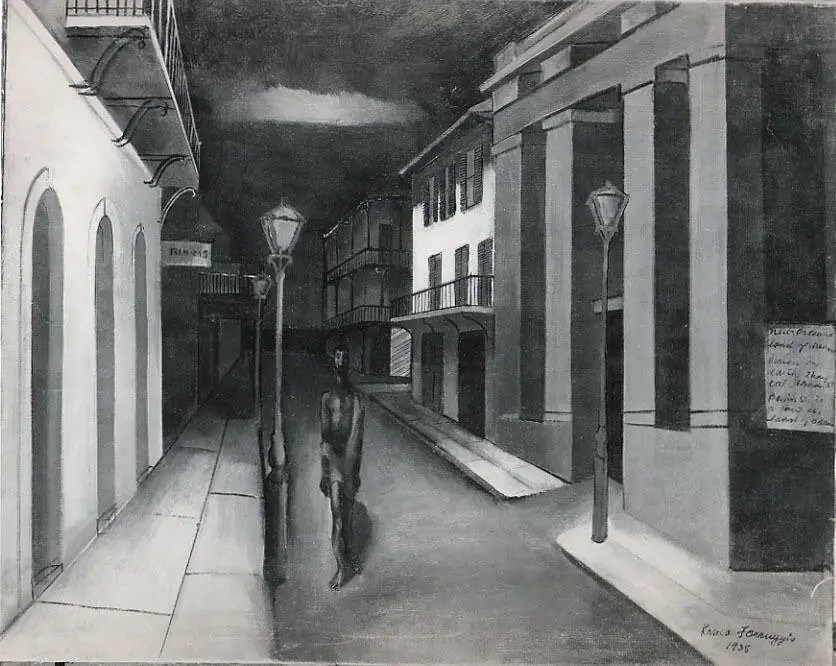 Basin Street
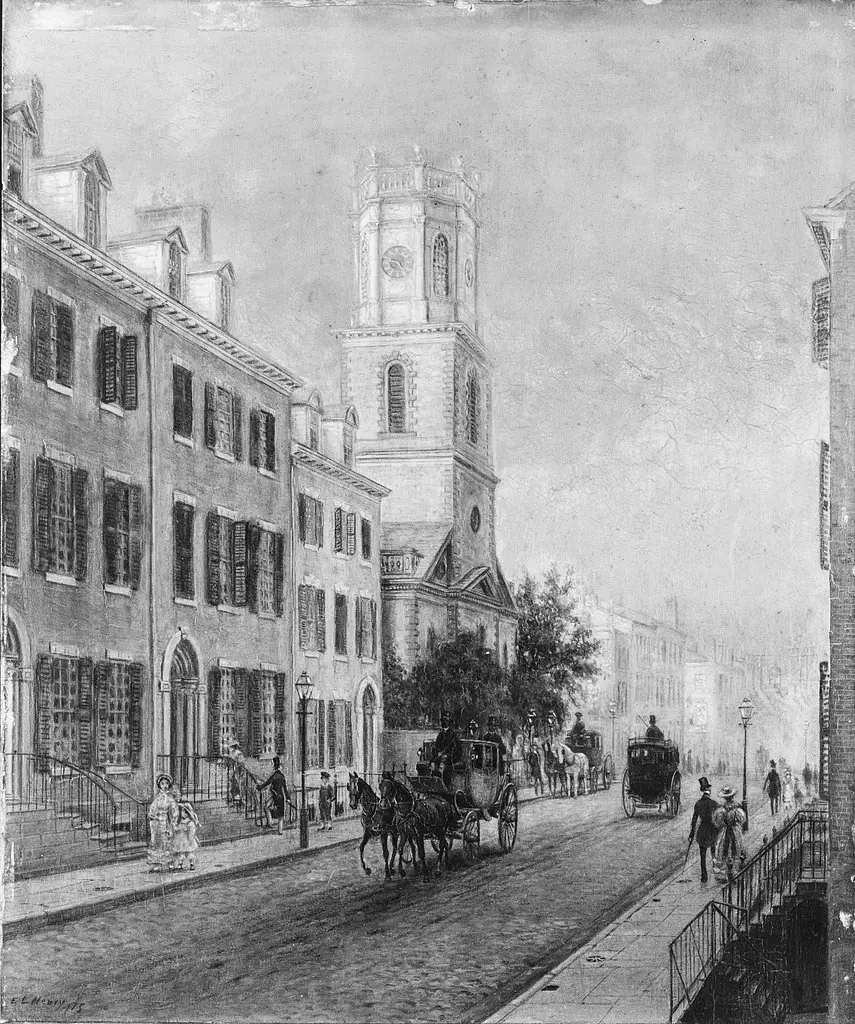 Saint George's Church, New York
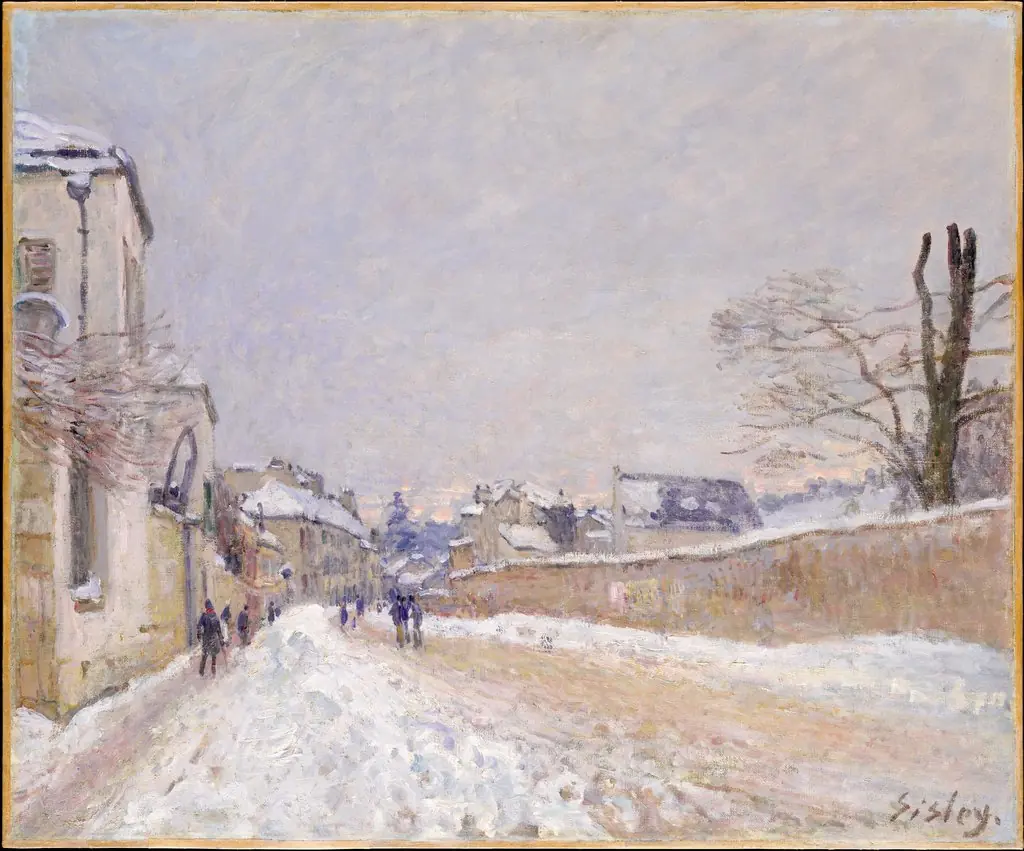 Rue Eugène Moussoir at Moret: Winter
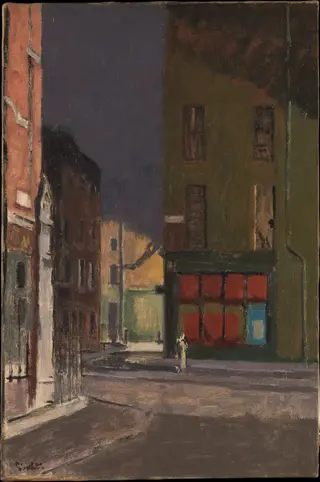 Maple Street, London
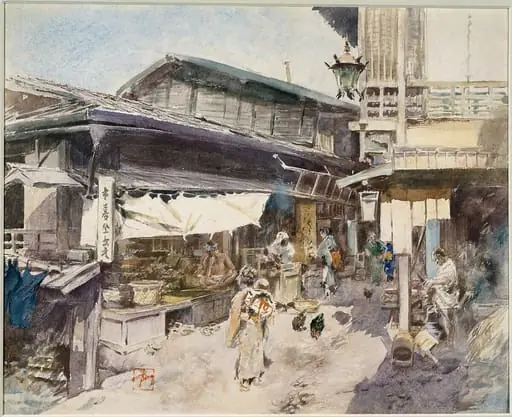 Street Scene in Ikao, Japan
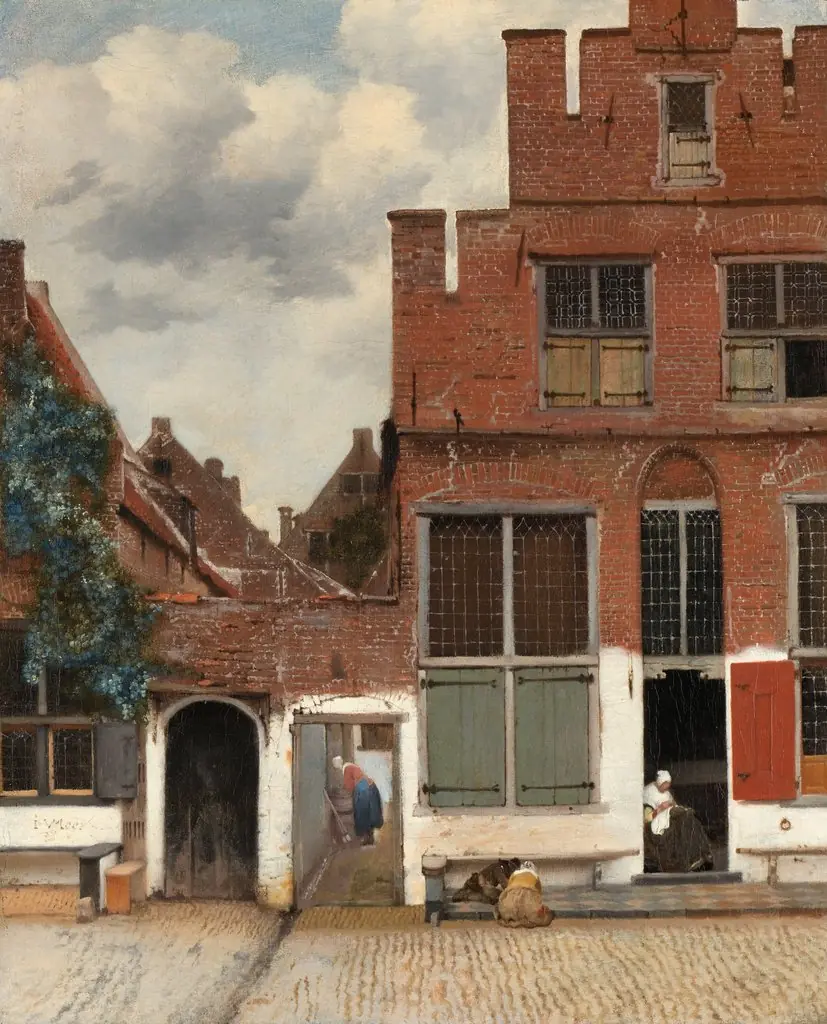 The Little Street
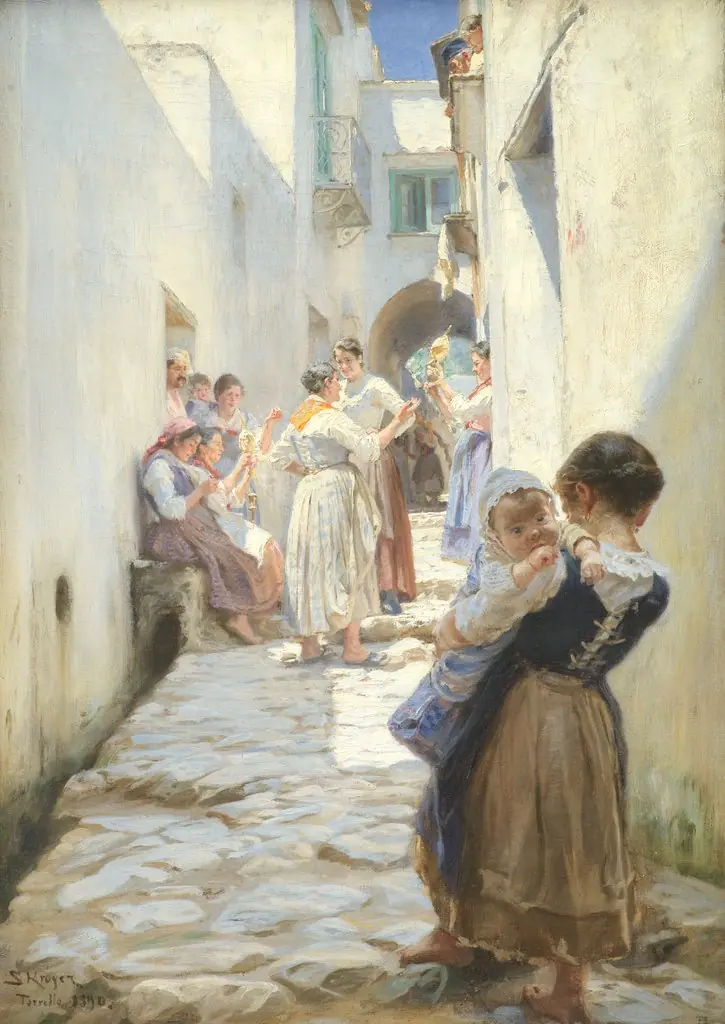 A Street in Torello, Italy
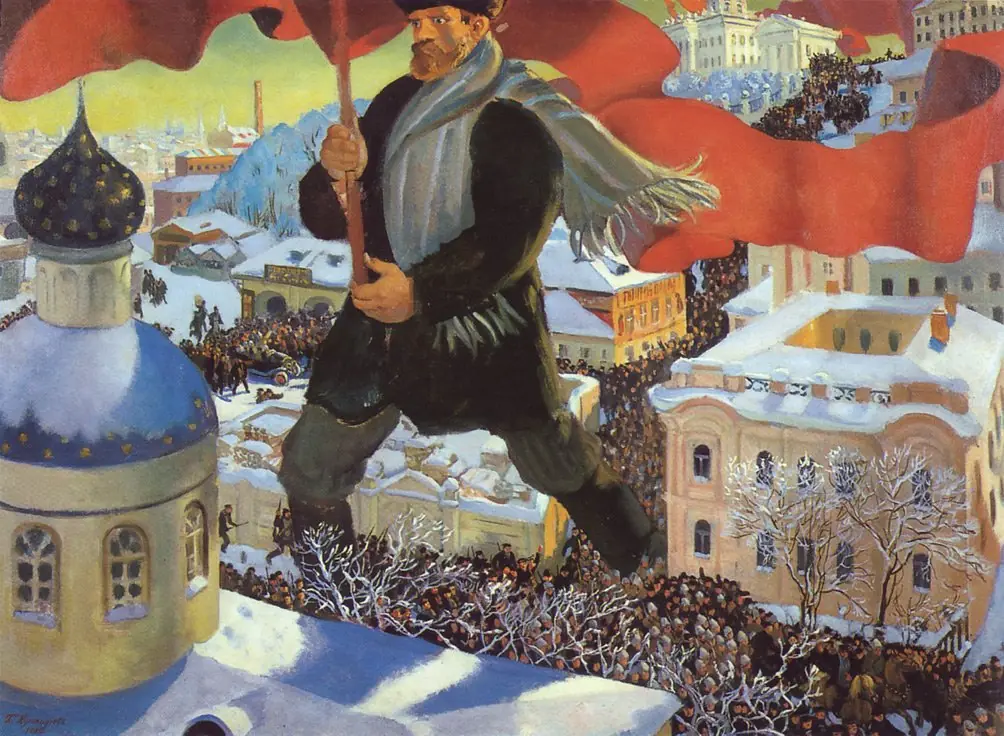 Bolshevik
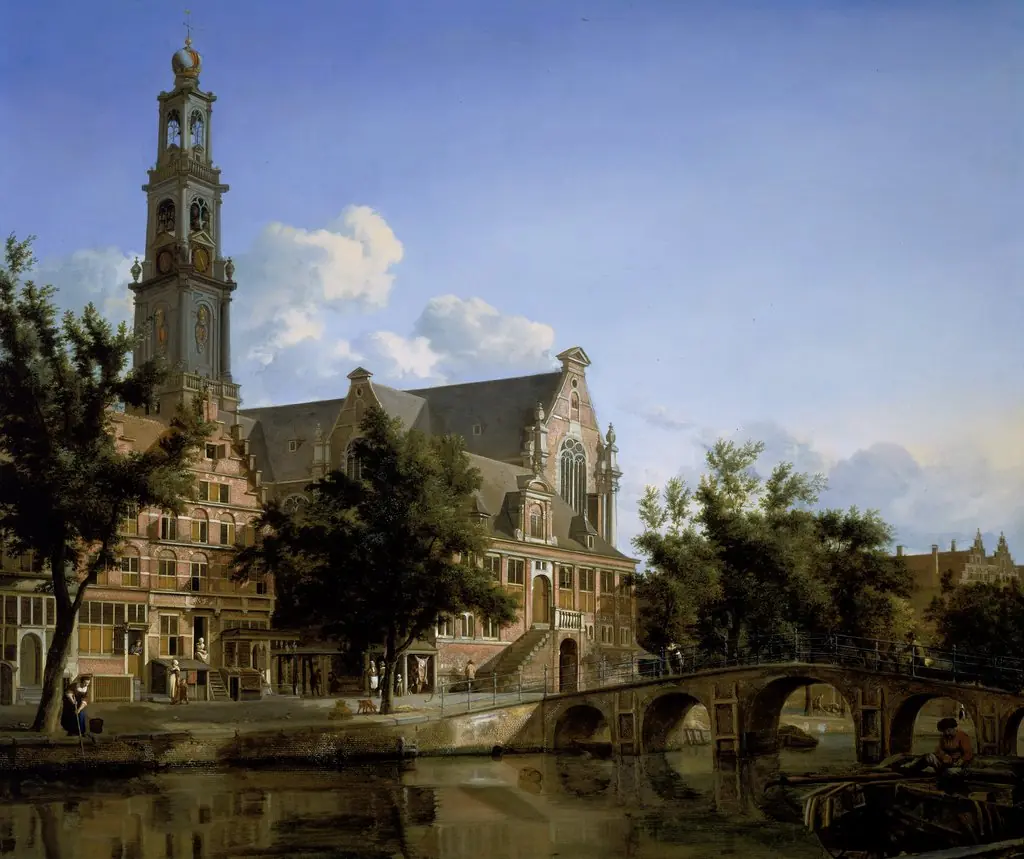 View of the Westerkerk, Amsterdam
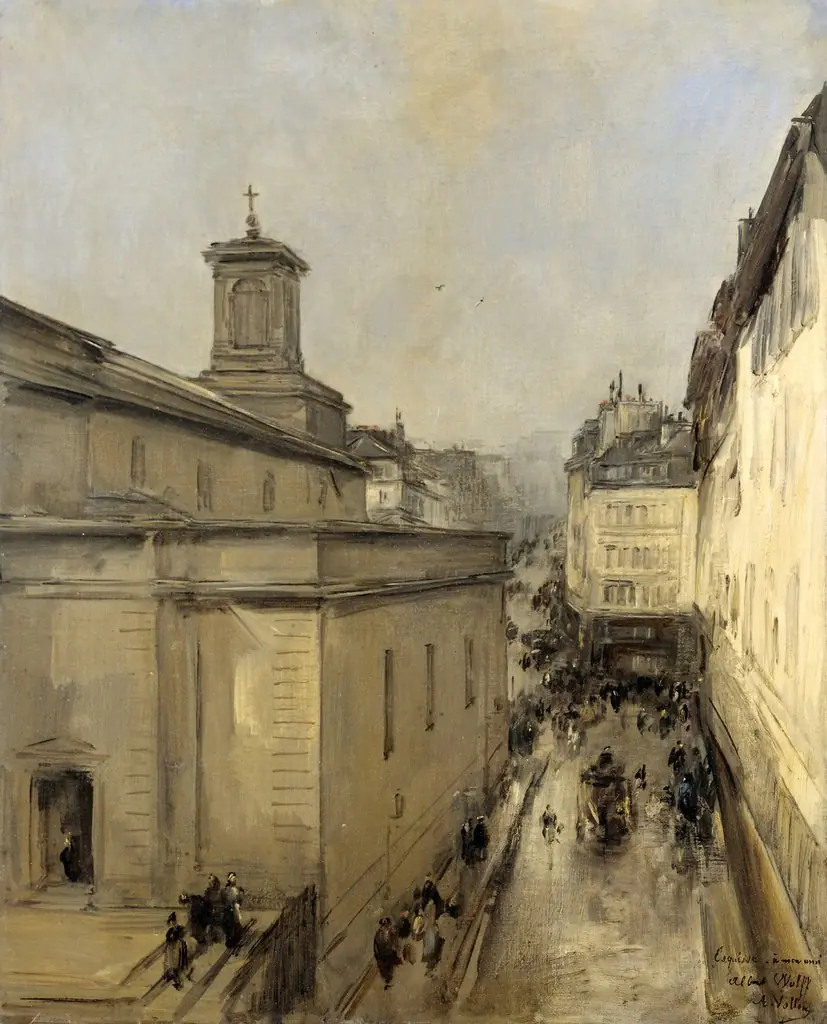 View of Paris
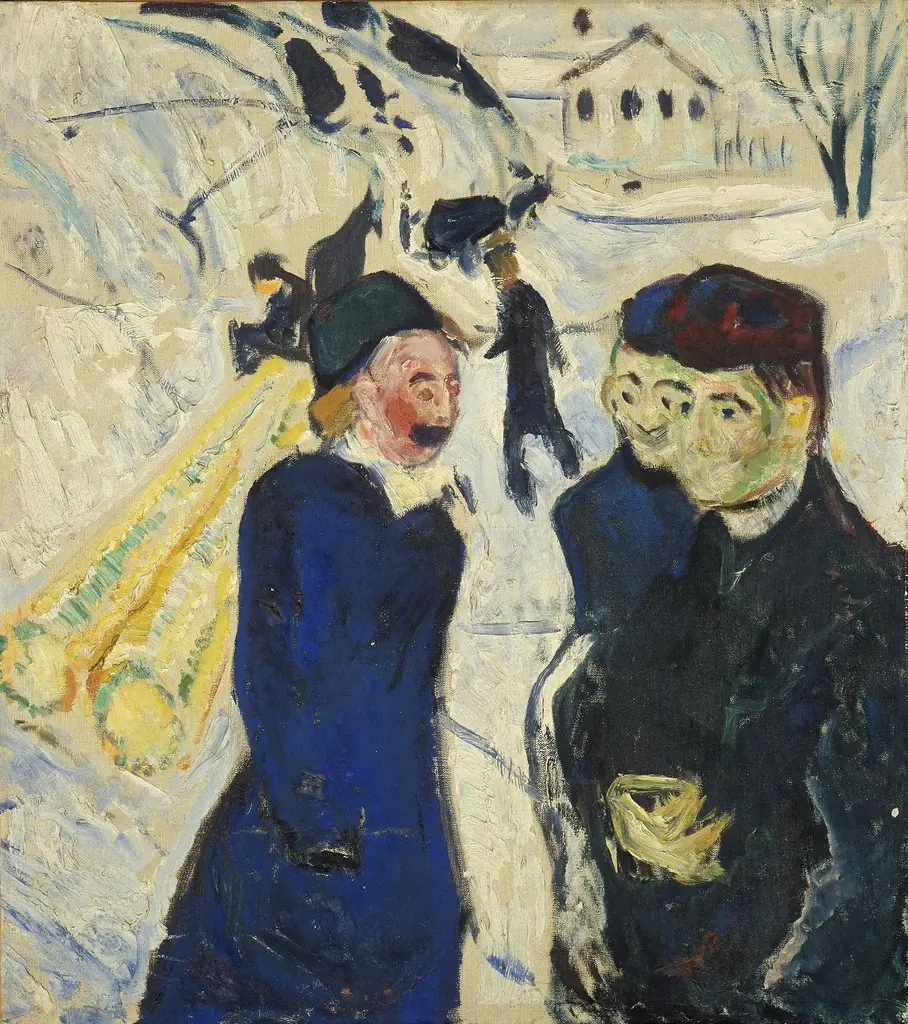 People and Timber Transport in a Kragerø Street
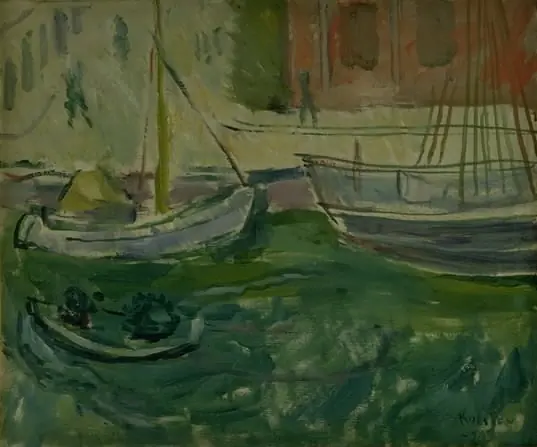 View of Nyhavn
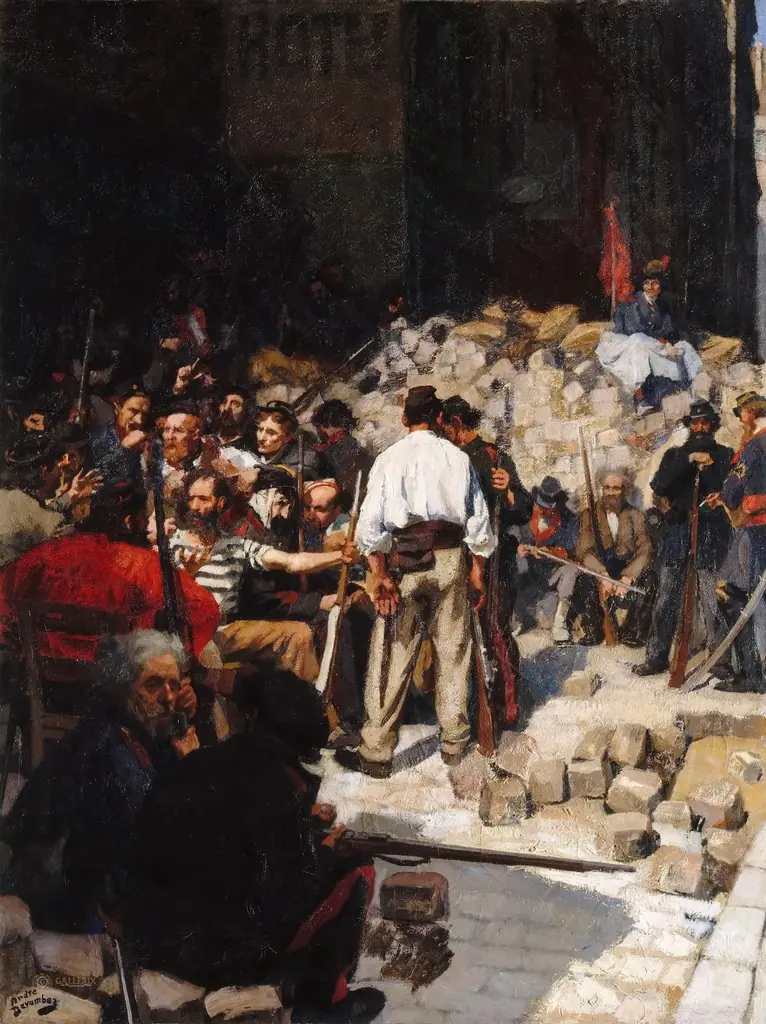 Barricade, the Paris Commune, May 1871
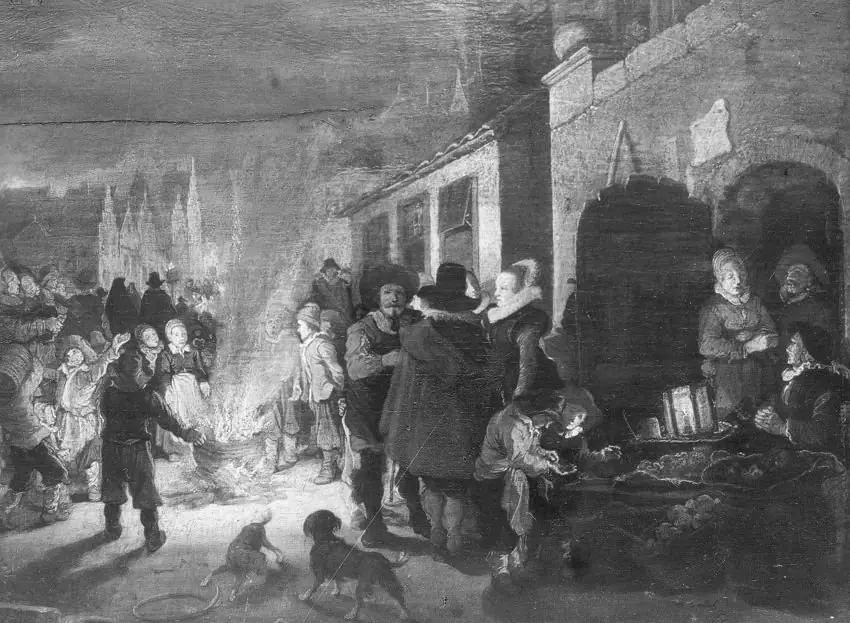 Nocturnal street scene
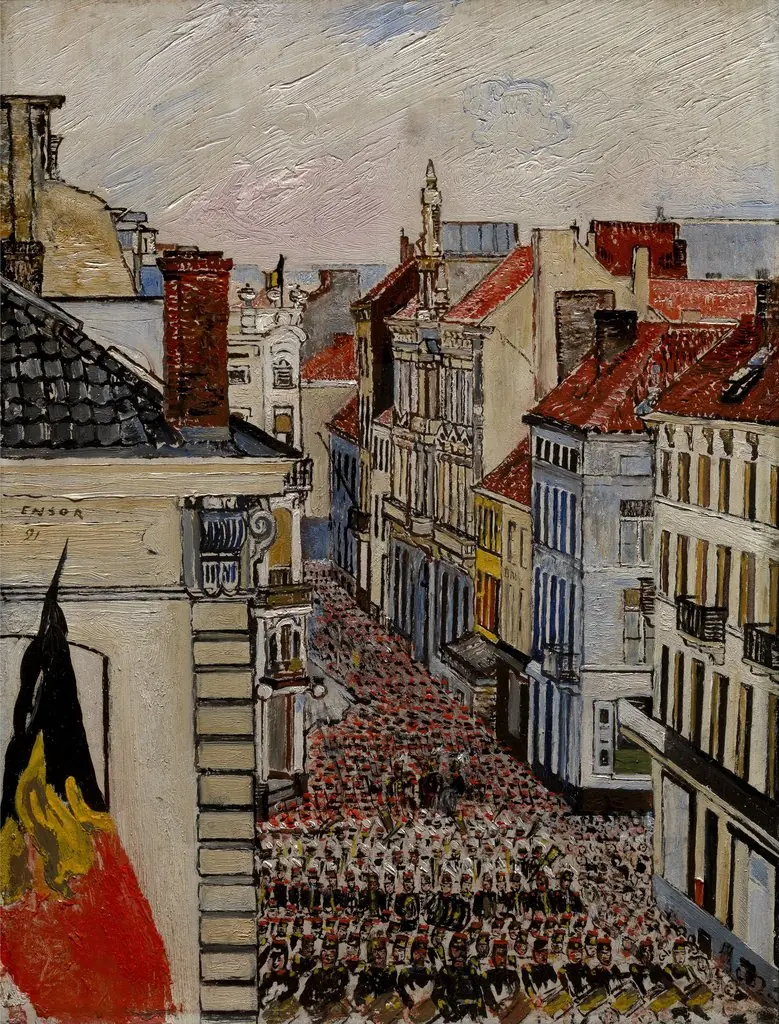 Music in the Vlaanderenstraat
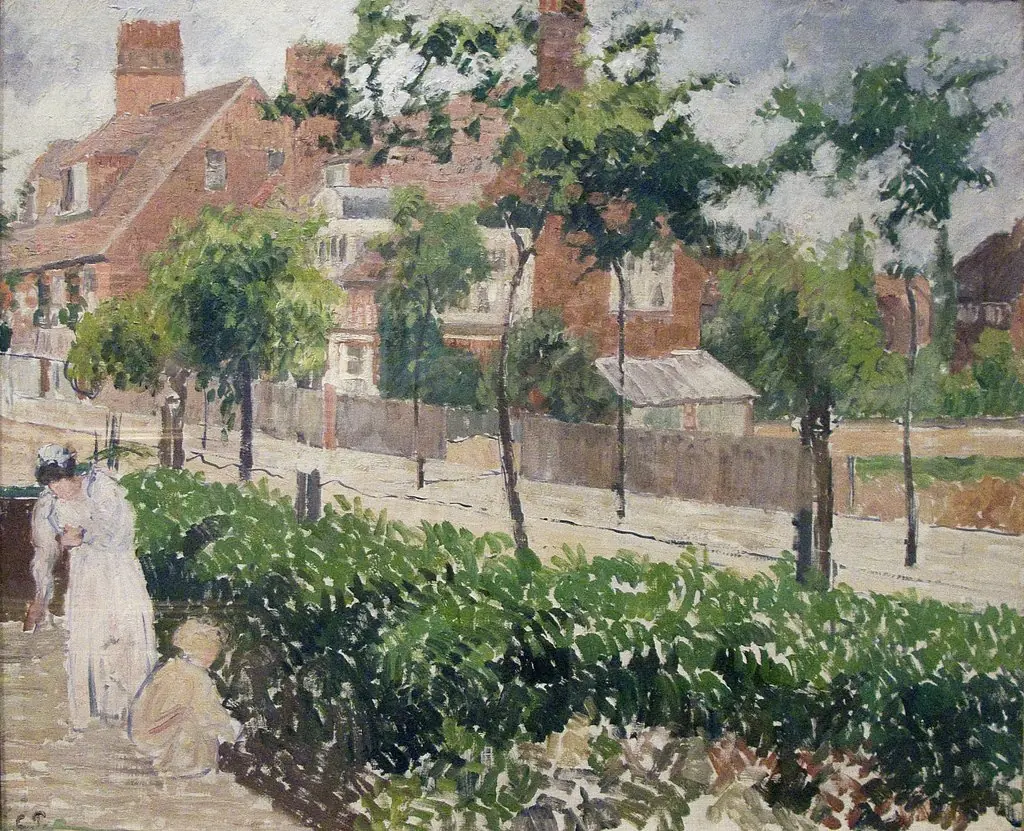 Bath Road, London, (sketch)
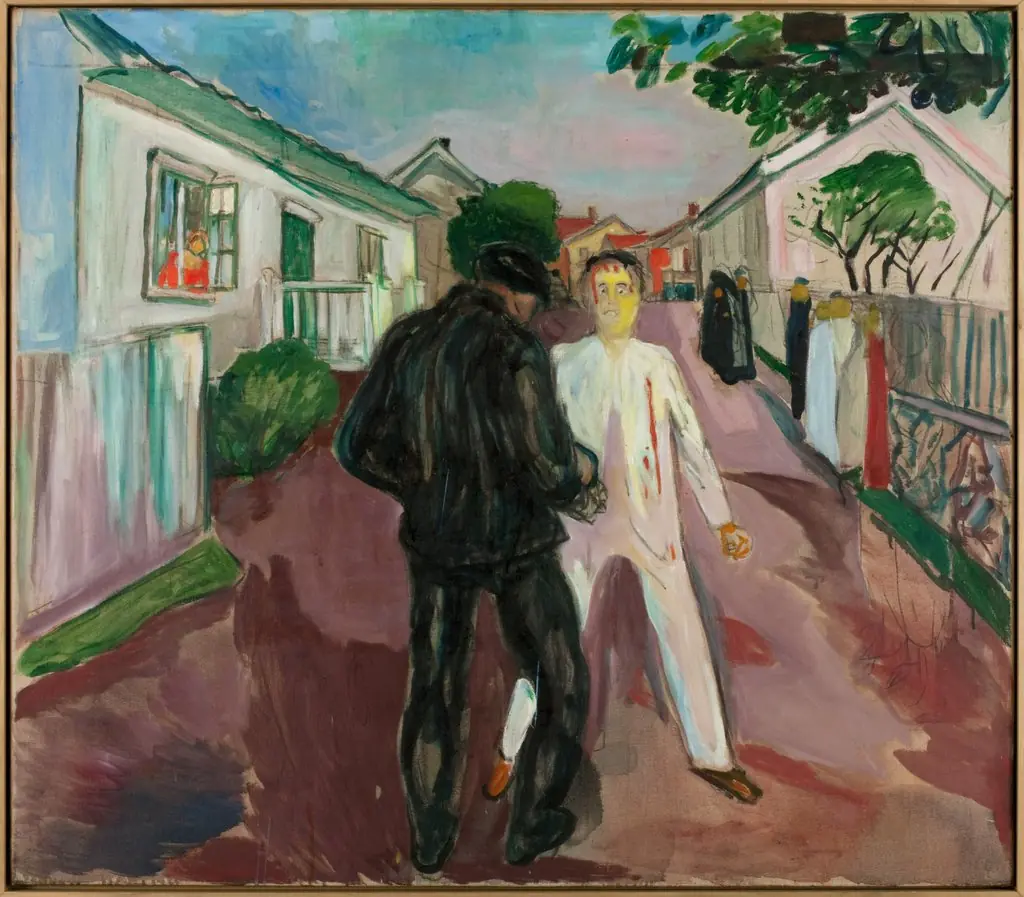 The Fight
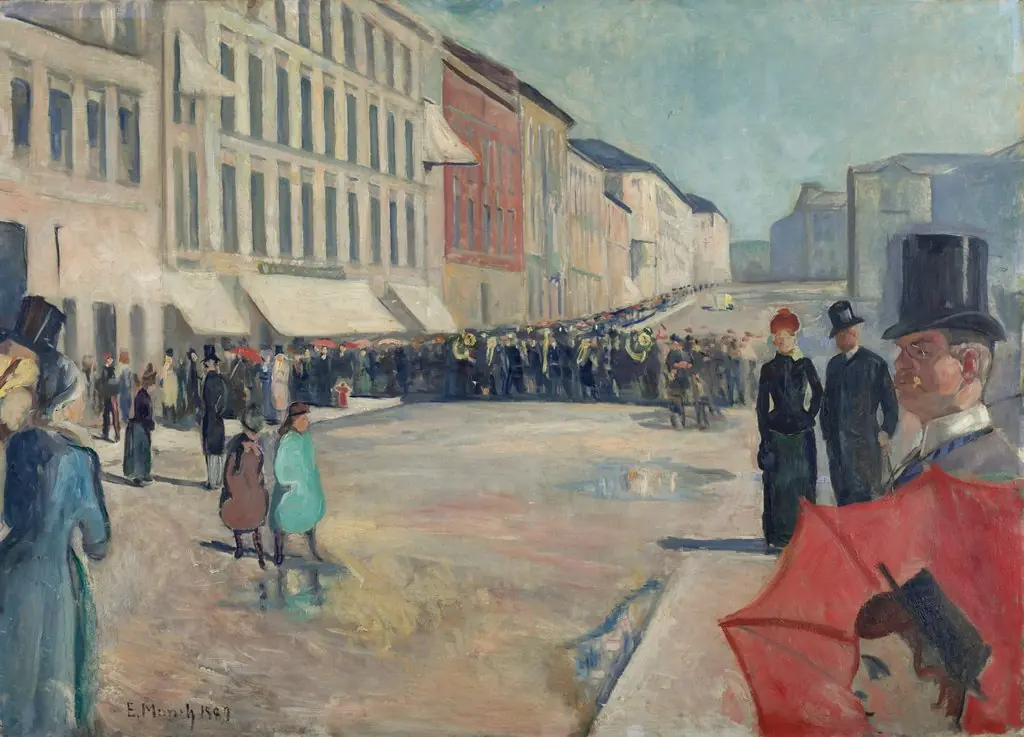 Music on Karl Johan
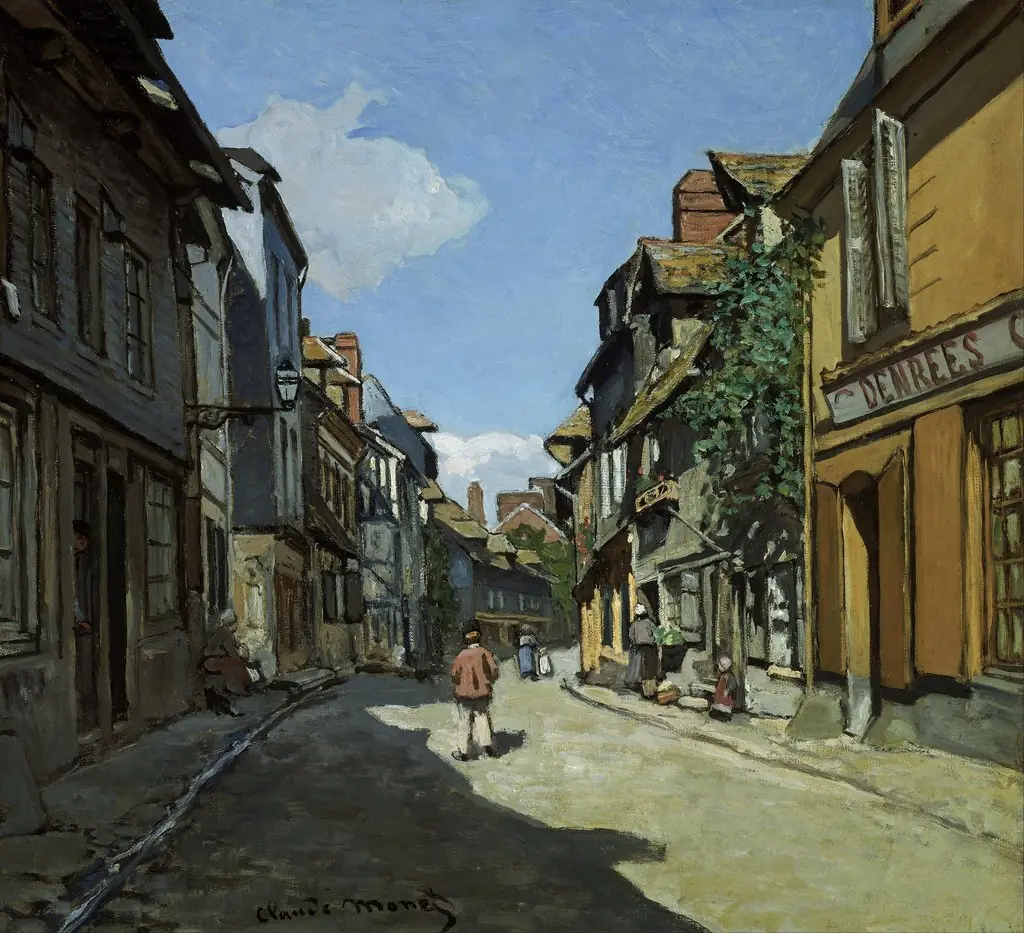 Rue de la Bavole, Honfleur
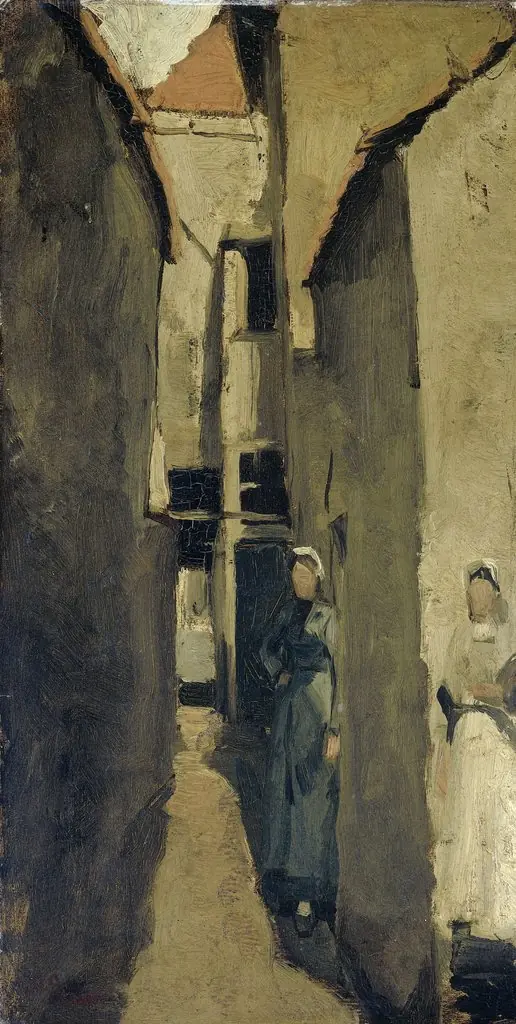 Neighborhood Street in The Hague or Scheveningen
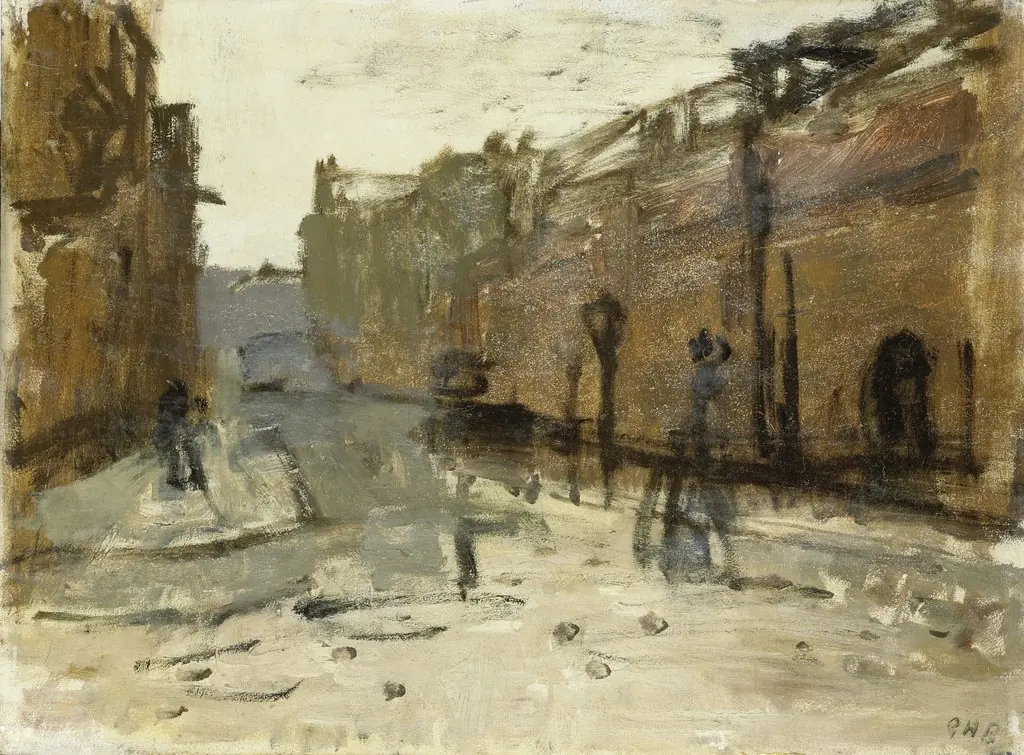 Amsterdams Stadsgezicht
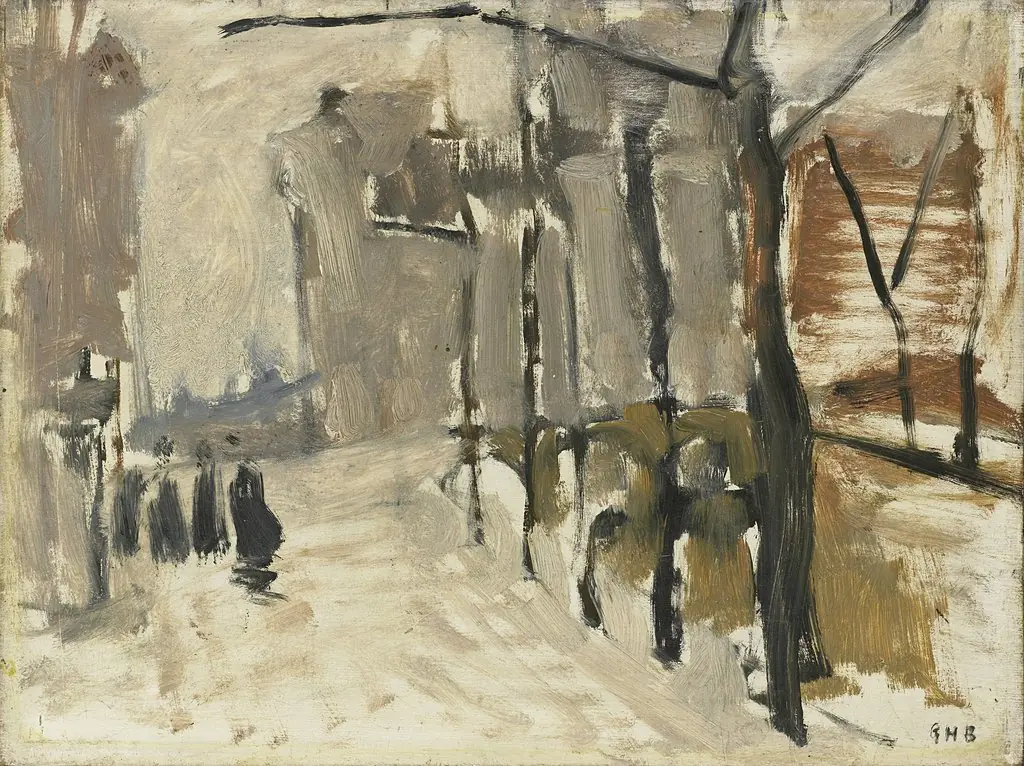 Cityscape in The Hague (?) (?)
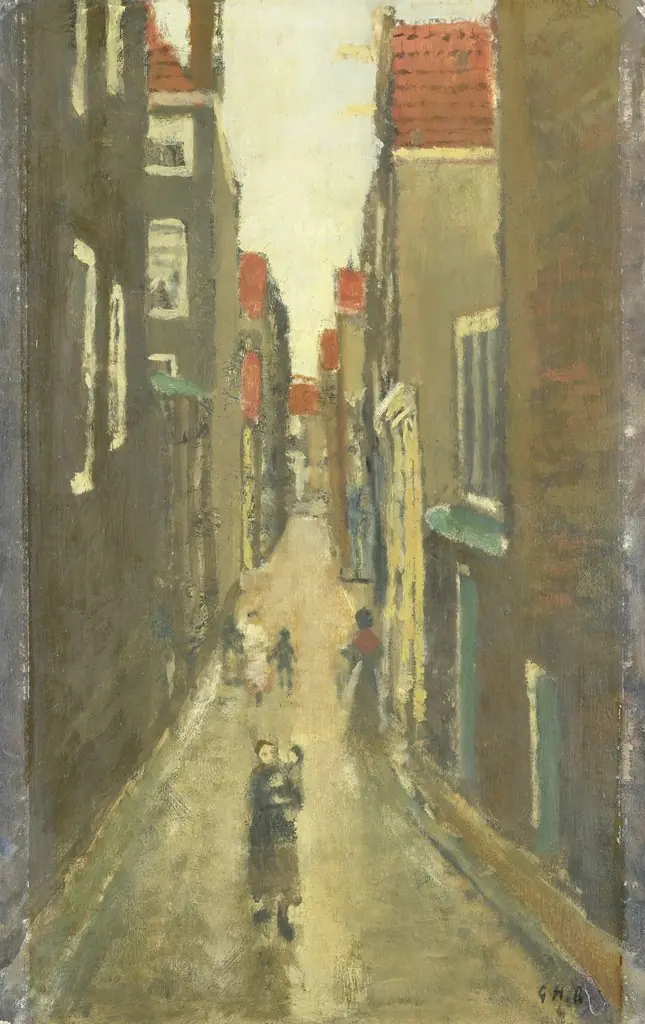 Neighborhood in the Jordaan, Amsterdam
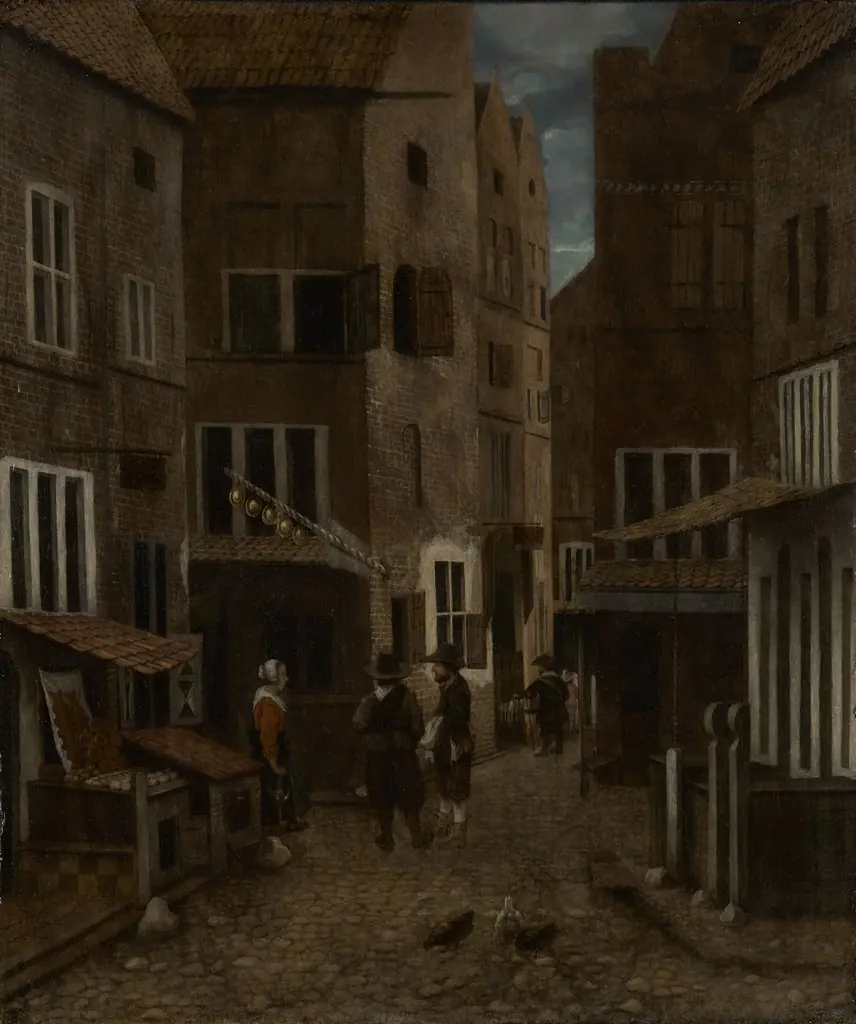 Street Scene
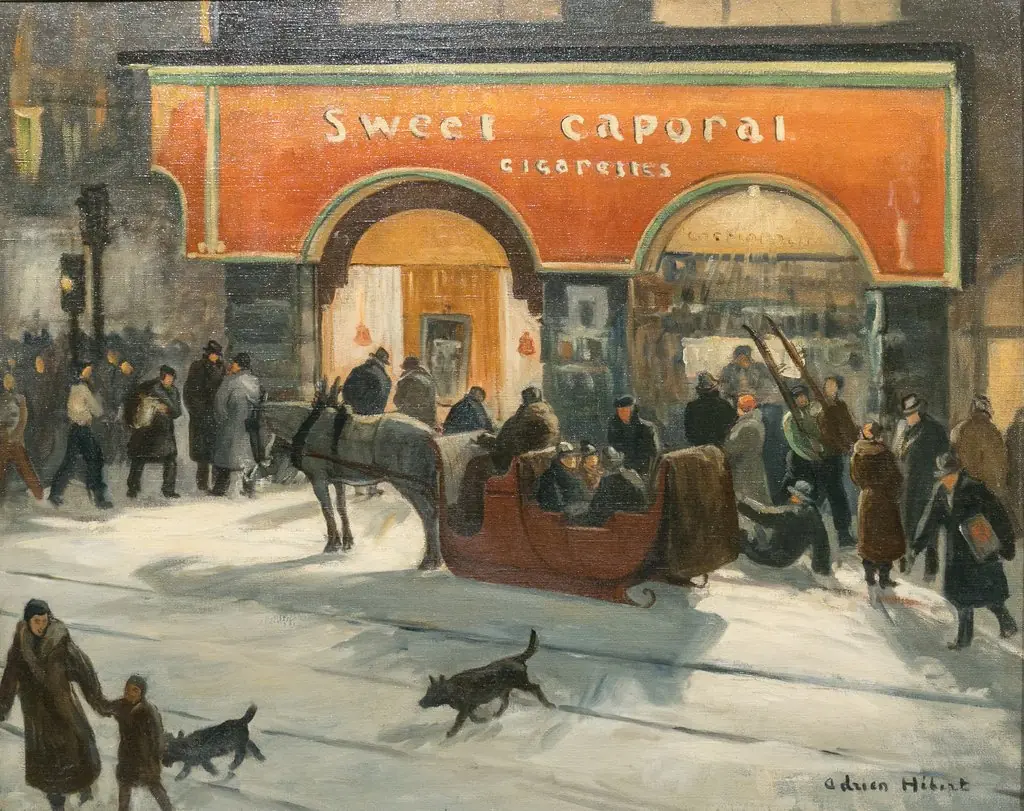 Hyman's Tobacco Store
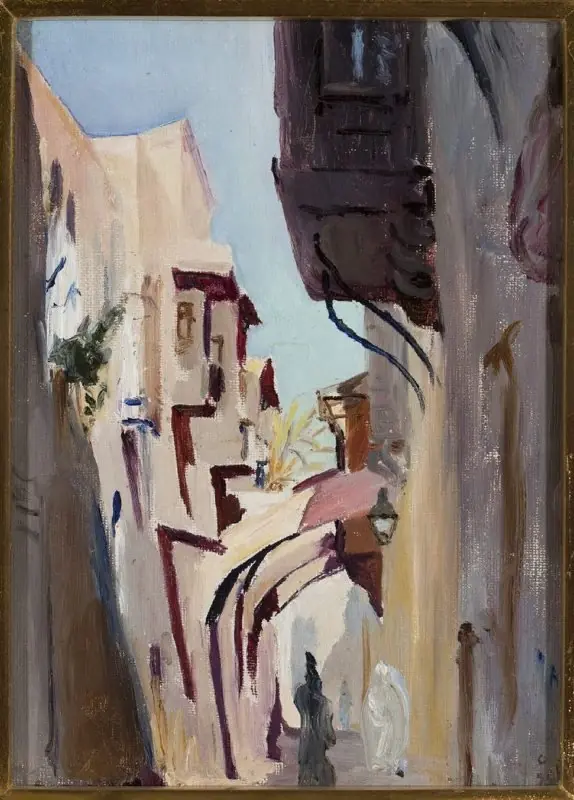 Via Dolorosa in Jerusalem. From the journey to Palestine
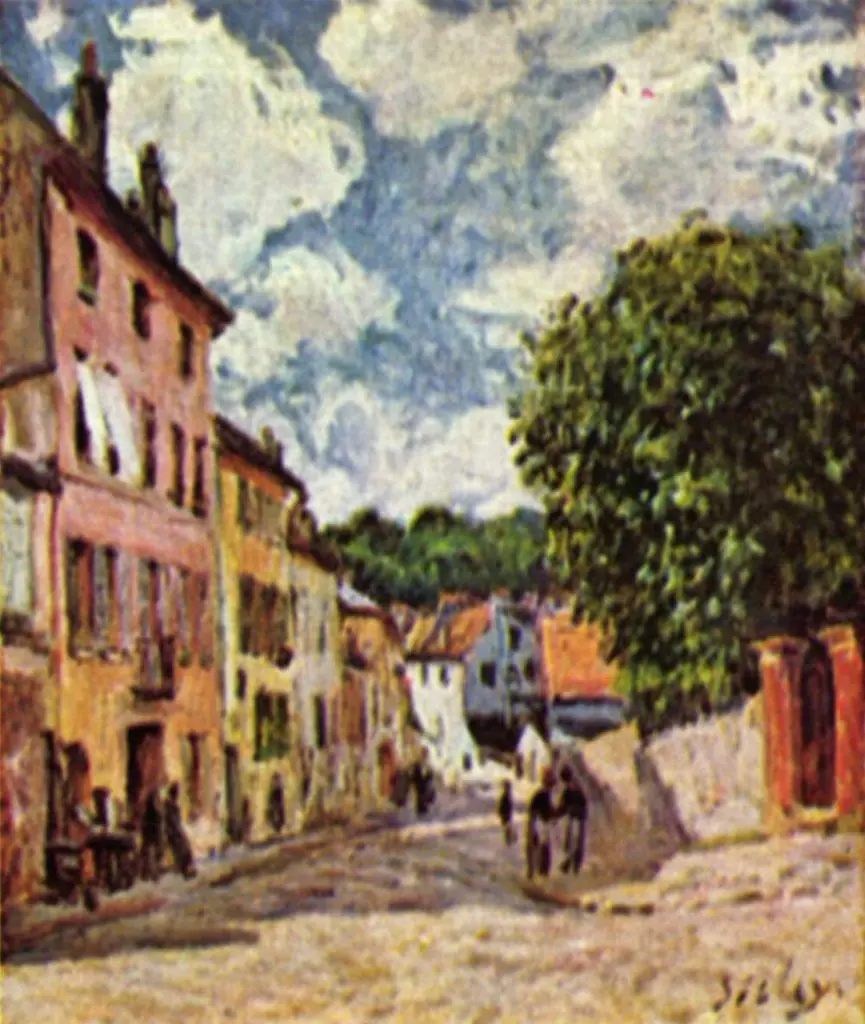 Street in Moret-sur-Loing
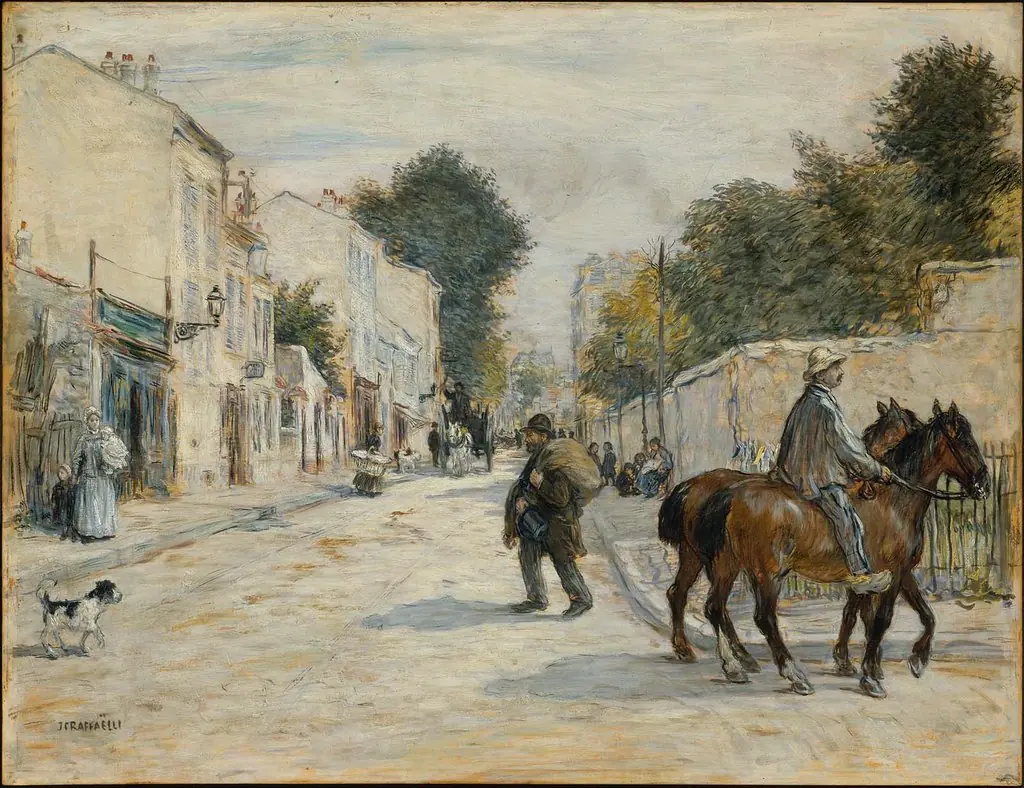 Street Scene
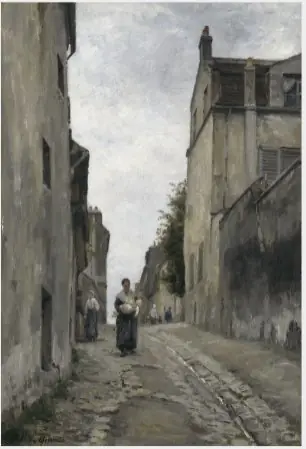 Rue Mont-Cenis, Montmartre
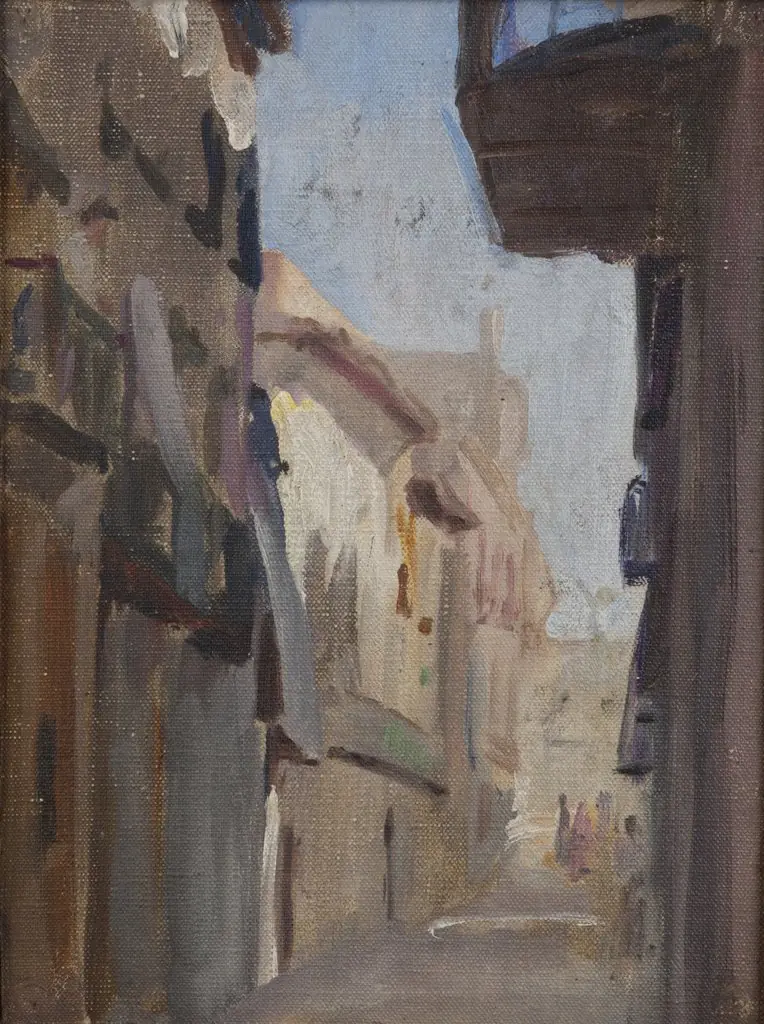 Murcia
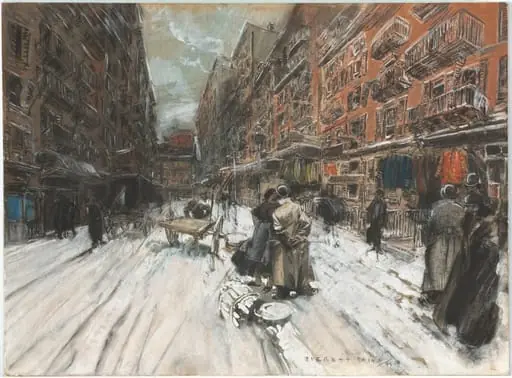 Cross Streets of New York
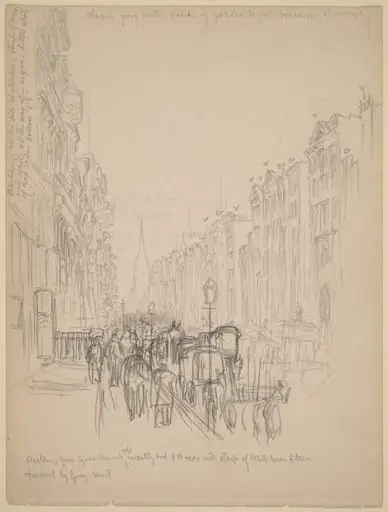 Fifth Avenue Building from Grace Church
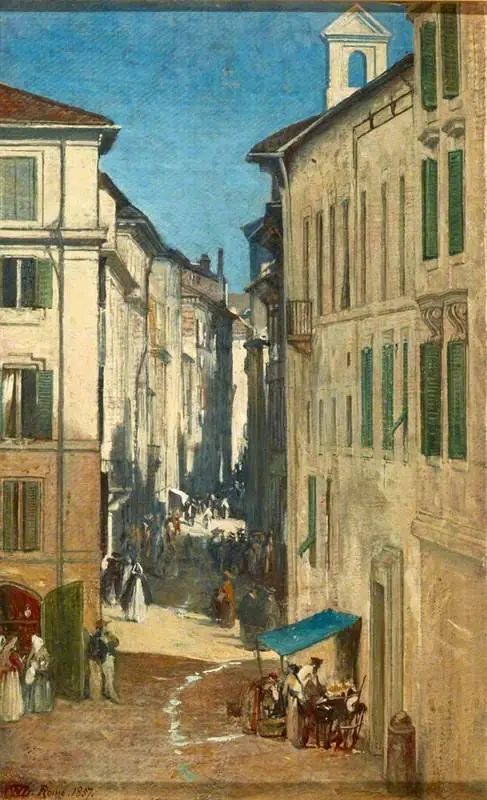 A Street in Rome
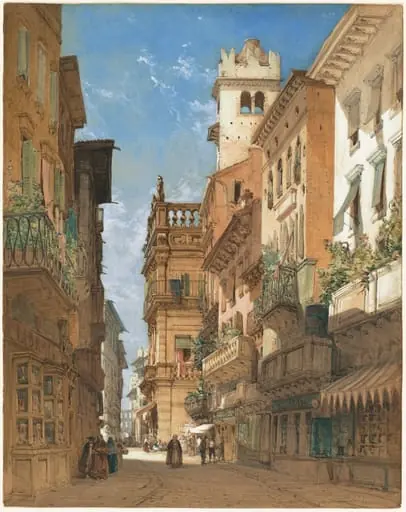 Corso Sant' Anastasia with the Palazzo Maffei in Verona
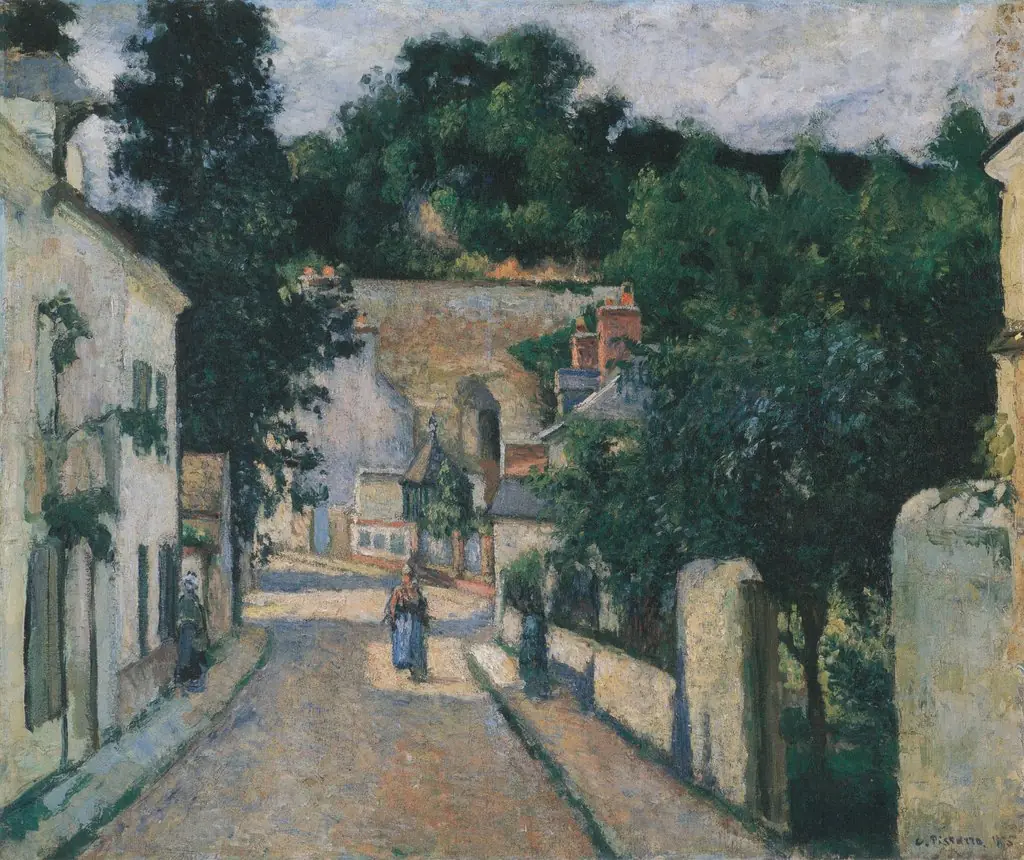 Rue du Haut-de-l'Hermitage, Pontoise
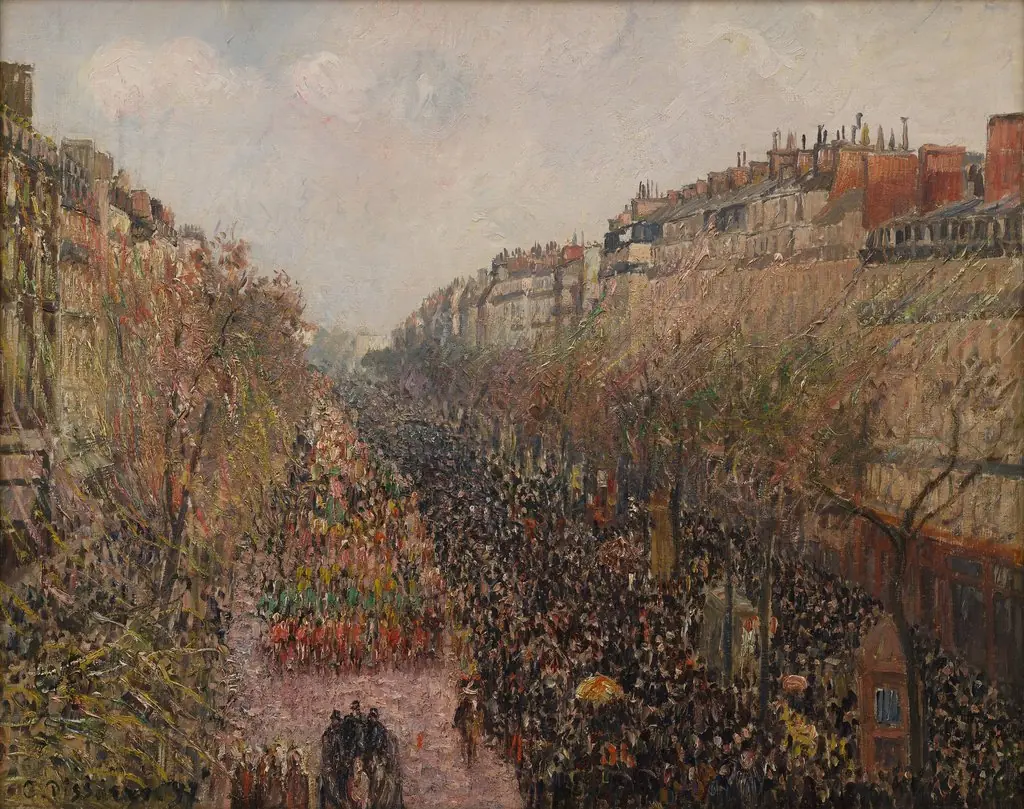 Boulevard Montmartre, Mardi Gras
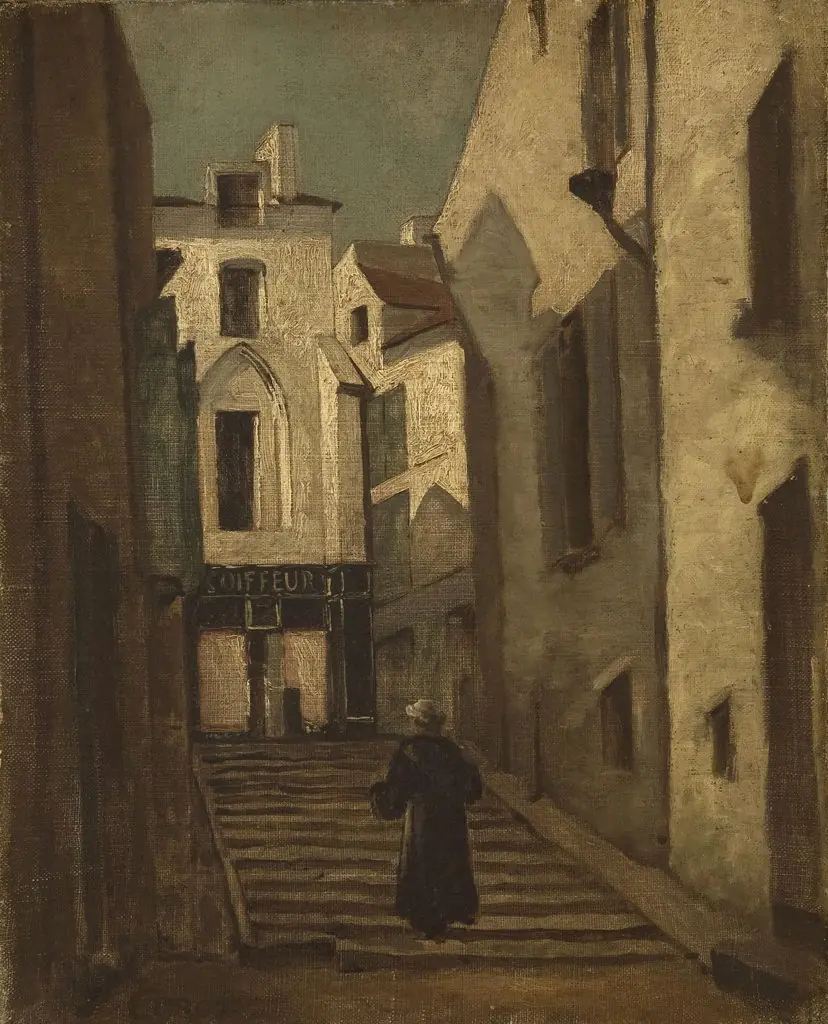 Barbershop
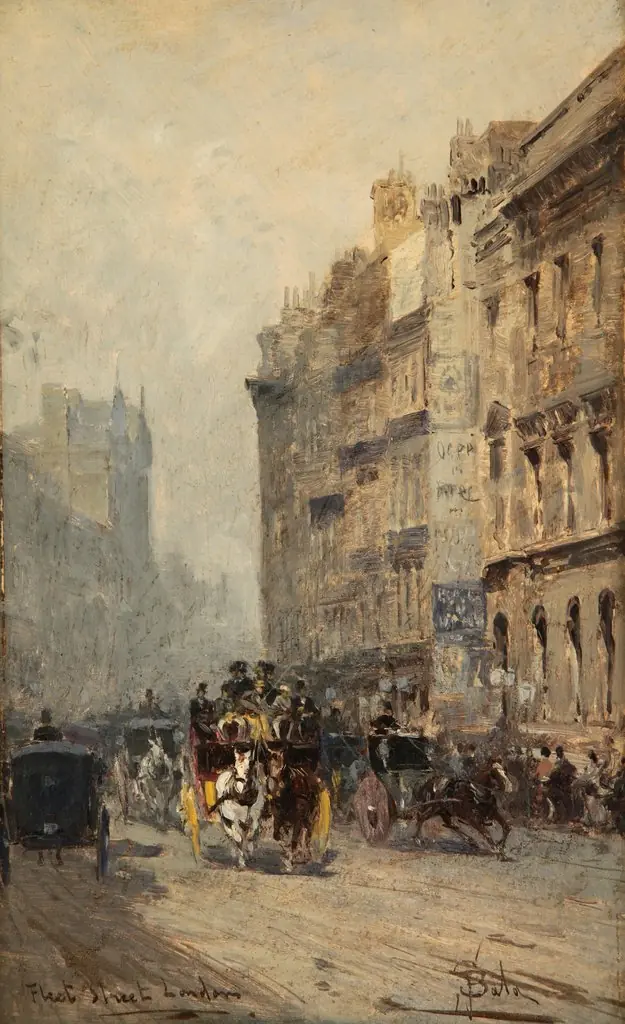 London Street
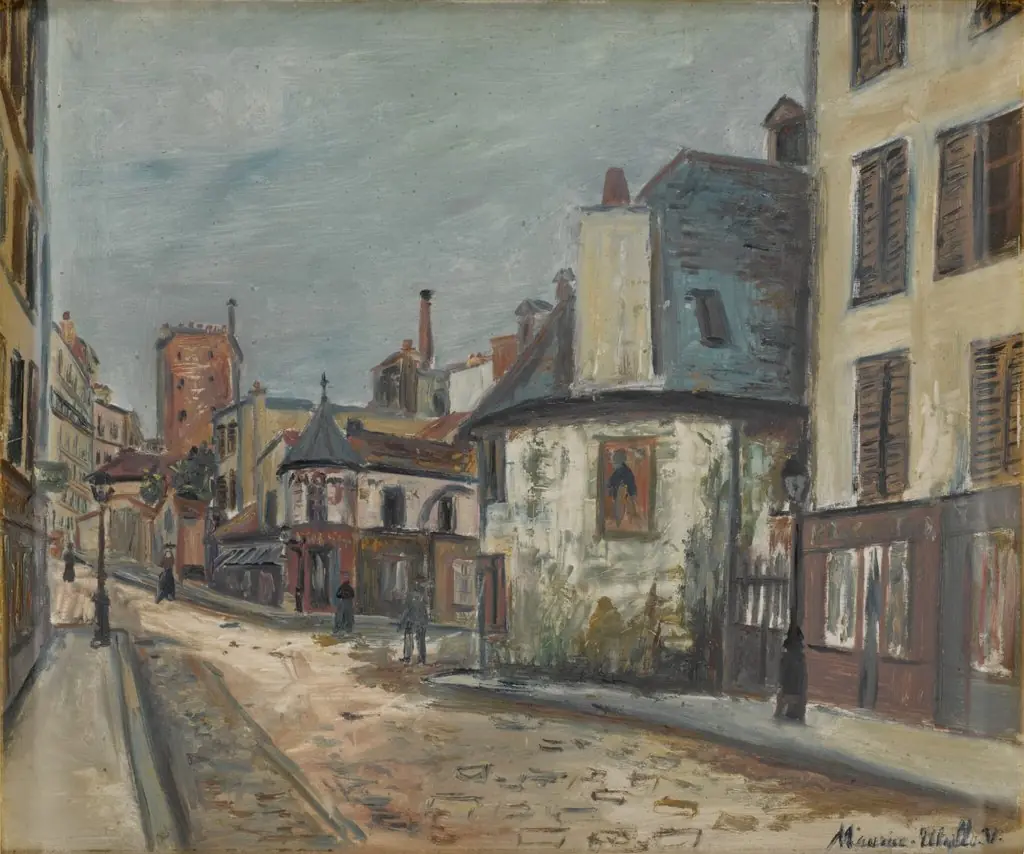 The Tavern "La Belle Gabrielle"
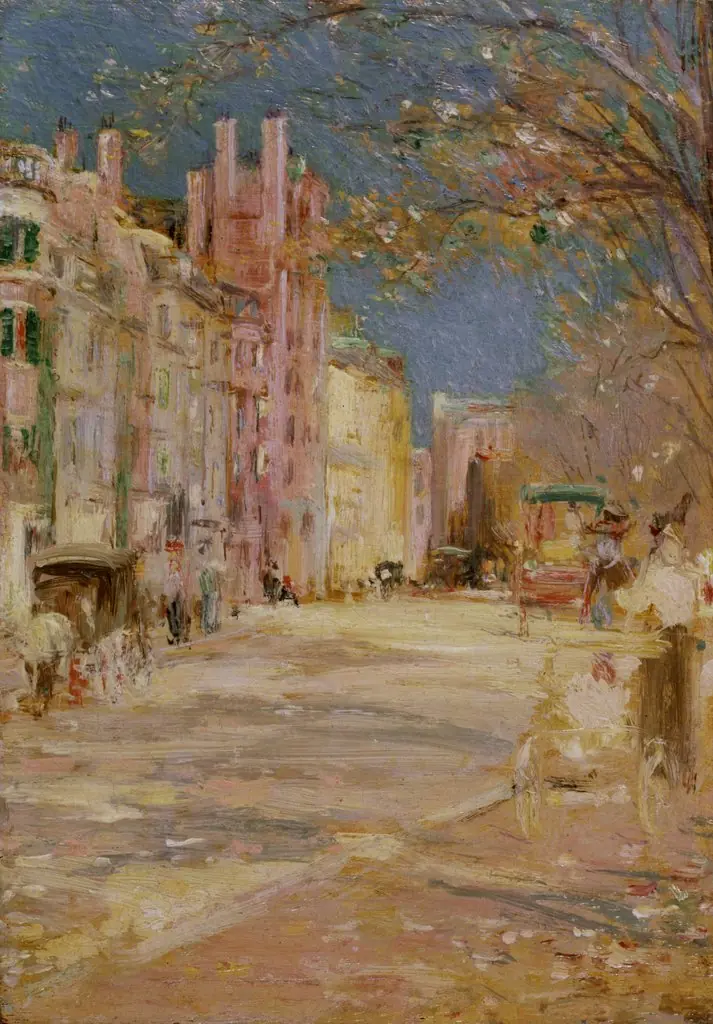 Boston Street Scene (Boston Common)
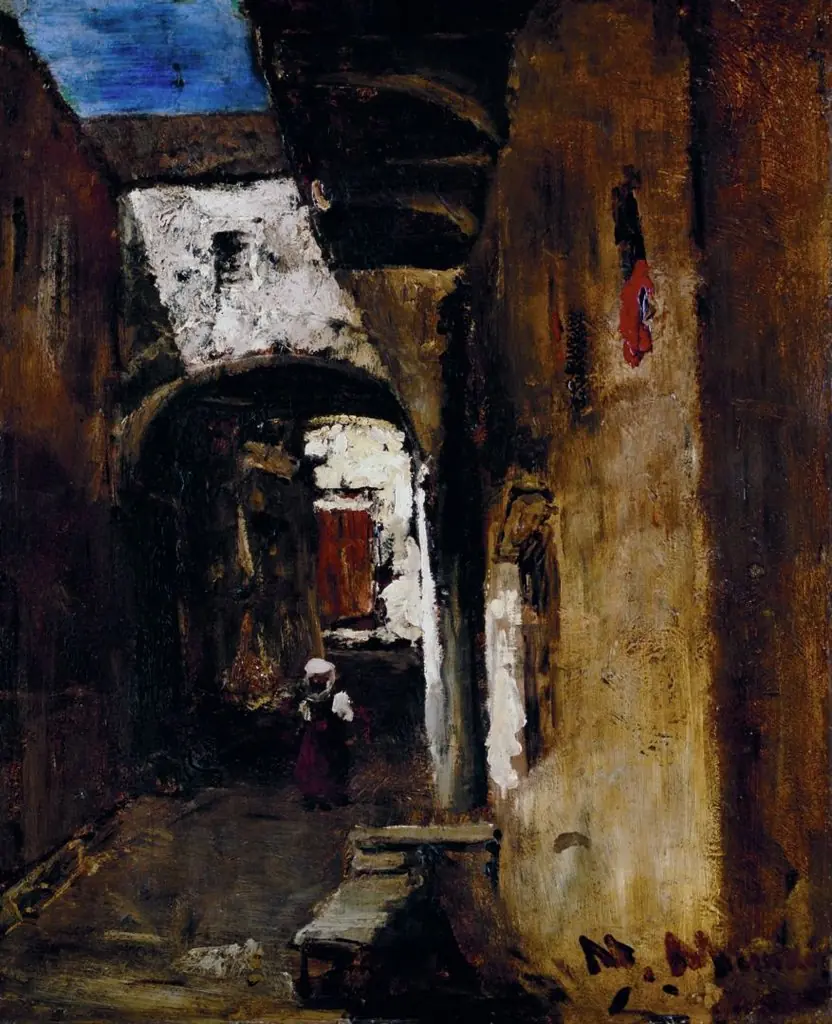 Dark Street
 The Amphitheatre at Verona
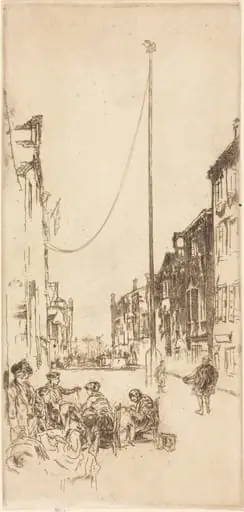 The Venetian Mast
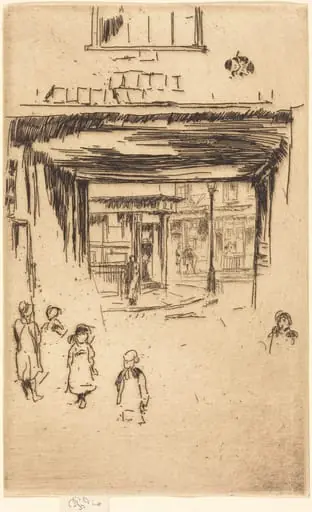 Drury Lane
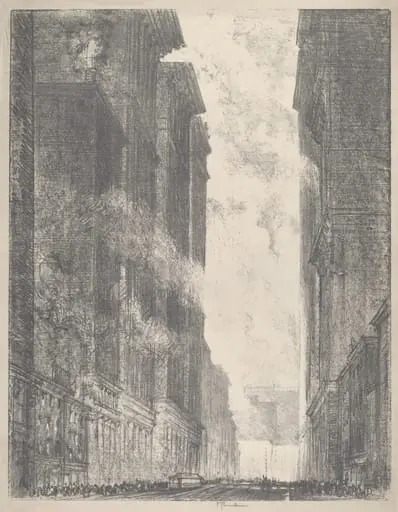 Fourth Avenue
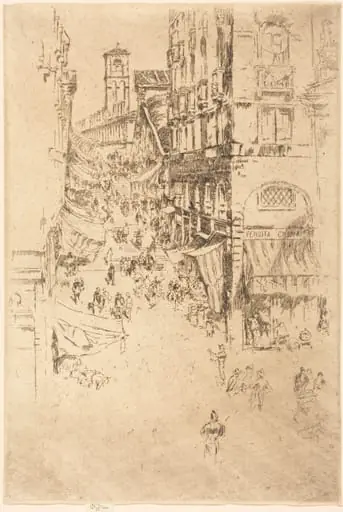 The Rialto
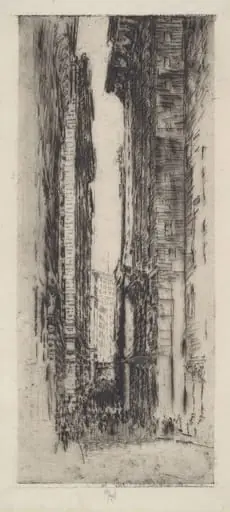 Canyon, No. III
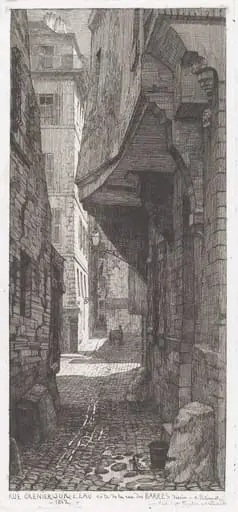 Rue Grenier sur l'eau, côté de la rue des Barres
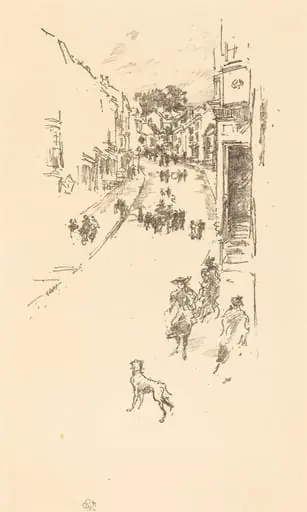 Sunday, Lyme Regis
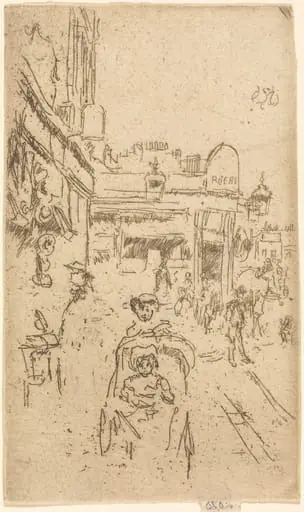 King's Road, Chelsea
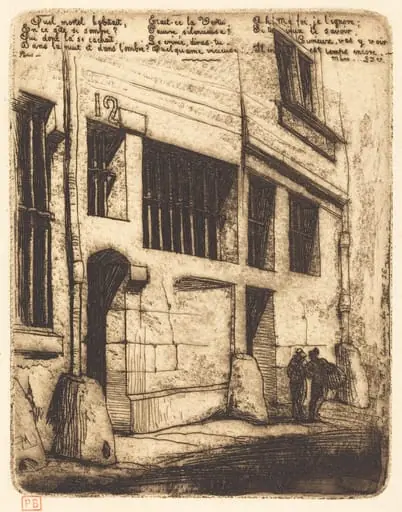 La Rue des Mauvais Garçons, Paris (The Street of the Bad Boys)
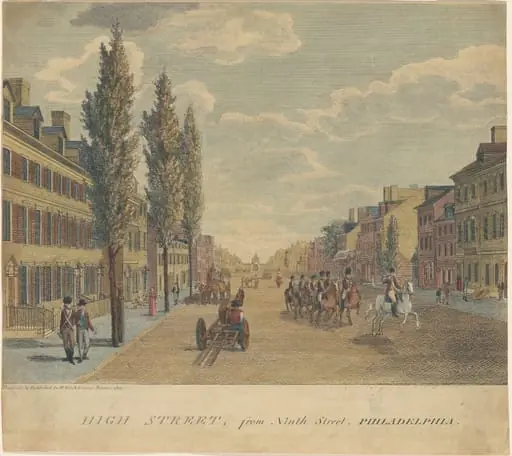 High Street, from Ninth Street, Philadelphia
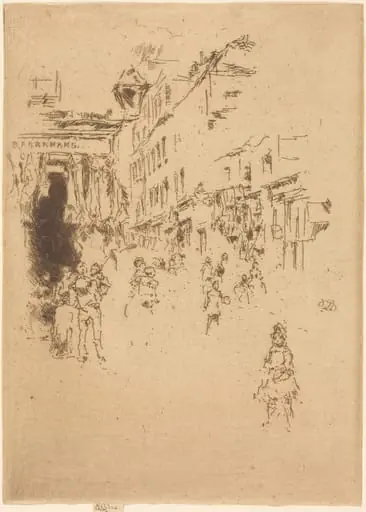 Cutler Street, Hounsditch
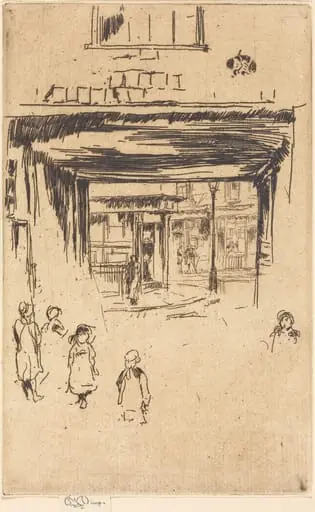 Drury Lane
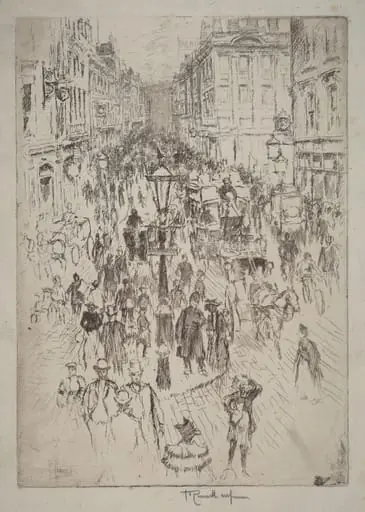 New Oxford Street, London
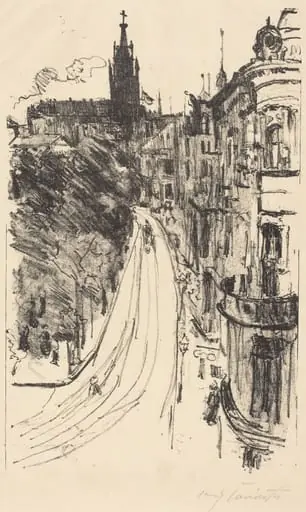 Strasse in Königsberg (Street in Königsberg)
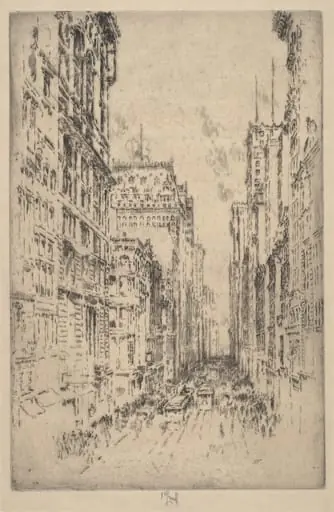 Lower Broadway
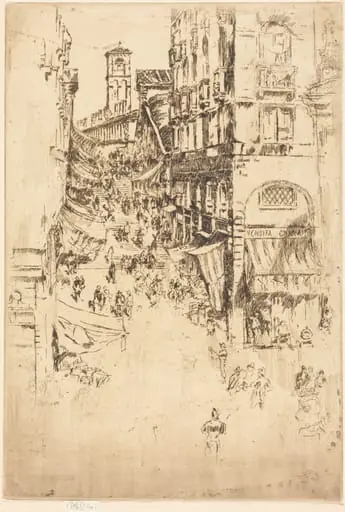 The Rialto
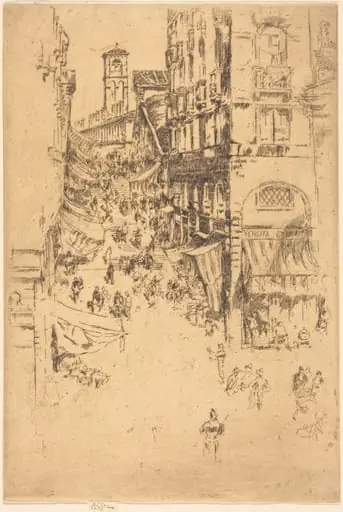 The Rialto
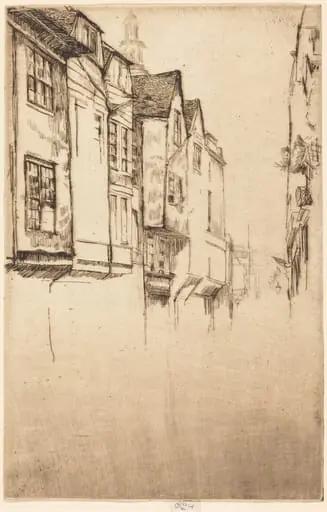 Wych Street
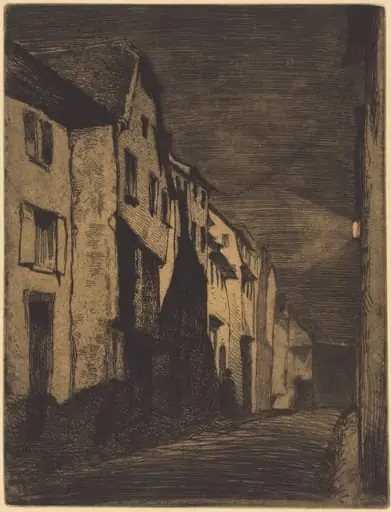 Street at Saverne
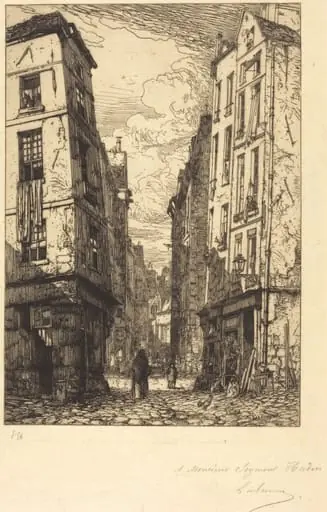 Rue des Marmousets (Quartier de la cite, vieux Paris)
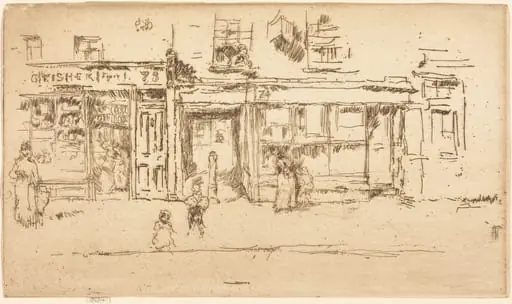 York Street, Westminster
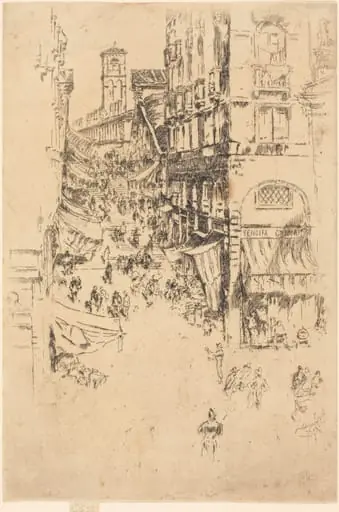 The Rialto
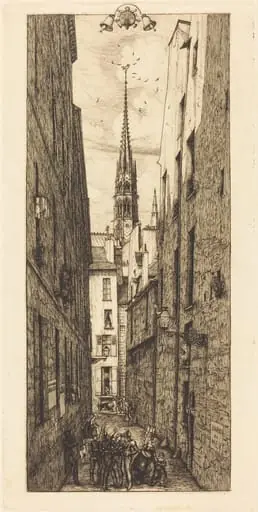 La Rue des Chantres, Paris (Chantrey Street, Paris)
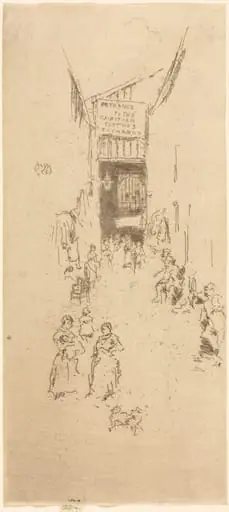 Fleur de Lys Passage
![House of Dante da Castiglione [Casa di Dante da Castiglione]](https://artifactworldgallery.com/img/telemaco-signorini--house-of-dante-da-castiglione-casa-di-dante-da-castiglione--92db125a9a8d04db-w320.webp) House of Dante da Castiglione [Casa di Dante da Castiglione]
House of Dante da Castiglione [Casa di Dante da Castiglione]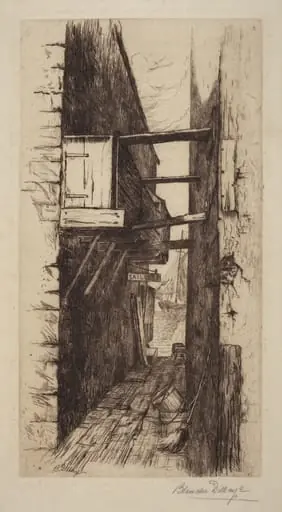 Untitled (Alleyway with View of a Harbor)
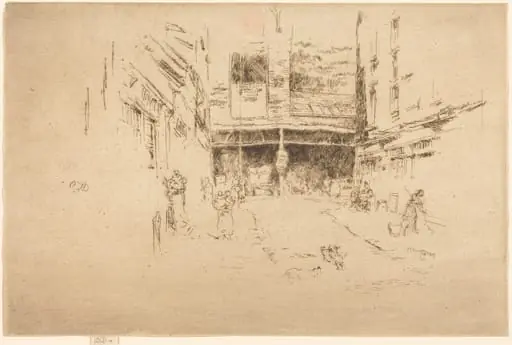 Clothes Exchange, No.I
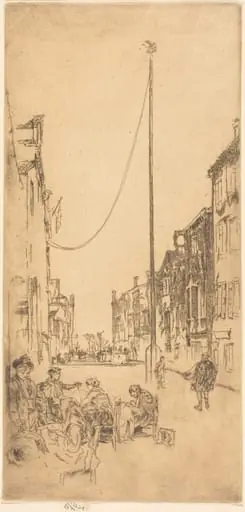 The Venetian Mast
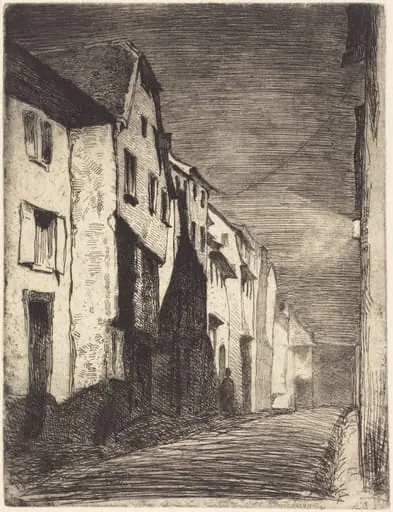 Street at Saverne
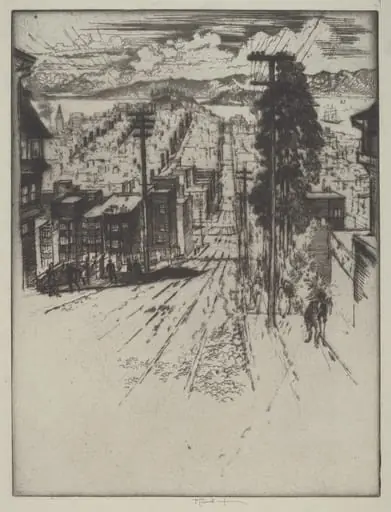 Down and Up the Hills to the Bay, San Francisco
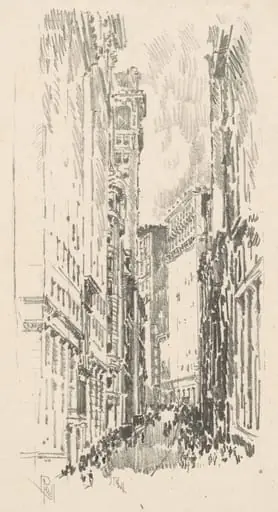 William Street
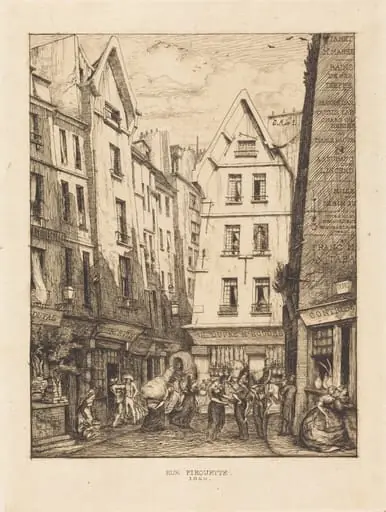 La Rue Pirouette aux halles, Paris (Pirouette Street, Near the Markets, Paris)
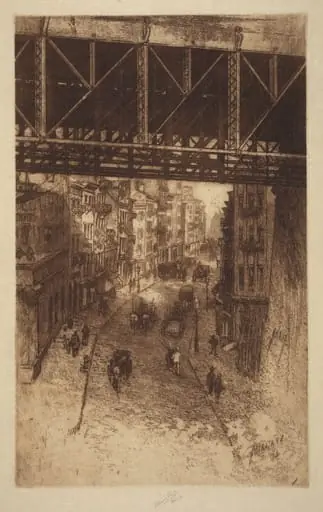 Cherry Street, N.Y.
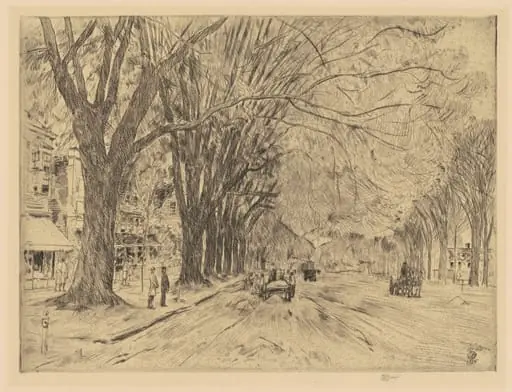 Easthampton Elm in May
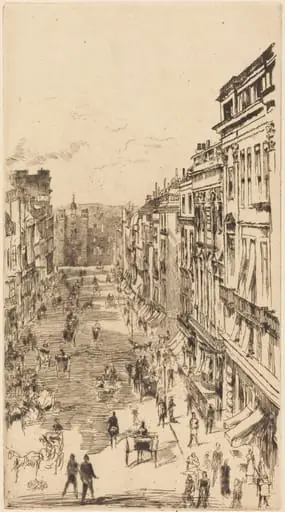 St James's Street
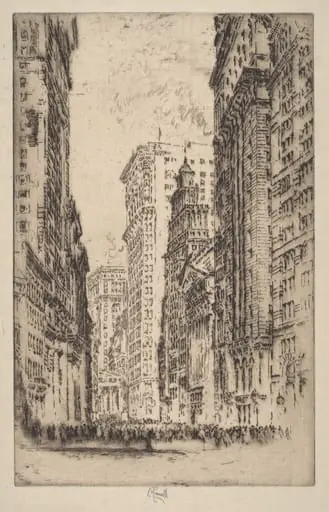 The Stock Exchange
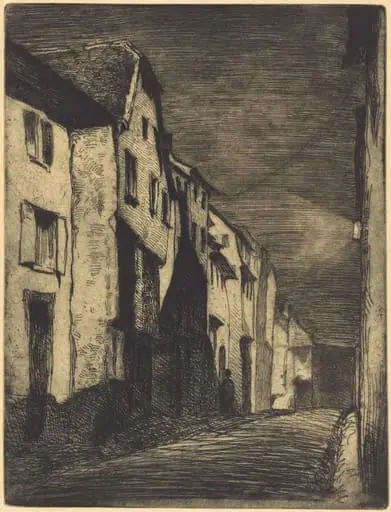 Street in Saverne
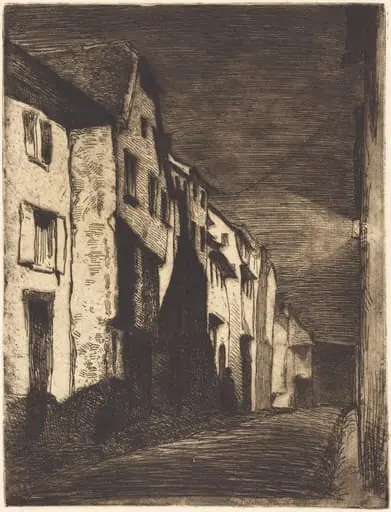 Street at Saverne
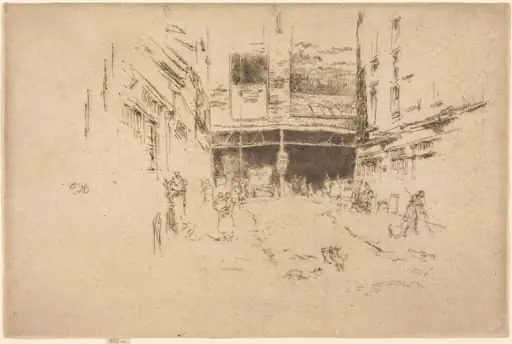 Clothes Exchange, No.I
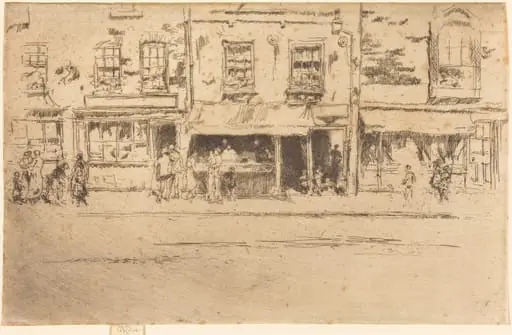 The Fish-Shop, Busy Chelsea
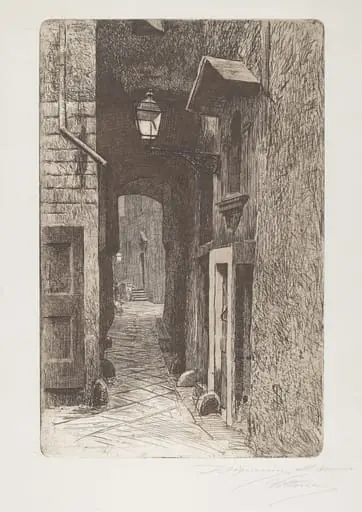 Via de' Cavalieri
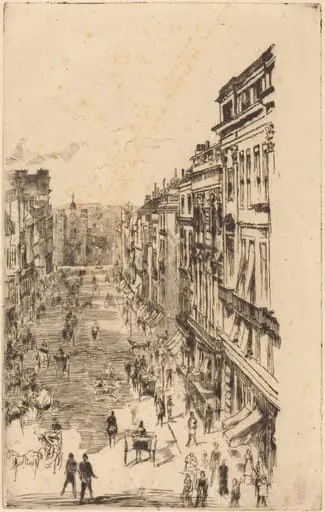 St James's Street
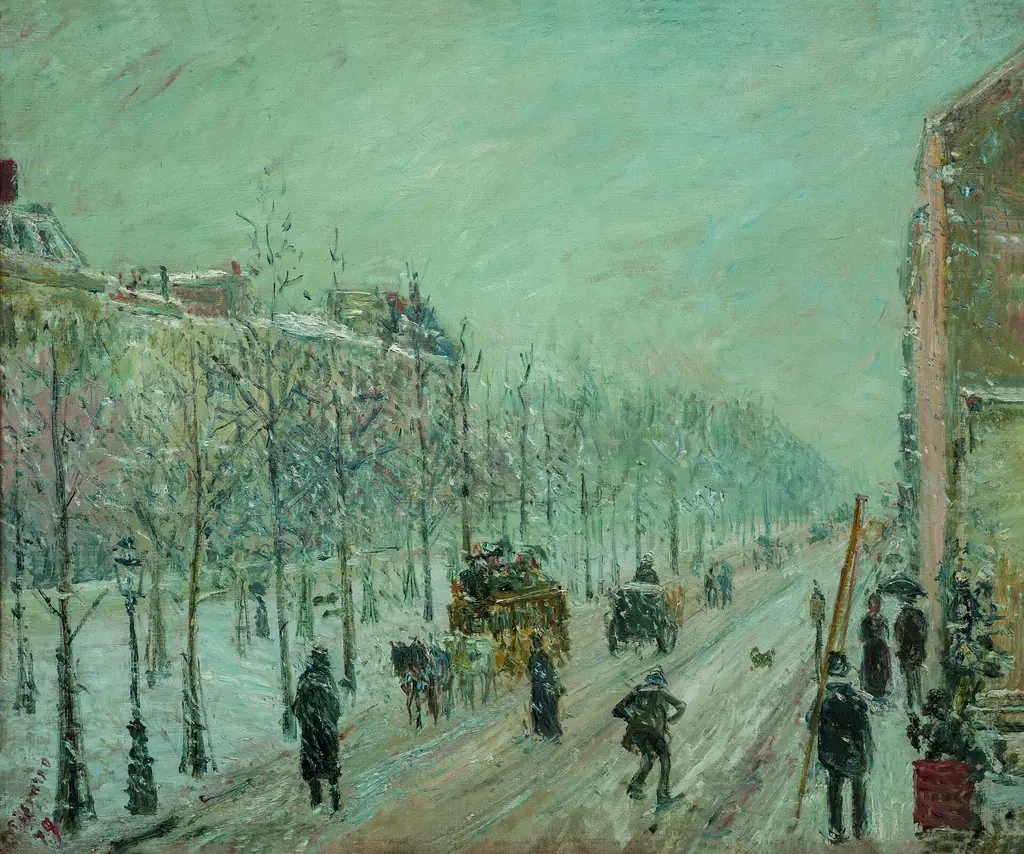 Les boulevards extérieurs. Effet de neige
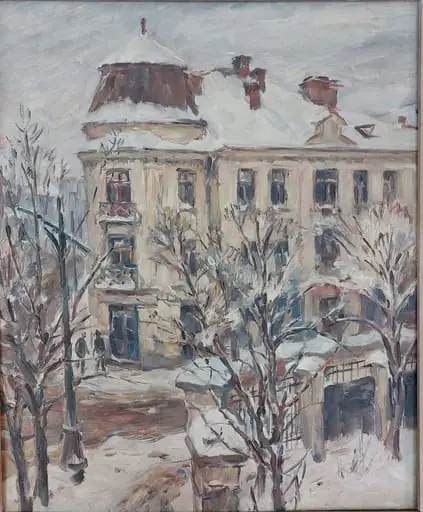 Piața Victoriei
 Stradă veche din Roman
 Șcheii Brașovului - strada Cocova de Jos
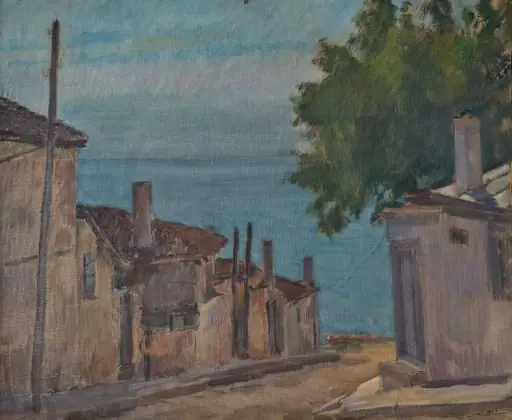 Marină (Balcic)
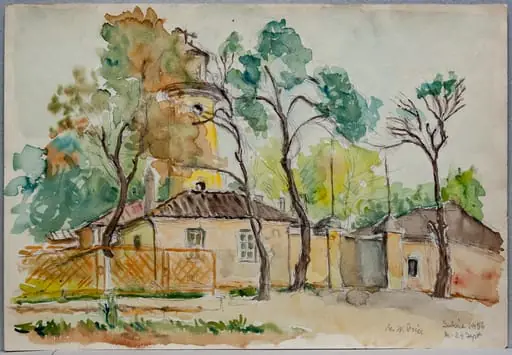 S 38 - Peisaj la Sulina (Stradă cu case și pomi)
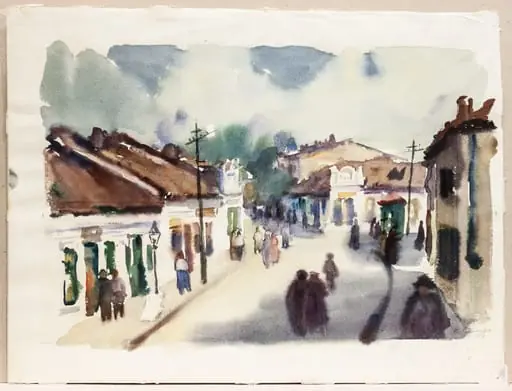 Vechiul centru din Tulcea
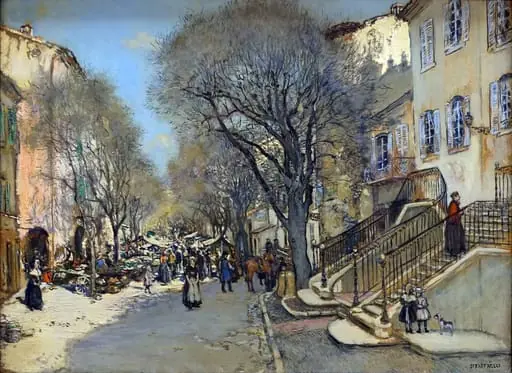 Târgul din Antibes
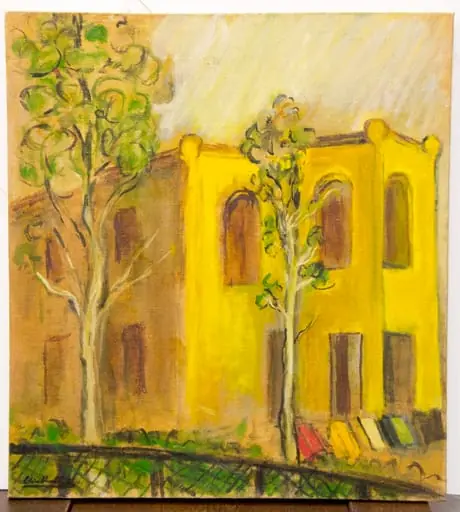 Vedere spre strada Luterană
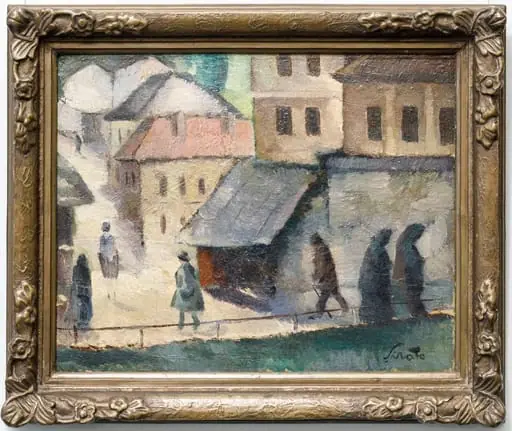 Stradă
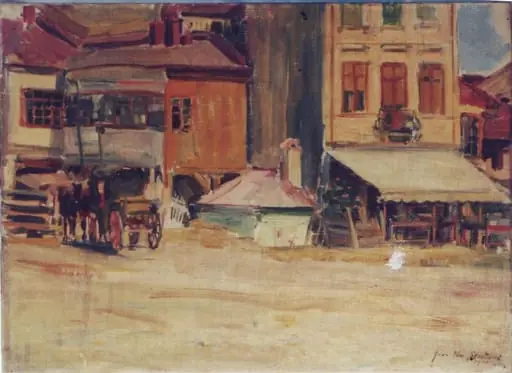 Peisaj din vechiul Bucuresti
 Peisaj la Abrud
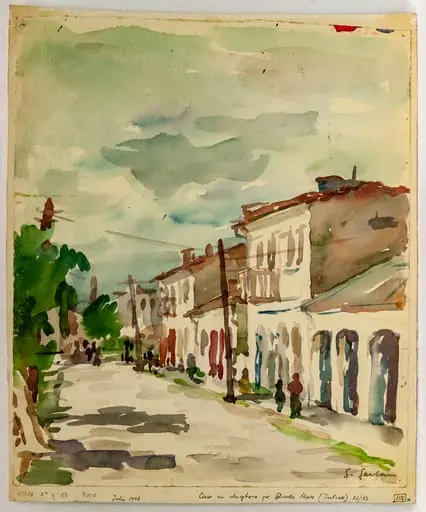 Case cu dughene pe strada Mare (Tulcea)
 S 12 - Peisaj la Sulina (Stradă și 2 case)
 Strada Ștefan cel Mare
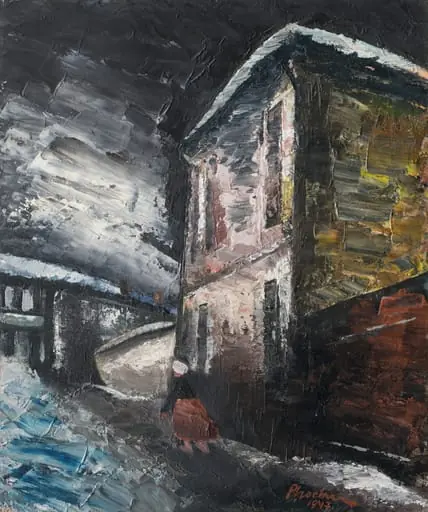 STRADĂ ÎN BUCUREȘTII VECHI
 S 19 - Peisaj la Sulina (Casă și copaci)
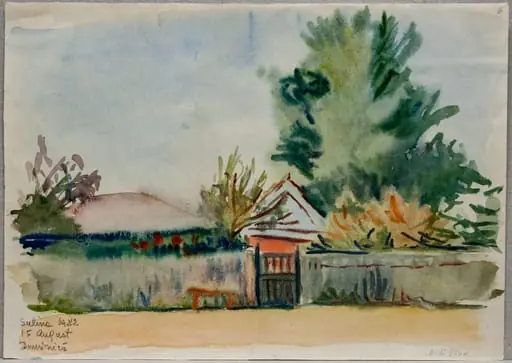 S 22 - Peisaj la Sulina (Casă, gard, copac)
 S 13 - Peisaj la Sulina (Stradă cu case și copaci)
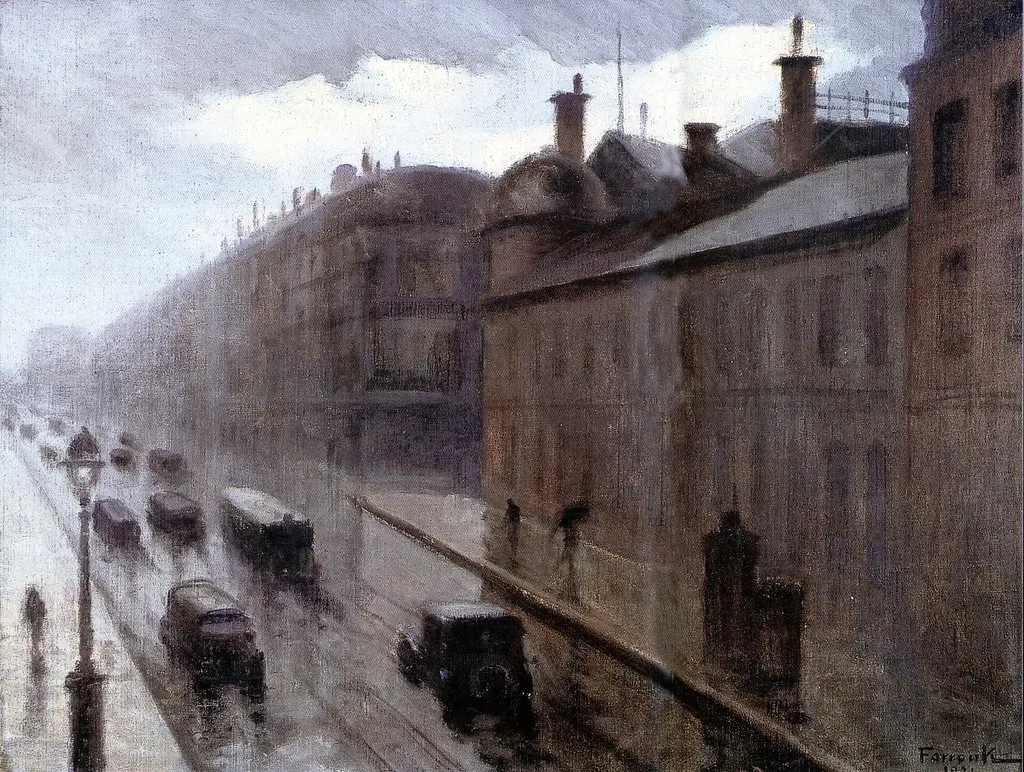 Paris in the Rain
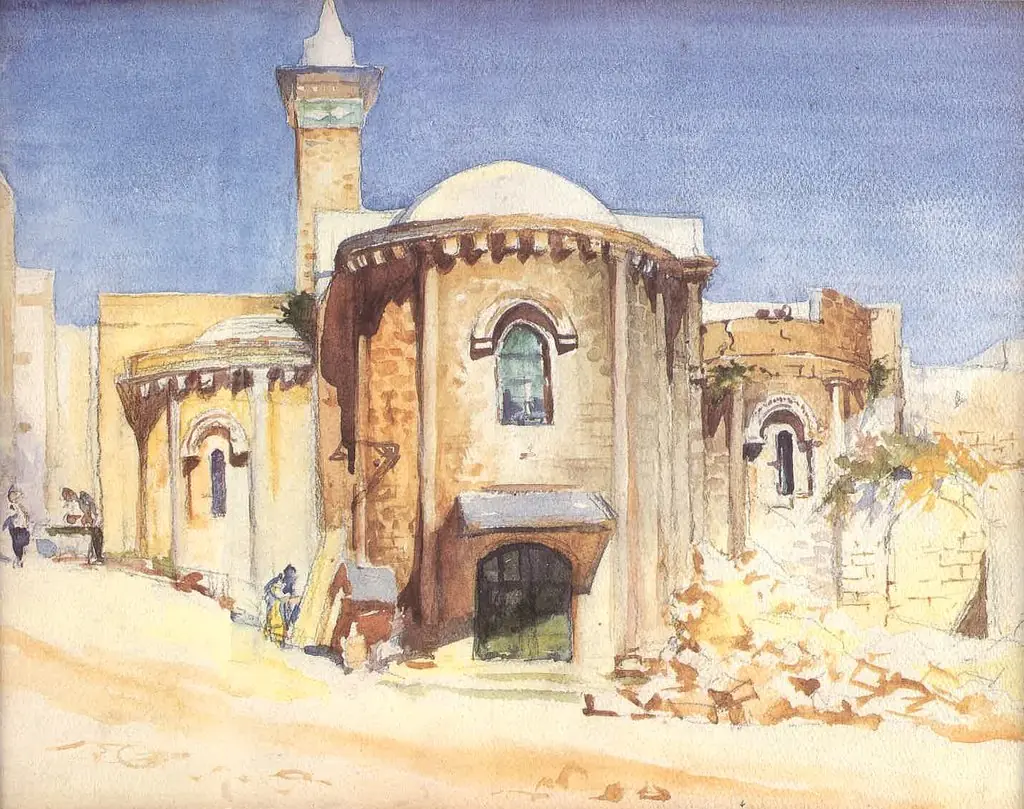 Beirut. Al-Omari Mosque
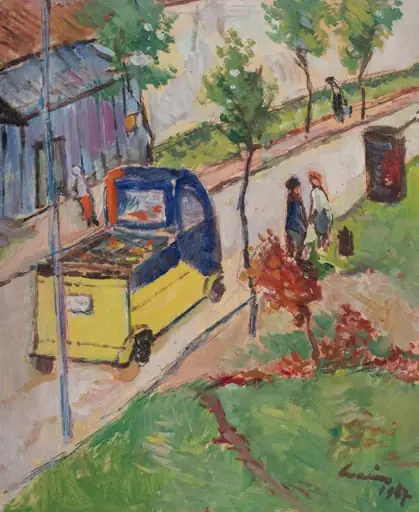 Peisaj urban
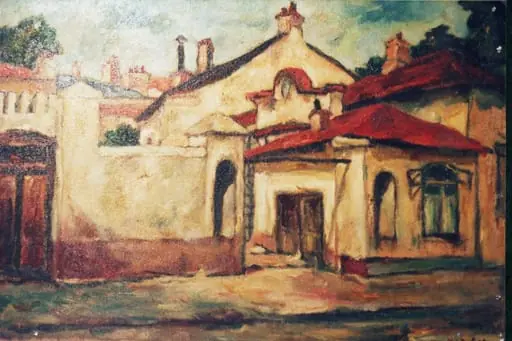 Colț (la) Piața Amzei
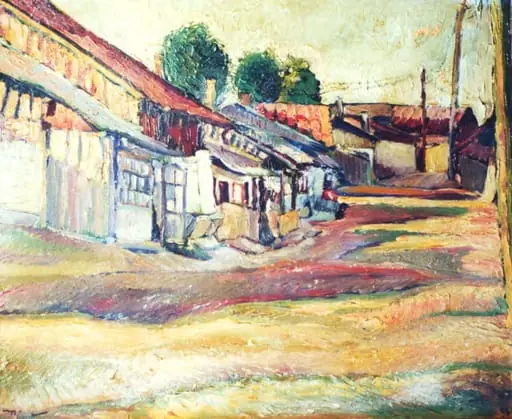 Stradă la periferie
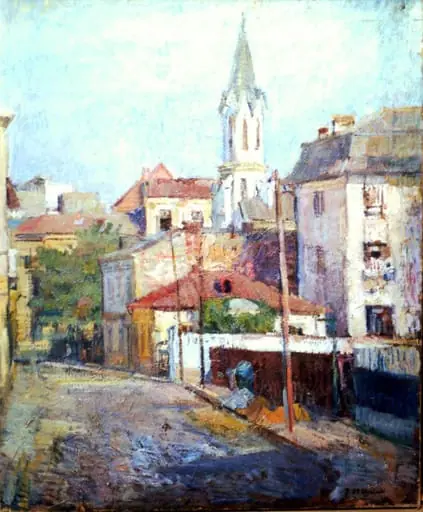 Strada Luterană
 S7 - Peisaj la Sulina (Stradă cu case și stâlp de telegraf)
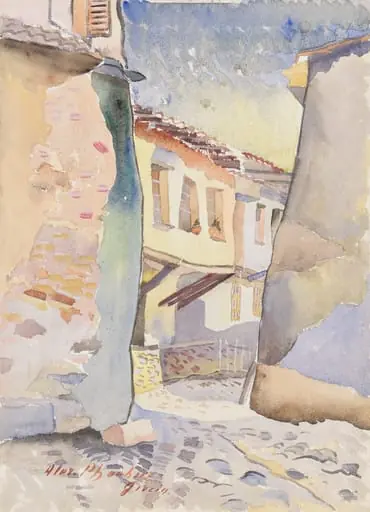 STRADĂ VECHE ÎN SALONIC
 Seara în oraș
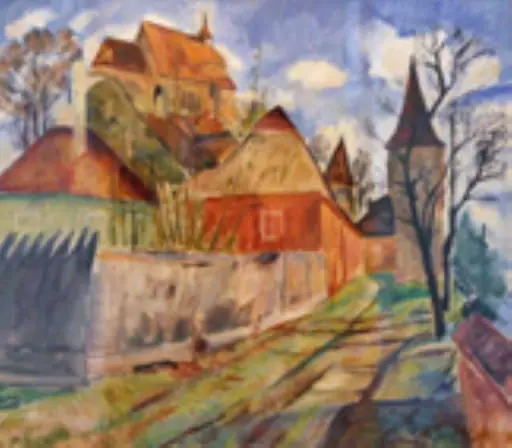 Spre cetate, primăvara
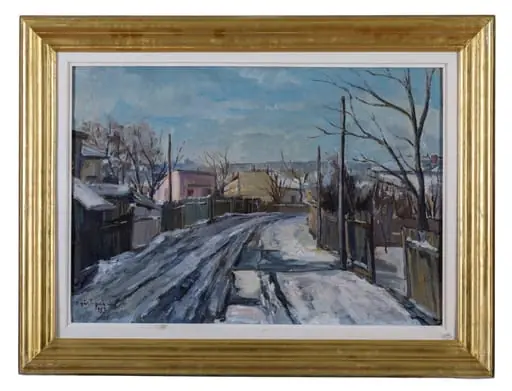 Strada Ateneului din Tătărași iarna
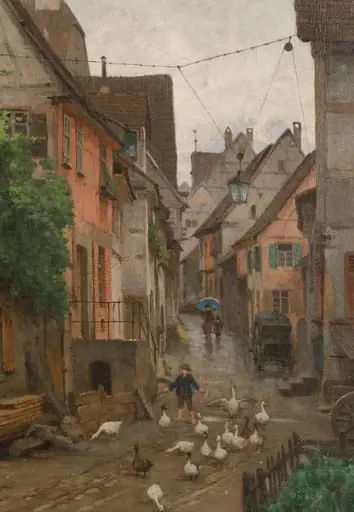 Stradă
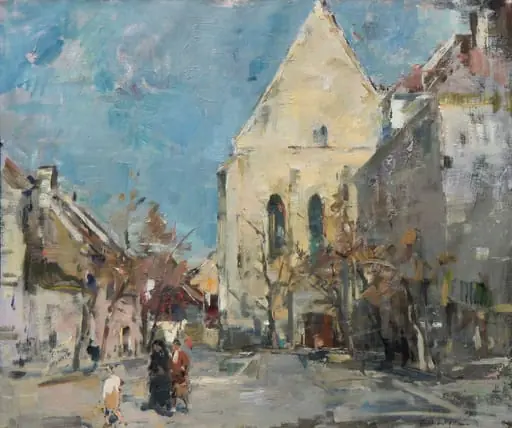 Peisaj urban
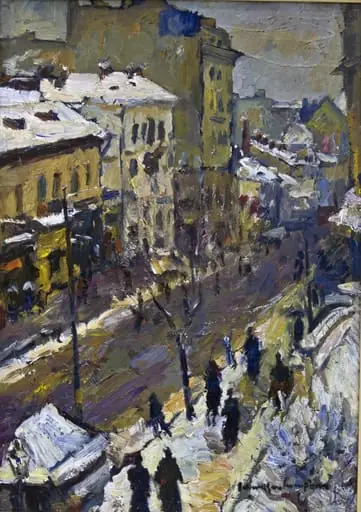 Calea Griviței
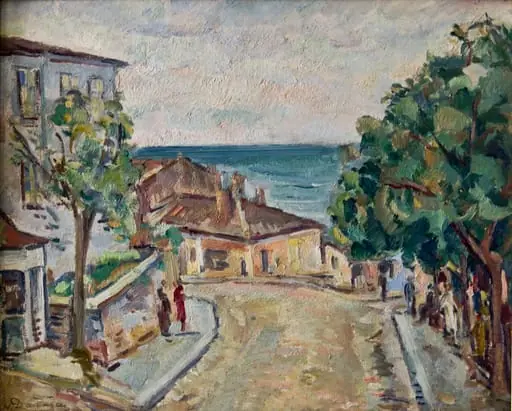 Stradă la Balcic
 BULEVARDUL FILANTROPIA
 La plimbare
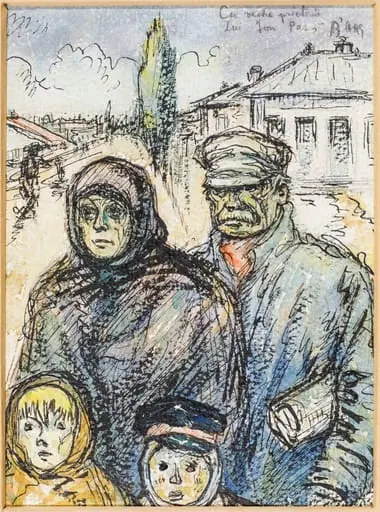 Familie
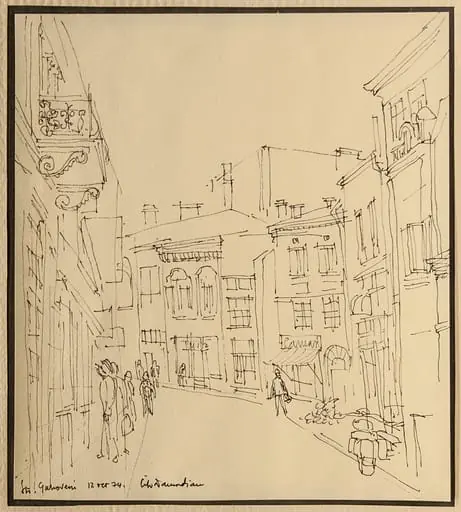 Strada Gabroveni
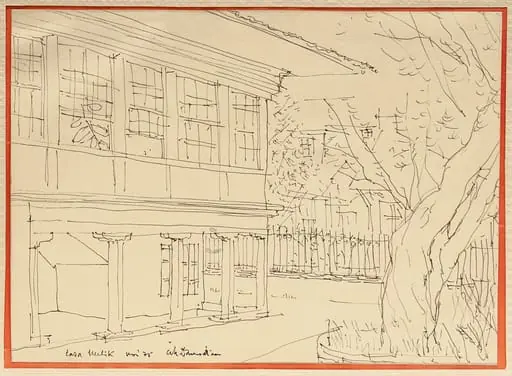 Casa Melic
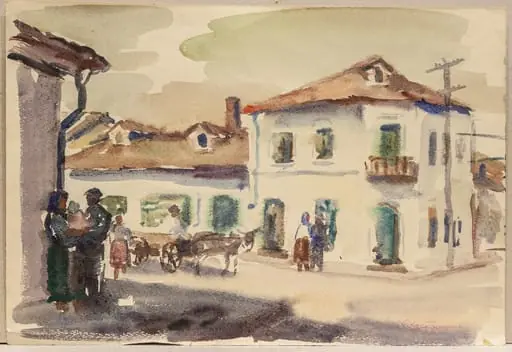 Peisaj cu stradă
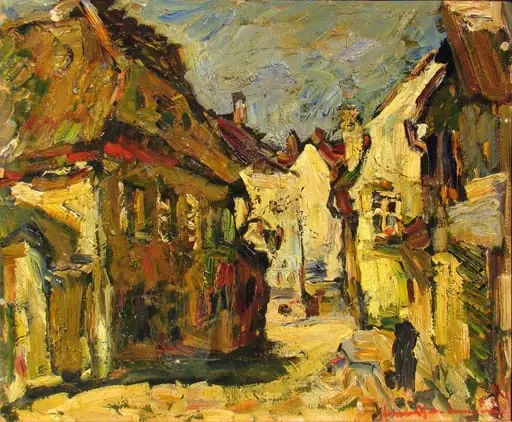 Stradă din Sibiu
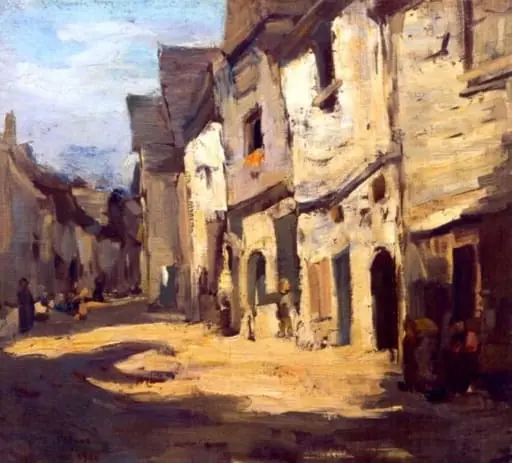 Stradă din Vité
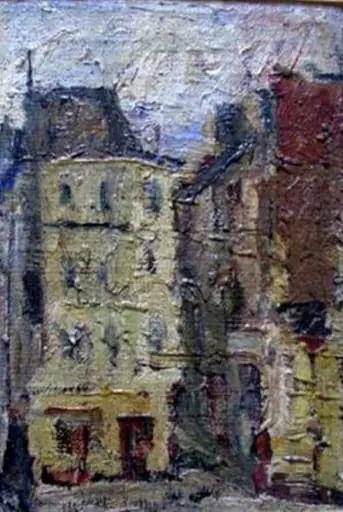 Case la Paris
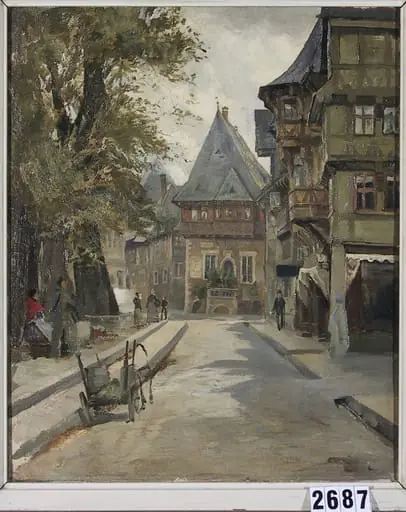 Peisaj citadin
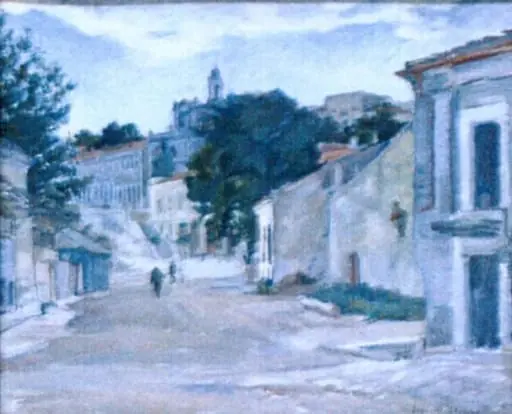 Stradă
 Bulevardul Ana Ipătescu
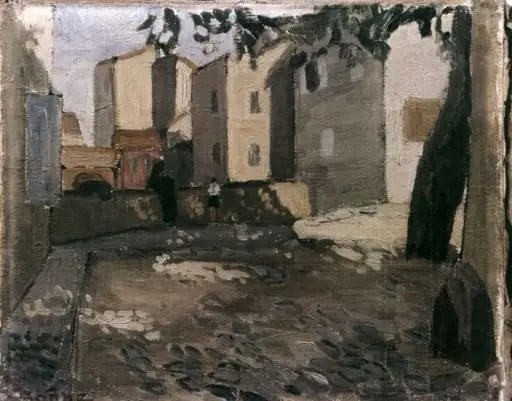 Peisaj citadin (Alger)
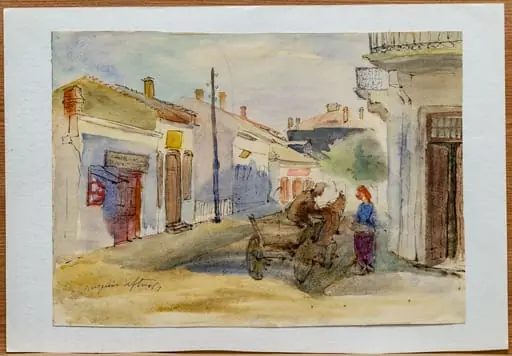 Peisaj citadin cu căruțaș
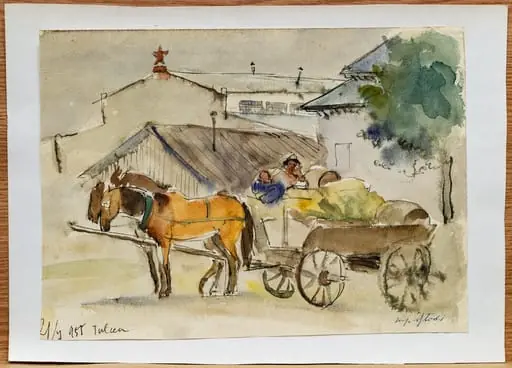 Căruțaș
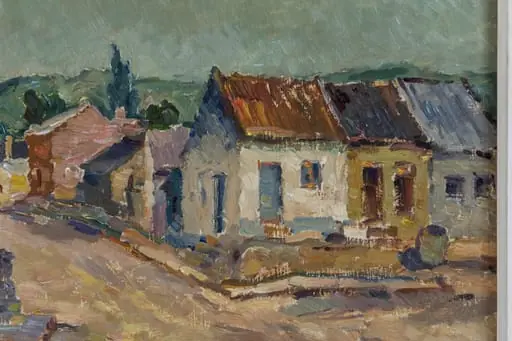 Peisaj din Huși
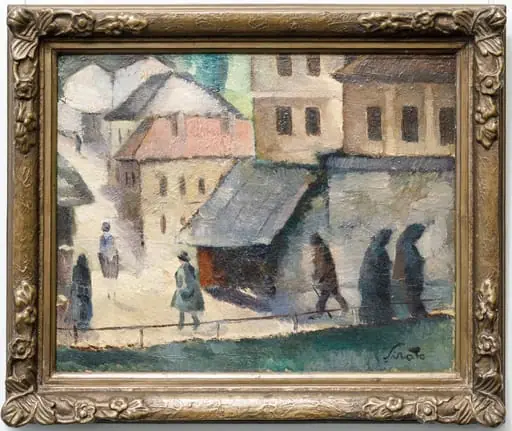 PEISAJ (STRADĂ)
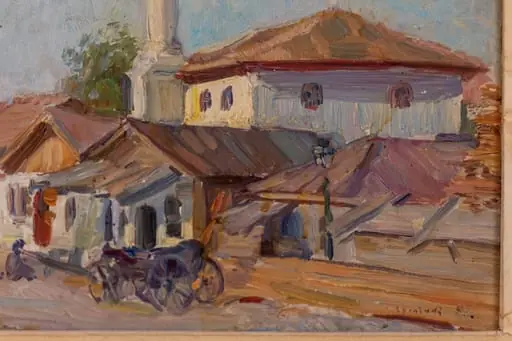 Peisaj
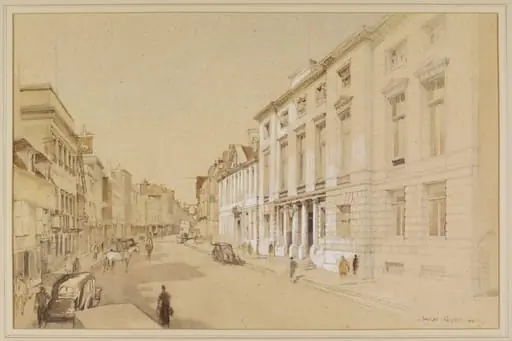 The County Hall and High Street, Lewes
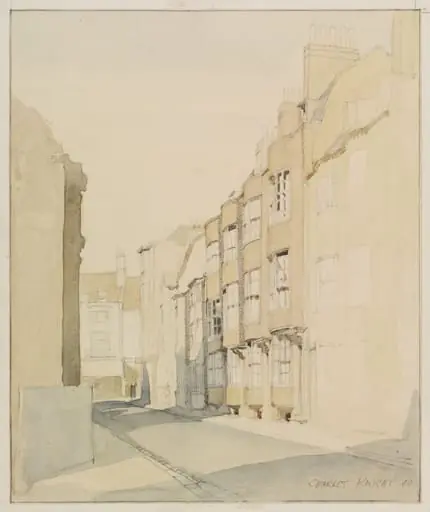 3 - 12, Charles Street, off Brighton Front
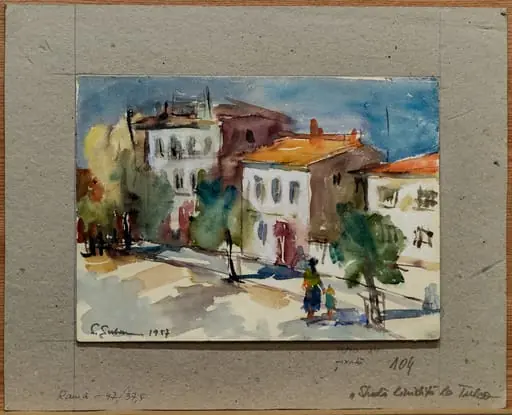 Stradă în plin soare (Strada Mare Tulcea)
 STRADĂ ÎN PANTĂ - GRECIA
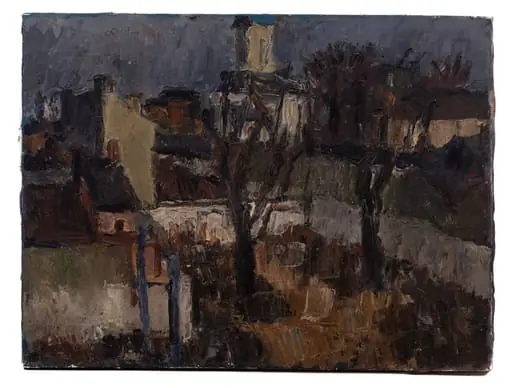 Peisaj
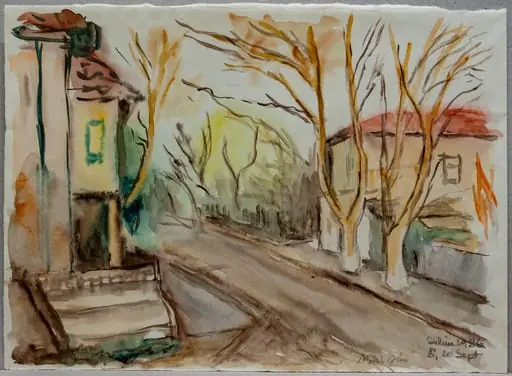 S 39 - Peisaj la Sulina (Stradă cu case și pomi)
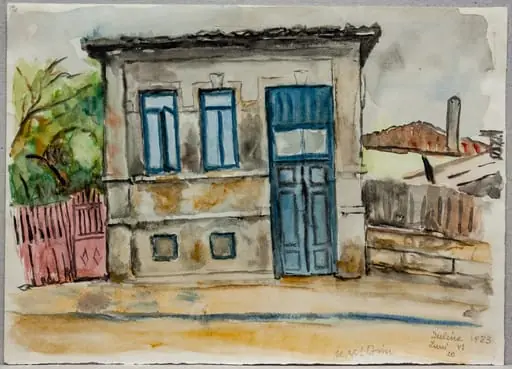 S 24 - Casă la Sulina
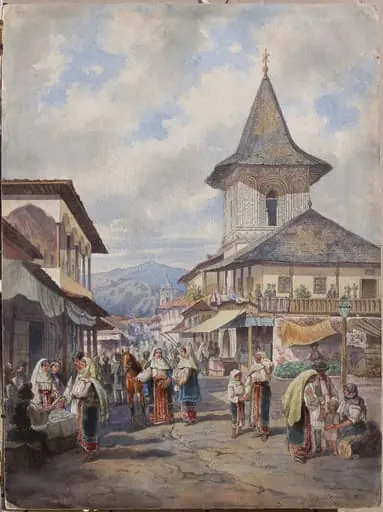 Târg la Câmpulung (Muscel)
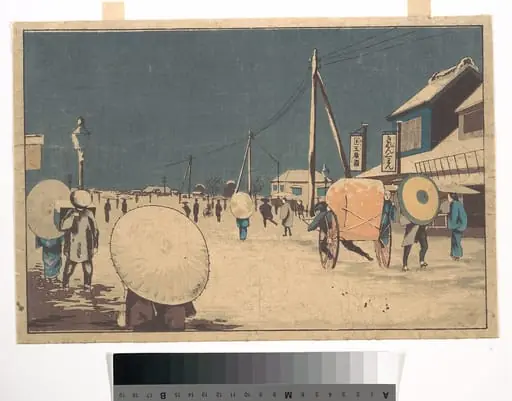 Untitled
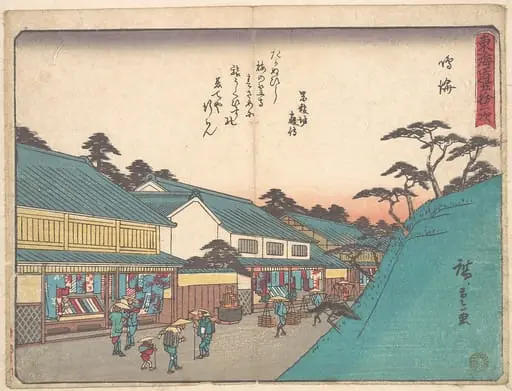 東海道五十三次 鳴海|Narumi
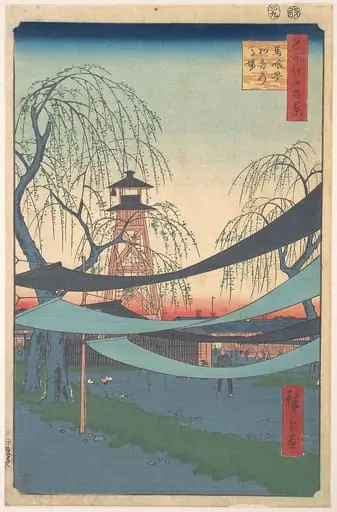 名所江戸百景 馬喰町初音の馬場|The First Race Course, Horse-Dealer's Street
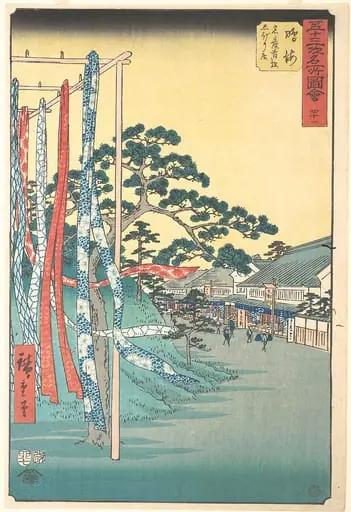 五十三次名所図会 鳴海 名產有松しぼり店|Narumi, Meisan Arimatsu Shibori Mise
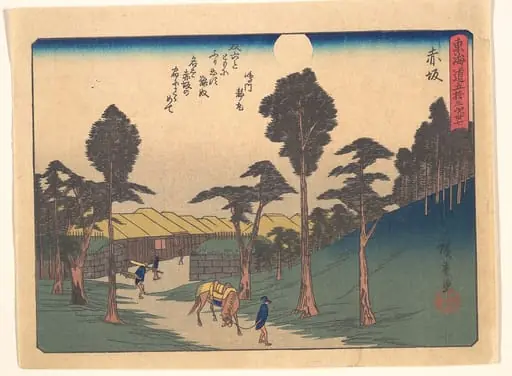 東海道五十三次 赤坂|Akasaka, from the series The Fifty-three Stations of the Tōkaidō Road
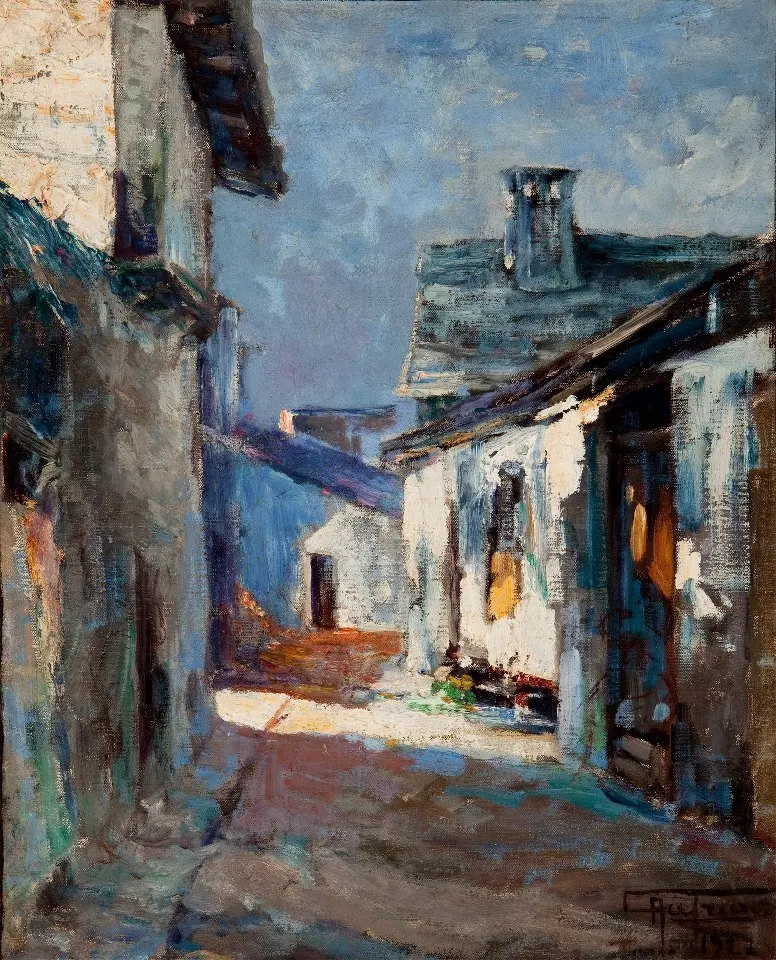 Velhas casas (Paisagem)
 VEDERE DIN SALONIC
 STRADA DIN GALAȚIUL VECHI
 Iași 1974
 Str(ada) Bărăției
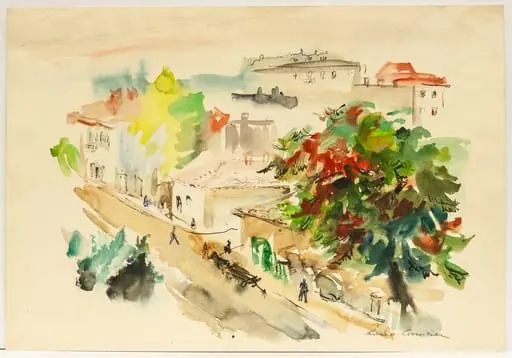 Stradă la Constanța
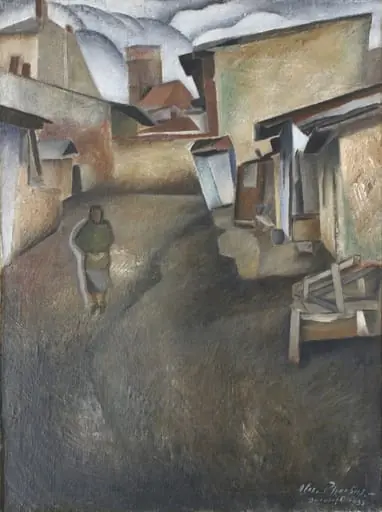 Stradă mizeră
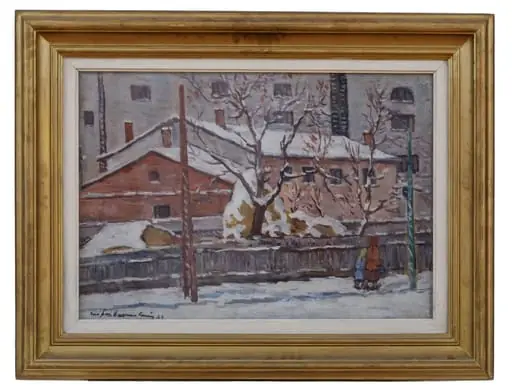 Peisaj de iarnă
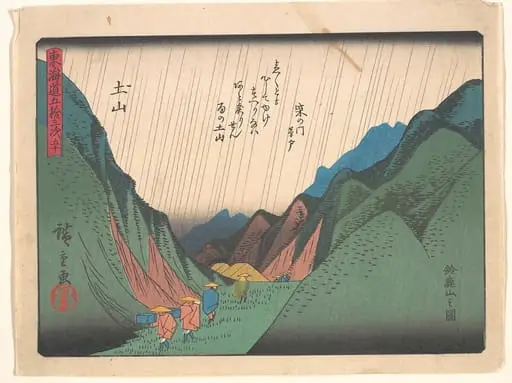 東海道五十三次 土山|Tsuchiyama, from the series The Fifty-three Stations of the Tōkaidō Road
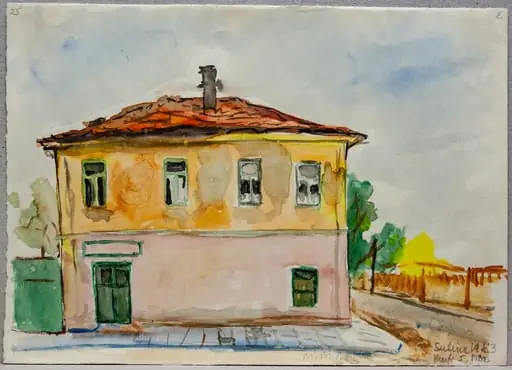 S 23 - Casă la Sulina
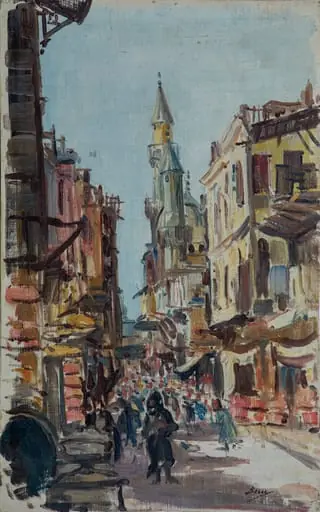 Peisaj urban
 STRADĂ VECHE ÎN GALAȚI
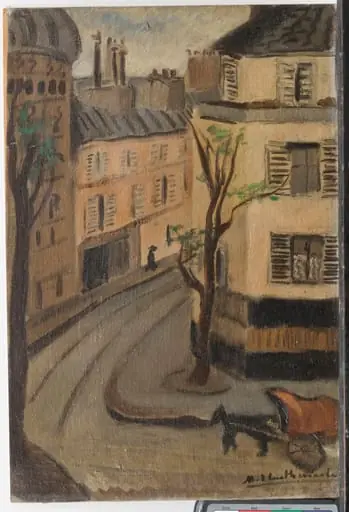 Colț de stradă cu trăsură
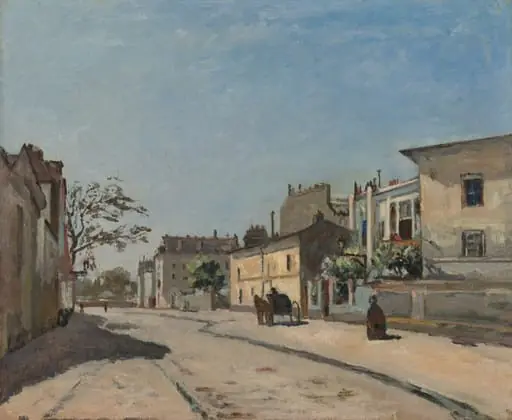 French Street Scene
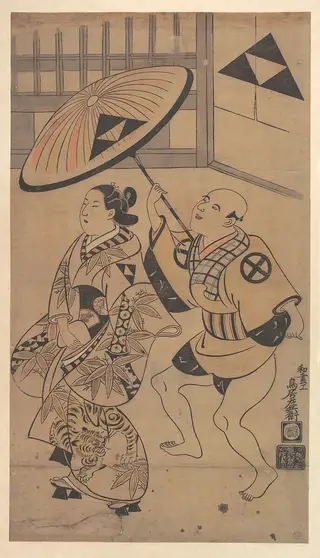 Untitled
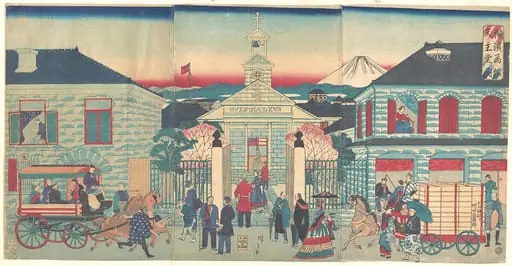 横浜商館天主堂ノ図|Illustration of Foreign Residences and the Catholic Church in Yokohama (Yokohama shōkan tenshudō no zu)
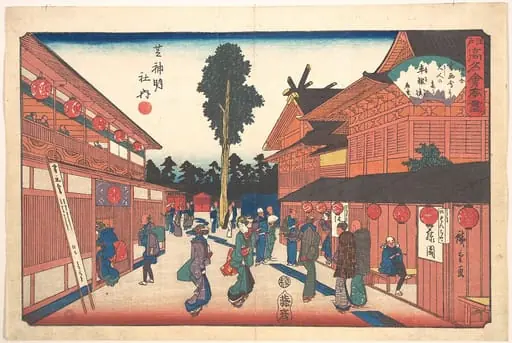 江戸高名会亭尽 芝神明社内 車轍楼|Shiba Shinmeisha Uchi (Shatetsu-ro)
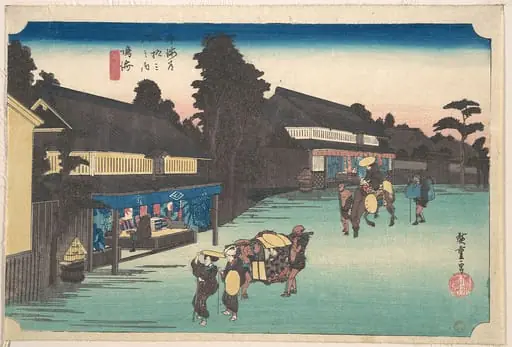 東海道五十三次之内 鳴海 名物有松絞|Narumi, Meibutsu Arimatsu Shibori
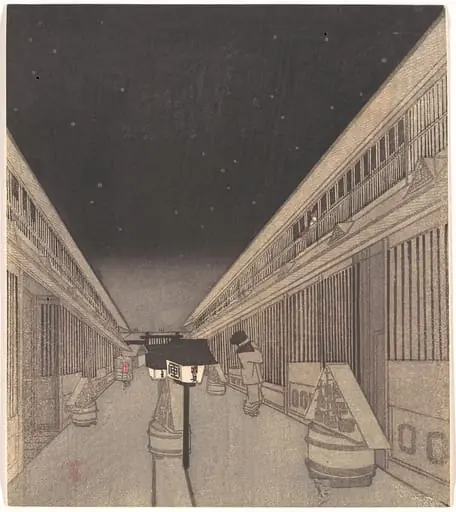 Untitled
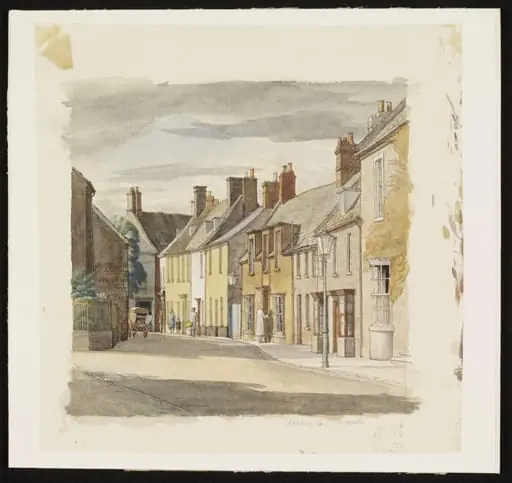 Chancery Lane, Thrapston
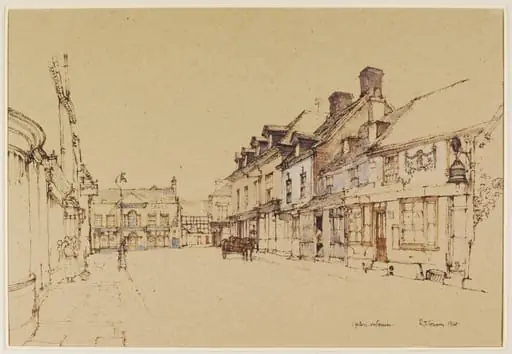 Upton-on-Severn
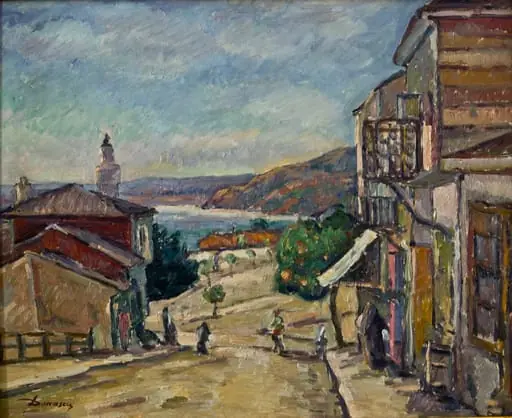 Stradă la Balcic
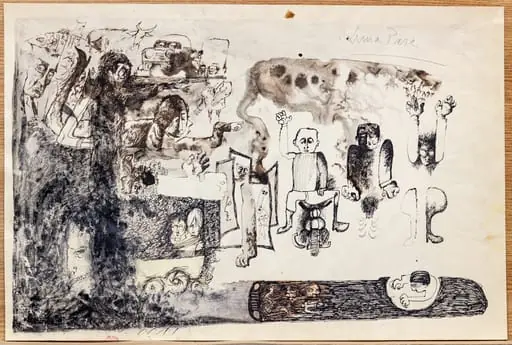 Lima Parc
 Peisaj
Frequently asked questions
What is Street?
Street is a subject in art. A street is a public thoroughfare in a city, town or village, typically lined with buildings on one or both sides.
How many Street works does Artifact World Gallery have?
Artifact World Gallery holds 200 public-domain Street works, all free to view and download.
Who are the key Street artists?
Key Street artists in the collection include Jean Baptiste Camille Corot, Camille Pissarro and Johannes Vermeer.
Where can I see Street works?
Street works in the collection are held by National Gallery of Art, Metropolitan Museum of Art and Gavrila Simion Eco-Museum Research Institute Tulcea.