Artwork
Albert VII, Archduke of Austria
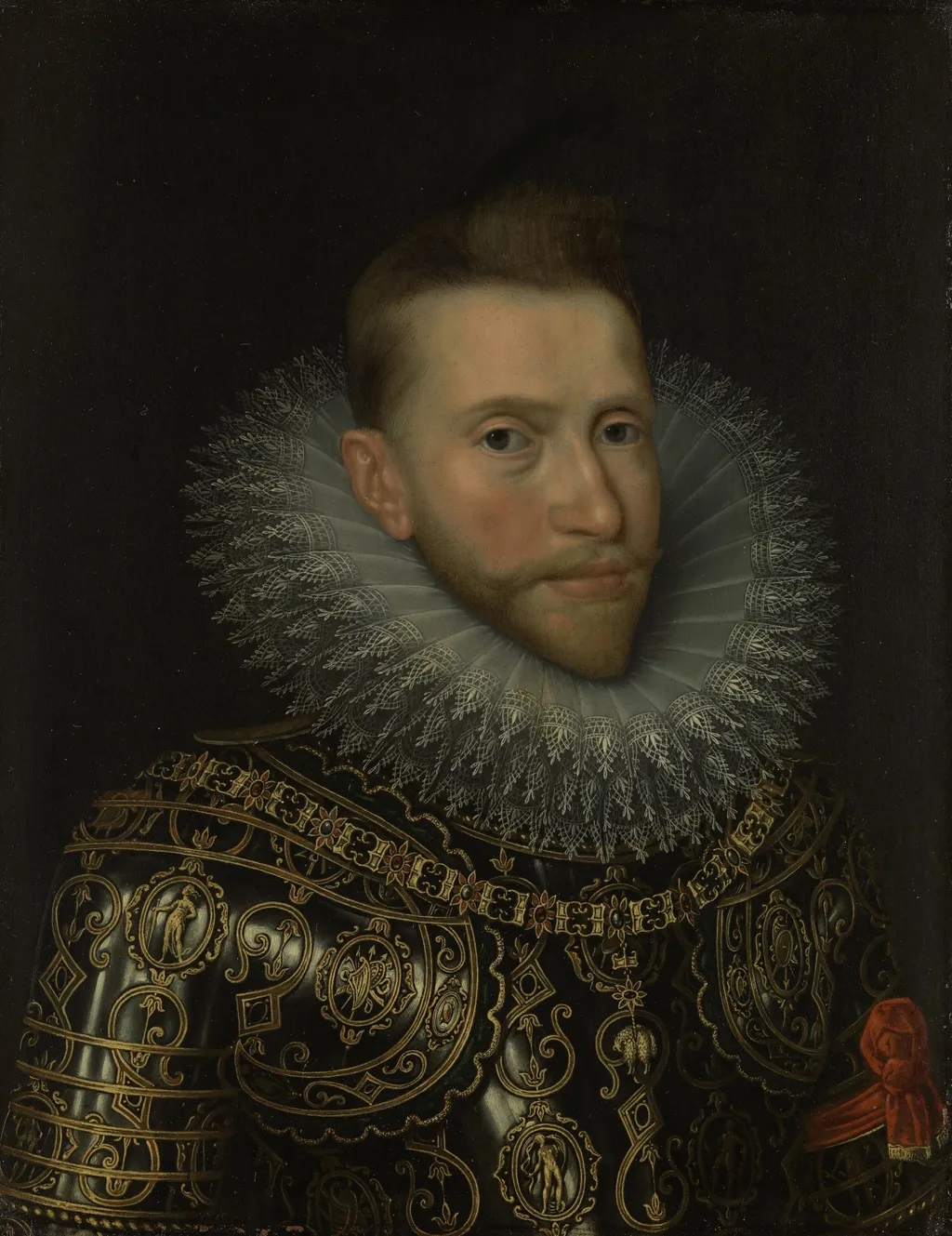
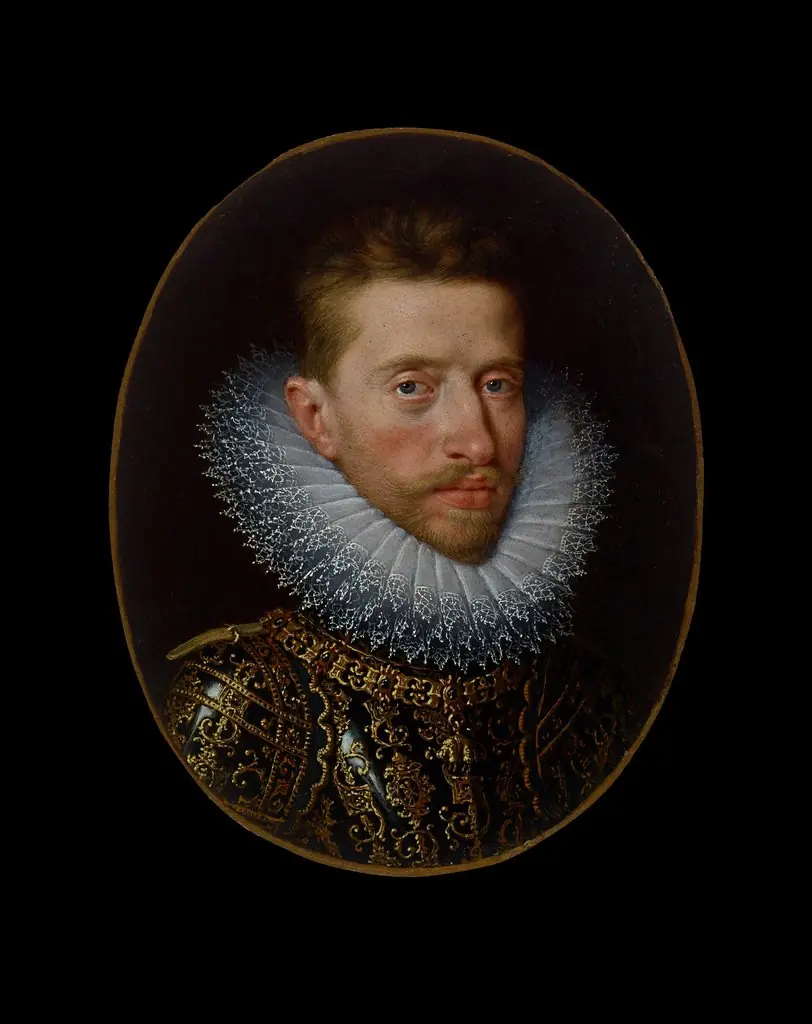
Albert VII, Archduke of Austria is an oil painting. It dates from 1600 and is held in the collection of the Rijksmuseum.
About this work
Subject & Meaning
The painting was produced in the Southern Netherlands, situating the sitter within the visual culture of Habsburg patronage in that region.
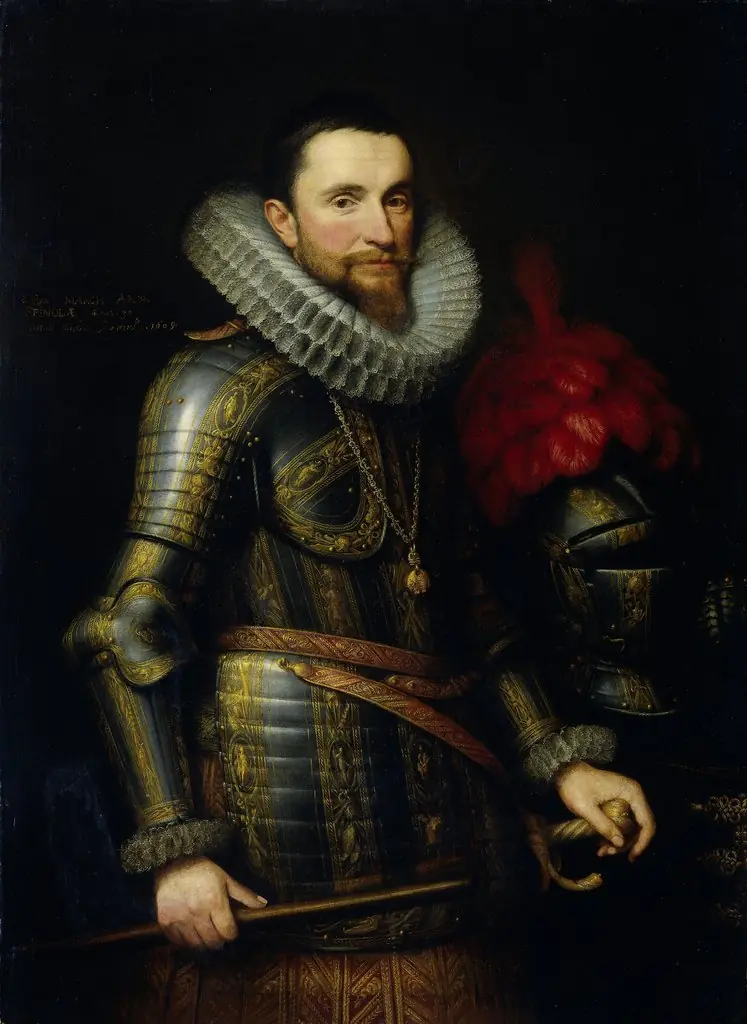
The work is a portrait depicting Albert VII, Archduke of Austria, as its main subject. It belongs to the genre of portraiture, presenting the Habsburg archduke as the sole focus of the composition. The painting was produced in the Southern Netherlands, situating the sitter within the visual culture of Habsburg patronage in that region.
Rendered in oil on copper, the small-scale format is typical of refined courtly portraiture of the period, a medium suited to meticulous surface detail and the polished finish associated with elite Habsburg imagery. As a portrait after Frans Pourbus the Younger, the work participates in the iconographic tradition of formal dynastic representation, in which the archduke's likeness served to project Habsburg authority, lineage, and political identity to viewers at court and beyond.
Technique & Style
The portrait of Albert VII, Archduke of Austria is executed in oil paint on a copper support, a technique well suited to the precise, enamel-like finish often associated with early seventeenth-century Netherlandish cabinet paintings. The work is classified as a painting and falls within the portrait genre, produced in the Southern Netherlands and dated to 1600. Its modest dimensions, 28.5 cm in height by 22.5 cm in width, are consistent with the small-scale, highly finished format typical of copper-panel portraits of the period.
The attribution places the execution with an anonymous artist working after Frans Pourbus the Younger, suggesting the handling derives from a lost or untraced original composition by Pourbus. The painting is held in the collection of the Rijksmuseum, where its copper support and oil technique remain preserved.
History & Provenance
The portrait of Albert VII, Archduke of Austria was produced in 1600 in the Southern Netherlands, executed in oil paint on copper. According to the Wikidata record, the work is attributed to an anonymous artist working after Frans Pourbus the Younger, indicating it was made as a copy or variant following Pourbus's design rather than directly by his hand. The painting measures 28.5 by 22.5 centimeters. It is held in the collection of the Rijksmuseum, where it remains located.
The portrait of Albert VII, Archduke of Austria, is held in the collection of the Rijksmuseum. The work, created in 1600, is an oil painting on copper measuring 28.5 cm in height and 22.5 cm in width. It is attributed to an anonymous artist working after Frans Pourbus the Younger.
The source material does not provide a specific inventory or accession number for the piece, nor does it record any exhibition history for this particular artwork.
Overview
This copper portrait presents Albert VII, Archduke of Austria, rendered in a half‑length format. He is depicted from the chest upward, looking directly at the viewer with a composed expression. The background is a uniform black, emphasizing the figure’s illuminated face and richly ornamented armor.
Context
Portraits of sovereigns in armor were common in the late Renaissance, serving both as personal likenesses and political statements. This piece aligns with contemporary depictions that blend realistic facial rendering with idealized regalia to reinforce the ruler’s martial virtues.
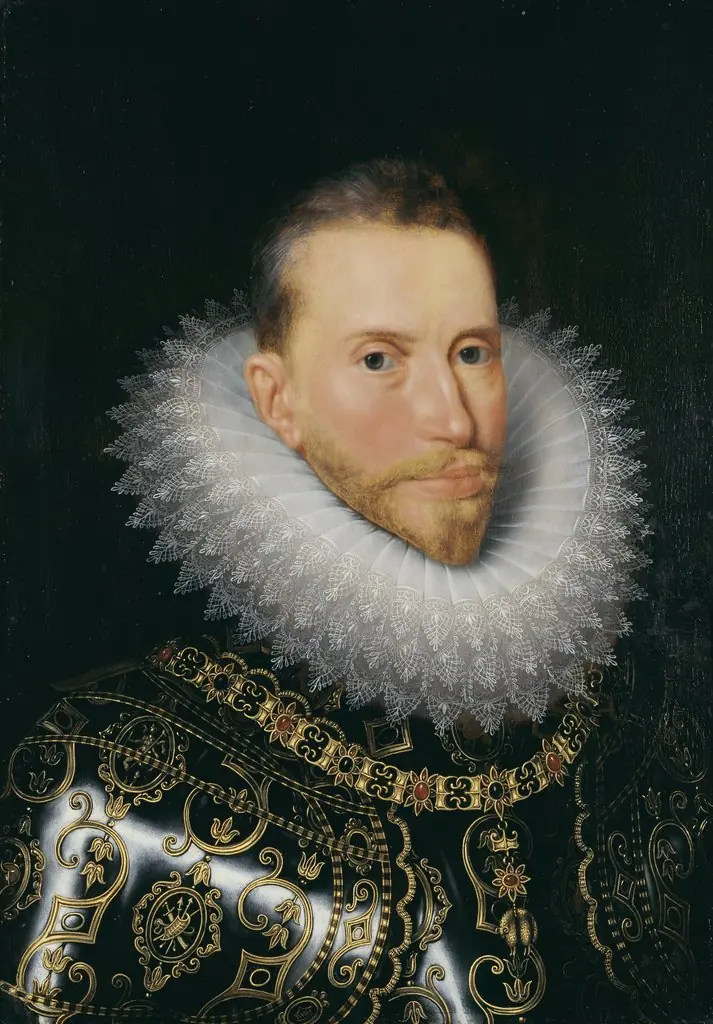
Artist & collection

 Untitled
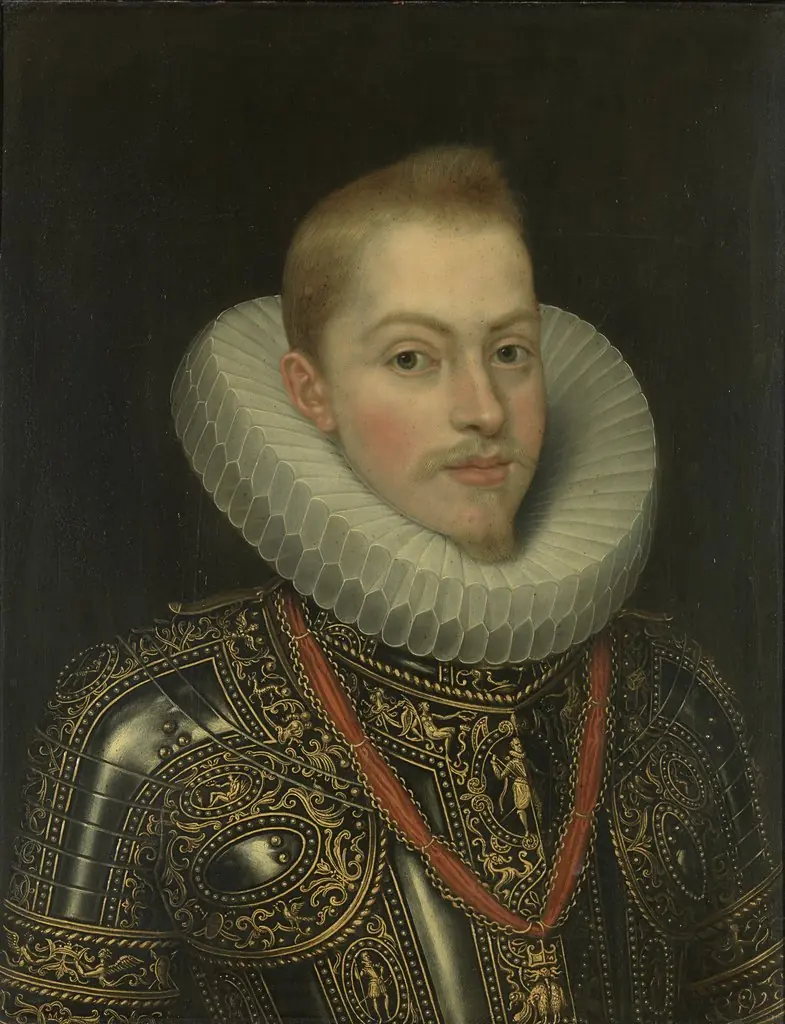 Portrait of Philip III, King of Spain
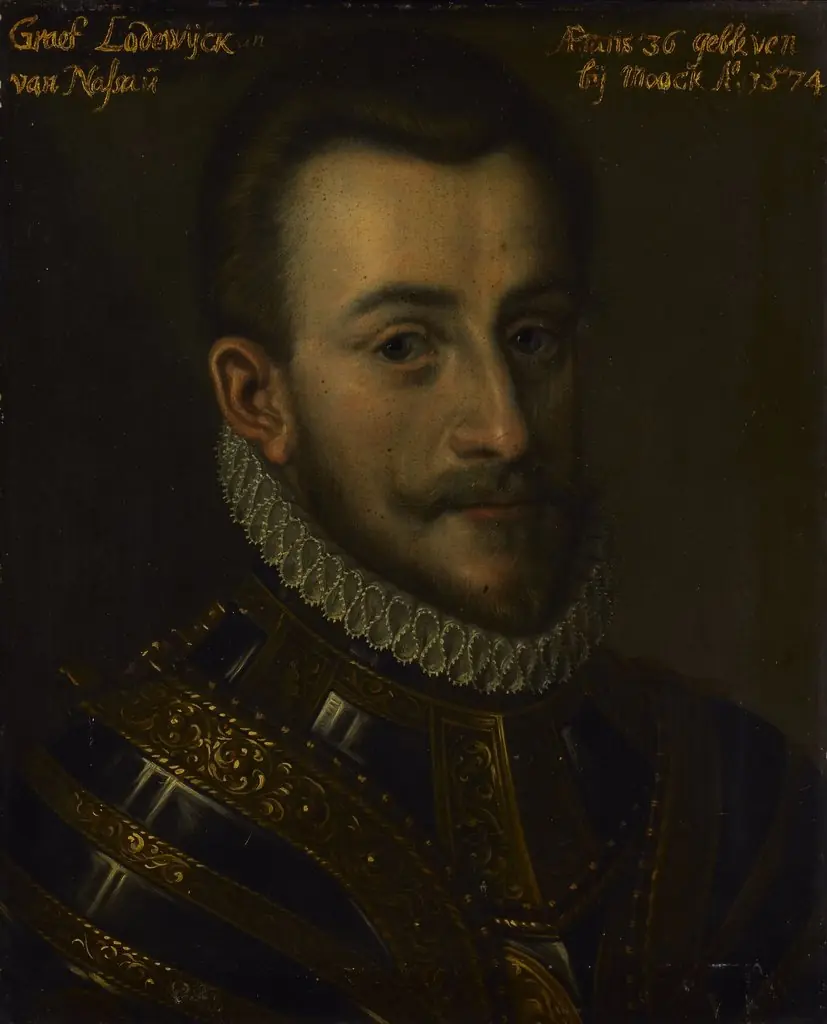 Portrait of Lodewijk (1538-74), Count of Nassau
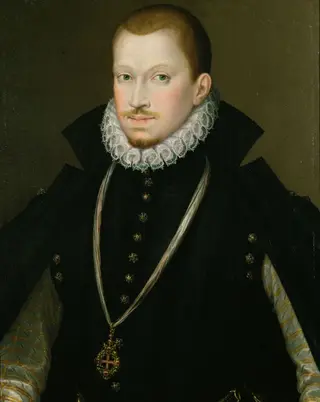 Don Sebastian (1554-nach 1578), König von Portugal, mit dem Kreuz des Christusordens, Halbfigur (beschnitten)
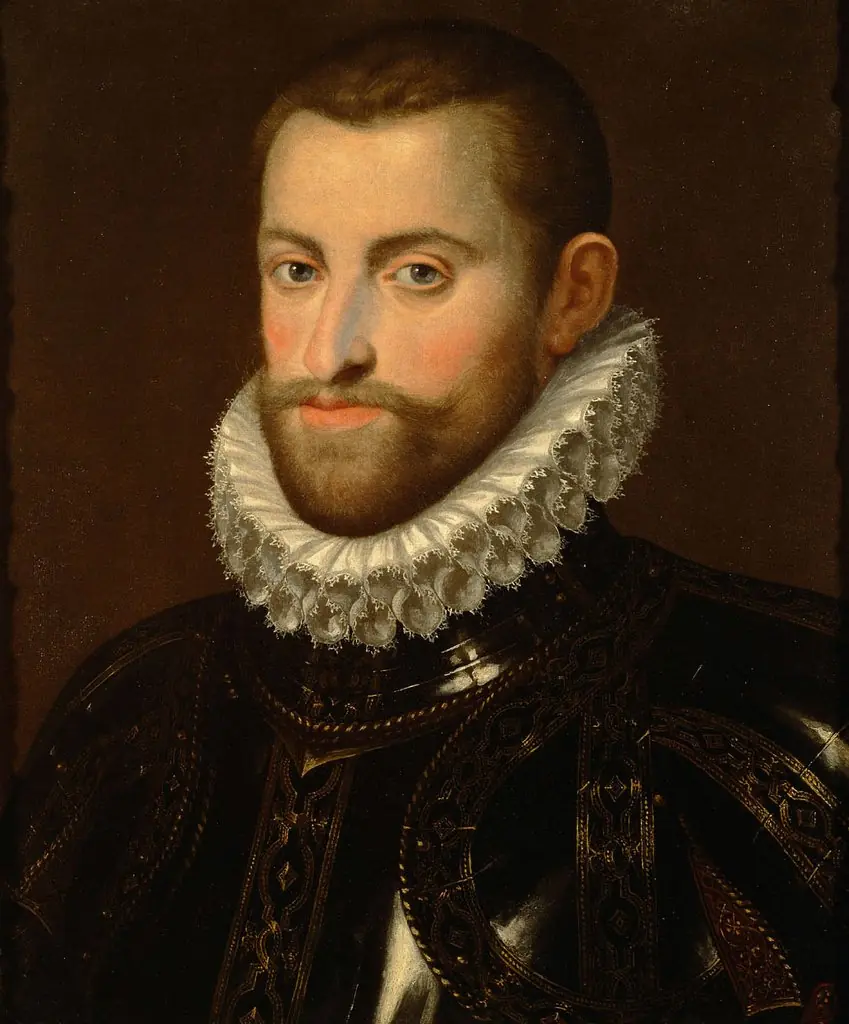 Erzherzog Ernst im Harnisch, Brustbild
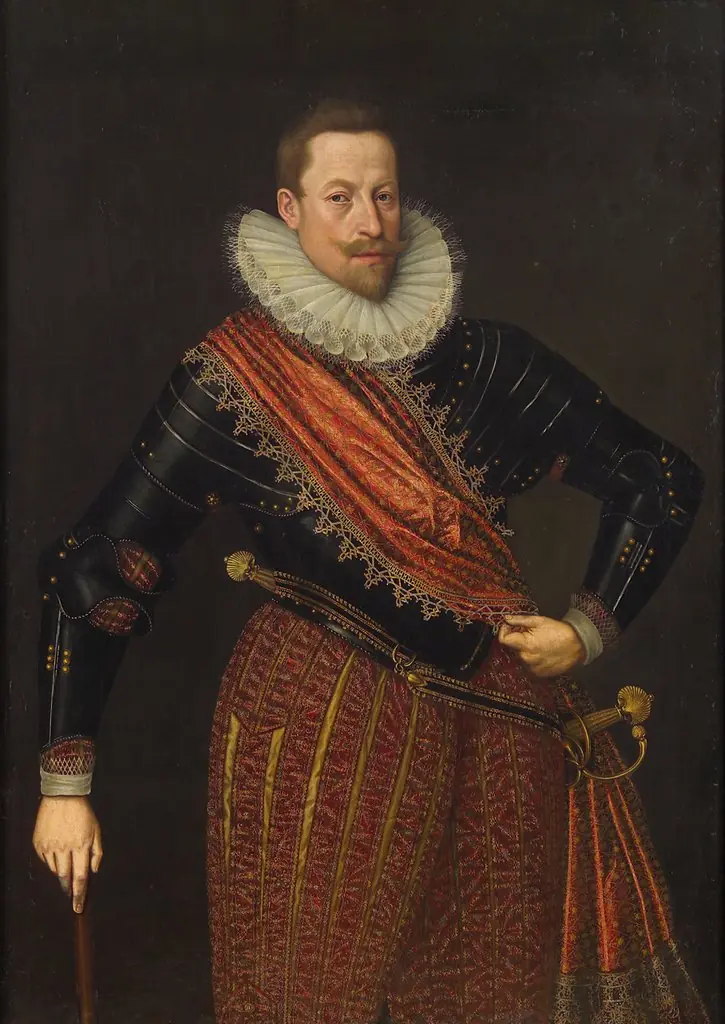 Portrait of Matthias II of Habsburg (1557-1619), the future Holy Roman Emperor
 Portrait of Ambrogio Spinola (1569-1630)