Artwork
Portrait of Philip III, King of Spain
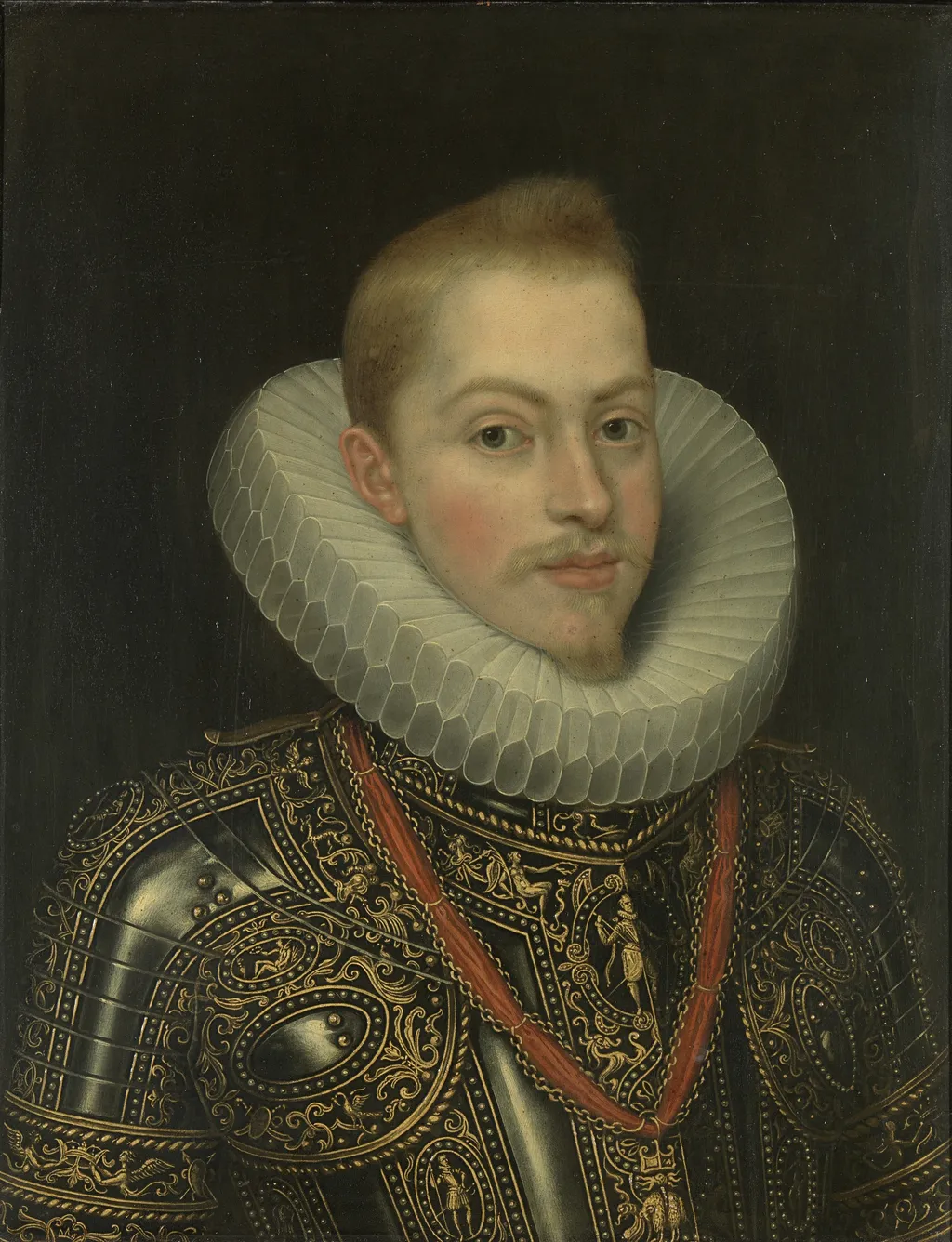
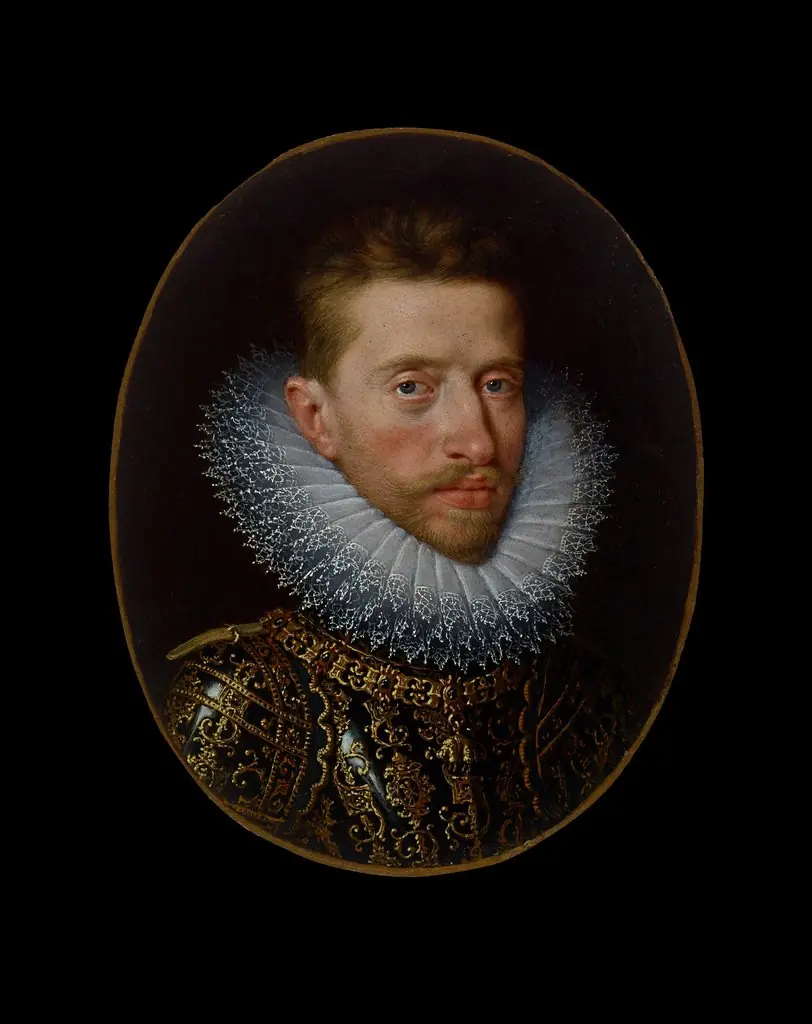
Portrait of Philip III, King of Spain is an oil painting by the Flemish Baroque painting artist Frans Pourbus, the Younger. It dates from 1600 and is held in the collection of the Rijksmuseum. Created in 1600, this copper portrait presents Philip III of Spain in a formal, courtly pose.
About this work
Subject & Meaning
Executed as a formal portrait, the painting serves to represent the monarch, capturing his likeness during the early 17th century.
The work depicts Philip III of Spain, identified as the main subject and a man within the composition. Executed as a formal portrait, the painting serves to represent the monarch, capturing his likeness during the early 17th century. While the visual presentation establishes the king's identity, the provided sources do not elaborate on specific symbolic attributes, iconographic details, or deeper layers of meaning beyond the primary depiction of the ruler.
Technique & Style
The portrait is executed in oil paint on a copper support, a technique associated with the meticulous finish and luminous surface typical of Flemish cabinet pictures of the period. The small-scale panel measures 28.5 cm in height by 22.5 cm in width, a compact format suited to private royal display. Pourbus's handling reflects the refined courtly style of his workshop, with precise draftsmanship and smooth, enamel-like paint application characteristic of finely detailed royal portraiture produced in the Southern Netherlands around 1600.
The copper ground contributes to the painting's jewel-like clarity and depth of tone, while the modest dimensions and polished execution align with the formal, ceremonial mode of Habsburg court imagery.
History & Provenance
The portrait of Philip III, King of Spain, was created by Frans Pourbus the Younger in 1600, executed in oil paint on copper. According to the documented record, the work was produced in the Southern Netherlands, consistent with Pourbus's activity at the court of the Archdukes Albert and Isabella in Brussels, where he served as court painter.
The painting entered the collection of the Rijksmuseum, where it is currently held. Its dimensions are recorded as 28.5 cm in height by 22.5 cm in width, and it depicts Philip III of Spain as its main subject.
Legacy
The portrait of Philip III by Frans Pourbus the Younger, painted in 1600 on copper, exemplifies early Baroque court portraiture in the Southern Netherlands. Its presence in the Rijksmuseum collection has contributed to renewed scholarly attention on Pourbus' role in shaping elite visual culture of the Spanish Habsburg period, influencing studies of diplomatic portraiture and artistic exchange between the Spanish and Dutch realms. The work's technical execution and state portrait function remain referenced in assessments of 17th-century European royal imagery.
Overview
Created in 1600, this copper portrait presents Philip III of Spain in a formal, courtly pose. The Flemish artist Frans Pourbaix the Younger, noted for his diplomatic commissions, rendered the monarch with meticulous attention to detail, employing the rich textures of metalwork and fabric against a dark, uniform backdrop.
Context
The portrait aligns with the Flemish Baroque tradition of dignified, highly detailed court portraiture, a genre that reinforced monarchical power through visual splendor. Its copper support and precise rendering echo the period’s preference for durable, luminous works suitable for display in royal settings.
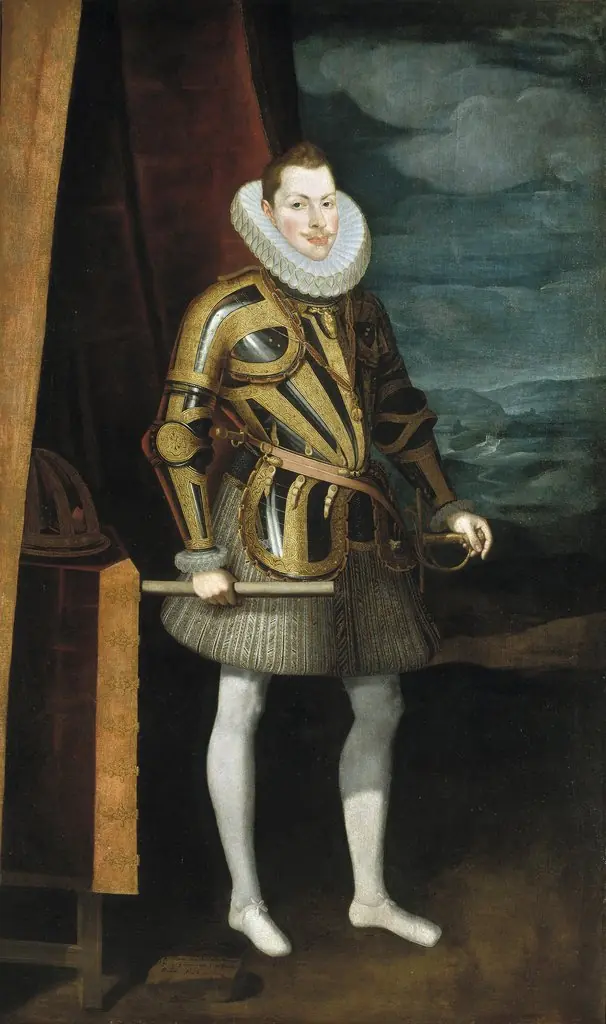
Own this work as a print
Artist & collection
Artist
Frans Pourbus the Younger or Frans Pourbus (II) (Antwerp, 1569 – Paris, 1622) was a Flemish painter, specialised in portrait painting.

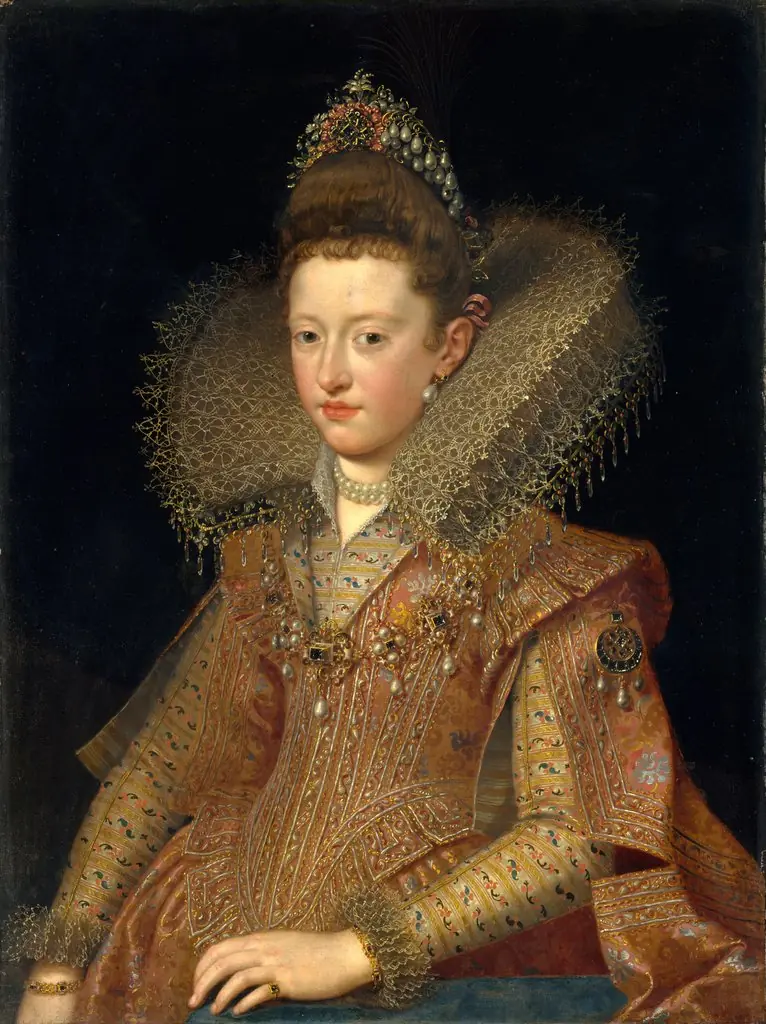
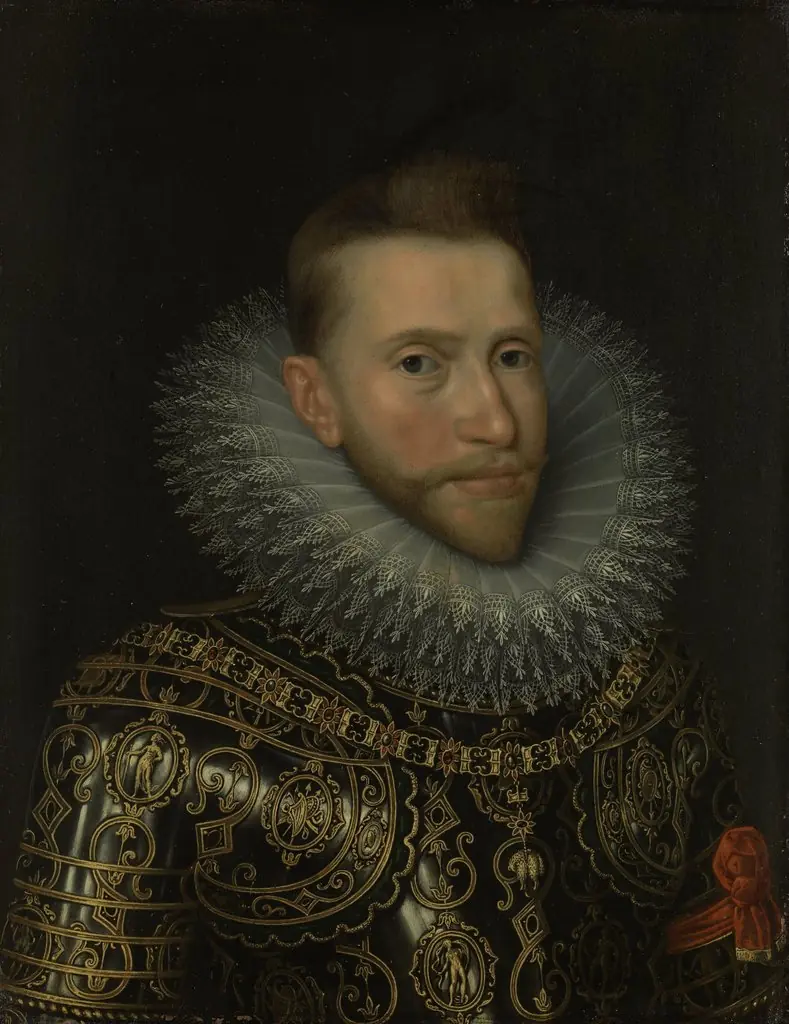 Albert VII, Archduke of Austria
 Untitled
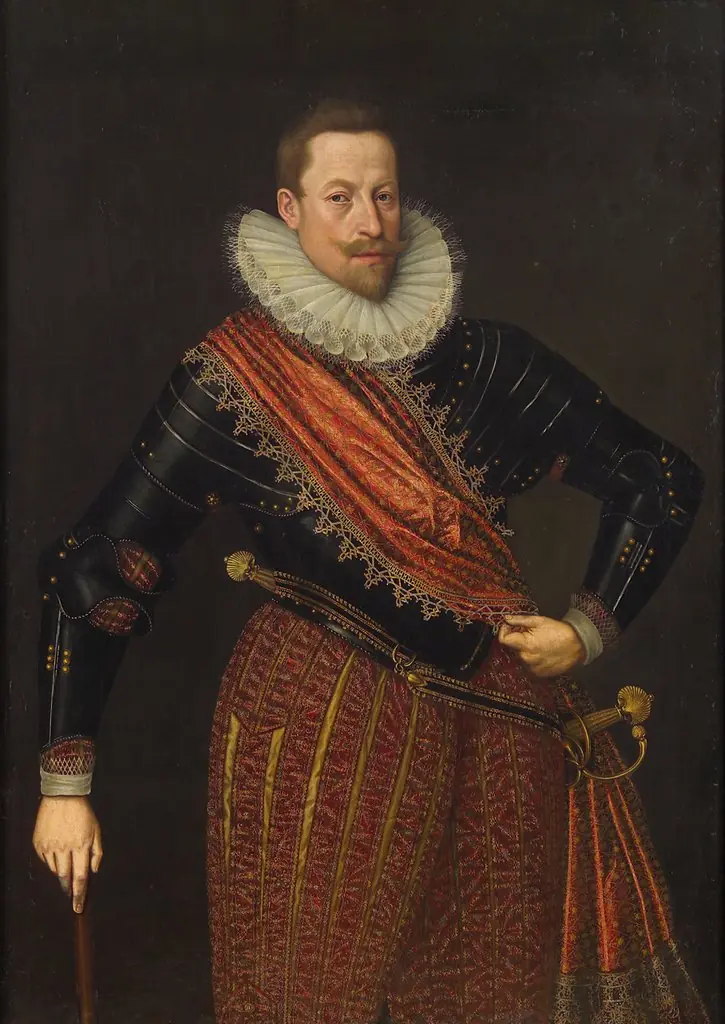 Portrait of Matthias II of Habsburg (1557-1619), the future Holy Roman Emperor
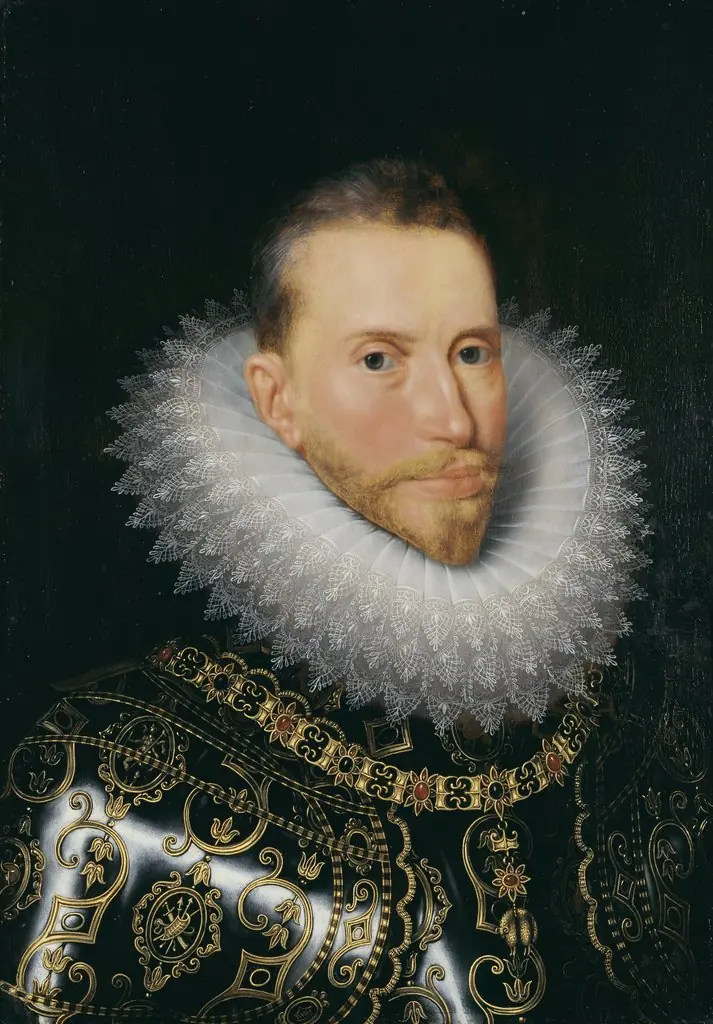 Portrait of the Archduke Albert
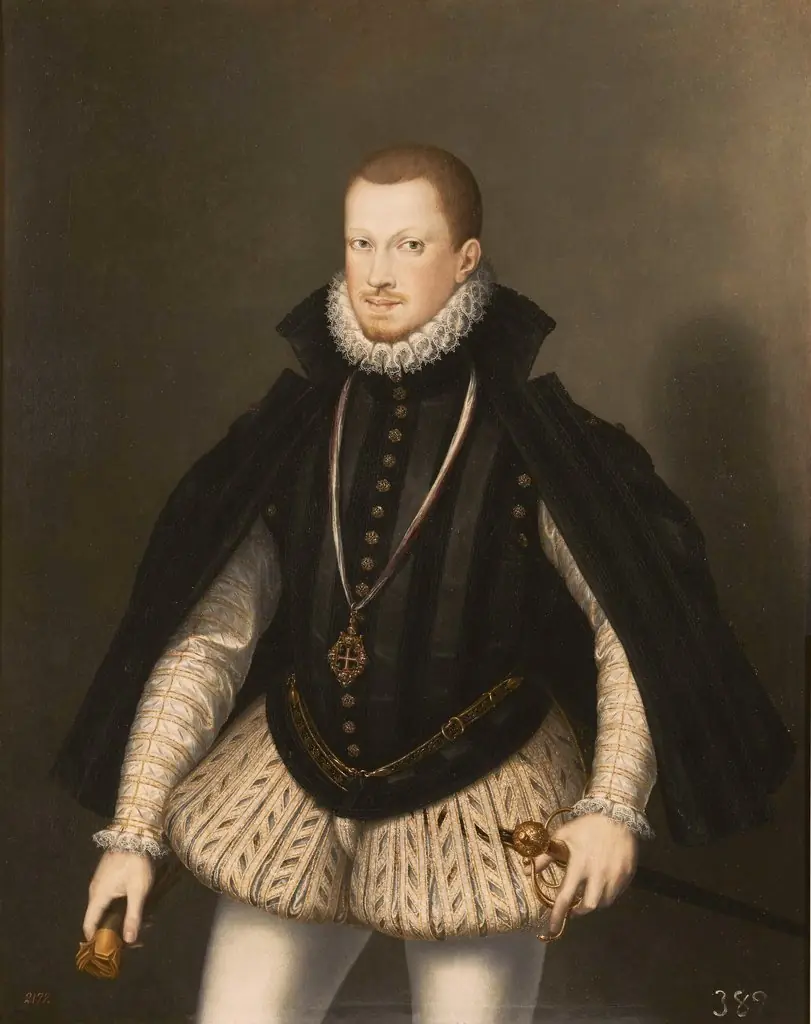 Don Sebastián rey de Portugal
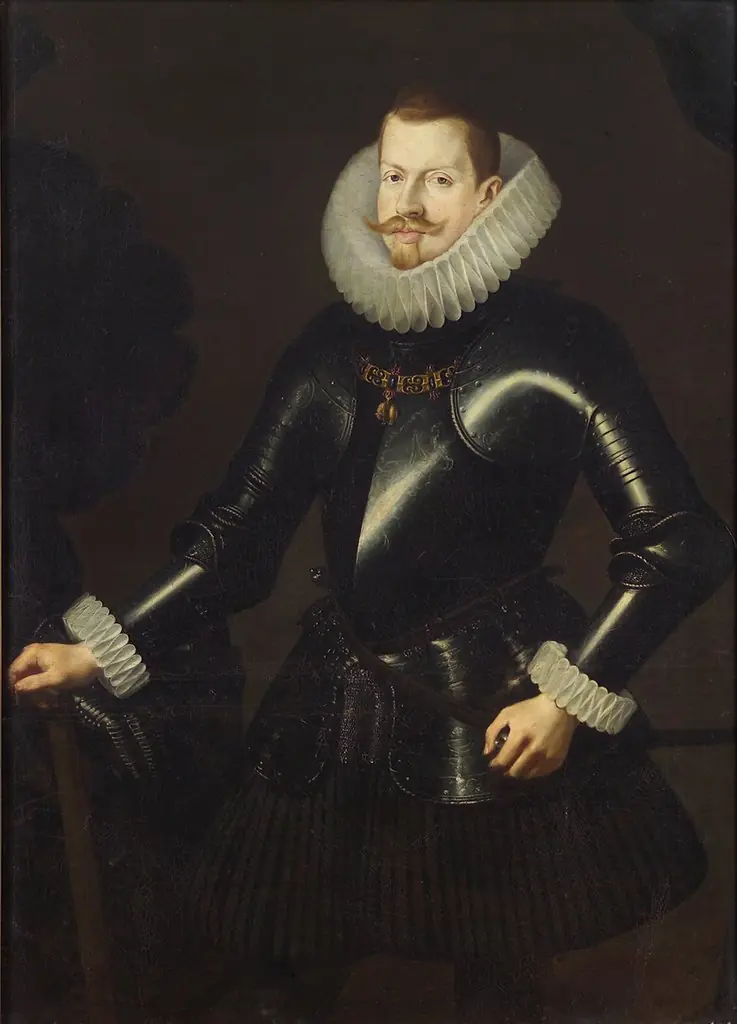 König Philipp III. von Spanien (1578-1621), Bildnis im Harnisch
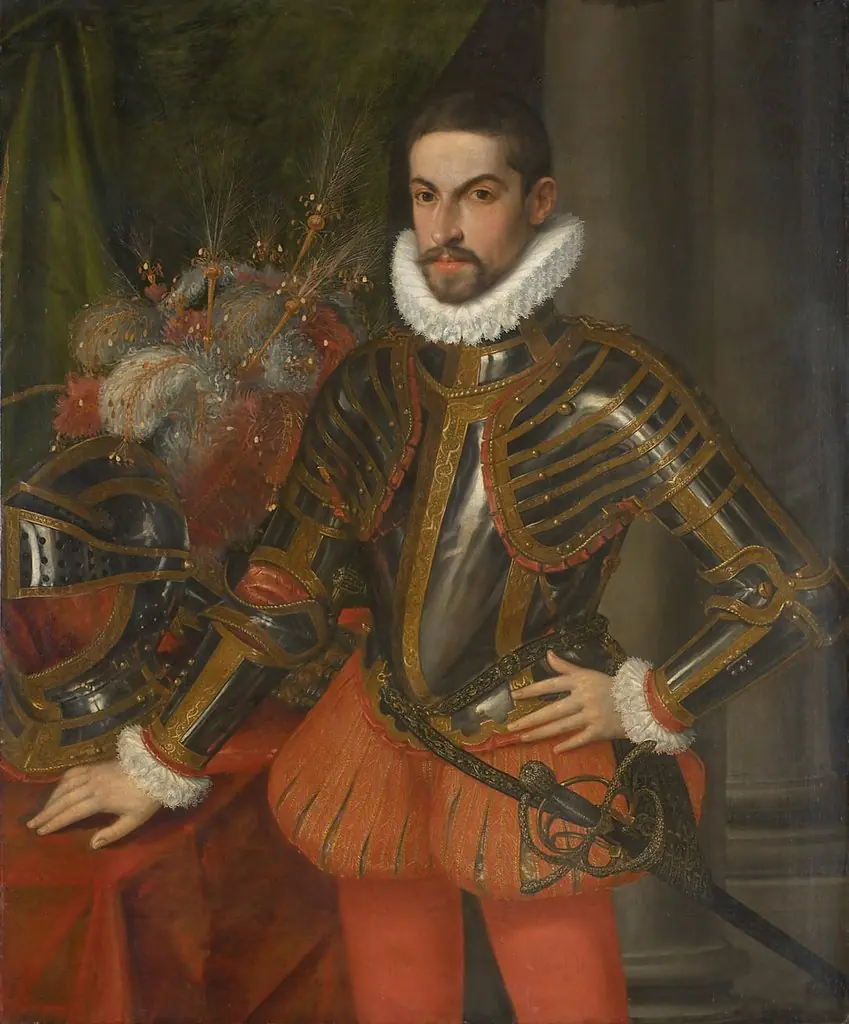 Erzherzog Maximilian III. (1558-1618) im Harnisch, Kniestück
 Archduke Albert VII of Austria (1559–1621), Wearing the Order of the Golden Fleece
 Portrait of Jean Fourmenois
 Portrait of Lodewijk (1538-74), Count of Nassau