Artwork
Portrait of Matthias II of Habsburg (1557-1619), the future Holy Roman Emperor
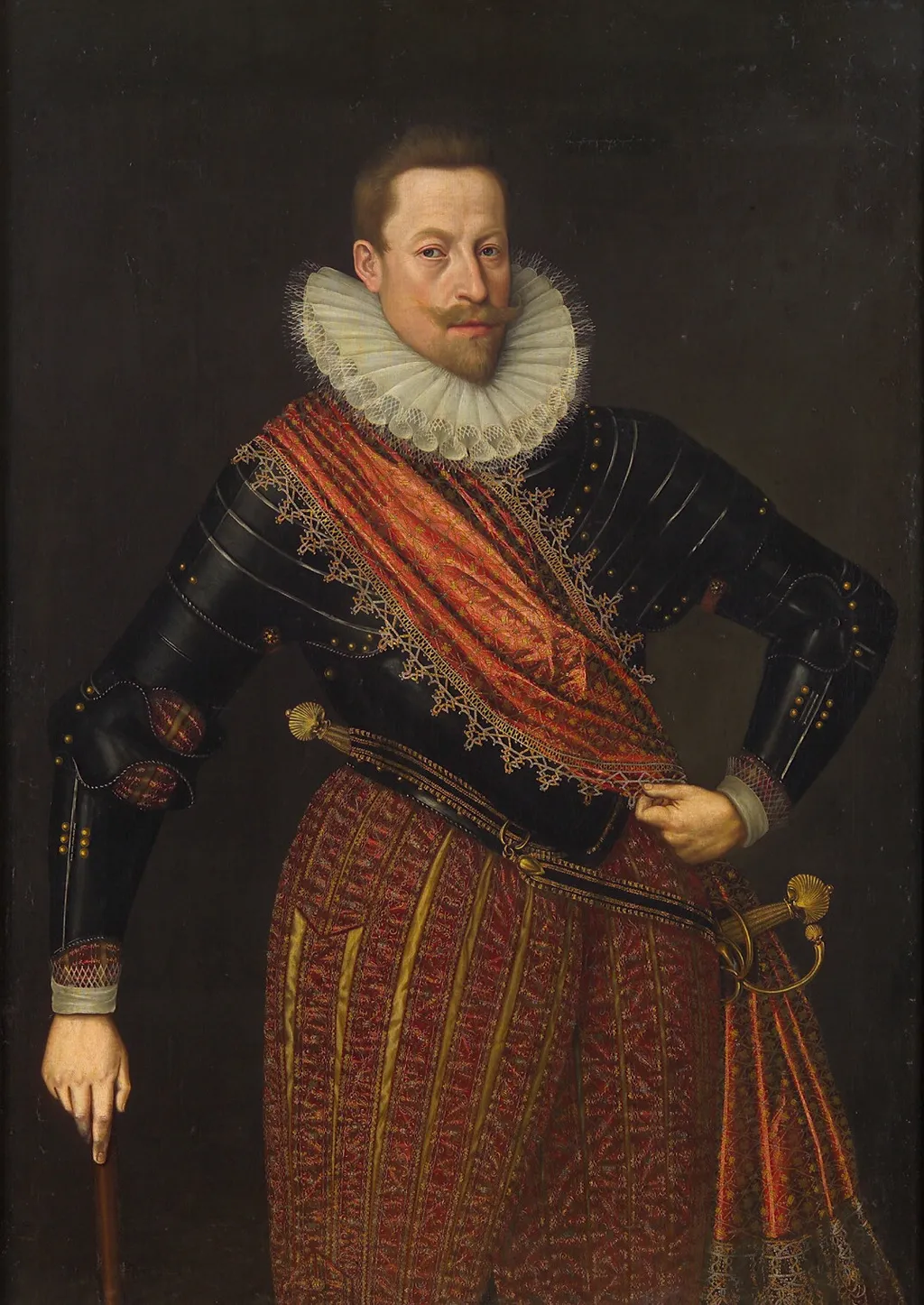
Portrait of Matthias II of Habsburg (1557-1619), the future Holy Roman Emperor is an oil painting by the Northern Renaissance artist Lucas van Valckenborch. It dates from 1592 and is held in the collection of the Kunsthistorisches Museum.
About this work
Subject & Meaning
The painting portrays Matthias of Habsburg, who would later become Holy Roman Emperor, at a time before his imperial coronation.
The painting portrays Matthias of Habsburg, who would later become Holy Roman Emperor, at a time before his imperial coronation. Painted in 1583, the portrait captures him as a young Habsburg archduke, decades before his accession in 1612. The work belongs to the genre of portraiture, presenting the sitter as the central focus of the composition.
As a Habsburg dynastic portrait by Lucas van Valckenborch, the painting functions as a representative image of the future emperor, a common format used to circulate the likeness of ruling-family members across European courts. The identification of the sitter as Matthias, Holy Roman Emperor, anchors the work's meaning within the Habsburg tradition of formal portraiture intended to assert dynastic identity and continuity.
Technique & Style
The work is an oil painting executed on canvas, reflecting the portrait genre of the late Renaissance. The surface bears the characteristic handling of van Valckenborch's oil technique, with fine brushwork defining the sitter's features and attire. The composition presents a three-quarter view of Matthias, Holy Roman Emperor, rendered in muted tones that emphasize the formal dignity of the Habsburg court.
The painting measures 132 cm in height and 96 cm in width, maintaining the original proportions of the canvas support.
History & Provenance
The portrait of Matthias II of Habsburg was created by Lucas van Valckenborch in 1583, when Matthias was still heir to the throne rather than emperor. Executed in oil paint, the work was produced during the artist's mature period and depicts its sitter before his elevation to Holy Roman Emperor in 1612. The painting is now held in the collection of the Kunsthistorisches Museum, where it remains part of the institution's holdings.
No further details concerning the original commissioner, intermediate owners, or the circumstances of its transfer to the museum's collection are documented in the available sources.
The painting is housed in the Kunsthistorisches Museum in Vienna. It bears the inventory number 2011/999 and has been part of the museum's collection since its acquisition. The work was featured in the 2015 exhibition "Portraits of the Habsburg Court" at the same institution.
Legacy
The portrait of Matthias II of Habsburg painted by Lucas van Valckenborch in 1583 has been cited in art historical literature as an important precedent for court portraiture in Central Europe. Its representation of the future emperor influenced later depictions of Habsburg rulers, particularly in the way it combines formal pose with emerging naturalism. The work is held in the collection of the Kunsthistorisches Museum and continues to be referenced in studies of late Renaissance portraiture.
Scholars note that the painting’s composition informed subsequent court portraits across the Holy Roman Empire, shaping visual narratives of imperial authority.
Overview
This oil painting, created in 1592 by Lucas van Valckenborch, portrays Matthias of Habsburg, who later became Holy Roman Emperor. The work exemplifies the Northern Renaissance style.
Context
Created during the Northern Renaissance, this portrait reflects the artistic and cultural values of the time, including the emphasis on depicting power and status through attire and accessories. Van Valckenborch's role as a court painter influenced the work's purpose and style.
Artist & collection
Artist
Lucas van Valckenborch or Lucas van Valckenborch the Elder (c. 1535 in Leuven – 2 February 1597 in Frankfurt am Main) was a Flemish painter, mainly known for his landscapes. He also made contributions to portrait…

 Untitled
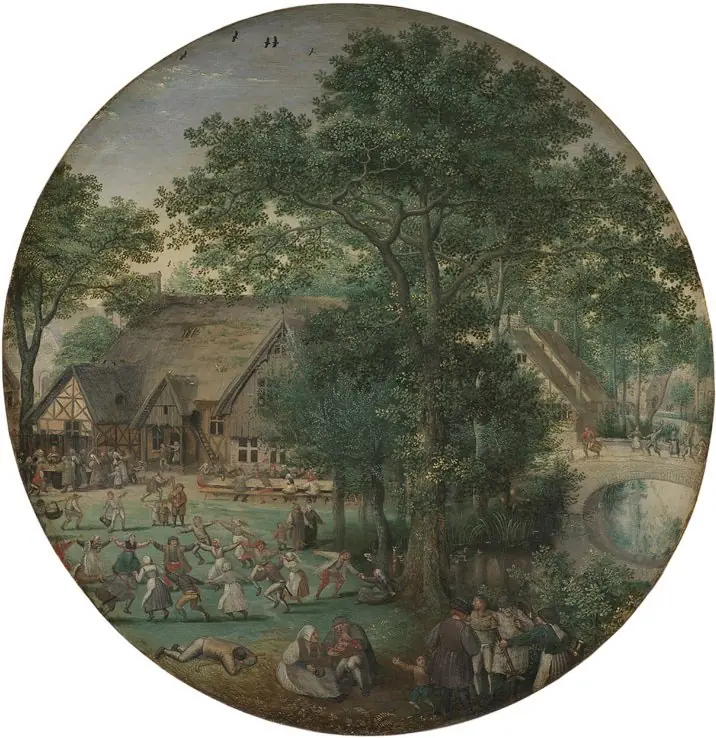 Peasant Wedding. The Wedding Dance in the open Air
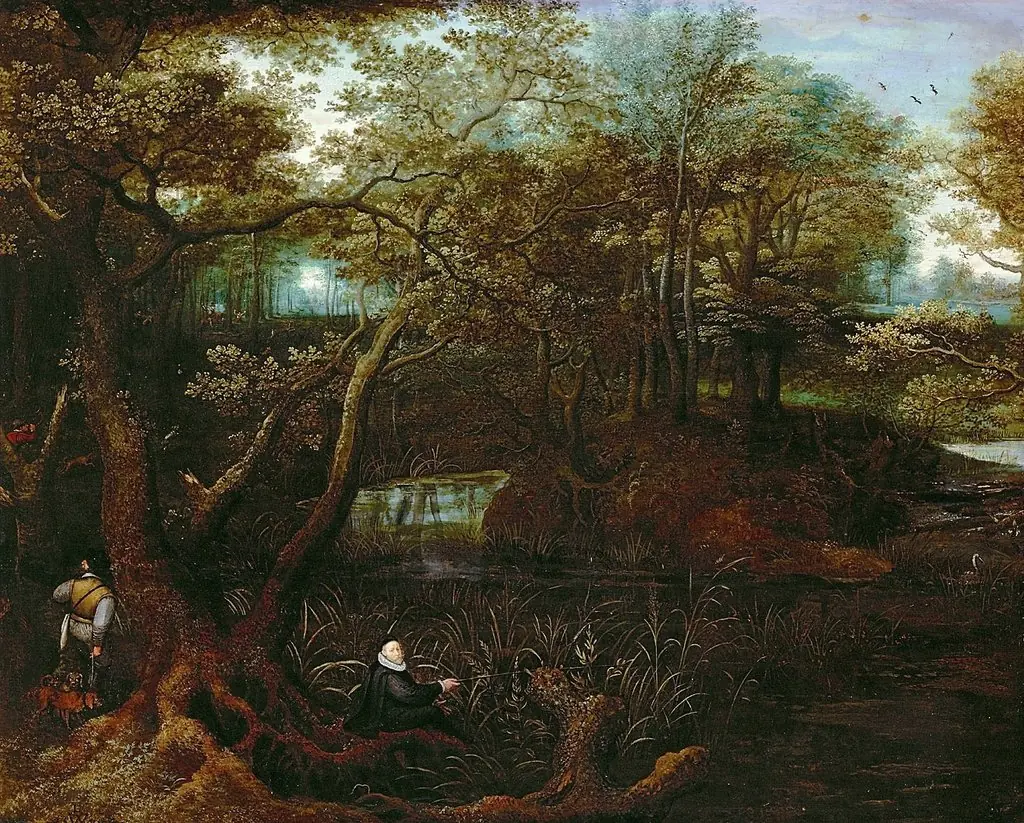 Fisherman at the forest pond (with self portrait)
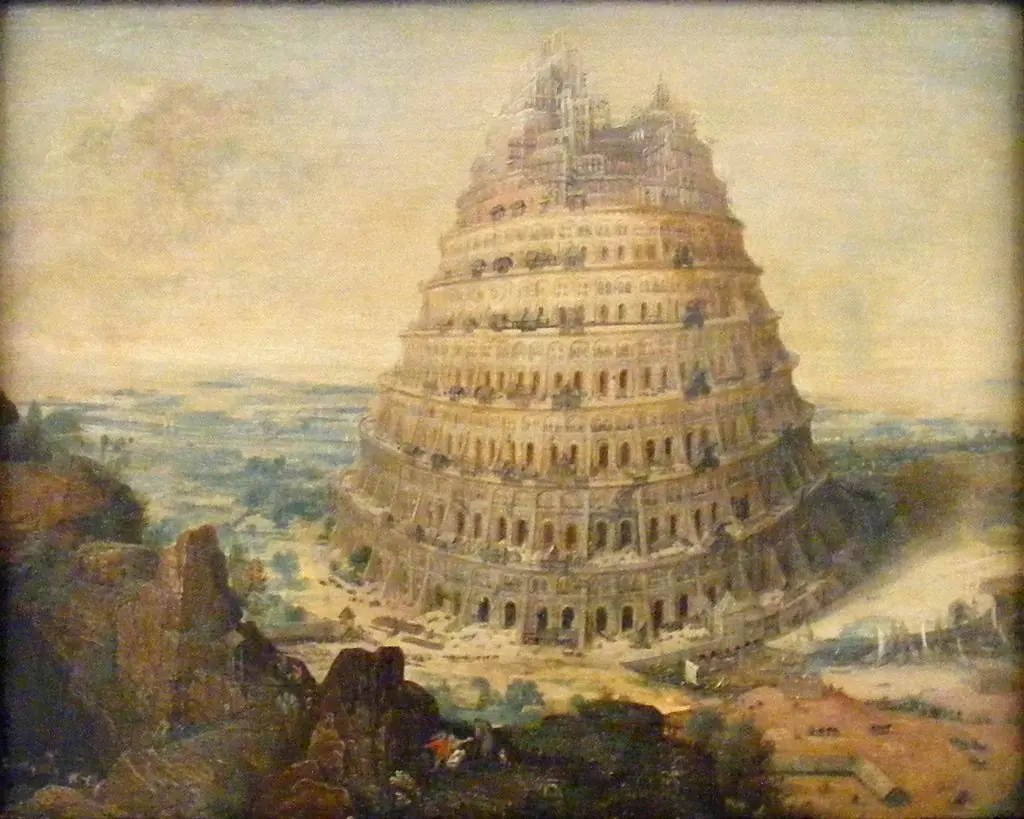 The Tower of Babel
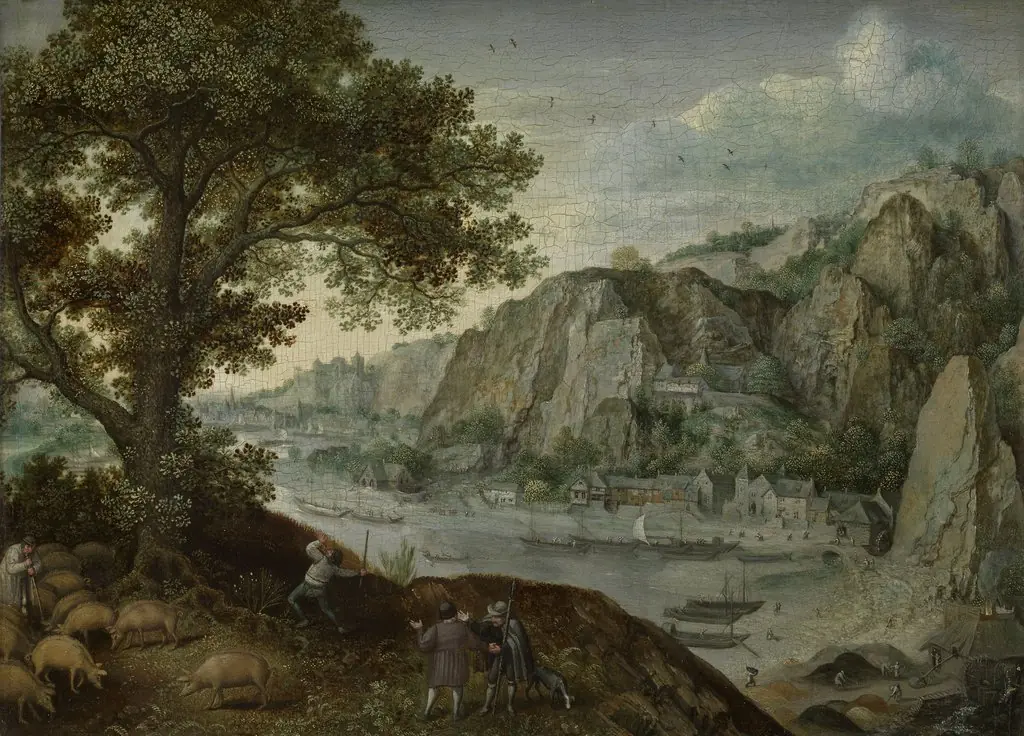 Huy, Seen from Ahin
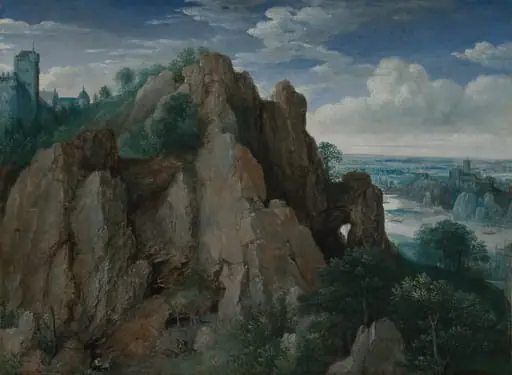
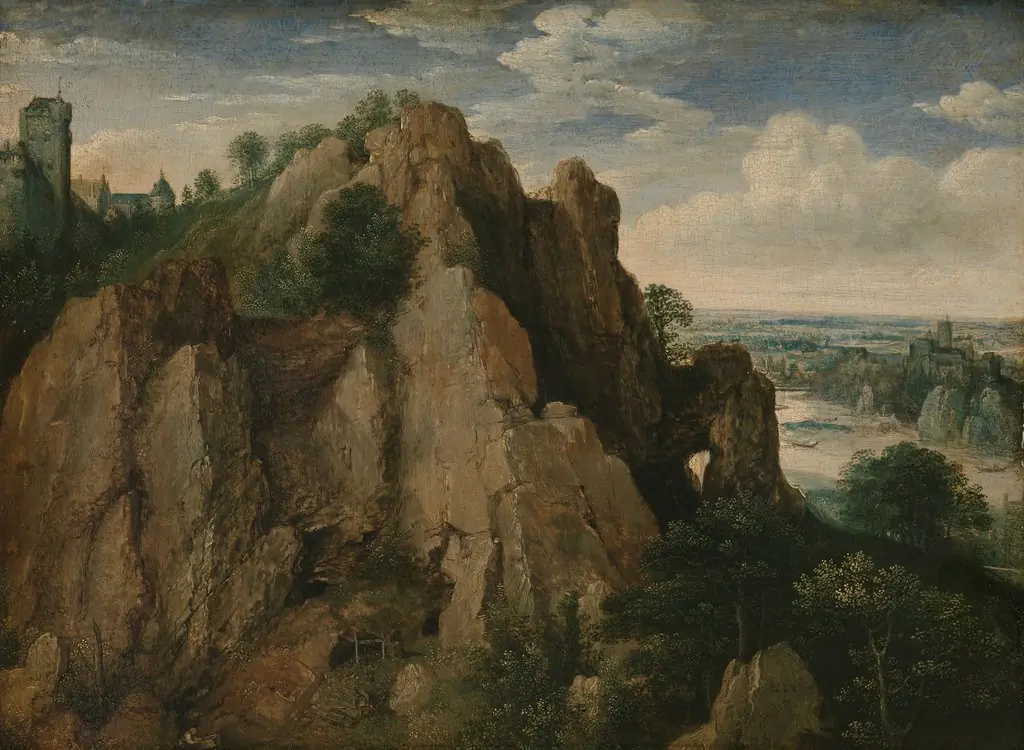 Mountainous landscape
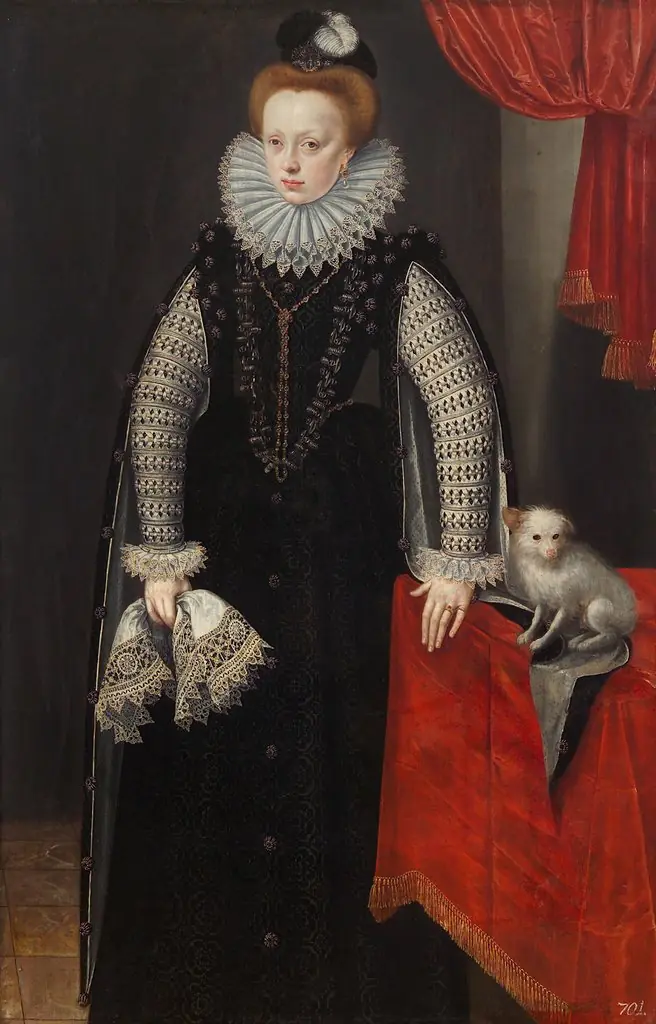 Duchess Sibylle (1557-1627) von Jülich-Cleve-Berg
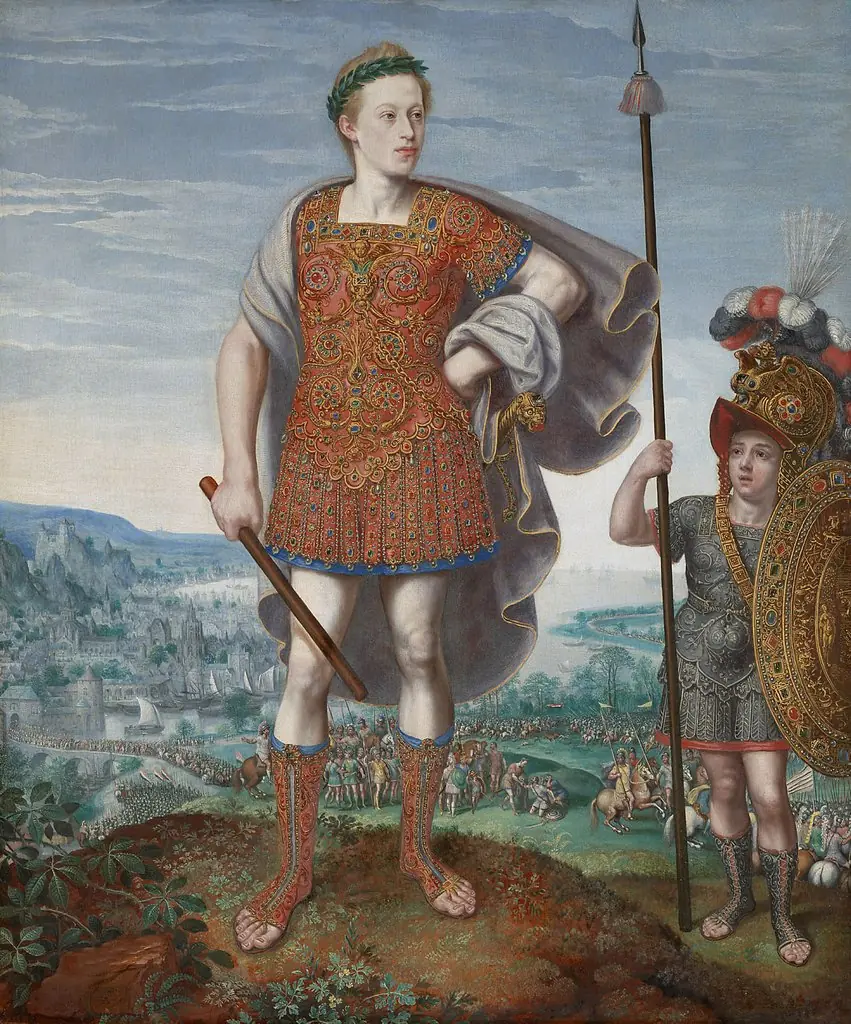 Portrait of Emperor Matthias (1557-1619) when Archduke, in the guise of P. Cornelius Scipio Major
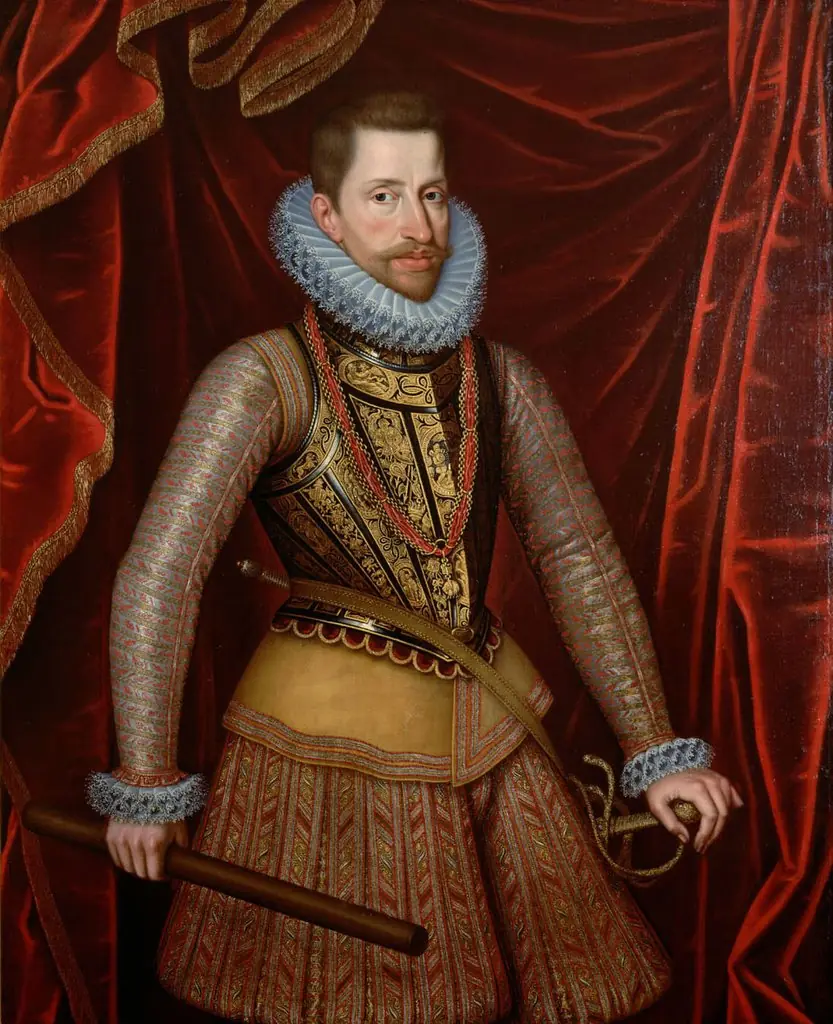
- Portrait of Albrecht VII, Archduke of Austria (1559-1621)
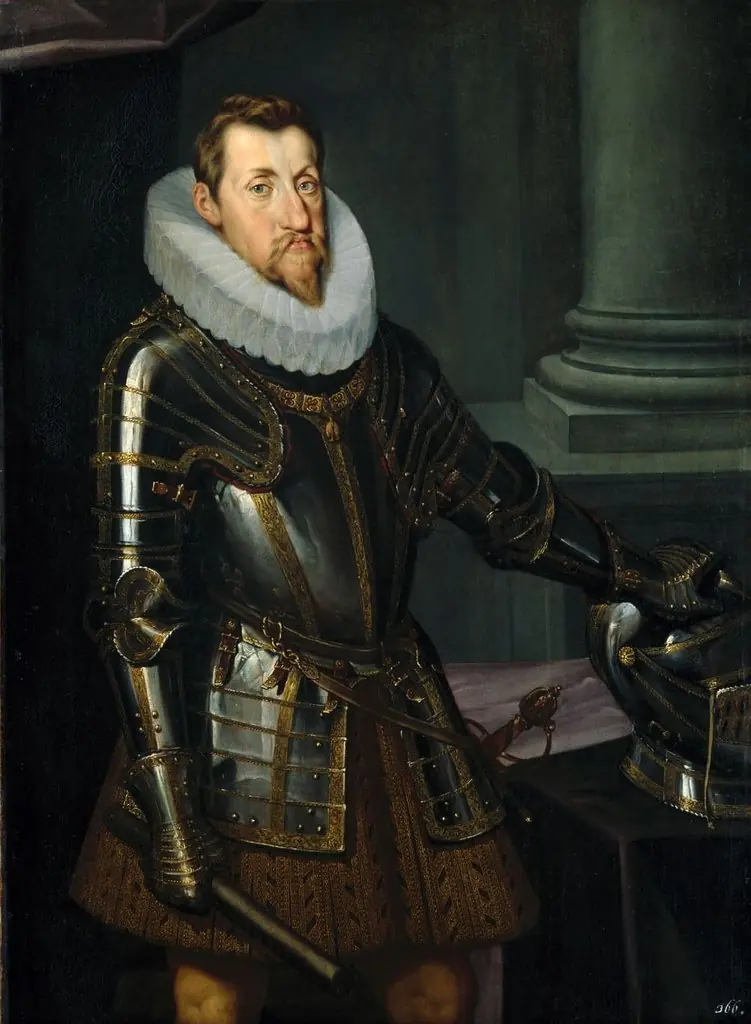 Portrait of Ferdinand II, Holy Roman Emperor (1578-1637)
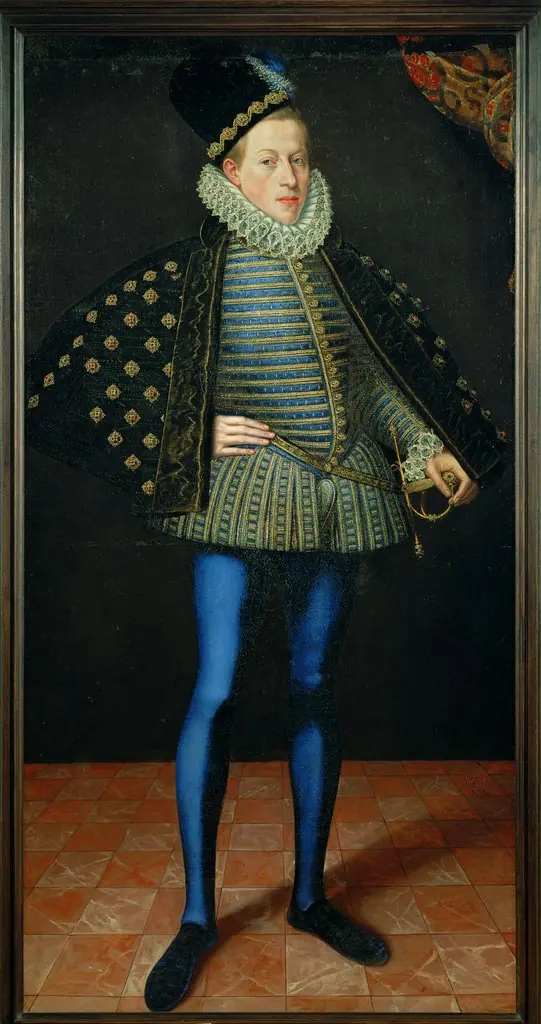 Portrait of Matthias II of Habsburg (1557-1619), the future Holy Roman Emperor
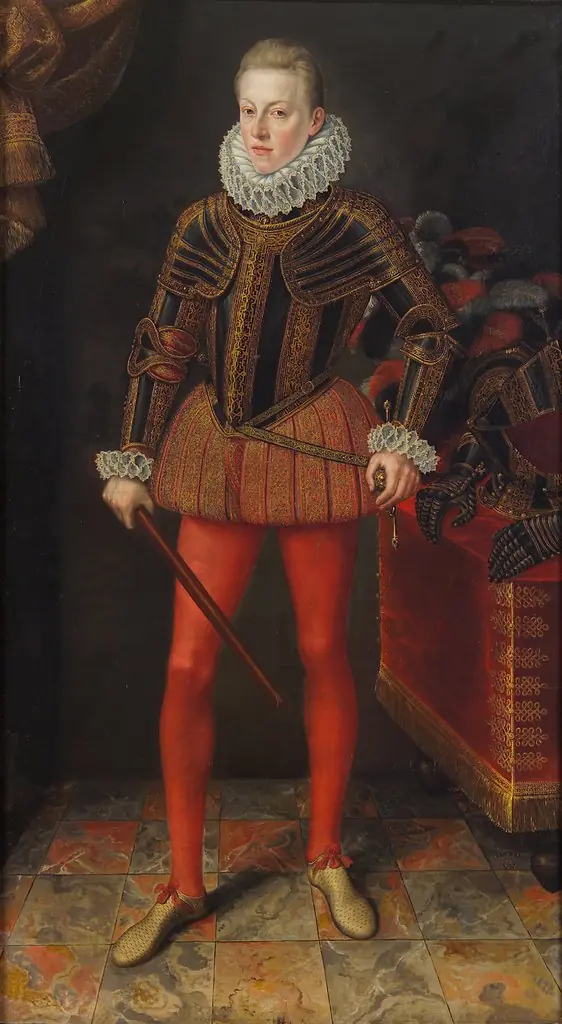 Portrait of Matthias II of Habsburg (1557-1619), the future Holy Roman Emperor
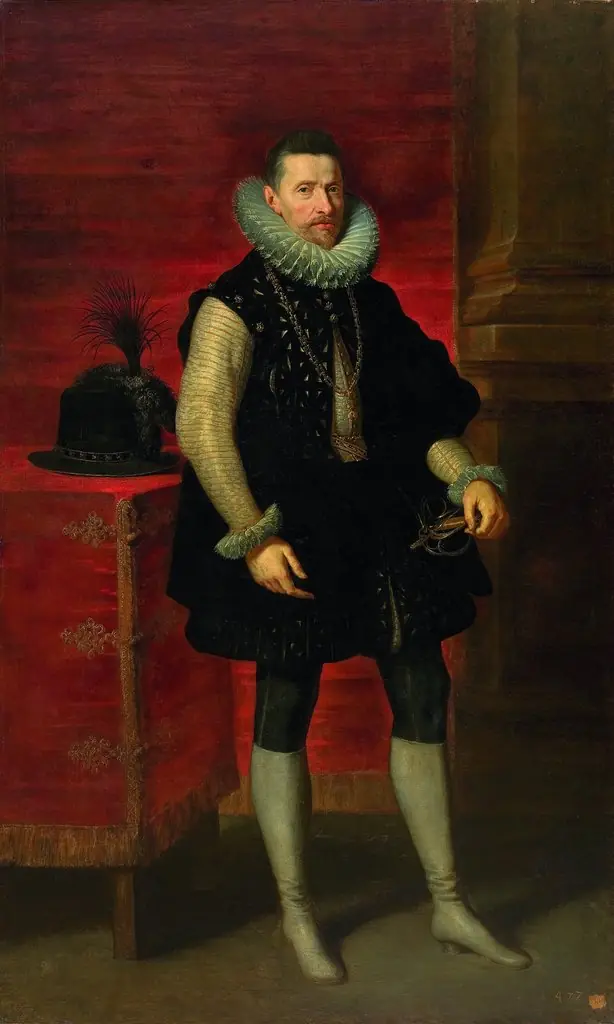 Portrait of Albert VII, Archduke of Austria
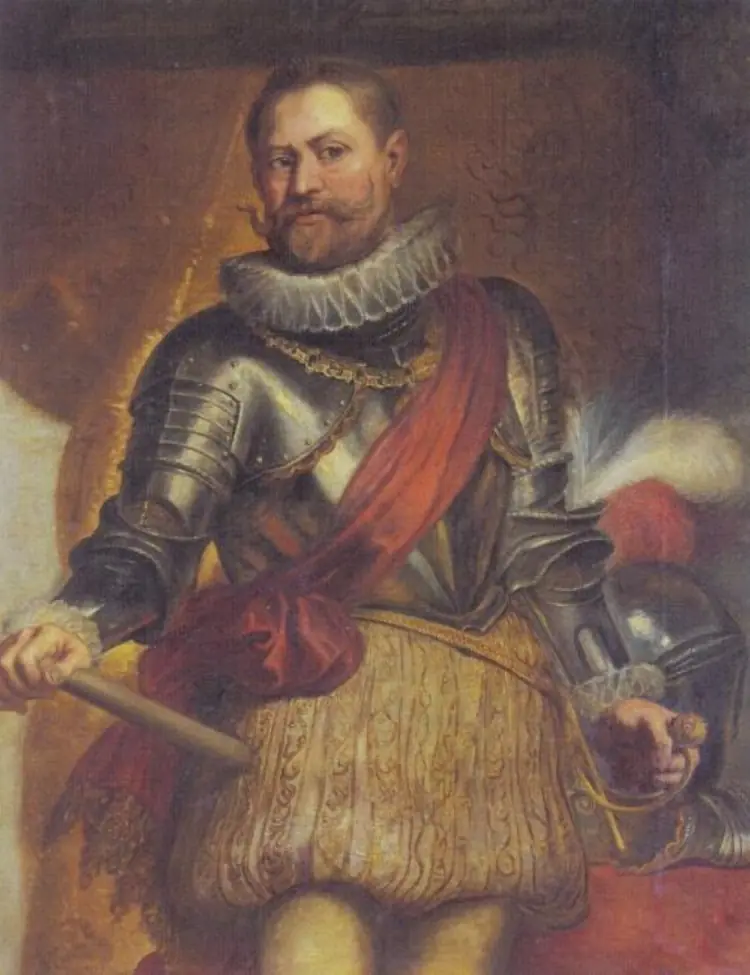 Portrait of Ernest, Archduke of Austria (1553-1595)