Artwork
Bajazet I (1347-1403), tyrkisk sultan
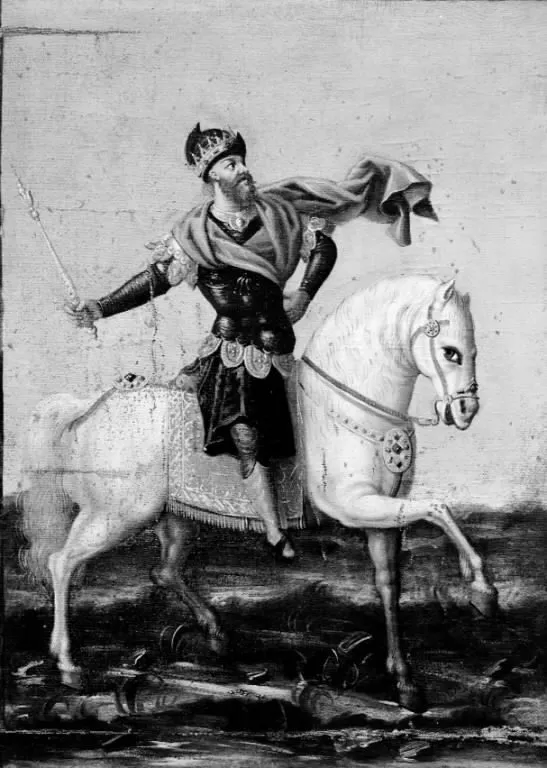
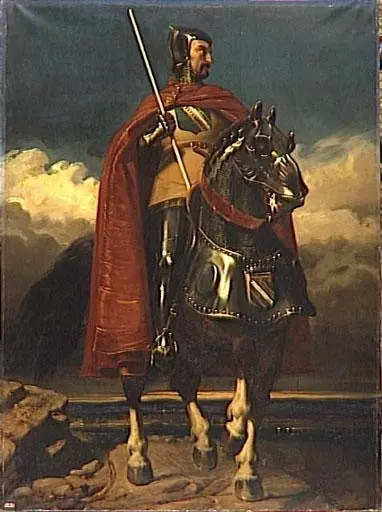
Bajazet I (1347-1403), tyrkisk sultan is an unspecified painting. It dates from 1675 and is held in the collection of the Statens Museum for Kunst. The work depicts a regal figure astride a white horse, rendered against a light‑toned backdrop.
About this work
History & Provenance
The specific commission details and the chain of ownership prior to its current location at the museum are not detailed in the available records.
The portrait of Bajazet I, a Turkish sultan, was created in 1675. The work is attributed to an unknown artist and is cataloged as KMS 1403 within the collection of the Statens Museum for Kunst. This painting, which depicts the sultan on horseback, measures 454 cm in height and 330 cm in width.
The specific commission details and the chain of ownership prior to its current location at the museum are not detailed in the available records.
Legacy
The painting Bajazet I (1347-1403), tyrkisk sultan, created in 1675, has been part of the collection of Statens Museum for Kunst since its acquisition, where it remains on display. Its portrayal of Bayezid I on horseback has informed scholarly discussions of Ottoman imperial imagery and contributed to the visual legacy of Bayezid's historical narrative in European art historiography.
The work is catalogued in the museum's collection and continues to be referenced in studies of 17th-century portraiture and Ottoman-European cultural exchange.
Overview
The work depicts a regal figure astride a white horse, rendered against a light‑toned backdrop. The rider is adorned with a crown, a flowing cape, and a sword held in his right hand, while the horse is captured mid‑stride, its front legs lifted and head turned to the right. The composition centers on the dynamic interaction between rider and mount.
Subject & Meaning
The portrait presents a Turkish sultan, identified as Bajazet I (1347‑1403), emphasizing his authority through opulent dress and martial symbols. The crown and sword convey sovereign power, while the elevated horse suggests both mobility and dominance, reinforcing the sultan’s status as a ruler who commands both courtly and battlefield realms.
Technique & Style
The painter employs chiaroscuro to model the figures, using contrasts of light and shadow to suggest volume and depth. The subtle gradations on the rider’s garments and the horse’s musculature create a three‑dimensional effect, while the light background isolates the central subjects, guiding the viewer’s focus toward the intricate details of attire and pose.
Artist & collection

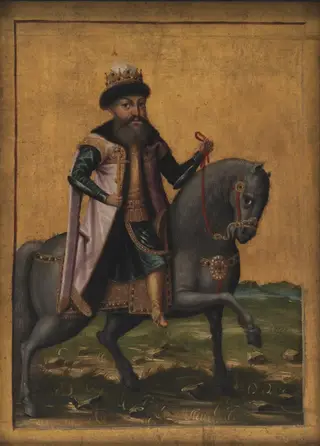 Aleksej Mikhajlovitj (1645-76), russisk zar
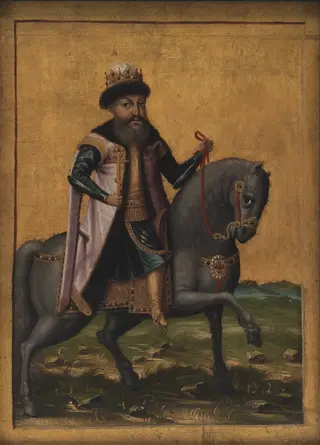 Aleksej Mikhajlovitj (1645-76), russisk zar
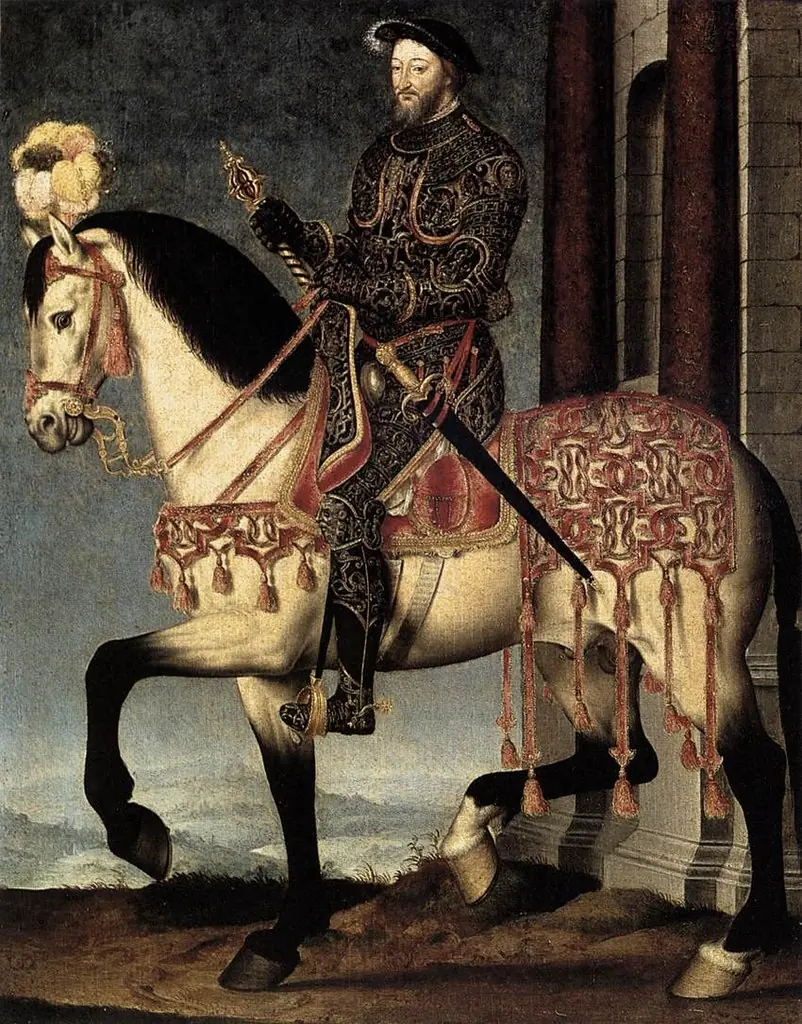 Portrait équestre de François Ier
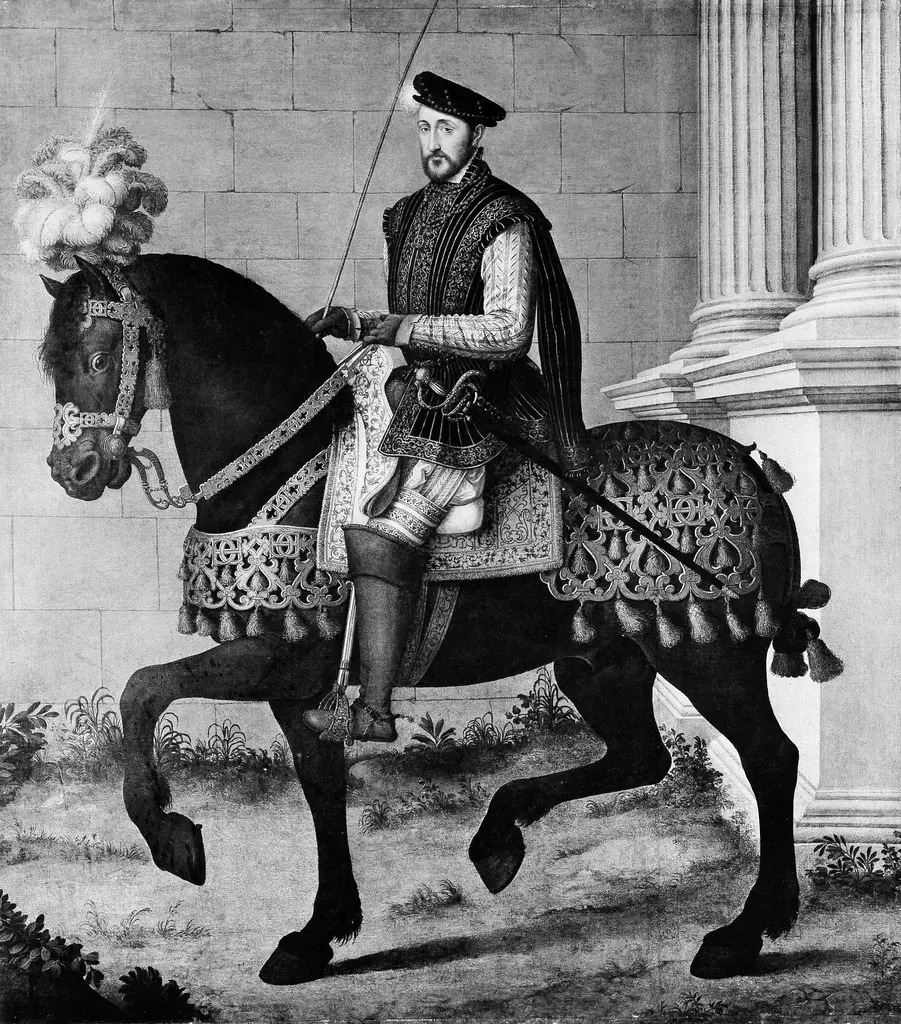 Henry II (1519–1559), King of France
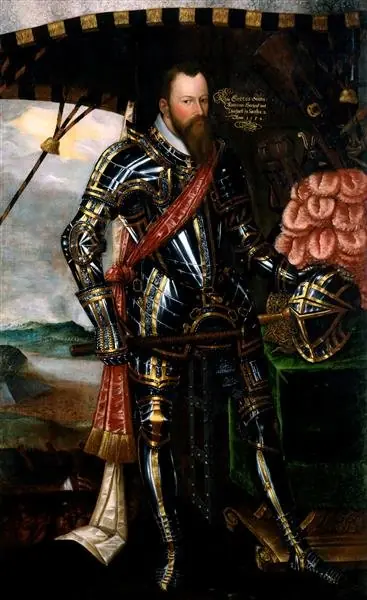 Kurfürst Moritz von Sachsen (1521-1553)
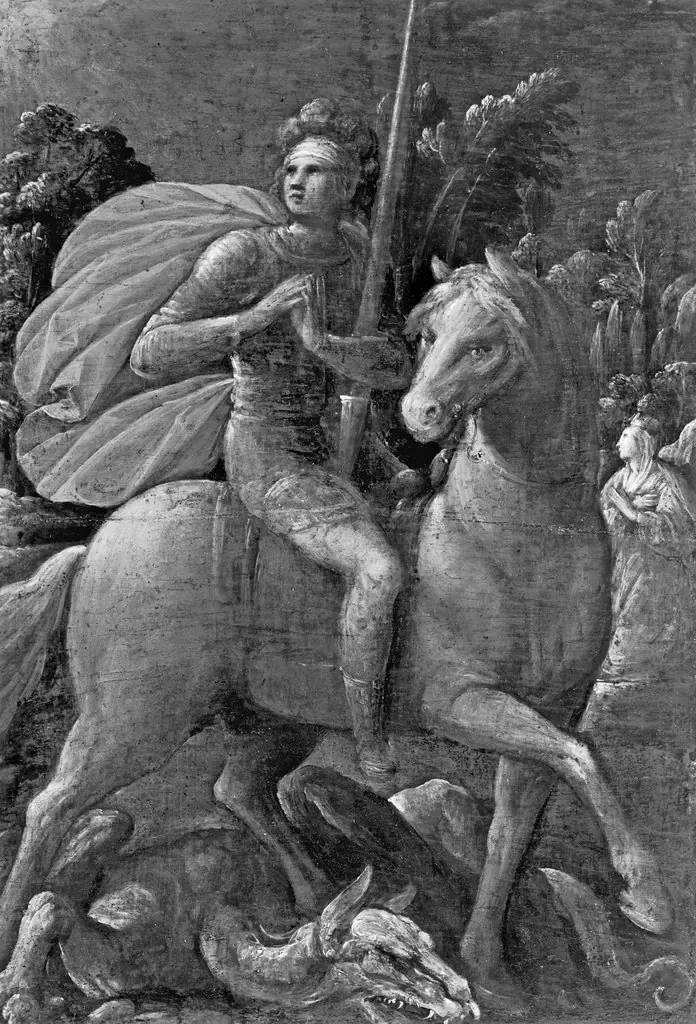 Saint George and the Dragon
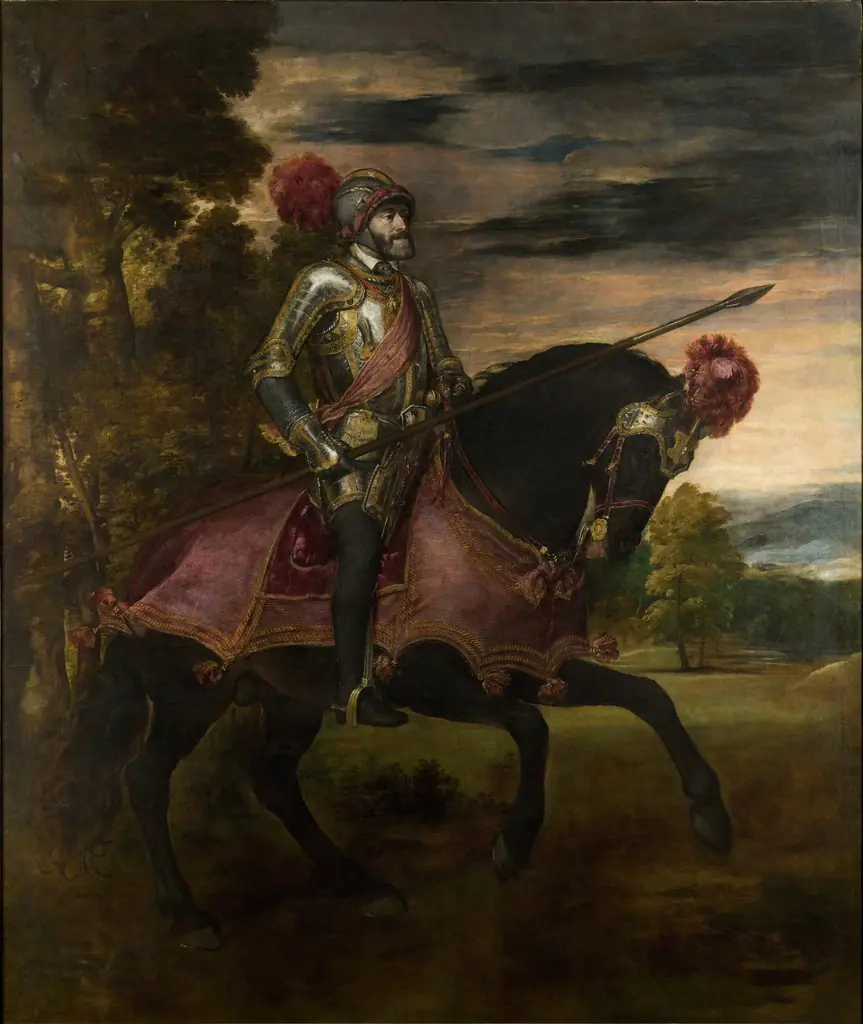 Equestrian Portrait of Charles V
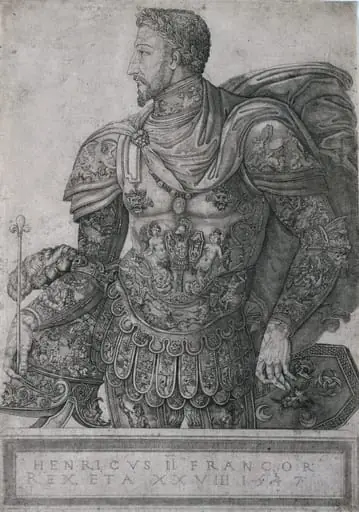 Henri II, King of France, at the age of 28
 Louis de Champagne, comte de Sancerre, connétable de France en 1397