Artwork
Louis de Champagne, comte de Sancerre, connétable de France en 1397
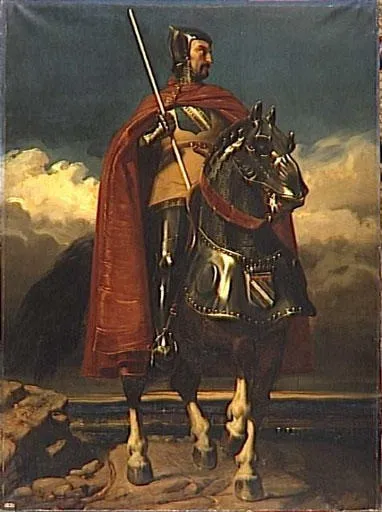
Louis de Champagne, comte de Sancerre, connétable de France en 1397 is an oil painting by the Realist artist Jules-Claude Ziegler. It dates from 1834 and is held in the collection of the Palace of Versailles. Jules‑Claude Ziegler’s 1834 oil on canvas presents Louis de Champagne, comte de Sancerre, who served as connétable of France in 1397.
About this work
Subject & Meaning
The depiction of armor and weapons functions symbolically to convey the constable’s martial responsibilities and noble rank.
The portrait shows Louis de Champagne, comte de Sancerre, in his role as constable of France, wearing body armor and a caparison over his armor, with a helmet, a horse, a spear, and the insignia of the constableship. These elements identify him as a military leader and reinforce his authority in the equestrian pose. The depiction of armor and weapons functions symbolically to convey the constable’s martial responsibilities and noble rank.
The work was created by Jules-Claude Ziegler in 1834 and was first shown at the Salon of 1835, linking the historical figure to a 19th‑century celebration of French military heritage.
Technique & Style
Jules-Claude Ziegler executed this 1834 portrait using oil paint on canvas. Measuring 277 by 208 centimeters, the work is an equestrian portrait depicting Louis de Sancerre in body armor and a helmet, mounted on a caparisoned horse while holding a spear. The composition emphasizes equestrianism and the subject's rank as a constable and marshal, aligning with the historical portrait genre. The painting was exhibited at the Salon of 1835.
History & Provenance
Jules-Claude Ziegler executed the oil-on-canvas portrait of Louis de Champagne, comte de Sancerre, in 1834. The work was subsequently exhibited at the Salon of 1835. It is currently held by the Museum of the History of France at the Palace of Versailles, where it bears the inventory numbers MV 948, INV 8532, and LP 955.
The painting was created within the context of the French national museum collections established to document French history.
Overview
Jules‑Claude Ziegler’s 1834 oil on canvas presents Louis de Champagne, comte de Sancerre, who served as connétable of France in 1397. The portrait shows the medieval commander astride a dark horse, clad in a red cloak, full plate armor and a high plume‑topped helm, his spear raised. The turbulent sky and rocky terrain frame the figure, emphasizing his martial stature.
Context
Created during a period of renewed interest in medieval French heroes, the painting reflects the Romantic fascination with national history that permeated early‑19th‑century art. Ziegler’s commitment to historical detail aligns with contemporary scholarly efforts to reconstruct accurate depictions of medieval armor and courtly attire.
Artist & collection
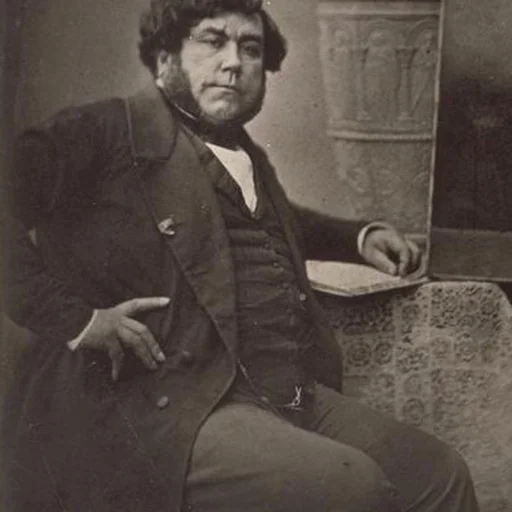
Artist
Jules-Claude Ziegler (1804-1856) was a French painter, ceramicist and photographer of the French school.

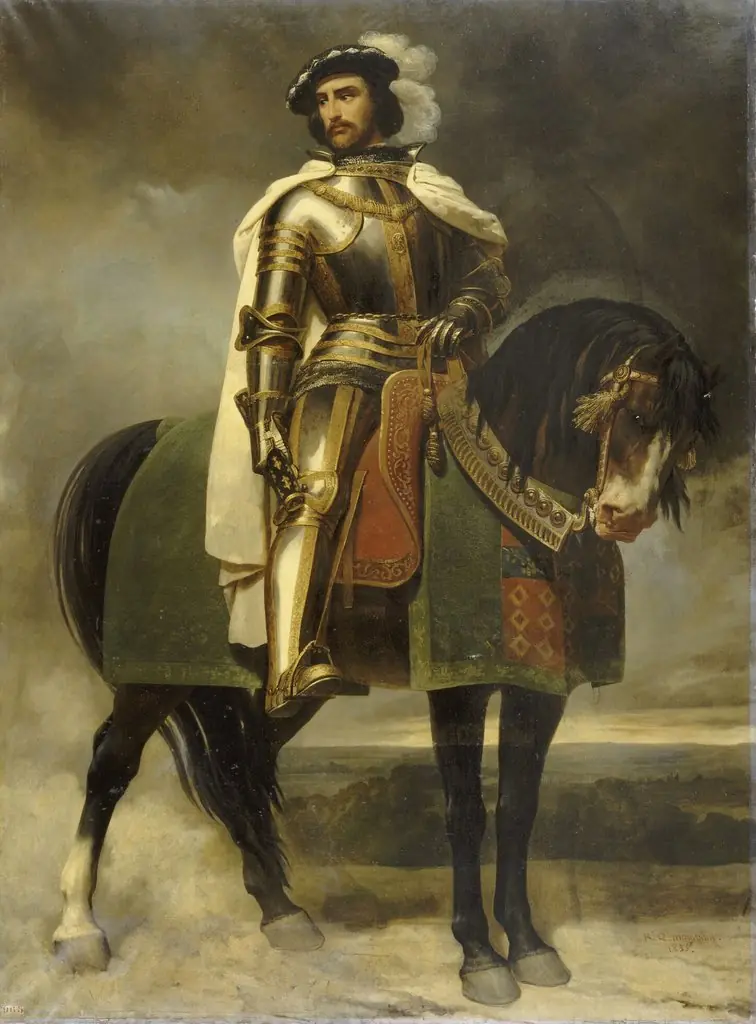 Pierre de Rohan, seigneur de Gye
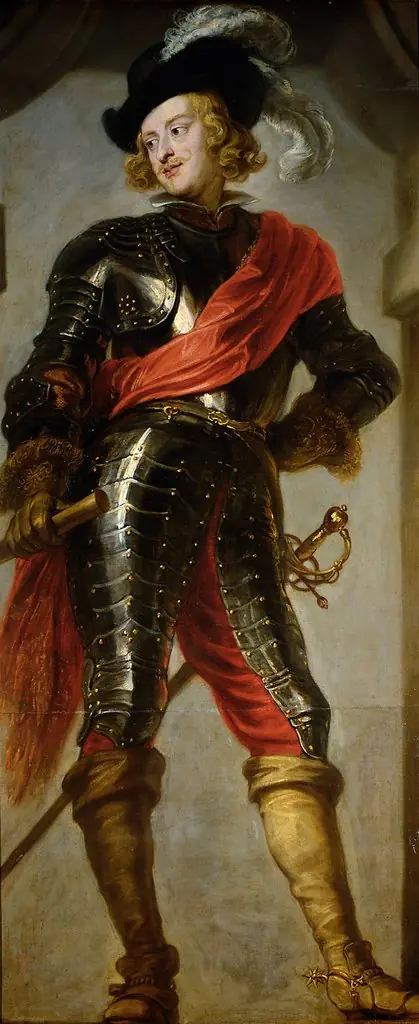 Cardinal-Infante Ferdinand of Austria
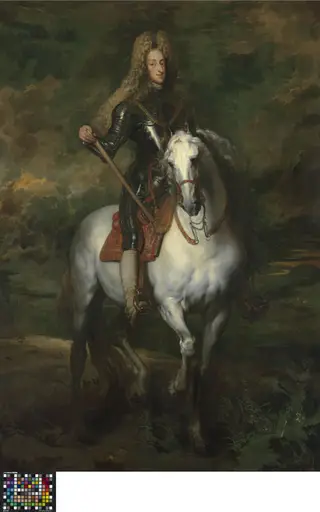 Ruiterportret van Maximiliaan Emmanuel van Beieren
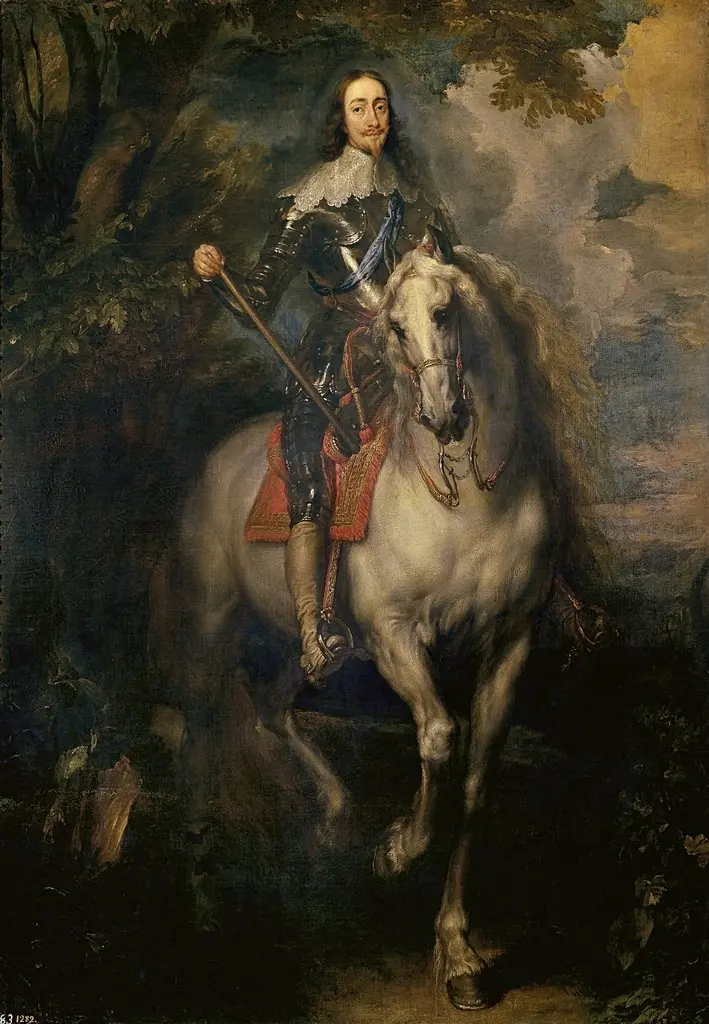 Equestrian portrait of Charles I of England
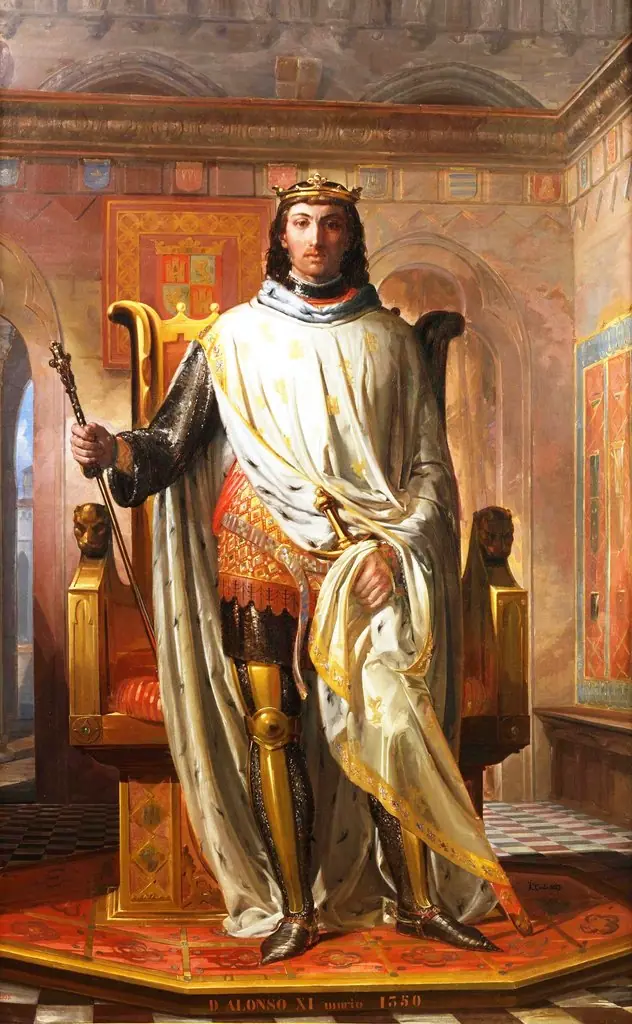 Alfonso XI
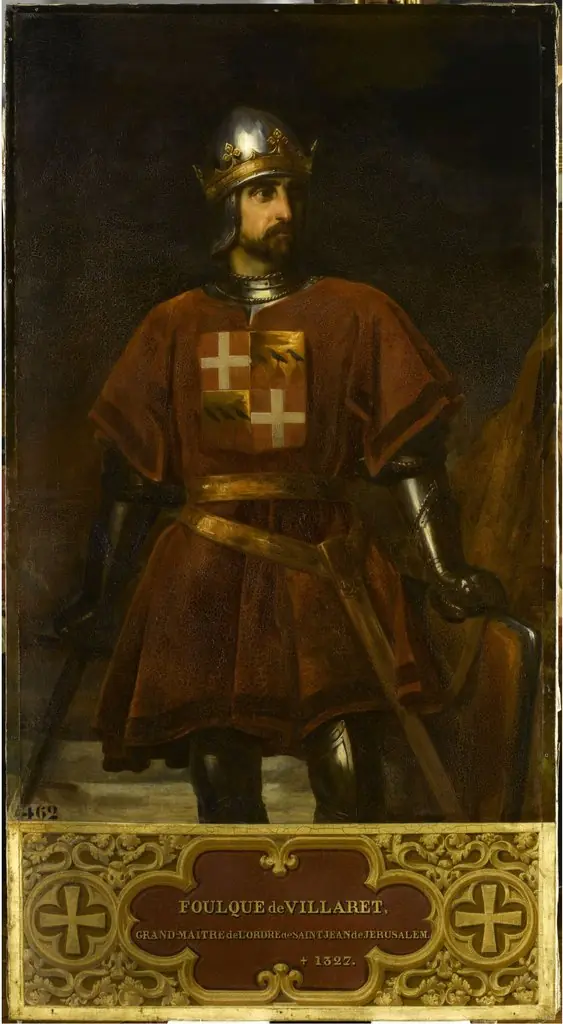 Foulques de Villaret
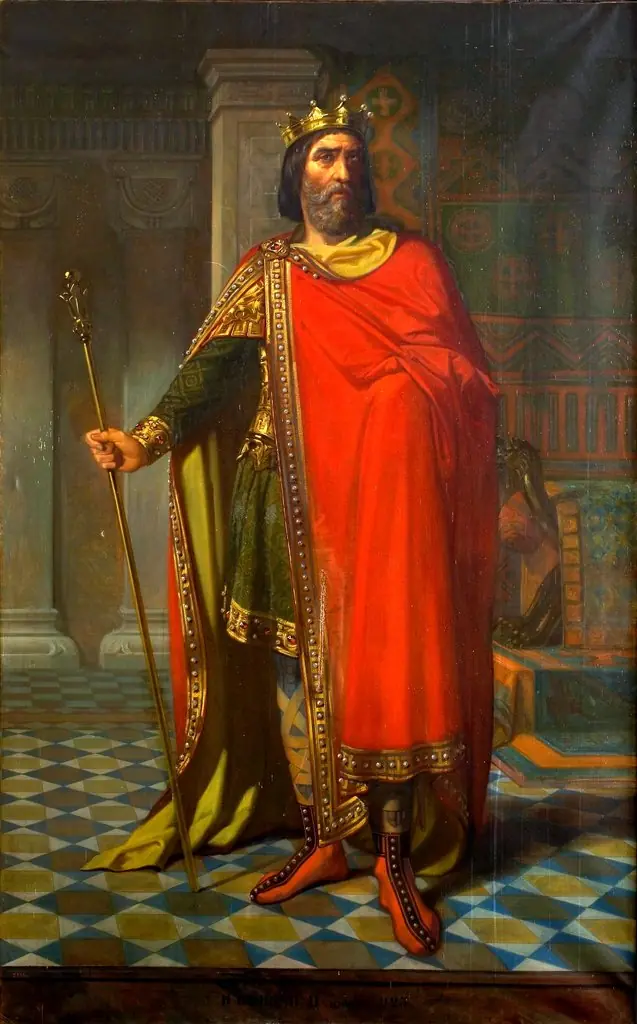 Ordoño II rey de León
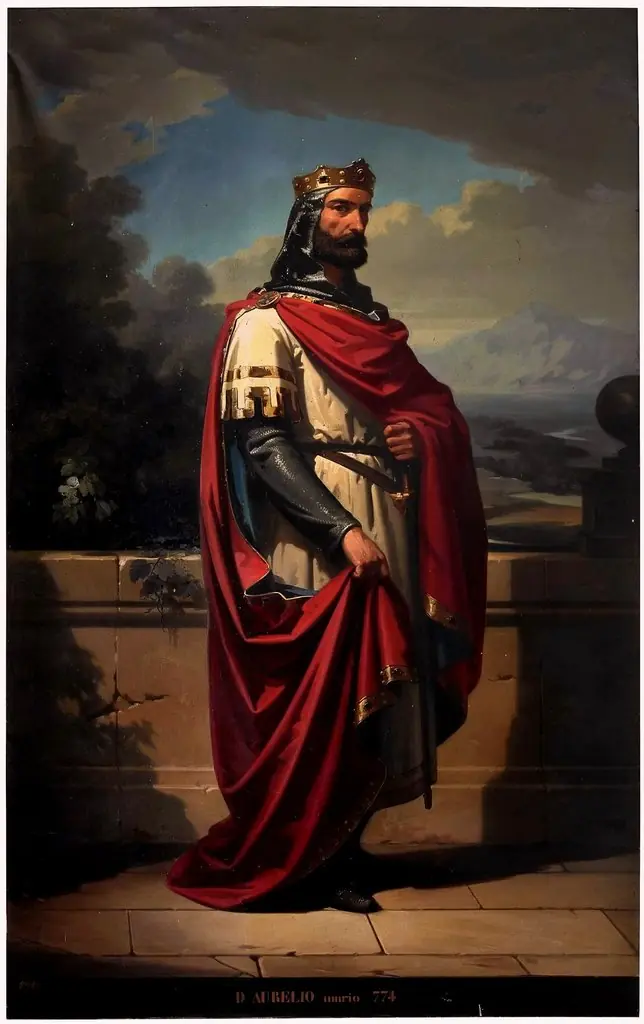 Aurelio
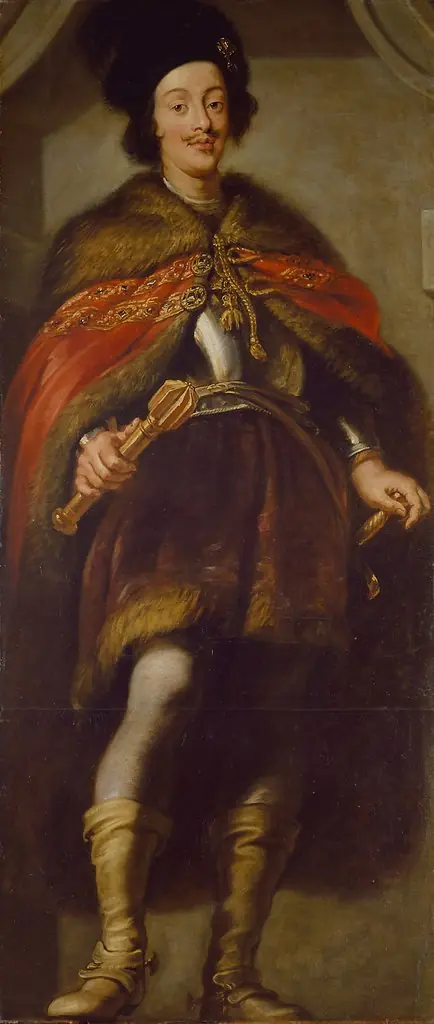 Ferdinand III of Bohemia and Hungary
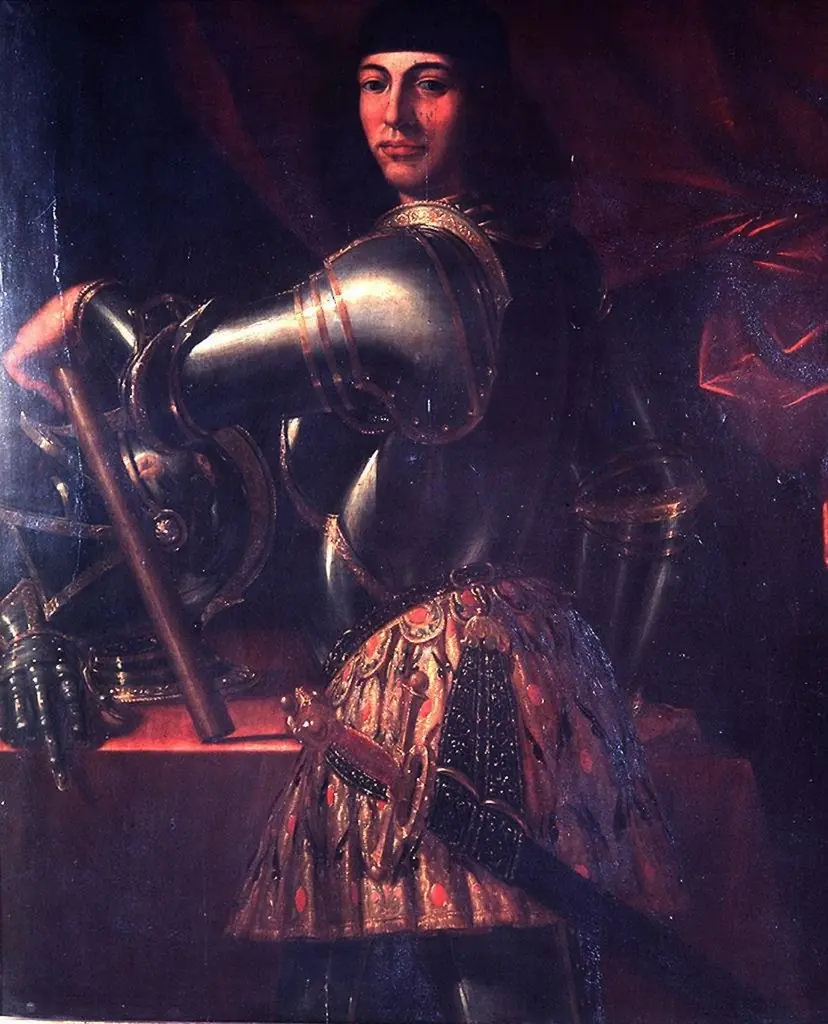 Portrait of Piero di Lorenzo de' Medici
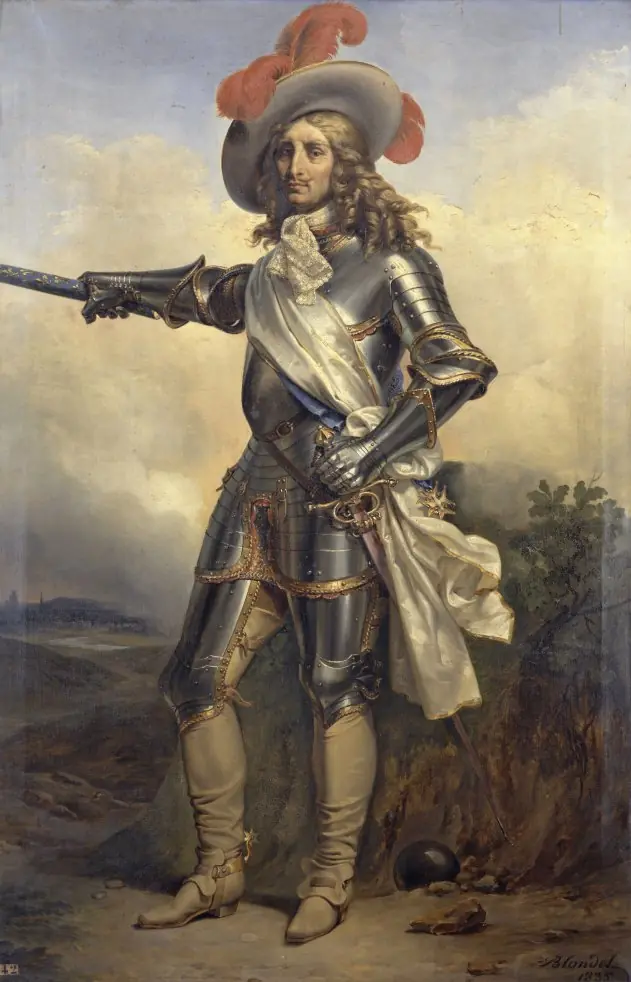 Portrait of Guy Aldonce de Durfort de Lorges (1630-1702)
- Jean, dit Poton, seigneur de Xaintrailles (?-1461)