Artwork
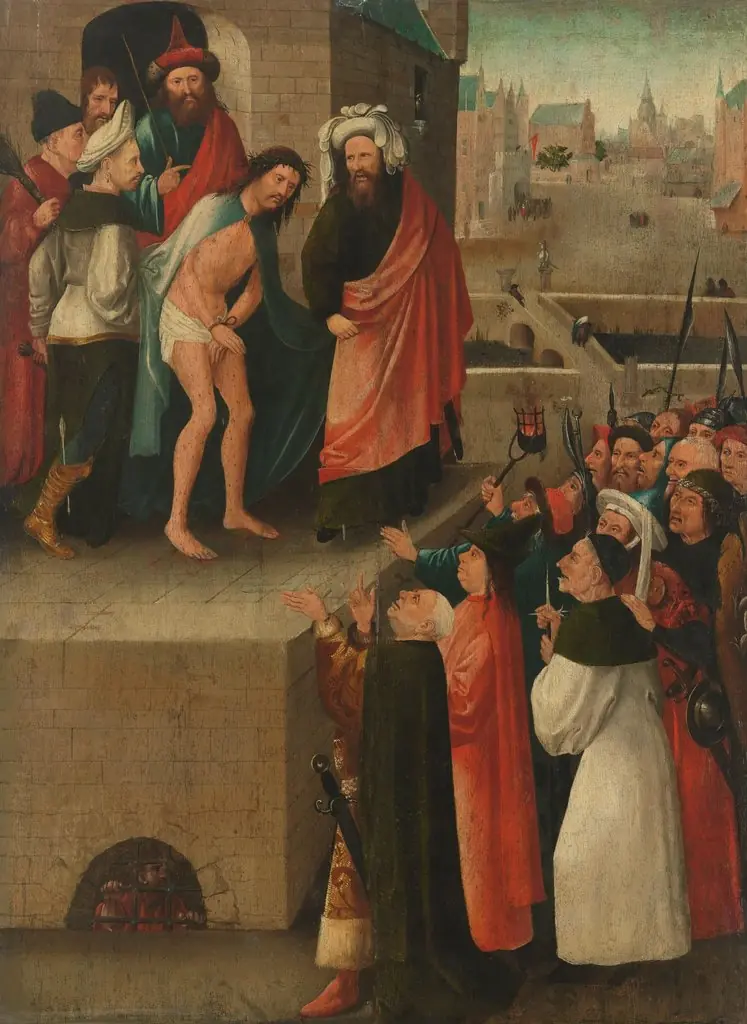
Ecce homo
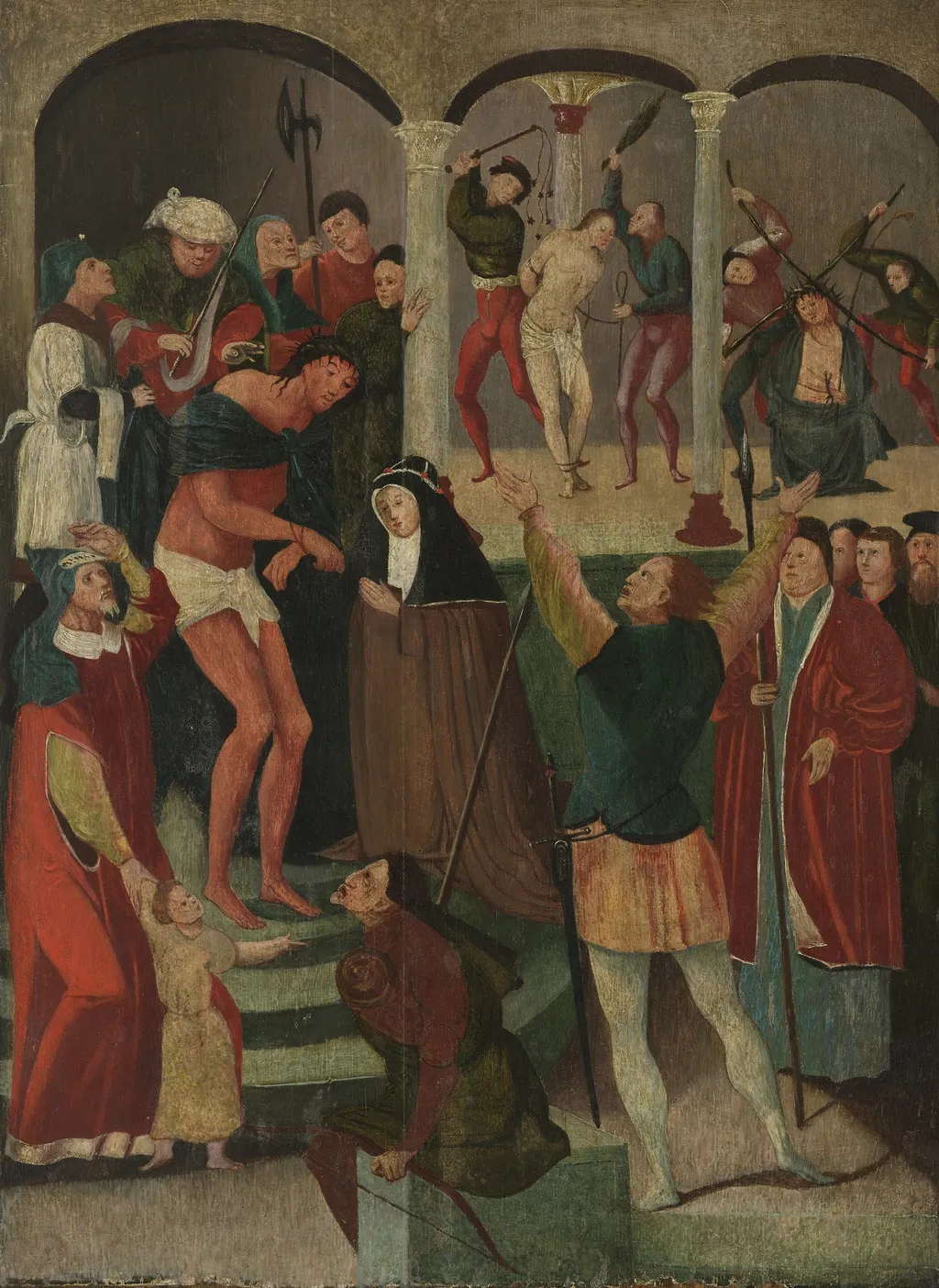
Ecce homo is an oil painting. It dates from 1520 and is held in the collection of the Rijksmuseum.
About this work
Subject & Meaning
This anonymous religious painting from 1520 depicts Jesus Christ as the central figure, illustrating the specific biblical theme known as Ecce Homo.
This anonymous religious painting from 1520 depicts Jesus Christ as the central figure, illustrating the specific biblical theme known as Ecce Homo. The work belongs to the genre of religious art and focuses entirely on the moment where Christ is presented to the crowd, a scene traditionally associated with his Passion. As the main subject, the image serves as a devotional representation of Christ's suffering and humility before his crucifixion.
Technique & Style
Created in 1520, this anonymous religious painting depicts Jesus Christ in the Ecce Homo scene. The work is executed in oil paint on a panel support. Measuring 60 cm in height and 45 cm in width, the piece combines the durability of wood paneling with the rich texture characteristic of oil mediums popular during the early sixteenth century.
The composition focuses strictly on the central figure of Christ, adhering to traditional iconography for this subject matter.
History & Provenance
Created in 1520, this oil painting on panel depicts the religious subject of Ecce Homo, featuring Jesus Christ. The work is attributed to an anonymous artist, with no specific creator identified in available records. Since its inception, the painting has entered the collection of the Rijksmuseum, where it remains housed.
The panel measures 60 cm in height and 45 cm in width. No further details regarding a specific commission, intermediate ownership history, or the circumstances of its creation are provided in the current documentation.
Context
The Ecce Homo painting attributed to an anonymous artist, created in 1520 using oil on panel, depicts the moment of Christ's presentation to the crowd, rendered in a religious genre typical of early 16th-century devotional art. Stylistic analysis situates it within the broader tradition of Netherlandish religious imagery, where the Ecce Homo motif was frequently employed to evoke themes of suffering and redemption. The work's composition and material execution reflect contemporary workshop practices, though its attribution remains linked to an anonymous hand rather than a named master.
This piece is housed in the Rijksmuseum collection and is studied as an example of anonymous religious painting from the period.
Scholarly discussion emphasizes its role in understanding devotional practices of the time, with researchers noting its alignment with broader iconographic traditions of the Passion narrative.
Overview
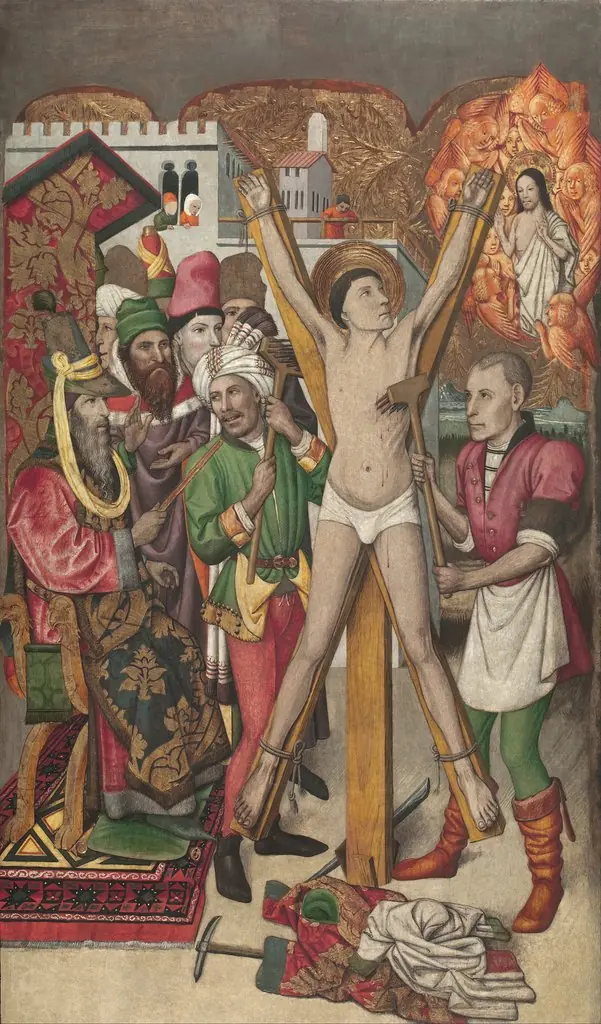
The oil painting titled “Ecce homo” portrays a nude male figure bound at the wrists, his waist wrapped only in a white cloth. He stands amid a hostile crowd in an open courtyard, with spears, swords and other weapons brandished by the surrounding figures. The composition conveys a moment of tension and impending violence.
Artist & collection

- Ecce Homo
 Ecce Homo
 Geißelung Christi
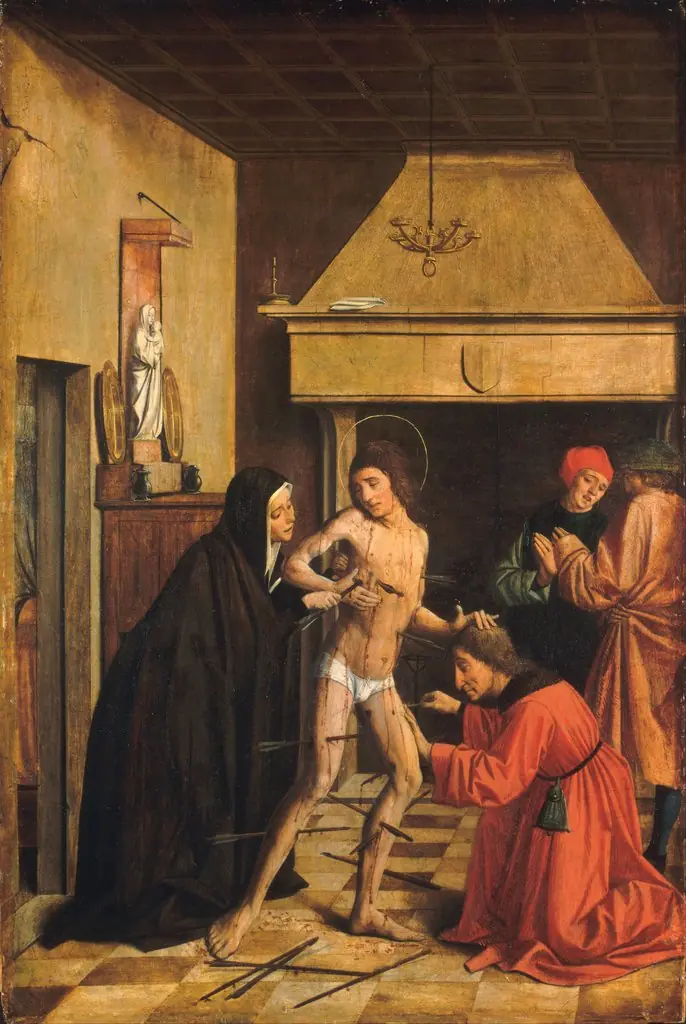 Saint Sebastian Cured by Irene
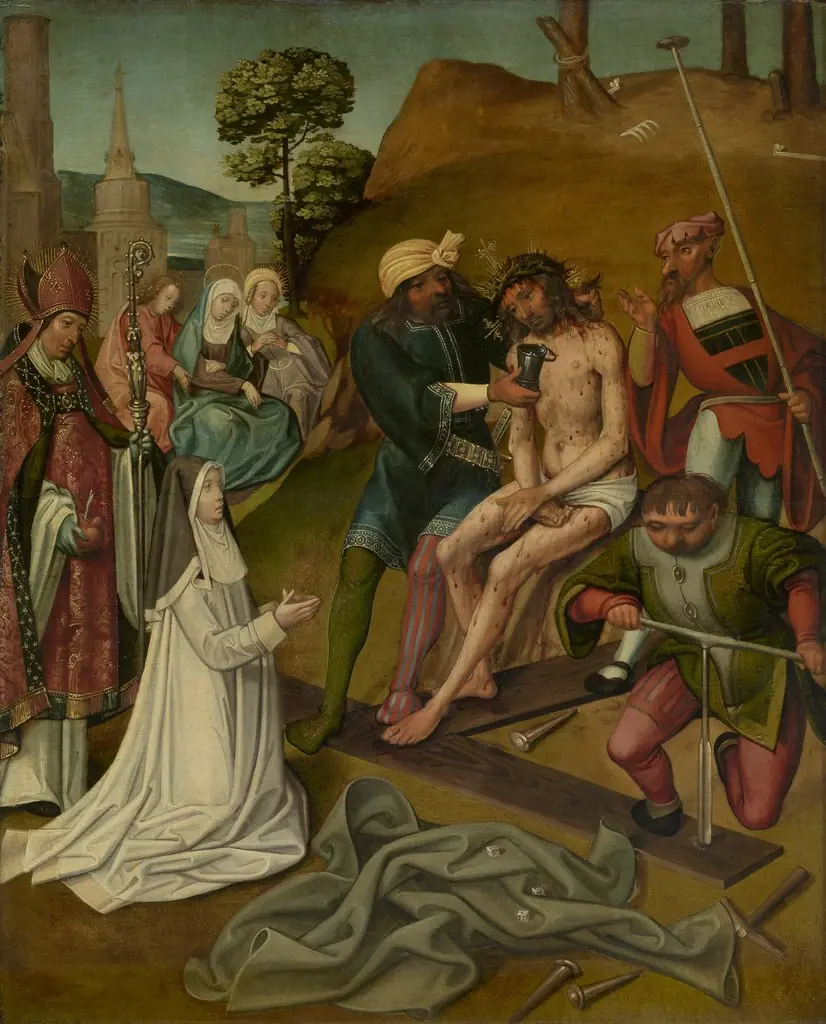 Before the Crucifixion
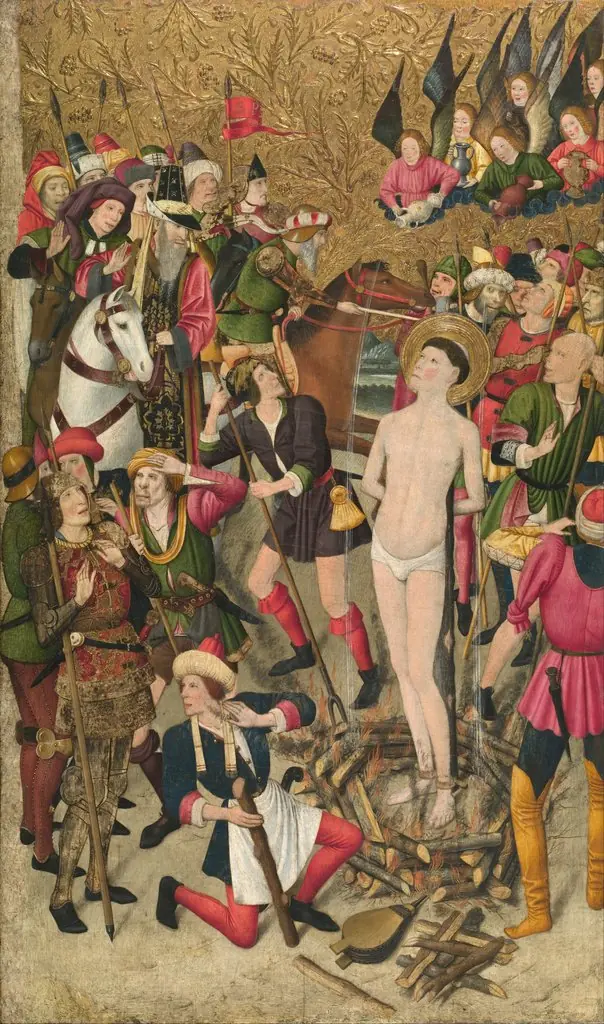 Saint Vincent at the Stake
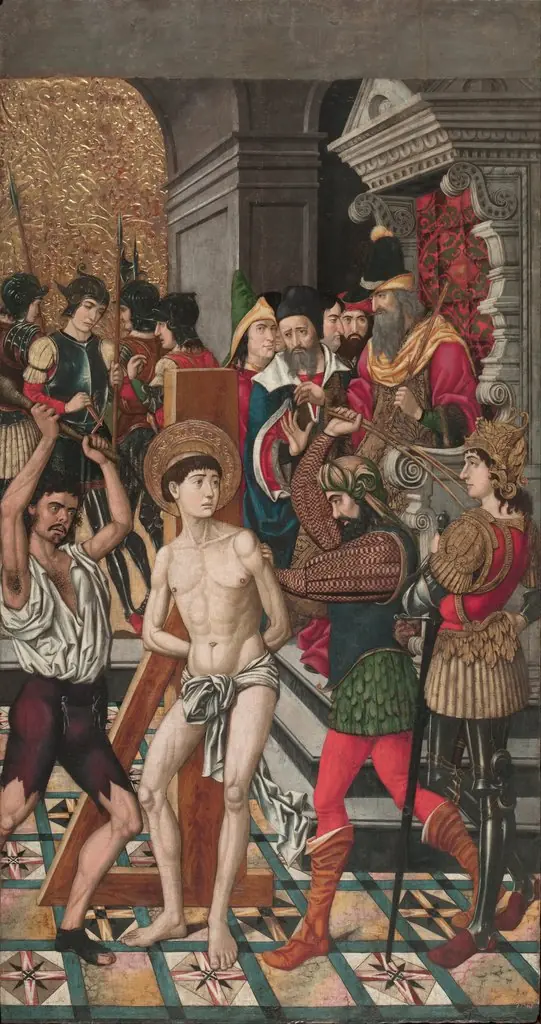 Flagellation of Saint Vincent
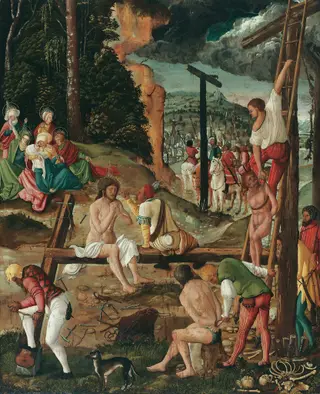 Before Christ's Crucifixion (Christ in Misery)
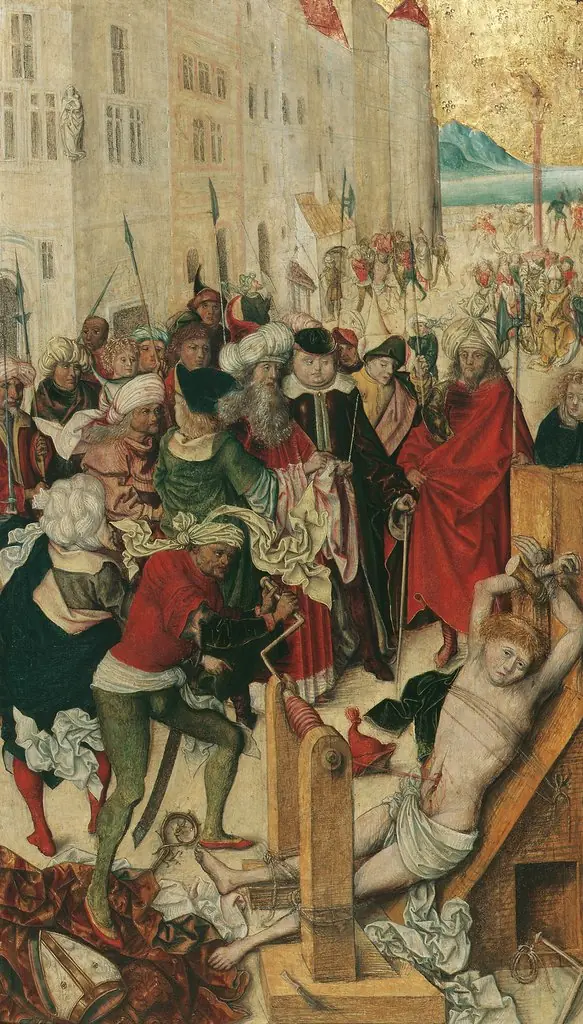 Martyrdom of St. Erasmus
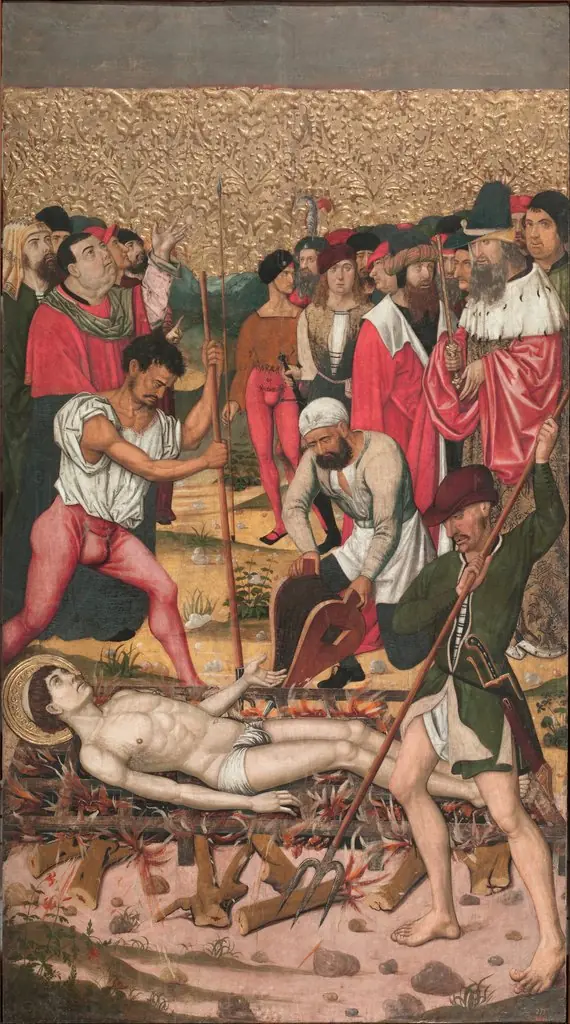 Saint Vincent on the Gridiron
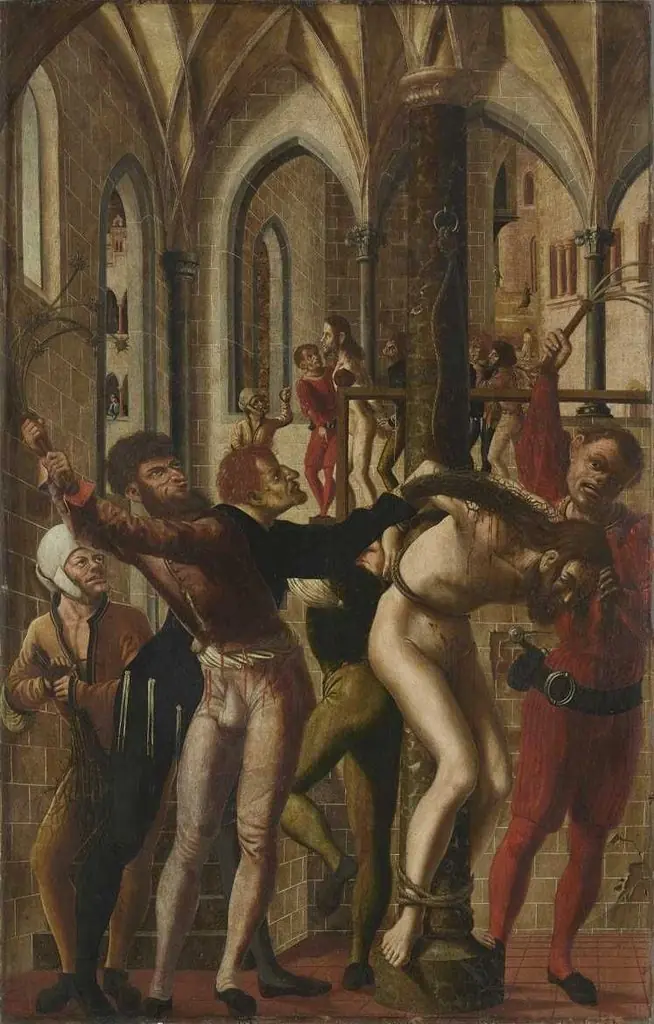 Jakobus-Stephanus-Altar: Geißelung Christi
 Saint Vincent on the Rack