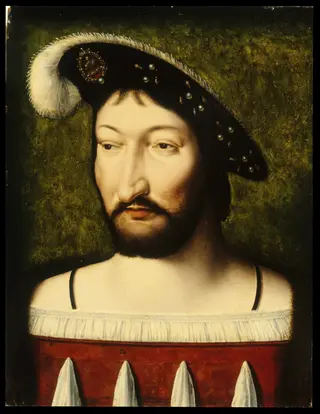
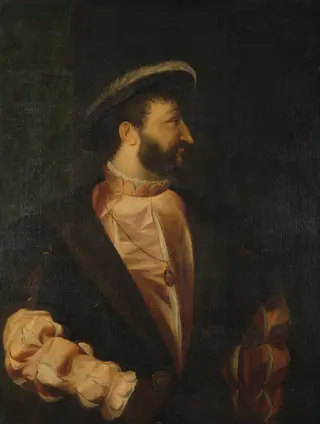
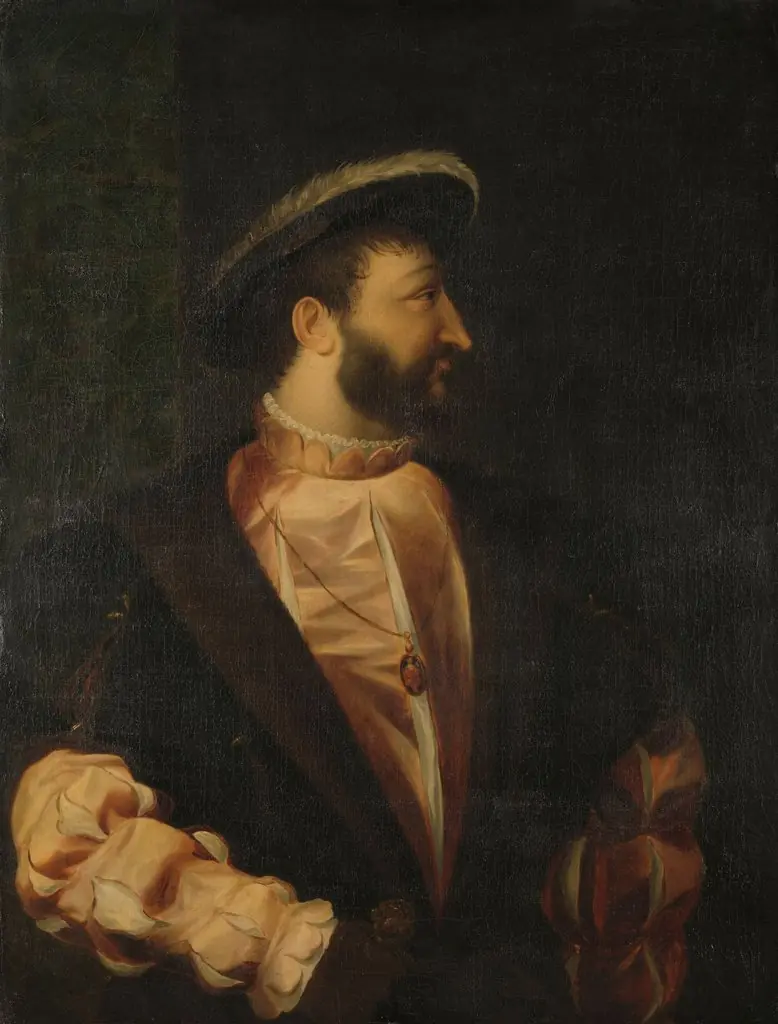
Artwork
Francis I (1494–1547), King of France
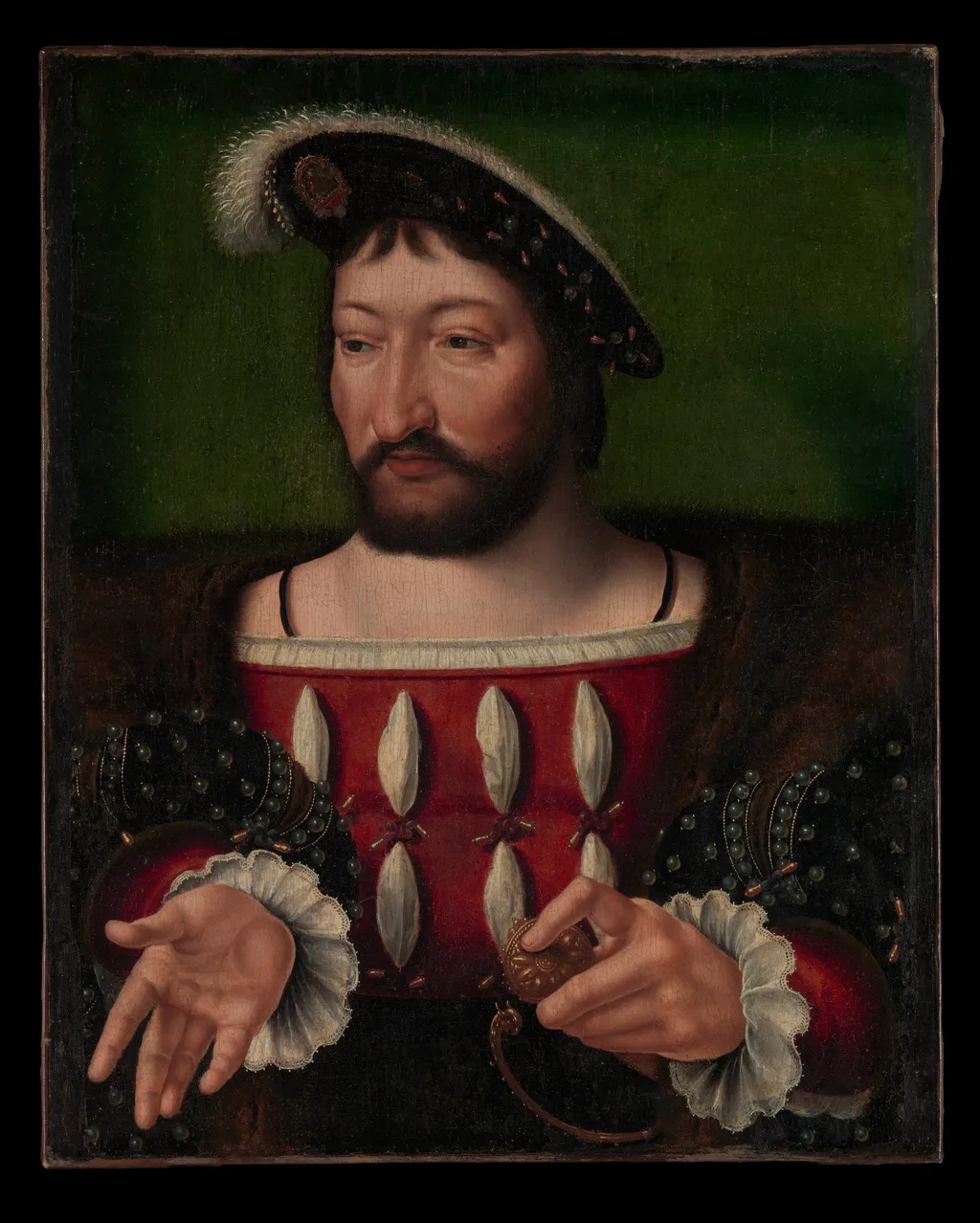
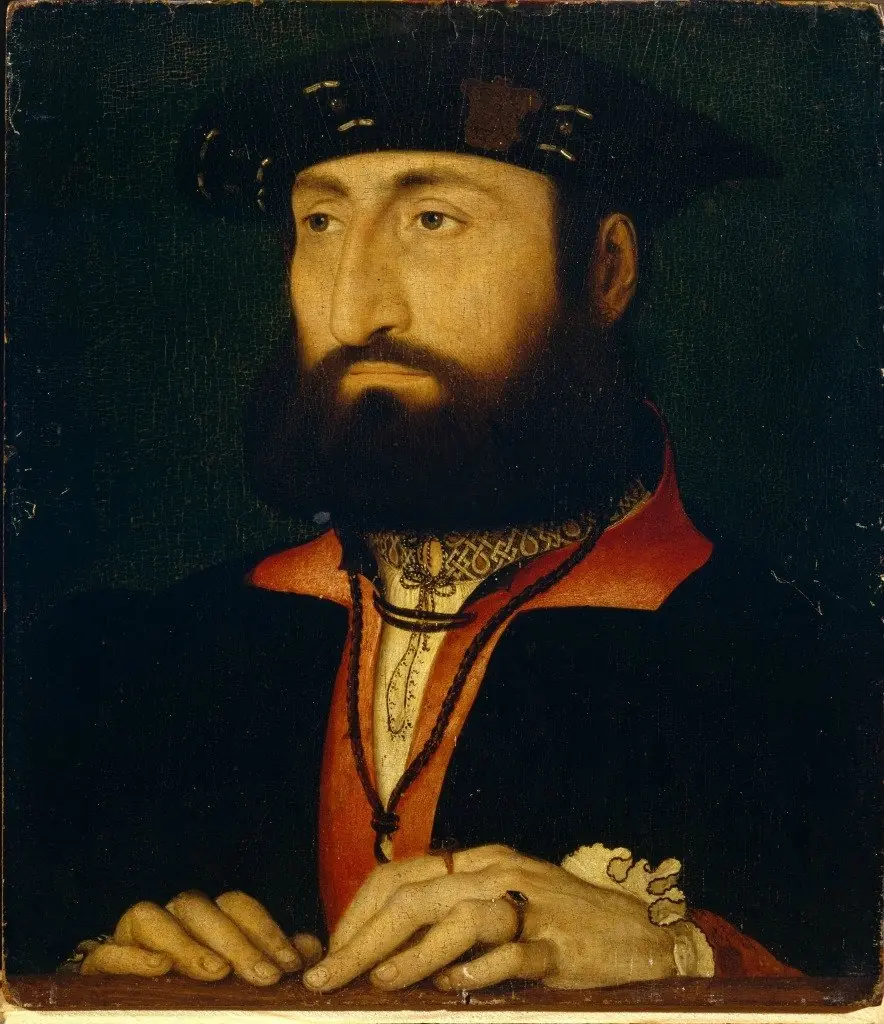
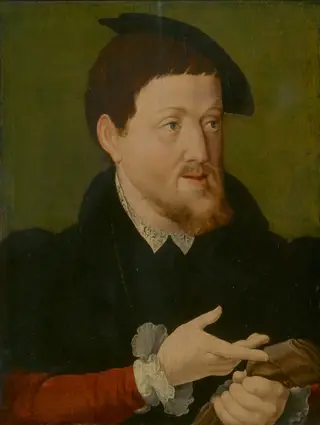
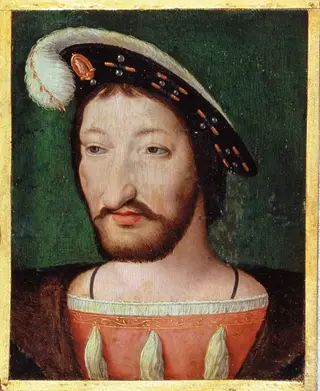
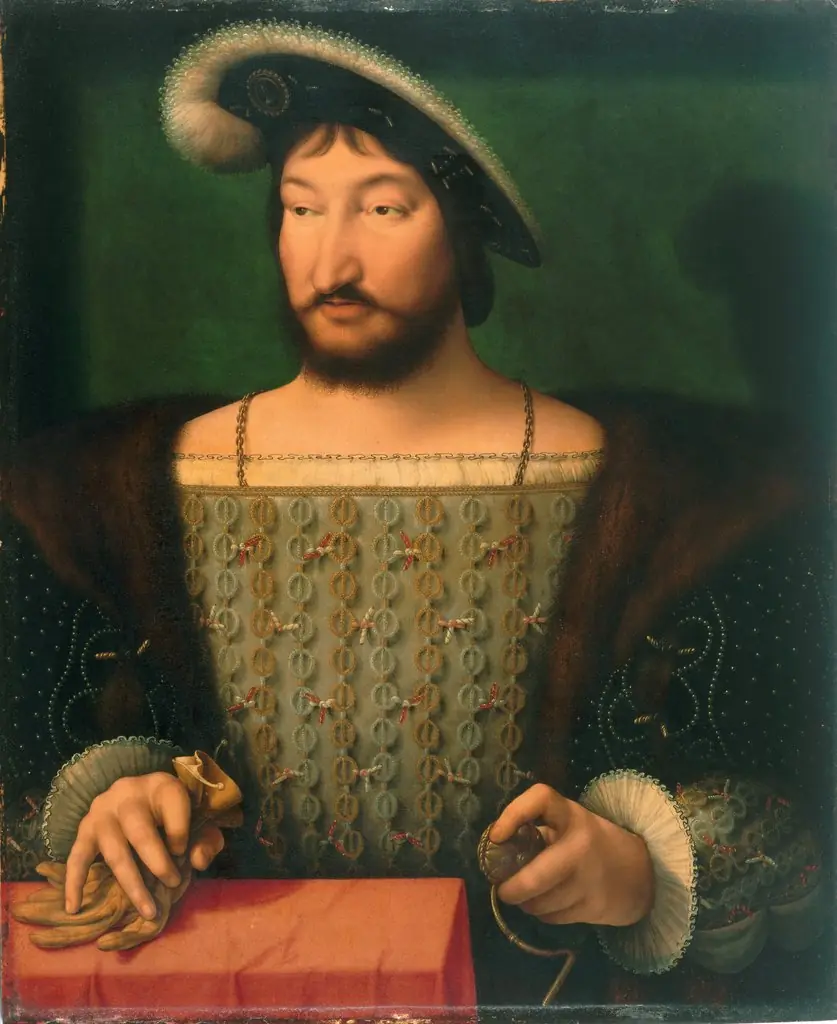
Francis I (1494–1547), King of France is an oil painting. It dates from 1600 and is held in the collection of the Metropolitan Museum of Art. This painting portrays Francis I, King of France (1494–1547), as a regal figure.
About this work
Technique & Style
Its exhibition history includes a showing at the Loan Exhibition of French Primitives and Objects of Art.
Executed around 1600, this portrait of Francis I is an oil painting on canvas support. Attributed to the Workshop of Joos van Cleve, the work measures 40.6 by 32.7 centimeters. As a painted portrait, it utilizes the medium of oil paint to render the likeness of the French king.
The piece is classified within the genre of portraiture and is currently held in the collection of the Metropolitan Museum of Art, having previously been owned by Michael Friedsam. Its exhibition history includes a showing at the Loan Exhibition of French Primitives and Objects of Art.
History & Provenance
Dating to approximately 1600, this oil-on-canvas portrait of Francis I is attributed to the Workshop of Joos van Cleve. The work measures 40.6 by 32.7 centimeters. Its documented ownership history includes possession by Michael Friedsam, who subsequently placed the painting in the collection of the Metropolitan Museum of Art.
The piece was featured in the Loan Exhibition of French Primitives and Objects of Art. Classified as a portrait, the painting depicts the French monarch and has been maintained within the museum's holdings following its acquisition from Friedsam.
Context
The portrait of Francis I, attributed to the workshop of Joos van Cleve and dated to 1600, exemplifies early‑modern French royal imagery. Executed in oil on canvas, the work measures 40.6 × 32.7 cm and belongs to the portrait genre, reflecting the sitter’s status as king of France from 1515 to 1547. Its inclusion in Michael Friedsam’s collection and its display in the Loan Exhibition of French Primitives and Objects of Art underscore its scholarly relevance as a representative of French primitive portraiture.
Art historians have used the piece to illustrate the stylistic transition within Northern Renaissance workshops and to discuss the visual propaganda of Valois monarchs. The painting’s provenance and exhibition history have contributed to ongoing discussions of attribution within the broader context of 16th‑century European portraiture.
Overview
This painting portrays Francis I, King of France (1494–1547), as a regal figure. Executed on canvas, the artwork captures the monarch from the chest up, emphasizing his elaborate attire and dignified bearing. The composition highlights the king's presence through a detailed depiction of his features and clothing, set against a subtly contrasting background.
Subject & Meaning
The artwork presents Francis I, identifiable by his dark beard and mustache, in a posture of authority. His opulent red and black garment, adorned with white ruffles and gold embellishments, signifies his royal status and wealth. The king's extended right hand and the small, ornate object held in his left suggest a gesture of command or a symbolic attribute of his reign.
Artist & collection