Artwork
舞姫図・紅葉蒔絵衝立|Freestanding Screen with Dancer
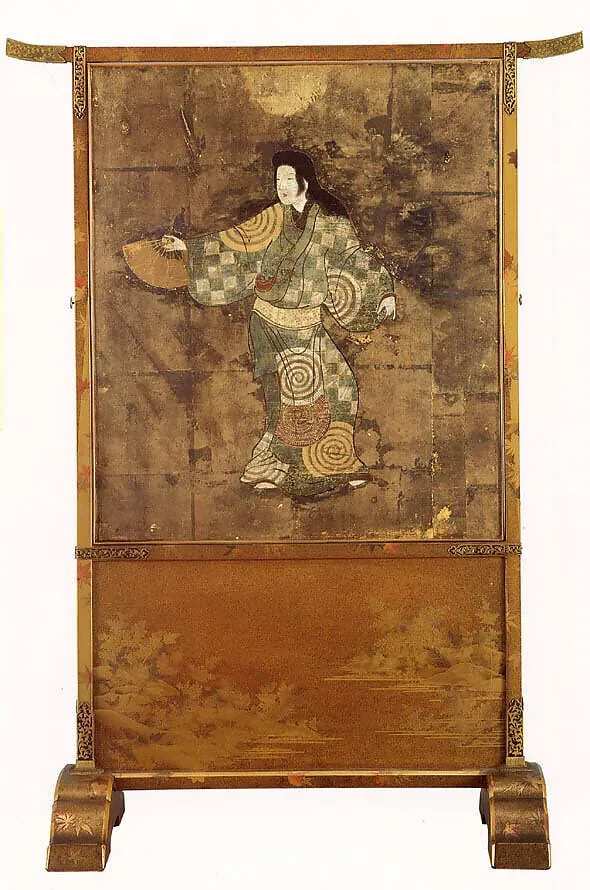
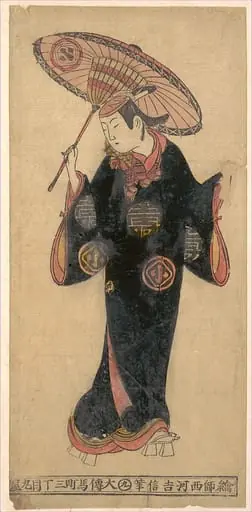
舞姫図・紅葉蒔絵衝立|Freestanding Screen with Dancer is an ink painting. It dates from 1649 and is held in the collection of the Metropolitan Museum of Art. The work is a freestanding screen composed of gilt paper over which ink, color, and gold have been applied.
About this work
Subject & Meaning
Executed with ink, color, and gold on gilt paper mounted on a lacquered frame, the imagery uses the medium's richness to elevate the depiction of the performer.
Created in 1649 by an anonymous Japanese artist, this freestanding screen features a solitary dancer as its central subject. The work is classified as an allegory, suggesting the figure represents a concept or narrative beyond a simple portrait. Executed with ink, color, and gold on gilt paper mounted on a lacquered frame, the imagery uses the medium's richness to elevate the depiction of the performer.
While the specific identity of the dancer remains unrecorded, the piece functions as a symbolic representation within the allegorical genre.
Technique & Style
Created in 1649, the Freestanding Screen with Dancer is executed in ink, color, and gold applied to gilt paper, which is then mounted on a lacquered screen support. This Japanese work measures 50.8 cm in height and 43.1 cm in width. The piece functions as an allegorical depiction of a dancer, using the shimmering qualities of gold leaf and pigment to define the figure against the gilded ground.
The combination of painted elements on paper with the structural lacquer base represents a synthesis of painting and decorative arts techniques common to the period.
History & Provenance
Created in 1649 in Japan, the freestanding screen 舞姫図・紅葉蒔絵衝立 was painted by an anonymous artist using ink, color, and gold on gilt paper mounted on a lacquered frame. The work measures 50.8 cm in height and 43.1 cm in width and depicts a dancer in an allegorical mode, in the form of a freestanding decorative screen typical of Japanese interior furnishings of the period. It is held in the collection of the Metropolitan Museum of Art. No specific accession number is recorded in the available sources, and no exhibition history is documented.
Overview
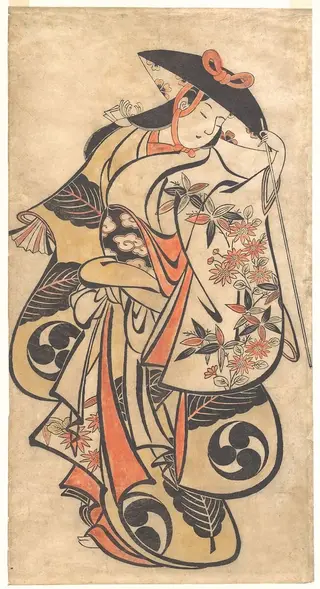
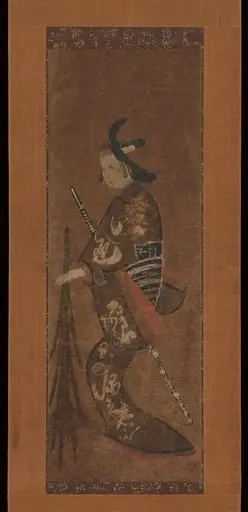
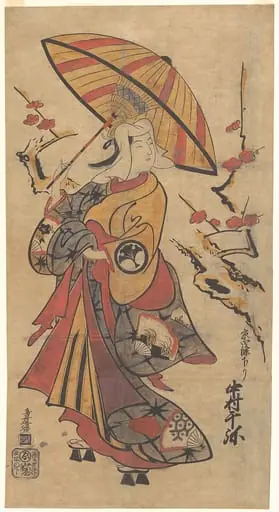
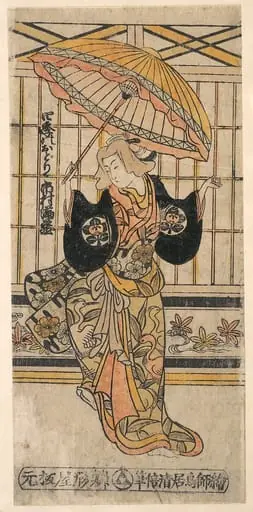
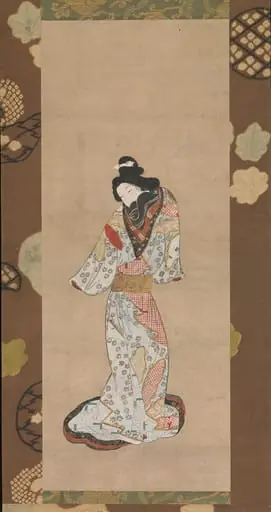
The work is a freestanding screen composed of gilt paper over which ink, color, and gold have been applied. It depicts a solitary dancer in a vivid red robe, captured in a twirling pose, her flowing sleeves and handheld fans rendered as if caught in an autumn breeze. The background consists solely of a shimmering gold surface, emphasizing the figure’s movement.
Context
Fans appear frequently in Japanese visual culture, serving both as functional objects and symbolic devices. In artworks they often signify refinement, courtly elegance, or the passage of time, reinforcing the dancer’s role as a cultural emblem within the composition.
Artist & collection