Artwork
Matthias, Emperor of the Holy Roman Empire (1557-1619)
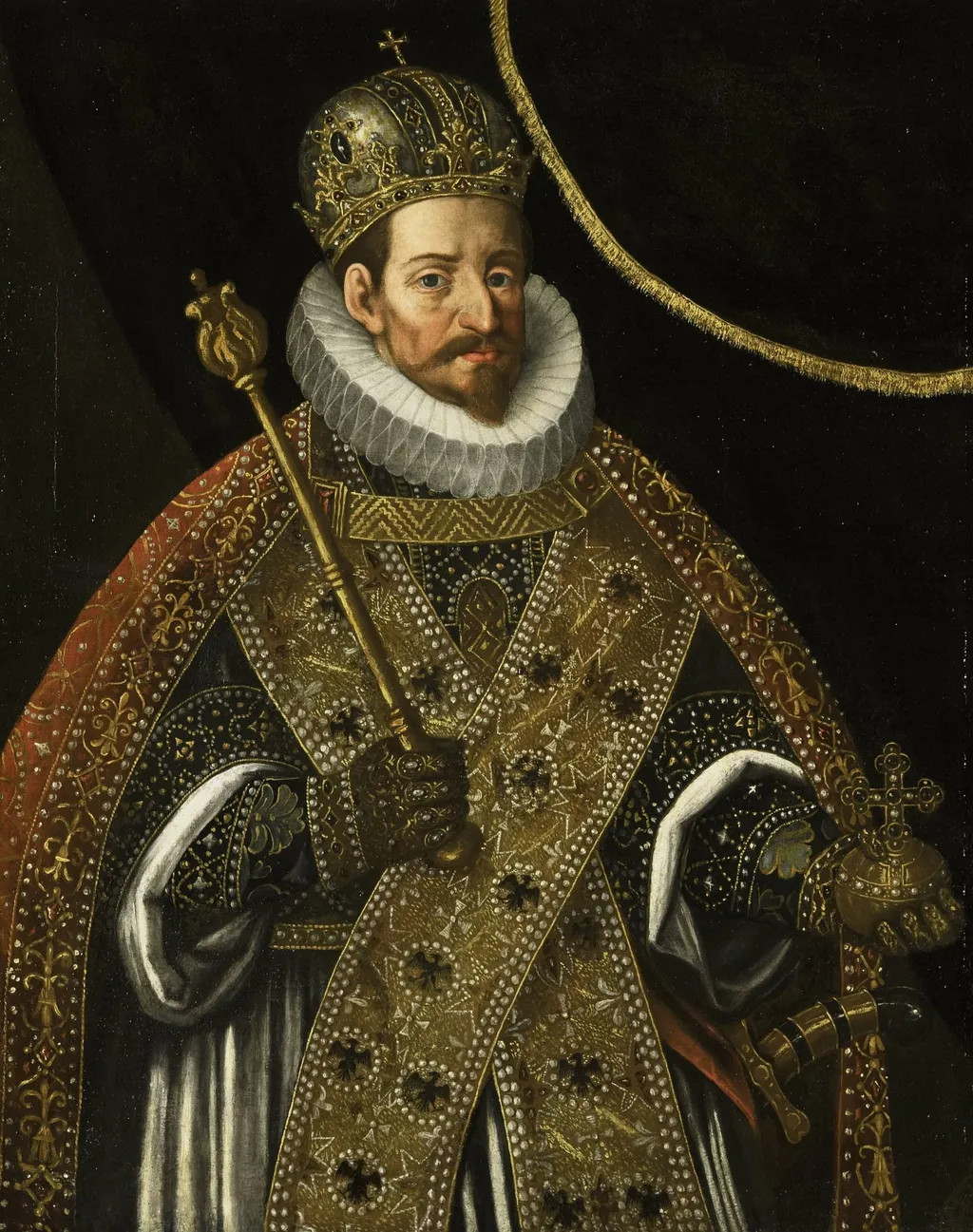
Matthias, Emperor of the Holy Roman Empire (1557-1619) is an unspecified painting by the Early Baroque Italian artist Unknown. It dates from 1612 and is held in the collection of the Rijksmuseum. The work is a half‑length portrait of Matthias, Holy Roman Emperor (1557–1619), depicted standing in a formal pose.
About this work
Overview
The work is a half‑length portrait of Matthias, Holy Roman Emperor (1557–1619), depicted standing in a formal pose. He holds a golden scepter in one hand and an orb topped with a cross in the other, while an imperial crown rests on a nearby table. The composition presents the ruler in a dignified, authoritative manner.
Subject & Meaning
Matthias is shown in a black costume edged with gold, his beard neatly trimmed and his expression solemn. The regalia, scepter, orb, and crown, symbolize sovereign authority and the continuity of imperial power, underscoring the political stature of the emperor during his reign.
Technique & Style
The painter rendered the metallic surfaces and sumptuous fabrics with meticulous detail, creating a tactile sense of weight and texture. Fine brushwork captures the sheen of gold trim and the subtle folds of the clothing, while the controlled lighting emphasizes the three‑dimensionality of the figure.
History & Provenance
The portrait is unsigned, leaving the artist’s identity unknown. It was likely commissioned to commemorate Matthias’s rule and to project his imperial dignity. The painting now forms part of the Rijksmuseum’s collection, where it is displayed among other European court portraits.
Context
Created in the late 16th or early 17th century, the portrait reflects the conventions of Habsburg portraiture, where rulers were presented with regalia to affirm their legitimacy. Such images served both as political propaganda and as demonstrations of the painter’s technical competence.
Artist & collection









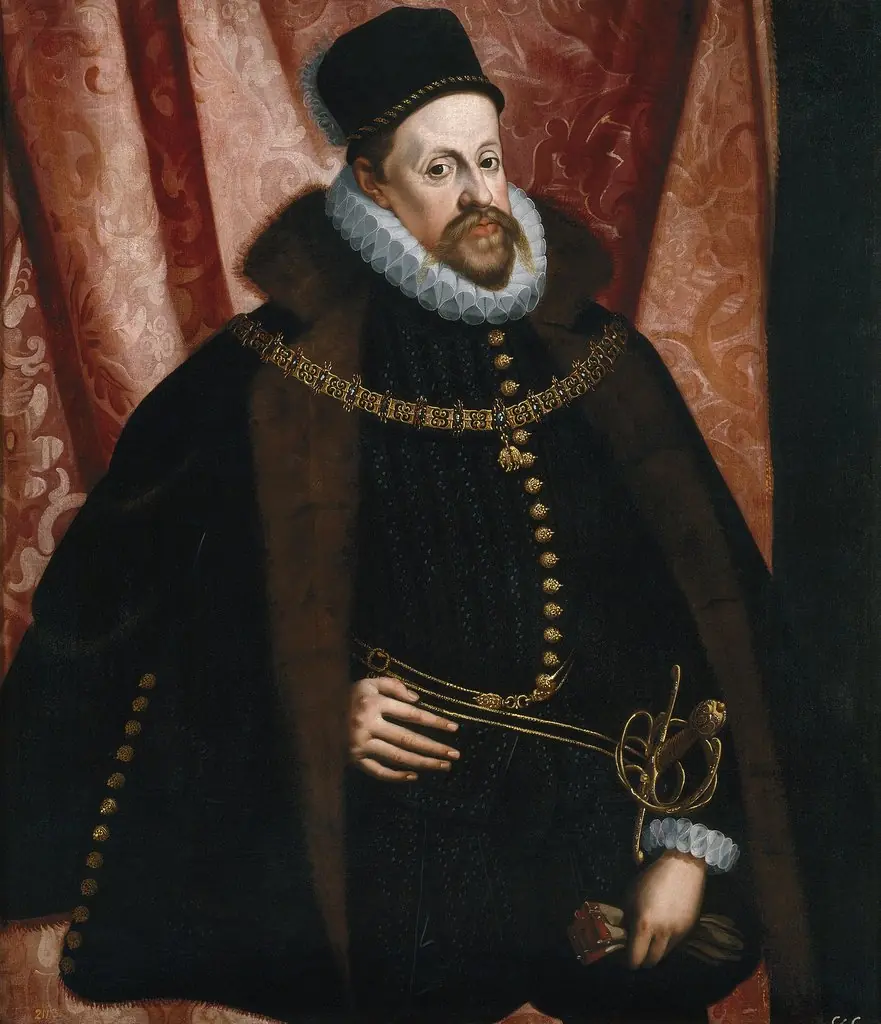 El archiduque Carlos de Austria, duque de Stiria
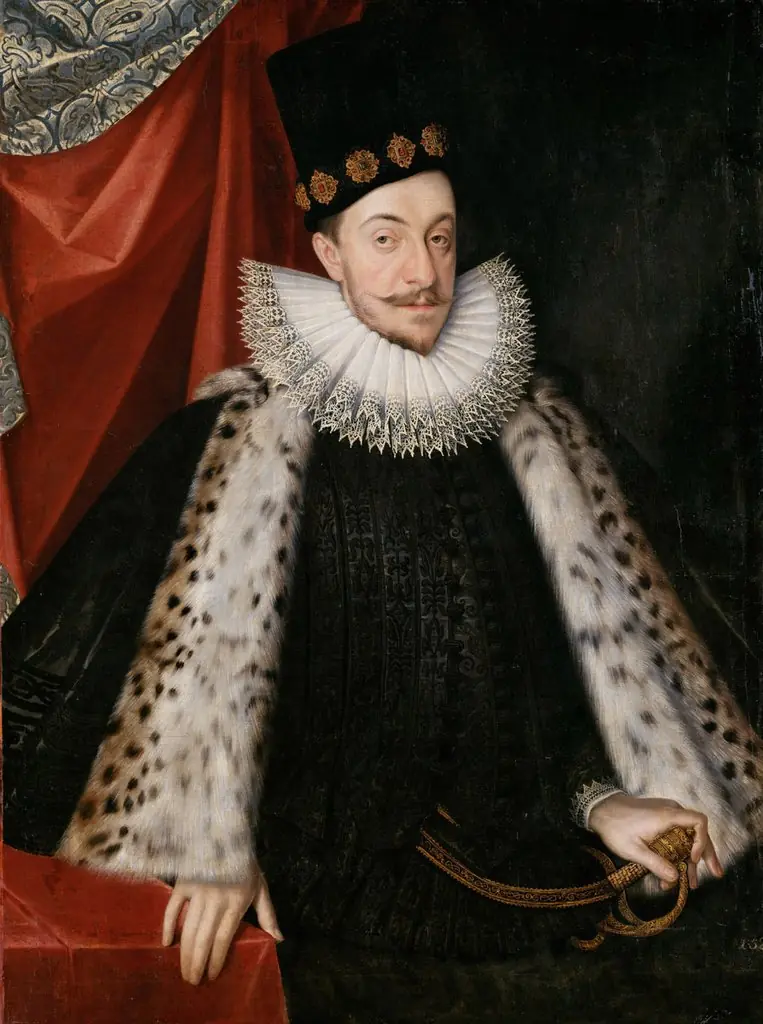 König Sigismund III. (1566-1632) von Polen, Kniestück
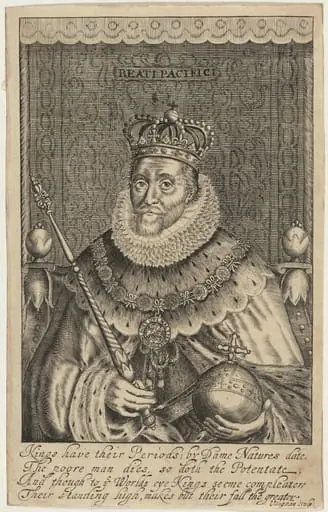 James I
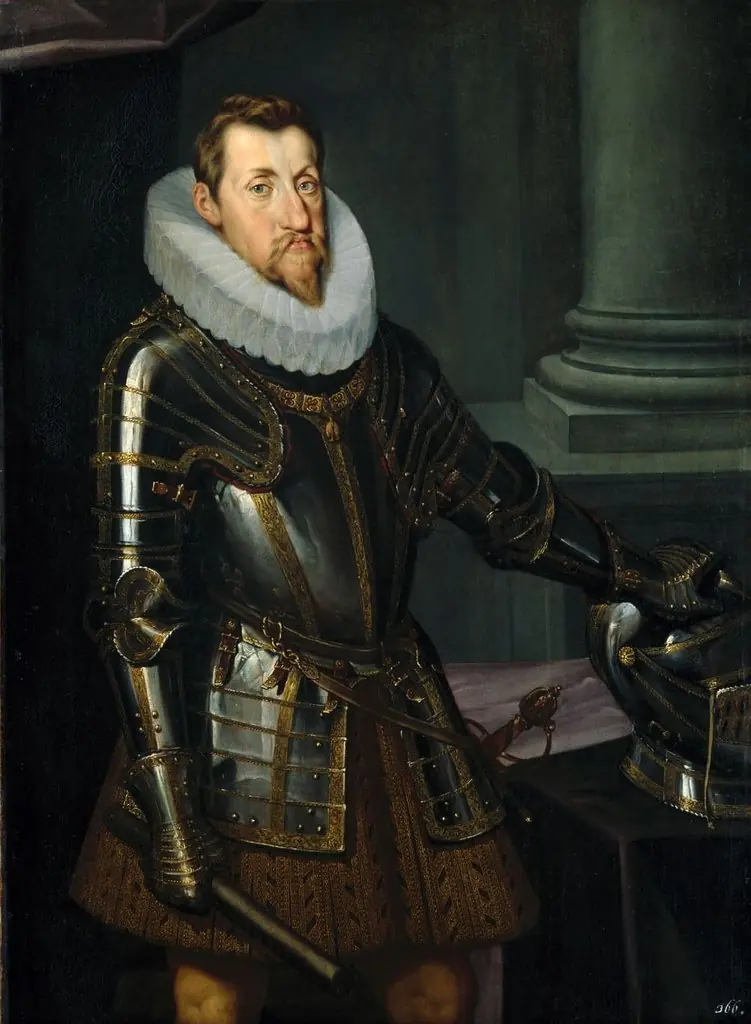 Portrait of Ferdinand II, Holy Roman Emperor (1578-1637)
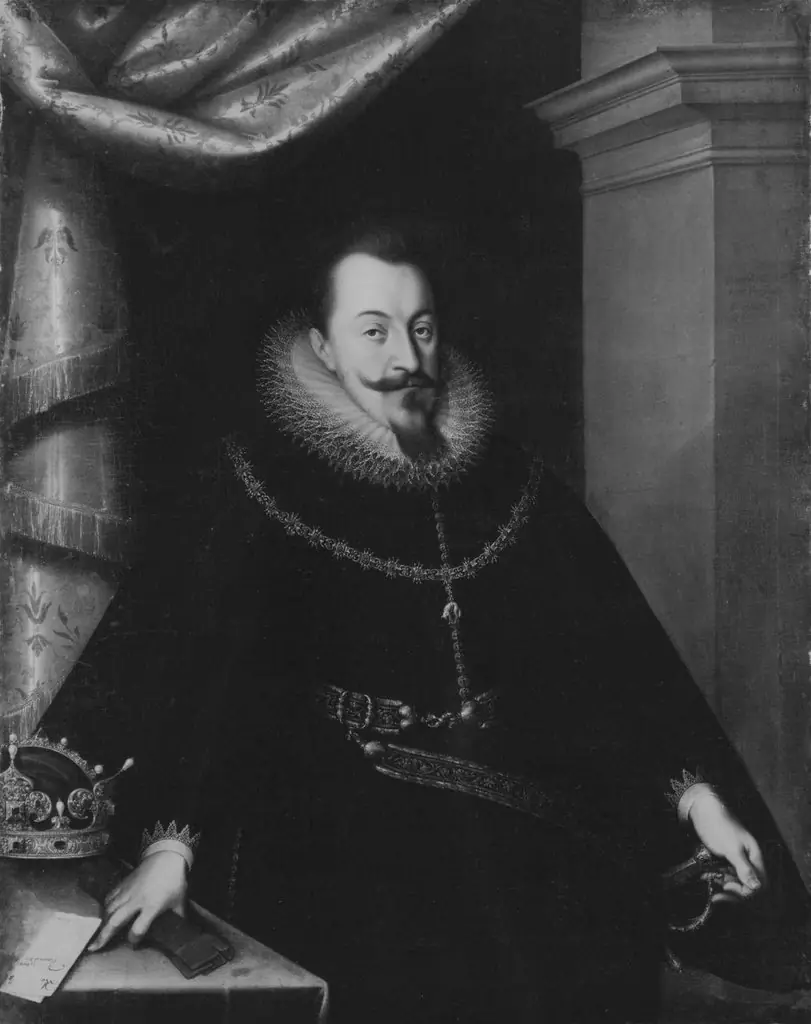 Bildnis des Königs Sigismund III. Vara von Polen und Schweden
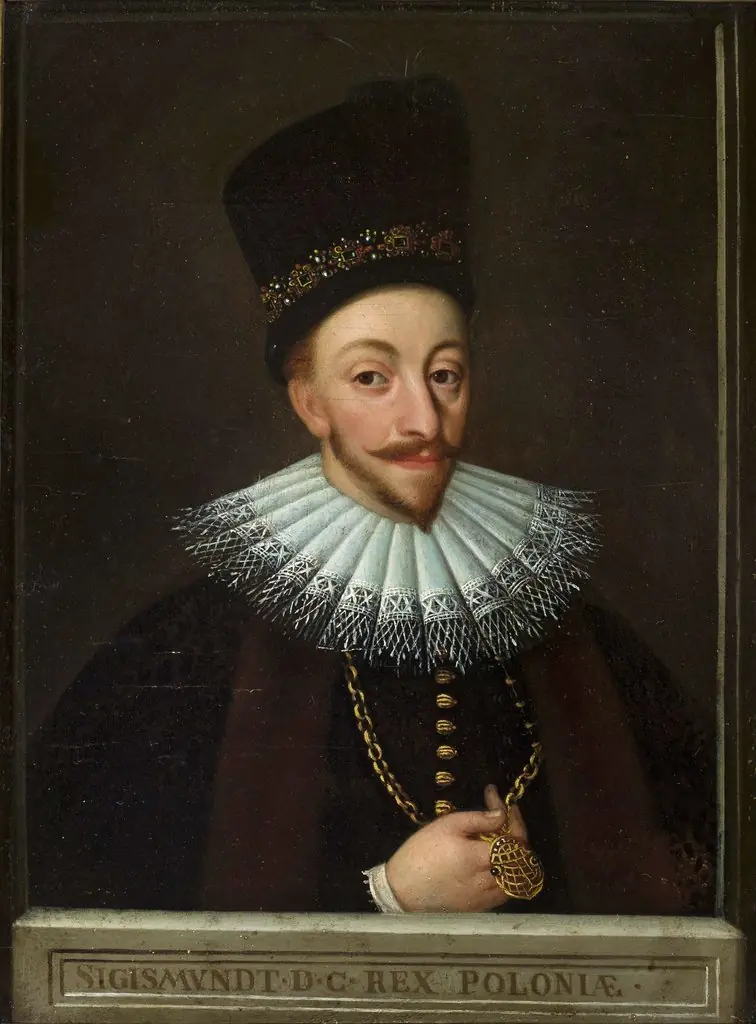 Portrait of Sigismund III Vasa (1566–1632), King of Poland
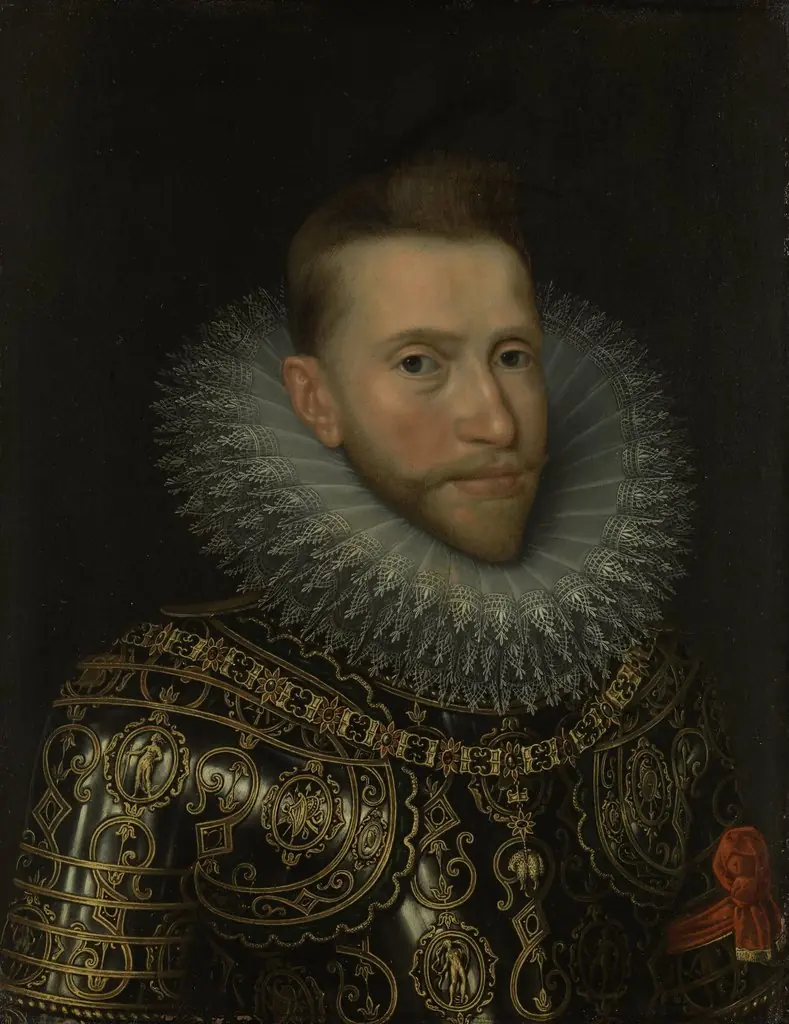 Albert VII, Archduke of Austria
 Untitled
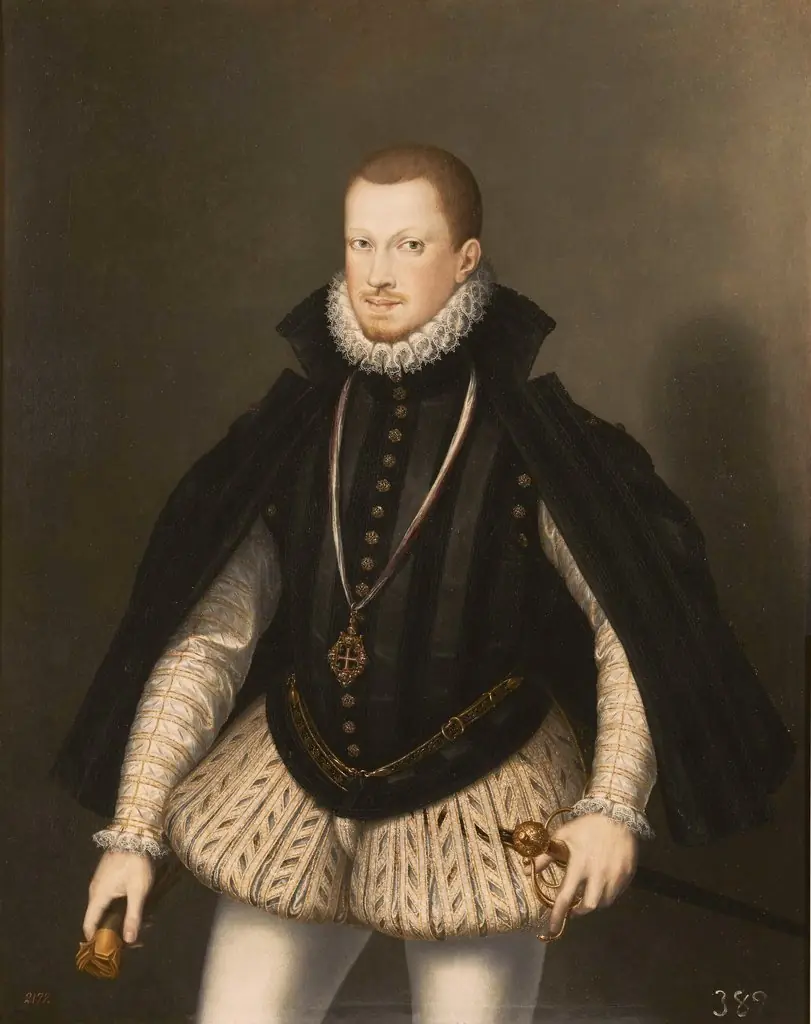 Don Sebastián rey de Portugal
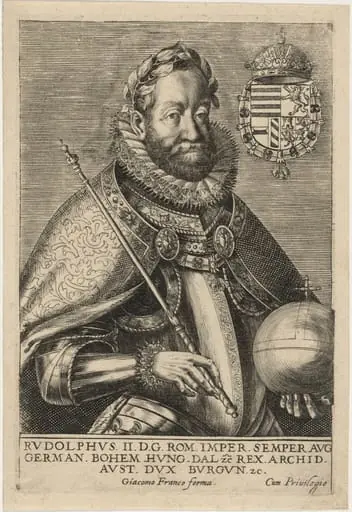 Rudolph II, Roman Emperor