Artwork
Page from Tales of a Parrot (Tuti-nama): text page
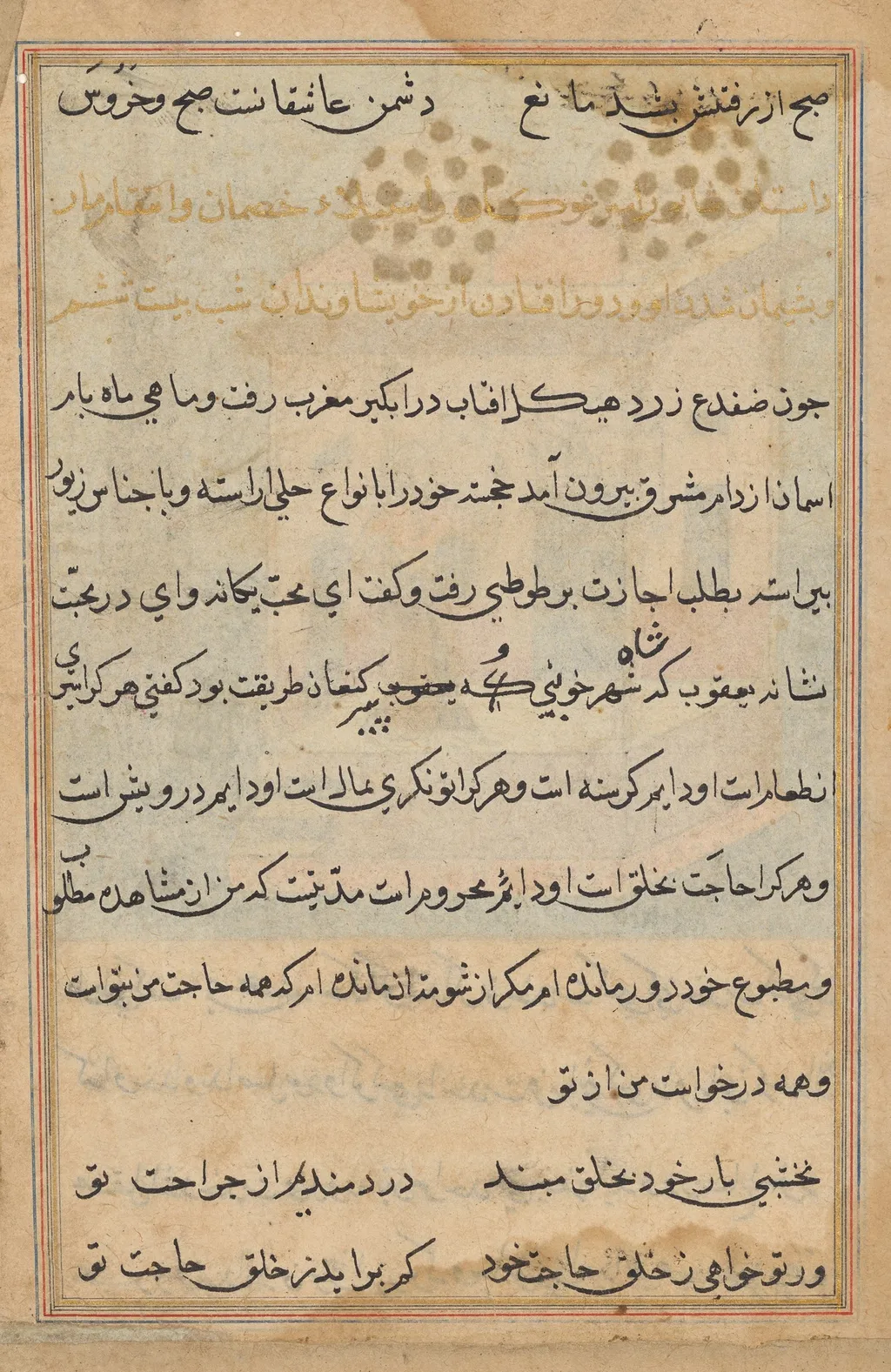
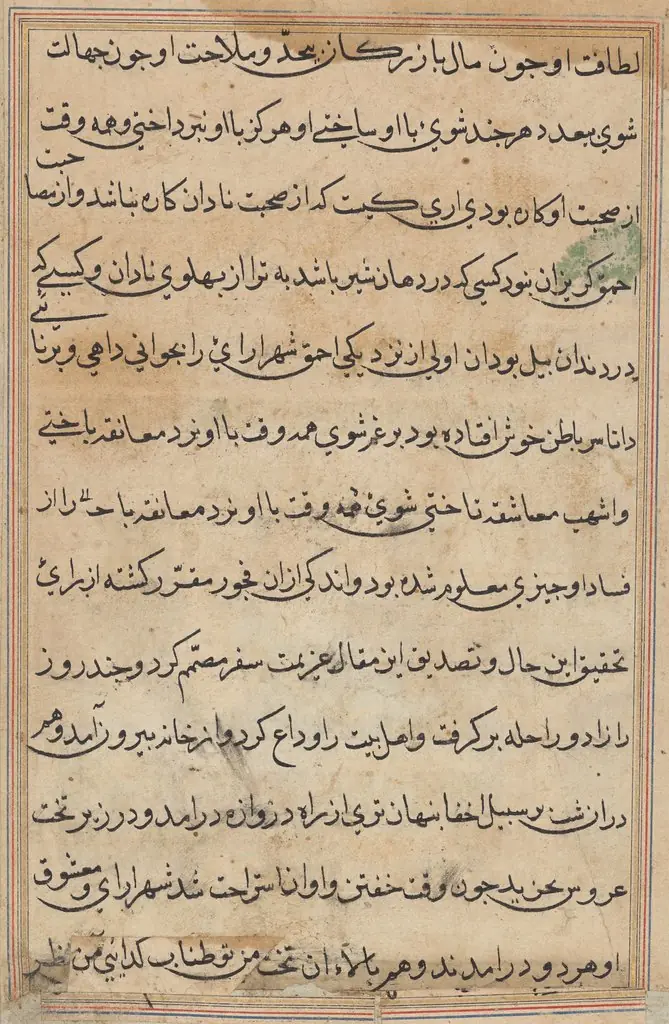
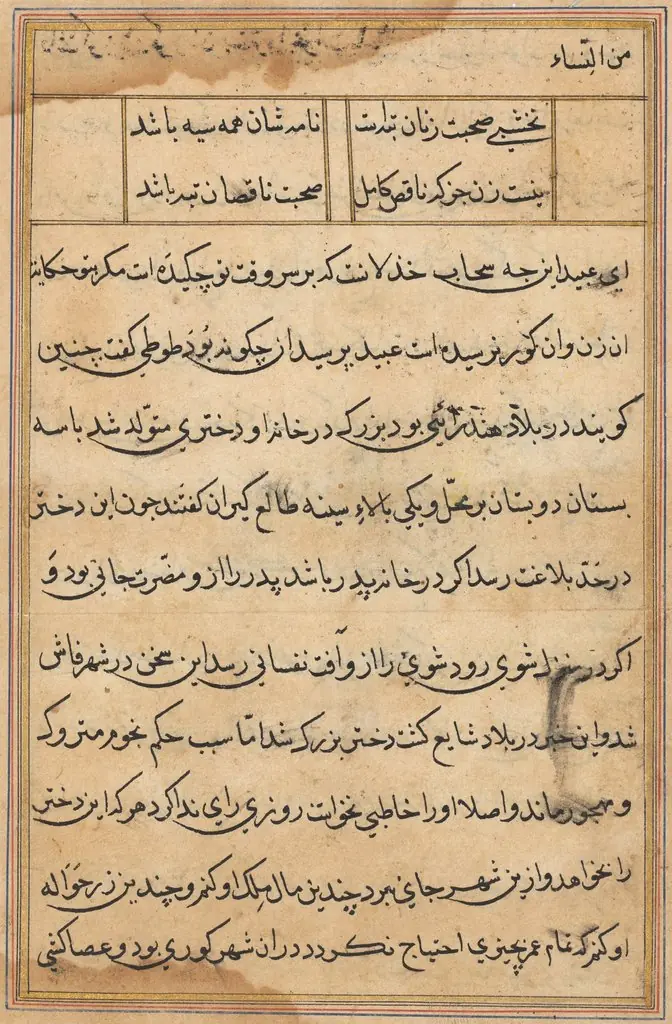
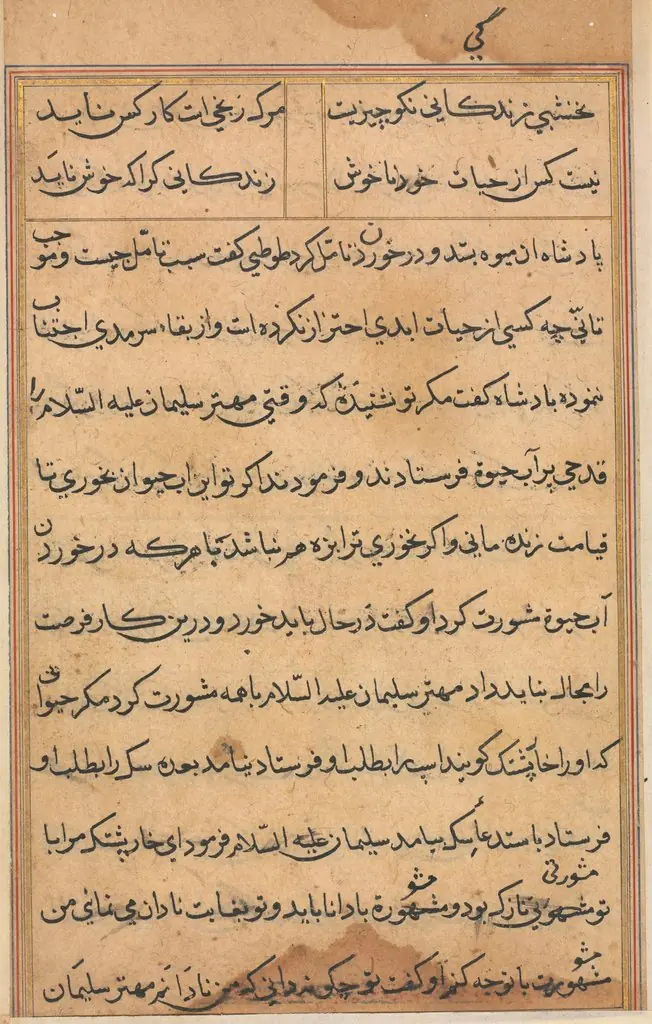
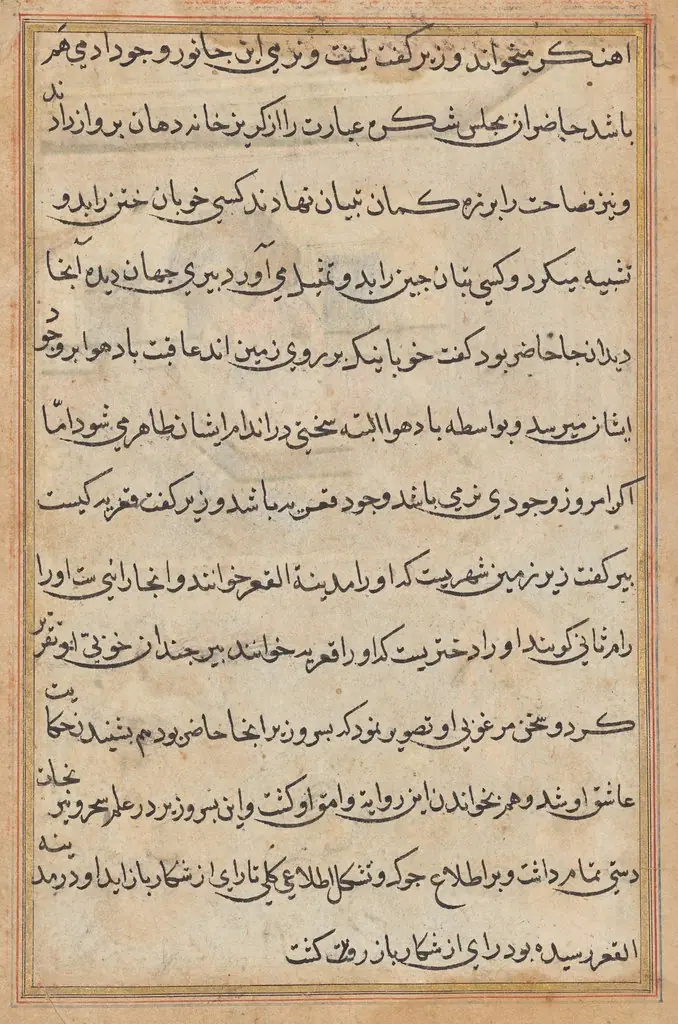
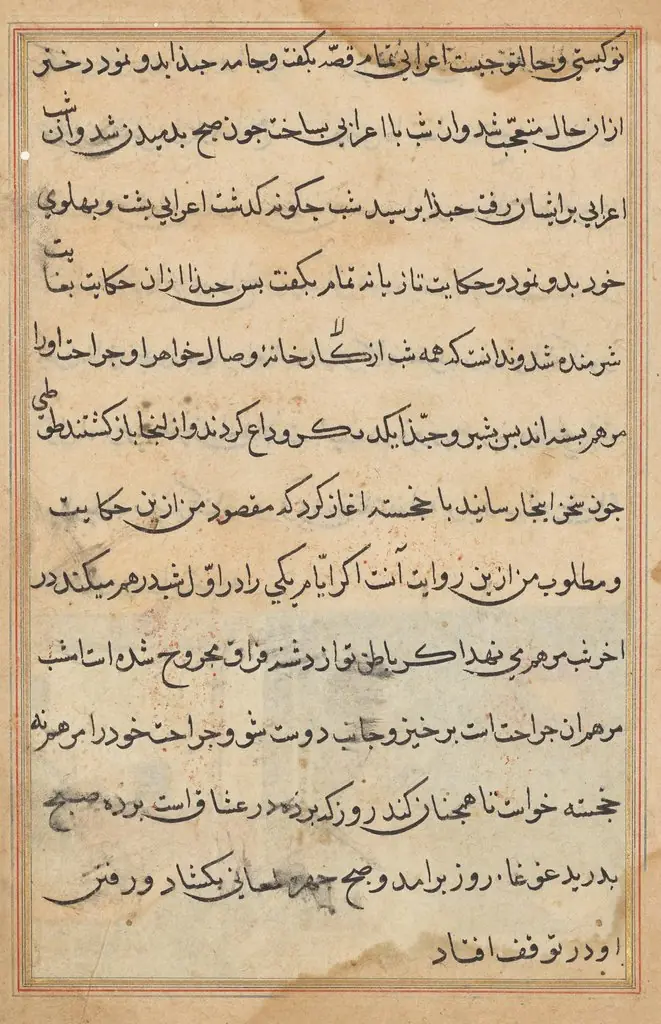
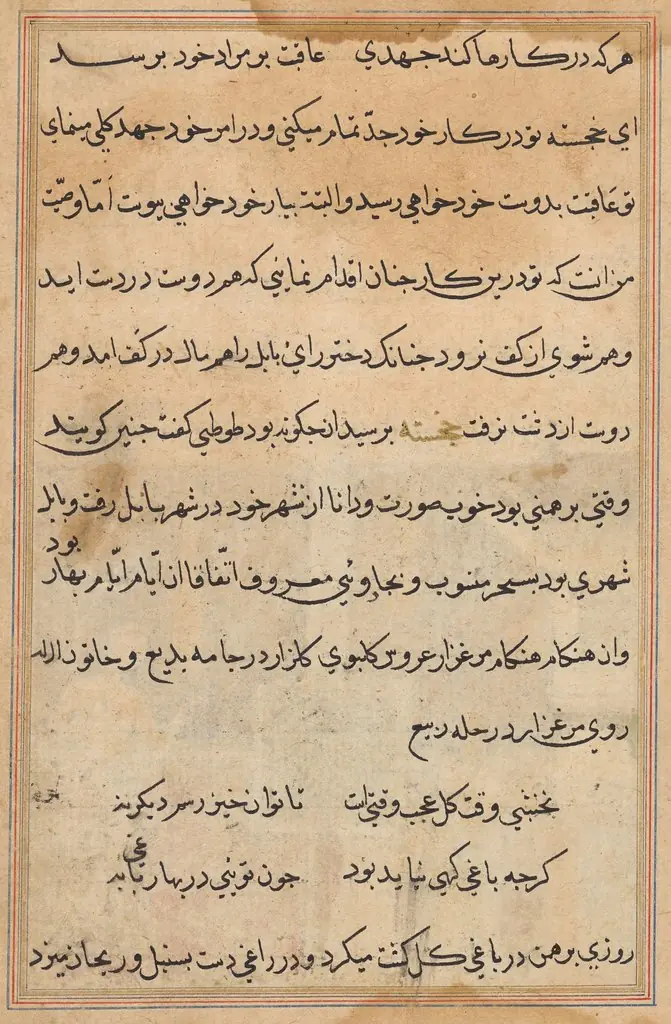
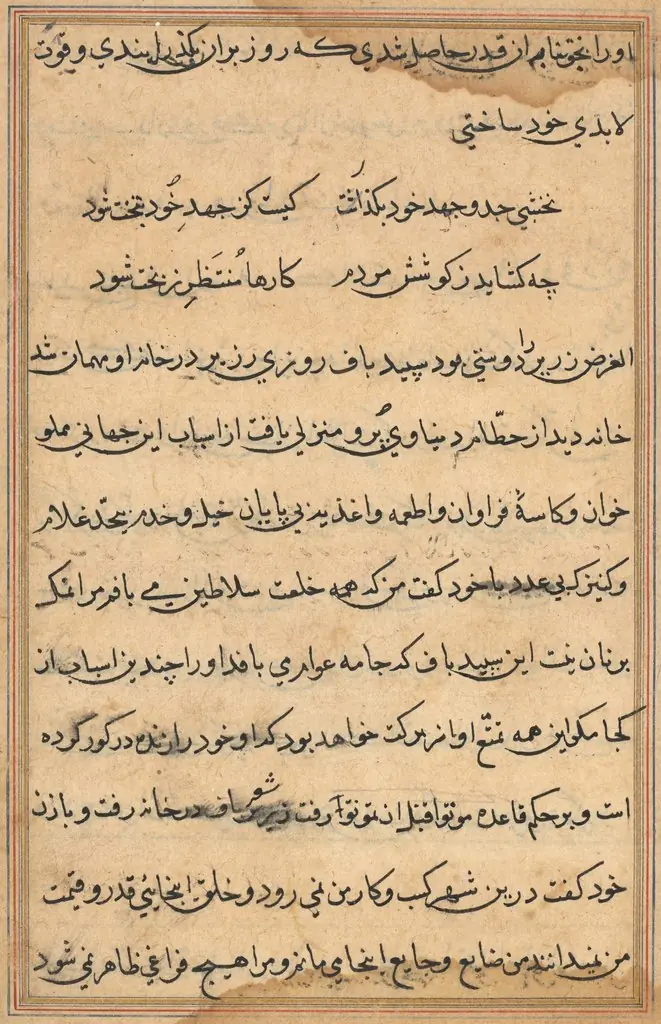
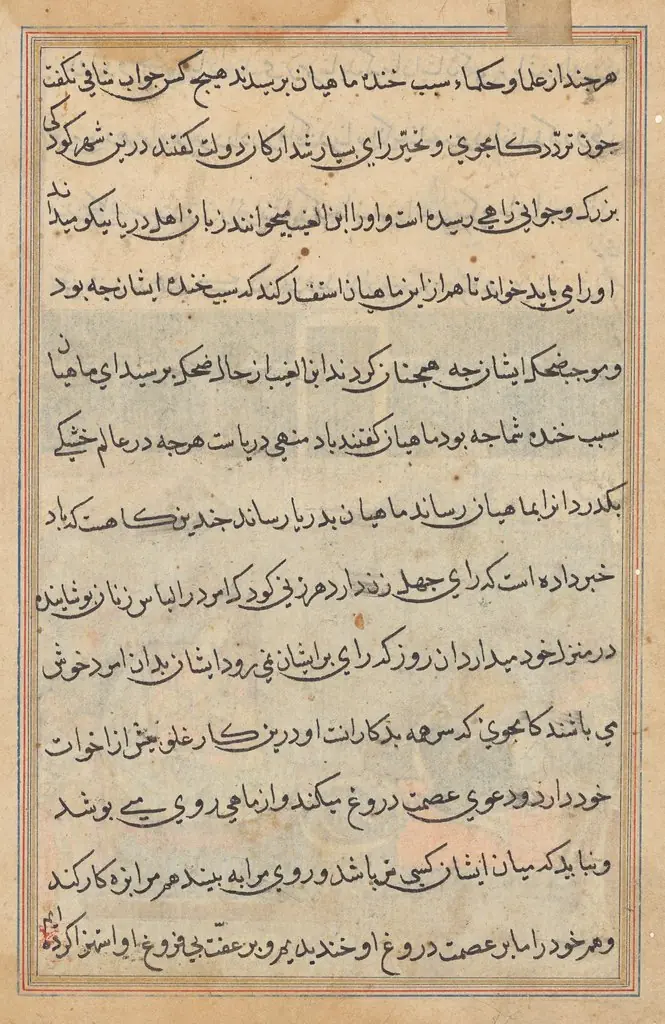
Page from Tales of a Parrot (Tuti-nama): text page is an unspecified painting. It dates from 1560 and is held in the collection of the Cleveland Museum of Art. This object is a single folio from the illustrated manuscript known as Tales of a Parrot (Tuti‑nama).
About this work
History & Provenance
The miniature originates from a Persian manuscript produced in the mid‑sixteenth century within the Mughal imperial context.
The miniature originates from a Persian manuscript produced in the mid‑sixteenth century within the Mughal imperial context. It was created circa 1560 as part of the illustrated work known as the Tuti‑nama, a collection of moral tales. The fragment remained in the custody of the Mughal court before entering the collection of the Cleveland Museum of Art, where it is catalogued under accession number 1962.279.179.a.
Its attribution to an anonymous painter reflects the workshop practice of the period, and the work is classified as a painting within the museum’s Indian sub‑continental holdings.
The painting from the Tuti-nama manuscript is housed in the Cleveland Museum of Art, accessioned under the identifier 1962.279.179.a. It has been part of the museum's collection since at least 1962 and was featured in the exhibition "Paintings from the Tuti-nama Manuscript" held at the museum in 1965.
Overview
This object is a single folio from the illustrated manuscript known as Tales of a Parrot (Tuti‑nama). Executed as a painted page, it consists of a sheet of slightly yellowed paper bearing dense black calligraphy arranged in neat rows. The page forms part of a larger codex that was produced for a princely patron.
Subject & Meaning
The text on the folio consists of a narrative excerpt from the Tuti‑nama, a collection of moral stories traditionally used for instruction. The presence of the dedication to Prince Salim indicates the manuscript’s role as a didactic gift, intended to convey ethical lessons to a young member of the court.
Technique & Style
The calligraphic script is rendered in a flowing black ink, each line carefully aligned to create a uniform appearance. Thin red and blue borders frame the text, adding a subtle decorative element. Small ink specks and smudges punctuate the surface, likely the result of the hand‑writing process rather than later damage.
Context
Tales of a Parrot belongs to a tradition of Persian and South Asian moral literature that blended storytelling with visual embellishment. Such manuscripts were often produced in courtly workshops, employing skilled scribes and painters to produce texts that were both instructive and aesthetically refined.
Legacy
The surviving pages, including this one, provide insight into the material culture of manuscript production for princely patrons. Their preservation in a major museum allows researchers to study the interplay of text, decoration, and patronage in pre‑modern literary art.
Artist & collection

 Page from Tales of a Parrot (Tuti-nama): text page
 Page from Tales of a Parrot (Tuti-nama): text page
 Page from Tales of a Parrot (Tuti-nama): text page
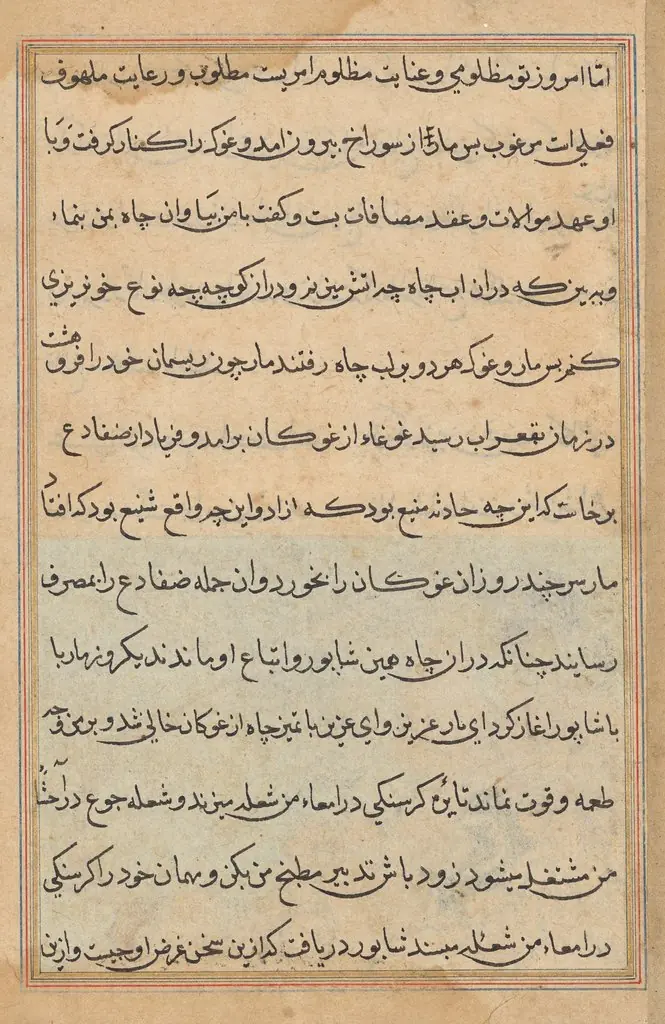 Page from Tales of a Parrot (Tuti-nama): text page
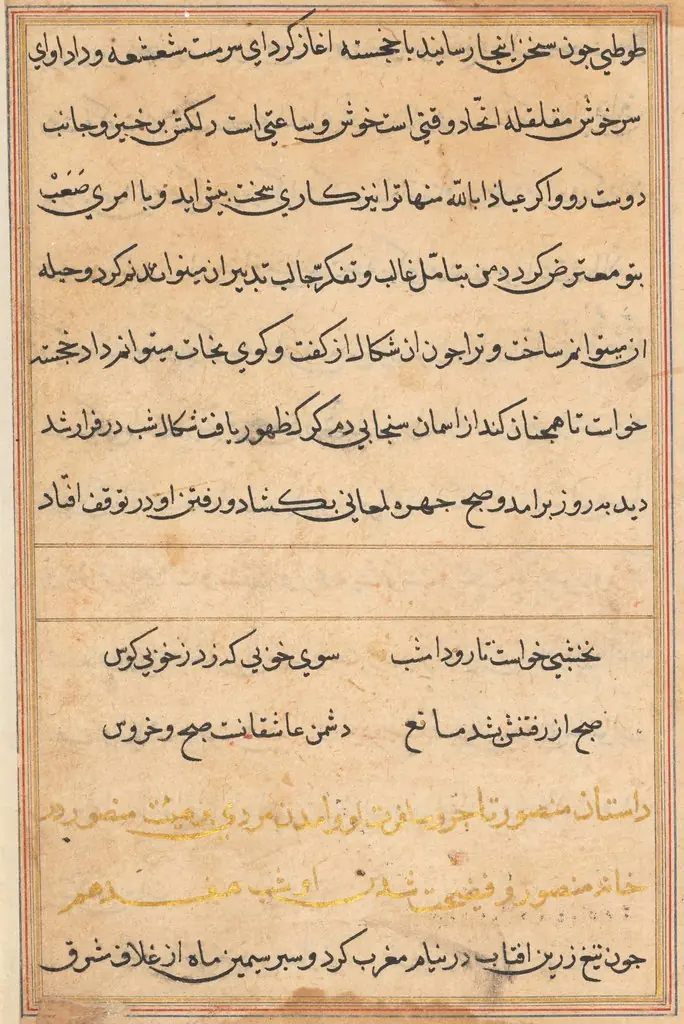 Page from Tales of a Parrot (Tuti-nama): text page
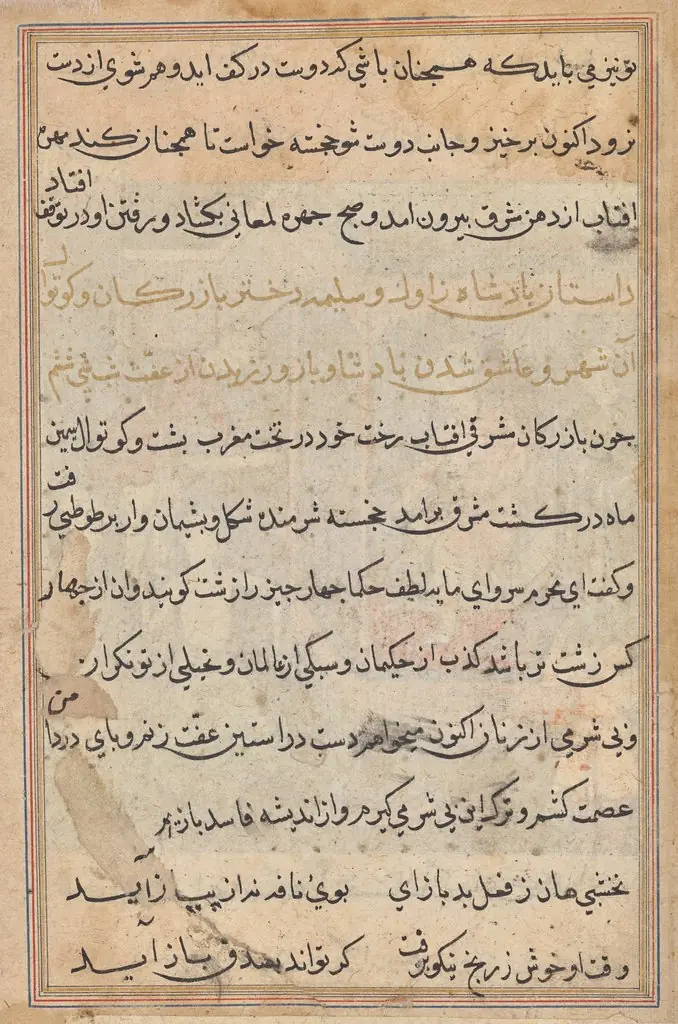 Page from Tales of a Parrot (Tuti-nama): text page
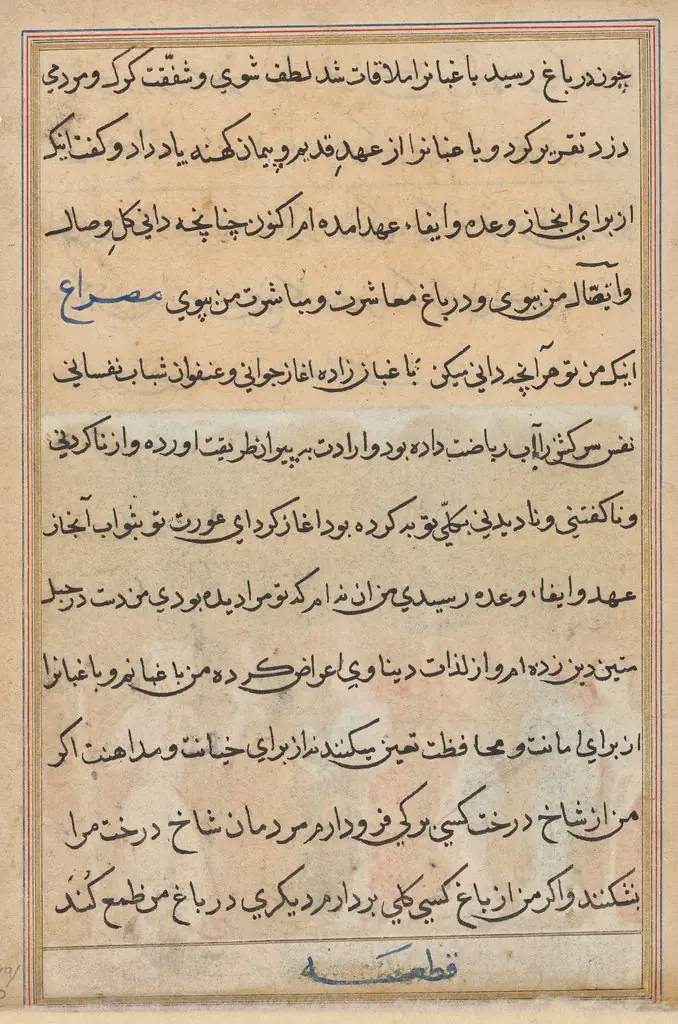 Page from Tales of a Parrot (Tuti-nama): text page
 Page from Tales of a Parrot (Tuti-nama): text page