Artist
Movement
Mughal Painting is an art movement dating from 1550. The gallery holds 2,004 works in this movement, including works by The Kota Master, Chokha and Seu Family. Browse Mughal Painting paintings, portraits, pictures and artworks from the world's public-domain museum collections.
Mughal painting is the courtly art of the Mughal Empire that ruled much of South Asia from the 16th to the 18th centuries. Its foundations were laid when the second emperor, Humayun, in exile at the Safavid court of Shah Tahmasp, recruited two Persian masters, Mir Sayyid Ali and Abd al-Samad, and brought them to Delhi around 1555. Under his son Akbar (r. 1556–1605) the tradition was institutionalized in an imperial atelier, the Tasvir Khana, where Persian refinement fused with vigorous Indian observation and, increasingly, European pictorial devices. The result was a distinctly hybrid school: cosmopolitan, secular in its appetites, and bound to the person and ambitions of the emperor.
The style is best known for its jewel-like miniatures—small, intensely detailed paintings in opaque watercolour and gold on paper, often bound into illustrated manuscripts or albums (muraqqas). Mughal painters prized naturalism: convincing portraits, dynamic battle and hunt scenes, court ceremonies, and meticulous natural-history studies of birds, beasts, and flowers. From European prints they absorbed modelling, atmospheric recession, and perspective, which they grafted onto the bright palette and fine line of the Persian tradition. Works were typically produced collaboratively, a master designer setting the composition while specialists handled colouring and individual portrait likenesses.
The roster of artists is unusually well documented. Akbar's vast projects—the Hamzanama and the Akbarnama among them—employed celebrated painters such as Daswanth and Basawan, the latter admired for psychological depth and command of European modelling. Under the connoisseur-emperor Jahangir (r. 1605–1627) the atelier shrank to roughly thirty masters and quality eclipsed quantity. Abu'l Hasan, honoured as Nadir al-Zaman ("Wonder of the Age"), produced refined allegorical portraits; Ustad Mansur won fame for exquisite studies of plants and animals; Bishandas was praised by the emperor as unrivalled in portraiture; and Manohar, Basawan's son, became a leading portraitist in his own right.
Mughal painting reached a sumptuous peak of formal grandeur under Shah Jahan before contracting under Aurangzeb, whose waning patronage scattered court artists to provincial workshops. That dispersal proved generative: Mughal naturalism reshaped the neighbouring Rajput and Pahari schools and, in the colonial era, fed the hybrid "Company painting" made for British patrons. Today these miniatures are recognized as one of the great achievements of early-modern art, their fusion of Persian, Indian, and European vision still studied as a model of cross-cultural synthesis.
 Untitled
 Untitled
 Untitled
 Untitled
 Untitled
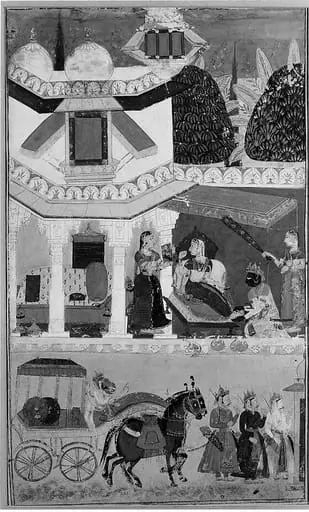 Untitled
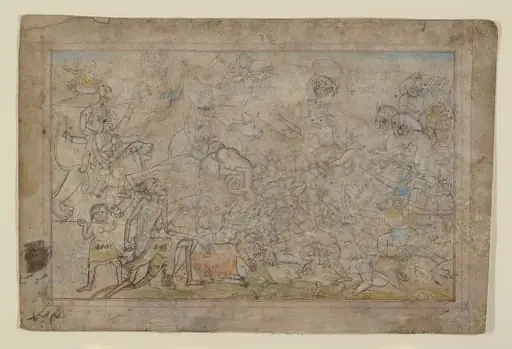 Untitled
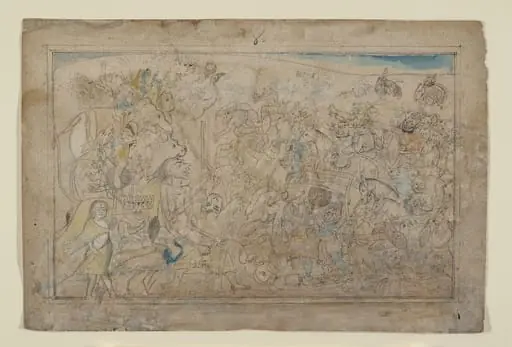 Untitled
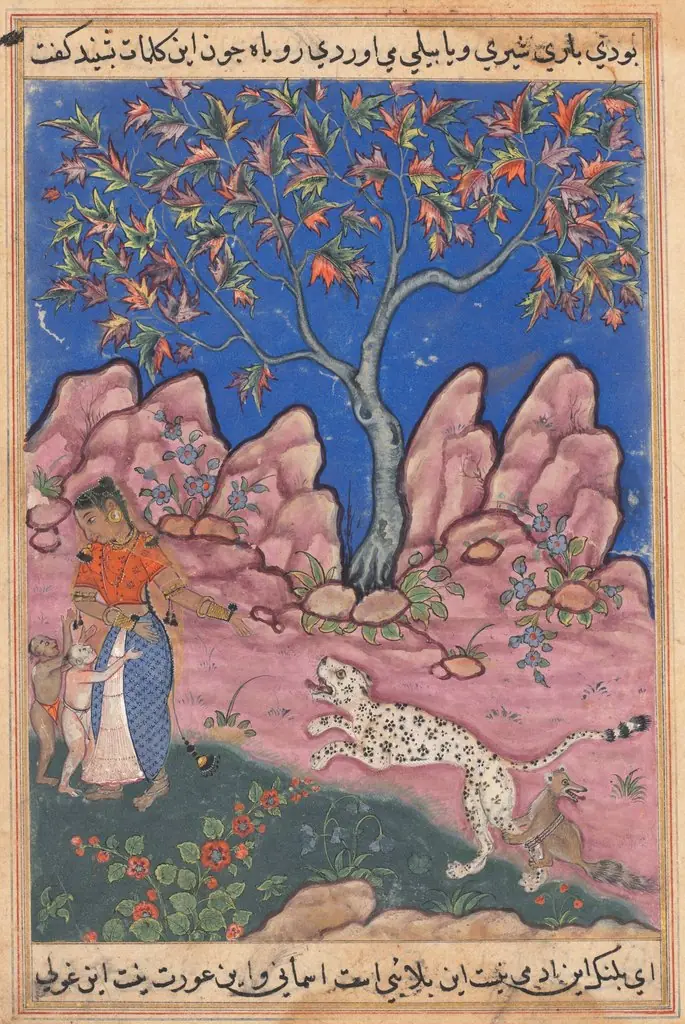 The woman conversing with her children, as the leopard returns, egged on by a fox who is tied to his leg, from a Tuti-nama (Tales of a Parrot): Thirtieth Night
 Untitled
 Untitled
 Untitled
 Untitled
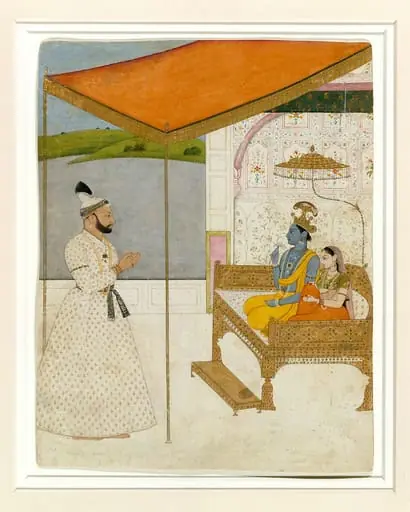 Untitled
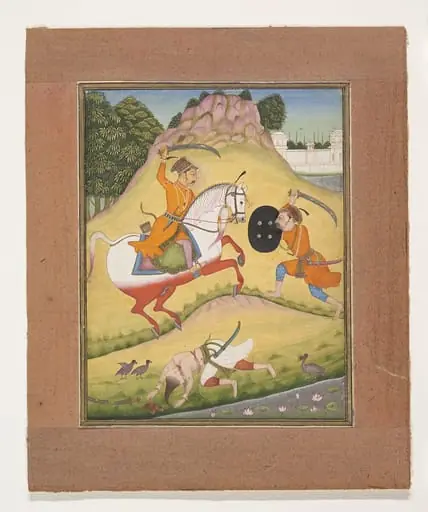 Untitled
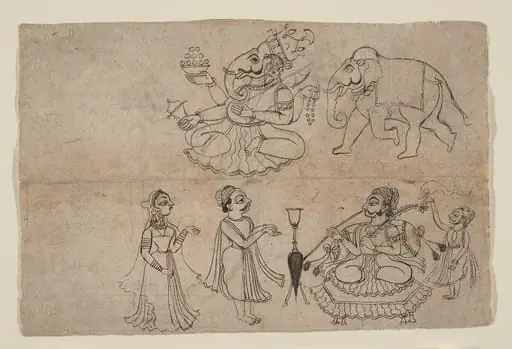 Untitled
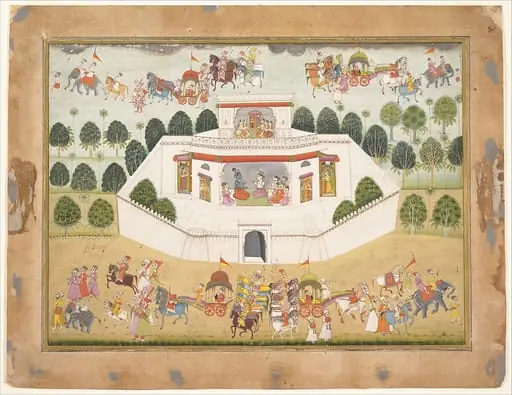 Untitled
 Untitled
 Untitled
 Untitled
 Untitled
 Untitled
 Untitled
 Untitled
 Untitled
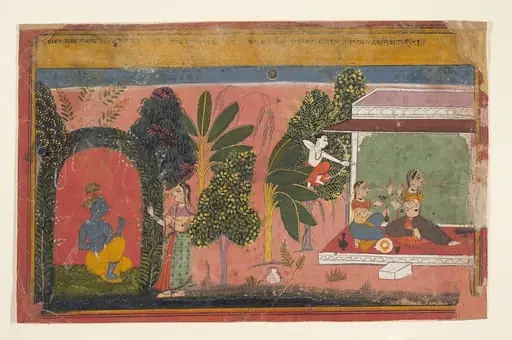 Untitled
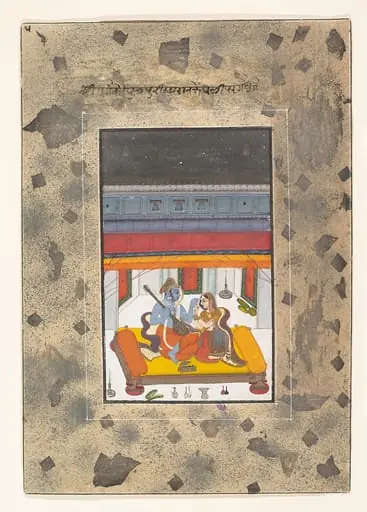 Untitled
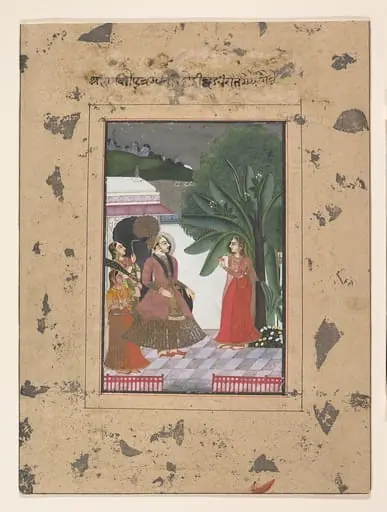 Untitled
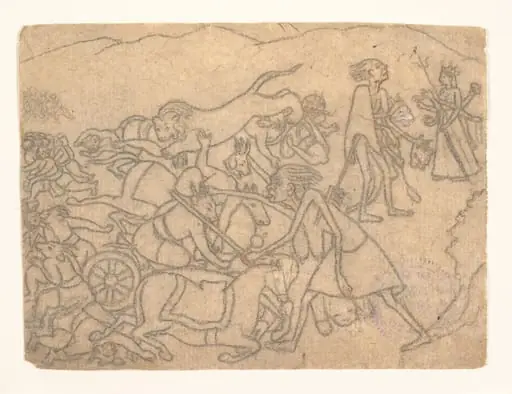 Untitled
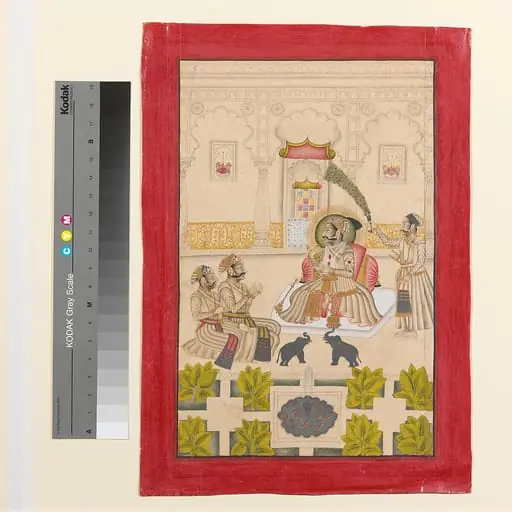 Untitled
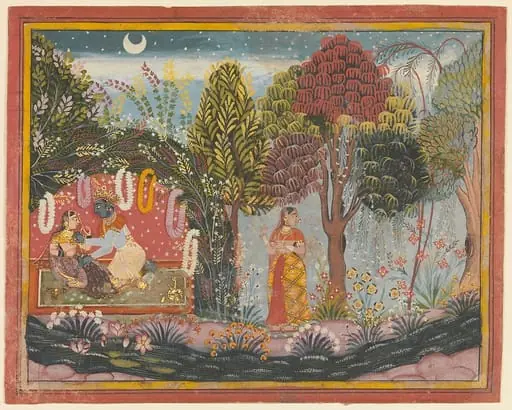 Untitled
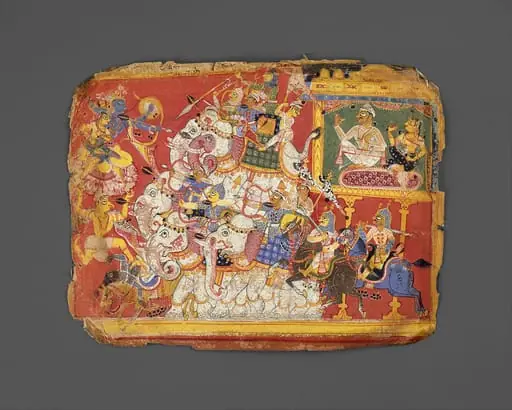 Untitled
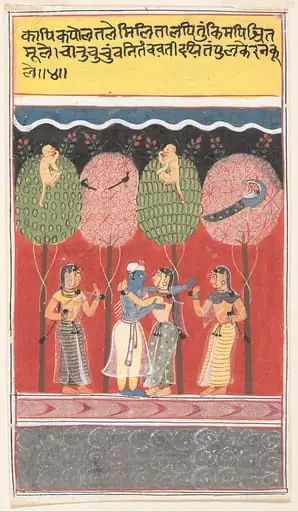 Untitled
 Untitled
 Untitled
 Untitled
 Untitled
 Untitled
 Untitled
 Untitled
 Untitled
 Untitled
 Untitled
 Untitled
 Untitled
 Untitled
 Untitled
 Untitled
 Untitled
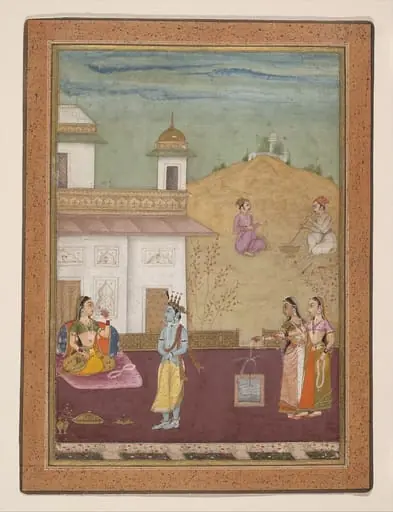 Untitled
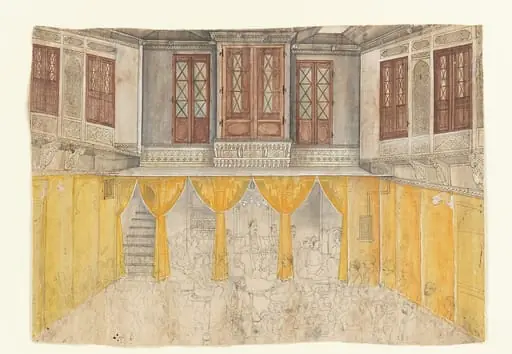 Untitled
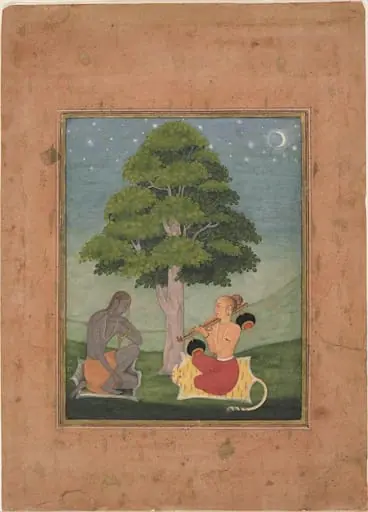 Untitled
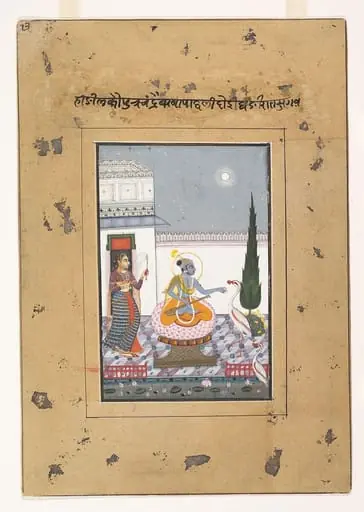 Untitled
 Untitled
 Untitled
 Untitled
 Untitled
 Untitled
 Untitled
 Untitled
 Untitled
 Untitled
 Untitled
 Untitled
 Untitled
 Untitled
 Untitled
 Untitled
 Untitled
 Untitled
 Untitled
 Untitled
 Untitled
 Untitled
 Untitled
 Untitled
 Untitled
 Untitled
 Untitled
 Untitled
 Untitled
 Untitled
 Untitled
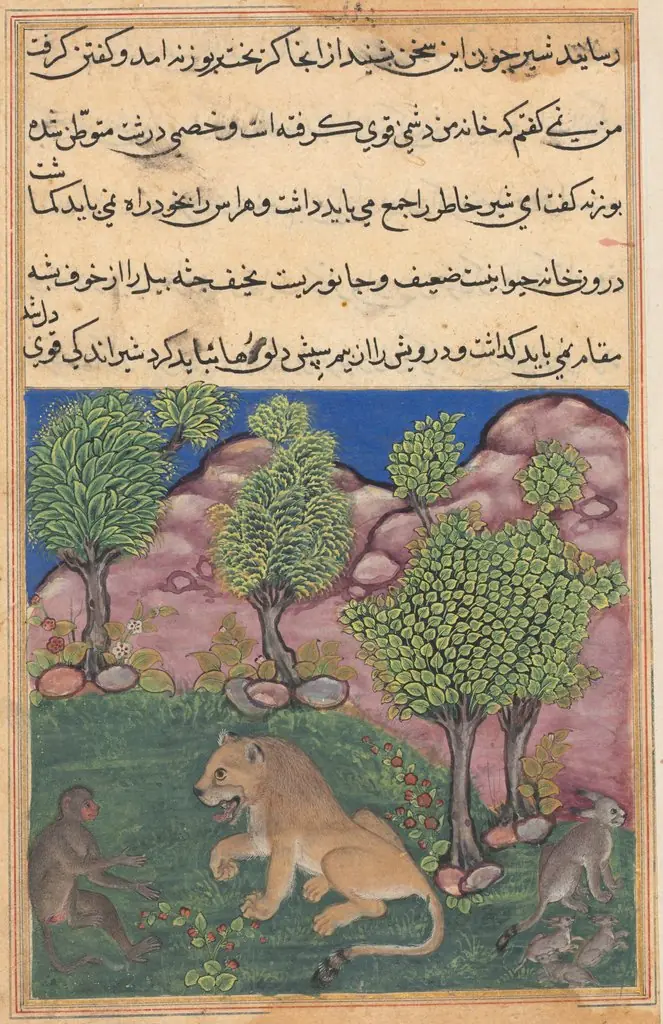 The monkey advises the suspicious lion to cast off fear and take possession of his territory, from a Tuti-nama (Tales of a Parrot): Twenty-ninth Night
 Untitled
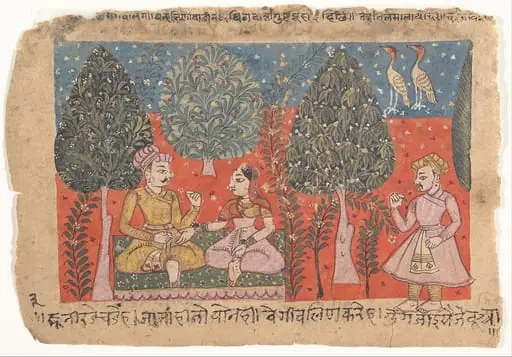 Untitled
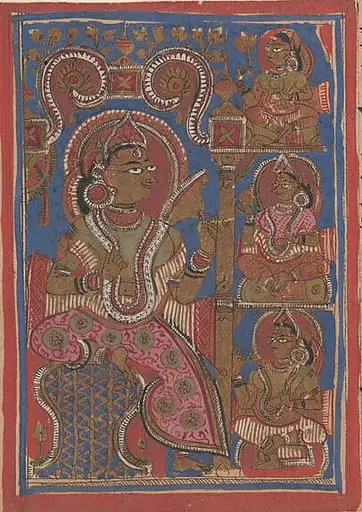 Untitled
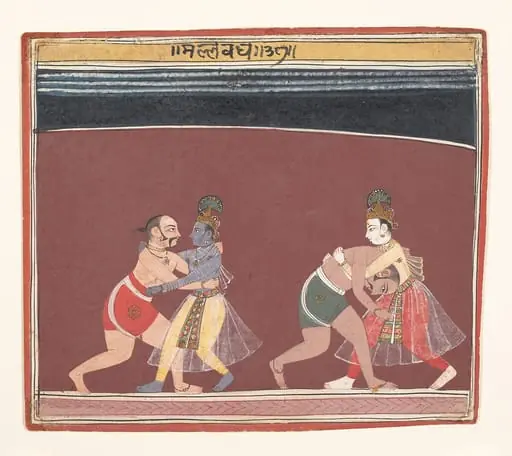 Untitled
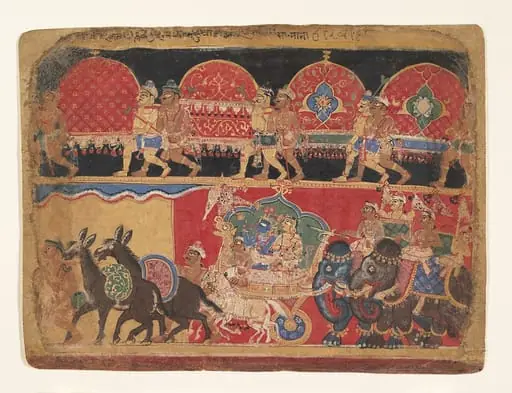 Untitled
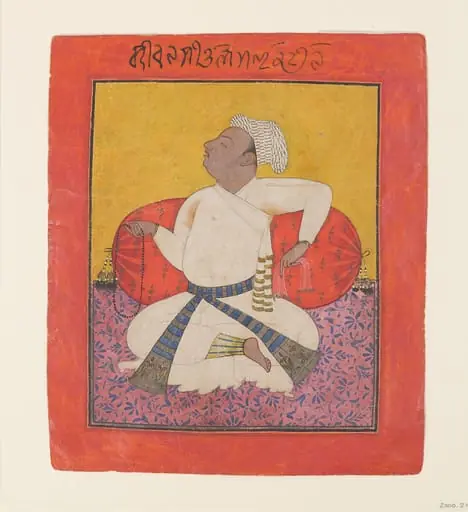 Untitled
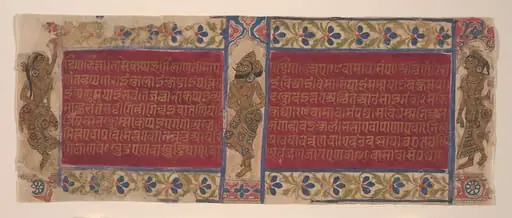 Untitled
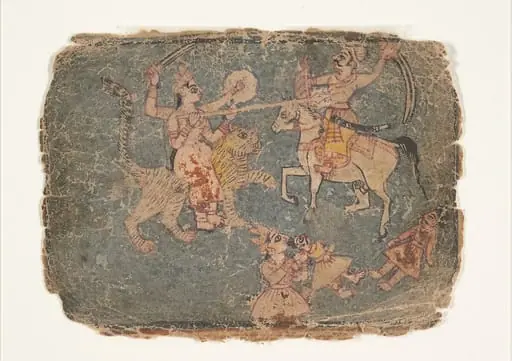 Untitled
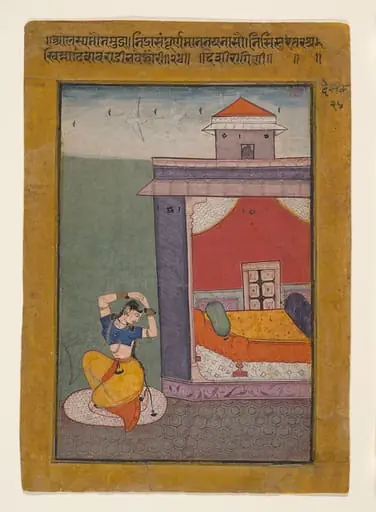 Untitled
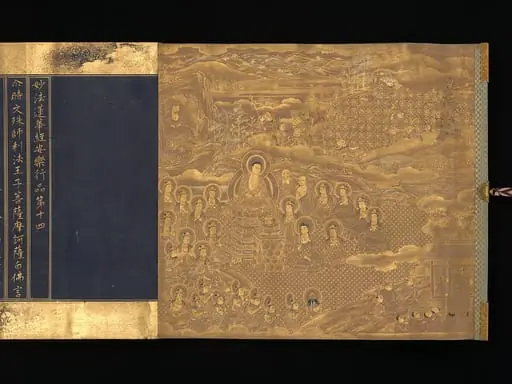 「提婆達多品」 「安楽行品」 『(法華経)』|Lotus Sutra, Chapters 12 and 14
 Untitled
 Untitled
 Untitled
 Untitled
 Untitled
 Untitled
 Untitled
 Untitled
 Untitled
 Untitled
 Untitled
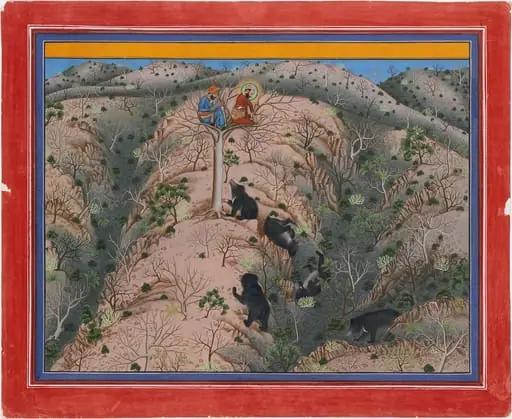 Untitled
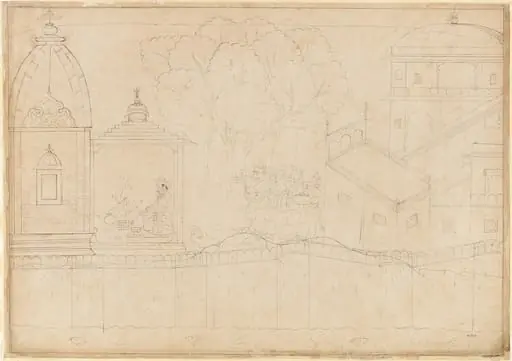 Untitled
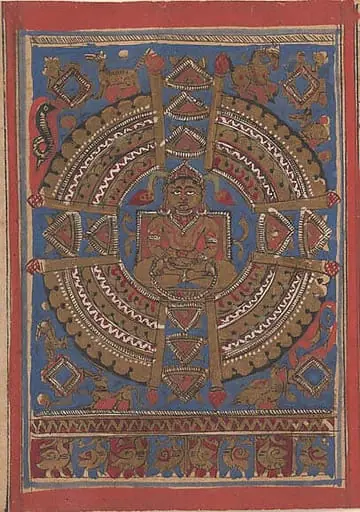 Untitled
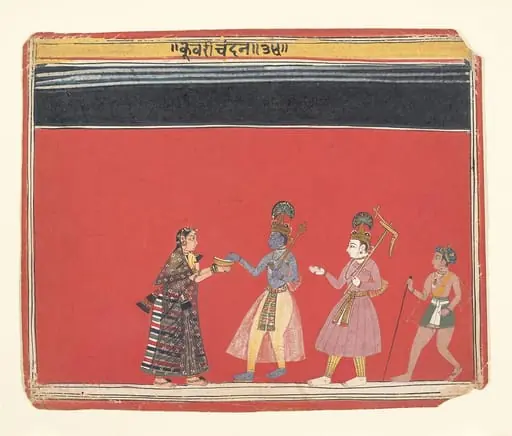 Untitled
 Untitled
 Untitled
 Untitled
 Untitled
 Untitled
 Untitled
 Untitled
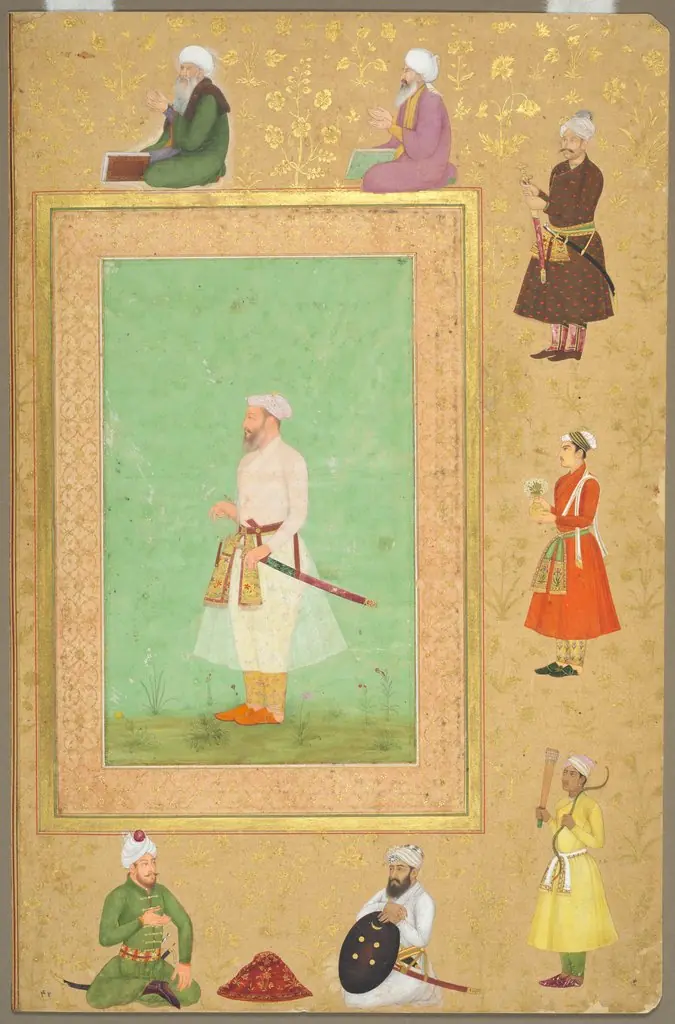 Portrait of Asaf Khan (1569–1641), from the Late Shah Jahan Album
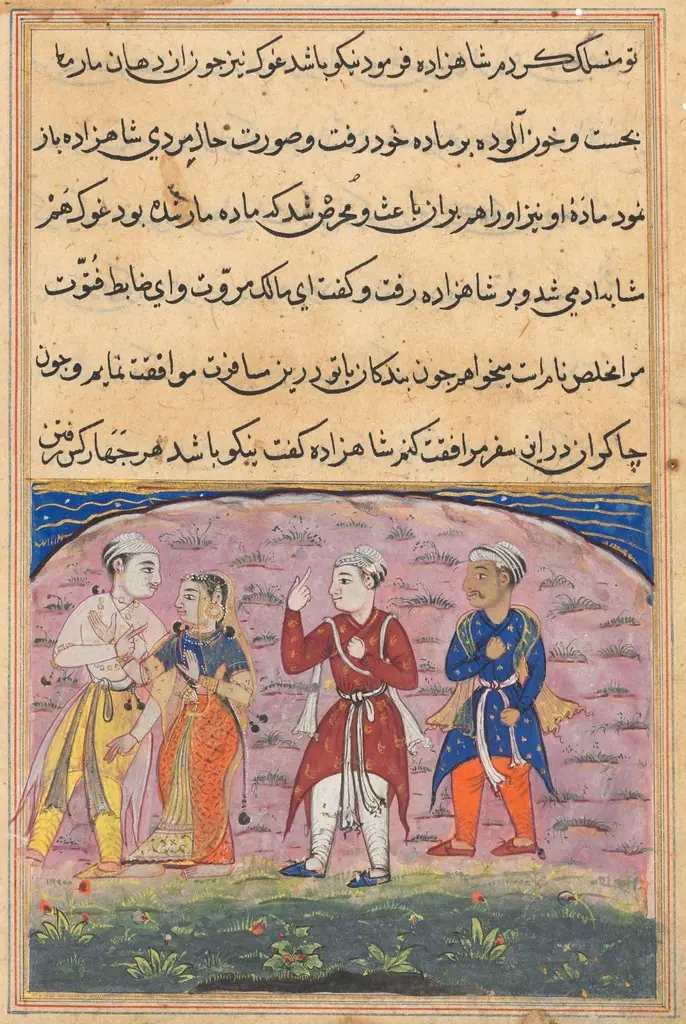 The prince and Nikfal are joined by Khalis and the Mukhlis who are the grateful snake and frog in human form, from a Tuti-nama (Tales of a Parrot): Eighteenth Night
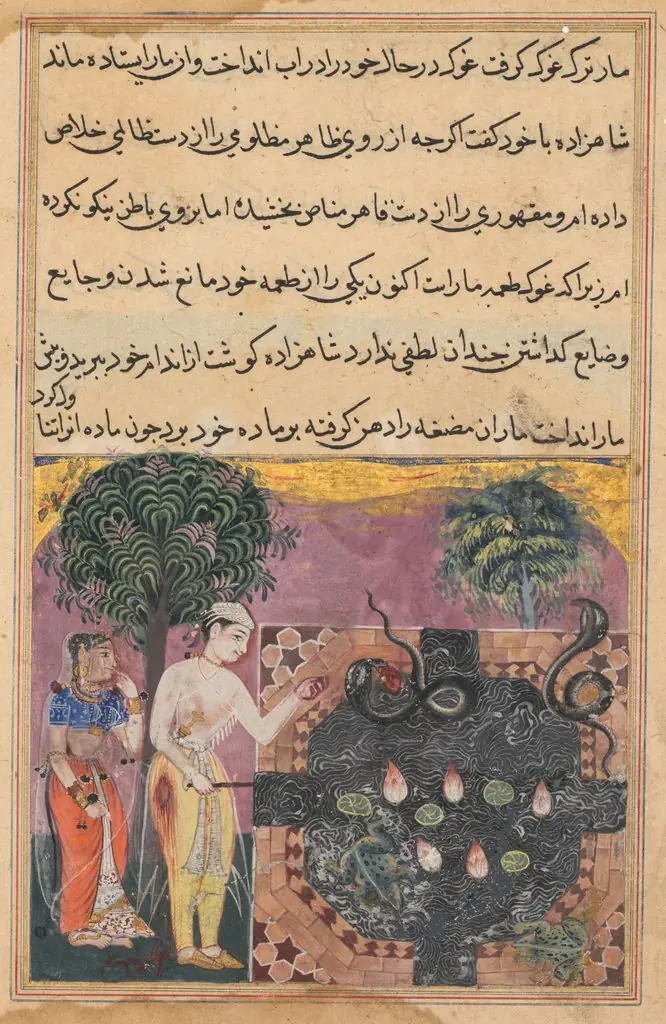 The prince, having deprived the snake of its natural food, a frog, feeds it with a piece of his own flesh, from a Tuti-nama (Tales of a Parrot): Eighteenth Night
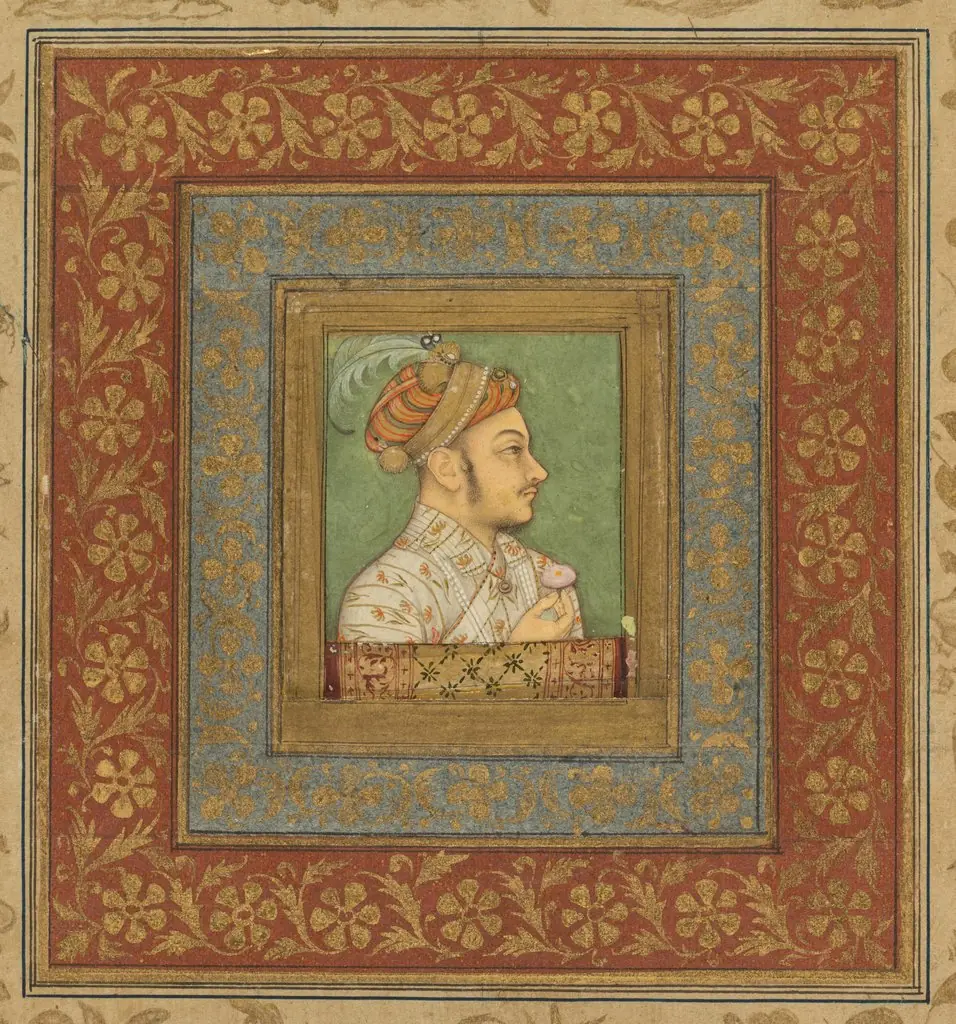 Portrait of Murad Bakhsh (1624–61)
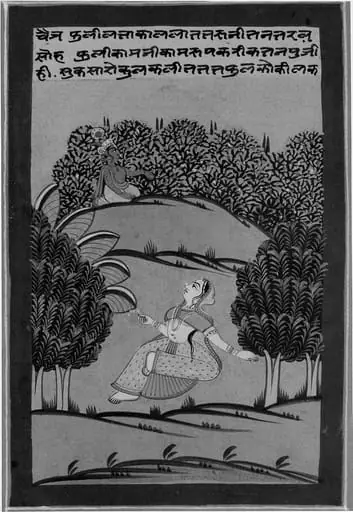
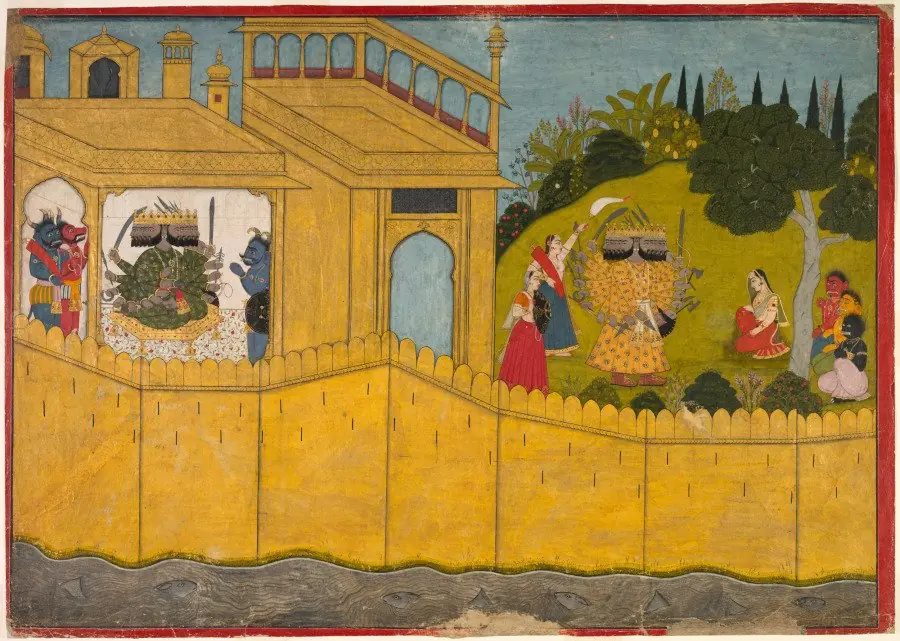 Ravana addresses Sita in the garden of Lanka, from Chapters 53 and 54 of the Aranya Kanda (Book of the Forest) of a Ramayana (Rama’s Journey)
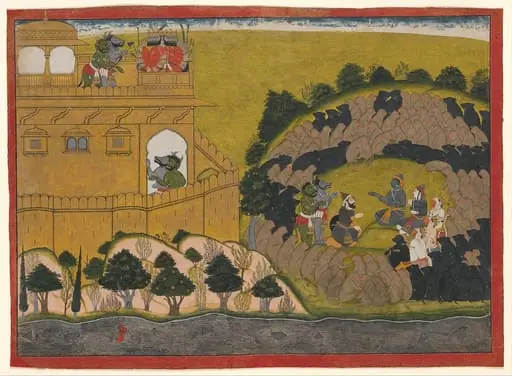
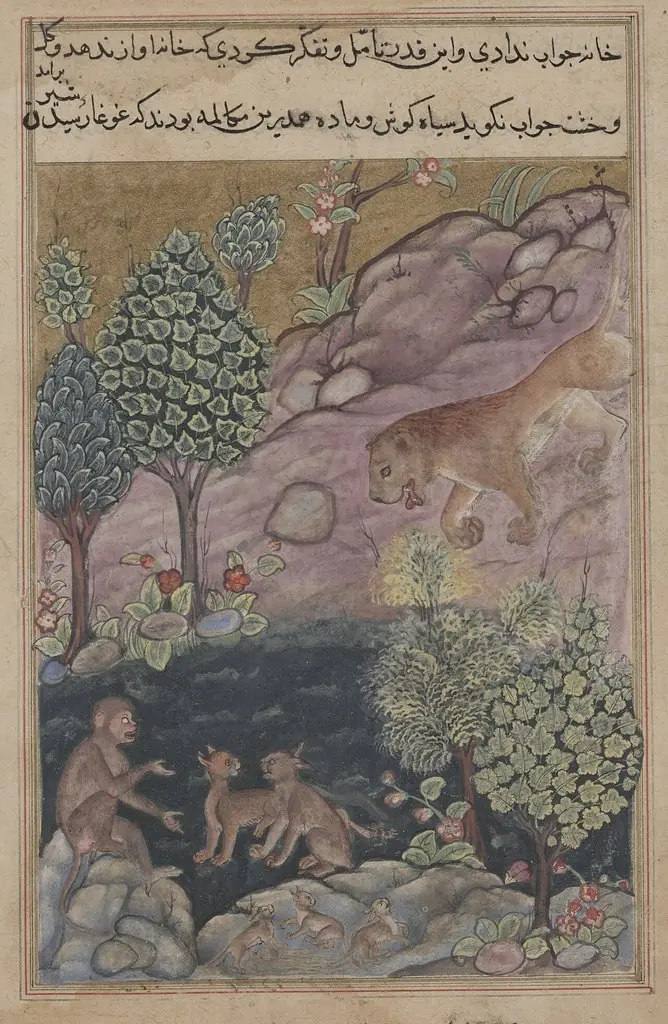 The lion returns to his territory and sees the monkey conversing with the lynx, from a Tuti-nama (Tales of a Parrot): Twenty-ninth Night
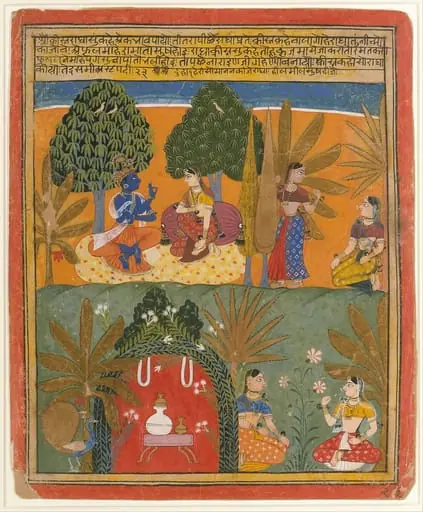
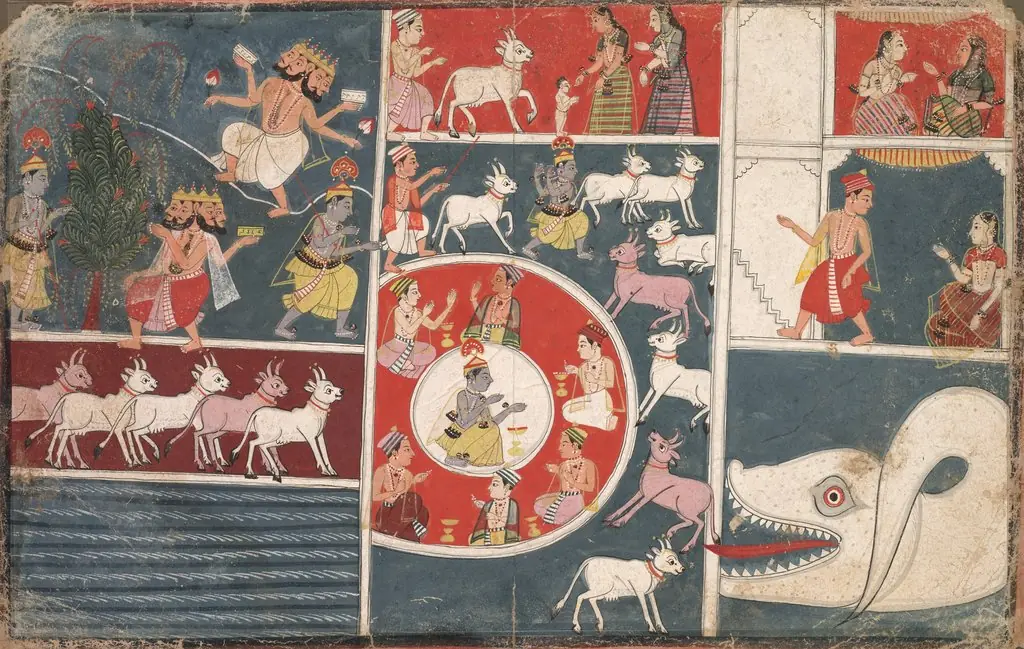 Krishna Playing the Flute and other Episodes from the Bhagavata Purana
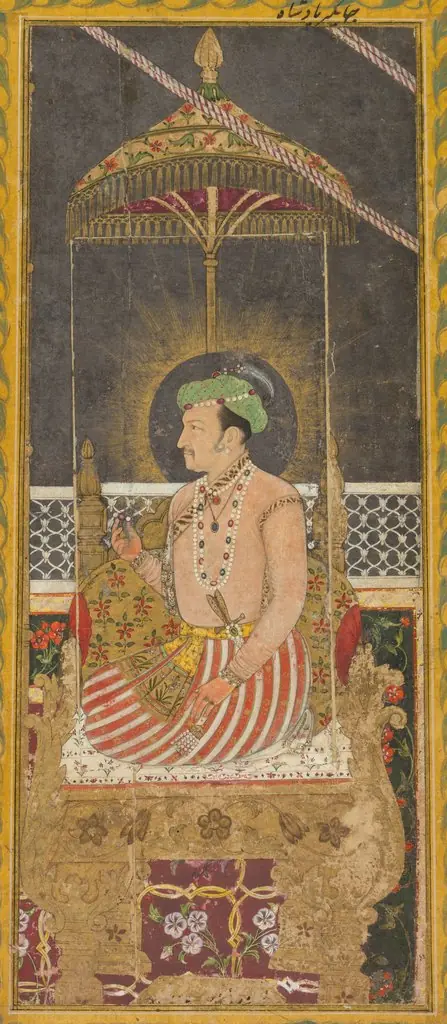 Posthumous portrait of Emperor Jahangir under a canopy (recto); Calligraphy (verso)
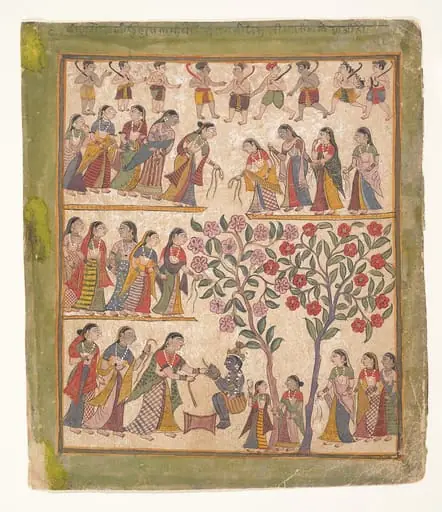
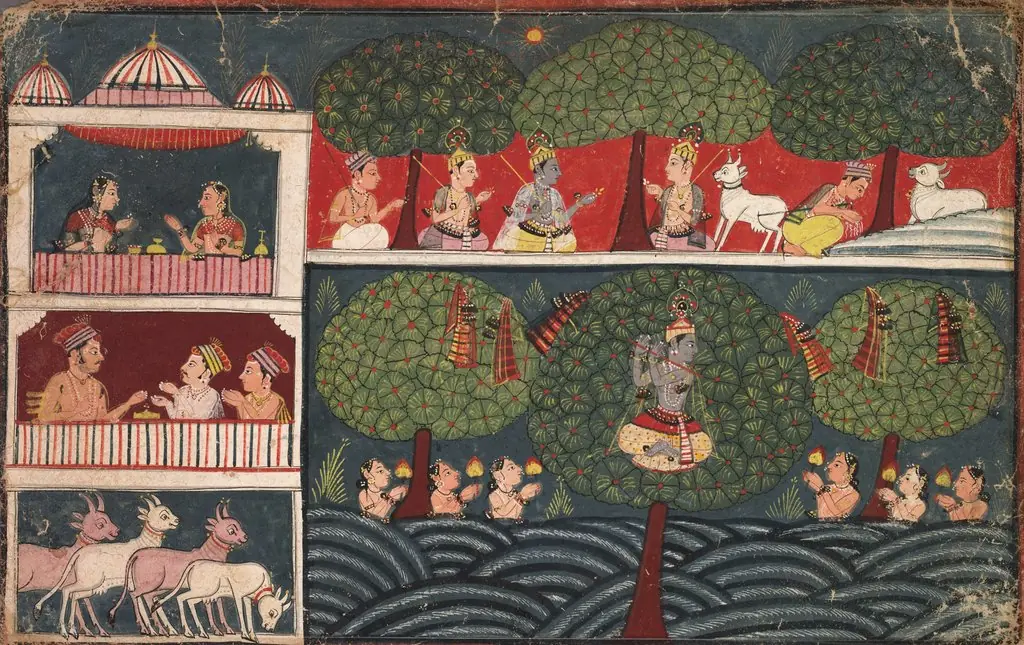 Krishna Steals the Clothes of the Milkmaids and Expounds on the Virtue of Trees, from a Braj Bhagavata Purana
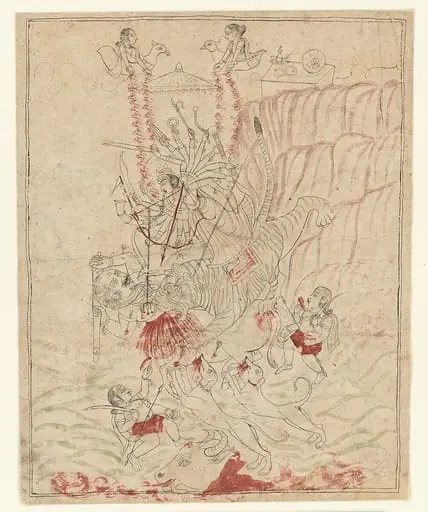
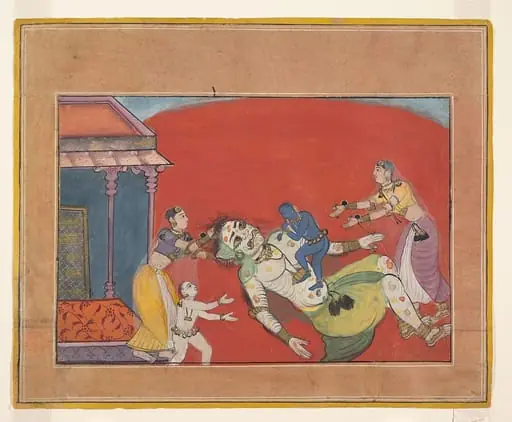
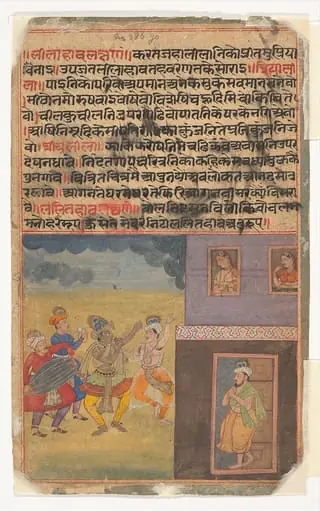
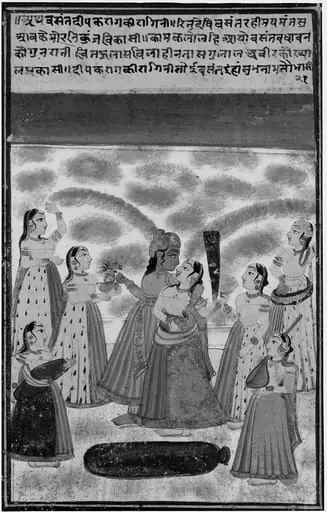
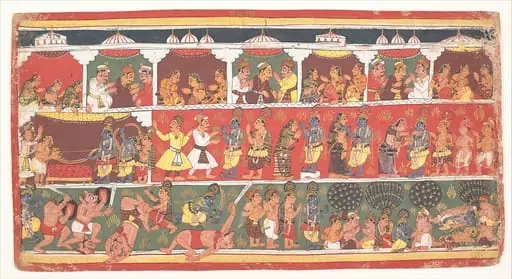
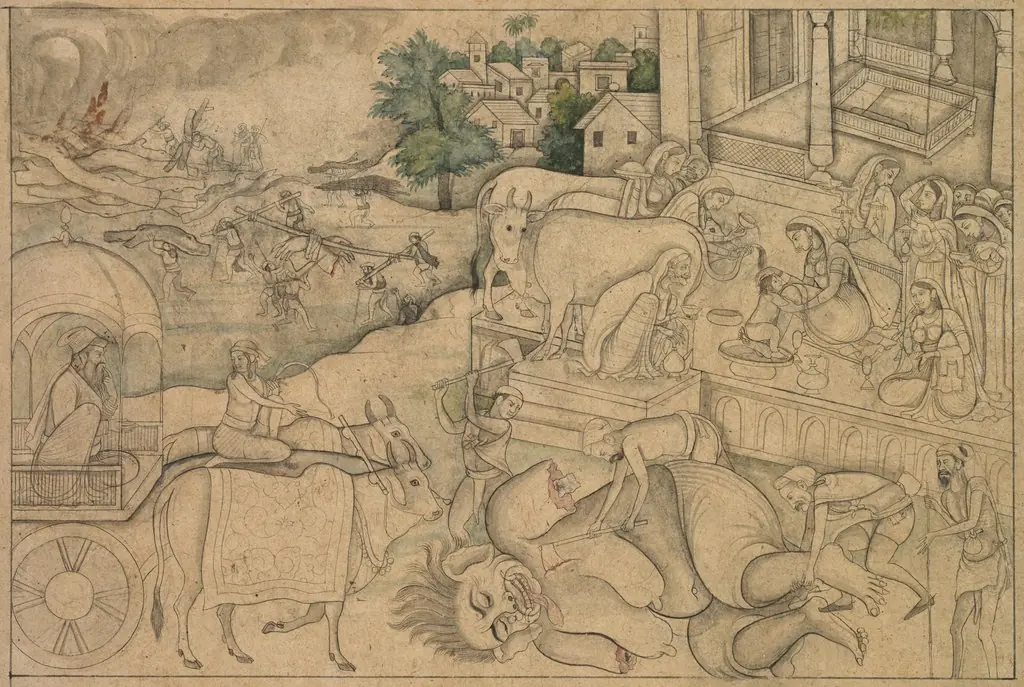 Cremation of the Demoness Putana, from a Krishna-Lila
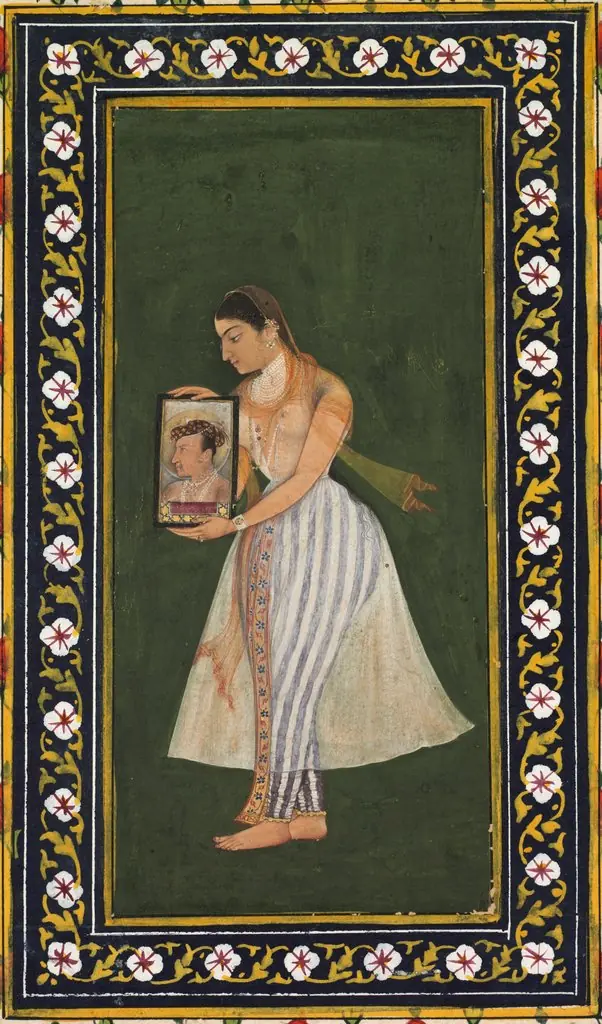 Nur Jahan holding a portrait of Emperor Jahangir
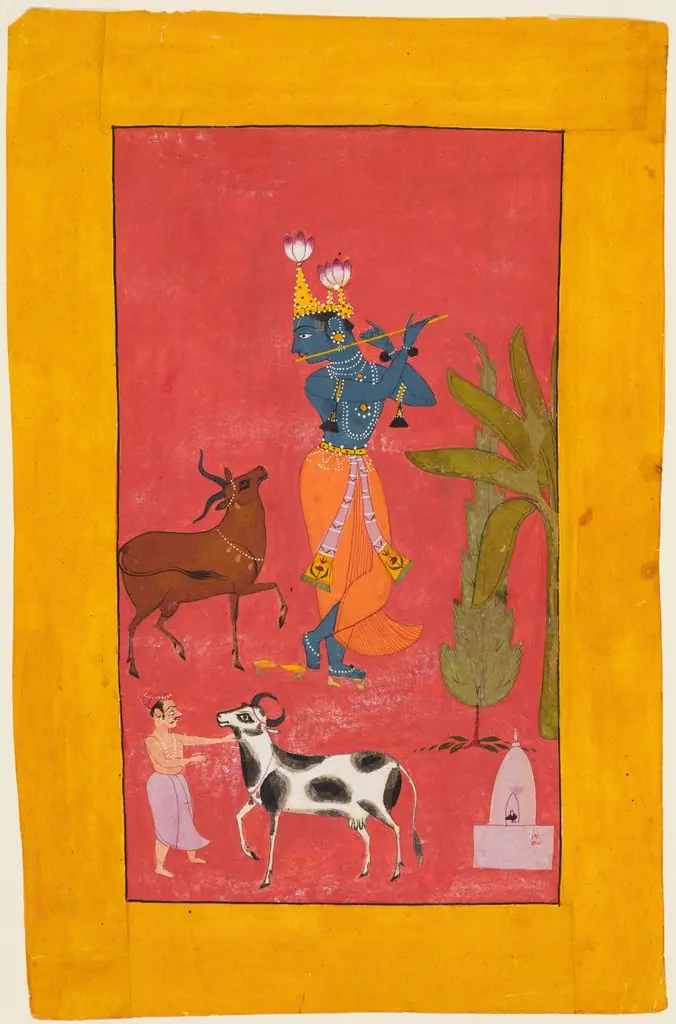 Krishna Fluting
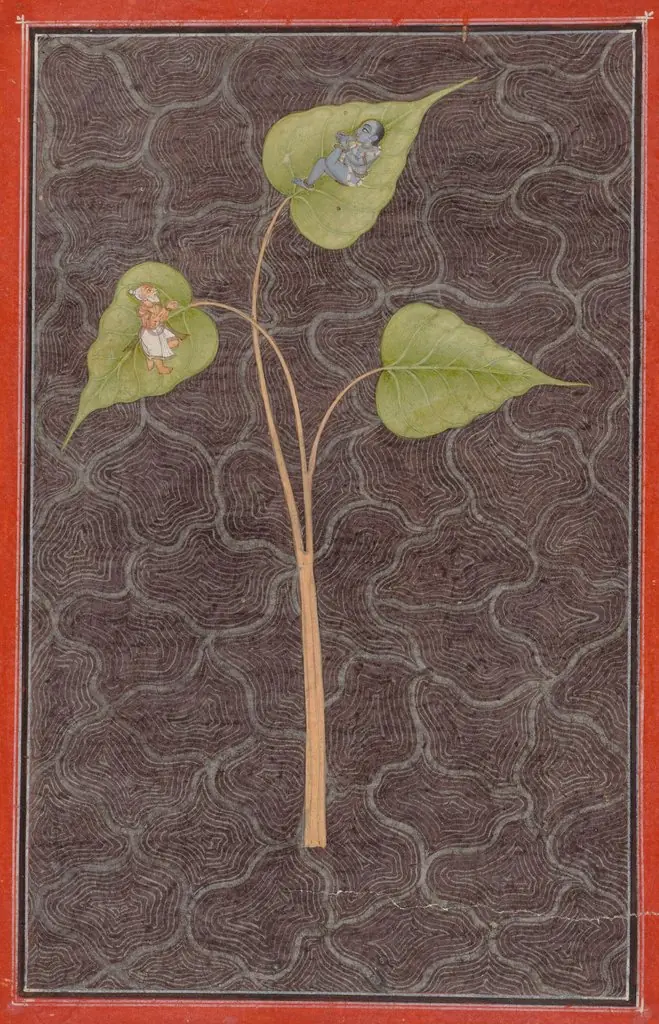 Markandeya Viewing Krishna in the Cosmic Ocean
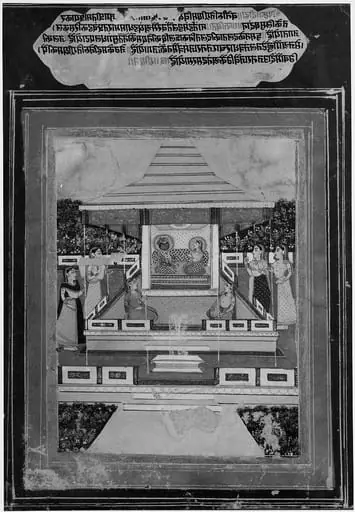
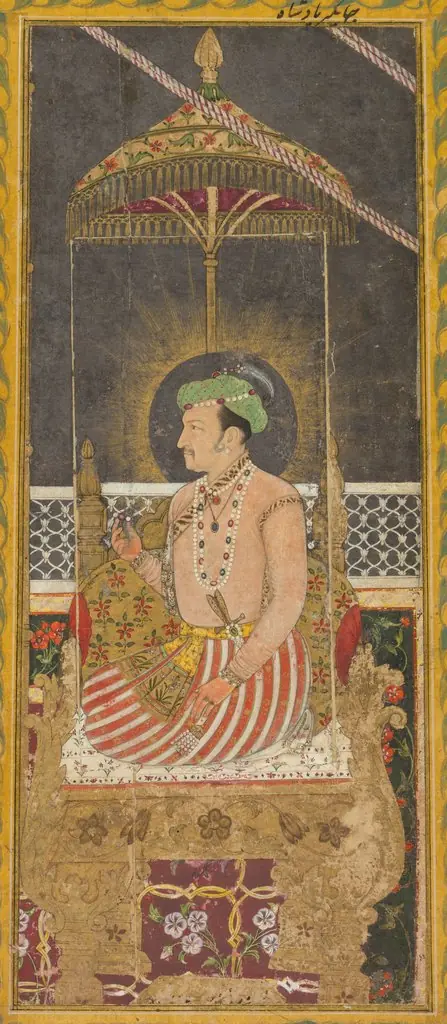 Posthumous portrait of Emperor Jahangir under a canopy (recto)
 Untitled
 Untitled
 Untitled
 Untitled
 Untitled
 Untitled
 Untitled
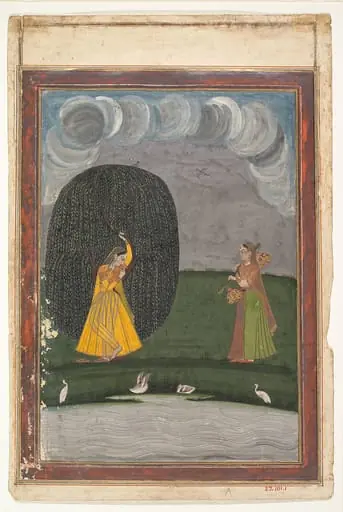 Untitled
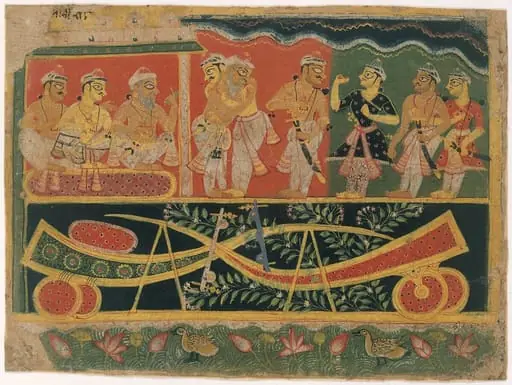 Untitled
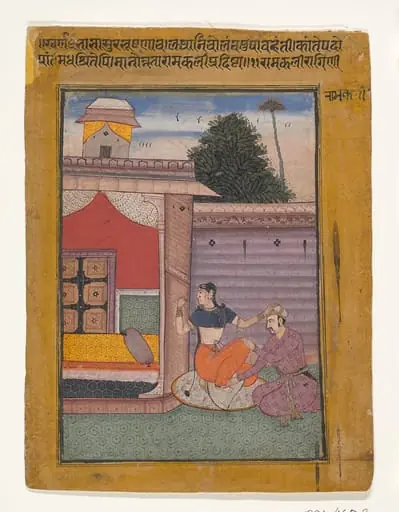 Untitled
 Untitled
 Untitled
 Untitled
 Untitled
 Untitled
 Untitled
 Untitled
 Untitled
 Untitled
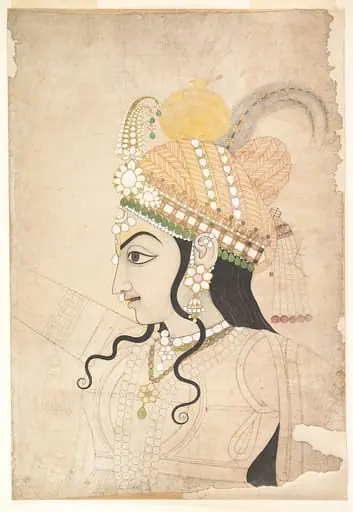 Untitled
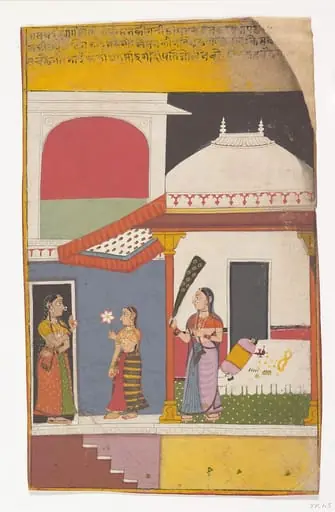 Untitled
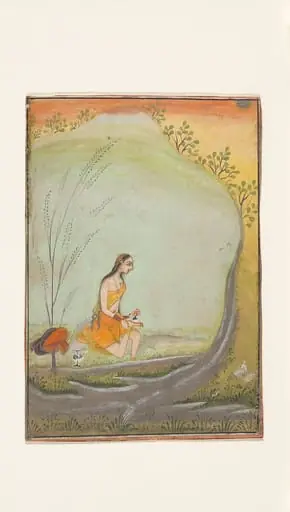 Untitled
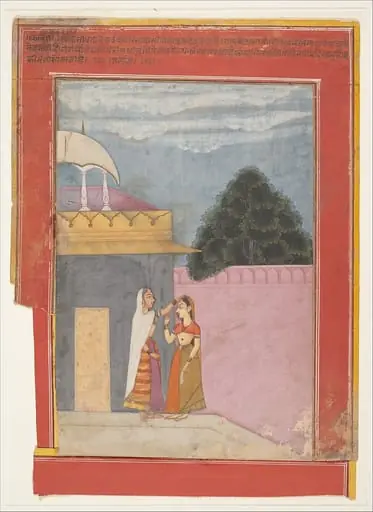 Untitled
 Untitled
 Untitled
 Untitled
 Untitled
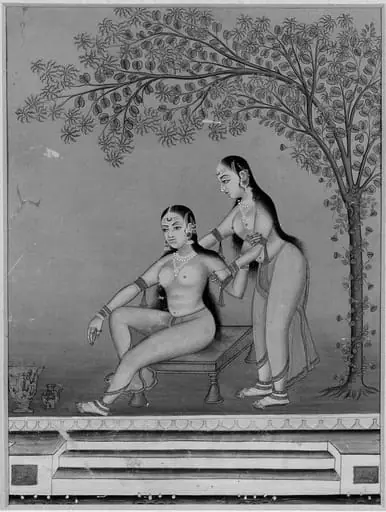 Untitled
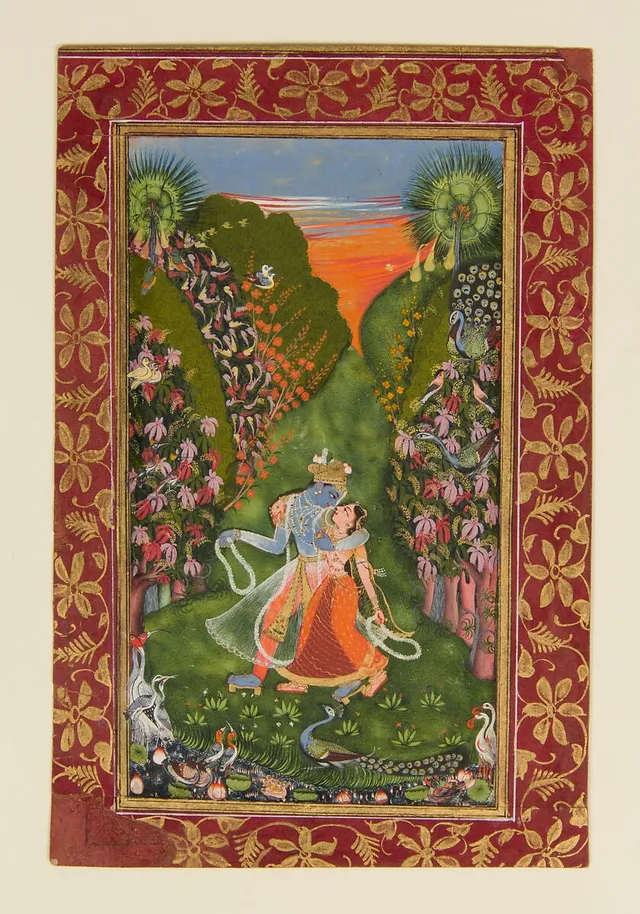
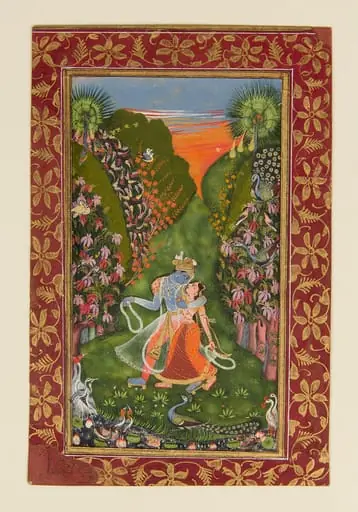
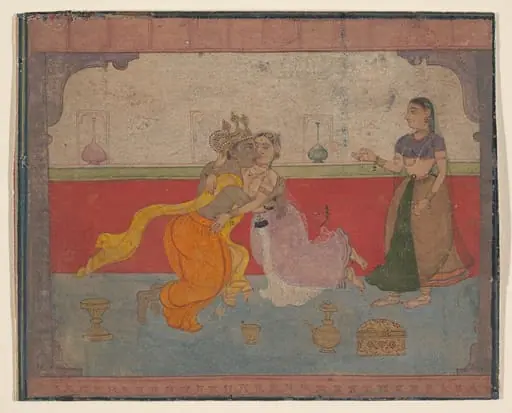
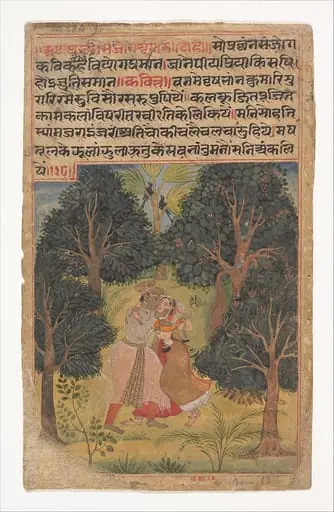
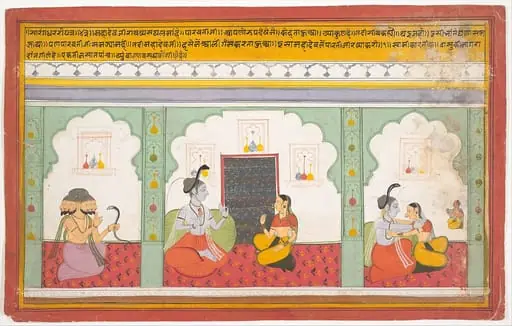
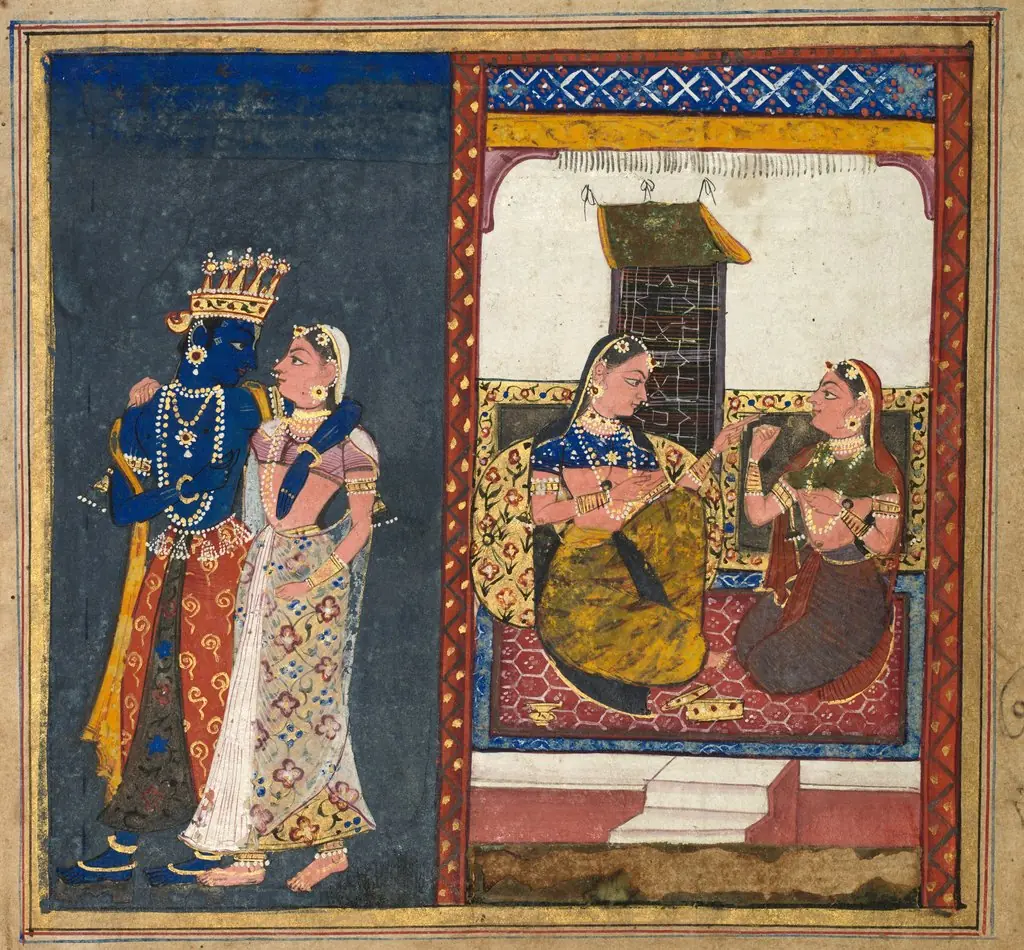 Radha and Krishna Embracing, Leaf from a Gita Govinda
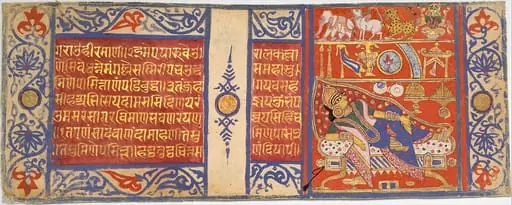
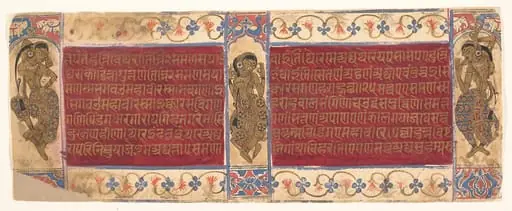
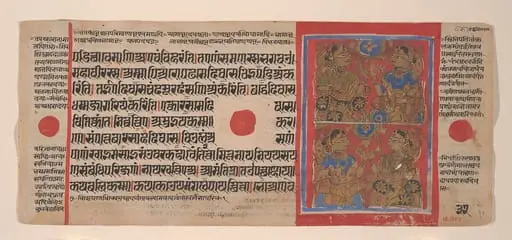
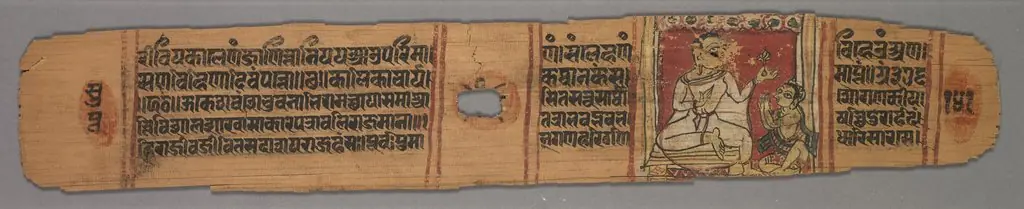 Leaf from a Jain Manuscript: The Story of Kalakacharya: Colophon Page, Text (recto)
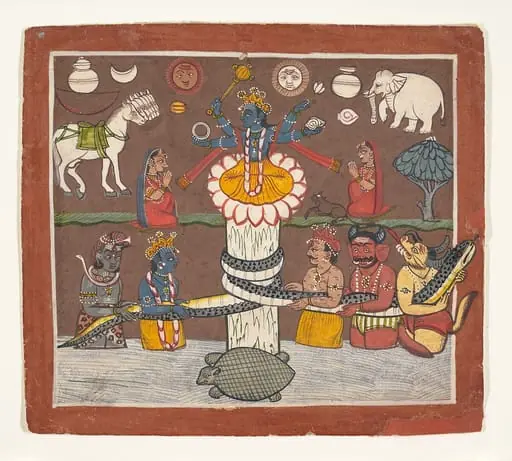
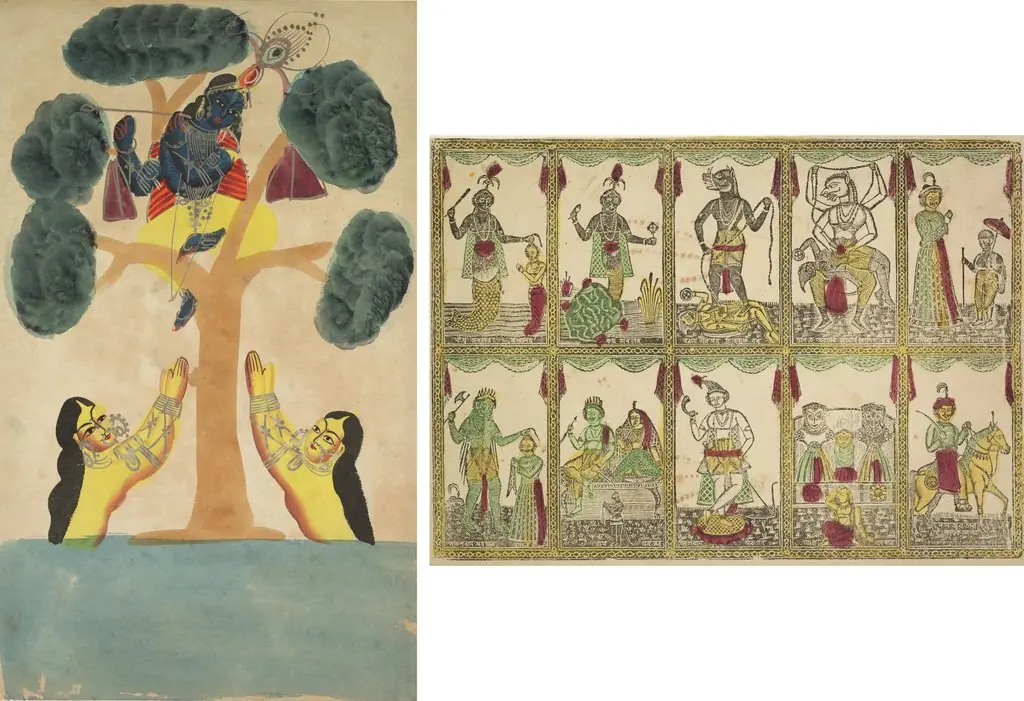 Leaf from a Kalighat album: Krishna Steals the Clothes of the Cowgirls (Gopis) (recto); Das Avataras, Ten Incarnations of Vishnu (verso)
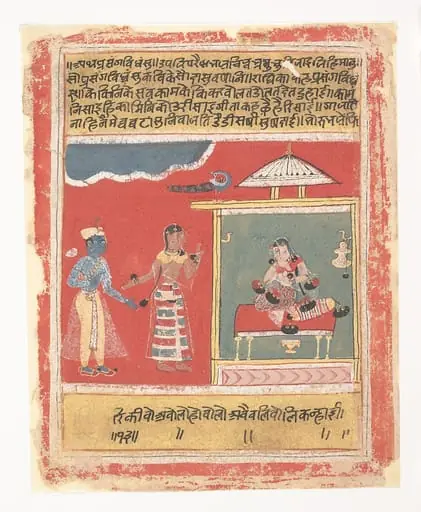
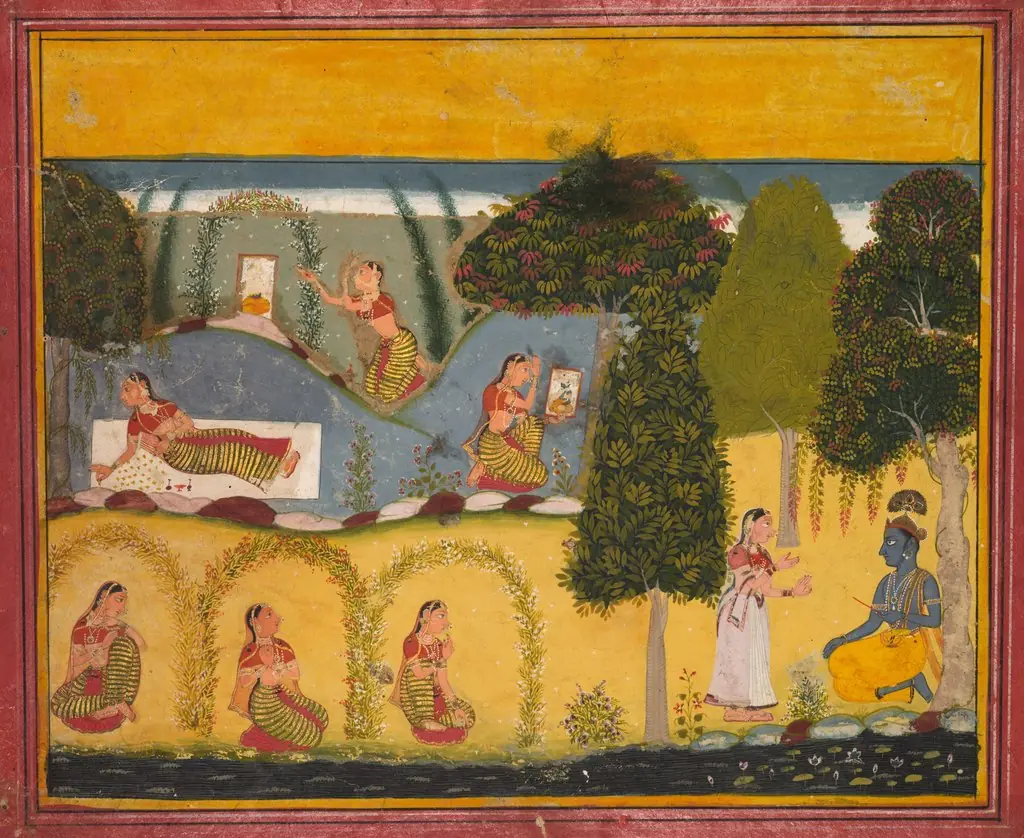 Radha Awaiting Reconciliation with Krishna, from a Gita Govinda of Jayadeva
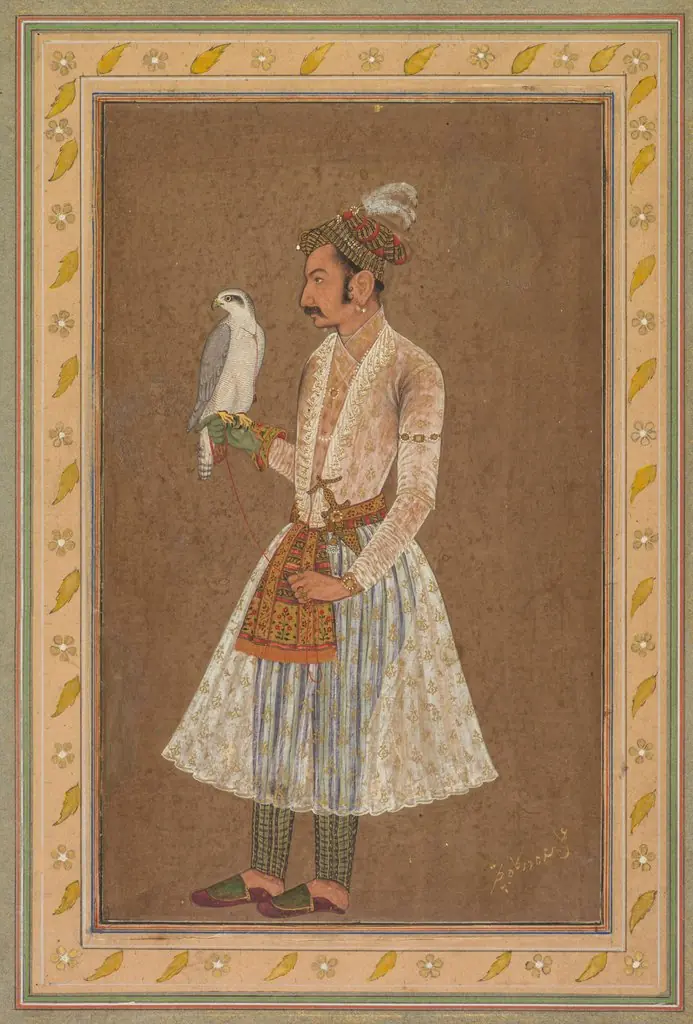 Portrait of Raja Jagat Singh of Nurpur (reigned 1618-46)
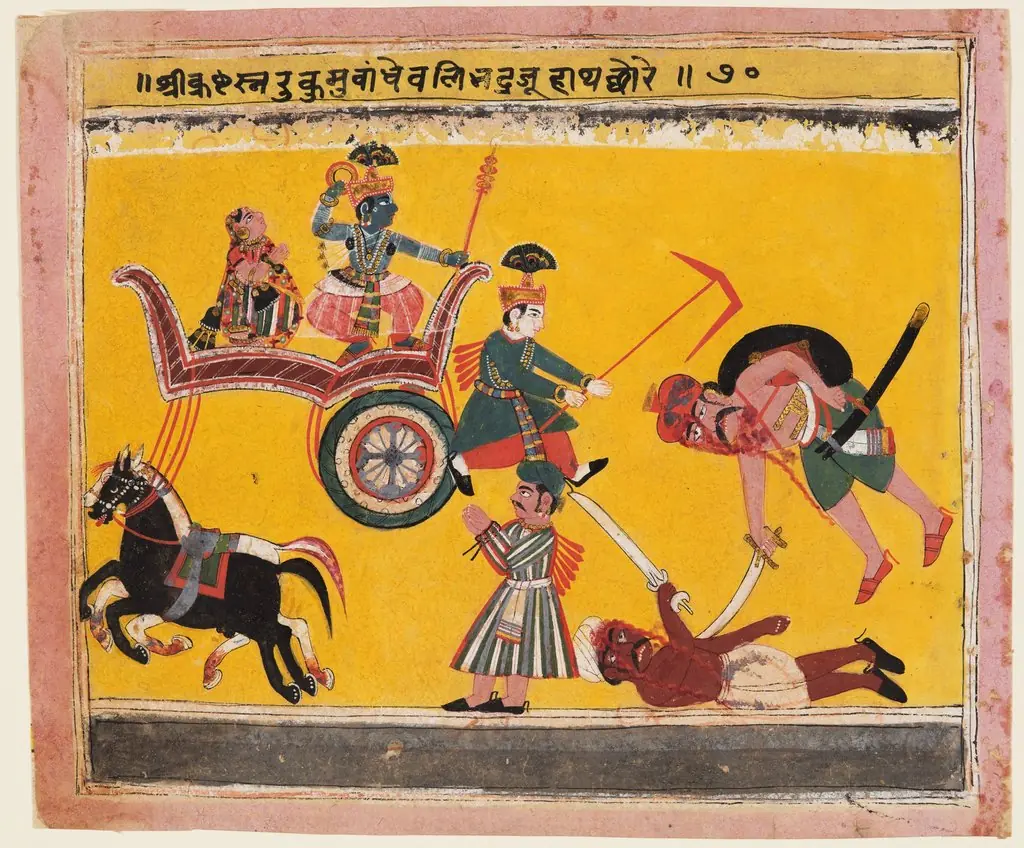 Abduction of Rukmini: Krishna Tied the Hands of Rukma, from a Bhagavata Purana
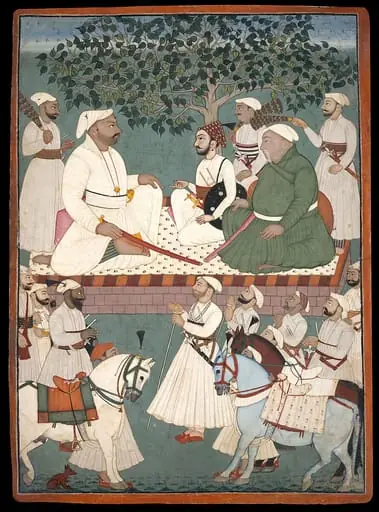
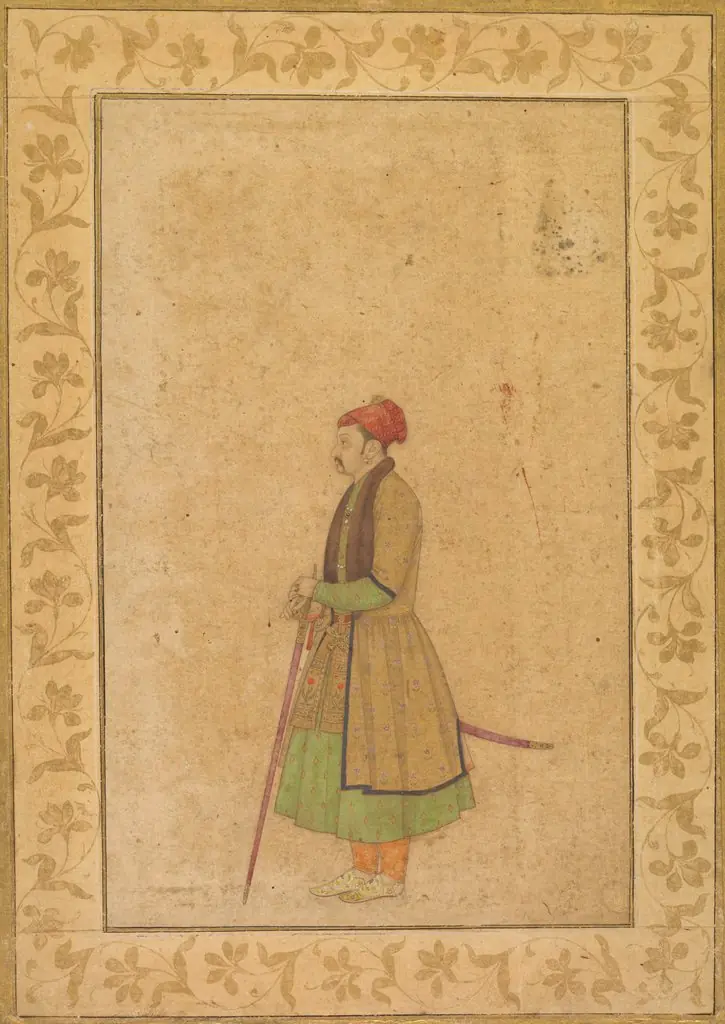 Portrait of Raja Ram Singh of Amber (r. 1667-1688) with a Deccan Sword (recto); Calligraphy (verso)
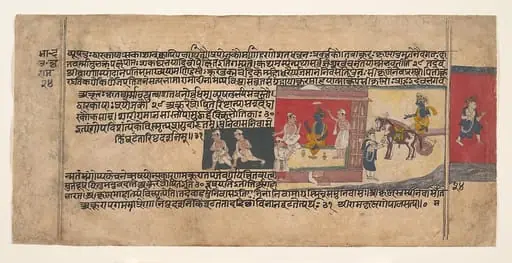
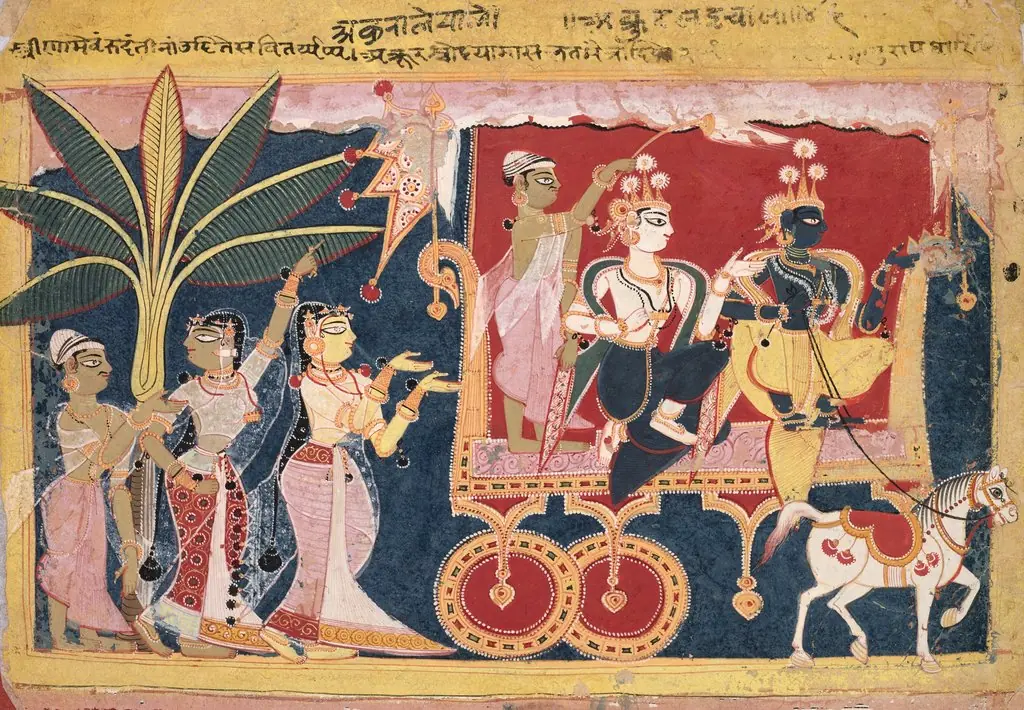 Akrura Drives Krishna and Balarama to Mathura, from the “Isarda Bhagavata Purana,”
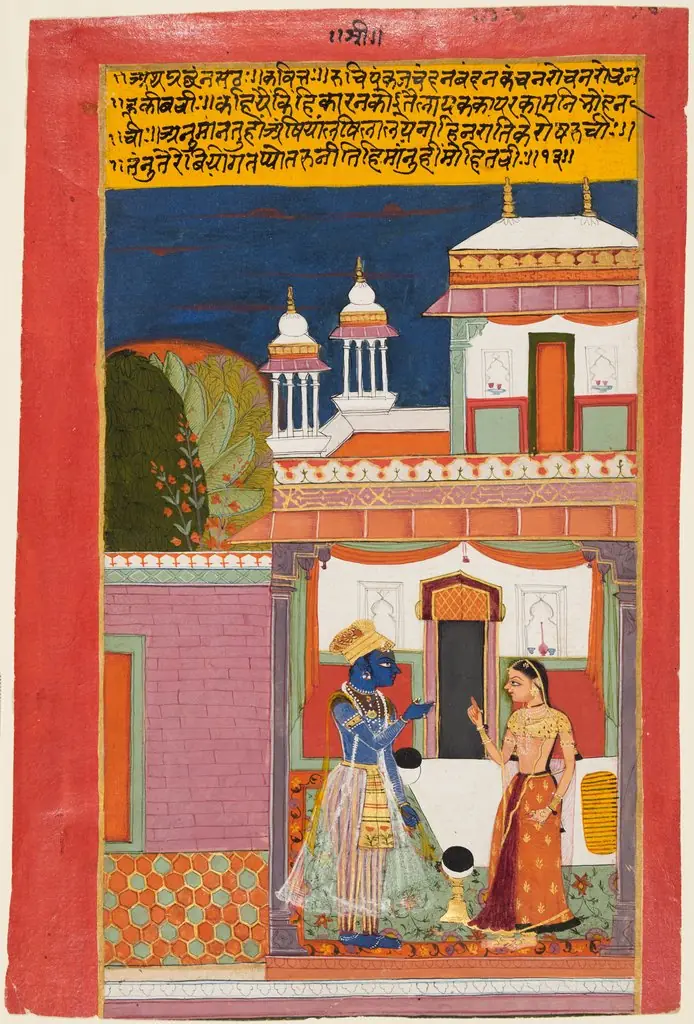 Krishna and Radha Quarreling: Shatha Nayaka, from a Rasikapriya
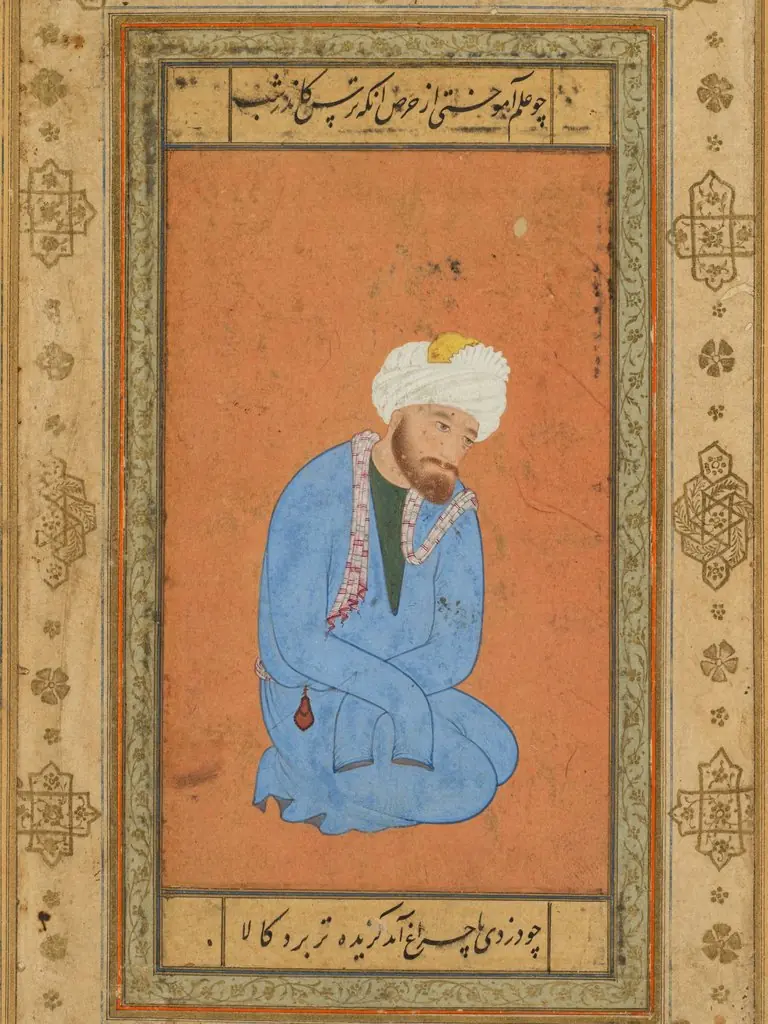 Portrait of a kneeling holy man, from the Prince Salim Album
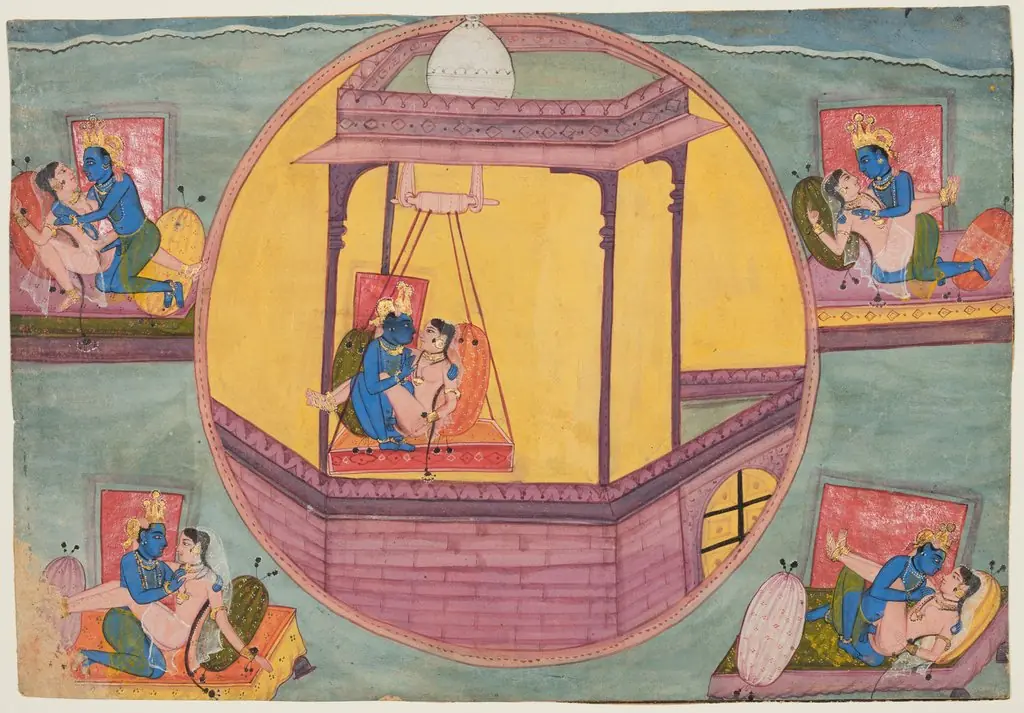 Five Poses of Krishna Making Love, from a Bikaner Bhagavata Purana
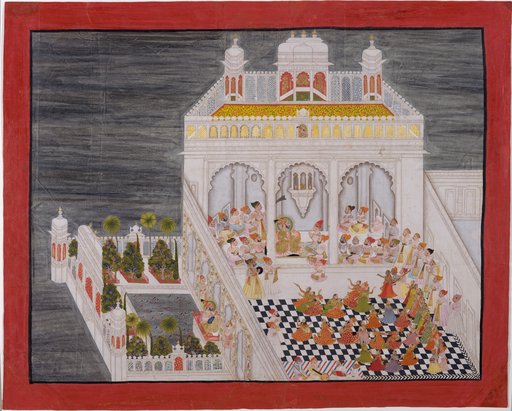
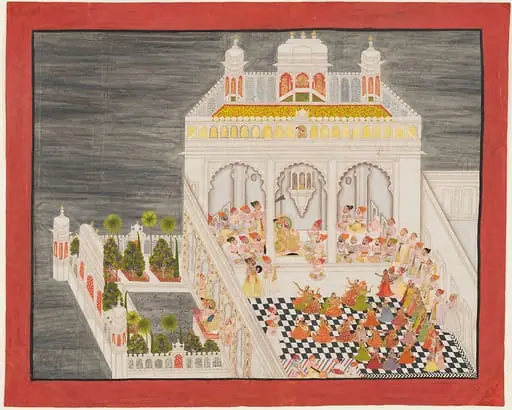
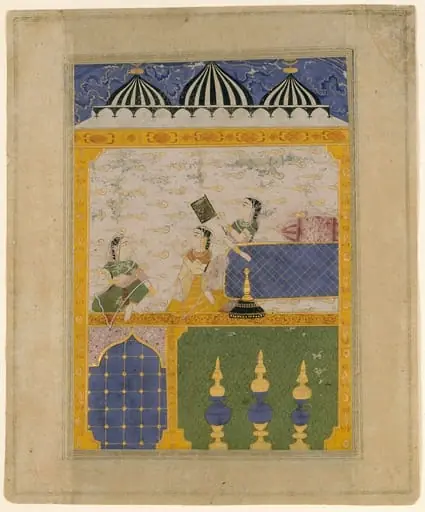
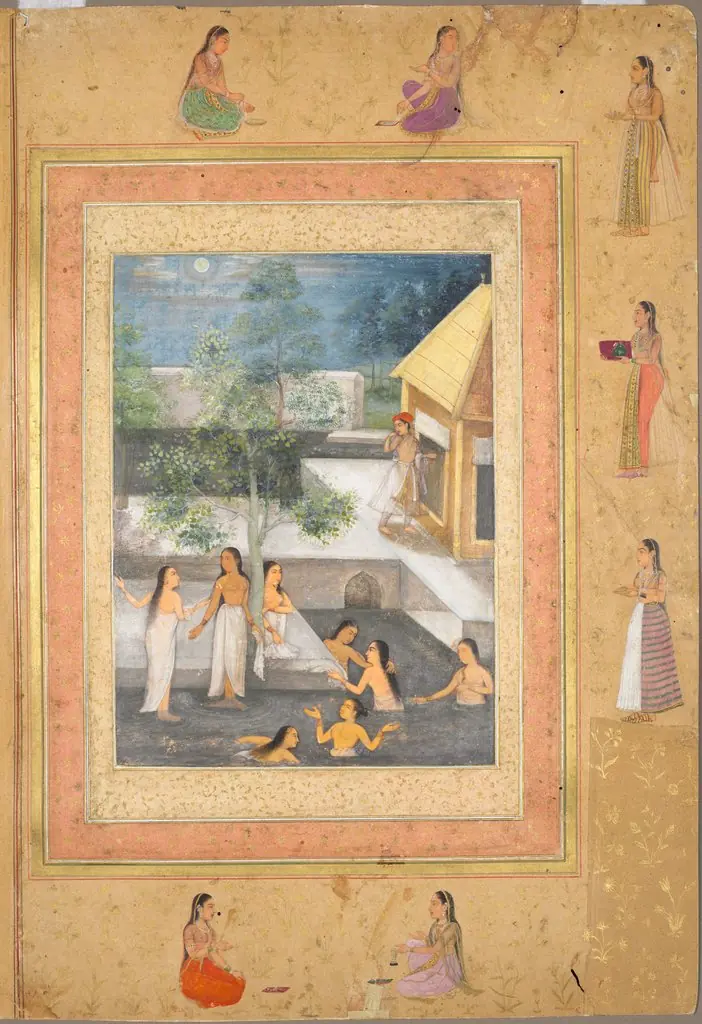 Page from the Late Shah Jahan Album: Harem Night-Bathing Scene (recto)
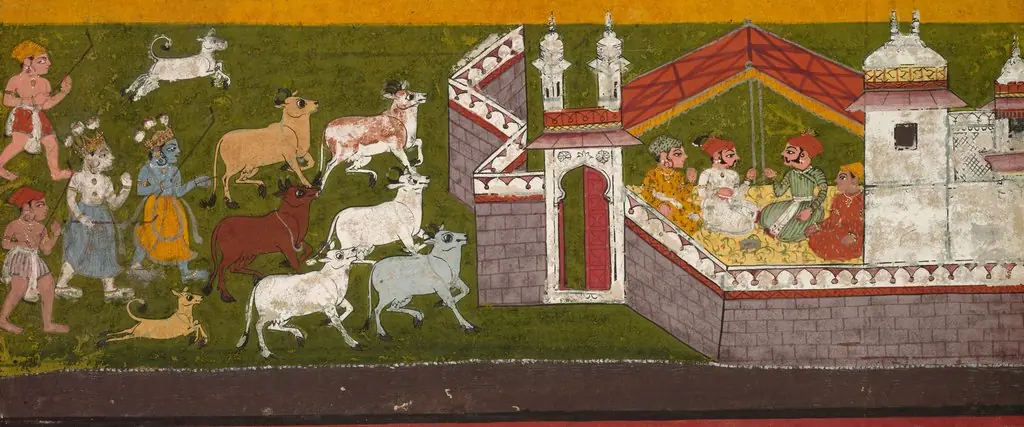 Krishna and Balarama Approaching Mathura
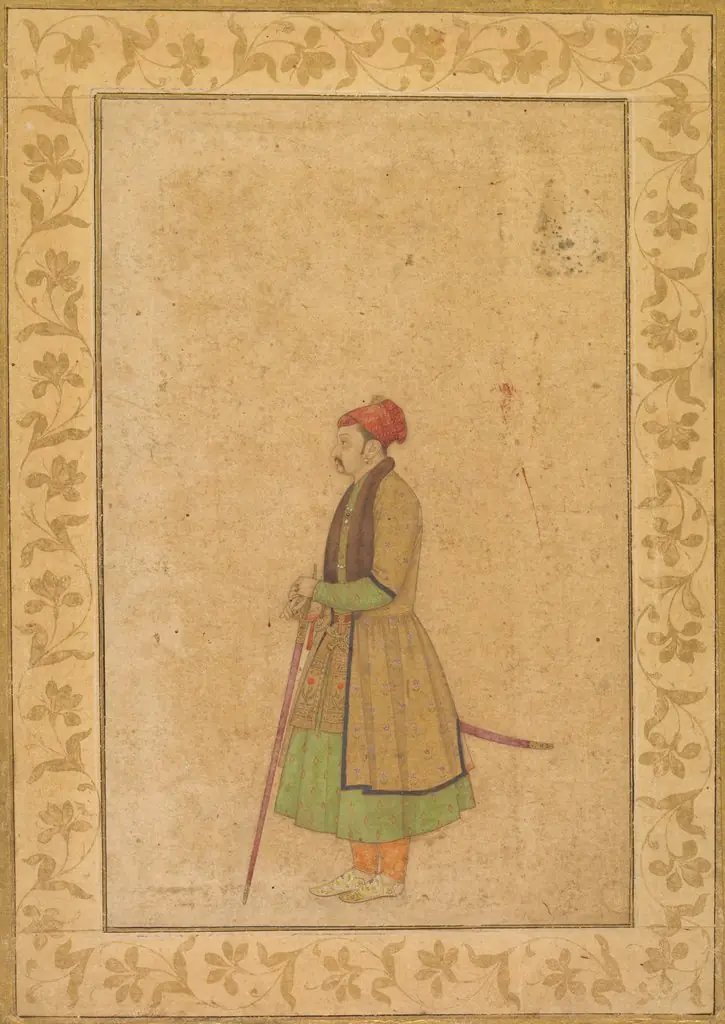 Portrait of Raja Ram Singh of Amber (r. 1667-1688) with a Deccan Sword (recto)
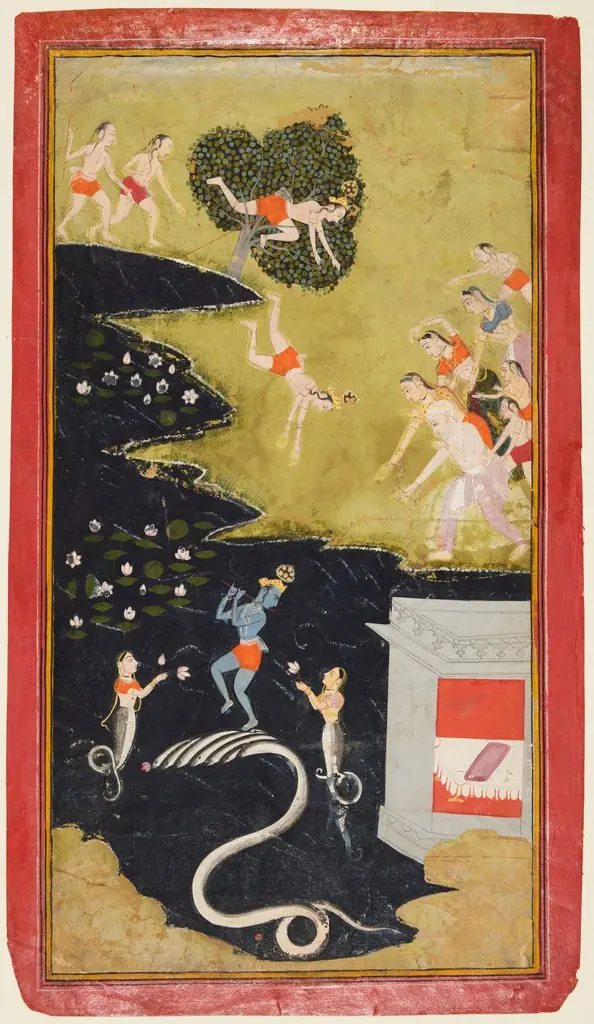 Krishna Quells the Serpent Kaliya, from a Bhagavata Purana
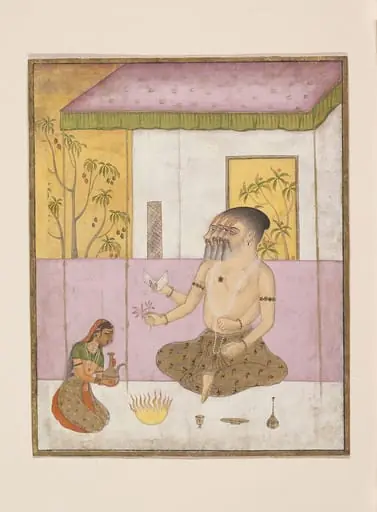
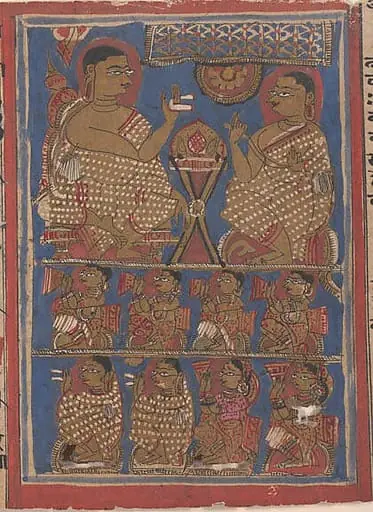
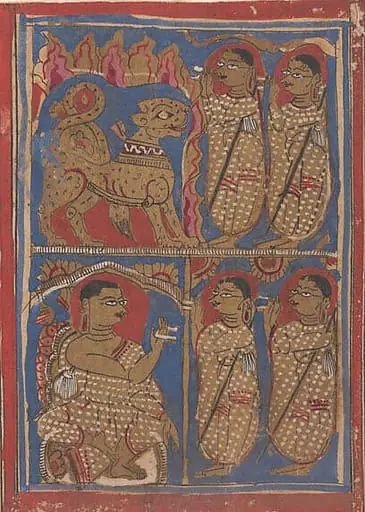
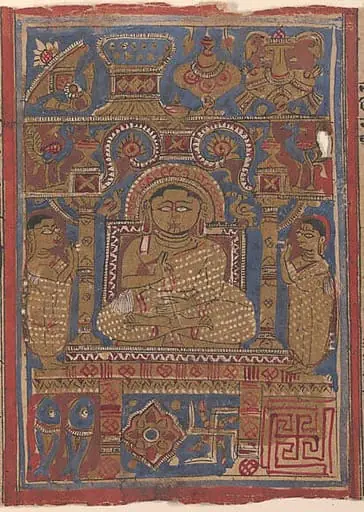
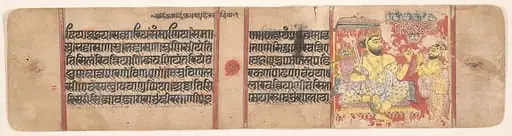
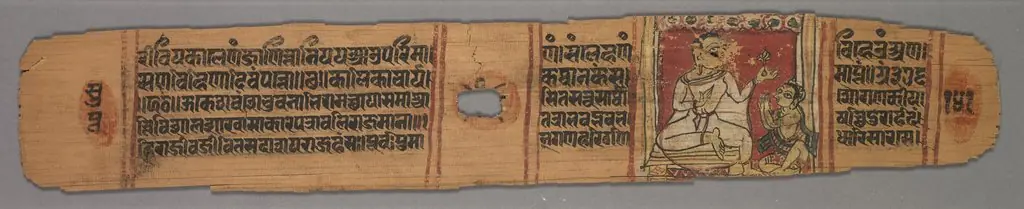 Jain Monk Holding a Flower Venerated by a Royal Follower, colophon page from a Story of the Religious Teacher Kalaka (Kalakacharya-katha, verso)
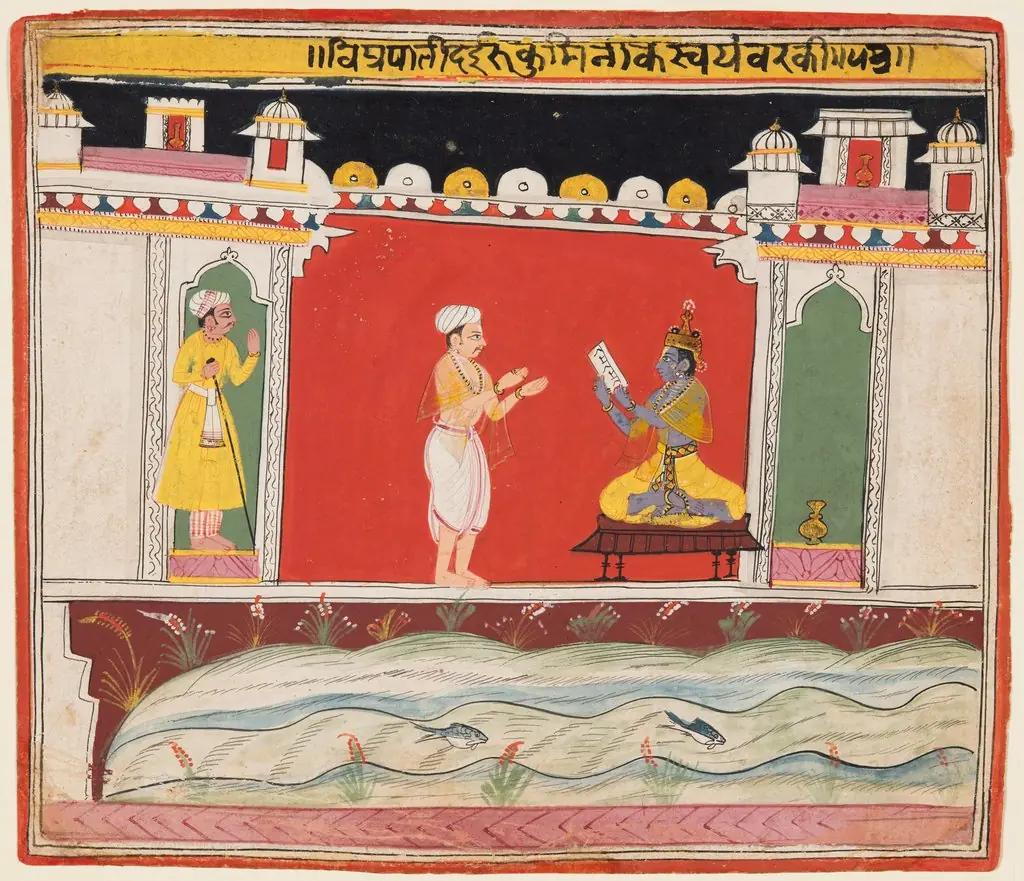 A Brahmin gives Krishna the Message or Invitation for the Competition to Rukmini’s Svayamvara, from a Bhagavata Purana
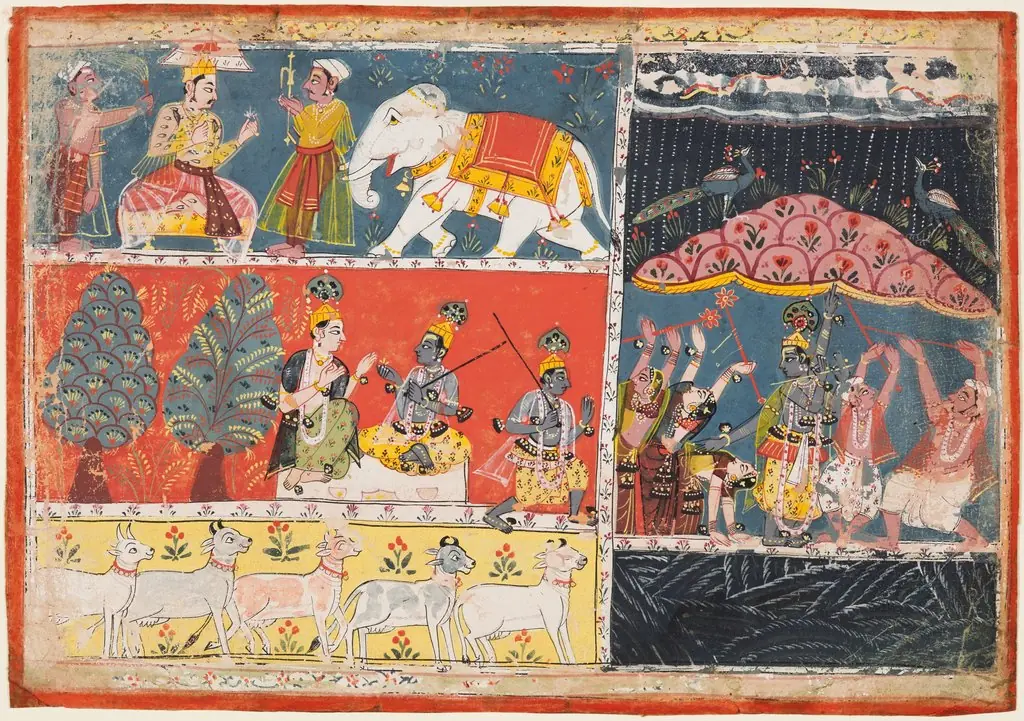 Krishna Lifts Mount Govardhan, from a Bhagavata Purana
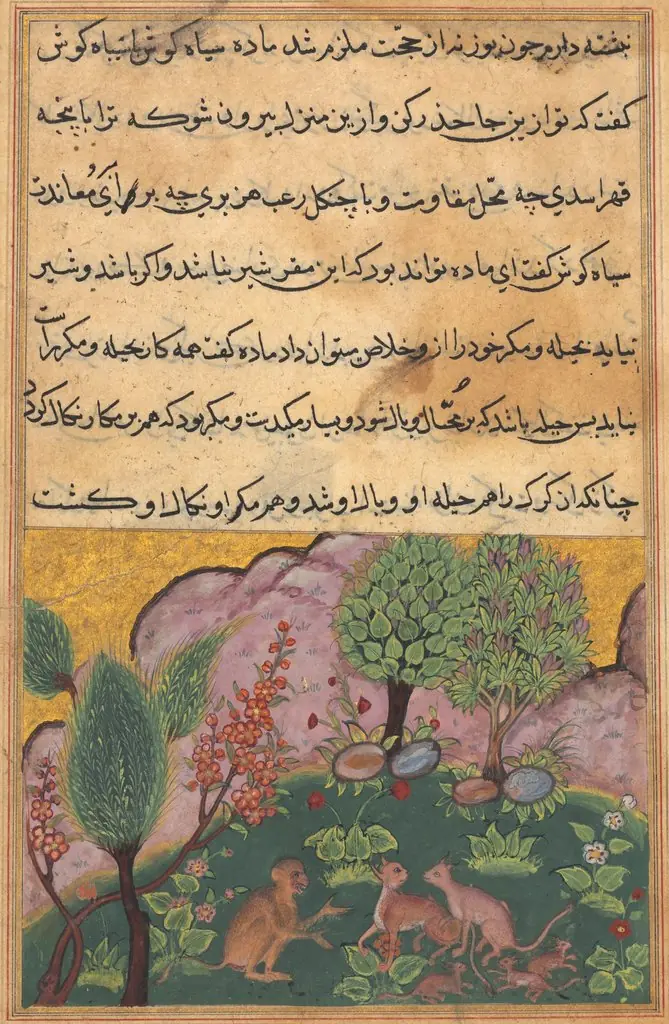 The monkey, serving as the lion’s chamberlain, converses with the lynx and its mate who have arrived with their cubs to settle in the lion’s domain, from a Tuti-nama (Tales of a Parrot): Twenty-ninth Night
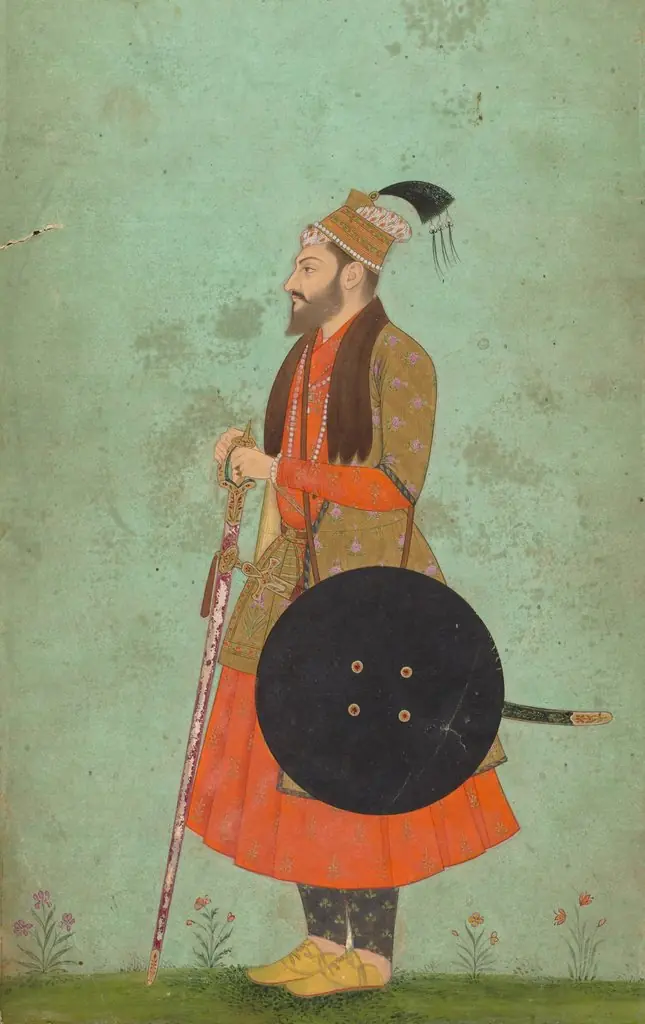 Portrait of Prince Murad Baksh (1624–1661)
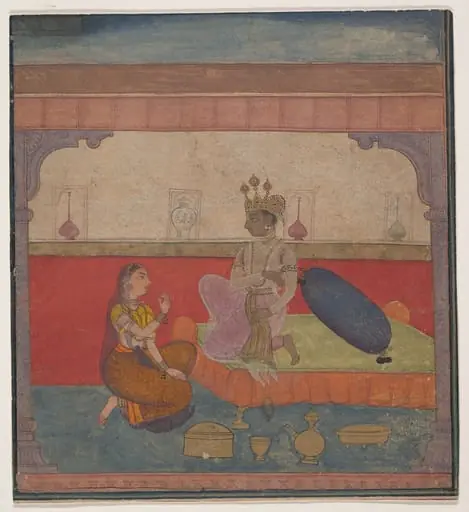
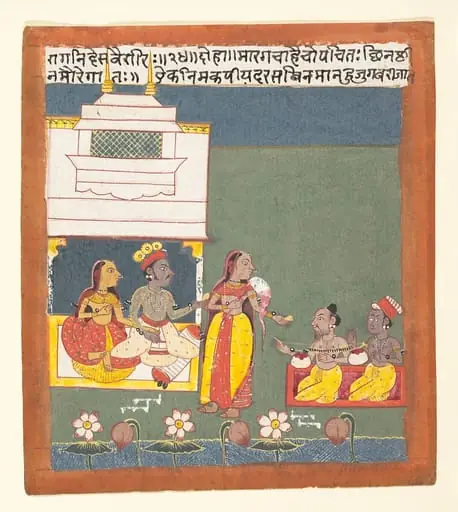
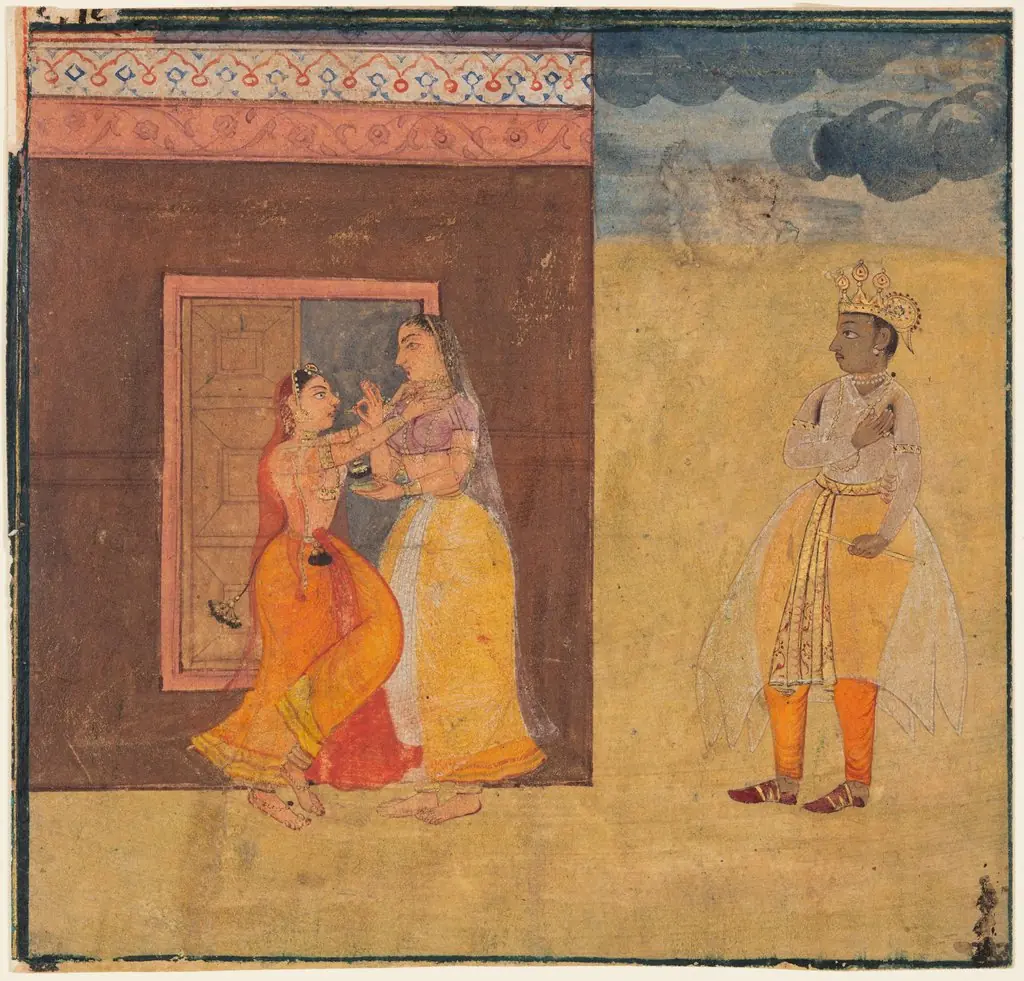 Krishna Abhisarika Nayika, from a Rasikapriya manuscript
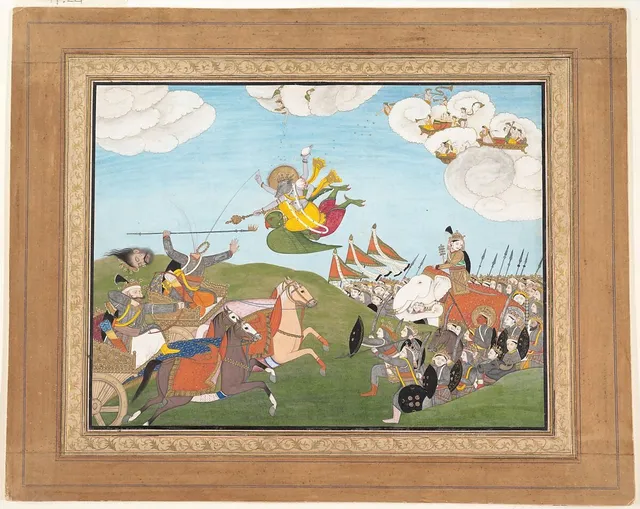
![Rama and Lakshmana Fighting Ravana, from a Dashavatara (Ten Incarnations [of Vishnu]) series, 1765](https://artifactworldgallery.com/img/rama-and-lakshmana-fighting-ravana-from-a-dashavatara-ten-in--44f1c99a2c65cc54-w320.webp) Rama and Lakshmana Fighting Ravana, from a Dashavatara (Ten Incarnations [of Vishnu]) series
Rama and Lakshmana Fighting Ravana, from a Dashavatara (Ten Incarnations [of Vishnu]) series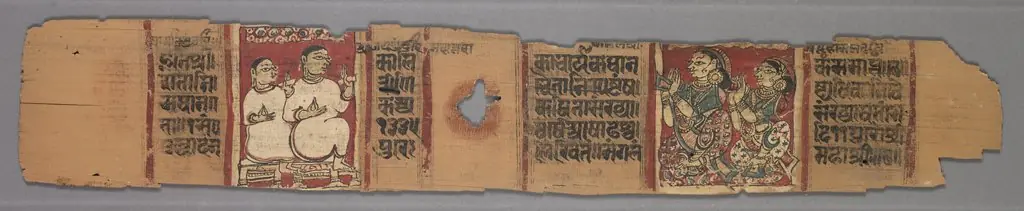 Genealogical text, folio 167 (verso) from a Kalpa-sutra and Story of Kalakacharya
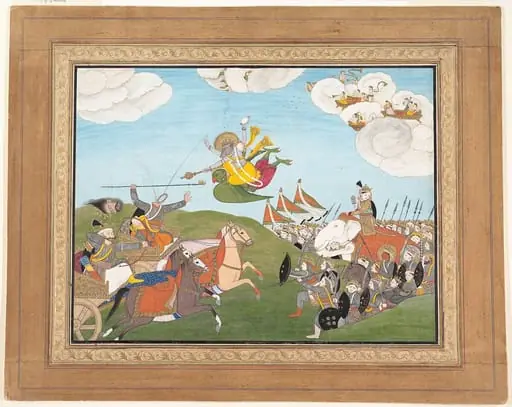
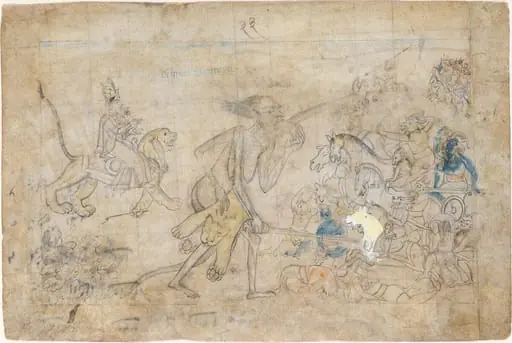
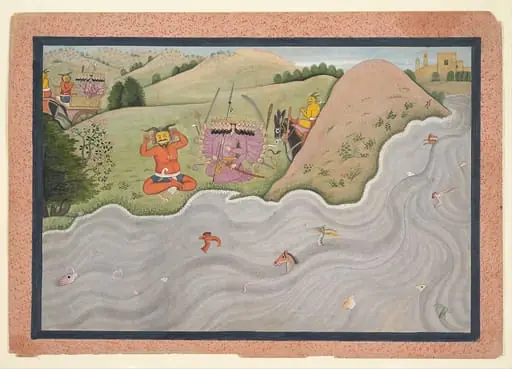
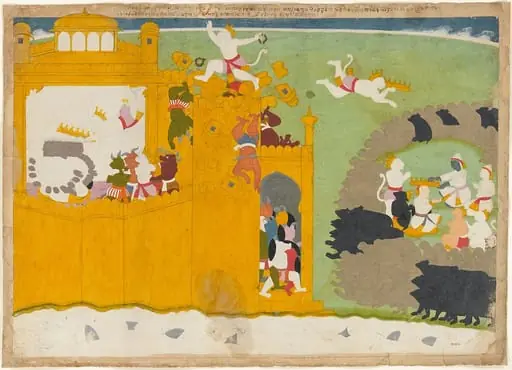
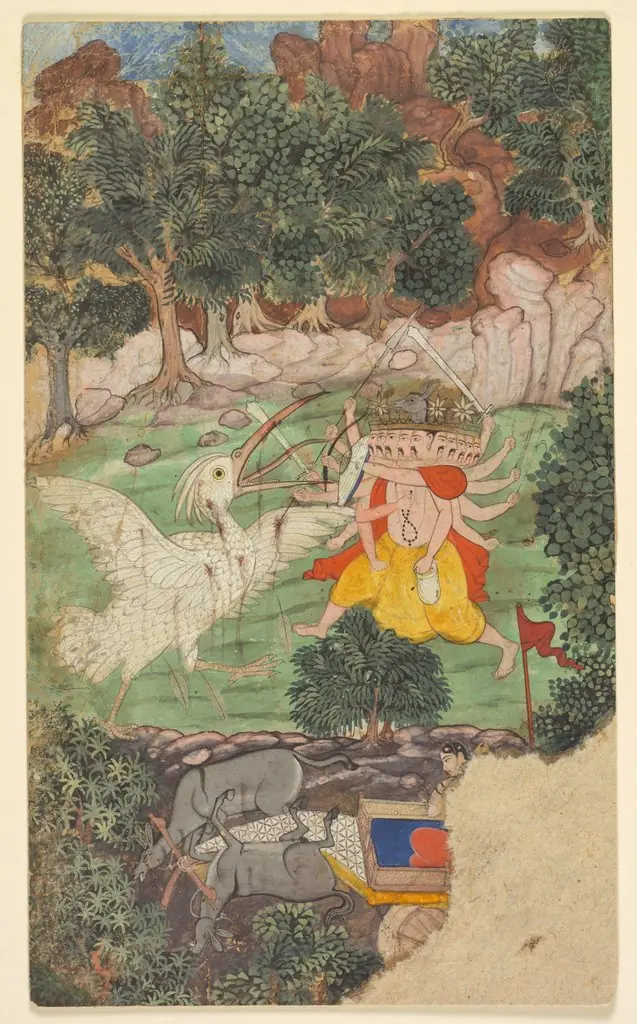 Battle of Ravana and Jatayu, from Chapters 50 and 51 of the Aranya Kanda (Book of the Forest) of Valmiki's Ramayana (Rama’s Journey); folio from the "Burnt" Ramayana
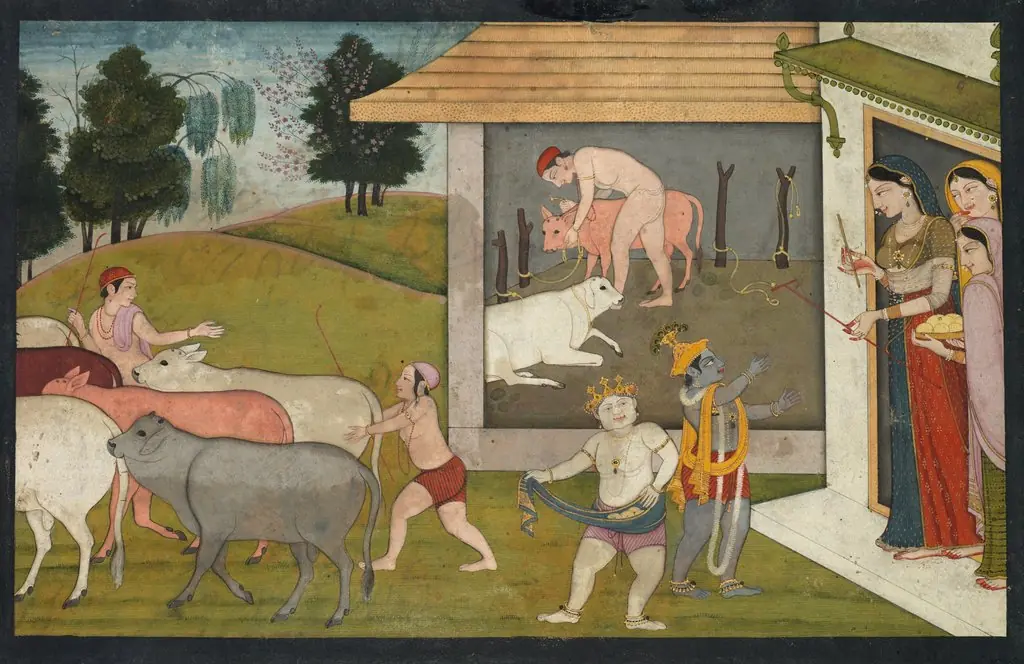 Krishna and Balarama Taking the Cattle Out to Graze, from a Bhagavata Purana
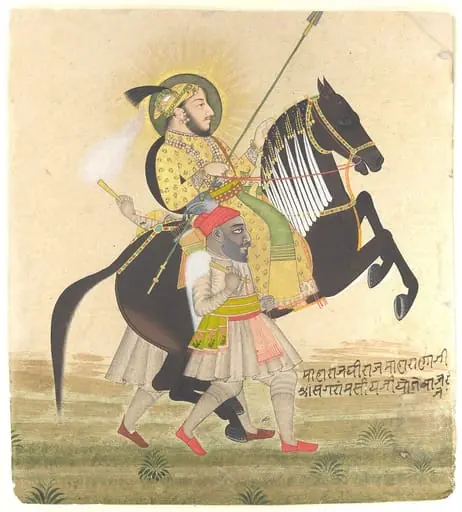
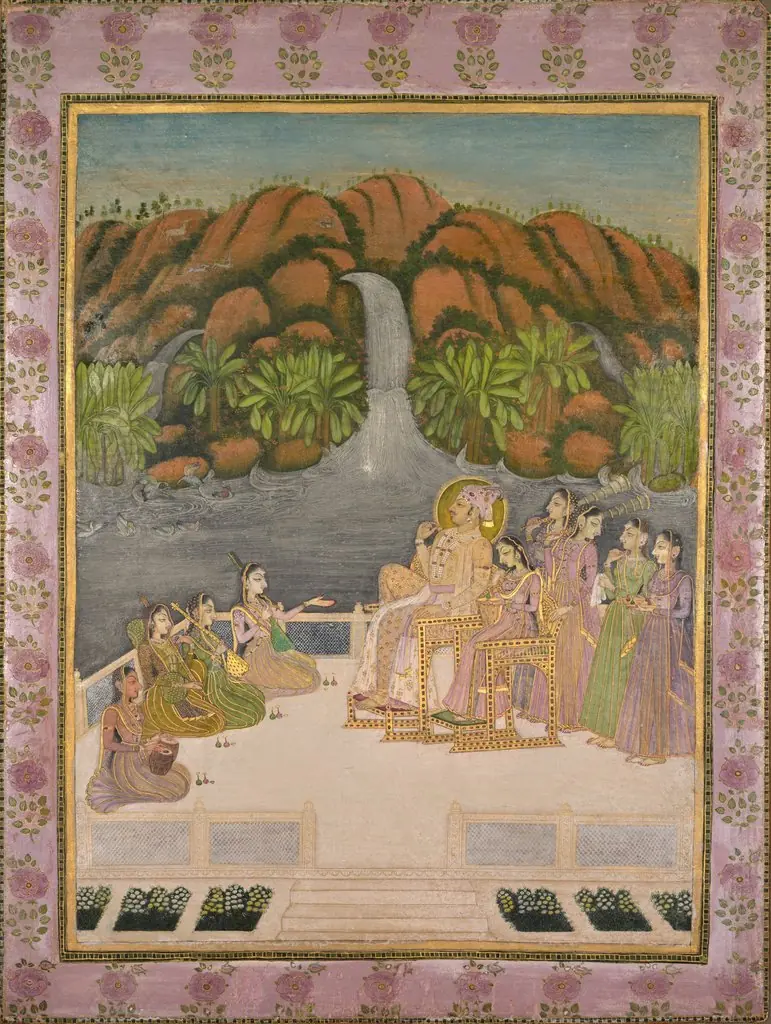 Portrait of Sardar Singh (Son of Savant Singh, 1730–68)
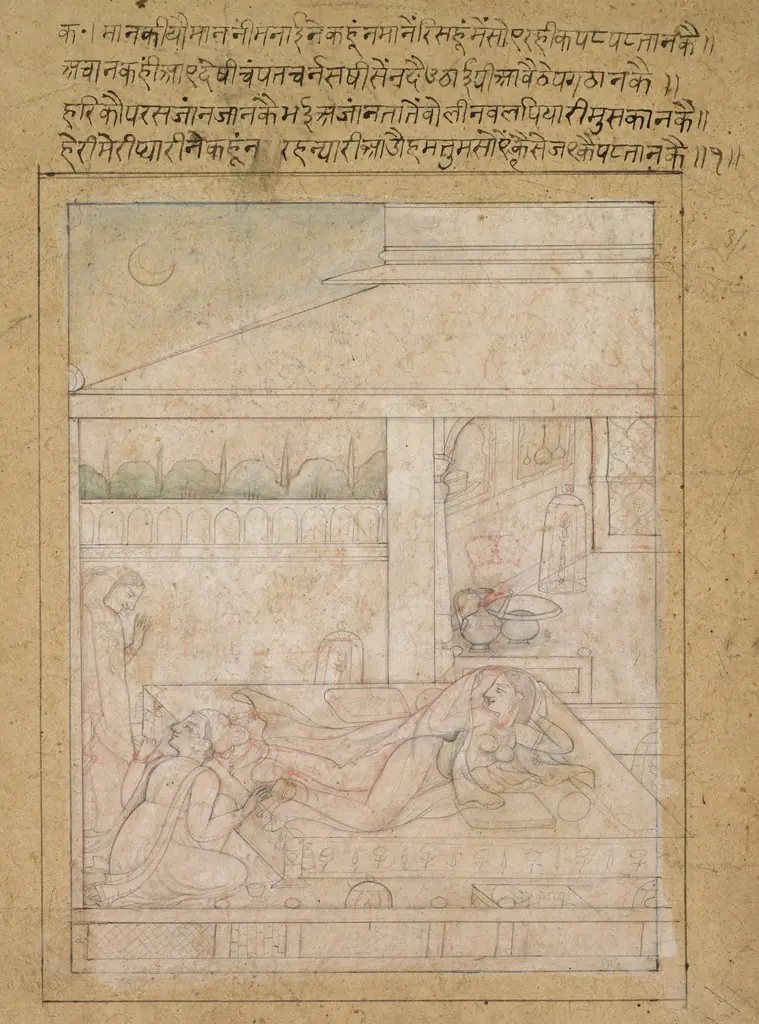 Radha and Krishna's Reconciliation
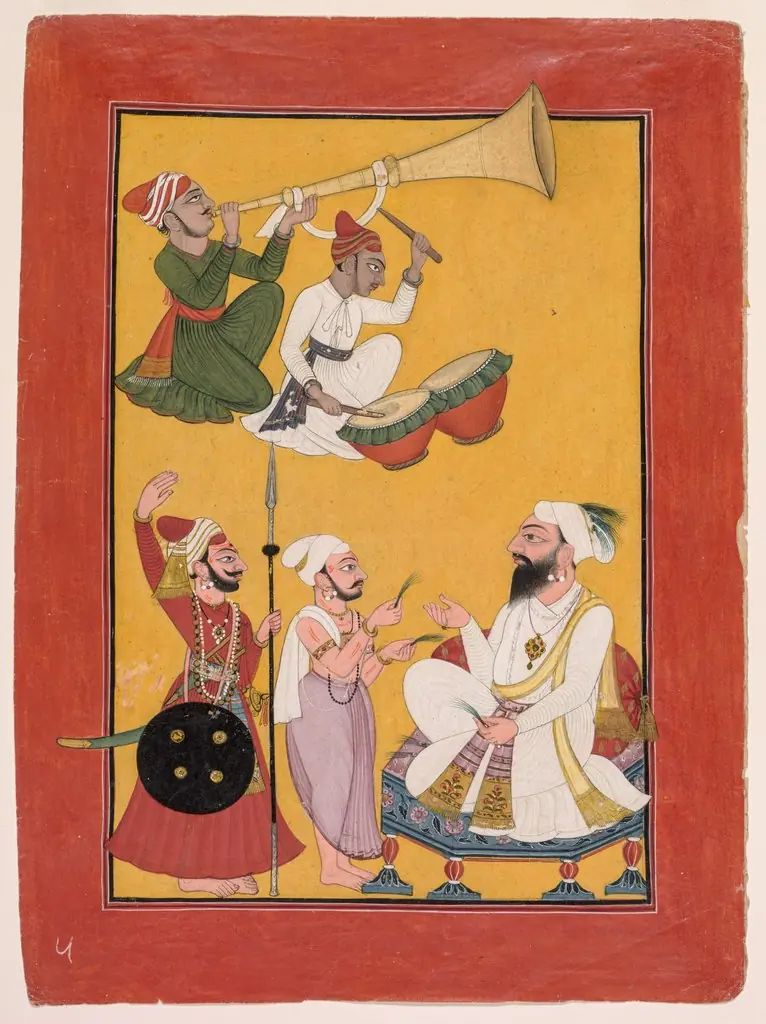 Celebrations of Krishna's Birth, from a Bhagavata Purana
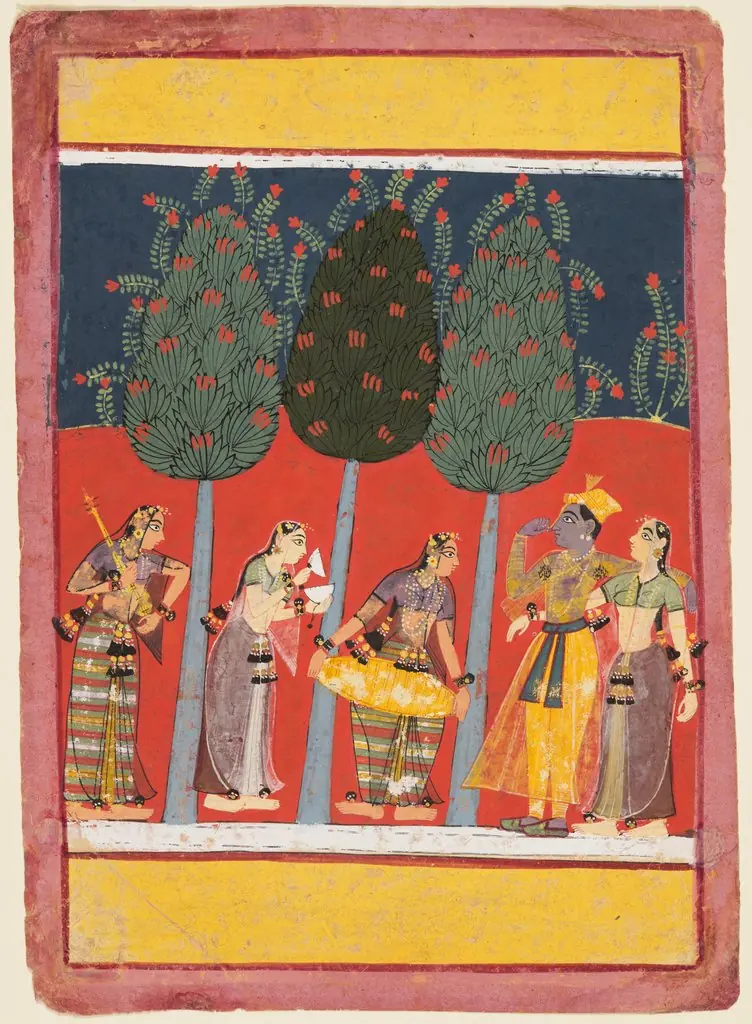 Women Play Music for Radha and Krishna: Chitrini Nayika, from a Rasikapriya
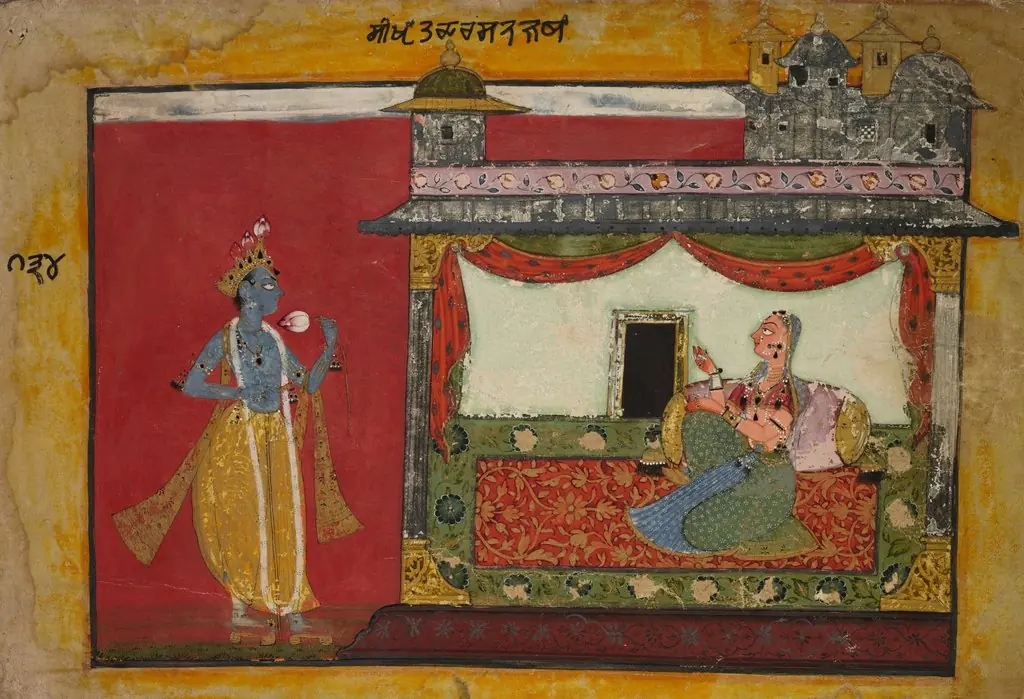 The Approach of Krishna. Page from a Rasamanjari
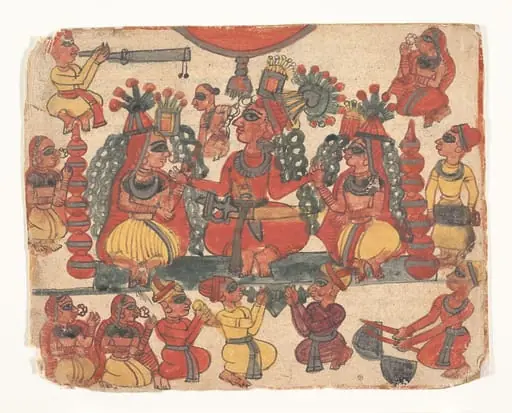
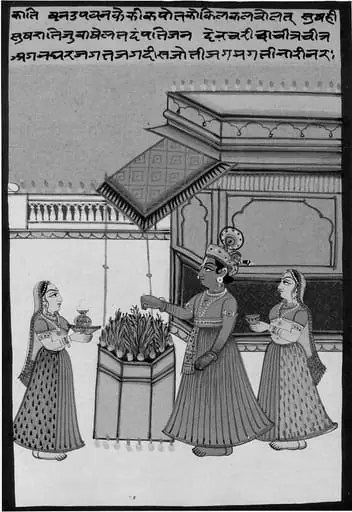
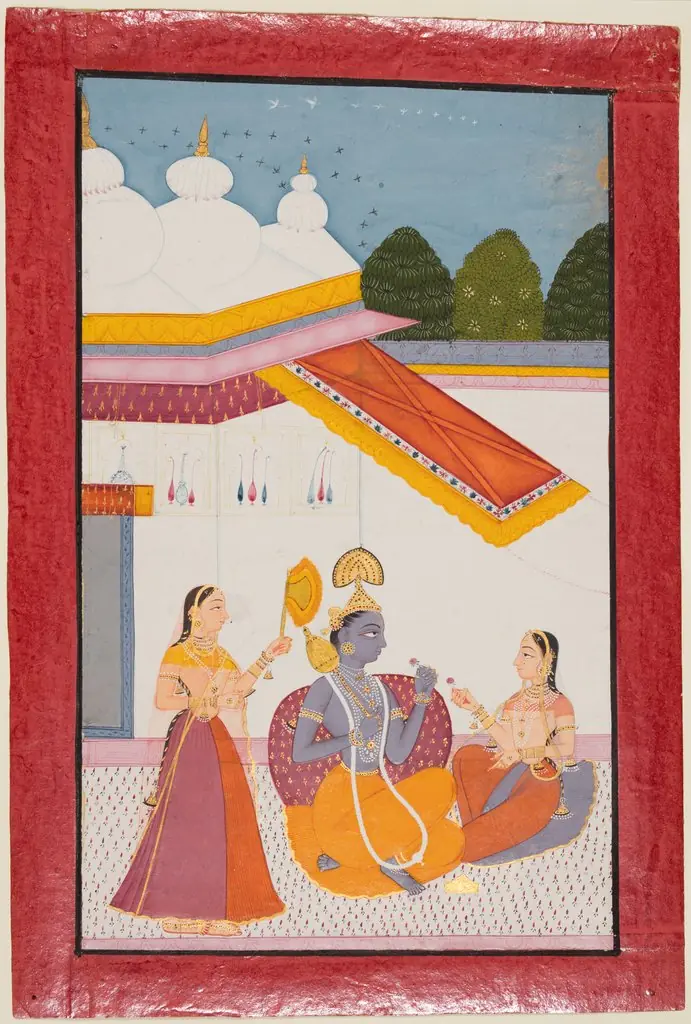 Krishna Under a Canopy
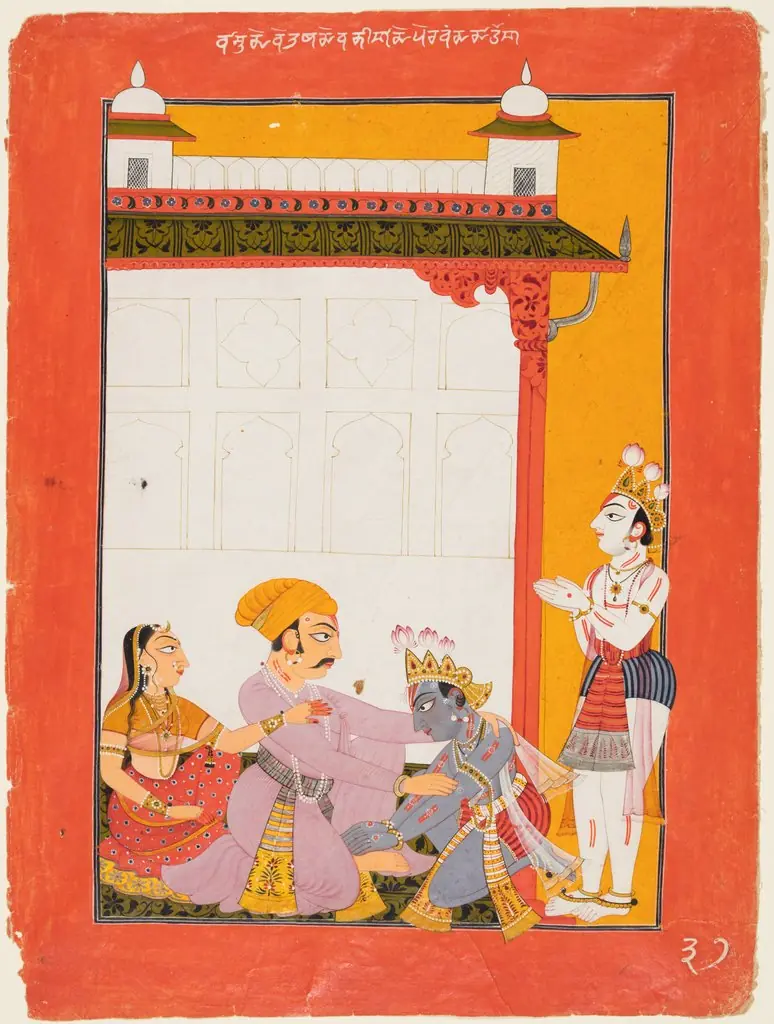 Krishna and Balarama Touching the Feet of Vasudeva and Devaki
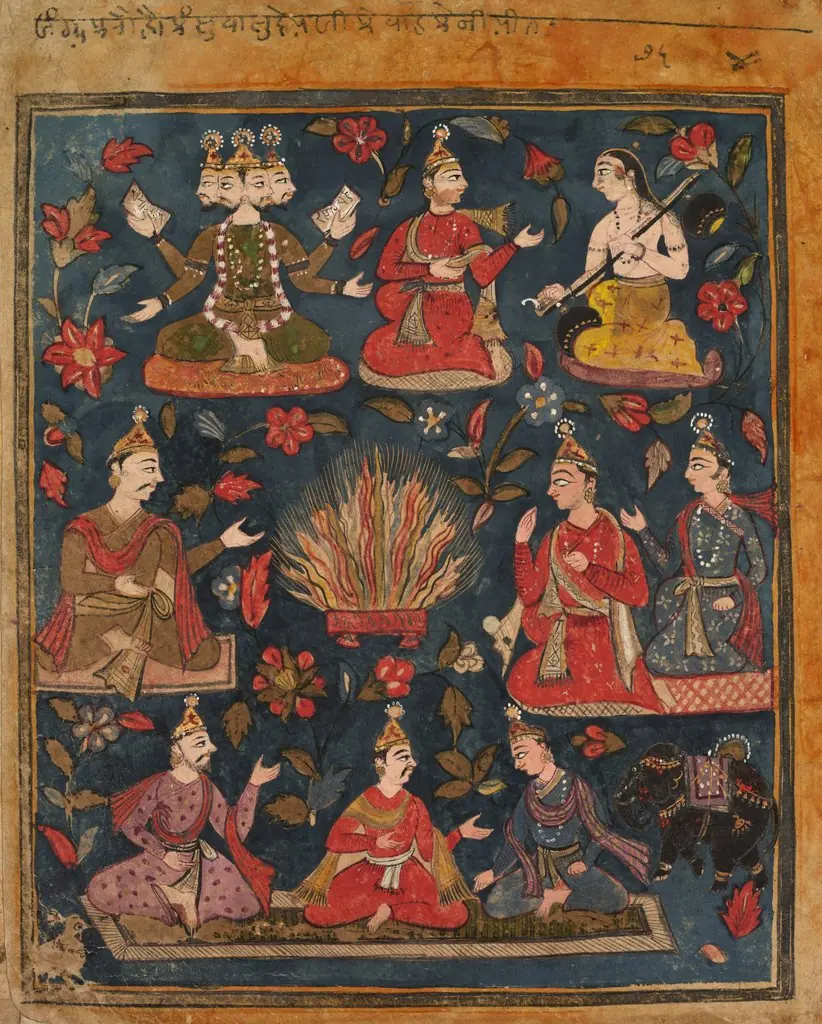 Sacrificial Fire, from the "Tula Ram" Bhagavata Purana
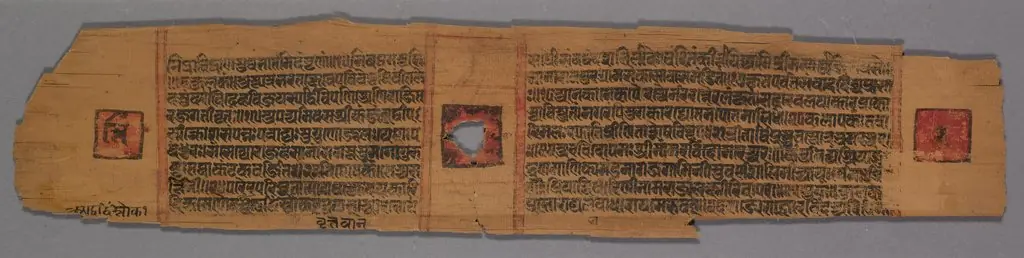 Folio 2 from a Parshvanatha Charitra (Life and Stories of Lord Parshva) of Bhavadeva-suri: Monk preaching to a disciple with a lay audience (recto); Text (verso)
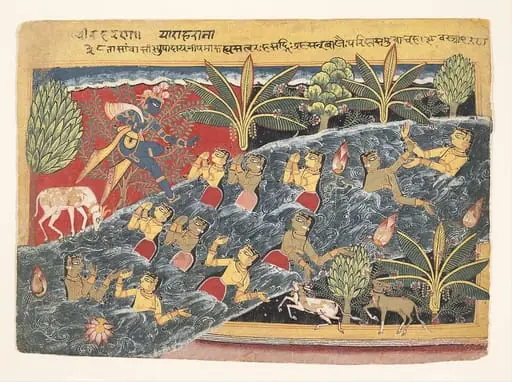
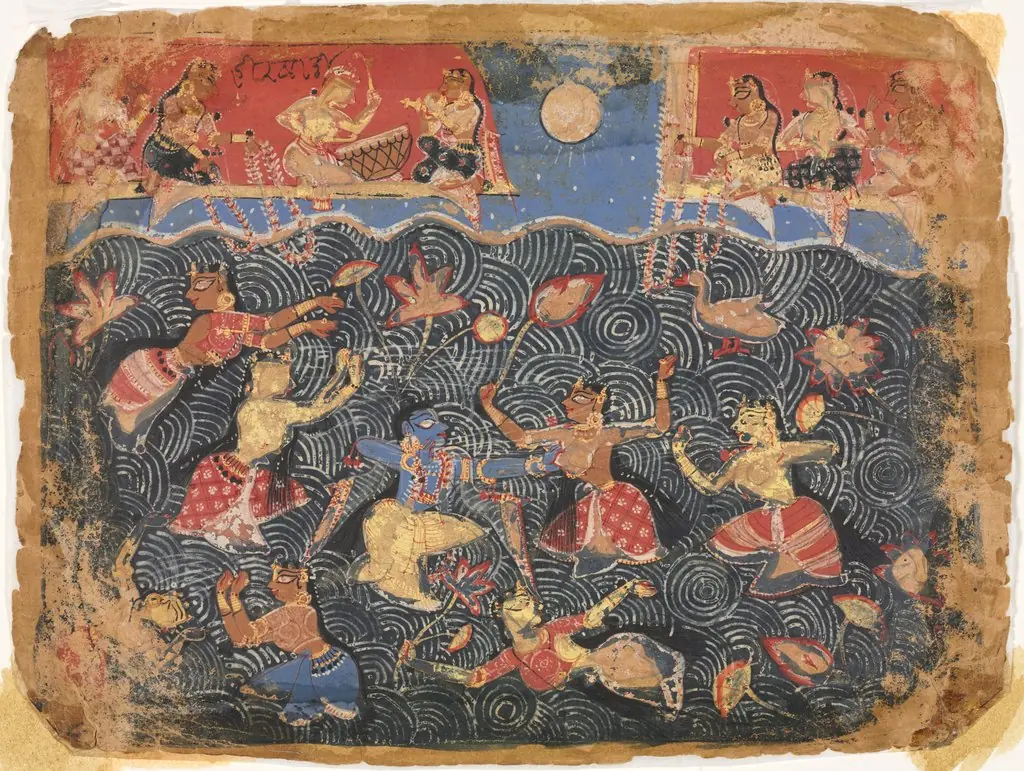 Krishna sporting with the gopis in the Jumna River, from a Bhagavata Purana
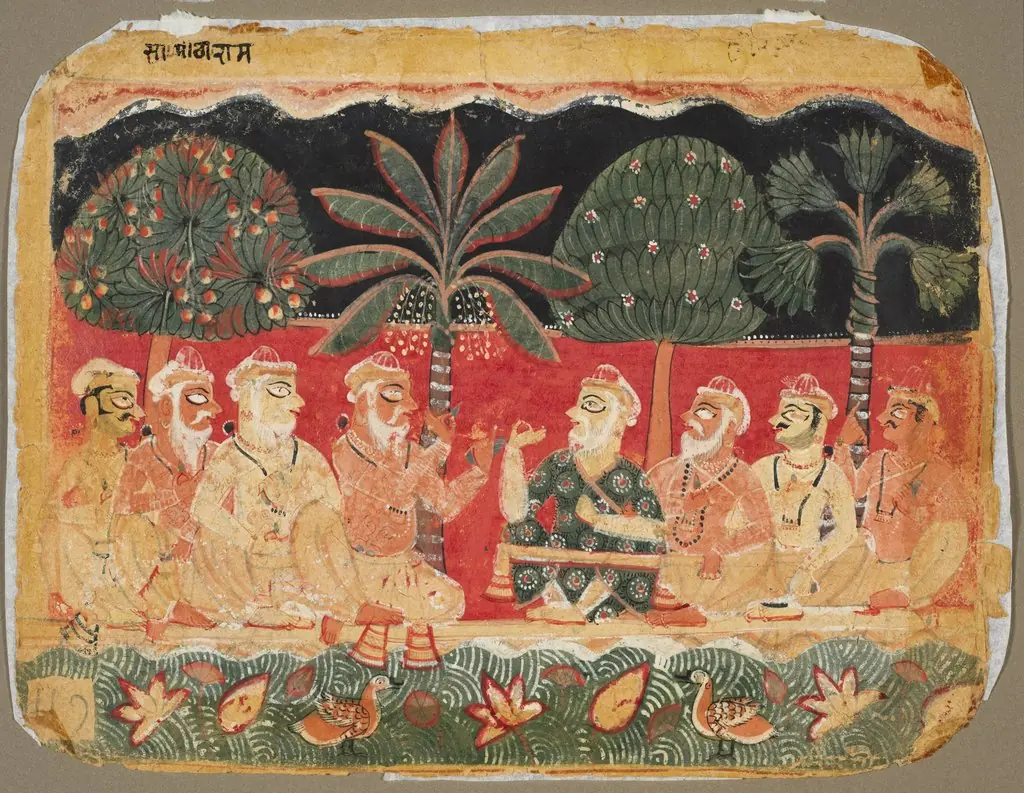 Nanda and the Elders, page from a Bhagavata Purana
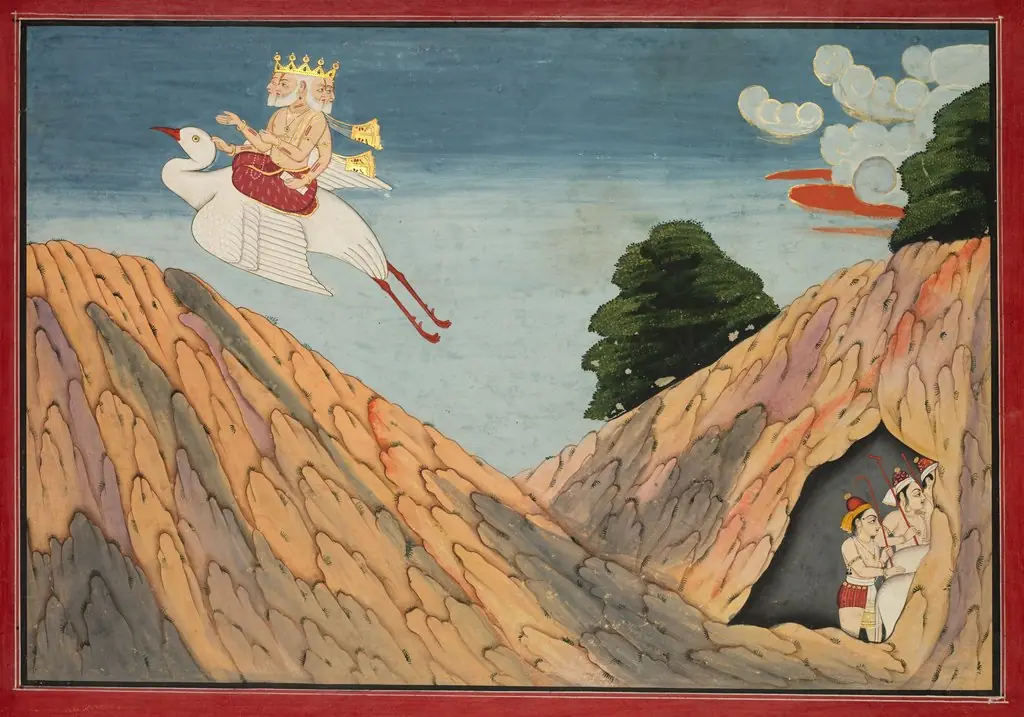 Brahma Hides the Cowherds and the Calves in the Cave, page from a Bhagavata Purana
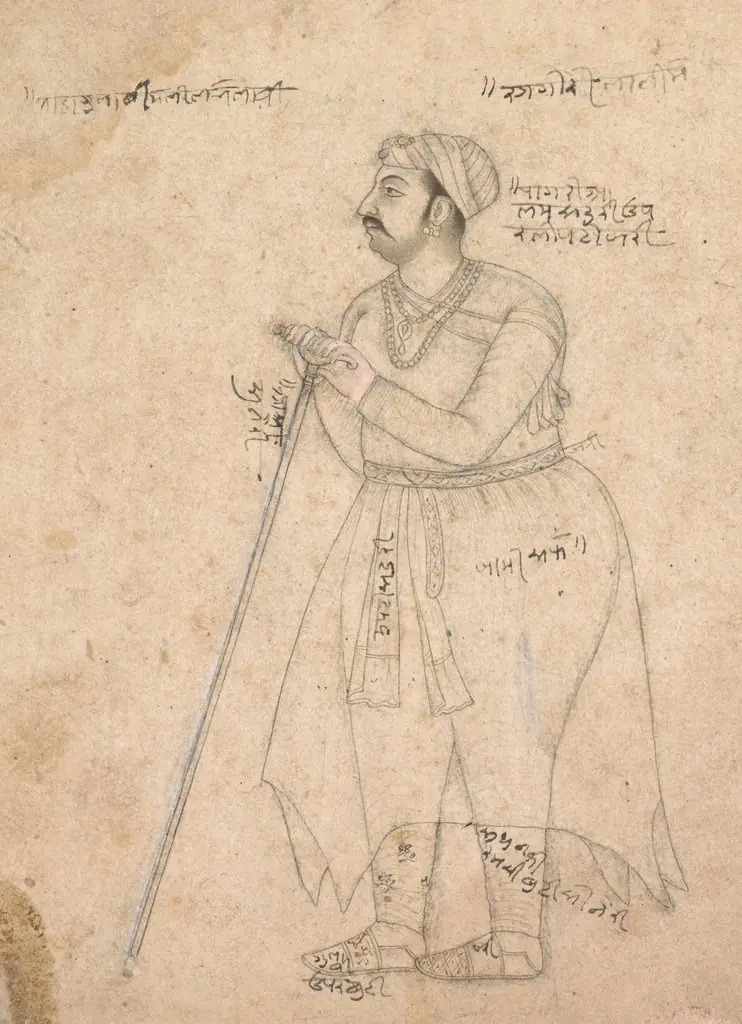 Portrait of Maharaja Rai Singh of Bikaner (reigned 1574-1612)
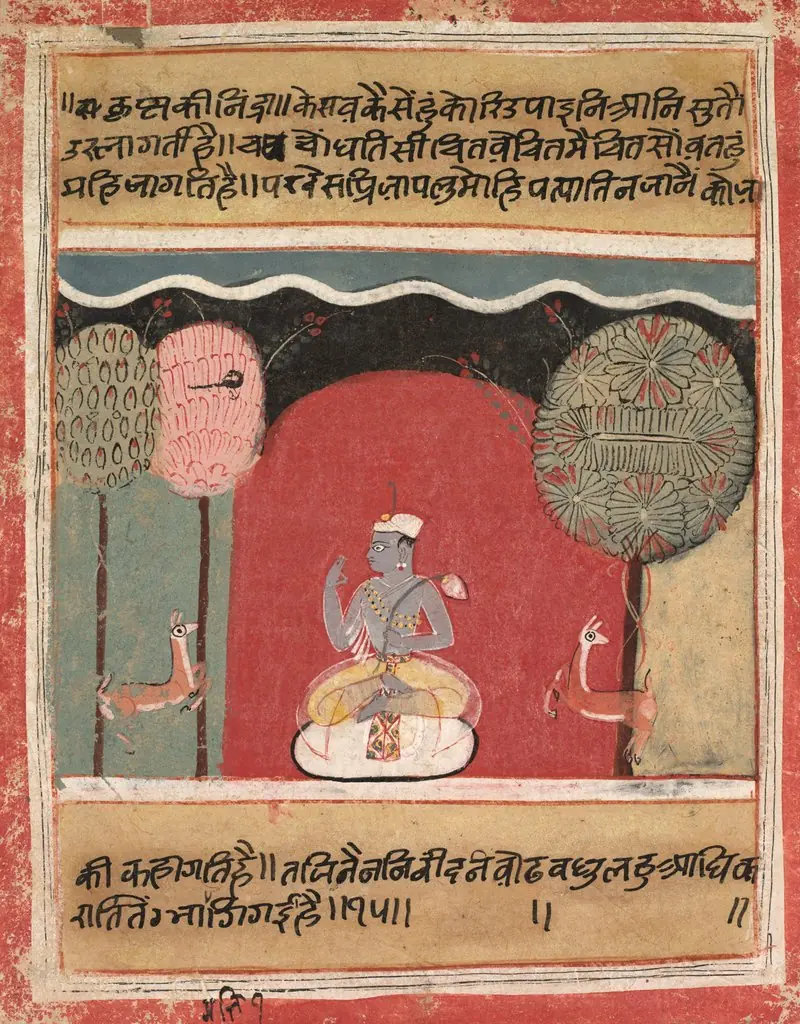 Krishna's Insomnia, Page from a Rasikapriya
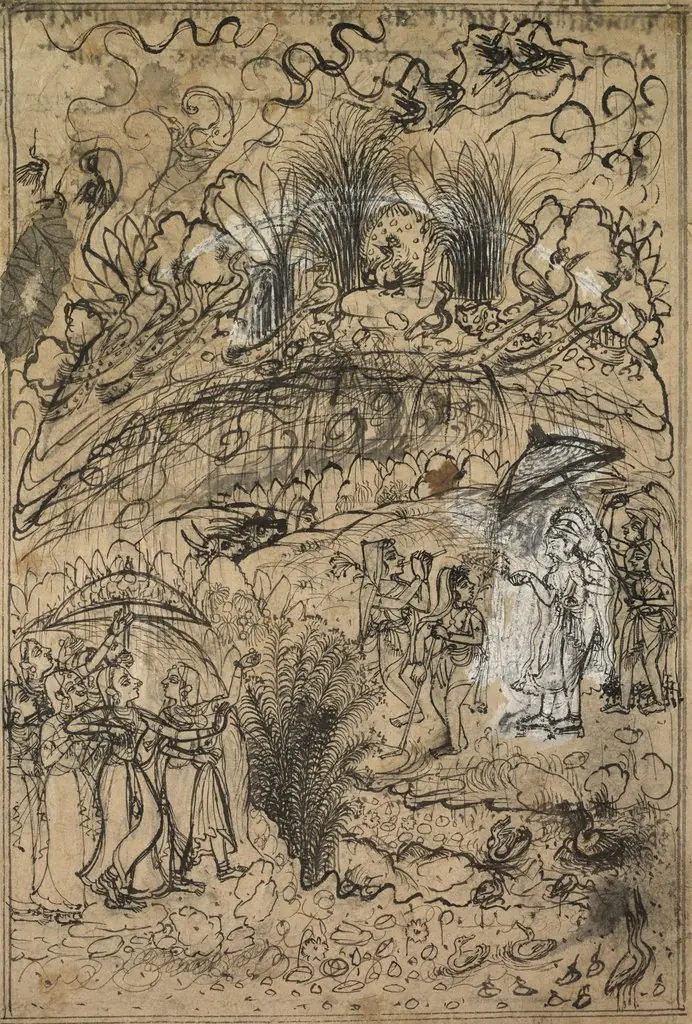 Krishna and Radha Under Mt. Govardhan
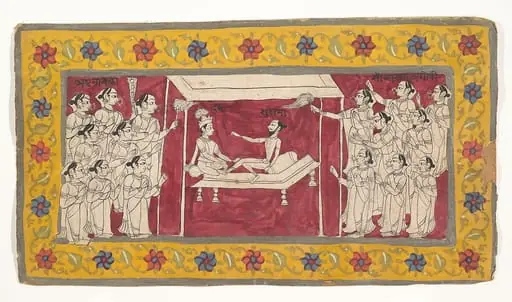
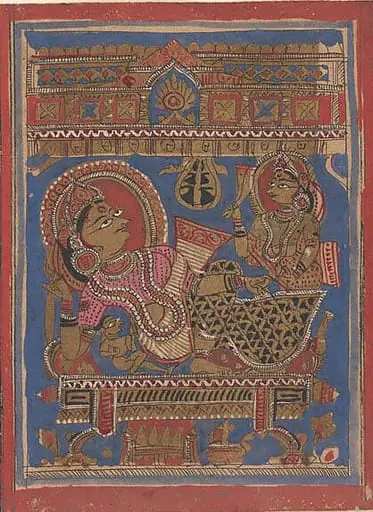
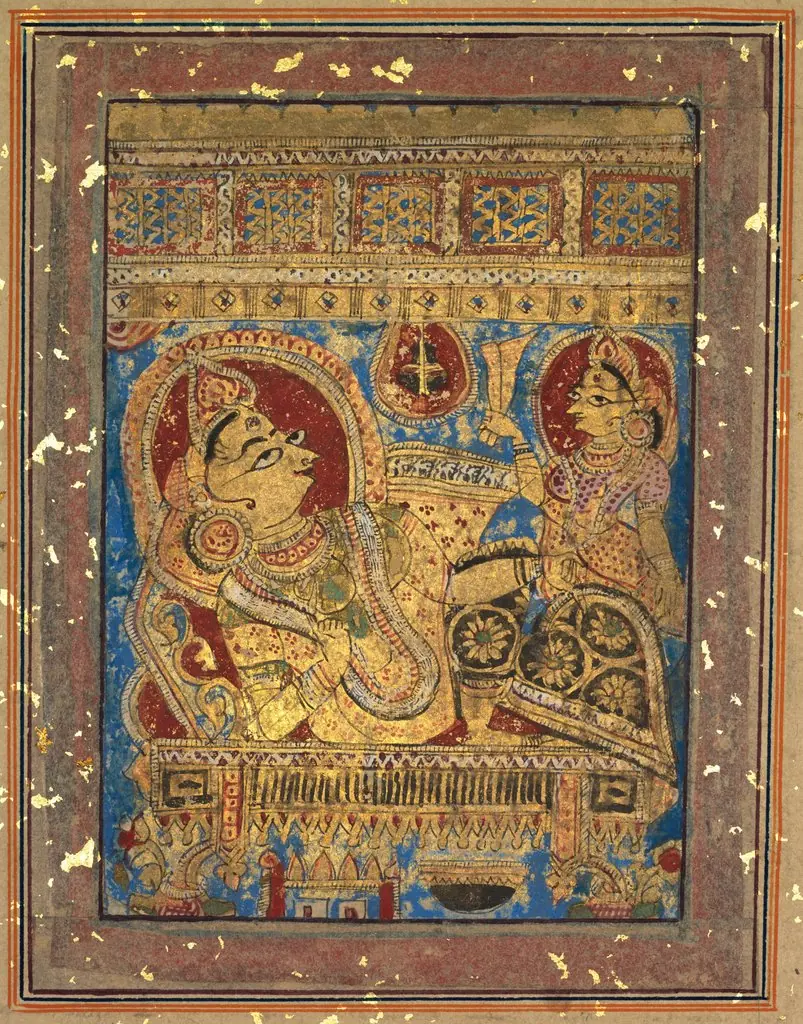 Painting from a Kalpa-sutra: Queen Trishala Reclining
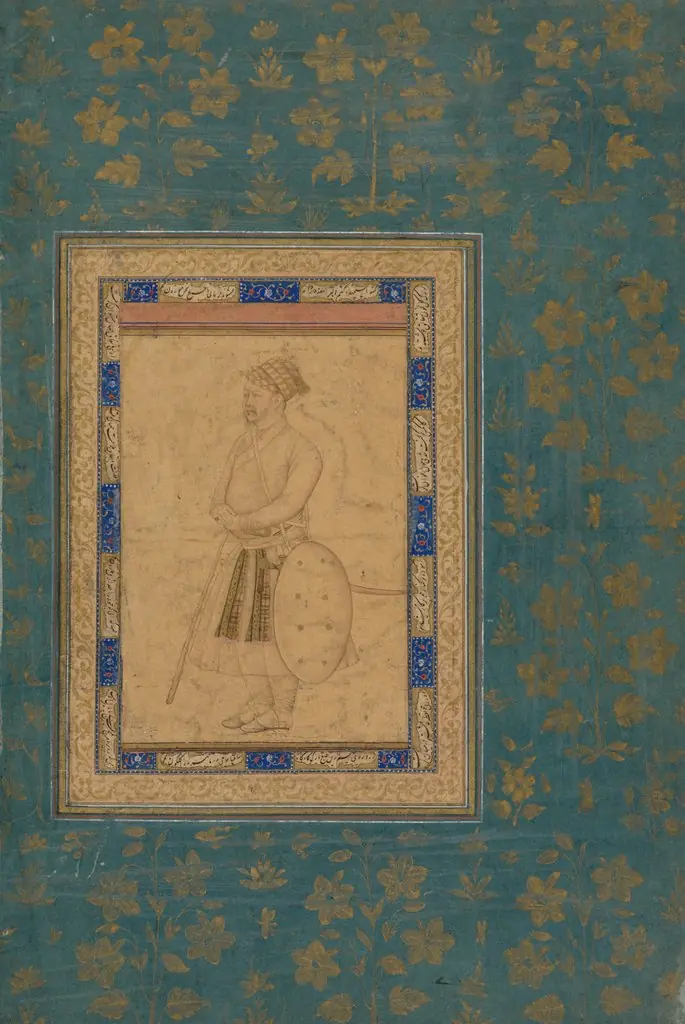 Portrait of an Unidentified Noble from Shah Jahan's Court
Mughal Painting is an art movement. Court painting of the Mughal Empire in South Asia (16th-18th centuries), blending Persian, Indian, and European techniques.
Artifact World Gallery holds 2,004 public-domain Mughal Painting works, all free to view and download.
Key Mughal Painting artists in the collection include The Kota Master, Chokha and Seu Family.
Mughal Painting dates from around 1550.
Mughal Painting works in the collection are held by Cleveland Museum of Art, Victoria and Albert Museum and Metropolitan Museum of Art.
Your cart is empty
Browse artworks →