Artwork
Portrait of a Gentleman
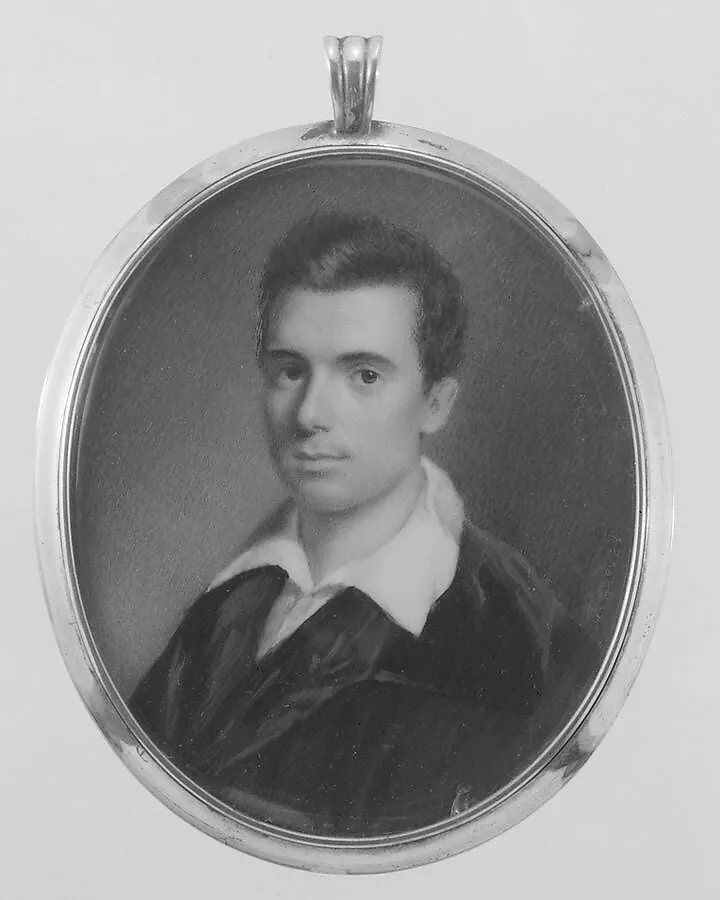
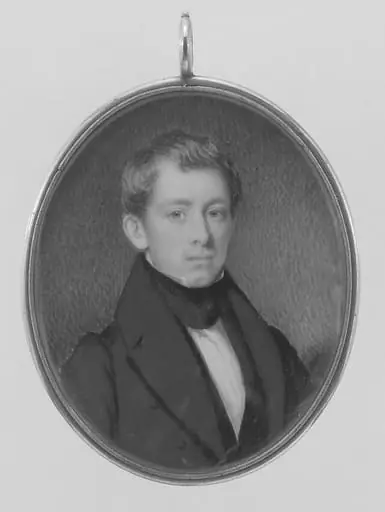
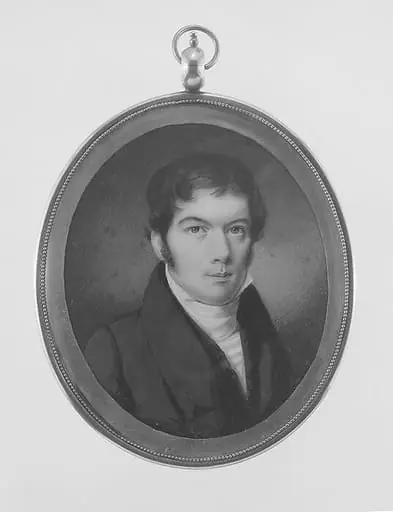
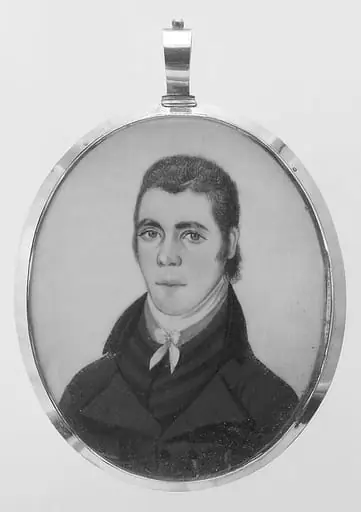
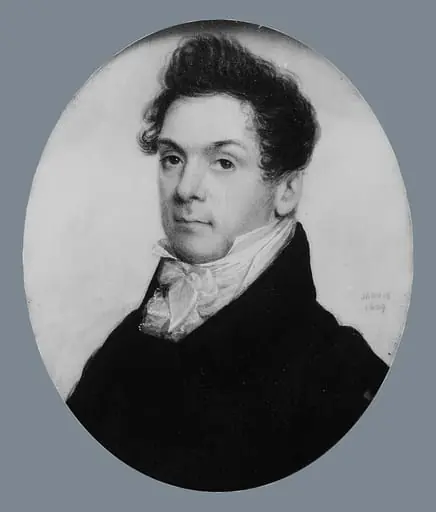
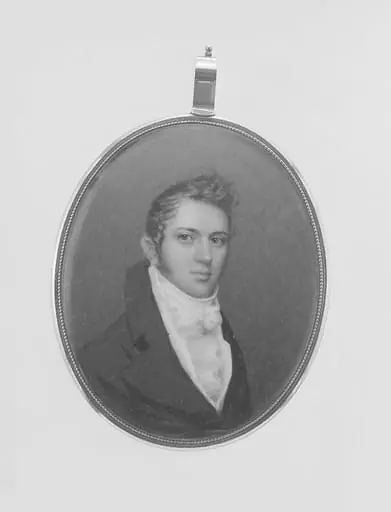
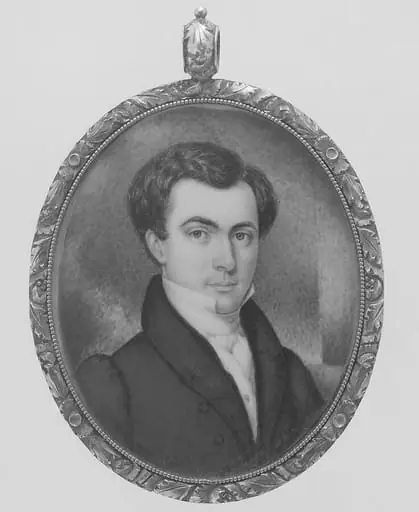
Portrait of a Gentleman is a watercolor painting. It dates from 1840 and is held in the collection of the Metropolitan Museum of Art.
About this work
Technique & Style
As a piece housed within The American Wing of the Metropolitan Museum of Art, the object is classified as a portrait genre work.
Created in 1840, this portrait of a gentleman is executed in watercolor on an ivory support. The work measures approximately 7.2 by 6 centimeters, indicating a miniature format typical of the period. As a piece housed within The American Wing of the Metropolitan Museum of Art, the object is classified as a portrait genre work.
The specific application of watercolor onto ivory defines its material composition and technical handling, distinguishing it from oil paintings on canvas or panel. While the artist remains unidentified, the choice of materials and the small scale reflect the conventions for personal portraiture in the mid-19th century United States.
History & Provenance
The Portrait of a Gentleman is in the collection of the Metropolitan Museum of Art, where it is classified under The American Wing. Its accession number is 2006.235.82, indicating it entered the museum's holdings in 2006. The work, a watercolor on ivory dated 1840, is held at the Met's location and is catalogued as a portrait genre piece depicting a man. No exhibition history is documented in the available sources.
Overview
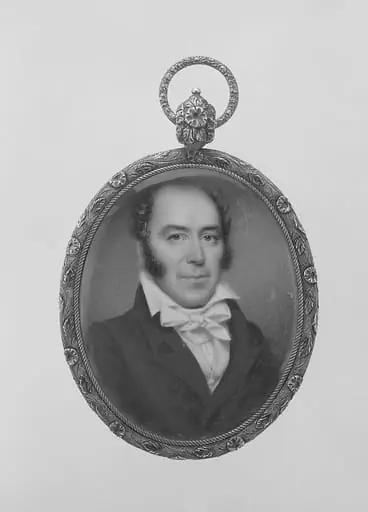
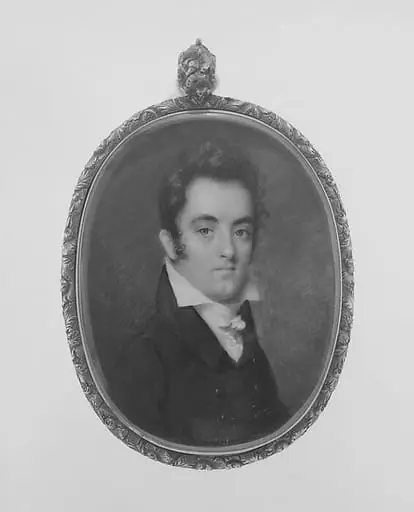
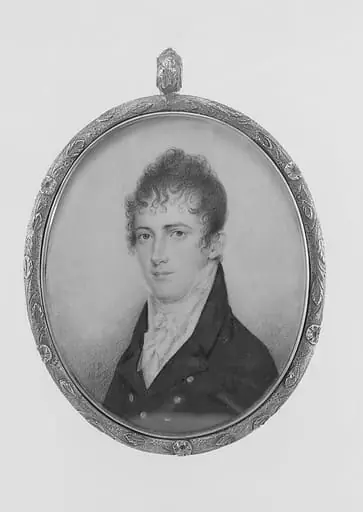
This miniature, titled Portrait of a Gentleman, is rendered in watercolor on a delicate slice of ivory. Measuring smaller than a playing card, it presents a direct gaze from a man in a dark suit, his features softly illuminated. This piece exemplifies the intimate scale and detailed execution characteristic of portrait miniatures, a popular art form during its time. It is housed within the American Wing collection.
Subject & Meaning
The subject, an unidentified gentleman, is depicted in a black suit, engaging the viewer with a direct stare. His face is softly lit, emphasizing his features without harsh contrasts. Such portraits served to capture and preserve the likeness of individuals, often as personal mementos or tokens of affection, reflecting the social importance placed on individual representation during the period.
Artist & collection