Artwork
Portrait of a Nobleman in Armor
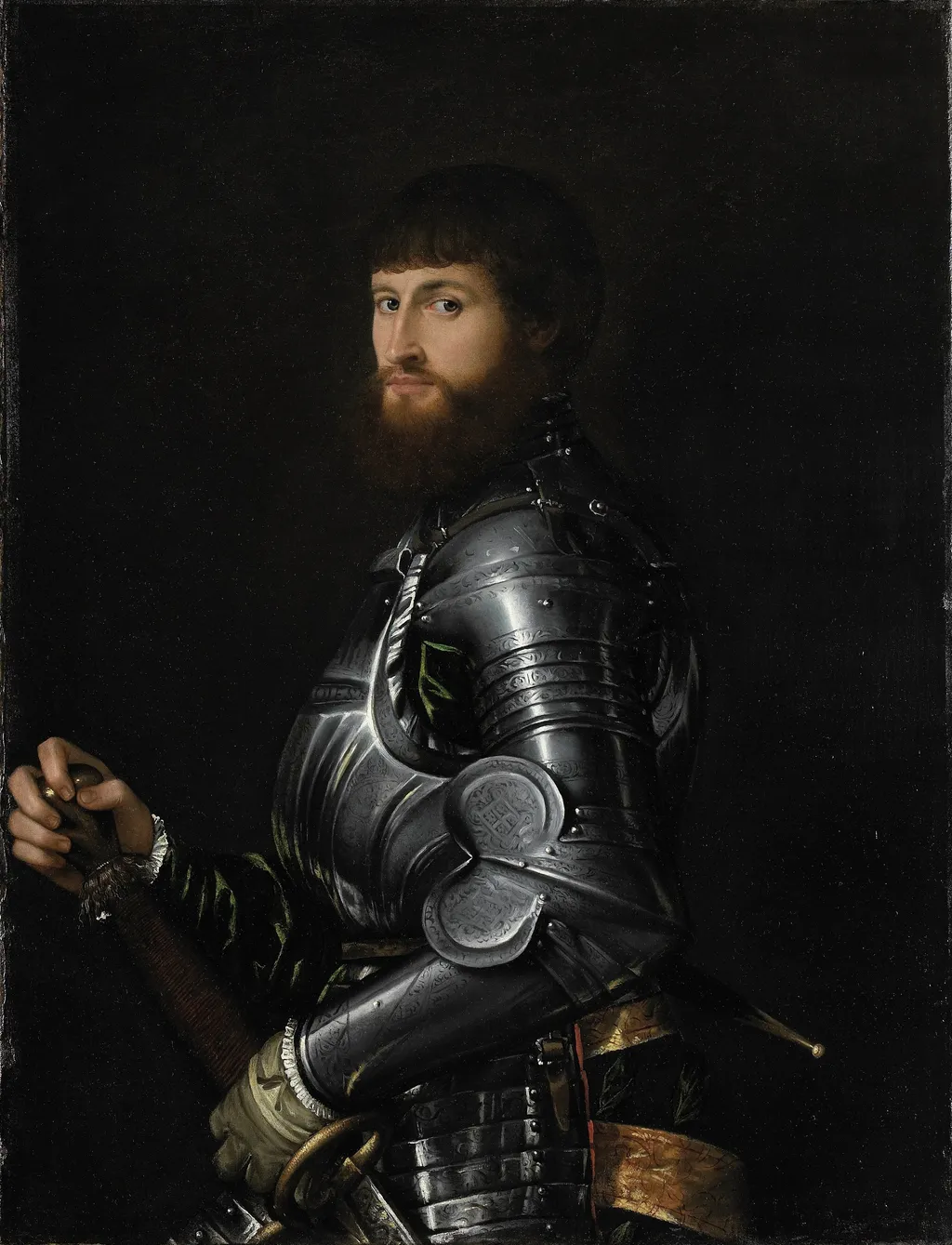
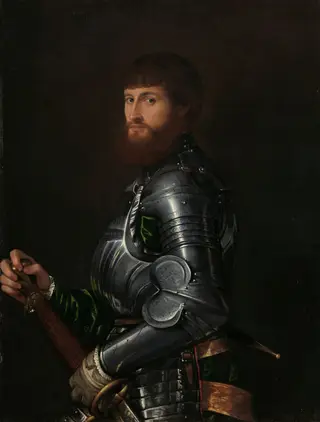
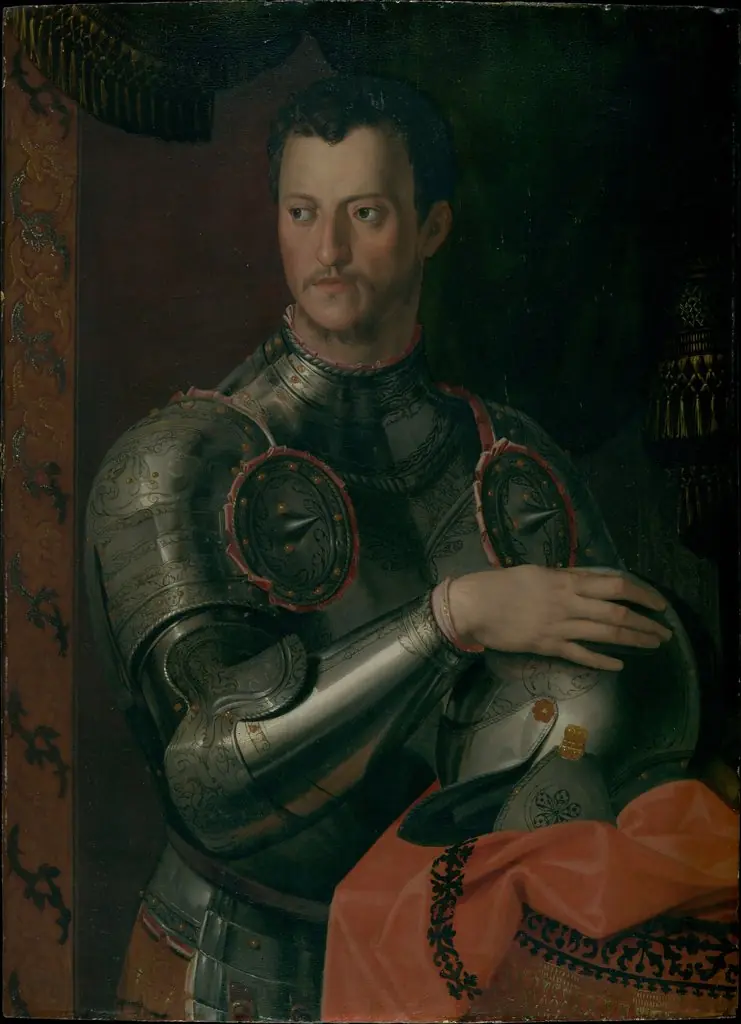
Portrait of a Nobleman in Armor is an oil painting. It dates from 1550 and is held in the collection of the Rijksmuseum. The work is an oil painting depicting a man clad in black armor, positioned before a dark backdrop.
About this work
History & Provenance
The Portrait of a Nobleman in Armor was painted in 1550 by Giovanni Battista Moroni, Lorenzo Lotto, and Titian for Peter II, Grand Duke of Oldenburg.
The Portrait of a Nobleman in Armor was painted in 1550 by Giovanni Battista Moroni, Lorenzo Lotto, and Titian for Peter II, Grand Duke of Oldenburg. It entered the ducal collection of Frederick Augustus II, later passing to Erwein Damian Hugo Graf von Schönborn-Wiesentheid. The work remained in the Oldenburg family until its acquisition by the Rijksmuseum, where it is currently displayed in the Augusteum wing.
Portrait of a Nobleman in Armor is an oil on canvas painting created in 1550 and currently held in the Rijksmuseum, where it is accessioned as inventory number SK-A-1234. The work entered the collection of the Grand ducal collection of Oldenburg and later passed to Frederick Augustus II, Grand Duke of Oldenburg, before being acquired by the Rijksmuseum; it has been exhibited in the Rijksmuseum’s Portrait Gallery since its acquisition and featured in the exhibition "Dutch and Flemish Masters of the 16th Century" held at the Rijksmuseum in 1998.
Overview
The work is an oil painting depicting a man clad in black armor, positioned before a dark backdrop. He presents a solemn expression, a short beard, and a direct stare. One hand rests on his chest while the other grips a gauntlet, and a sword hangs at his side, emphasizing his martial bearing.
Subject & Meaning
The figure appears to be a nobleman, suggested by the elaborate armor with gilded accents and the dignified pose. The serious demeanor and the placement of the hand on his chest may convey honor or loyalty, while the gauntlet and sword reinforce his status as a warrior of high rank.
Technique & Style
The painter employs strong chiaroscuro, contrasting illuminated armor against the surrounding darkness to accentuate form and texture. Fine detailing on the metal plates and gold highlights demonstrates a meticulous approach to rendering reflective surfaces within the oil medium.
Context
The composition aligns with a tradition of portraiture that emphasizes martial identity, common in periods when armor signified both social standing and military service. The use of dark background and dramatic lighting reflects broader Baroque tendencies toward theatrical illumination.
Artist & collection

 Untitled
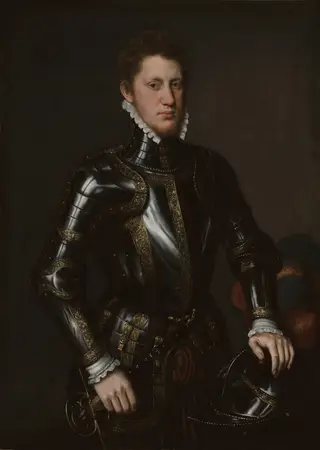
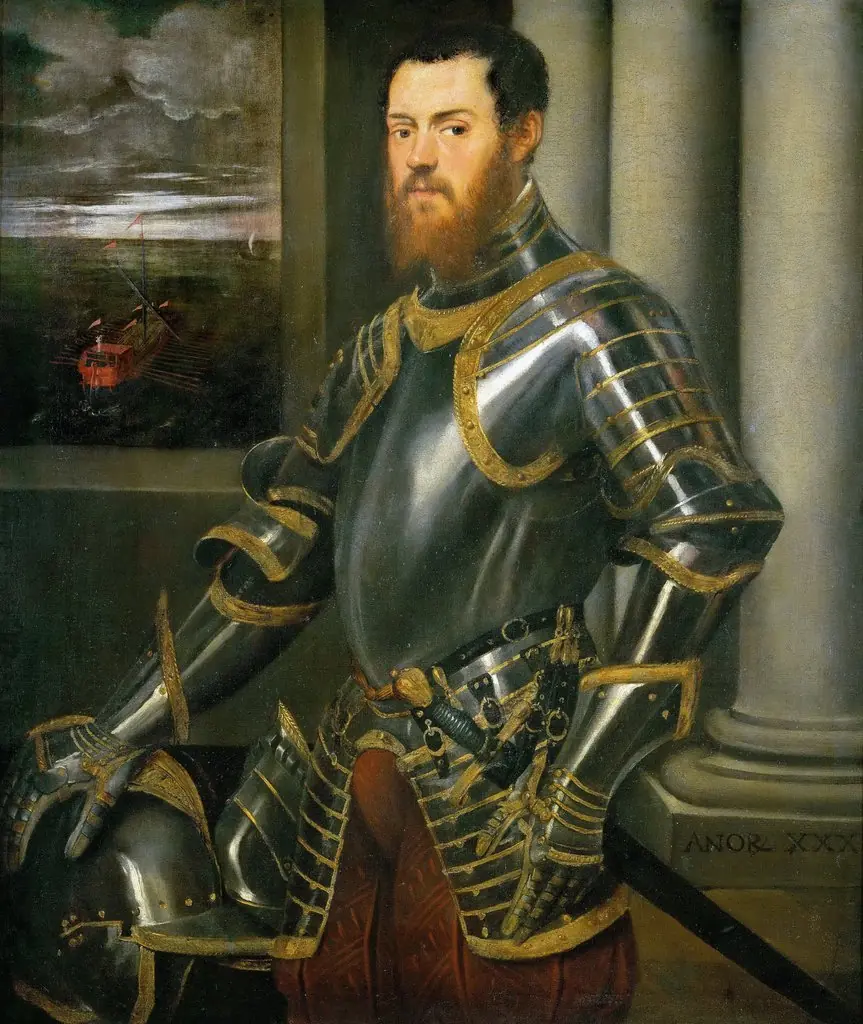 Young man in a gold-decorated suit of armour
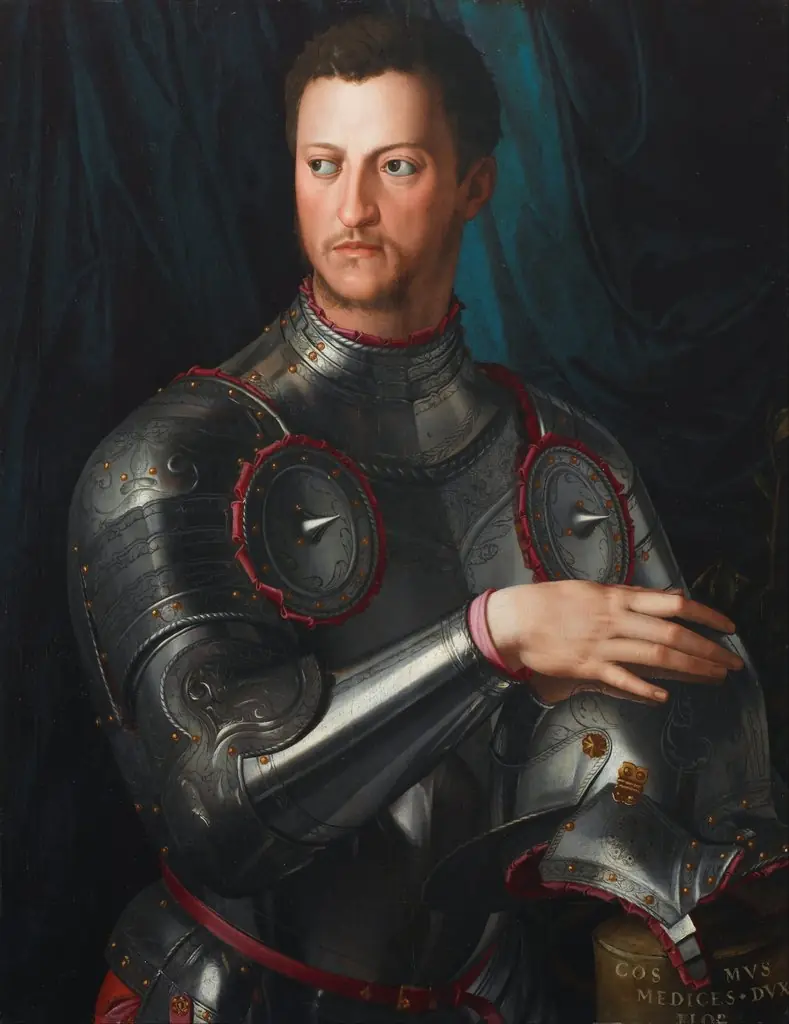 Portrait of Cosimo I de' Medici in armour
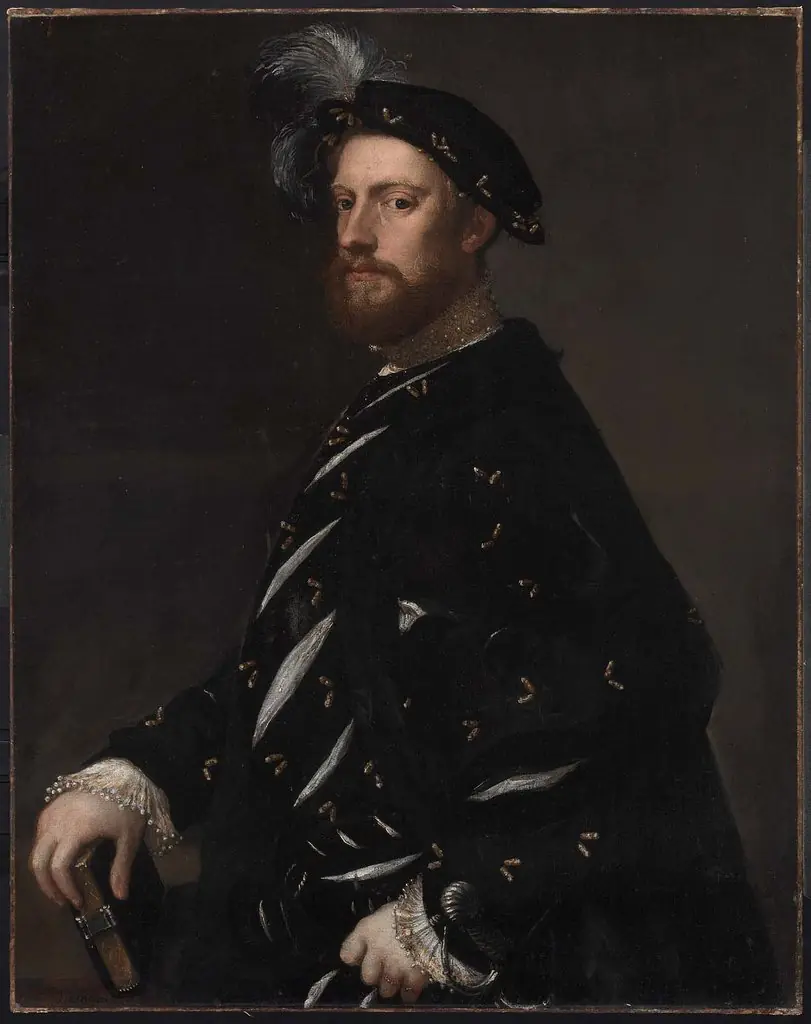 Portrait of a Man Holding a Book
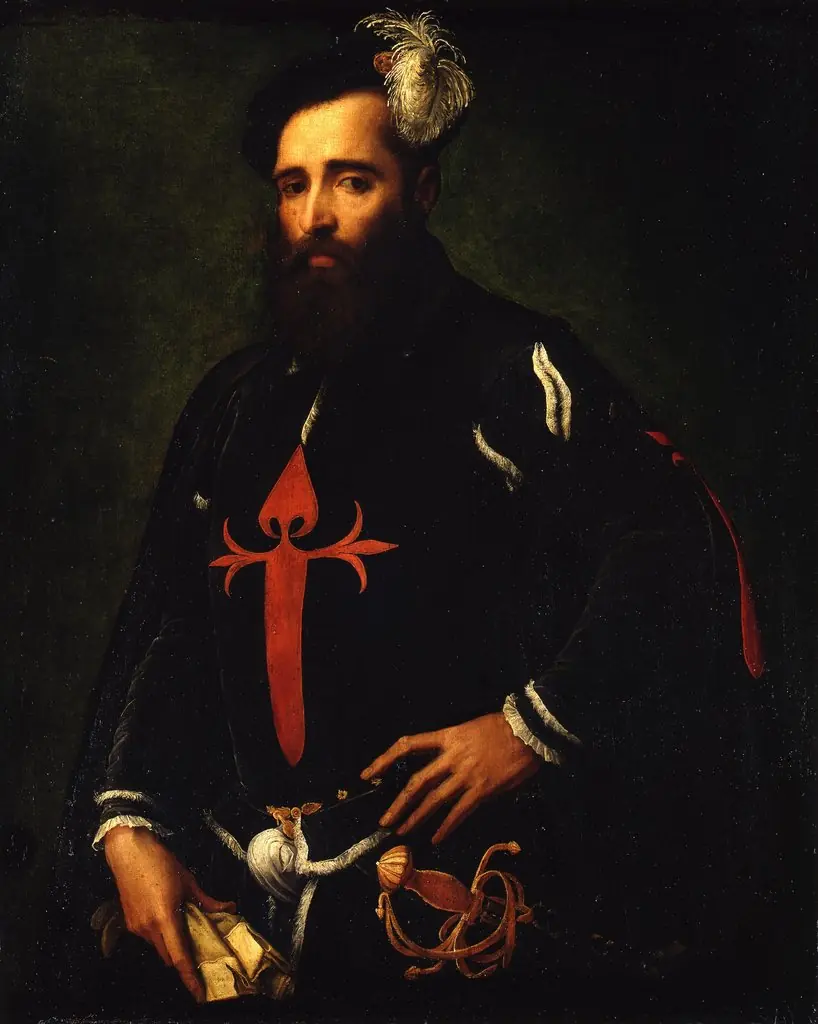
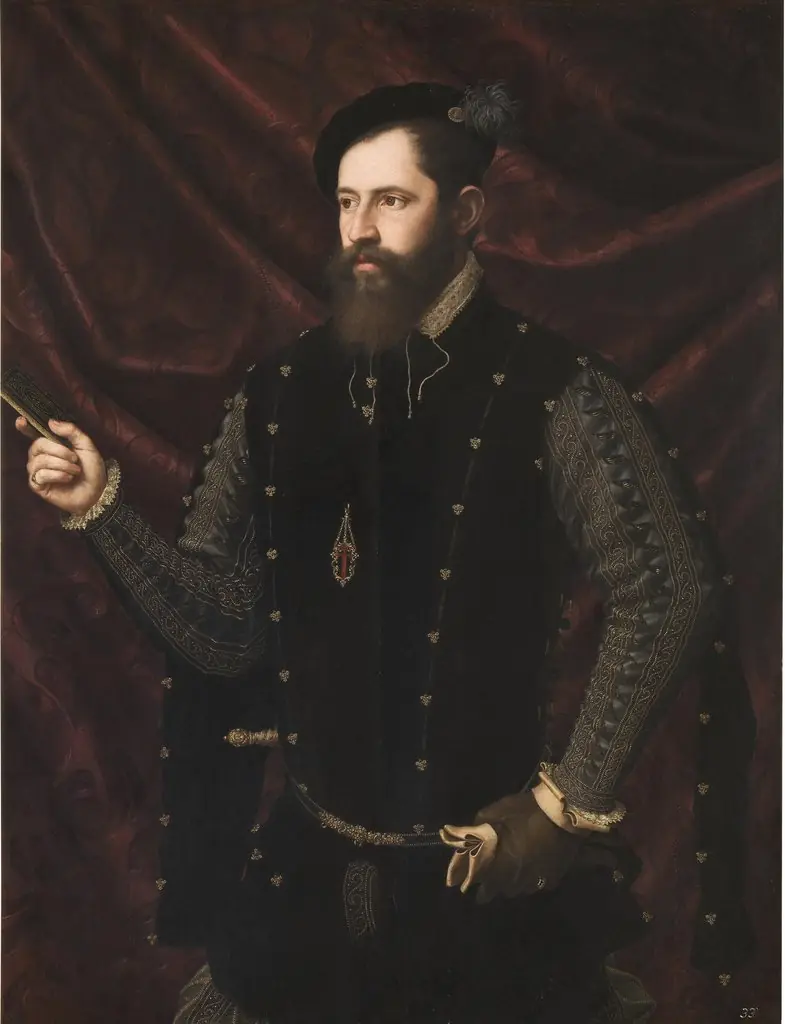 Portrait of a Knight of the Order of Santiago
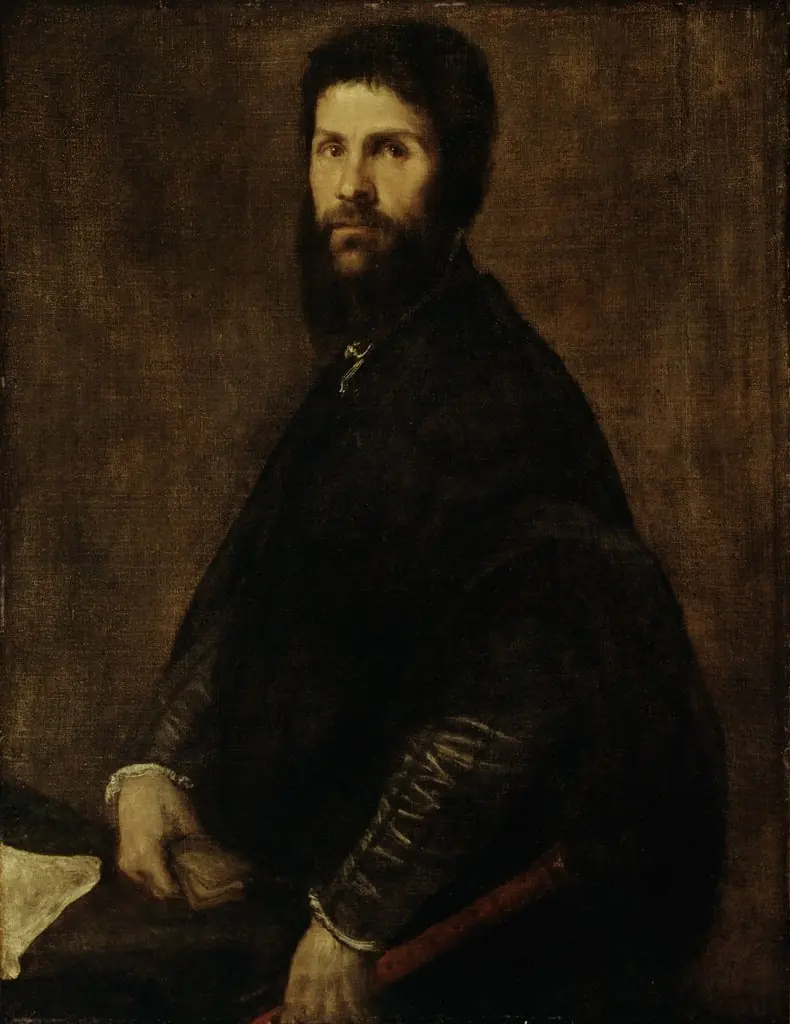 Man Holding a Flute
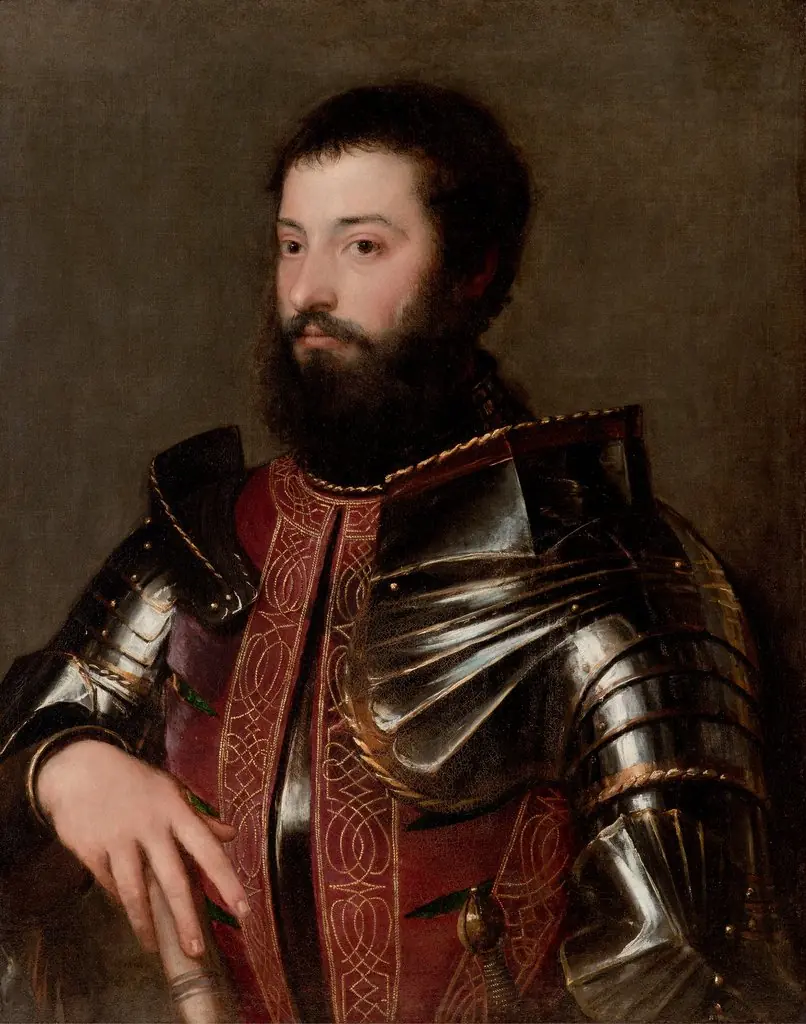
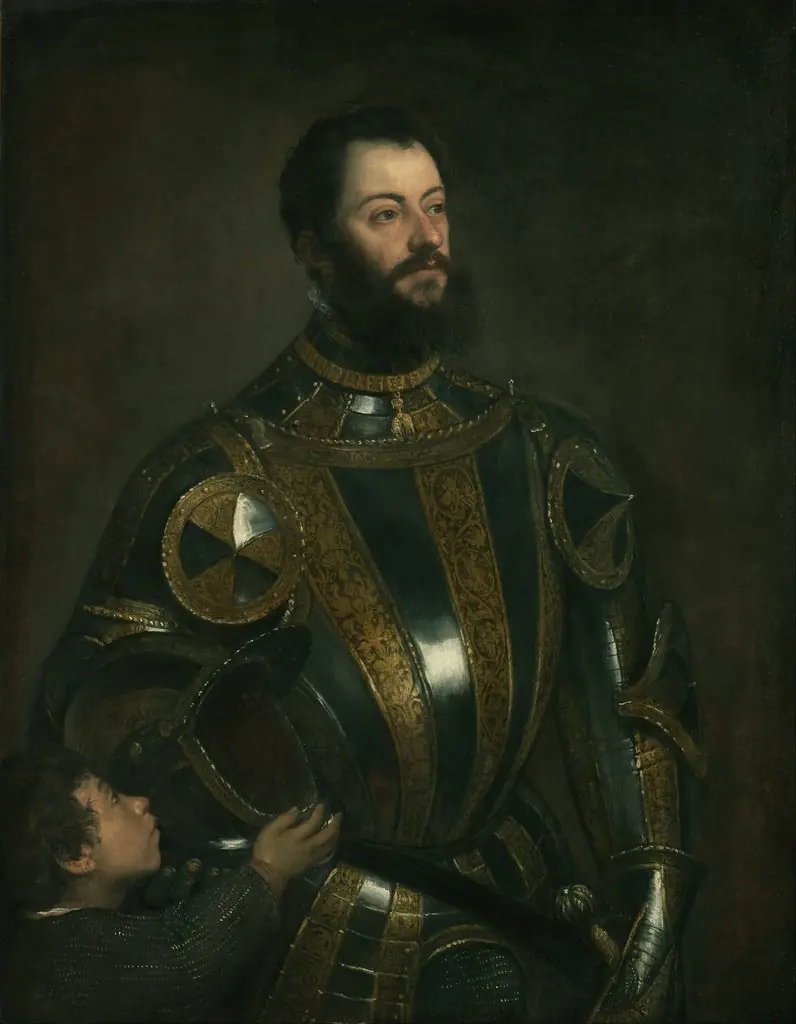 Portrait of Alfonso d'Avalos, Marchese del Vasto, in Armor with a Page
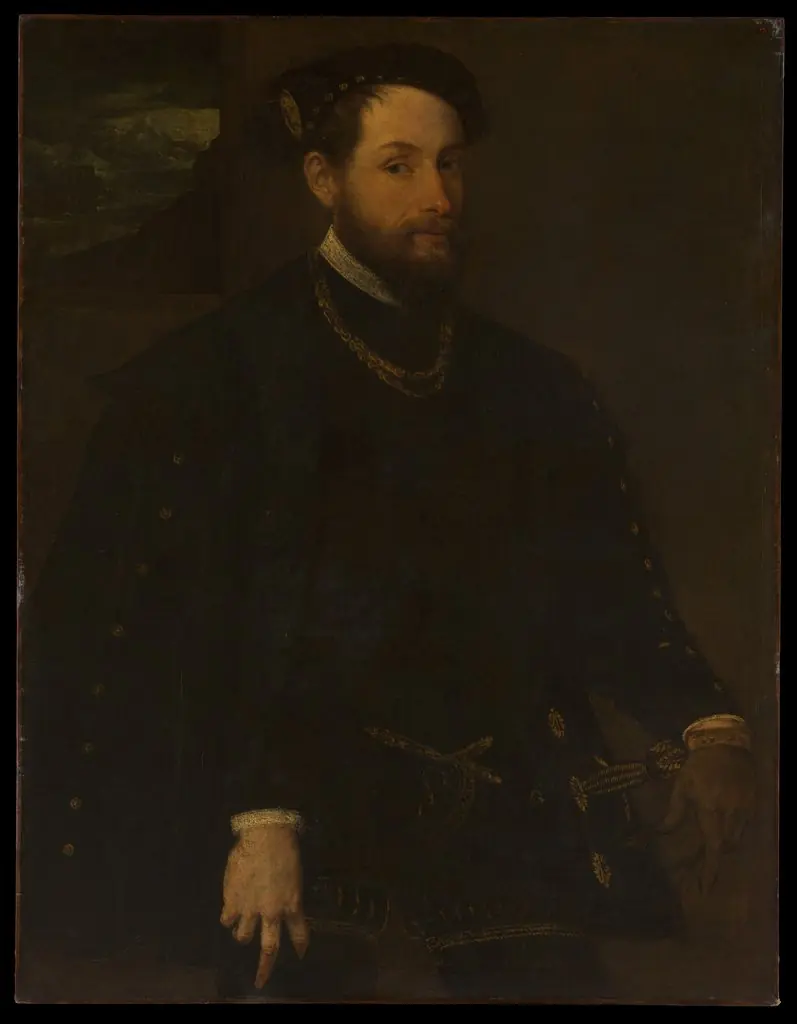 Portrait of a Man
 Cosimo I de' Medici (1519–1574)