Artwork
Portrait of an Officer
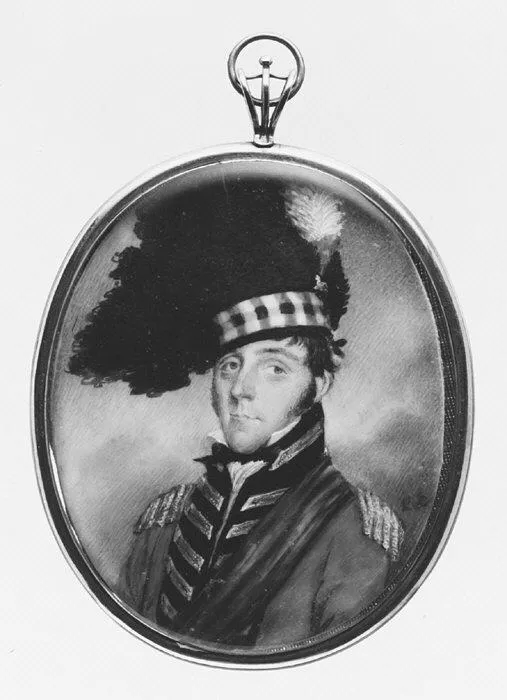
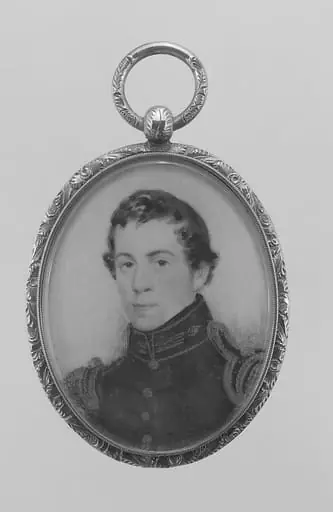
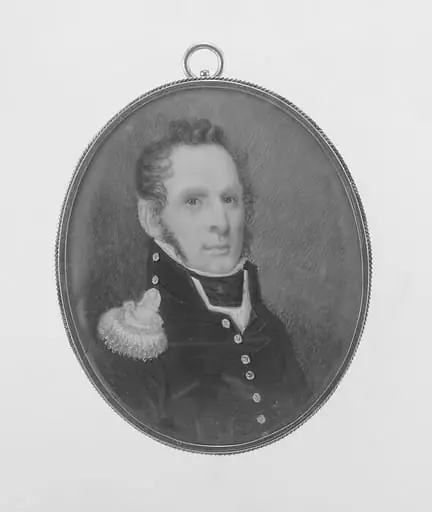
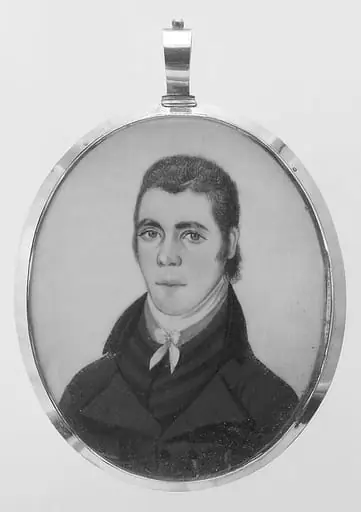
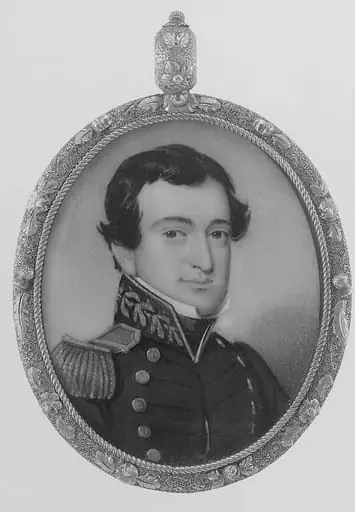
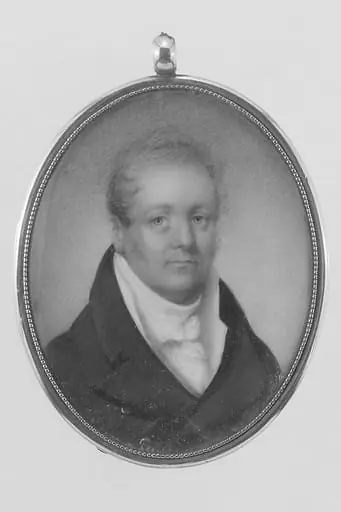
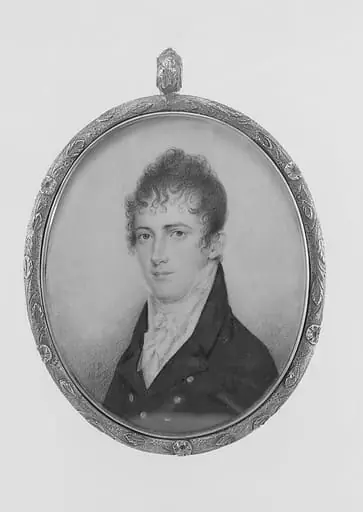
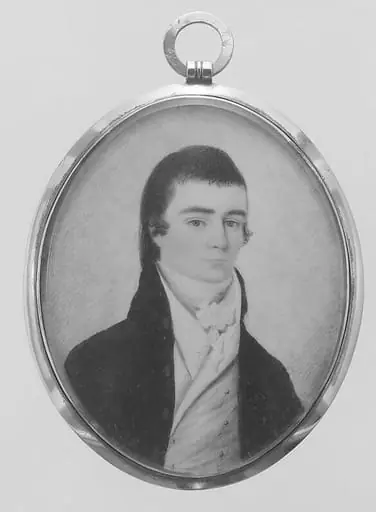
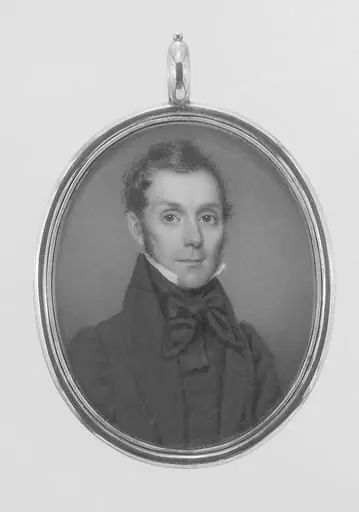
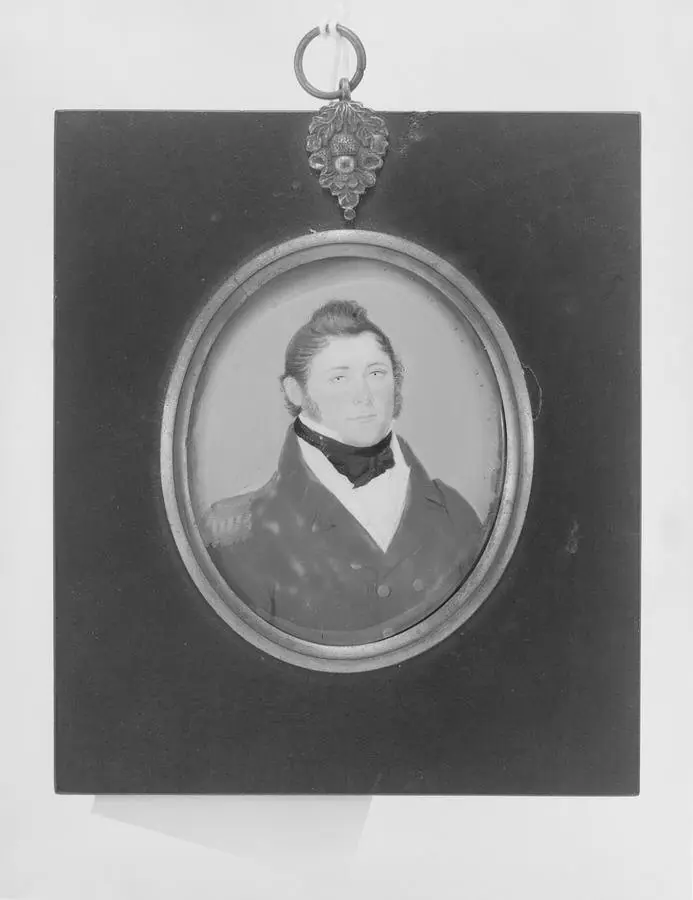
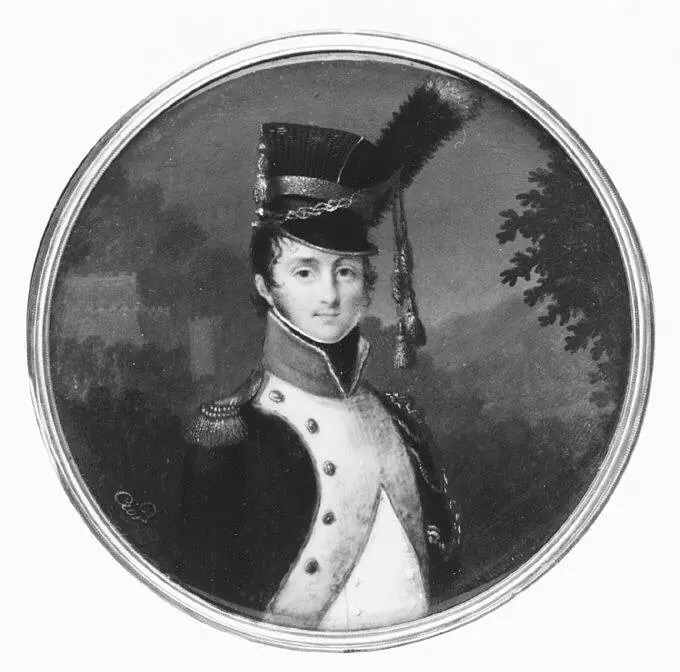
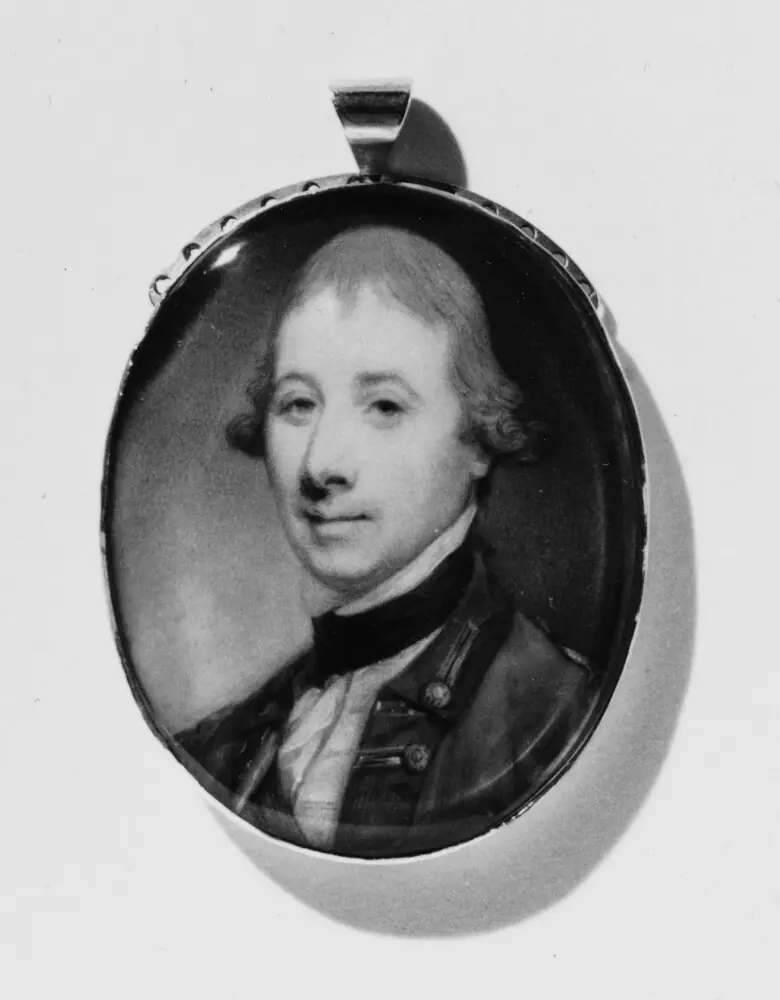
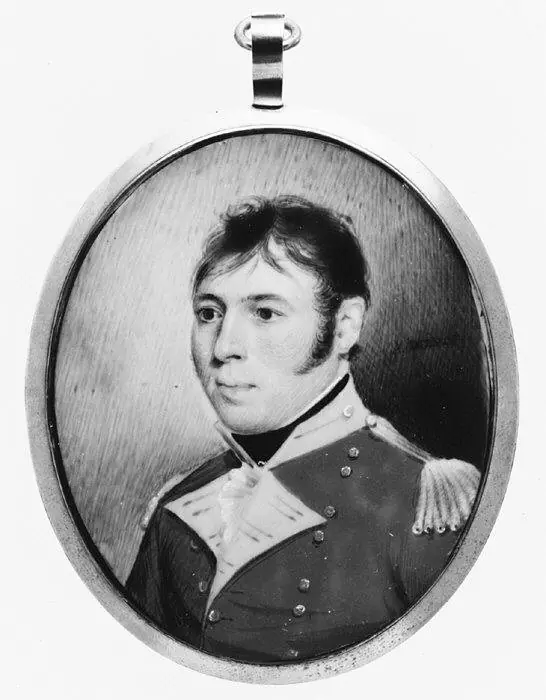
Portrait of an Officer is an unspecified painting. It dates from 1820 and is held in the collection of the Metropolitan Museum of Art. This small, oval painting depicts an unidentified military officer.
About this work
Subject & Meaning
The Portrait of an Officer depicts an unidentified male figure dressed in military uniform, consistent with early 19th-century British regalia.
The Portrait of an Officer depicts an unidentified male figure dressed in military uniform, consistent with early 19th-century British regalia. The subject is portrayed in a three-quarter view, his expression composed and authoritative, reinforcing his rank and status. Iconographic elements include epaulettes, buttons, and a high-collared jacket, which signify formal military attire of the period.
These details suggest the work commemorates the officer’s service or social standing rather than a specific individual, reflecting broader ideals of duty and professionalism in post-Napoleonic Britain.
The painting’s restrained symbolism, such as the absence of overt battle scenes or allegorical motifs, emphasizes the officer’s personal dignity and institutional role. Its meaning lies in its celebration of military identity as a marker of stability and order during an era of geopolitical realignment.
History & Provenance
The Portrait of an Officer was created in 1820 by an unidentified British painter. The work was conceived as a portrait, depicting a male figure in an officer’s attire, though no specific commissioning patron or original context for its creation has been documented.
Since its inception, the painting has been part of the collection of the Metropolitan Museum of Art. Its ownership history prior to acquisition by the museum remains unrecorded in available sources.
The Portrait of an Officer is held in the collection of the Metropolitan Museum of Art in New York. This 1820 painting, attributed to an unknown British artist, is cataloged within the museum's holdings as a portrait depicting a man. While the source confirms its location and creation date, specific accession numbers and a detailed exhibition history are not provided in the available records.
Context
The work is an early nineteenth‑century British portrait painted in 1820, classified as a painting and listed as a portrait in its catalogue entries. It was created by an unidentified British artist, a fact confirmed by both its internal record and its entry in the Metropolitan Museum of Art’s collection database. The piece measures 78 cm by 62 cm and has been part of the museum’s holdings since its acquisition, situating it within the broader development of British portraiture during the Regency period.
Although the artist remains unknown, the portrait contributes to scholarly understanding of anonymous portraitists active in Britain at the turn of the century.
Overview
This small, oval painting depicts an unidentified military officer. Rendered with a focus on the subject's face, the artwork presents a man in a distinctive uniform, characterized by a dark jacket with prominent stripes and a tall, plumed hat. Its compact size and refined finish suggest it was designed for personal adornment, possibly as a pendant or a locket insert, rather than a wall-mounted display.
Technique & Style
The artist employed a technique that emphasizes the subject's features against a subdued backdrop. The dark, unadorned background allows the officer's face and the details of his uniform to emerge with clarity. This contrast between light and shadow, particularly in illuminating the face, suggests an approach akin to chiaroscuro, a method often used to create dramatic depth and highlight the central figure. The smooth finish and precise rendering contribute to its intimate scale.
Artist & collection