Artwork
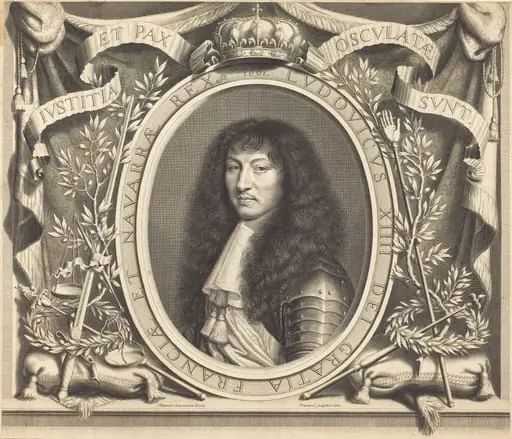
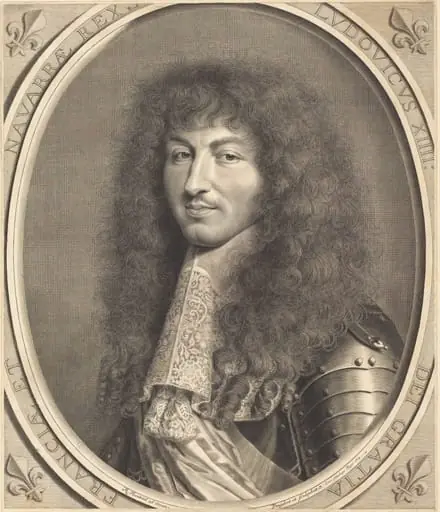
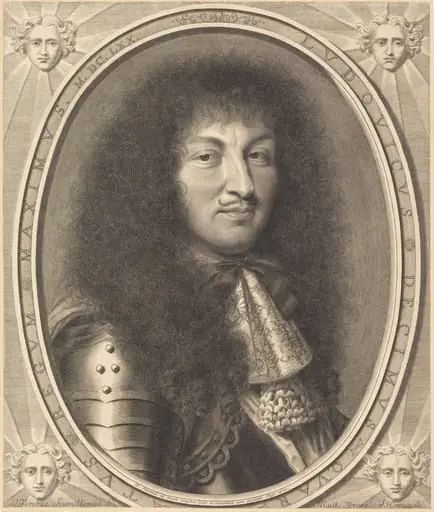
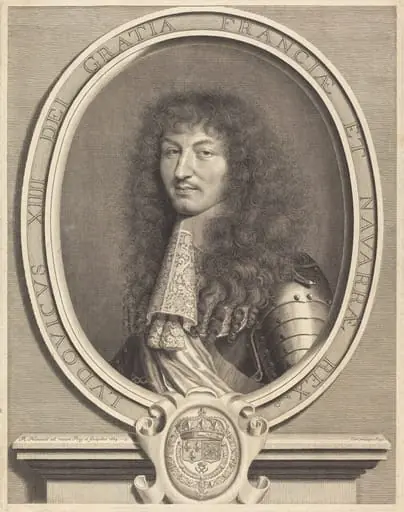
Portrait of King Louis XIV
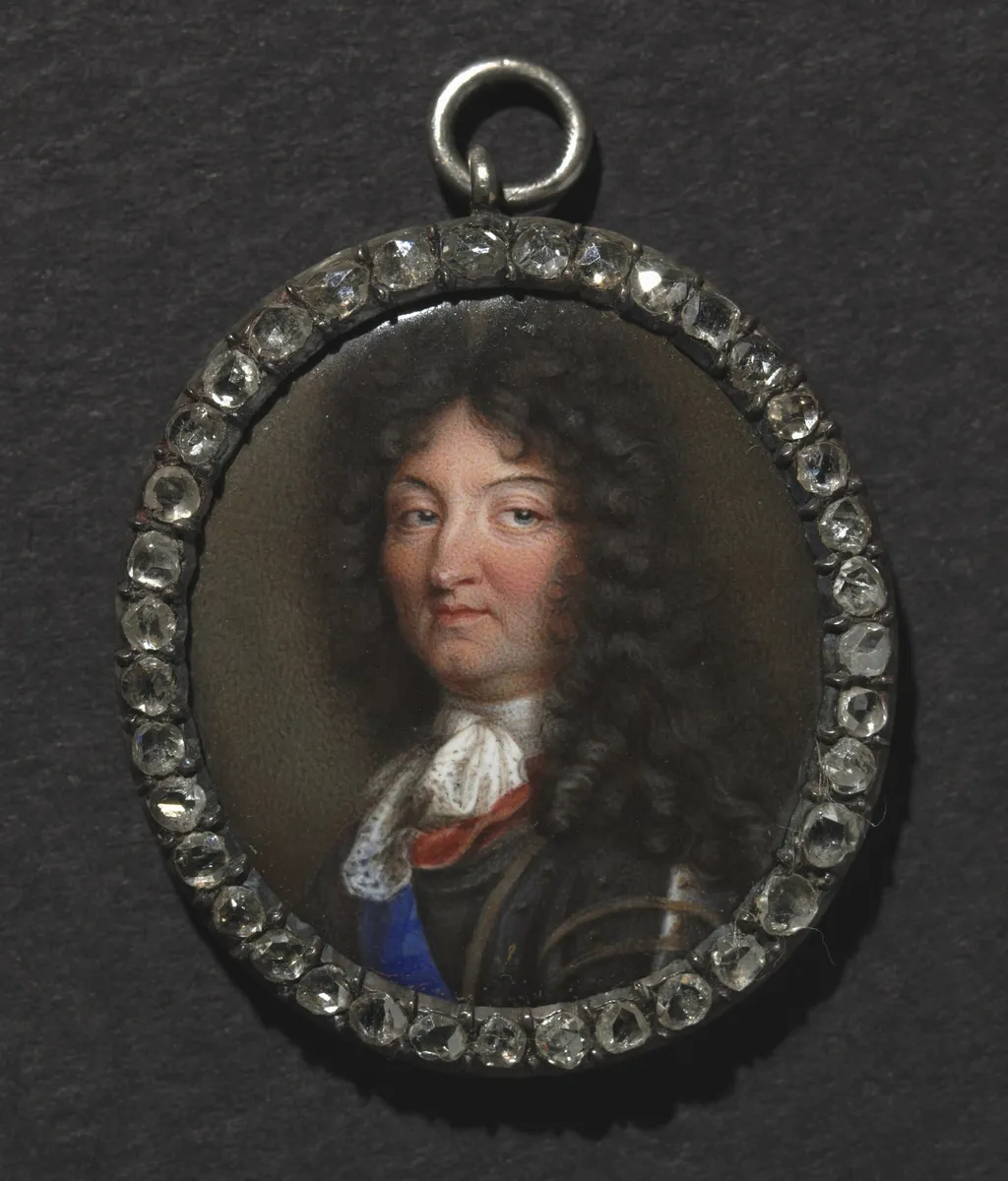
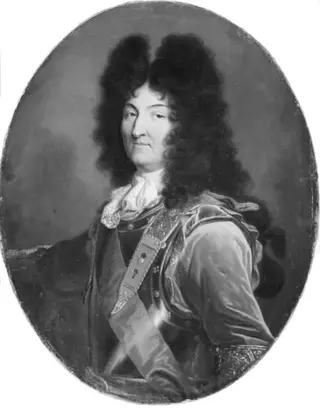
Portrait of King Louis XIV is an unspecified painting. It dates from 1600 and is held in the collection of the Cleveland Museum of Art. The work is a painted portrait that presents a solitary male figure framed by a circular border set with small jewels.
About this work
Technique & Style
The work is a painted portrait miniature executed on a small support, likely a panel or prepared surface typical of early 17th-century portraiture.
The work is a painted portrait miniature executed on a small support, likely a panel or prepared surface typical of early 17th-century portraiture. It depicts King Louis XIV and was created using oil pigments applied with fine brushwork characteristic of the miniature portrait tradition. The handling reflects careful preservation of a delicate support, and the formal qualities include a restrained composition and meticulous attention to facial detail, aligning with the stylistic norms of Jean Petitot’s workshop. The condition is stable, with no noted damage or restoration recorded in the provenance.
History & Provenance
The work is a portrait miniature by the Swiss enameler Jean Petitot (1607–1691). It is held in the collection of the Cleveland Museum of Art. The Wikidata entry gives a generic inception date of 1600, though this appears to be a placeholder rather than a precise dating.
No further details about the commission, specific creation date, or earlier ownership history are provided in the available sources.
The portrait miniature of King Louis XIV attributed to Jean Petitot is held by the Cleveland Museum of Art in Cleveland. The work carries the museum's accession number 1940.1216. While the entity date is listed as 1600, the artist Jean Petitot is identified as active from 1607 to 1691, suggesting the work dates to the 17th century. The provided sources do not contain specific records of past exhibitions for this object.
Overview
The work is a painted portrait that presents a solitary male figure framed by a circular border set with small jewels. The sitter’s face dominates the composition, rendered with careful attention to detail, while the surrounding background recedes into a dark, indistinct space. The overall tone is one of restrained elegance, characteristic of formal court portraiture.
Subject & Meaning
The figure is depicted with long, curled hair, a moustache, and a solemn expression, his gaze directed downward. He wears a white lace‑trimmed collar beneath a red and blue vest or jacket over a dark shirt, attire that signals high status. The serious demeanor and refined dress suggest a portrayal intended to convey authority and dignity.
Context
Portraits of monarchs and high officials in this period often served to reinforce political legitimacy and personal prestige. The dark, neutral backdrop focuses attention on the sitter’s visage, a compositional choice common in royal portraiture designed to highlight the individual’s presence without narrative distraction.
Artist & collection

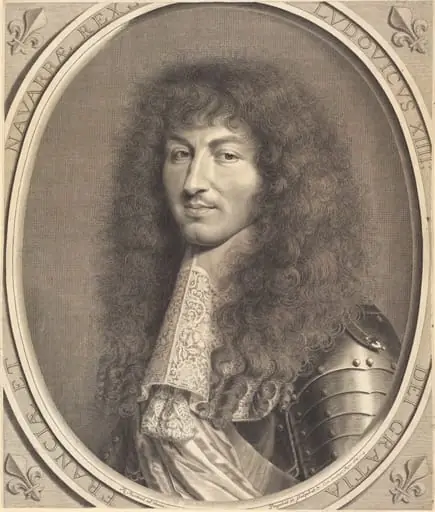
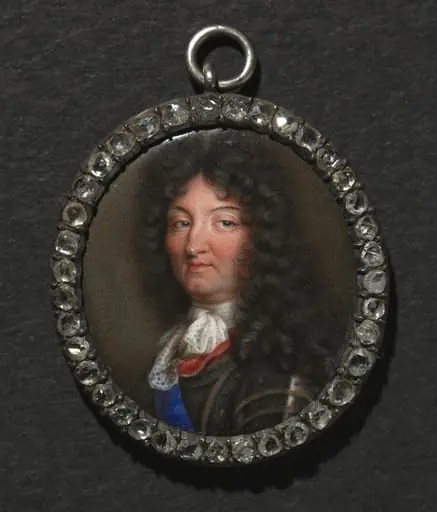 Portrait of King Louis XIV
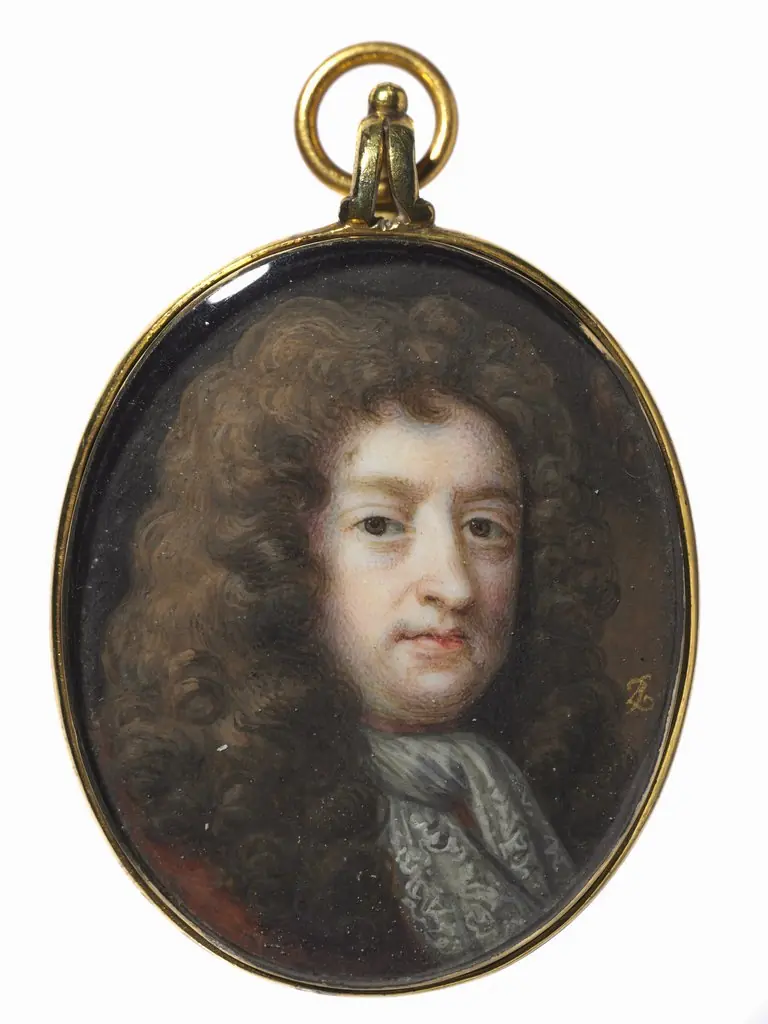 Portrait of Samuel Butler
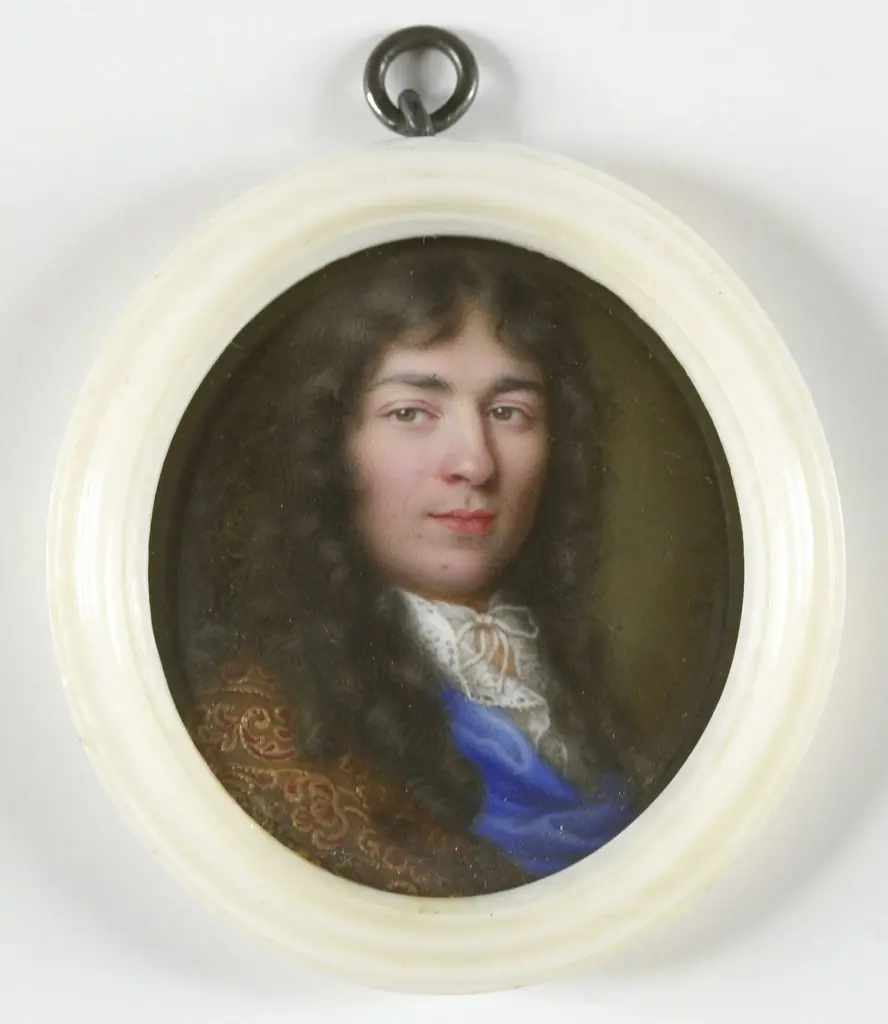 Portret van een man
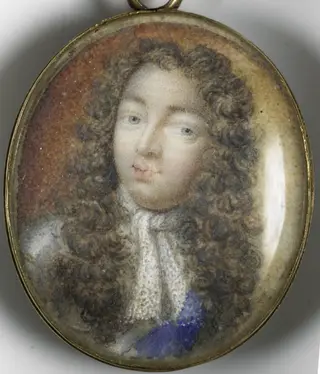 Portret van een man en een vrouw (keerzijde) vermoedelijk Willem Frederik Markgraaf van Brandenburg-Anspach (1686-1723) en zijn vrouw Christiane Charlotte van Württemberg (1694-1723)
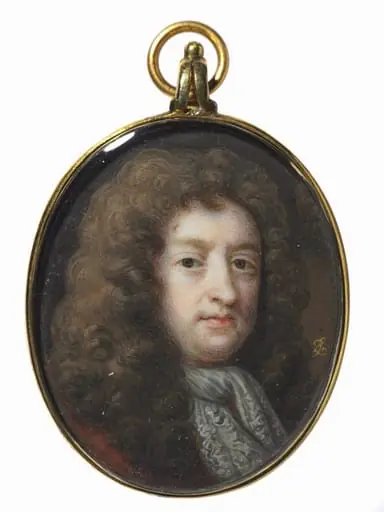 Portrait of Samuel Butler
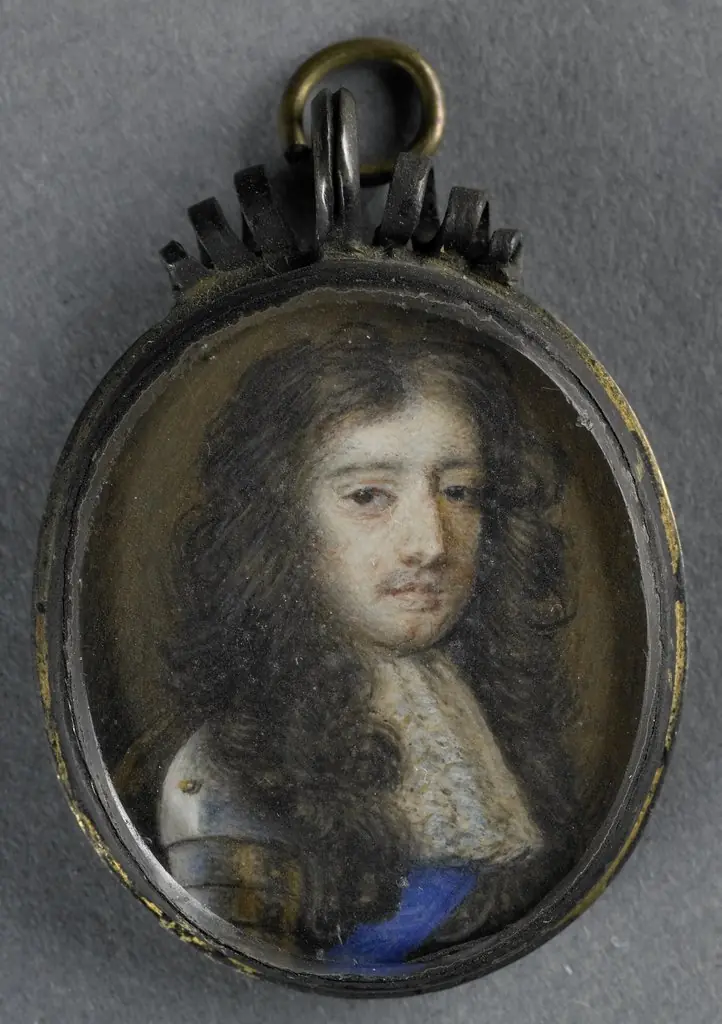 William III
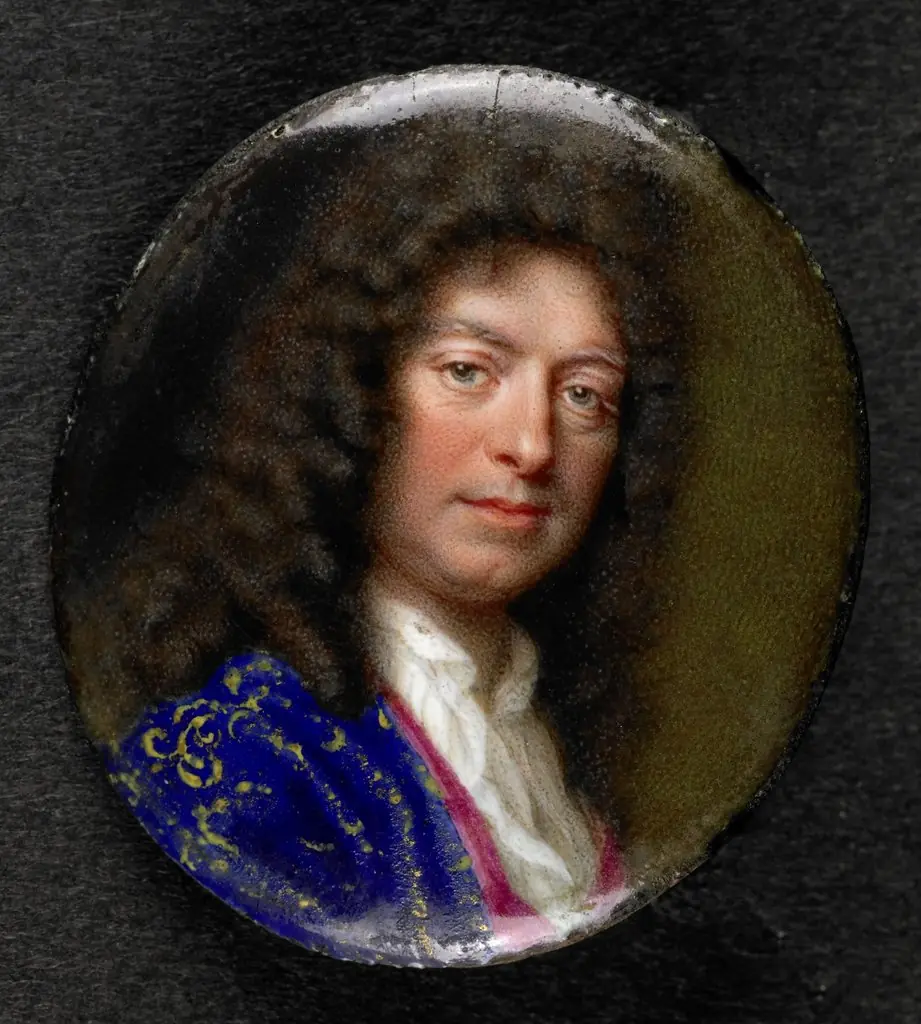 Portret van een man
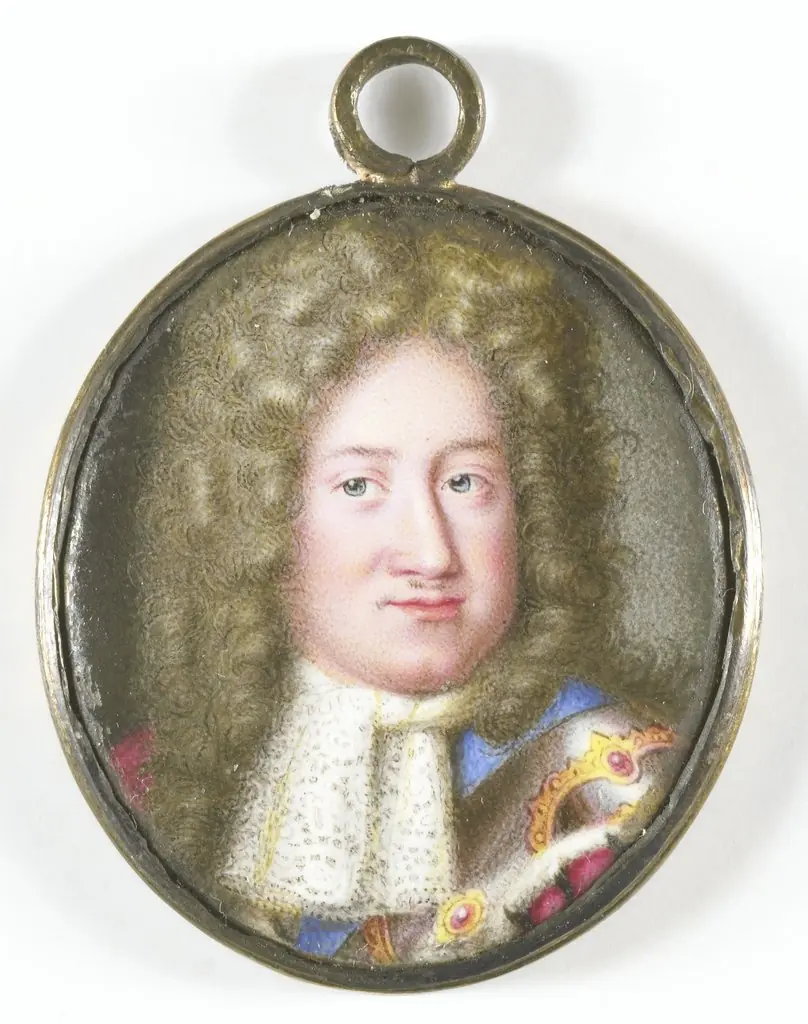 Portrait of Friedrich I van Pruisen (1657-1713)
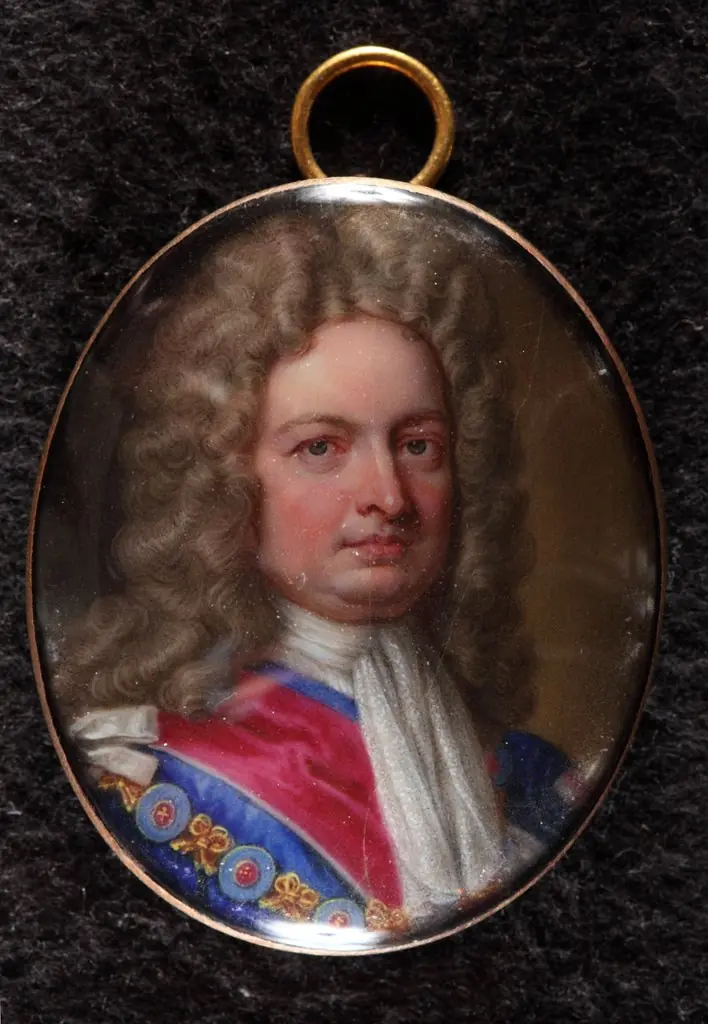 Robert Harley, Earl of Oxford
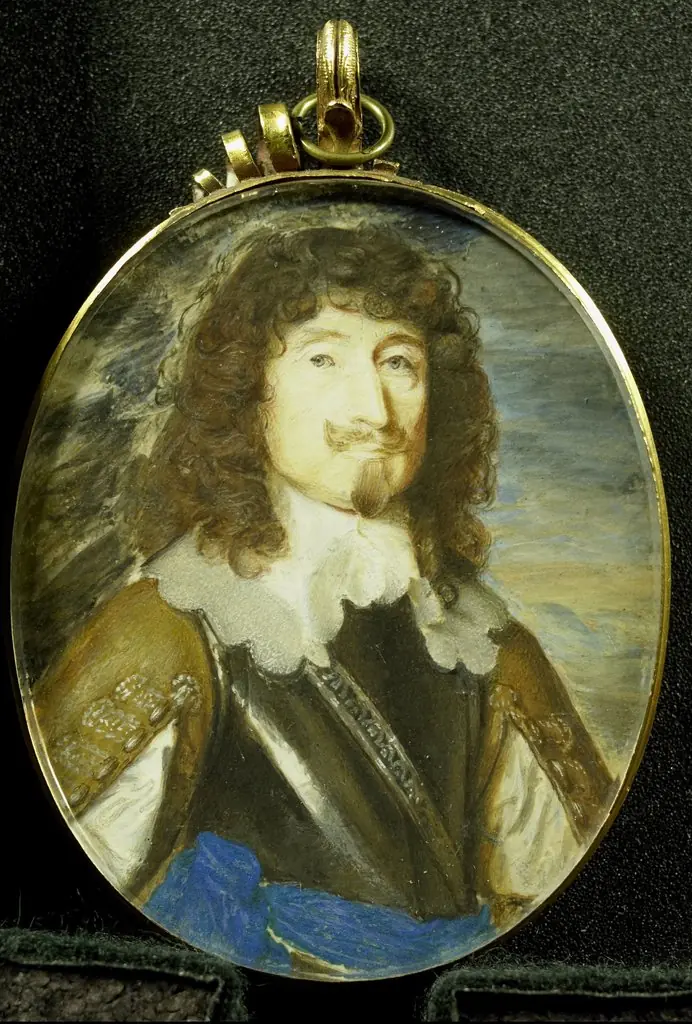 George Gordon (died 1649), 2nd marquess of Huntley