Artwork
Portrait of Willem I 'de Zwijger' van Oranje- Nassau (1533-1584)
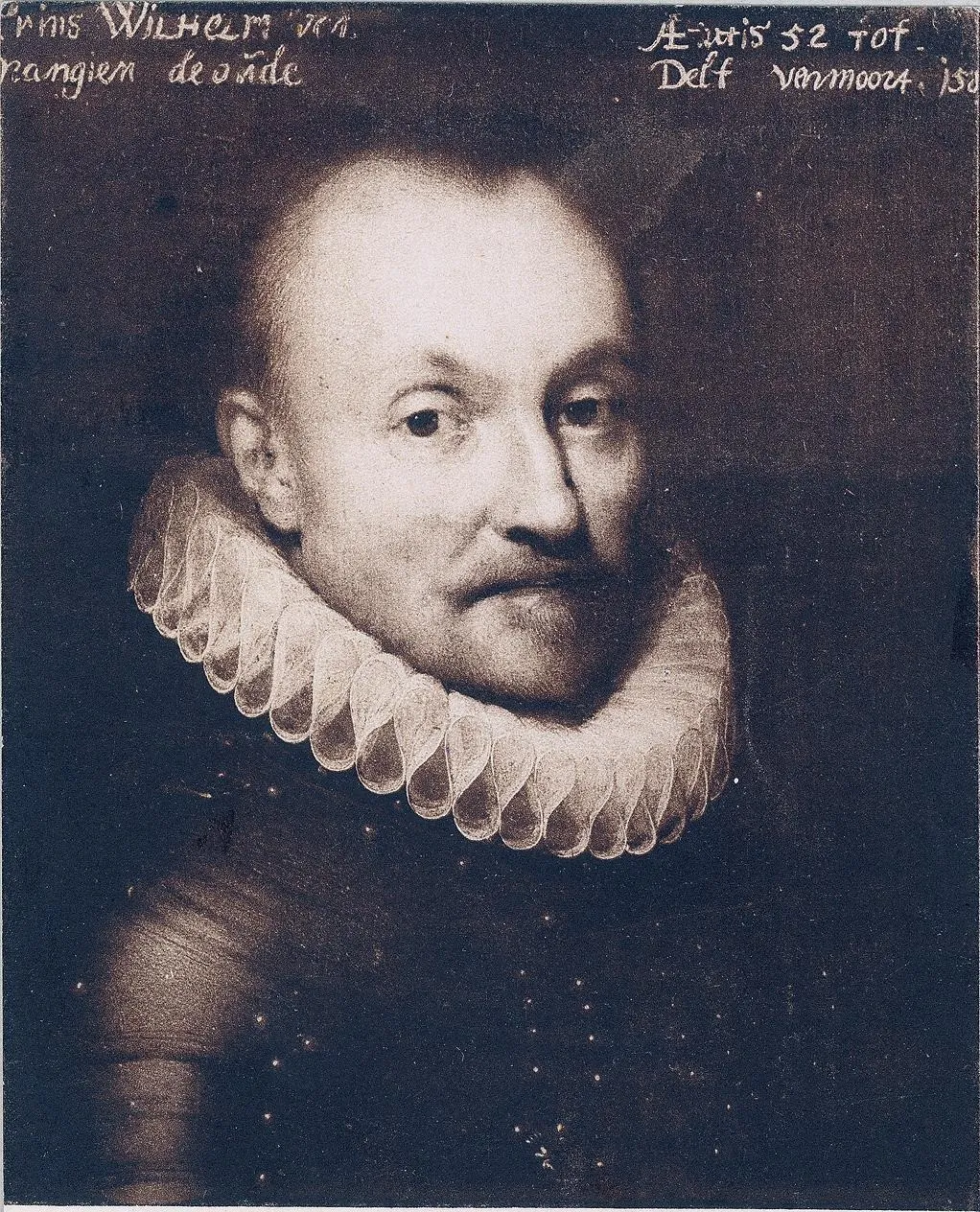
Portrait of Willem I 'de Zwijger' van Oranje- Nassau (1533-1584) is an oil painting. It dates from 1611 and is held in the collection of the Rijksmuseum.
About this work
Subject & Meaning
Its small scale (30 by 25 cm) is consistent with private devotional or collector's pieces intended to honor the leader of the Dutch struggle for independence.
The portrait depicts William the Silent (Willem I 'de Zwijger' van Oranje-Nassau, 1533–1584), the founder of the House of Orange-Nassau and a central figure in the Dutch Revolt against Spanish Habsburg rule. Painted in 1611, more than two decades after his death in 1584, the work belongs to a commemorative tradition of posthumous likenesses that circulated in the early seventeenth century to preserve and promote the image of the assassinated stadtholder.
As a panel portrait in oil, the painting functions as a memorial image rather than a study from life. Its small scale (30 by 25 cm) is consistent with private devotional or collector's pieces intended to honor the leader of the Dutch struggle for independence. Held by the Rijksmuseum, the portrait contributes to the museum's broader visual record of the founding figures of the Dutch Republic, presenting William as a subject of historical reverence and national memory.
Technique & Style
The work is an oil painting executed on a wooden panel measuring 30 cm in height by 25 cm in width. It portrays William the Silent and belongs to the portrait genre. The painting is part of the Rijksmuseum's collection in Amsterdam.
The surface bears the characteristic brushwork and subtle chiaroscuro of early 17th‑century Dutch portraiture, reflecting the formal conventions of the period.
History & Provenance
The work was created in 1611 as an oil paint portrait on panel depicting William the Silent. It belongs to the portrait genre and was classified as a painting. The artwork entered the collection of the Rijksmuseum in Amsterdam, where it remains on display.
The piece was commissioned as a likeness of William the Silent and was executed by an anonymous artist. It was produced on a panel measuring 30 centimeters in height and 25 centimeters in width.
The painting is held by the Rijksmuseum, the National Art Gallery of the Netherlands. It is an oil-on-panel work measuring 30 cm in height and 25 cm in width. The available sources do not provide specific inventory or accession numbers, nor do they document an exhibition history for the piece.
Overview
The work is an oil painting portraying a balding figure with a solemn expression, set against a dark backdrop that emphasizes his facial features. He is dressed in a white ruff that spreads outward from his neck, a garment typical of the mid‑16th century. The composition relies on strong contrasts of light and shadow to give the portrait a three‑dimensional presence.
Context
Willem I was a central figure in the Dutch struggle for independence during the mid‑16th century. Portraits of such leaders were often commissioned to reinforce their legacy, and the use of period attire in this work aligns with that commemorative tradition.
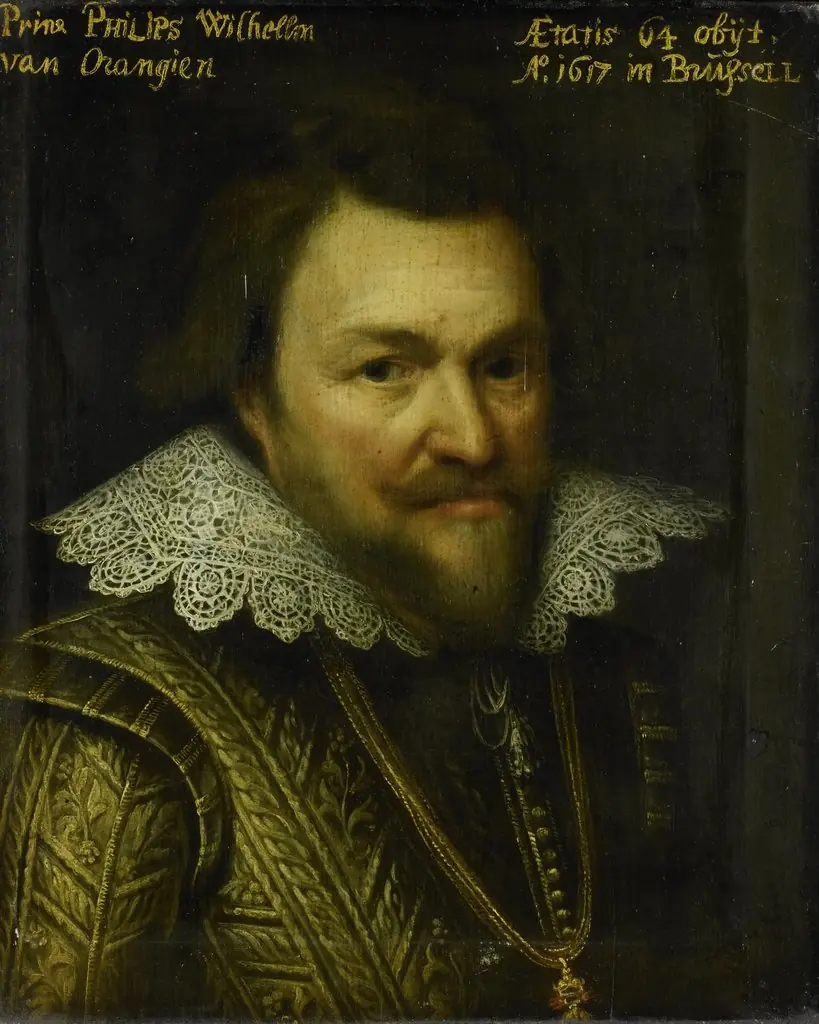
Artist & collection

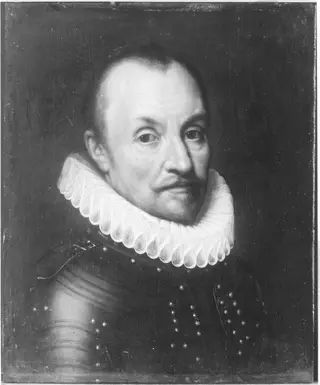 Bildnis des Willem I., Prins van Oranje, genannt Wilhelm der Schweiger
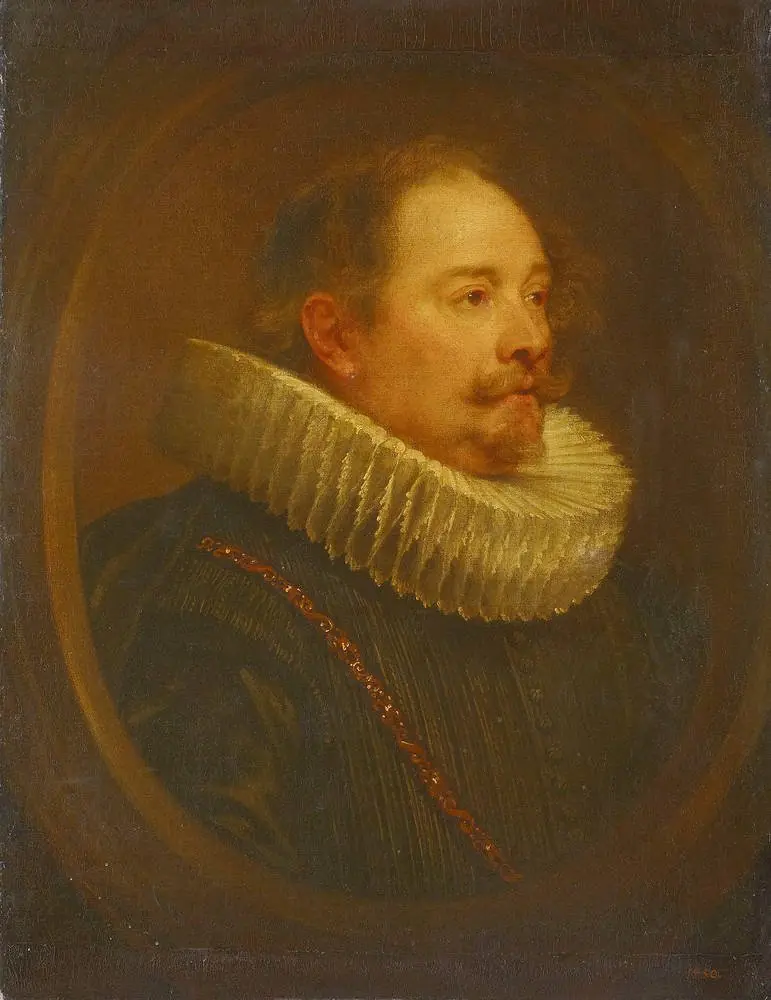 Portrait of Engelbert Taye, Baron von Wemmel
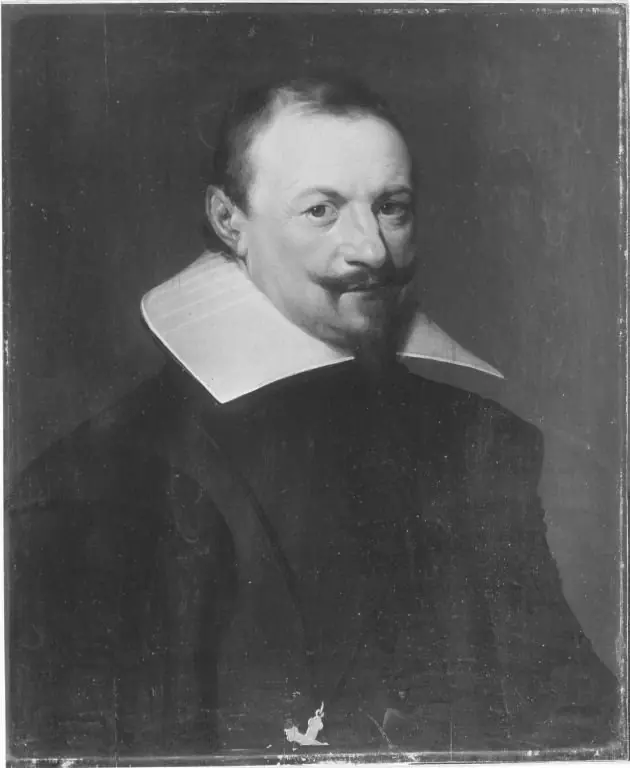 Bildnis eines Mannes
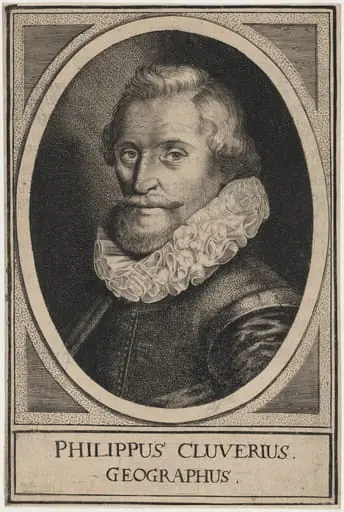 Philip Cluver, Geographer
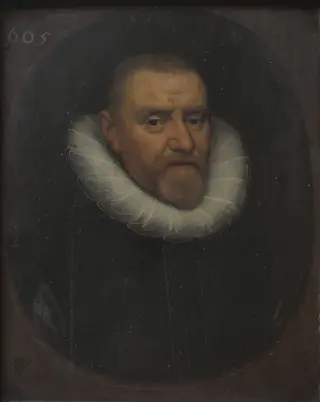 Portrait of a Man
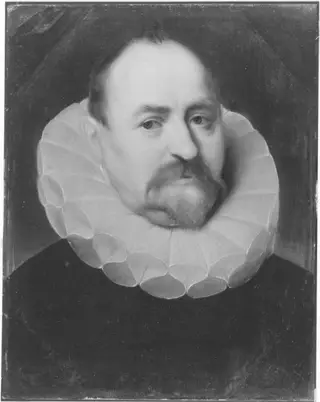 Bildnis eines Mannes
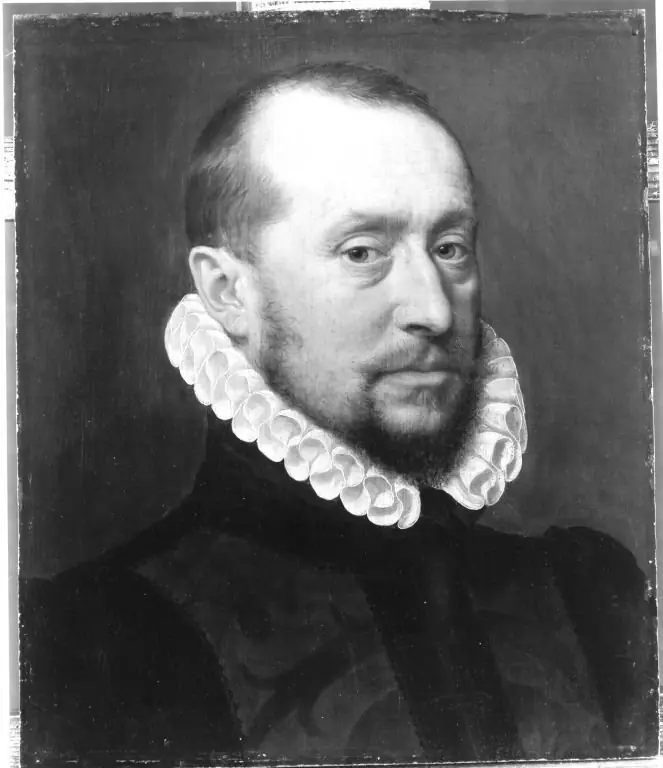 Brustbild eines braunbärtigen Mannes
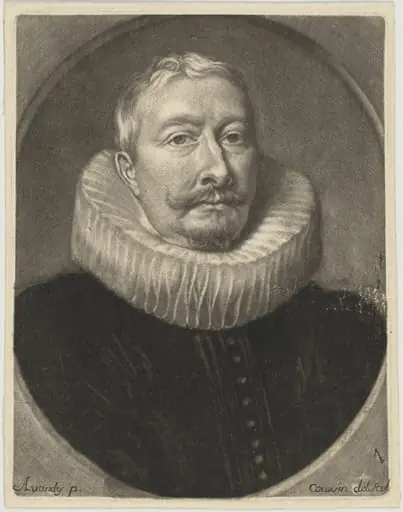 Unknown Man
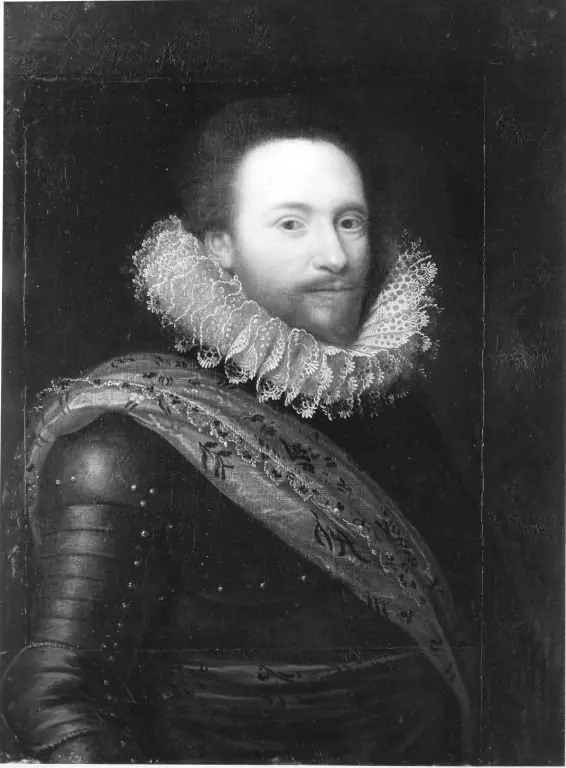 Männliches Bildnis (zugeschrieben)
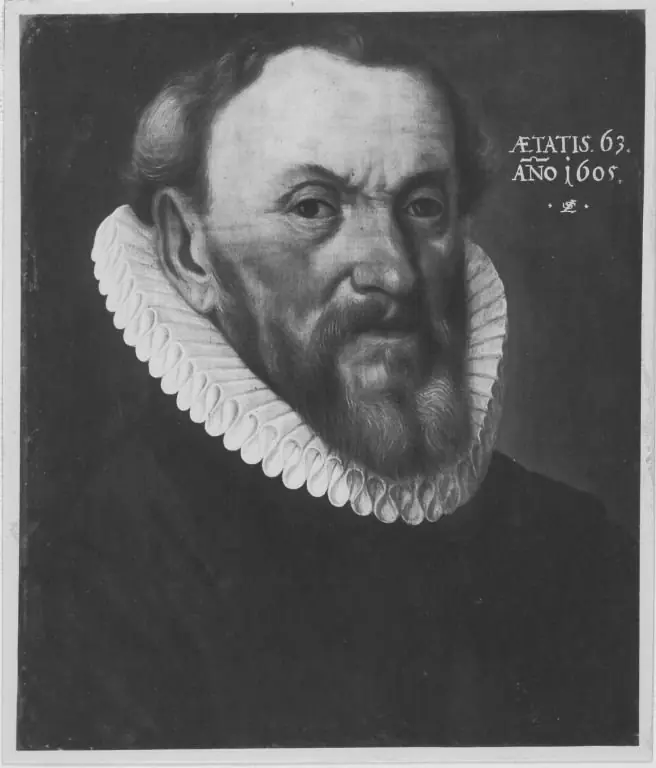 Bildnis eines bärtigen Mannes