Artwork
Bildnis des Willem I., Prins van Oranje, genannt Wilhelm der Schweiger
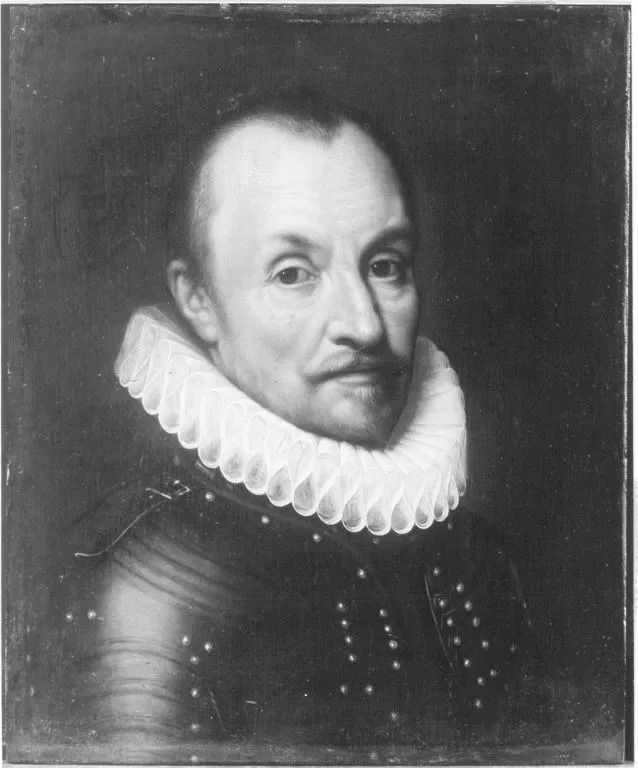
Bildnis des Willem I., Prins van Oranje, genannt Wilhelm der Schweiger is an unspecified painting by the Flemish Baroque painting artist Unknown. It dates from 1650 and is held in the collection of the Bavarian State Painting Collections. The work is a monochrome portrait titled Bildnis des Willem I.
About this work
Subject & Meaning
The painting is a portrait that depicts William the Silent, also known as Willem I, Prince of Orange. As the main subject of the work, William the Silent is presented through the traditional iconography of aristocratic portraiture, representing his historical role and identity as a prominent noble figure.
History & Provenance
The portrait is held by the Bavarian State Painting Collections (Bayerische Staatsgemäldesammlungen), where it forms part of their permanent holdings.
The painting is dated to 1650, with the inception recorded as 1650-01-01. It is classified as a portrait depicting William the Silent and is held by the Bavarian State Painting Collections at the Alte Pinakothek. No further information on commission, earlier ownership, or chain of custody is documented in the available sources.
The portrait is held by the Bavarian State Painting Collections (Bayerische Staatsgemäldesammlungen), where it forms part of their permanent holdings. Within this collection, the work is housed at the Alte Pinakothek in Munich.
No specific inventory or accession number is documented in available sources. The painting has not been recorded in major temporary exhibitions, remaining primarily within the museum’s collection for public display.
Overview
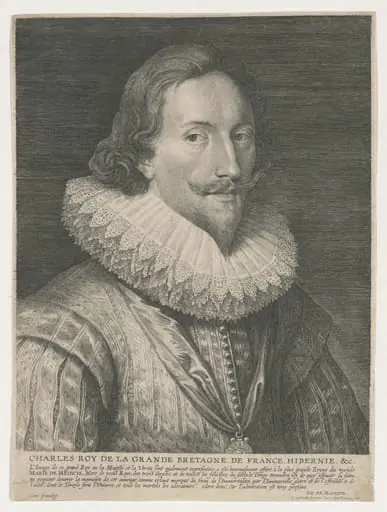
The work is a monochrome portrait titled Bildnis des Willem I., Prins van Oranje, genannt Wilhelm der Schweiger. Rendered in oil on canvas, it depicts a man appearing to be in his fifties or sixties, dressed in a dark costume with a prominent white ruff and a chain draped across his chest.
Technique & Style
The painter employs a stark chiaroscuro scheme, using a dark, featureless background to isolate the figure. Light falls across the face and collar, modeling the features with a dramatic contrast that emphasizes texture and volume, reminiscent of the tenebrism practiced by Dutch and Flemish artists of the 17th century.
Context
Portraits of Dutch nobility in the early modern period often served both commemorative and political functions, reinforcing lineage and status. The inclusion of the ornamental chain and the high collar aligns with contemporary conventions for depicting aristocratic rank.
Artist & collection









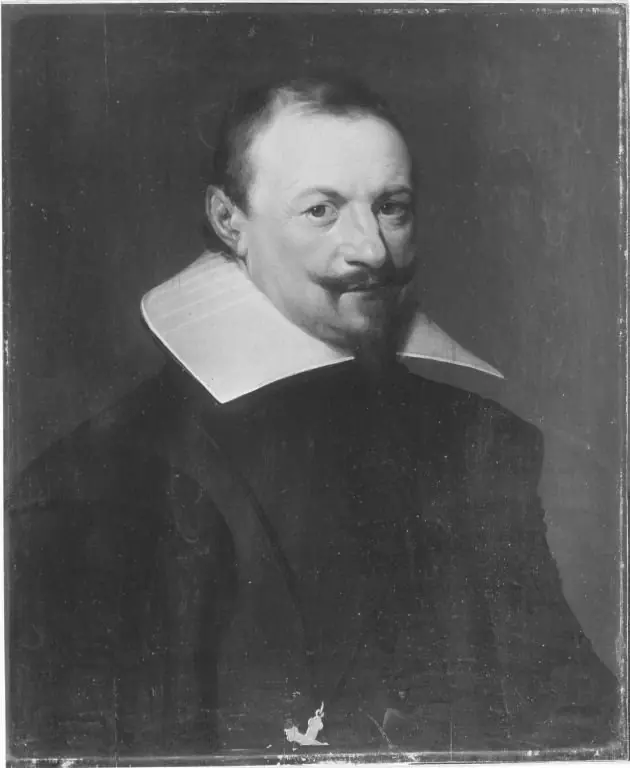
- Bildnis eines Mannes
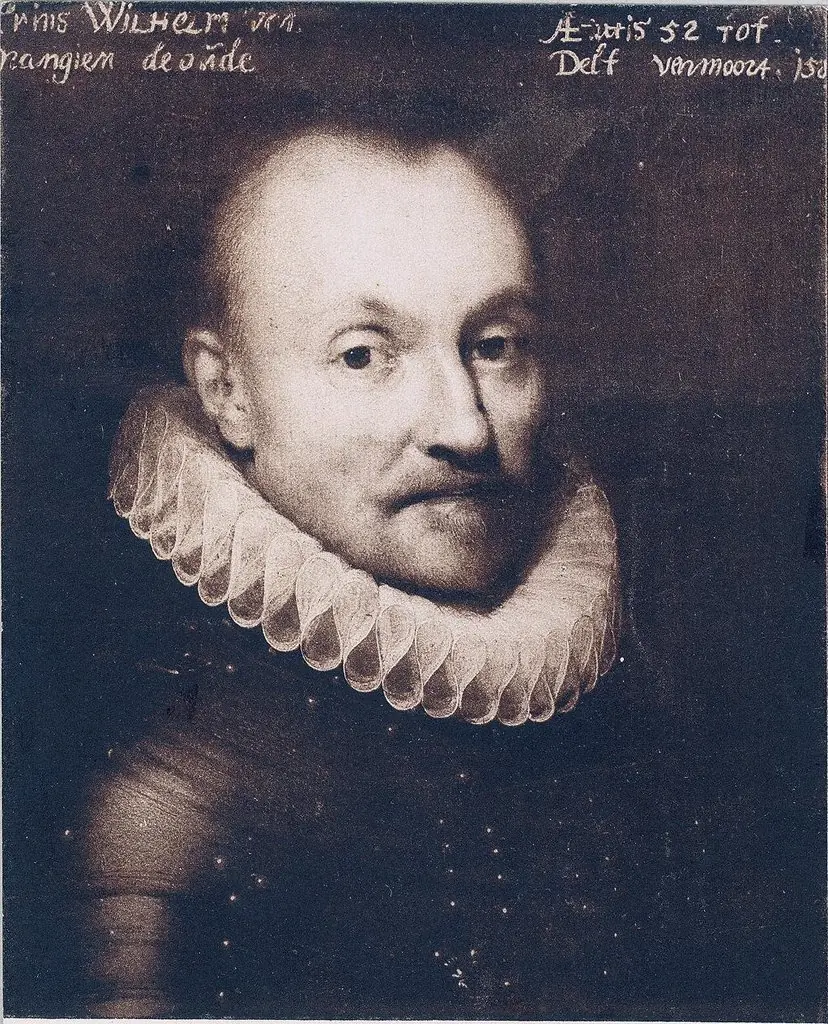 Portrait of Willem I 'de Zwijger' van Oranje- Nassau (1533-1584)
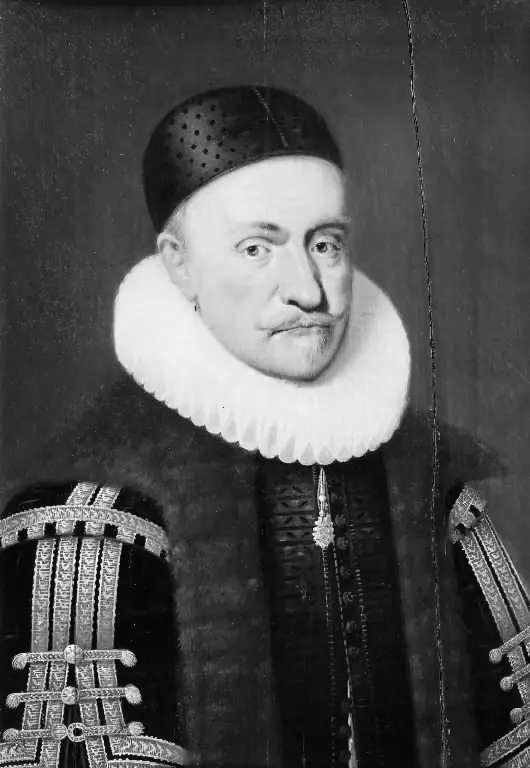 Portrait of William I of Orange
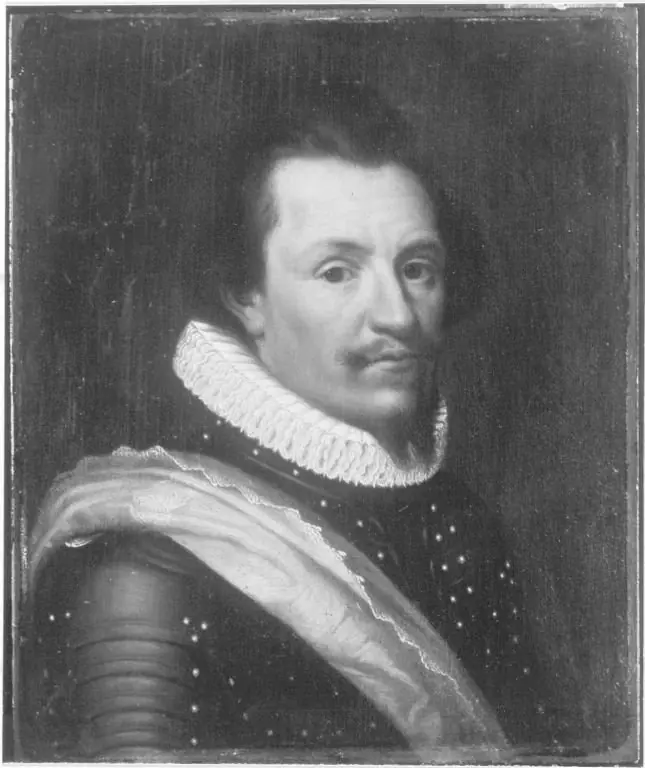 Bildnis des Ernst Casimir, Graf von Nassau-Dietz (1573-1632)
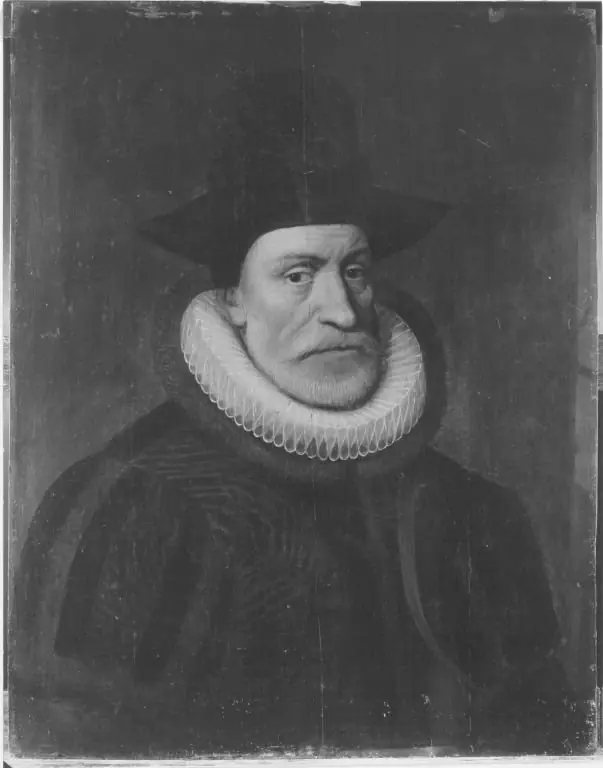 Bildnis eines Mannes (Wilhelm von Oranien?)
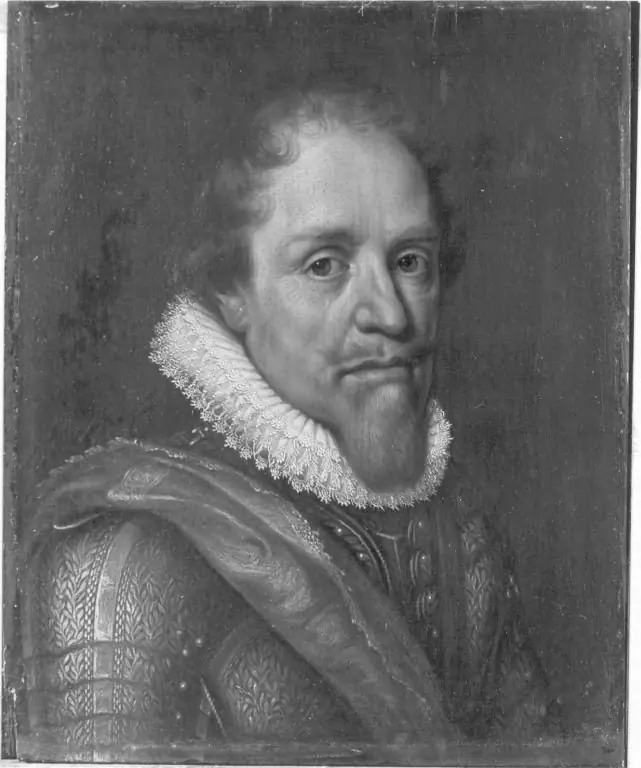 Bildnis des Maurits, Prins van Oranje (1567-1625)
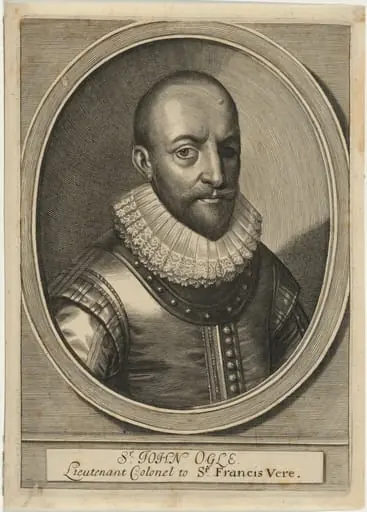 Sir John Ogle
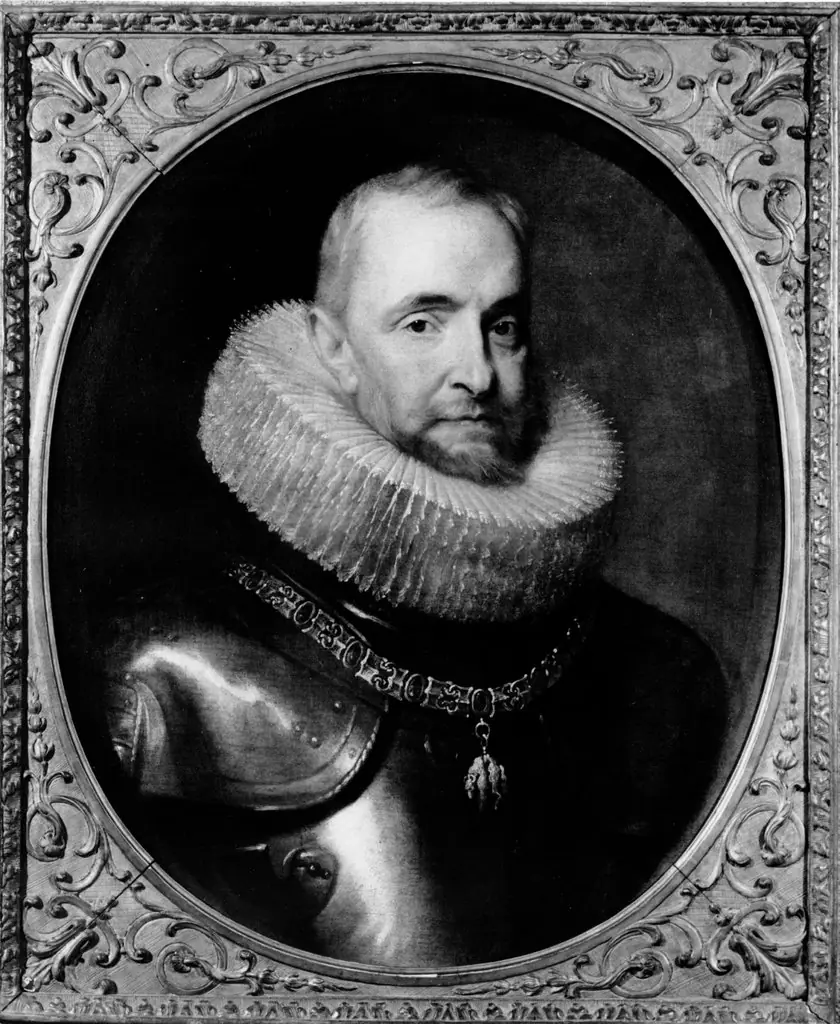 Bust portrait of Ambrogio Spinola
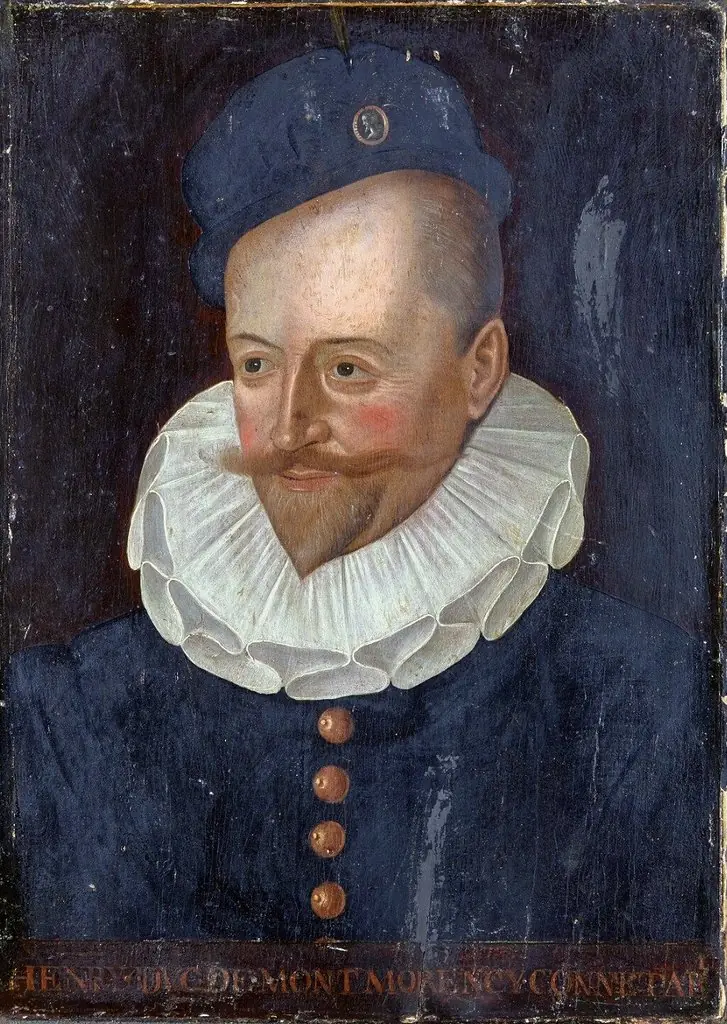 Henri Ier de Montmorency, connétable de France (1534-1614)
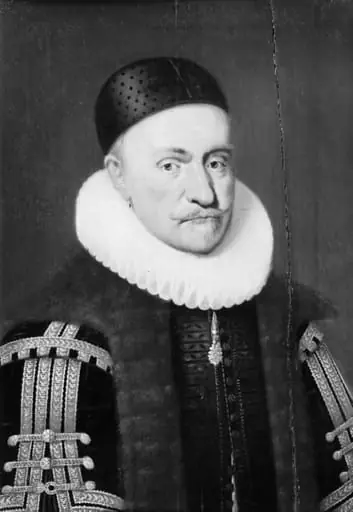 Portrait of William I of Orange
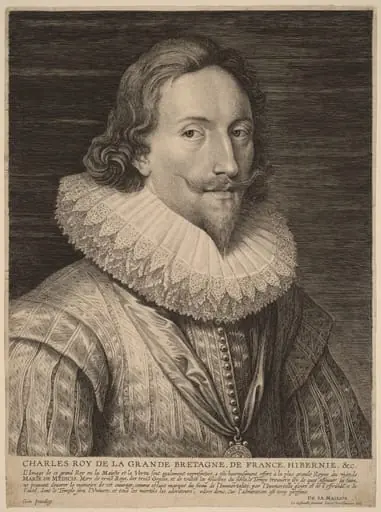 Charles I, King of England
 Charles I