Artwork
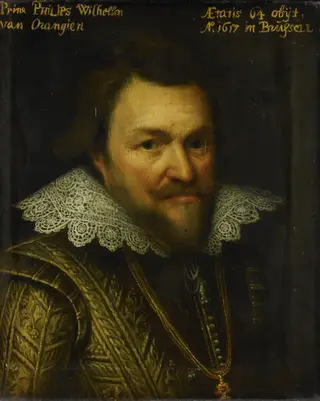
Portrait of Philips Willem (1554-1618), Prince of Orange
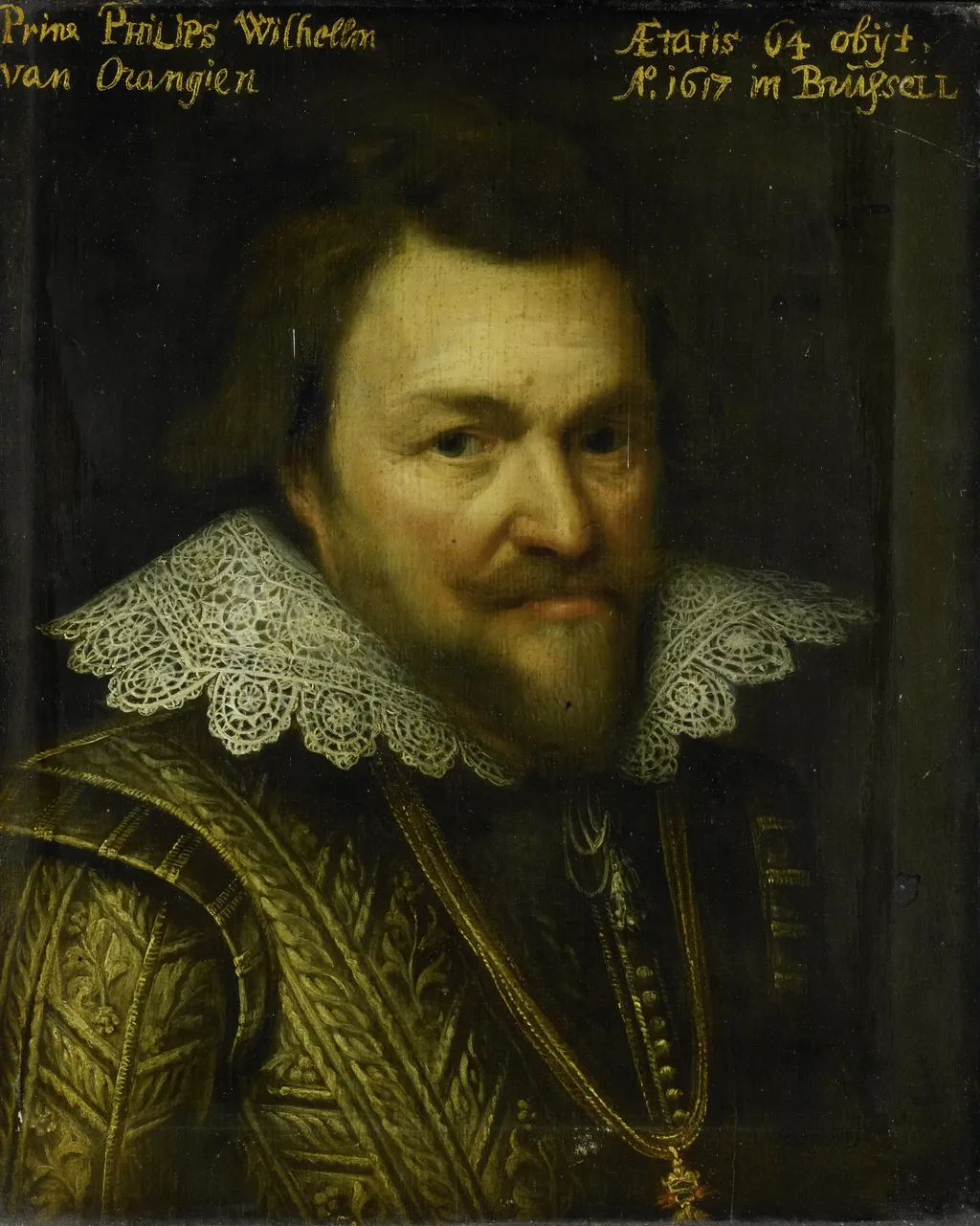
Portrait of Philips Willem (1554-1618), Prince of Orange is an oil painting. It dates from 1621 and is held in the collection of the Rijksmuseum.
About this work
The painting was made after the man’s death, as the text at the top says he died in 1617.
This is a close-up portrait of a man with a serious expression. He’s wearing a dark, gold-trimmed doublet and a white lace collar. His beard is neatly trimmed, and he has a chain around his neck. The background is plain and dark, so all the focus is on his face.
The painting was made after the man’s death, as the text at the top says he died in 1617. His outfit looks fancy, like someone important.
Next, look up chiaroscuro to see how artists use light and shadow like this.
Subject & Meaning
The work depicts Philip William, Prince of Orange, as the central figure in a formal portrait that emphasizes his status within the House of Orange. The composition follows conventional portraiture of the period, presenting the sitter in a dignified pose without additional allegorical symbols. The painting’s formal qualities reinforce the political significance of the subject during the early Dutch Republic.
Technique & Style
Executed in 1621, this portrait is an oil painting applied to a wooden panel support. The work measures 29.8 cm in height and 24.1 cm in width. Attributed to the workshop of Michiel Jansz. van Mierevelt, the piece functions as a formal portrait depicting Philip William, Prince of Orange.
The composition focuses strictly on the sitter, consistent with the genre conventions of the period, though specific details regarding the artist's brushwork, the current physical condition of the panel, or the precise handling of the oil medium are not detailed in the available records.
History & Provenance
Created in 1621, this oil painting on panel depicts Philip William, Prince of Orange. The work is attributed to the workshop of Michiel Jansz. van Mierevelt rather than the master himself. Historical records indicate that the portrait was owned by Maurice of Nassau.
Today, the painting forms part of the collection at the Rijksmuseum in the Netherlands, where it is also known as the National Art Gallery.
Context
The painting entered the collection of Maurice of Nassau and is now housed in the Rijksmuseum, where it has been displayed in exhibitions dedicated to Dutch portraiture and the House of Orange-Nassau. Scholars have examined its workshop attribution to recognize the influence of Michiel Jansz. van Mierevelt on early Dutch portraiture, situating this work within the broader development of 17th-century Dutch art. Its representation of Philip William, Prince of Orange, has been studied for its political symbolism during the Dutch Republic's formative years, highlighting the intersection of art and statecraft in the early Golden Age.
Overview
The oil painting presents a close‑up likeness of Philips Willem, Prince of Orange, rendered with a sober expression and a restrained palette. He is dressed in a dark doublet edged with gold trim, complemented by a white lace collar and a modest chain at his throat. A plain, dark background isolates the figure, directing attention to the facial features and attire.
Artist & collection

 Untitled
 Untitled
 Portrait of a man
 Portrait of a Man
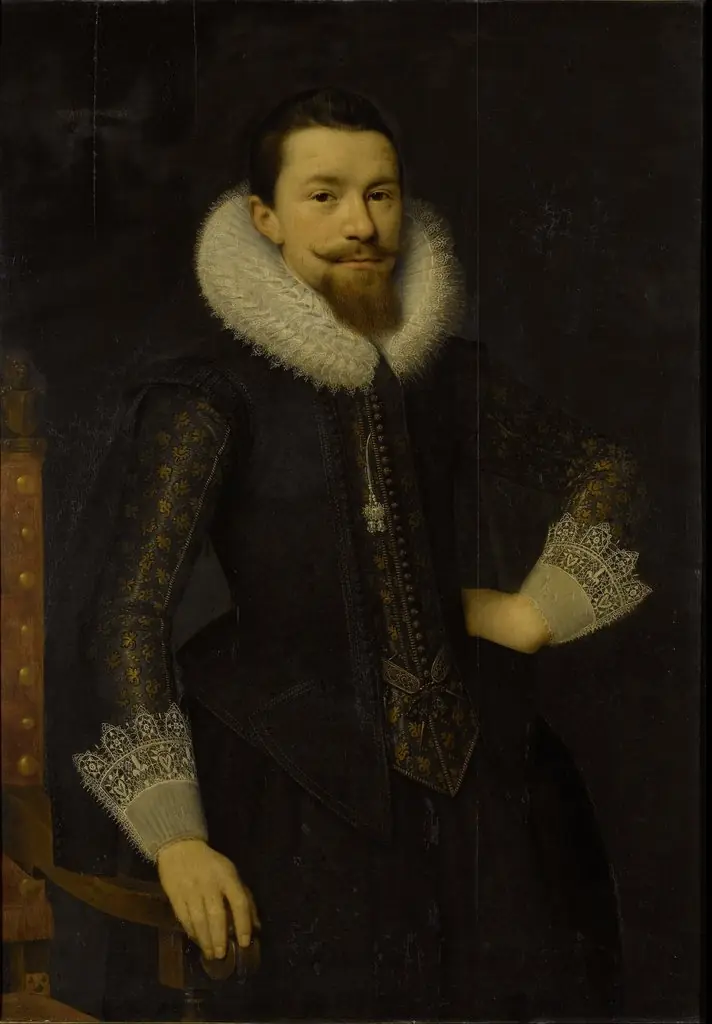 Portrait of Pieter Boudaen Courten (1594-1668)
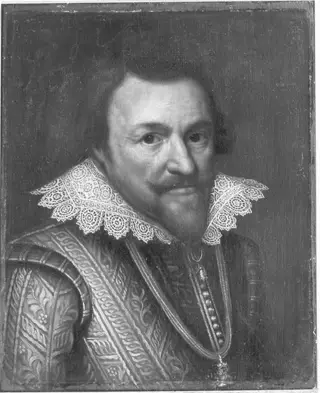 Bildnis des Philip Wilhelm von Oranien (1554-1618)
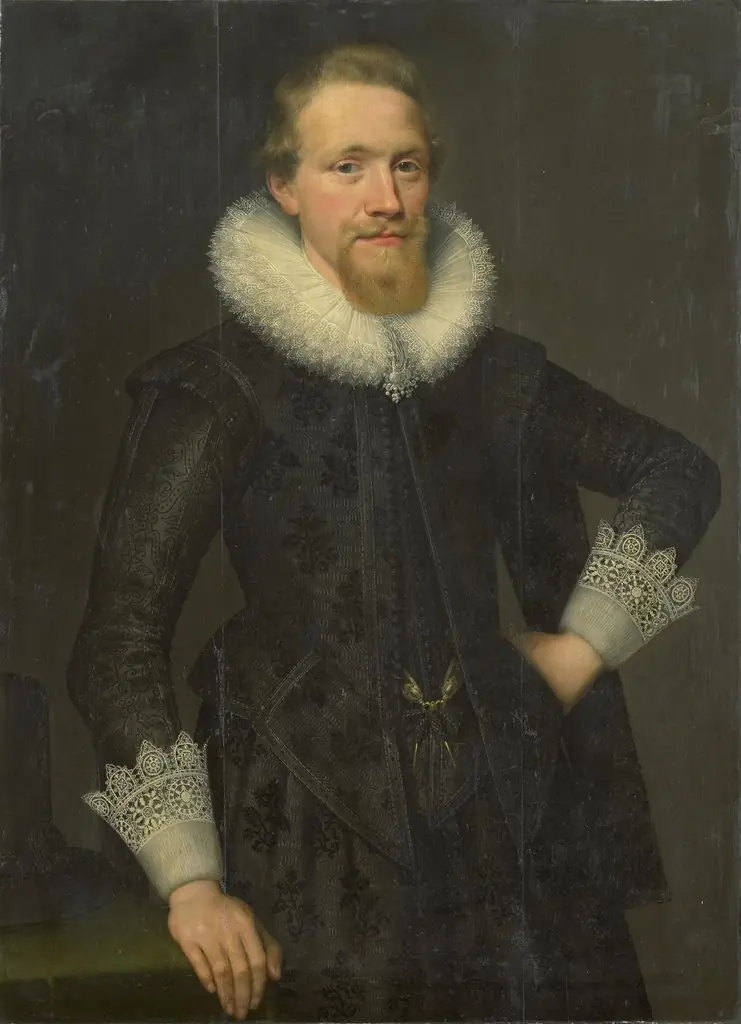 Portrait of Jacob Pergens (?-1681)
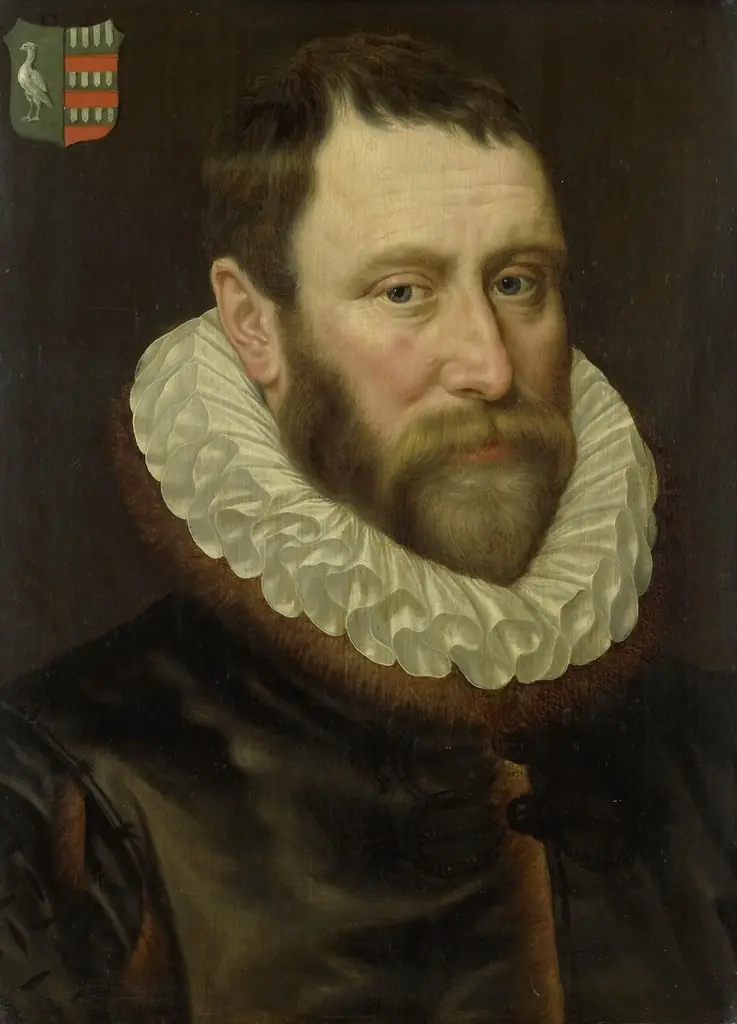 Portrait of Jacob Bas Claesz (1536-89), mayor of Amsterdam
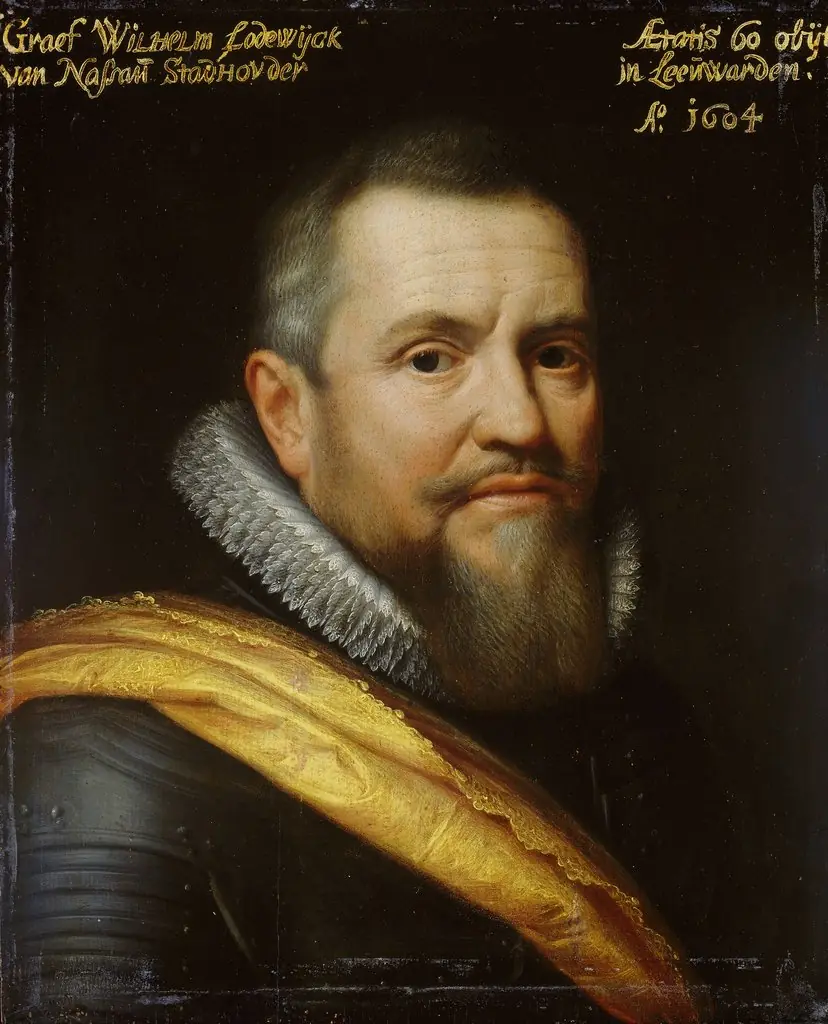 Portrait of Willem Lodewijk (1560-1620), Count of Nassau, nicknamed in Frisian 'us heit' (our father)