Artwork
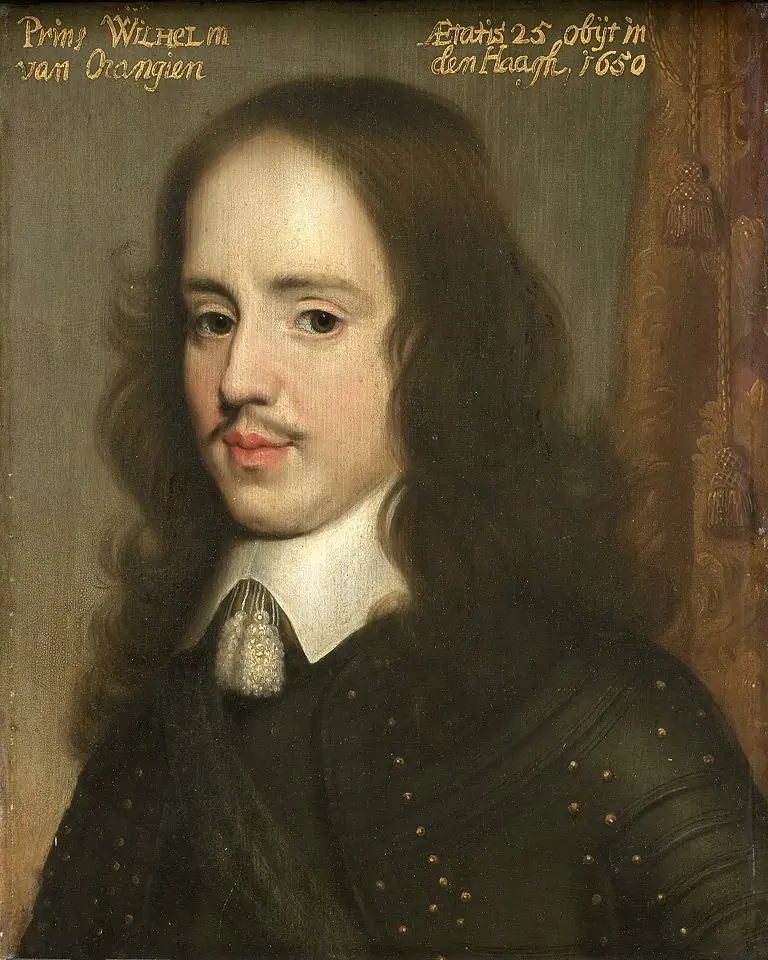
Portrait Willem II van Oranje-Nassau (1626-1650)
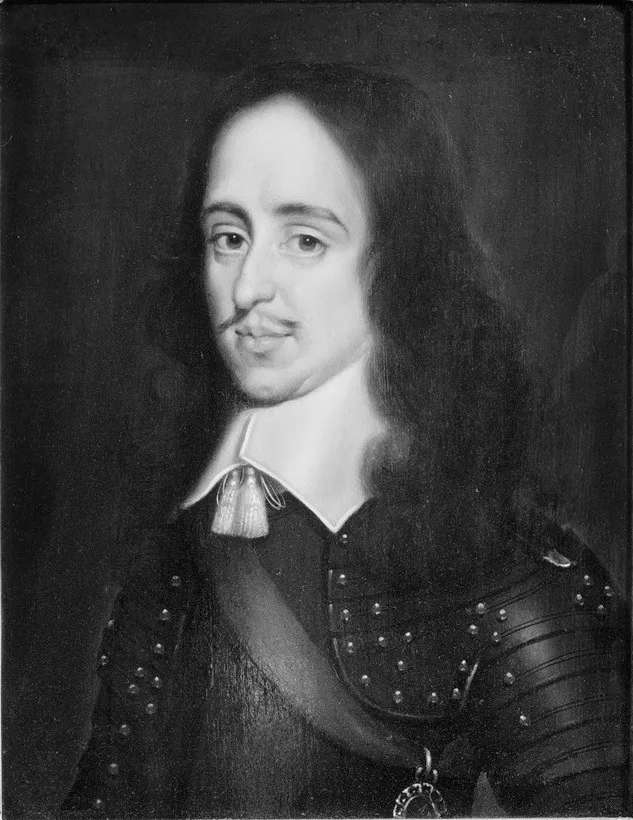
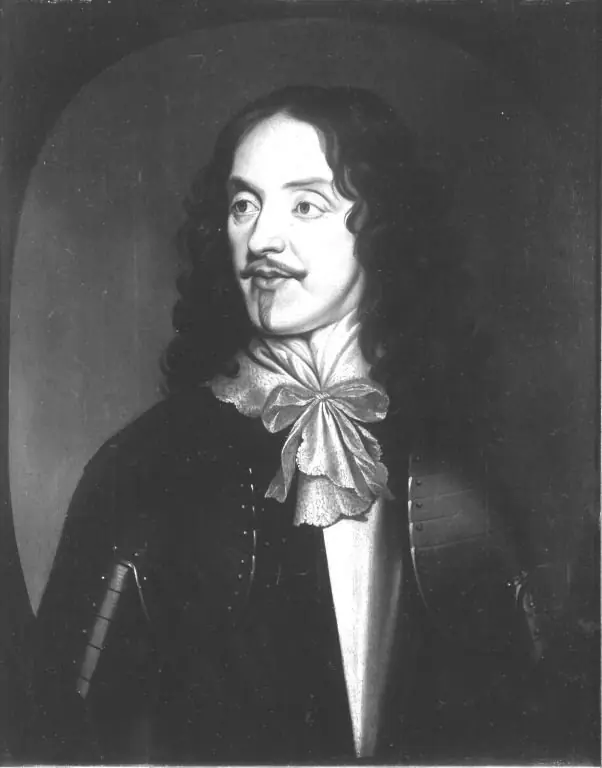
Portrait Willem II van Oranje-Nassau (1626-1650) is an oil painting. It dates from 1647 and is held in the collection of the Rijksmuseum.
About this work
Subject & Meaning
As a formal portrait, the work functions primarily as a representation of the sitter's identity and status rather than employing complex allegorical symbolism.
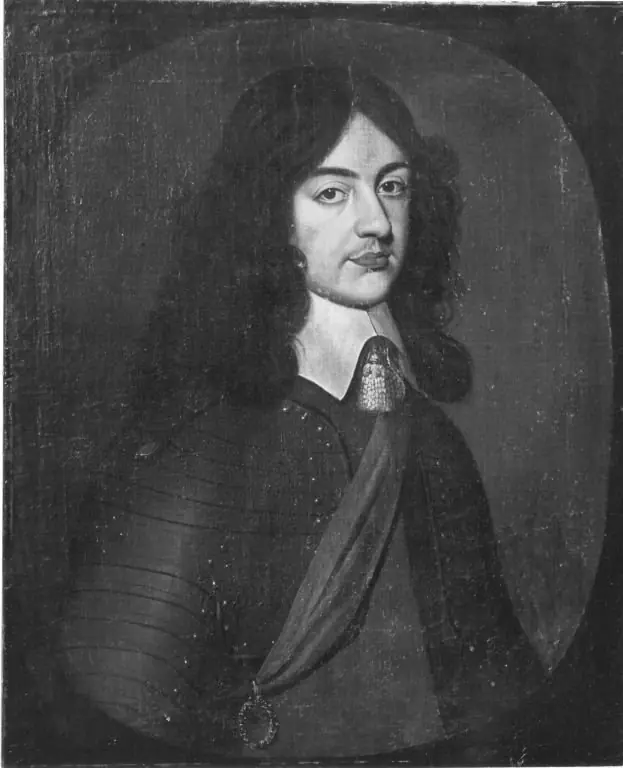
This 1647 oil painting on panel depicts William II, Prince of Orange (1626–1650). As a formal portrait, the work functions primarily as a representation of the sitter's identity and status rather than employing complex allegorical symbolism. The image captures the likeness of the young stadtholder, serving as a historical record of his appearance during his lifetime.
The work is currently held in the collection of the Rijksmuseum, having passed through several Dutch national heritage agencies.
Technique & Style
The work is an oil painting on wooden panel, created in 1647. It depicts William II, Prince of Orange, and measures 40.5 cm in height by 31.5 cm in width. The piece belongs to the portrait genre and reflects the artistic style associated with Gerard van Honthorst.
History & Provenance
The work was painted in 1647 by G. van Honthorst for the Prince of Orange, William II. It entered the collection of the Cultural Heritage Agency of the Netherlands Art Collection and remains in the Rijksmuseum. The painting measures 40.5 by 31.5 centimeters and is executed in oil on panel.
Context
The portrait of William II, Prince of Orange, painted in 1647 by Gerrit van Honthorst, exemplifies Dutch Golden Age portraiture through its formal composition and restrained palette. Contemporary scholarship identifies it as part of the Honthorst corpus within the Rijksmuseum's holdings, reflecting the cultural prominence of the House of Orange-Nassau during the mid-17th century. Its inclusion in the Jacques Goudstikker collection underscores its historical circulation among European art markets.
The work's dimensions of 40.5 cm by 31.5 cm align with standard portrait formats of the period, and its depiction of the prince emphasizes both regal authority and personal virtue, themes central to Dutch portraiture of the era.
Art historians regard this painting as a key example of state portraiture that reinforced the political narrative of the Dutch Republic, situating it within broader discussions of artistic patronage and national identity in the 17th century.
Overview
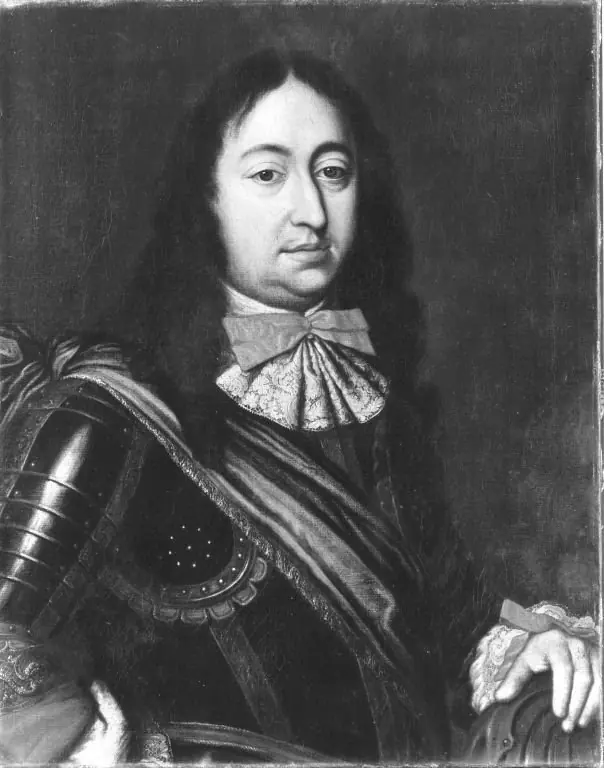
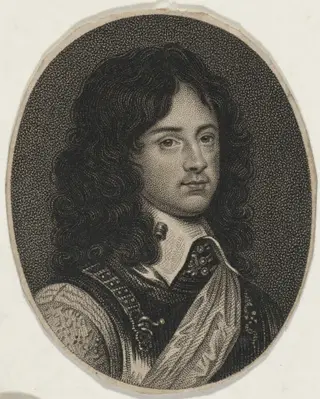
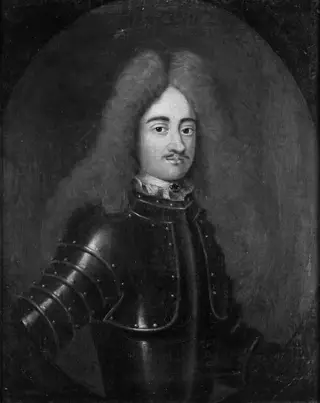
The work is an oil painting titled "Portrait Willem II van Oranje-Nassau (1626-1650)." It presents a male figure rendered in monochrome tones, set against a plain dark background. The sitter is shown in a dark, buttoned jacket with a white collar, a chain hanging from his pocket, and a serious expression.
Artist & collection