Artwork
Portrait of Willem II (1626-50), Prince of Orange
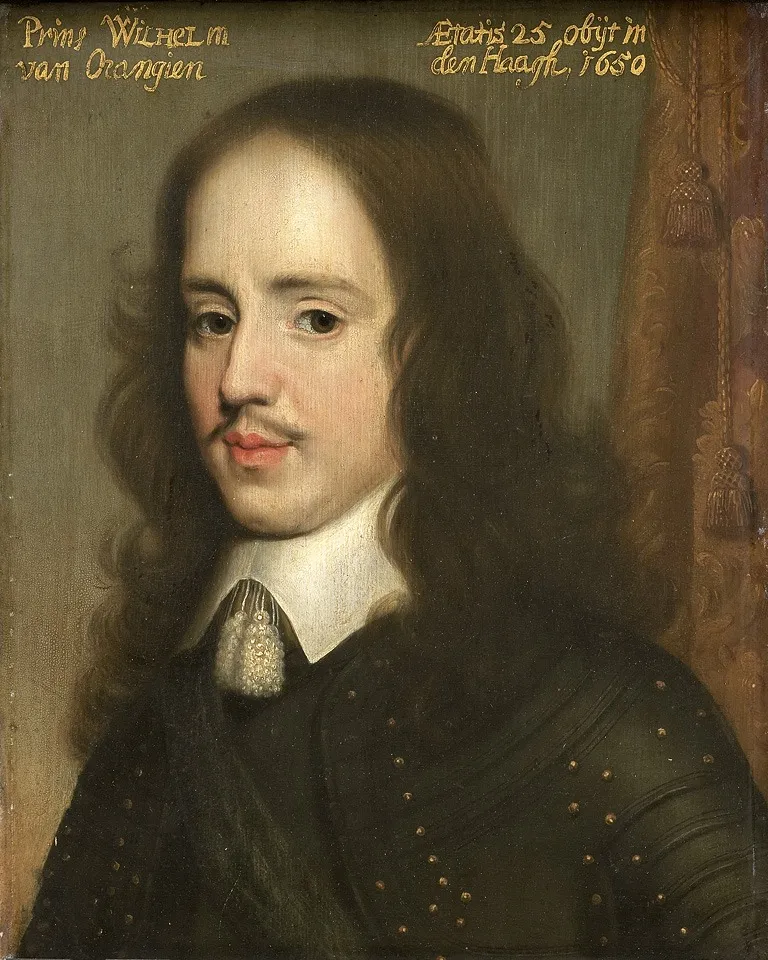
Portrait of Willem II (1626-50), Prince of Orange is an oil painting by the Dutch Golden Age artist Gerard van Honthorst. It dates from 1653 and is held in the collection of the Rijksmuseum.
About this work
Subject & Meaning
The painting portrays William II, Prince of Orange (1626–1650), the young Dutch stadtholder whose short life and dynastic ambitions made him a politically significant figure for the House of Orange-Nassau. Van Honthorst's 1653 portrait was produced posthumously, framing the sitter as a memorialized leader rather than a living contemporary, and the work later passed into the collection of his son, William III of England, underscoring the dynastic legacy the image was meant to project. As a state portrait, it functions both as a likeness and as an emblem of Orange authority, presenting the prince as the focal point of princely representation within the Dutch Republic's visual culture.
Technique & Style
The painting is currently held within the collection of the Rijksmuseum in the Netherlands.
Created in 1653, this portrait is executed in oil paint on a panel support. The work measures 30 cm in height and 24.1 cm in width. As a formal portrait by Gerard van Honthorst, the piece depicts William II, Prince of Orange, utilizing the artist's characteristic handling of the medium to capture the subject's likeness. The painting is currently held within the collection of the Rijksmuseum in the Netherlands.
History & Provenance
The portrait of Willem II, Prince of Orange, was painted by Gerard van Honthorst in 1653, executed in oil on panel. According to the Wikidata record, the work was owned by William III of England, indicating that the painting passed into the possession of the later Stuart monarch following the death of the sitter. The painting is now held in the collection of the Rijksmuseum in the Netherlands, where it is associated with the Stadhouderlijk Hof location.
No information is provided in the available sources regarding the circumstances of its commission, its original patron, or any intermediate owners between William III and the Rijksmuseum acquisition.
Overview
Gerard van Honthorst’s oil on canvas portrait of William II, Prince of Orange, dates to 1653. Executed during the Dutch Golden Age, the work is now part of the Rijksmuseum’s collection. It presents the young prince in a restrained half‑length pose, his features illuminated against a dark, unadorned backdrop, emphasizing the sitter’s dignified presence.
Context
Created shortly after van Honthorst’s return from Italy, the portrait reflects the artist’s transition from dramatic nocturnal scenes to formal court portraiture. It aligns with a broader Dutch trend of portraying members of the regent class with sober realism, contrasting the more elaborate Baroque portraiture found in neighboring courts.
Artist & collection
Artist
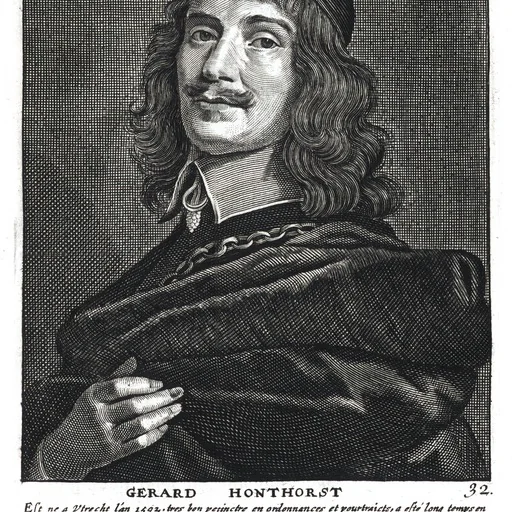
Gerard "Gerrit" van Honthorst (4 November 1592 – 27 April 1656) was a Dutch Golden Age painter who became known for his depiction of artificially lit scenes, eventually receiving the Italian nickname Gherardo delle Notti ("Gerard of the…

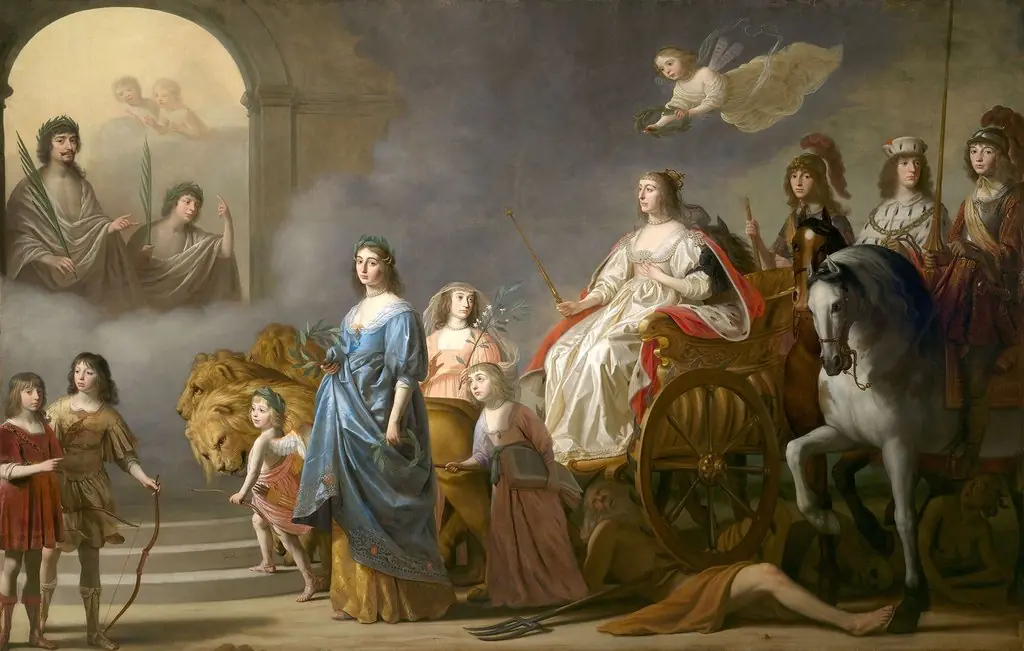 The Triumph of the Winter Queen: Allegory of the Just
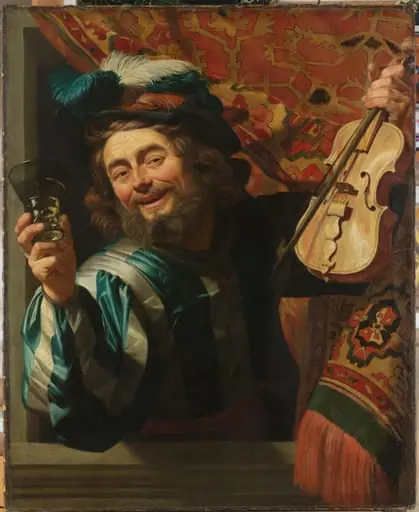 Een vrolijke vioolspeler
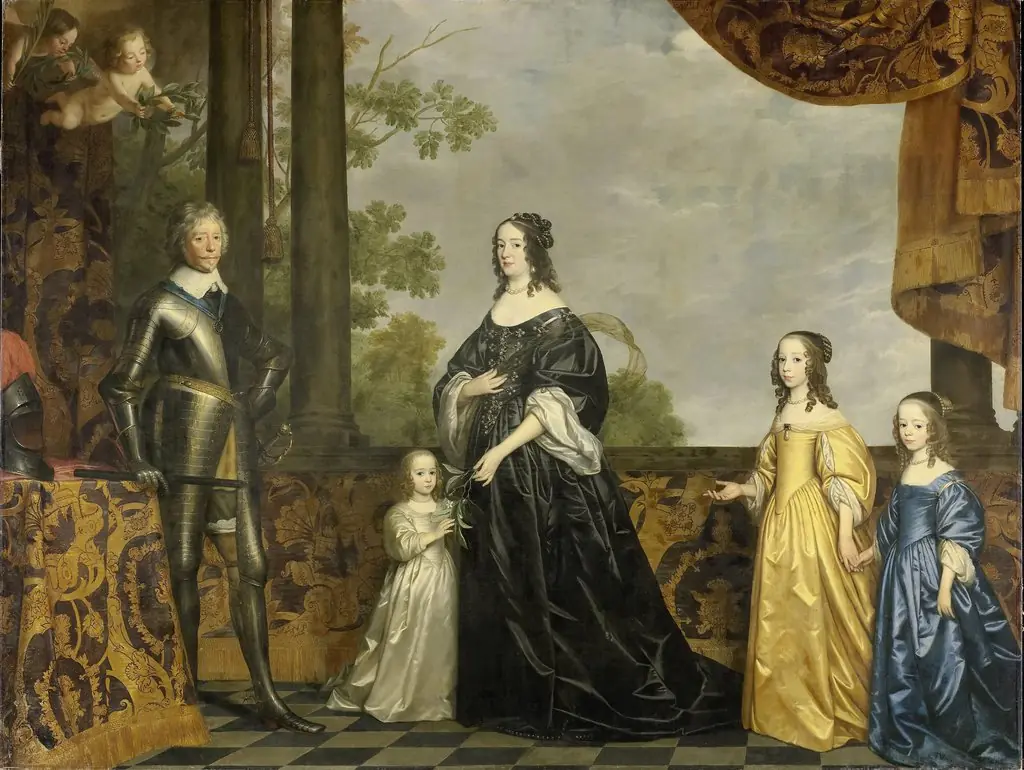 Frederik Hendrik (1584-1647), Prince of Orange, his wife Amalia van Solms (1602-75) and their three youngest daughters, Albertina Agnes (1634-96), Henrietta Catharina (1637-1708) and Maria (1642-88)
 The Concert
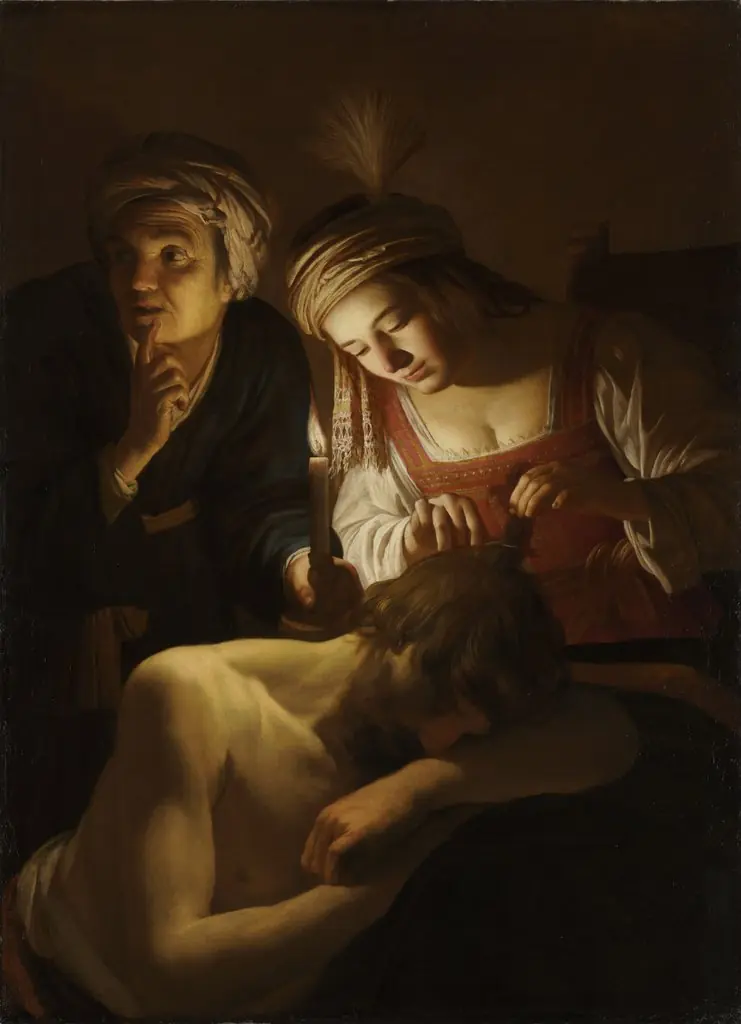 Samson and Delilah
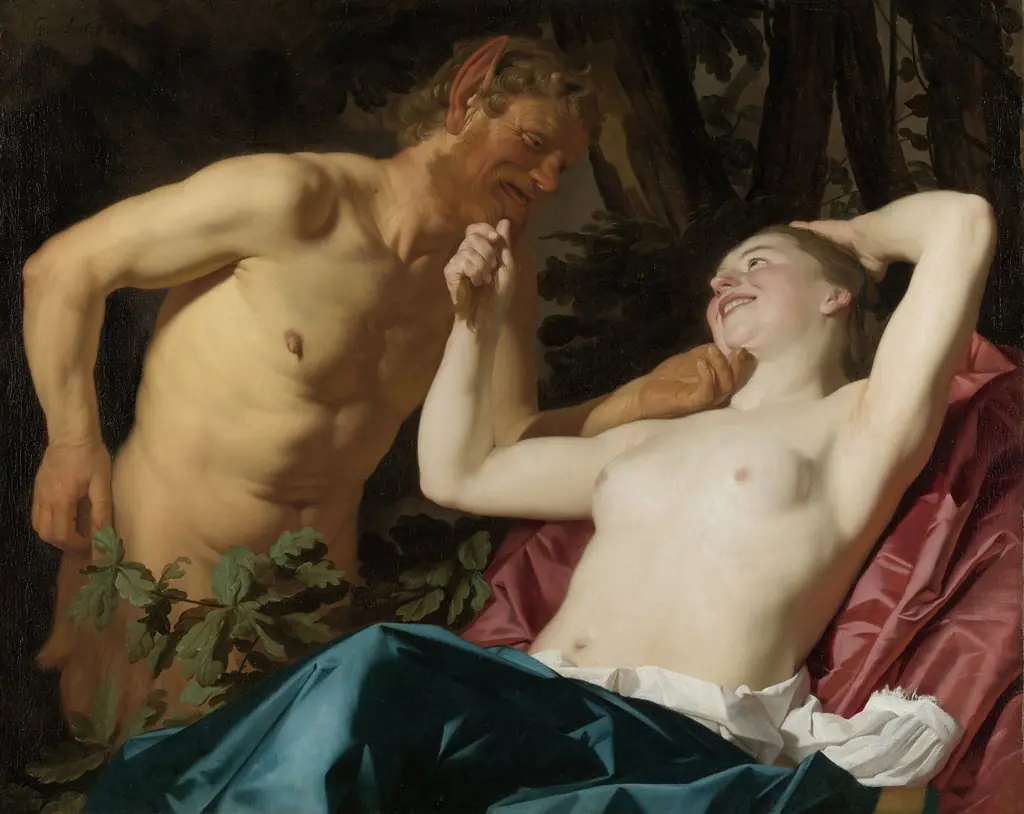 Satyr and Nymph
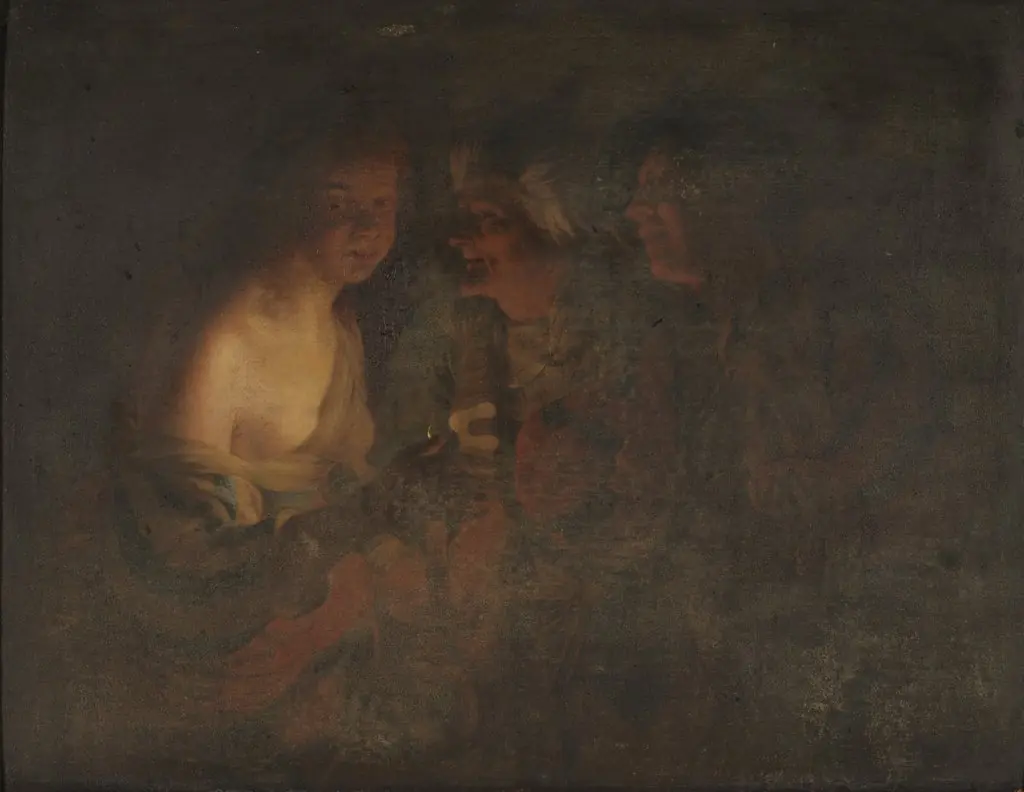 Young Woman with a Candlestick, Old Woman and a Violin Player
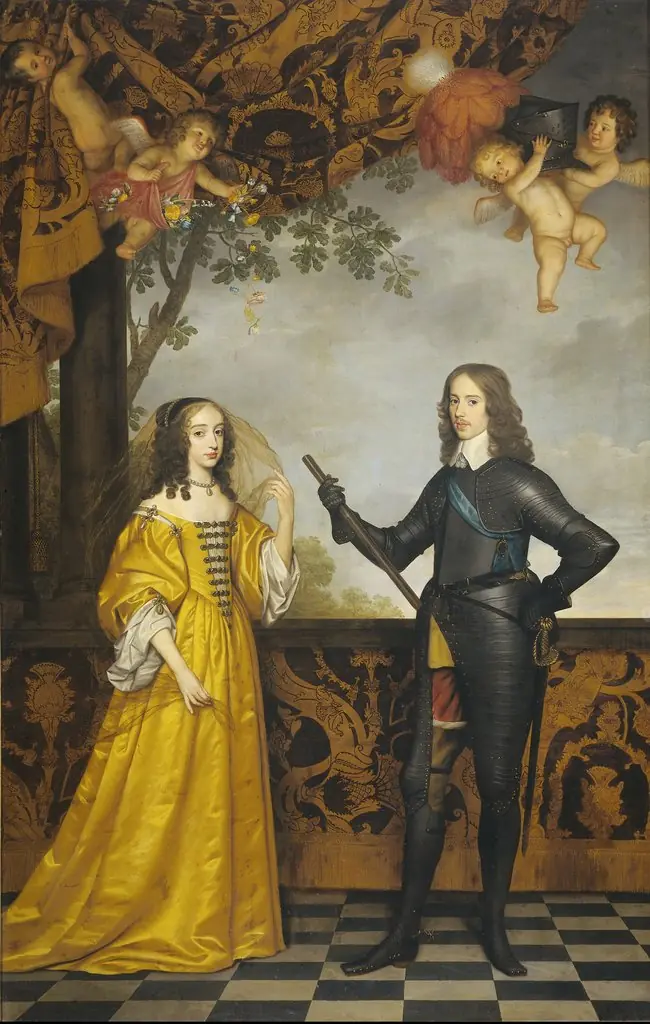 Willem II (1626-50), Prince of Orange, and his wife Maria Stuart (1631-60)
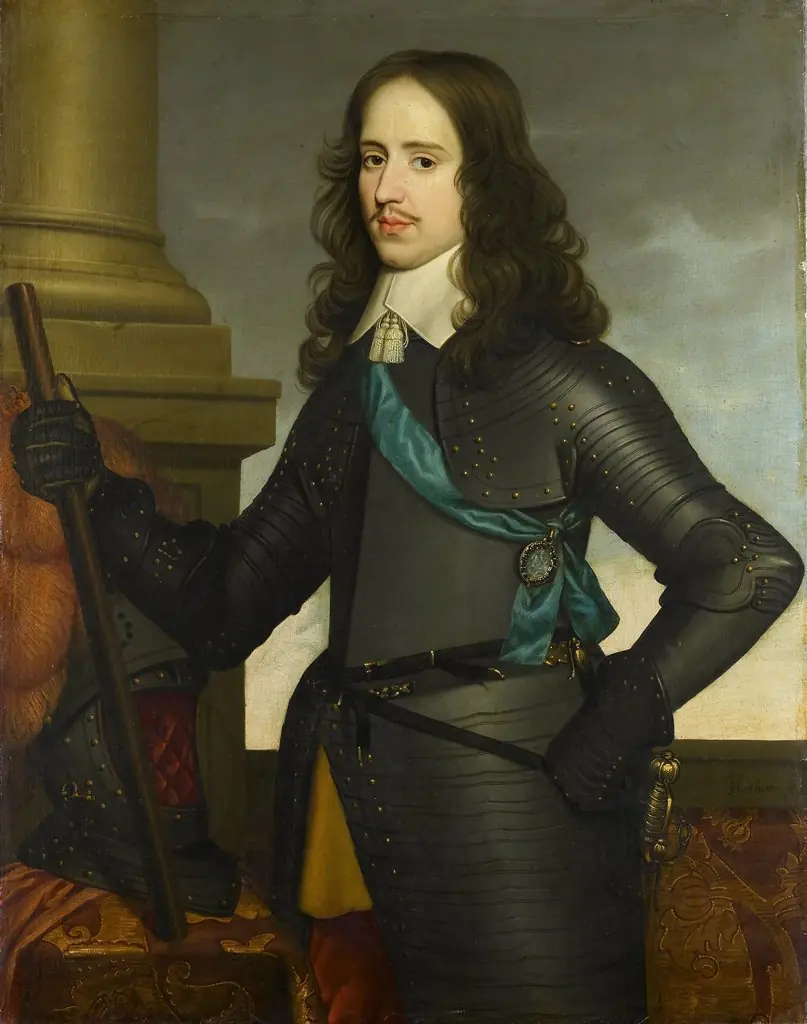
- Portrait of Willem II (1626-50), Prince of Orange
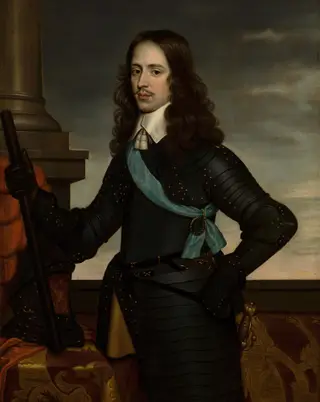 Portrait of Prince Willem II (1626-1650)
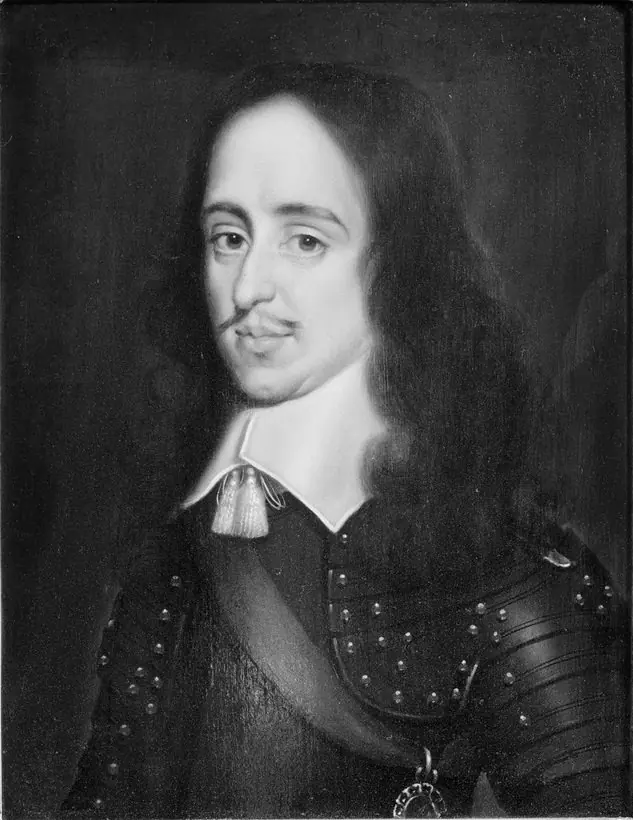 Portrait Willem II van Oranje-Nassau (1626-1650)
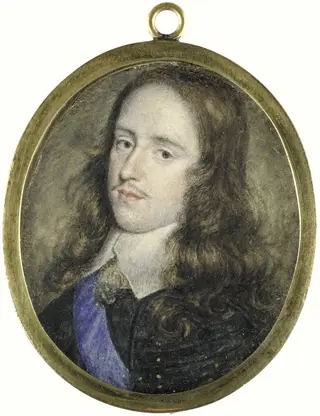 Portrait of Willem II van Oranje- Nassau (1626-1650)
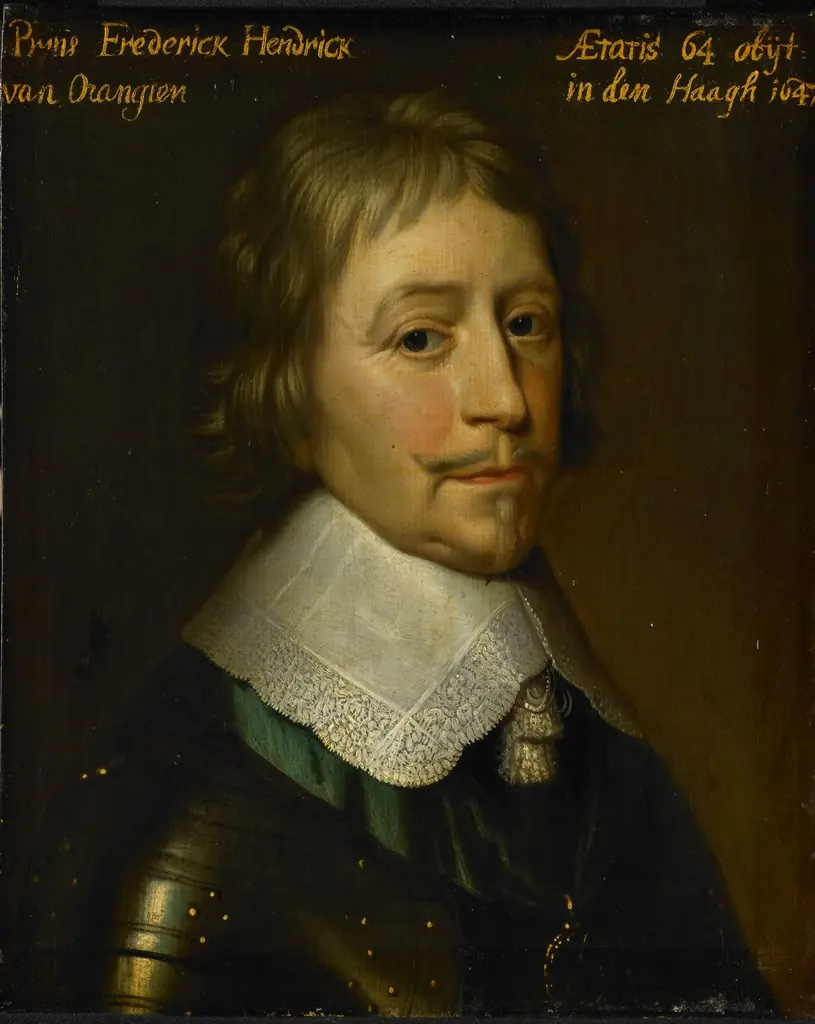 Portrait of Frederik Hendrik (1584-1647), Prince of Orange
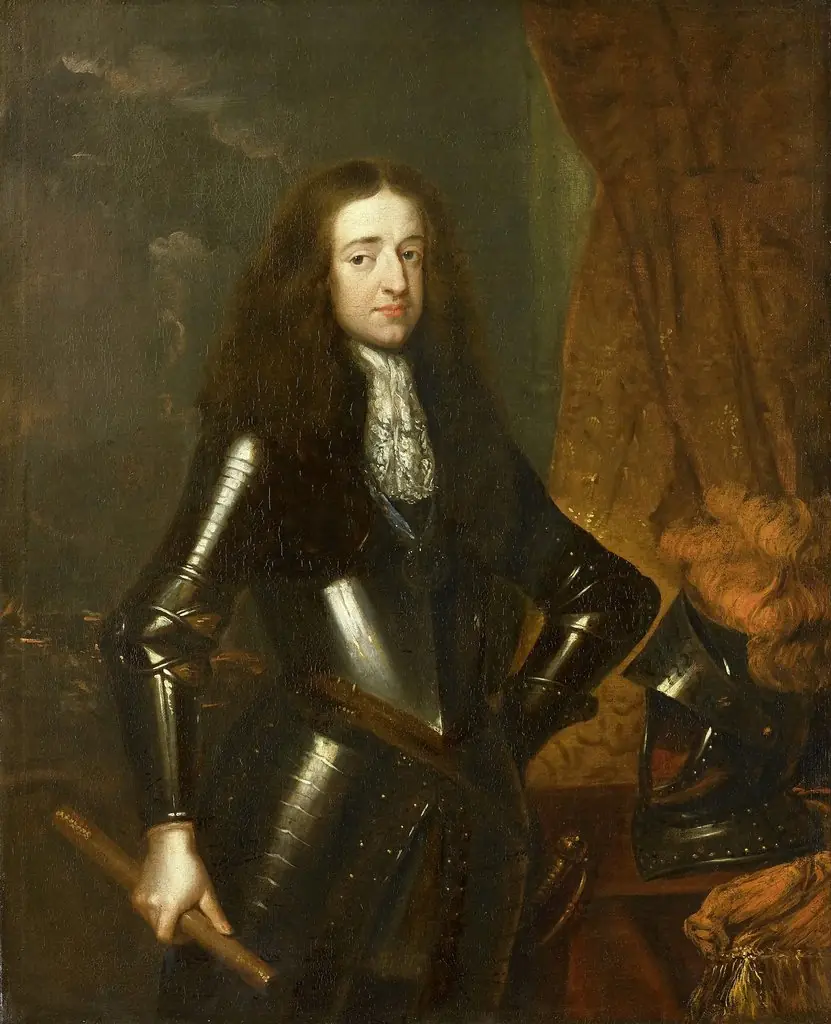 Portrait of Willem III (1650-1702), Prince of Orange and since 1689, King of England