Artwork
元代后半身像 冊 元世祖后
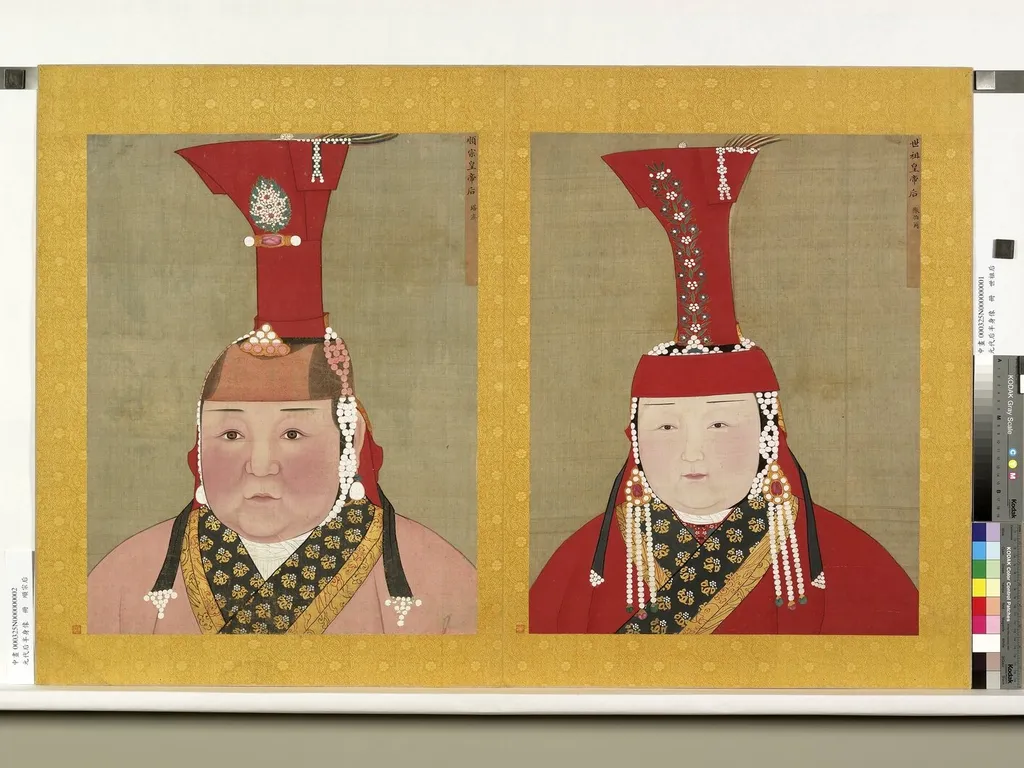
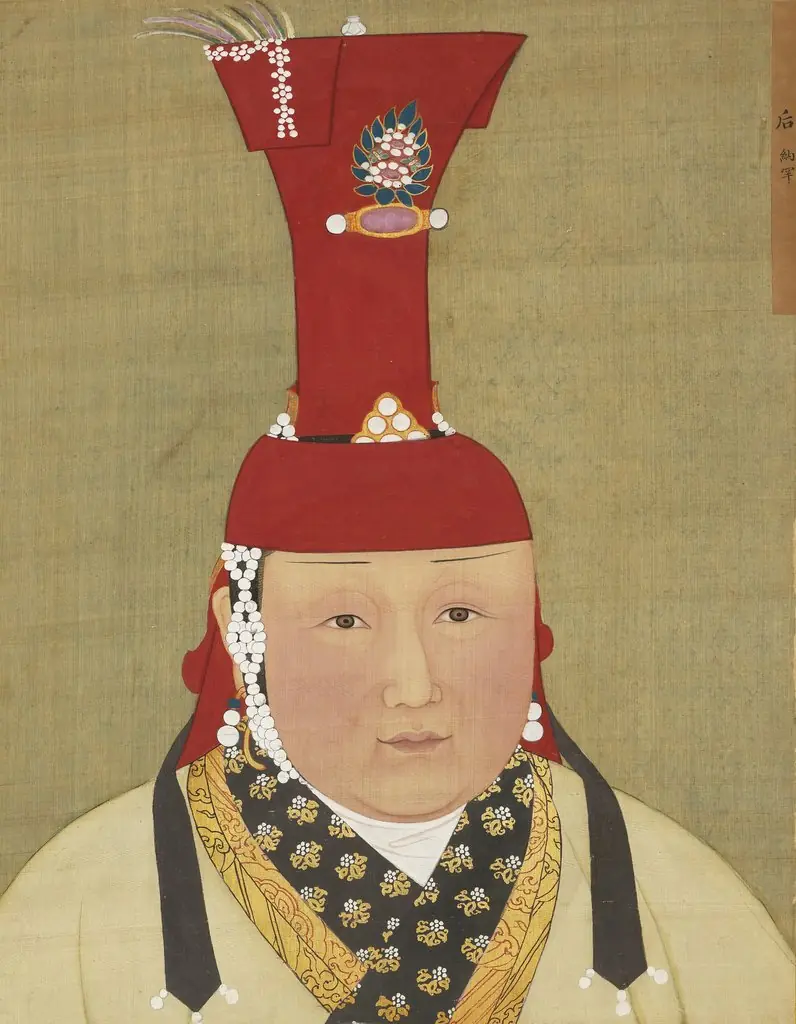
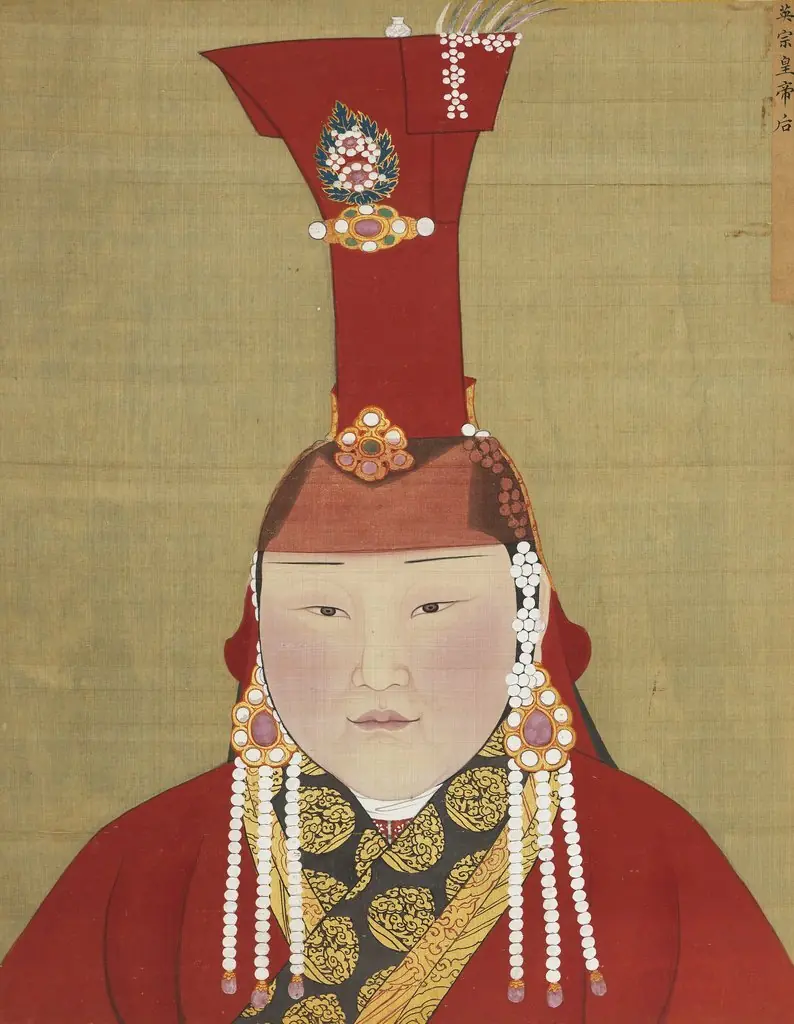
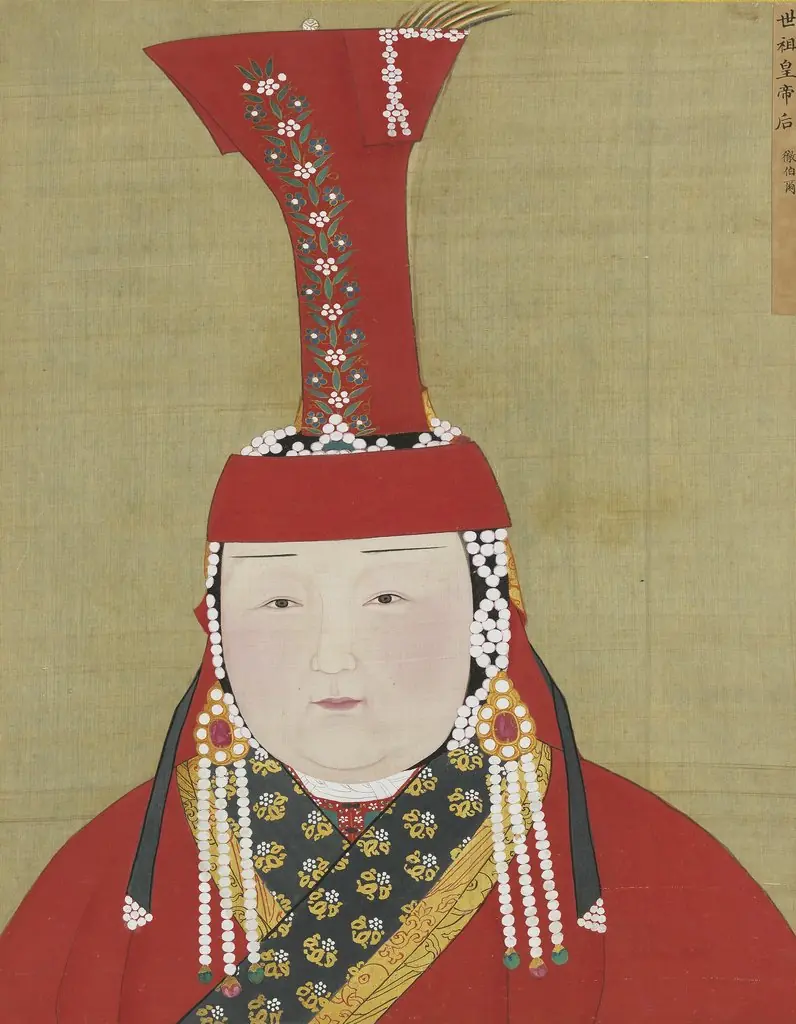
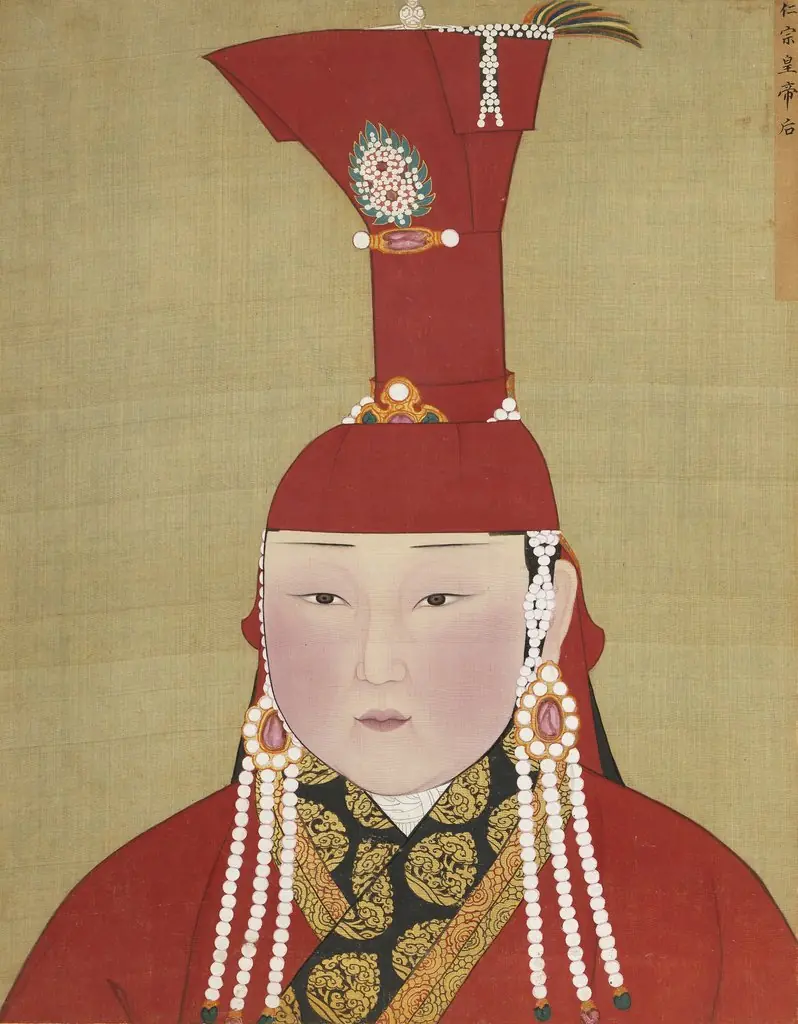
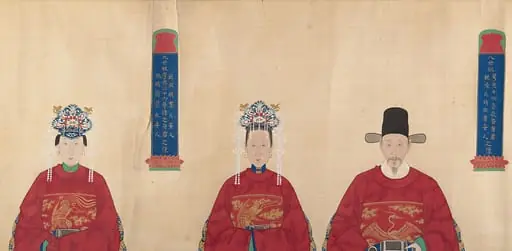
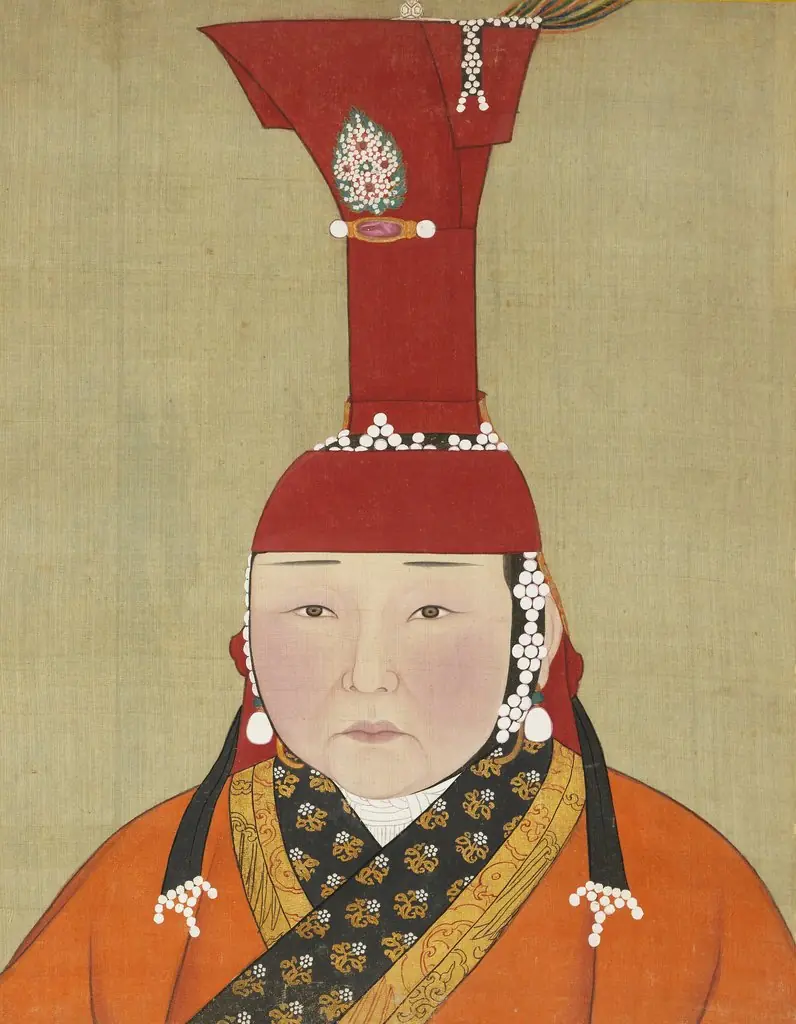
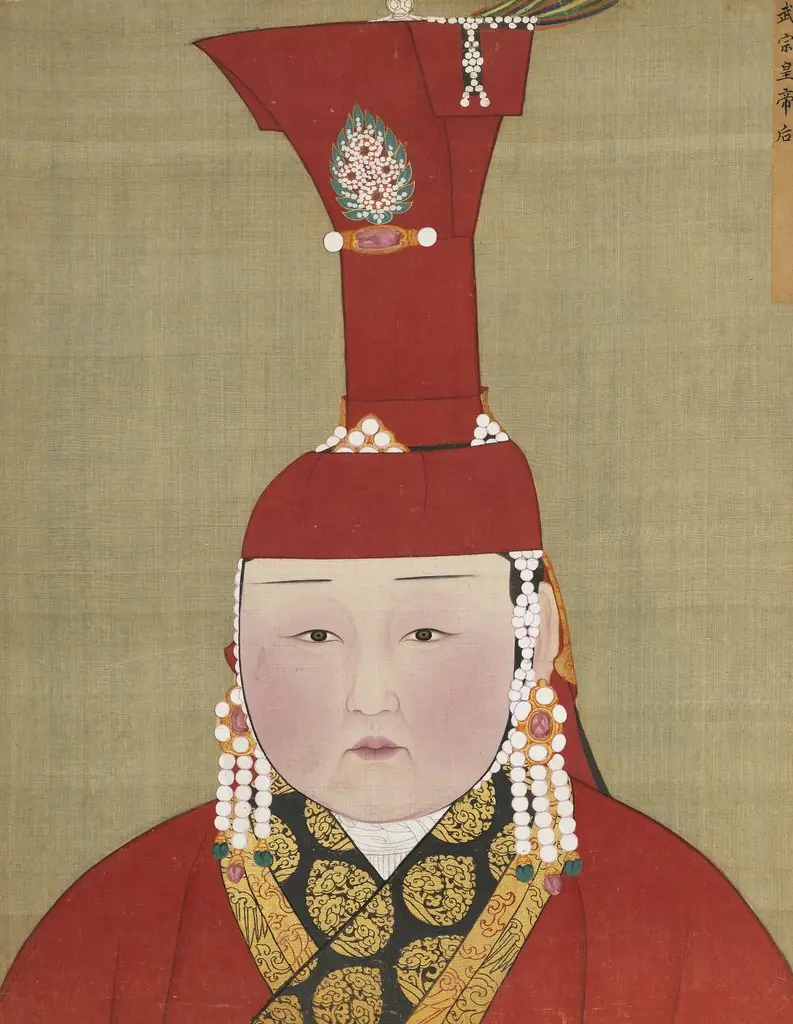
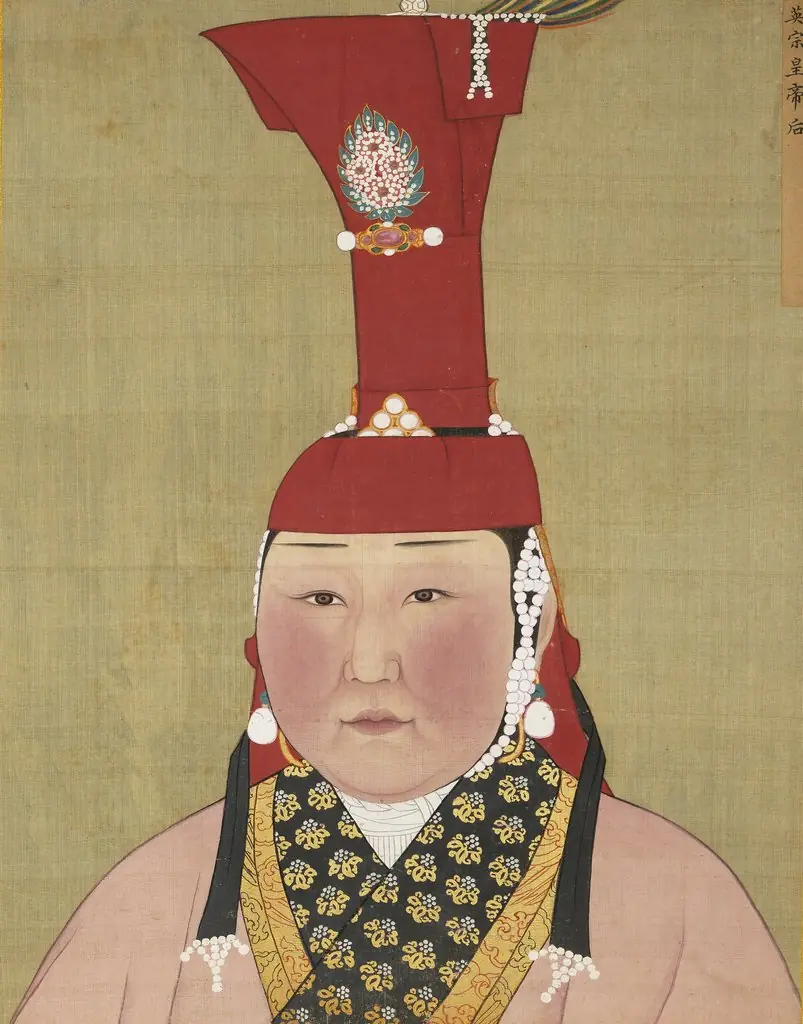
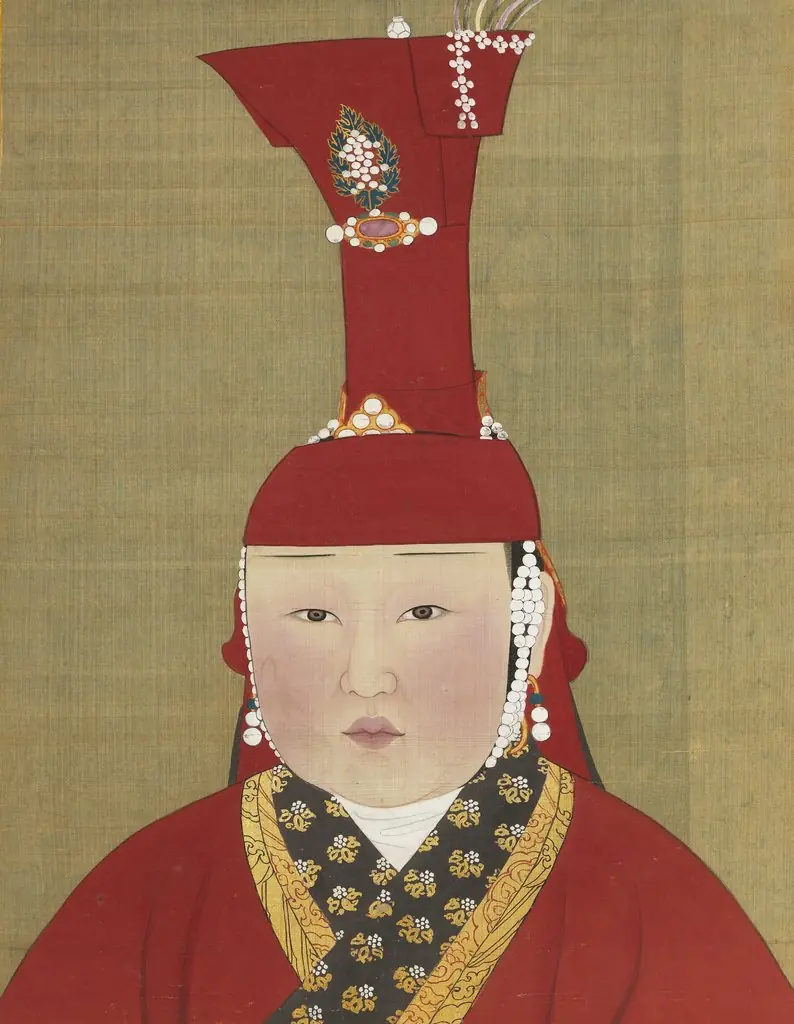
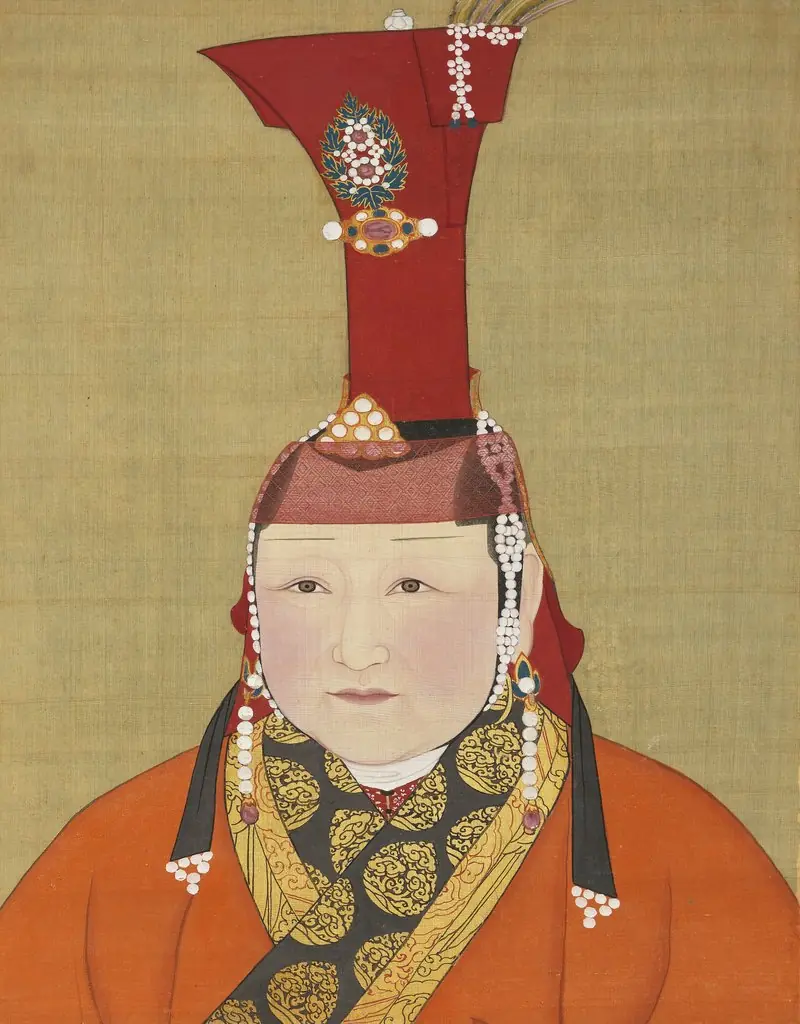
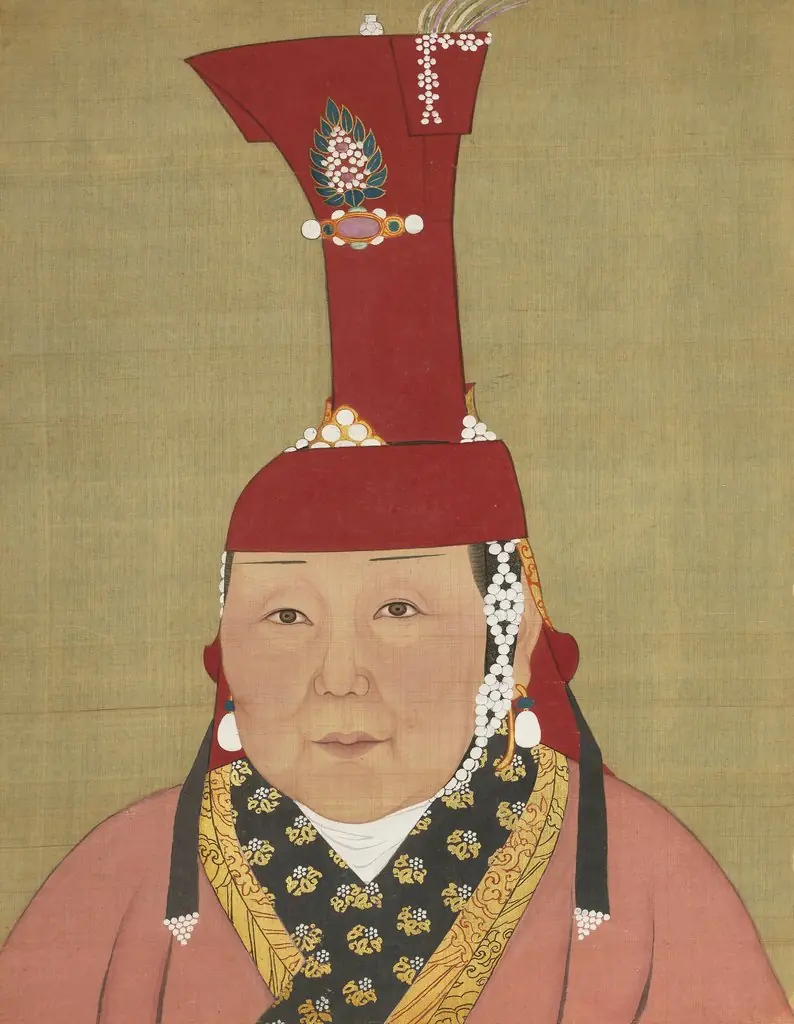
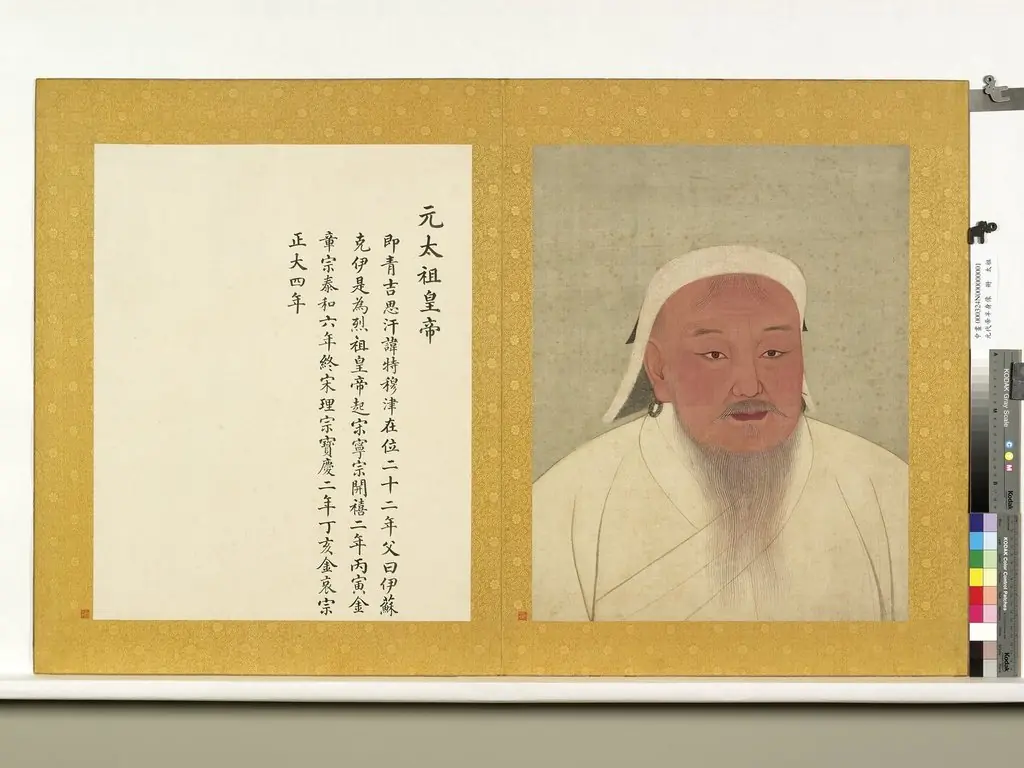
元代后半身像 冊 元世祖后 is an unspecified painting by Unknown. It dates from 1850 and is held in the collection of the National Palace Museum. This silk painting from the latter half of the Yuan dynasty presents two formal portraits side by side, likely depicting an imperial couple.
About this work
Overview
This silk painting from the latter half of the Yuan dynasty presents two formal portraits side by side, likely depicting an imperial couple.
This silk painting from the latter half of the Yuan dynasty presents two formal portraits side by side, likely depicting an imperial couple. Rendered with meticulous detail, the figures are set against a muted brown background, emphasizing their attire and adornments. The work is part of a larger tradition of court portraiture, though the artist’s identity remains unrecorded. It is held in the collection of the National Palace Museum.
Subject & Meaning
The figures are believed to represent Kublai Khan and his empress, based on their regal attire and the hierarchical pairing typical of Yuan imperial portraiture. Their matching red hats, black scarves with yellow floral motifs, and white bead hair ornaments signify status and ceremonial dress. The symmetry and parallelism in their depiction reinforce their shared authority and dynastic continuity.
Technique & Style
Executed in fine brushwork on silk, the painting employs delicate lines to define fabric folds, jewelry, and ornamental patterns. Colors are applied with restraint, highlighting the contrast between the subjects’ garments and the neutral background. The emphasis on texture and detail reflects the court’s preference for precise, lifelike representation over expressive abstraction.
History & Provenance
Created during the Yuan dynasty’s later years, the painting likely originated in the imperial court’s atelier. It was preserved through successive dynasties and eventually entered the National Palace Museum’s collection, possibly following the relocation of imperial artifacts in the early 20th century. Its survival underscores its significance as a record of Yuan elite culture.
Context
Yuan dynasty portraiture often blended Mongol traditions with Chinese artistic conventions, particularly in courtly dress and composition. This work reflects the empire’s multicultural character, where Mongol headwear and Chinese silk painting techniques coexisted. Such portraits served both commemorative and political functions, affirming lineage and legitimacy.
Legacy
Though unsigned, the painting contributes to the understanding of Yuan imperial iconography and the role of portraiture in legitimizing rule. It remains a key example of how courtly identity was visually constructed during a period of foreign domination in China. Its preservation allows ongoing study of cross-cultural aesthetics in 14th-century East Asia.
Artist & collection

 Domestic Scene
 Giacomo and Cardinal Marco, investing Andrea, Abbot of San Zeno, with his Benefice
 The Nymph of Fontainebleau
 Portrait of a Woman
 Madonna and Child with Saints in the Enclosed Garden
 Venus and Minerva
 Family Group of Four on Sofa
 Wall painting from Room H of the Villa of P. Fannius Synistor at Boscoreale