Artwork
Rail Shooting
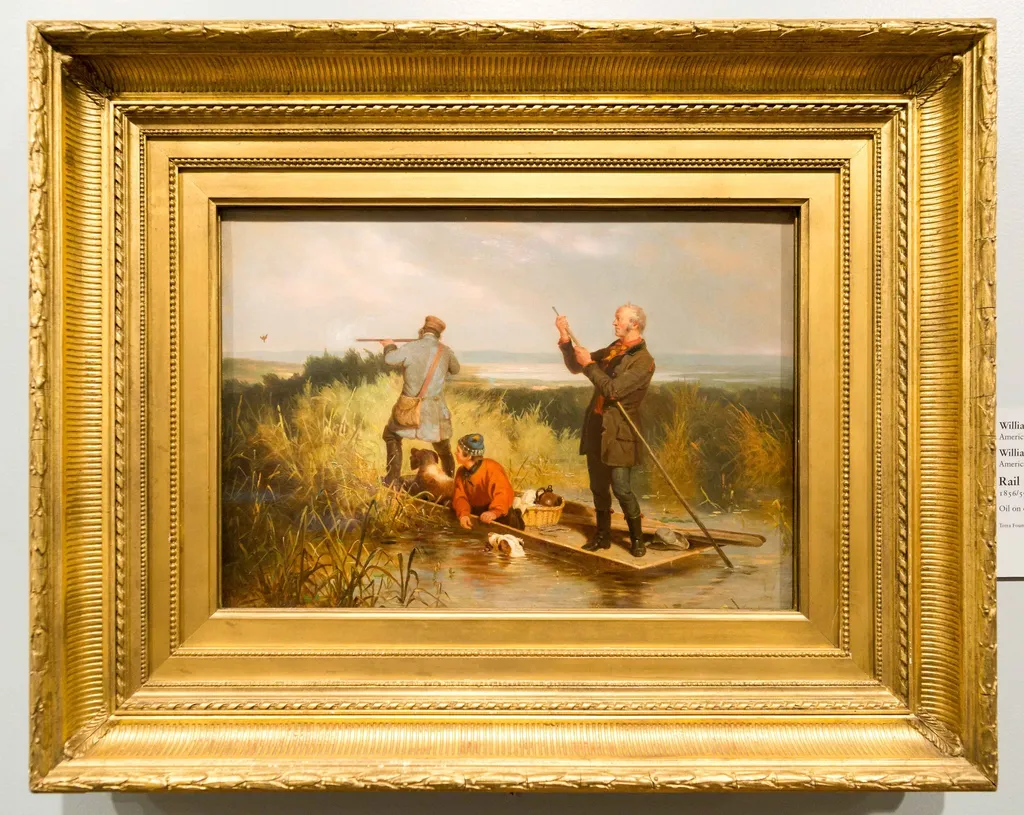
Rail Shooting is an oil painting by Unknown. It dates from 1850 and is held in the collection of the Art Institute of Chicago.
About this work
Overview
An oil painting titled Rail Shooting captures a quiet moment of leisure in a wetland setting. Figures stand waist-deep in shallow water among tall reeds, engaged in a form of target shooting. The composition emphasizes stillness and harmony with nature, framed by a broad, calm expanse of water and a softly graded sky. The work is part of the Art Institute of Chicago’s collection.
Subject & Meaning
The scene portrays a group of men participating in rail shooting, a historical pastime involving shooting at targets from a fixed position along a rail or platform in marshland. The absence of urgency or violence suggests a ritualized, contemplative activity. The setting implies a connection between human recreation and the natural environment, evoking solitude rather than competition.
Technique & Style
Oil paint is used to build subtle layers of light and texture, enhancing the reflective quality of water and the softness of atmospheric perspective. The brushwork is restrained, favoring muted tones and gentle transitions between sky, water, and vegetation. Figures are rendered with minimal detail, integrating them into the landscape rather than isolating them as focal points.
History & Provenance
The painting entered the Art Institute of Chicago’s collection through documented acquisition, though its earlier ownership and exhibition history remain unrecorded in publicly accessible archives. It was likely completed in the late 19th or early 20th century, consistent with the style and subject matter of regional American landscape painting of that era.
Context
Rail shooting was a common recreational activity in wetland regions of the northeastern United States during the 1800s, often practiced by local communities as a blend of sport and subsistence. This painting reflects a broader cultural interest in documenting everyday rural life, distinct from grander historical or mythological themes favored in academic art of the period.
Legacy
While not widely exhibited or reproduced, the work contributes to a quieter strand of American landscape art that values observation over drama. Its preservation in a major museum underscores an institutional interest in vernacular scenes that capture regional customs and the quiet rhythms of nature.
Artist & collection









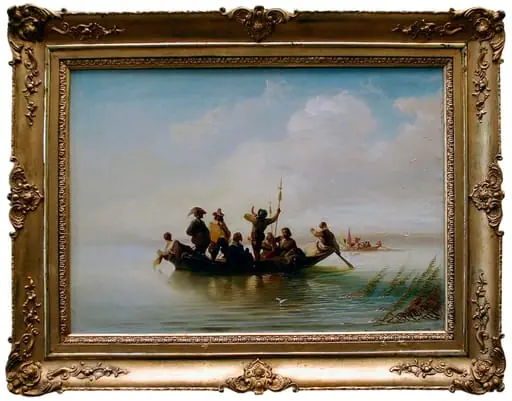 Geuzen-vapaustaistelijoiden aamuinen lähtö
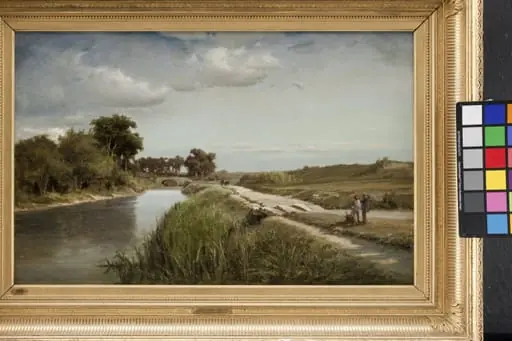 French River Landscape with a Bridge
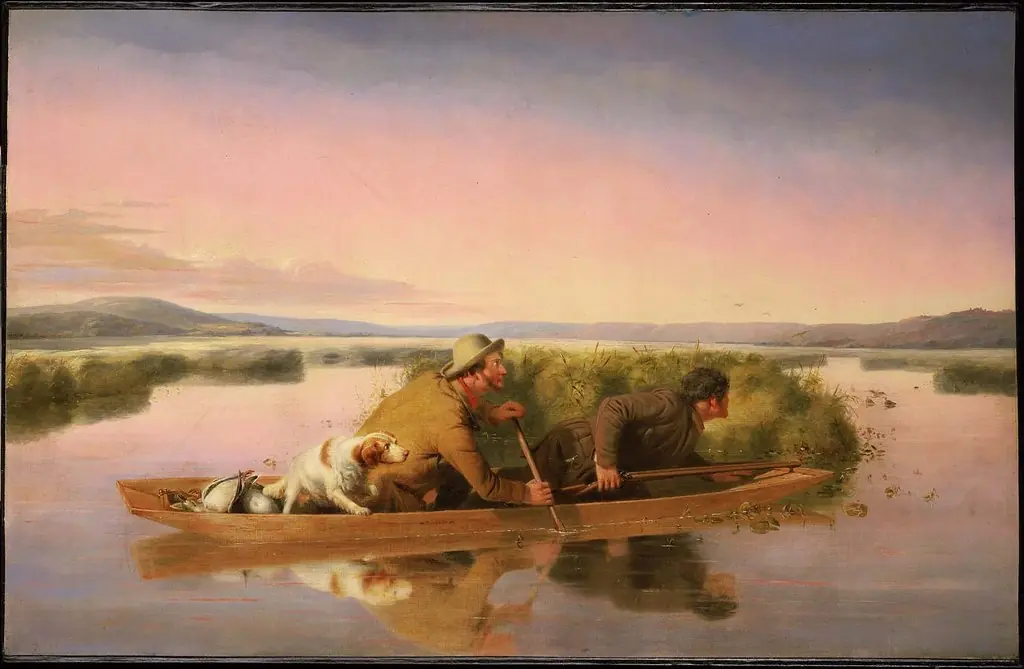 Duck Shooters
 La pescuit (Băneasa)
 A River Landscape
 Armata rusă în 1877
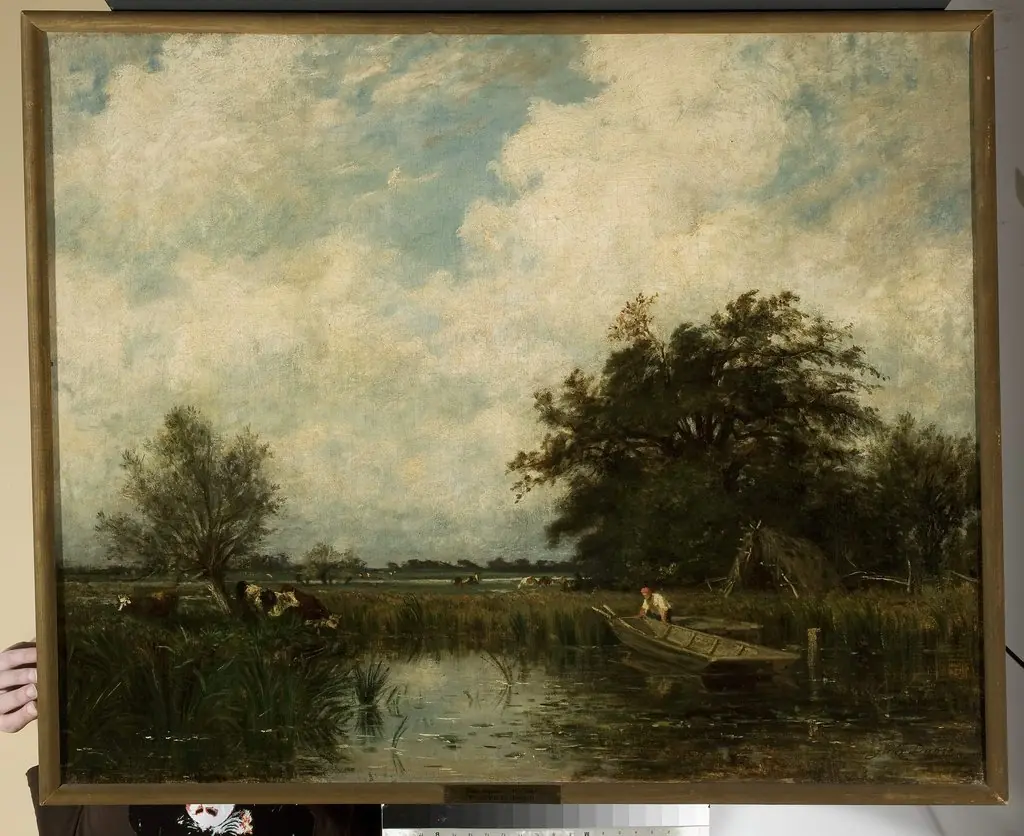 Landscape with a pond
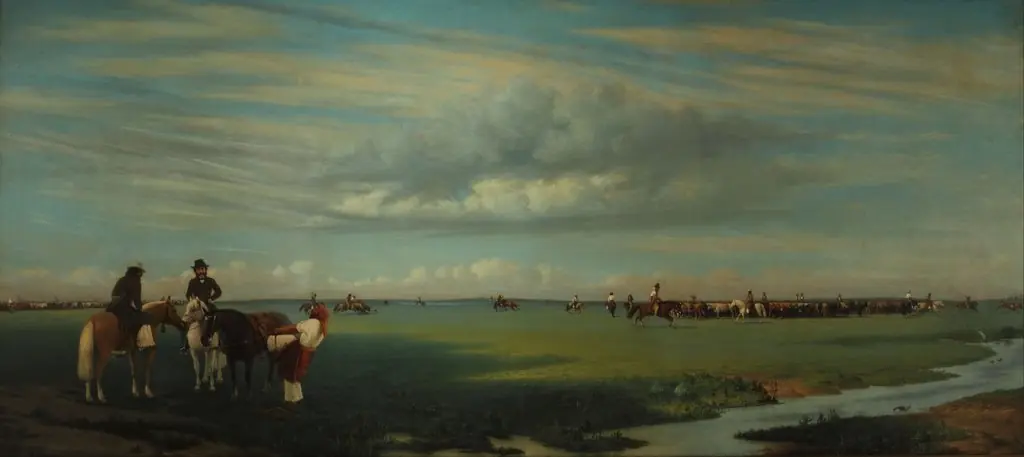 El rodeo
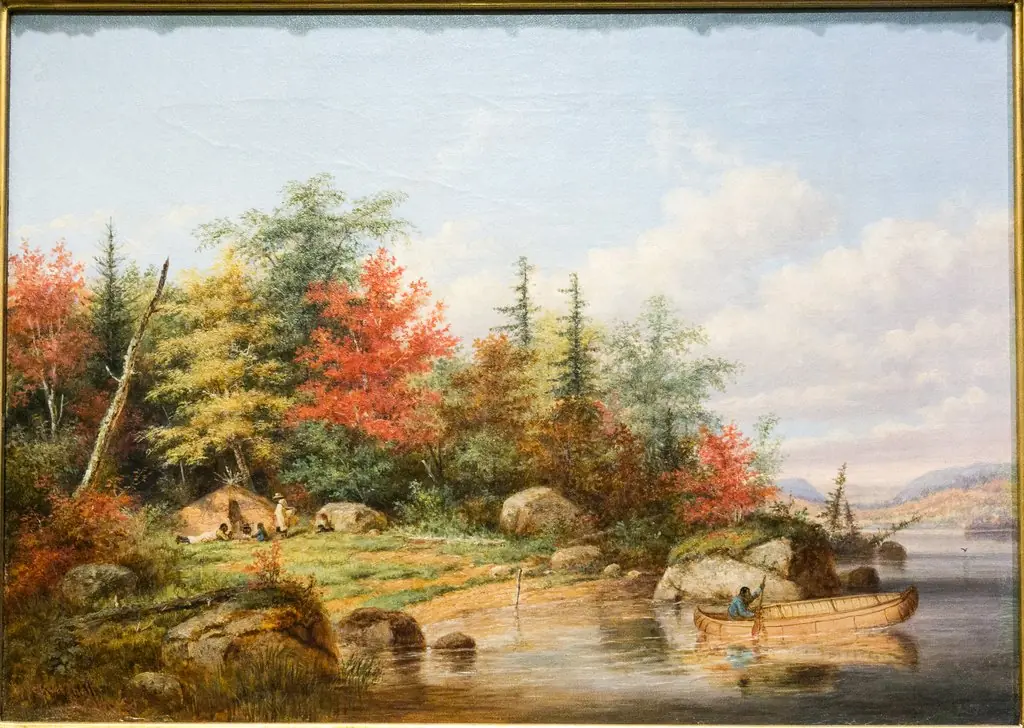 Autumn Landscape
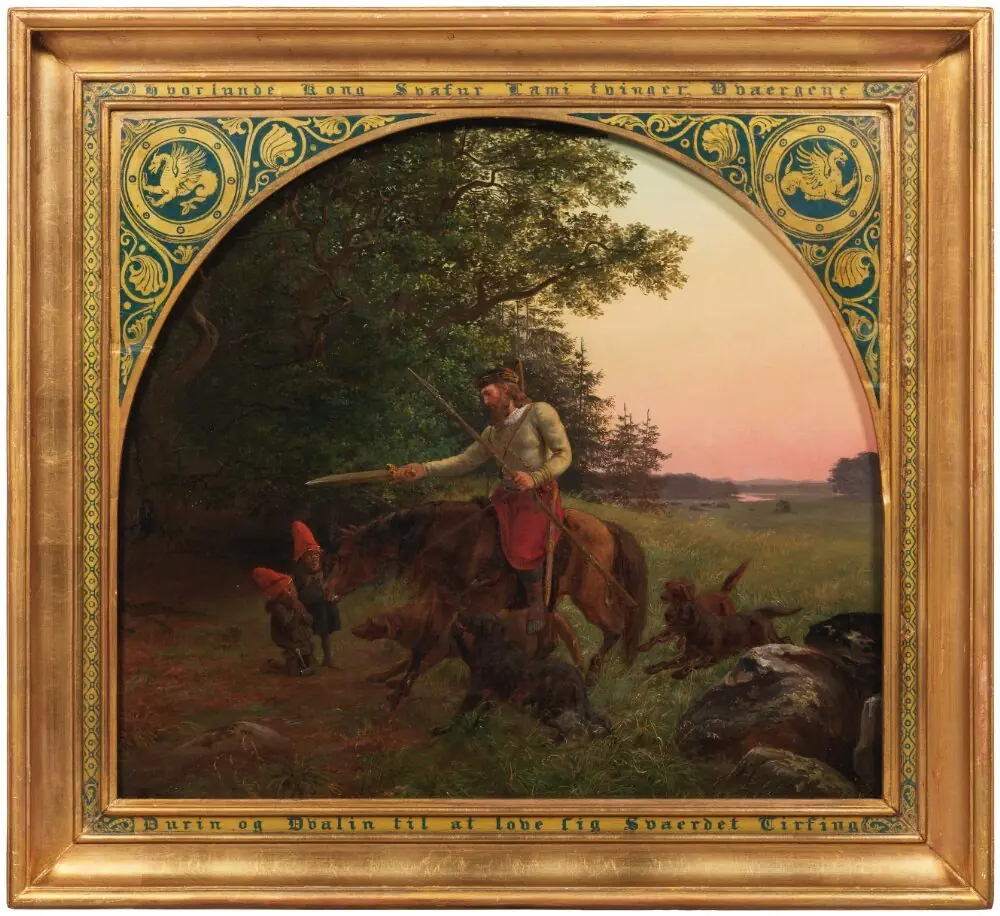 The King Svafur Forces Durin and Dvalin to Promise him the Tirfing Sword
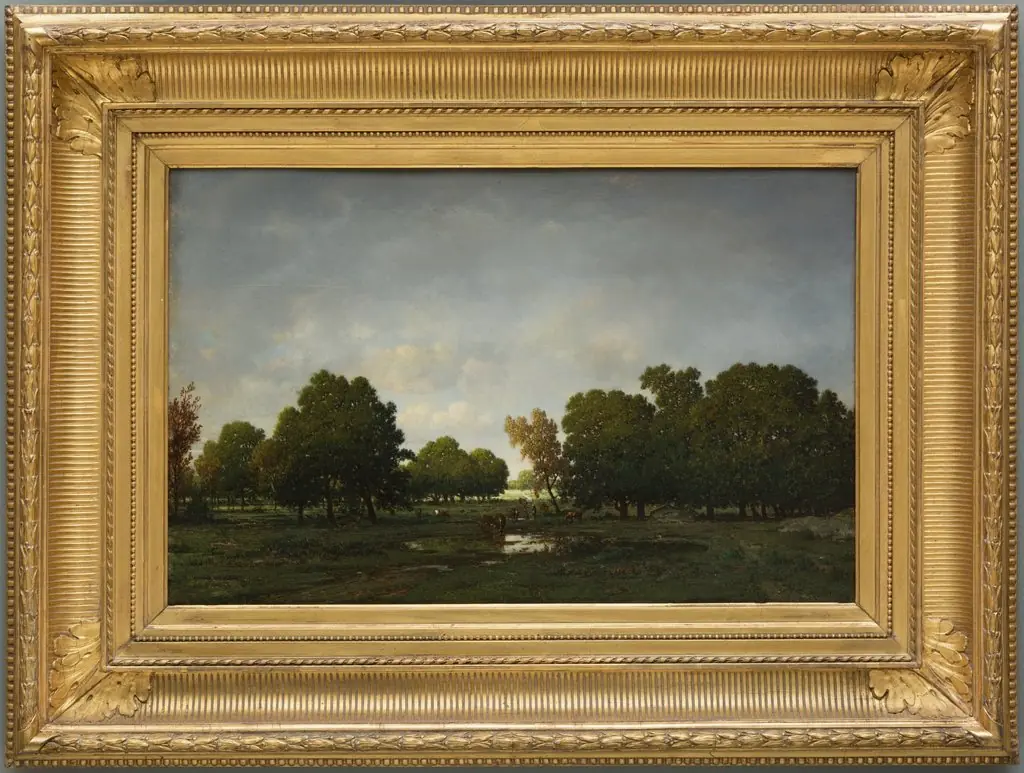 The Forest of Fontainebleau
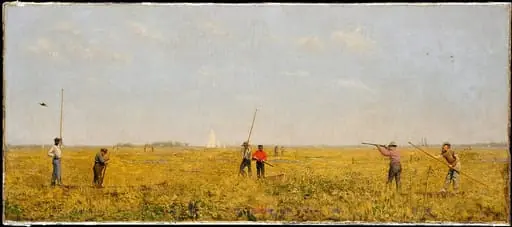
- Pushing for Rail