Artwork
Satire on Celibacy
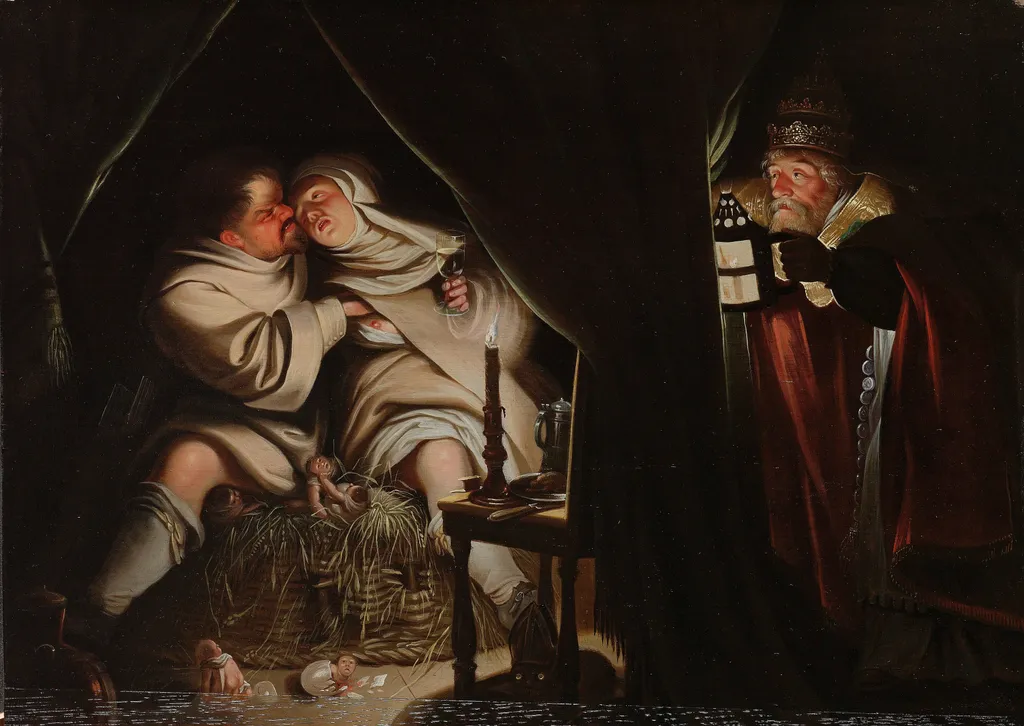
Satire on Celibacy is an oil painting. It dates from 1640 and is held in the collection of the Rijksmuseum.
About this work
Subject & Meaning
The work belongs to the genre of religious satire, using sacred subject matter as a vehicle for critical commentary on the church's enforcement of celibacy.
The painting is a religious satire targeting the practice of clerical celibacy. It depicts priests, nuns, and a Pope, presenting these figures in a manner that mocks the vow of celibacy central to Catholic religious life. The work belongs to the genre of religious satire, using sacred subject matter as a vehicle for critical commentary on the church's enforcement of celibacy.
The juxtaposition of high-ranking clergy, including the Pope, alongside ordinary priests and nuns suggests a critique aimed at the institution as a whole rather than at individual believers. By rendering ecclesiastical figures within a satirical framework, the painting participates in a tradition of visual polemic associated with Protestant reformist criticism of Catholic doctrine.
The work's inclusion in an exhibition on Luther further situates it within the broader context of Reformation-era challenges to Catholic practices, particularly the celibacy requirement that became a contested issue during the sixteenth and seventeenth centuries.
Technique & Style
Satire on Celibacy is executed in oil paint on panel, a support typical of seventeenth-century Netherlandish cabinet pictures of its modest scale, with the work measuring 29.7 cm in height by 41.5 cm in width. The small dimensions and panel support indicate a finely handled, close-viewing object rather than a large altarpiece or decorative panel. The oil medium allowed the anonymous artist to render the satirical religious scene with the detailed surface treatment and controlled brushwork suited to the genre's combination of caricature and devotional imagery.
No information on the painting's current condition or specific stylistic attributes beyond its medium and support is documented in the available sources.
History & Provenance
The painting Satire on Celibacy is an anonymous work created in 1624, executed in oil on panel. While one source cites the specific year 1624, another provides a broader inception range of 1624 to 1640. The artwork is currently held in the collection of the Rijksmuseum and the Museum Catharijneconvent.
No specific details regarding the original commission, the identity of the patron, or the precise chain of ownership prior to its current location are provided in the available records.
Context
Satire on Celibacy, an anonymous oil painting on panel dated 1624, is classified as a religious work and is commonly identified as a piece of 17th‑century Dutch religious satire. The painting, which depicts a priest, a nun, the Pope and symbolic references to celibacy, is held in the collections of the Rijksmuseum and the Museum Catharijneconvent. Its inclusion in the exhibition titled “Luther” highlights its relevance to studies of Counter‑Reformation critique.
Art historical scholarship situates the work within the broader tradition of satirical religious imagery, noting its influence on later anti‑celibacy representations.
Legacy
Satire on Celibacy has come to be recognized as a pivotal example of early Dutch religious satire, shaping later depictions that critique clerical celibacy and papal authority. Its inclusion in the collections of the Rijksmuseum and the Museum Catharijneconvent has allowed repeated public display, notably in the exhibition titled “Luther,” which highlighted its relevance to the Reformation discourse. Scholars cite the work’s blend of devotional imagery with biting irony as a precursor to 18th‑century satirical prints, reinforcing its reputation as a visual commentary that influenced subsequent artists who employed humor to question ecclesiastical norms.
Overview
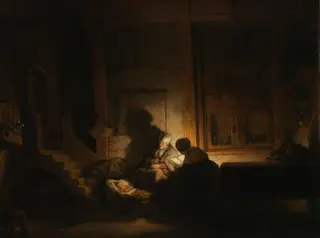
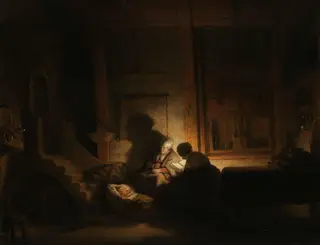
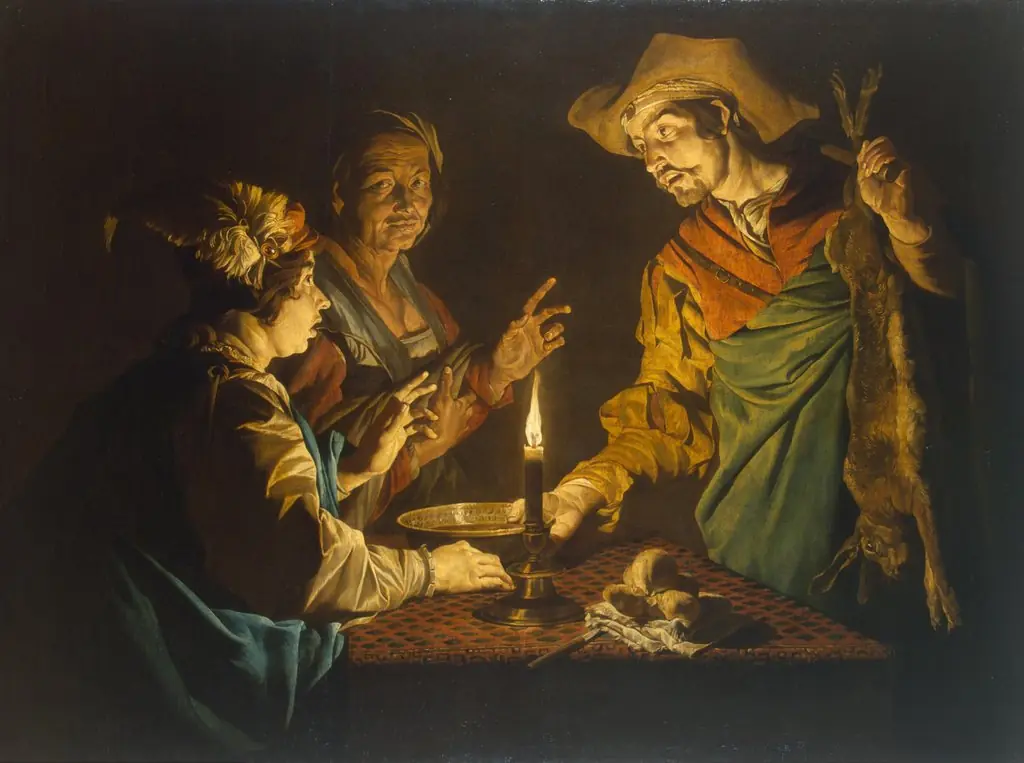
"Satire on Celibacy" is an oil painting depicting a clandestine encounter within a dimly lit interior. The work presents a priest and a nun engaged in an intimate embrace, seemingly oblivious to an infant on the floor, while a third figure observes the scene. The title itself indicates the artist's critical commentary on religious doctrines, specifically the vow of celibacy.
Artist & collection