Artwork
Esau and Jacob
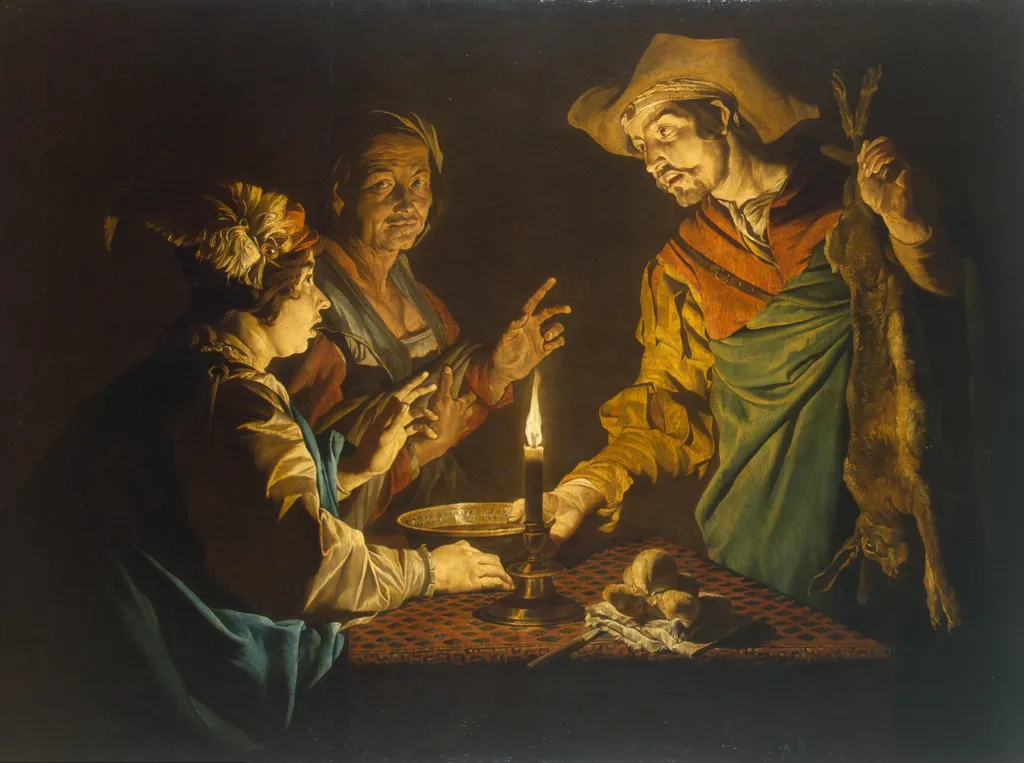
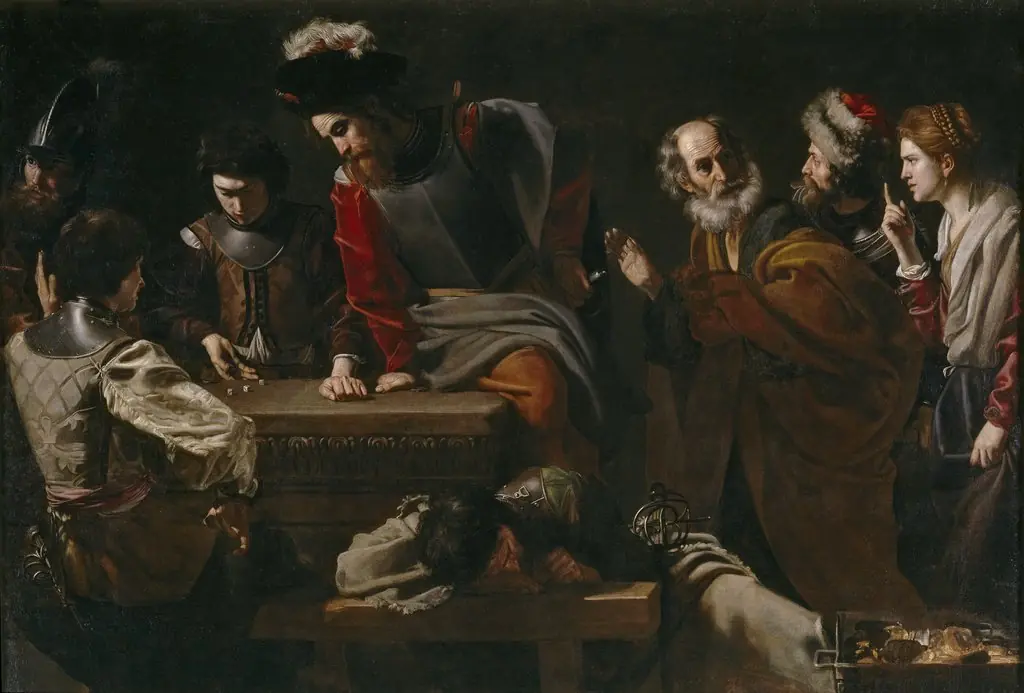
Esau and Jacob is an oil painting by the Caravaggisti artist Matthias Stom. It dates from 1640 and is held in the collection of the Hermitage Museum.
About this work
Subject & Meaning
Stom emphasizes the emotional tension between the elder Esau, depicted with a rugged countenance, and the younger Jacob, whose gesture hints at forgiveness.
The painting shows the biblical brothers Esau and Jacob in the moment of their reconciliation, a scene drawn from Genesis. Stom emphasizes the emotional tension between the elder Esau, depicted with a rugged countenance, and the younger Jacob, whose gesture hints at forgiveness. The composition underscores themes of fraternal strife and divine favor, reflecting Counter‑Reformation concerns with personal redemption.
Symbolic elements such as the shared tableware and the subtle lighting highlight the narrative’s reconciliation and the transfer of blessing. The work belongs to the religious genre and was created in the Netherlands in 1640, now housed in the Hermitage Museum as part of the Pyotr Semyonov‑Tyan‑Shansky collection.
Technique & Style
Matthias Stom painted Esau and Jacob in 1640 using oil on canvas. The work measures 118 cm in height by 164 cm in width and depicts a biblical scene with tableware and figures identified as Jacob and Esau. It belongs to the religious genre and was created in the Netherlands, forming part of the Hermitage Museum's Pyotr Semyonov-Tyan-Shansky collection.
The painting has been featured in exhibitions of Dutch masters from the Hermitage and is executed in oil paint on canvas, reflecting Baroque-era techniques and compositional focus on narrative detail.
History & Provenance
Matthias Stom executed the oil painting Esau and Jacob in 1640. The work was created in the Netherlands during the artist's active period there. Following its completion, the canvas eventually entered the collection of Pyotr Semyonov-Tyan-Shansky.
It was subsequently acquired by the Hermitage Museum, where it remains part of the institution's holdings. The painting has been featured in exhibitions focusing on Dutch masters drawn from the Hermitage's collection.
The painting Esau and Jacob by Matthias Stom is held at the Hermitage Museum, where it is recorded under the collection of Pyotr Semyonov-Tyan-Shansky. Its dimensions are 118 cm in height and 164 cm in width, and it was created in the Netherlands in 1640. The work has been featured in the exhibition Dutch Masters from the Hermitage, highlighting its significance within the museum's holdings of religious art.
Legacy
Later scholarship emphasizes the painting's role in shaping baroque religious imagery, particularly its dramatic chiaroscuro and narrative intensity that influenced Dutch masters in the Hermitage collection. The work remains part of the Hermitage Museum's permanent display, cited in exhibitions of Dutch masters from the Hermitage and studied for its impact on 17th-century religious painting.
Overview
Created in 1640 by the Dutch‑Flemish painter Matthias Stom, this oil on canvas portrays a biblical episode involving Esau and Jacob. Executed during the artist’s Italian period, the work is part of the State Hermitage Museum’s collection. The composition centers on three figures illuminated against a dark interior, their faces catching the light in a dramatic fashion.
Context
Stom’s preference for biblical narratives aligns him with contemporaries who favored religious subjects over genre or allegorical scenes. His work reflects the broader 17th‑century trend of dramatizing sacred stories through realistic detail and emotional intensity, a response to Counter‑Reformation demands for clear, affective visual storytelling.
Own this work as a print
Artist & collection
Artist
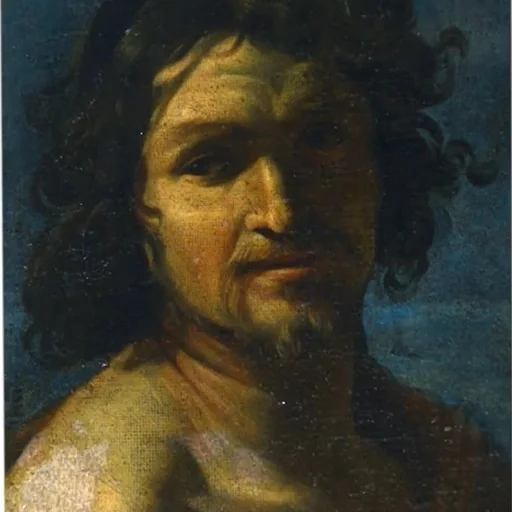
Matthias Stom or Matthias Stomer (c. 1600 – after 1652) was a Dutch, or possibly Flemish, painter who is only known for the works he produced during his residence in Italy. He was influenced by the work of non-Italian…

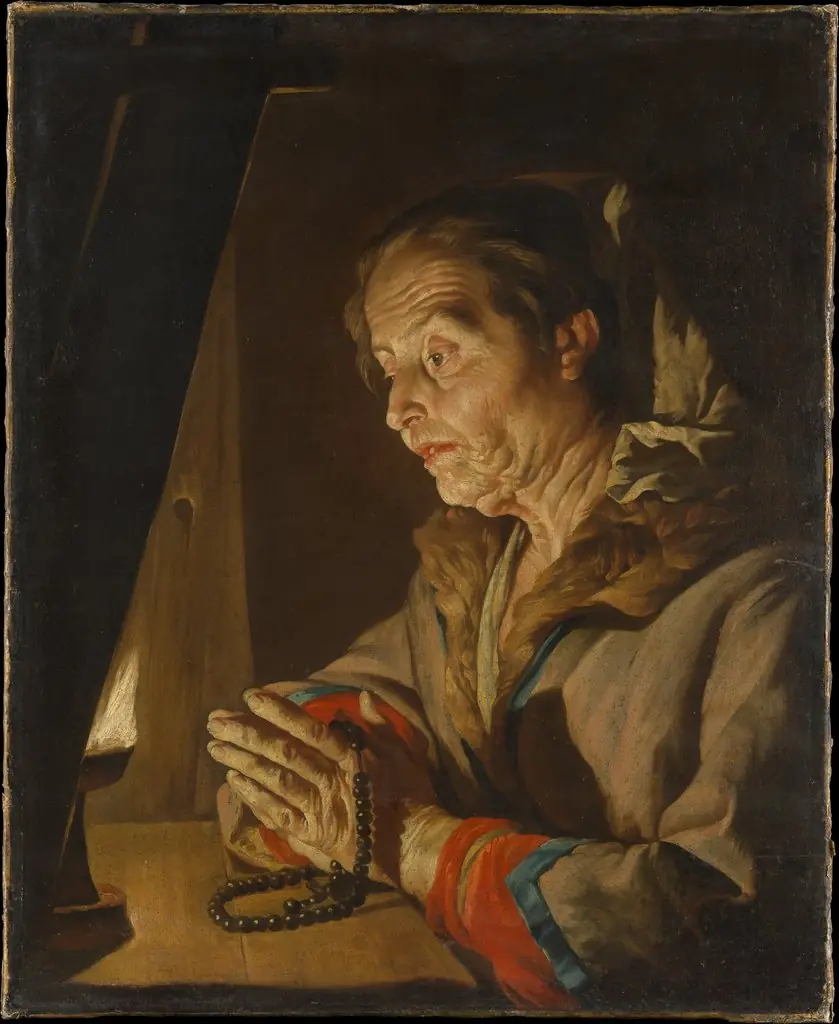
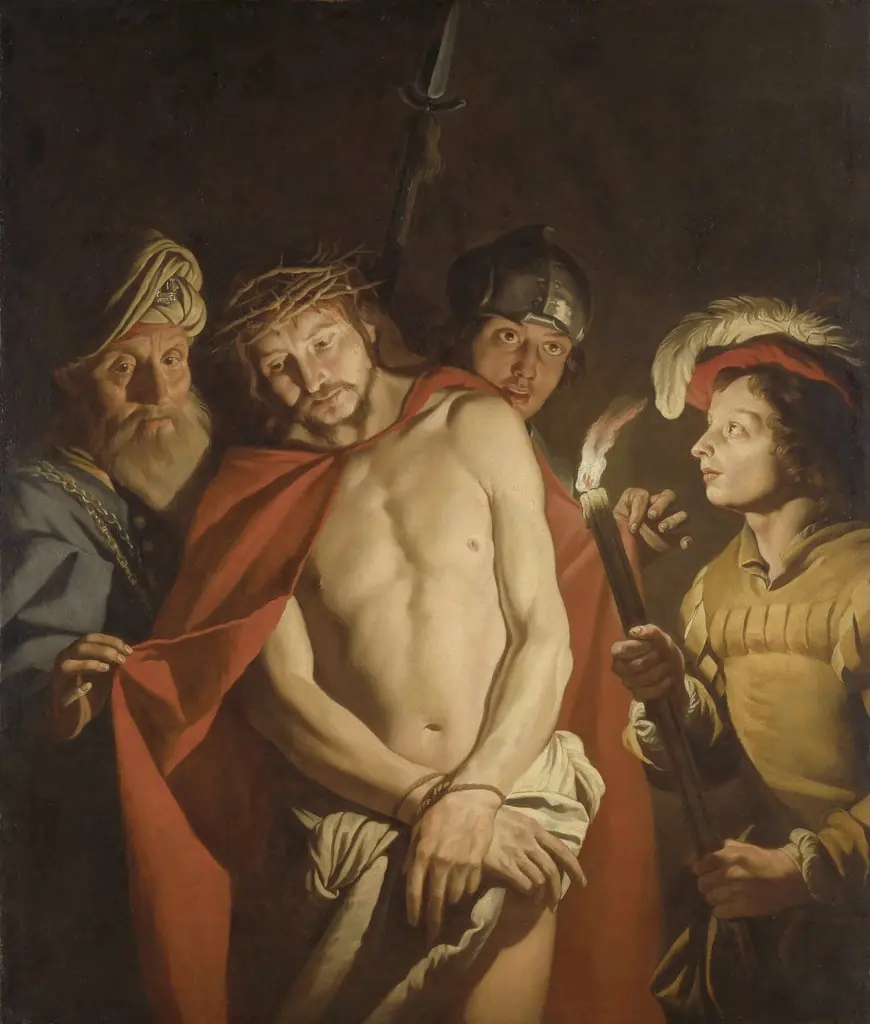
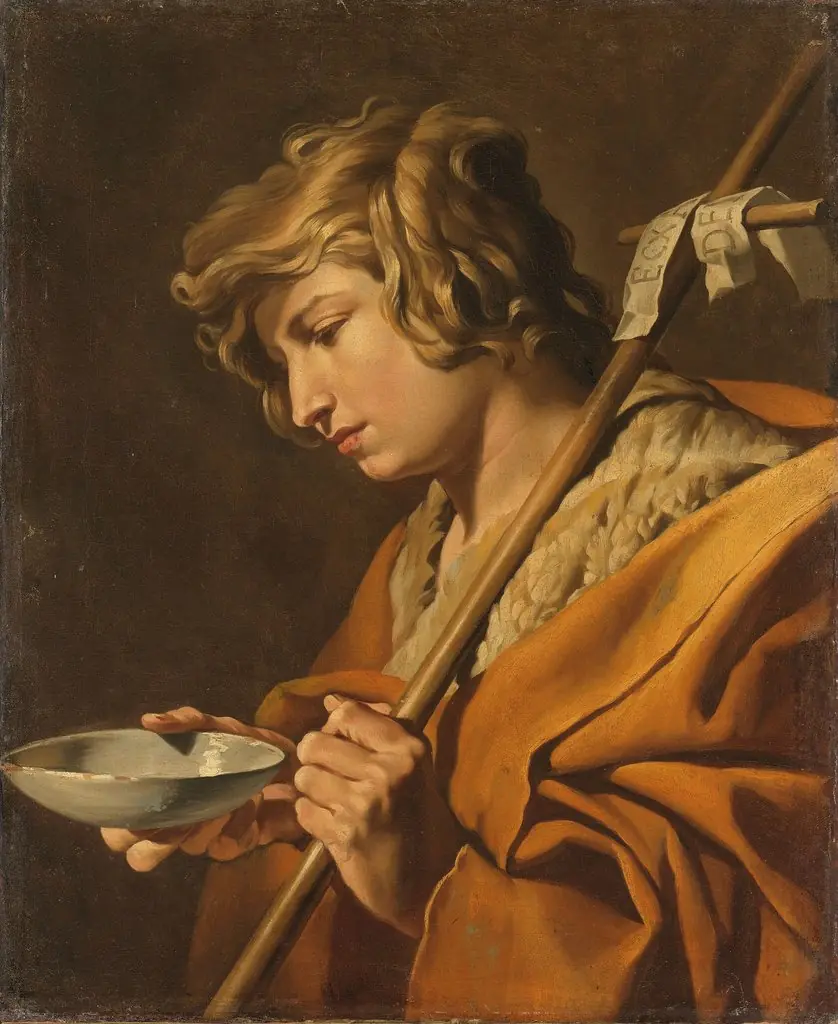
- Esau, returning hungry from the hunt, sells his first birthright to Jacob for a pottage of lentils(Genesis 25:31)
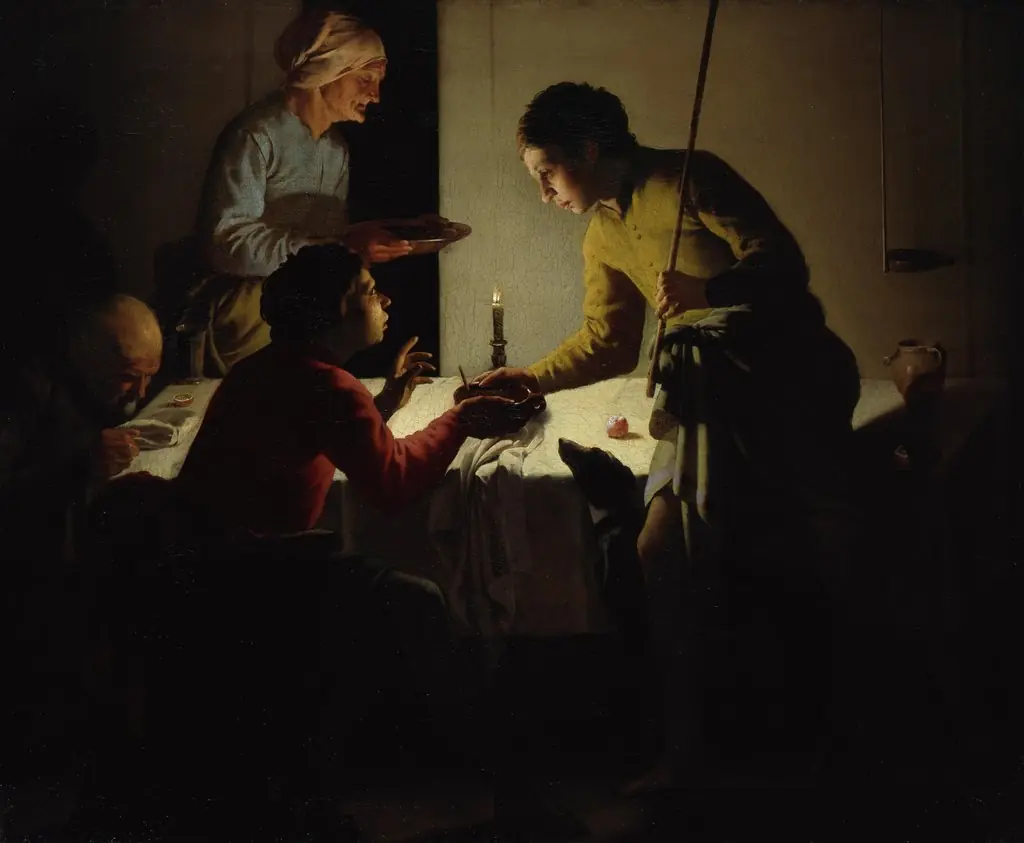 Esau Sells his Birthright
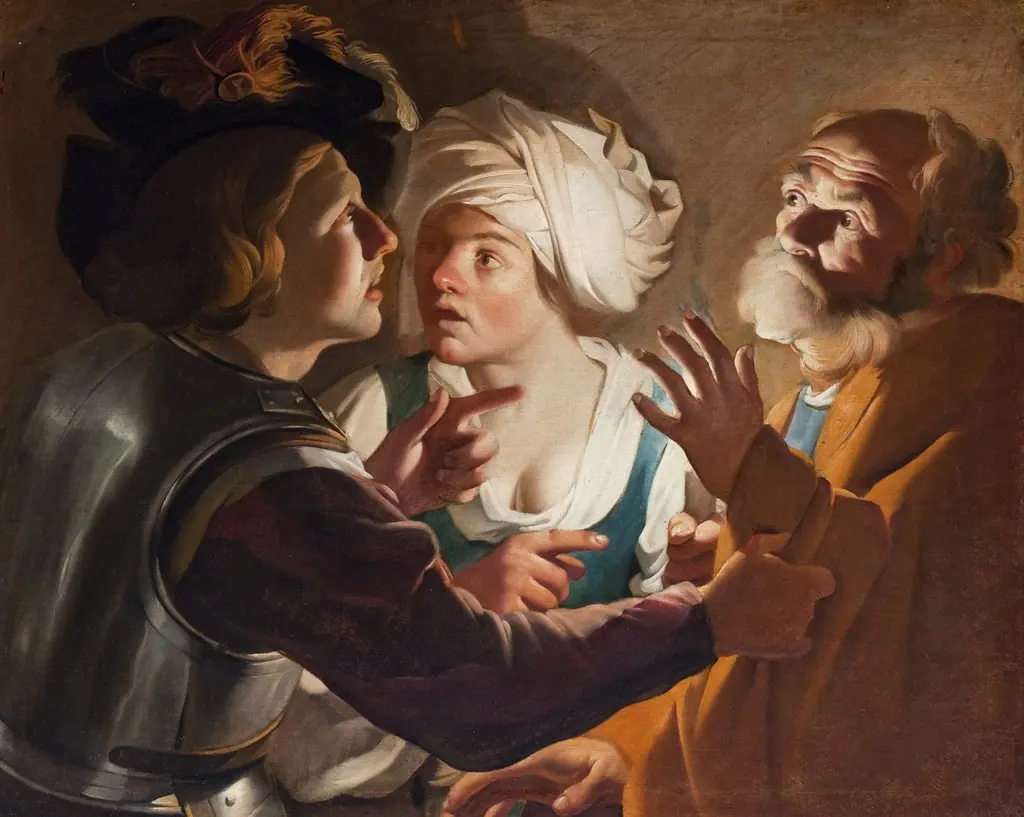 Denial of Saint Peter
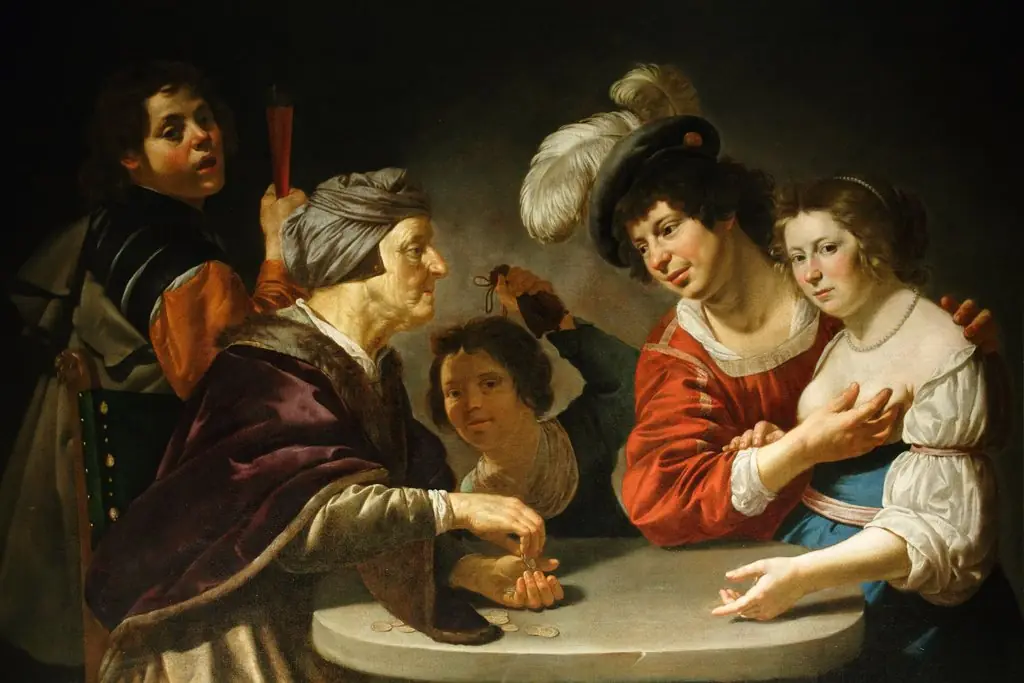 The procruress
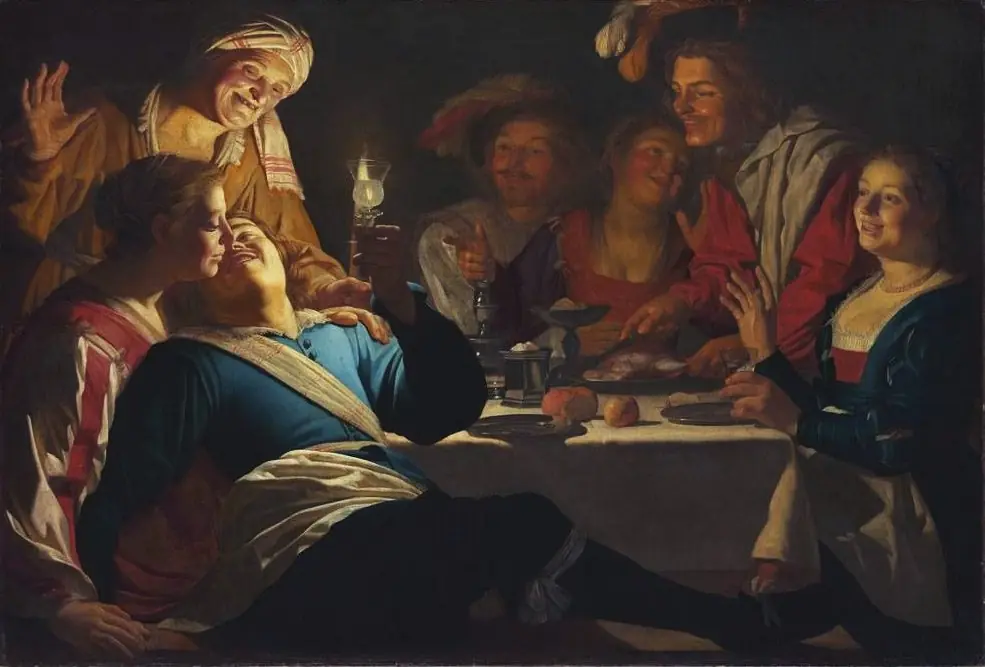 The Prodigal Son
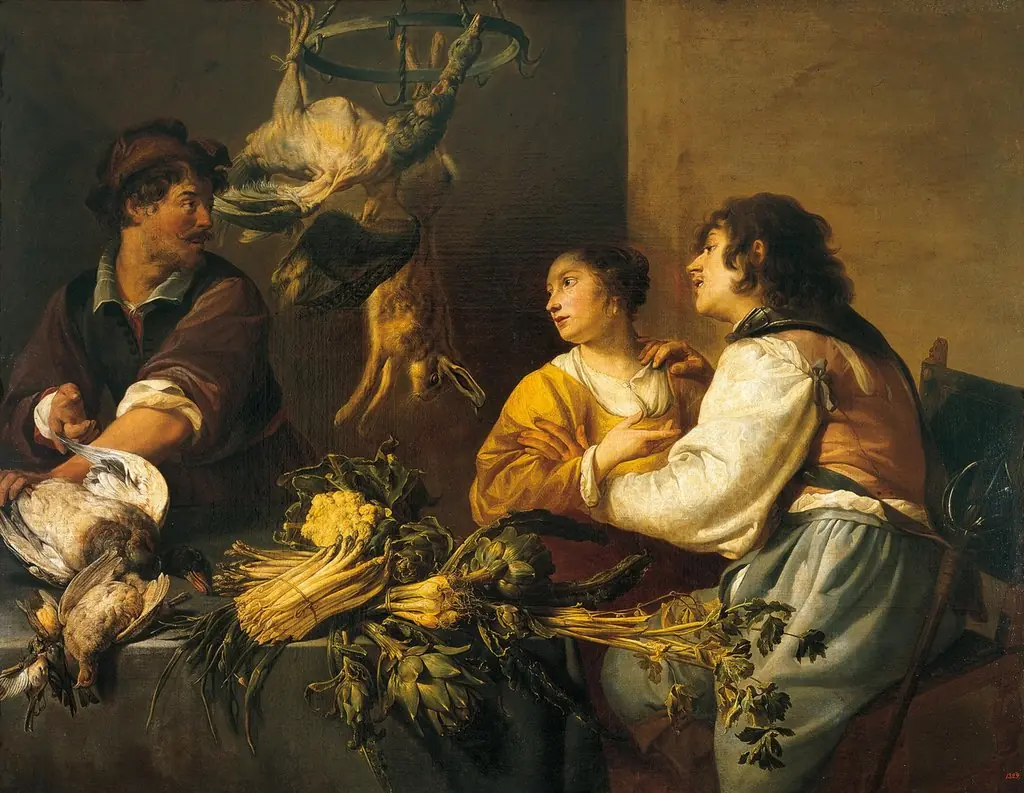 Kitchen
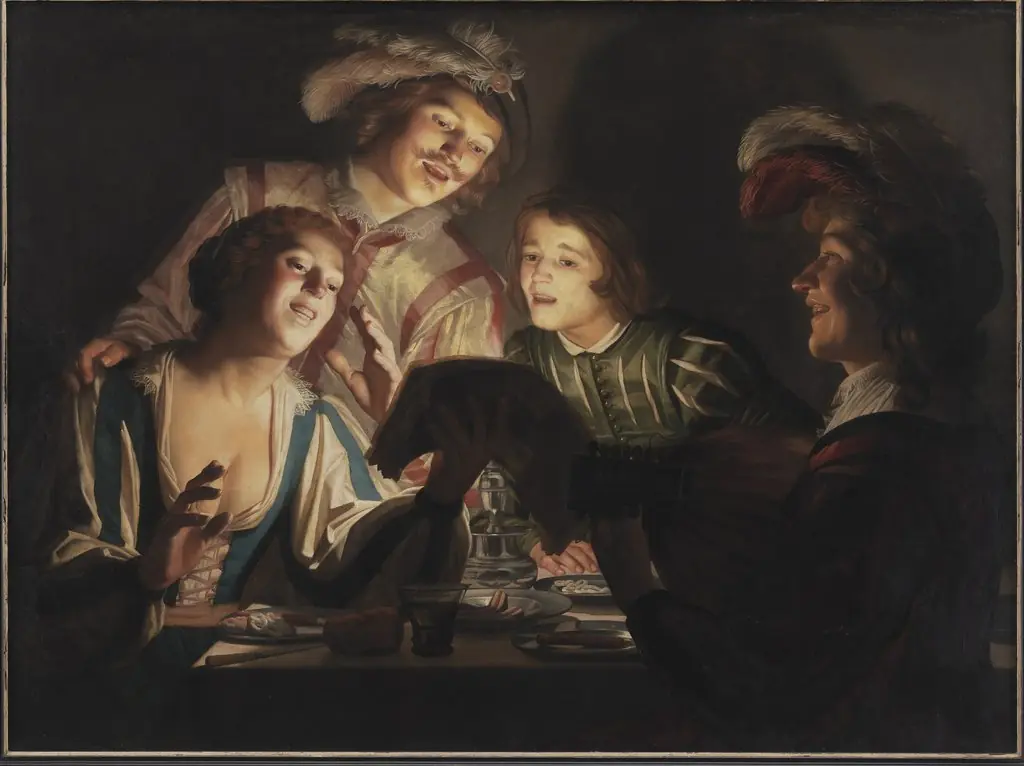 Musical Group by Candlelight
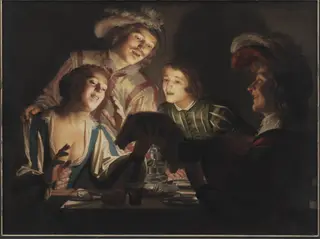 Musical Group by Candlelight
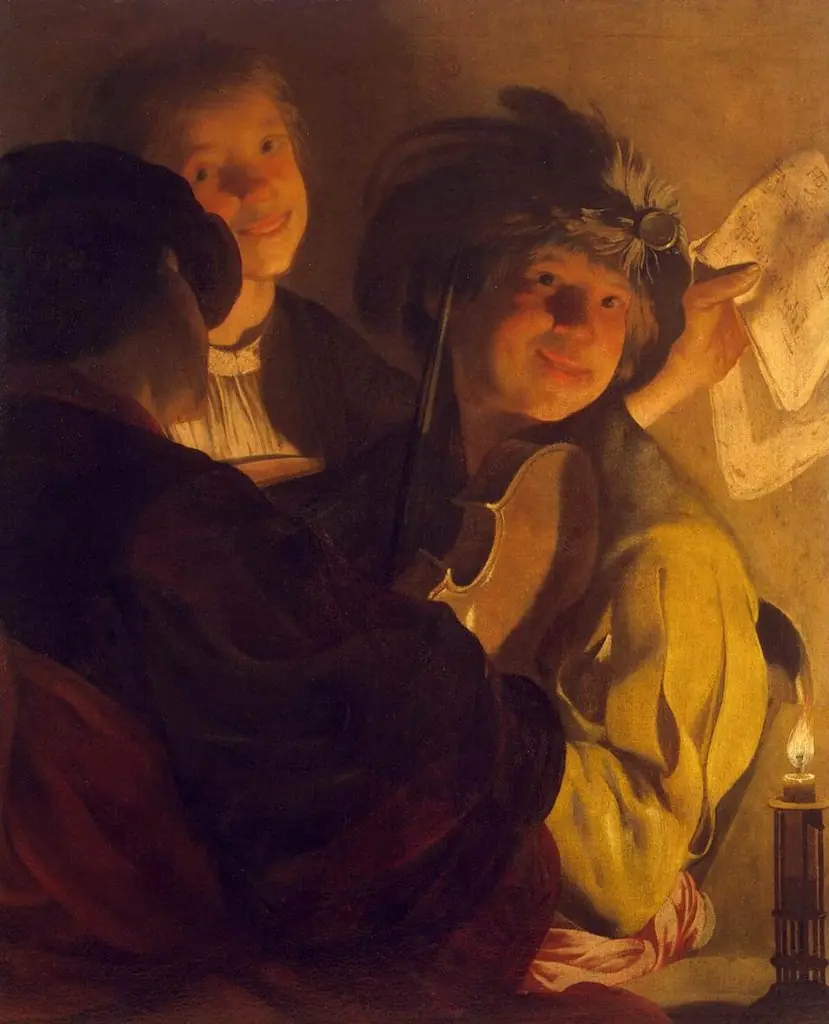 Concert
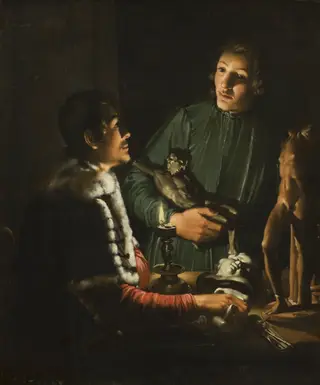 Two Sculptors at Night in Rome. Double Portrait of Francois Duquesnoy and Georg Petel
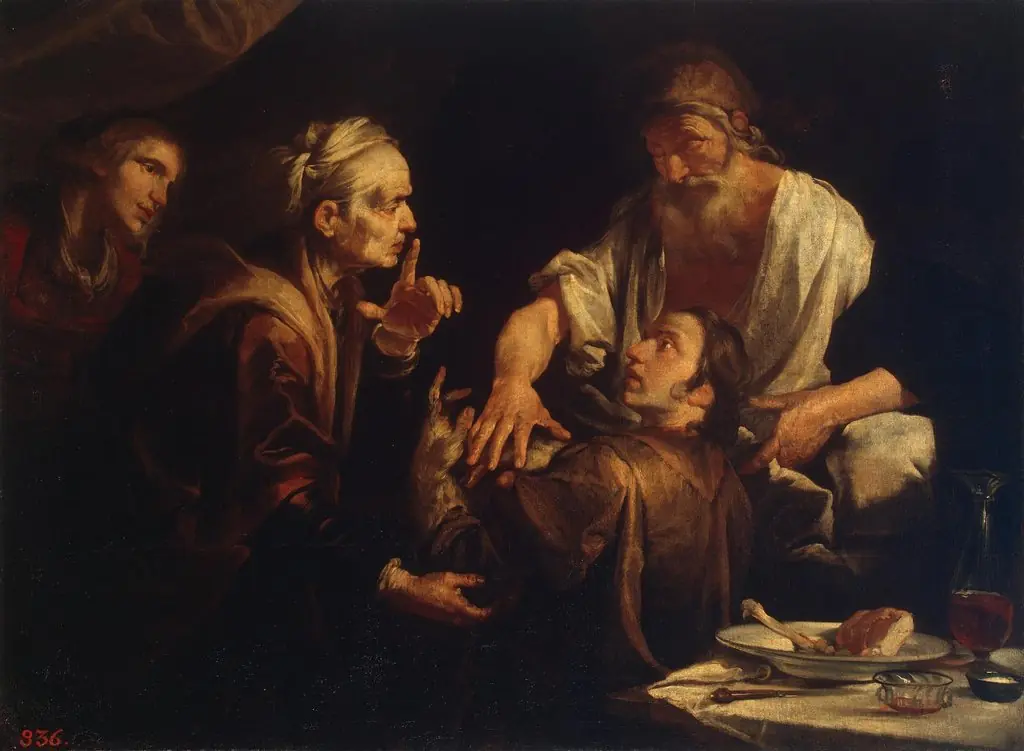 Isaac Blessing Jacob
 The Denial of Saint Peter