Artwork
Joseph interpreting the dreams of the baker and the butler
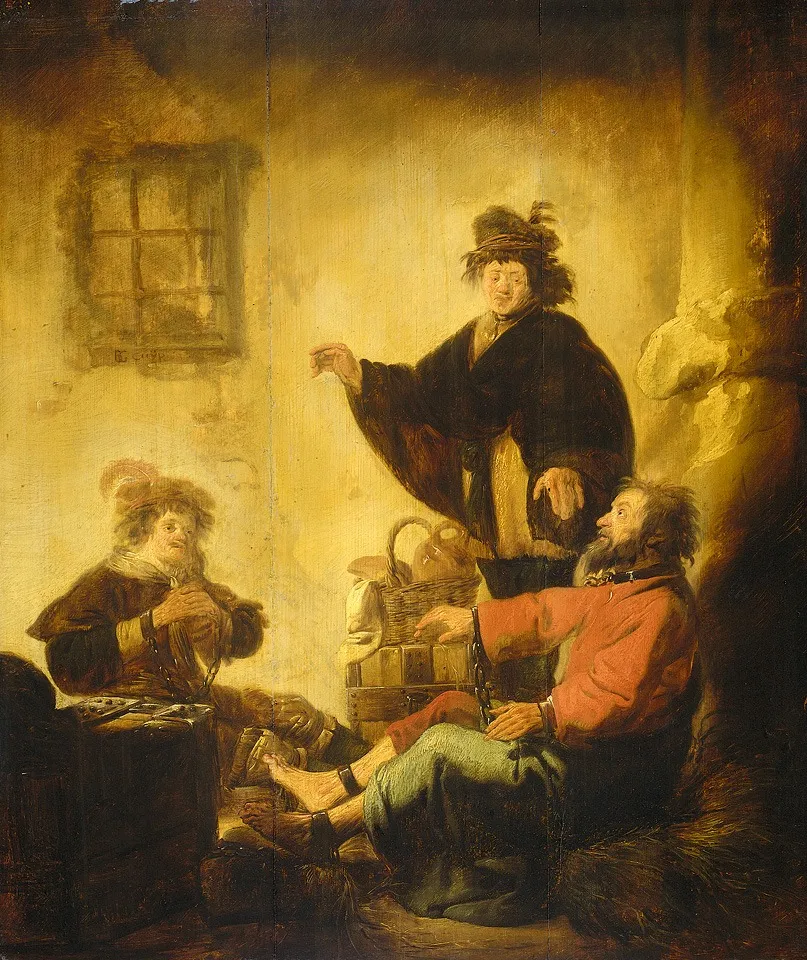
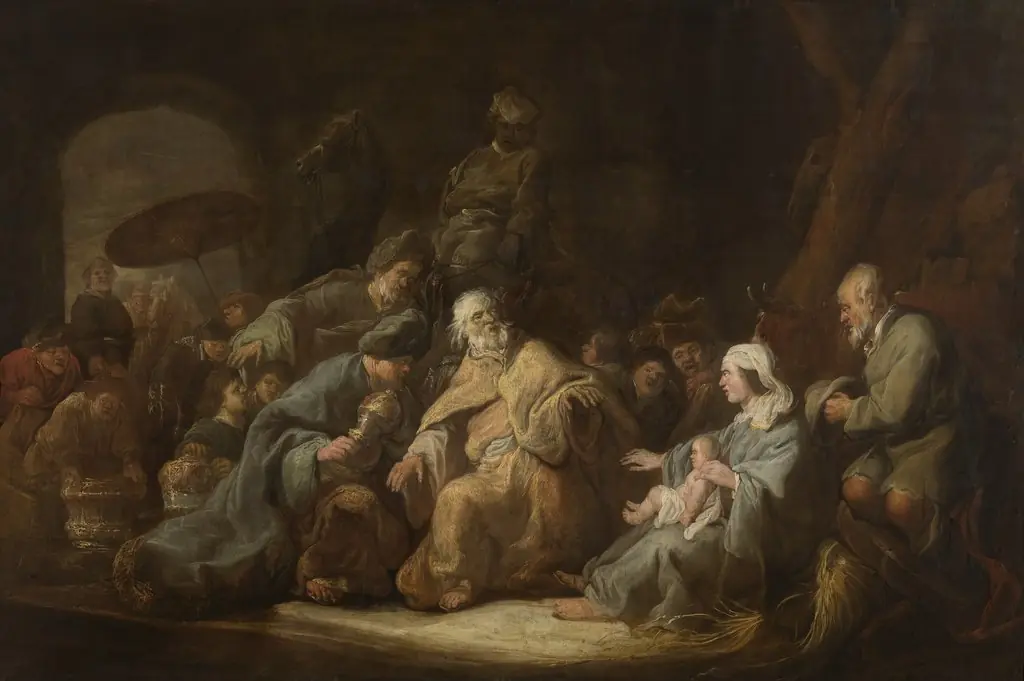
Joseph interpreting the dreams of the baker and the butler is an oil painting by the Dutch Golden Age artist Benjamin Gerritsz Cuyp. It dates from 1630 and is held in the collection of the Rijksmuseum.
About this work
Technique & Style
The work is executed in oil paint on panel, a support typical of seventeenth-century Dutch cabinet pictures of its scale.
The work is executed in oil paint on panel, a support typical of seventeenth-century Dutch cabinet pictures of its scale. It measures 73.5 cm in height by 62 cm in width, a modest, vertically oriented format suited to intimate viewing. The painting is held in the Rijksmuseum collection.
Beyond these material and dimensional facts, the available sources do not detail handling, condition, or specific stylistic qualities such as brushwork, palette, or composition.
History & Provenance
The painting Joseph interpreting the dreams of the baker and the butler is dated to 1630 and attributed to Benjamin Gerritsz Cuyp. It was created as an oil on panel in the religious genre.
By the time of documentation, the work entered the collection of Wolter Gockinga, a figure associated with its early ownership. Subsequently, the painting became part of the holdings of the Rijksmuseum, where it remains located.
The painting Joseph interpreting the dreams of the baker and the butler by Benjamin Gerritsz Cuyp is held in the collection of the Rijksmuseum in Amsterdam. The work, executed in oil on panel around 1630, is part of the museum's permanent holdings of religious art. Prior to its current location, the piece was owned by Wolter Gockinga.
The provided sources do not contain specific accession numbers or a detailed list of past exhibitions for this artwork.
Overview
Benjamin Gerritsz Cuyp’s oil painting, dated 1630, portrays a biblical episode in which Joseph explains the visions of two fellow prisoners. The work is part of the Rijksmuseum’s collection and measures a modest scale typical of early‑17th‑century Dutch religious canvases.
Subject & Meaning
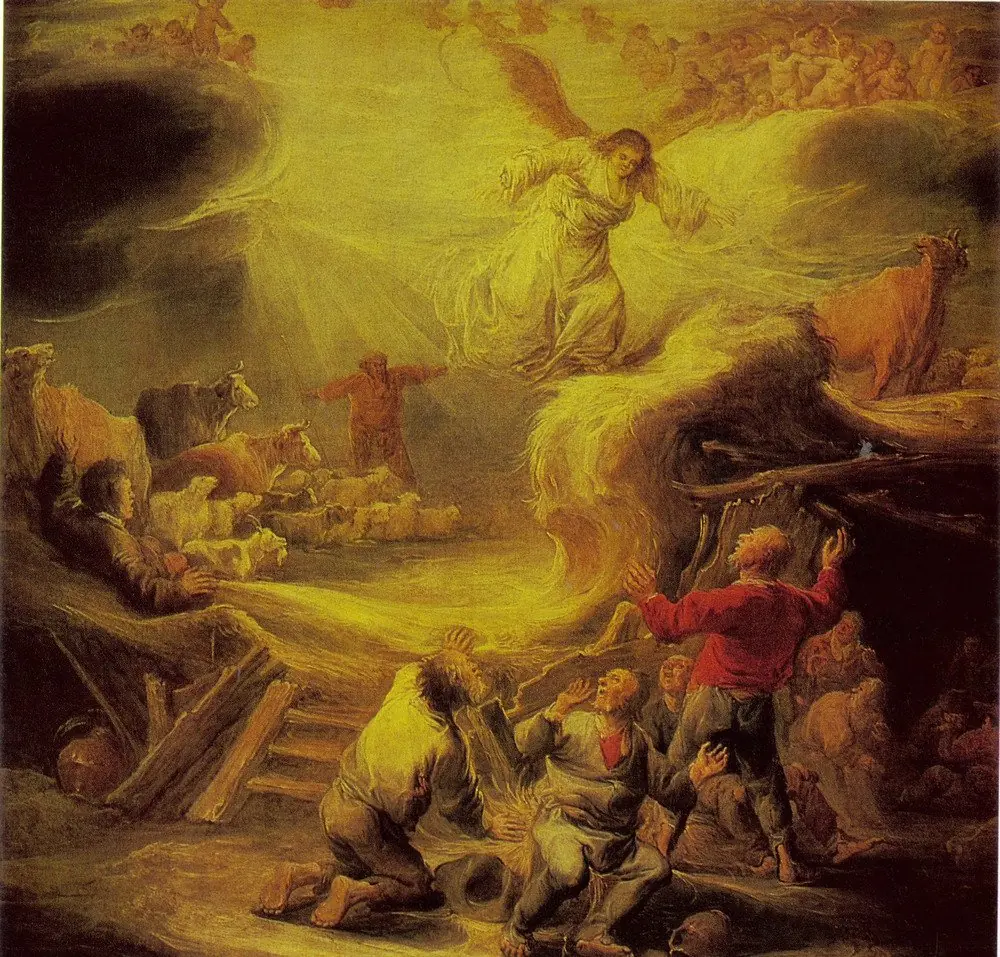
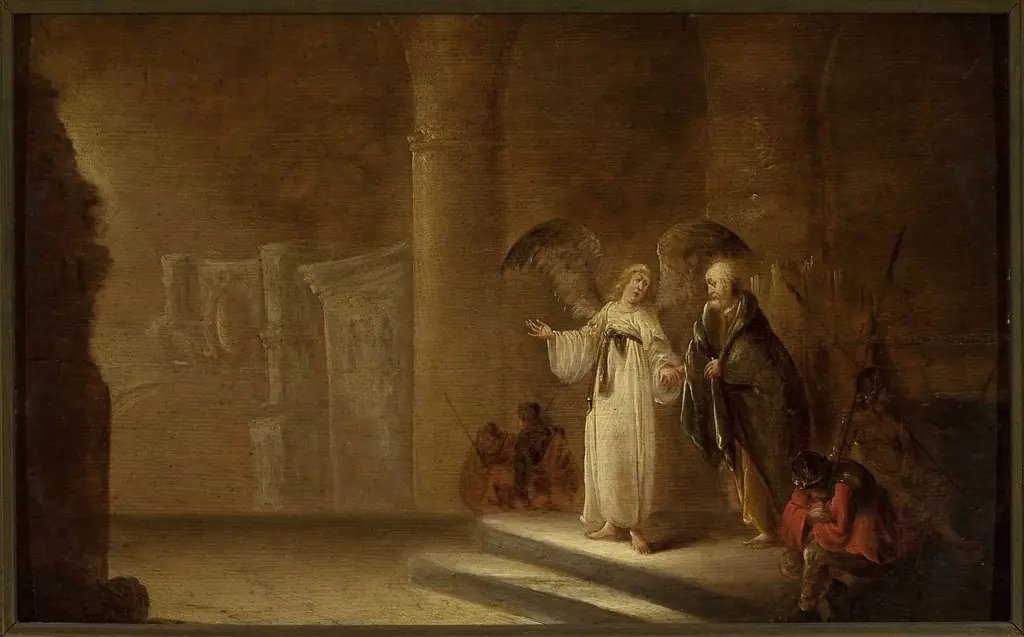
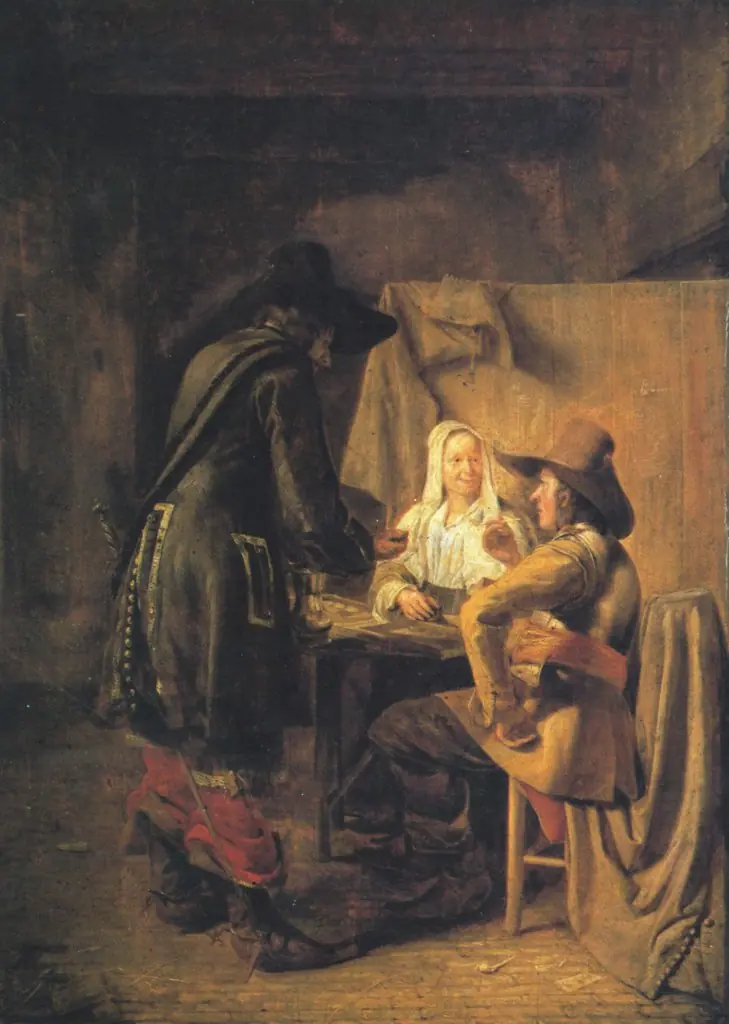
The composition shows three figures within a modest interior: a standing man in a dark robe and hat, presumed to be Joseph, gestures toward two seated men in lighter garments, representing the baker and the butler. The narrative captures the moment of interpretation, emphasizing themes of divine insight and providence.
Artist & collection