Artwork
A group of musicians playing for a bacha dancing boy
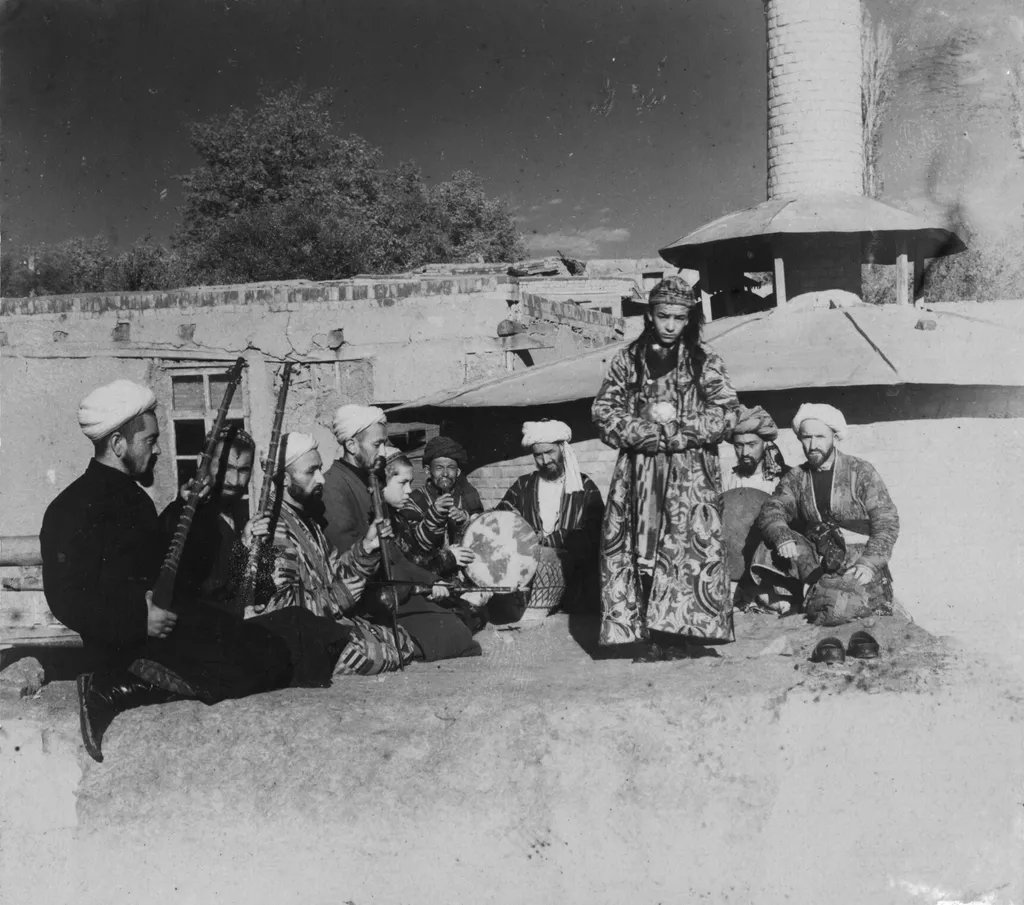
A group of musicians playing for a bacha dancing boy is an oil painting by Vasily Vereshchagin. It dates from 1867 and is held in the collection of the Tretyakov Gallery.
About this work
Overview
It belongs to a series of travels and observations Vereshchagin made during his journeys beyond Russia, documenting local customs with a documentary eye.
Painted in 1867 by Russian artist Vasily Vereshchagin, this oil-on-canvas work captures a moment of informal musical performance in Central Asia. It belongs to a series of travels and observations Vereshchagin made during his journeys beyond Russia, documenting local customs with a documentary eye. The painting is now part of the Tretyakov Gallery’s permanent collection, reflecting his interest in cultural specificity over idealized narrative.
Subject & Meaning
The scene centers on a young boy, dressed in ornate regional attire, standing still with arms crossed as musicians play around him. He is not dancing but observing, suggesting a ritualized or ceremonial context rather than spontaneous celebration. The musicians, seated on the ground, engage with their instruments, lute, flute, and drum, each rendered with attention to ethnic detail. The work avoids sentimentality, presenting the moment as a quiet, observed tradition.
Technique & Style
Vereshchagin employs a restrained palette and loose brushwork to convey texture and light without theatricality. The figures are arranged in a loose semicircle, drawing focus to the boy’s stillness amid motion. Background elements, a wall and distant trees, are rendered minimally, keeping attention on the interaction. His realism avoids romanticization, favoring direct observation and subtle tonal shifts to suggest atmosphere.
History & Provenance
Created during Vereshchagin’s travels in Central Asia in the mid-1860s, the painting emerged from his broader project of recording daily life in regions under Russian imperial influence. It was likely brought back to Russia shortly after completion and entered the Tretyakov Gallery’s collection in the late 19th century, where it has remained as part of a growing archive of ethnographic art.
Context
The practice of bacha bazi, in which young boys performed for male audiences, was documented by Western travelers and Russian officials during the 19th century. Vereshchagin’s depiction does not explicitly comment on its social implications but records its visual form with neutrality. His approach aligns with contemporary ethnographic interests, prioritizing visual accuracy over moral judgment.
Legacy
The painting contributes to a body of 19th-century Russian art that sought to represent non-Russian cultures with empirical detail. While later interpretations have examined its ethical dimensions, the work endures as a record of a specific cultural moment, valued for its unembellished observation and technical restraint rather than symbolic weight.
Own this work as a print
Artist & collection
Artist
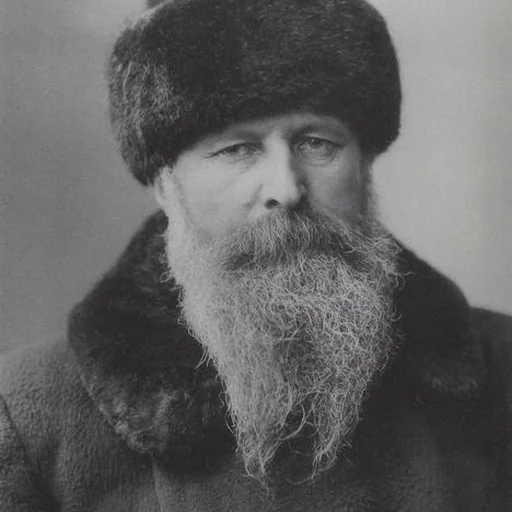
Vasily Vasilyevich Vereshchagin (Russian: Васи́лий Васи́льевич Вереща́гин; 26 October 1842 – 13 April 1904) was a Russian painter, war artist, and traveller.

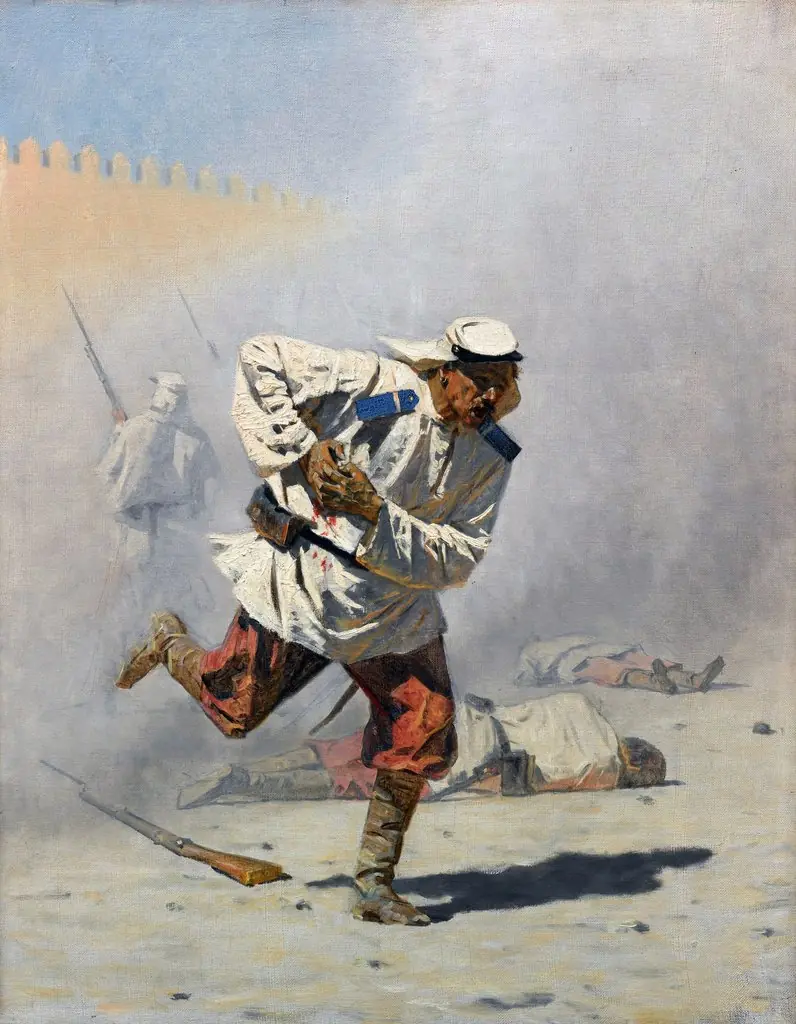
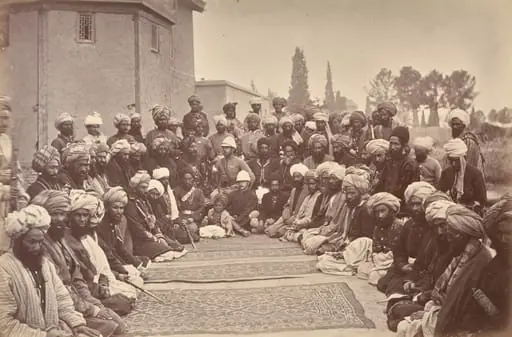
- Group of Natives from Near Khyber Pass
 Major Cavagnari C.S.I. and Sirdars
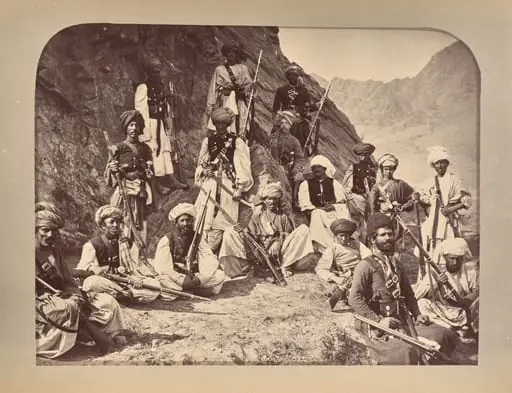 The Khan of Lalpura and Officers
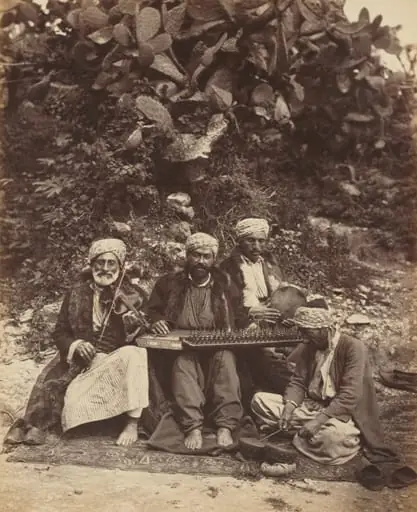 Arab Musicians
 Jellalabad, Pipers Hill
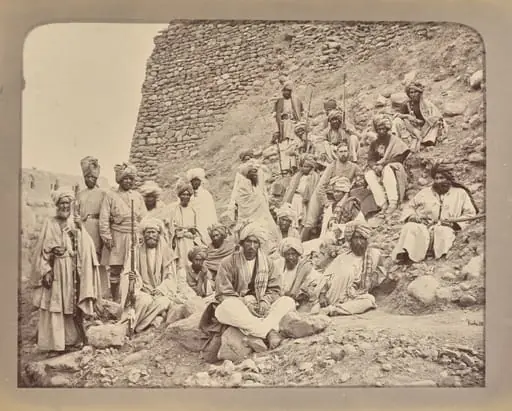 Khyber Chiefs with Captain Tucker
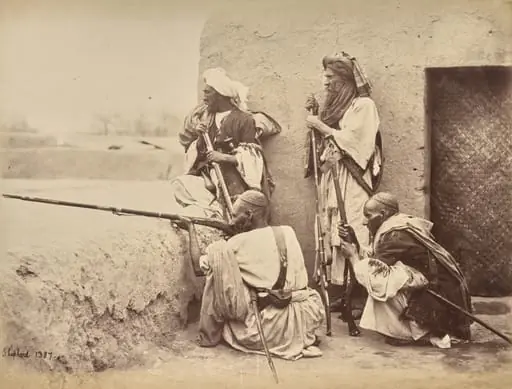 Group of Afredees
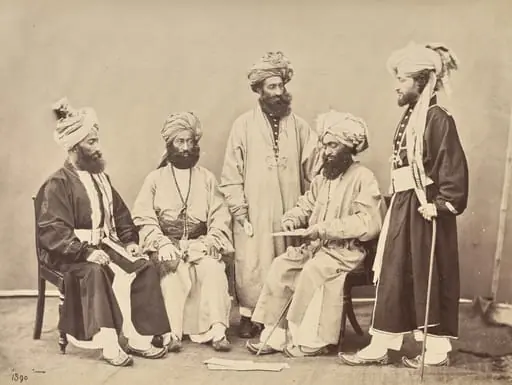 Cabulese
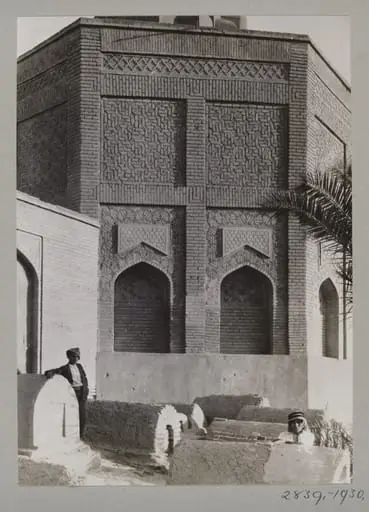 Mausoleum of Sitt Zubayda, Baghdad
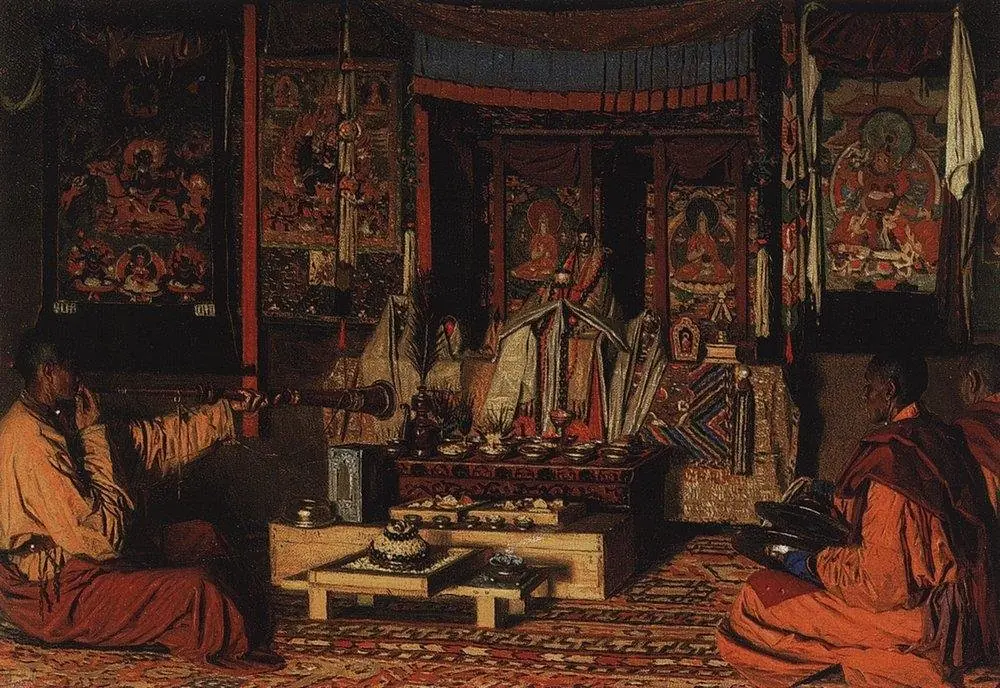 Kalmyk chapel
 Portfolio I, Plate 36: A Point of Interest-Navaho
 Outside a Café