Art Museum
Tretyakov Gallery

Image: Wikimedia Commons.
Tretyakov Gallery is an art museum in Russia, Russia. 893 works from its collection are in this catalog, including Georg Cristoph Grooth and Élisabeth Louise Vigée Le Brun.
About Tretyakov Gallery
The State Tretyakov Gallery (Russian: Государственная Третьяковская Галерея, romanized: Gosudarstvennaya Tretyakovskaya Galereya; abbreviated ГТГ, GTG) is an art gallery in Moscow, Russia, which is considered the foremost depository of Russian fine art in the world.
The gallery's history starts in 1856 when the Muscovite merchant Pavel Mikhailovich Tretyakov acquired works by Russian artists of his day with the aim of creating a collection, which might later grow into a museum of national art. In 1892, Tretyakov presented his already famous collection of approximately 2,000 works (1,362 paintings, 526 drawings, and 9 sculptures) to the Russian nation. The museum attracted 894,374 visitors in 2020 (down 68 percent from 2019, due to the COVID-19 pandemic).
Overview & Identity
The State Tretyakov Gallery is the premier museum of Russian fine art, located in Moscow. Founded in 1856 by the merchant Pavel Tretyakov, it originated as a private collection dedicated to representing the breadth of Russian artistic talent. In 1892, Tretyakov donated the entire collection to the city of Moscow, and it officially opened to the public in 1893.
Today, it stands as a national treasure and a central institution for the preservation and exhibition of Russian art from the 11th century to the present day, encompassing icons, realist paintings, and modernist works.
History & Founding
The gallery's history begins in 1856 when Pavel Tretyakov purchased two paintings: 'Temptation' by Nikolay Shilder and 'Skirmish with Finnish Smugglers' by Vasily Khudyakov. Tretyakov, a successful textile merchant, systematically acquired works to support living artists and promote national culture, often outmaneuvering the Emperor to secure key pieces. By 1867, the collection had grown to over a thousand paintings, necessitating the opening of the house to the public.
In August 1892, Tretyakov formally presented the gallery to Moscow, a revolutionary act that democratized access to art. Following the Russian Revolution, the gallery was declared state property on June 3, 1918.
Building & Architecture
The gallery is housed in a mansion originally purchased by the Tretyakov family in 1851 in Lavrushinsky Lane. As the collection expanded, the residential building underwent significant additions in 1873, 1882, 1885, 1892, and 1902–1904. The most distinctive architectural feature is the famous façade, designed between 1900 and 1903 by architect V. Bashkirov based on drawings by the artist Viktor Vasnetsov, which gave the building a 'Russian style' appearance resembling a fairytale terem or tower house.
In 1936, the Schusevsky building was constructed on the north side, and in 1985, the gallery merged administratively with the New Tretyakov on Crimean Val to house contemporary art.
Collection Highlights & Notable Holdings
Tretyakov's collection is renowned for its focus on Russian art, particularly the works of the Peredvizhniki (The Wanderers) movement. Key holdings include Ilya Repin's 'Barge Haulers on the Volga' (implied by his patronage), Vasily Perov's 'Troika', and Konstantin Flavitsky's 'Princess Tarakanova'. Tretyakov also acquired Vasily Vereshchagin's 'Turkestan Series' after the Emperor rejected it.
The collection spans from folk origins to cosmopolitan influences, featuring landscapes by Ivan Shishkin and historical scenes by Vasily Surikov. The museum holds over 2,000 Russian artworks from the private collection alone, which formed the nucleus of the national archive.
Significance & Legacy
The Tretyakov Gallery represents a pivotal shift in Russian cultural history, transforming a private merchant's passion into a public national institution. Tretyakov's vision was to create a 'national gallery' consisting of paintings by Russian artists, fostering a distinct national identity through art. His patronage provided financial stability to artists like Repin and Surikov, encouraging them to explore social realities and creativity without academic constraints.
The gallery's evolution from a private mansion to a state-owned complex, including the 1985 merger with the New Tretyakov, underscores its enduring role as a beacon of artistic achievement and a custodian of Russia's collective memory.
What to see at Tretyakov Gallery
Start with Bathsheba by Karl Bryullov.
See all highlights at Tretyakov Gallery →Tretyakov Gallery by the numbers
- Founded
- 1856
- Visitors / year
- 1,580,819
Works from Tretyakov Gallery
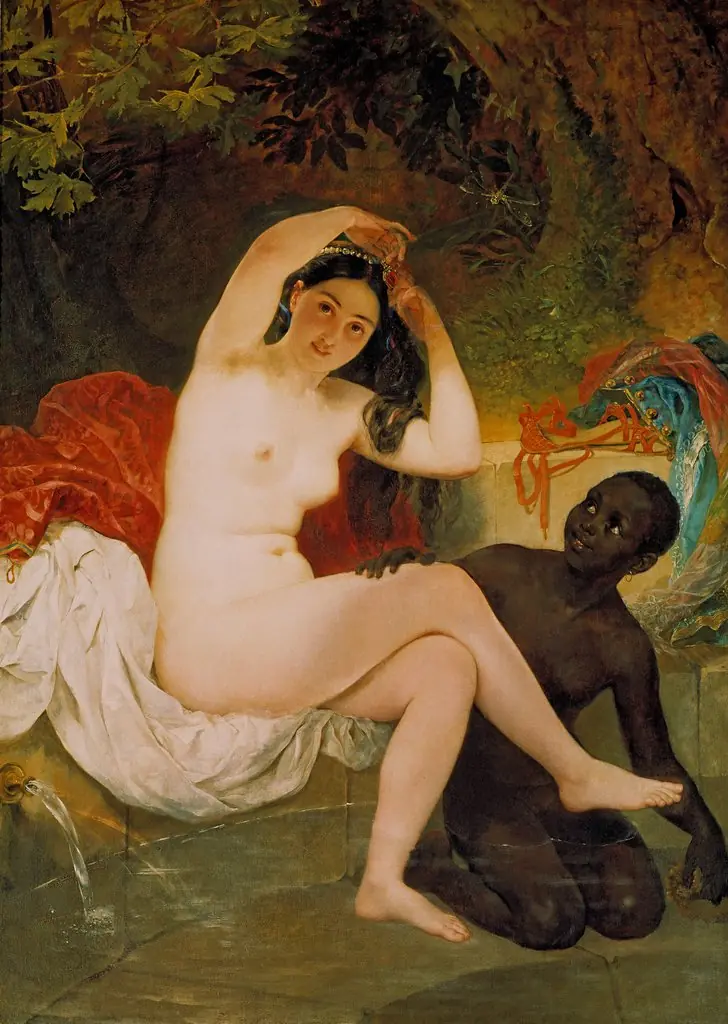 Bathsheba
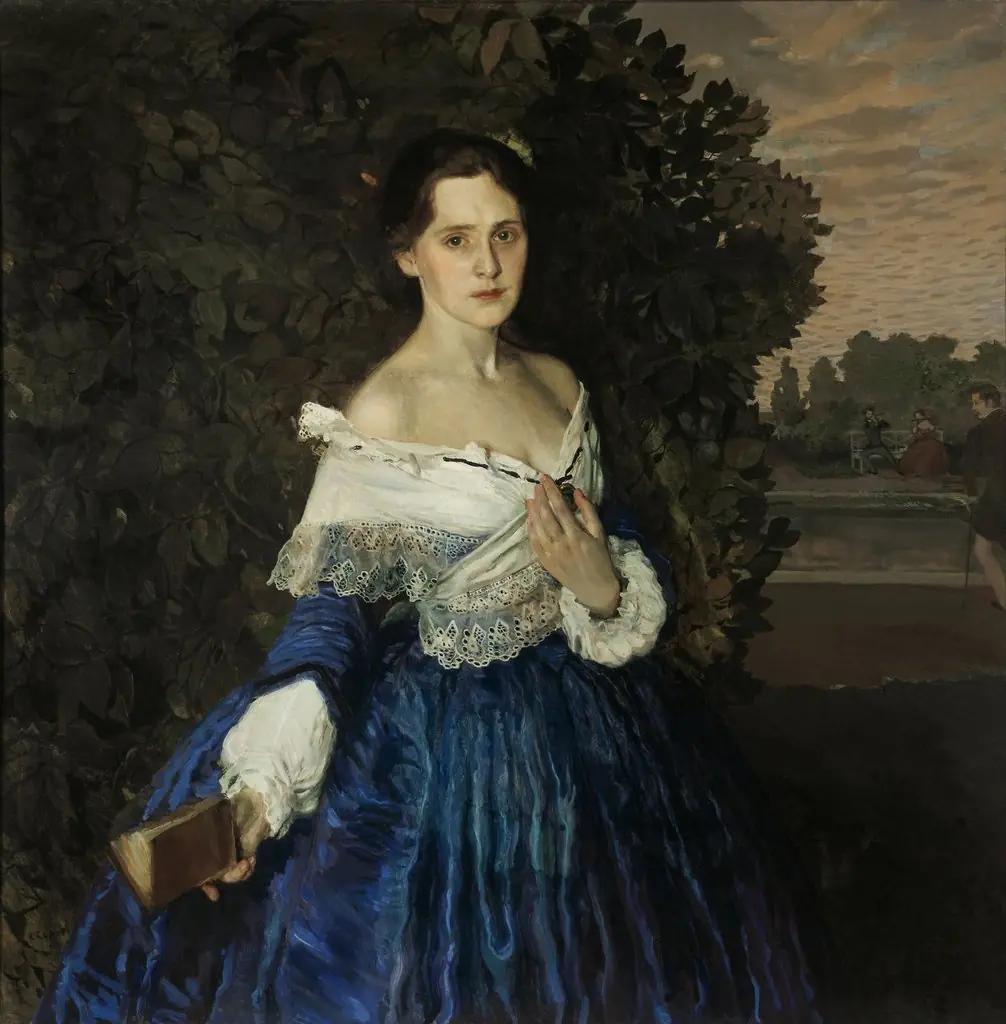 Lady in Blue
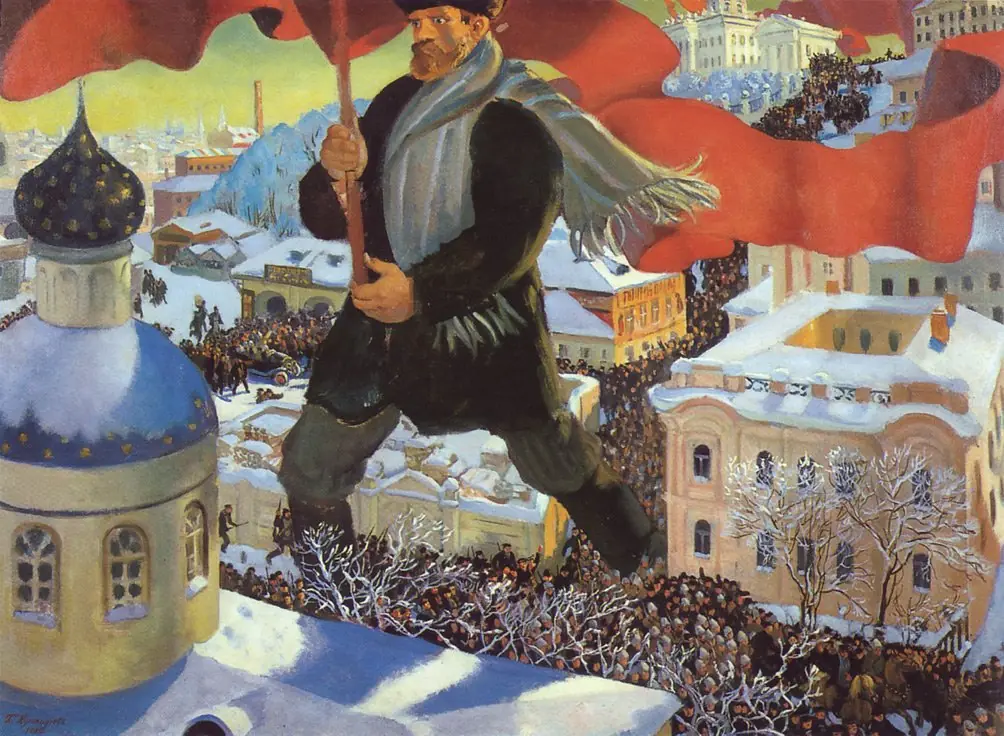 Bolshevik
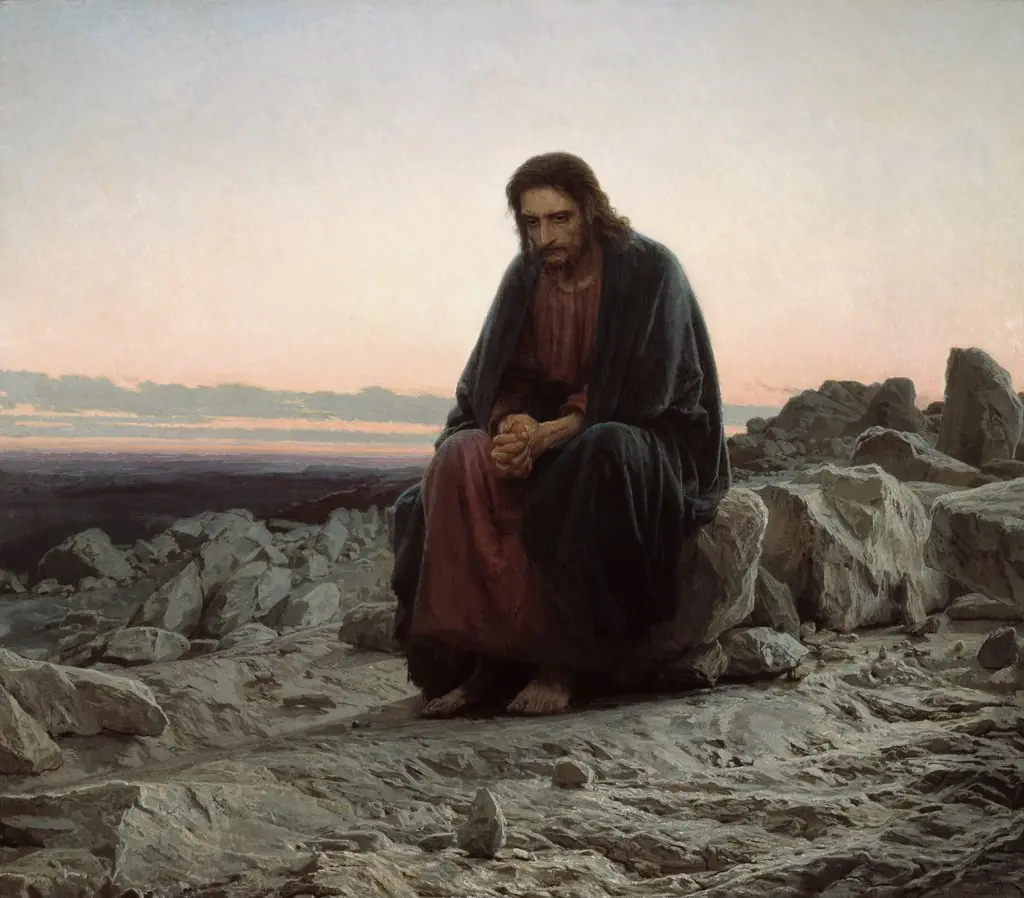 Christ in the Wilderness
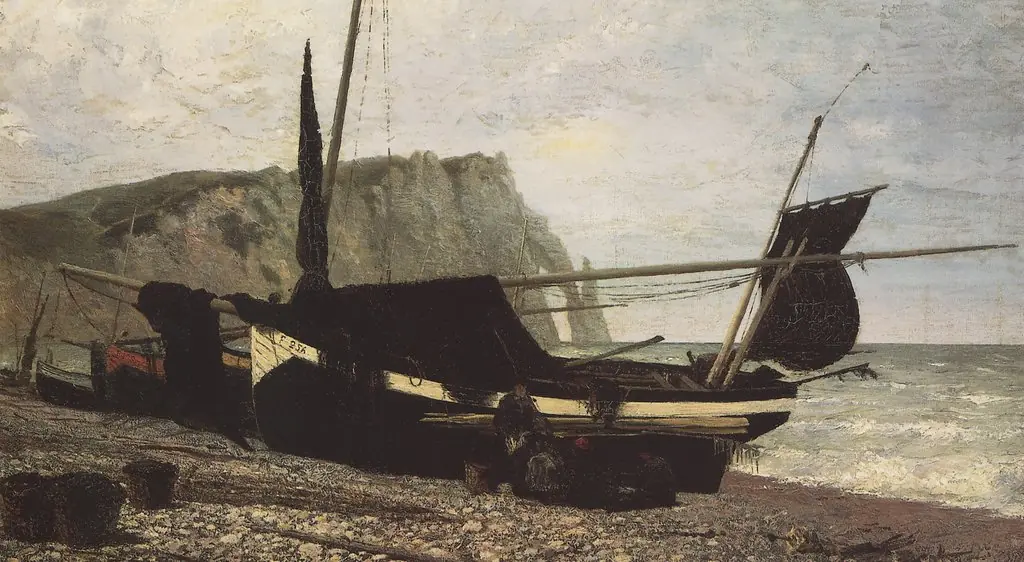 Étretat
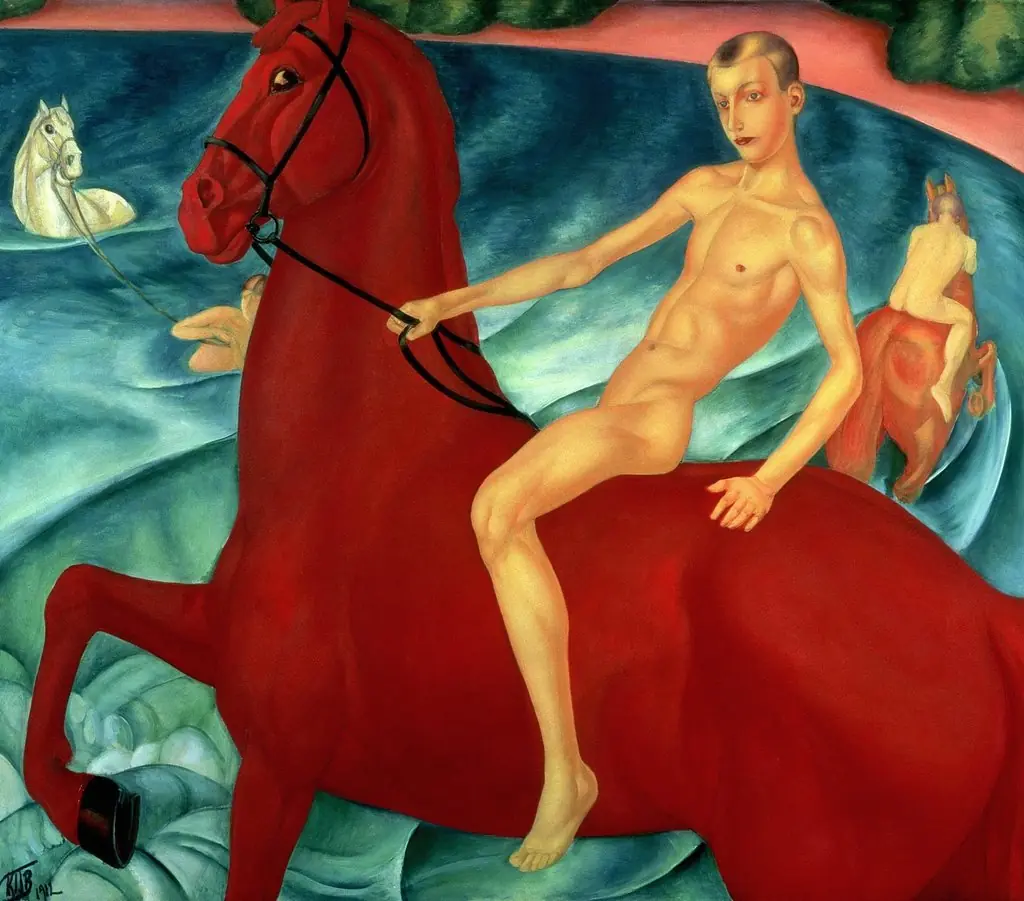 Bathing the Red Horse
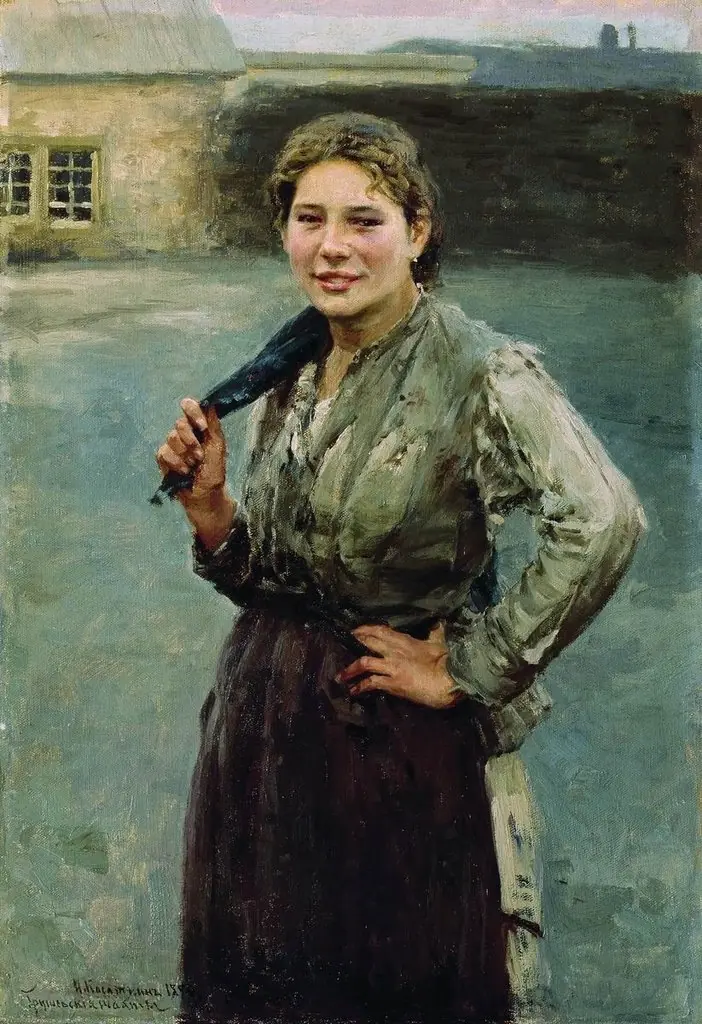 Chakhtiorka
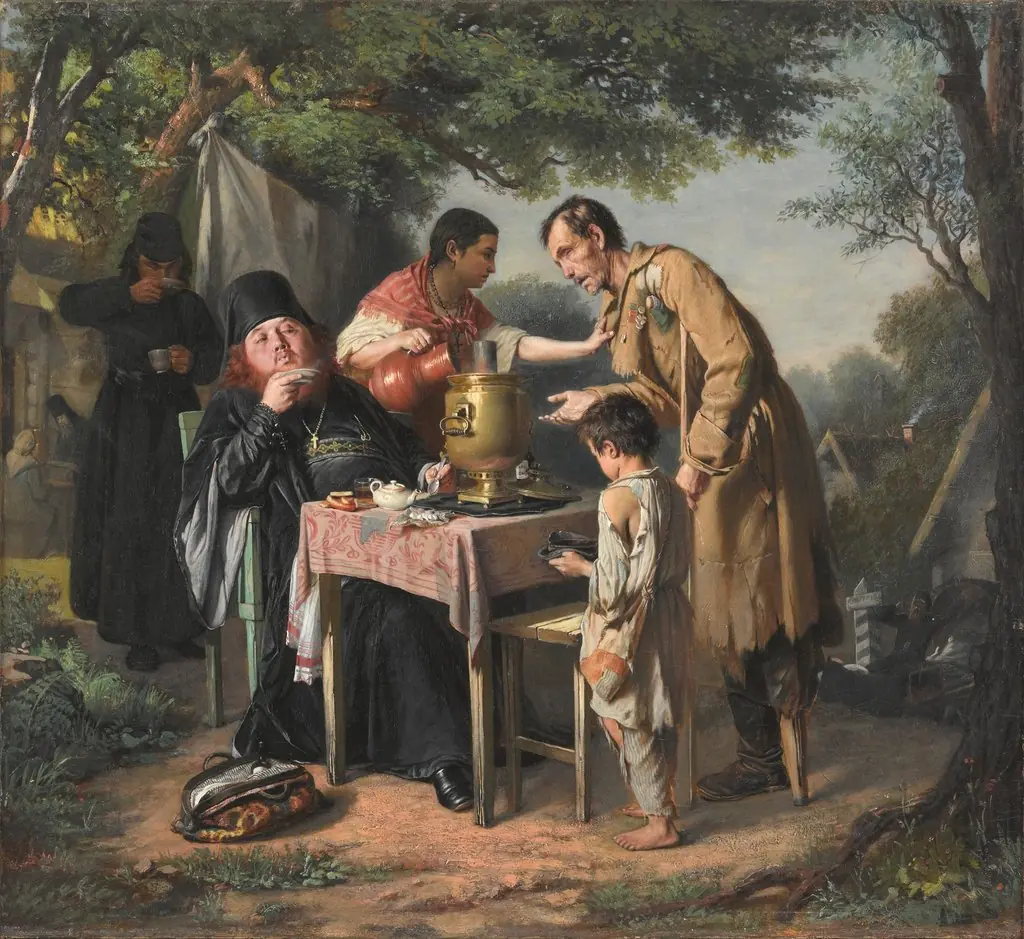 Tea-Party in Mytishchi near Moscow
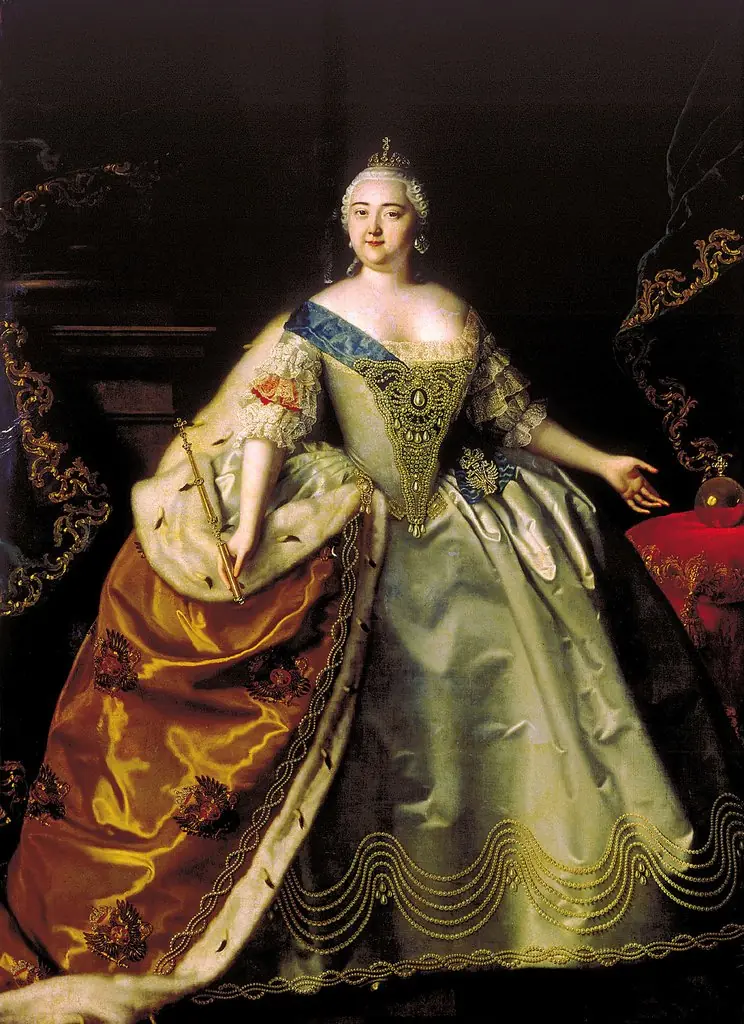 Portrait of Elizabeth of Russia
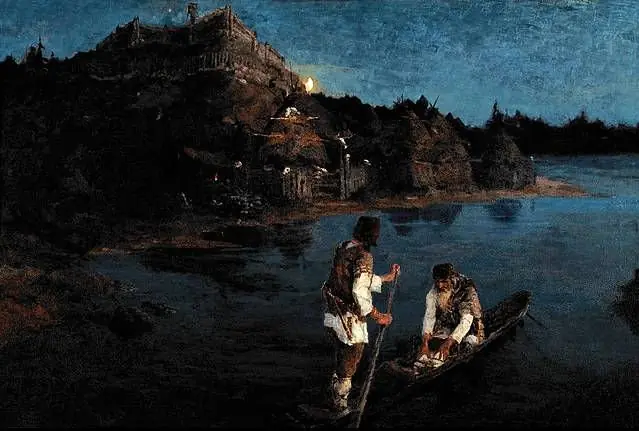 Messenger. Clan revolted against to clan.
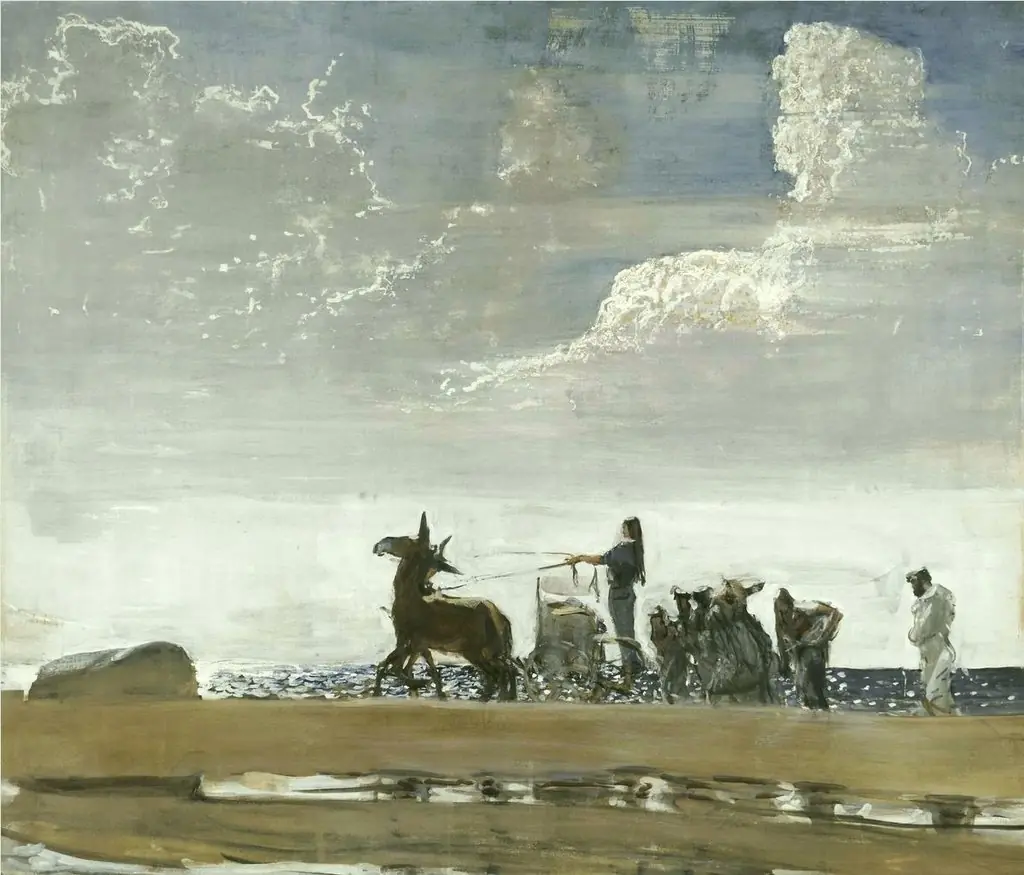 Odysseus and Nausicaa
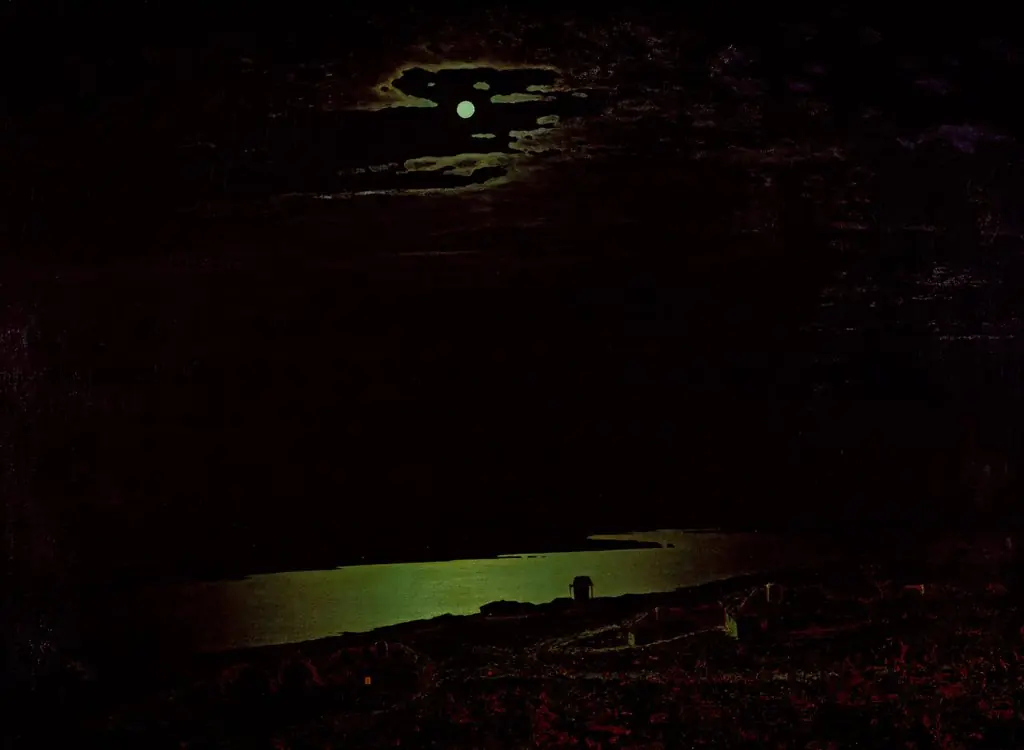 Night on the Dniepr
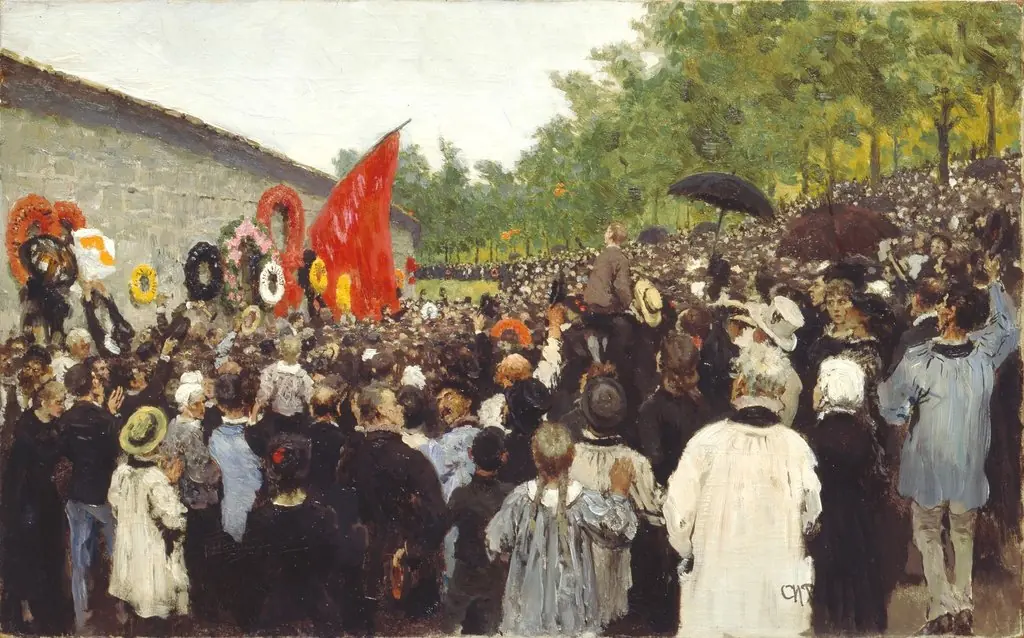 The Annual Memorial Meeting Near the Wall of the Communards in the Cemetery of Père-Lachaise in Paris
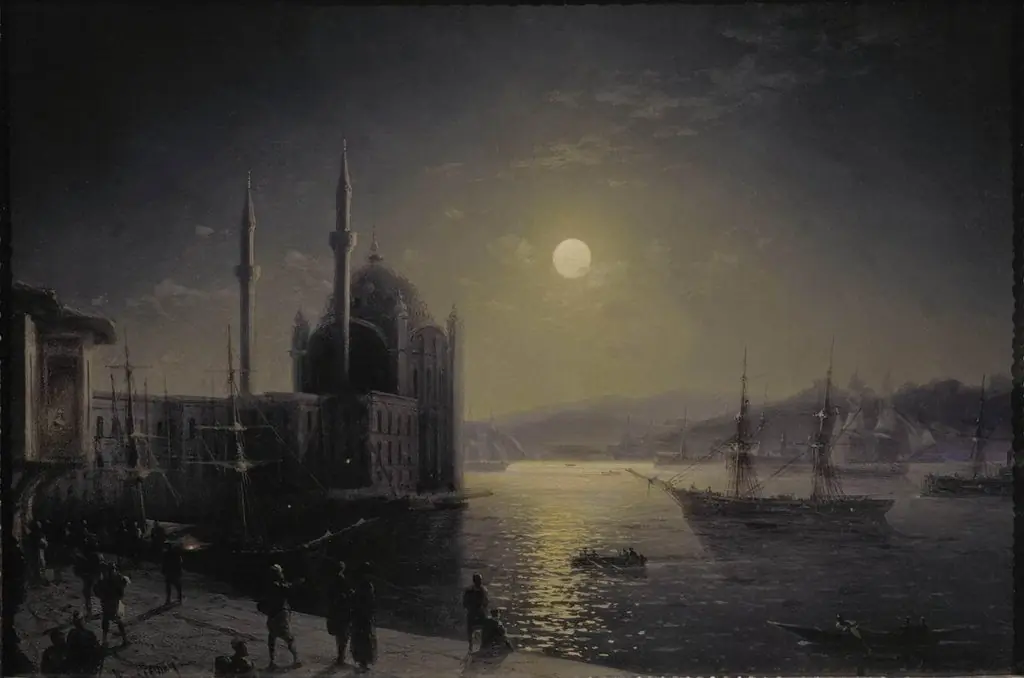 A Moonlit Night on the Bosphorus
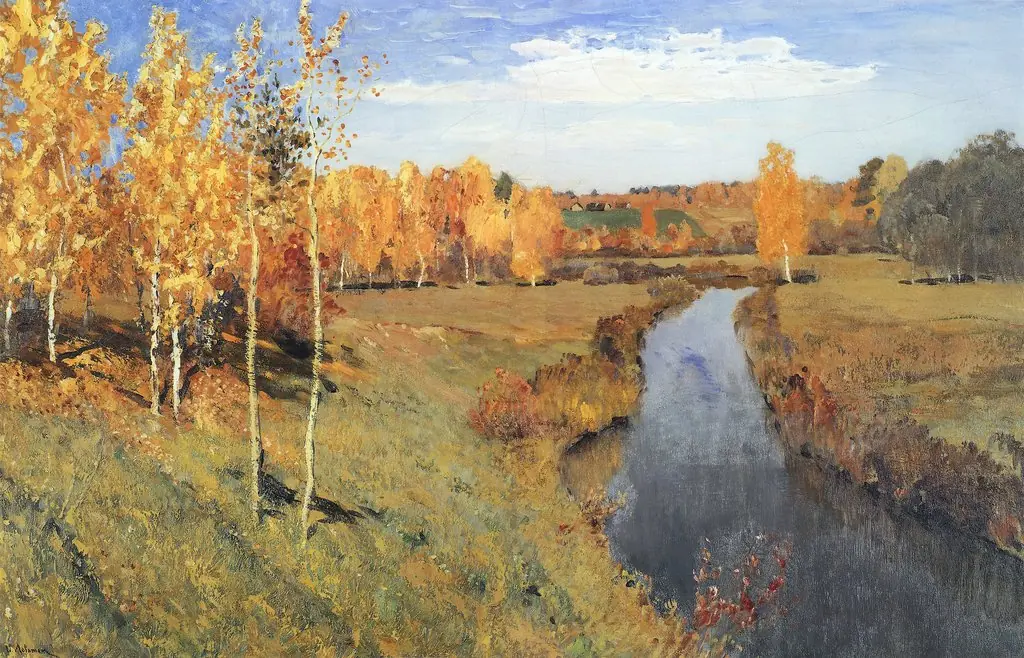 Golden Autumn
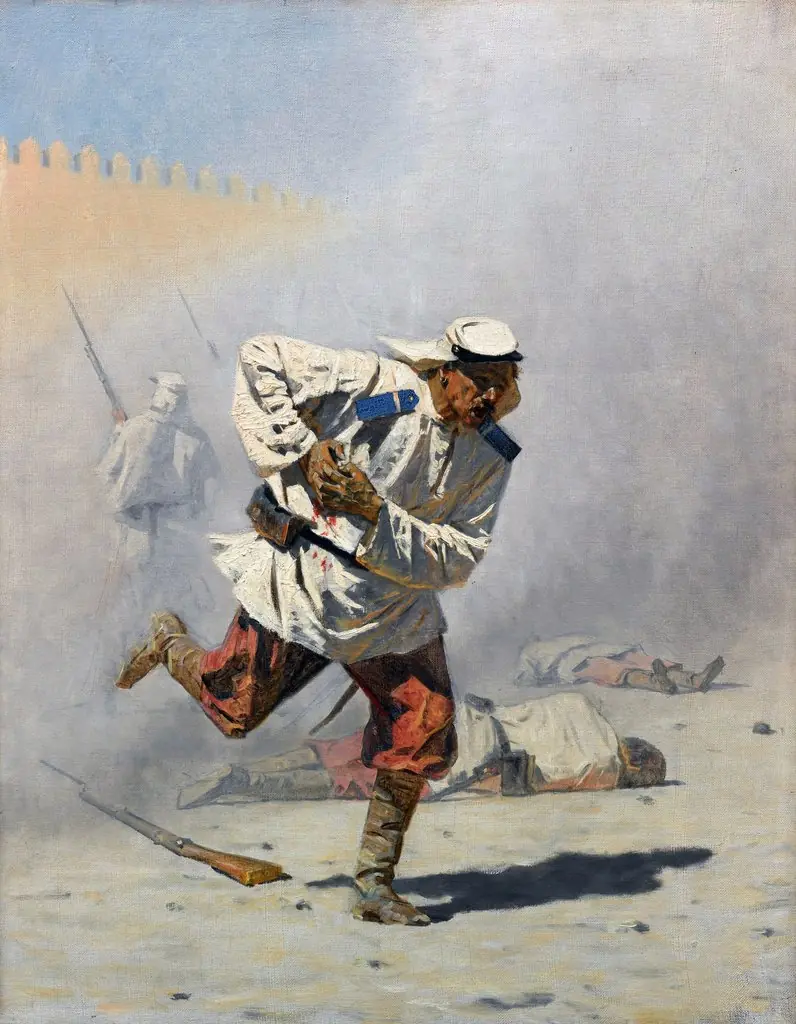 Mortally wounded
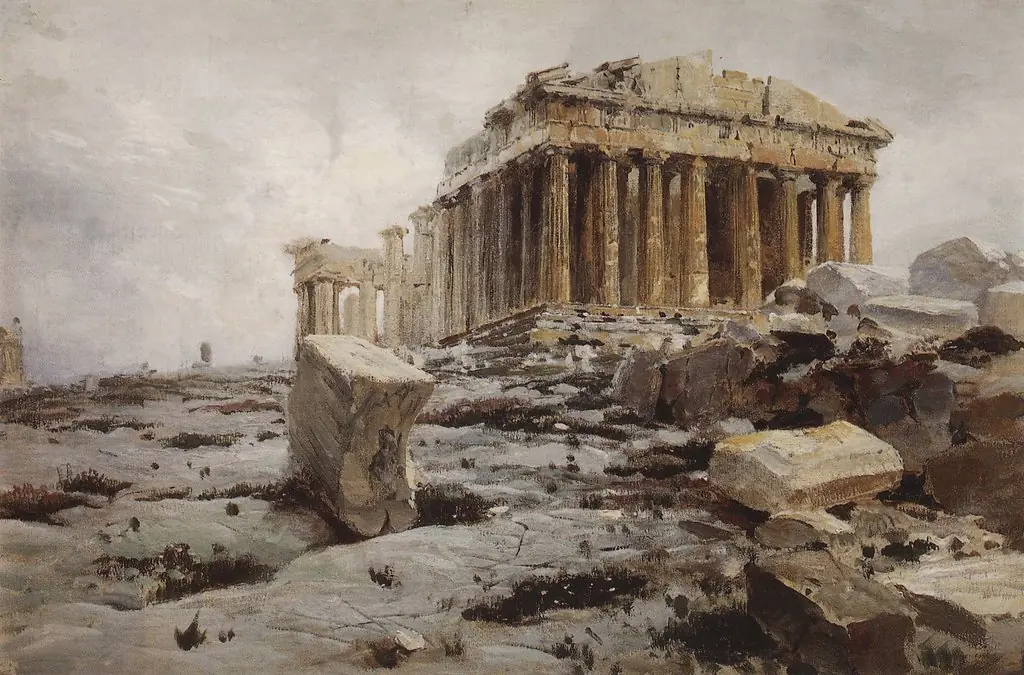 Parthenon
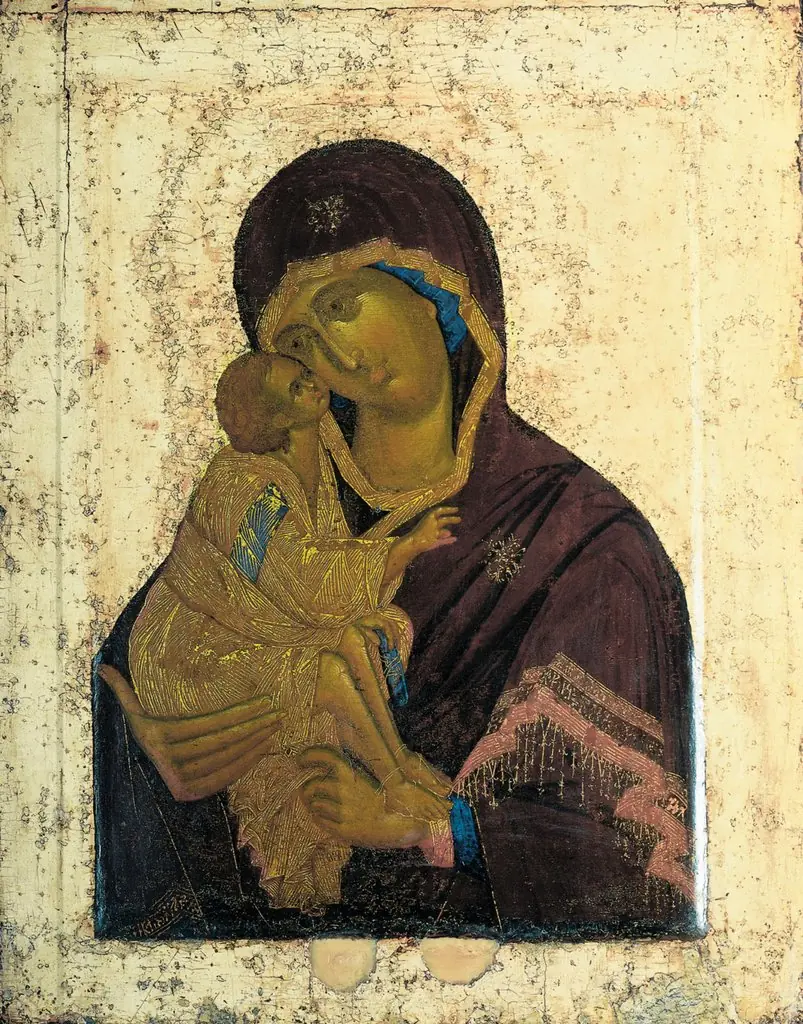 Our Lady of the Don
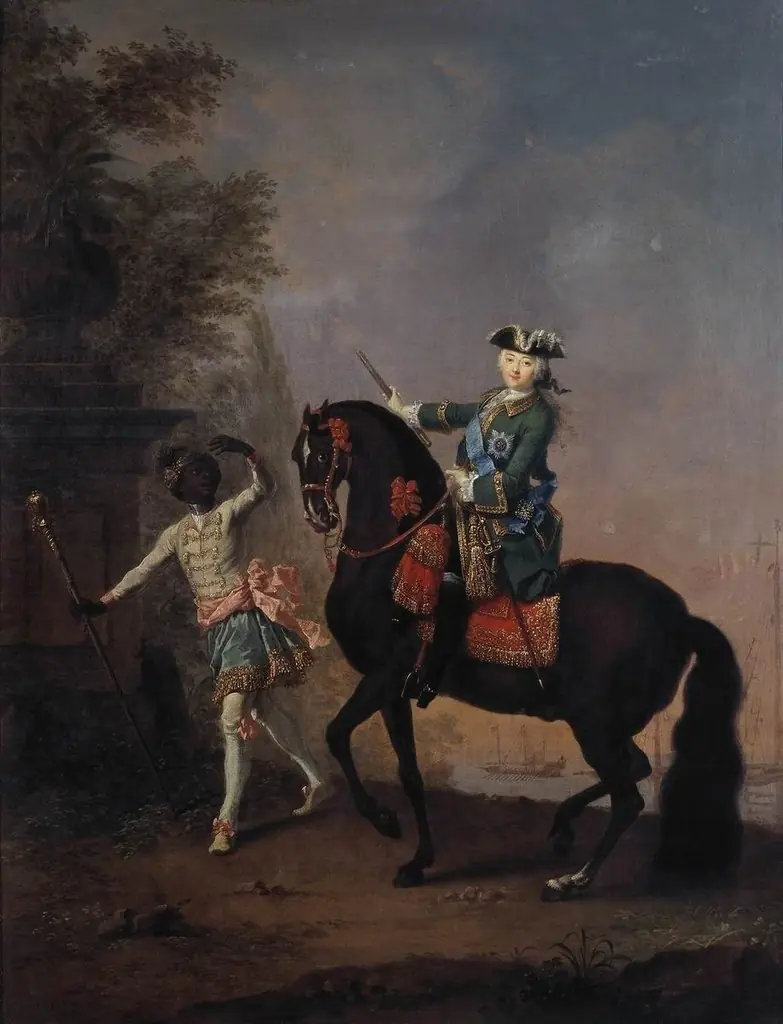 The Empress Elizabeth of Russia on Horseback, Attended by a Page
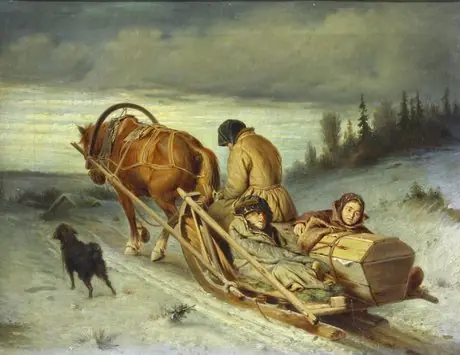 Rural funeral
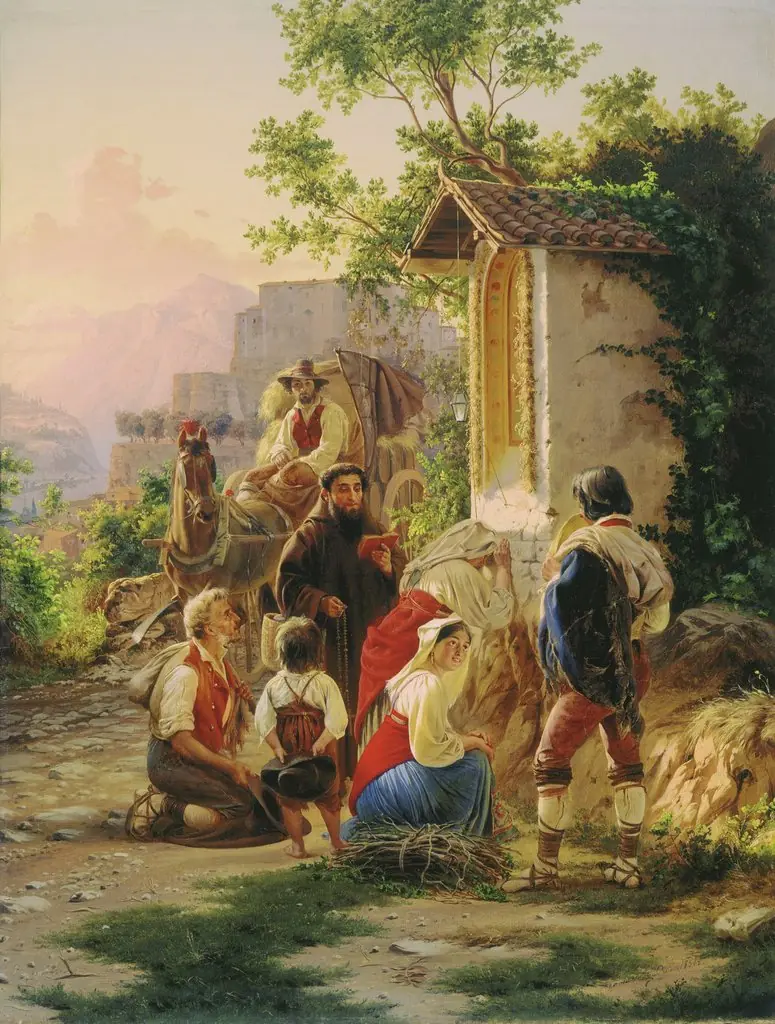 By the wayside shrine
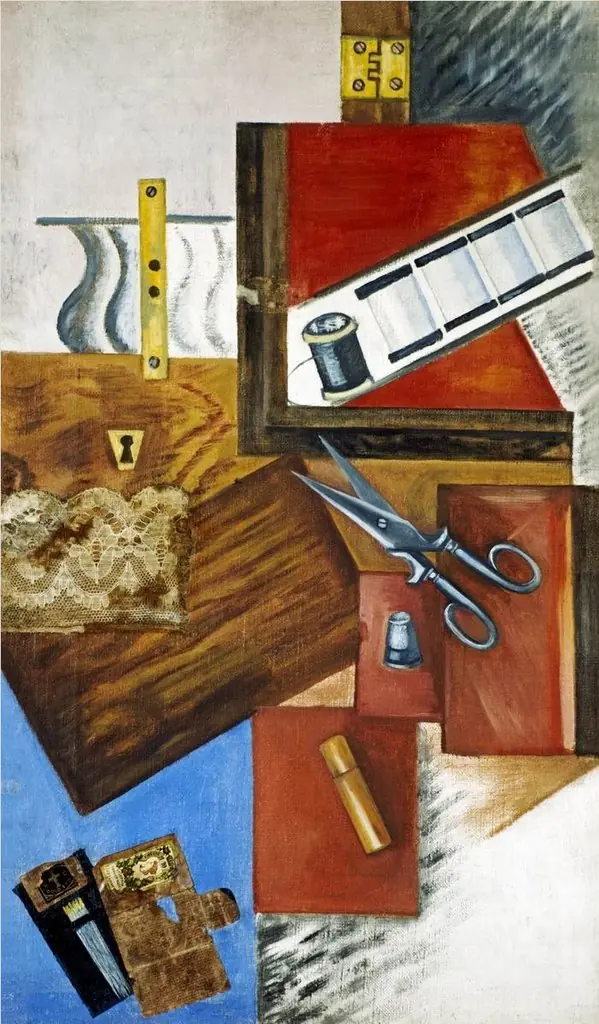 Working Casket
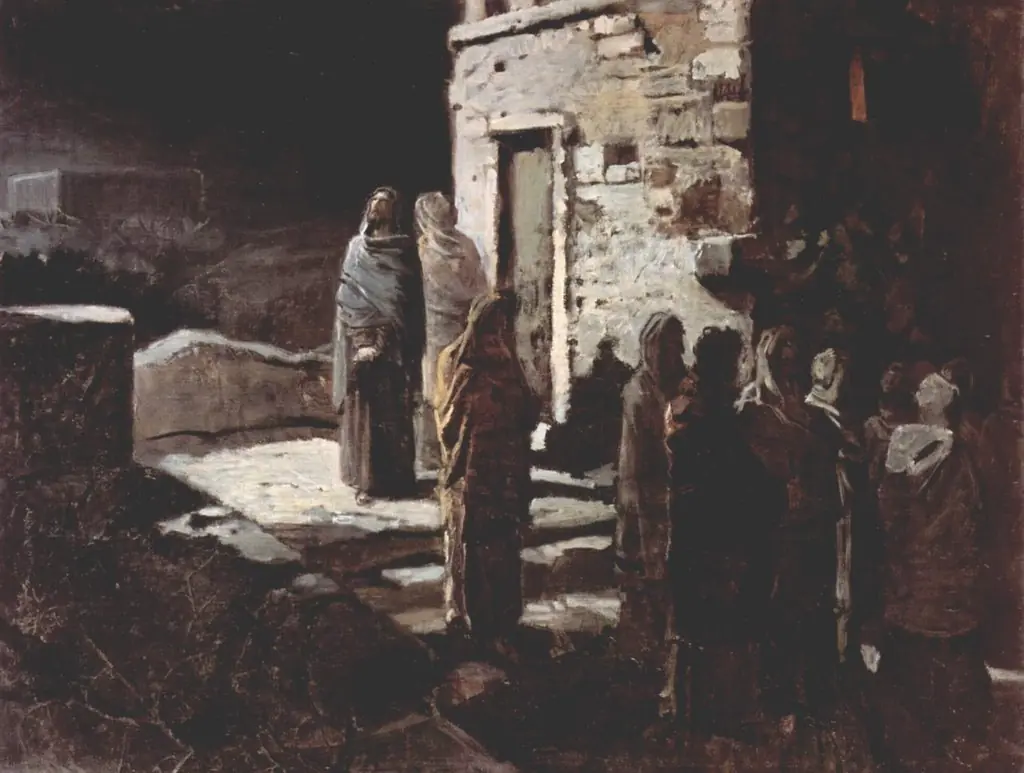 Le Départ du Christ avec ses disciples pour le jardin de Gethsémani
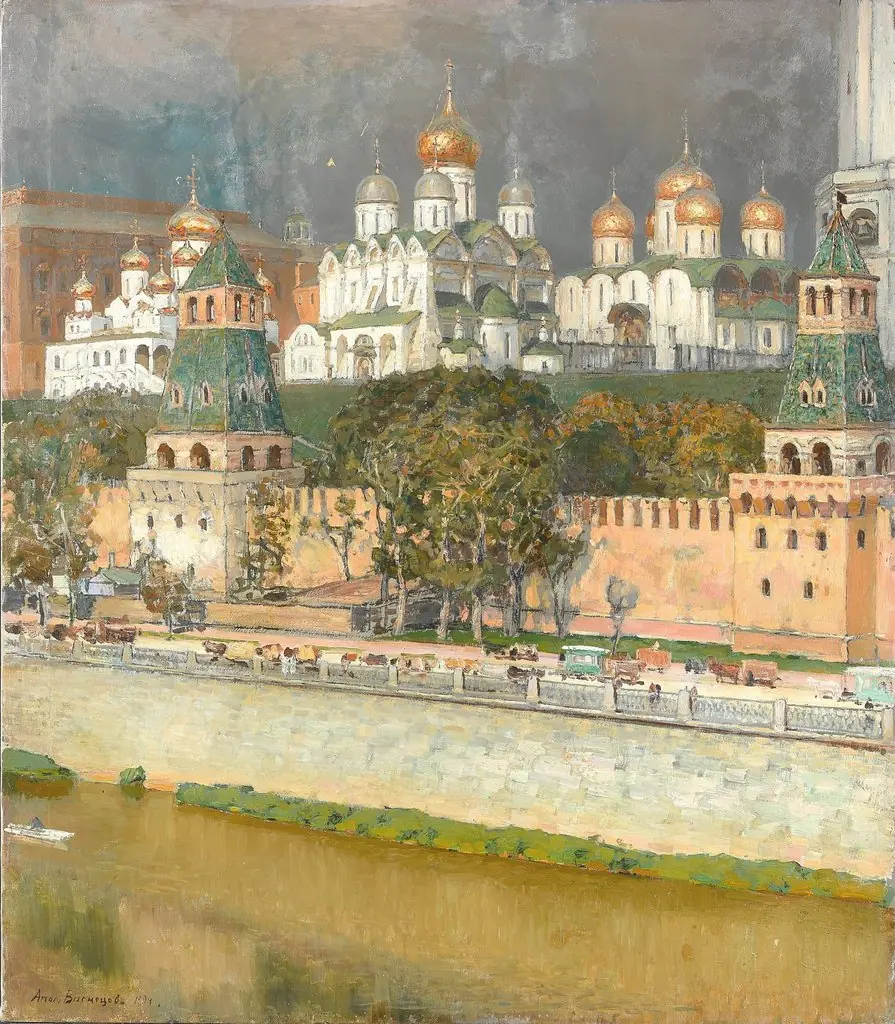 Moscow Kremlin. Cathedrals
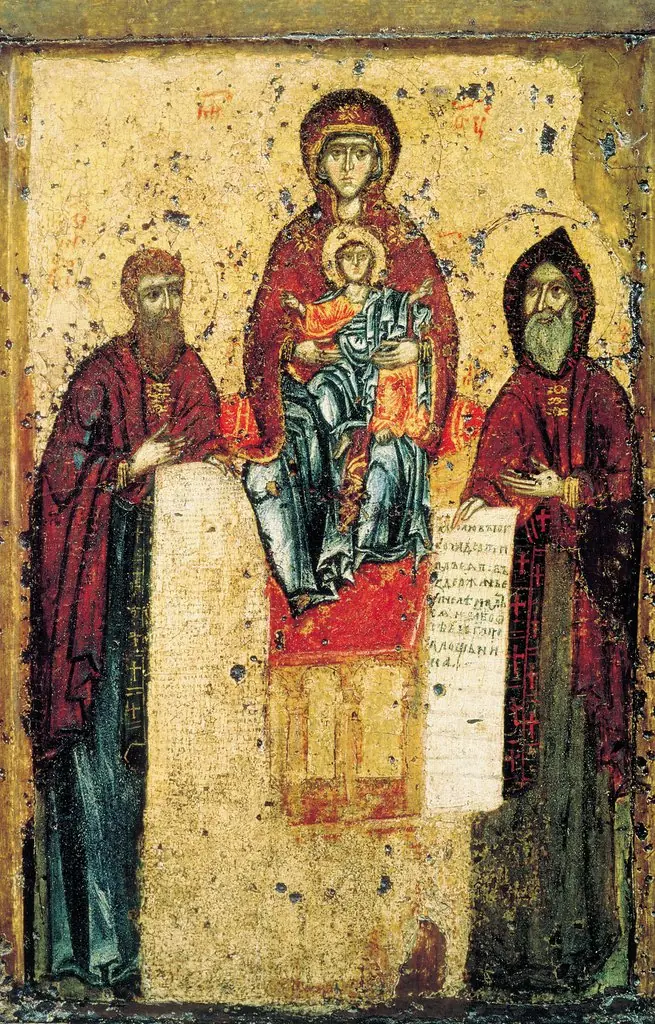 Icon of Saints Anthony and Theodosius with the Theotokos Panachranta
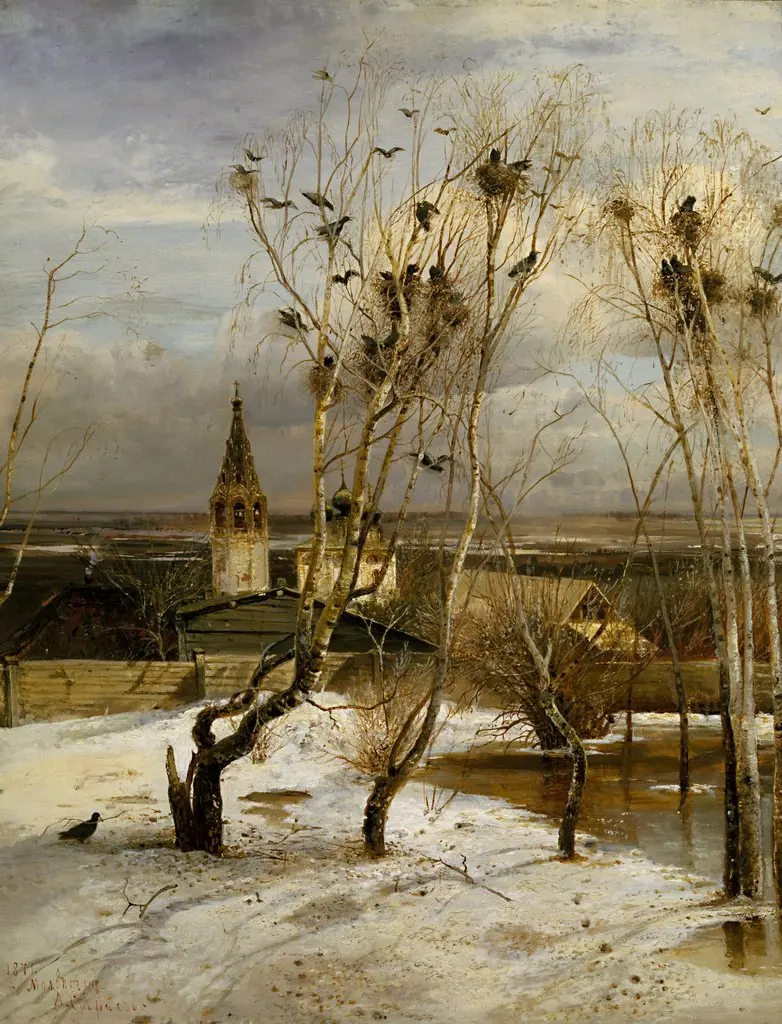 The Rooks Have Returned
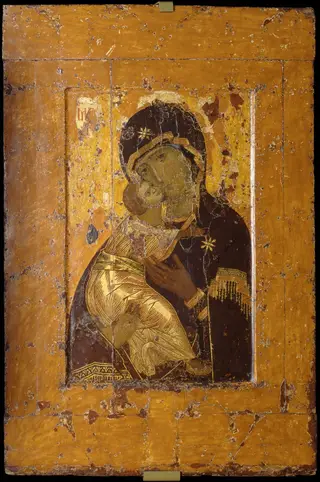 Theotokos of Vladimir
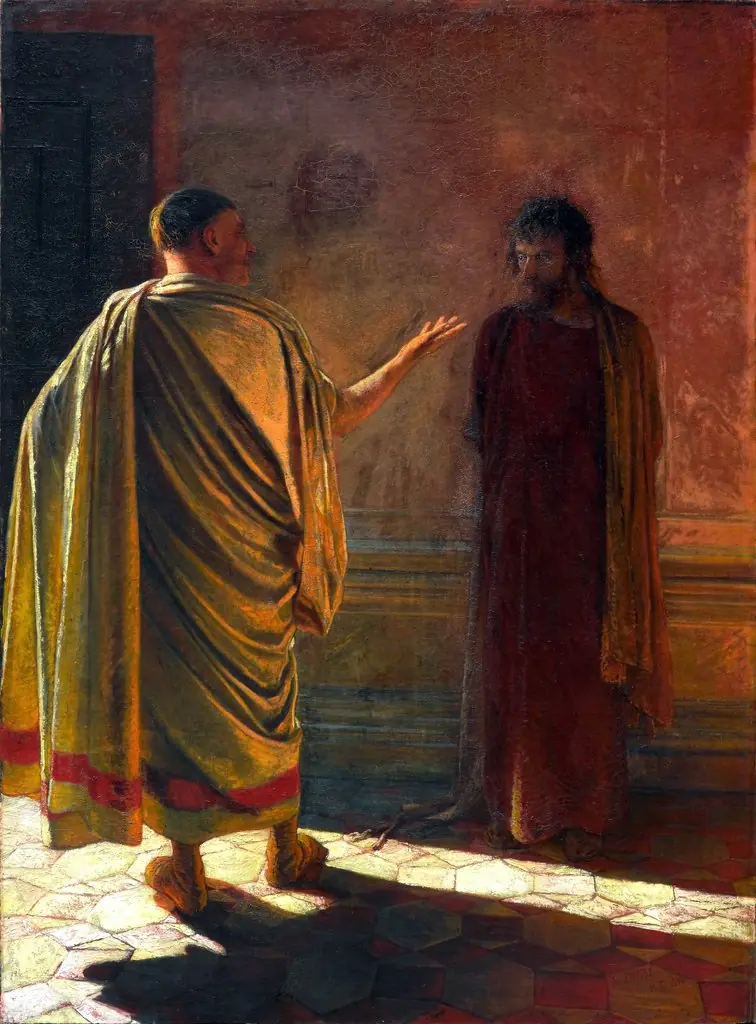 "What is truth?" Christ and Pilate
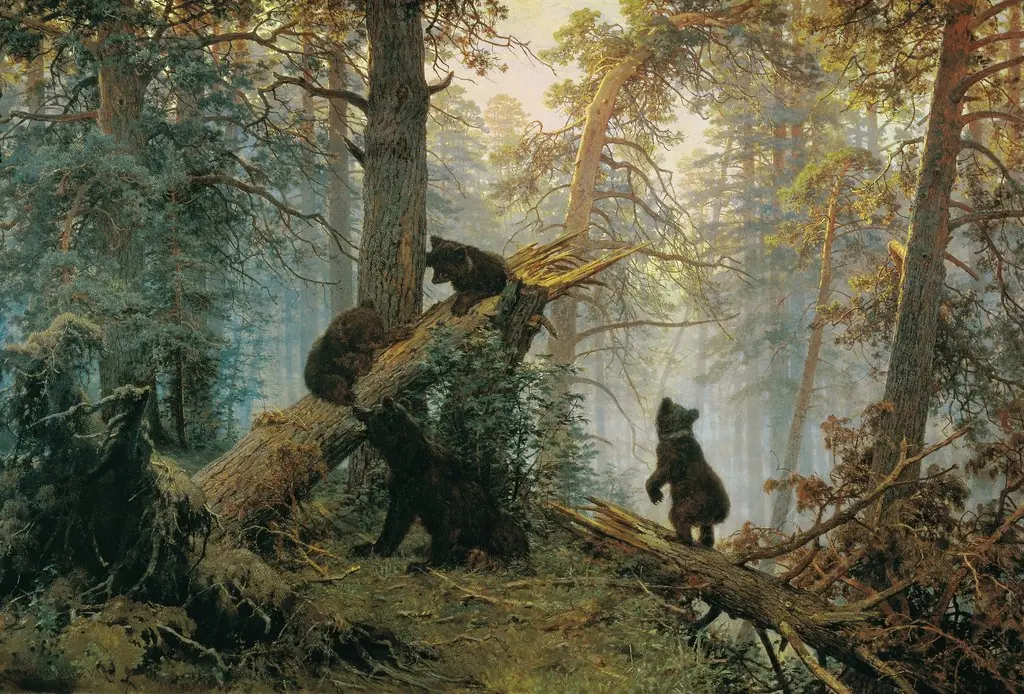 Morning in a Pine Forest
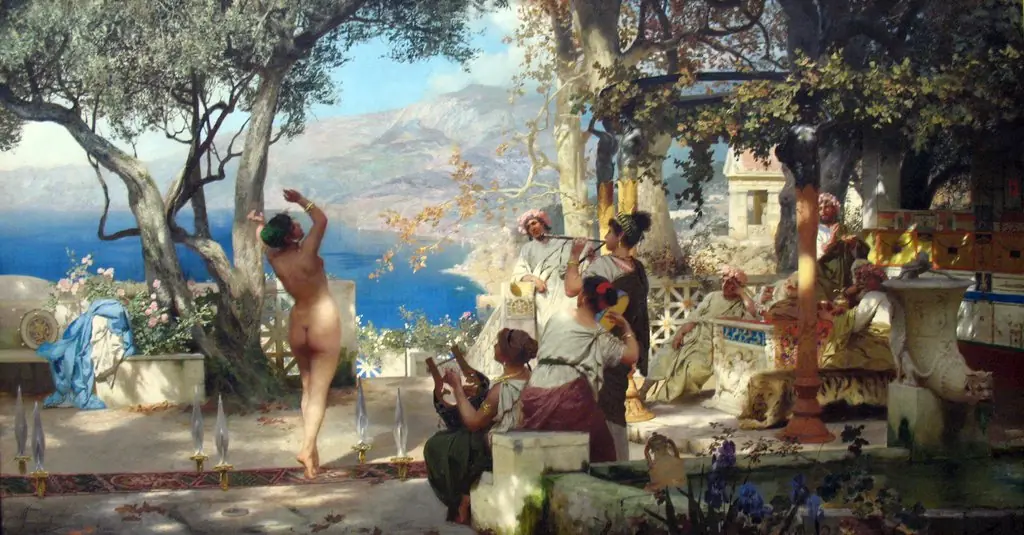 Dance amongst swords
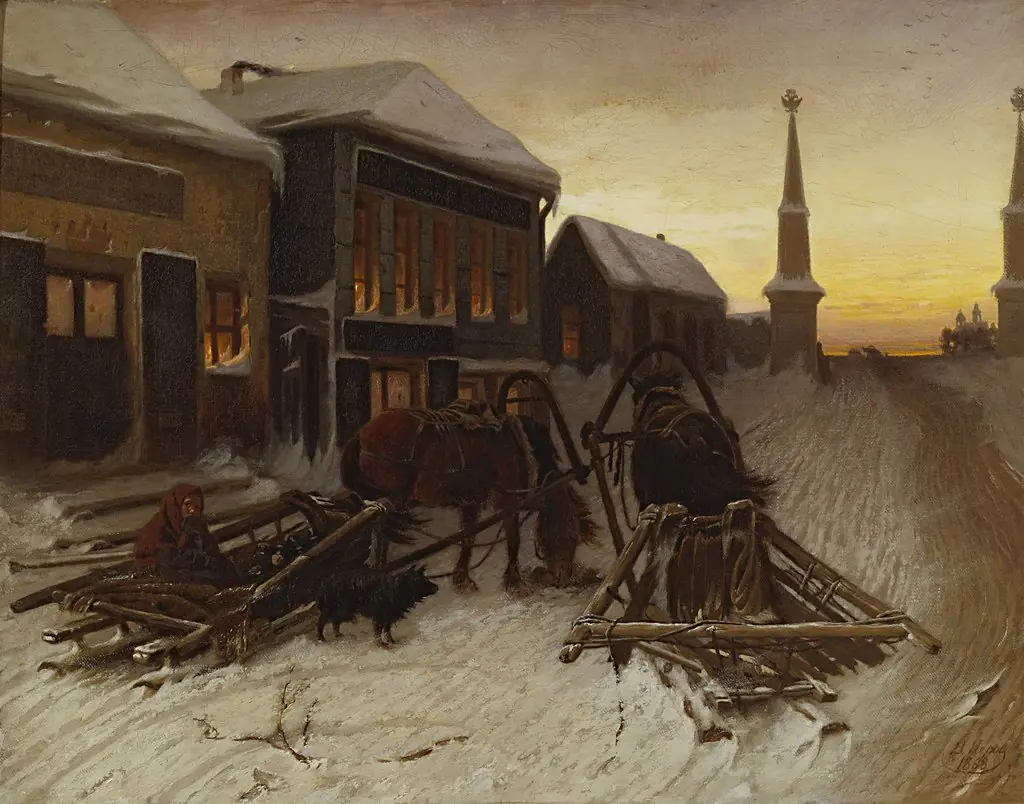 The Last Tavern at the City Gates
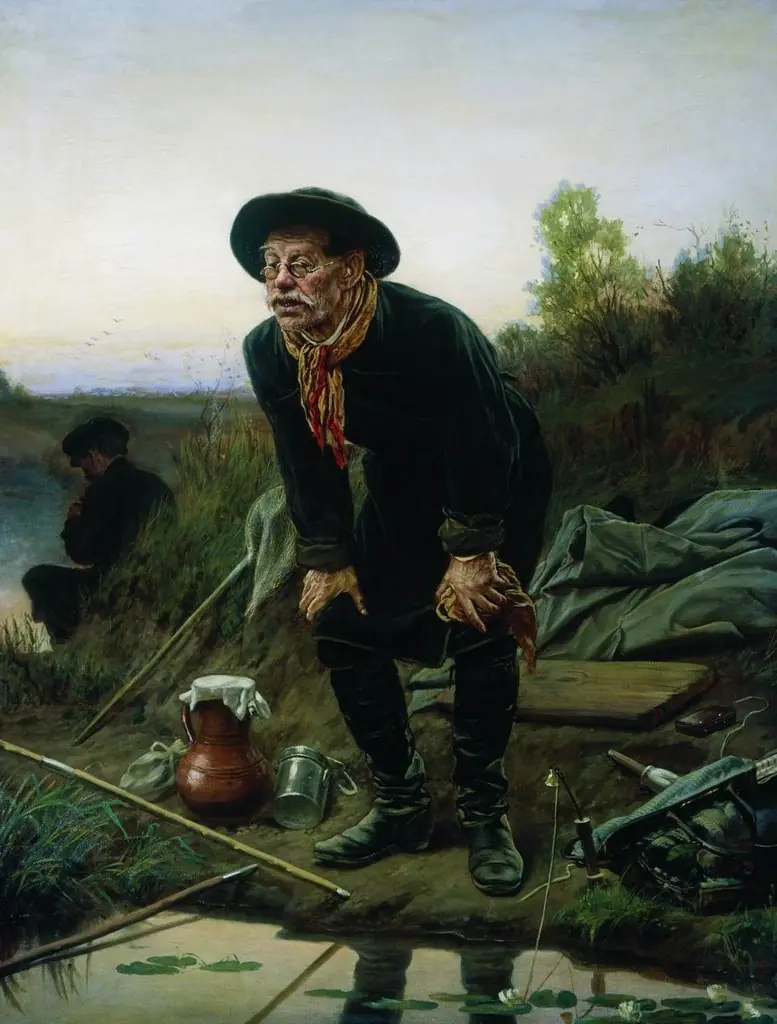 Рыболов
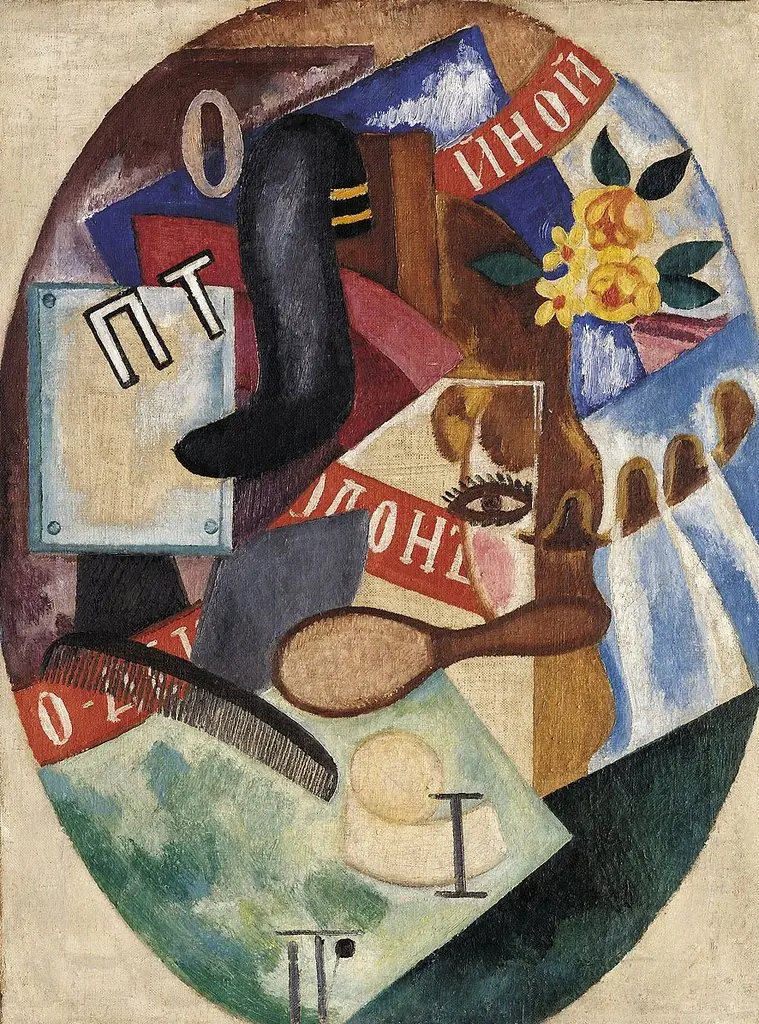 Hairdressing Salon
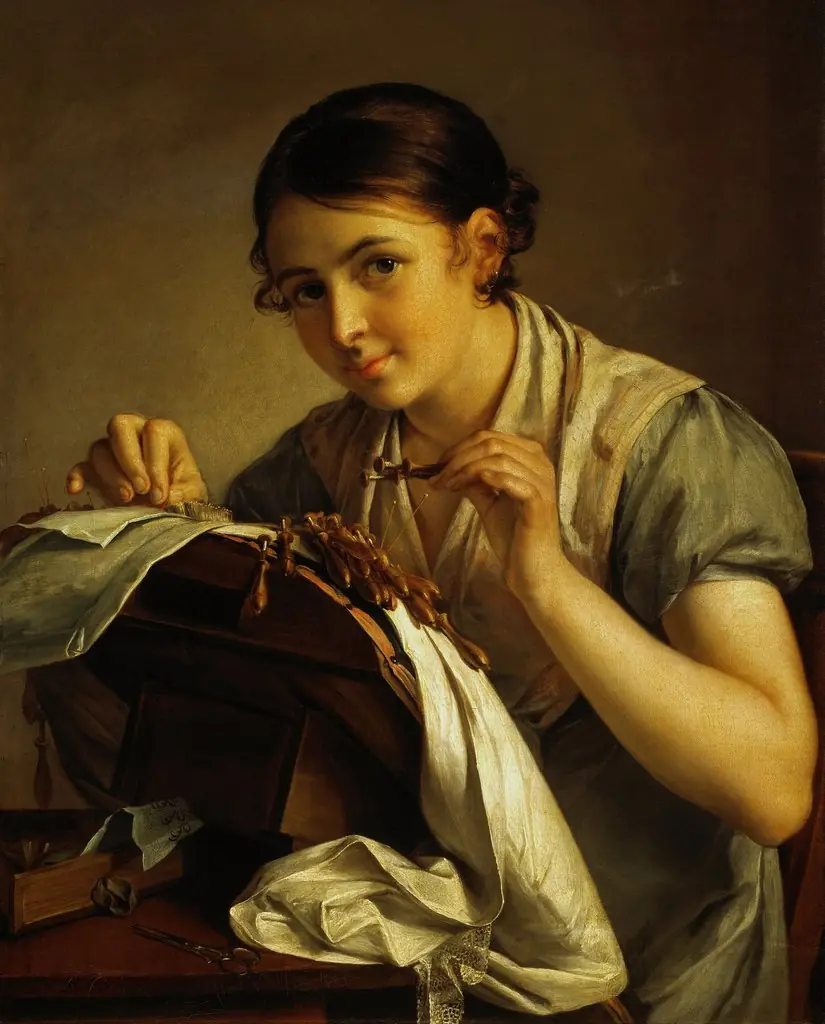 Lace-maker
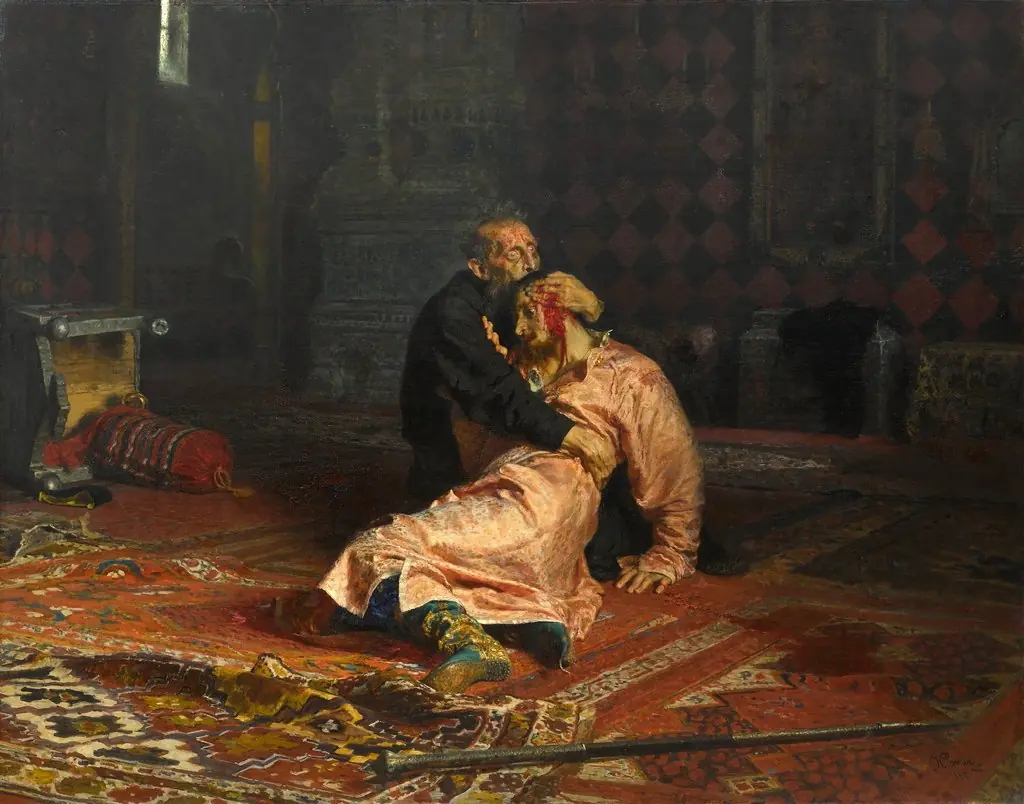 Ivan the Terrible and his son Ivan on November 16, 1581
 Portrait of Composer Gara Garayev
Plan your visit
Tretyakov Gallery
- Website
- www.tretyakovgallery.ru


