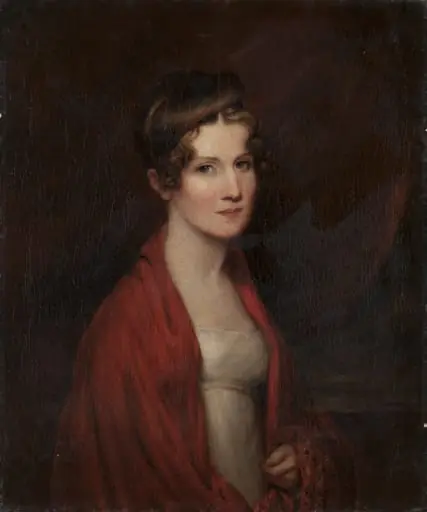
Artwork
A Study from Life [and] Study for Angel Releasing Saint Peter from Prison
![A Study from Life [and] Study for Angel Releasing Saint Peter from Prison, by Washington Allston, oil, 1815](https://artifactworldgallery.com/img/washington-allston--a-study-from-life-and-study-for-angel-releasing-saint-peter--13db111bb86c178e-w1024.webp)
A Study from Life [and] Study for Angel Releasing Saint Peter from Prison is an oil painting by the Romanticist artist Washington Allston. It dates from 1815 and is held in the collection of the Metropolitan Museum of Art.
- Accession no.
- 56.53
- Credit line
- Gift of the Allston Trust, 1956
About this work
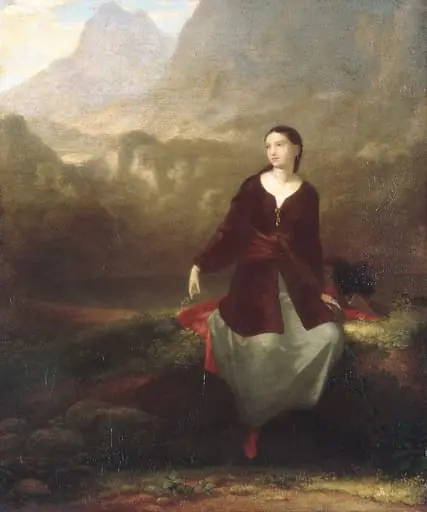
You see two quick oil sketches side by side: one is a woman’s profile, the other an angel freeing Saint Peter from jail.
You see two quick oil sketches side by side: one is a woman’s profile, the other an angel freeing Saint Peter from jail.
Allston painted these on paperboard in about 1815. The loose brushstrokes feel like warm-up exercises, almost like a notebook page. The woman’s face is lit softly, while the angel’s wings glow against dark prison bars. Both studies show how light and shadow shape a scene before the final painting is made.
Look up the technique called chiaroscuro to see how other artists use light and dark this way.
Subject & Meaning
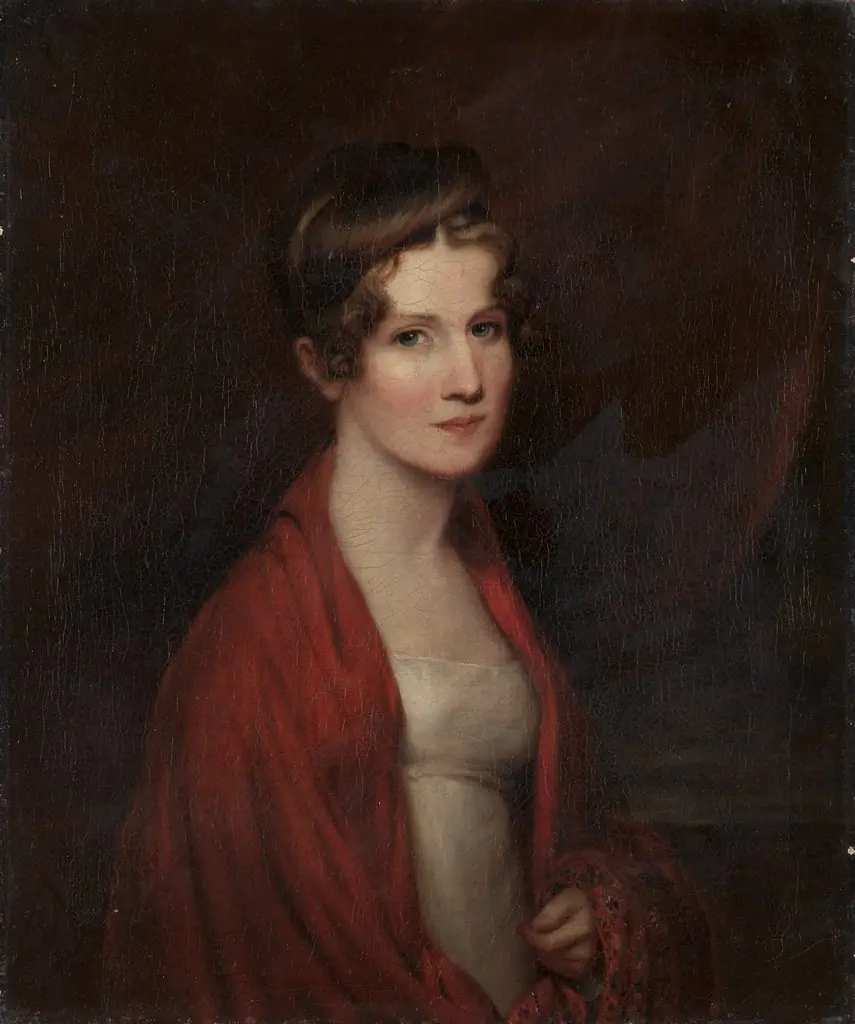
The work, created by Washington Allston in 1815, is classified within the religious genre and depicts a woman in profile. While the title references a study for an angel releasing Saint Peter from prison, the visual content presents a female figure shown in profile rather than the biblical narrative scene in full. The piece functions as a study from life, focusing on the formal representation of the human subject.
As a religious work, it likely serves as a preparatory exploration for the larger narrative composition involving the angel and the saint, isolating the figure for detailed observation.
Technique & Style
Created in 1815, this work by Washington Allston is executed in oil paint applied to a paperboard support. The piece measures 92.1 cm in height and 67.9 cm in width. It functions as a study depicting a woman in profile, which reflects Allston's engagement with religious themes and the human form during this period.
The combination of oil medium on paperboard suggests an experimental or preparatory approach typical of the artist's process for larger compositions.
History & Provenance
Both studies are dated to 1815, when Allston was in London before his return to the United States. The Study for Angel Releasing Saint Peter from Prison was executed in oil on paperboard measuring 92.1 × 67.9 cm and has been in the collection of The Metropolitan Museum of Art since its acquisition.
Context
Washington Allston's 1815 oil on paperboard work serves as both a life study and a preparatory sketch for the composition of Angel Releasing Saint Peter from Prison. The piece, classified as a religious subject within The American Wing, depicts a profiled woman and measures 92.1 cm by 67.9 cm. Its presence in the Metropolitan Museum of Art illustrates the institution's focus on early American religious painting.
Overview
Washington Allston's 1815 oil on paperboard, titled 'A Study from Life [and] Study for Angel Releasing Saint Peter from Prison,' presents two distinct compositional sketches on a single support. The work functions as a dual-purpose exercise in observation and narrative conception. On one side, Allston renders a quick, intimate profile of a woman, executed with soft, diffused lighting that emphasizes the contours of her face and the texture of her hair.
This 'Study from Life' demonstrates the artist's commitment to direct observation and his ability to capture subtle tonal variations in a brief format. Adjacent to this figure study is a dynamic sketch for a religious subject: an angel in the act of releasing Saint Peter from prison. Here, the brushwork becomes more energetic and gestural, capturing the movement of the angel and the dramatic interaction between the celestial figure and the imprisoned apostle.
Created during a period when Allston was deeply engaged with Romantic ideals and the interplay of light and shadow, these sketches reveal his working method. They serve not merely as preparatory studies but as independent explorations of form, light, and emotional intensity, bridging the gap between academic discipline and the expressive freedom characteristic of American Romanticism.
Artist & collection
Artist
Washington Allston spent his life chasing the glow of stories more than fame. Born in South Carolina, he studied law at Harvard before the itch to paint pulled him across the Atlantic to London. There he fell in with…