Artwork
Cassandra in the Temple of Minerva
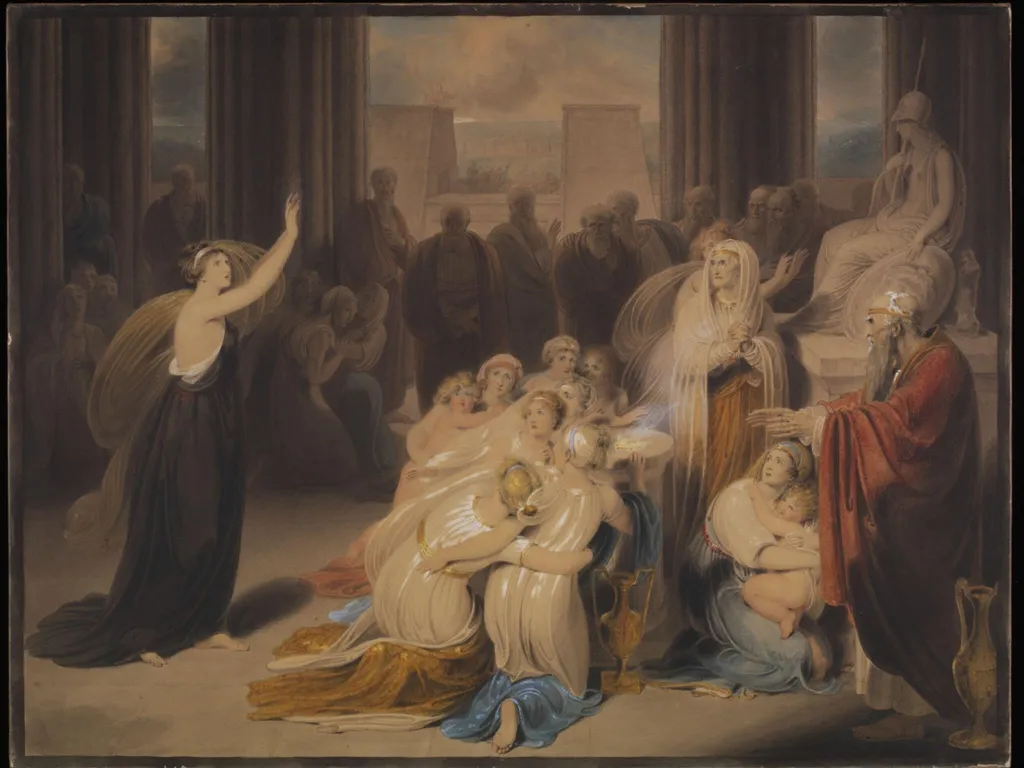
Cassandra in the Temple of Minerva is a watercolor work on paper by the British Romanticist artist Richard R.A. Westall. It dates from 1797 and is held in the collection of the Victoria and Albert Museum.
About this work
He joined the Royal Academy for his oils but was better known for delicate watercolours like this one.
Richard Westall painted Cassandra in the Temple of Minerva in 1797. It’s a watercolour from the Romanticism movement, now at the Victoria and Albert Museum.
Critics argued over Westall’s work. He joined the Royal Academy for his oils but was better known for delicate watercolours like this one. The tiny brushstrokes and sharp lines show his early training as an engraver. Over time, the paint has faded but the detail remains.
Look up the artist Westall, Richard R.A.
Overview
Cassandra in the Temple of Minerva is a 1797 watercolour by Richard Westall, currently housed at the Victoria and Albert Museum. Created during the Romanticism movement, this work exemplifies Westall's characteristic watercolour style, which garnered both praise and criticism.
Subject & Meaning
The subject, Cassandra in a temple setting, draws on classical mythology, reflecting Westall's engagement with traditional themes. The choice of Cassandra, a figure known for her unheeded prophecies, may suggest an exploration of fate, isolation, or the complexities of divine insight.
Technique & Style
Despite discoloration over time, the piece showcases Westall's meticulous technique: minuscule brushstrokes akin to miniature painting and precise outlines, traits honed from his background in engraving. These characteristics, while admired for their delicacy, were also criticized for potentially undermining the subject's gravity.
History & Provenance
Painted in 1797, Cassandra in the Temple of Minerva became part of the Victoria and Albert Museum's collection. Westall's dual reputation as an oil painter (earning him Royal Academy membership) and a watercolourist (with this work being a notable example) highlights the mixed critical response to his body of work.
Context
Emerging from the Romanticism movement, this watercolour reflects the era's emphasis on emotion, detail, and sometimes, the reinterpretation of classical themes. Westall's work sits at the intersection of traditional techniques (engraving influence) and the expressive qualities of watercolour popular during this period.
Legacy
While Cassandra in the Temple of Minerva may not have singularly defined Westall's legacy, it contributes to the broader understanding of his contribution to watercolour techniques of the late 18th century, and the divisive critical reception of his delicate, engraver-influenced style.
Own this work as a print
Artist & collection
Artist
English artist Richard Westall made prints and watercolours in the late 1700s and early 1800s, often drawing subjects from literature and mythology.

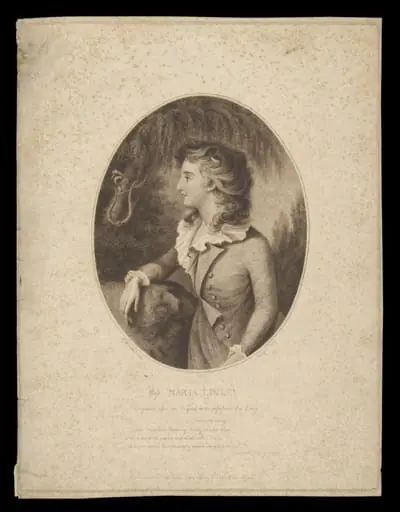
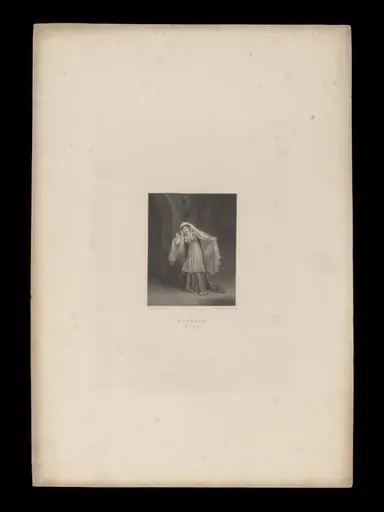
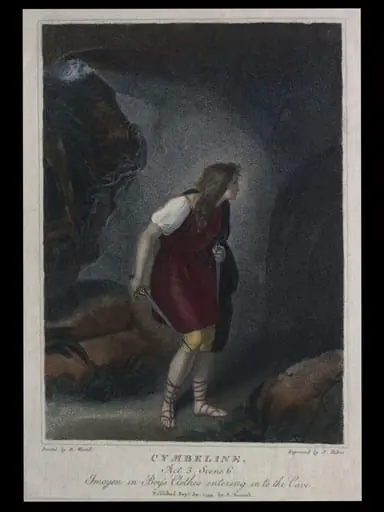
- Andromache in Despair at the Sight of Hector's Body
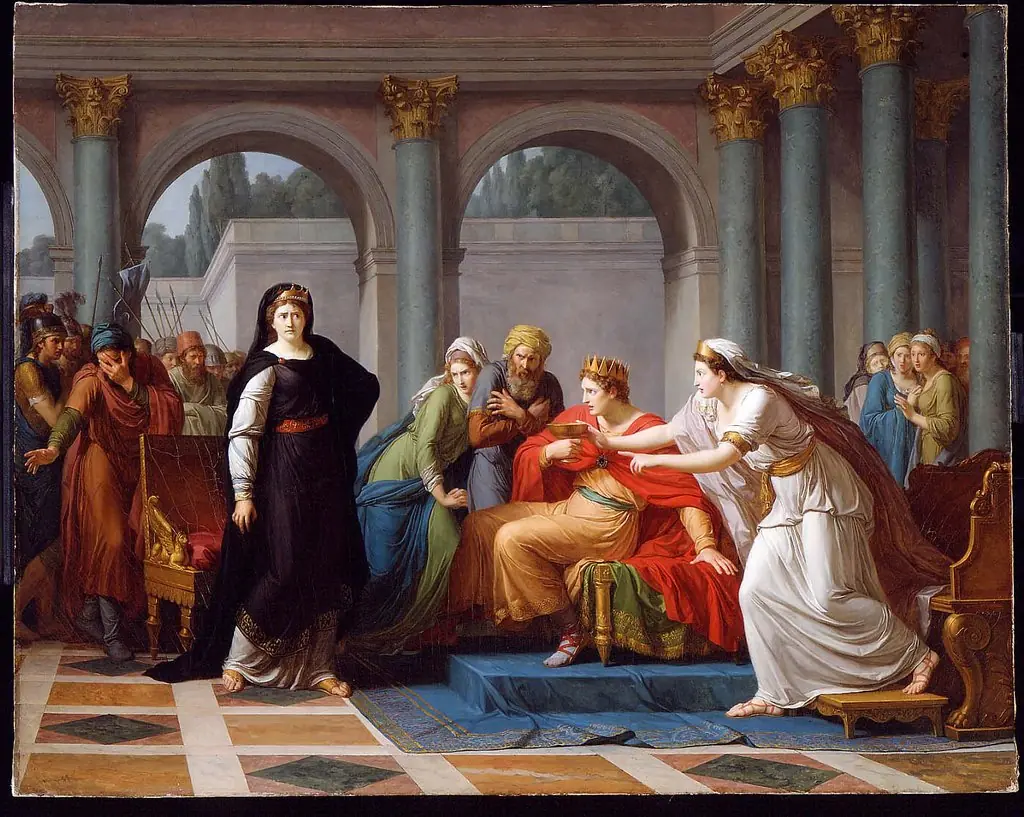 "Seigneur! Voyez ces yeux" (Cleopatra Discovered by Rodogune to Have Poisoned the Nuptial Cup)
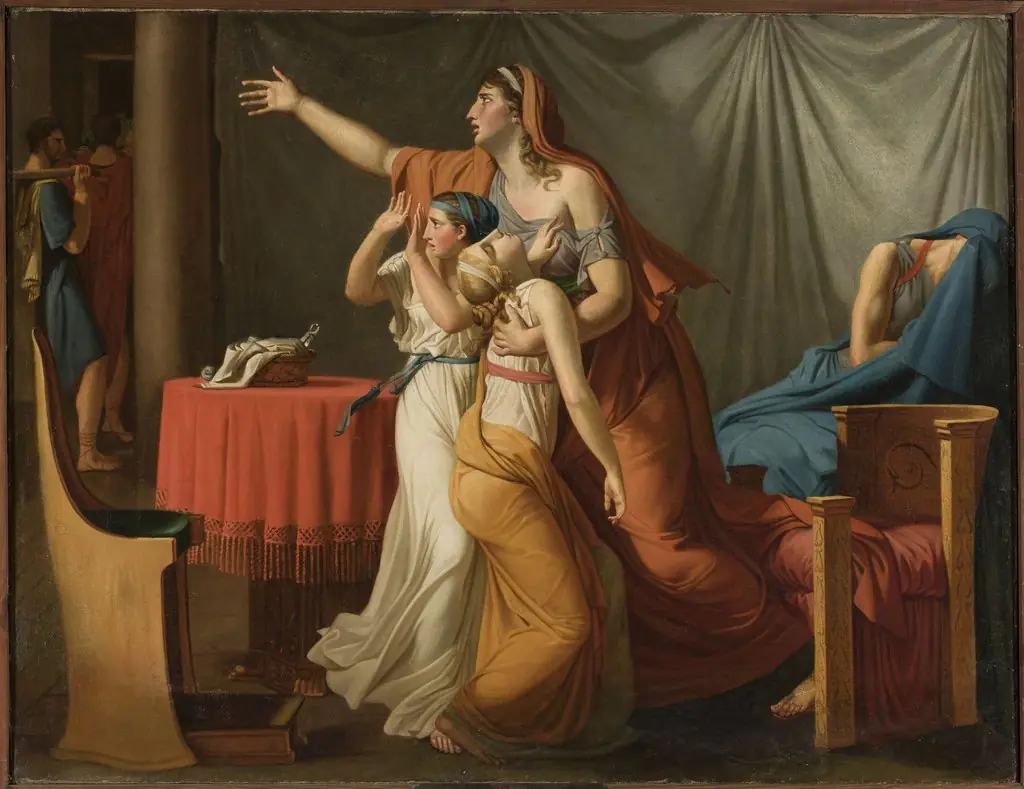 Lictors bring to Brutus the bodies of his sons
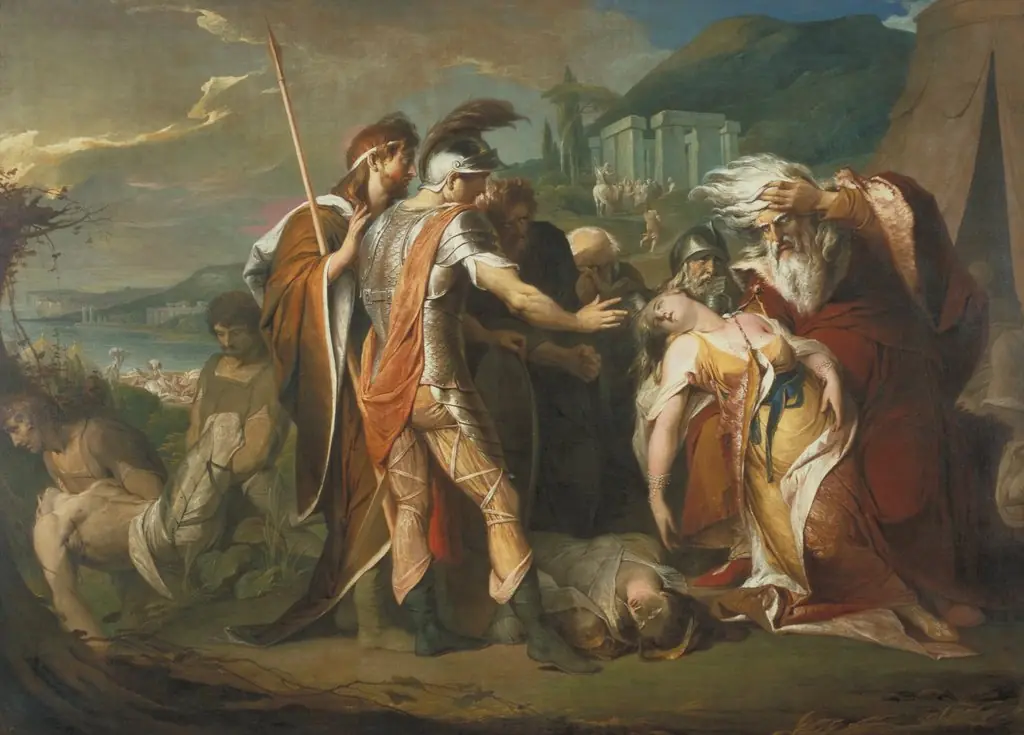 King Lear Weeping over the Dead Body of Cordelia
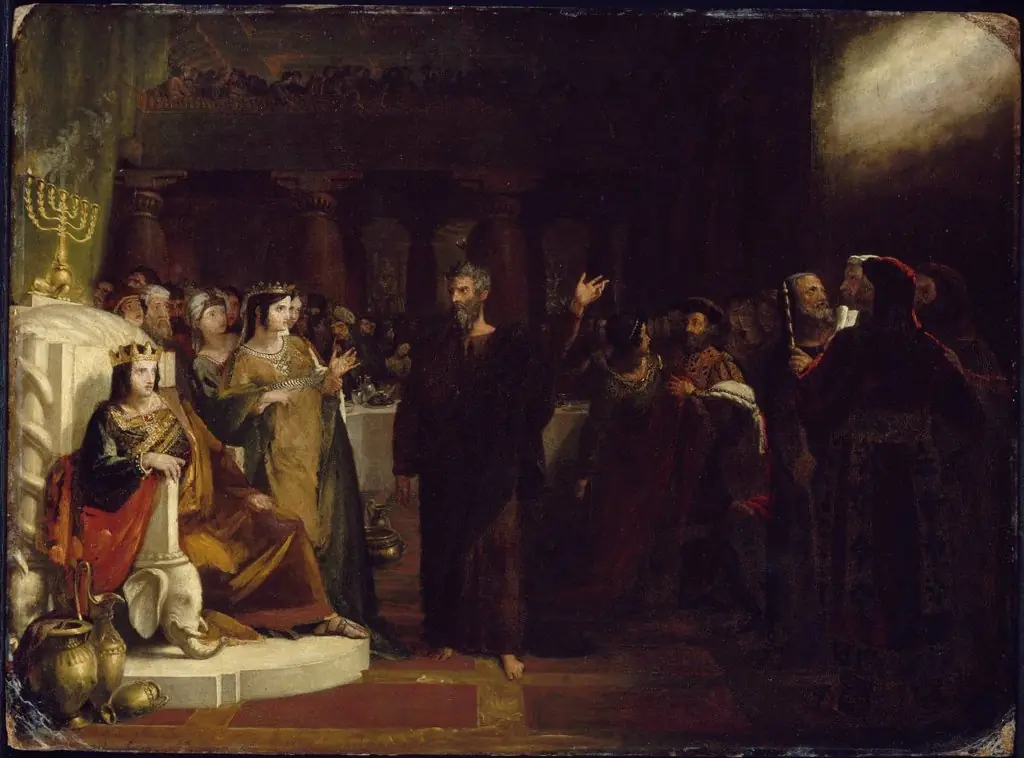 Study for Belshazzar's Feast
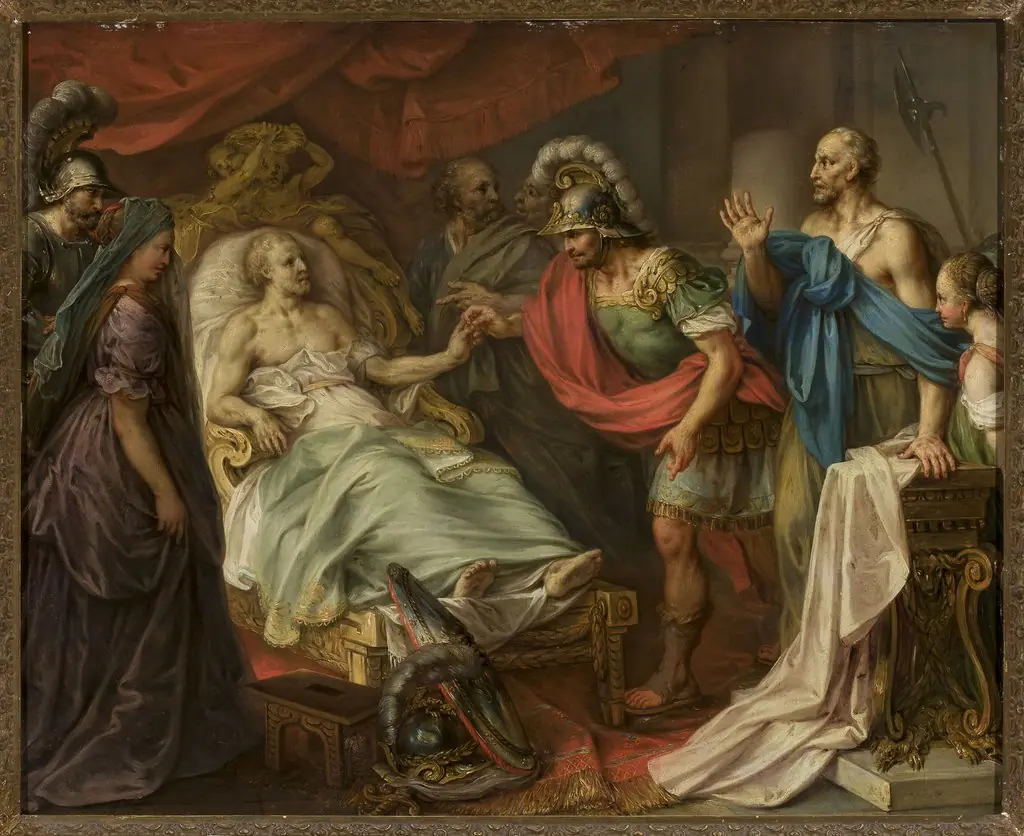 Death of Belisarius
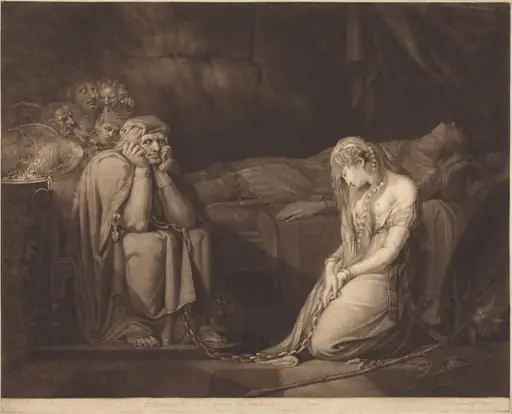 Belisane and Parcival under the Enchantment of Urma
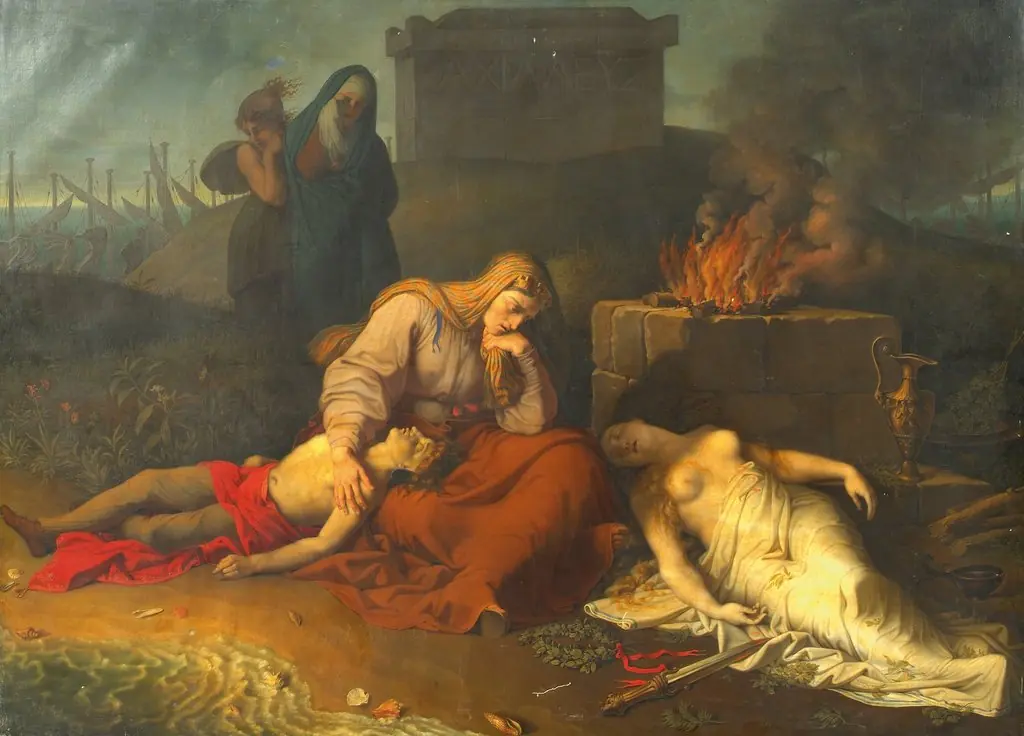 Hecabe mit den Leichnamen ihrer Kinder Polyxena und Polydoros am Grab des Achill
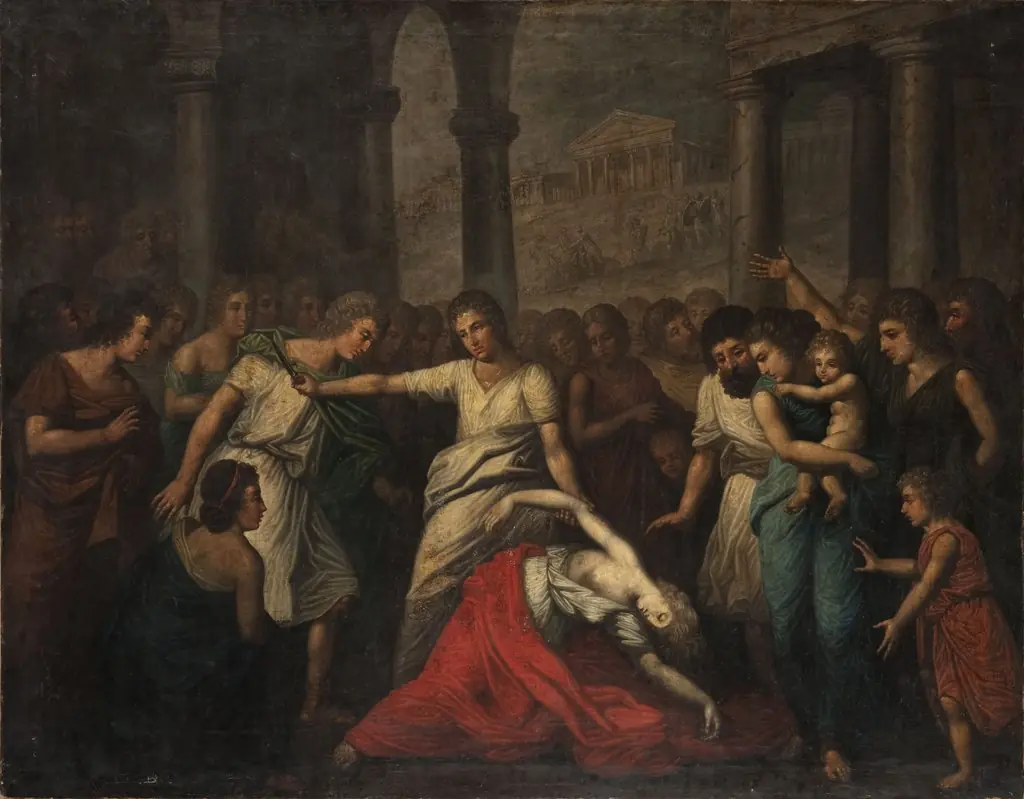 Death of Virginia
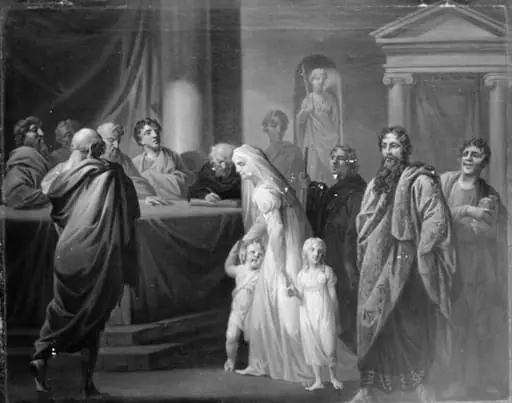 Plutus, IV akt, 4. scene
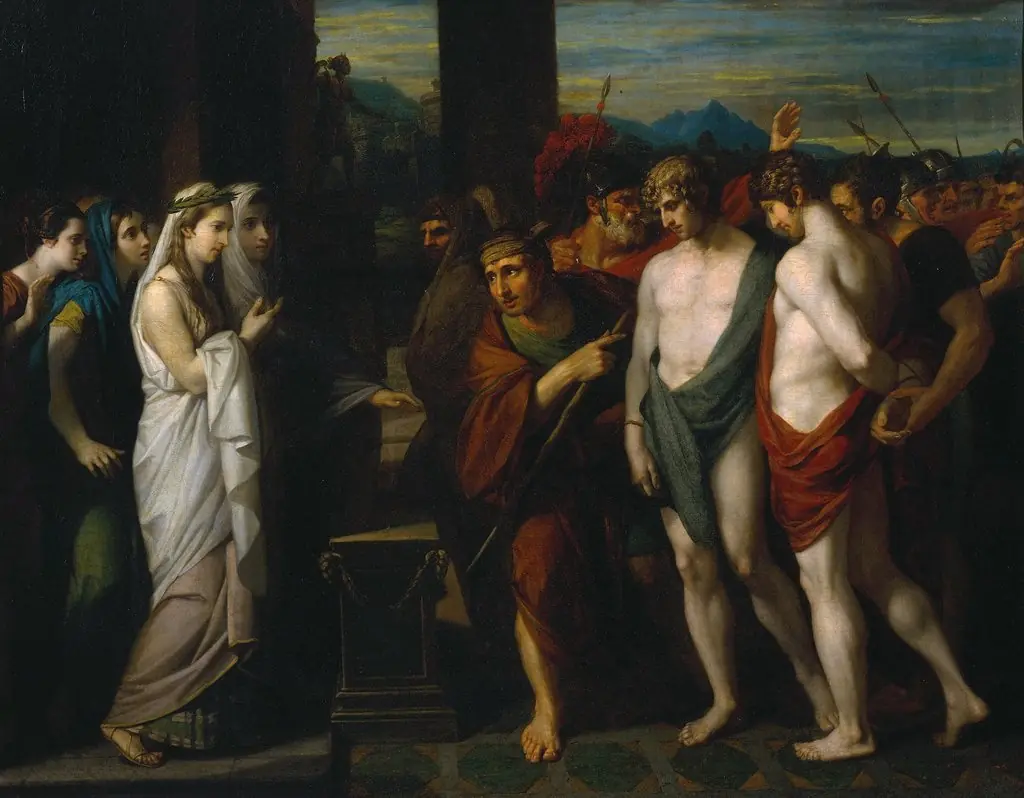 Pylades and Orestes Brought as Victims before Iphigenia
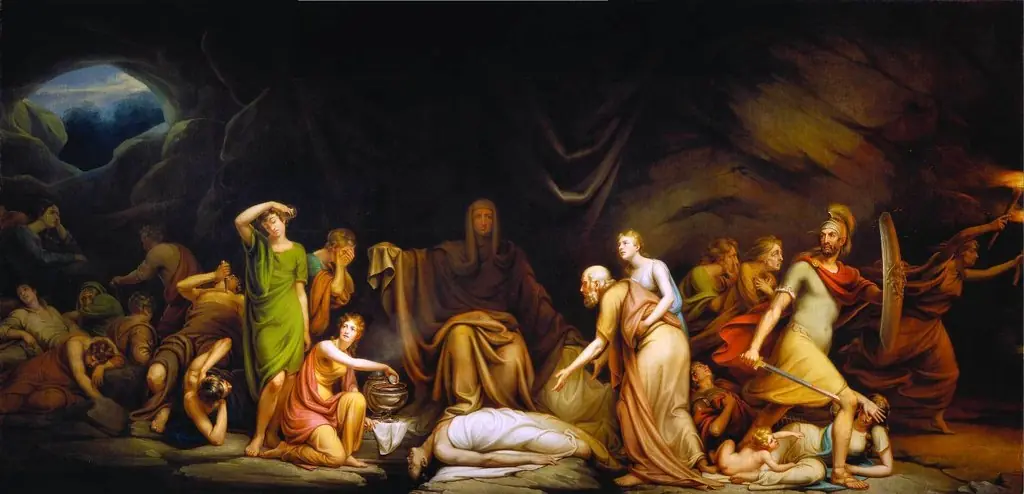 The Court of Death