Artwork
Hillside Pastures—September
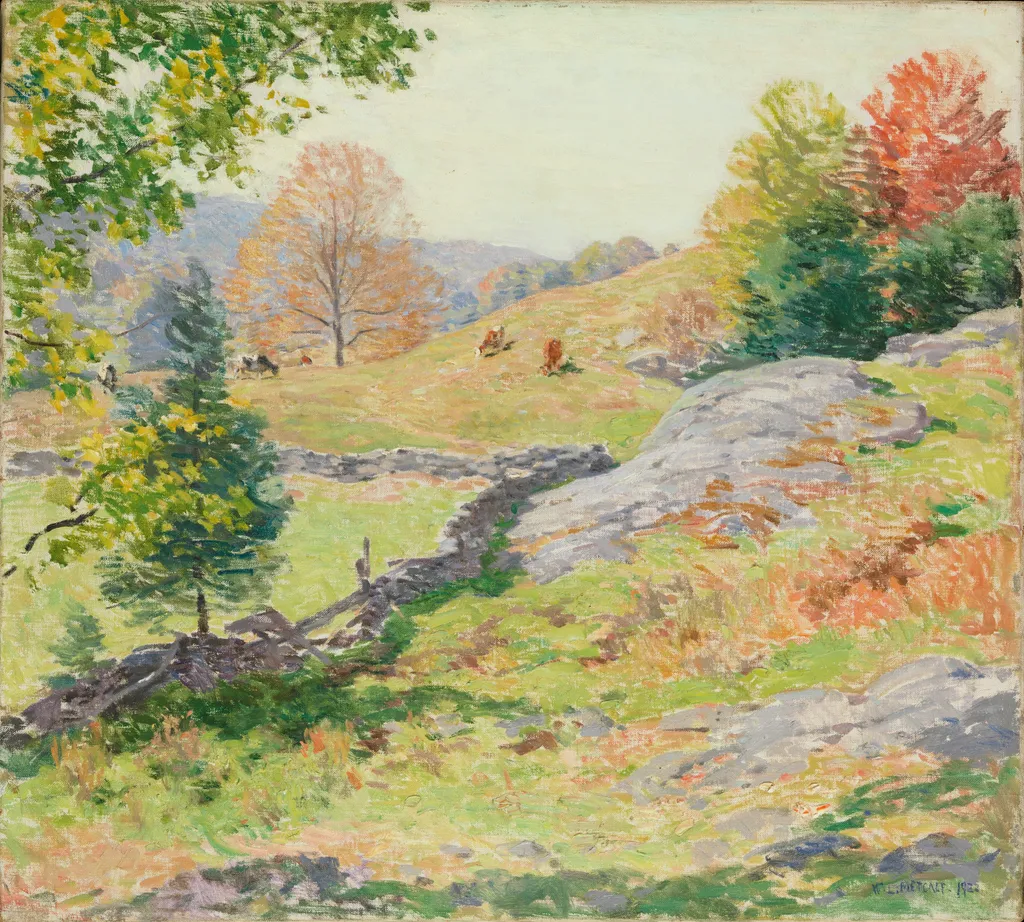
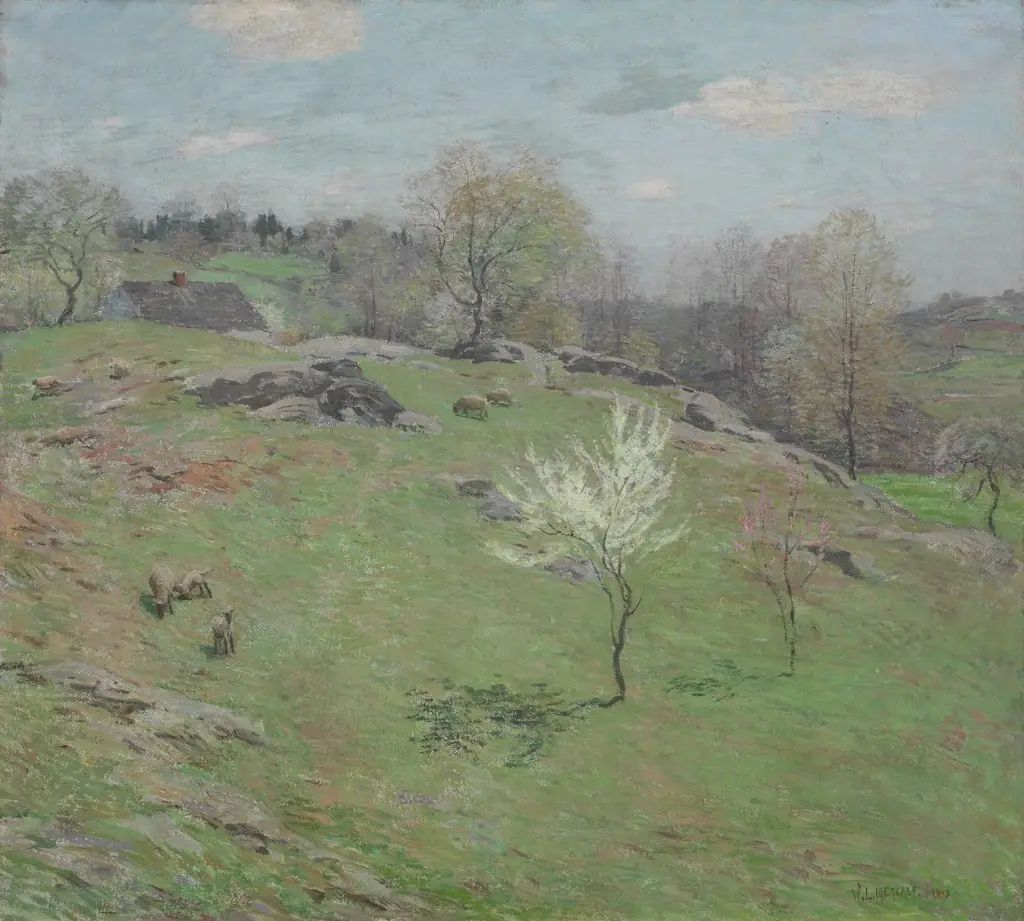
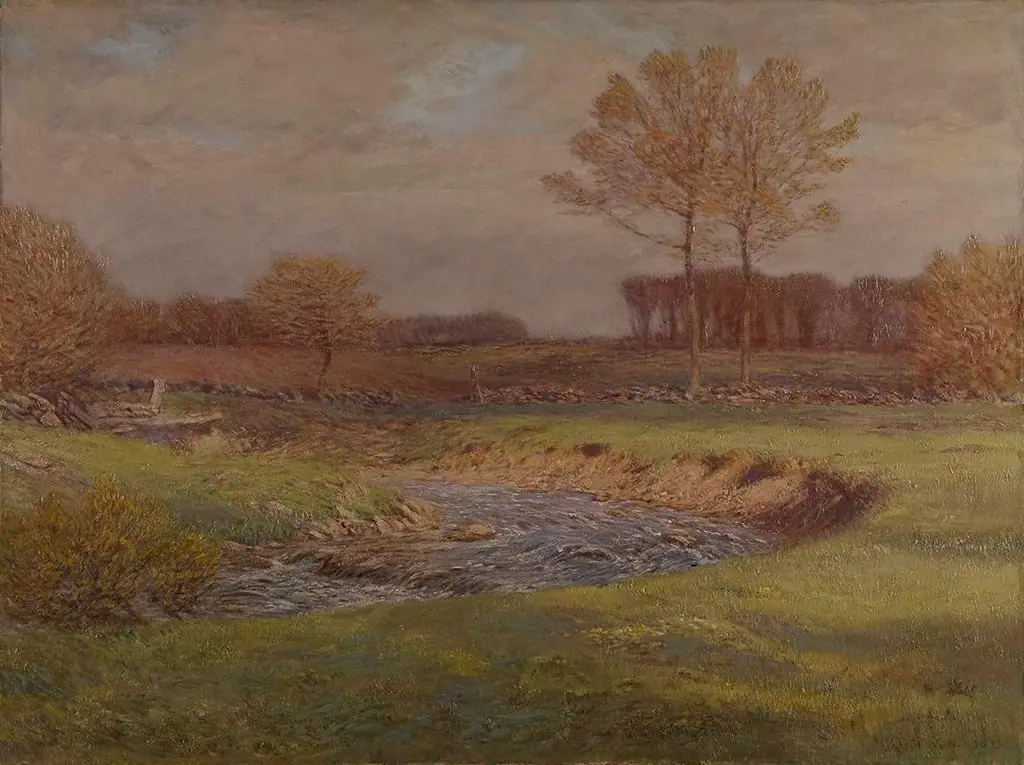
Hillside Pastures—September is an oil painting by the American Impressionist artist Willard Metcalf. It dates from 1922 and is held in the collection of the Metropolitan Museum of Art.
About this work
Technique & Style
The physical dimensions and material composition align with standard practices for early 20th-century American landscape canvases held in major collections.
Willard Metcalf's Hillside Pastures, September is an oil painting executed on canvas support. Created in 1922, the work measures 66 cm in height and 73.3 cm in width. Classified as a landscape, the piece employs oil paint as its primary medium to depict a pastoral scene.
The physical dimensions and material composition align with standard practices for early 20th-century American landscape canvases held in major collections.
History & Provenance
Hillside Pastures, September is an oil on canvas landscape painted by Willard Metcalf in 1922. The work measures 66 cm by 73.3 cm and depicts a rural hillside scene. It entered the collection of the Metropolitan Museum of Art, where it remains on view, and is catalogued as a landscape painting within the museum’s holdings.
The painting’s creation history is documented through its inscription of the year 1922 and its material specification of oil paint on canvas, confirming its date of execution and technical execution.
Hillside Pastures, September is housed in the collection of the Metropolitan Museum of Art in New York. The painting is listed in the museum’s catalog under the artist Willard Metcalf, though no specific accession or inventory number is provided in the available documentation. No exhibition records accompanying the work are cited in the sources consulted, indicating that the piece has not been featured in separate museum exhibitions beyond its inclusion in the permanent collection displays.
Overview
Willard Leroy Metcalf (1858–1925) created Hillside Pastures, September in 1922, an oil painting that exemplifies his engagement with the American Impressionist landscape tradition. This work captures an autumnal scene, rendered with a subtle palette and characteristic brushwork. As a prominent landscape artist and educator, Metcalf's contributions to American art are significant.
The painting is a part of the collection at The Metropolitan Museum of Art, representing a mature example from his career.
Subject & Meaning
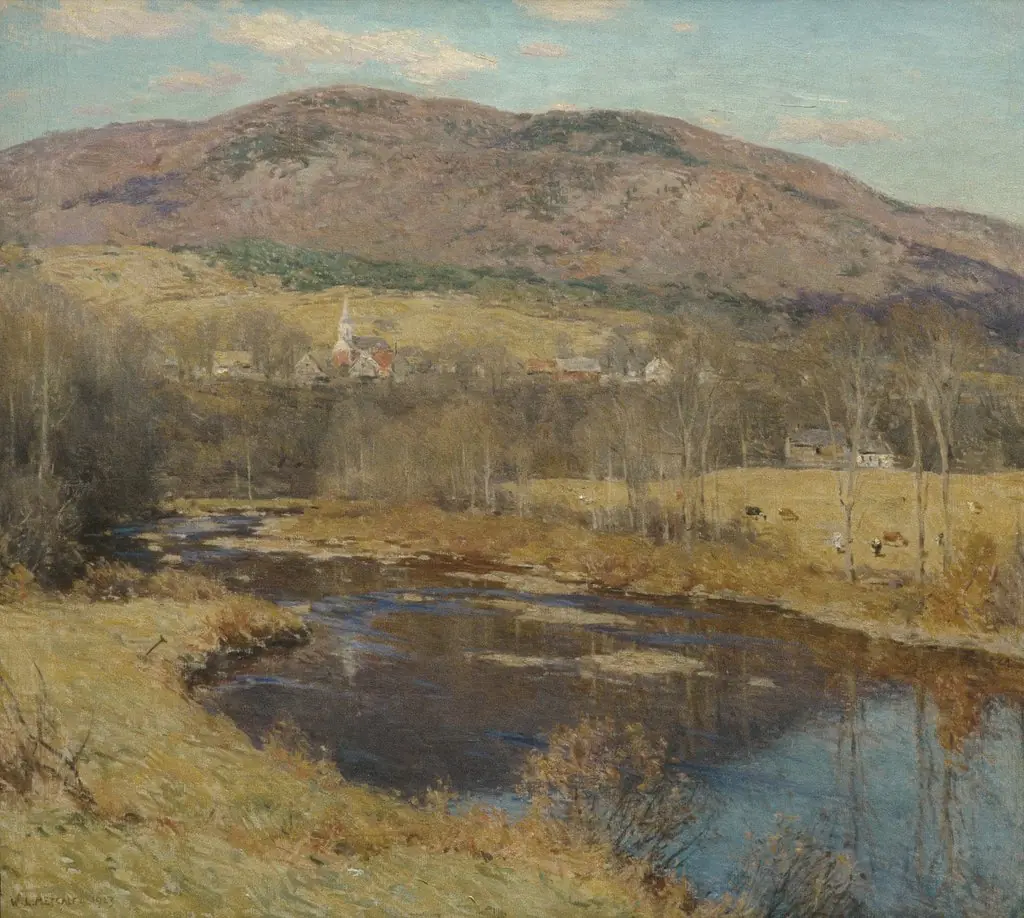
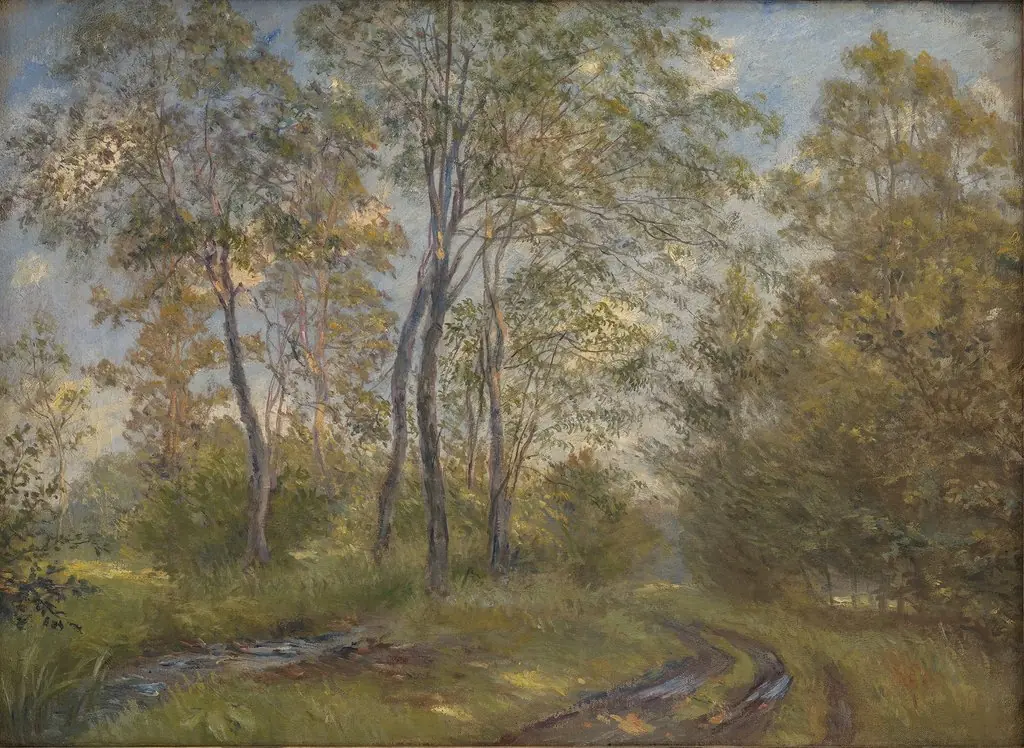
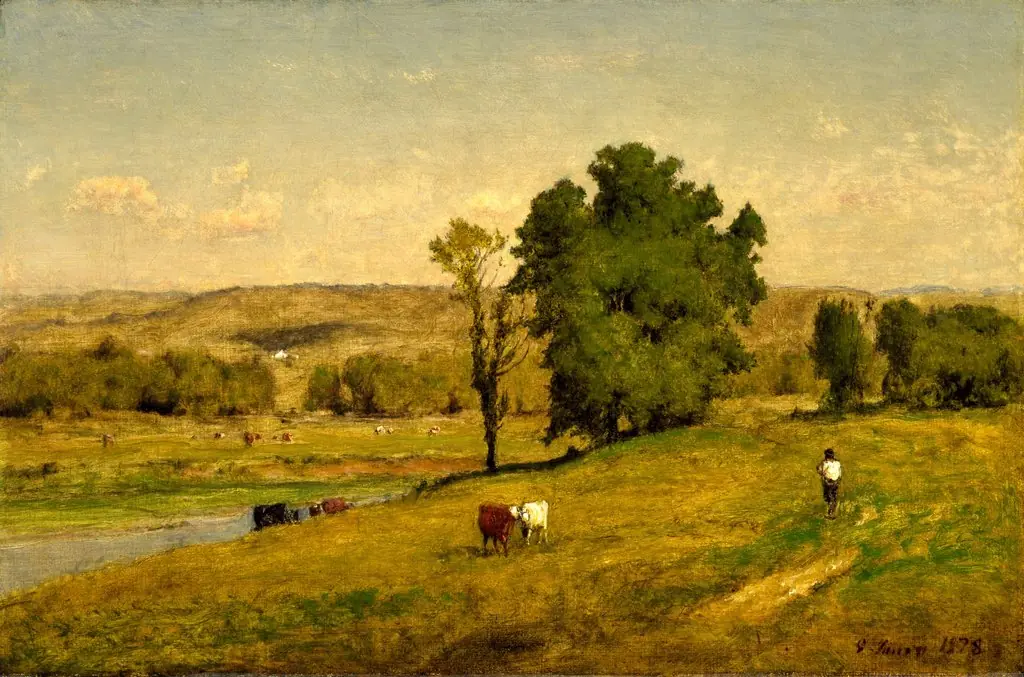
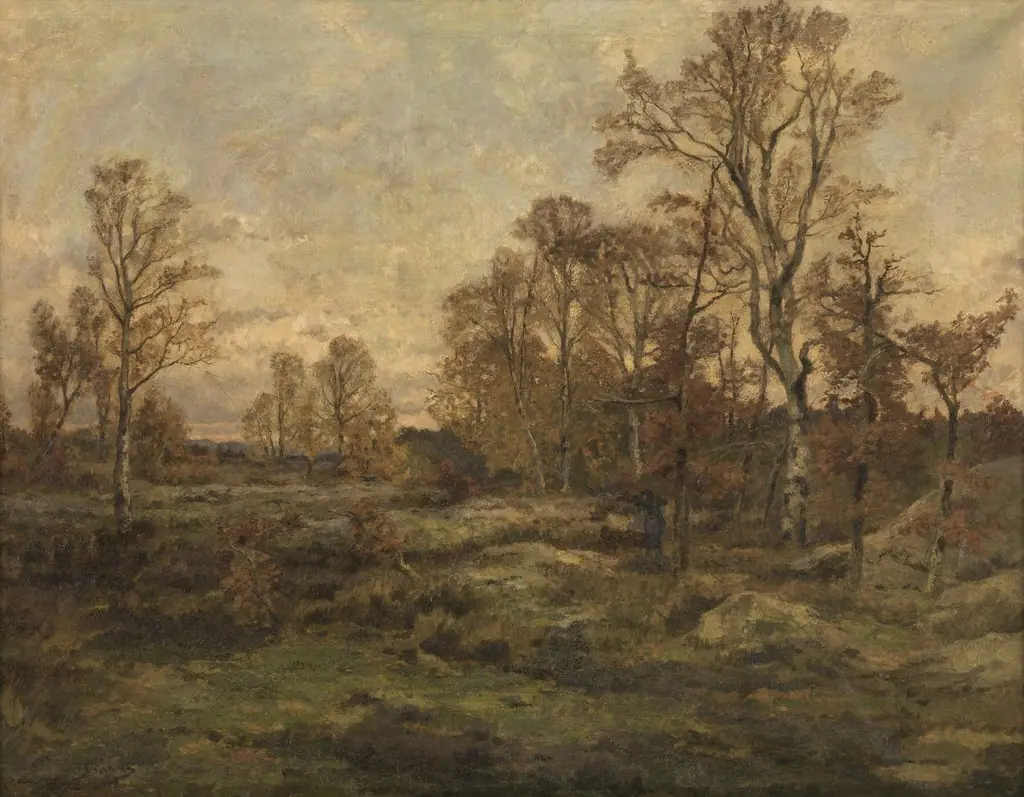
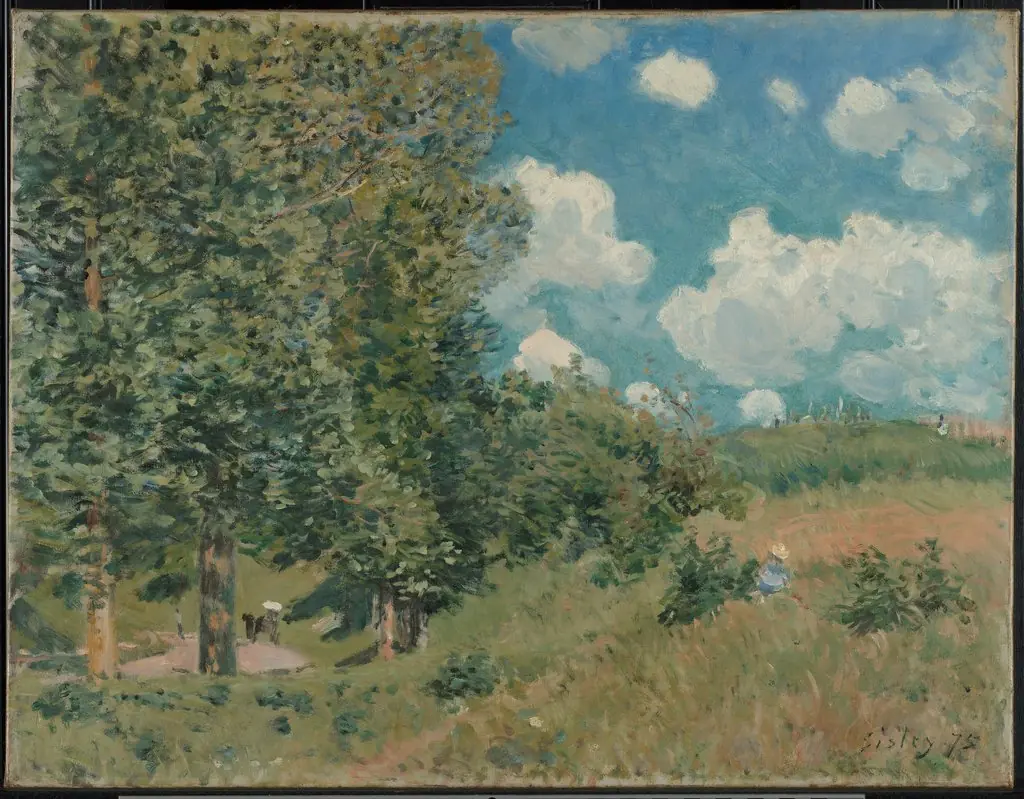
The painting depicts a tranquil rural landscape, likely in early autumn, as indicated by its title. Rolling hills, covered in a blend of green and brown grasses, dominate the foreground and mid-ground. Scattered trees display foliage transitioning to yellow and red hues, signaling the seasonal change.
A soft, light gray sky extends over the distant hills and woodlands, contributing to the serene and contemplative atmosphere of the natural setting.
Context
Willard Metcalf's artistic training included studies at the School of the Museum of Fine Arts, Boston, and later at the Académie Julian in Paris, foundational experiences for his landscape practice. He became a notable figure in American art, particularly as a member of the Ten American Painters, a group established in 1897 that championed an Impressionistic style. Metcalf also contributed to art education, holding teaching positions at institutions such as Cooper Union and the Art Students League in New York.
Own this work as a print
Artist & collection
Artist
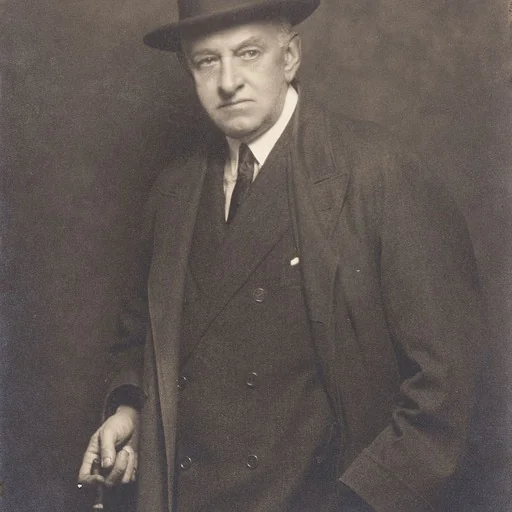
Willard Leroy Metcalf (July 1, 1858 – March 9, 1925) was an American painter born in Lowell, Massachusetts.