Artwork
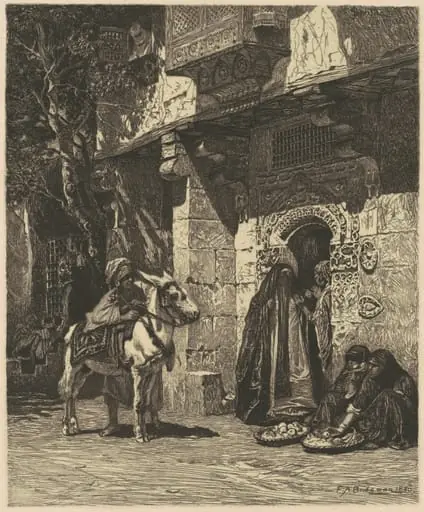
The Courtyard of a house in Cairo
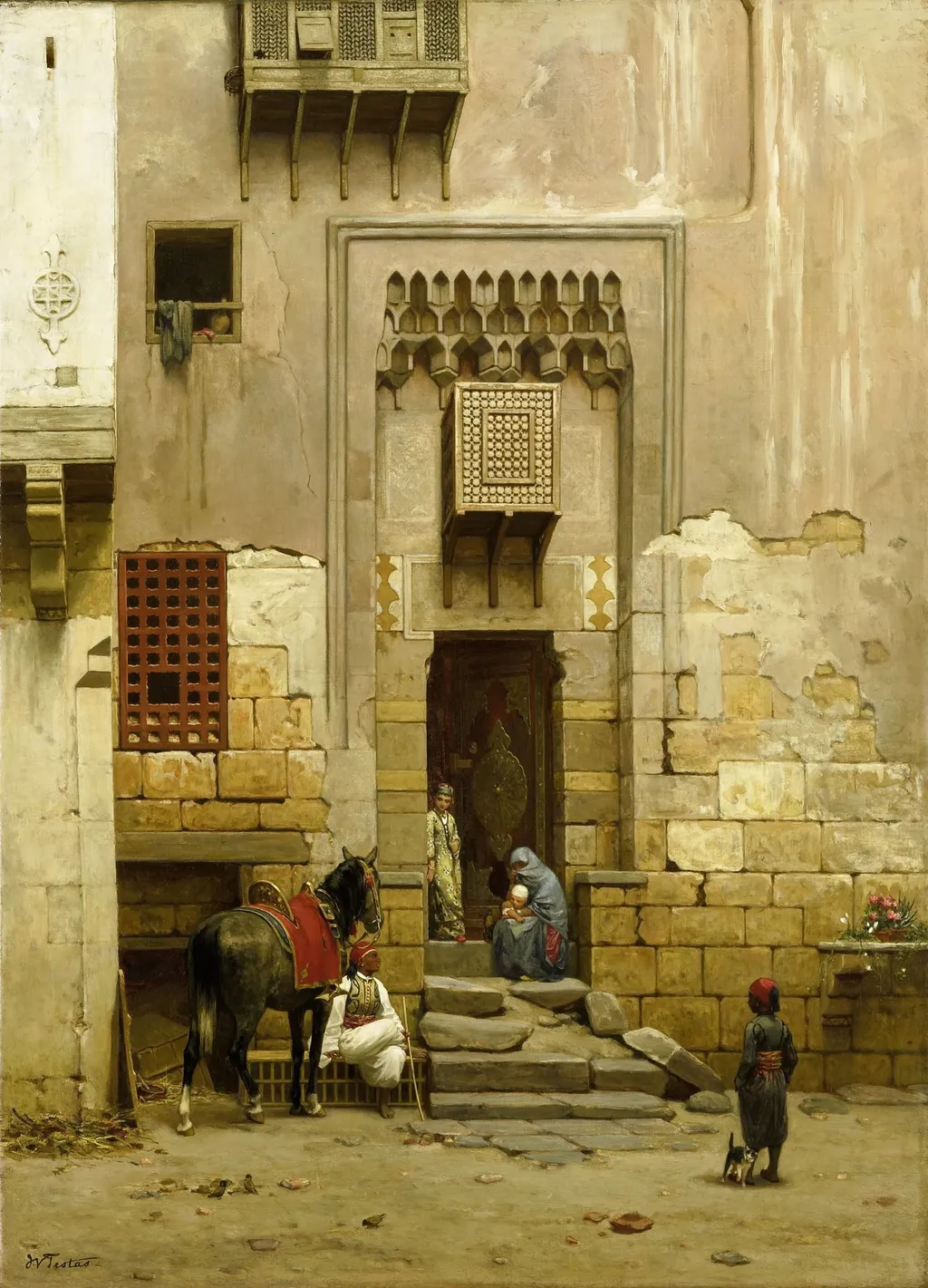
The Courtyard of a house in Cairo is an unspecified painting by the Orientalist artist Willem de Famars Testas. It dates from 1874 and is held in the collection of the Rijksmuseum.
About this work
Overview
The work depicts an interior courtyard of an aged residence in Cairo, where a veiled woman and her child engage in conversation with a man accompanied by a horse. Several youngsters observe the exchange from the periphery. The composition offers a snapshot of everyday domestic interaction within an urban Egyptian setting.
Subject & Meaning
At the center of the scene, a mother, her face partially concealed by a veil, holds a child while speaking with a male figure, whose presence is signaled by the horse he leads. The surrounding children, positioned as silent witnesses, underscore themes of family life, social hierarchy, and communal observation in a traditional household.
Technique & Style
Rendered with a keen eye for detail, the painting employs a realistic palette that captures the warm light filtering into the courtyard. The brushwork balances fine delineation of textiles and animal anatomy with broader strokes for architectural elements, aligning the piece with the 19th‑century Orientalist tendency to document exotic locales through a Western visual lens.
Context
Created during the nineteenth century, the image reflects contemporary European fascination with Middle Eastern life, a period when Orientalism shaped artistic production. By portraying a mundane domestic moment rather than grandiose spectacle, the work contributes to the era’s nuanced visual record of Cairo’s urban environment and its social customs.
Own this work as a print
Artist & collection
Artist
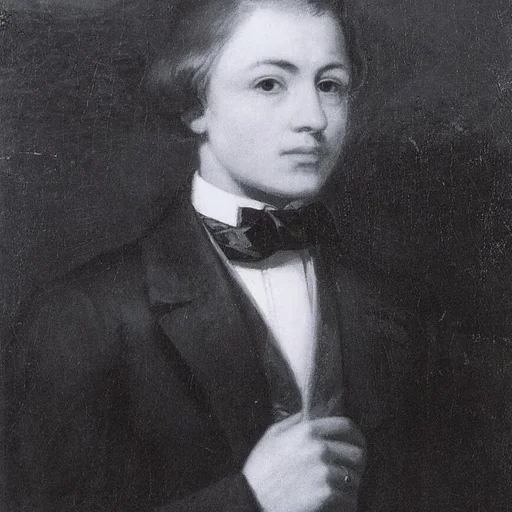
Willem de Famars Testas (1834, Utrecht – 1896, Arnhem), was a Dutch painter, draughtsman, etcher and illustrator noted for his Orientalist paintings and drawings.

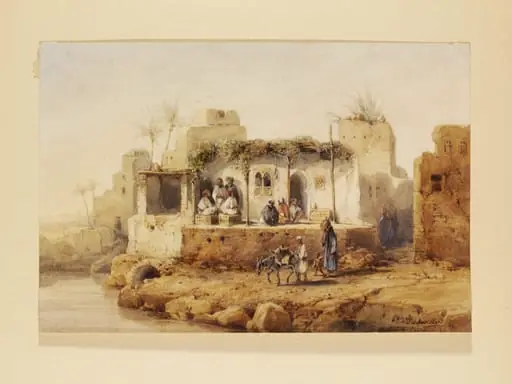 à Minieh, Egypte
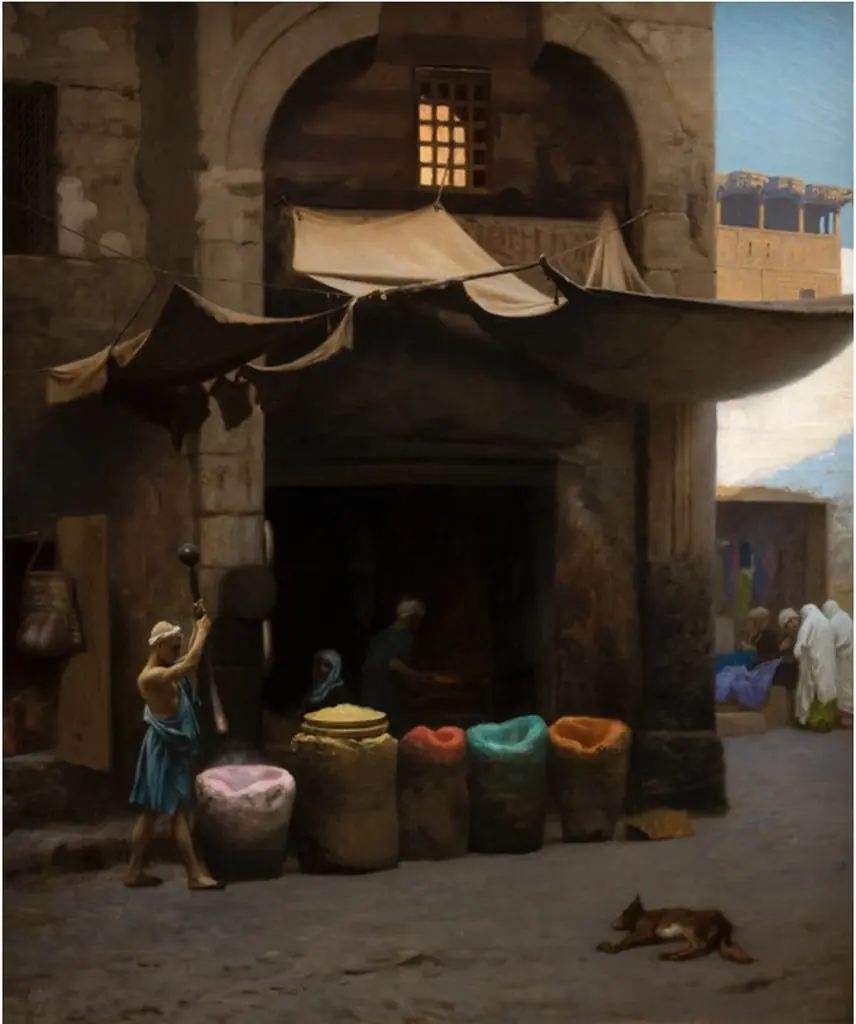 The Color Grinder
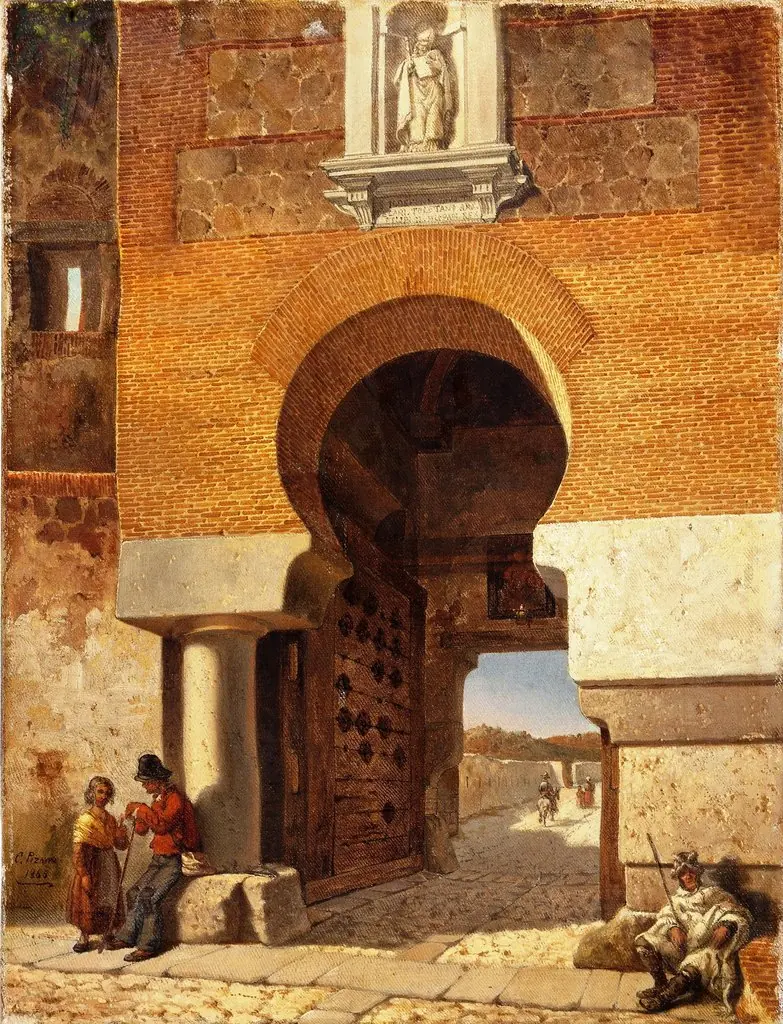 Puerta árabe de la plaza de armas en el puente de Alcántara de Toledo
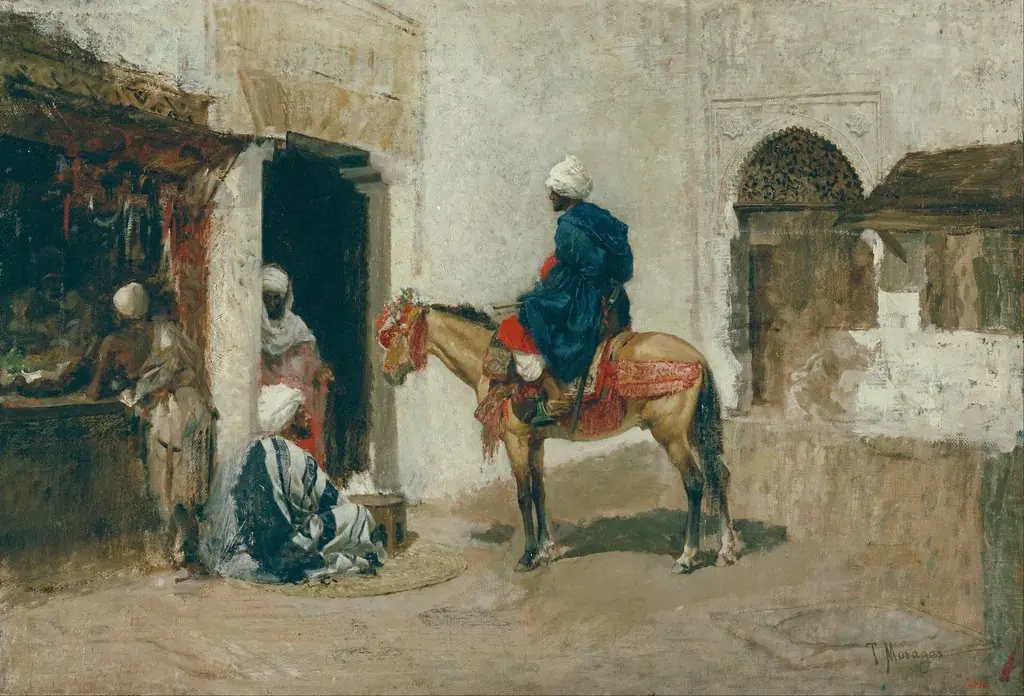 Sketch for 'Arab Café'
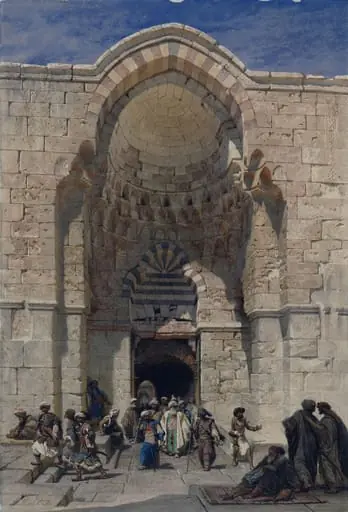 The Gate called Bab-el-Khataneen, at Jerusalem
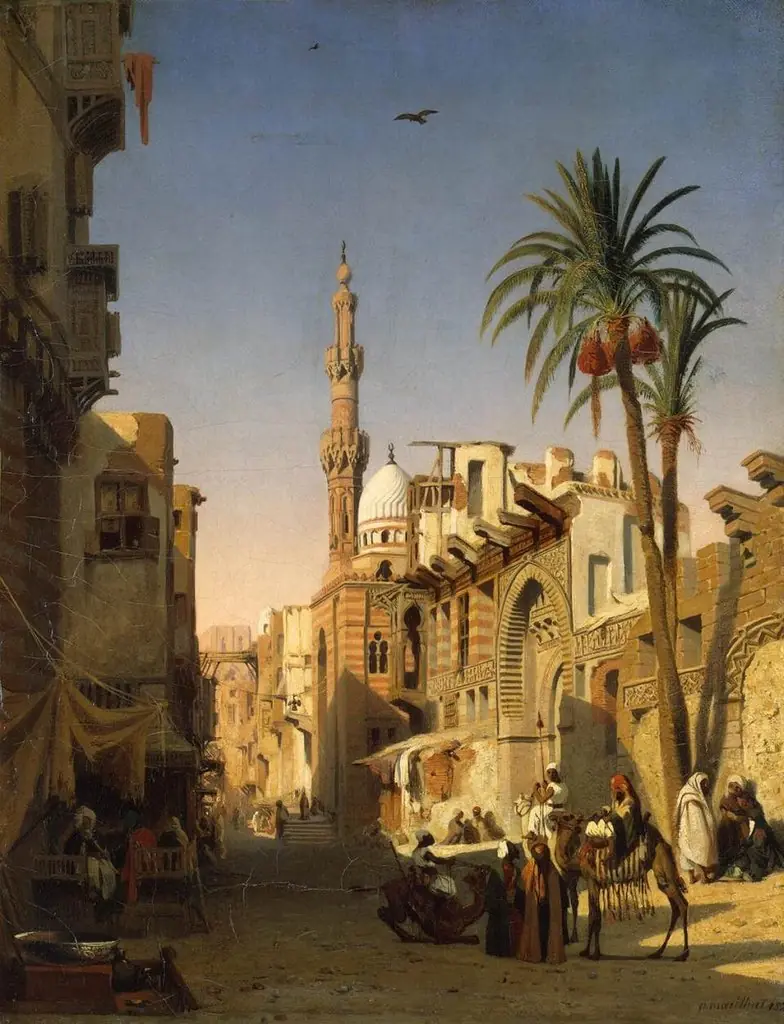 Ezbekiah Strieet in Cairo
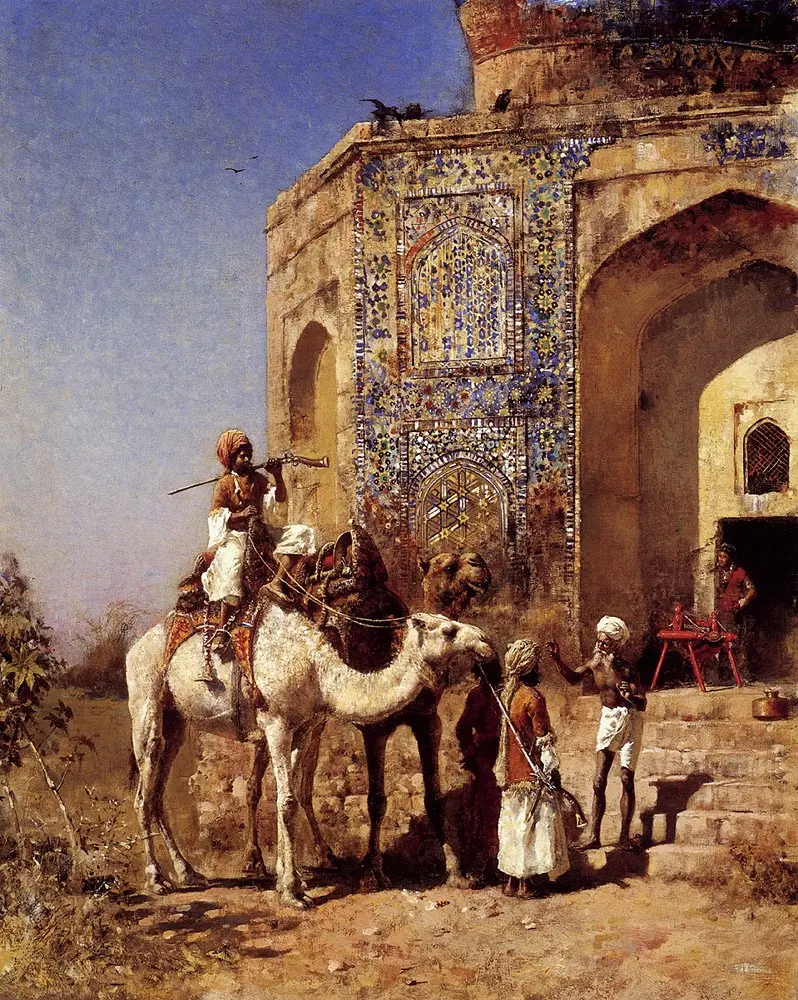 The Old Blue-Tiled Mosque outside Delhi
 Muhammed's carpet moving from Mecca to Cairo
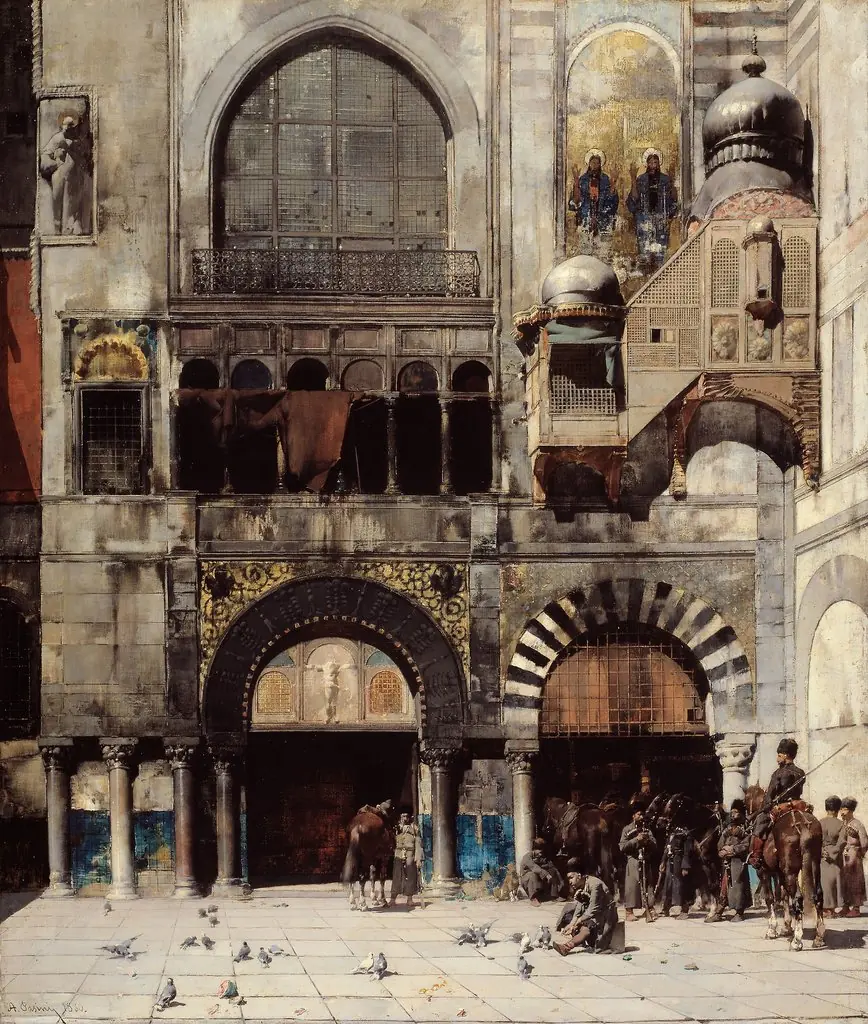 Circassian Cavalry Awaiting their Commanding Officer at the Door of a Byzantine Monument; Memory of the Orient
 A Lady of Cairo Visiting