Artwork
The Thank Offering
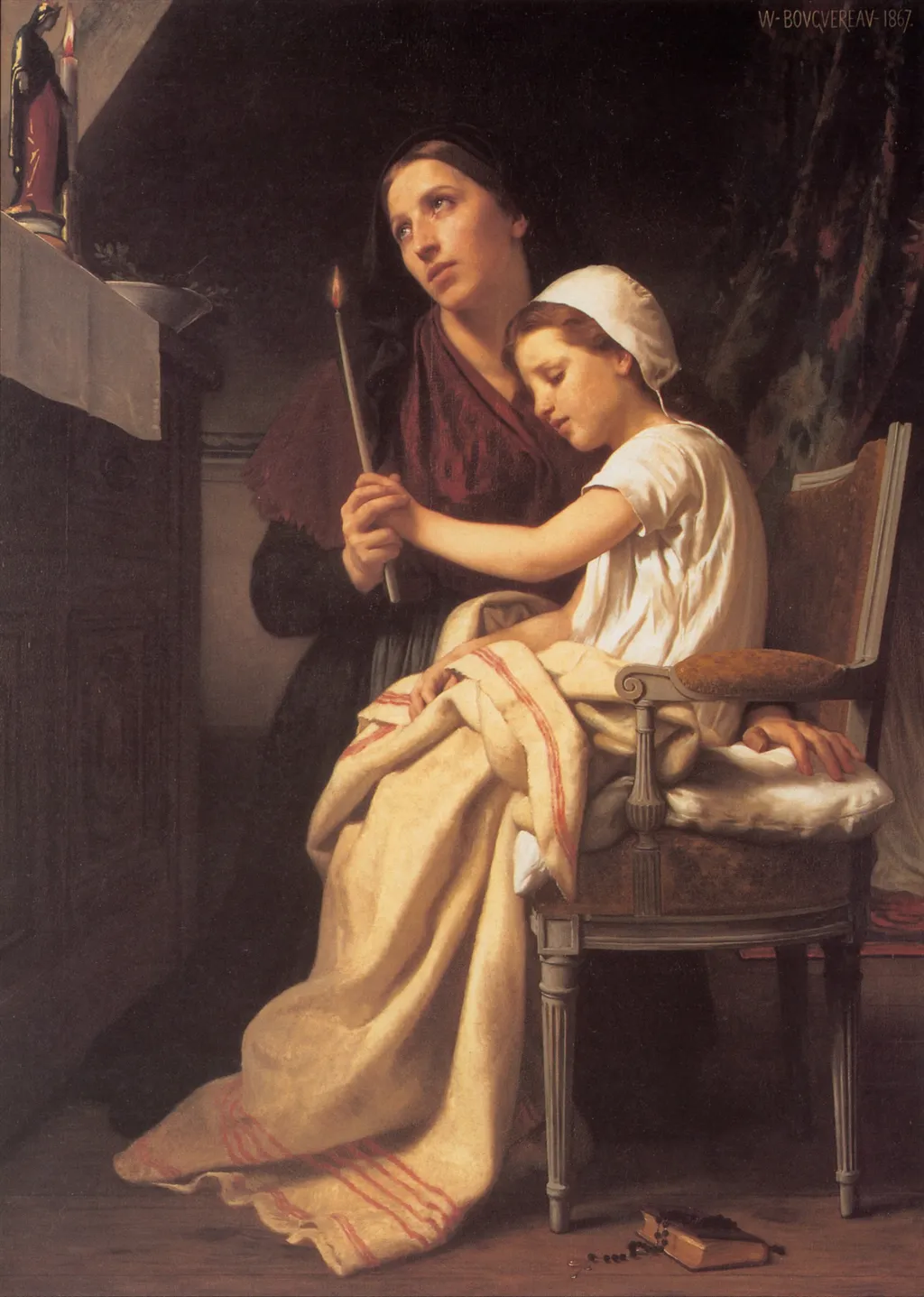
The Thank Offering is an oil painting by the Realist artist William Adolphe Bouguereau. It dates from 1867 and is held in the collection of the Philadelphia Museum of Art.
About this work
Subject & Meaning
The composition further includes domestic details such as a blanket, a cap, and a chair, grounding the sacred ritual within an intimate setting.
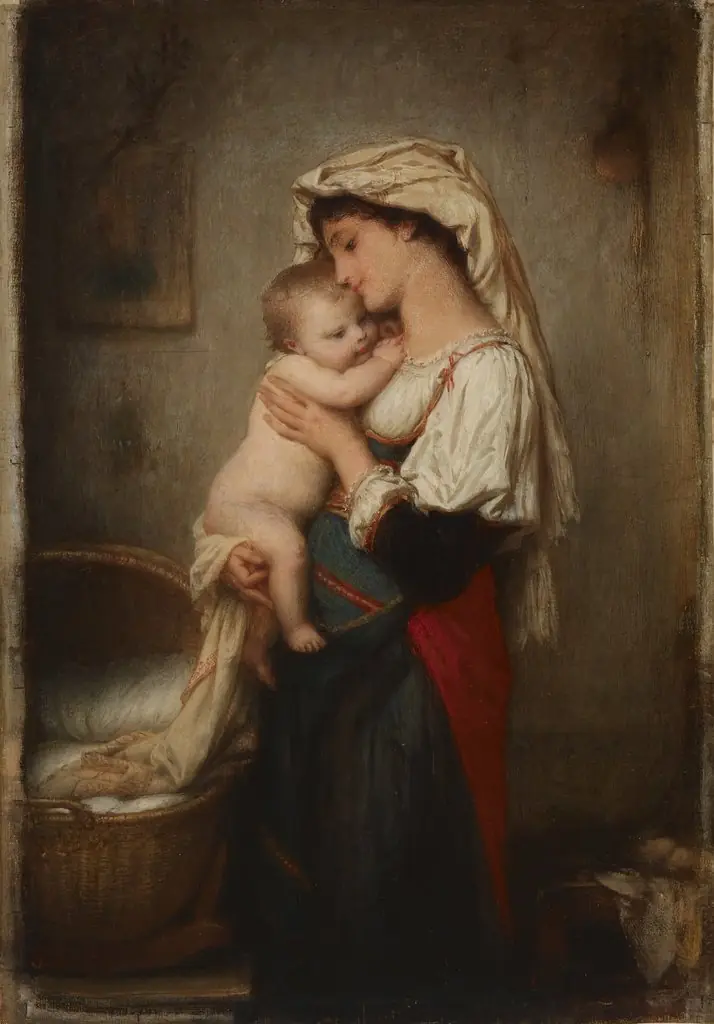
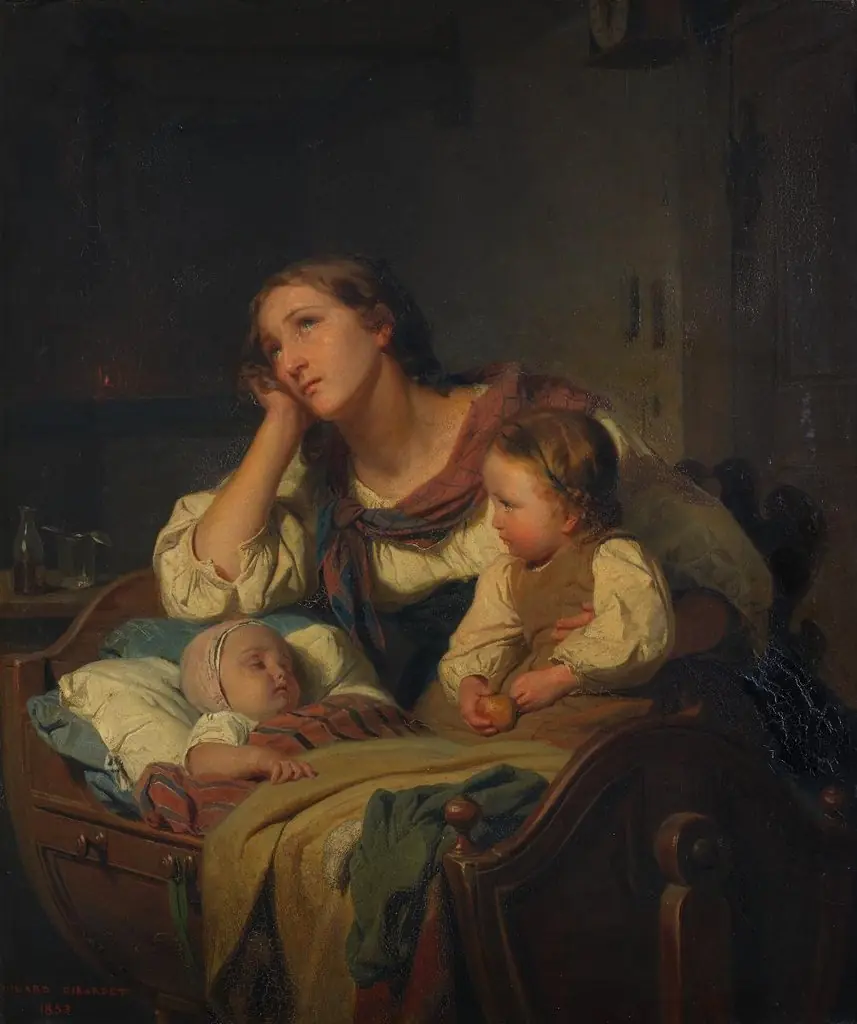
The subject of The Thank Offering centers on a woman and a child engaged in a devotional act. The figures are depicted alongside specific religious iconography, including a figurine of the Madonna, prayer beads, and a lit candle. These elements collectively symbolize a moment of gratitude and spiritual intercession, consistent with the work's title.
The composition further includes domestic details such as a blanket, a cap, and a chair, grounding the sacred ritual within an intimate setting. The presence of the Madonna figurine serves as the focal point of the offering, representing the object of the woman's veneration and the source of the thanks being expressed.
Technique & Style
The work is executed in oil on canvas, a traditional support favored by academic painters of the period. Bouguereau’s handling of the medium emphasizes smooth brushwork and precise rendering of textures, from the delicate sheen of the child’s blanket to the subtle translucency of the candle flame. The composition is balanced around a central figure of a woman presenting a candle, with secondary elements such as prayer beads and a figurine arranged in a pyramidal grouping that draws the eye toward the Madonna-like presence.
Formal qualities include a muted, earth‑tone palette, careful chiaroscuro that models forms, and a compositional harmony that reflects the academic emphasis on idealized realism.
History & Provenance
The work titled The Thank Offering was created by William Adolphe Bouguereau in 1867 as an oil painting on canvas. It entered the collection of the Philadelphia Museum of Art, where it remains on view as part of the Bouguereau & America exhibition. The painting measures 147.2 cm in height by 107 cm in width.
The Thank Offering is held by the Philadelphia Museum of Art in Philadelphia, Pennsylvania. It was accessioned under the museum's collection as part of the William-Adolphe Bouguereau donation series and is catalogued with the accession number 1972-1-1. The work was featured in the exhibition "Bouguereau & America" which toured major American institutions highlighting the artist's reception in the United States.
Overview
The Thank Offering, painted in 1867 by William-Adolphe Bouguereau, is an oil painting that blends Realist tendencies with classical themes, executed with the artist's characteristic precision.
Context
While aligned with the Realist movement’s focus on everyday life, the painting’s composition and lighting reflect Bouguereau’s adherence to traditional, academically trained techniques, distinguishing it from more radical Realist works.
Legacy
The Thank Offering exemplifies Bouguereau’s ability to craft emotionally nuanced, beautifully rendered scenes of domestic life, contributing to his reputation as a leading figure in late 19th-century French painting.
Own this work as a print
Artist & collection
Artist
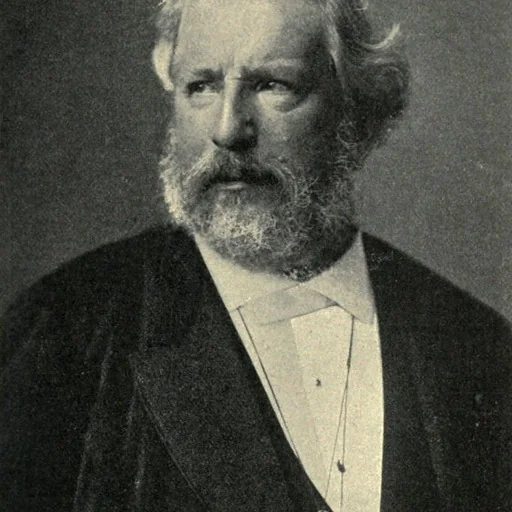
William-Adolphe Bouguereau (French pronunciation:; 30 November 1825 – 19 August 1905) was a French academic painter.