Artwork
名繪集珍 冊 宋閻次平松磴精廬
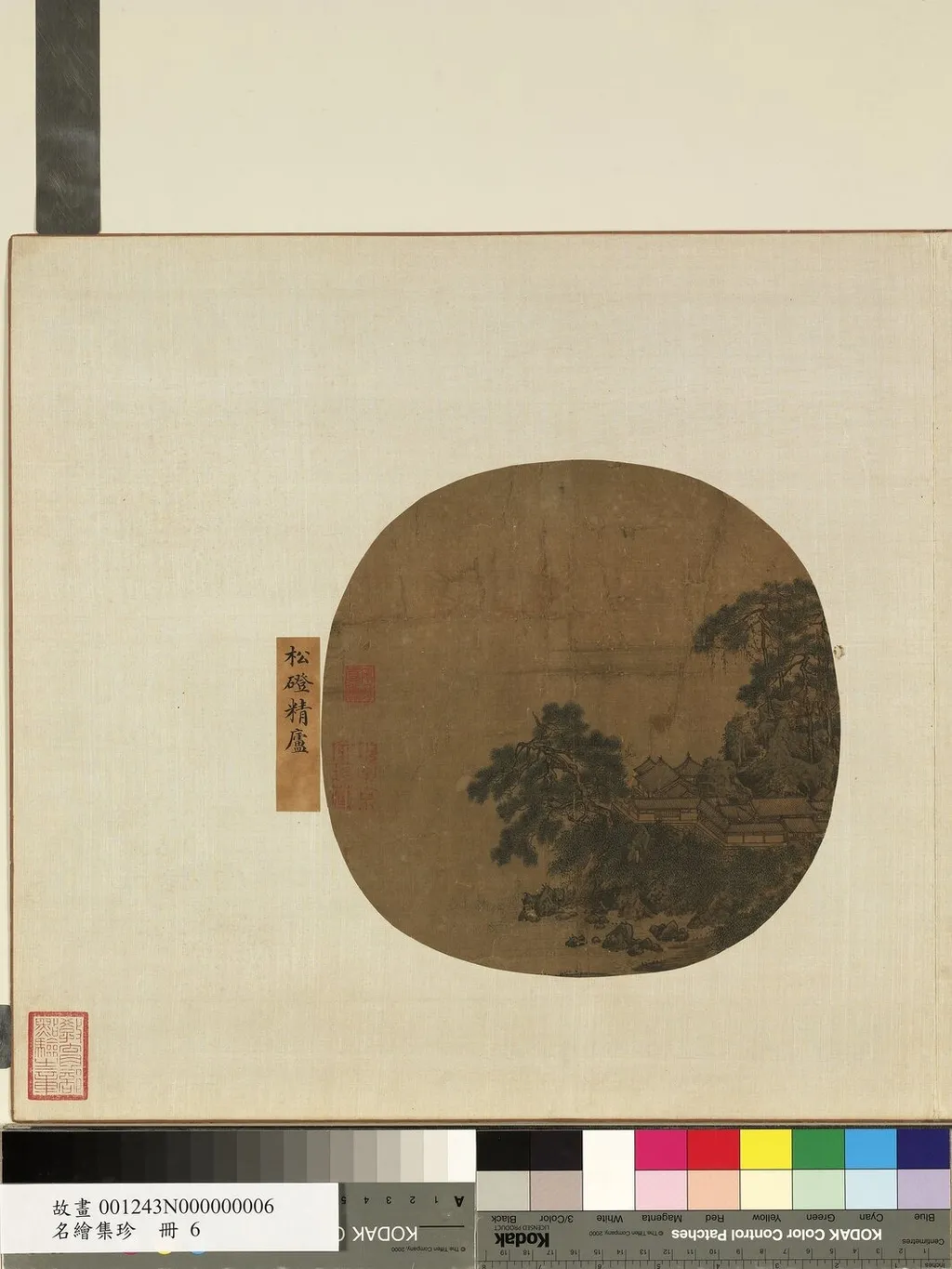
名繪集珍 冊 宋閻次平松磴精廬 is an unspecified painting by the Chinese Orthodox School artist Yan Ciping. It dates from 1163 and is held in the collection of the National Palace Museum.
About this work
If you're interested in learning more about the artist behind this beautiful piece, you might want to look up Yan Ciping (Chinese, active 1164–1187).
This painting is a serene landscape on silk, featuring a small building nestled among trees and rocks. The artist has skillfully used muted colors to evoke a sense of calm.
One interesting detail is the subtle use of texture, which adds depth to the painting. The artist's use of silk as a medium is also noteworthy, as it allows for a level of delicacy and nuance that might be difficult to achieve with other materials.
If you're interested in learning more about the artist behind this beautiful piece, you might want to look up Yan Ciping (Chinese, active 1164–1187).
Overview
This silk painting, dated to 1163, is attributed to Yan Ciping, a Southern Song dynasty artist active between 1164 and 1187. It is part of a curated album of landscape works held at the National Palace Museum. The composition presents a quiet, secluded dwelling nestled within a rocky outcrop and dense foliage, reflecting the aesthetic priorities of scholarly retreats in Song-era painting traditions.
Subject & Meaning
The scene depicts a modest pavilion surrounded by pine trees and weathered stones, evoking the ideal of reclusive study and contemplative living. Such imagery was commonly associated with literati culture, where withdrawal from court life into nature symbolized moral integrity and intellectual refinement. The absence of human figures enhances the sense of solitude and introspection.
Technique & Style
Yan Ciping employed fine brushwork and restrained ink washes to model forms with subtle gradations. The silk support allowed for delicate layering and soft transitions, enhancing the atmospheric quietude. Textural effects in the rocks and foliage are achieved through controlled, varied strokes rather than bold outlines, contributing to a sense of naturalistic depth without theatricality.
History & Provenance
The painting was likely created as part of a small album series, a format favored by Southern Song court painters for intimate viewing. It entered the imperial collection during the Ming or Qing dynasties and was later transferred to the National Palace Museum following the relocation of artifacts from Beijing in the early 20th century. Its attribution to Yan Ciping is based on stylistic parallels with other documented works.
Context
During the Southern Song period, landscape painting shifted toward intimate, lyrical scenes that emphasized mood over grandeur. Artists like Yan Ciping, working within court circles, refined this mode by blending precise observation with poetic restraint. This piece aligns with broader trends favoring secluded natural settings as metaphors for inner harmony and scholarly virtue.
Legacy
Yan Ciping’s work, though not widely known outside specialized circles, represents a refined strand of Song painting that influenced later Ming and Qing album landscapes. His use of silk and muted tonality became a model for artists seeking to convey tranquility through understated means. The survival of this piece offers insight into the aesthetic values of courtly painting beyond monumental compositions.
Artist & collection

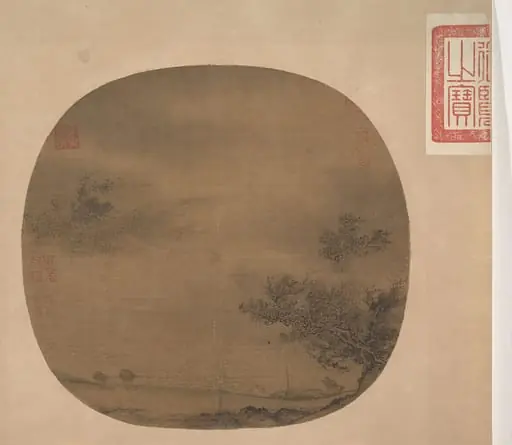 南宋 佚名 風雨拉縴圖 團扇|Towing a Boat in a Rainstorm
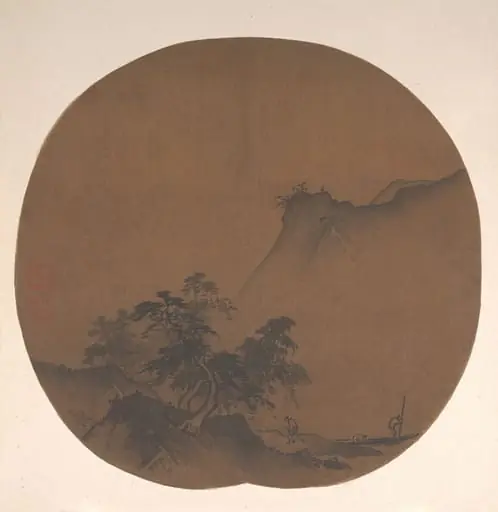 南宋 傳夏珪 澤畔疾風圖 團扇|Windswept lakeshore
![名繪集珍 冊 李□焚香祝聖, by Li[?]](https://artifactworldgallery.com/img/li--7ca1a4e908900d79-w320.webp) 名繪集珍 冊 李□焚香祝聖
名繪集珍 冊 李□焚香祝聖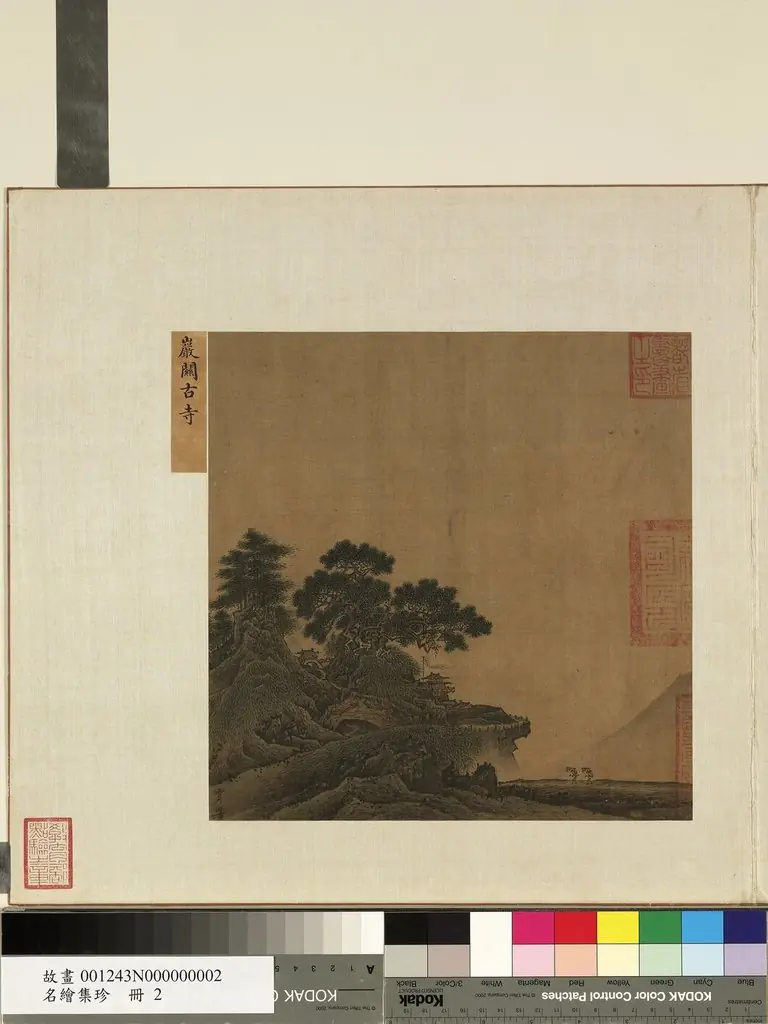 名繪集珍 冊 宋賈師古巖關古寺
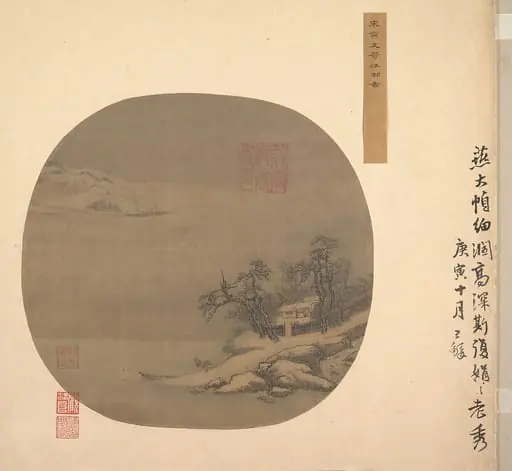 南宋 佚名 江邨圖 團扇|River Hamlet
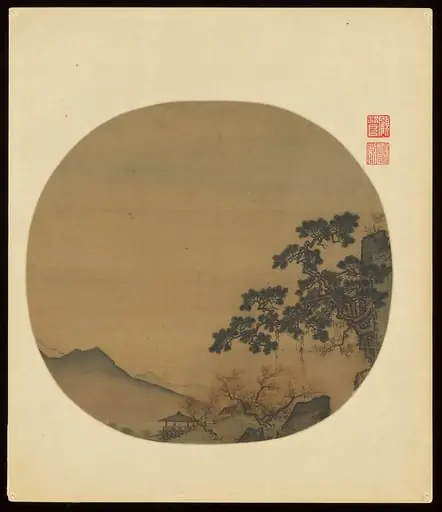 南宋 佚名 春山曛暮圖 團扇|Early spring landscape
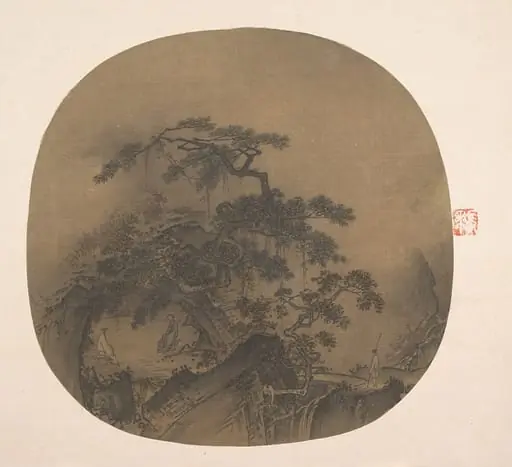 南宋 佚名 洞天論道圖 團扇|Conversation in a cave
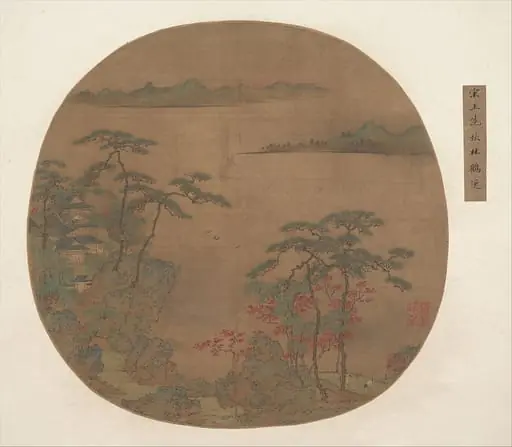 Untitled
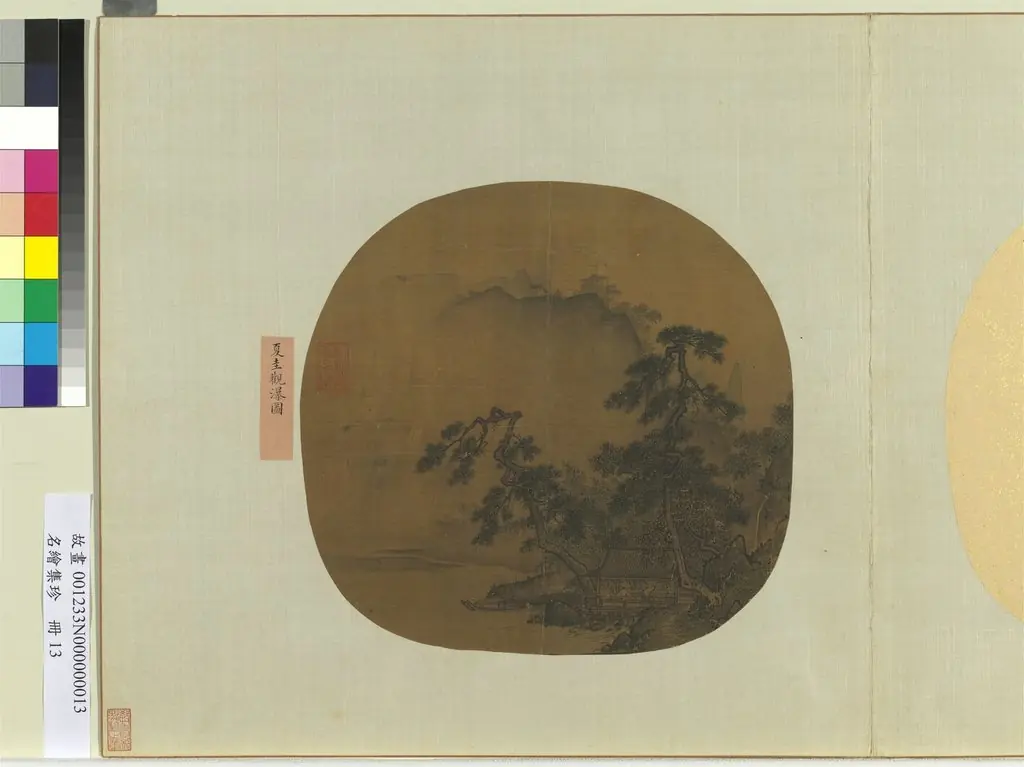 名繪集珍 冊 宋夏珪觀瀑圖
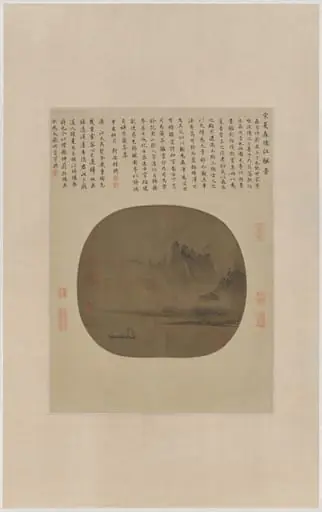 Full Sail on the Misty River
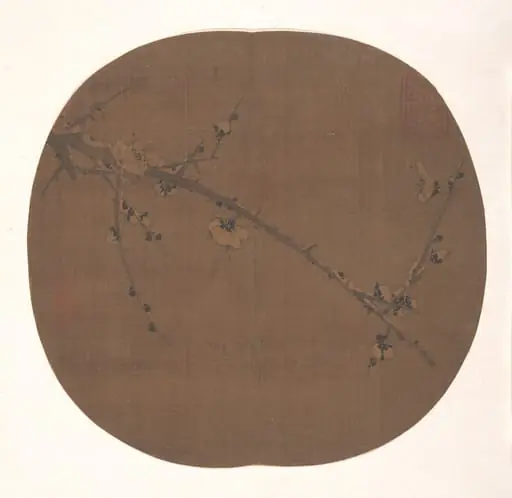 明 佚名 (傳)馬麟 雪梅圖 團扇|Snow Plum
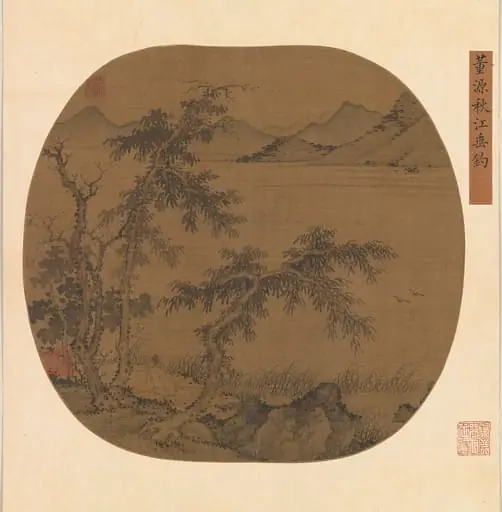 元 盛著 秋江垂釣圖 團扇|Angling in the Autumn River