
Movement
Chinese Orthodox School
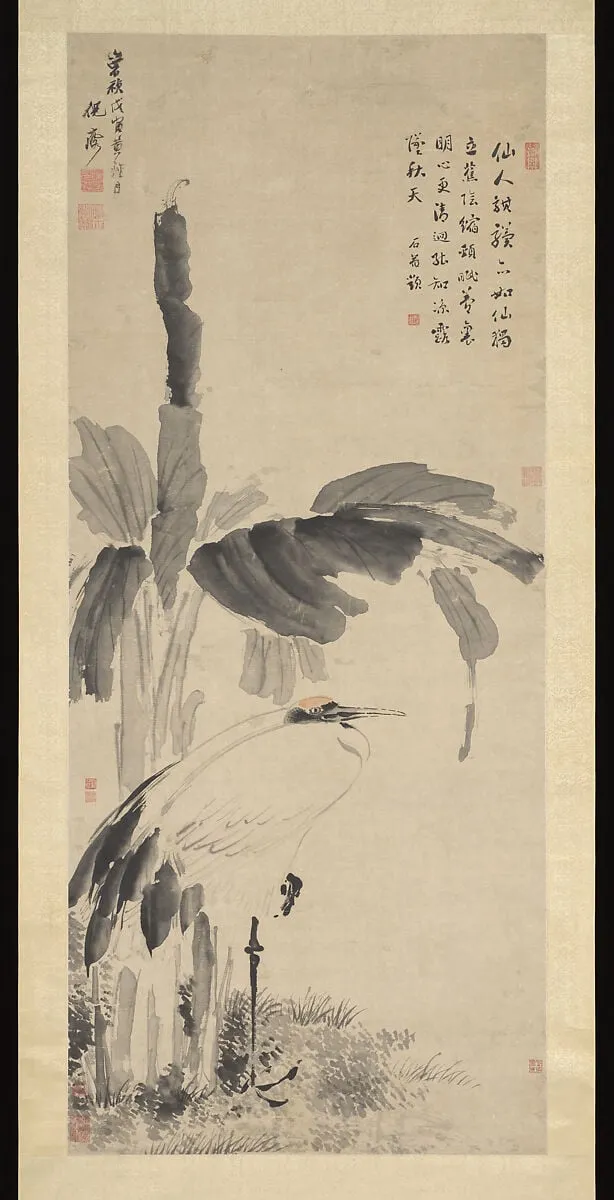
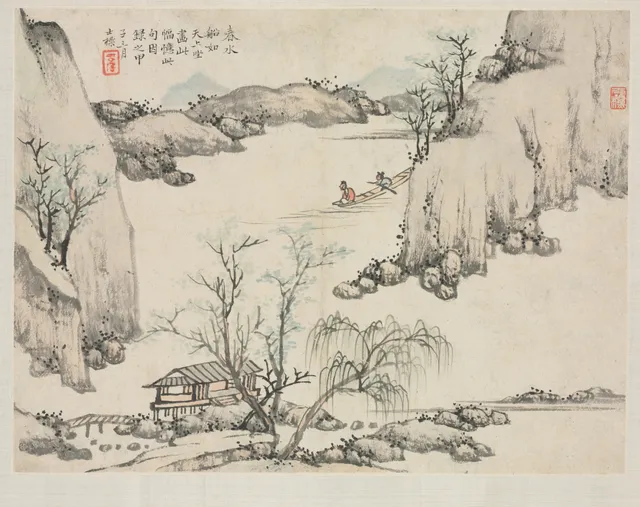
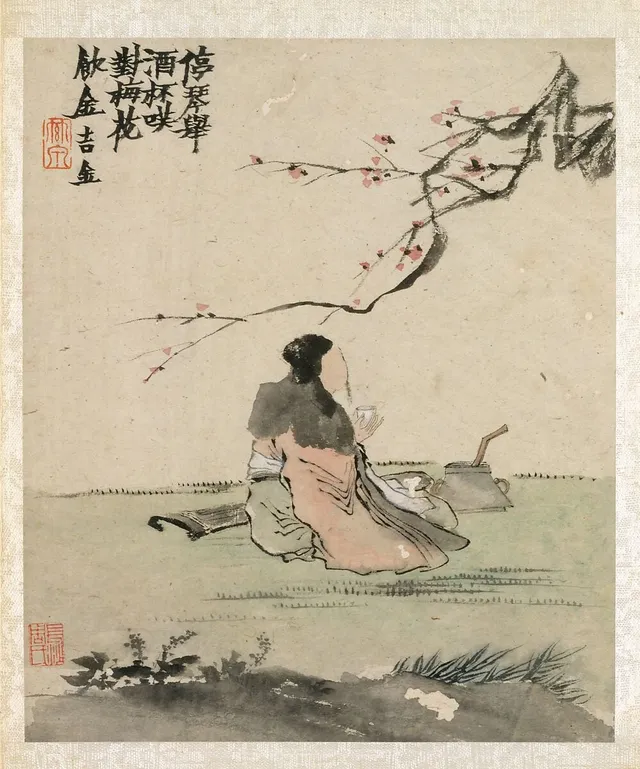
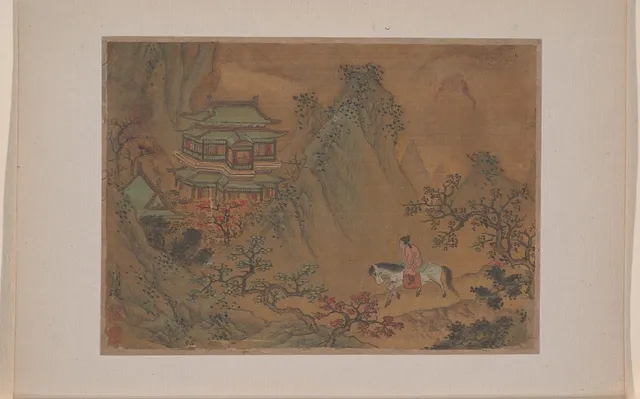
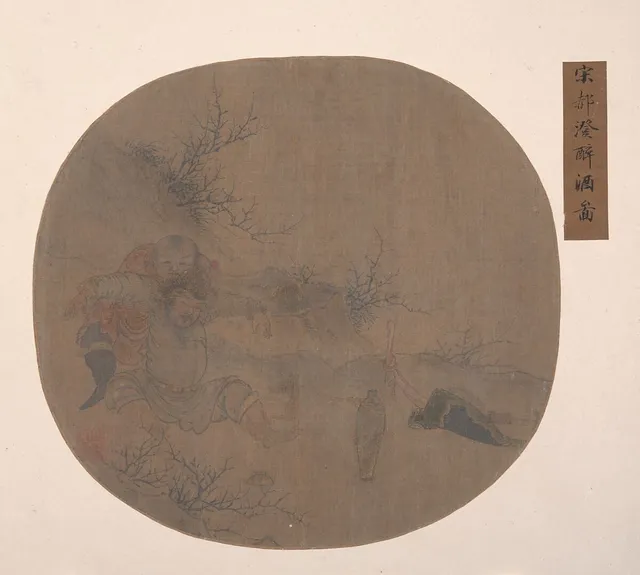
Chinese Orthodox School is an art movement dating from 1640. The gallery holds 317 works in this movement, including works by Zha Shibiao, Ni Yuanlu and Liu Yen. Browse Chinese Orthodox School paintings, portraits, pictures and artworks from the world's public-domain museum collections.
The Orthodox School (Zhengtong pai) was the dominant current of scholarly landscape painting in the early Qing dynasty (founded 1644), and the style the Manchu court came to regard as the legitimate continuation of China's literati tradition. Its intellectual foundation lay in the art theory of the late-Ming master Dong Qichang (1555–1636), who divided painting into a decorative "Northern" school and a spontaneous, calligraphic "Southern" school of scholar-amateurs descending from the Tang poet-painter Wang Wei. The Orthodox painters set themselves the task of transmitting this Southern lineage. They are led by the "Four Wangs"—Wang Shimin (1592–1680), Wang Jian (1598–1677), Wang Hui (1632–1717), and Wang Yuanqi (1642–1715)—whose teaching genealogies split into the Loudong (Taicang) and Yushan (Changshu) branches.
Their governing principle was fang, creative imitation of the ancients: lineage and disciplined study of past masters mattered more than novelty. Working almost exclusively in ink landscape, they revered and recombined the brush methods of Song and Yuan painters—the monumental structures of the Song and the dry, calligraphic texture-strokes of the Yuan masters Huang Gongwang and Ni Zan. Wang Hui made this his explicit ambition, fusing Song description with Yuan brushwork into what he called a "great synthesis" (da cheng). The result is an art that is cautious, subtle, and densely allusive, where a finished work is also a connoisseur's essay on the styles it quotes.
The four are distinct personalities. Wang Shimin, a pupil of Dong Qichang, and his friend Wang Jian were the senior figures; their brilliant protégé Wang Hui directed the great handscrolls recording the Kangxi Emperor's Southern Inspection Tour. Wang Yuanqi, Wang Shimin's grandson, rose to high office and helped compile the imperial Peiwenzhai catalogue of calligraphy and painting. Together with the landscapist Wu Li and the flower painter Yun Shouping, the Wangs form the canonical "Six Masters of the early Qing."
Endorsed by scholarly, imperial, and merchant patrons alike, the Orthodox manner became the official academic style and shaped Chinese landscape painting for two centuries. It is best understood against its foil, the Individualist "Four Monks" (Hongren, Kuncan, Bada Shanren, and Shitao), whose vigorous, idiosyncratic work rebelled against precisely the reverence for precedent the Orthodox School embodied. The catalogue preserves albums and hanging scrolls by these masters and their seventeenth-century contemporaries, including period landscape albums by Zha Shibiao.
Key artists
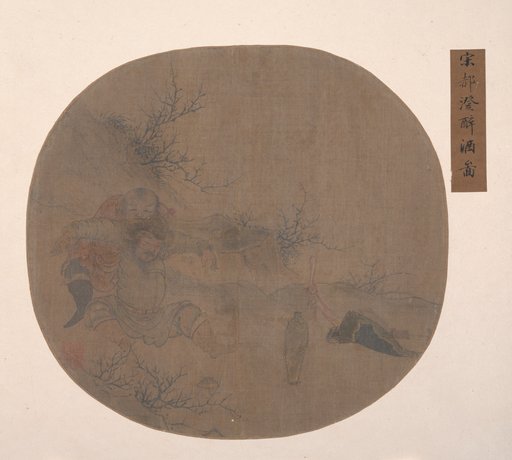
Works
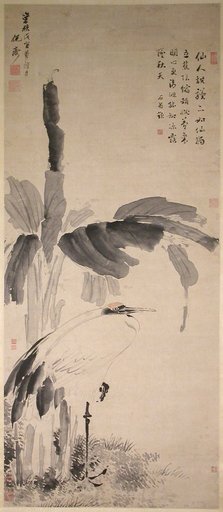
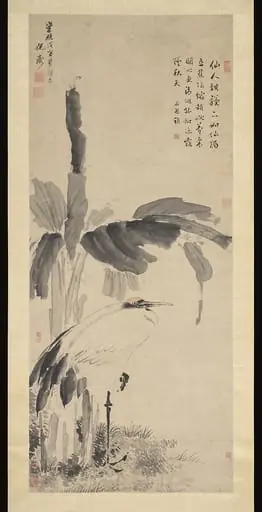 明 倪元璐 蕉鶴圖 軸|Crane Beneath a Banana Tree
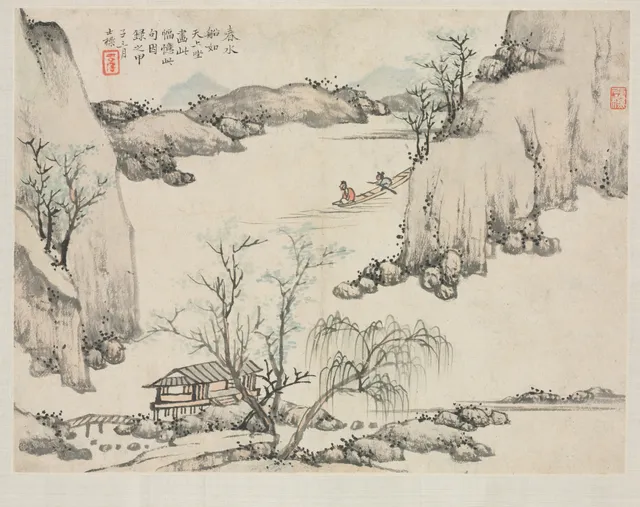
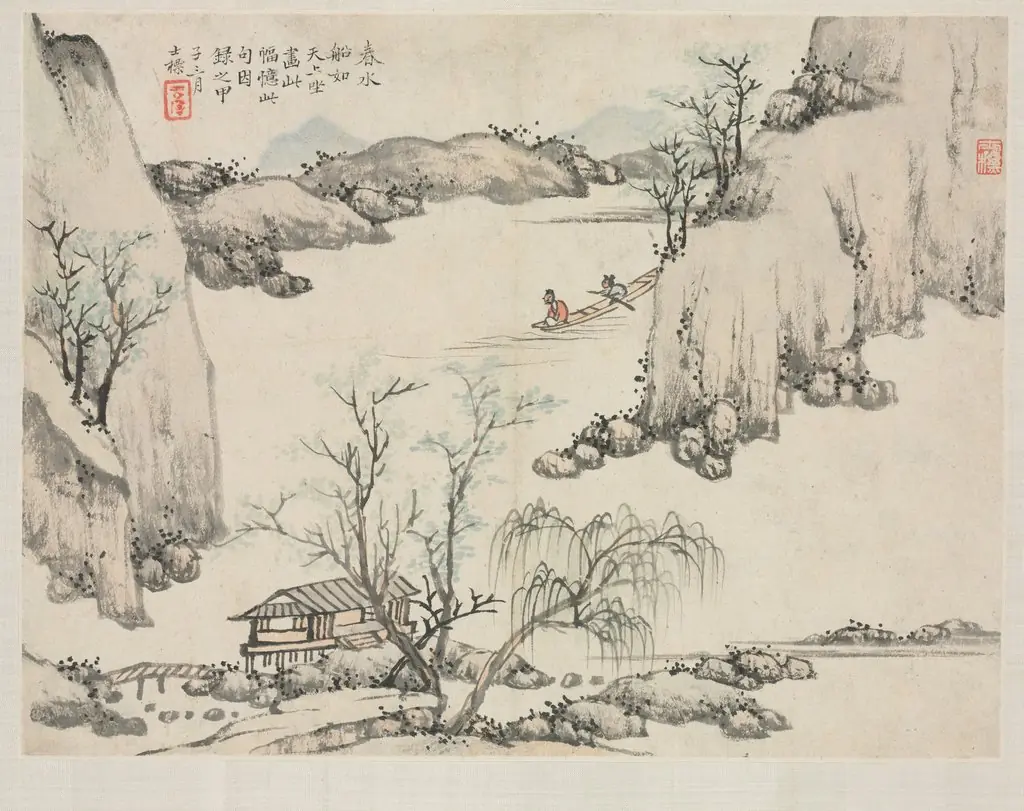 Landscape Album in Various Styles: Boating in Spring Water
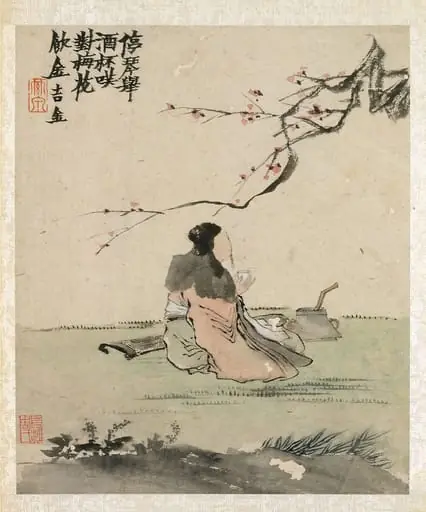 Untitled
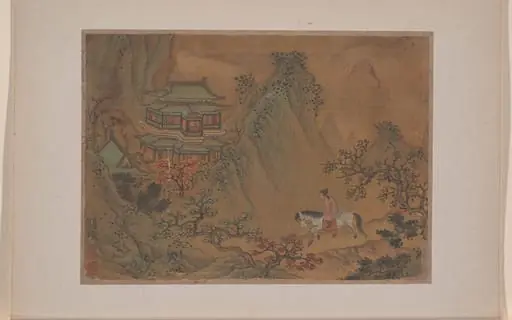 Untitled
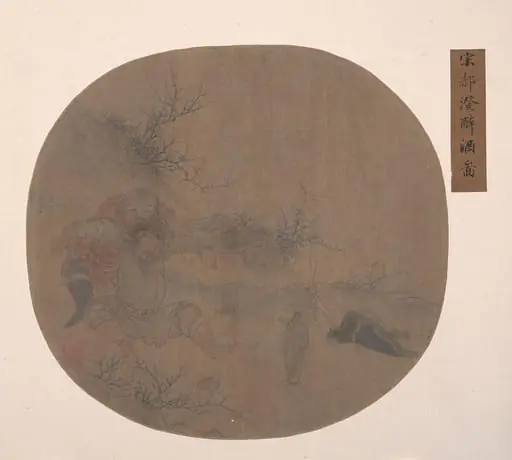 Untitled
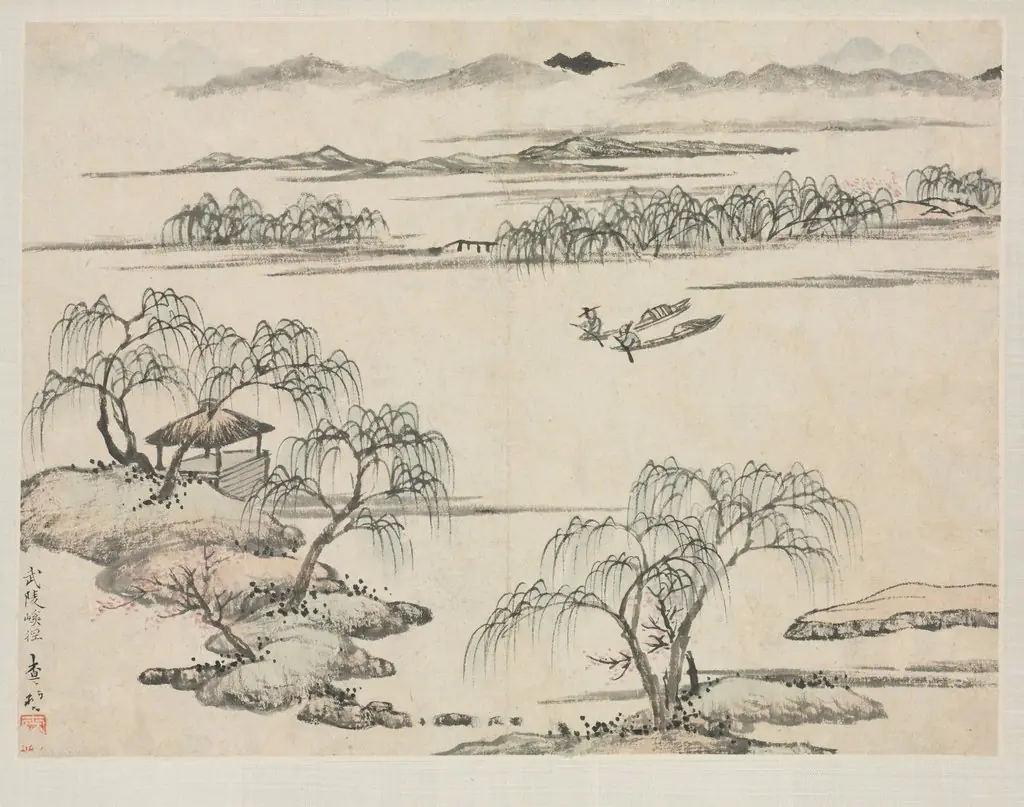 Landscape Album in Various Styles: The Stream of Wuling
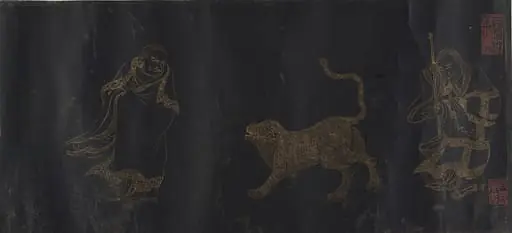 Untitled
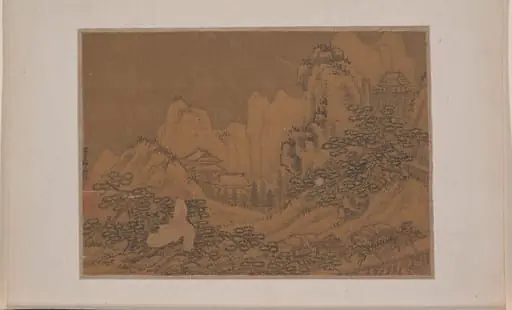 Untitled
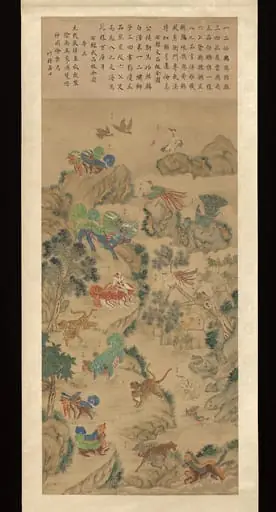 Untitled
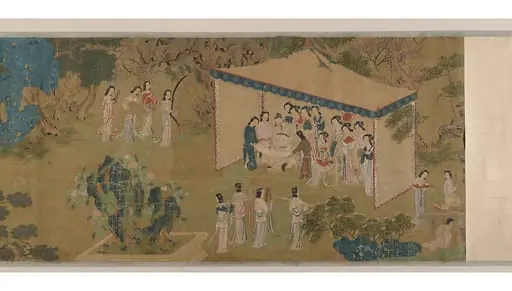 清 佚名 蘇蕙璇璣圖 卷|Lady Su Hui and Her Verse Puzzle
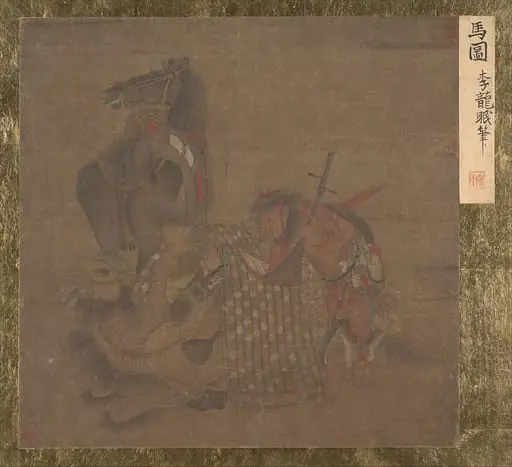 元? 佚名 仿李公麟 人馬駱駝圖 冊頁|Mongol with Horse and Camel
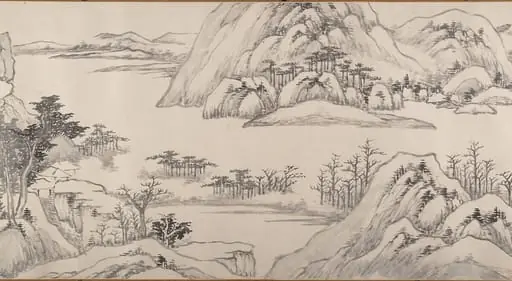 Untitled
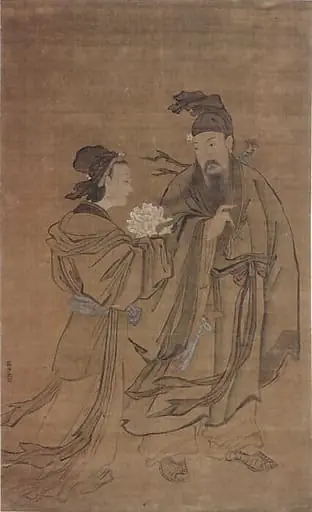 清 佚名 傳崔子忠 呂洞賓戯牡丹仙子 軸|Lȕ Dongbin and the Spirit of the Peony
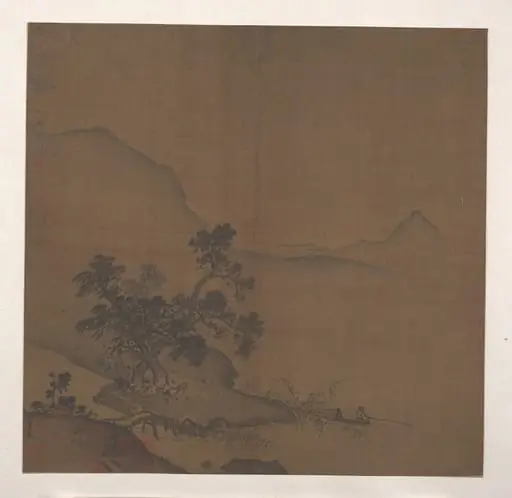 Untitled
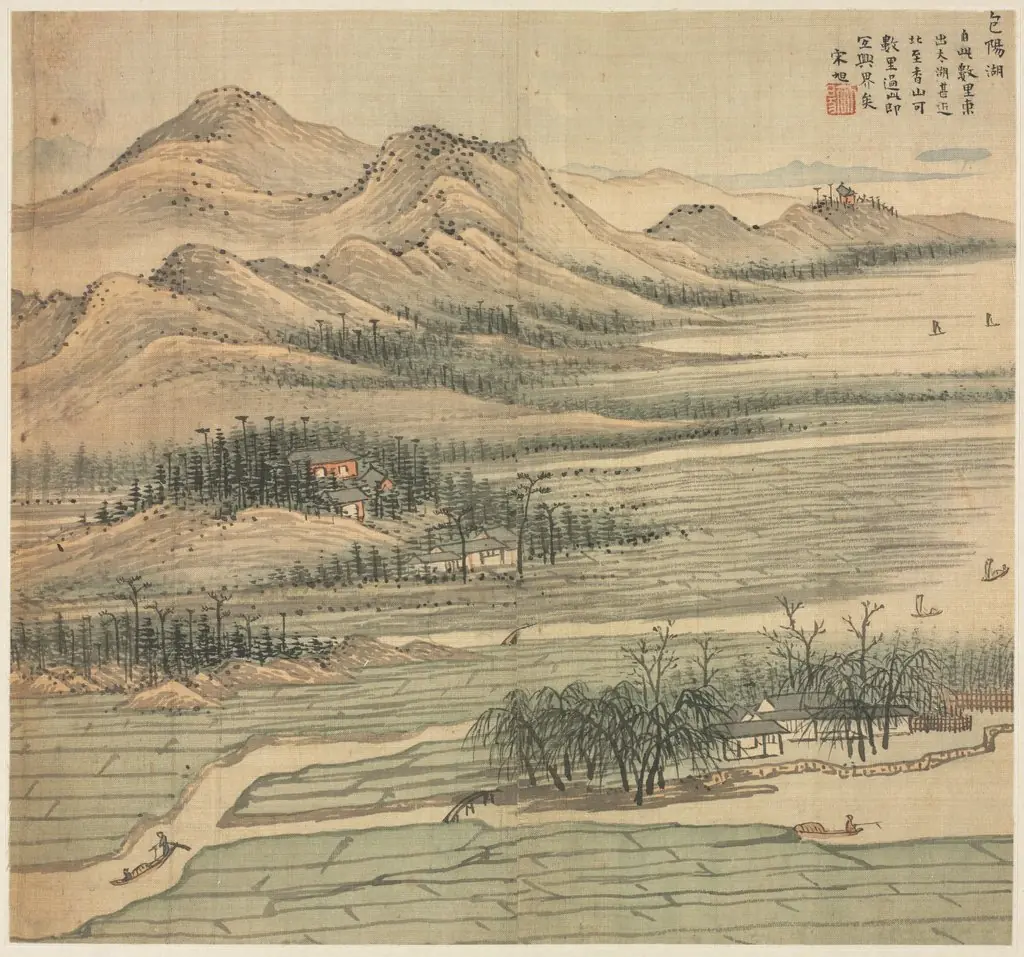 Baoyang Lake
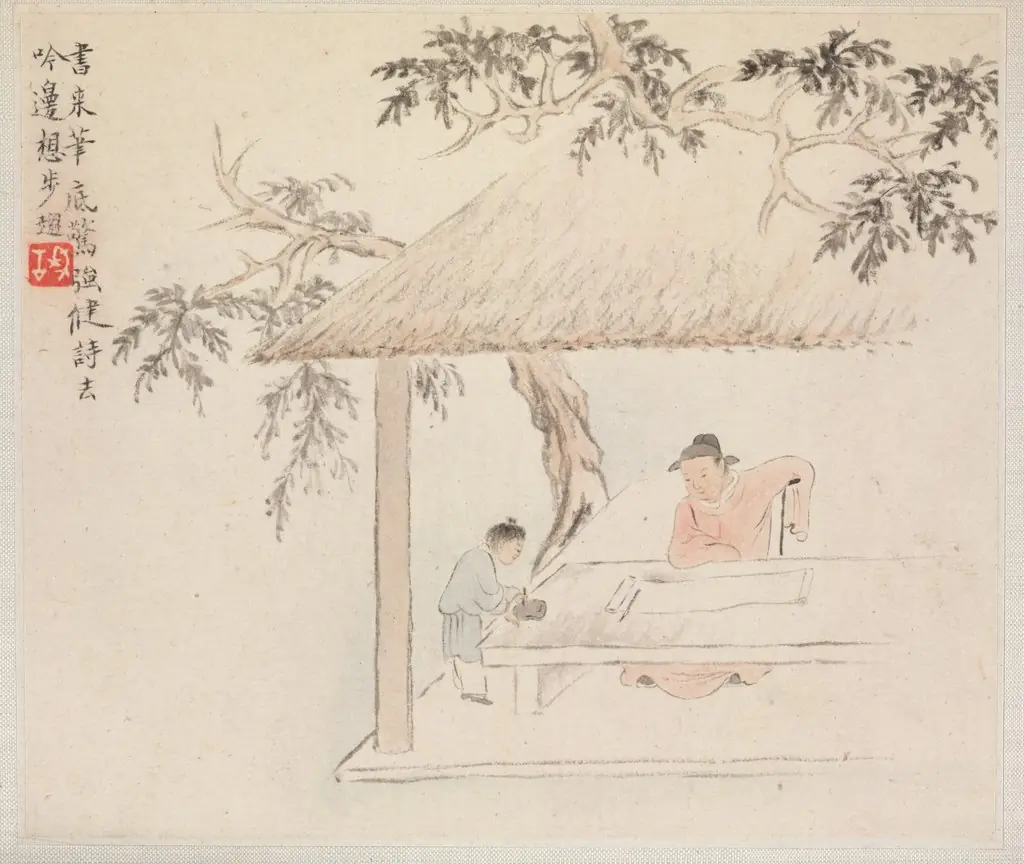 Album of Landscape Paintings Illustrating Old Poems: A Scholar at a Table with a Servant aside Preparing the Ink
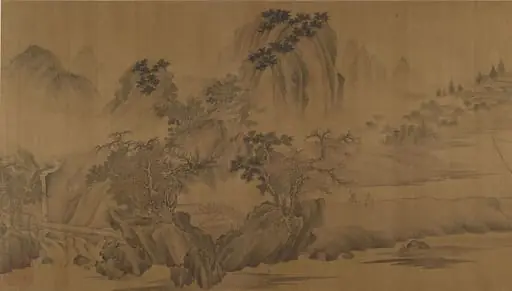 Untitled
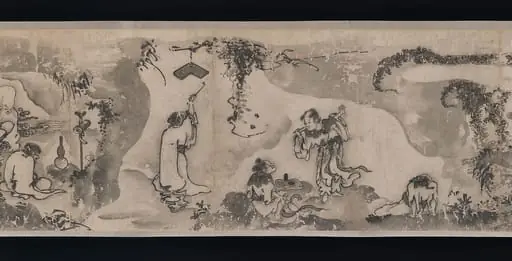 壺天樂聚|Merry Gatherings in the Magic Jar
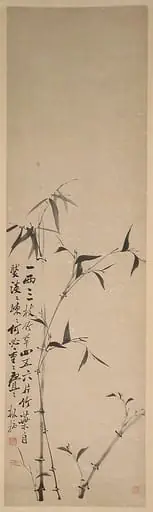 Untitled
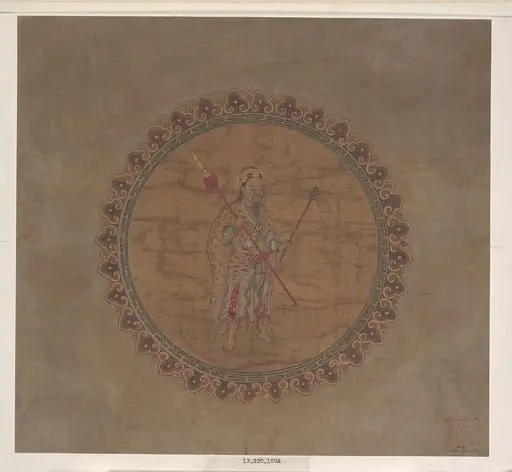 Untitled
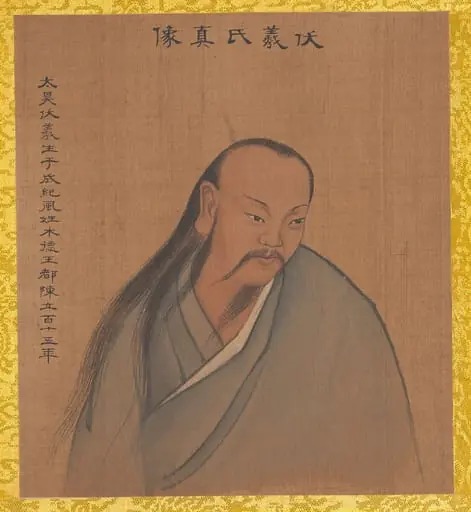 清 佚名 傳姚文瀚 歷代帝王真像 冊|Portraits of Emperors of Successive Dynasties
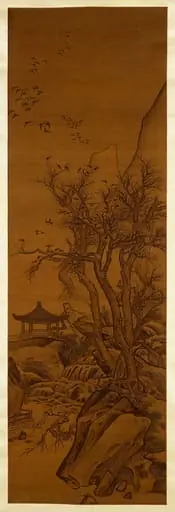 Untitled
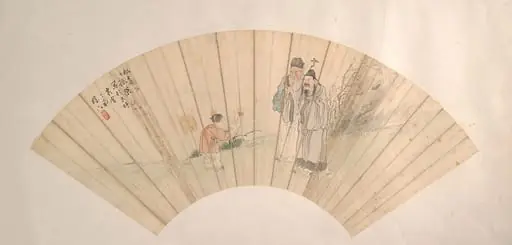 清 孫榮 觀鵝圖 扇頁|Two Scholars and Boy with Goose
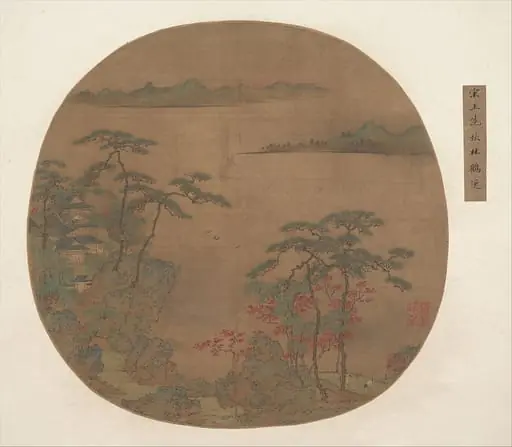 Untitled
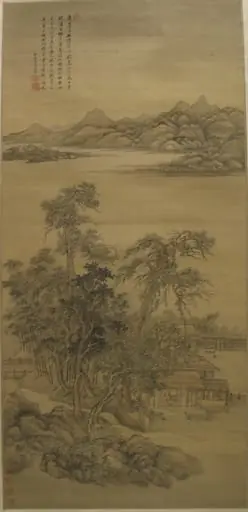 清 佚名 倣王翬 倣李公麟草堂圖 軸|Landscape in the Style of Li Gonglin
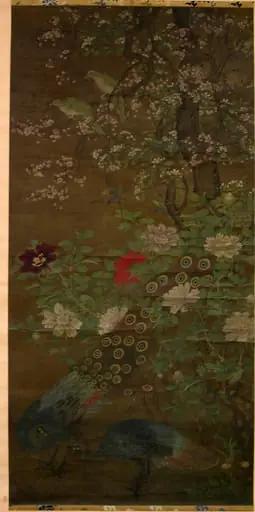 Untitled
 Untitled
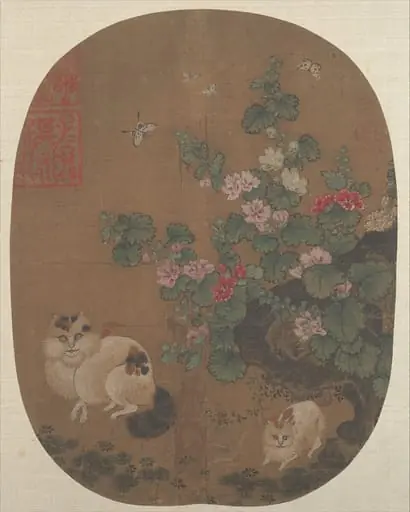 Untitled
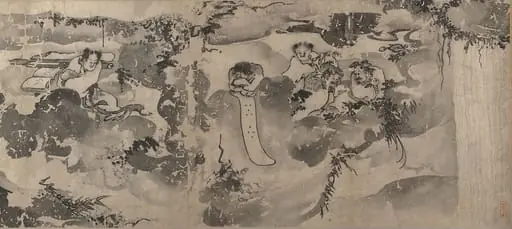 壺天聚樂圖|Merry Gatherings in the Magic Jar
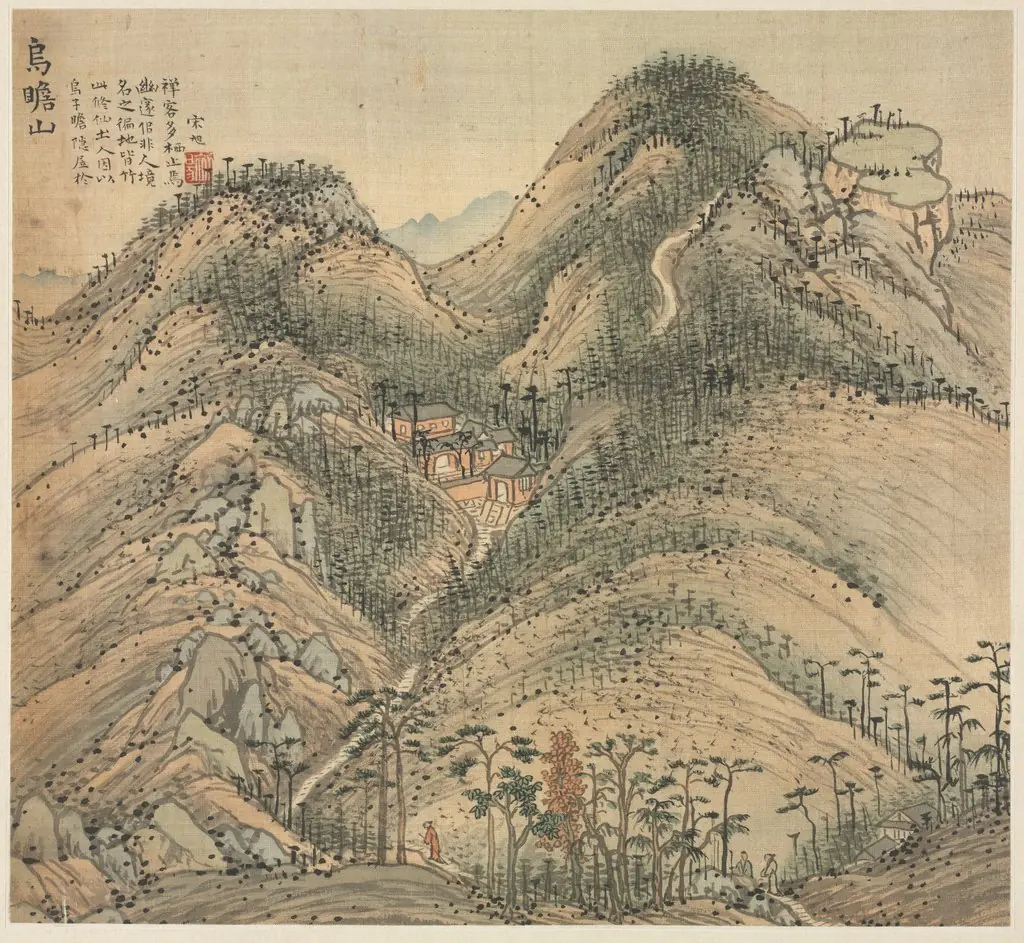 Mt. Wuzhan
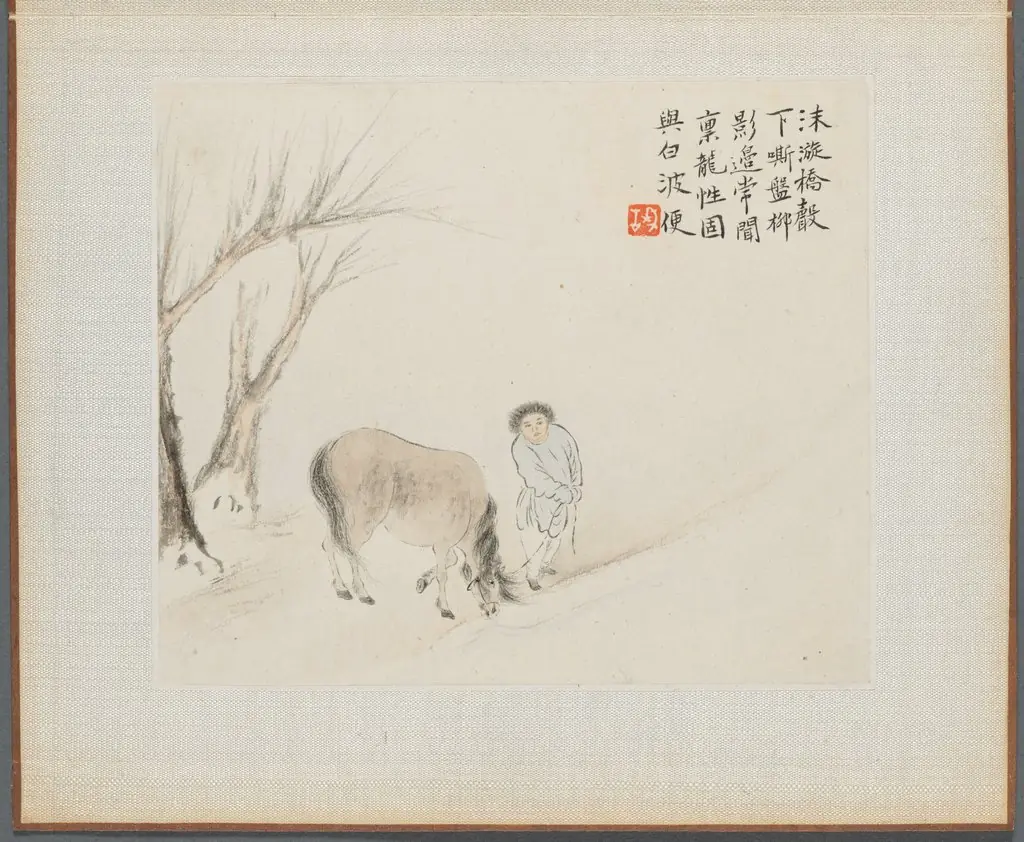 Album of Landscape Paintings Illustrating Old Poems: Boy Holding a Horse
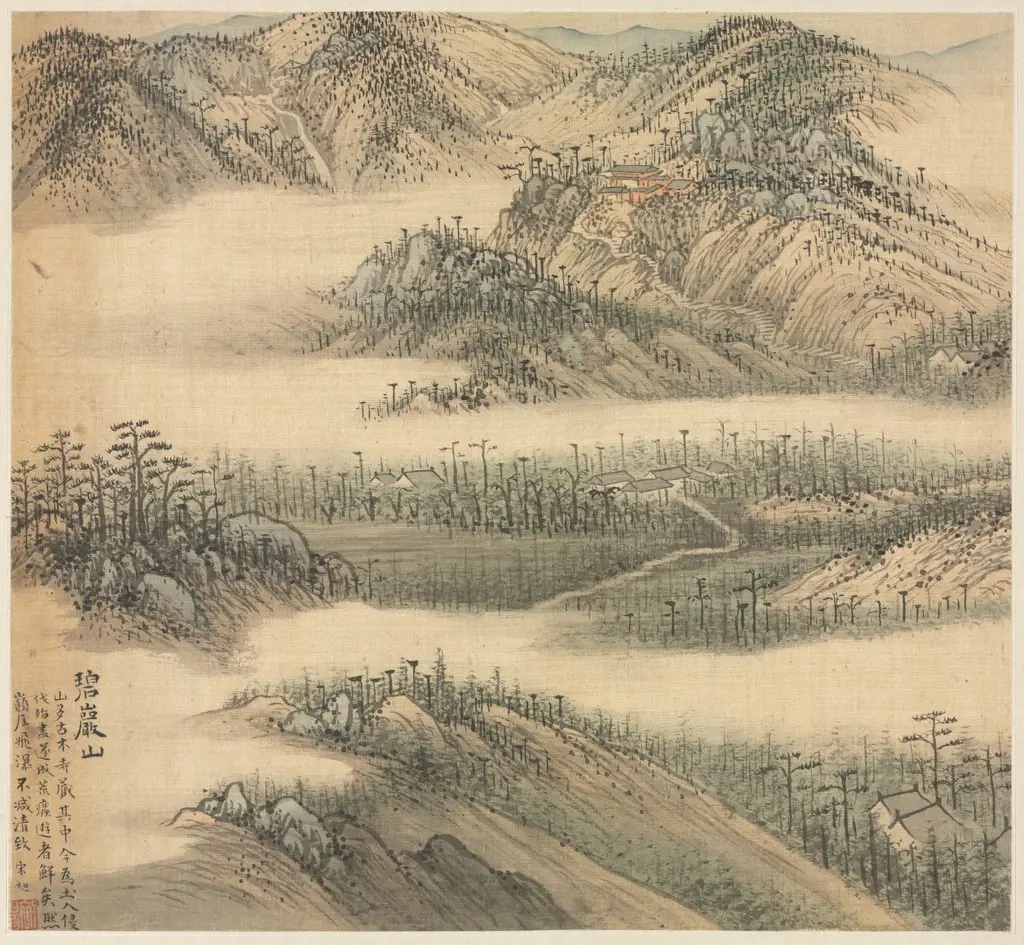 Mt. Biyan (Green Cliff)
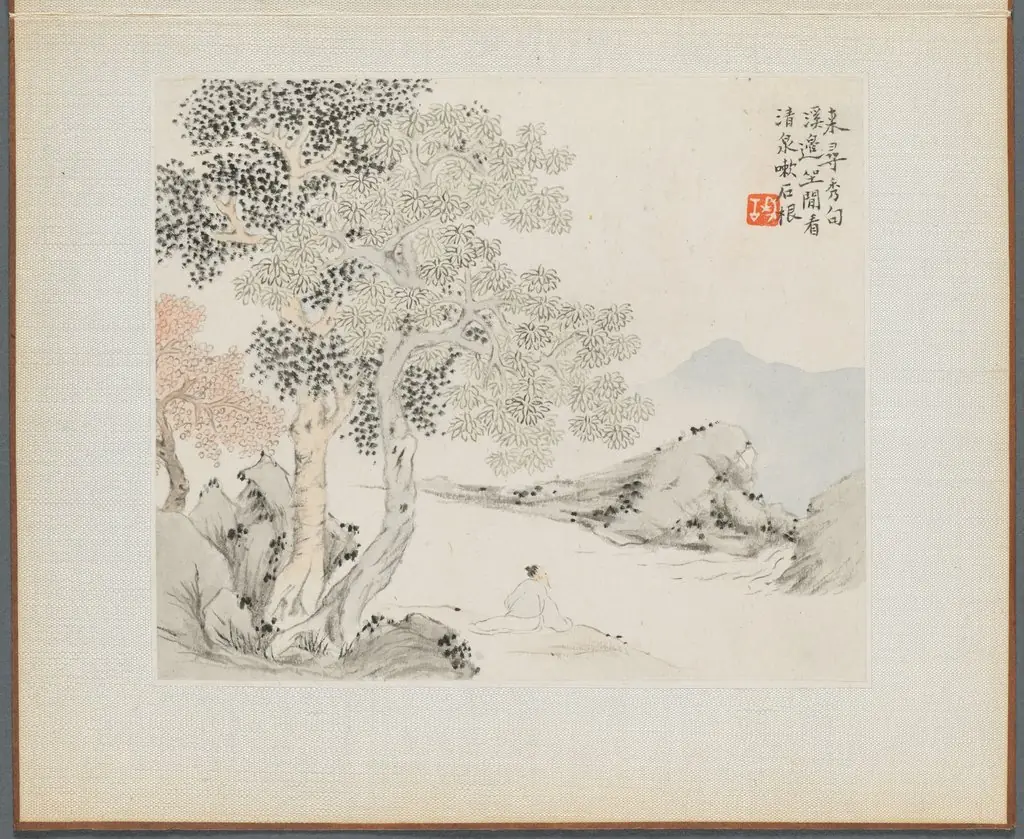 Album of Landscape Paintings Illustrating Old Poems: Three Big Trees, a Stream with an Old Man Sitting on the Bank
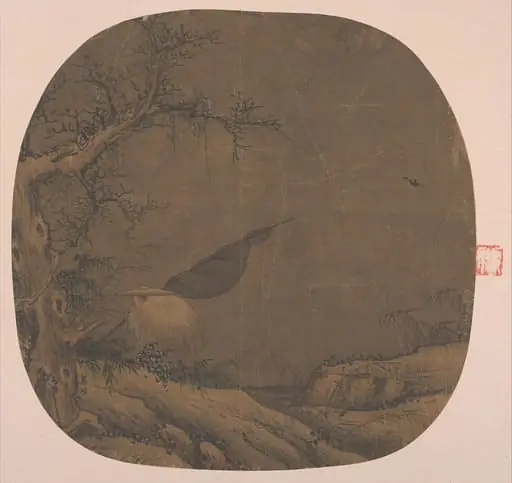 Untitled
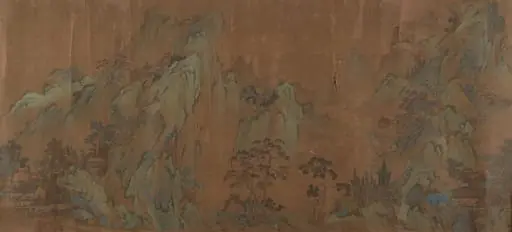 Untitled
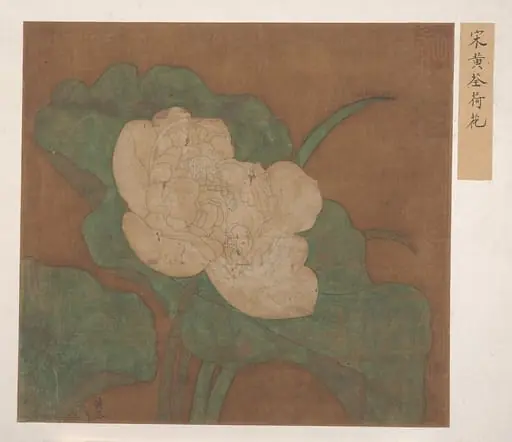 Untitled
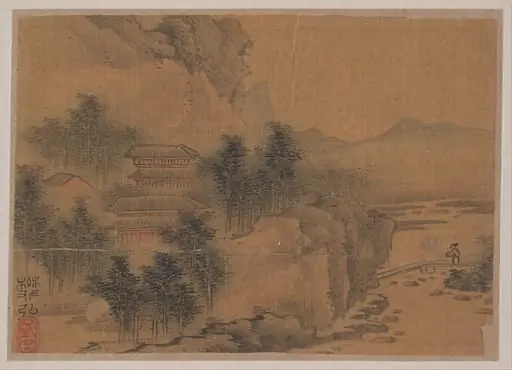 Untitled
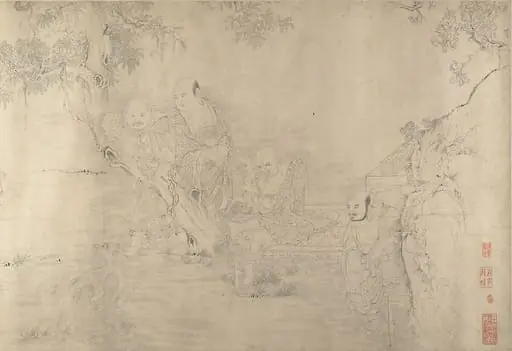 清 佚名 倣石濤 十六羅漢圖 卷|(Copy after) The Sixteen Luohans
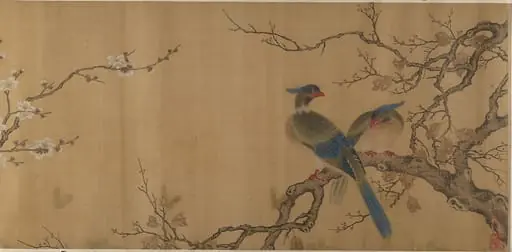 清 佚名 舊傳易元吉 八禽圖 卷|Birds on Branches
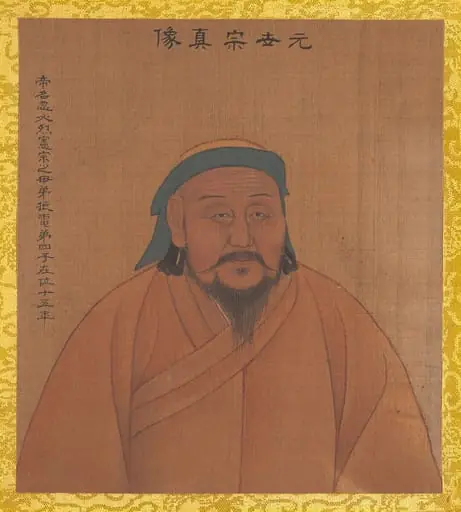 清 佚名 傳姚文瀚 歷代帝王真像 冊|Portraits of Emperors of Successive Dynasties
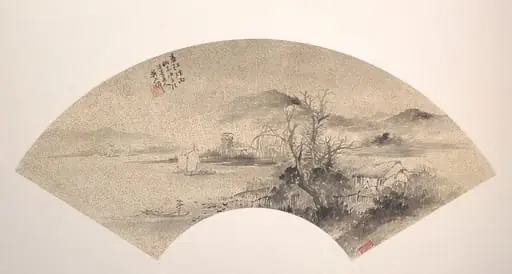 近代 吳石僊 春江煙雨 扇面|Misty Rain on the River in Spring
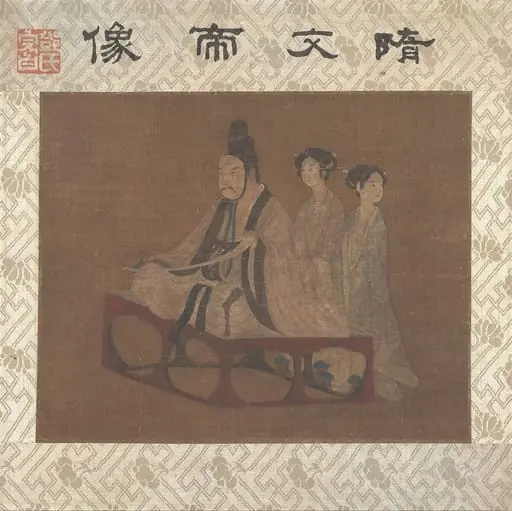 Untitled
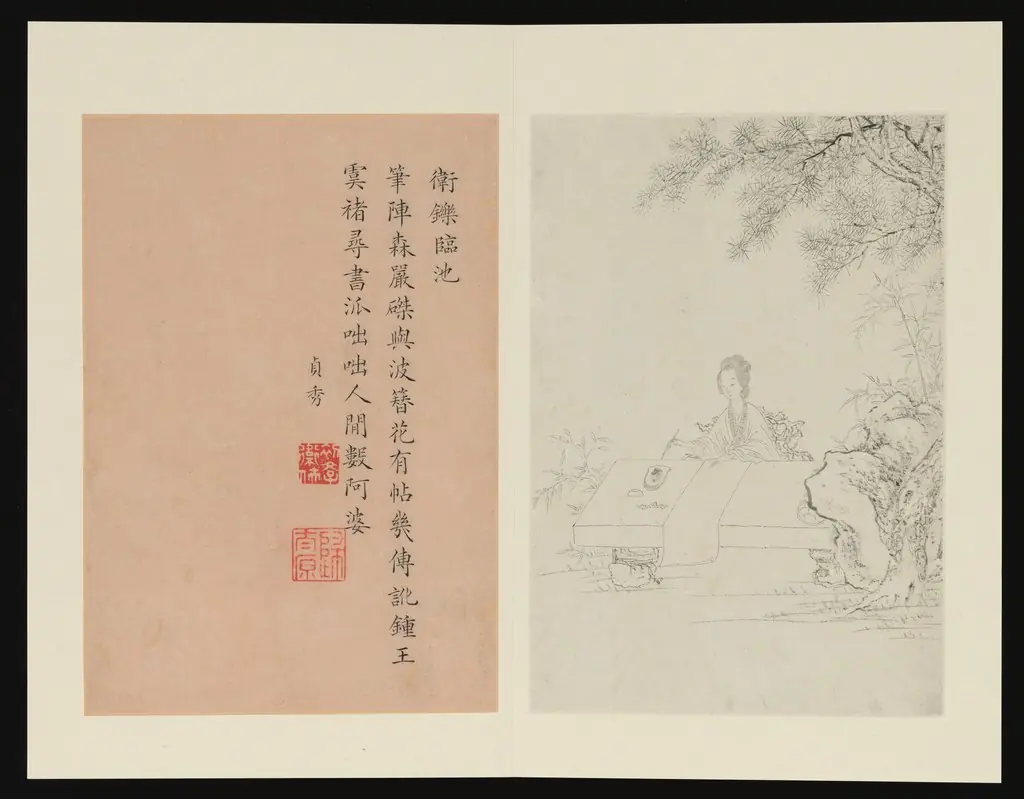 Famous Women
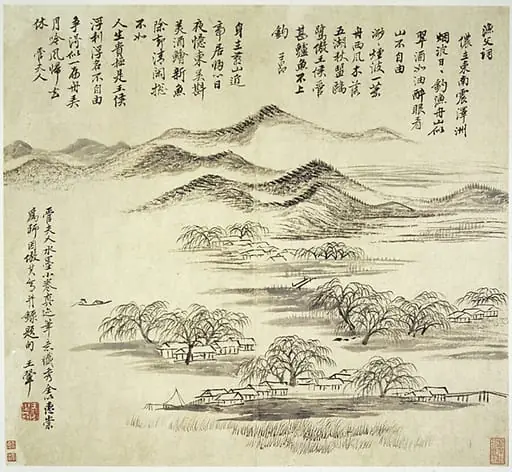 王翬、楊晉、顧昉、王雲、徐玫 仿古山水圖 冊 紙本|Landscapes after old masters
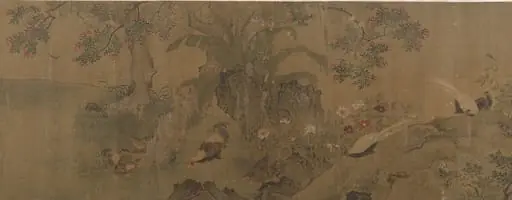 Untitled
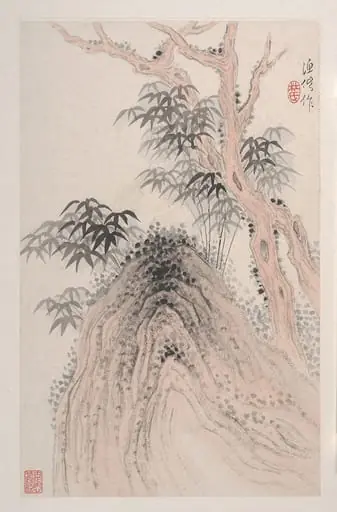 清 杜湘 仿古山水 冊|Landscapes after old masters
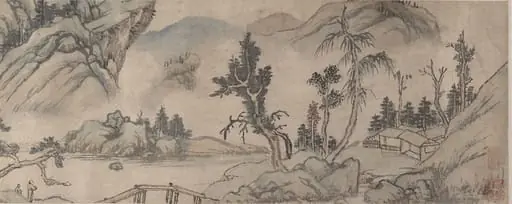 明 莫是龍 書畫 卷|Landscape
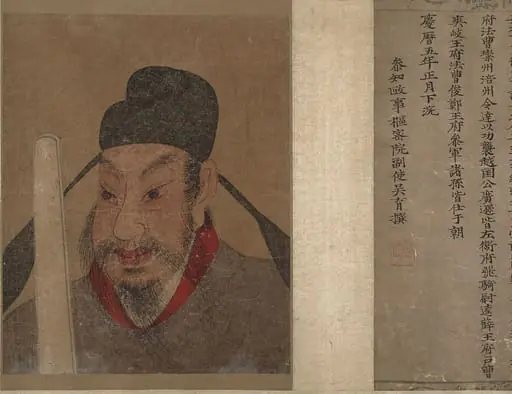 明 佚名(仿)吳育 新安汪氏譜牒 卷|Portrait of a Member and Record of the Wang Family
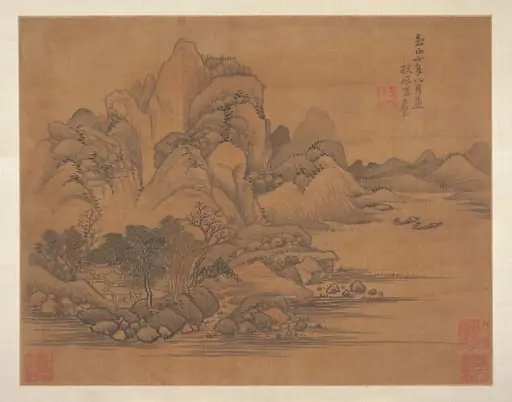 Untitled
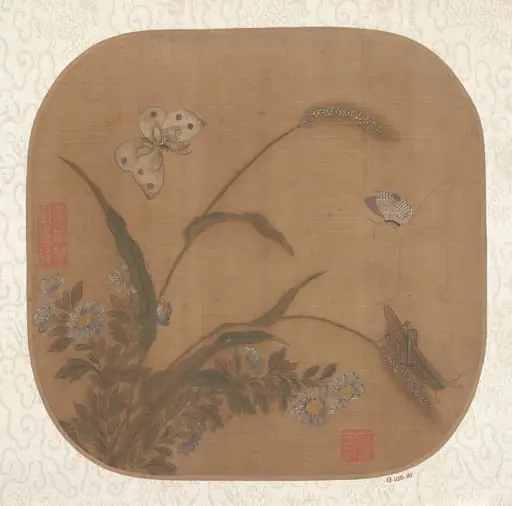 Untitled
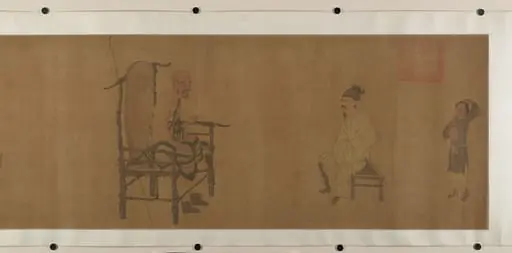 Untitled
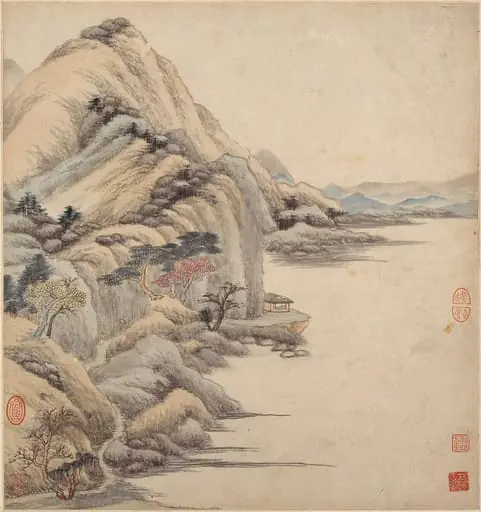 Untitled
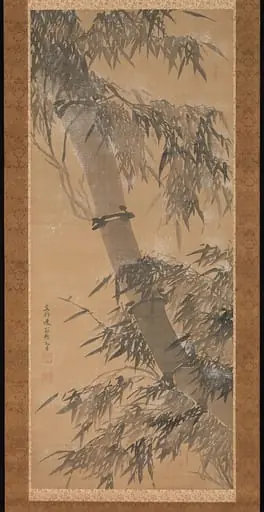 大鵬正鯤筆 伯珣照浩賛 雪竹図|Bamboo in Snow
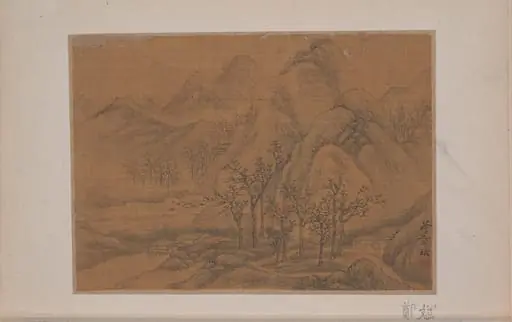 Untitled
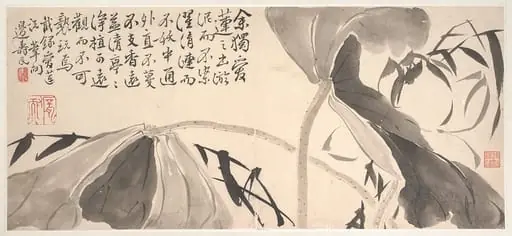 清 邊壽民 墨荷蘆葉圖 冊頁|Lotus Leaves and Water Reeds
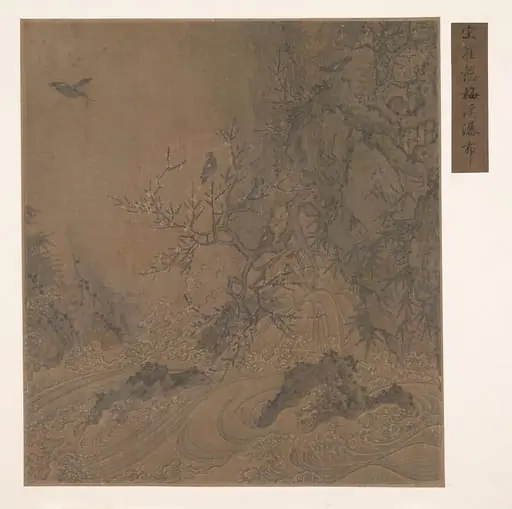 Untitled
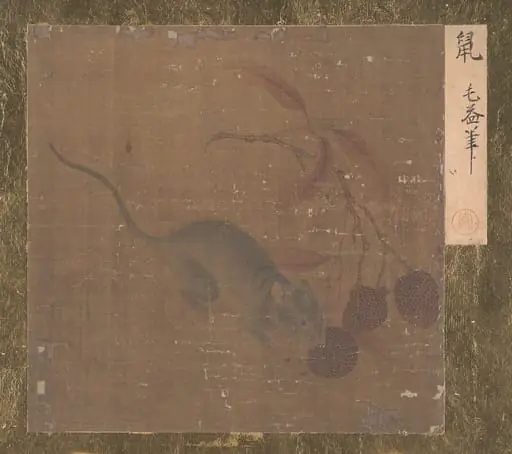 Untitled
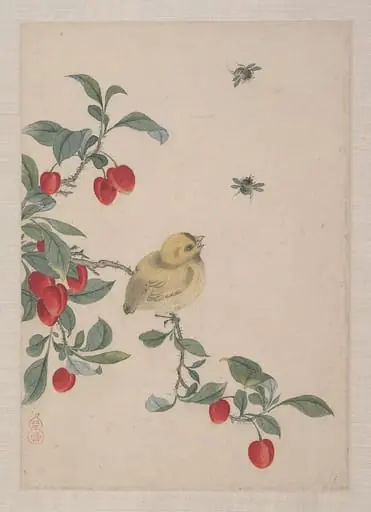 Untitled
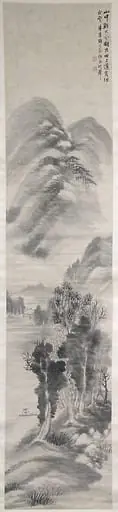 清 胡遠 四季山水圖 四條屏|Landscapes of the Four Seasons
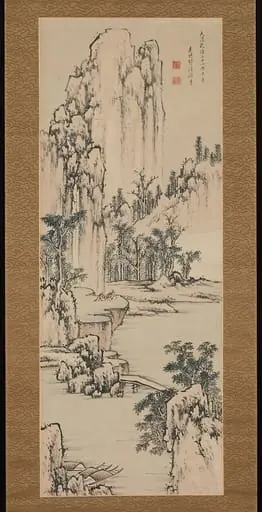 Untitled
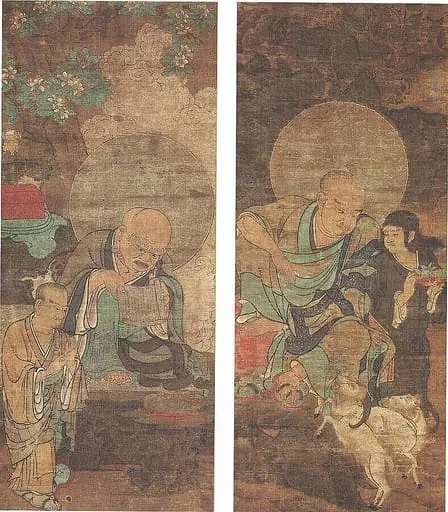 Untitled
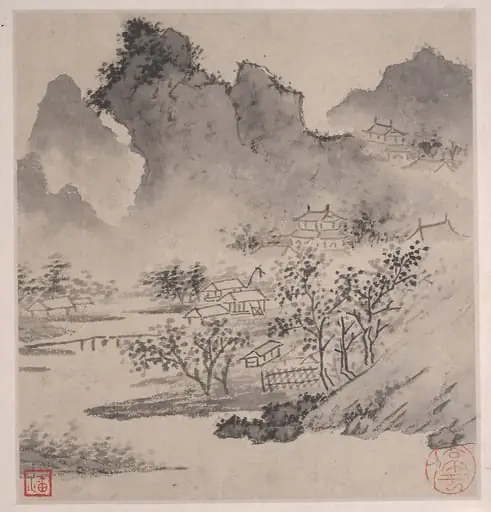 Untitled
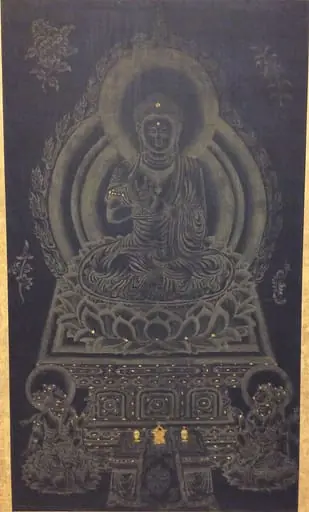 Untitled
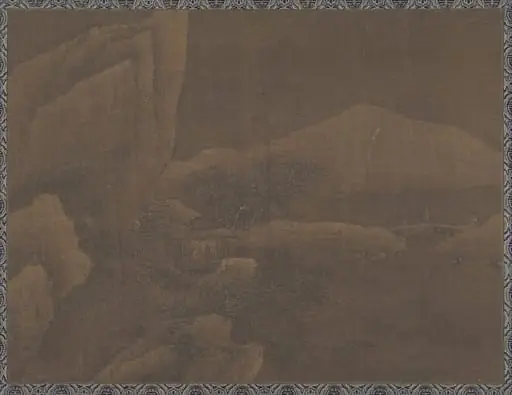 Untitled
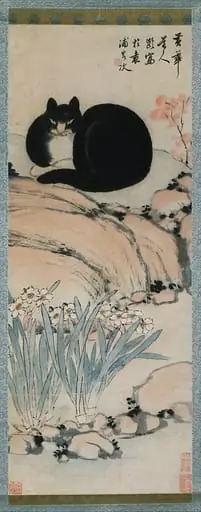 Untitled
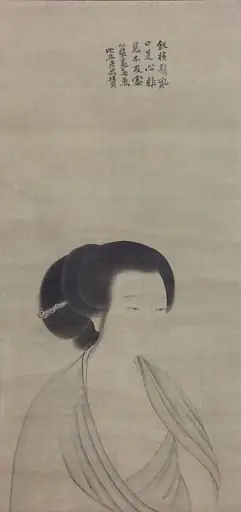 Untitled
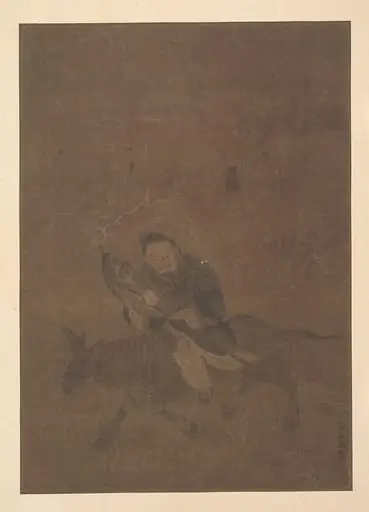 Untitled
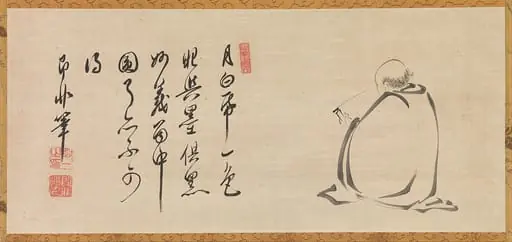 羅漢図|An Arhat Reading a Sutra by Moonlight
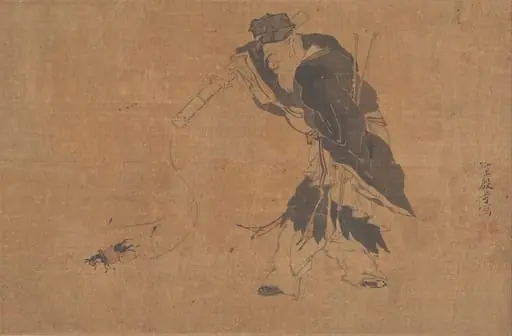 Untitled
 Untitled
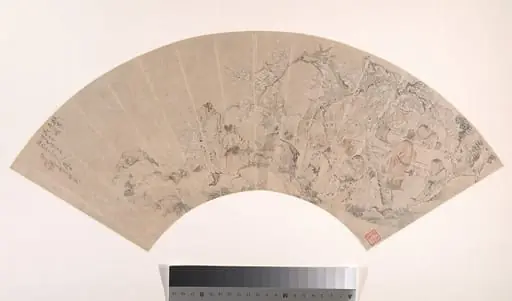 清 沙馥 桃李芳園圖 摺扇|The Peach and Plum Garden
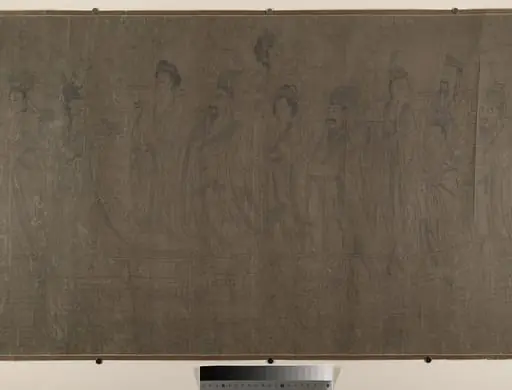 Untitled
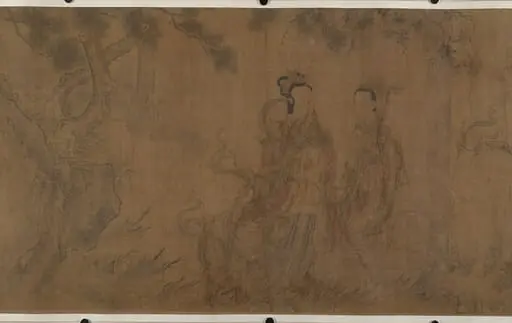 元? 佚名 仿李公麟 屈原九歌圖 卷|The Nine Songs: Illustrations to the poems of Qu Yuan (343–277 B.C.)
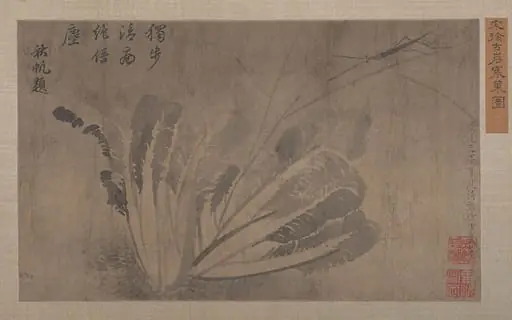 Untitled
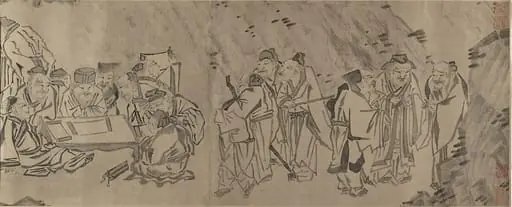 Untitled
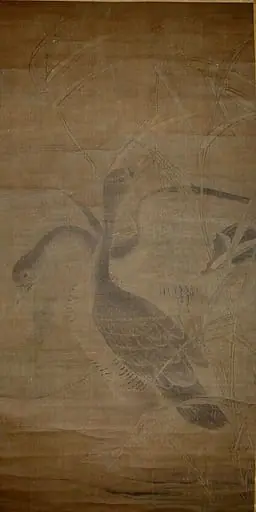 Untitled
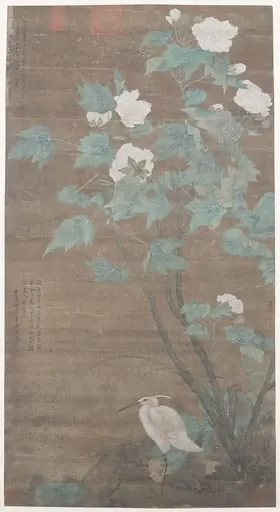 Untitled
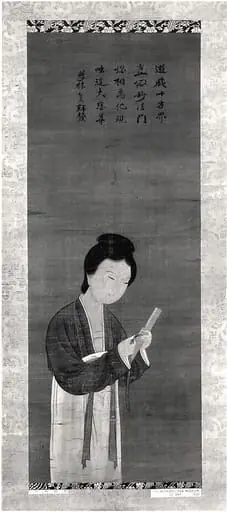 Untitled
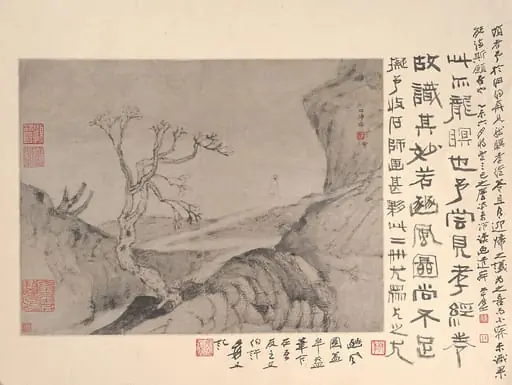 清 石濤 (朱若極) 山水人物圖 冊頁|Landscape with solitary figure
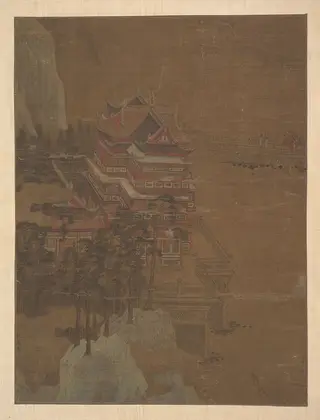 Untitled
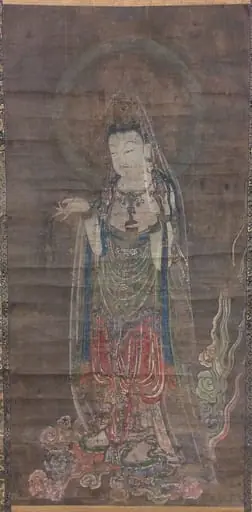 楊柳観音菩薩像 (Yōryū Kannon Bosatsu zō)|The Bodhisattva Willow Kannon (Avalokiteshvara)
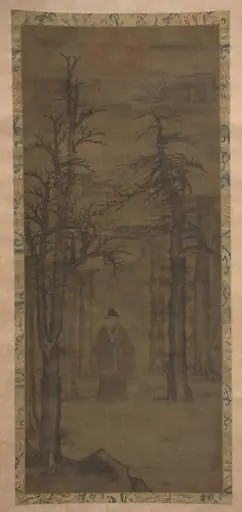 Untitled
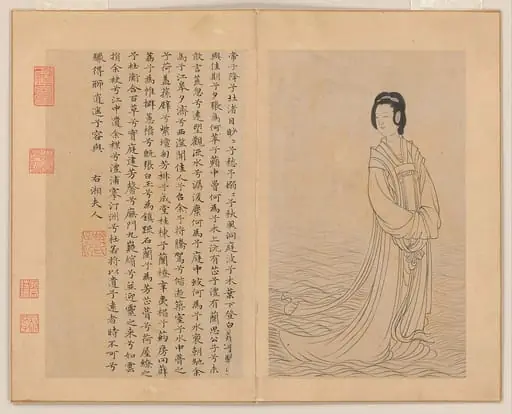 元 佚名 倣趙孟頫 九歌圖 冊|Nine Songs
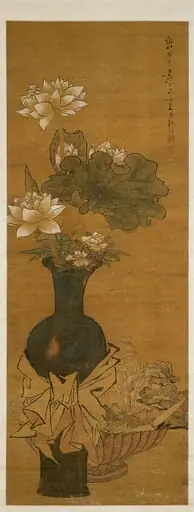 Untitled
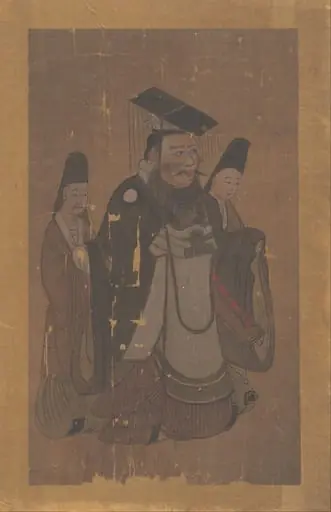 Untitled
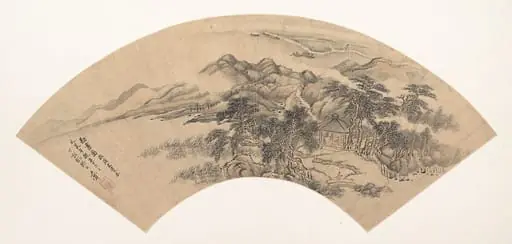 清 佚名 倣王翬 臨燕文貴勘書圖 扇|Landscape in the Style of Yan Wengui
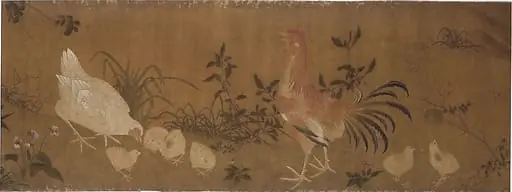 Untitled
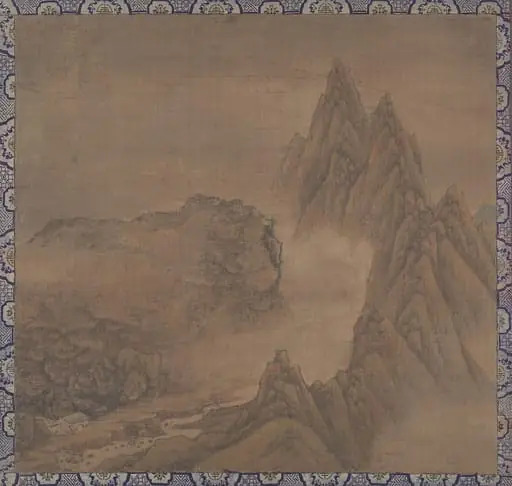 Untitled
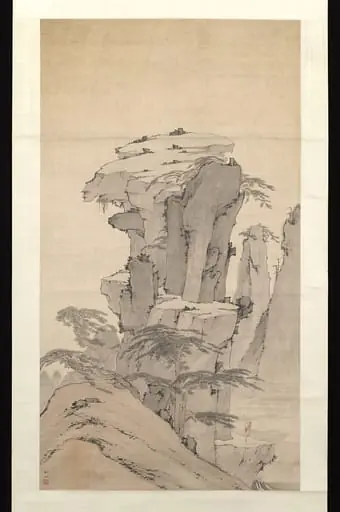 Untitled
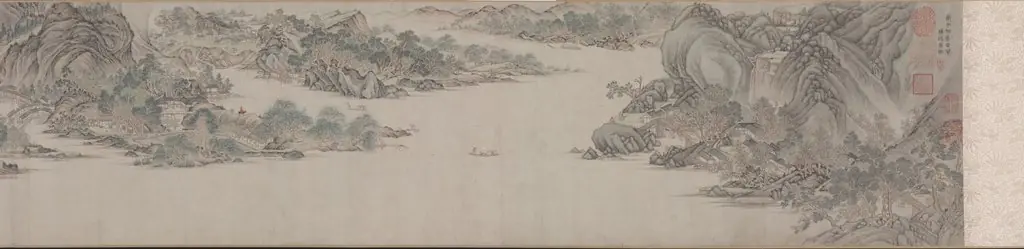 Greeting the Spring
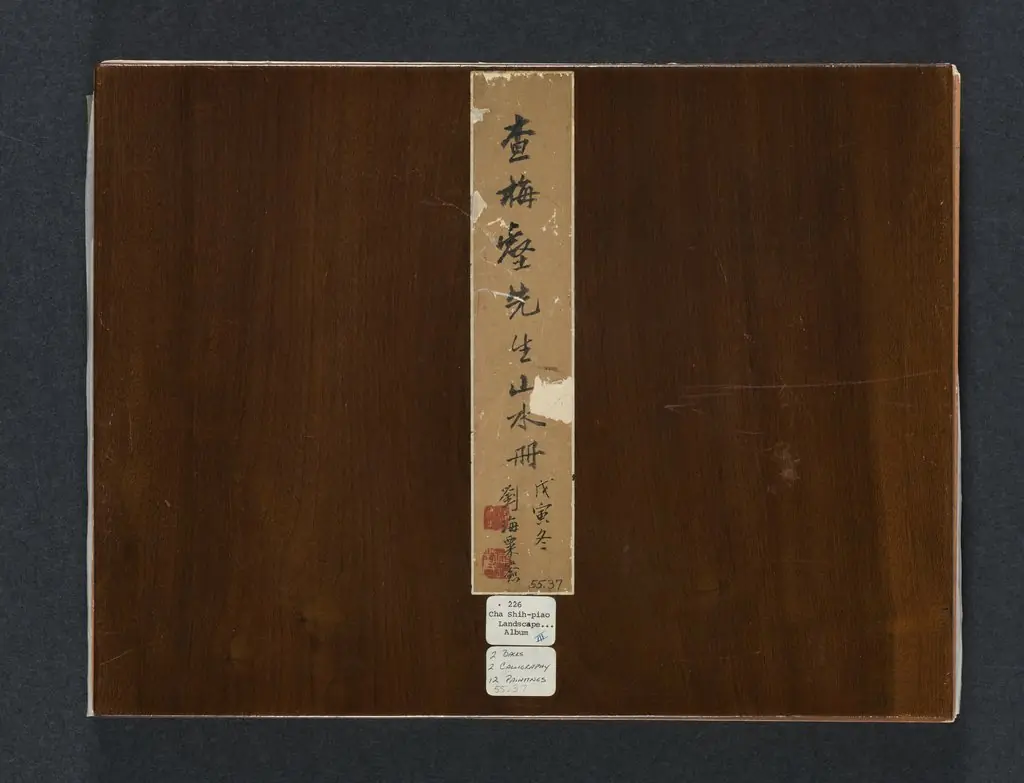 Album of Seasonal Landscapes
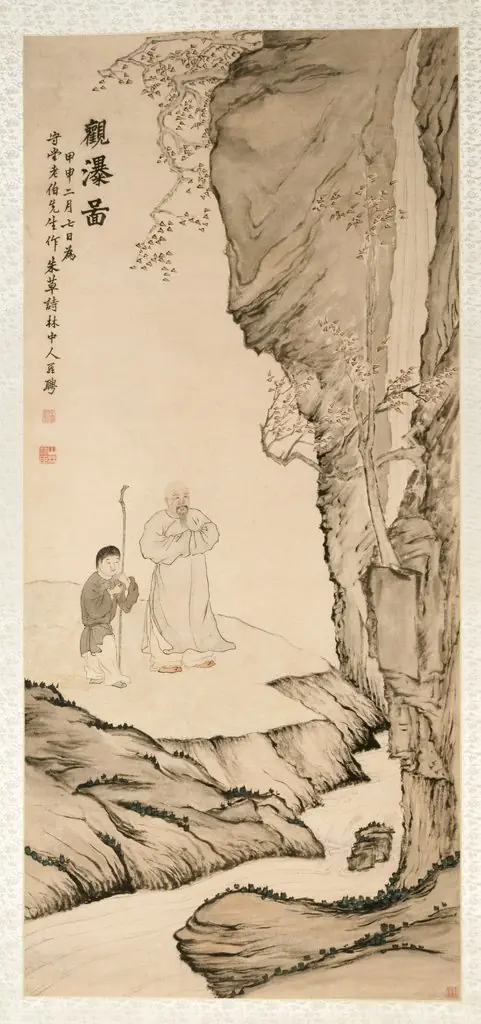 Scholar Watching the Waterfall
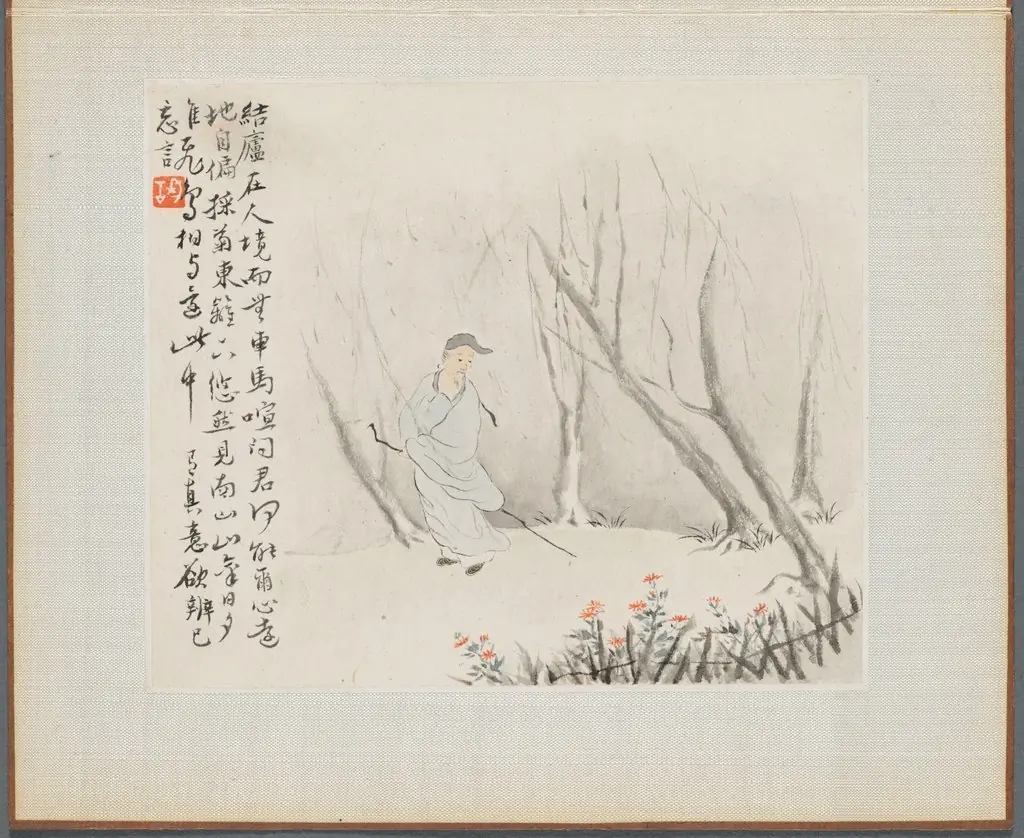 Album of Landscape Paintings Illustrating Old Poems: Man with a Staff Admires Chrysanthemums at a Fence
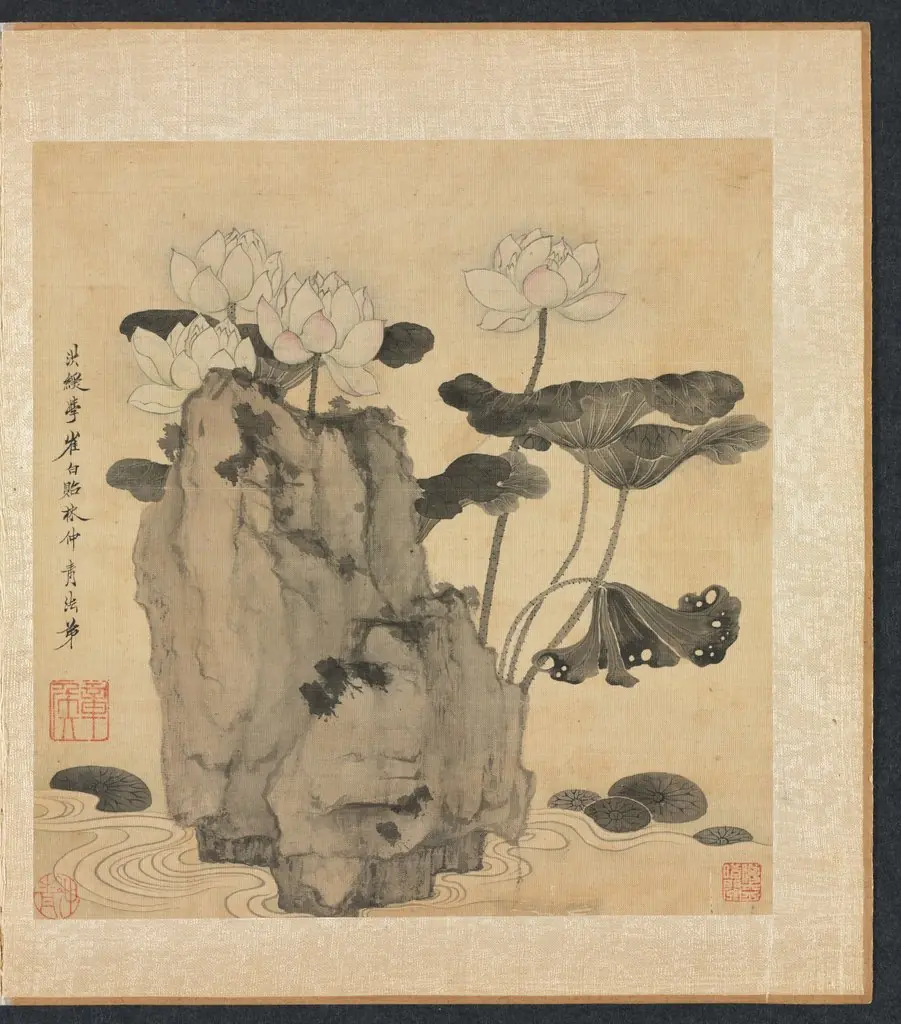 Paintings after Ancient Masters: Lotus and Rocks
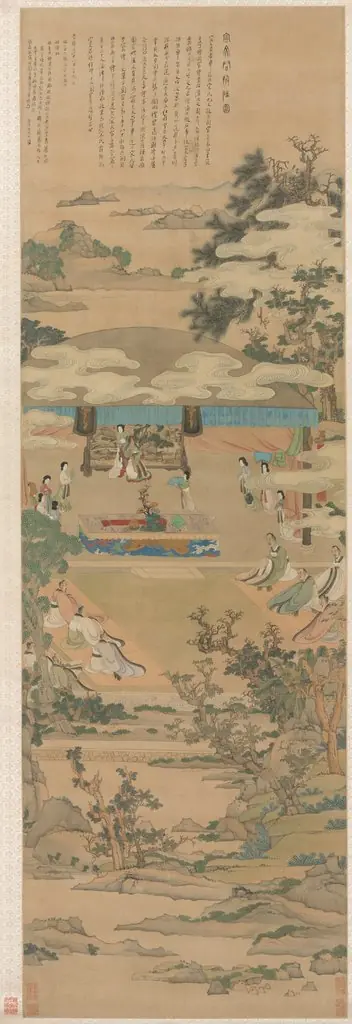 Lady Xuanwen Giving Instruction on the Rites of Zhou
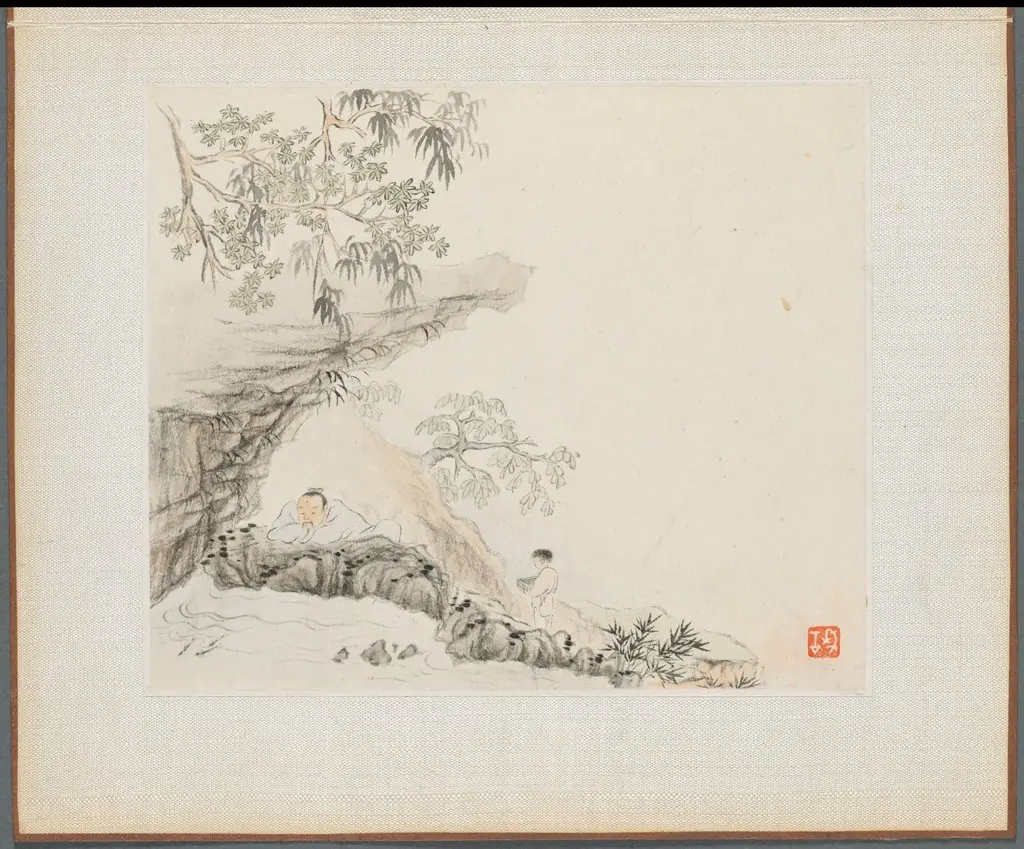 Album of Landscape Paintings Illustrating Old Poems: Scholar watching Fish
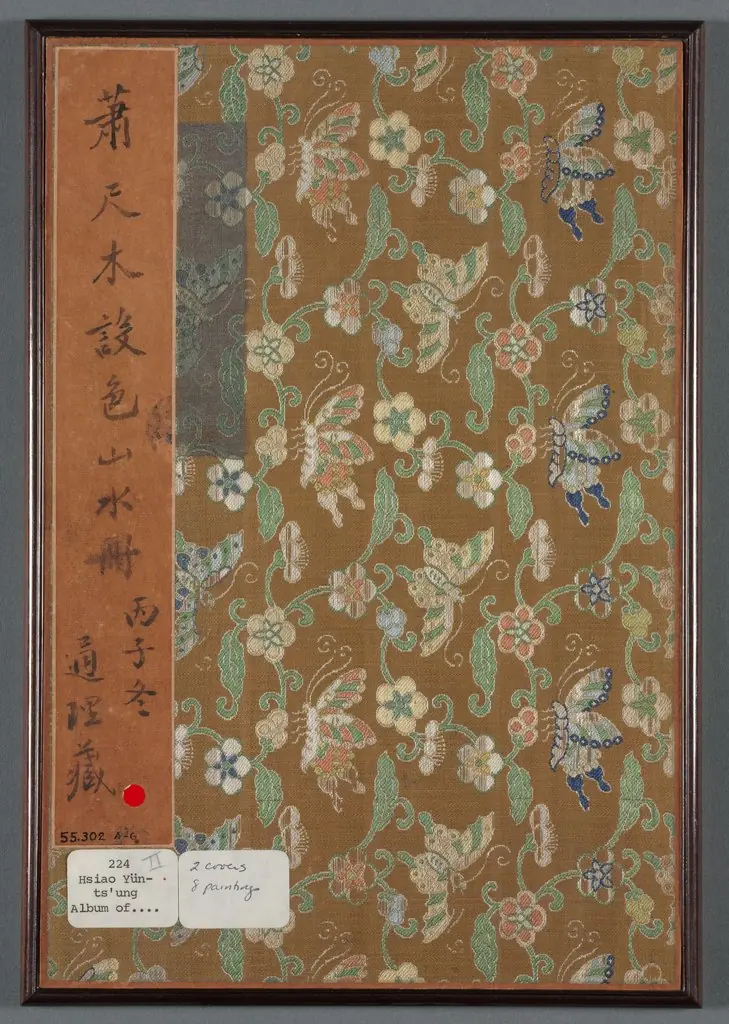 Album of Seasonal Landscapes
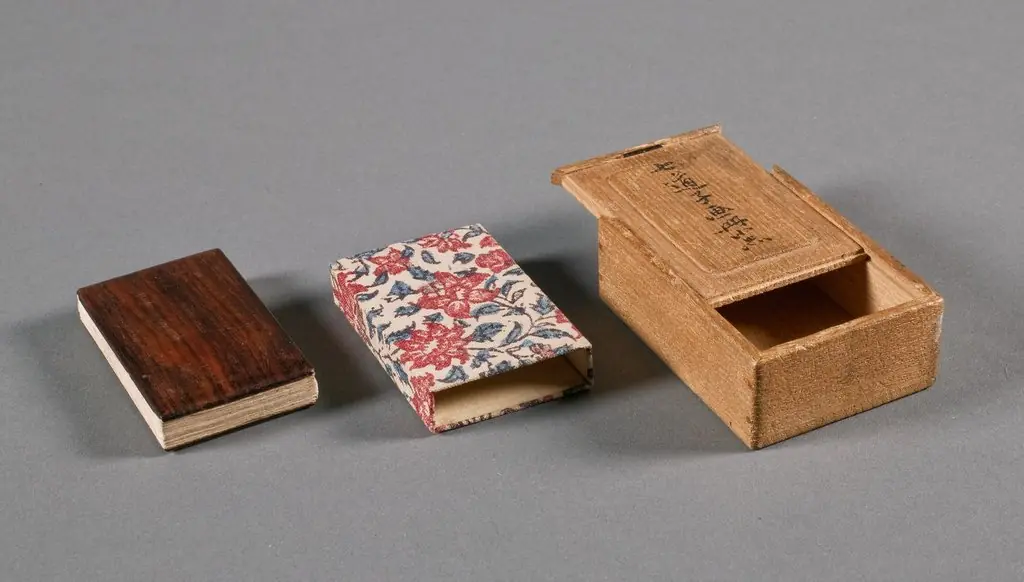 Miniature Album with Figures and Landscape
 Zhao Mengfu Writing the Heart (Hridaya) Sutra in Exchange for Tea
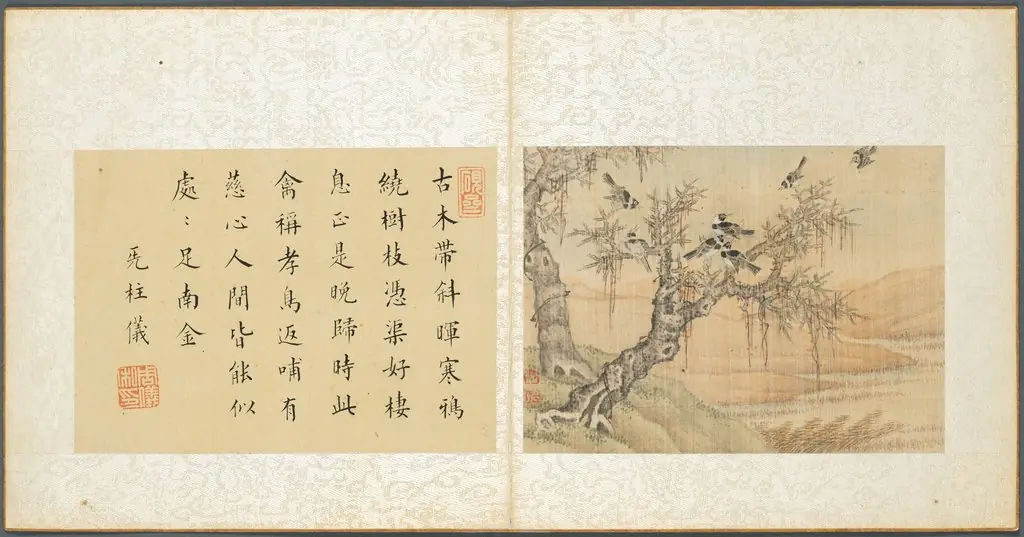 Album of Miscellaneous Subjects, Leaf 9
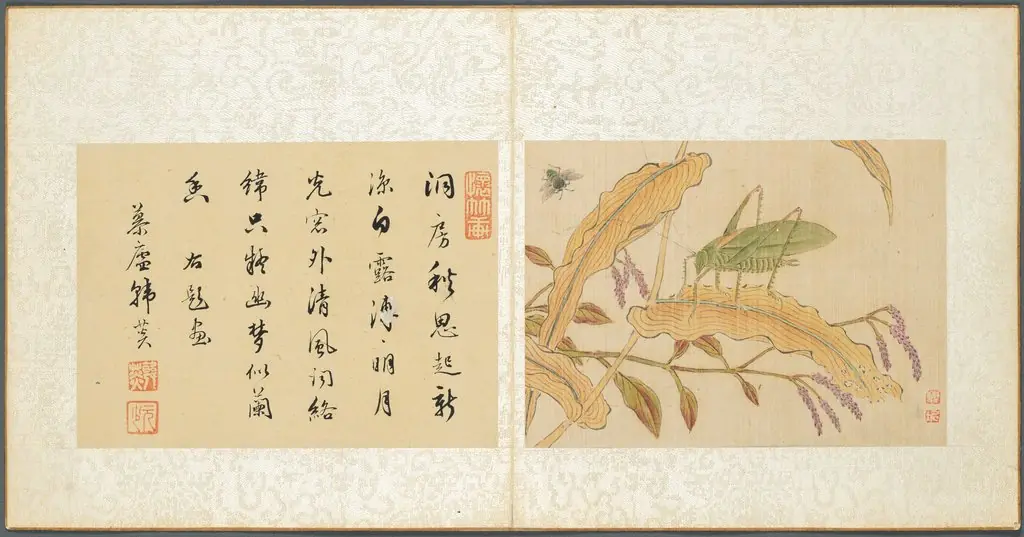 Album of Miscellaneous Subjects, Leaf 7
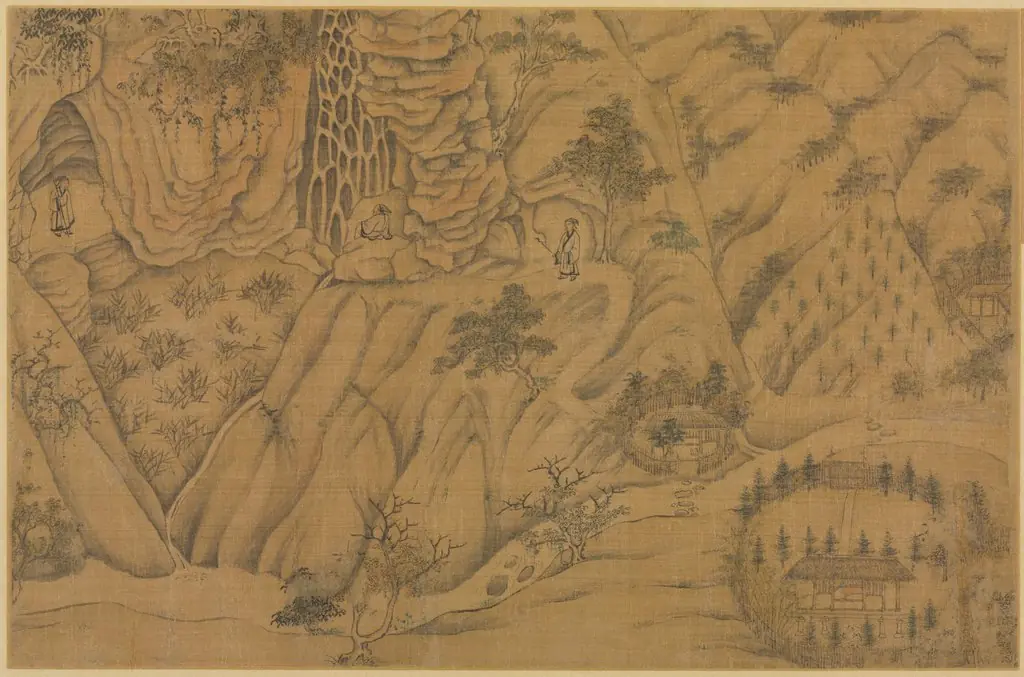 Dwelling in the Longmian ("Sleeping Dragon") Mountains
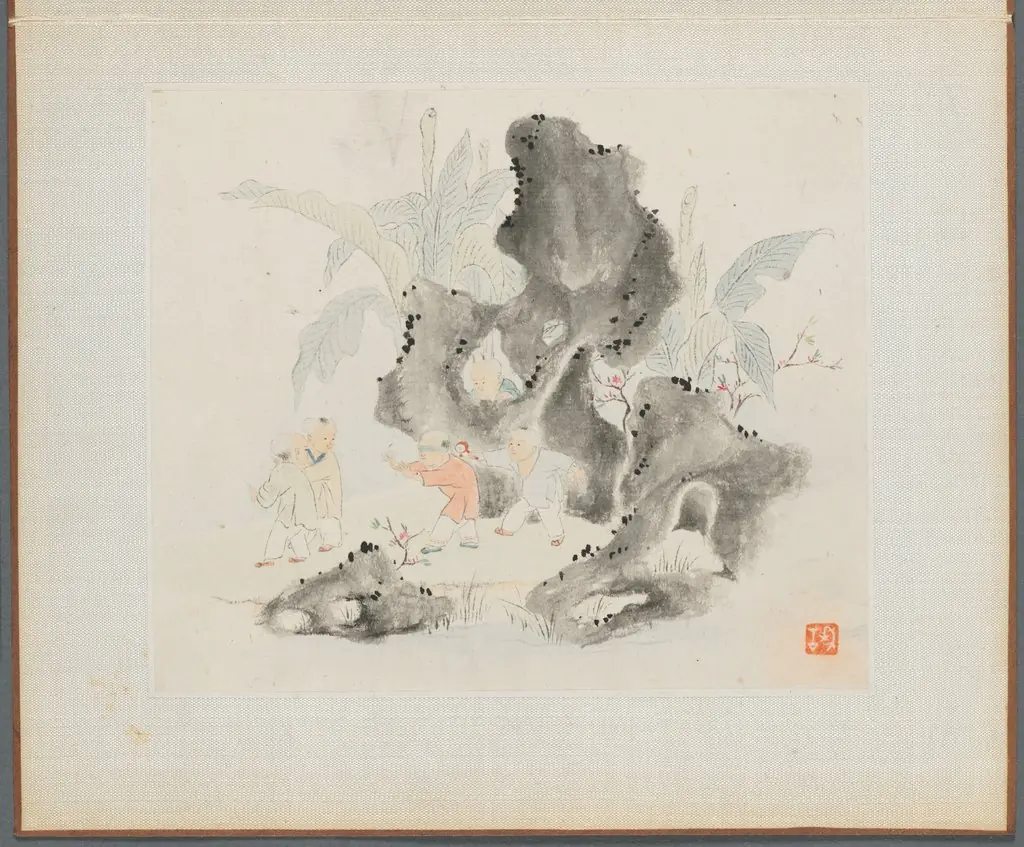 Album of Landscape Paintings Illustrating Old Poems: Children Playing Blindman's Buff in a Garden
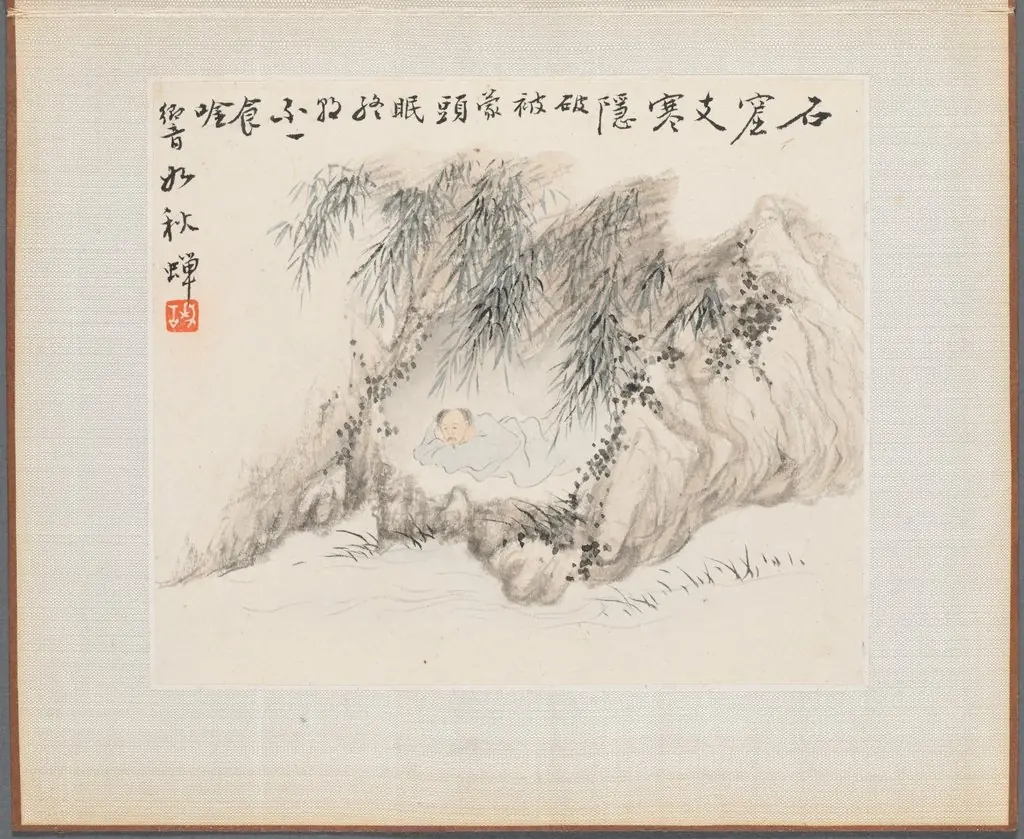 Album of Landscape Paintings Illustrating Old Poems: Man Resting under Bamboo
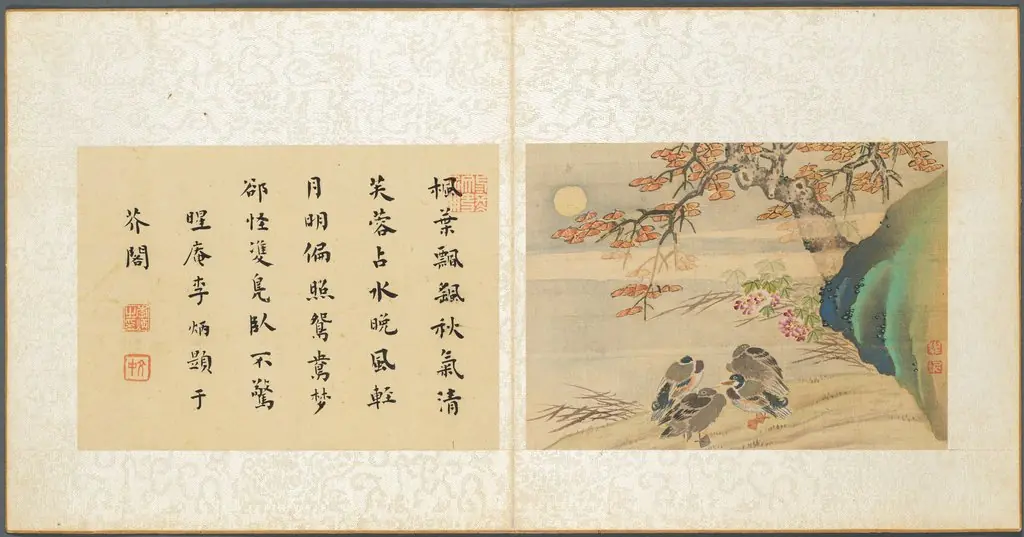 Album of Miscellaneous Subjects, Leaf 8
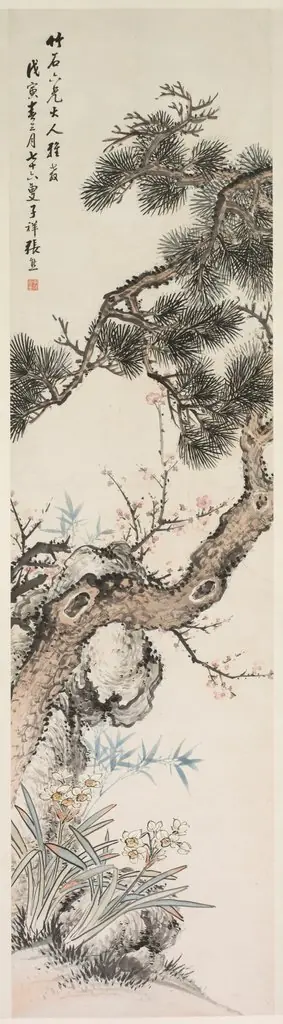 Three Purities
 Spring Landscape
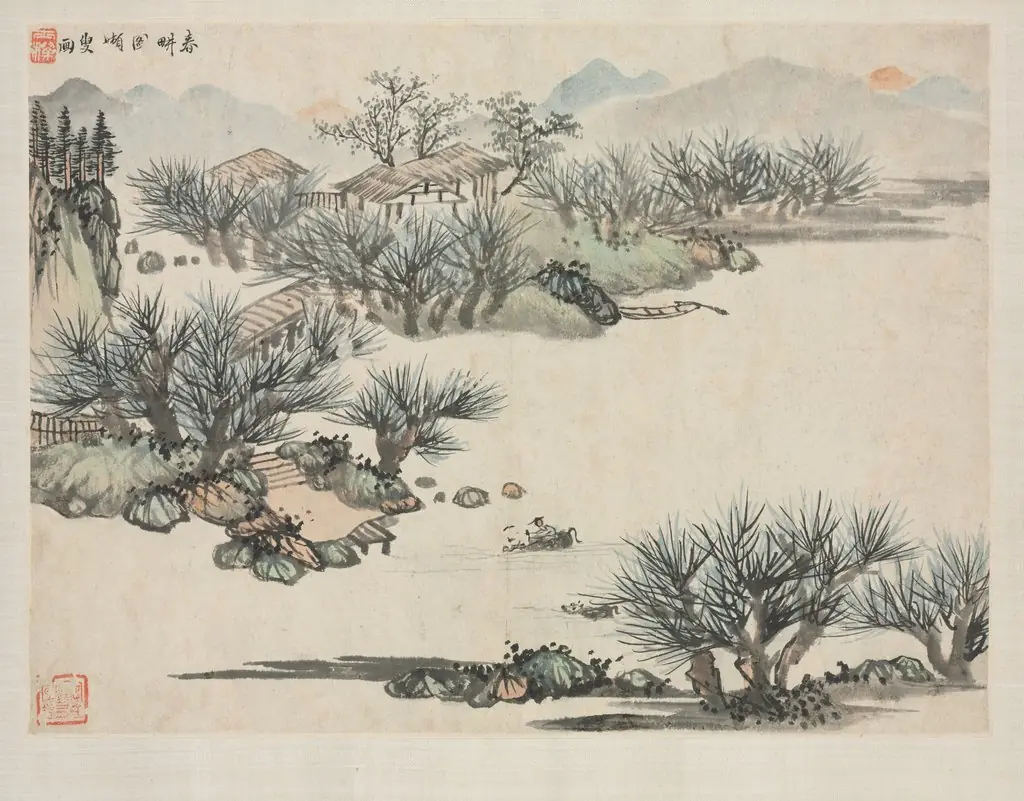 Landscape Album in Various Styles: Spring Plowing
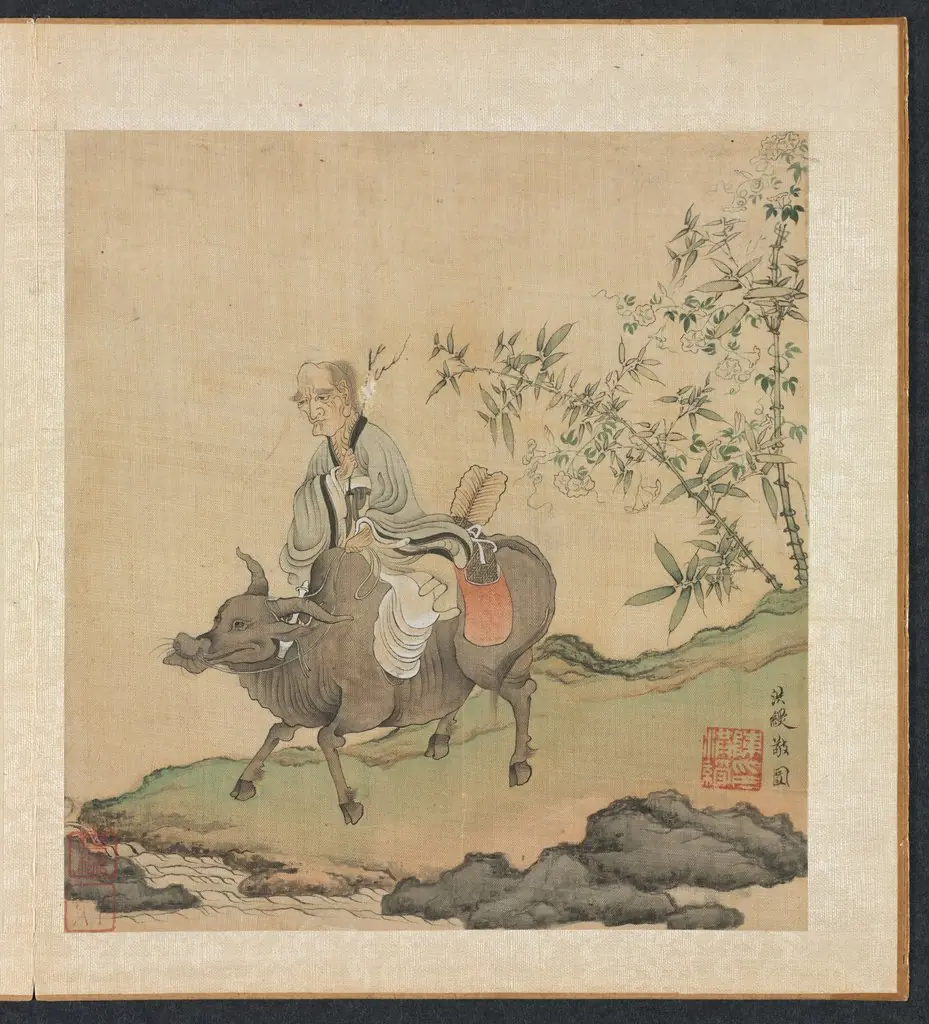 Paintings after Ancient Masters: Laozi Riding an Ox
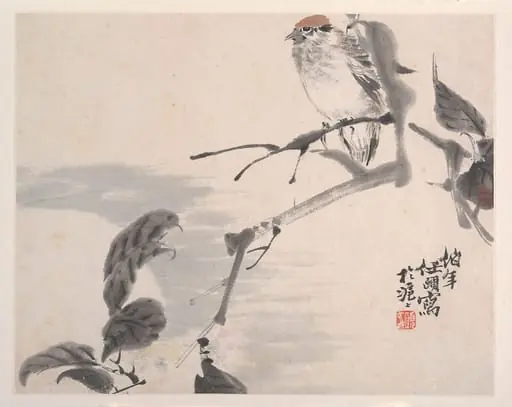 清 任頤 動物花鳥 冊頁八開|Animals, Flowers and Birds
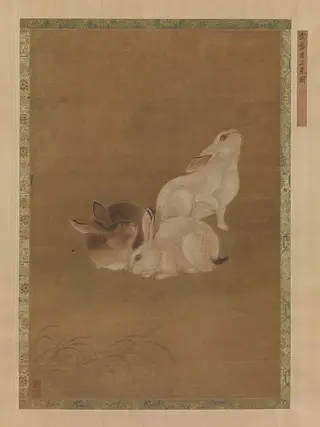 Untitled
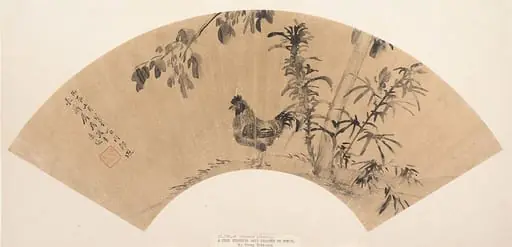 明 程嘉燧 園鷄圖 扇|Landscape with Chicken
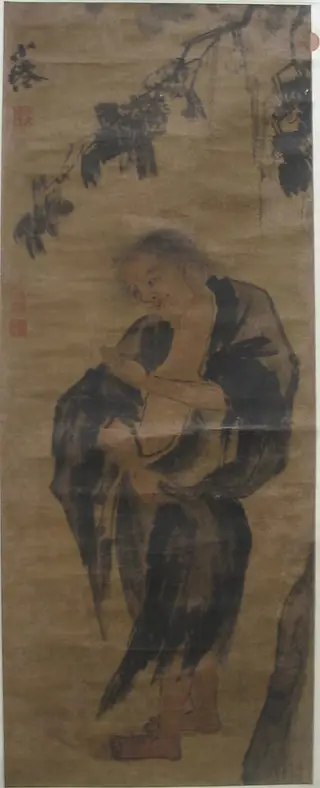 明 佚名 倣吳偉 漢鍾離像 軸|The Immortal, Zhong li
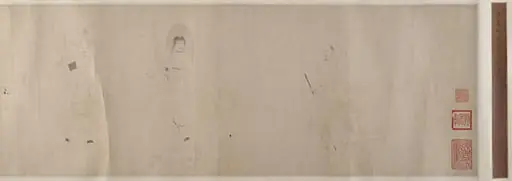 清 丁雲鵬(款) 十八羅漢圖 卷|The Eighteen Luohans
 Untitled
 Untitled
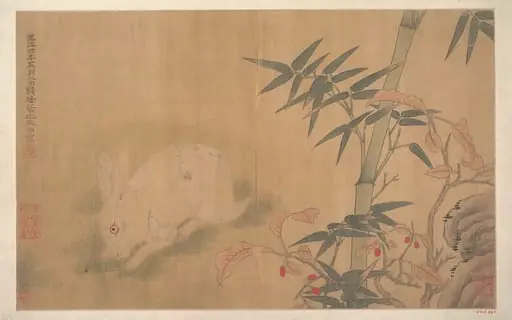 Untitled
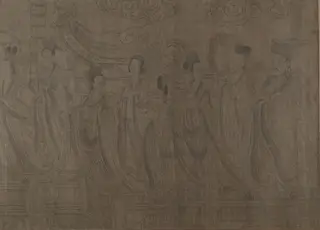 Untitled
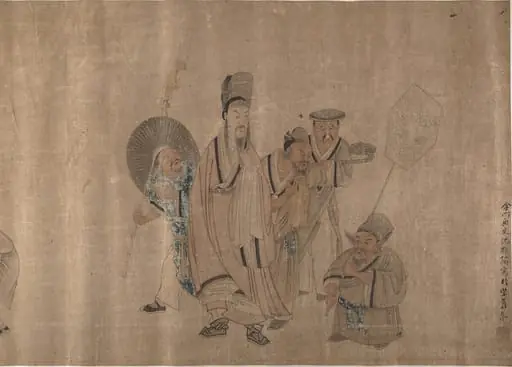 Untitled
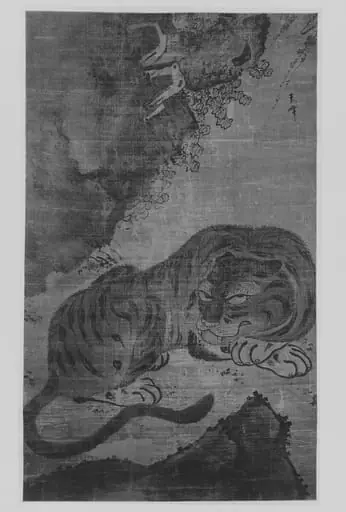 Untitled
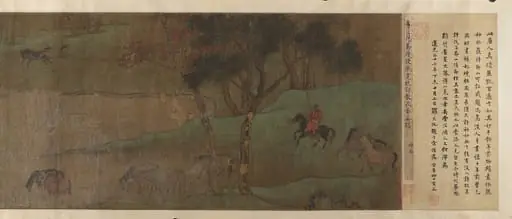 Untitled
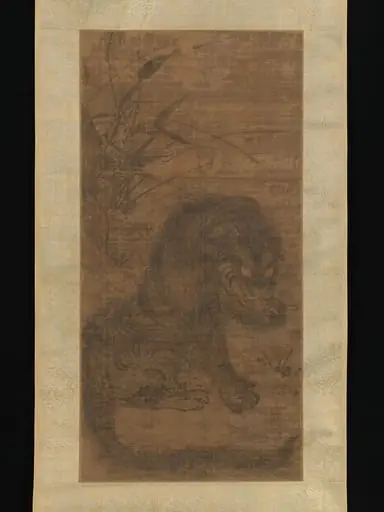 元 佚名 龍虎圖 軸|Tiger
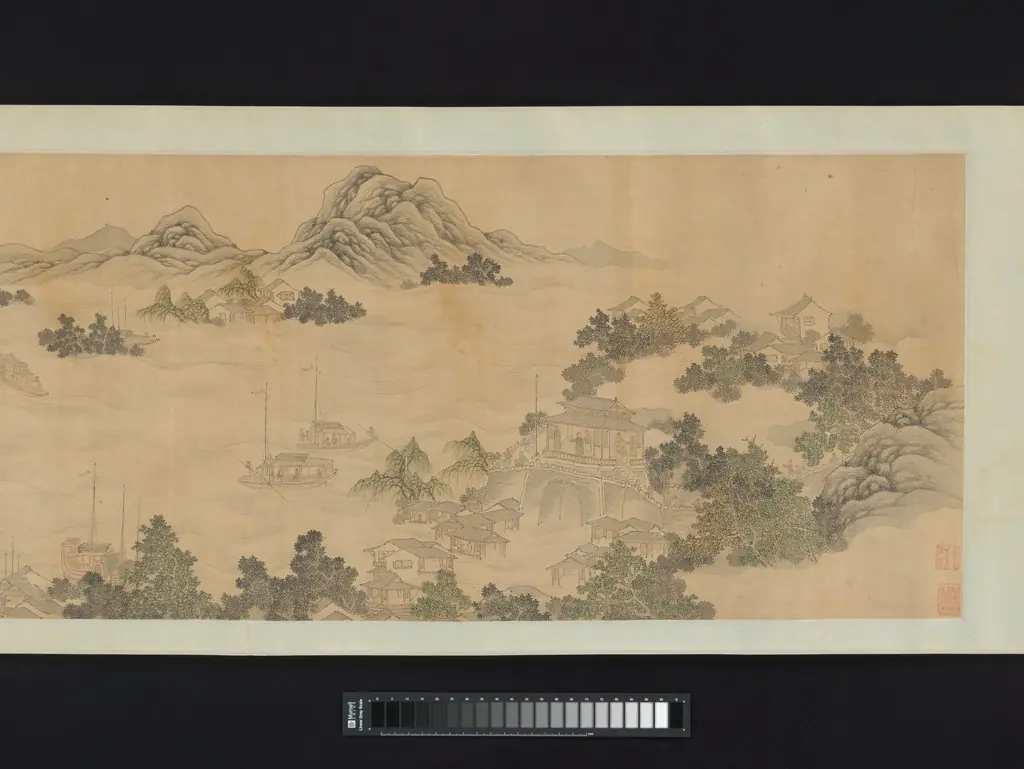 Reminiscence of Jinling
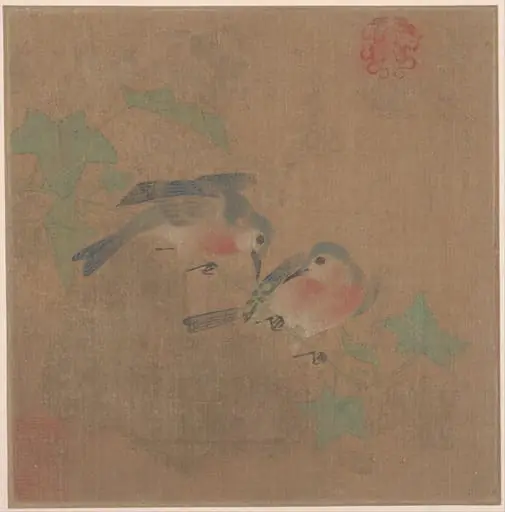 Untitled
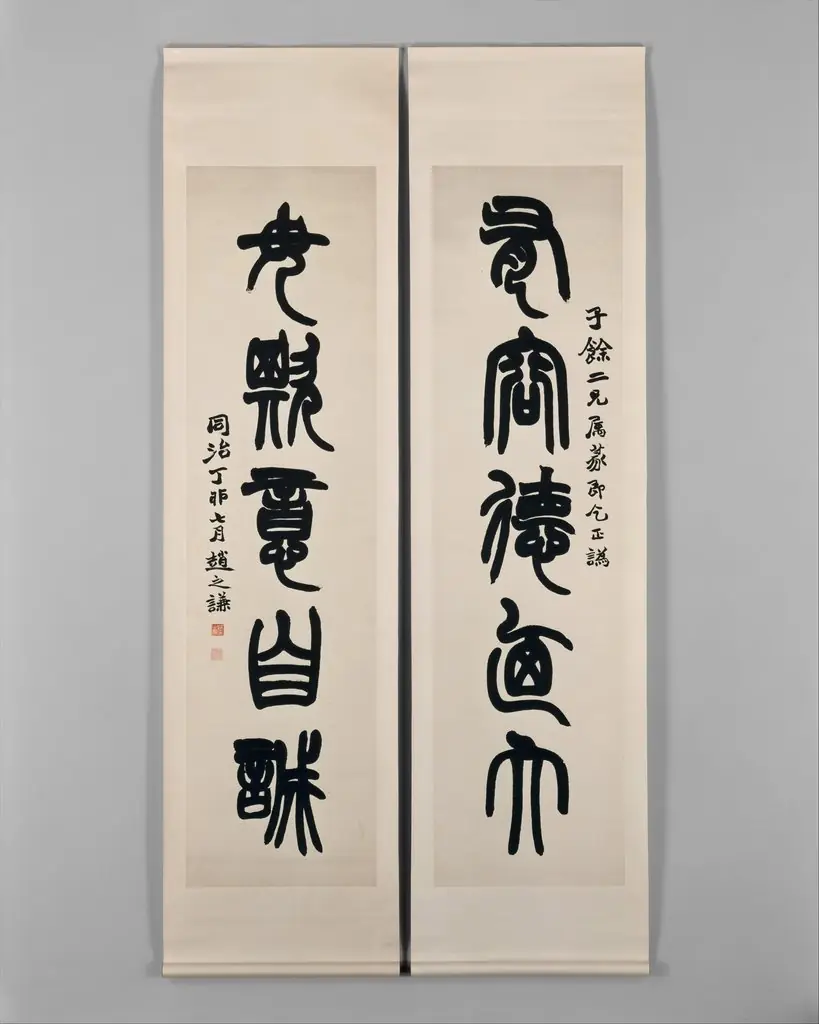 Couplet
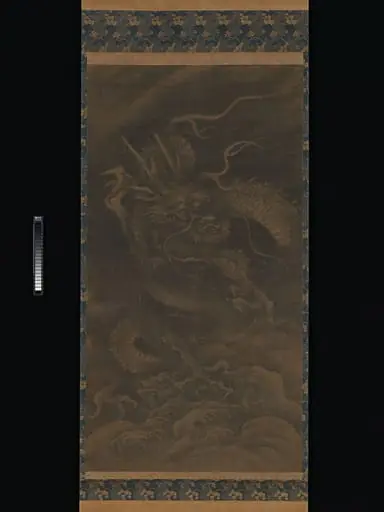 작자미상 용과 호랑이 조선 또는 일본 (에도)|簋簅痡萳 樻虎圖 朝鮮 日本 江戶|Dragon
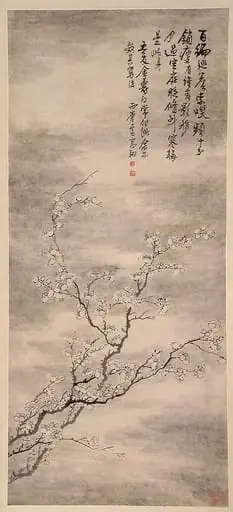 Untitled
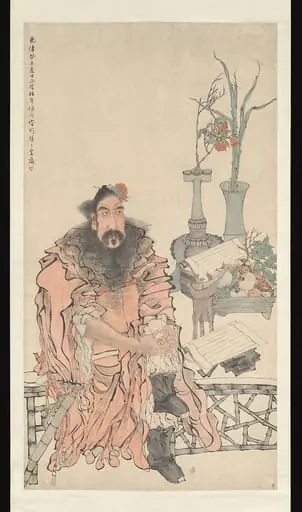 現代 任頤 鍾馗像 軸|Zhong Kui
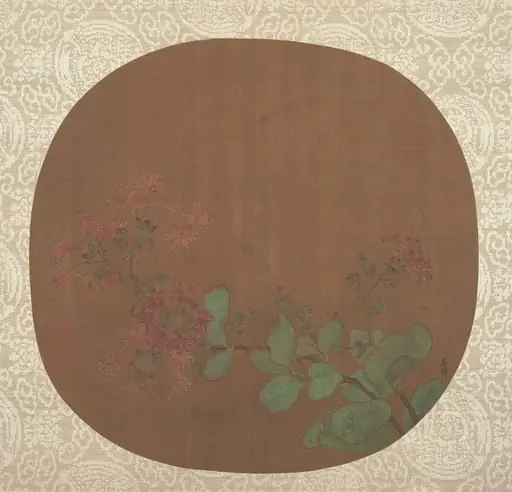 Untitled
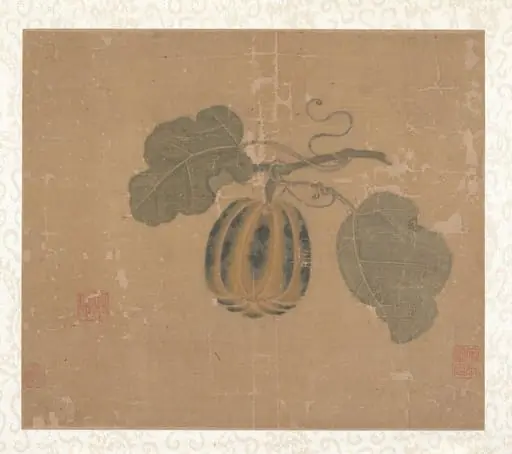 明 佚名 南瓜 扇面|Squash
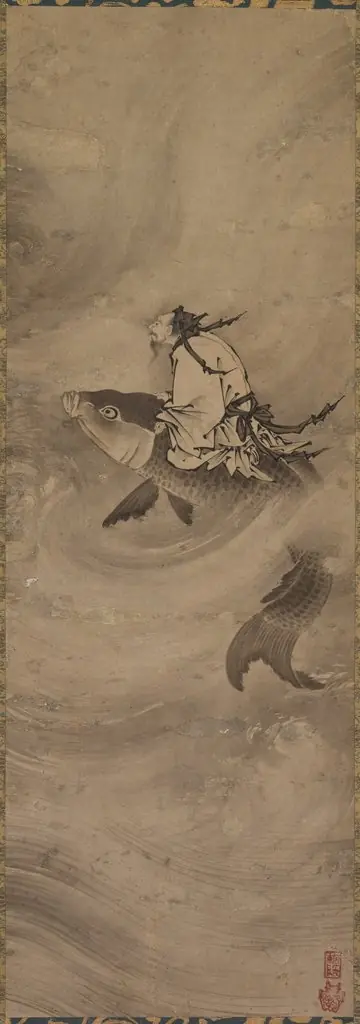 Immortal Riding on a Carp
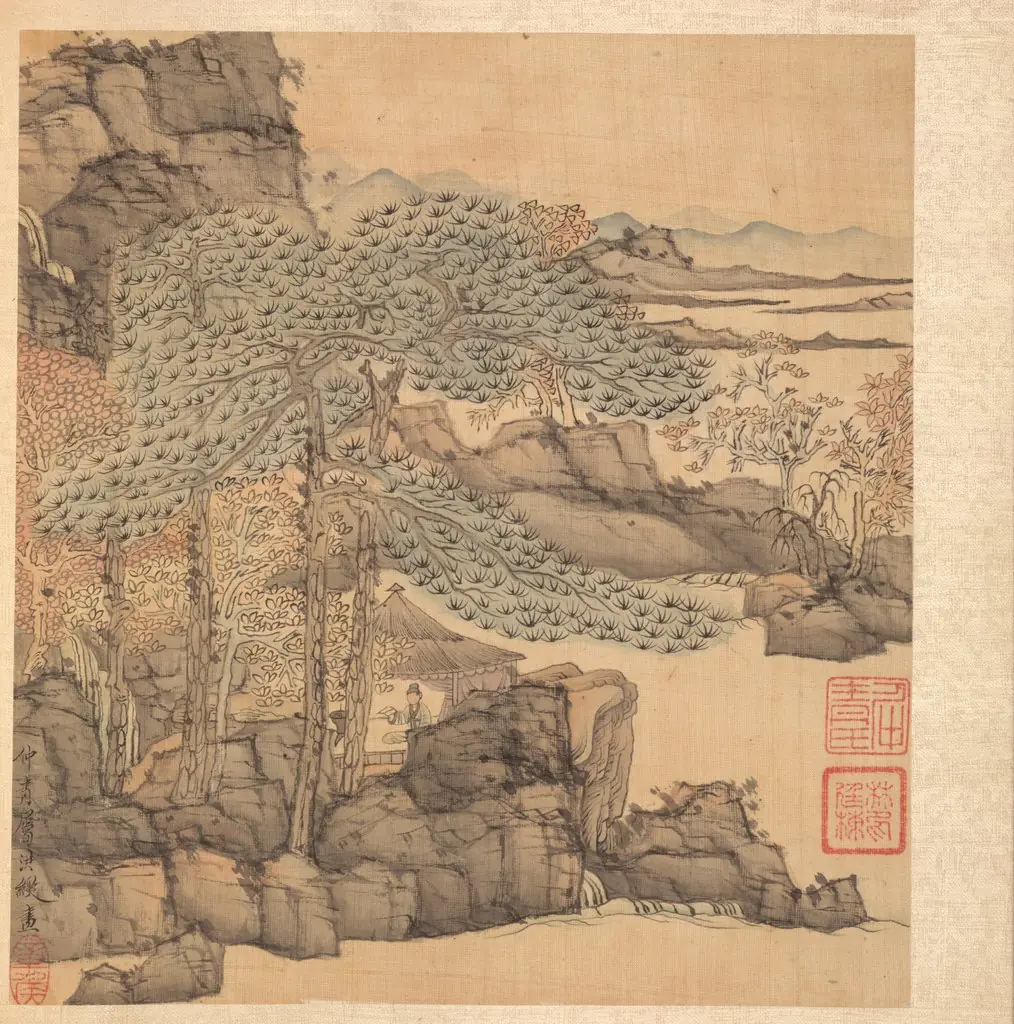 Paintings after Ancient Masters: Scholar Reading in a Thatched Hut by a Waterfall
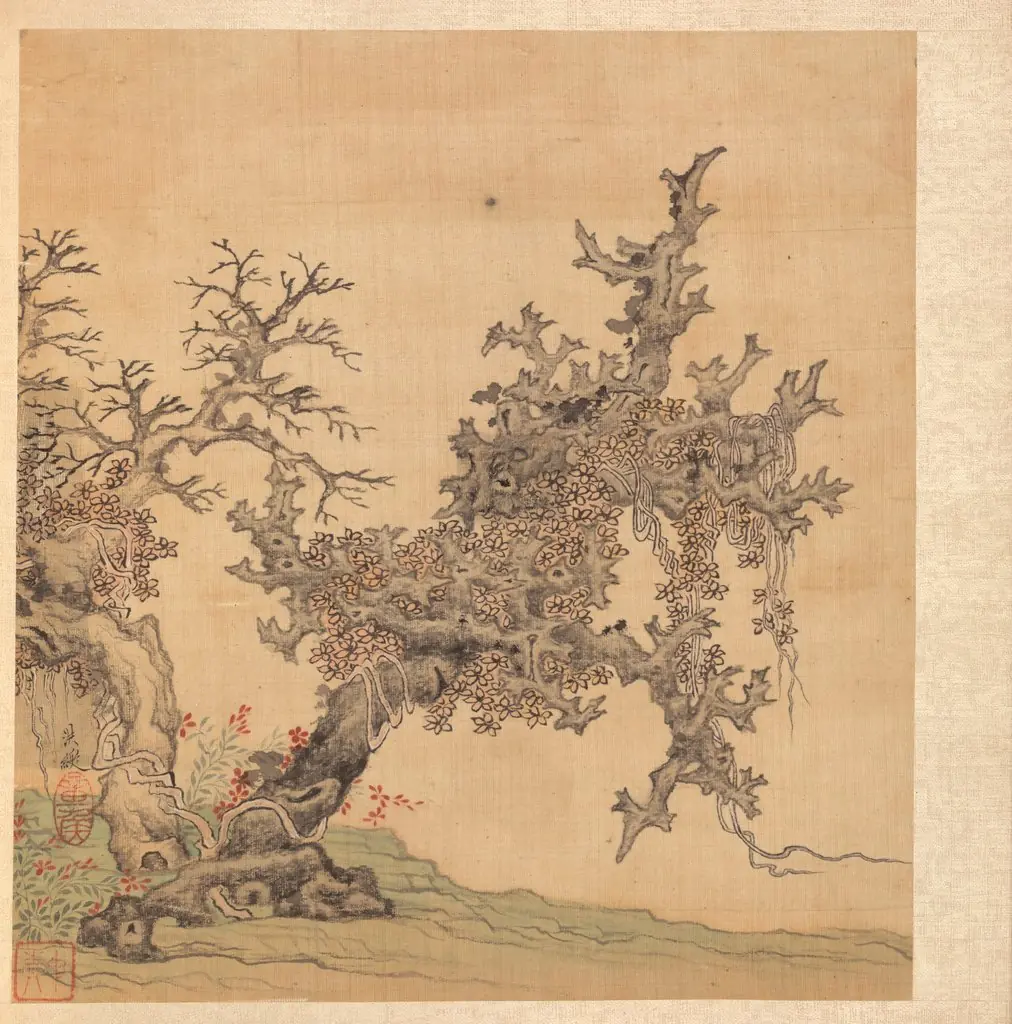 Paintings after Ancient Masters: An Ancient Tree
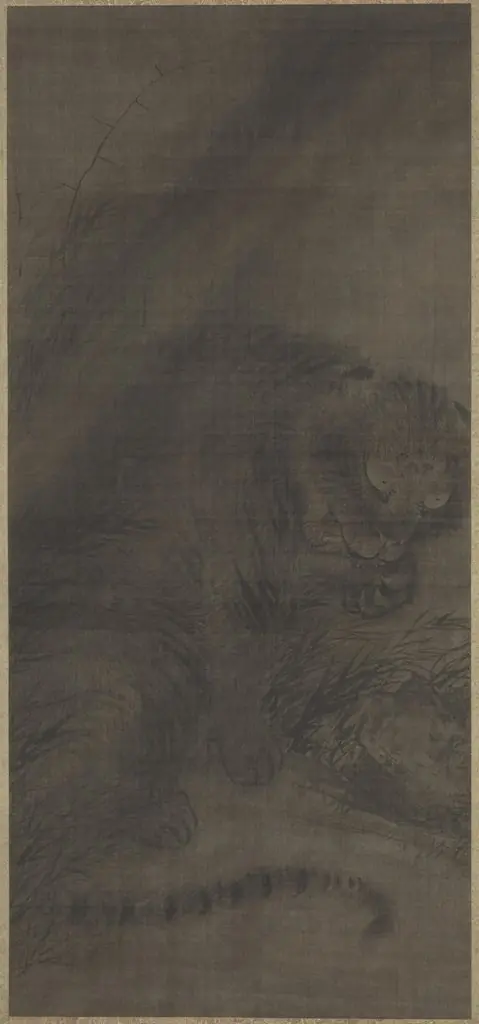 Tiger
Tiger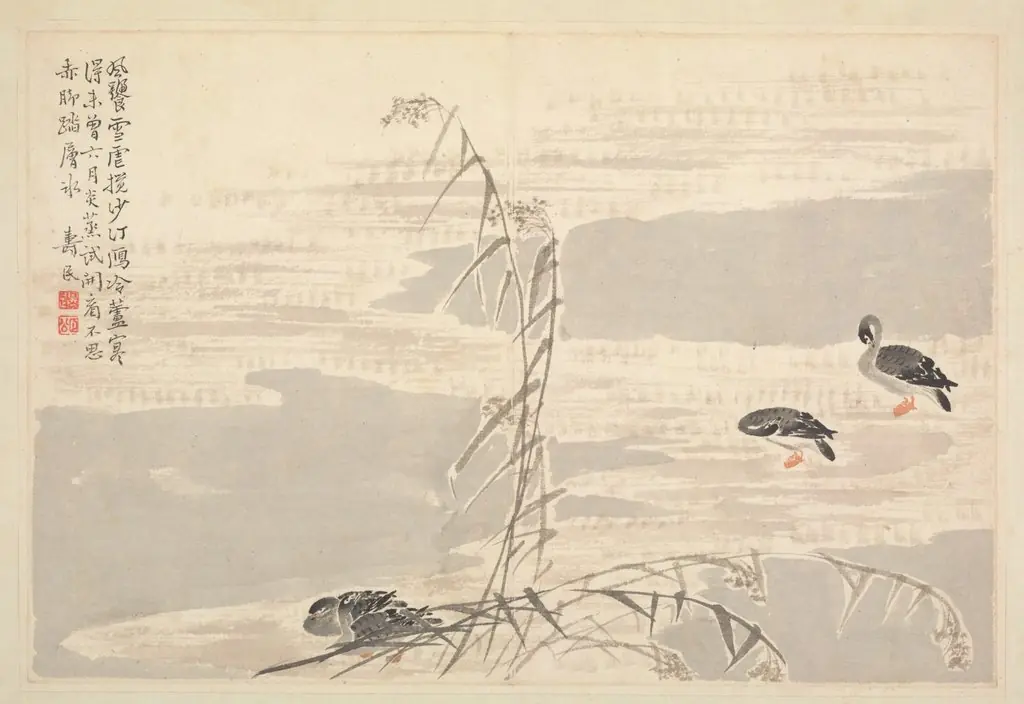 Album of Calligraphy and Paintings
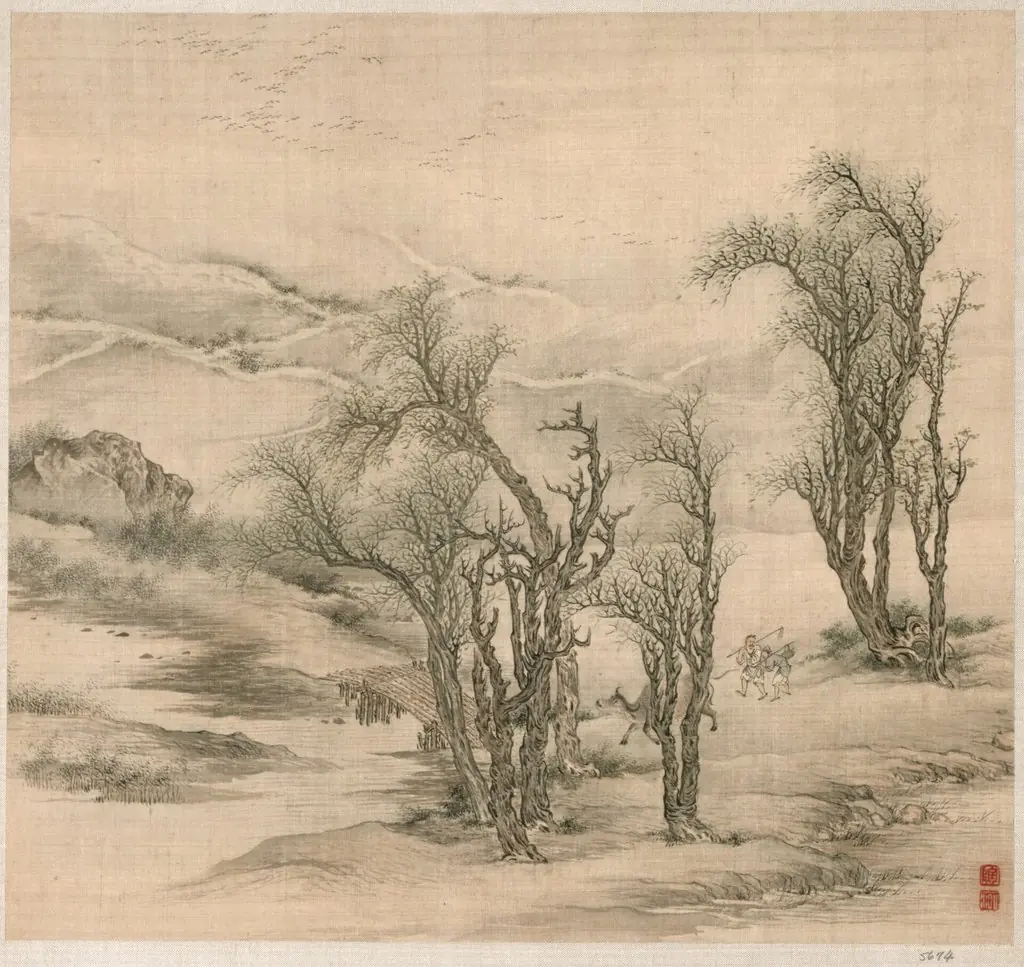 Returning Peasants in a Spring Evening
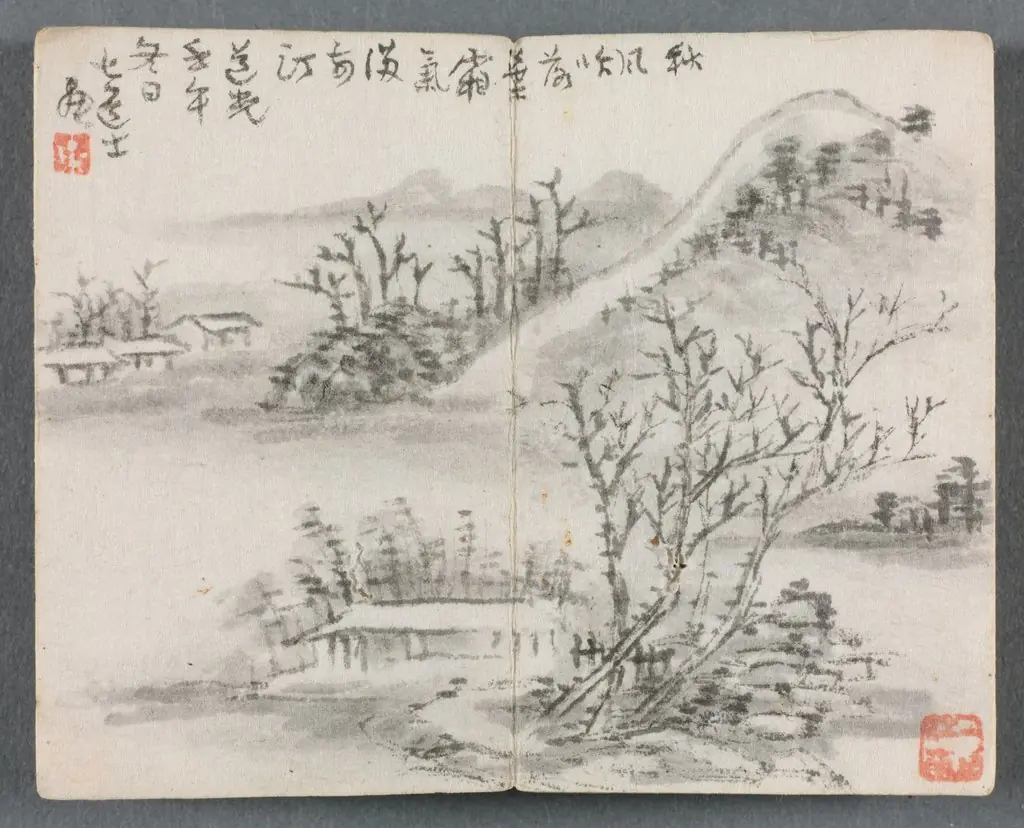 Miniature Album with Figures and Landscape (Landscape with Hill)
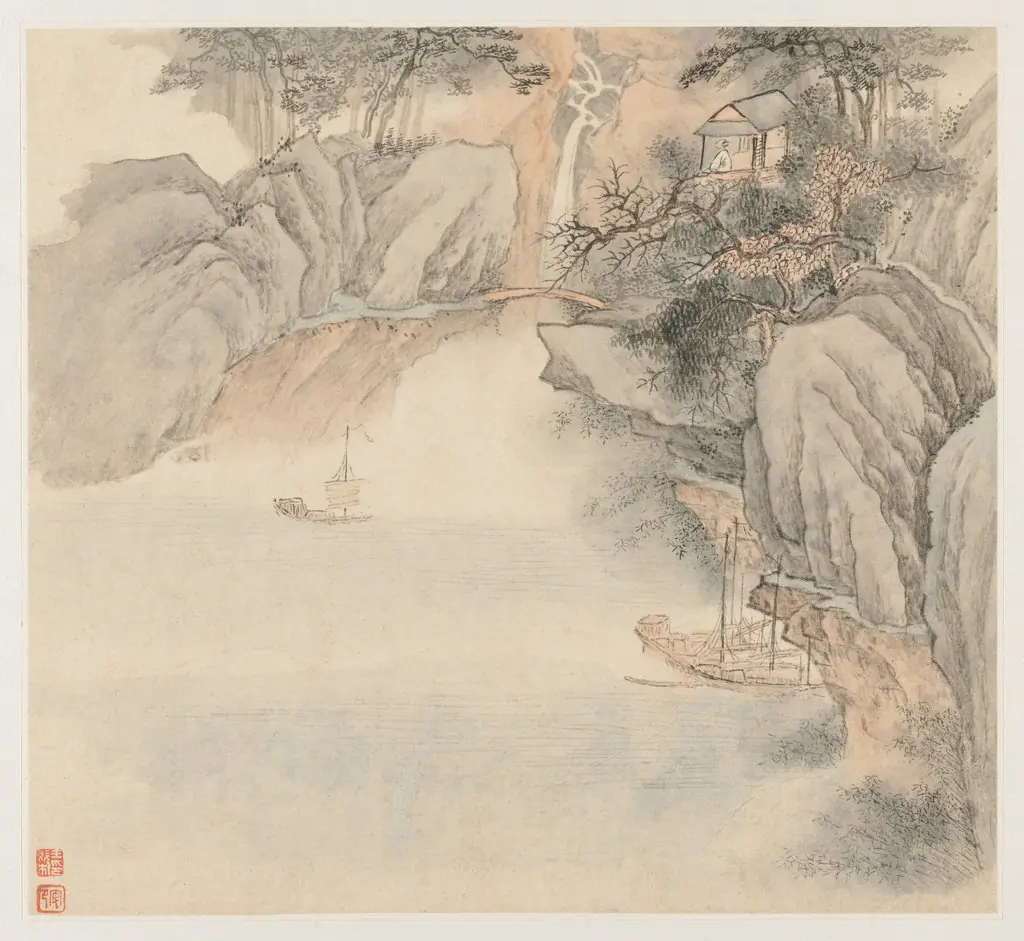 Album of Landscapes: Leaf 4
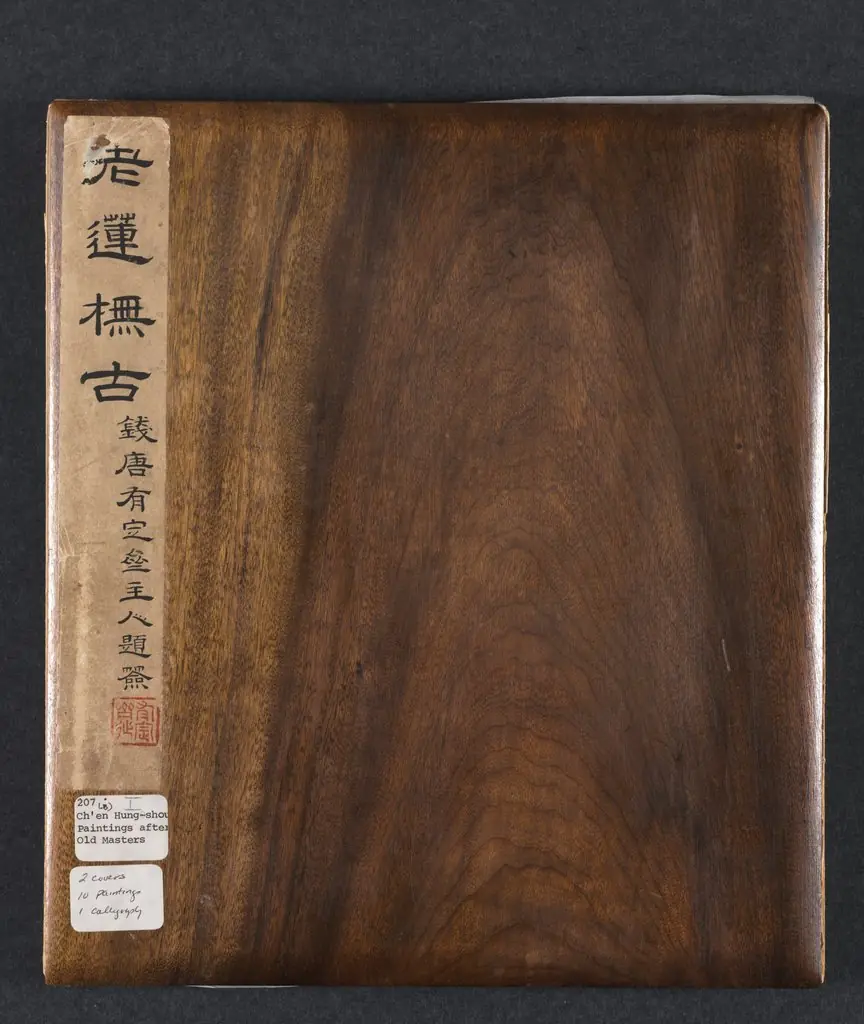 Paintings after Ancient Masters: Volume 1
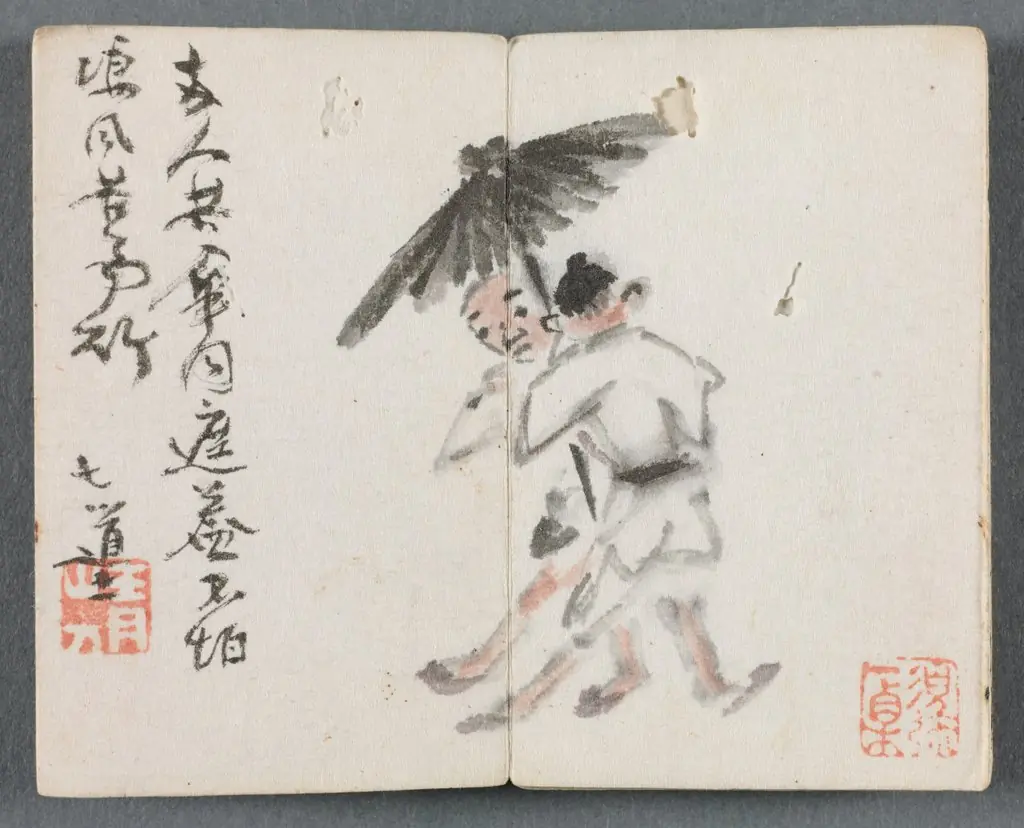 Miniature Album with Figures and Landscape (Two Men with Umbrella)
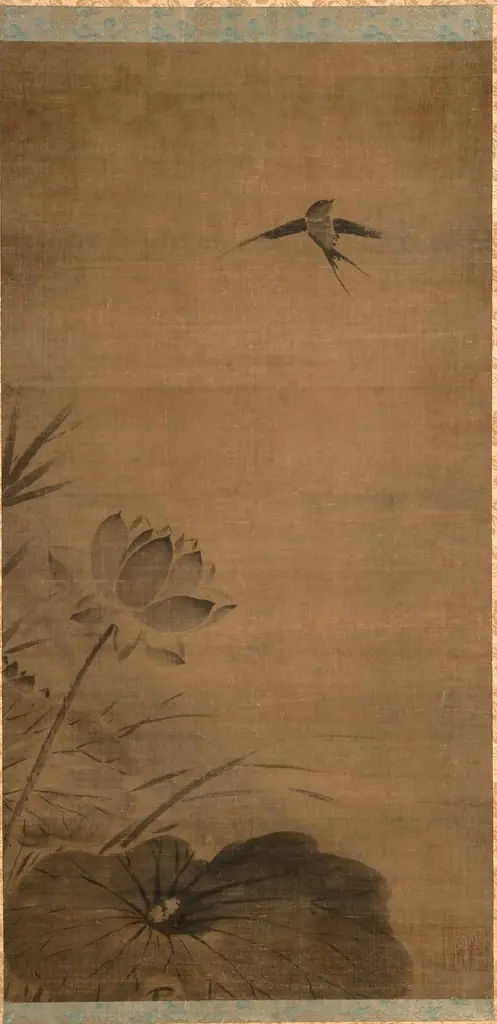 Swallow and Lotus
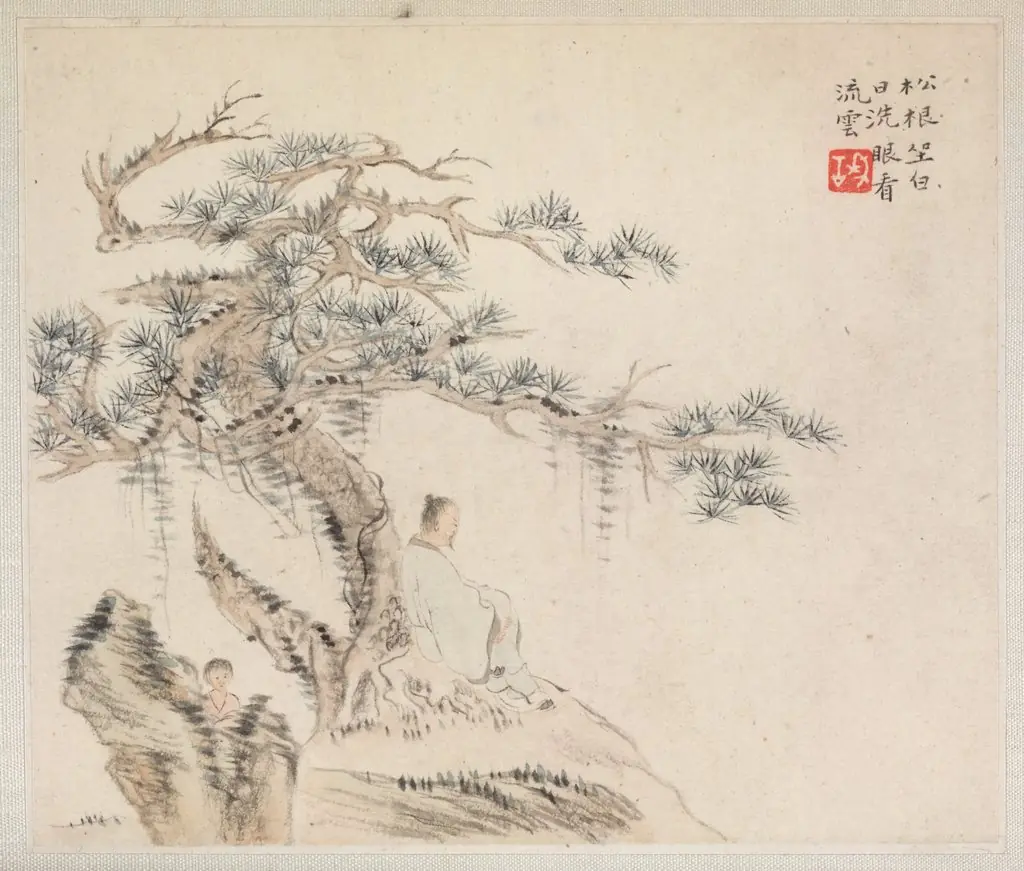 Album of Landscape Paintings Illustrating Old Poems: Scholar under a Pine Tree
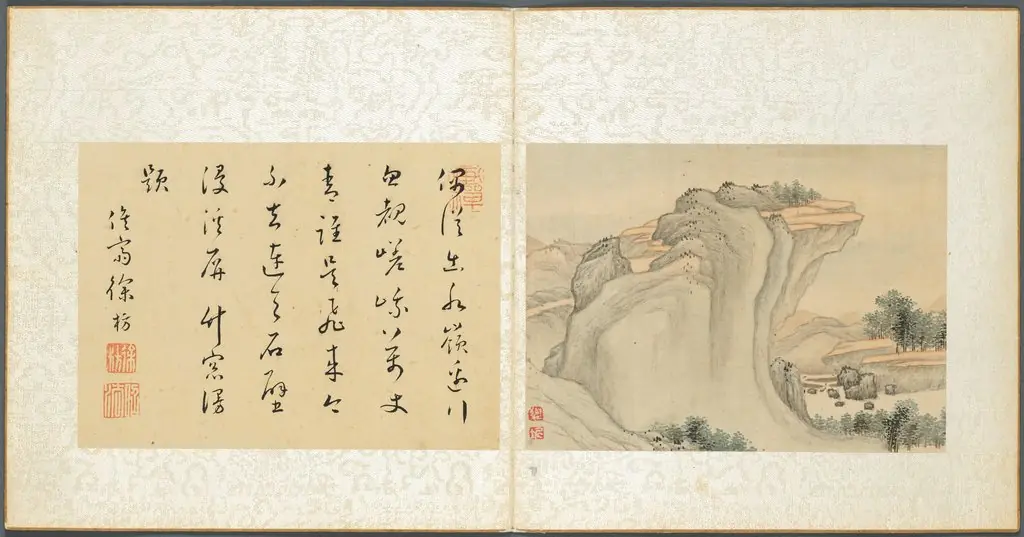 Album of Miscellaneous Subjects, Leaf 4
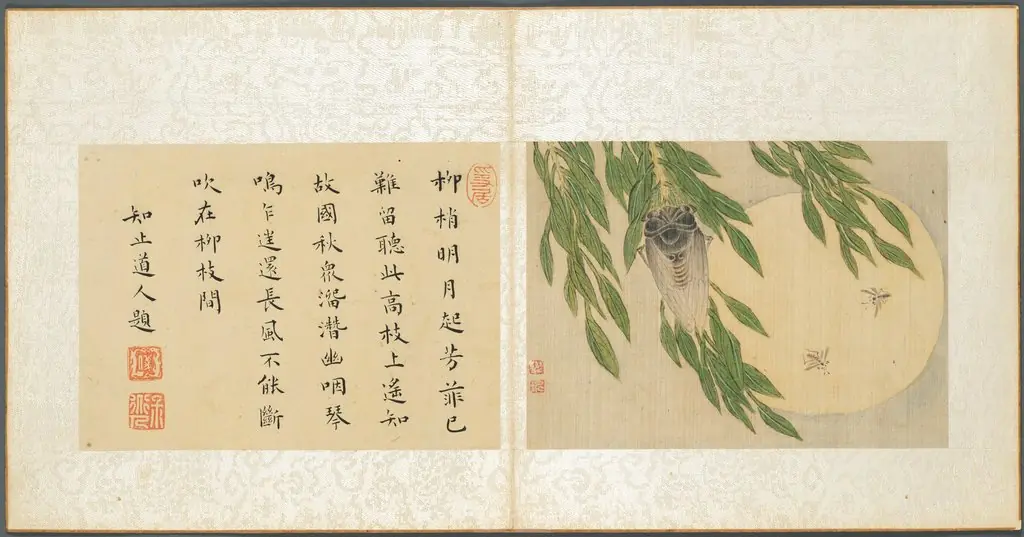 Album of Miscellaneous Subjects, Leaf 6
![Paintings after Ancient Masters: A Lohan [after Guanxiu], by Chen Hongshou, 1625](https://artifactworldgallery.com/img/chen-hongshou--paintings-after-ancient-masters-a-lohan-after-guanxiu--74d8f5a3d653f674-w320.webp) Paintings after Ancient Masters: A Lohan [after Guanxiu]
Paintings after Ancient Masters: A Lohan [after Guanxiu] Album of Calligraphy and Paintings
 Garden for Solitary Enjoyment
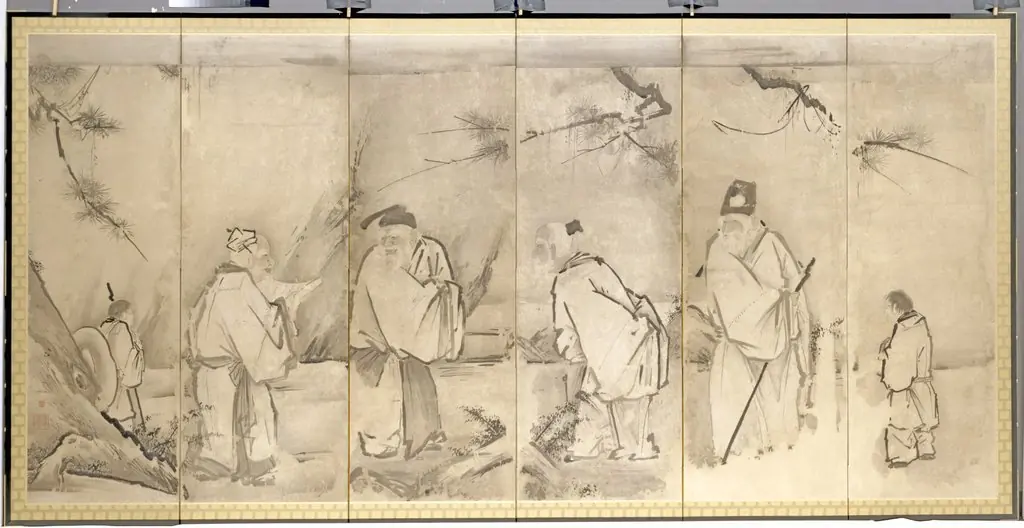 Four Elders of Mt. Shang
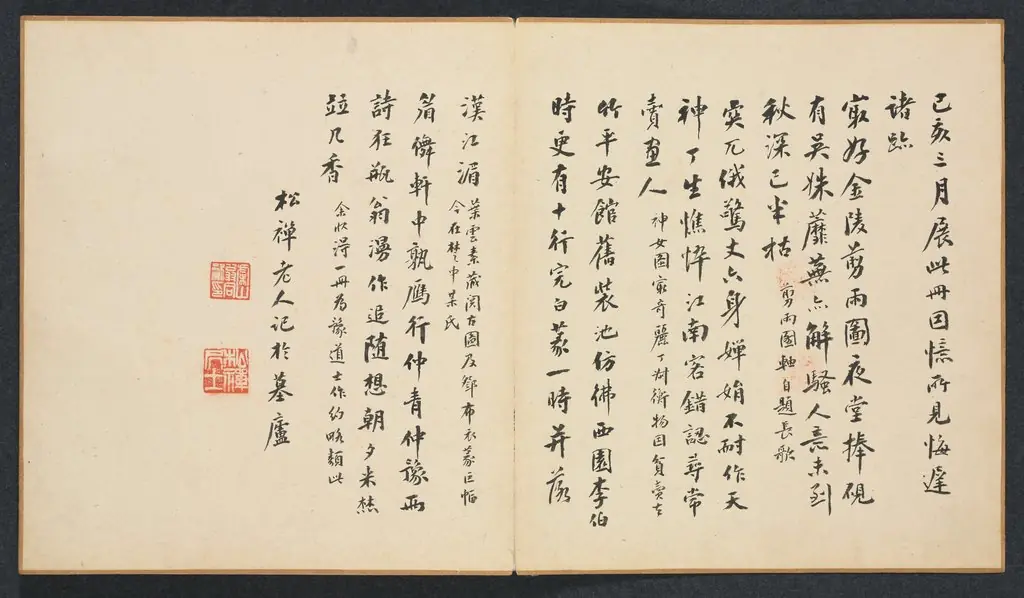 Paintings after Ancient Masters: Calligraphy
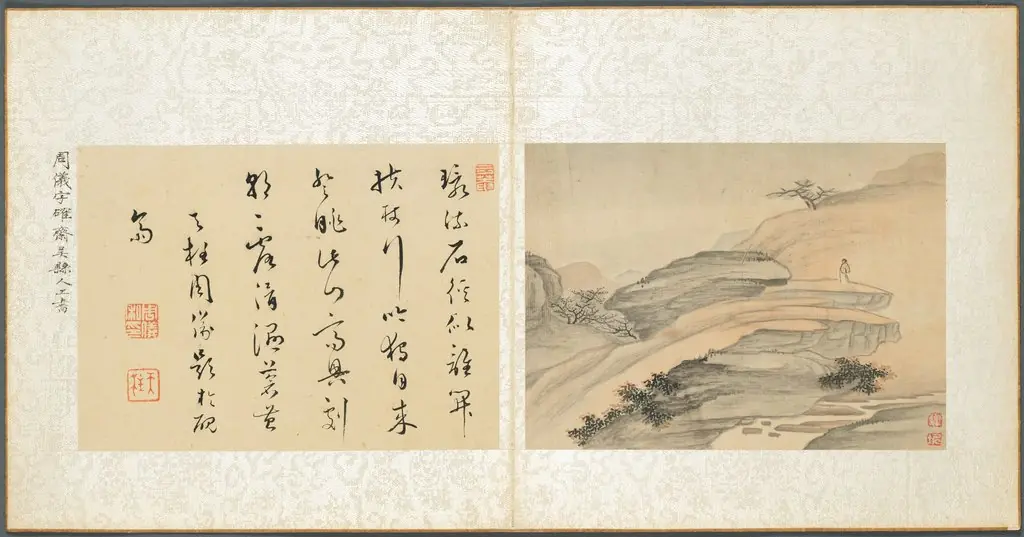 Album of Miscellaneous Subjects, Leaf 5
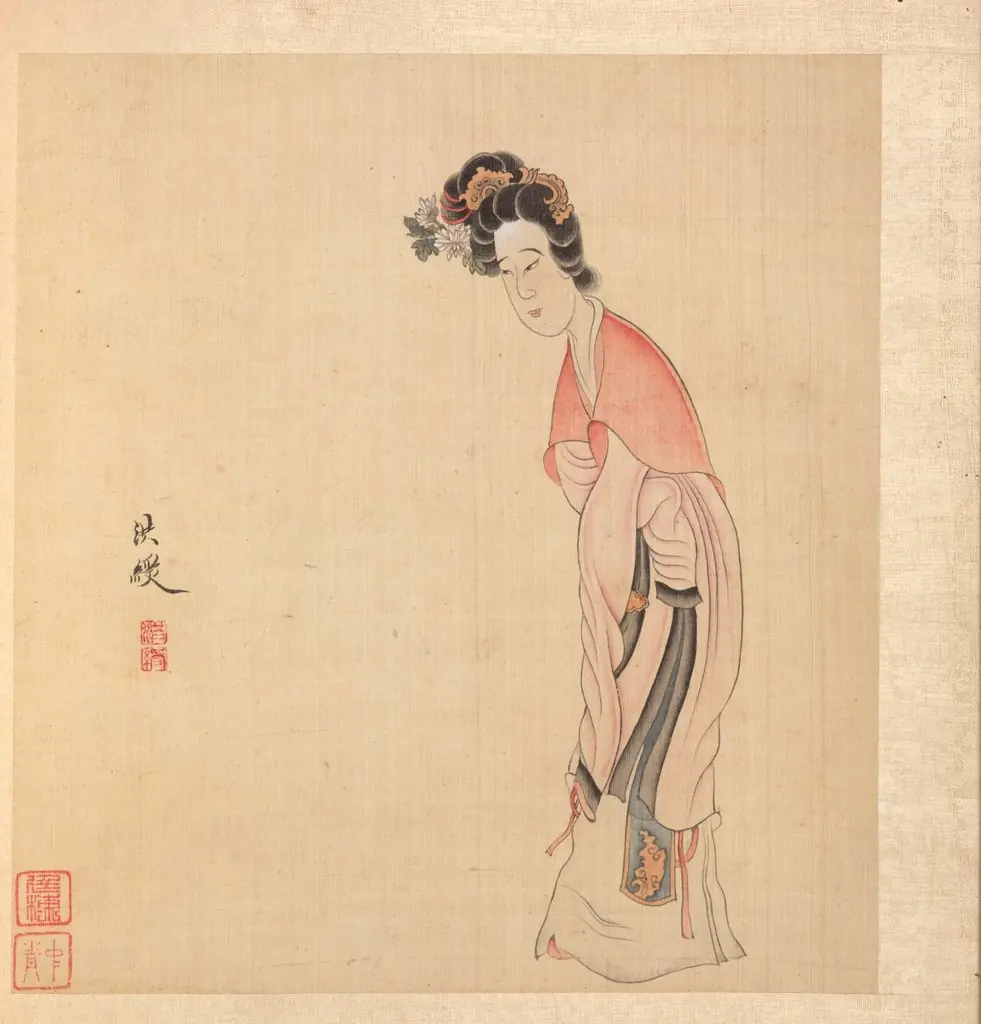 Paintings after Ancient Masters: A Lady
 Paintings after Ancient Masters: Volume 2
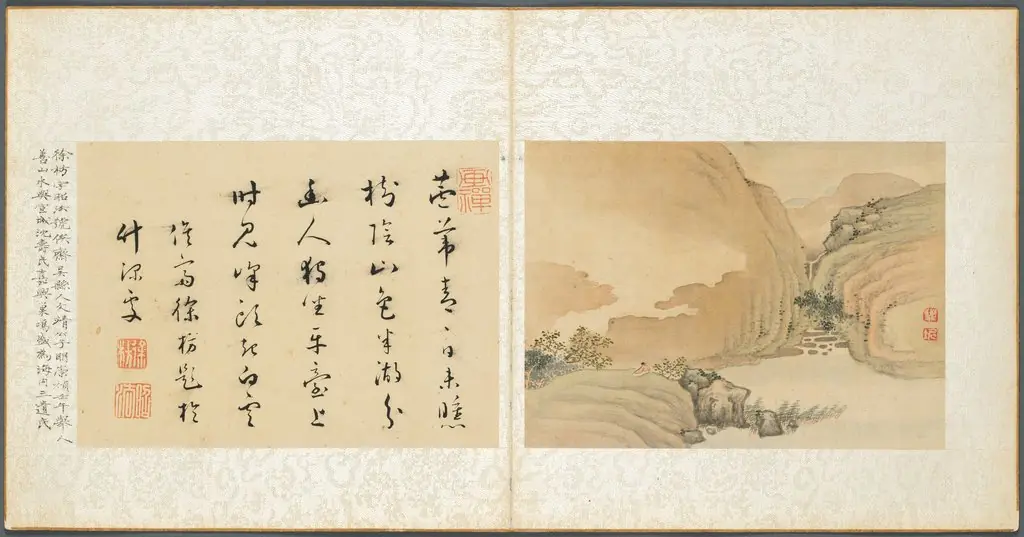 Album of Miscellaneous Subjects, Leaf 3
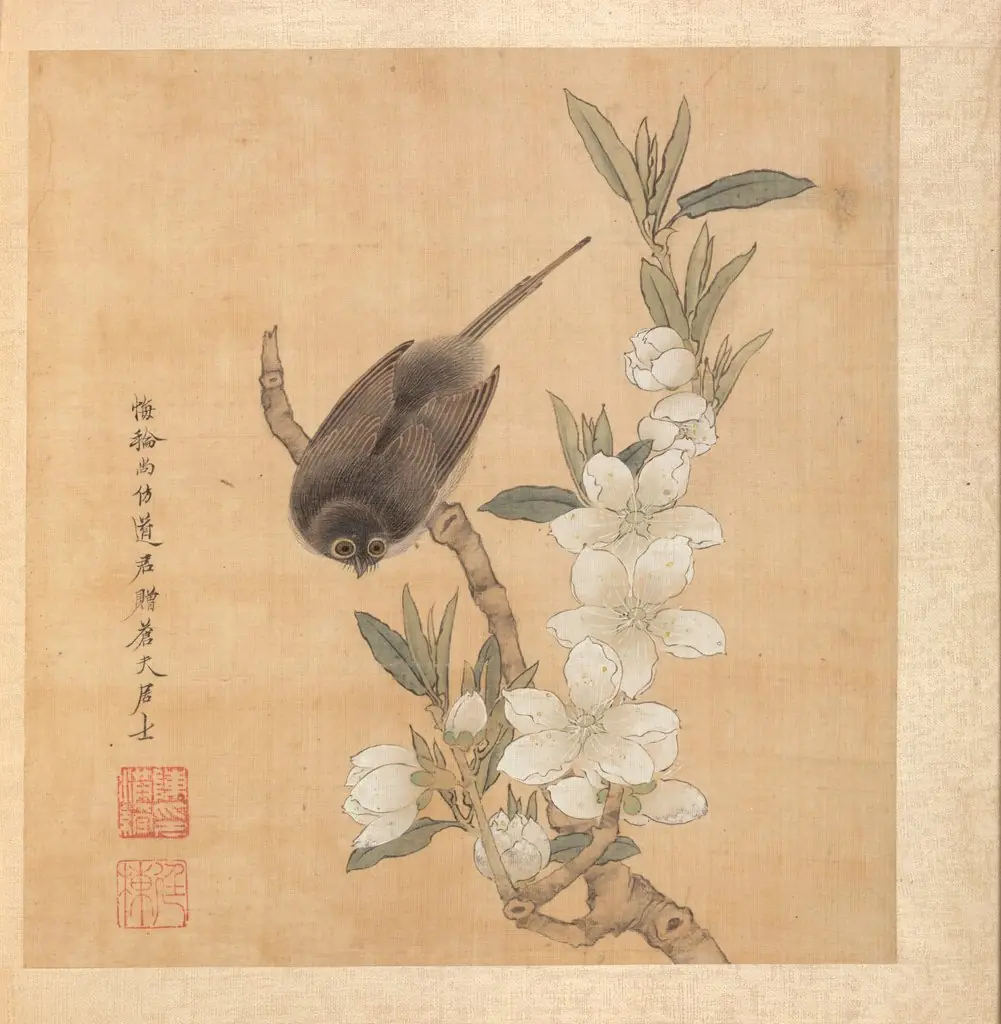 Paintings after Ancient Masters: A Bird and Peach-Blossom Branch
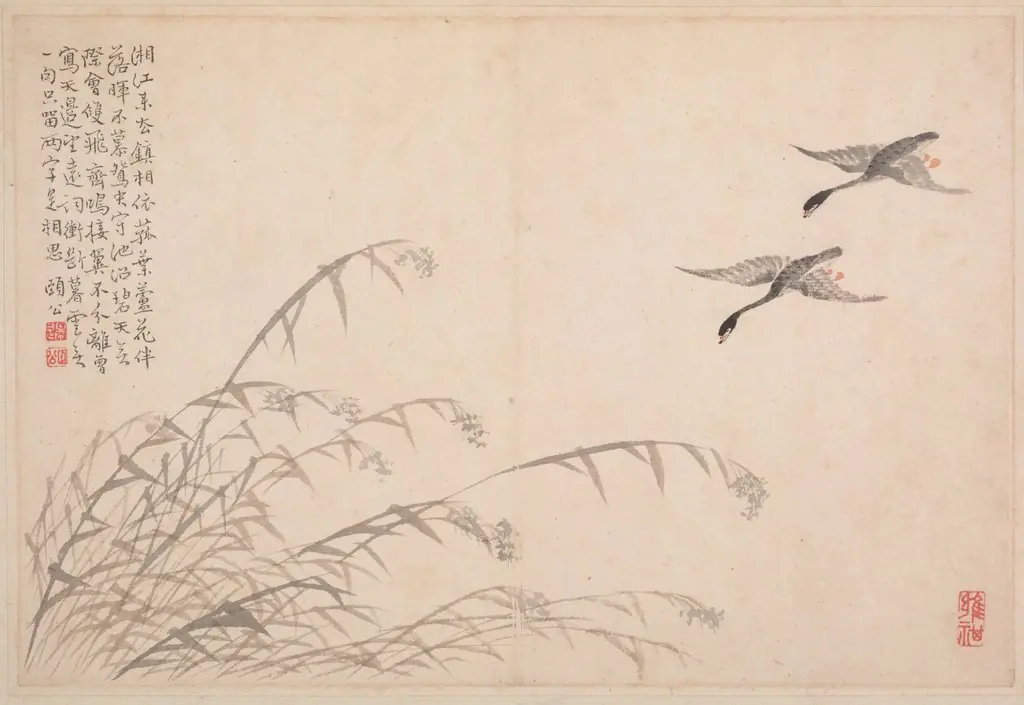 Album of Calligraphy and Paintings
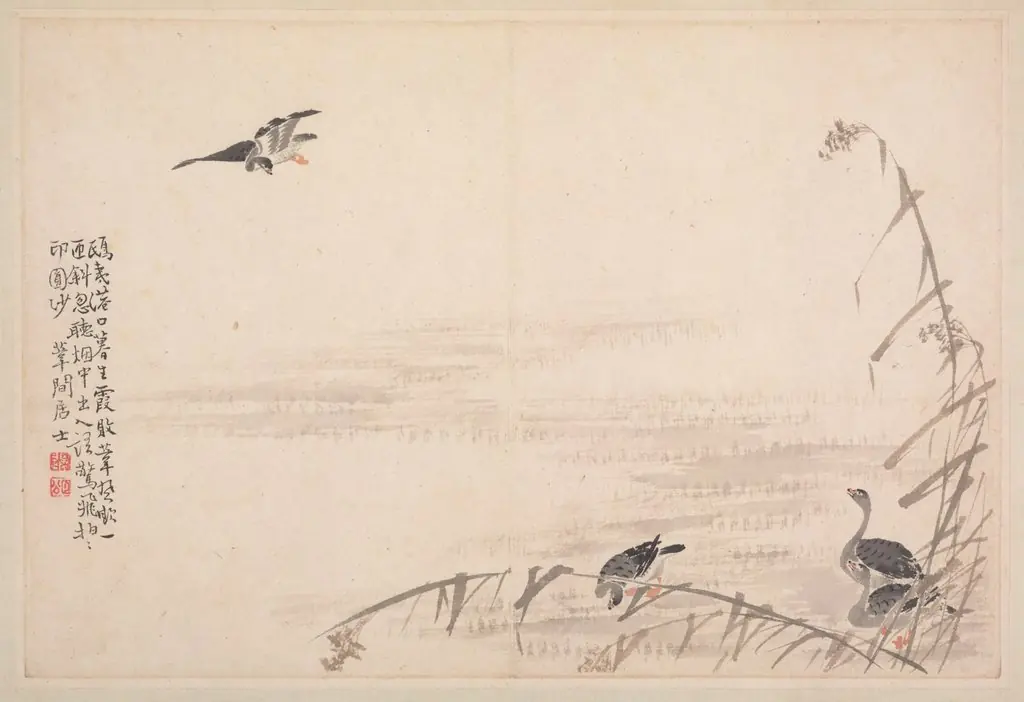 Album of Calligraphy and Paintings
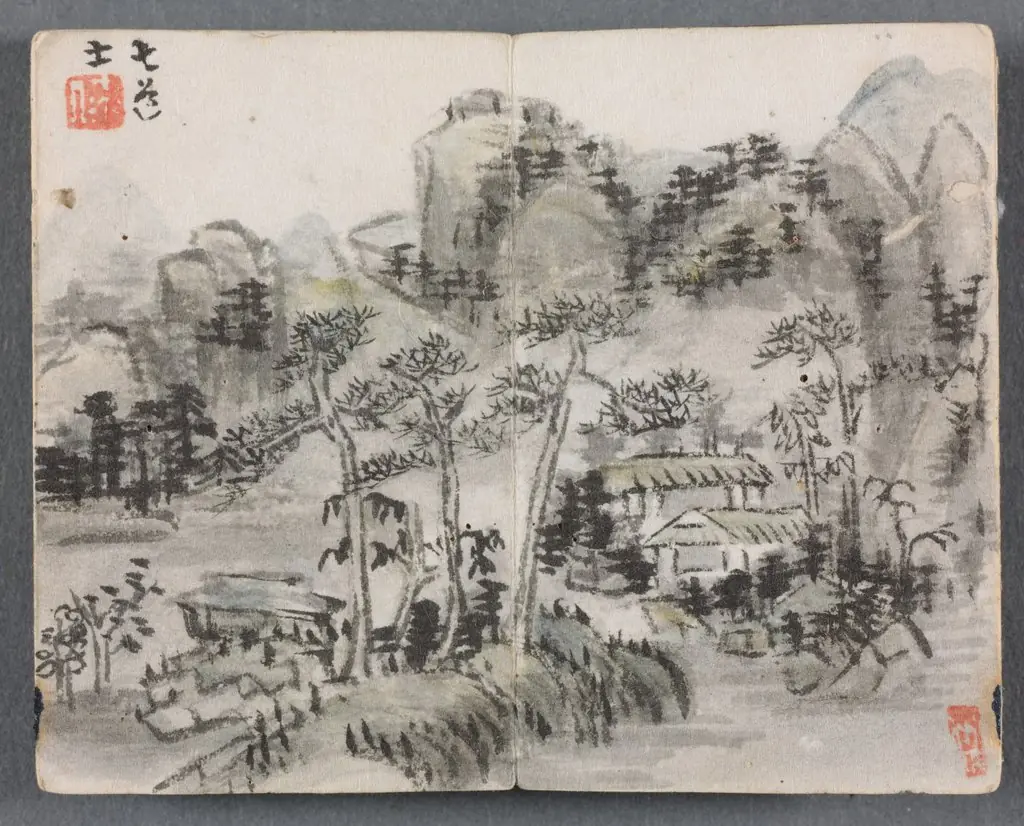 Miniature Album with Figures and Landscape (Landscape with Two Buildings)
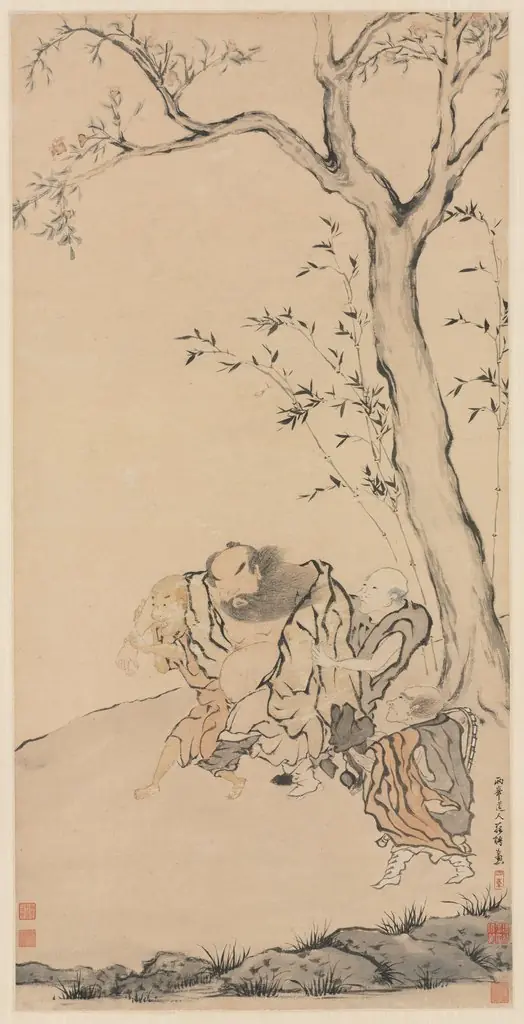 Zhong Kui Supported by Ghosts
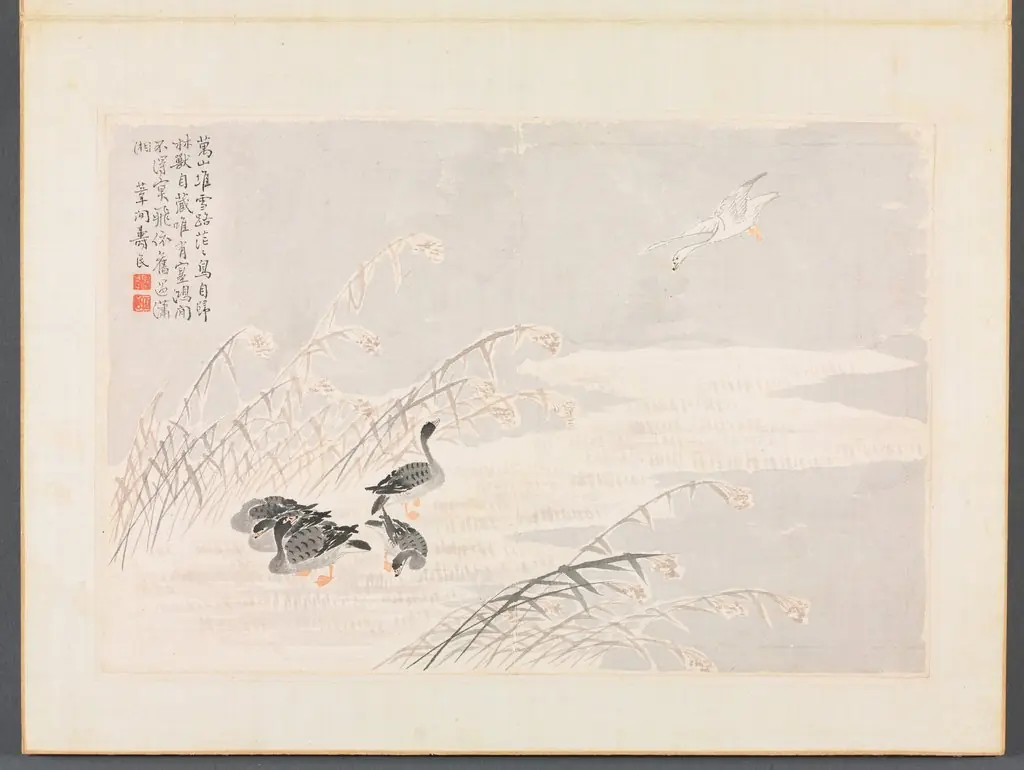 Album of Calligraphy and Paintings
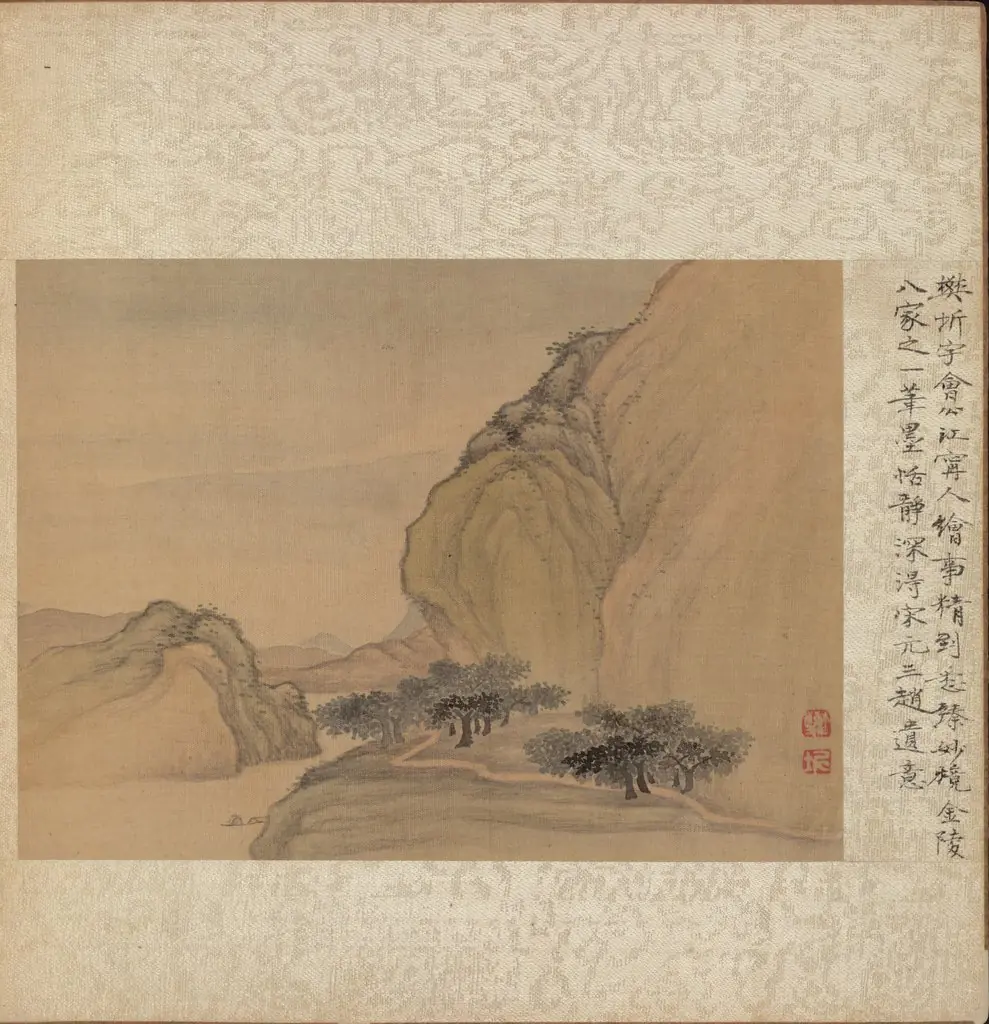 Album of Miscellaneous Subjects, Leaf 1
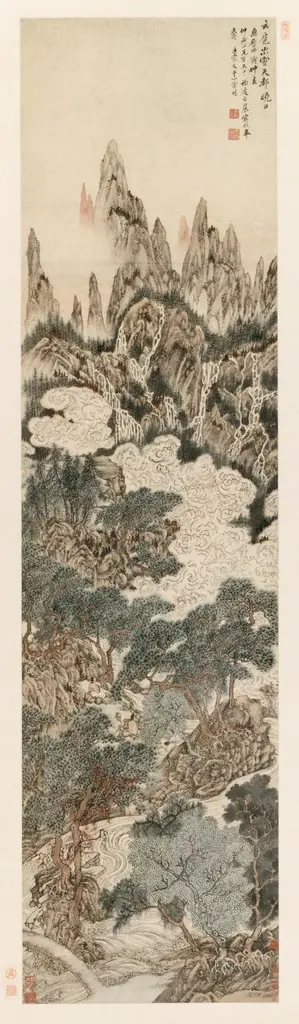 Morning Sun over Heavenly Citadel Peak
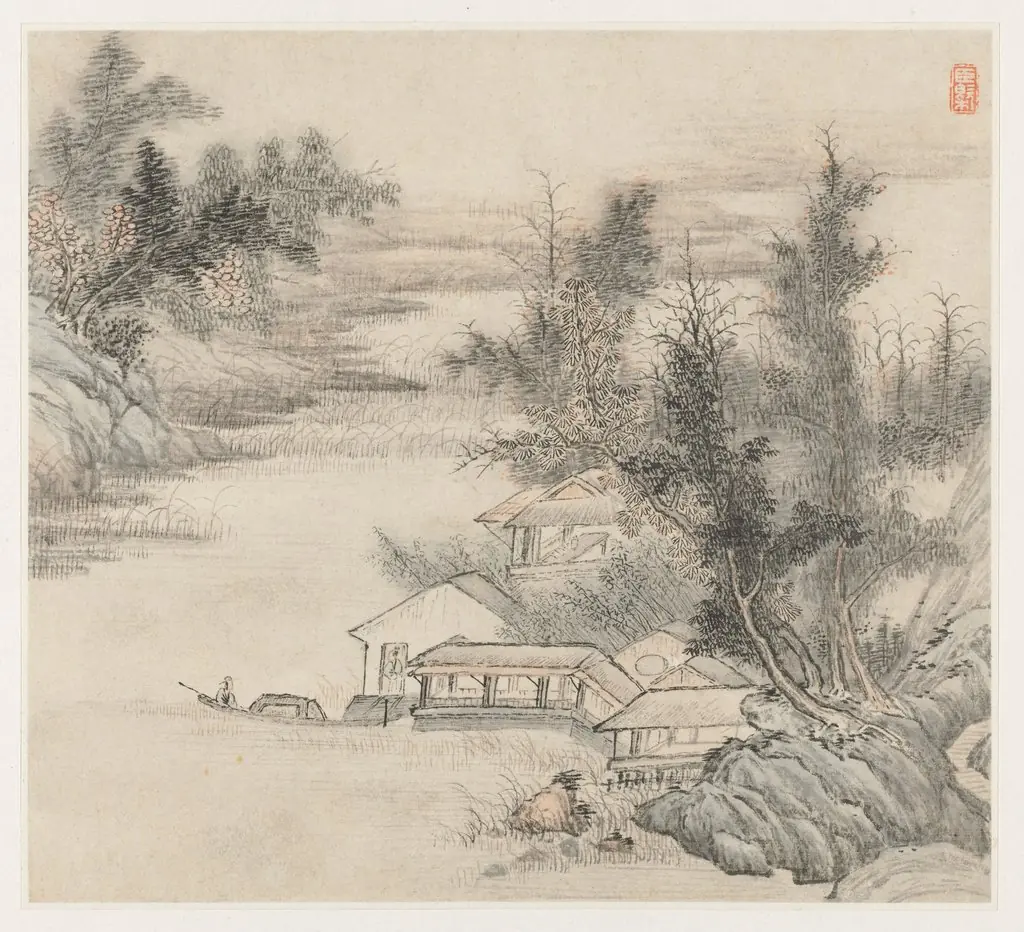 Album of Landscapes: Leaf 2
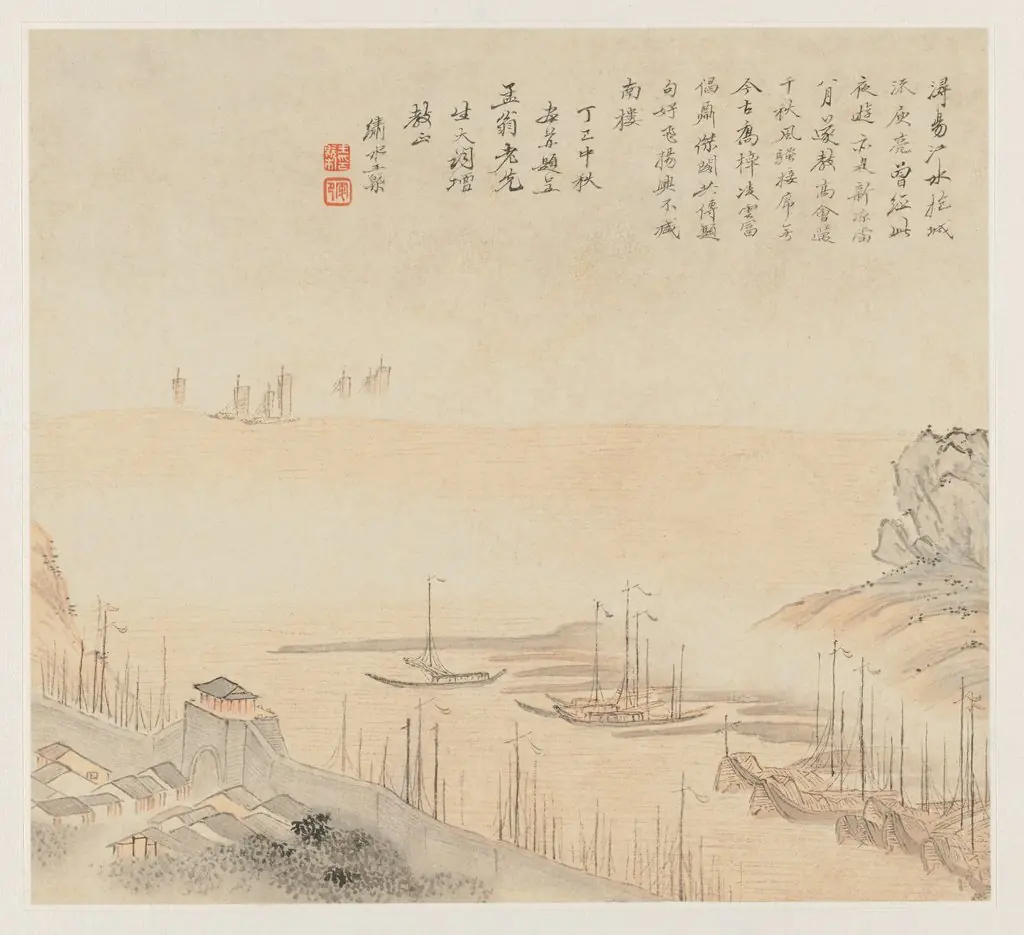 Album of Landscapes: Leaf 8
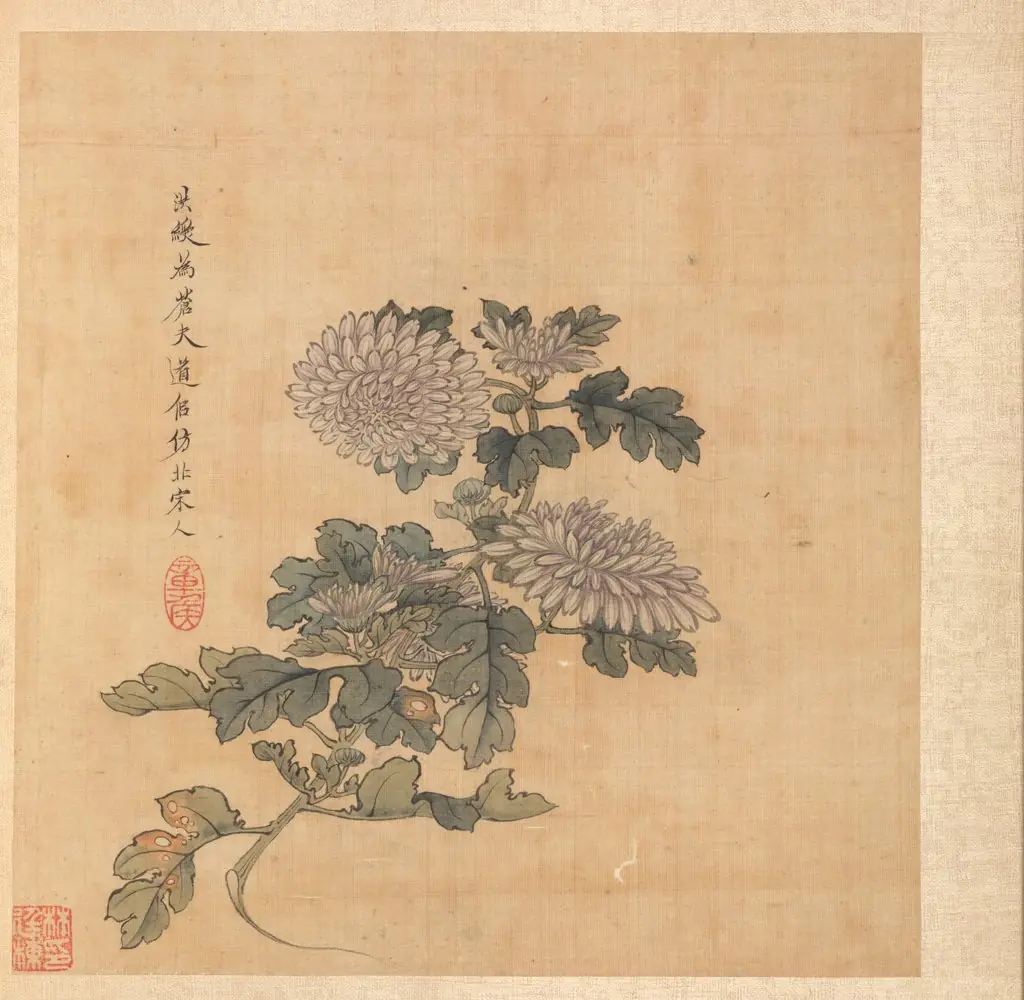 Paintings after Ancient Masters: Chrysanthemum
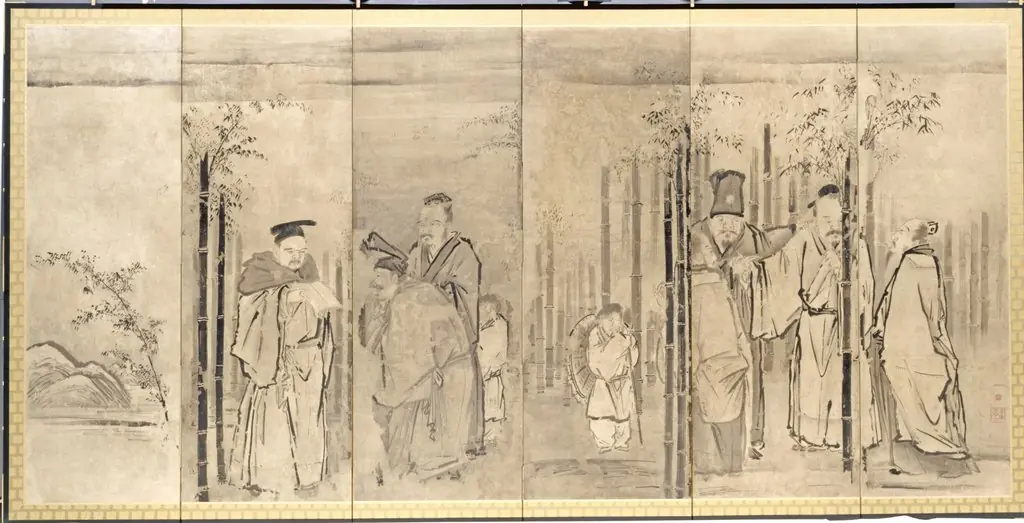 Seven Sages of the Bamboo Grove
 Paintings after Ancient Masters
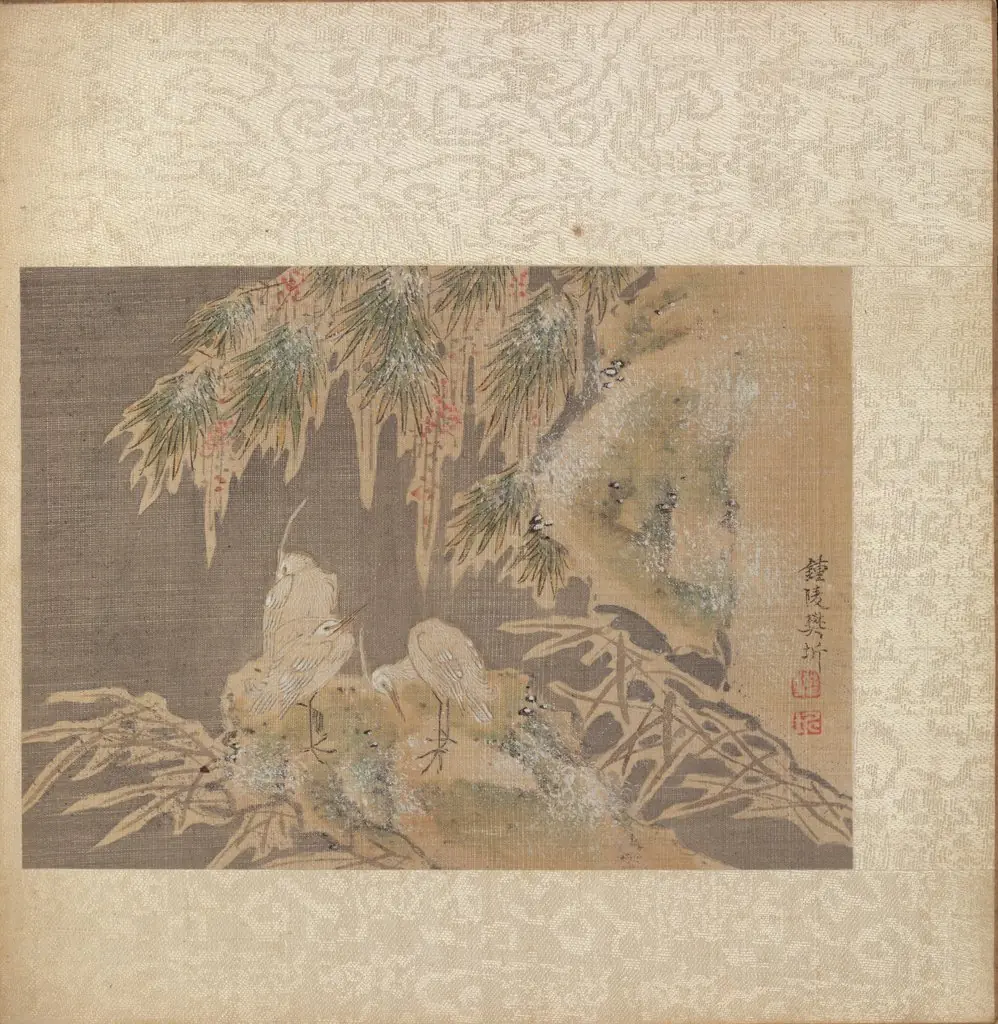 Album of Miscellaneous Subjects, Leaf 10
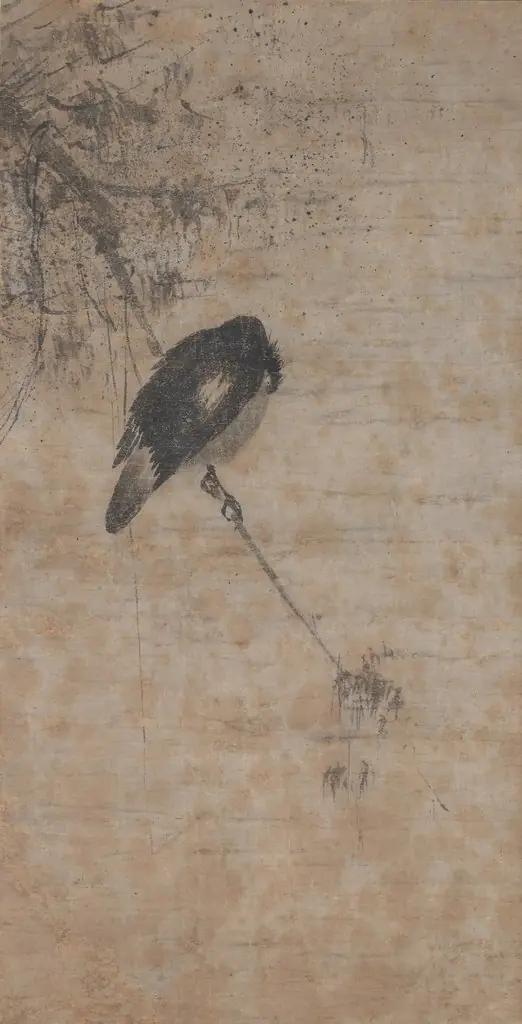 Willow and Magpie
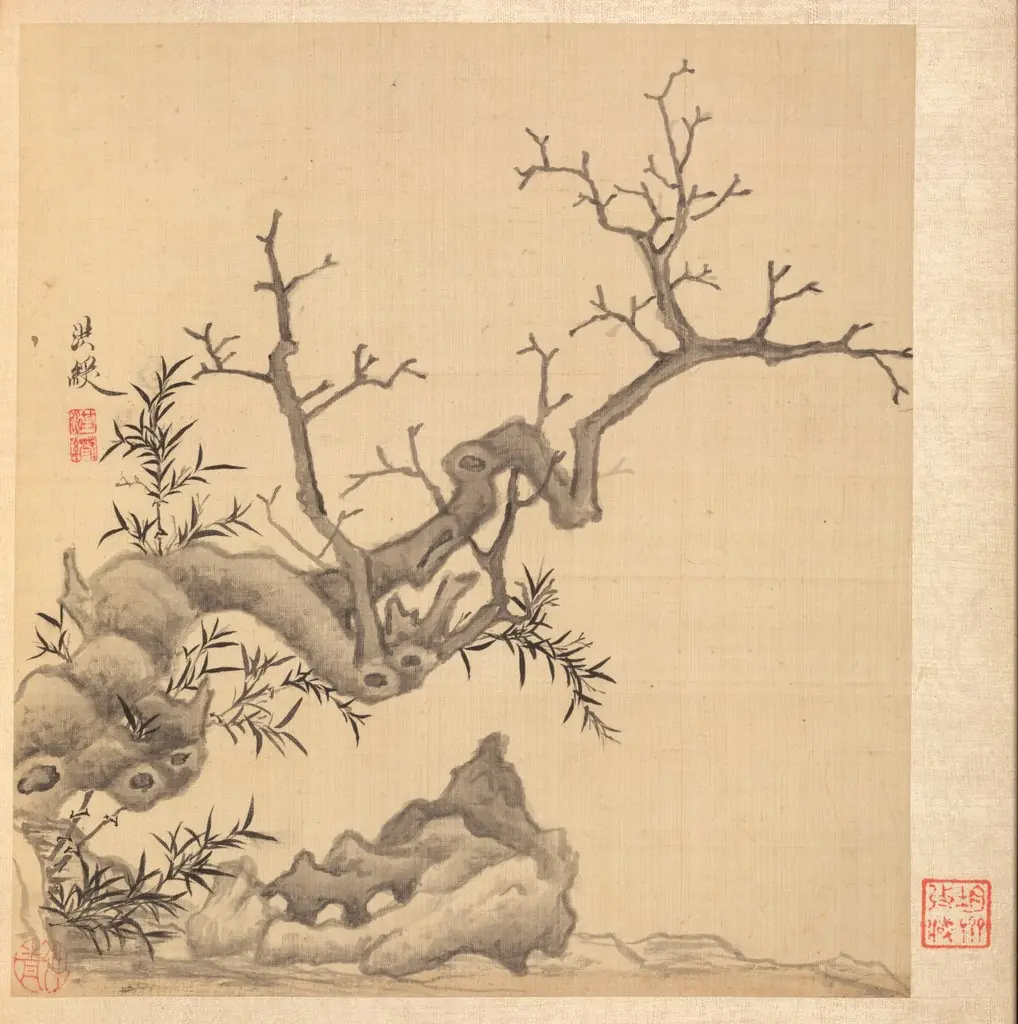 Paintings after Ancient Masters: Rock, Old Tree, and Bamboo
 Meditative Visit to a Mountain Retreat: In Picture and in Words
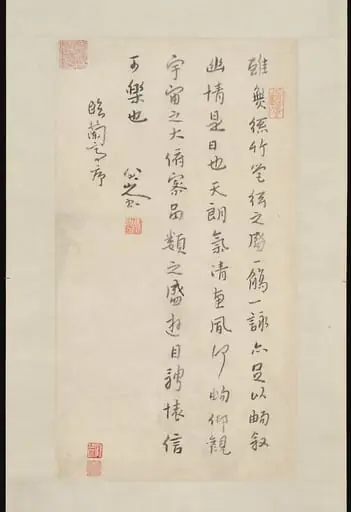 清 朱耷 (八大山人) 行書節錄王羲之蘭亭序 軸|After Wang Xizhi's "Preface to the Orchid Pavilion Gathering Collection"
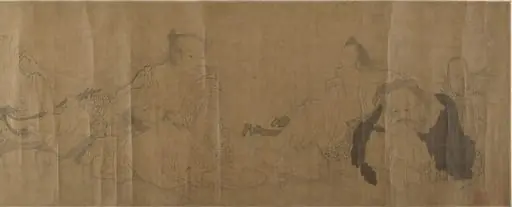 Untitled
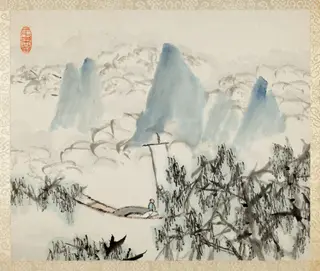 Landscape with Figure, from an album of Landscapes and Calligraphy for Liu Songfu
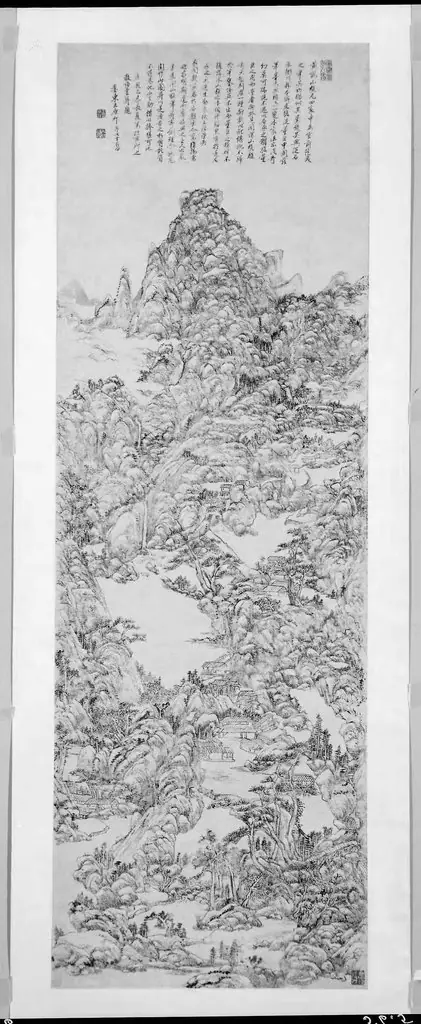 Mountainous Landscape after Wang Meng
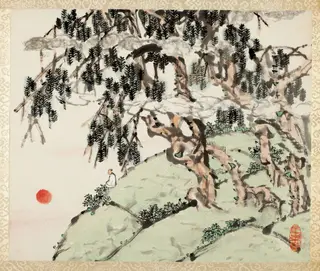 Landscape and Figure, from an album of Landscapes and Calligraphy for Liu Songfu
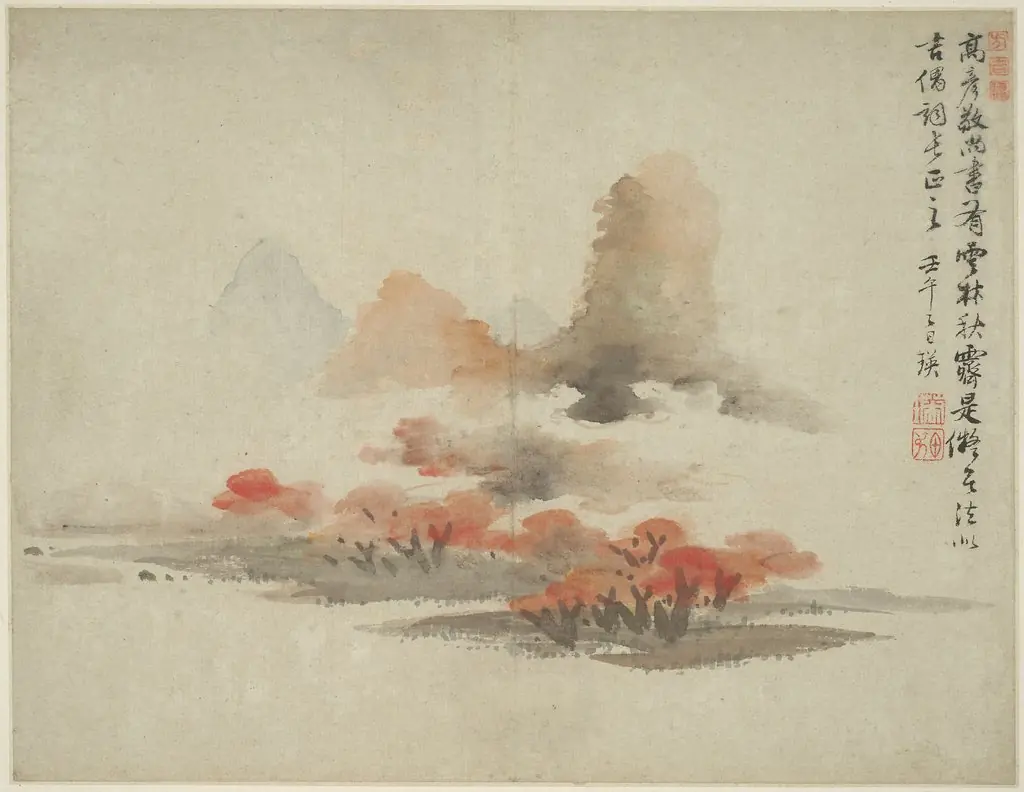 Landscape in the Style of Ancient Masters: after Gao Kegong (1248-1310)
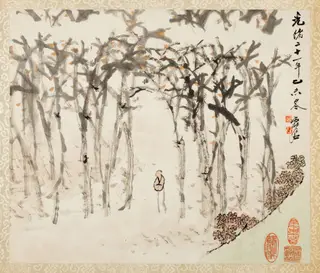 Landscapes for Liu Songfu
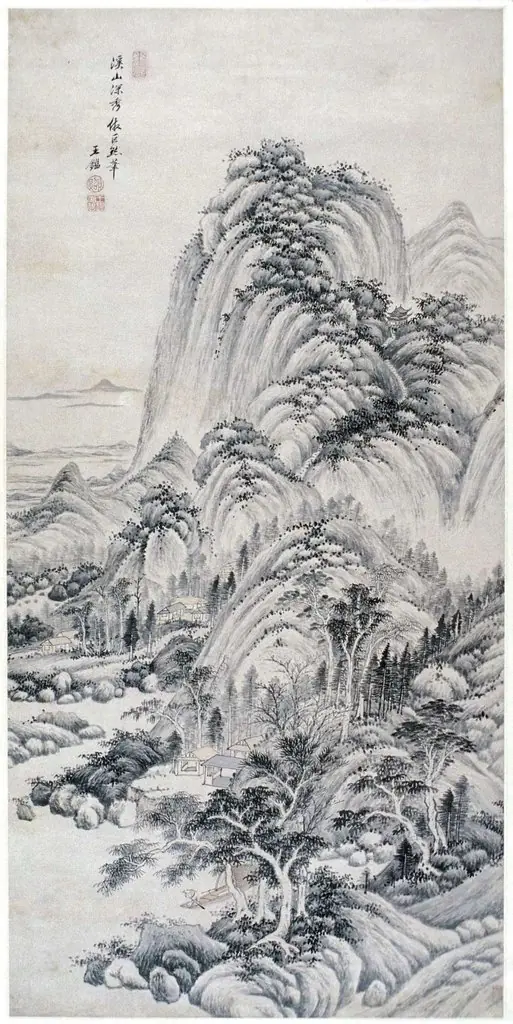 Landscape in the Style of Juran
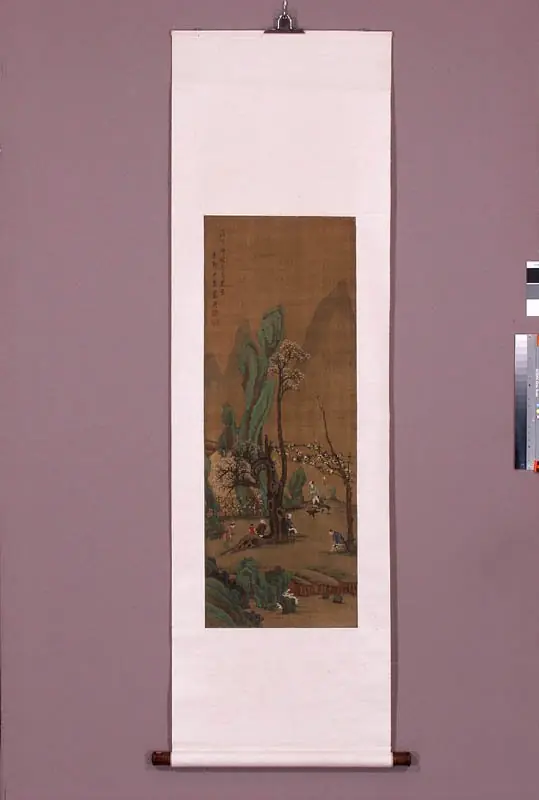 Wieśniacy odpoczywający nad potokiem
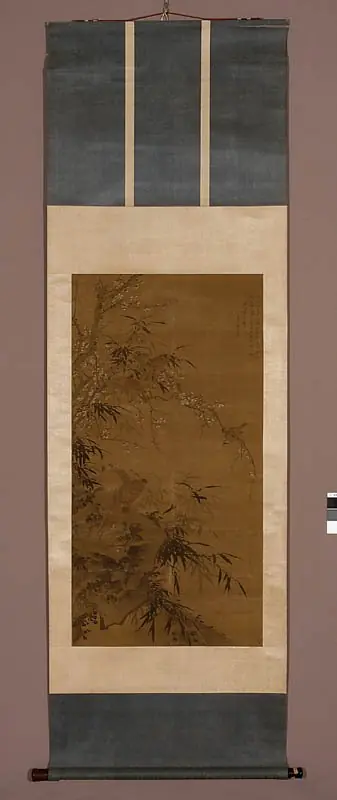 Ptaki na gałęzi śliwy
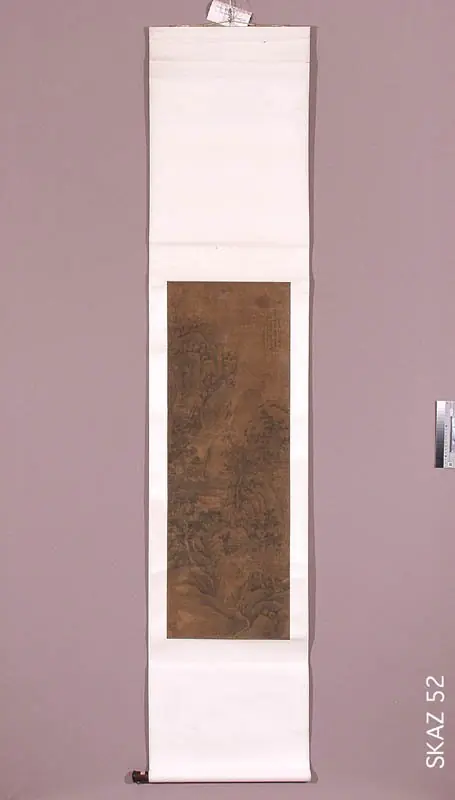 Pejzaż w stylu generała Li
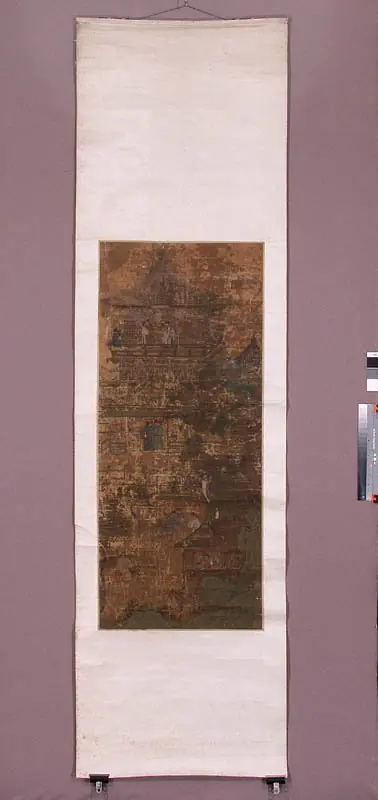 Architektura pałacowa z parkiem i postaciami uczonych
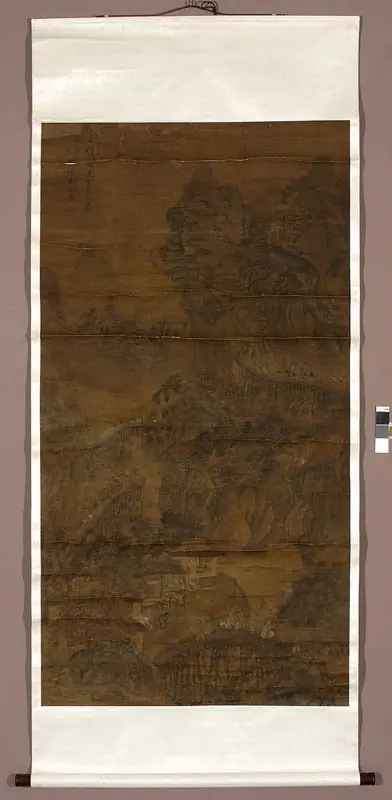 W drodze do przełęczy
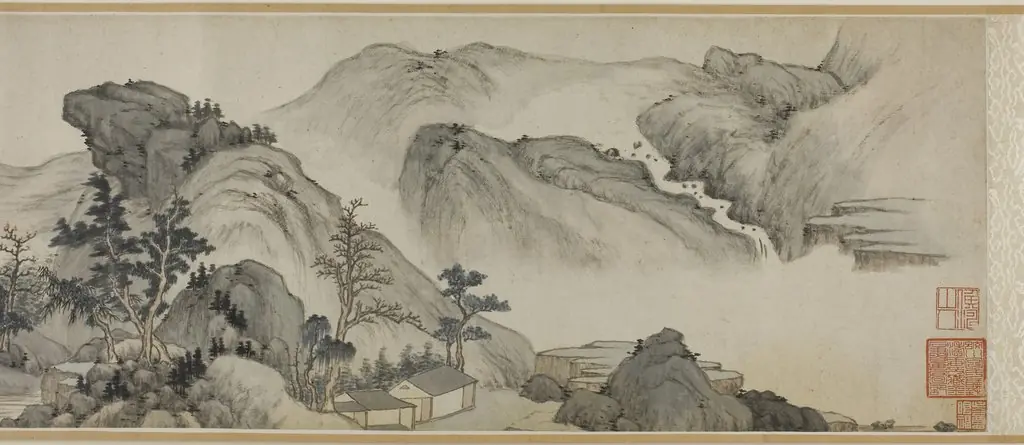 Recluse Dwellings in the Autumn Mountains
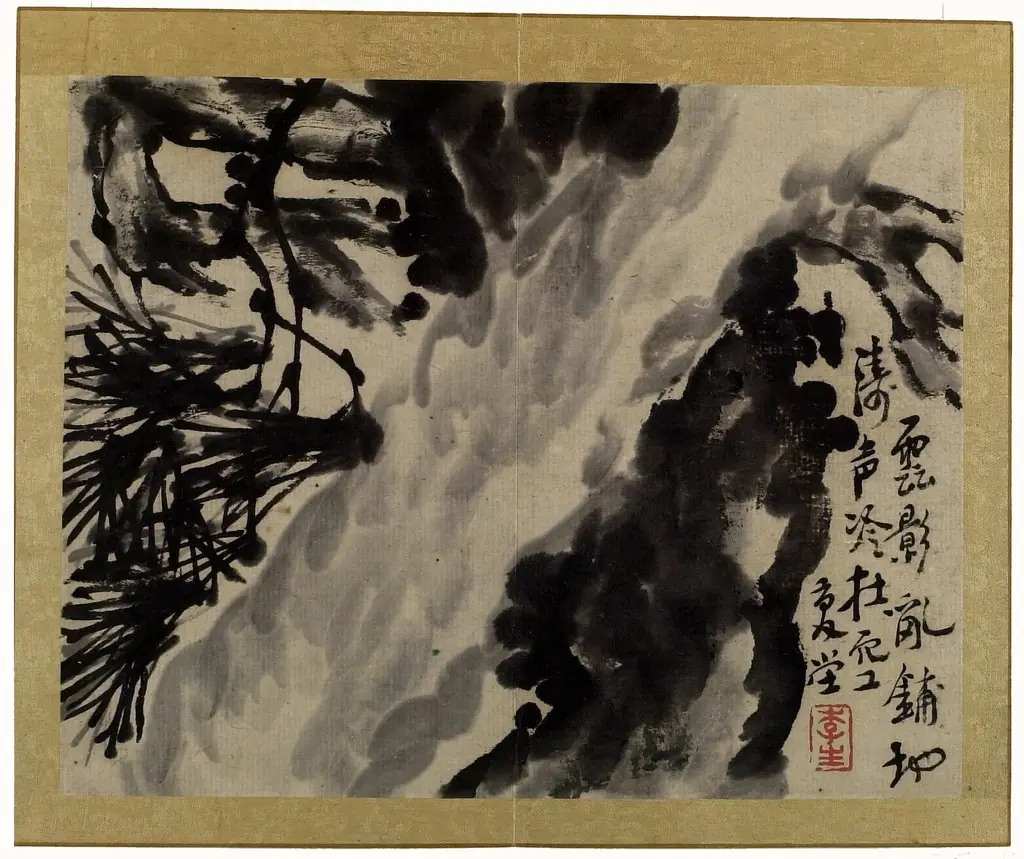 Birds, Flowers and Insects
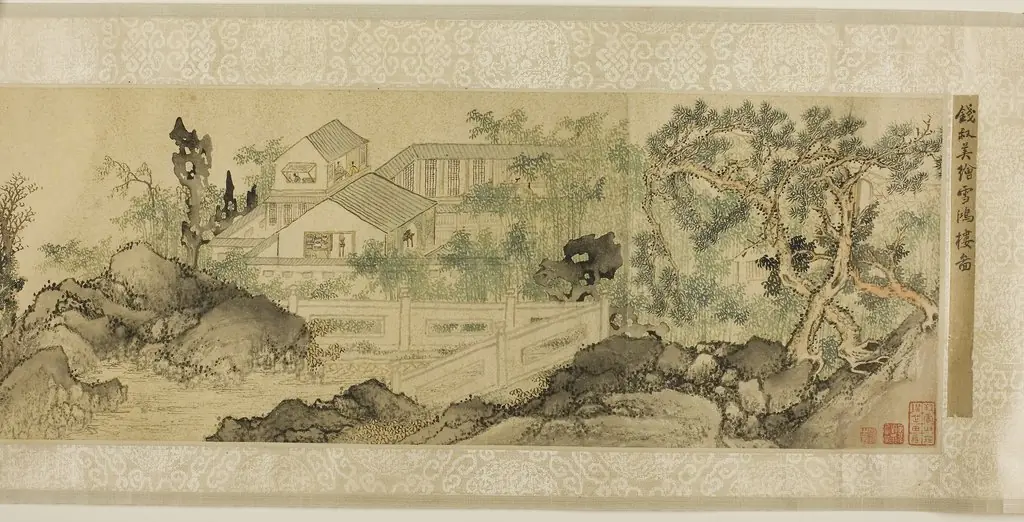 The Xuehong Pavilion in a Scholar's Garden
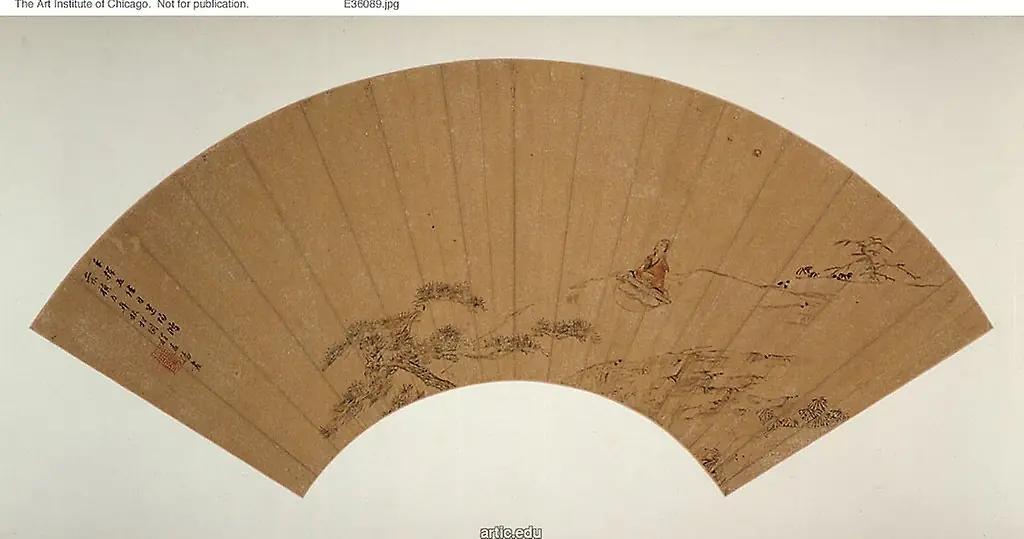 Scholar Playing a Qin (Zither)
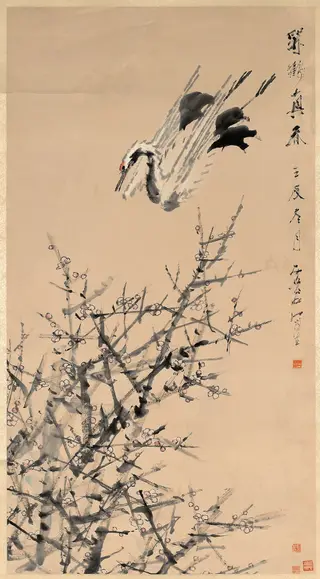 Plum Blossoms, Crane, and Spring
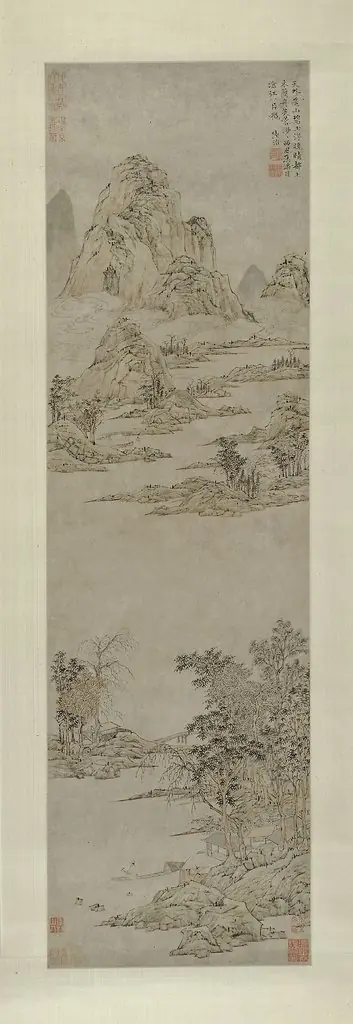 Pulling Oars under Clearing Autumn Skies (Distant Mountains)
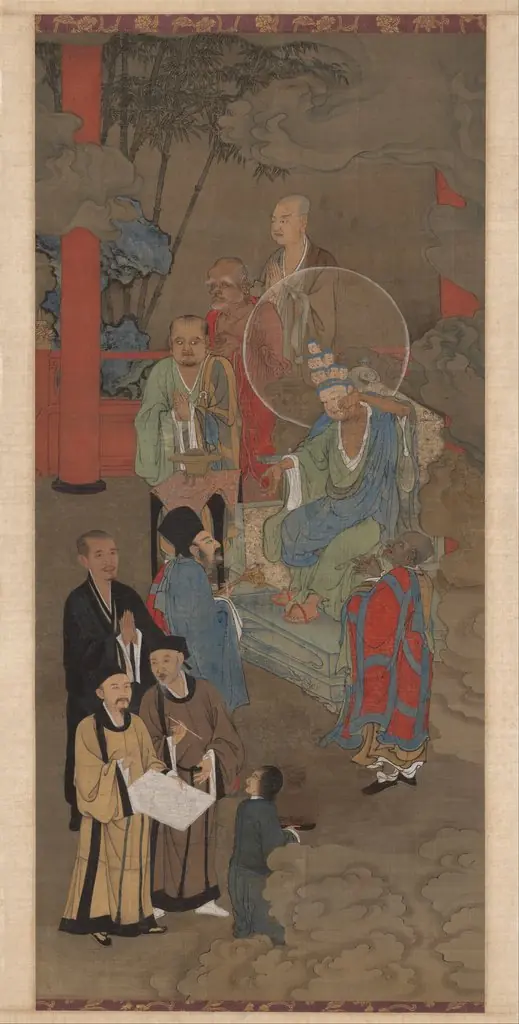 Lohan manifesting himself as an eleven-headed Guanyin
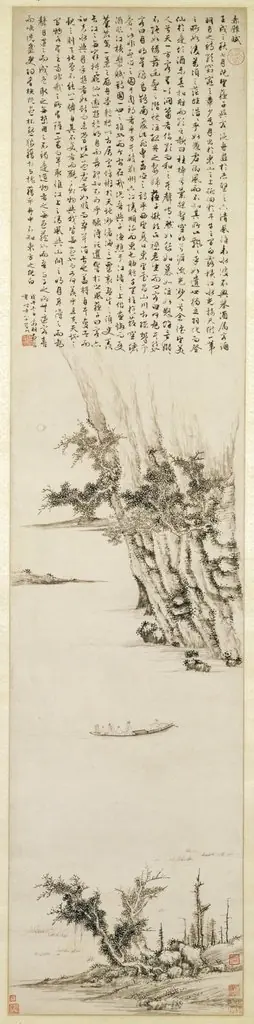 The First Prose Poem on the Red Cliff
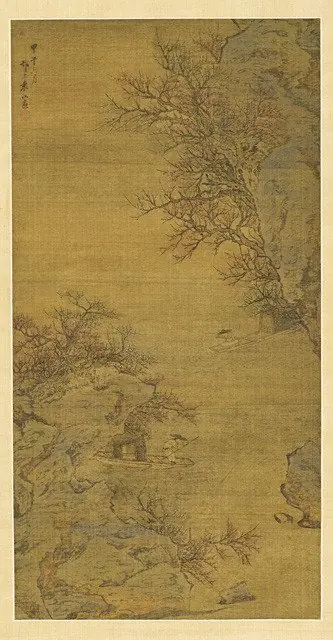 River-Crossing in the Spring
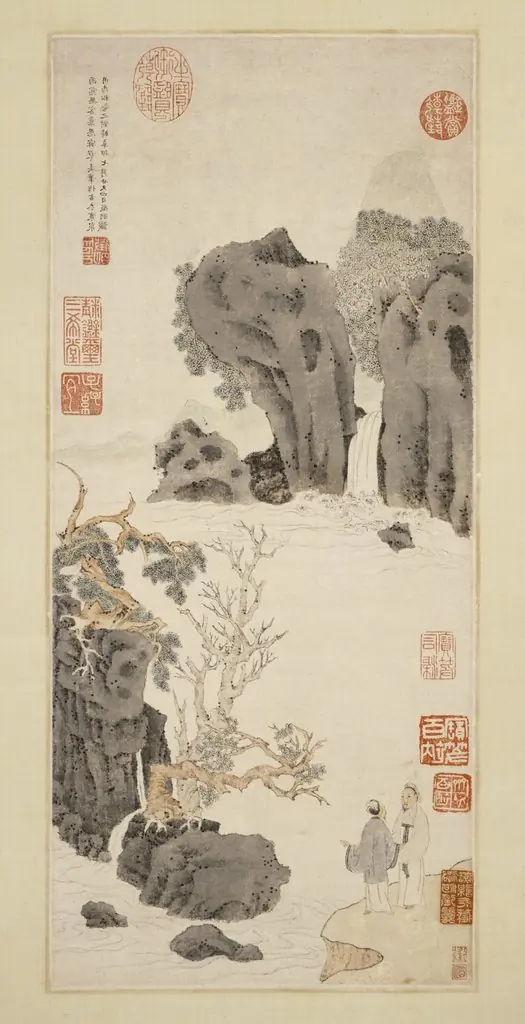 Old Trees by a Cold Waterfall
 Traveling to the Southern Sacred Peak
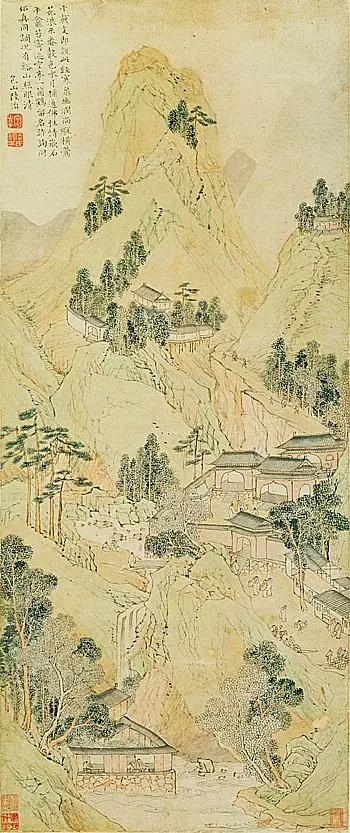 支硎山图
支硎山图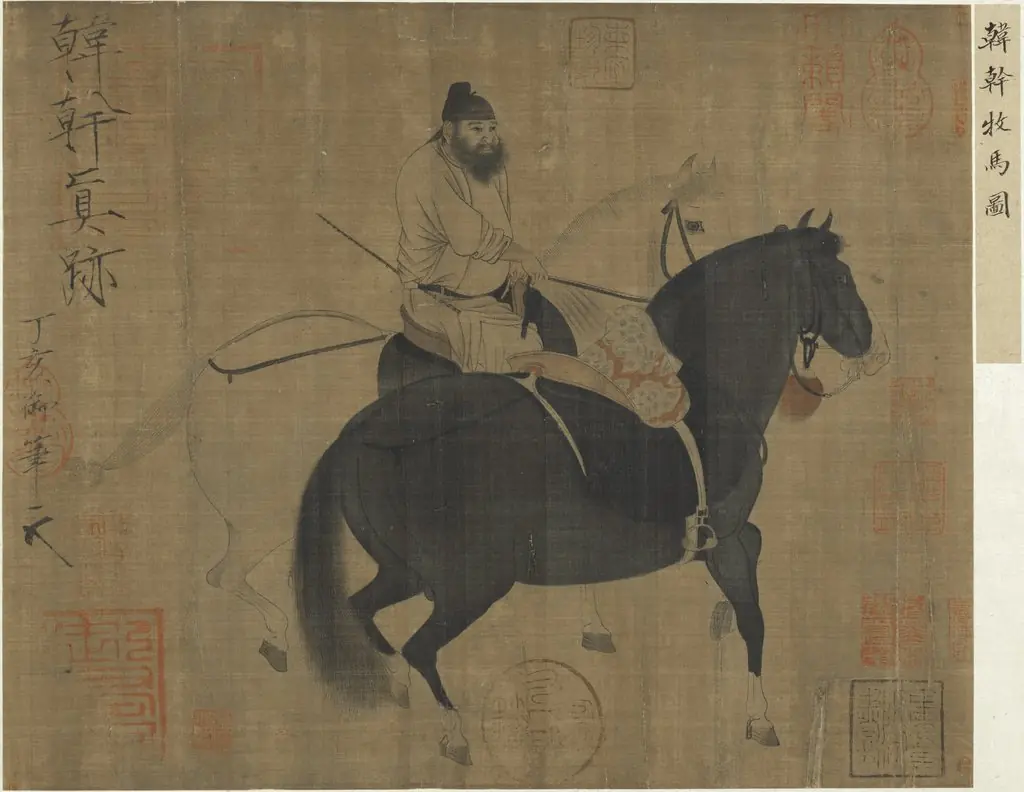 Man Herding Horses
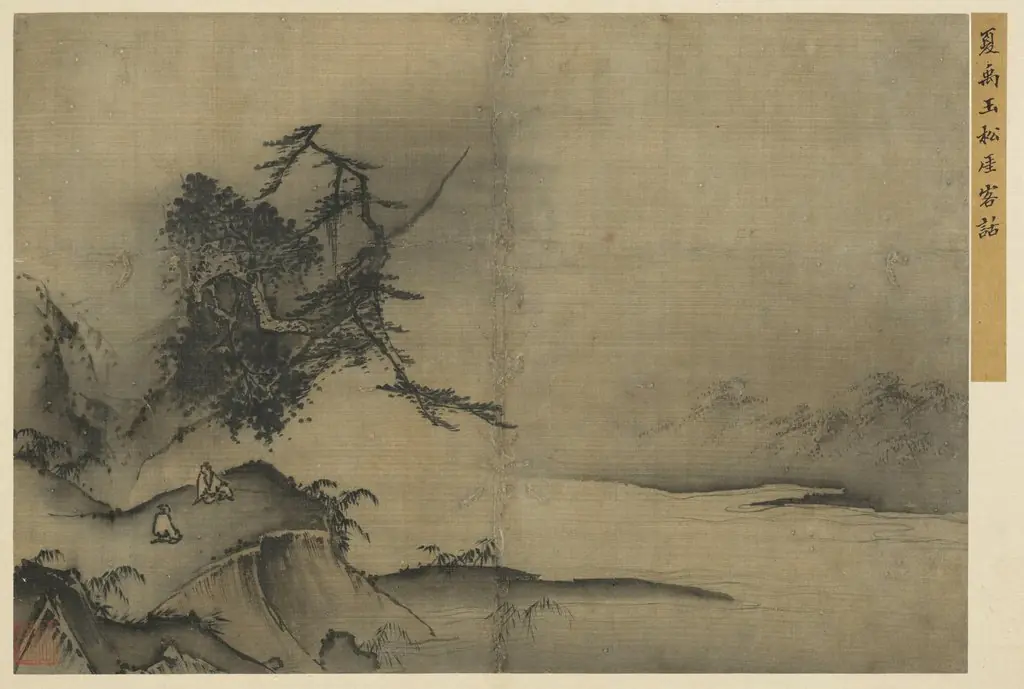 名繪集珍 冊 宋夏珪松厓客話
 The Sixth of the Nine Bends, WuYi Mountain (Xing Zhong Feng)
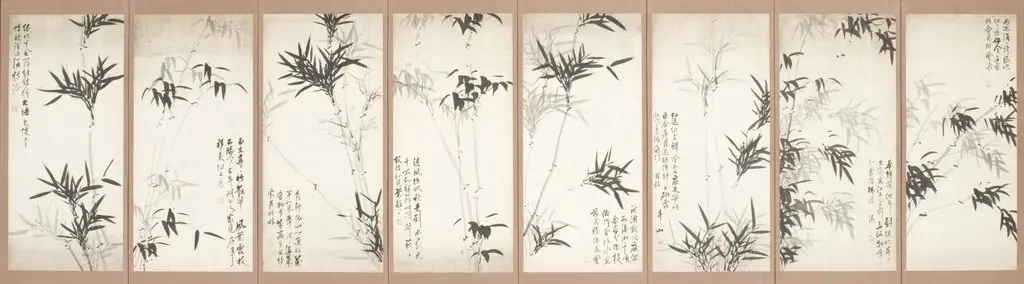 Bamboo
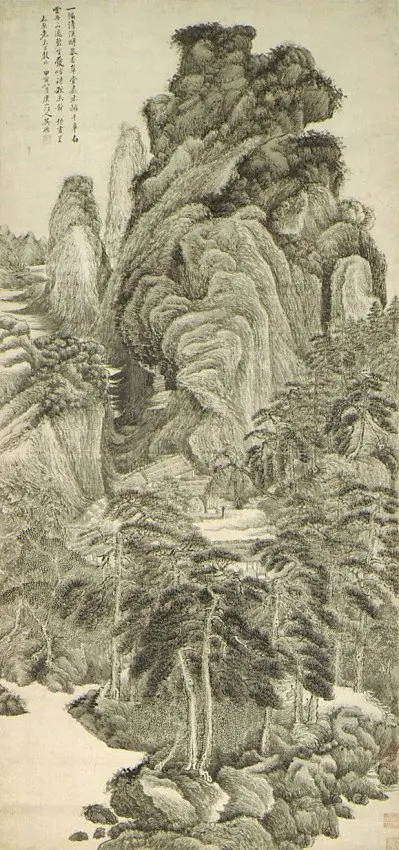 Reciting Poetry before the Yellowing of Autumn
Frequently asked questions
What is Chinese Orthodox School?
Chinese Orthodox School is an art movement. The 'orthodox' literati painters of the early Qing, led by the Four Wangs, who revered and recombined the brush methods of Song and Yuan masters.
How many Chinese Orthodox School works does Artifact World Gallery have?
Artifact World Gallery holds 317 public-domain Chinese Orthodox School works, all free to view and download.
Who are the key Chinese Orthodox School artists?
Key Chinese Orthodox School artists in the collection include Zha Shibiao, Ni Yuanlu and Liu Yen.
When did Chinese Orthodox School take place?
Chinese Orthodox School dates from around 1640.
Where can I see Chinese Orthodox School works?
Chinese Orthodox School works in the collection are held by Cleveland Museum of Art, Metropolitan Museum of Art and National Palace Museum.