Religious genre — works
19,009–19,044 of 20,916 works · most celebrated first
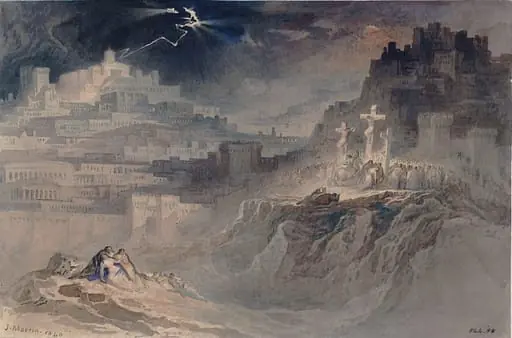 The Crucifixion
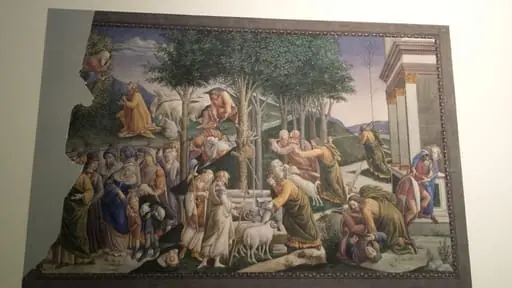 Copy after the painting The Trials of Moses (Moses at the Well) by Sandro Botticelli in the Sistine Chapel (Rome)
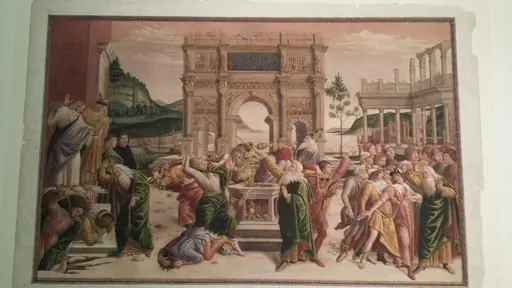 Copy after the Punishment of the Rebels ( Destruction of Koran, Dathan and Abirim ), Sandro Botticelli in the Sistine Chapel (Rome)
 The Crucifixion
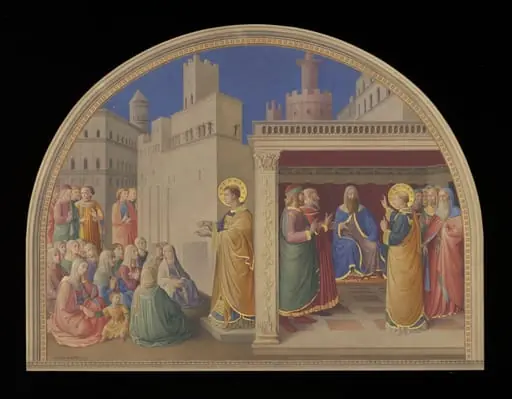 Copy after St Stephen preaching and St Stephen before the Council, Fra Angelico in the Niccoline Chapel (Vatican, Rome)
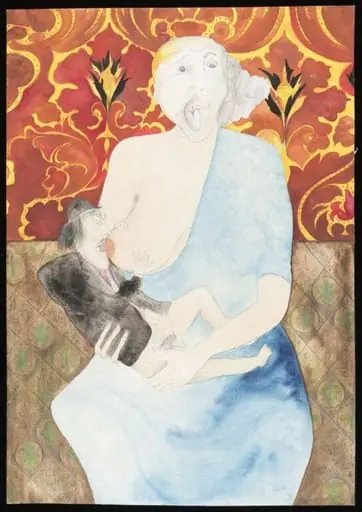 Madonna
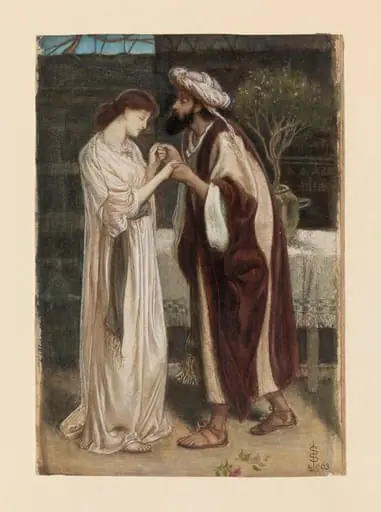 Isaac and Rebekah
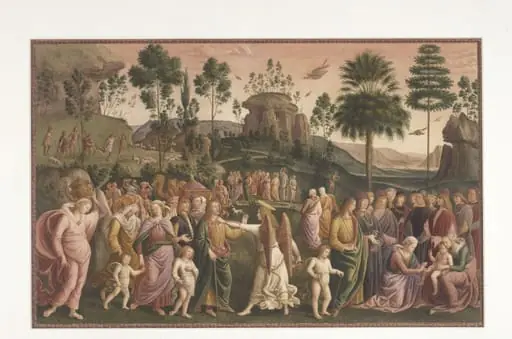 Copy after the painting Moses and the Angel by Perugino in the Collegio del Cambio, Perugia.
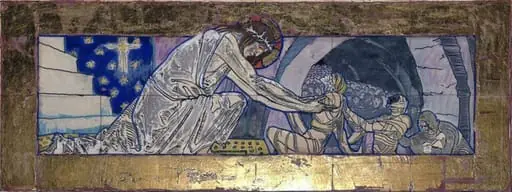 Christ descending into Hell
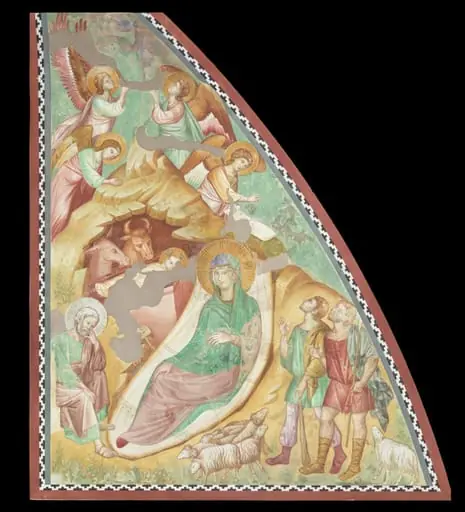 Copy after the painting The Nativity attributed to Jacobo Torriti in the Upper Church, San Francesco, Assisi
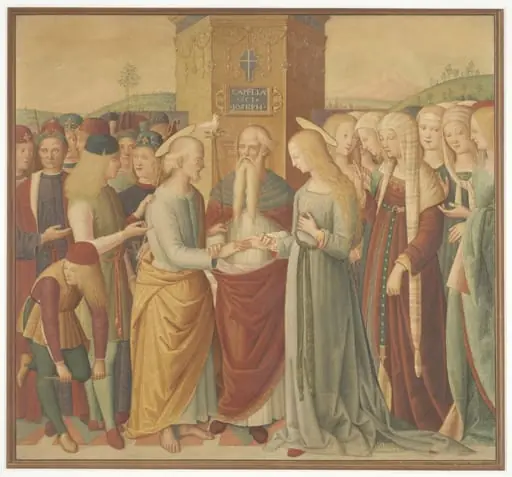 Copy after the painting Marriage of the Virgin by Perugino in S. Girolamo, Spello.
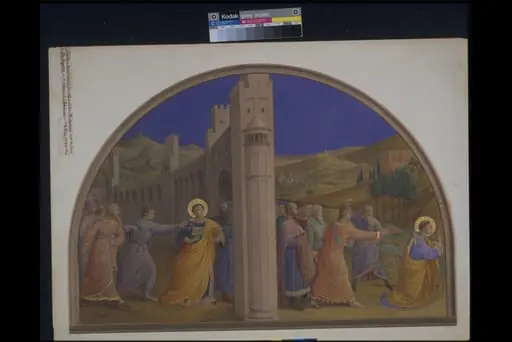 Copy after The Expulsion of St Stephen and The Martyrdom of St Stephen, Fra Angelico in the Niccoline Chapel (Vatican, Rome)
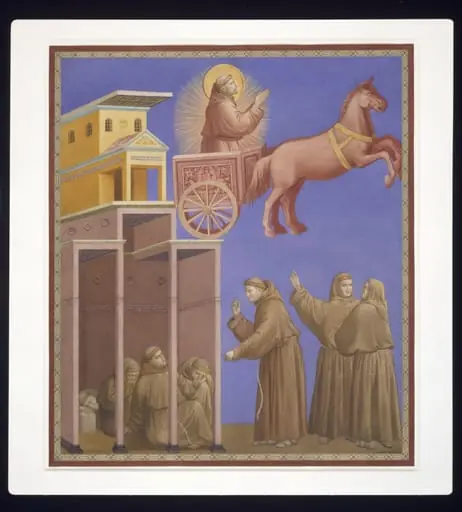 Copy after the painting St Francis appearing to the brethren in a chariot of fire by the Master of the St Francis cycle in the Upper Church, San Francesco, Assisi
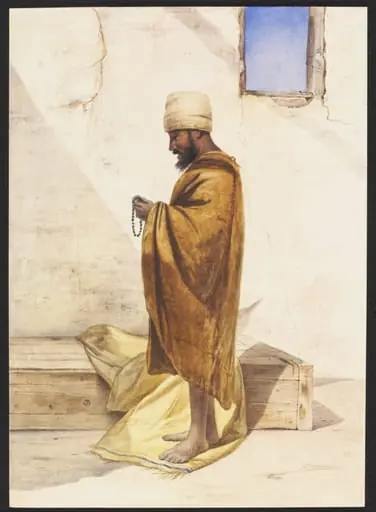 Abyssinian Christian in Cairo. On Pilgrimage to El-Tin
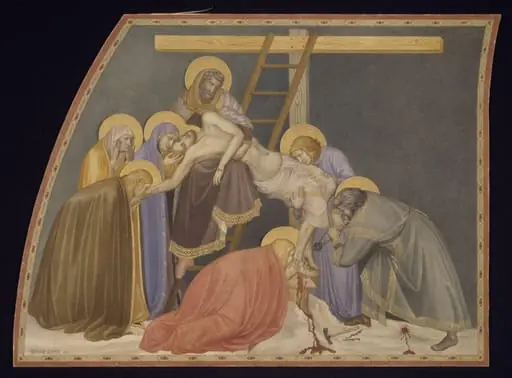 Copy after the painting Deposition from the Cross by P Lorenzetti in the Lower Church, San Francesco, Assisi
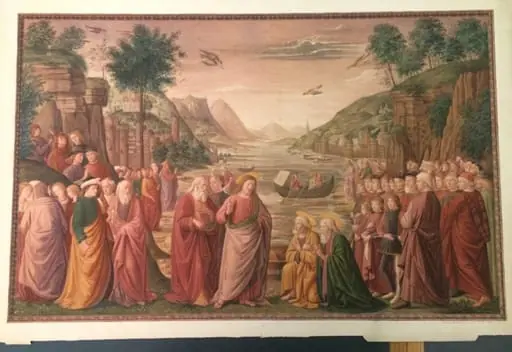 Copy after Calling of the Apostoles, Domenico Ghirlandaio in the Sistine Chapel, Vatican (Rome)
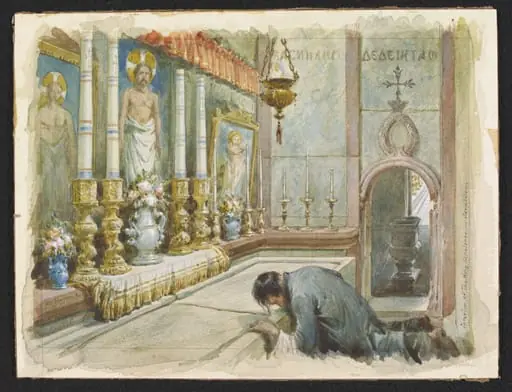 Interior of The Holy Sepulchre, - Jerusalem.
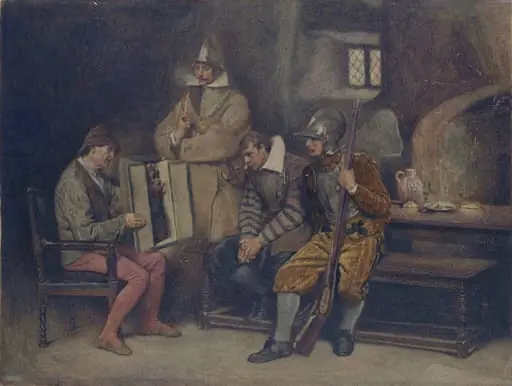 The Reliquary : An old man exhibiting a group of the Virgin and Child to Spanish soldiers
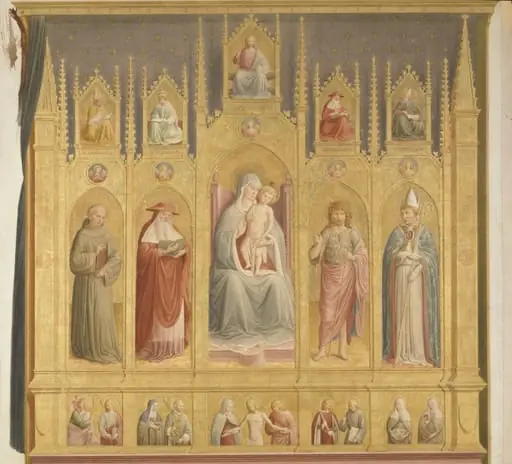 Copy after the fresco of the mock polyptych <i>Virgin and Child with Saints</i>, Benozzo Gozzoli in San Francesco, San Girolamo chapel, Montefalco
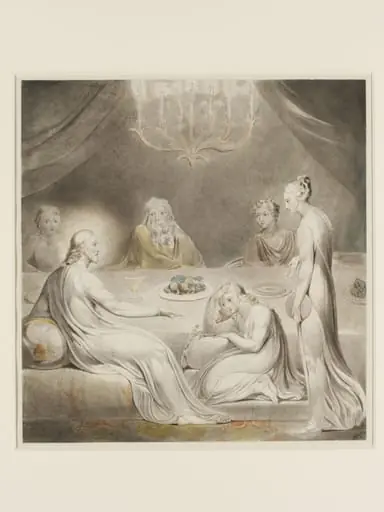 Christ in the house of Martha and Mary
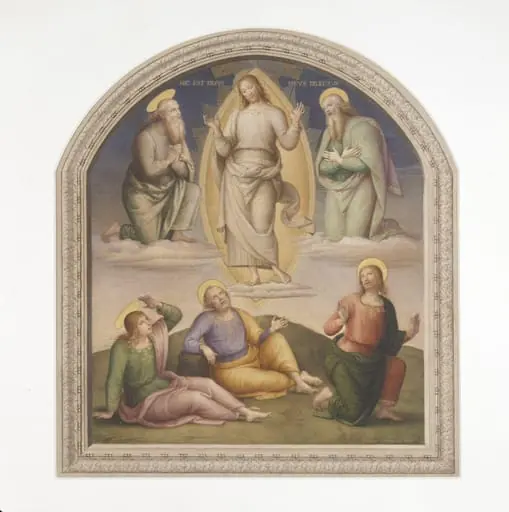 Copy after the painting The Transfiguration by Perugino in the Collegio del Cambio, Perugia.
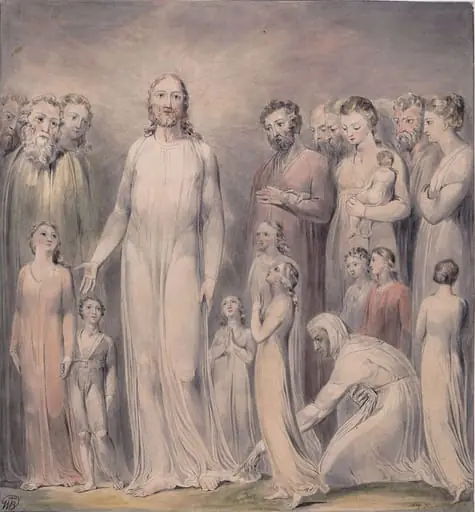 The healing of the woman with an issue of blood
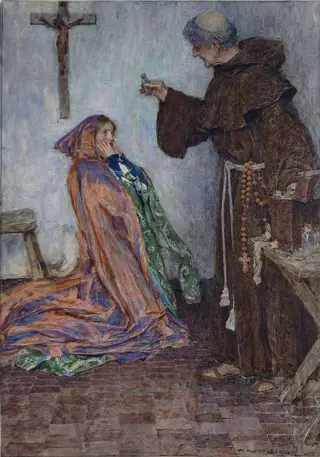 Juliet and the Friar
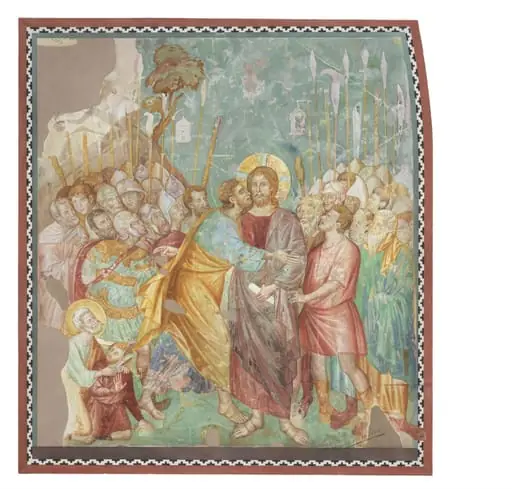 Copy after the painting The Betrayal of Christ attributed Jacobo Torrit in the Upper Church, San Francesco, Assisi
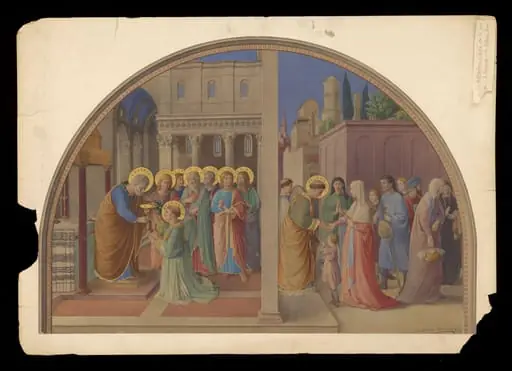 Watercolour, copy after The Ordination of St Stephen and St Stephen Distributing Alms, Fra Angelico in the Niccoline Chapel (Vatican, Rome)
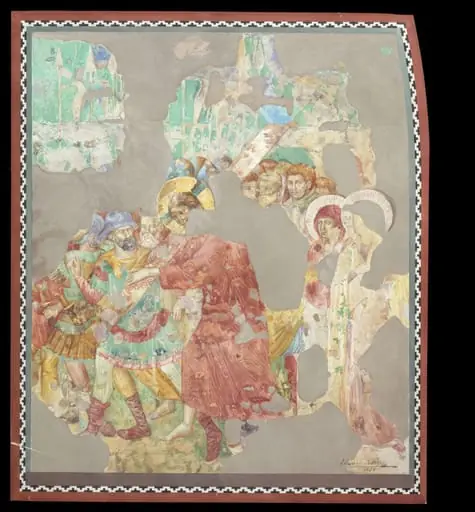 Copy after the painting Christ carrying the cross attributed to Jacobo Torriti in the Upper Church, San Francesco, Assisi
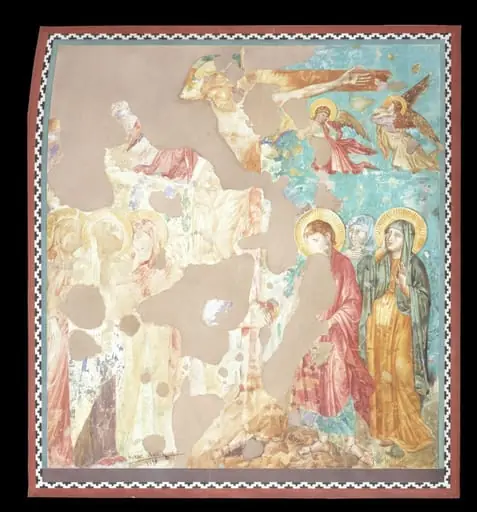 Copy after the painting The Crucifixion attributed to unknown master sometimes thought to be Duccio in the Upper Church, San Francescro, Assisi
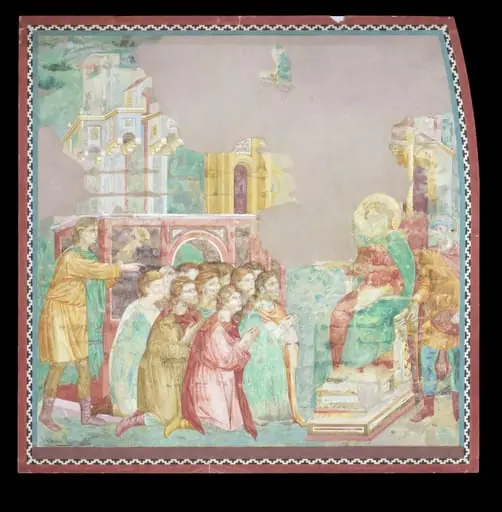 Copy after the painting Joseph and his brothers in Egypt attributed to the Isaac Master in the Upper Church, San Francesco, Assisi
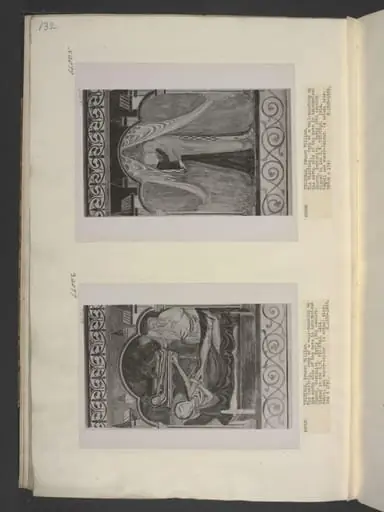 The Nativity
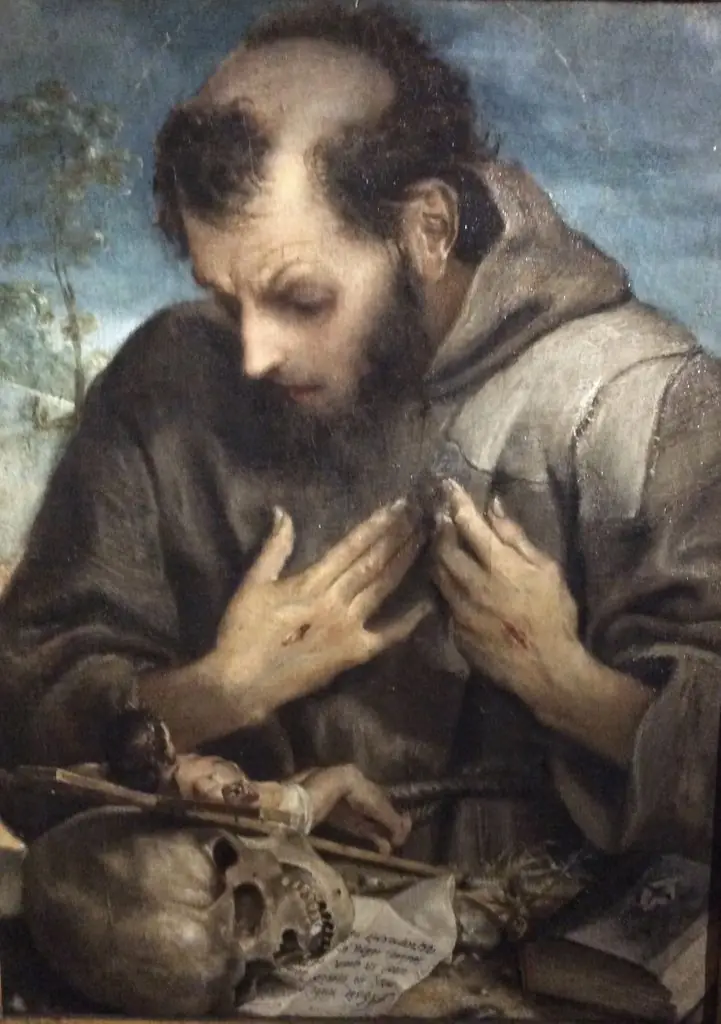 San Francesco penitente
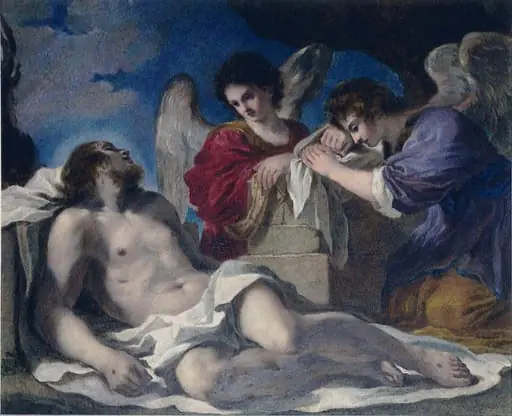 The angels watching the dead Christ
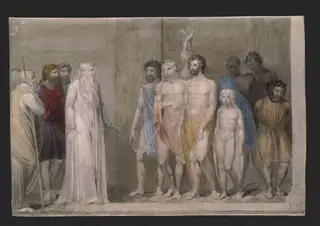 Saint Gregory the Great and the British Captives
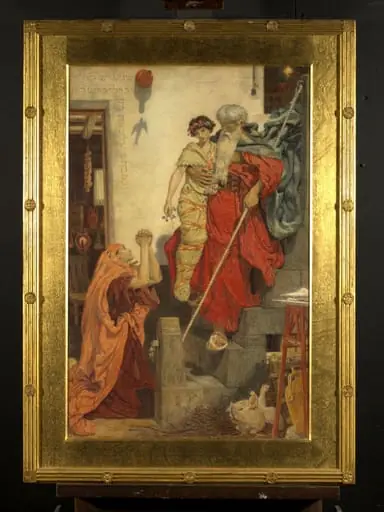 Elijah restoring the widow's son
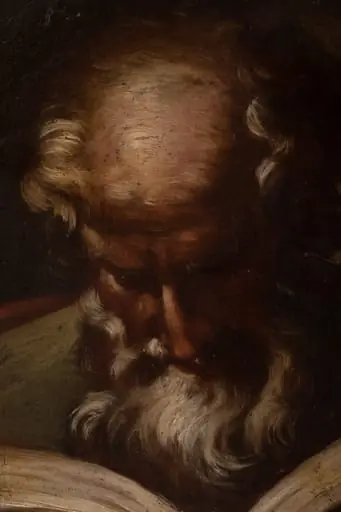 Bătrân pleșuv cu carte
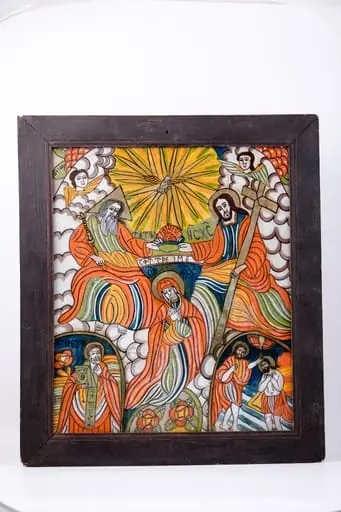 Icoana reprezintă Sfânta Treime și Încoronarea Maicii Domnului central și secundar Botezul Domnului și Sfântul Apostol Petru. Dumnezeu-Tatăl are sceptrul Împărăției Cerurilor, asemenea unui crin de bronz și Dumnezeu-Fiul are Crucea pe umăr. Maica Domnului este ridicată în timpul de rugăciune și ascultare, smerenie și primire de bunăvoie. Dumnezeu-Tatăl, Dumnezeu-Fiul și Maica Domnului sunt înveșmântați în roșu vermillon-orange, alb și albastru bleu-ciel și verde. În registrul îndepărtat superior este cerul albastru, Dumnezeu-Fiul ține pe brațul stâng Crucea, iar Maica Domnului are mâinile împreunate în cruce pe piept. Dumnezeu-Tatăl și Dumnezeu-Fiul așează împreună coroana de împărăteasă a Cerurilor pe capul Fecioarei Maria. În registrul superior, printr-o mandorlă de nouri și un disc de raze solare, deschizându-se cerurile, se coboară Sfântul Duh, sub forma unui porumbel, pe un mănunchi de raze de lumină. Maica Domnului este încoronată ca Împărăteasa Cerurilor de către Dumnezeu-Tatăl și Dumneteu-Fiul. În colțurile superioare stânga-dreapta sunt 2 îngeri serafimi. În registrul inferior, în câte două medalioane ovoidale sunt Botezul Domnului Iisus Hristos și Sfântul Apostol Petru, având Cheile Împărăției Cerurilor. Sunt două tematici iconografice secundare, dar care completează armonios și simetric tematica centrală. Inscripția din româno-chirilică se traduce IC XC Iisus Hristos Tatăl MP Maica Domnului Sfânta Treime Botezul Sf Petru. Cromatica este luminoasă și armonioasă: roșu vermillon, albastru bleu-ciel, galben, alb, auriu, negru. Trăsăturile chipurilor sunt rafinat desenate. Fondul icoanei este cerul albastru ultramarin decorat de mandorle de nouri rotunzi albi-bej-crem, văzduhul fiind bogat în Duhul Sfânt. Este o icoană de Țara Oltului.
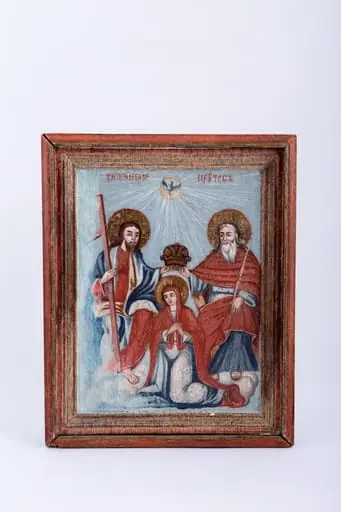 Maica Domnului este ridicată în timpul de rugăciune și ascultare, smerenie și primire de bunăvoie. Dumnezeu-Tatăl, Dumnezeu-Fiul și Maica Domnului sunt înveșmântați în roșu sângeriu, alb și albastru bleu-ciel. În registrul îndepărtat superior este cerul albastru, Dumnezeu-Fiul ține cu brațul drept Crucea, iar Maica Domnului are mâinile împreunate în cruce pe piept. Dumnezeu-Tatăl și Dumnezeu-Fiul așează împreună coroana de împărăteasă a Cerurilor pe capul Fecioarei Maria. Inscripția în chirilică se traduce Încoronarea Maicii Domnului. În registrul superior, este Sfântul Duh pogorându-se sub formă de porumbel alb, printr-un mănunchi de raze luminoase. Cromatica este luminoasă și armonioasă: roșu sângeriu, albastru bleu-ciel, alb, negru. Trăsăturile chipurilor sunt rafinat desenate. Inscripția în chirilică se traduce Încoronarea Maicii Domnului. Desenul, trăsăturile, veșmintele, drapajele sunt realizate într-o manieră pictural-barocă.