Movement
Post Minimalism
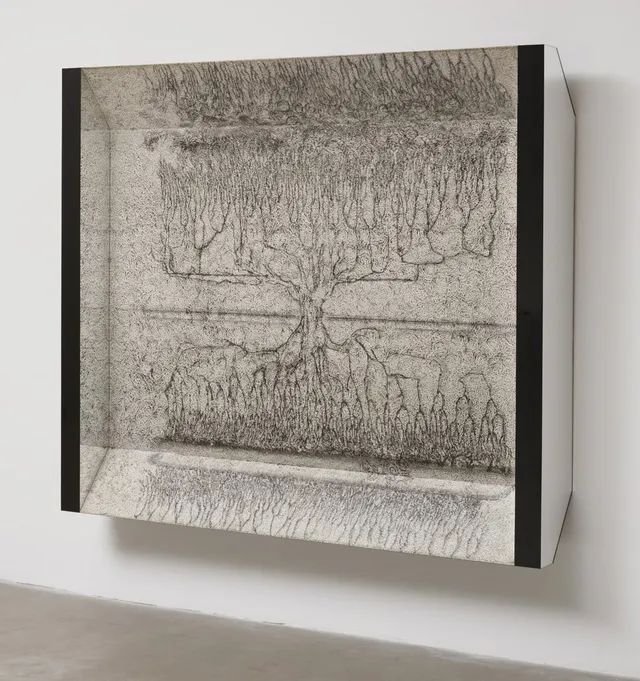
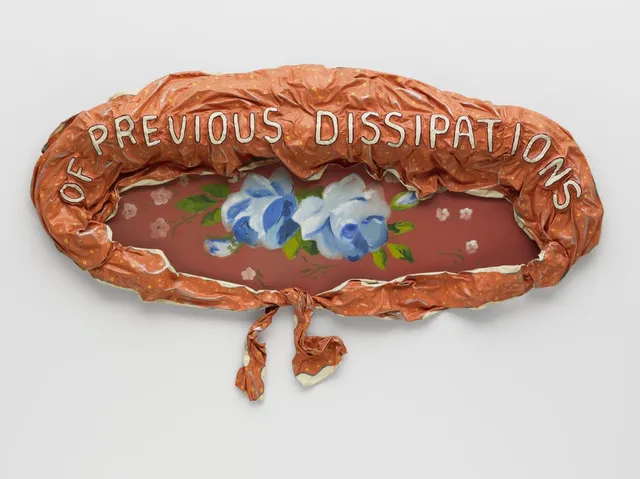
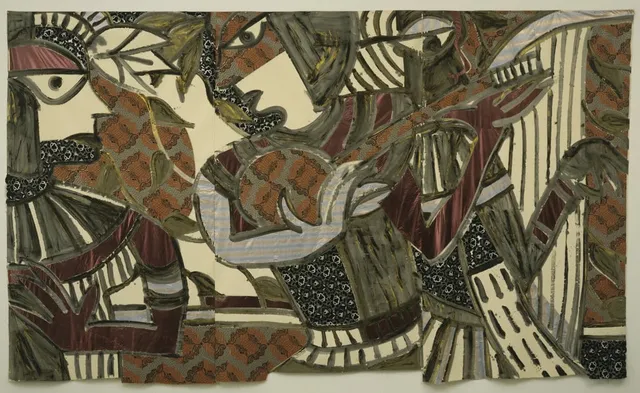
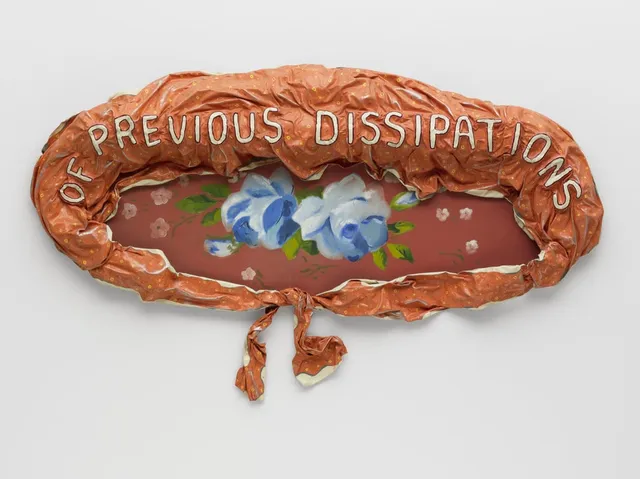
Post Minimalism is an art movement of the 1970–1980 period. The gallery holds 3 works in this movement, including works by Richard Artschwager, Ree Morton and Robert Kushner. Browse Post Minimalism paintings, portraits, pictures and artworks from the world's public-domain museum collections.
Post-Minimalism names a current in American art that emerged between the mid-1960s and the mid-1970s, defined less by a shared style than by a shared impulse: to work through Minimalism and come out the other side. The critic Robert Pincus-Witten coined the term in print in his November 1971 Artforum essay "Eva Hesse: Post-Minimalism into Sublime," but the tendency was already visible by 1966, when Lucy Lippard's exhibition "Eccentric Abstraction" at New York's Fischbach Gallery gathered work — by Eva Hesse, Louise Bourgeois, Bruce Nauman and others — that wedded Minimalist reduction to surreal, sensuous, pliable form. Artists emerging in these years accepted Minimalism's clarity and seriality as a fact to be reckoned with, then rejected its industrial coolness, geometric rigidity and impersonality.
Where Donald Judd and Carl Andre prized the fabricated and the fixed, Post-Minimalists reintroduced process, chance and the trace of the hand. Robert Morris's 1968 essay "Anti Form" argued for letting gravity and the behaviour of materials shape the result. Artists abandoned slick surfaces for raw, often soft or unstable substances — latex, fiberglass, felt, rope, lead, tar — and left the marks of making plainly visible. The work might sag, pool, or hang; it acknowledged the body and the passage of time rather than denying them.
Eva Hesse is the movement's central figure: pieces such as Contingent (1969), with its hanging panels of cheesecloth steeped in latex and fiberglass, turned Minimalist repetition into something fragile and bodily. Richard Serra (1938–2024) translated a verb list — to splash, to roll, to tear — into action, hurling molten lead into the join of wall and floor. Lynda Benglis poured pigmented latex and polyurethane foam directly onto the floor, and Bruce Nauman tested the body and language themselves as sculptural material.
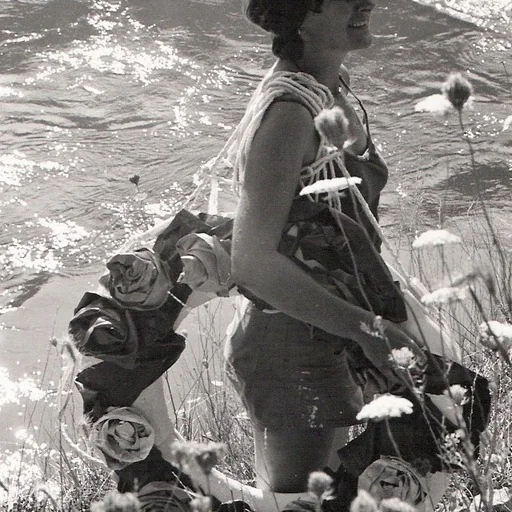
Among the works held here are Untitled pieces by Ree Morton, Richard Artschwager and Robert Kushner — artists who extend the post-Minimal field toward, respectively, an idiosyncratic personal iconography of word and emblem, the deadpan object poised between sculpture and furniture, and the patterned, decorative revival of the later 1970s. Post-Minimalism's loosening of medium and its embrace of process fed directly into process art, earth art, body and performance art, and laid the groundwork for installation and the material experimentation of much subsequent contemporary practice.
Key artists
Works
Frequently asked questions
What is Post Minimalism?
Post Minimalism is an art movement. An art tendency that emerged around 1970 out of, and against, Minimalism.
Who are the key Post Minimalism artists?
Key Post Minimalism artists in the collection include Richard Artschwager, Ree Morton and Robert Kushner.
When did Post Minimalism take place?
Post Minimalism dates from 1970–1980.
Where can I see Post Minimalism works?
Post Minimalism works in the collection are held by Museum of Modern Art.