
Movement
Minimalism
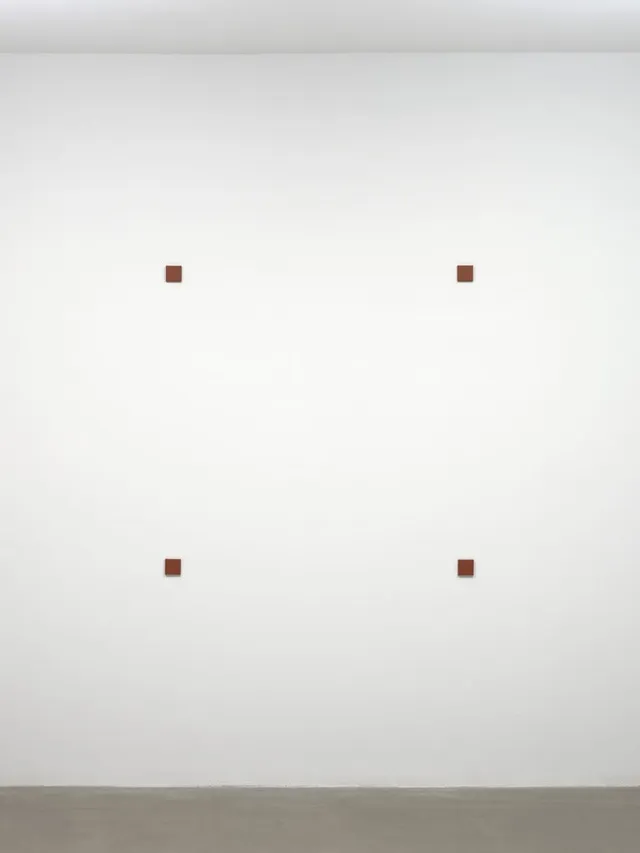
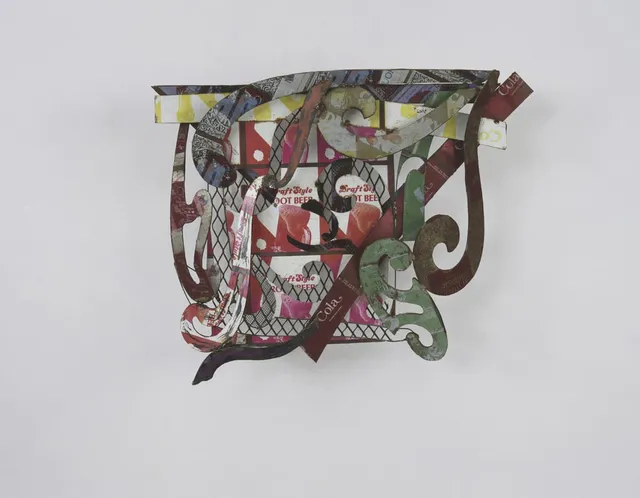
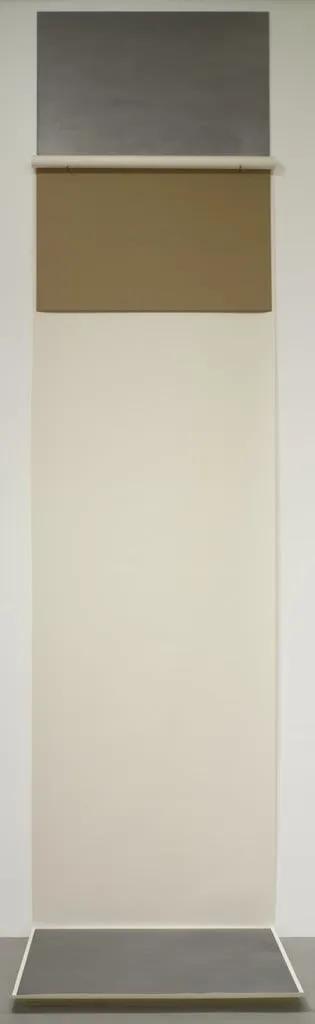
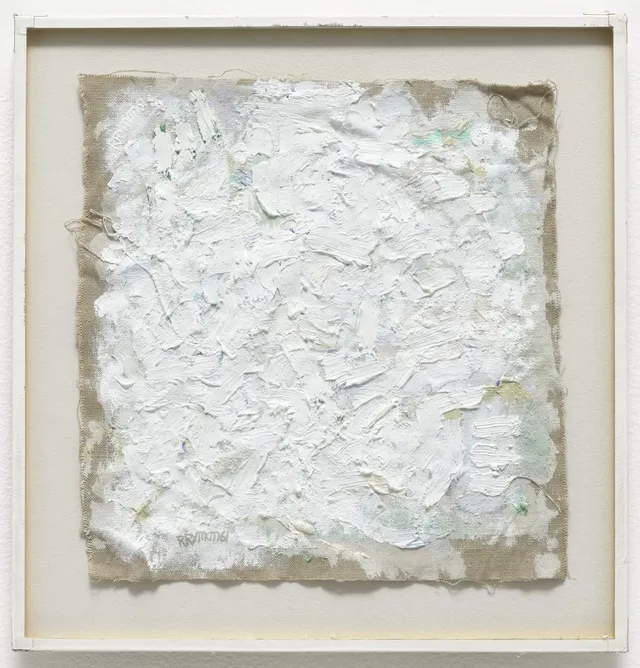
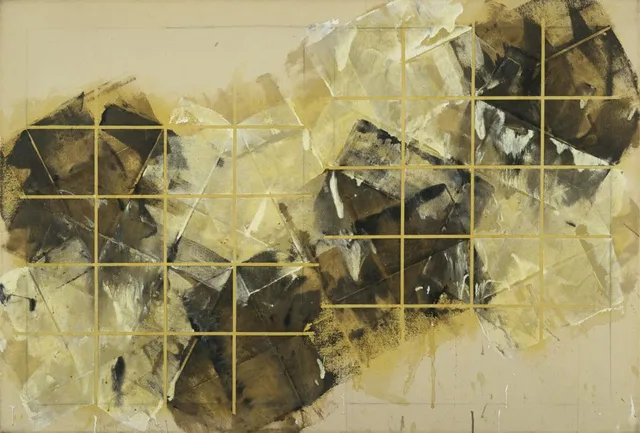
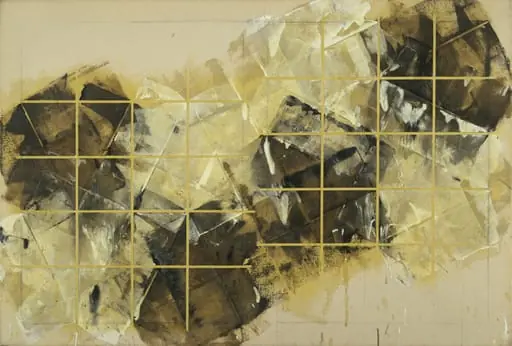
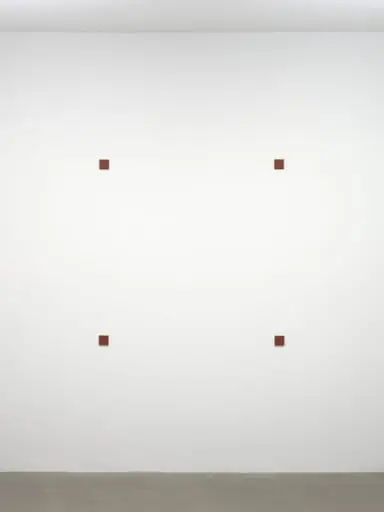
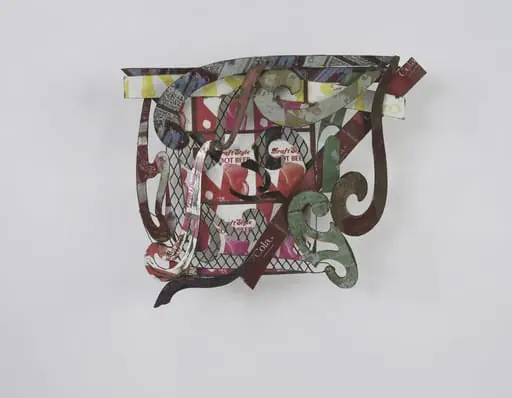
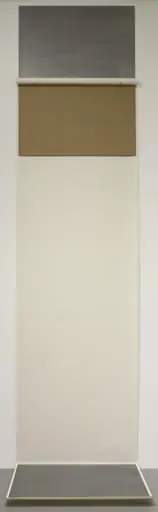
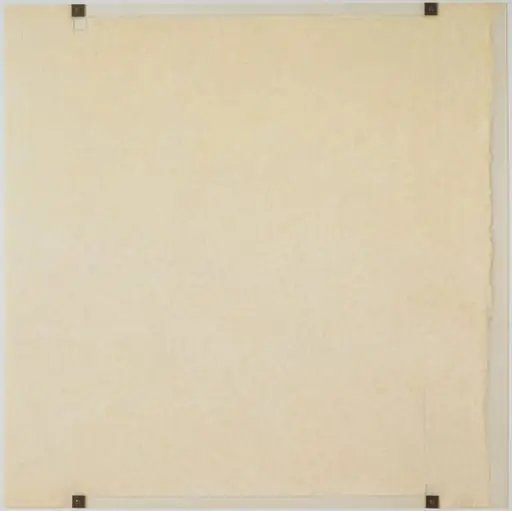
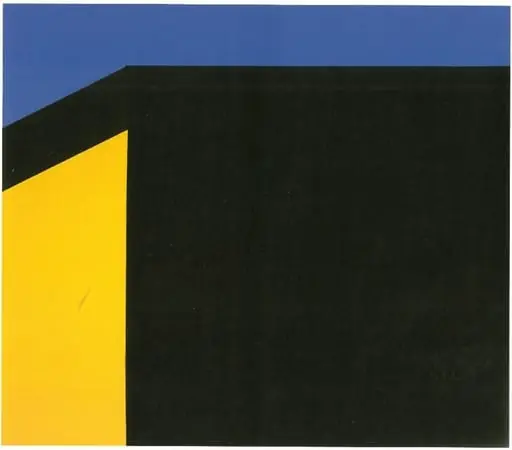
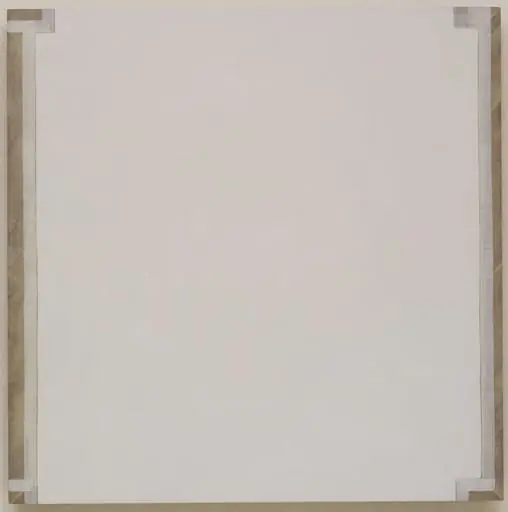
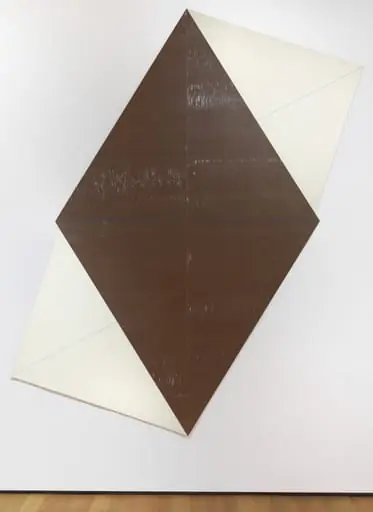
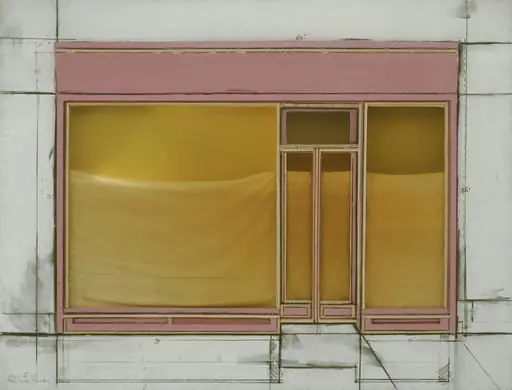
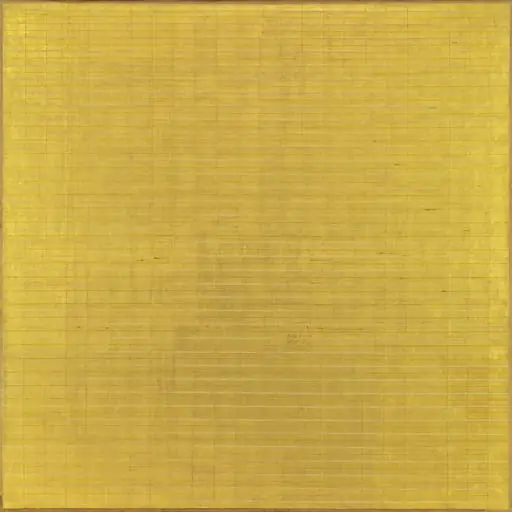
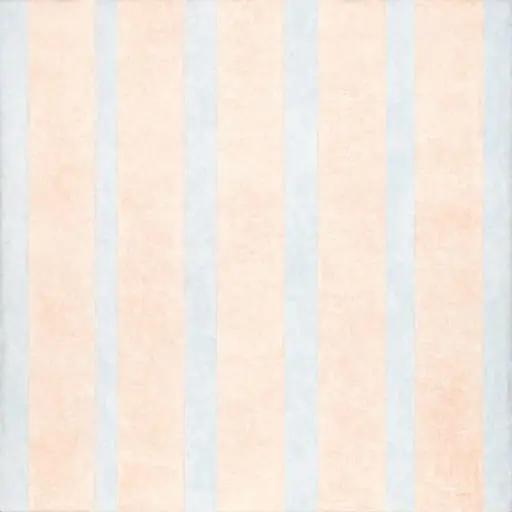
Minimalism is an art movement of the 1960–1980 period. The gallery holds 12 works in this movement, including works by Ellsworth Kelly, Brice Marden and Frank Stella. Browse Minimalism paintings, portraits, pictures and artworks from the world's public-domain museum collections.
Minimalism emerged in New York in the early 1960s as a deliberate repudiation of Abstract Expressionism, whose gestural, emotionally charged "action painting" had dominated the American avant-garde through the previous decade. A new generation of artists rejected the heroic, self-expressive mark in favour of pared-down, self-referential geometric form, prefabricated industrial materials, and an economy of means that eradicated visible signs of the artist's hand. The label itself came from outside the studio: the British philosopher Richard Wollheim coined "Minimal Art" in a 1965 essay in Arts Magazine, the same year Donald Judd published "Specific Objects" in Arts Yearbook 8, arguing for a new kind of work — neither painting nor sculpture — that asserted real space and literal physical presence over illusion and metaphor. Most of the artists disliked the term.
The Minimalist object is defined by clarity, repetition, and impersonality. Forms tend toward the unitary and modular — cubes, grids, hard-edged squares and rectangles arranged in nonhierarchical, mathematically regular sequences. Fabrication was frequently delegated: Judd's boxes were built by skilled metalworkers to his specifications, Dan Flavin assembled his works from commercial fluorescent tubes, and Sol LeWitt's wall drawings were executed by assistants following typed instructions. The result foregrounds the object's literal qualities, its relationship to the room, and the bodily, phenomenological experience of the viewer encountering it — captured in Frank Stella's blunt formulation, "What you see is what you see."
The principal figures are Judd, Flavin, Carl Andre, LeWitt, Robert Morris, and Agnes Martin, with Stella's Black Paintings (1958–60) — thick bands of black enamel on raw canvas — widely cited as a founding precedent. The movement's public arrival is often dated to the 1966 "Primary Structures" exhibition at the Jewish Museum in New York. Related sensibilities run through the monochrome canvases of Robert Ryman and the shaped, restrained panels of Robert Mangold and Jo Baer, several of whom are represented in this collection.
Minimalism's legacy was immense and double-edged. By reducing art to systems and idea — most explicitly in LeWitt's dictum that the concept is the work — it opened directly onto Conceptual art, while its insistence on real space and viewer-activated scale shaped Land art and later installation practice. It remains a touchstone against which subsequent abstraction, including the work of artists such as Peter Halley, continues to measure itself.
Key artists

Works
Groups & collectives

Frequently asked questions
What is Minimalism?
Minimalism is an art movement. An art movement that emerged in New York in the early 1960s, reducing sculpture and painting to pure geometric forms with no expressive or symbolic content.
How many Minimalism works does Artifact World Gallery have?
Artifact World Gallery holds 12 public-domain Minimalism works, all free to view and download.
Who are the key Minimalism artists?
Key Minimalism artists in the collection include Ellsworth Kelly, Brice Marden and Frank Stella.
When did Minimalism take place?
Minimalism dates from 1960–1980.
Where can I see Minimalism works?
Minimalism works in the collection are held by Museum of Modern Art.